Skip to the findings
Menu
aikyam
school
Findings
Methods
Subjects
All cards
Read
Findings
Methods
Subjects
All cards
Findings
1,083 findings
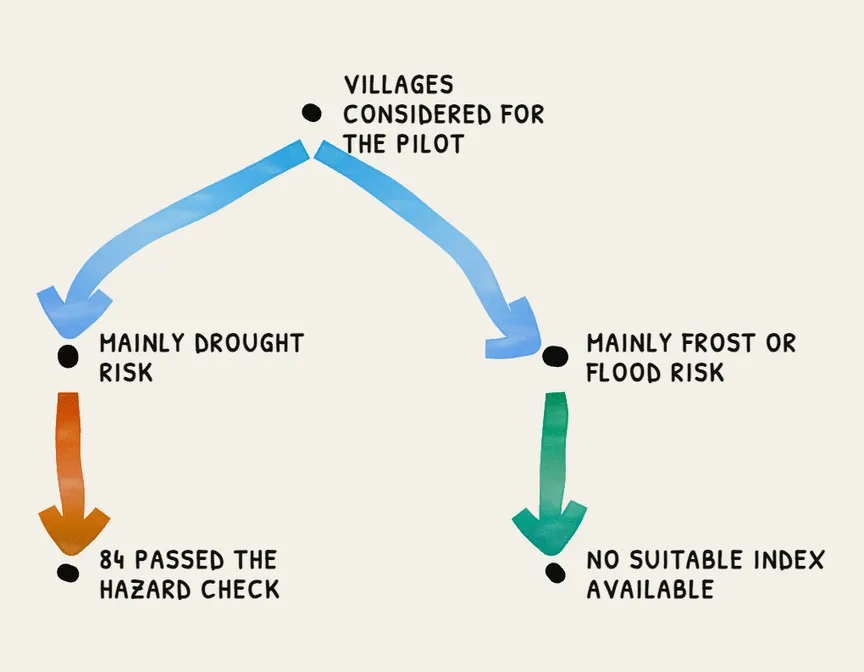
Conduct pre-implementation agro-climatic hazard assessments across target communities to verify that the insured weather metric matches the dominant local driver of crop loss.
Evaluate multi-year health intervention outcomes at the community aggregate level rather than focusing solely on individual-level post-test tracking.
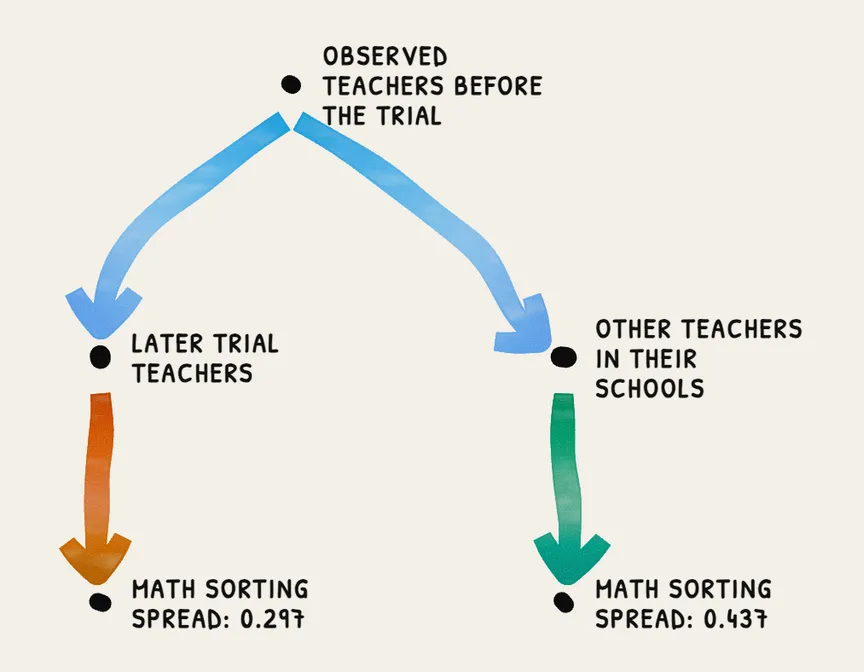
Calculate multi-year baseline score covariance across instructor rosters to measure persistent student sorting before implementing unadjusted evaluation metrics.
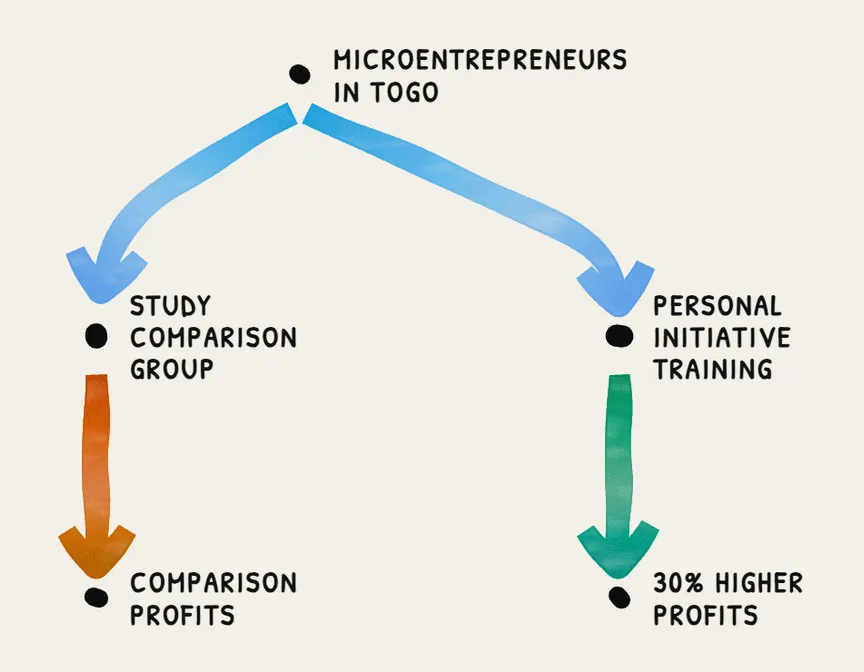
Structure entrepreneurship workshops around active mindset exercises—such as identifying untapped local market gaps and building proactive problem-solving habits—rather than focusing exclusively on ledger maintenance.
Focus labor market recruitment messages on external social respect and professional advancement rather than internal job satisfaction metrics.
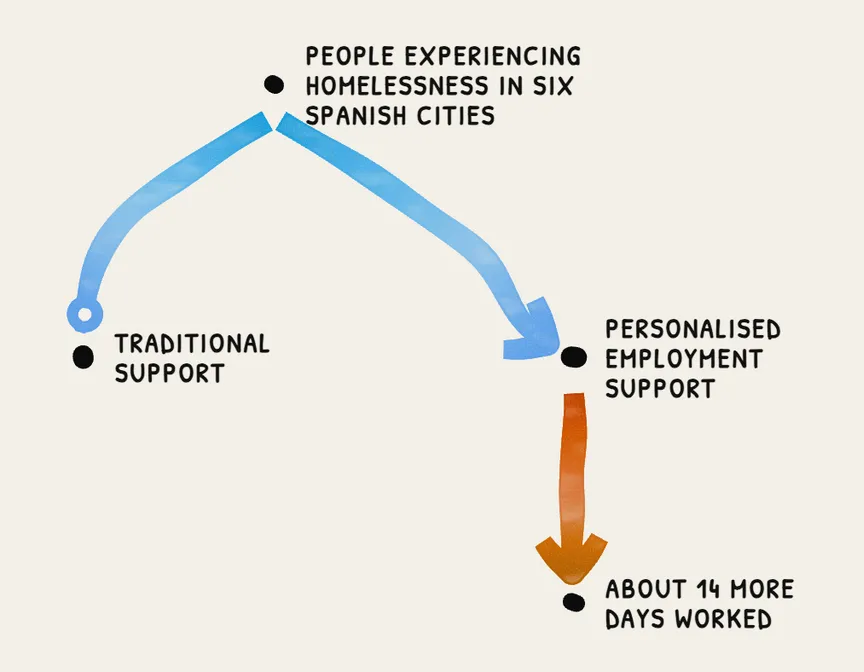
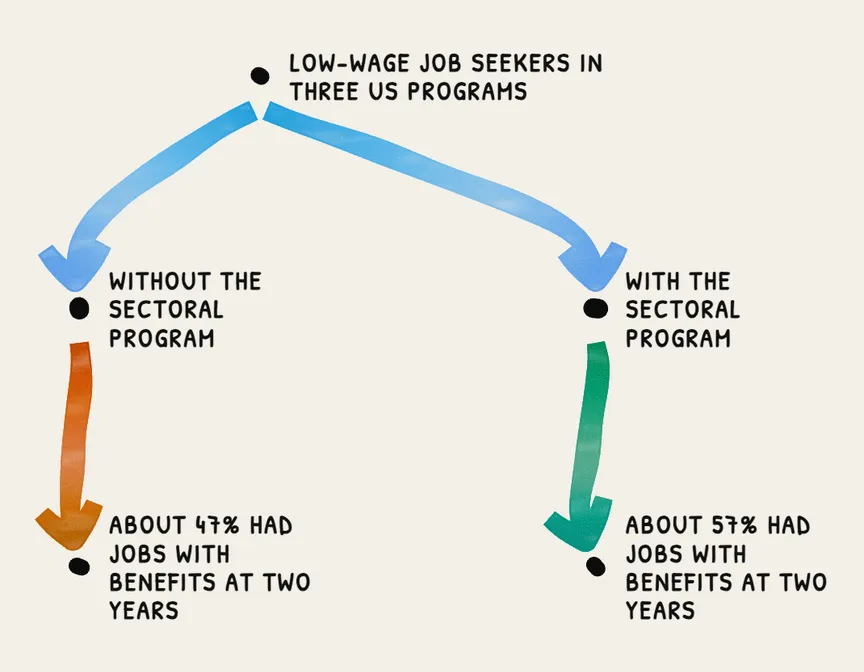
Lower caseworker caseloads to a 1:20 ratio for specialized caseworkers assisting unhoused job seekers to provide simultaneous flexible job search assistance, housing mediation, and post-employment retention support.
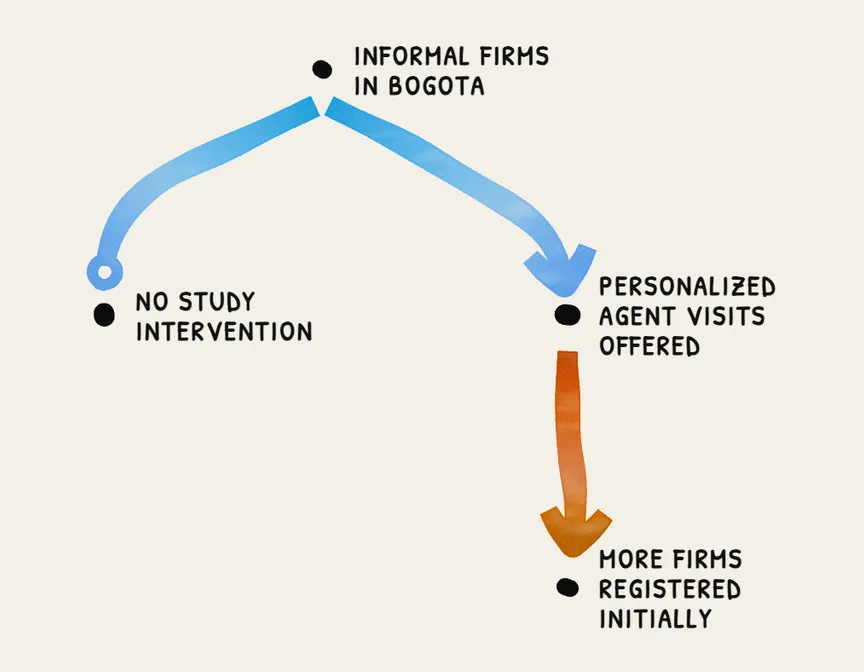
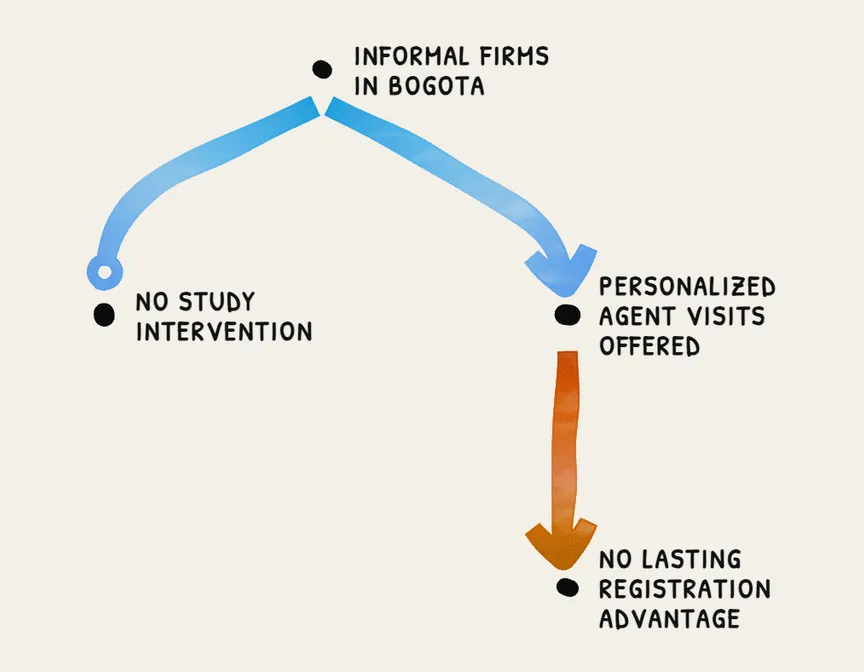
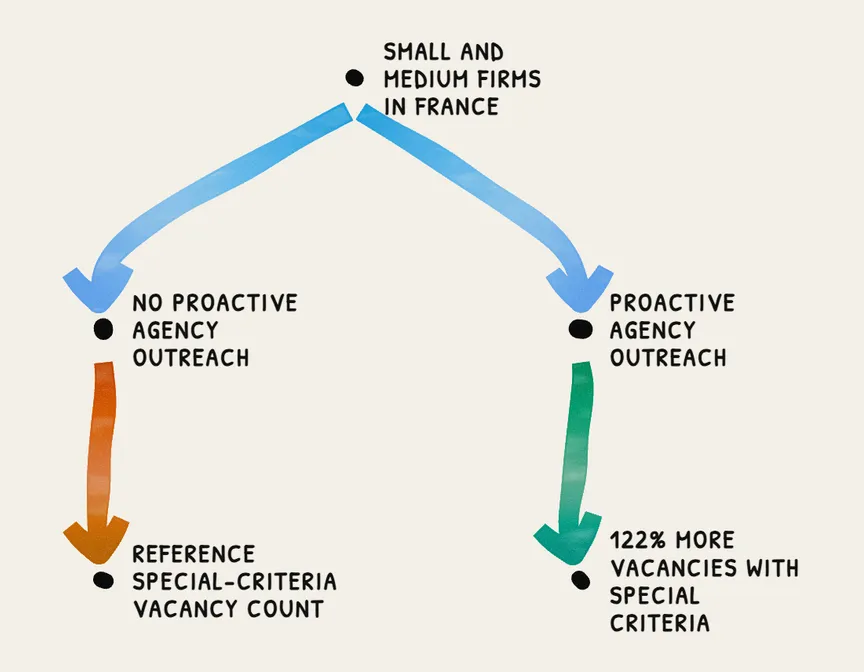
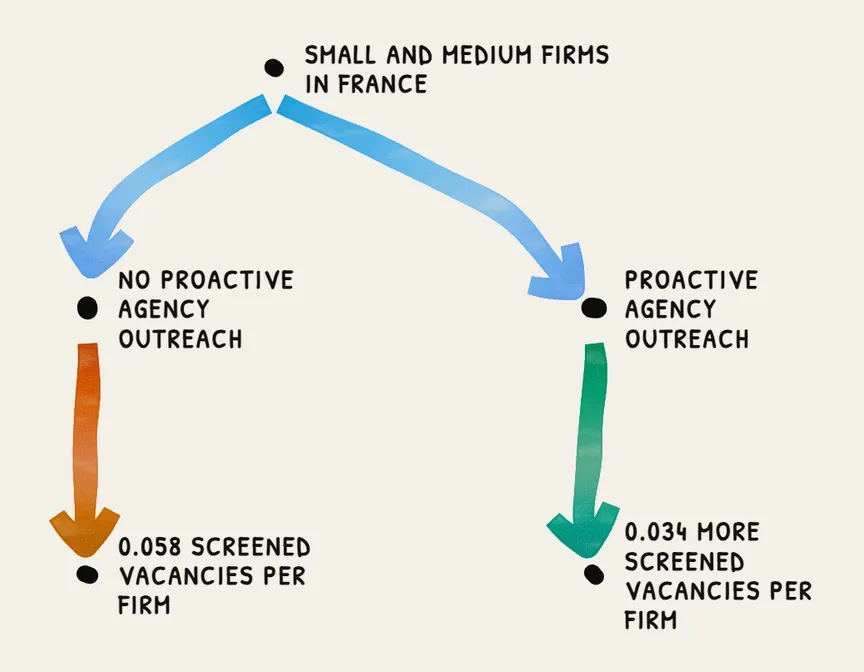
Deploy trained government agents to perform direct, face-to-face visits offering customized administrative assistance and documentation support to informal enterprise owners.
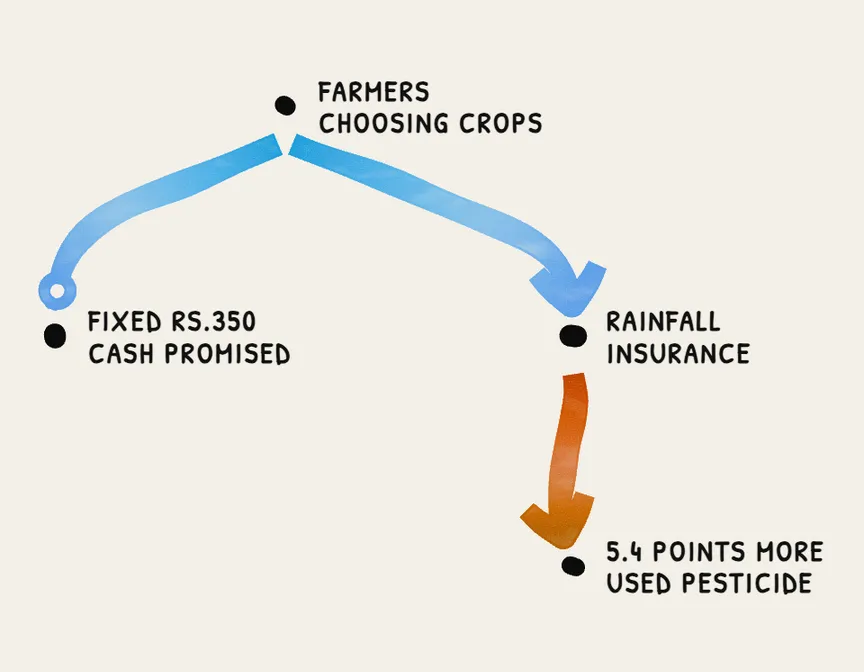
Supply targeted voucher discounts or credit lines for crop-protection inputs alongside weather insurance to support cash crop adoption.
Design parametric weather index contracts with distinct phase-based triggers aligned with critical crop phenology stages rather than season-wide rainfall totals.
Enforce a multi-week active user screening period prior to feature rollout in digital RCTs to prevent differential attrition from skewing experimental results.
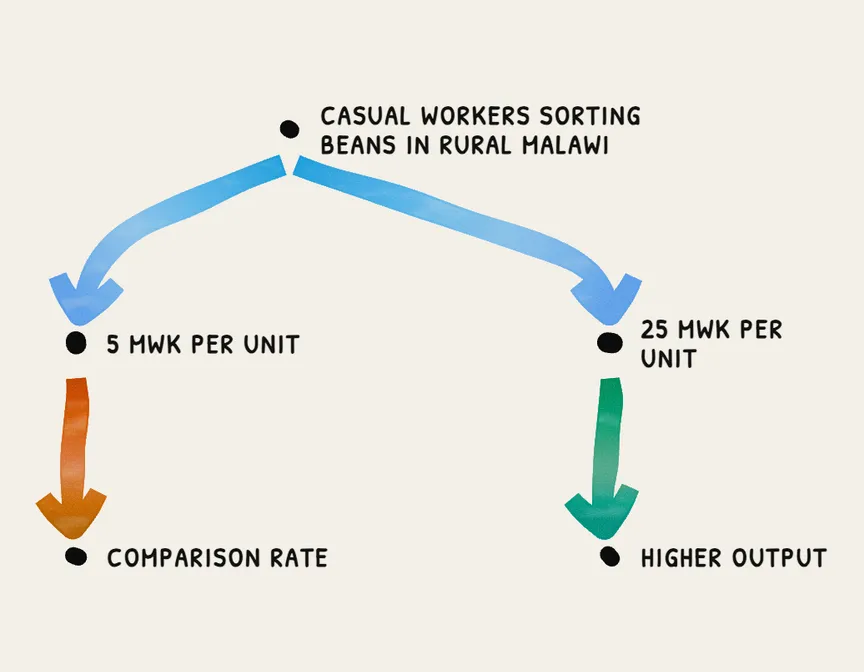
Implement a two-stage randomized wage mechanism during piece-rate setting to separately evaluate worker effort responses from reservation wage self-selection.
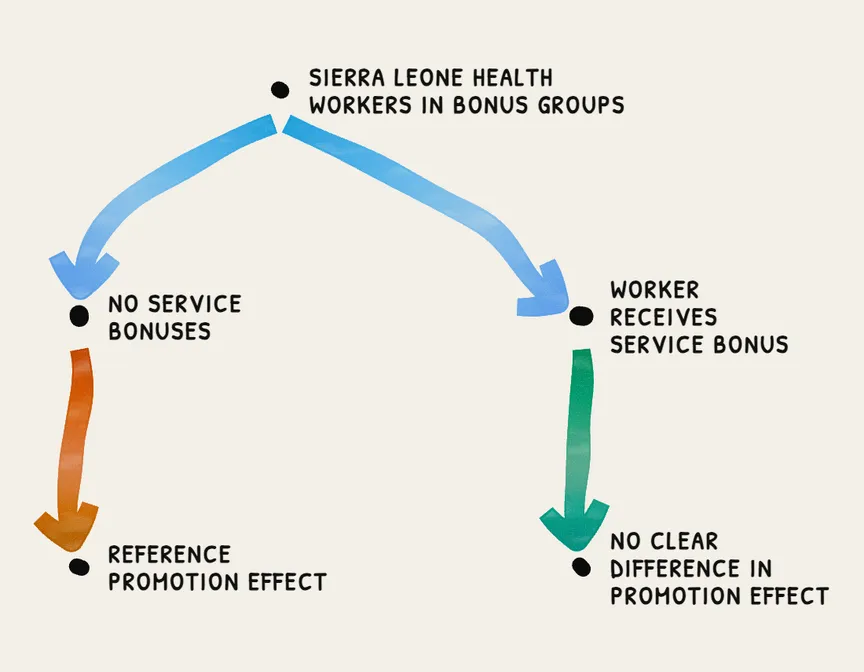
Implement short-term piece-rate financial bonuses alongside long-term meritocratic promotion tournaments without fearing negative motivational crowding-out between the two incentive channels.
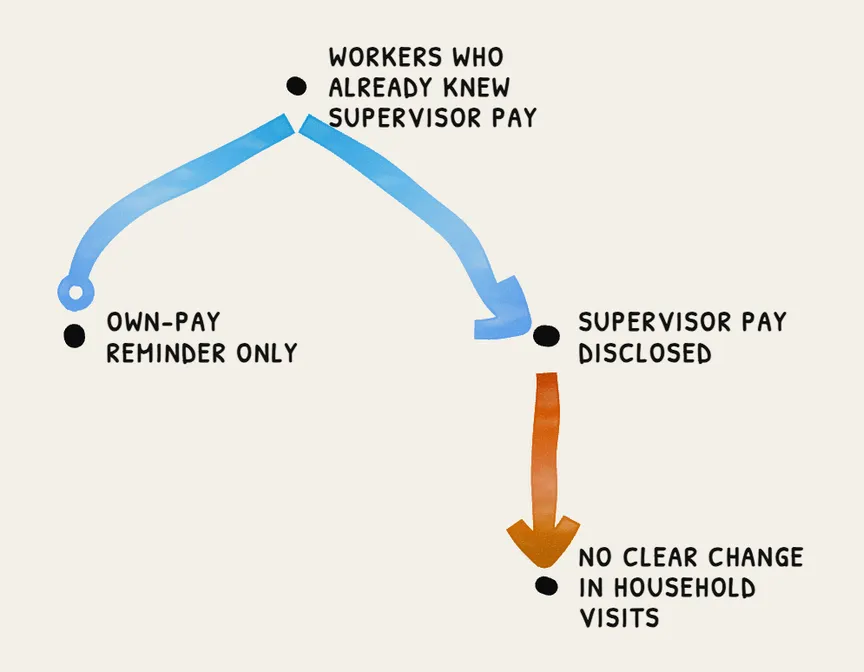
Include pre-surveyed accurate-belief subgroups as empirical placebo controls when designing information intervention trials to rule out attention shocks.
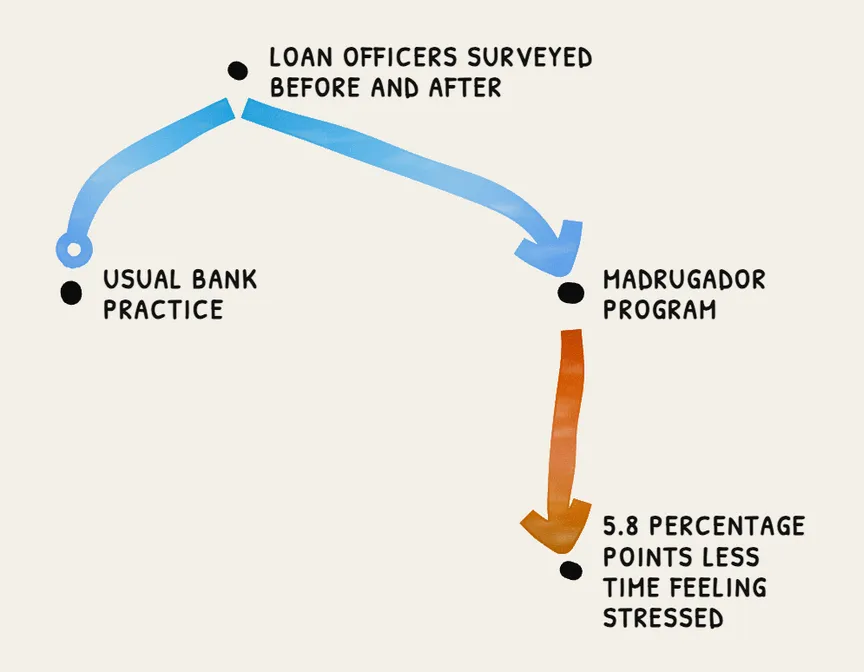
Implement weekly milestone tracking to assist employees in making and adhering to structured work plans, directly reducing end-of-cycle burnout.
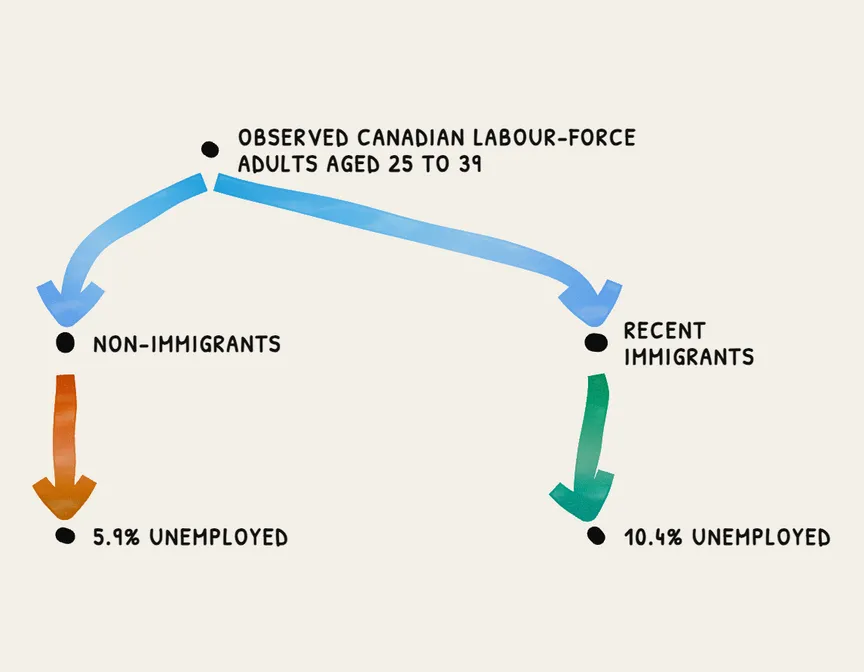
Reconfigure point-based immigration policies to require pre-selection credential validation or host-country employer sponsorship before awarding human capital points.
Distinguish microeconometric trial treatment effects from policy-relevant general equilibrium treatment effects before scaling localized experimental programs.
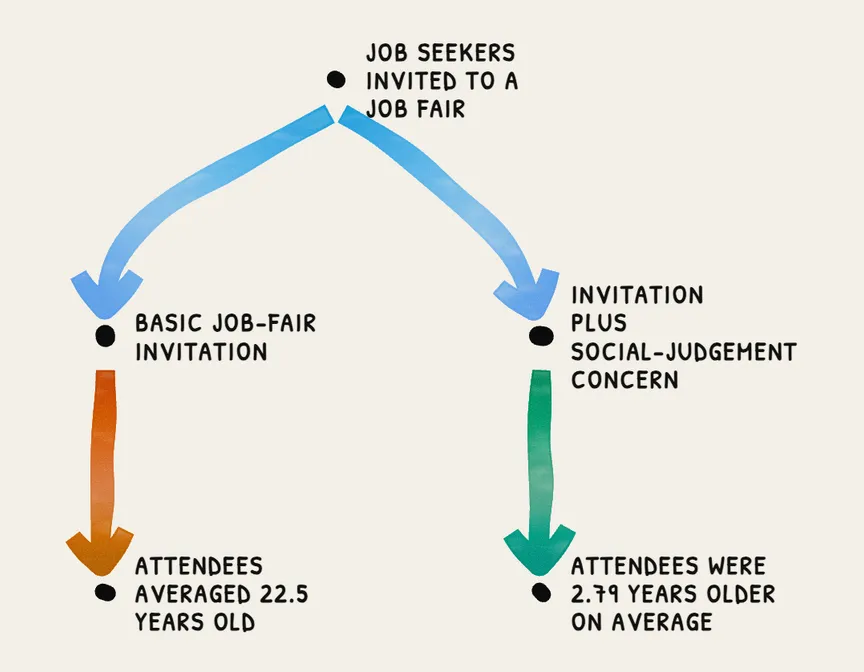
Explicitly align recruitment messaging with program goals: use stigma-mitigation messaging if maximizing post-training employment returns is the primary goal, but avoid it if strict poverty targeting is required.
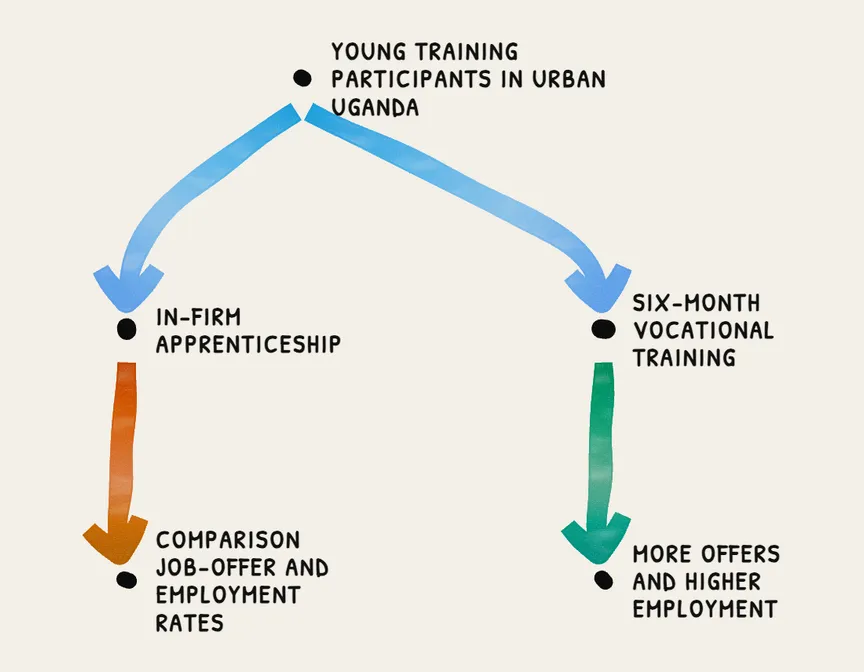
Issue standardized, accredited vocational skill certificates through external training organizations rather than relying solely on informal, uncertified firm-level apprenticeships.
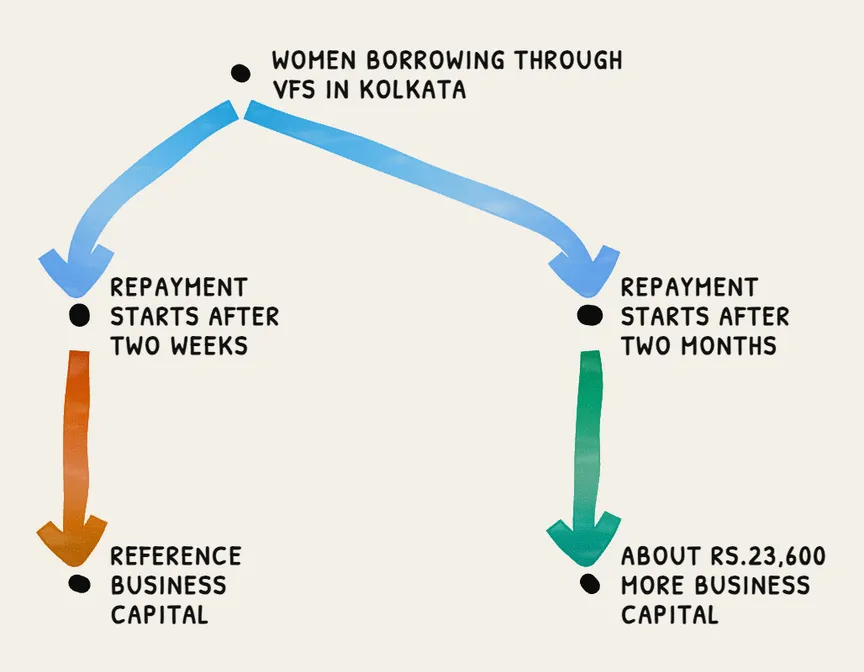
Structure microcredit terms specifically to facilitate high-return asset purchases rather than relying solely on interest rate cuts or fee waivers.
Randomize or rotate the presentation sequence of options on decision platforms to prevent list-position bias from skewing user choices toward top-listed items.
Bundle initial business formalization with access to government procurement contracts, commercial loans, and enterprise growth support to ensure high registration renewal rates.
Set communication lag parameters based on intermediate message count ($\tau \ge 80$) rather than elapsed clock time when constructing adjacency matrices from online chat logs.
Maintain structural nudges and managerial reminder routines permanently rather than treating behavioral interventions as one-time training sessions.
Establish structured post-placement outreach where career coaches contact placed employees and supervisors multiple times per week to navigate workplace challenges and provide emergency retention support.
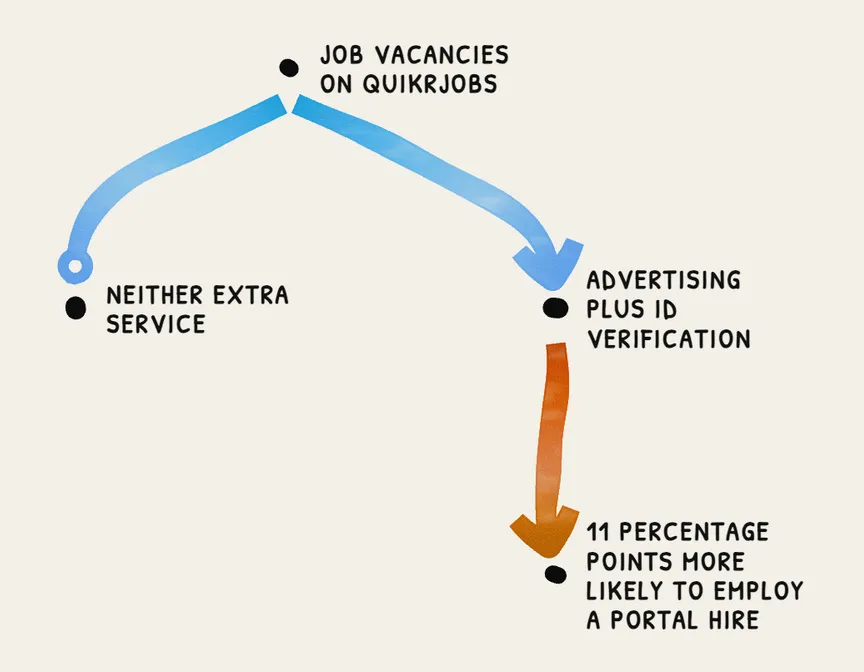
Evaluate digital hiring platform efficacy based on candidate retention metrics 6 months post-hire rather than initial application or interview rates.
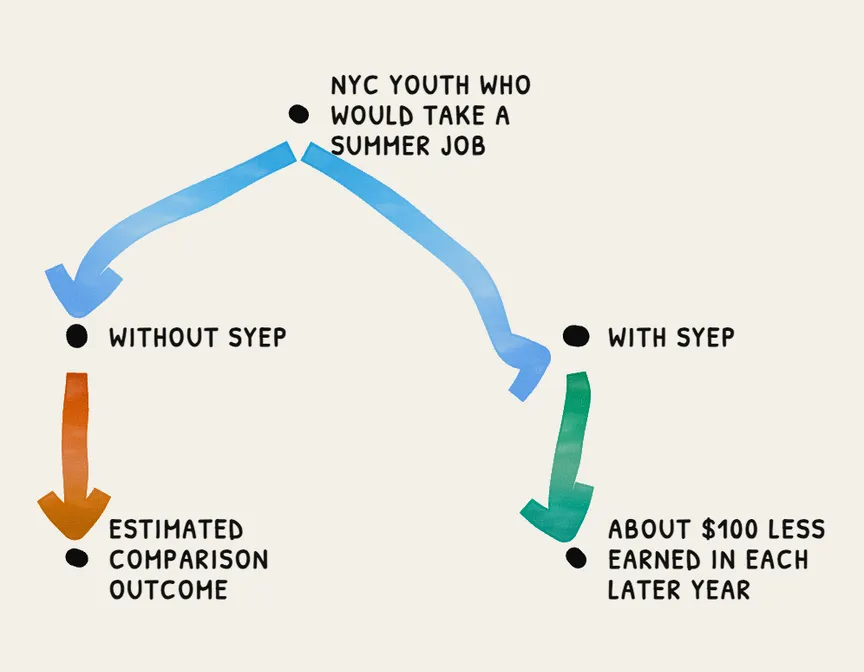
Separate policy expectations for summer youth employment, treating them as targeted behavioral and safety interventions rather than standalone long-term career development solutions.
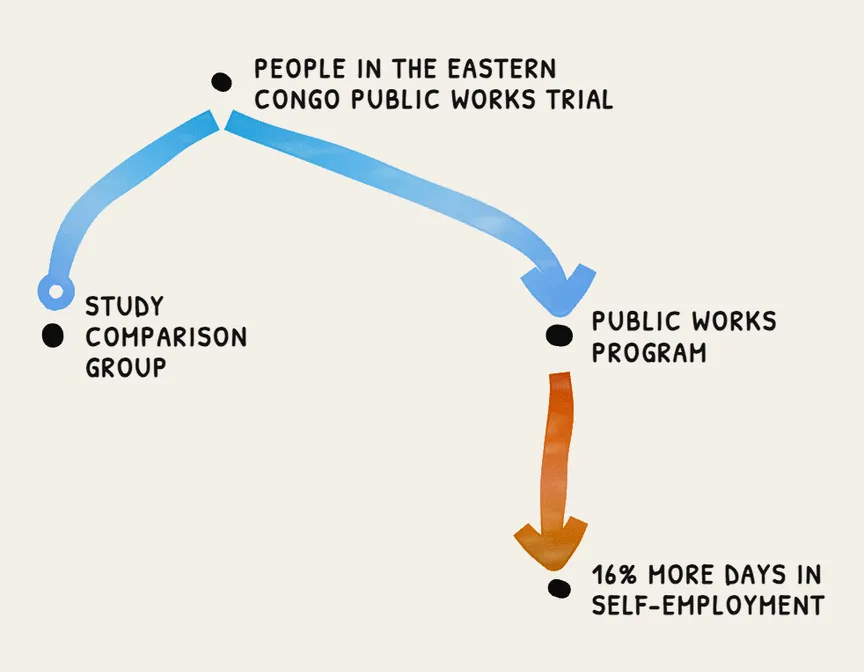
Provide basic micro-enterprise management modules alongside cash-for-work wages to help participants re-invest earnings into self-employed micro-businesses.
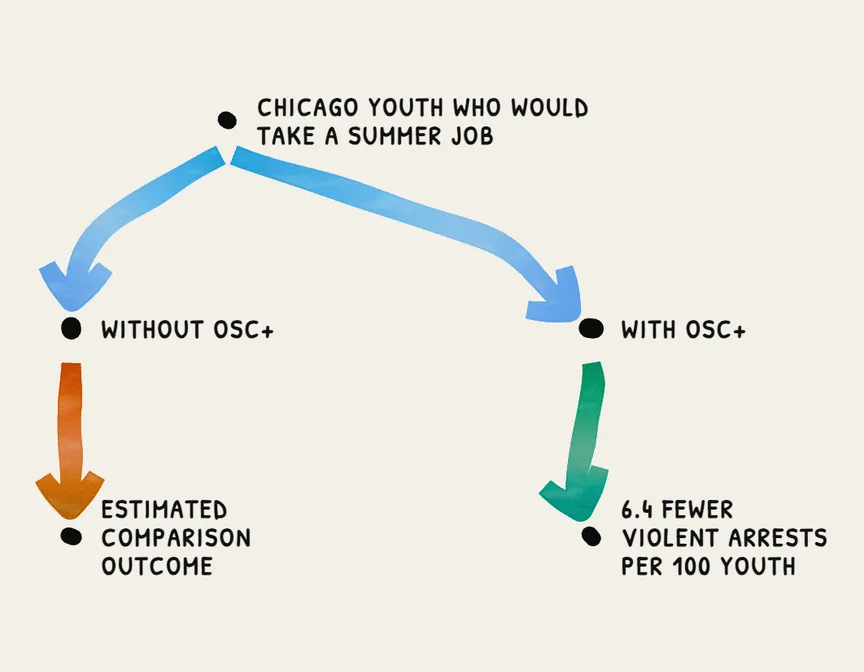
Deploy subsidized minimum-wage summer employment programs for high-risk youth that incorporate workplace-based social-emotional skill practice to reduce post-program violent behavior.
Assign dedicated livelihood coordinators to conduct group and individual follow-up messaging with vocational graduates.
Collect direct, event-history measurements of actual days worked rather than using potential experience formulas when evaluating human capital returns in developing economies.
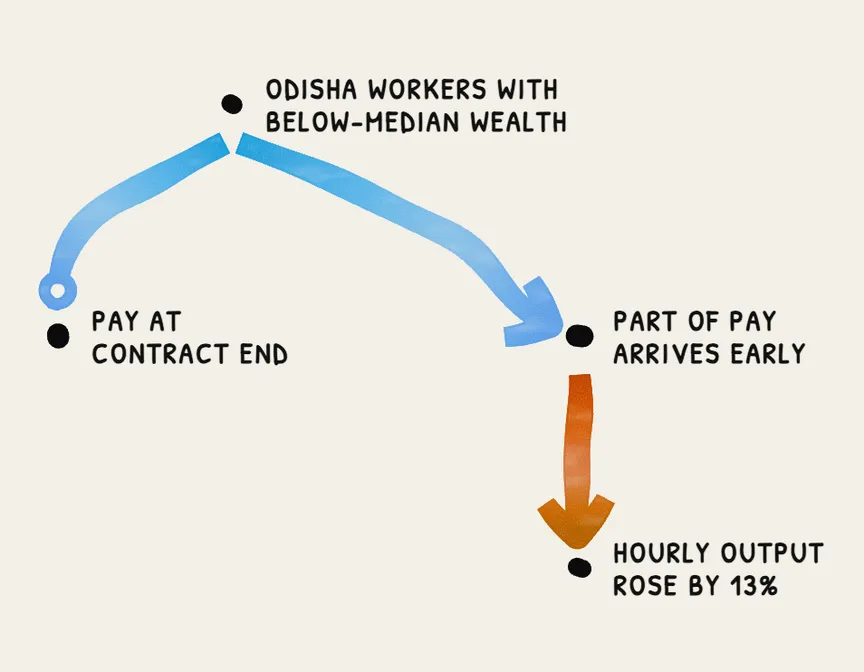
Target interim liquidity distributions specifically toward low-asset workers to achieve maximum workplace productivity gains and error reduction.
Estimate baseline duration and profiling models on independent pre-experimental historical cohorts rather than in-sample experimental controls when evaluating subgroup treatment heterogeneity.
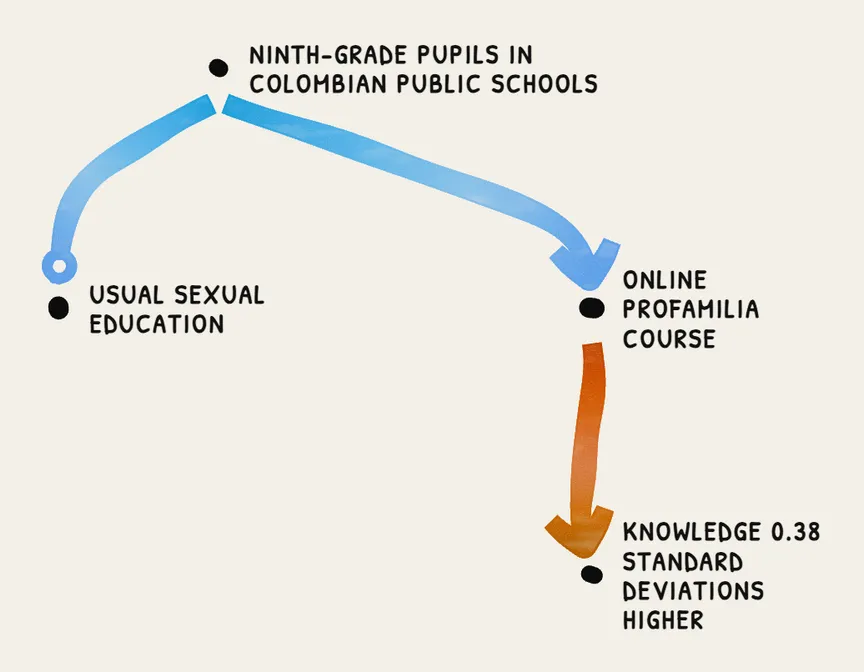
Schedule comprehensive sexual health interventions for 14- to 15-year-old cohorts immediately preceding local median ages of sexual debut to maximize protective knowledge before behavioral initiation.
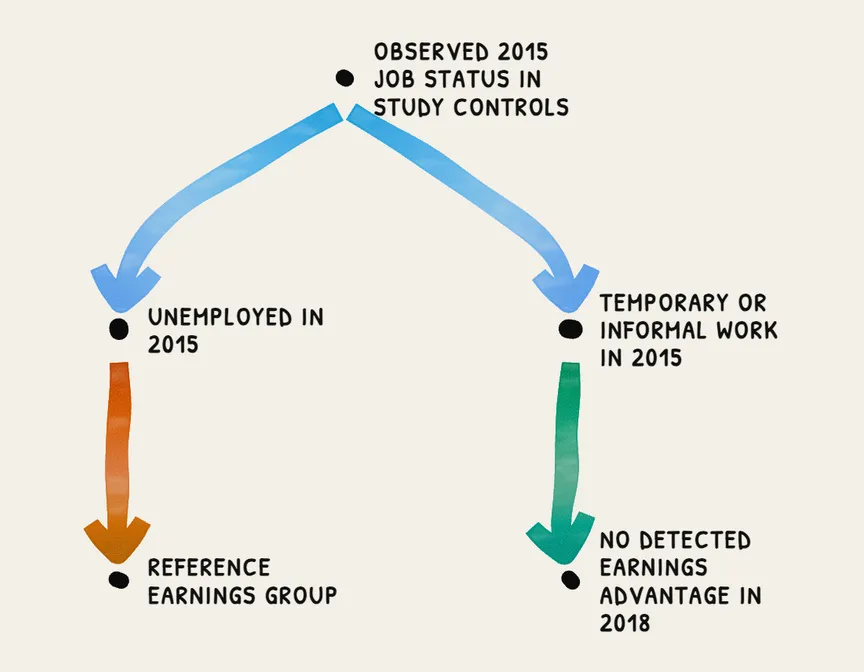
Target youth active labor market policies specifically toward placing job-seekers into permanent contracts rather than temporary stopgap jobs to prevent career scarring.
Align local public employment schemes or informal credit lines with predictable lean-season calendars to smooth income dips and prevent severe liquidity crunches.
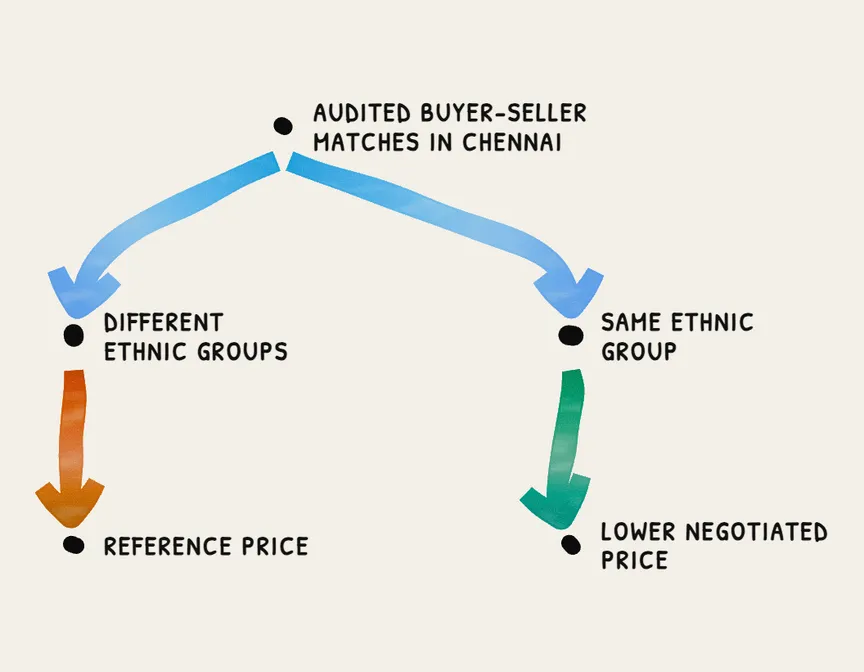
Decouple price concessions from credit risk assessments during transaction auditing to isolate preference-driven discounts from risk-mitigating financial terms.
Incorporate random coefficients and demographic interaction terms in discrete choice models to measure preference heterogeneity across consumer subgroups.
Establish 1 to 5 non-negotiable prerequisite criteria directly with hiring managers before shortlisting candidates to align candidate screening with unstated firm needs.
Delegate resume screening to external public recruitment counselors who establish pre-selection criteria and limit final interview slates to a maximum of 10 pre-verified candidates.
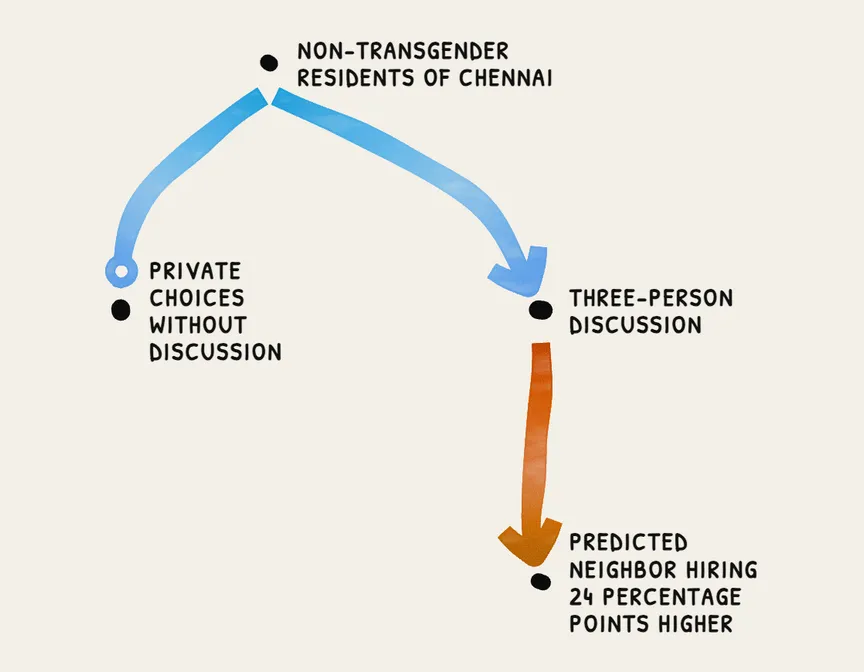
Survey target populations to identify environments where over 90% condemn discrimination in principle despite widespread discriminatory practices, then deploy structured dialogue to bridge the gap.
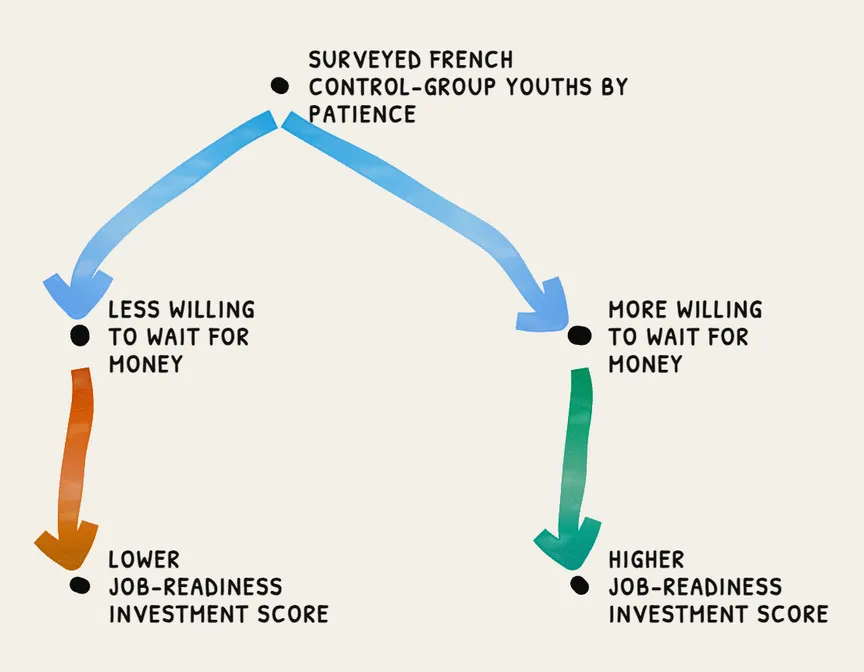
Structure multi-month vocational training programs with short-term, frequent milestone rewards to counterbalance hyperbolic discounting among present-biased youth.
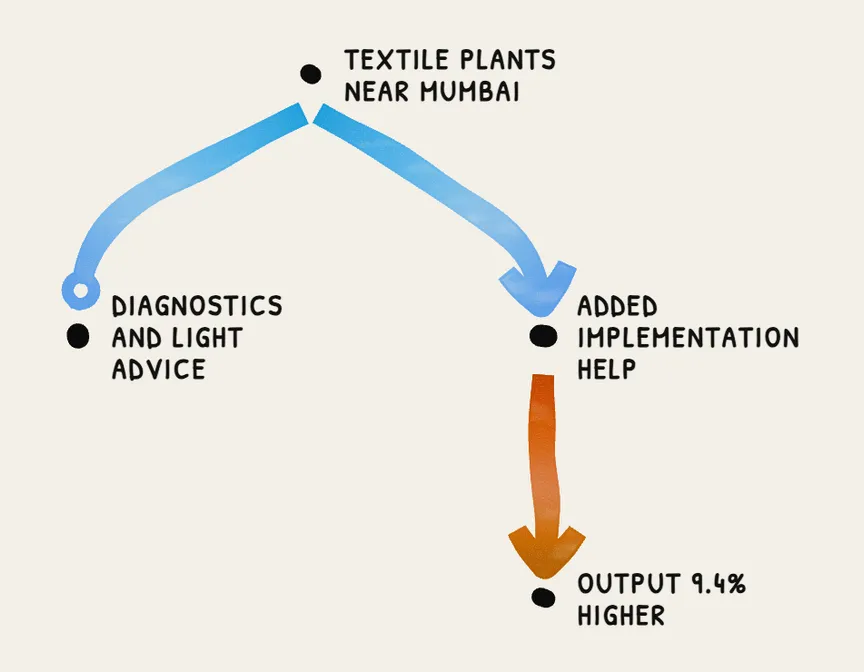
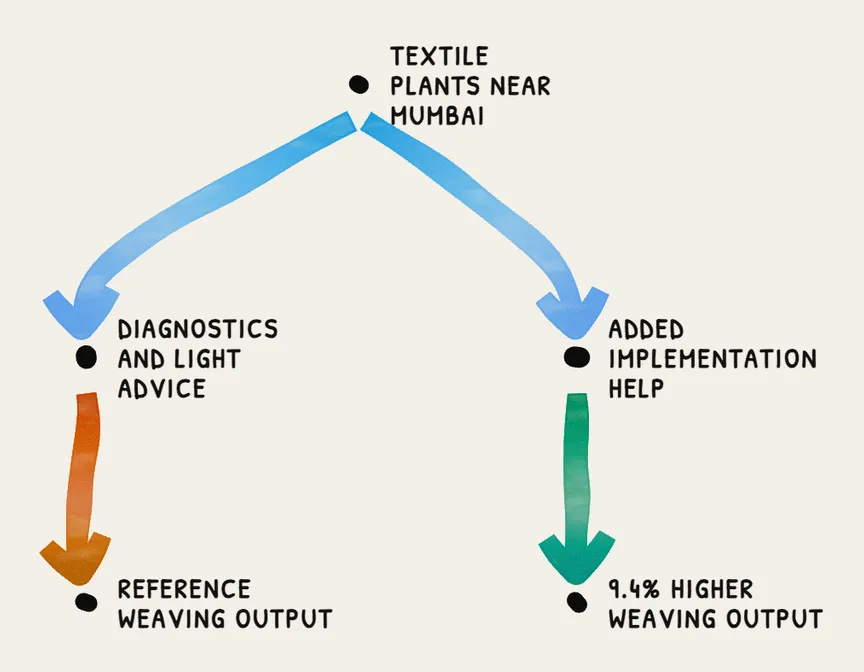
Create a mandatory scheduled servicing calendar for all critical plant machinery and require operators to log downtime causes in real time.
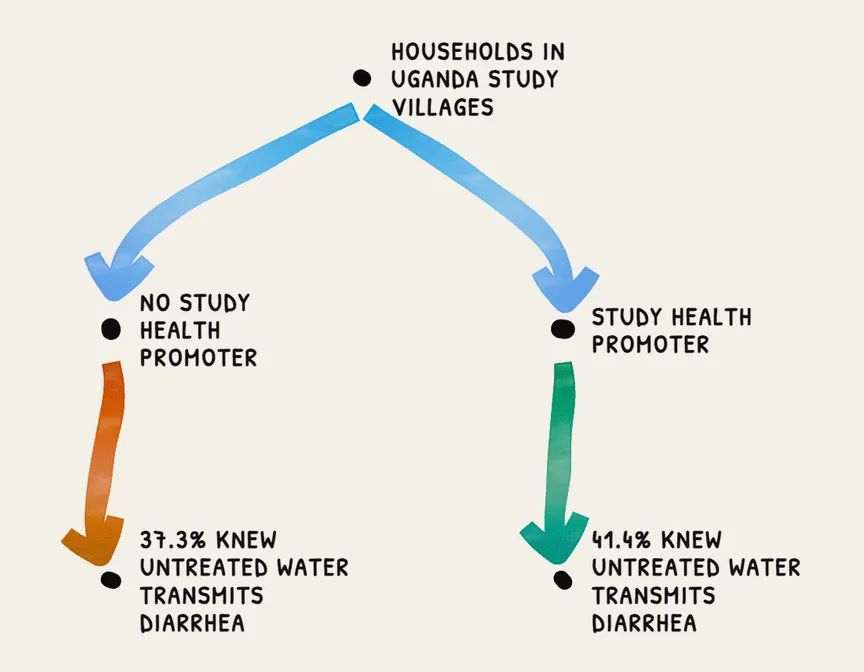
Combine door-to-door health education with immediate access to affordable preventive and curative commodities to simultaneously improve household health knowledge and daily health behaviors.
Create a daily machine breakdown log categorized by fault type and implement manufacturer-recommended scheduled preventive maintenance routines across all critical plant equipment.
Allocate recruitment budgets toward mitigating non-monetary social frictions rather than funding cash attendance stipends once program fees are waived.
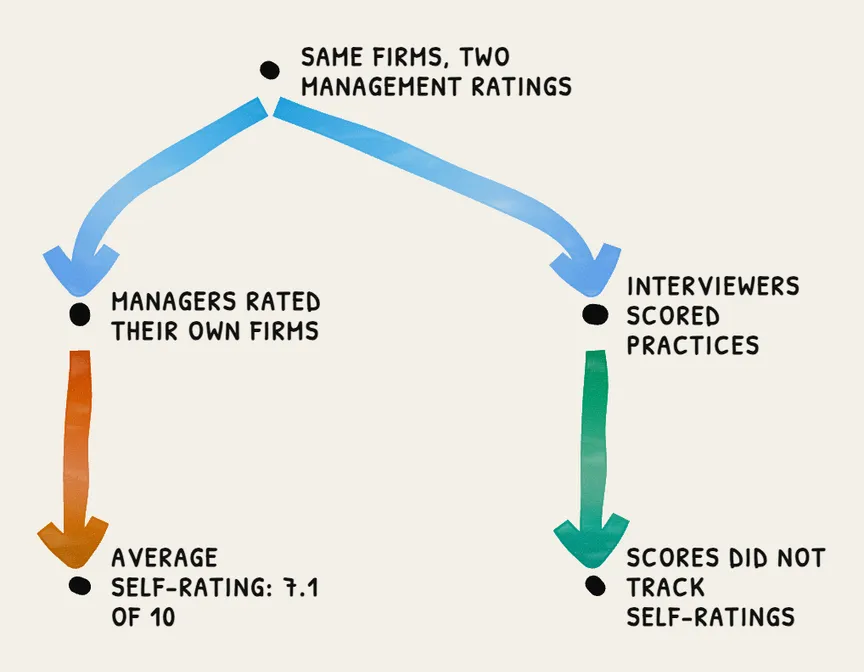
Utilize objective third-party operational benchmarking audits to evaluate plant management quality rather than relying on self-reported manager appraisals.
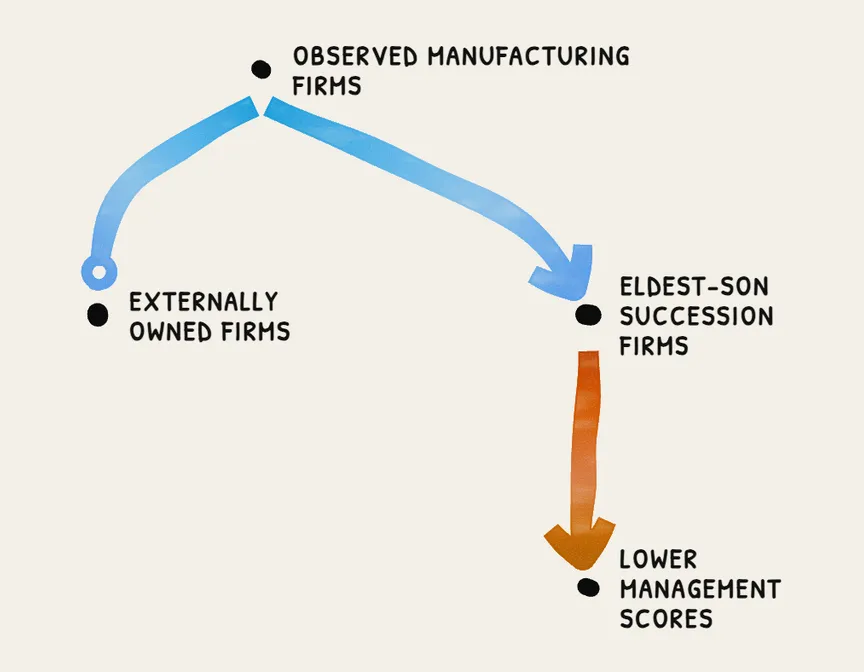
Separate family equity ownership from executive hiring decisions by selecting chief executive officers through competitive, merit-based external recruitment.
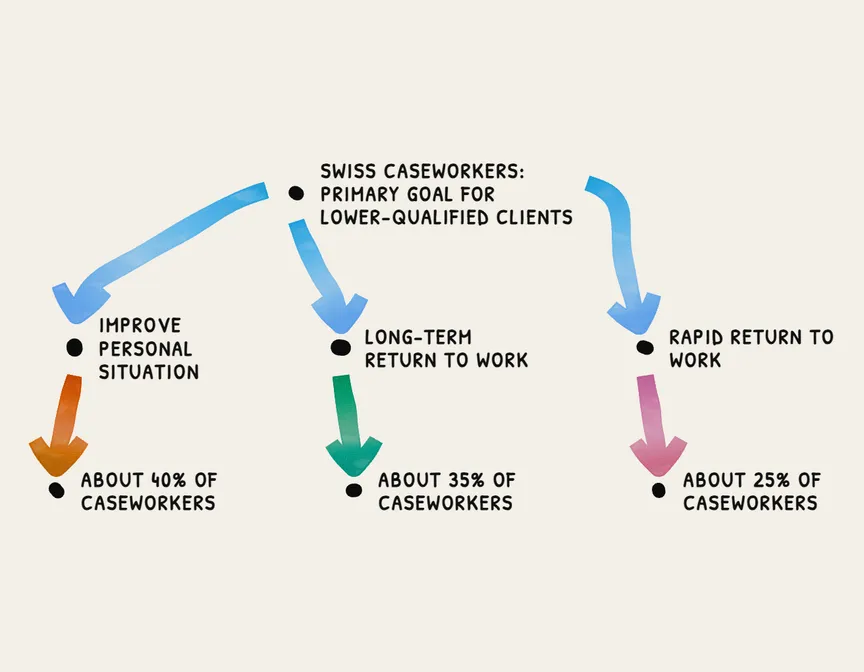
Survey frontline operational staff to identify misalignment between personal caseworker goals and statutory legislation, then restructure organizational incentives to align agent decisions with principal objectives.
Page 16 of 23
Previous
1
…
15
16
17
…
23
Next