Skip to the findings
Menu
aikyam
school
Findings
Methods
Subjects
All cards
Read
Findings
Methods
Subjects
All cards
Findings
1,083 findings
Encourage farmer cooperative aggregation and joint input procurement to help smallholders achieve operational scale economies.
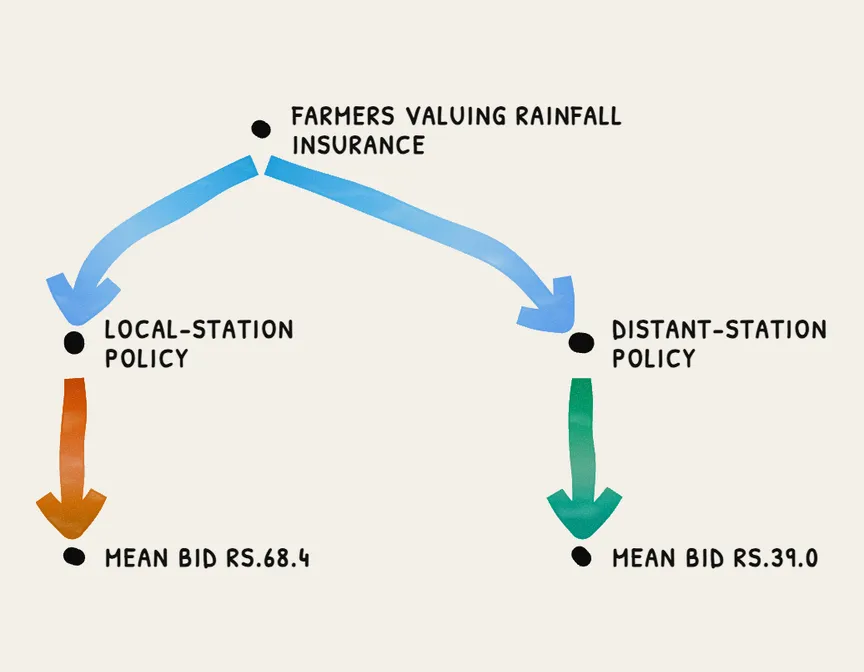
Construct dense networks of automated weather stations or integrate remote-sensing satellite data to minimize reference station distance and reduce basis risk in agricultural microinsurance.
Replace individual crop indemnity contracts with exogenous parametric weather index insurance to eliminate administrative verification costs and moral hazard risks.
Calibrate structural general equilibrium parameters by matching reduced-form experimental treatment effect moments using indirect inference.
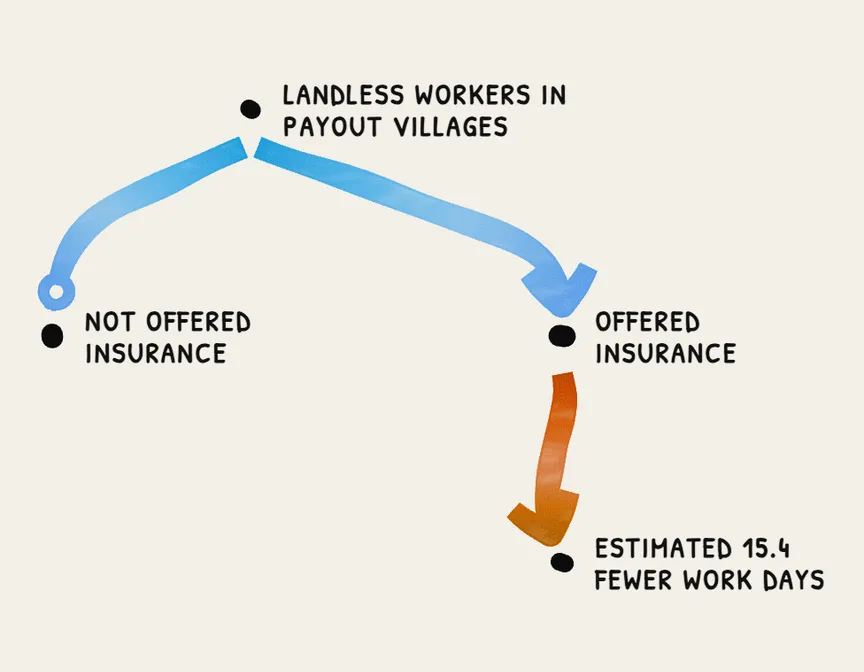
Account for labor-supply-driven wage spillovers when evaluating the cost-effectiveness and broader welfare impacts of microinsurance interventions in informal labor markets.
Incorporate individual participant fixed effects in panel RCT regressions to absorb time-invariant individual heterogeneity and boost statistical precision.
Utilize individual liability structures within group meeting formats to allow individual business risk-taking while maintaining low administrative transaction costs.
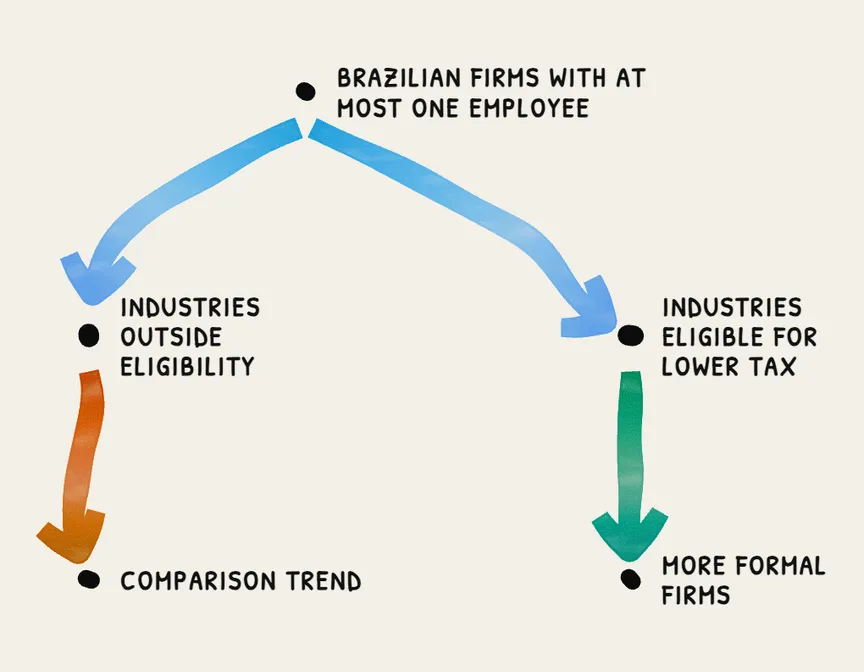
Implement simplified single-tax registration regimes with reduced social security contribution rates for self-employed entrepreneurs to lower formalization barriers.
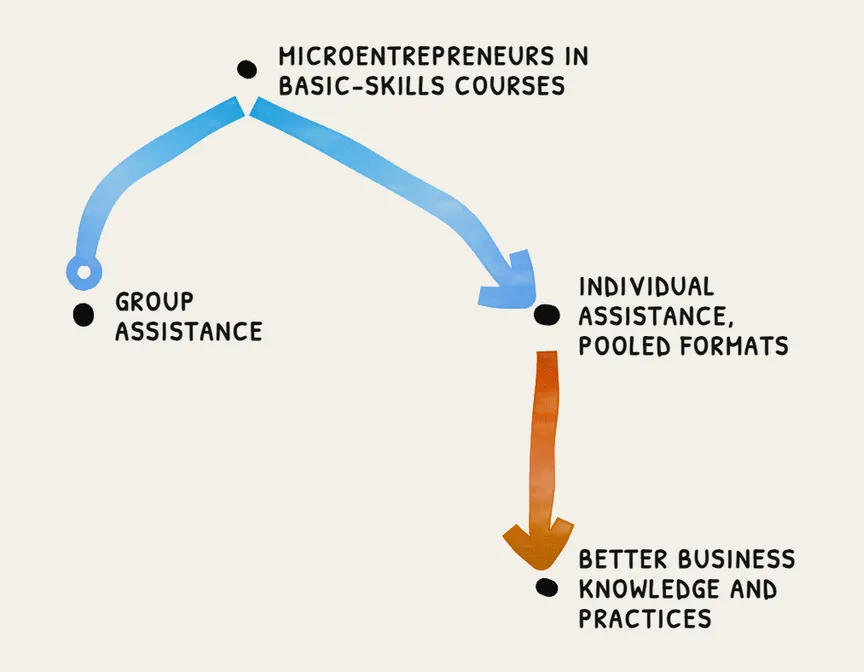
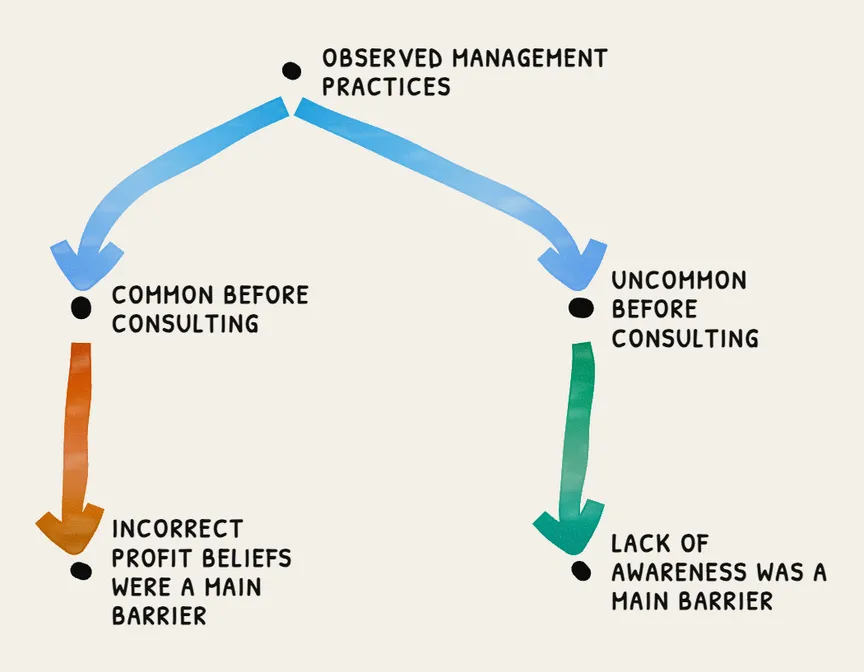
Schedule one-on-one technical consulting sessions with microentrepreneurs before or after class to walk through customized break-even point and SWOT analyses using actual firm financial data.
Structure social assistance for structural skill acquisitions as upfront lump-sum grants or fully covered training vouchers rather than small monthly stipends that fail to clear indivisible liquidity thresholds.
Assess the baseline prevalence of both formal and informal credit usage before designing capital intervention programs for urban microenterprises.
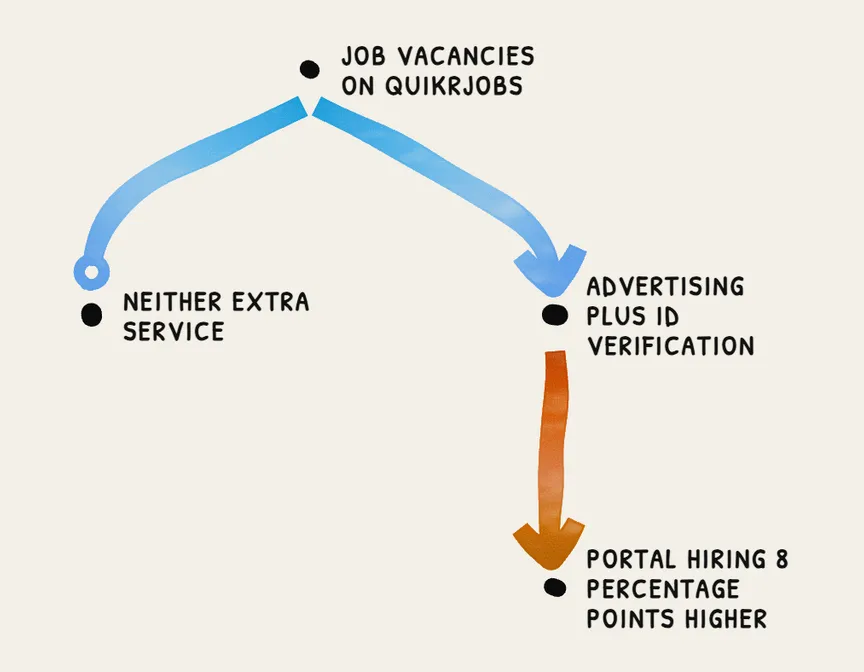
Integrate digital recruitment portals as additive sourcing streams alongside existing employee referral programs rather than replacing informal recruitment channels.
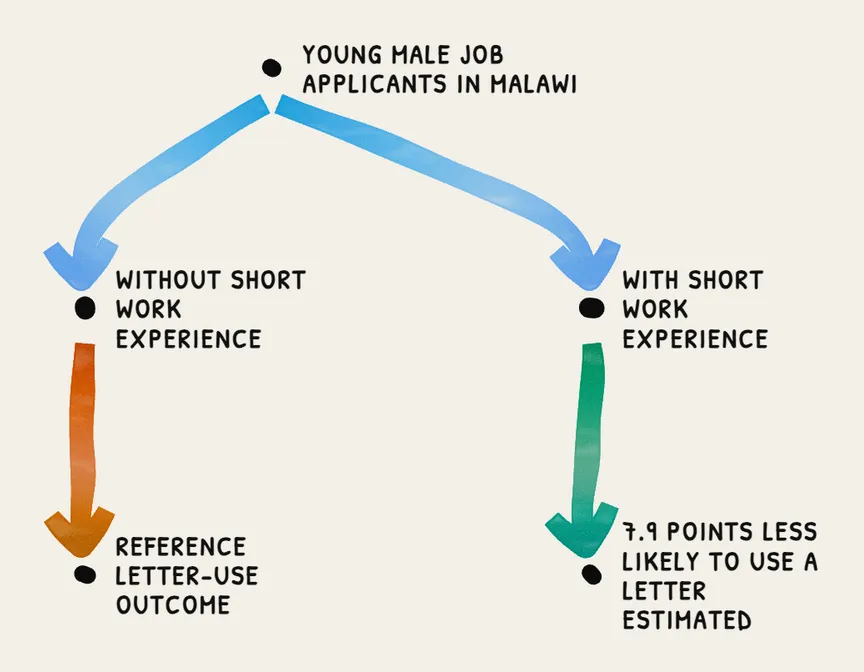
Combine reference letter distribution programs with active workplace networking opportunities to maximize candidate signaling and job placement channels.
Measure hourly compensation and flexible schedule preferences alongside monthly total earnings when designing employment programs for credit-constrained refugees.
Design commitment savings products backed by low-depreciation inventory vouchers to give borrowers a secure storage mechanism for cash reserves without incurring material construction transaction costs.
Distribute parametric index insurance through existing community savings groups or self-help groups (SHGs) to align formal drought protection with informal social safety nets.
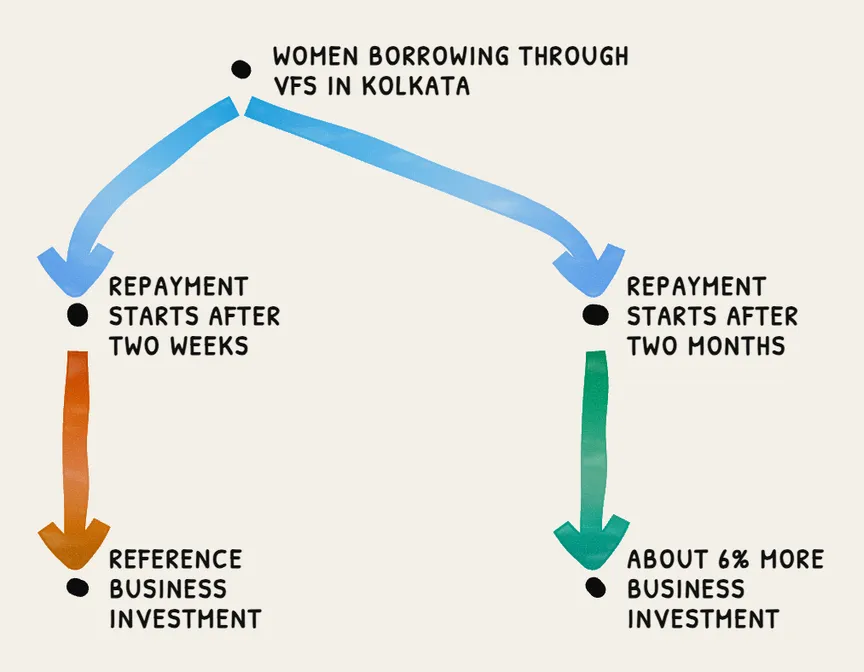
Maintain regular peer group meeting schedules during initial loan grace periods to preserve informal social insurance and group monitoring.
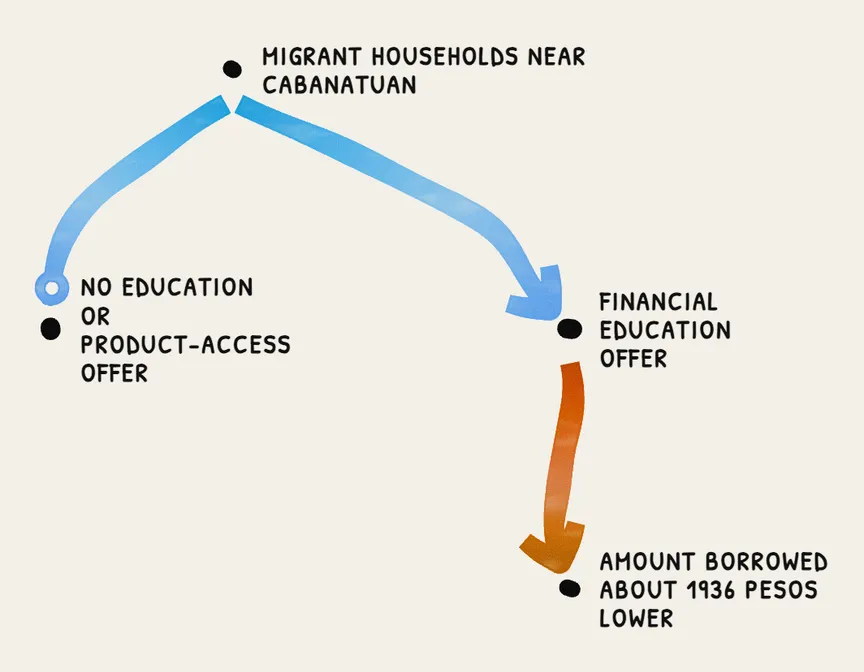
Deploy targeted financial literacy workshops focusing on budgeting and debt management to guide indebted households toward lower-risk formal credit channels.
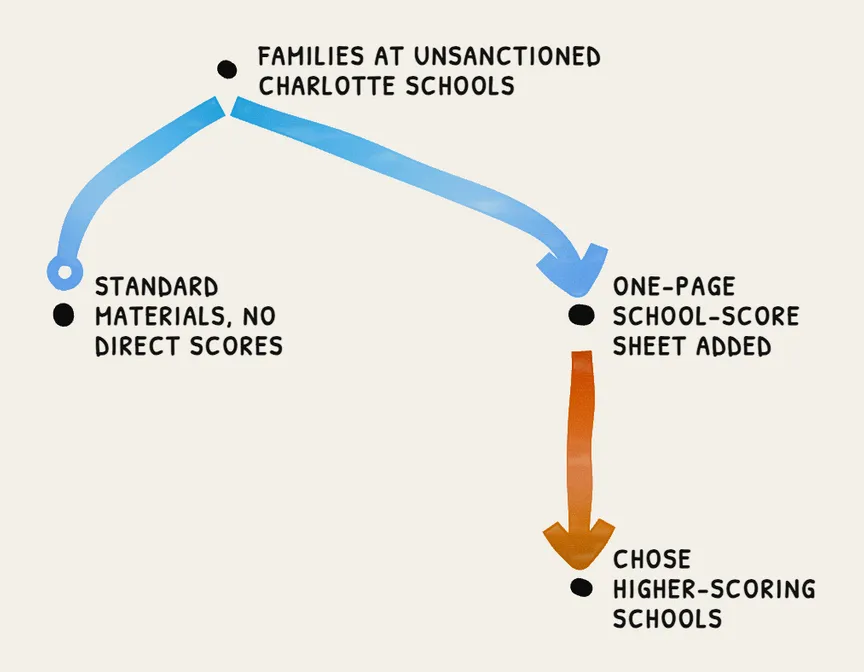
Distribute simplified, high-salience school performance scorecards directly to low-income households during choice enrollment windows to increase quality elasticity.
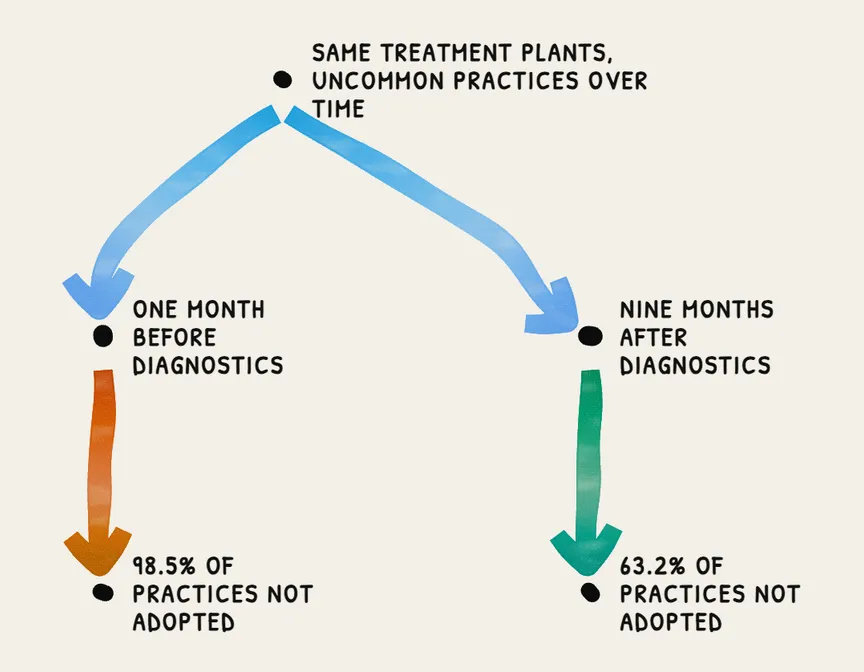
1. Conduct an operational audit of factory processes by implementing daily tracking logs for quality defects and machine downtime to identify unmeasured operational losses.
Establish daily recording and review meetings for quality defects, machine downtime, and inventory stock levels to convert operational bottlenecks into visible, actionable data.
Conduct systematic management awareness audits to benchmark operational workflows against modern industry standards.
Deploy interactive, low-literacy myth-busting toolkits and brief instructional videos explaining employee legal rights and interview standards during jobseeker orientation.
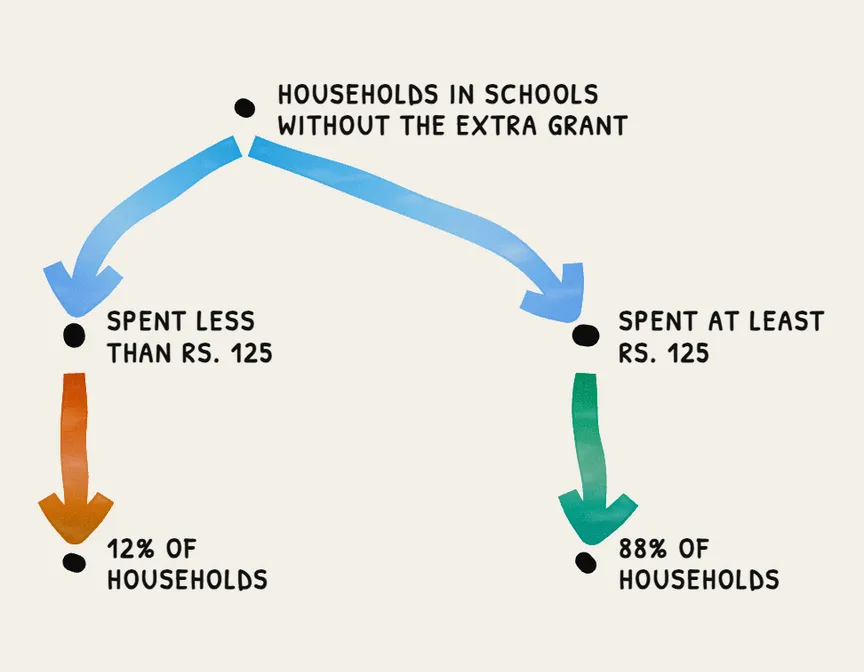
Design targeted grant thresholds that exceed baseline private household expenditures when attempting to increase net consumption of specific educational inputs.
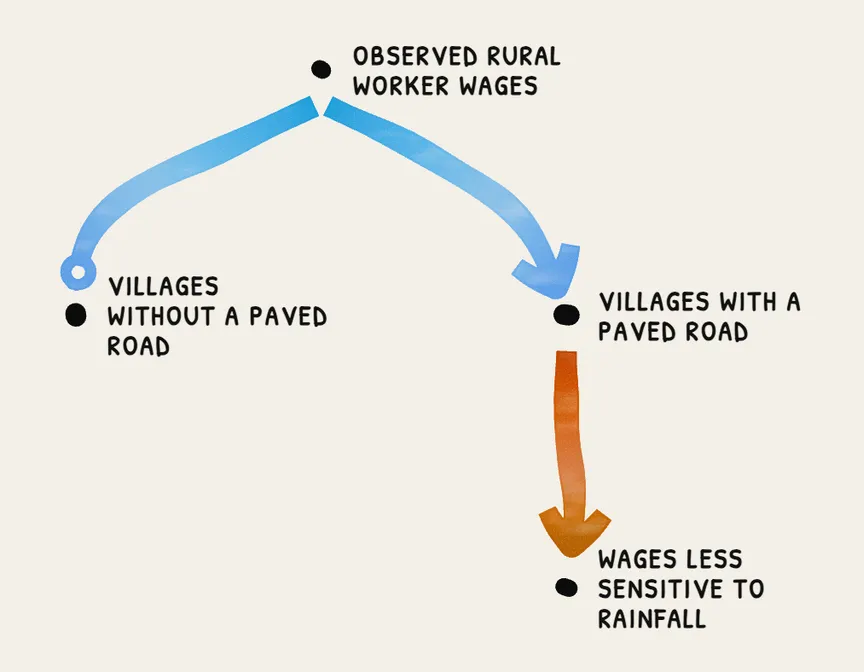
Integrate rural banking and transportation infrastructure development alongside crop insurance programs to establish systemic wage stability in weather-exposed agrarian regions.
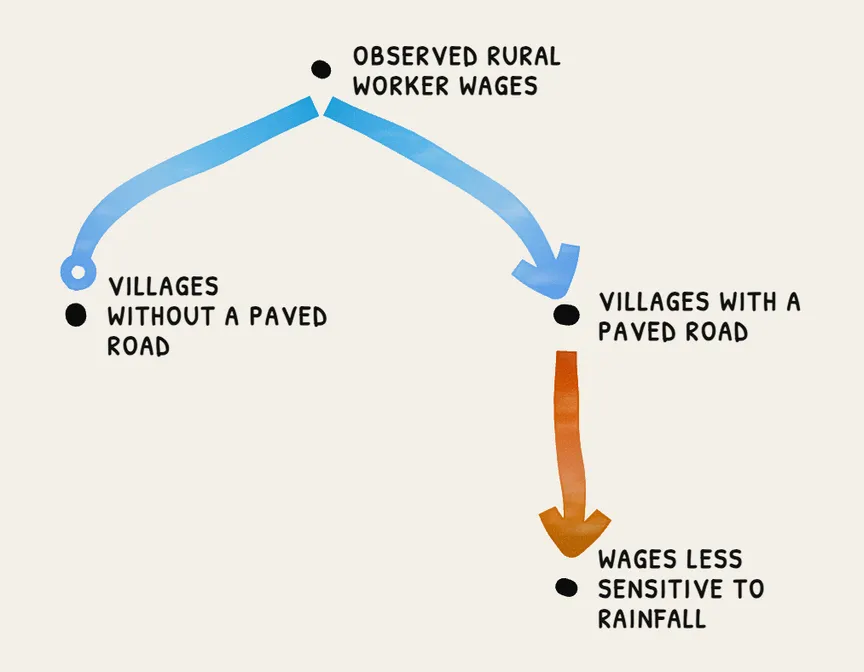
Construct paved access roads and bus transport stops in rural communities to provide wage workers with spatial mobility and dampening local wage sensitivity to weather shocks.
Align employee task incentive cycles with institutional liquidity inflows to eliminate cash management friction and temporary borrowing costs.
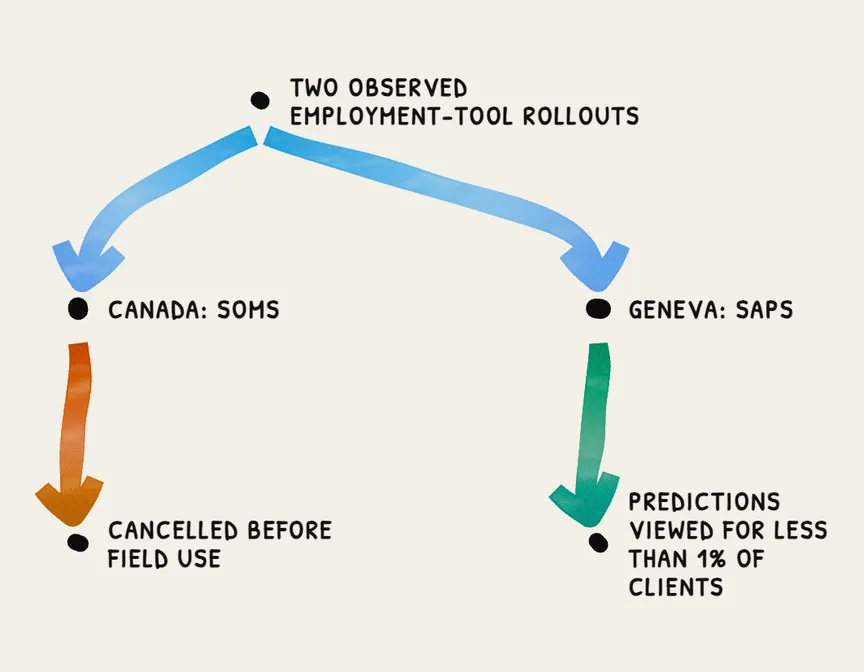
Address frontline job security fears, involve staff unions during software design, and establish binding privacy firewalls before introducing decision-support tools in public sector agencies.
Replace rigid semester-repetition requirements with targeted course-level leveling and credit-recovery mechanisms to prevent early subject failures from triggering full school disengagement.
Prioritize direct state funding allocations toward student-facing operational expenditures and support services rather than applying blanket tuition fee reductions.
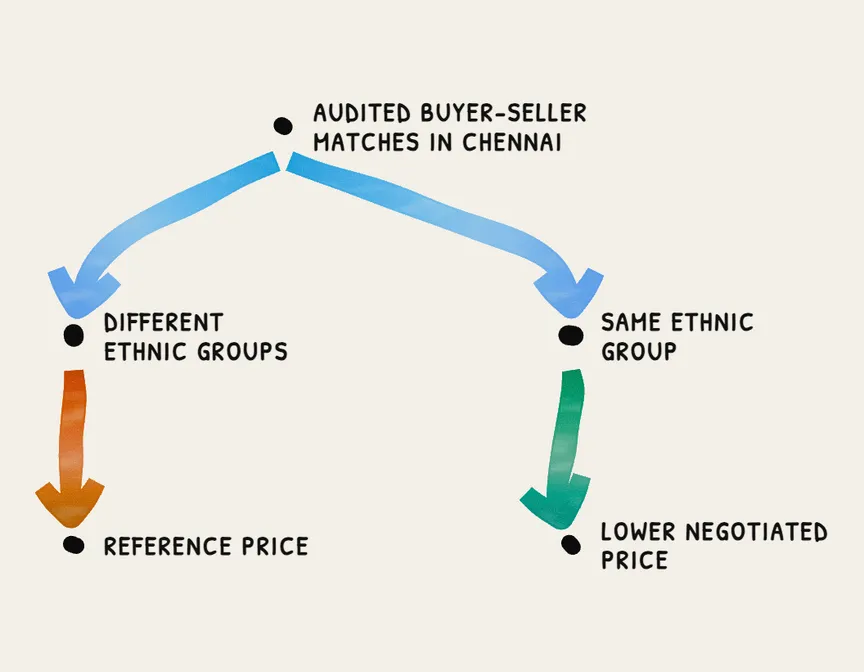
Establish formal collateralized credit terms or escrow services to replace informal identity-based stereotyping in contract governance.
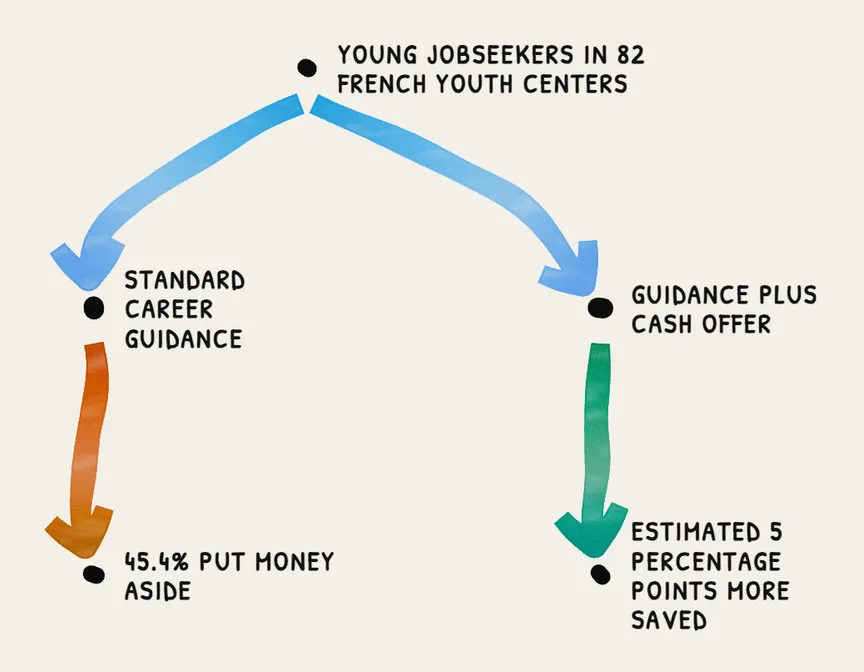
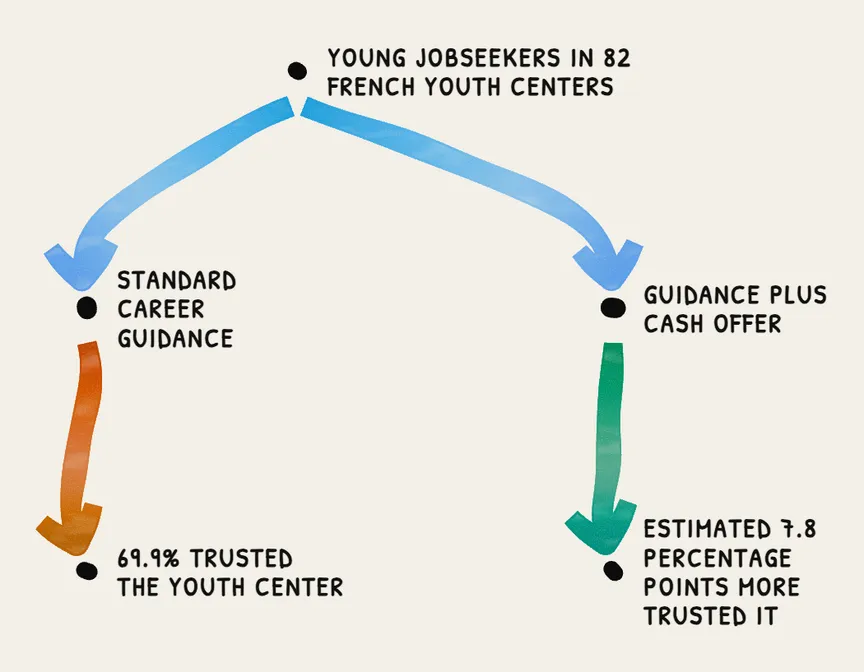
Incorporate tangible monetary or material allowances into public counseling programs to build institutional trust and reduce client dropout rates among marginalized youth populations.
Apply initial randomized assignment rosters as an instrumental variable in a two-stage LIML model to isolate unbiased causal treatment effects when experimental compliance is incomplete.
Repeal legal insurable interest mandates that restrict agricultural weather index insurance to land title holders, extending eligibility to landless agricultural wage laborers.
Amend microinsurance regulations to abolish the land-ownership insurable interest requirement, allowing wage laborers to purchase weather index contracts.
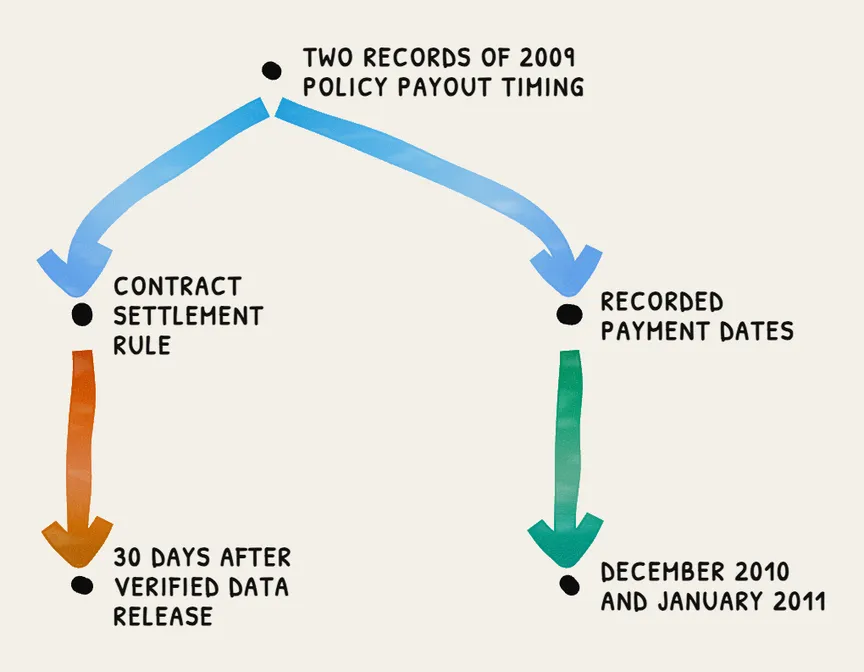
Automate weather station data transmission and streamline institutional payout approval workflows to ensure claims are settled before the subsequent planting cycle.
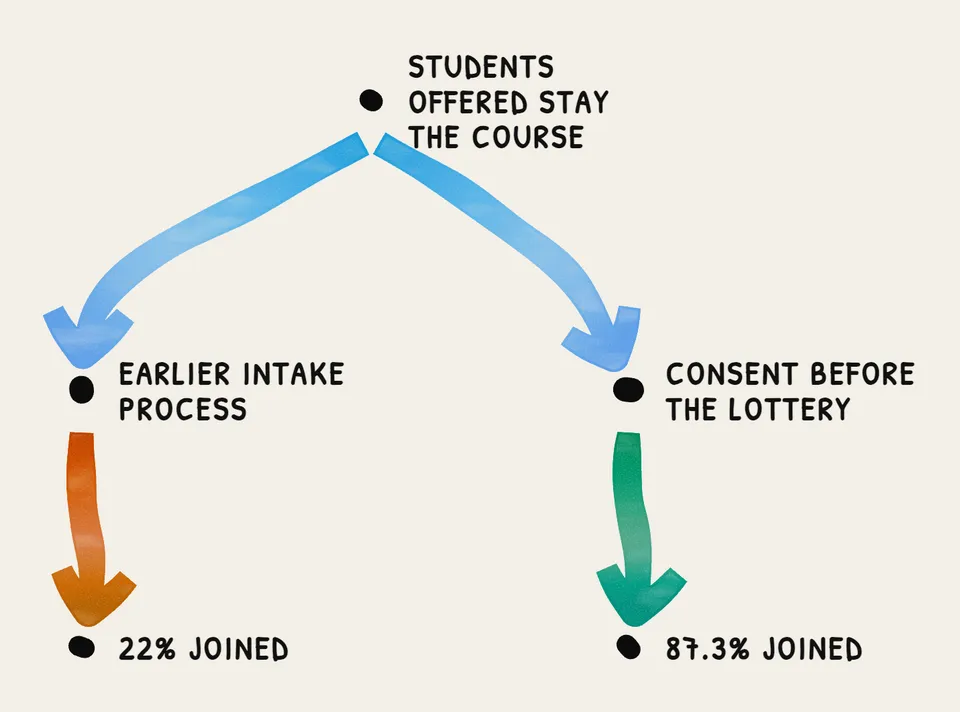
Require student intake consent and program registration prior to randomization or service assignment to maximize participant engagement and minimize administrative attrition.
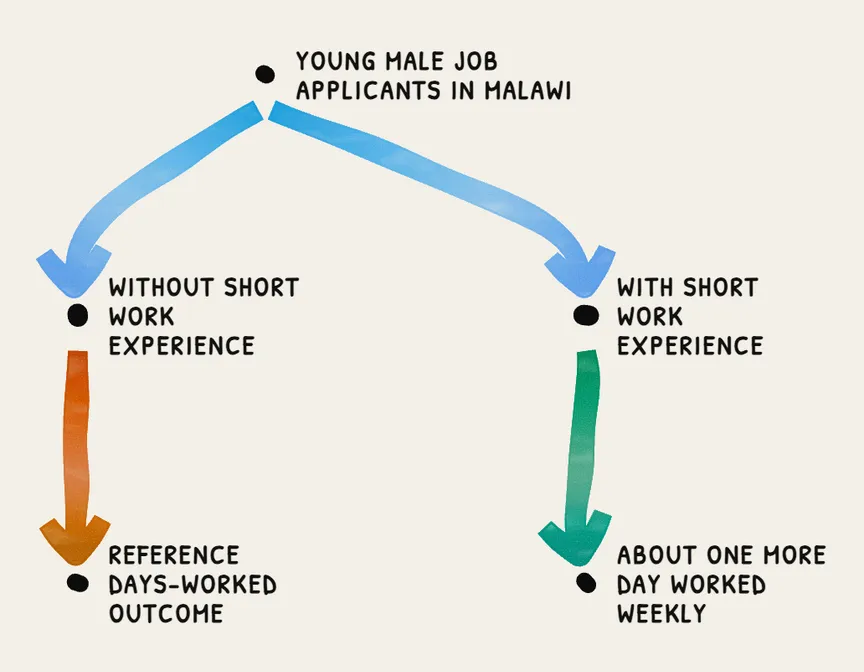
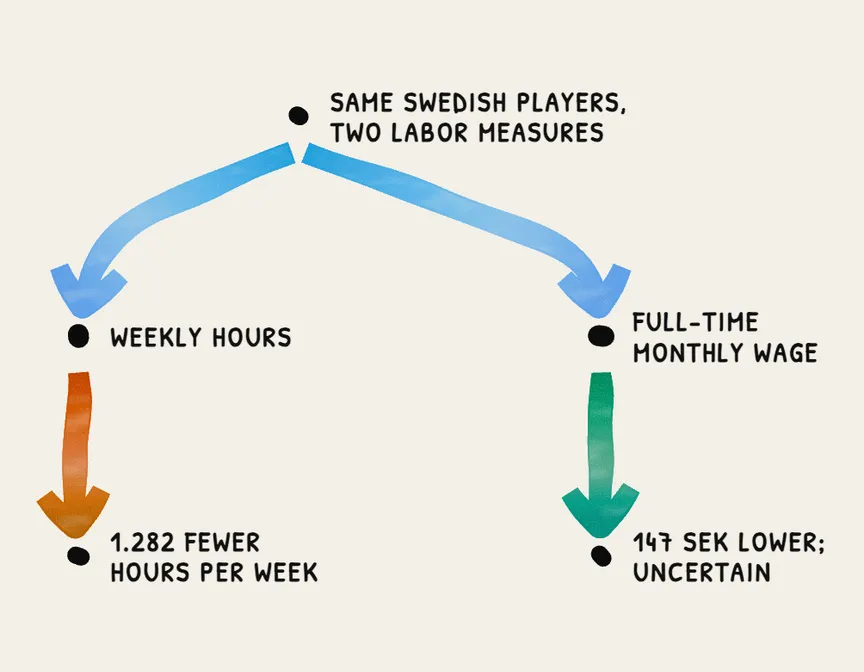
Design active labor market policies and wage evaluations around days worked per week rather than hourly compensation rates in underemployed urban contexts.
Model workforce reductions following wealth shocks primarily as reductions in contractual working hours rather than abrupt job resignations or career shifts.
Calculate the intent-to-treat reduced-form regression of outcomes on assigned treatment variables to establish the baseline causal impact of program assignment prior to instrumental variable adjustments.
Use initial random assignment as an instrumental variable in Two-Stage Least Squares regression when evaluating educational interventions affected by program non-compliance or implementation failure.
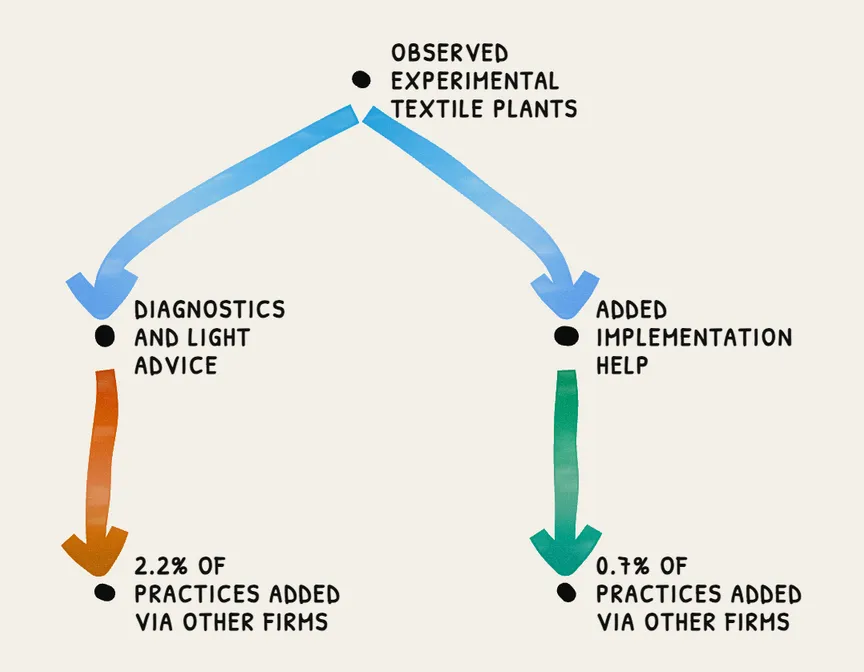
Establish formal industry benchmarking consortiums or structured peer-learning networks to facilitate cross-company observation and management practice transfer.
Evaluate educational programs independently rather than expecting compounding synergies when combining multiple interventions in the same school.
Encourage early career job mobility and credential portability so young workers can leverage market switches rather than relying solely on internal firm promotions.
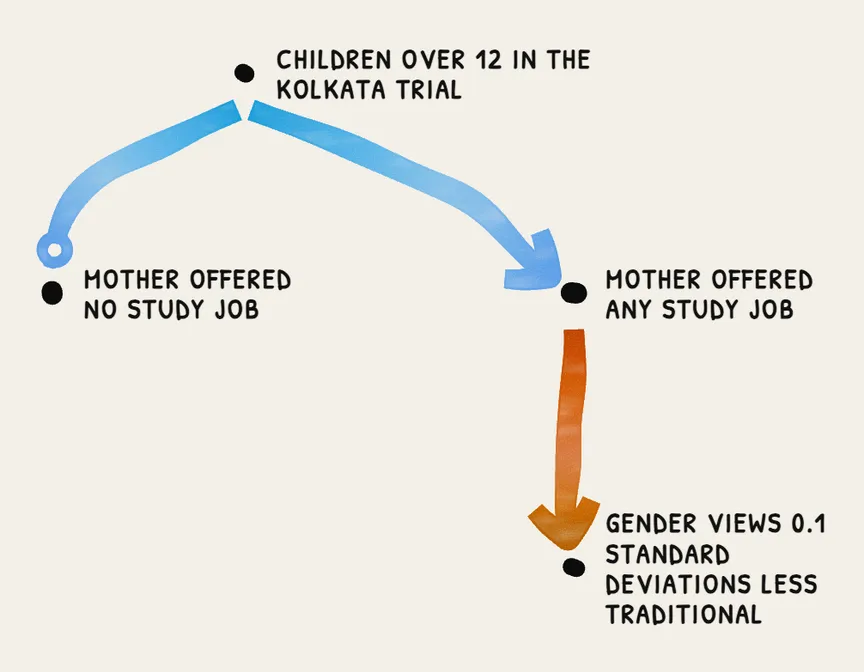
Evaluate the multi-generational impact of female economic empowerment programs by measuring attitudinal shifts in adolescent household dependents.
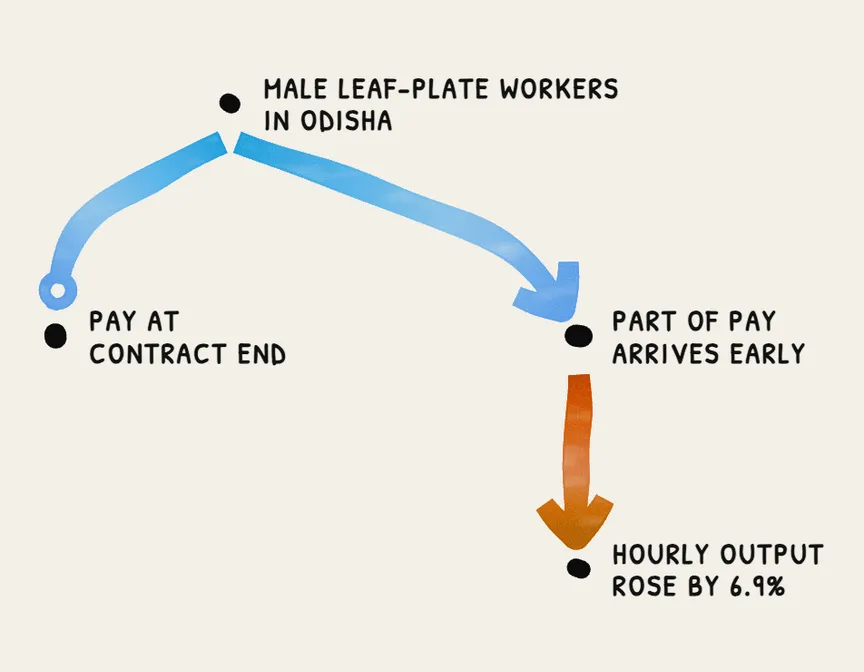
Restructure wage payment timelines in contract manufacturing jobs to provide mid-contract liquidity infusions matching worker debt cycles rather than single lump sums at completion.
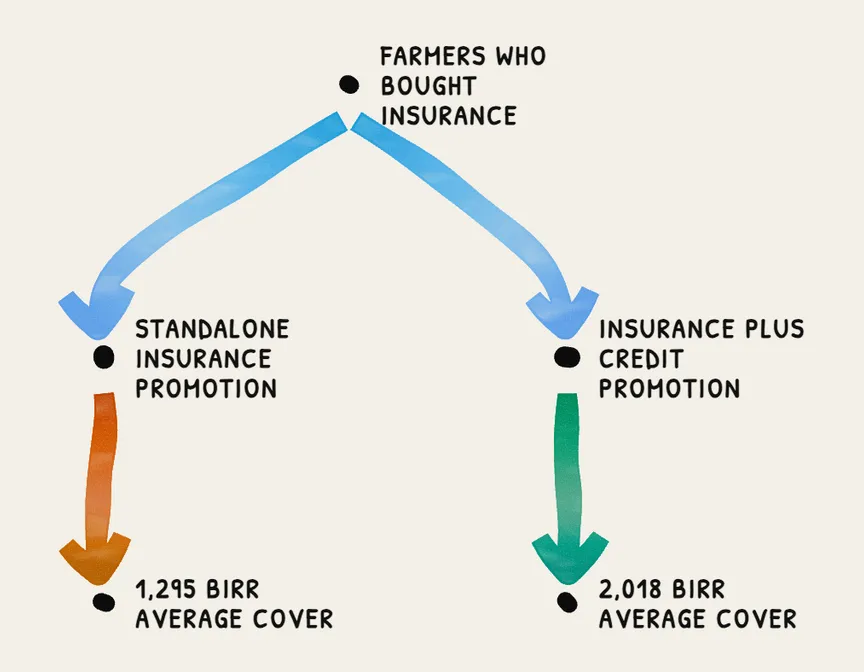
Structure interlinked agricultural credit contracts with clear institutional risk-sharing boundaries so intermediary cooperatives are not required to absorb non-weather default risk.
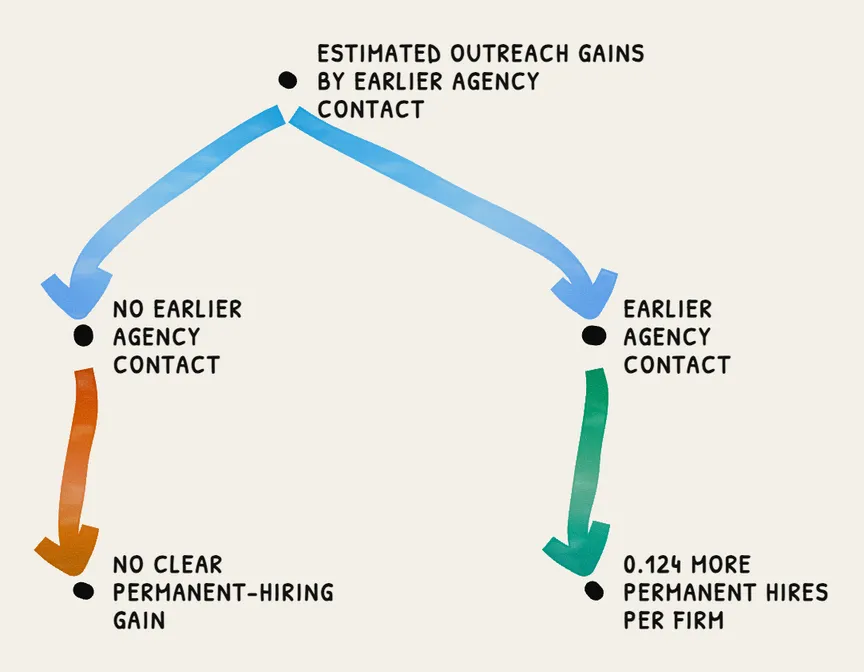
Focus intensive public placement and pre-selection services on employer accounts that have established communication histories with public employment counselors before launching cold recruitment outreach.
Page 10 of 23
Previous
1
…
9
10
11
…
23
Next