Skip to the findings
Menu
aikyam
school
Findings
Methods
Subjects
All cards
Read
Findings
Methods
Subjects
All cards
Findings
1,083 findings
Screen applicant baseline employment levels prior to enrollment to select individuals with zero competing labor opportunities.
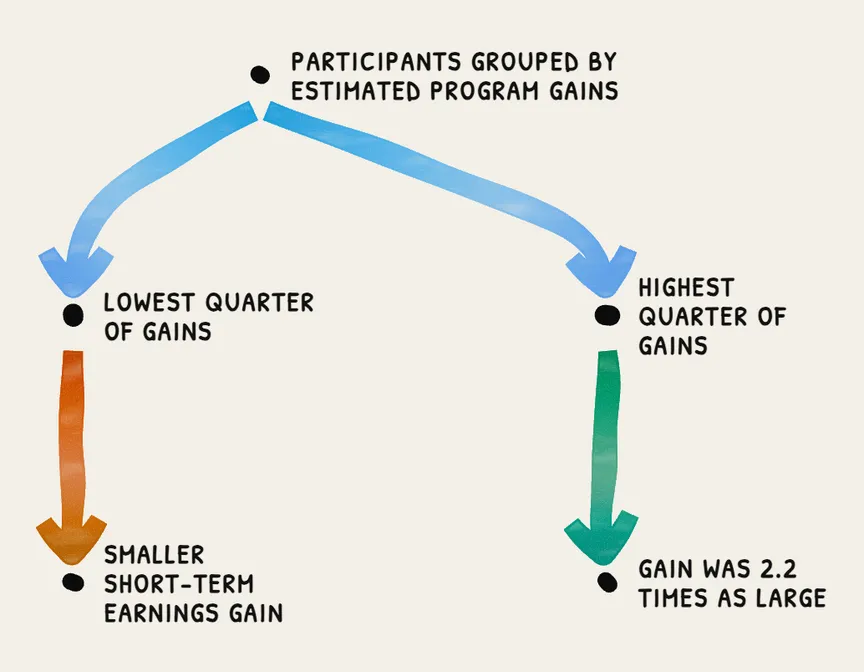
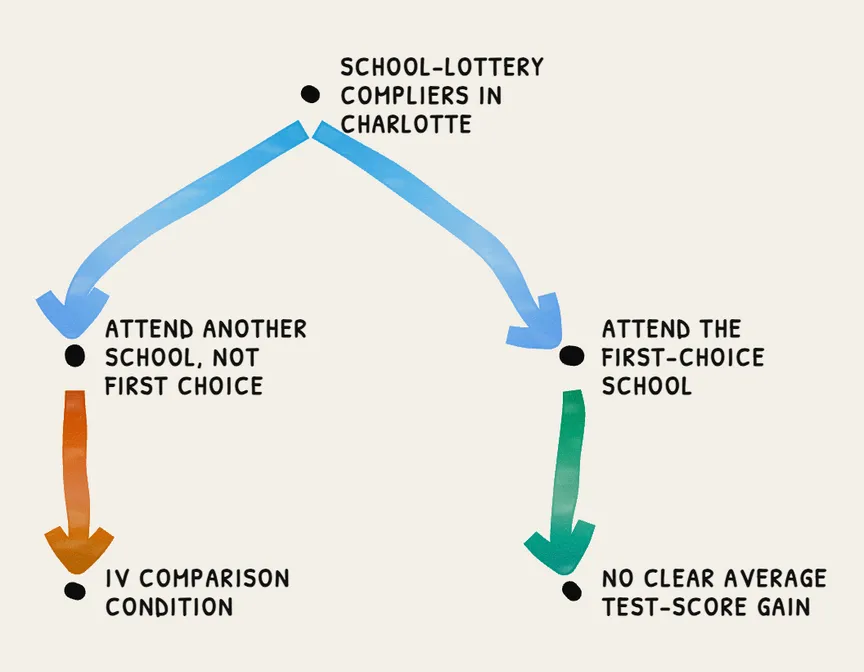
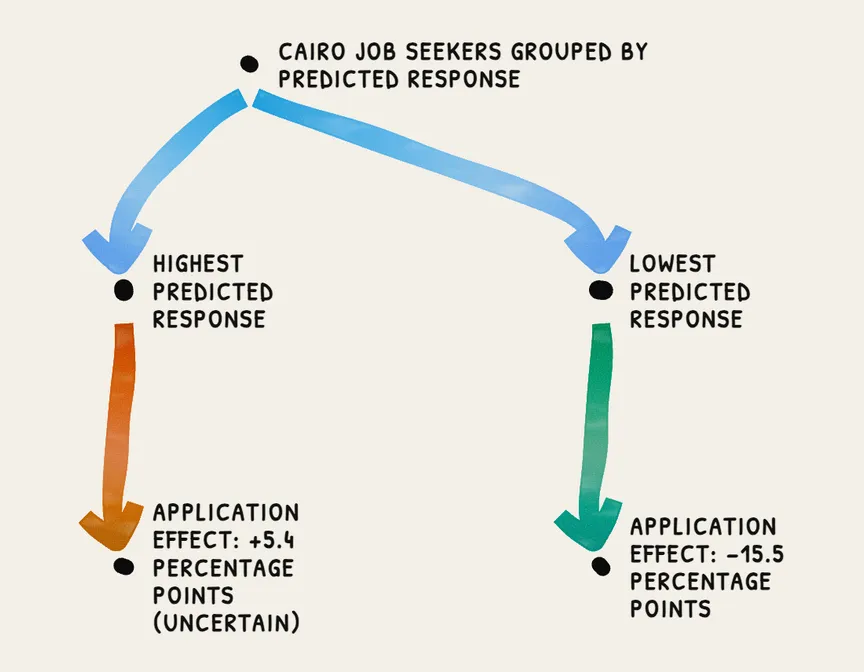
Use posterior estimates of individual choice parameters as instrumental variable interactions in randomized trial evaluations to uncover hidden treatment heterogeneity.
Design school voucher frameworks that facilitate preference-matching across specialized curricular tracks when student populations exhibit multidimensional educational goals.
Prioritize simplified rule-of-thumb operational heuristics over complex accounting systems when designing managerial training for microentrepreneurs.
Implement localized operational budgets that empower plant managers to immediately purchase critical maintenance parts without upper-management pre-approval.
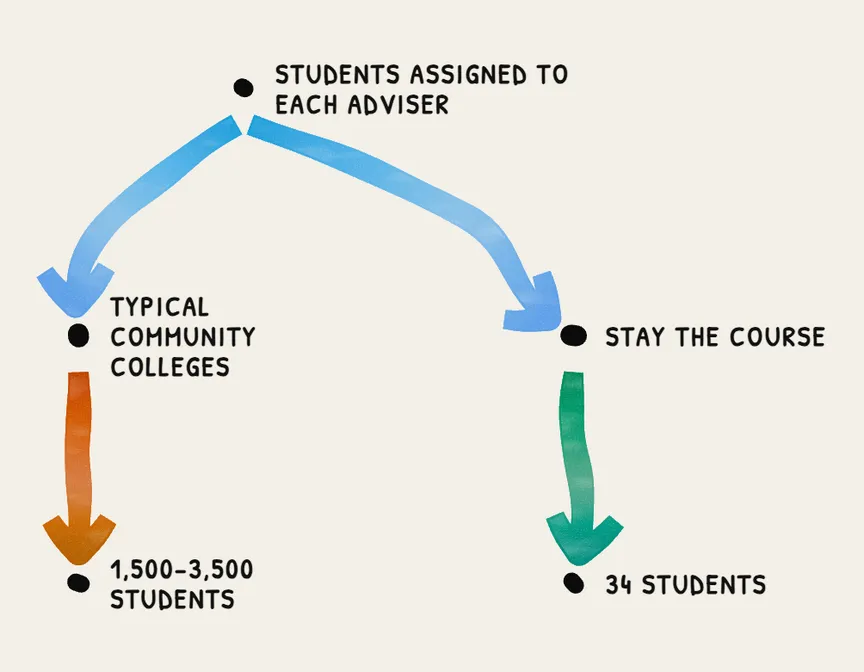
Reduce institutional student-to-advisor ratios by restructuring advising departments into specialized tiers with capped caseloads for high-risk student populations.
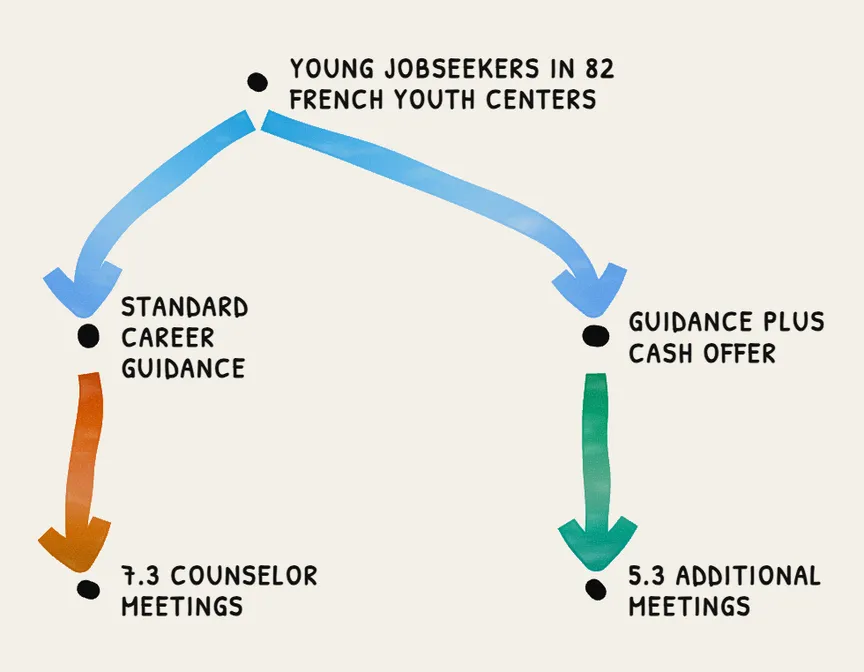
Require student navigators to hold face-to-face meetings averaging at least 40 minutes per month with each assigned client alongside ongoing text and phone communication.
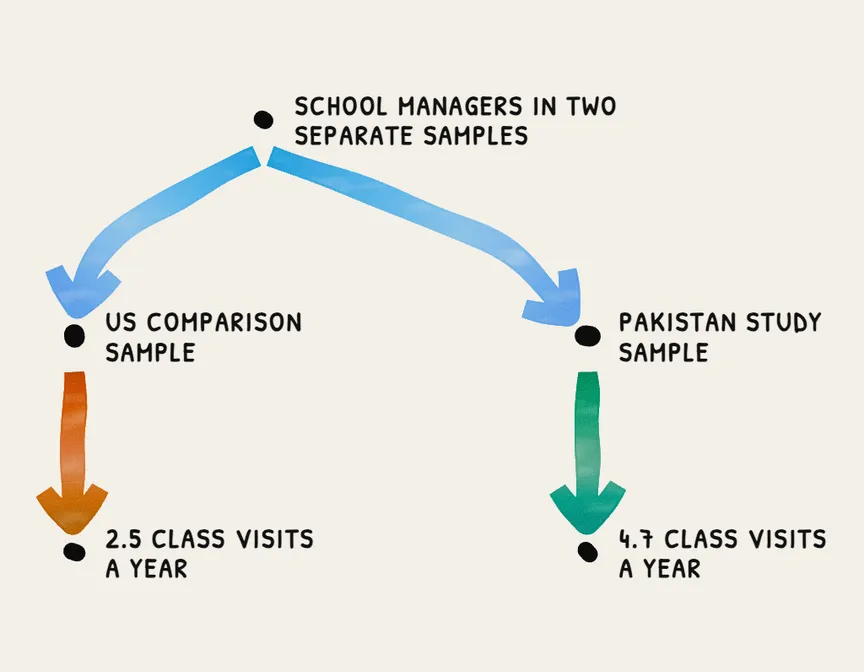
Establish mandatory minimum observation quotas (at least 4-5 formal direct observations per employee per year) to ensure managers possess sufficient qualitative data to execute subjective appraisals accurately.
Deploy bi-weekly short phone questionnaires alongside annual face-to-face surveys to track fine-grained behavioral responses to labor market policies.
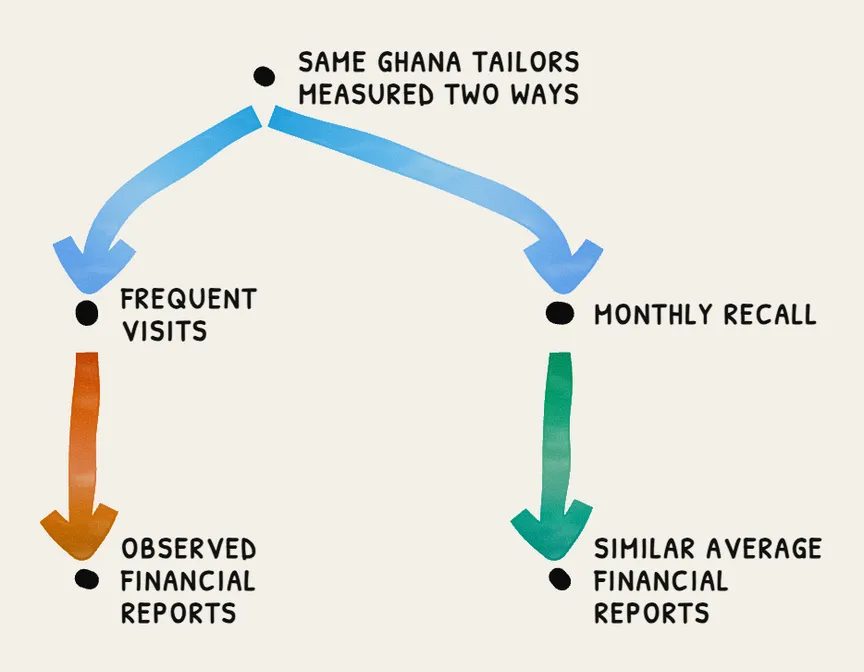
Utilize standard monthly recall surveys for microenterprise financial evaluations, supplementing with high-frequency daily audits on a sub-sample to benchmark measurement variance.
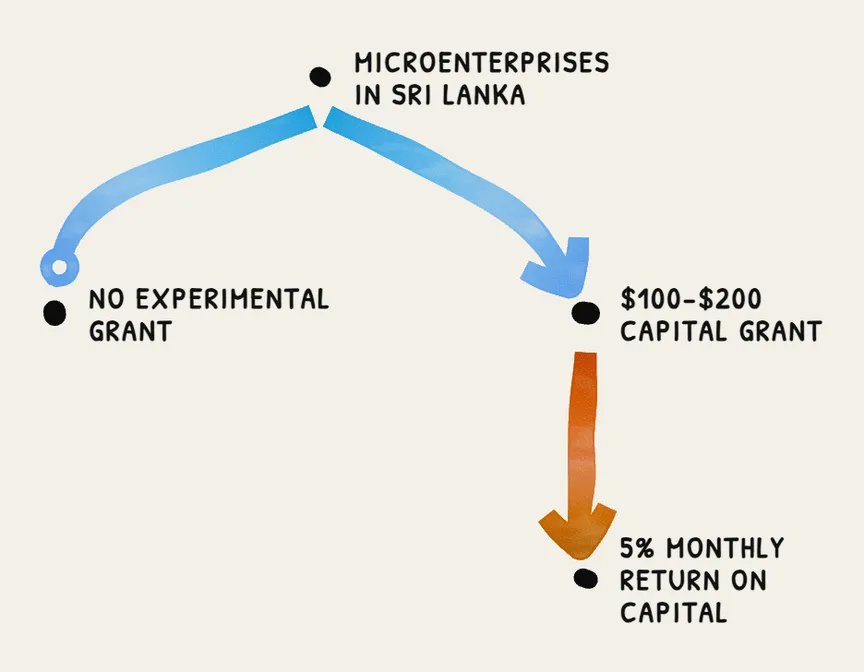
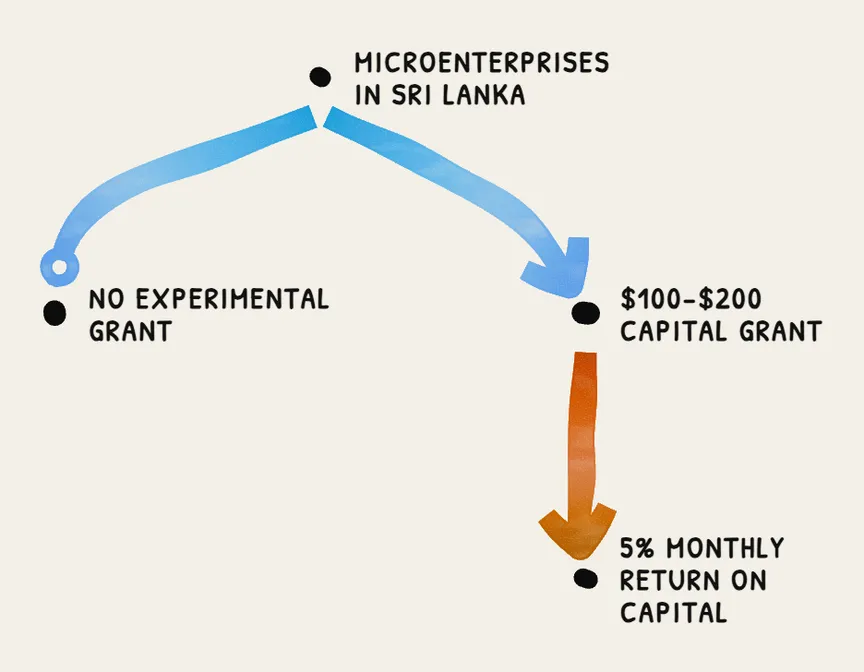
Expand targeted credit and micro-grant mechanisms for small-scale enterprises where marginal returns on capital injections remain exceptionally high.
Implement targeted micro-grant programs and direct credit allocations to cash-constrained small enterprises to unlock high-return capital investments.
Deploy standardized end-of-course subject assessments (such as ACT QualityCore) to evaluate and validate high school teacher effectiveness across departmentalized subject areas.
Apply split-sample machine learning algorithms to baseline data in randomized trials to evaluate subgroup variation instead of performing ad-hoc post-hoc subgroup tests.
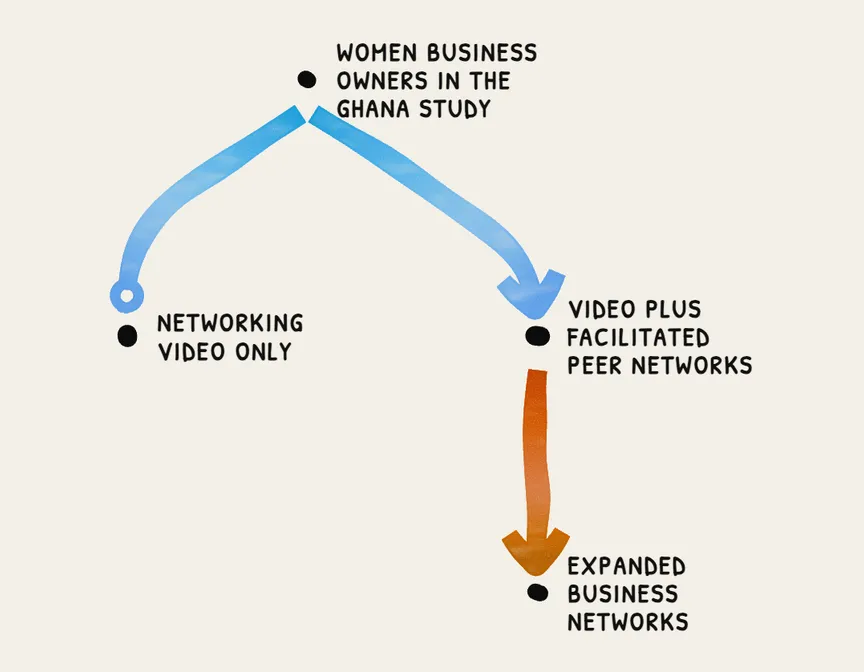
Establish structured peer networking groups and digital messaging networks for local business owners operating in the same geographic market to enable direct contact sharing and collaboration.
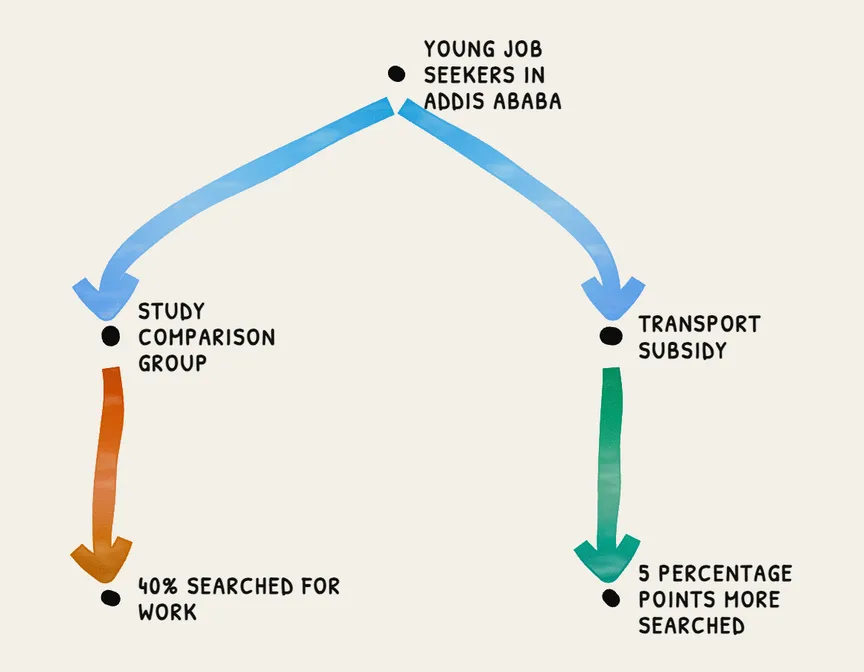
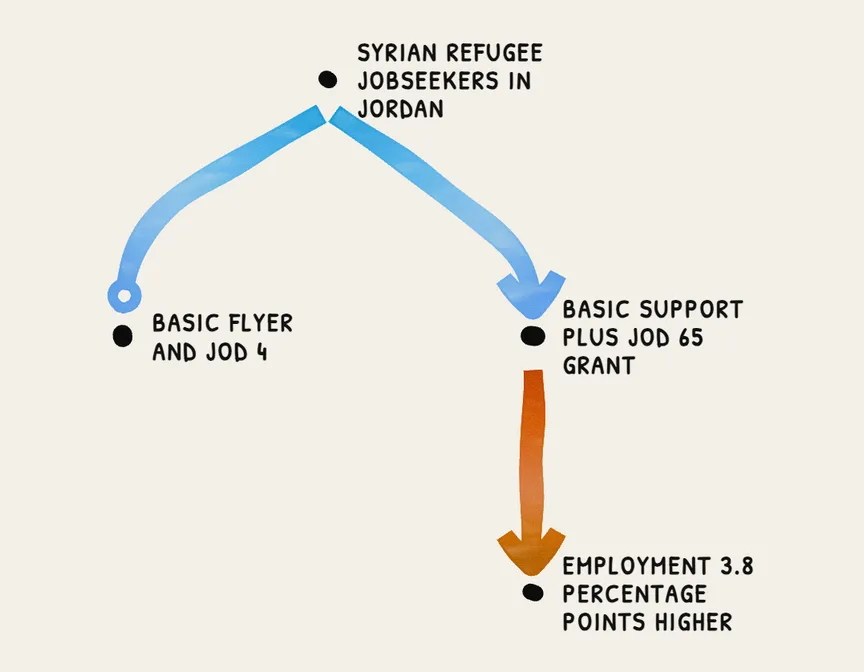
Evaluate baseline search intensity and liquidity metrics separately for host national and refugee populations before deploying active labor market assistance to avoid misallocating funds.
Monitor detailed household expenditure shares alongside total consumption to identify how credit-constrained families internally reallocate funds to afford human capital investments.
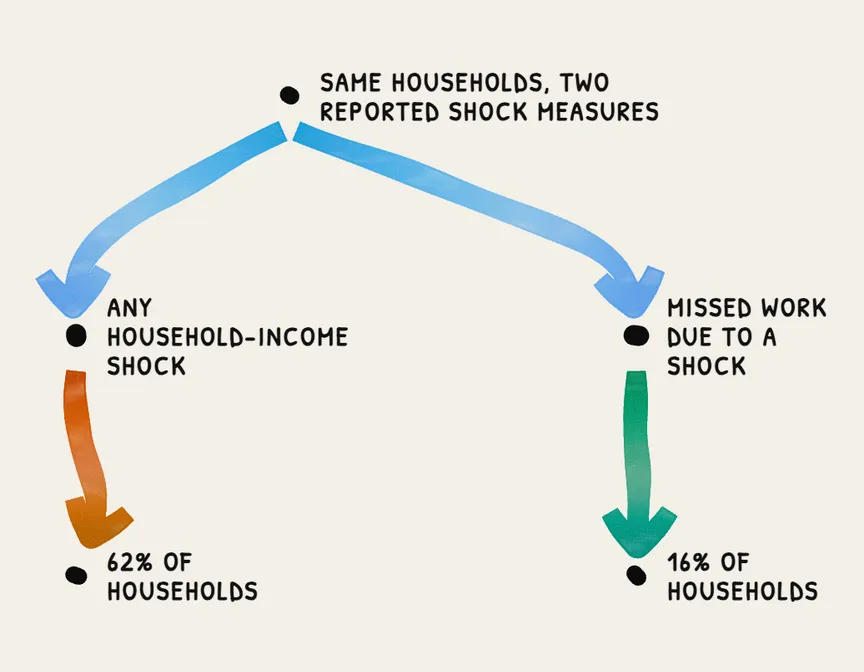
Incorporate shock-contingent repayment flexibility or integrated health insurance into microfinance products to protect microenterprise assets during unexpected household crises.
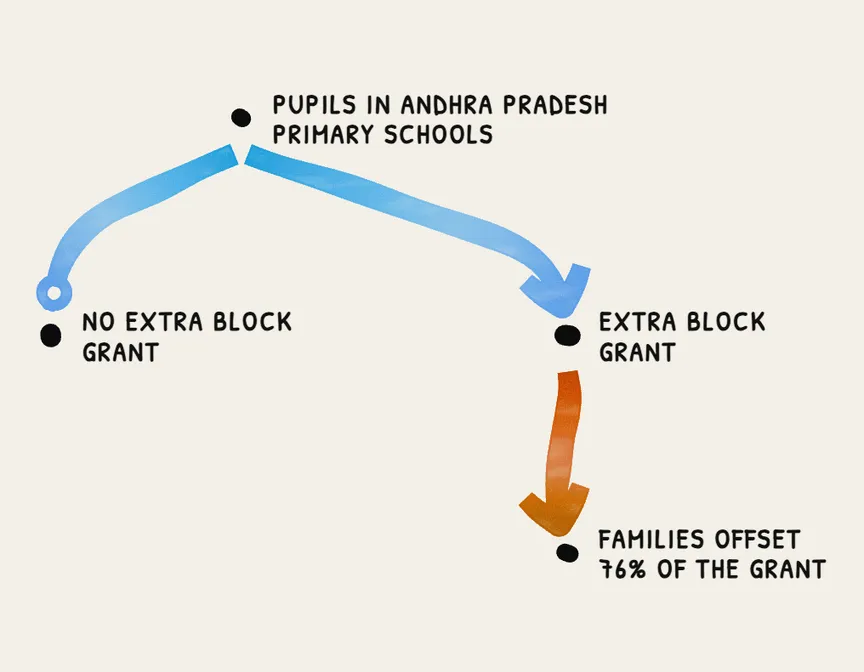
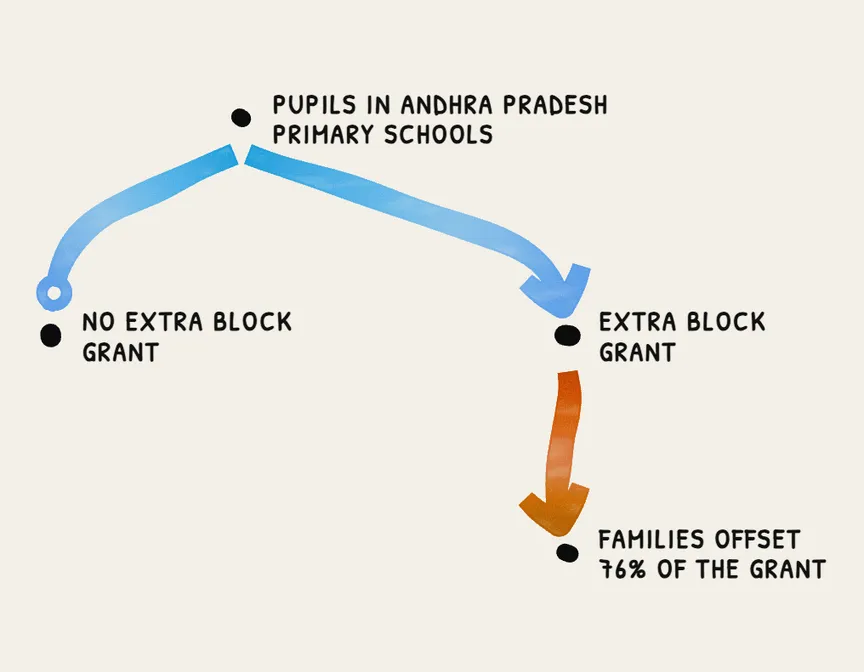
Structure educational grant programs so funding is either unpredictable or restricted to non-fungible services that households cannot independently purchase and offset.
Conduct brief, non-survey introductory welcome calls with remote panel study participants to build rapport months before administering lengthier endline surveys.
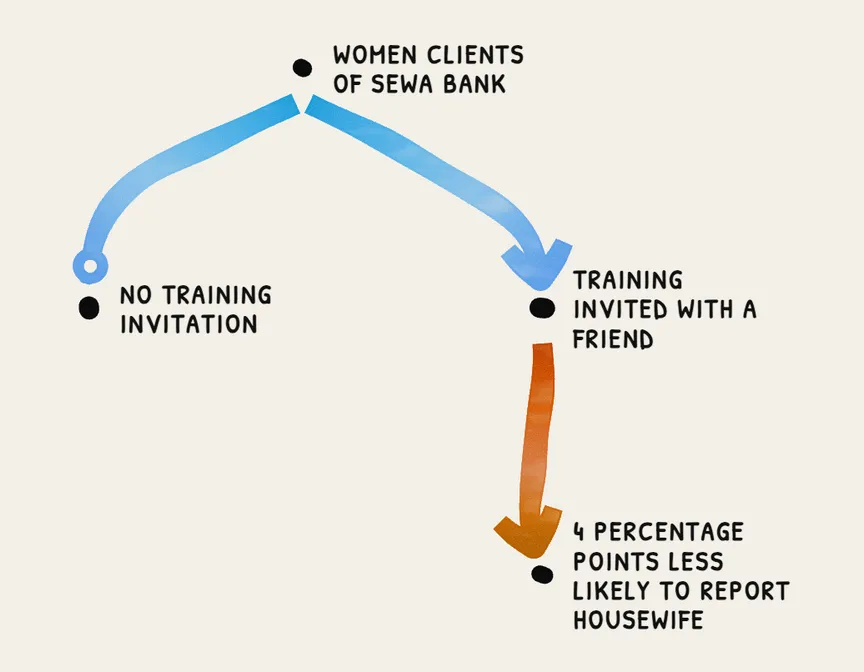
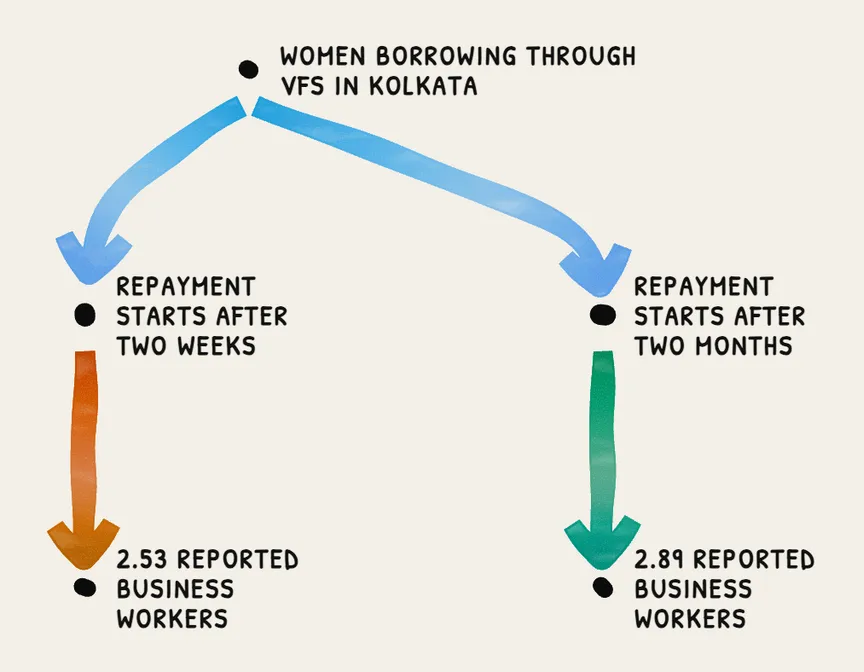
Measure self-reported primary occupational shifts from unpaid domestic work to active commercial enterprise as a key performance metric for women's economic empowerment programs.
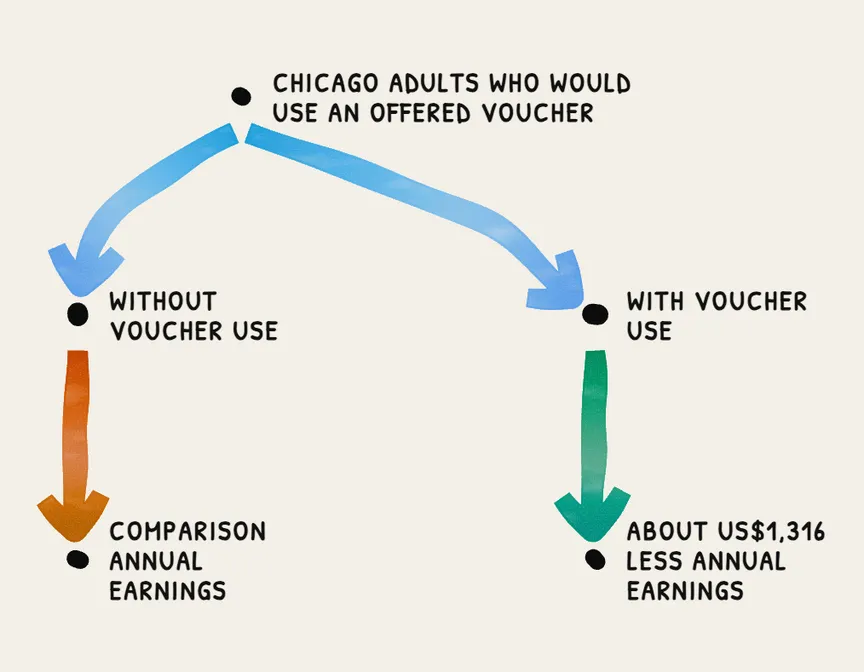
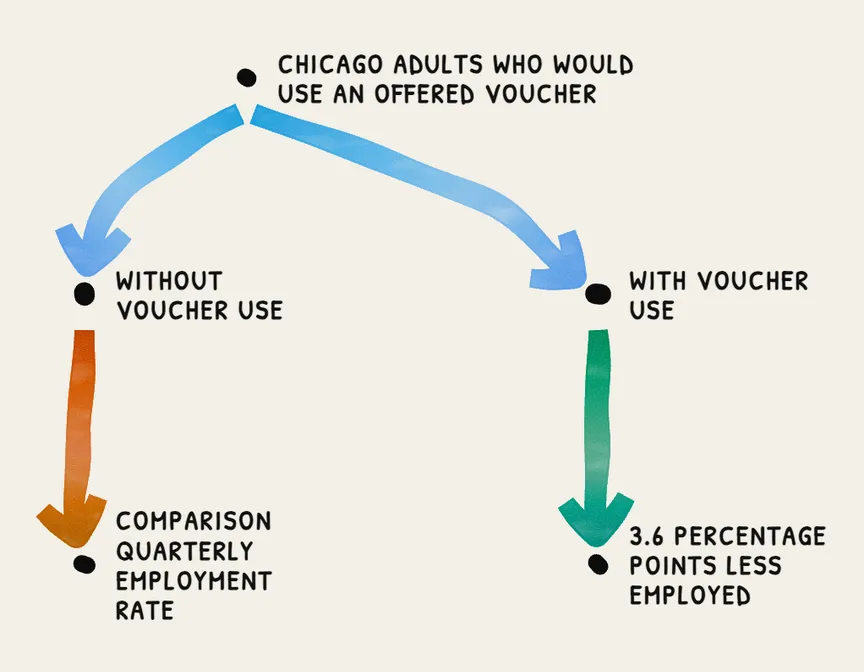
Balance the in-kind target efficiency of housing subsidies against the 19 percent earnings loss leak when deciding between targeted housing vouchers and direct cash transfers like the EITC.
Incorporate the 30 percent implicit marginal tax rate into labor supply models when designing means-tested housing assistance programs to prevent unintended employment disincentives.
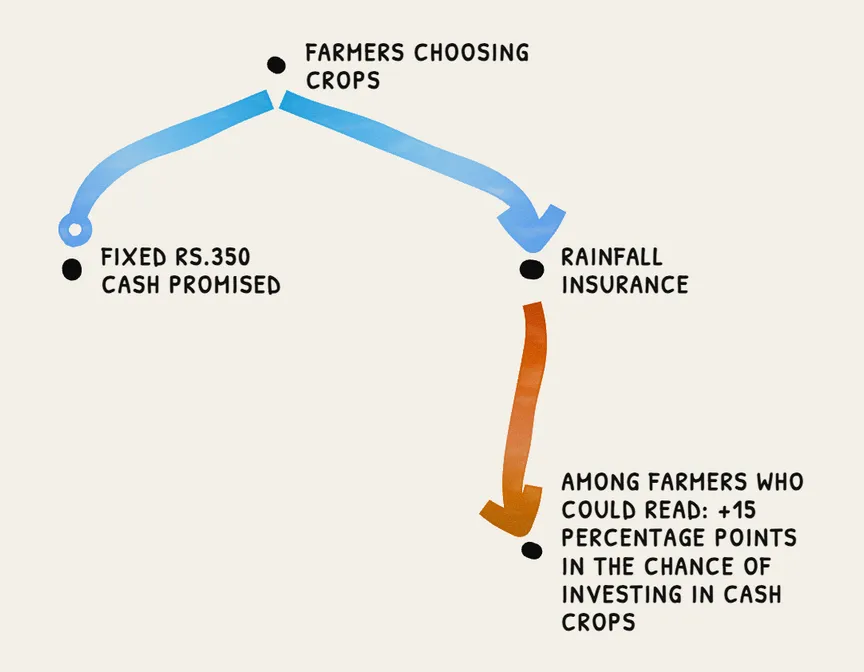
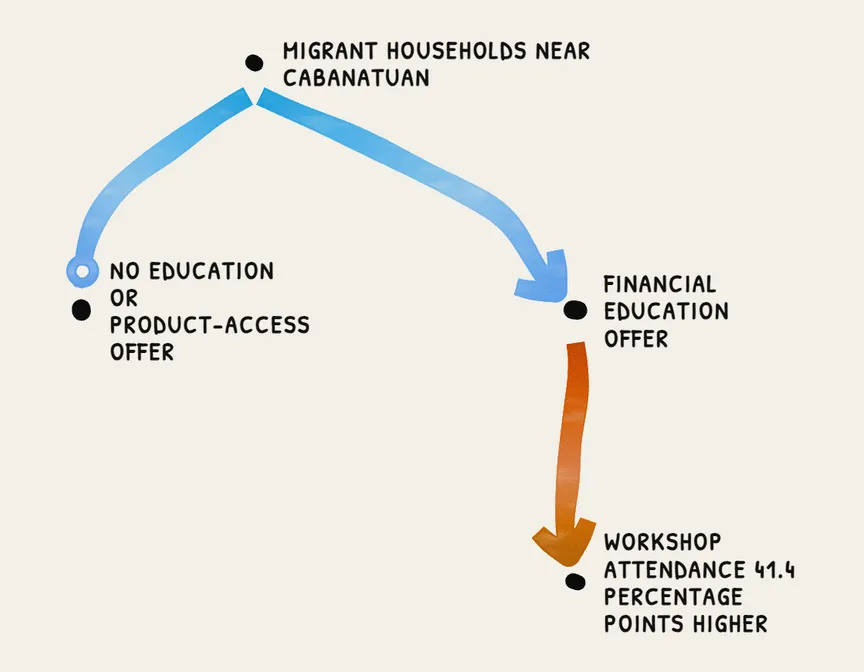
Pair microinsurance rollouts with targeted financial literacy training or simplified visual contract terms to ensure low-literacy farmers comprehend and utilize risk-hedging mechanisms.
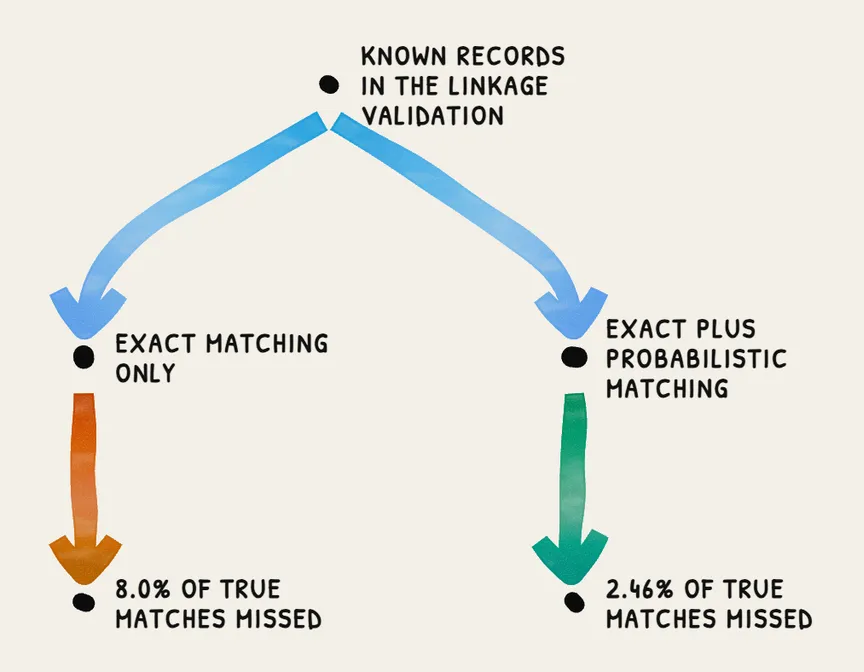
1. Combine exact deterministic matching tiers with validated probabilistic matching algorithms when linking administrative records lacking universal identifiers.
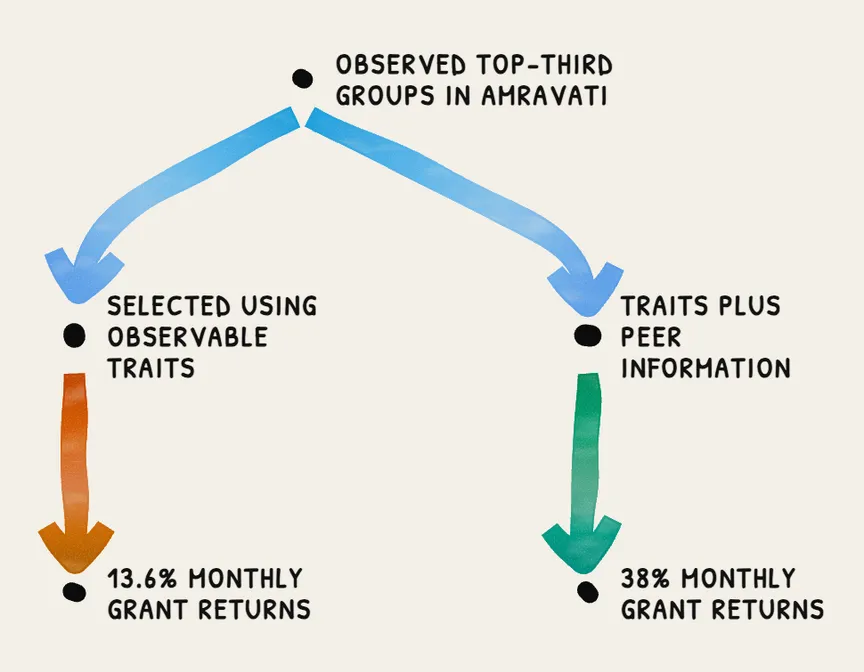
Combine observable demographic data with peer-ranking scores when scoring microentrepreneur loan applications to maximize capital returns.
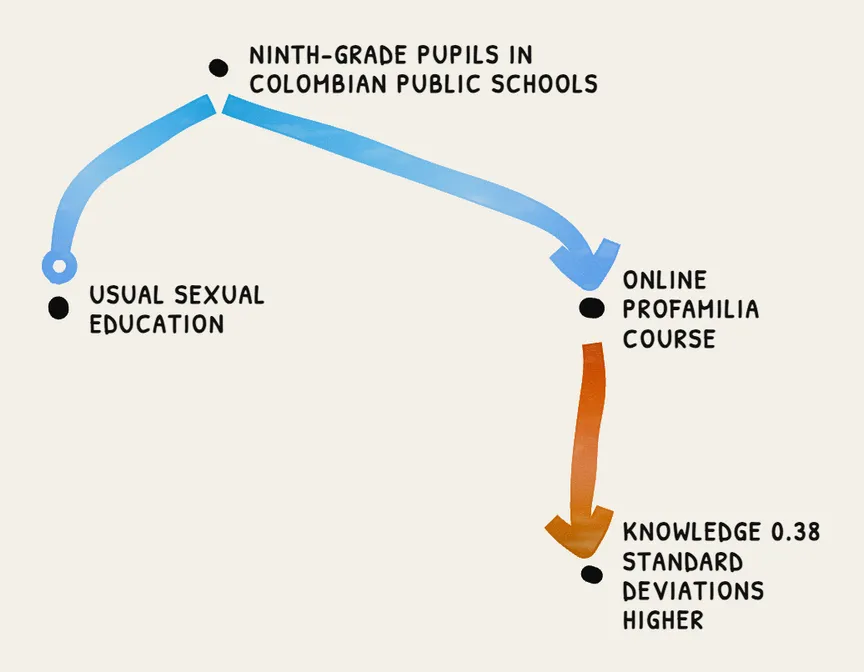
Implement mandatory, interactive web-based health modules monitored by remote counselors within existing school computer labs to standardize instruction and bypass instructor reluctance.
Establish civic core curriculum requirements for private schools participating in public voucher programs to prevent negative ideological externalities.
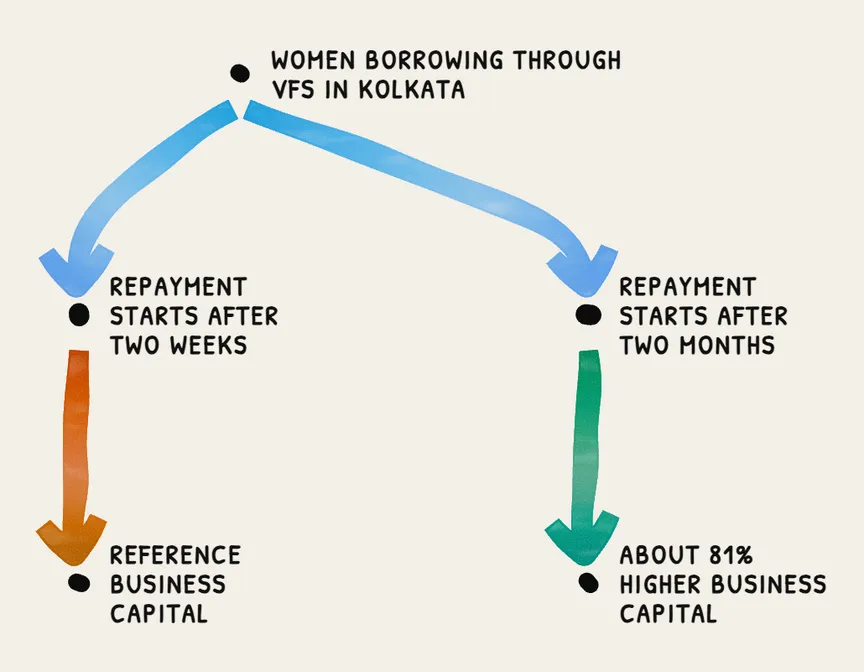
Align small enterprise financing terms with the asset conversion cycle of wholesale stock or machinery rather than enforcing immediate cash-flow extractions.
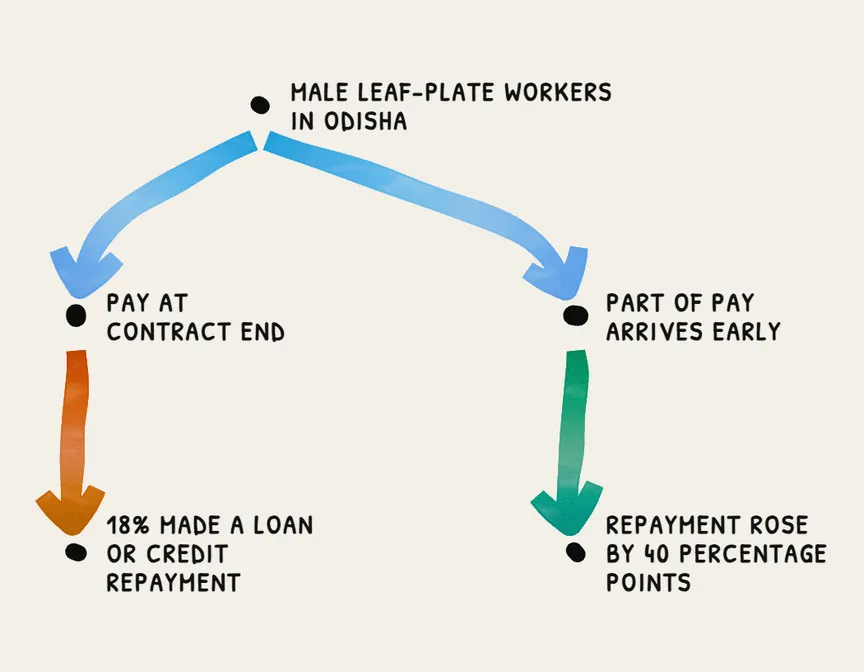
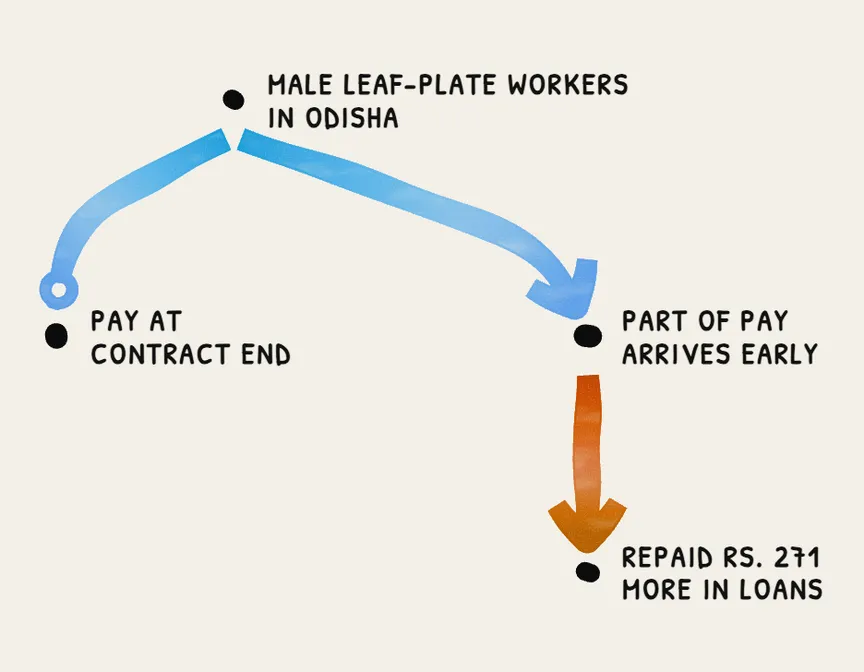
Offer earned wage access options midway through payment cycles to enable low-income staff to settle high-cost informal loans and secure essential nutritional requirements.
Design payroll and payout mechanisms that facilitate direct, friction-free debt settlement to accelerate worker mental unburdening.
Specify discrete mixture distributions allowing for zero-probability exit fractions when estimating labor duration models containing structural non-responders.
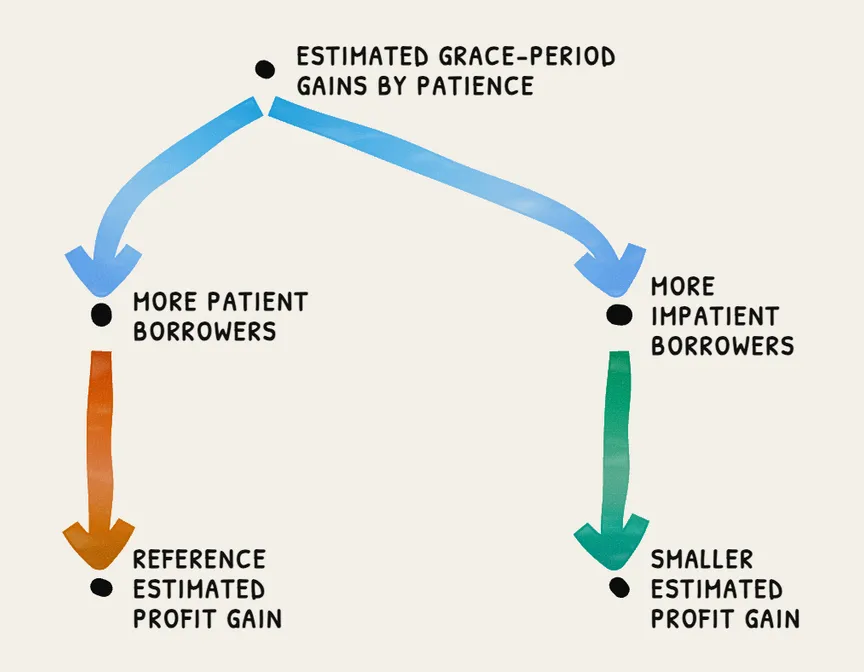
Assess borrower discount rates alongside business plans when deploying flexible debt to ensure capital is allocated toward illiquid production rather than immediate consumption.
Account for family labor constraints when designing business growth interventions, recognizing that capital accumulation in microenterprises outpaces formal hiring.
Incorporate equivalent variation discounts (0.83 benefit-to-subsidy ratio) when evaluating the consumer surplus generated by in-kind housing vouchers relative to cash transfers.
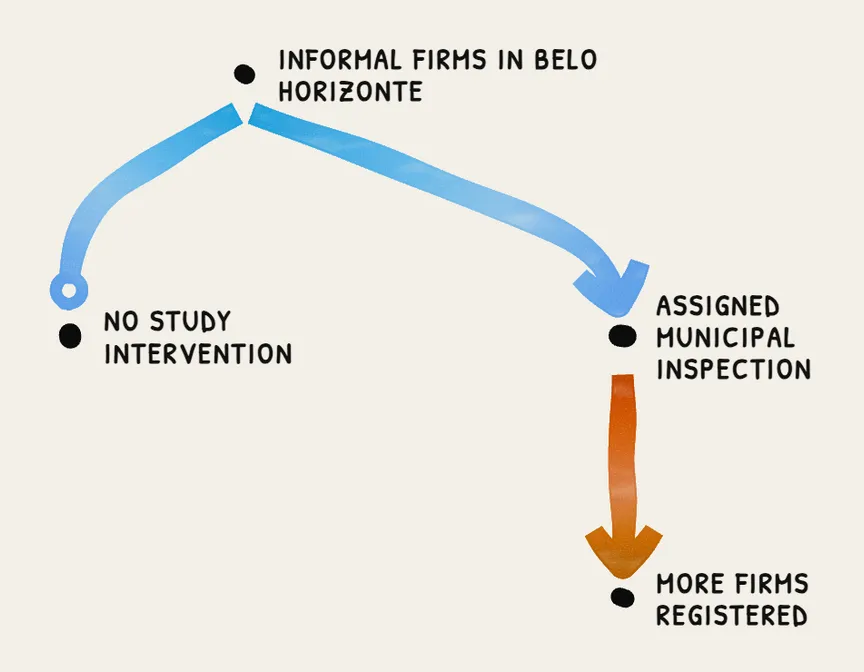
Conduct targeted physical in-person labor inspections to increase the perceived risk and cost of non-compliance among informal employers.
Implement mixture choice models incorporating empirical error recall rates to verify whether cognitive noise distorts structural economic parameters.
Utilize village-level aggregated experimental treatments as instrumental variables when evaluating social spillover effects to eliminate endogenous peer selection bias.
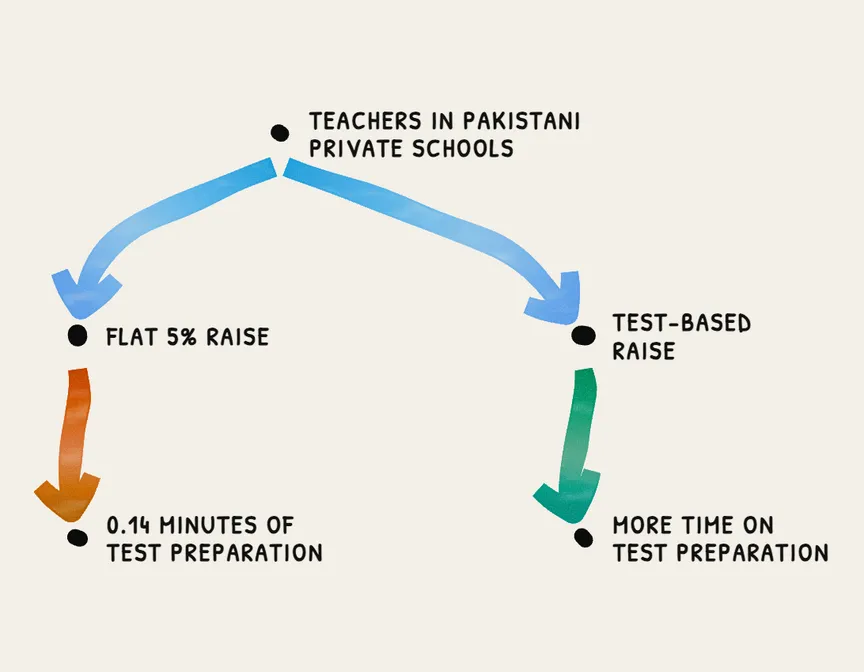
Structure teacher incentive systems to evaluate holistic classroom practices—such as student-centered learning and positive classroom climate—rather than relying exclusively on standardized test score growth.
Design social policy incentives around end-goal achievement milestones rather than intermediate attendance compliance to avoid crowding out intrinsic motivation for self-improvement.
Transition unpaid volunteer community health programs into incentivized micro-entrepreneurship models to reduce the financial cost per year of life saved below $70.
Budget and deploy direct participant compensation (such as attendance stipends) when launching field interventions to overcome initial adoption friction and achieve adequate statistical power.
Use real-stakes, incentivized experimental allocation games to test user demand and forecast adoption rates for new financial products before full commercial rollout.
Measure non-cognitive traits using incentivized real-effort tasks with dynamic difficulty switching and randomized feedback exposure rather than relying exclusively on questionnaires.
Issue periodic peer-reward tokens linked to high-value performance-contingent prizes to stimulate active peer review and feedback in online learning networks.
Incorporate non-education household budget preferences and implied income elasticities when modeling consumer response to in-kind public education transfers.
Incorporate private transfer crowd-out assumptions into public policy cost-benefit models to avoid overestimating the net financial impact of conditional cash transfers on recipients.
Structure benefit taper rules with lower implicit tax rates or lump-sum retention bonuses so that entering full-time employment yields immediate, un-penalized net income gains.
Page 9 of 23
Previous
1
…
8
9
10
…
23
Next