Skip to the findings
Menu
aikyam
school
Findings
Methods
Subjects
All cards
Read
Findings
Methods
Subjects
All cards
Findings
1,083 findings
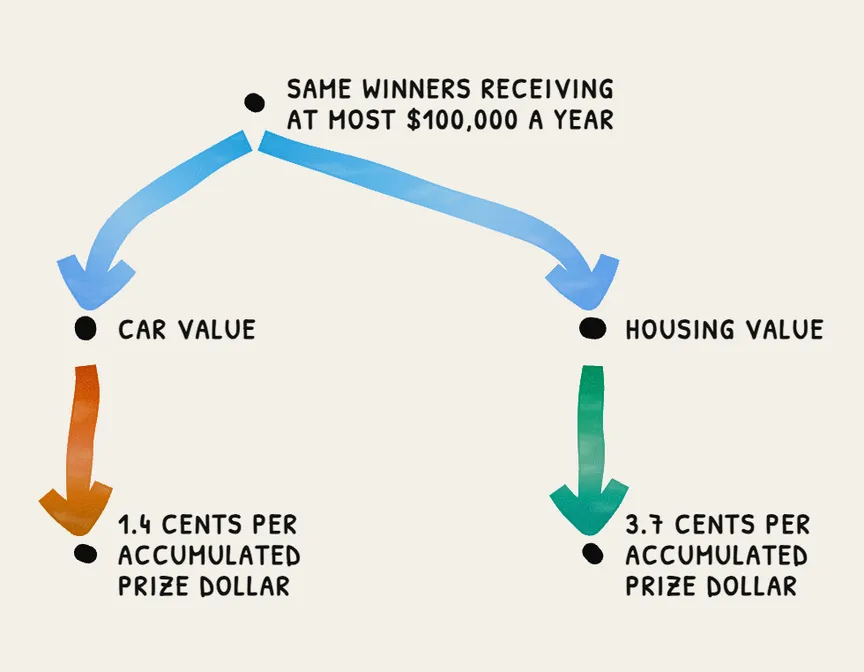
1. Apply a 1.4% allocation coefficient for vehicles and 3.7% for real estate when estimating physical durable asset purchases resulting from multi-year unearned cash transfers.
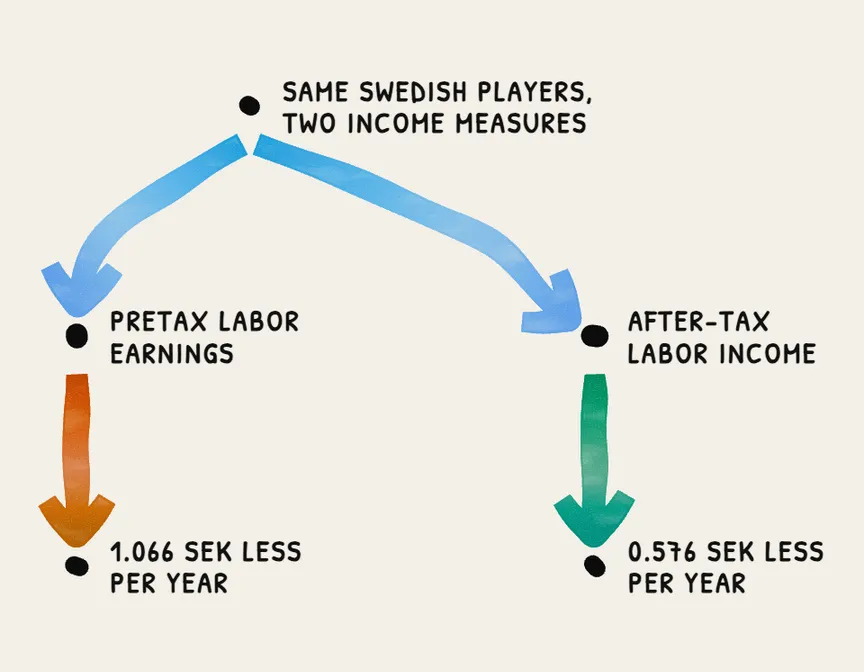
When modeling labor supply responses to lump-sum wealth transfers or tax policies, incorporate an annual pre-tax earnings reduction of approximately 1.1% of total unearned windfall value.
1. Calculate long-term capital accumulation from multi-year annuity payouts by multiplying total received disbursements by an empirical savings factor of 0.16.
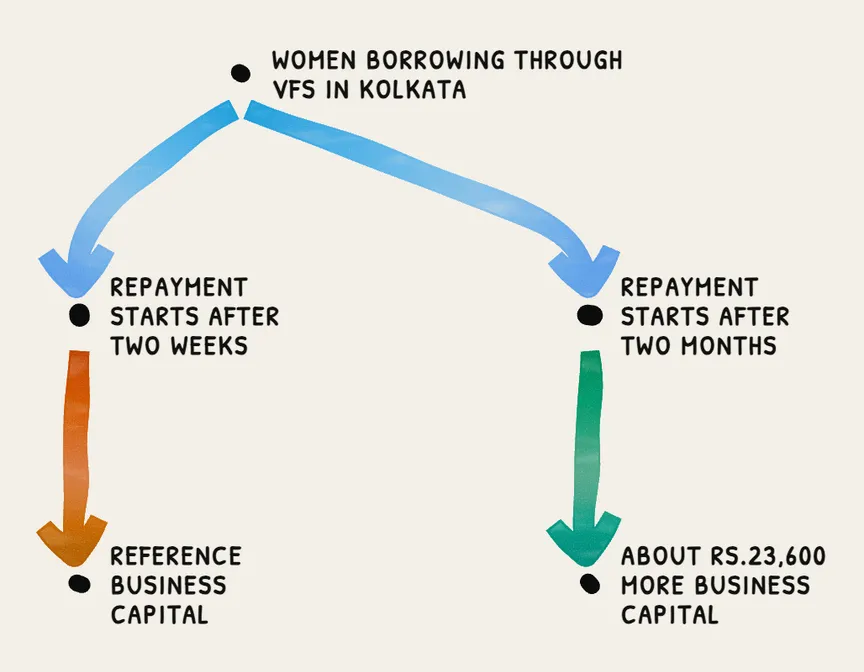
Structure loan duration and capital sizing using instrumental variable return estimates to ensure borrowers can achieve self-sustaining capital compounding.
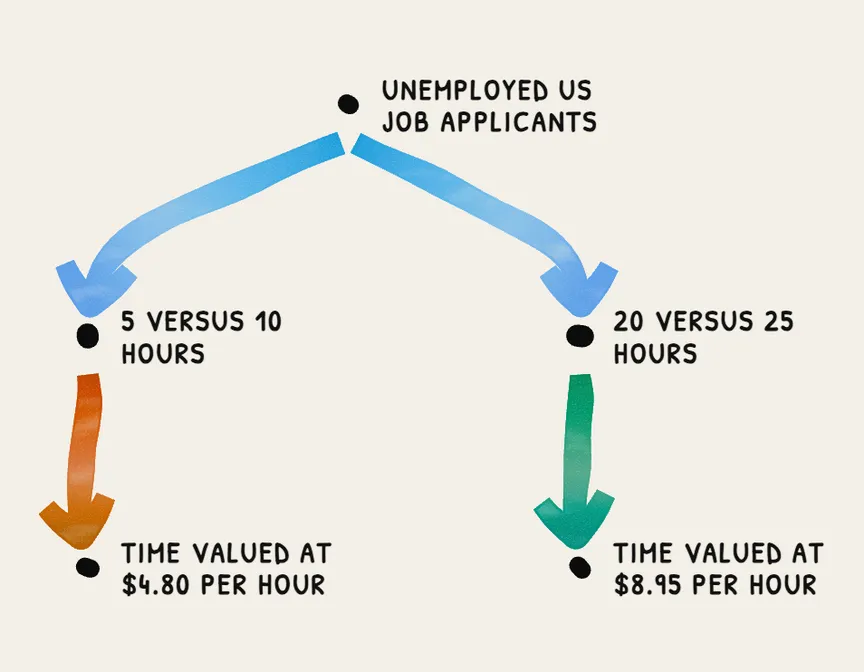
Estimate the baseline opportunity cost of full-time employment for unemployed jobseekers by multiplying their predicted pre-tax market wage by 0.58.
Track marital timing, age at marriage, and birth spacing preferences when evaluating long-term labor market interventions for young adult women.
1. Eliminate regulatory plant-size thresholds and import tariffs to allow competitive market selection to reallocate output toward high-productivity plants.
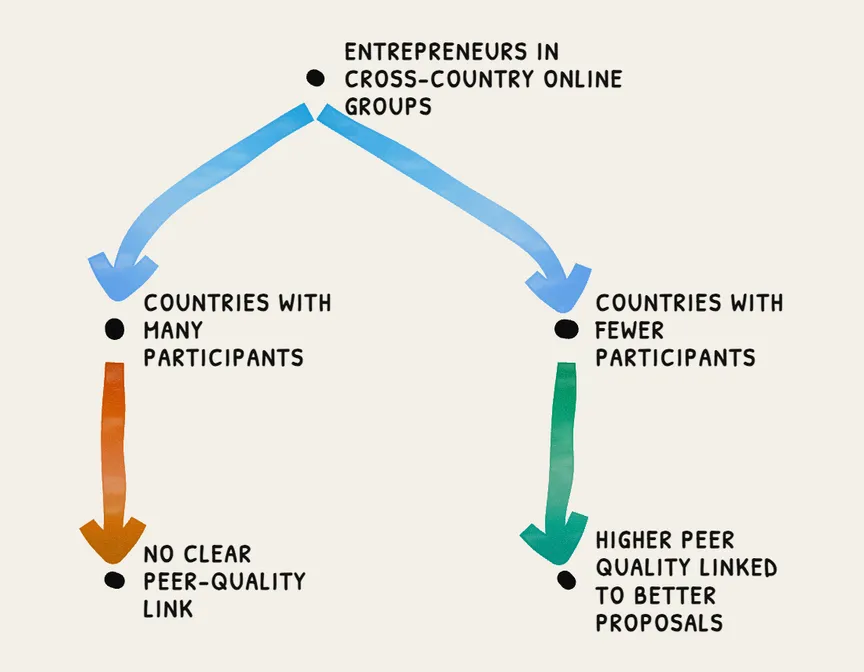
Assign entrepreneurs from smaller or less saturated markets to international heterogeneous networks to boost idea innovation, while keeping entrepreneurs from large domestic markets in nationally homogeneous groups to drive engagement.
Structure multi-sided interventions so supply-side participant withdrawals equal demand-side firm replacements to maintain stable market tightness and prevent control group spillover contamination.
Account for local market competitiveness and potential zero-sum business stealing when designing and evaluating microenterprise marketing support programs.
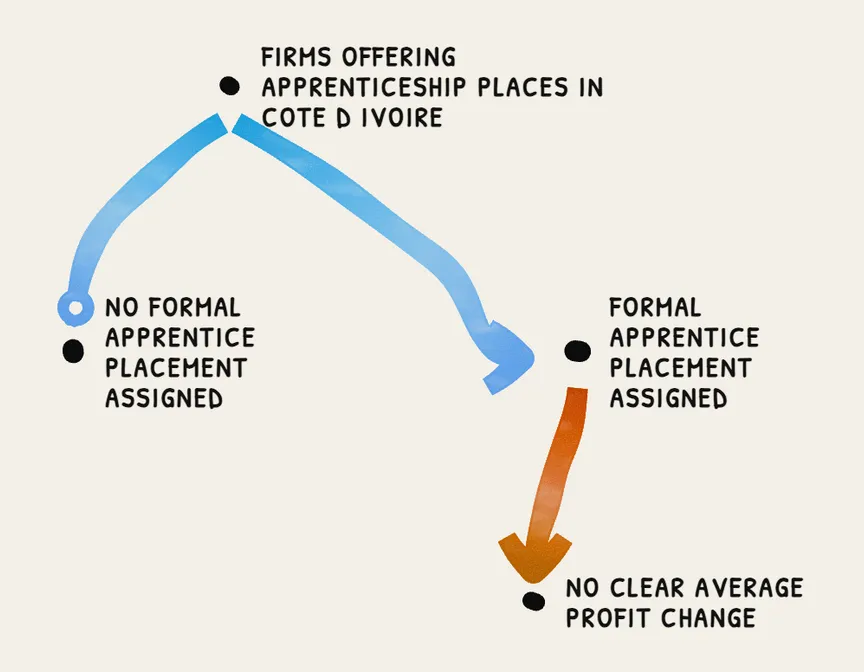
Incorporate master trainer time reallocation and lost billable production hours into net enterprise profit evaluations of workplace training programs.
Provide standardized multi-dimensional competence testing to job candidates to lower evaluation noise for prospective employers during hiring decisions.
Evaluate youth economic empowerment programs using restricted subsample analyses to verify that human capital gains are driven by direct child opportunity returns rather than adult intrahousehold power reallocations.
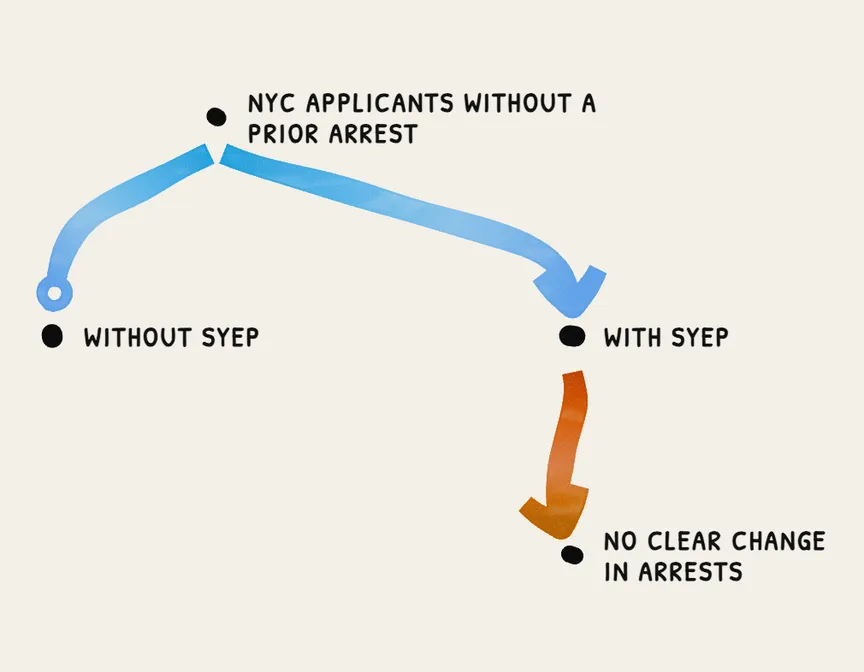
1. Supplement short-term summer jobs programs with multi-year continuous supportive programming to sustain long-term crime reduction outcomes.
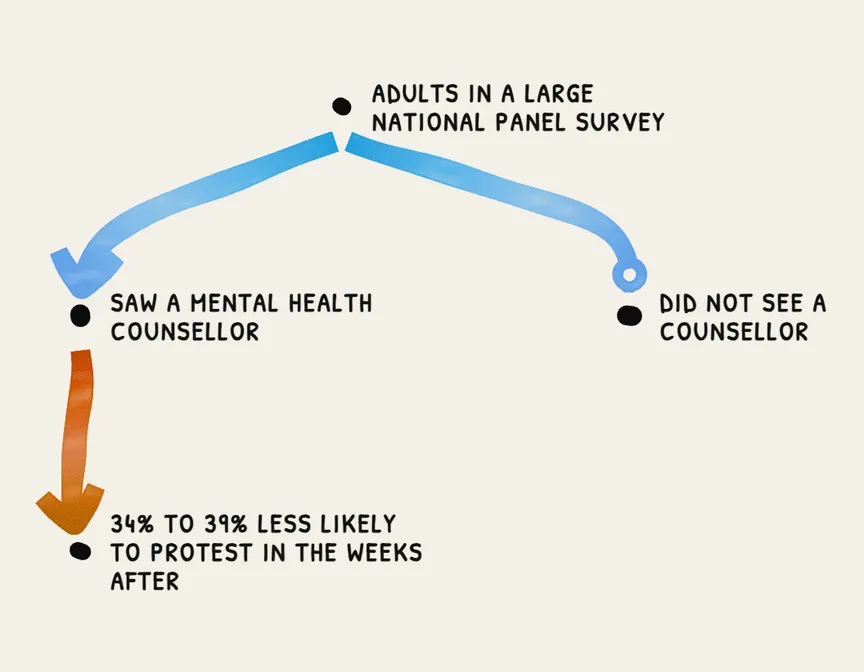
Mental health support can lower political engagement, because it lowers anxiety.
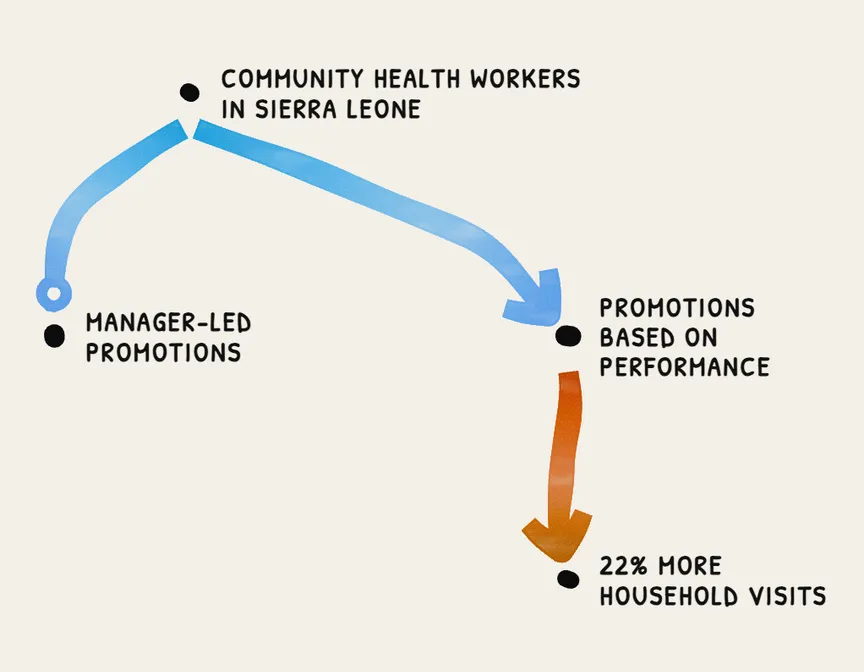
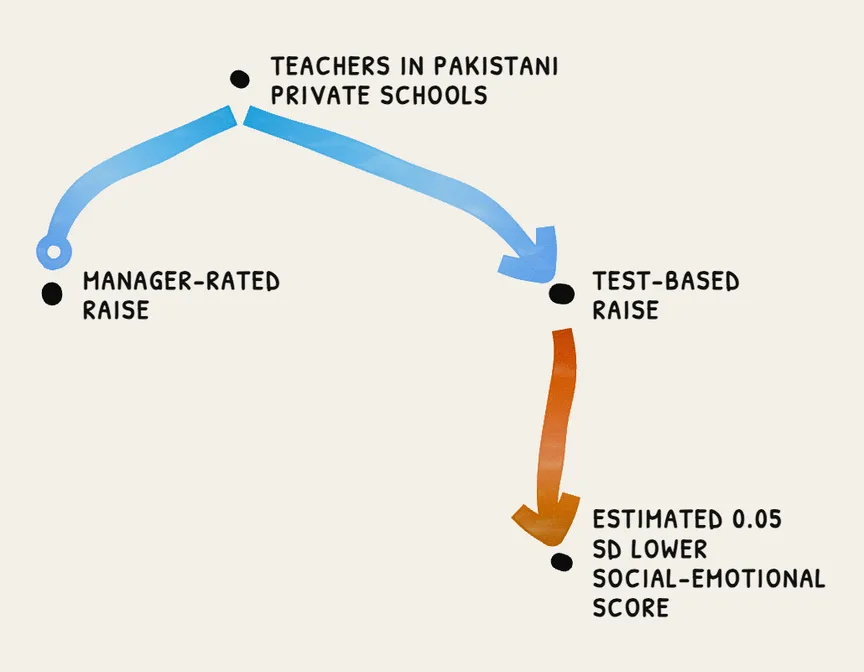
Transition public sector personnel promotion criteria from discretionary manager nominations to objective, independently verified worker performance metrics.
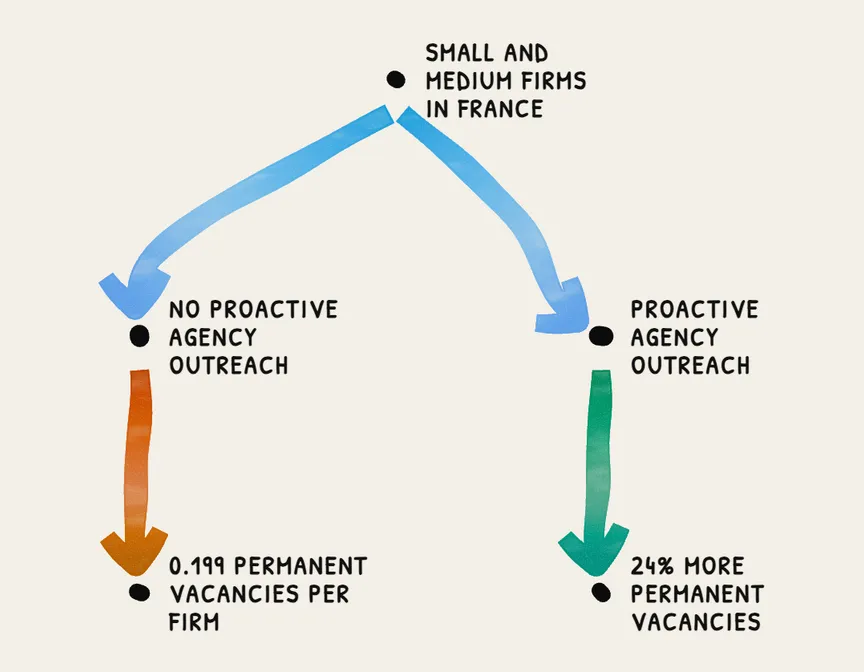
Construct a priority targeting index that ranks sectors by local labor market tightness and job-finding rates to direct employer outreach toward the most depressed micro-markets.
Calculate labor market tightness at the intersection of commuting zone and industrial sector to capture localized supply-demand frictions.
Provide targeted policy subsidies (estimated at Rs 150 per client) to microfinance institutions to offset asymmetric information costs and enable flexible debt offerings.
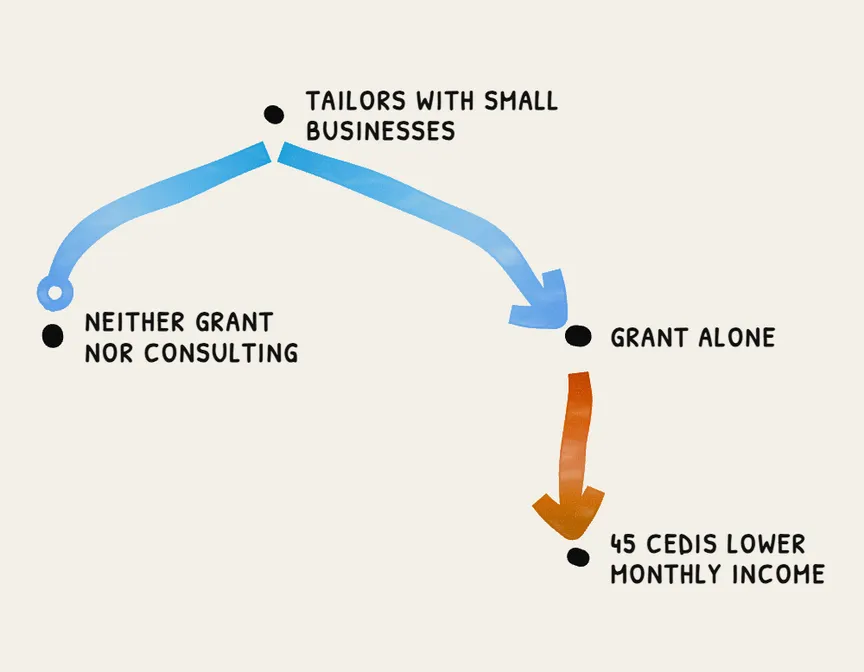
Evaluate firm-level baseline demand and operational capacity prior to awarding unconditional capital grants to avoid induced negative profit returns.
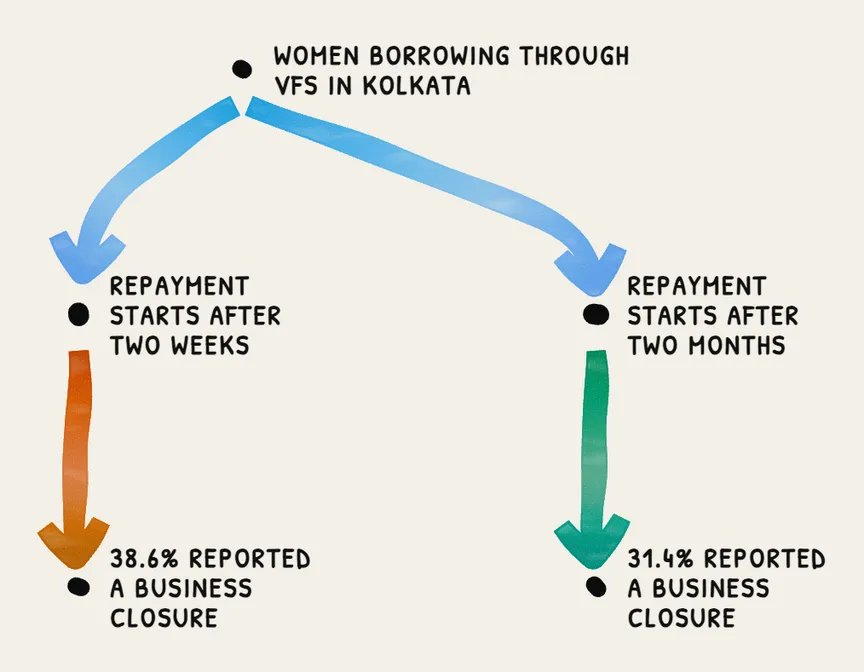
Offer short-term debt repayment flexibility during business downturns to prevent viable microenterprises from shutting down permanently.
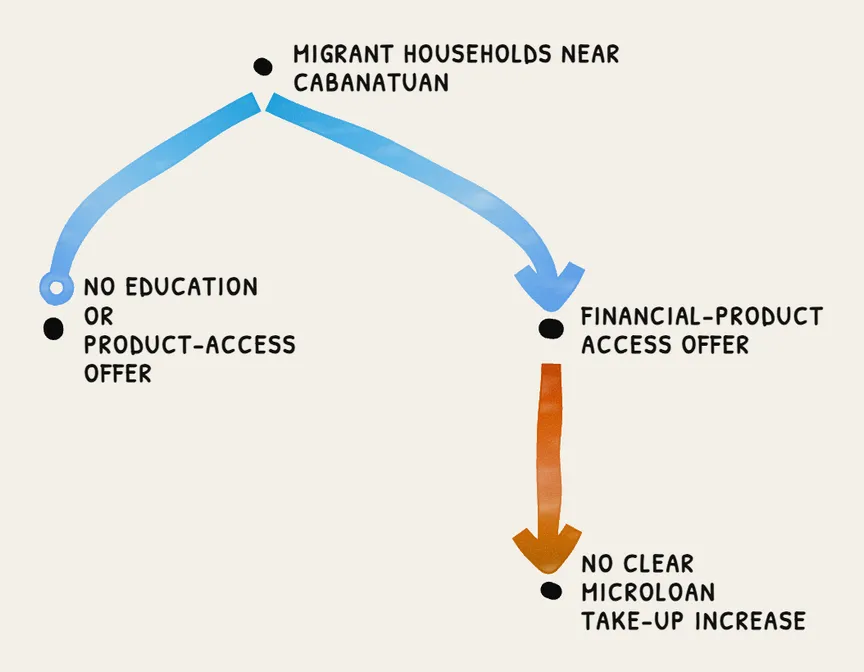
Assess baseline household remittance inflows and liquidity before deploying subsidized microcredit programs targeted at migrant families.
Develop smartphone-based micro-task applications with modular piece-rate payments to convert fragmented domestic spare time into household liquid earnings.
Establish structured workplace onboarding and social support channels tailored specifically to the social and educational backgrounds of rural female migrant workers.
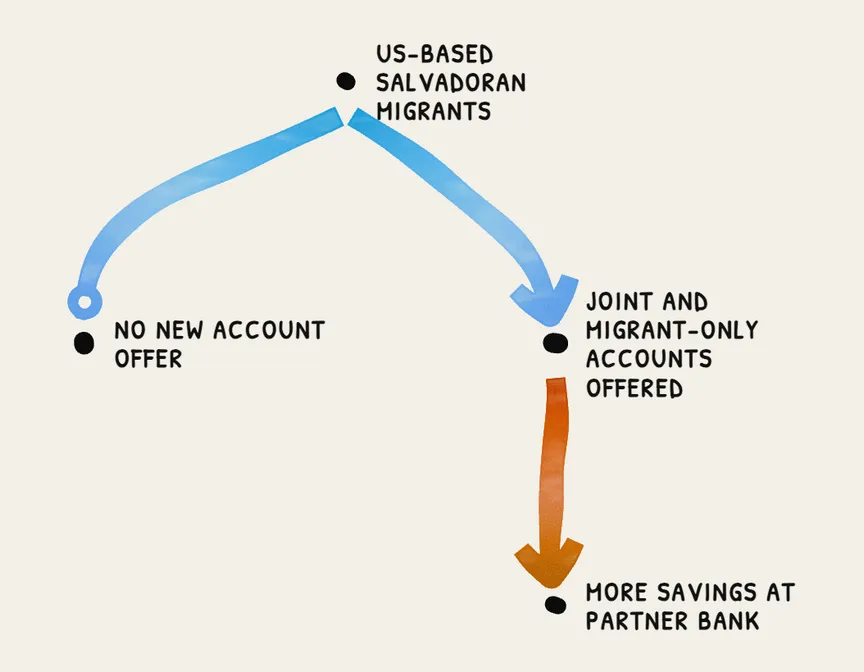
Design cross-border financial products that grant overseas remittance senders direct legal control or joint monitoring over destination bank accounts.
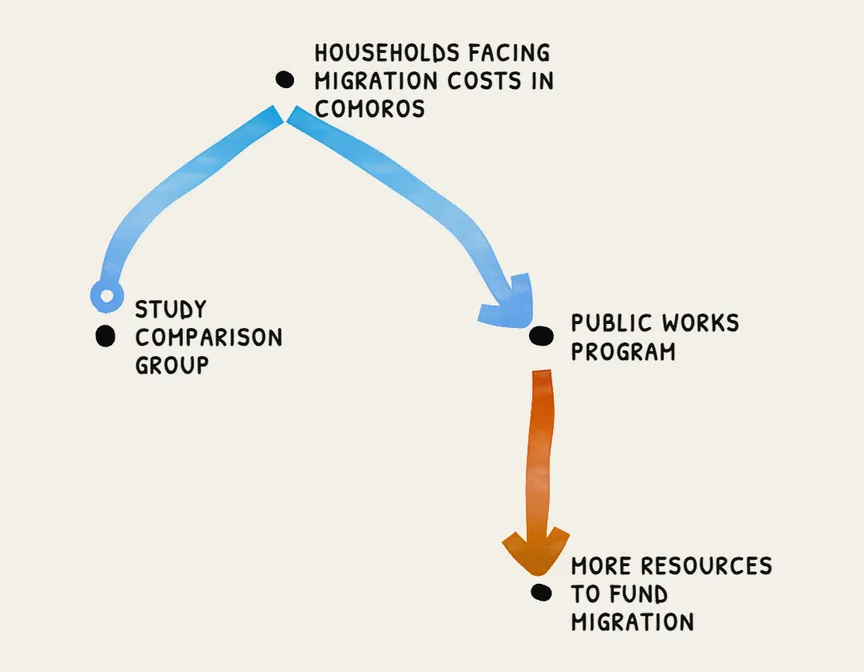
Assess local liquidity constraints versus distress migration rates before launching public works programs to predict whether regional labor mobility will increase or decrease.
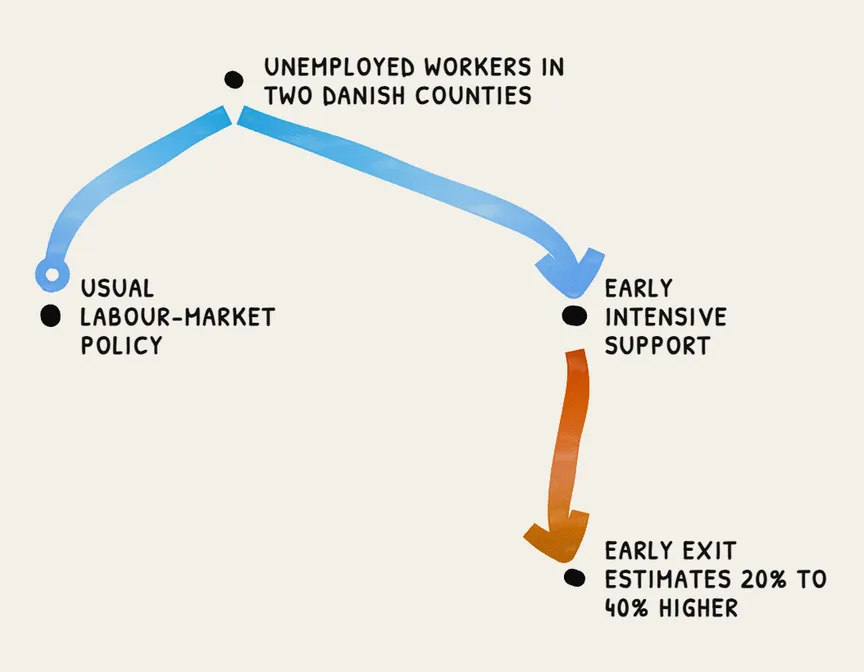
Estimate duration models using a mixed proportional hazard specification with unobserved heterogeneity controls when analyzing dynamic panel data from social experiments.
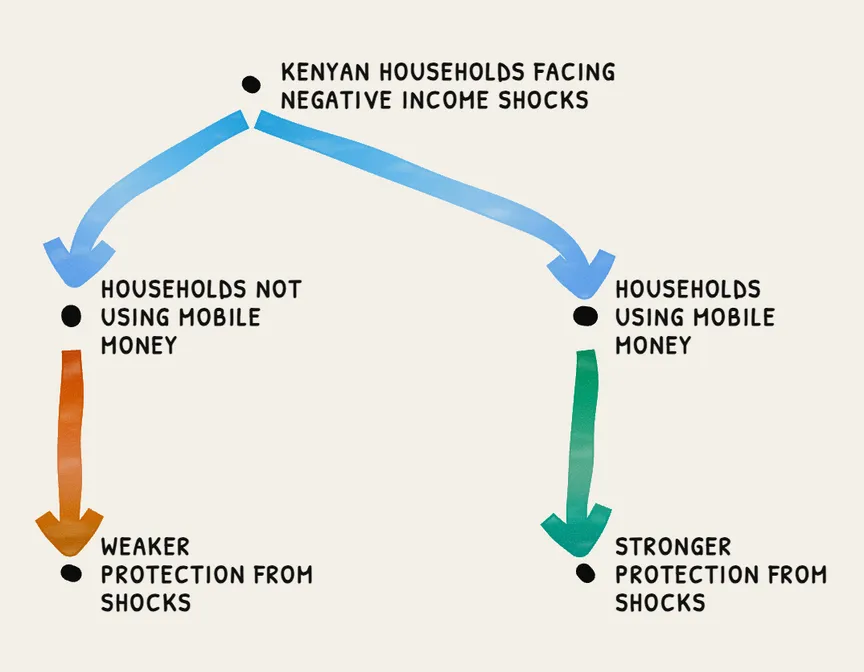
Expand digital mobile money transfer infrastructure to facilitate domestic risk-sharing and reduce transaction costs for informal safety nets.
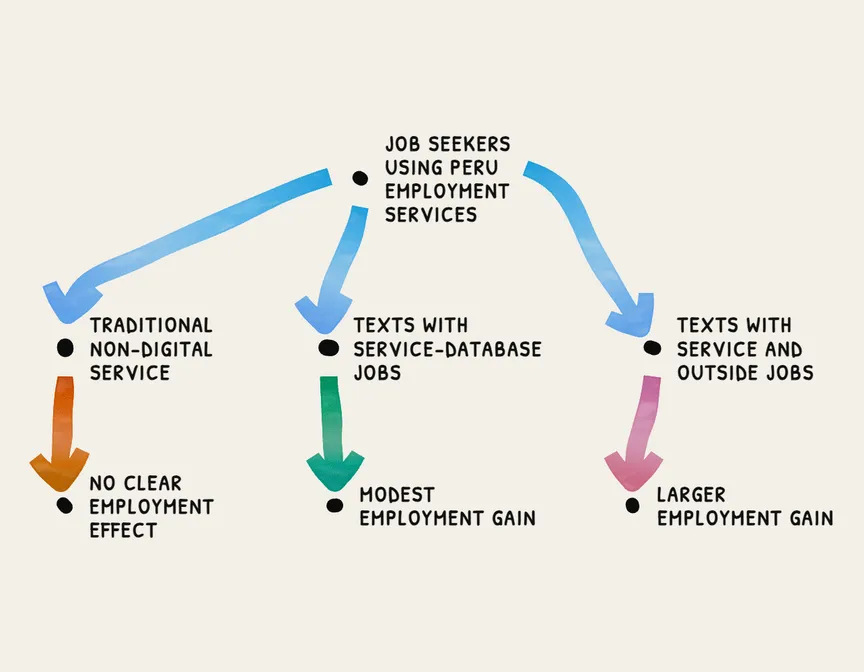
Integrate automated SMS job vacancy alerts into public employment service workflows to push relevant openings directly to job seekers' mobile devices.
Structure financial capability evaluations using multi-arm factorial designs that isolate budgeting, goal-setting, and product instruction modules.
Offer micro-financial incentives and deploy decentralized mobile health stations to lower logistical frictions and boost diagnostic result retrieval rates.
Combine minimum baseline piece rates with mandatory quality inspection thresholds in monopsonistic labor settings to maximize net employer returns.
Apply monotonicity-based selection bounds when evaluating educational interventions that alter standardized test participation rates among low-performing students.
Measure borrower moral hazard elasticity prior to adjusting interest rates on flexible credit products to avoid triggering unsustainable default spirals.
Distinguish between influence activities and demotivation when diagnosing productivity drops in non-meritocratic organizations.
Deliver financial goal reminders and incentive communications immediately following wage payments when workers possess the liquidity required to act constructively.
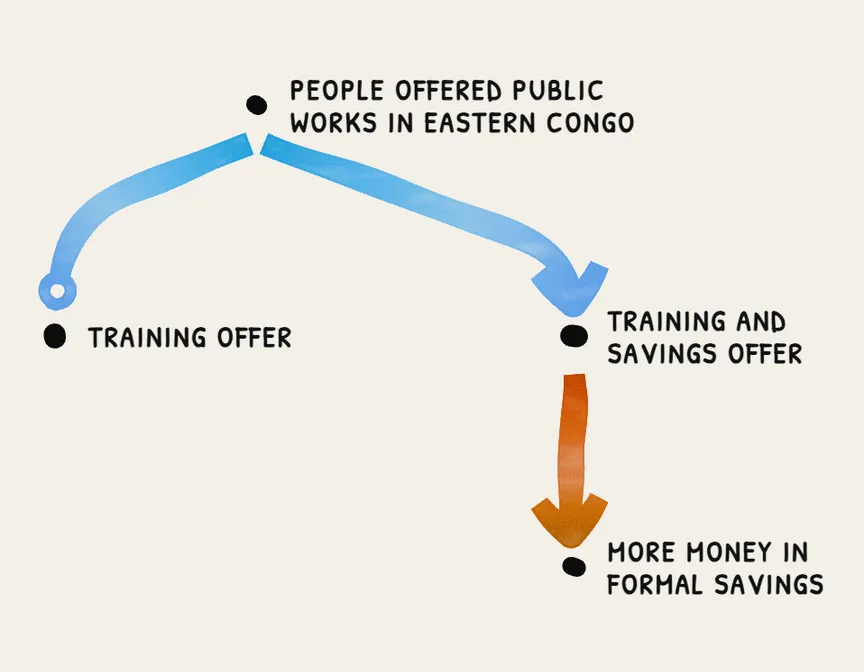
Bundle vocational skills training in public works programs with formal savings incentives rather than offering training as an isolated intervention.
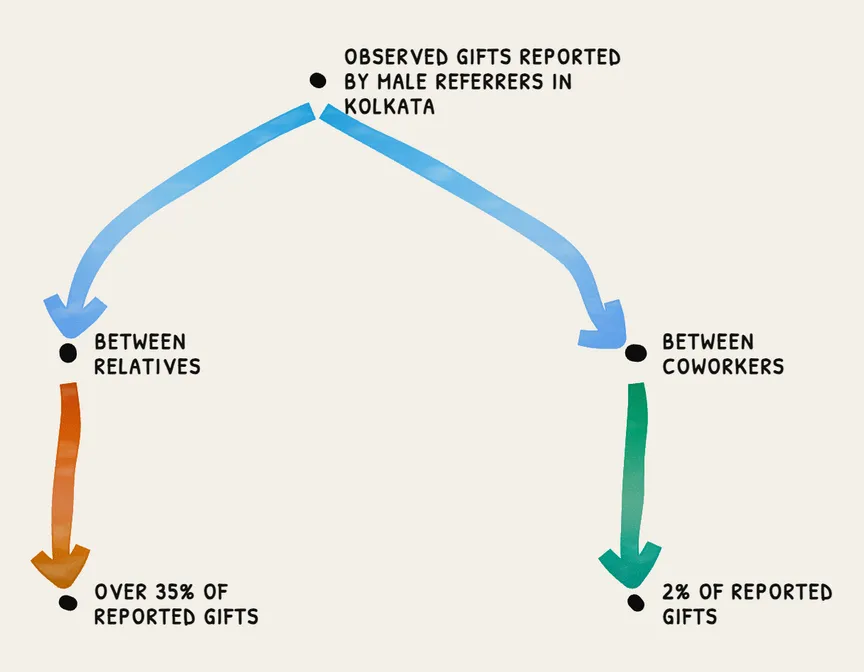
Analyze the non-work social functions of employee networks before introducing referral programs to anticipate where informal social obligations might conflict with recruitment goals.
Execute a SURE joint hypothesis test across all baseline covariates simultaneously to verify experimental randomization balance in blocked multi-site trials.
Construct a weighted evaluation composite combining prior achievement value-added, structured classroom observation scores, and student perception surveys to forecast instructor effectiveness.
Link national unemployment benefit administration registers with social security pension records to build longitudinal monthly panel datasets for non-parametric counterfactual prediction.
Design compensation contracts that incorporate qualitative manager evaluations alongside quantitative benchmarks to preserve effort across non-measurable performance dimensions.
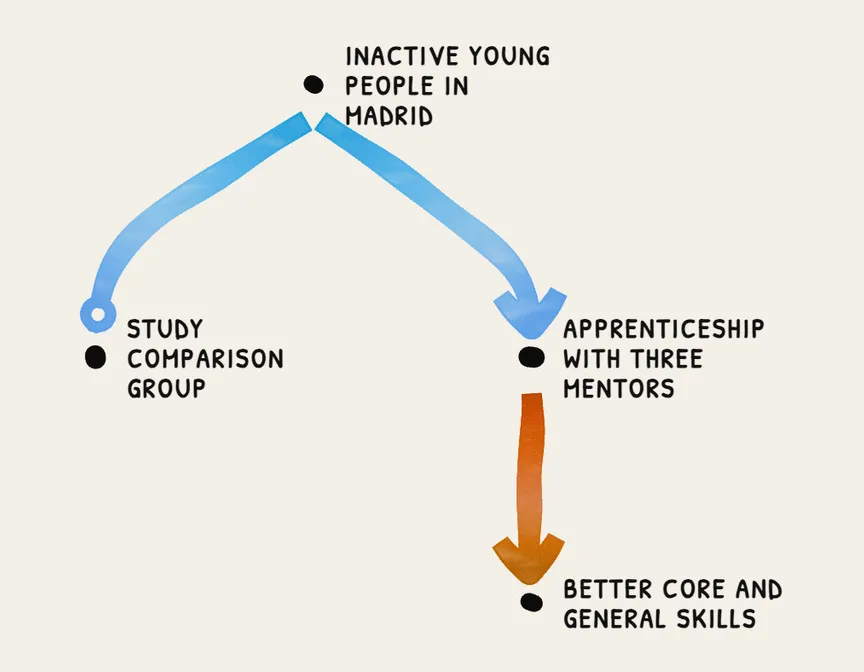
Assign three distinct mentors (educational, technical, and professional) to young, low-educated apprentices inside host companies to build foundational workplace competencies.
Isolate multi-component non-cognitive curricula into single-trait evaluation arms to confirm independent treatment efficacy prior to bundling programs.
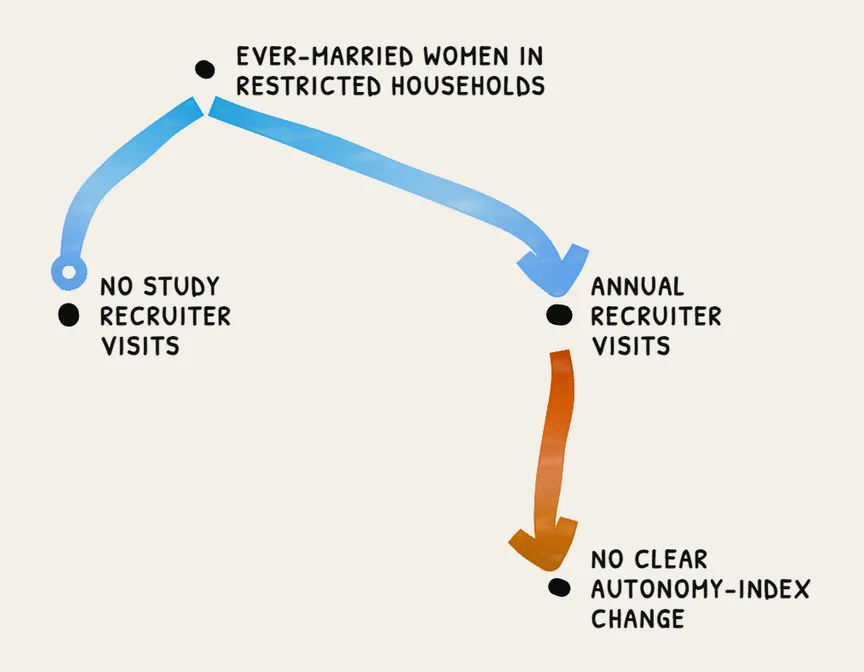
Incorporate individual bank account ownership and intra-household decision-making metrics into all labor market intervention impact evaluations.
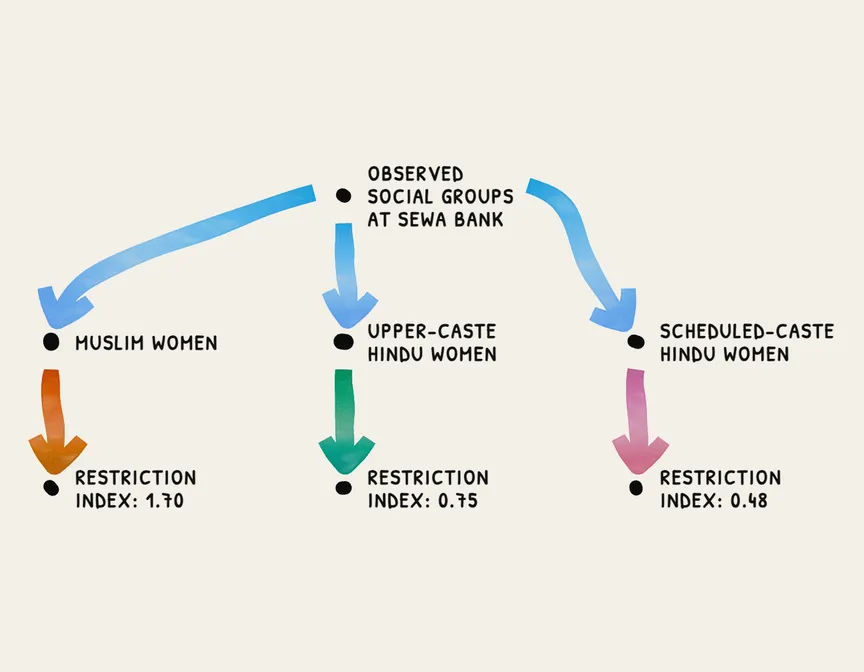
Quantify social and mobility constraints using multi-norm sub-caste index tools before deploying entrepreneurial development programs in culturally conservative regions.
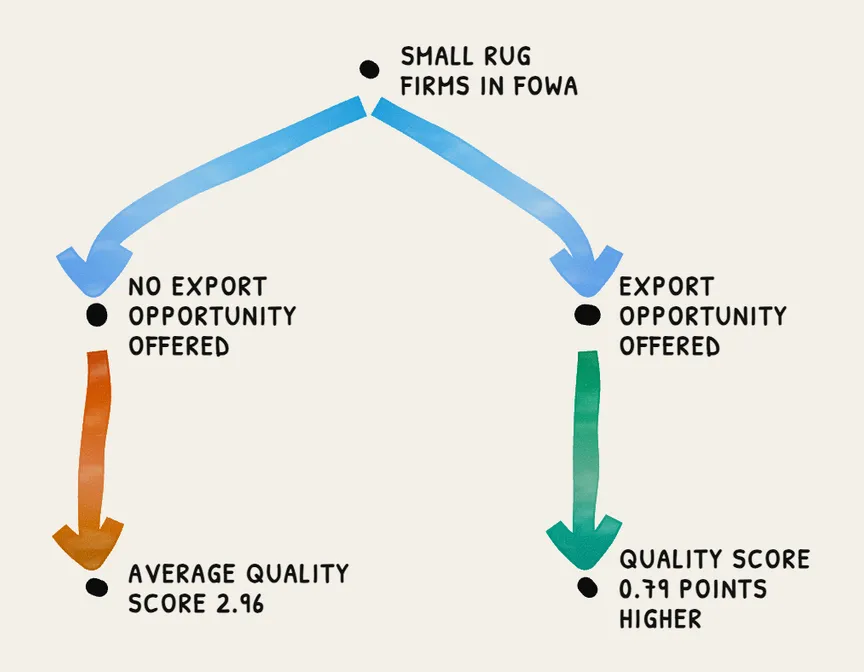
Deploy independent expert evaluators to score artisanal product upgrades across standardized structural dimensions rather than relying strictly on gross revenue or sale prices.
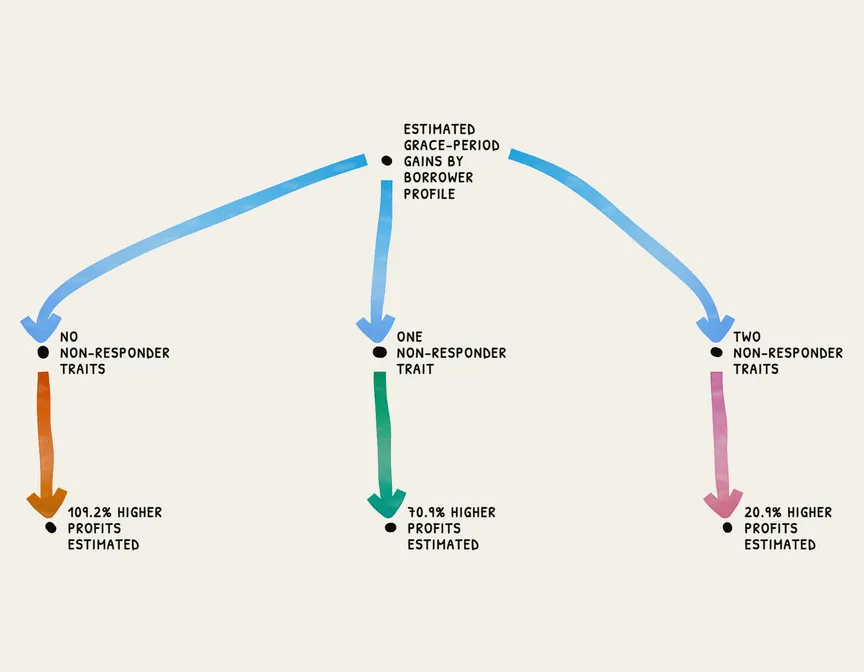
Deploy composite diagnostic screening tools during MFI intake to target flexible repayment contracts to borrowers possessing zero or one non-responder trait.
Page 13 of 23
Previous
1
…
12
13
14
…
23
Next