Skip to the findings
Menu
aikyam
school
Findings
Methods
Subjects
All cards
Read
Findings
Methods
Subjects
All cards
Findings
1,083 findings
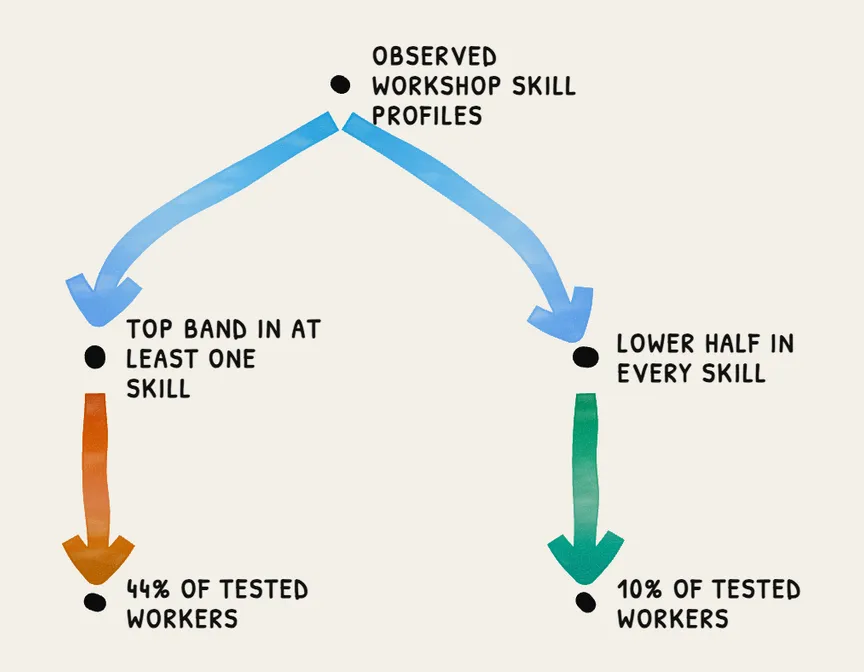
Disaggregate applicant evaluations into independent skill category certificates (e.g., cognitive reasoning, linguistic accuracy, data entry speed) rather than releasing a single aggregate GPA or score.
Compare multi-faceted intervention proposals against targeted case management alternatives using per-graduate cost metrics rather than focusing exclusively on overall effect sizes.
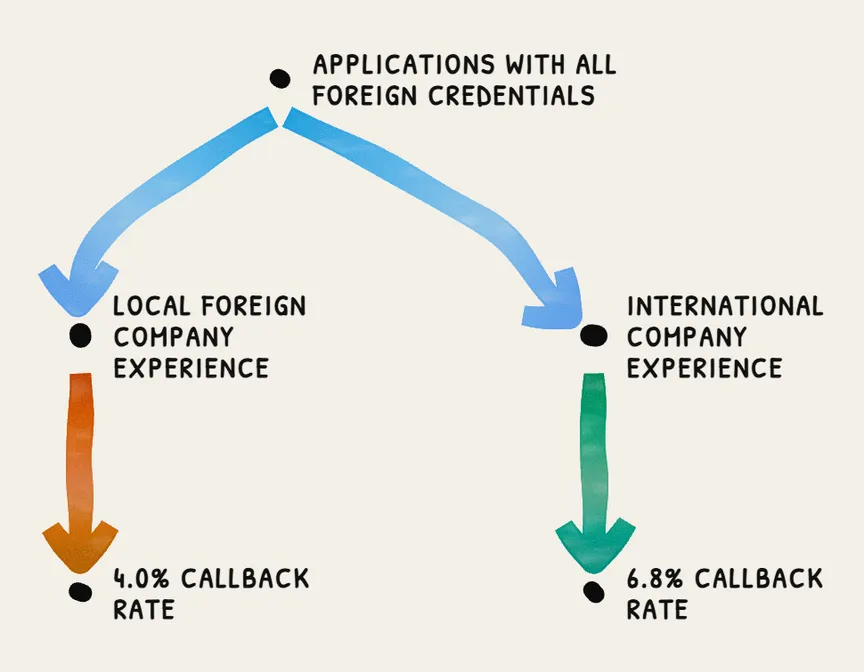
Discontinue relying on multinational employer branding as a primary mechanism for conveying international skill transferability to domestic hiring managers.
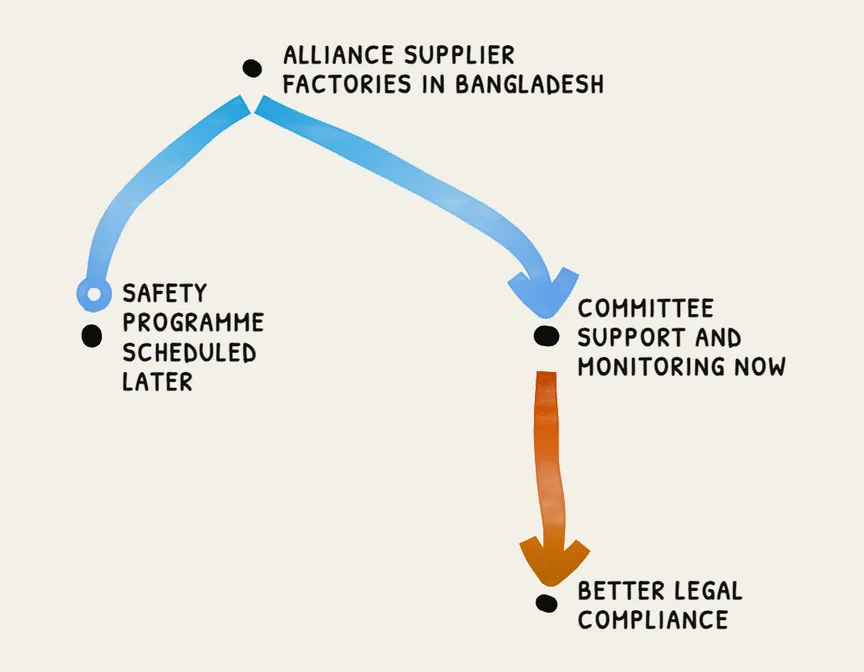
Form buyer alliances among multinational corporations to mandate and directly monitor joint occupational safety and health committees in local supplier facilities.
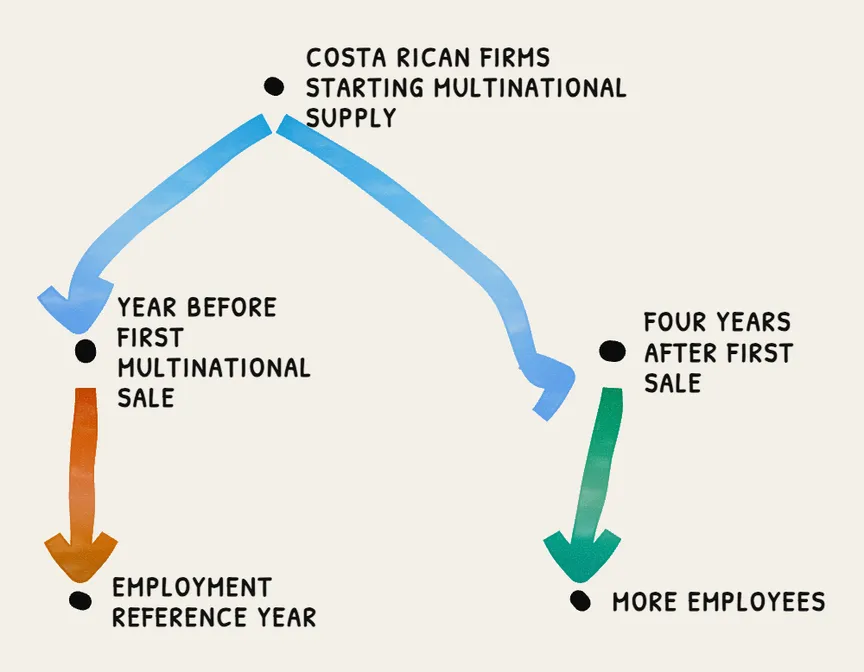
Implement national match-making and procurement programs that connect small and medium enterprises directly as suppliers to multinational corporations operating within the host country.
Partition multidimensional algorithmic output into statistical confidence tiers using Multiple Comparison with the Best routines before displaying recommendations to human decision-makers.
Elicit ranked preferences in choice surveys to dynamically modify individual choice sets and separate systematic utility weights from extreme-value error terms.
Compute the marginal net return of each experimental wave by balancing expected participant welfare gains and variance reductions against intervention costs, terminating the adaptive trial when net return becomes non-positive.
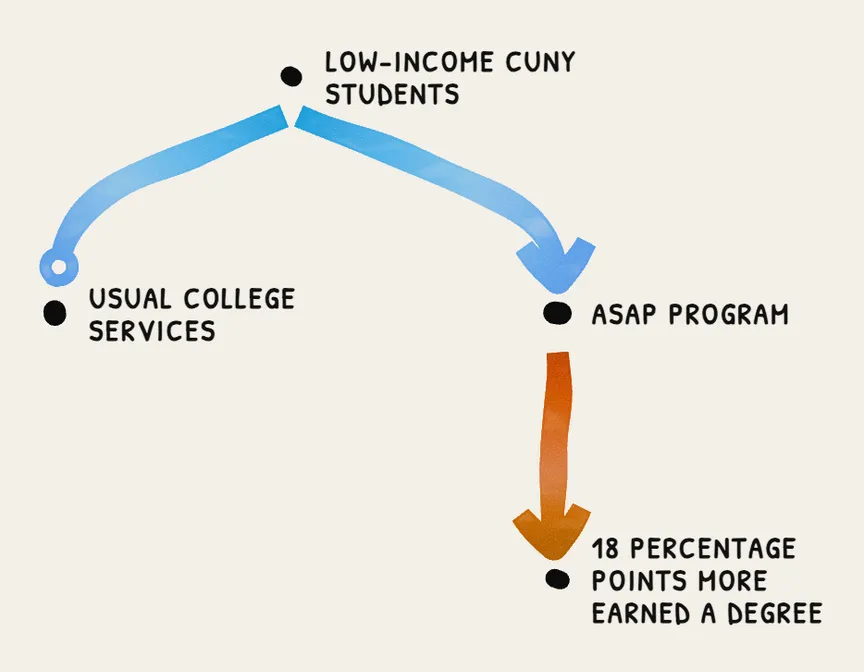
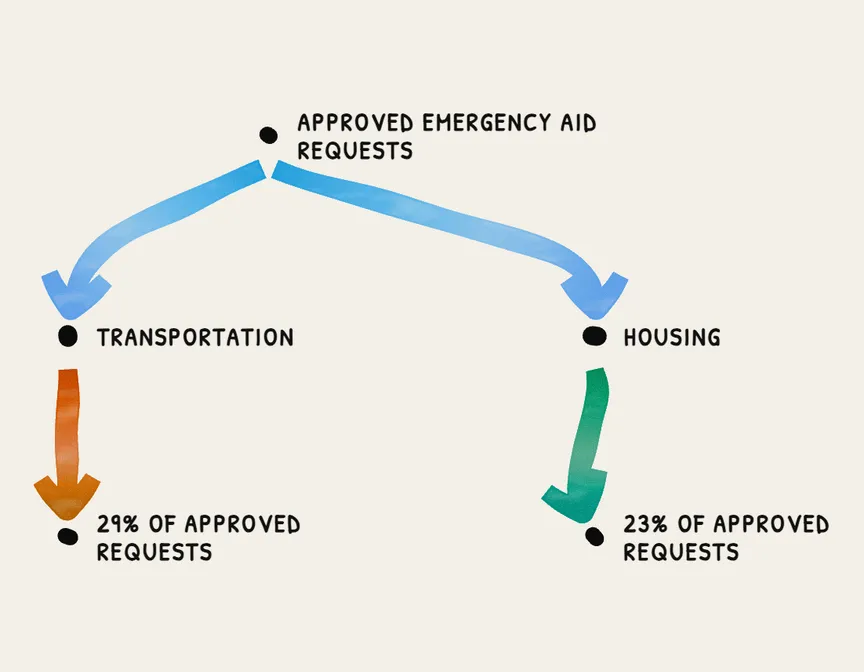
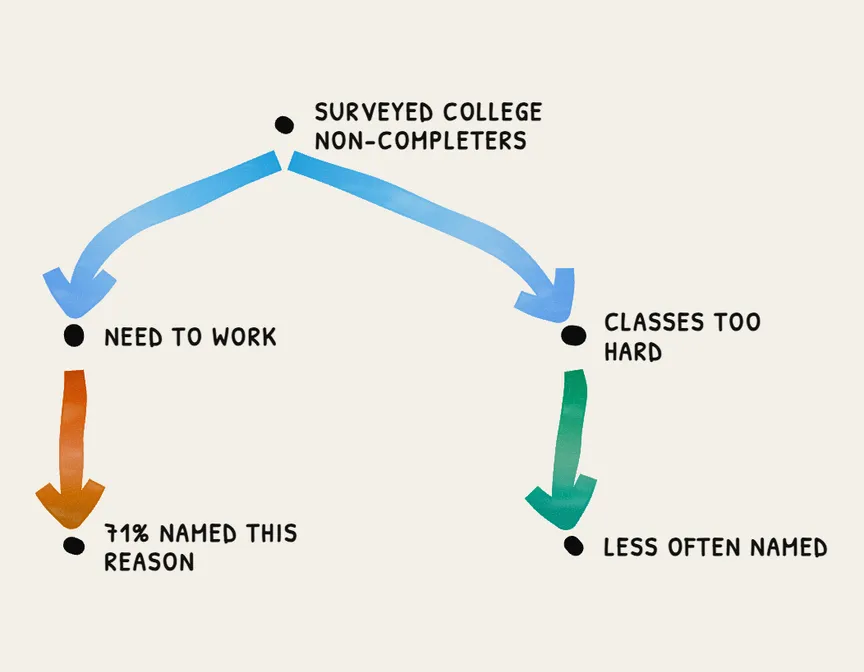
Design student retention support structures specifically around mitigating short-term financial volatility and shock absorption rather than relying solely on multi-year academic tuition subsidies.
Form peer interaction groups matched by baseline skill levels rather than placing novice entrepreneurs alongside highly experienced peers to prevent intimidation and participant churn.
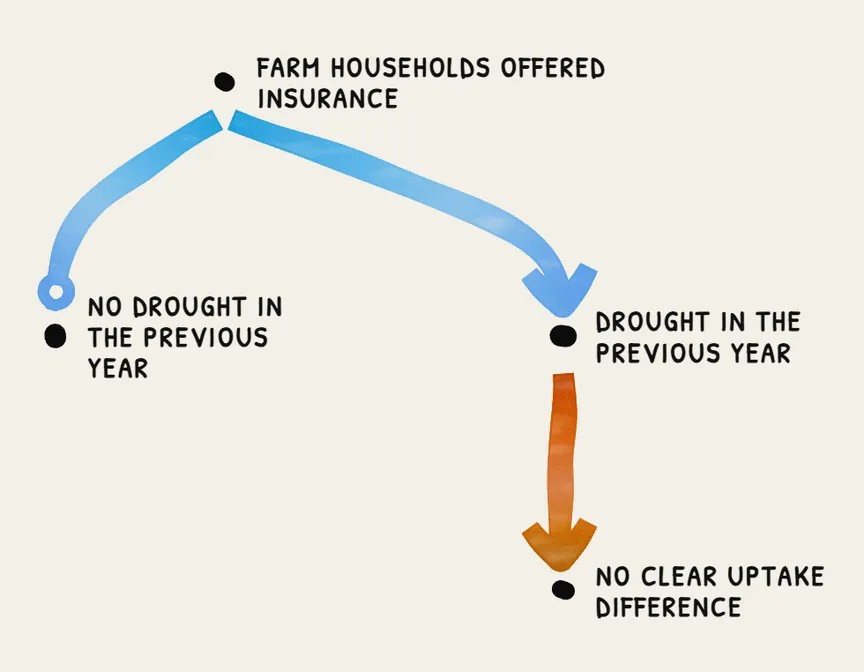
Educate smallholders on historical multi-year climate probabilities to counter the misbelief that recent droughts reduce the probability of subsequent rainfall deficits.
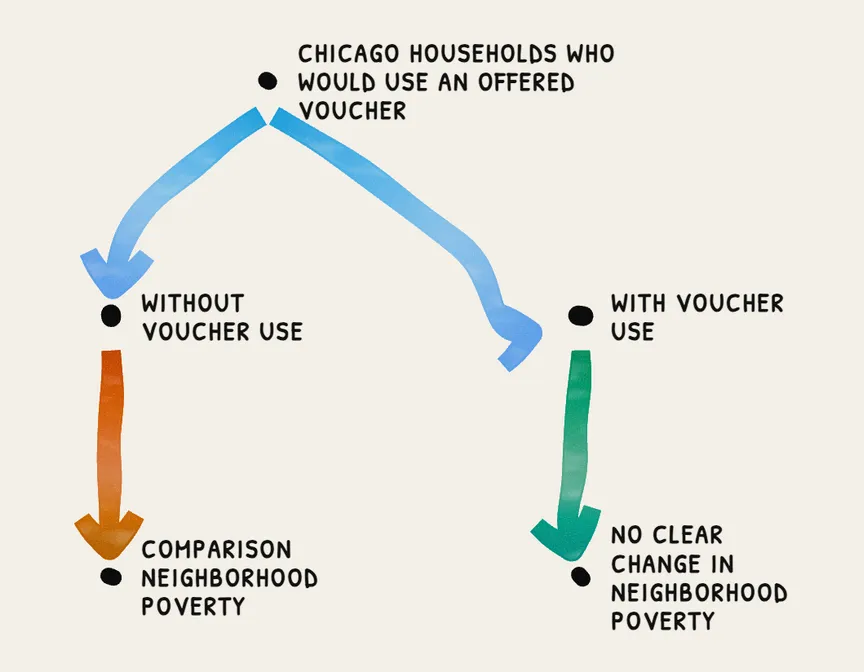
Combine tenant-based vouchers with targeted mobility counseling or neighborhood location restrictions if policy objectives require neighborhood de-concentration or reduced poverty exposure.
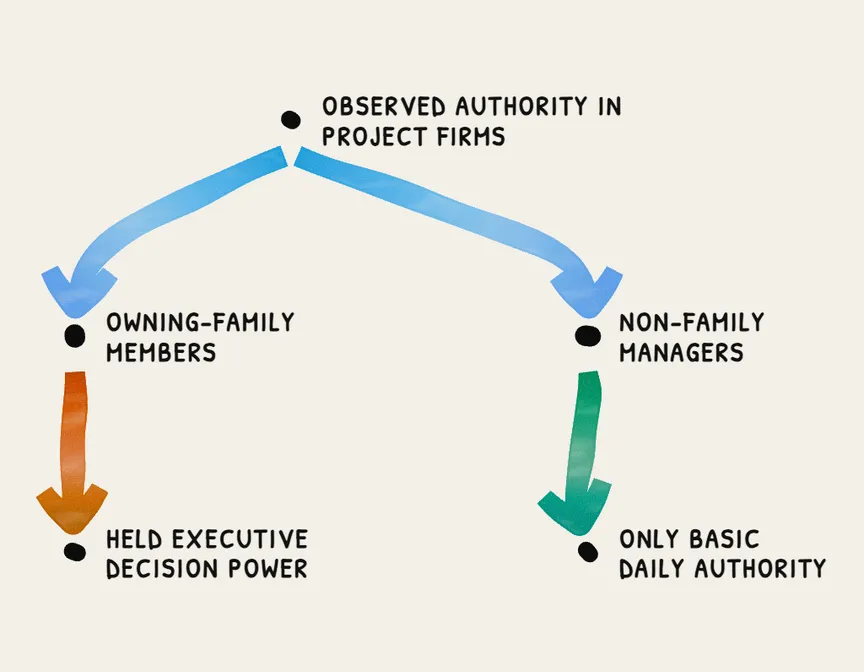
Create merit-based promotion pathways and professional governance boards that allow non-family managers to advance to top executive positions.
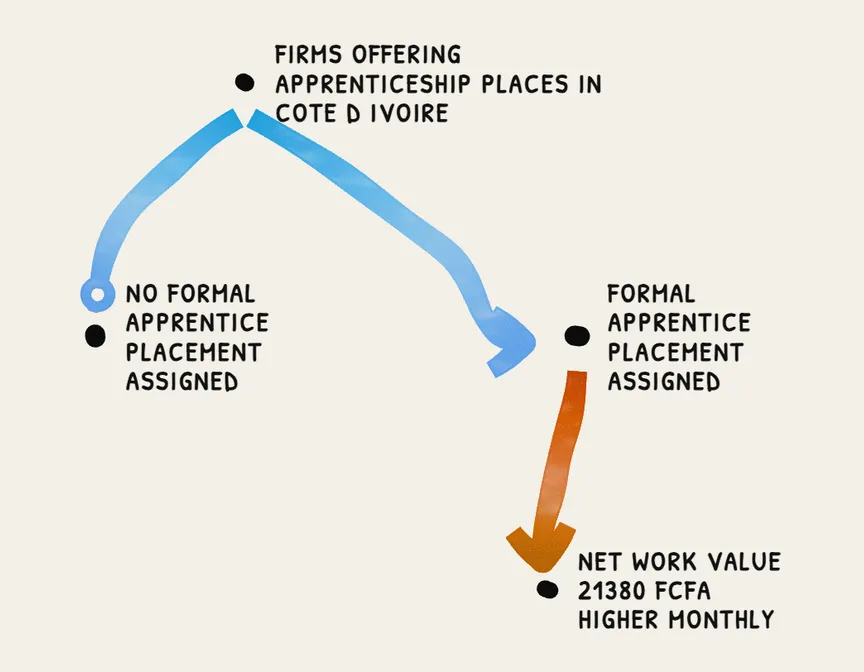
Compute the net value of trainee work by subtracting total employer compensation from the estimated market cost of hiring casual labor for identical tasks.
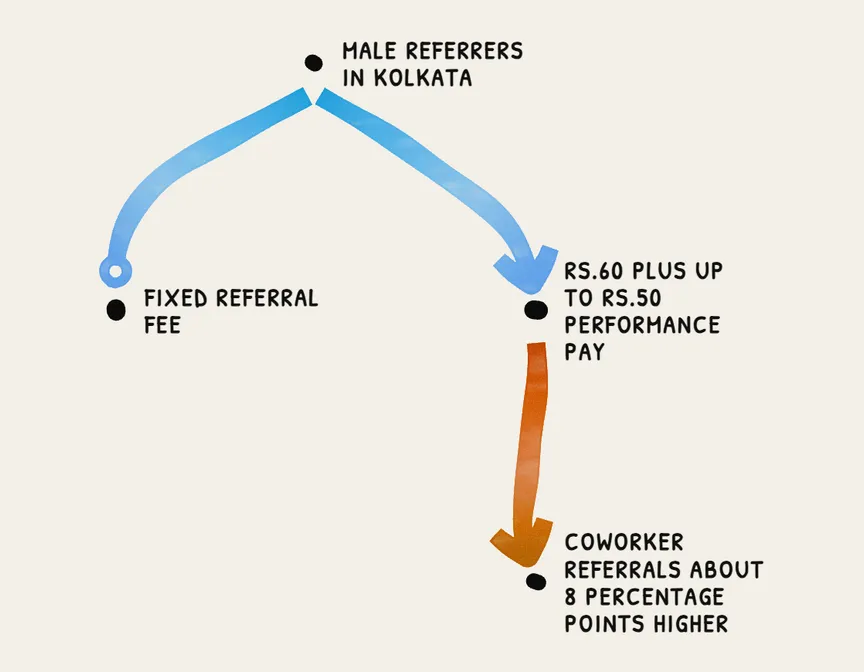
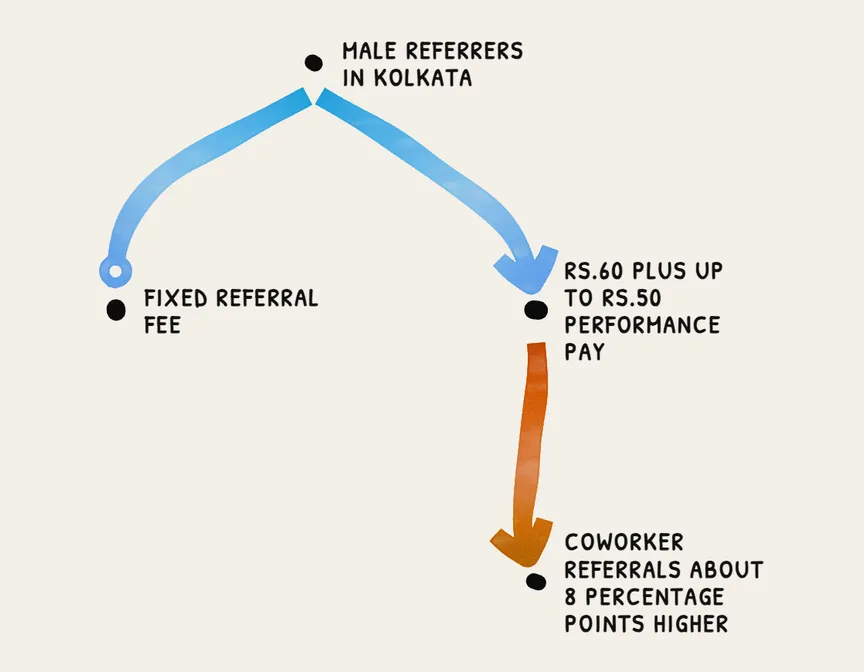
Calculate the minimum required referral performance bonus by estimating the social or risk-sharing payout differential between candidate types and scaling by employee screening accuracy.
Audit organizational recruitment channels to identify over-reliance on closed referral networks and implement meritocratic screening mechanisms to mitigate long-term demographic hiring inequalities.
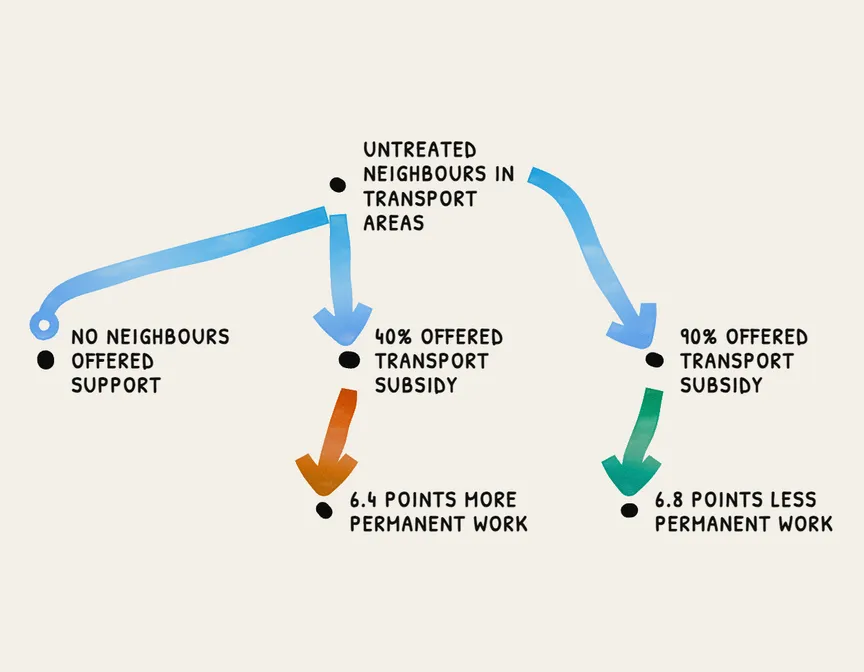
Vary the geographic density of treatment assignment across intervention clusters to isolate indirect peer effects and social network information transmission from direct policy impacts.
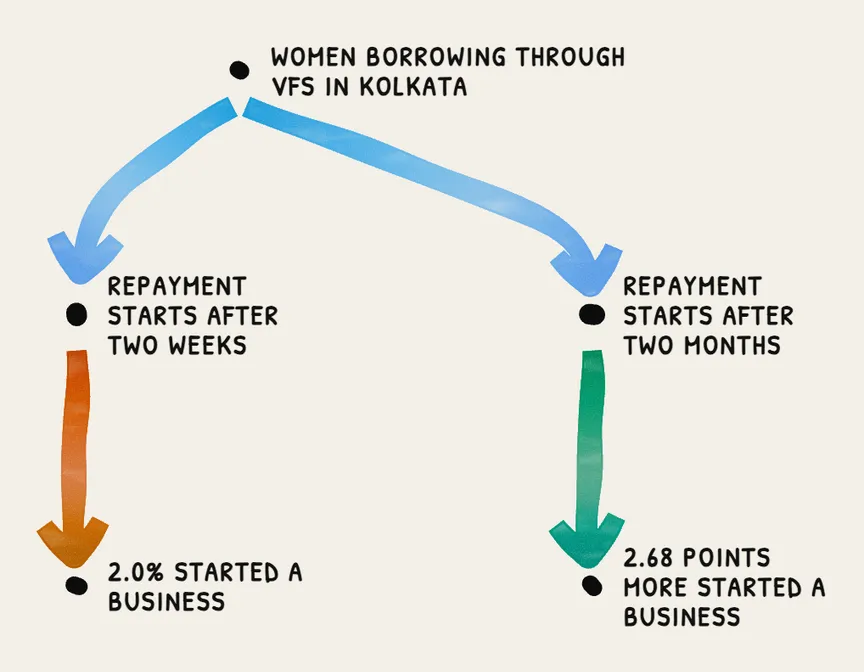
Provide 60-day repayment deferrals specifically targeted at microfinance loan applicants seeking seed capital for new business start-ups.
Establish non-academic vulnerability screening during student intake to evaluate employment pressures, childcare availability, and financial fragility before students encounter critical life shocks.
Expand public subsidies for private non-academic vocational education to build practical human capital among non-college-bound youth.
Measure recruitment-stage eligibility and non-applicant drop-off when evaluating active labor market policies rather than restricting randomization to existing applicant pools.
Conduct pre-intervention baseline diagnostics on local product saturation and institutional preferences before deploying subsidized formal savings accounts.
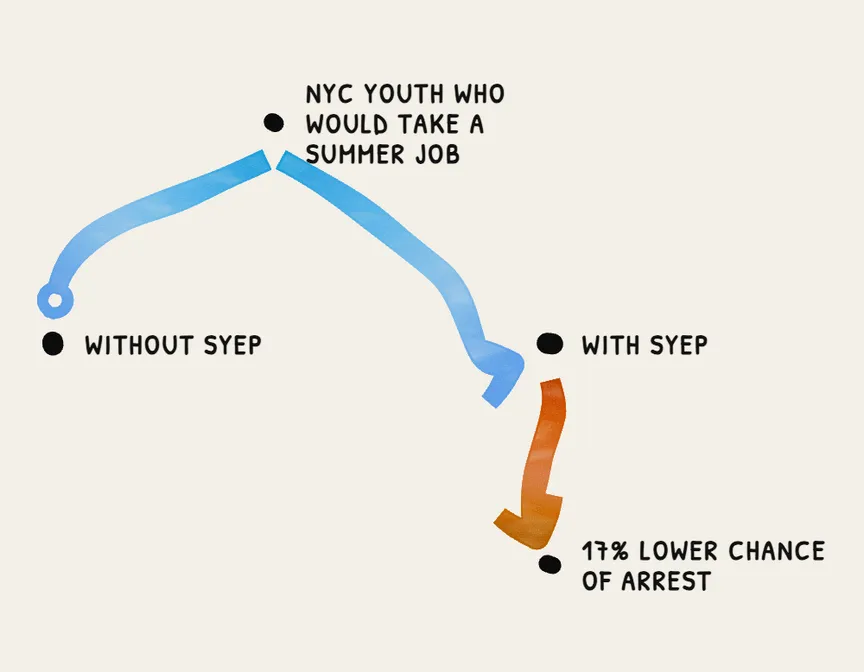
1. Utilize municipal youth development agencies as primary community contact nodes for at-risk youth instead of relying on juvenile justice surveillance networks.
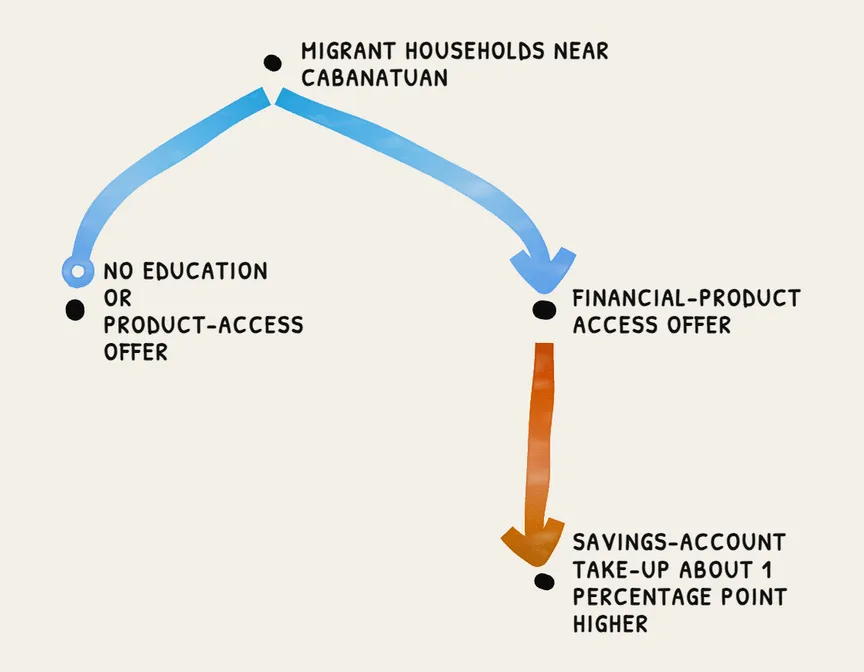
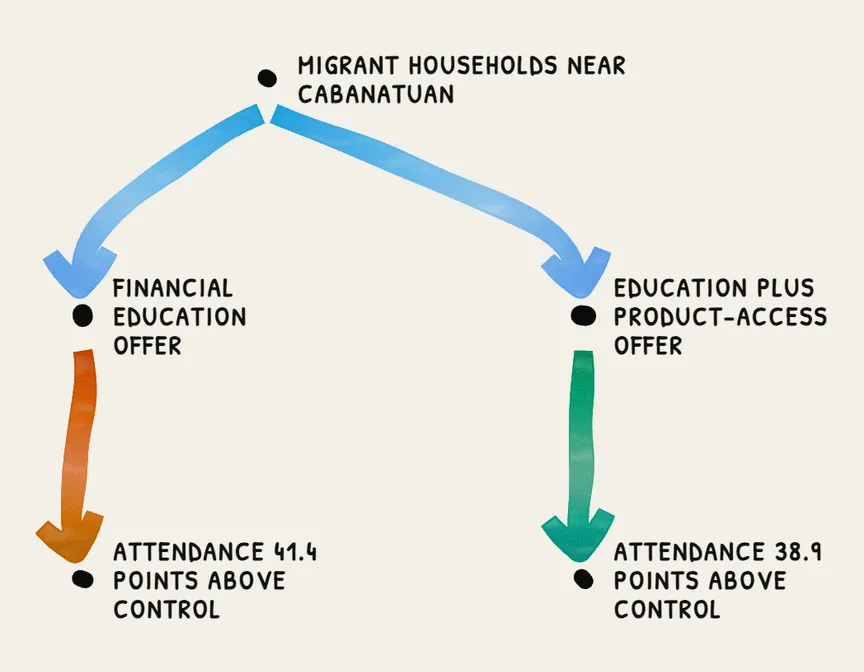
Evaluate and budget financial education and financial access programs independently based on standalone costs and benefits rather than expecting combined delivery to boost participant adoption.
Schedule non-cognitive intervention modules strictly within Ministry-designated discretionary or free play hours to prevent displacement of core academic instructional time.
Monitor quality and default metrics alongside early-period production targets to verify that accelerated production velocity does not compromise output quality.
Establish performance-based incentive bonuses and explicit operational authority thresholds for middle managers to align non-family staff interests with enterprise performance.
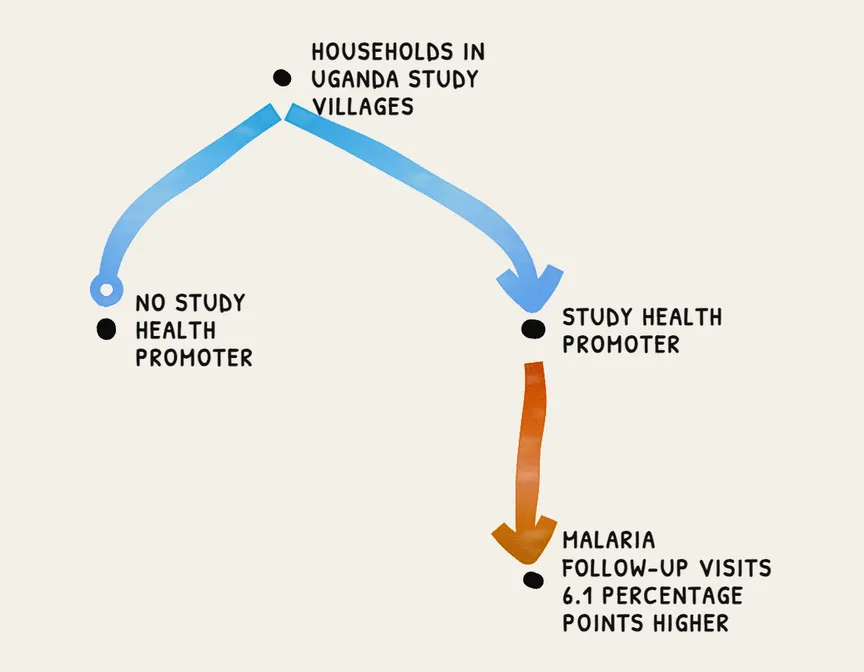
Design targeted financial micro-incentives for high-priority maternal and neonatal visits without restricting health promoters from delivering general non-incentivized primary consultation during the same visit.
Apply separate elasticity parameters when evaluating wage policies, utilizing an elasticity greater than 1.0 for part-time/low-hour workers and an elasticity of 0.5–0.6 for full-time workers.
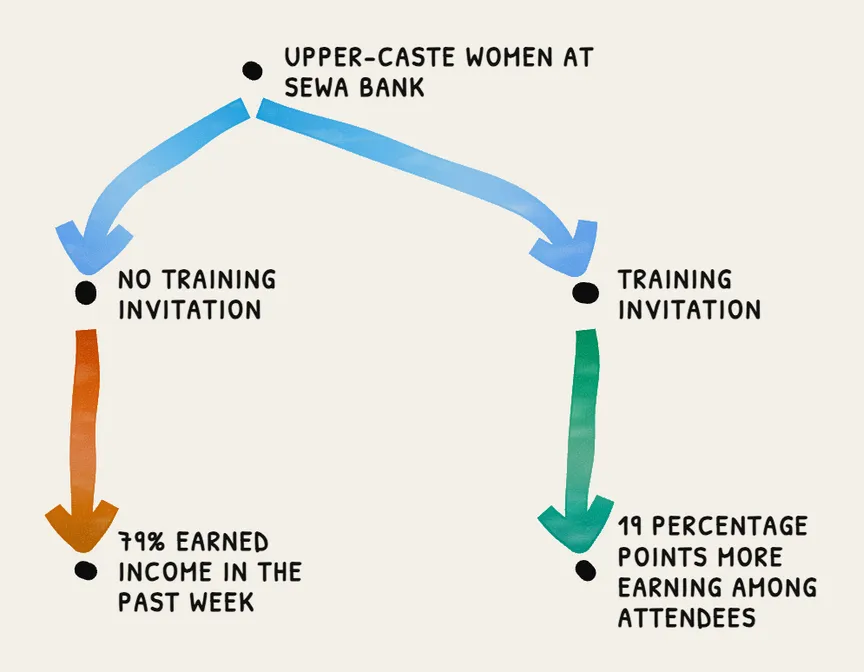
Target business skills and financial literacy training programs specifically toward female entrepreneurs facing intermediate social restrictions, while pairing training with structural mobility interventions for women facing extreme social restrictions.
Evaluate school voucher productivity by isolating sub-populations where lottery mechanisms assign recipients to lower-performing peer groups to control for zero-sum peer redistribution.
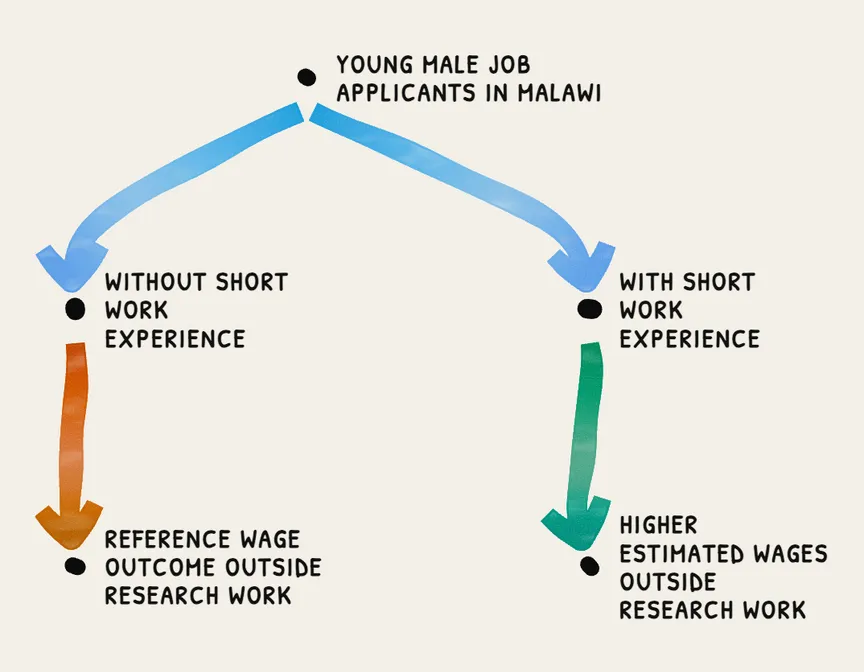
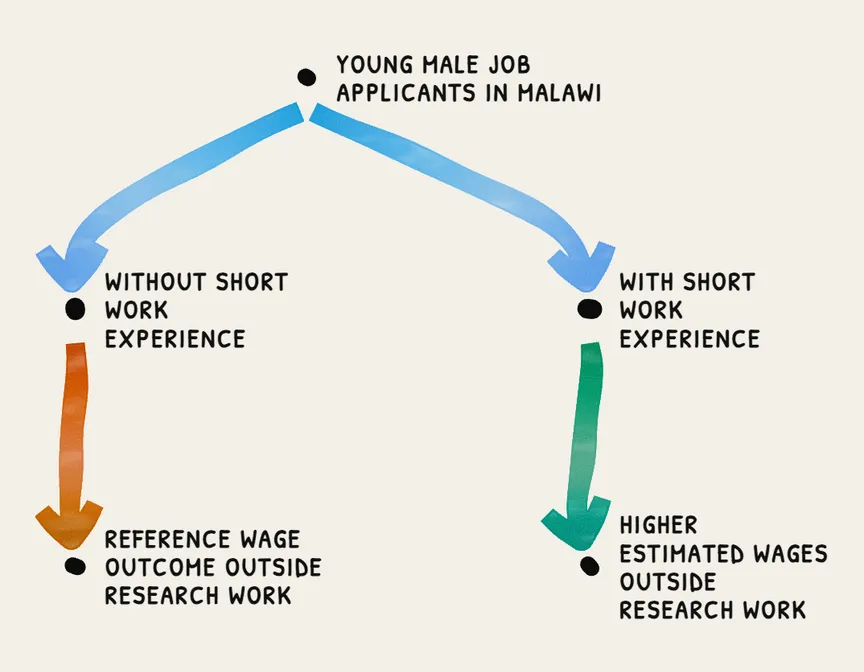
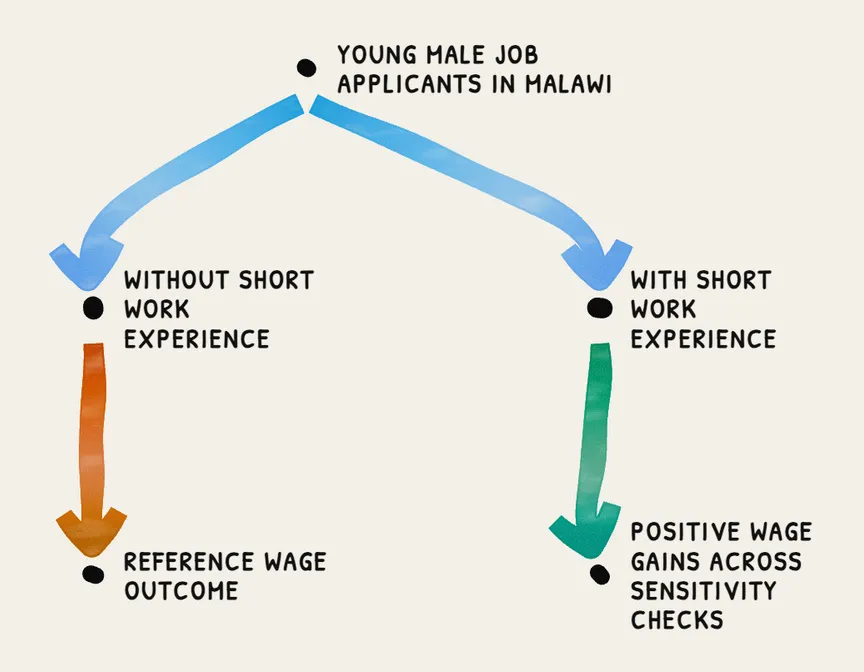
Encourage job seekers participating in short-term specialized employment opportunities to apply for non-specialized private sector roles to capture cross-sectoral wage premiums.
Disaggregate employment intervention outcomes into program-adjacent versus external non-program sectors to verify true cross-industry labor market mobility.
Verify that rigid institutional rules prevent administrative resource shifts across grades before utilizing alternate grade levels within the same school as valid experimental control groups.
Calculate conservative Manski bounds and inverse probability weights on follow-up data to verify that differential survey attrition does not drive experimental findings.
Integrate informational guidance and job placement resources into existing vocational curricula to bridge post-training transition gaps.
Structure international reinsurance contracts for local weather indices to leverage global market decorrelation and reduce capital holding costs for emerging market agricultural insurers.
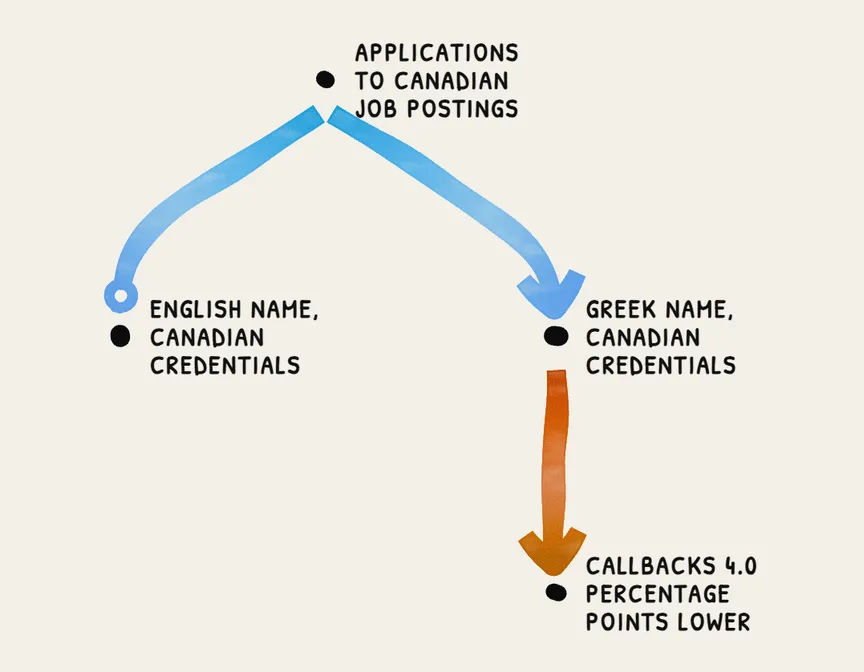
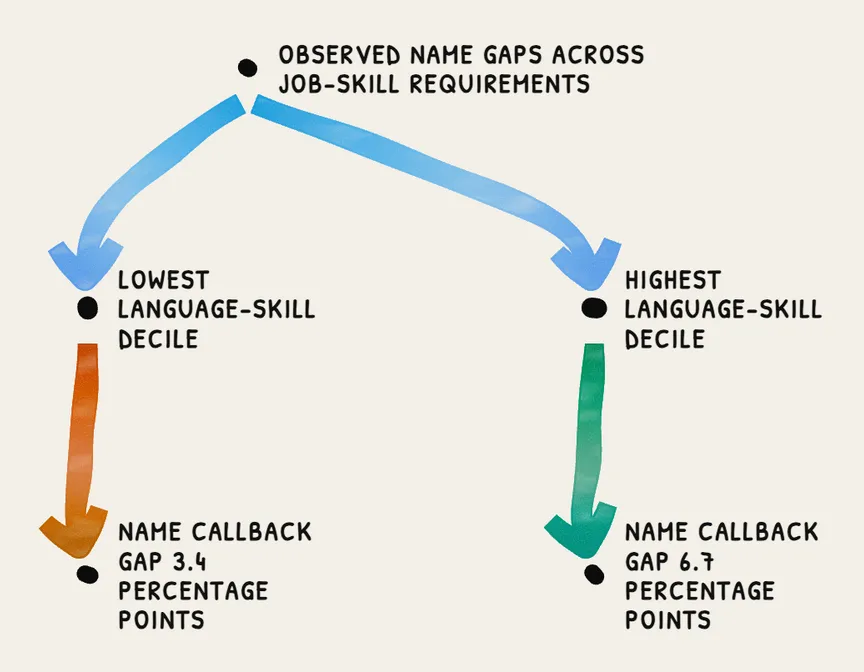
Equal opportunity enforcement agencies should expand hiring discrimination audits beyond visible racial minorities to include white ethnic minority groups with non-Anglo surnames.
Include student self-reported classroom enjoyment in multi-dimensional evaluation systems to measure instructor impacts on positive classroom climate alongside academic growth.
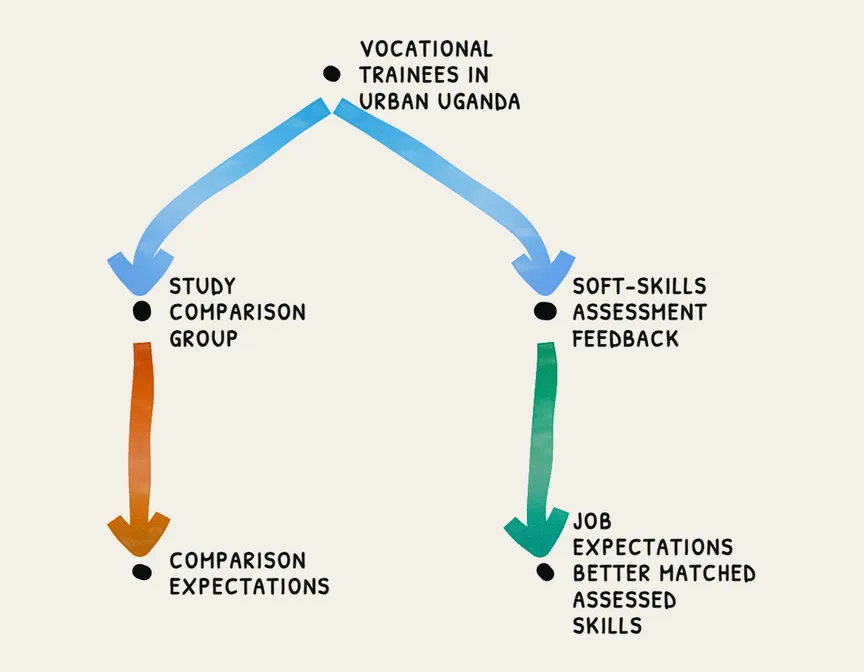
Administer objective soft skills diagnostic assessments to job seekers following vocational training to align candidate expectations with realistic employment matches.
1. Implement quadratic functional specifications or trim extreme upper-tail outliers when modeling labor supply elasticities from skewed financial transfer distributions.
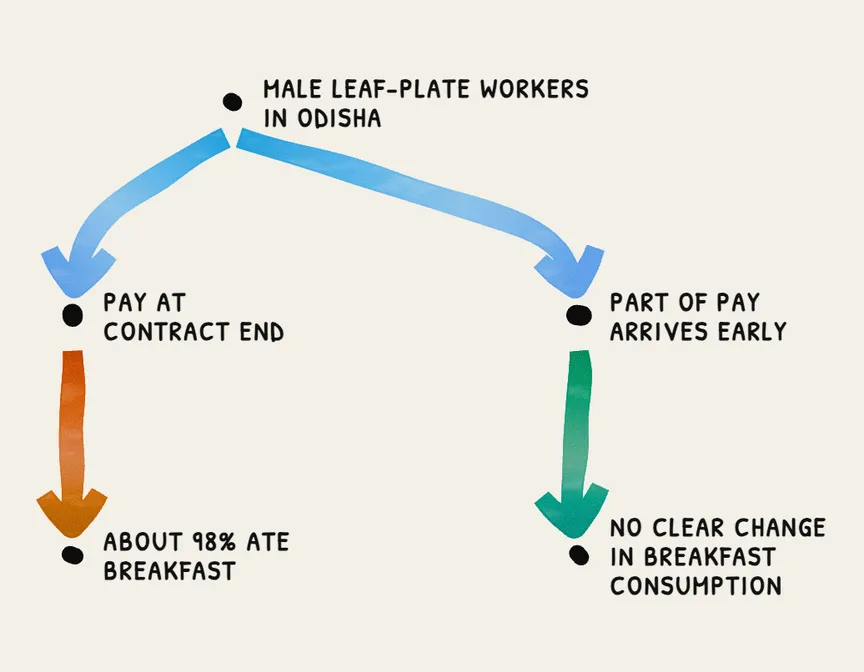
Focus workplace interventions on cognitive strain reduction rather than assuming worker underperformance stems primarily from caloric or sleep deficits.
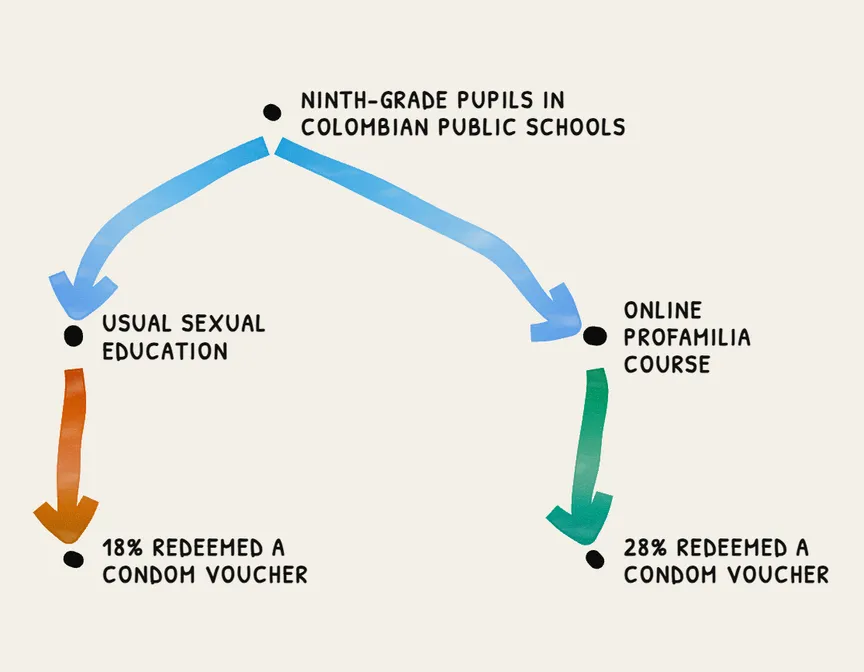
Distribute coded, redeemable vouchers for physical health commodities to objectively verify participant behavioral change in sensitive field evaluations.
Focus labor market information policies on revealing unobservable quality attributes (such as standardized skill certifications and employer selection thresholds) rather than broadcasting public wage data.
Discontinue assuming technical or non-client-facing roles naturally protect ethnic minority applicants from resume screening bias.
Offer explicit performance-indexed finder's fees to encourage current employees to source job candidates from former workplace peers rather than family ties.
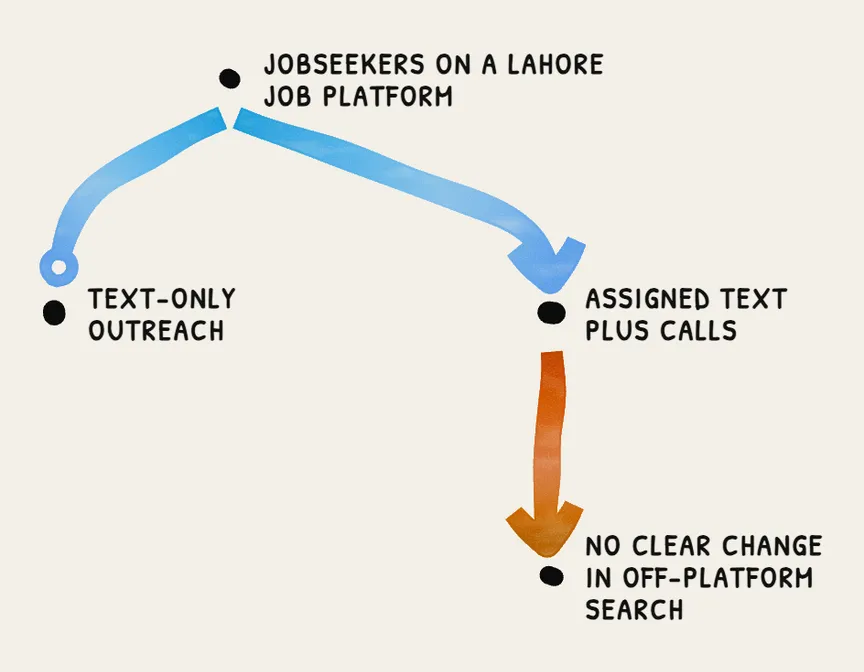
Evaluate digital matching platform interventions on total employment outcomes without assuming digital applications displace non-digital job search channels.
Aggregate related secondary survey metrics into standardized domain indices and control False Discovery Rates across the resulting super-family of indices.
Page 14 of 23
Previous
1
…
13
14
15
…
23
Next