Skip to the findings
Menu
aikyam
school
Findings
Methods
Subjects
All cards
Read
Findings
Methods
Subjects
All cards
Findings
1,083 findings
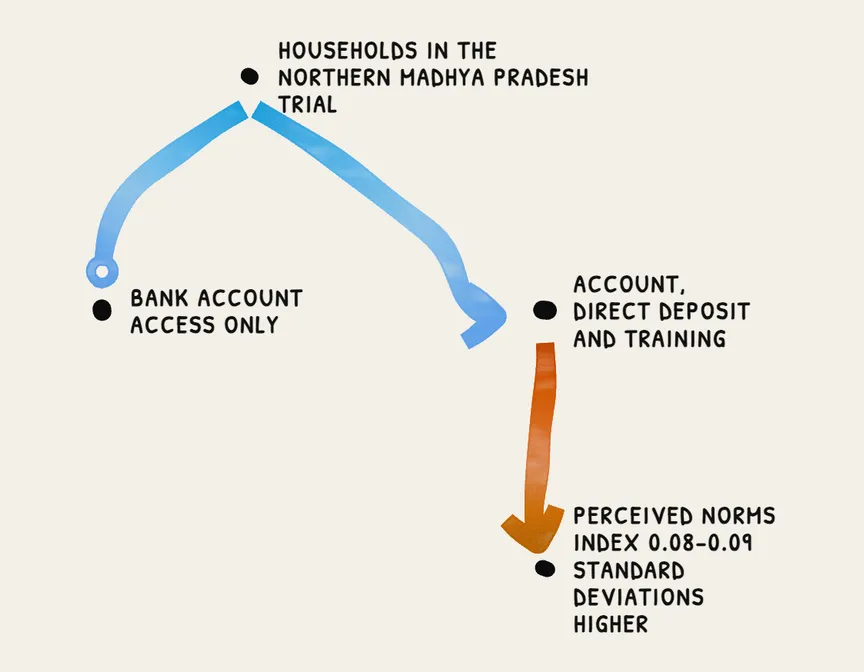
Embed individual financial control mechanisms directly into government welfare transfers to incentivize organic social norm evolution.
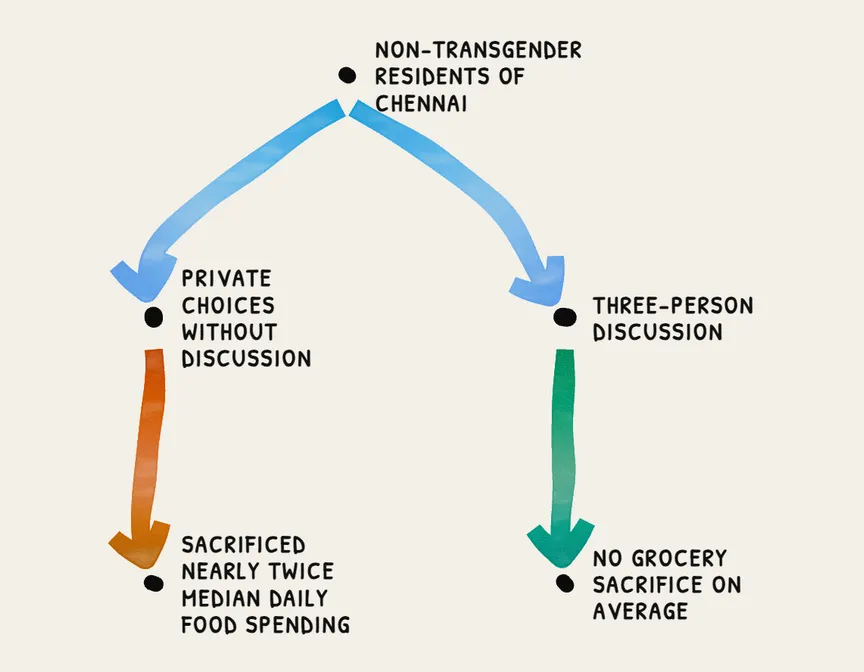
Design incentivized choice experiments that force decision-makers to choose between prejudiced preferences and explicit material payoffs to quantify the economic magnitude of identity bias.
Combine formal secondary education completion initiatives with practical workplace transition programs to resolve structural underemployment among educated urban youth.
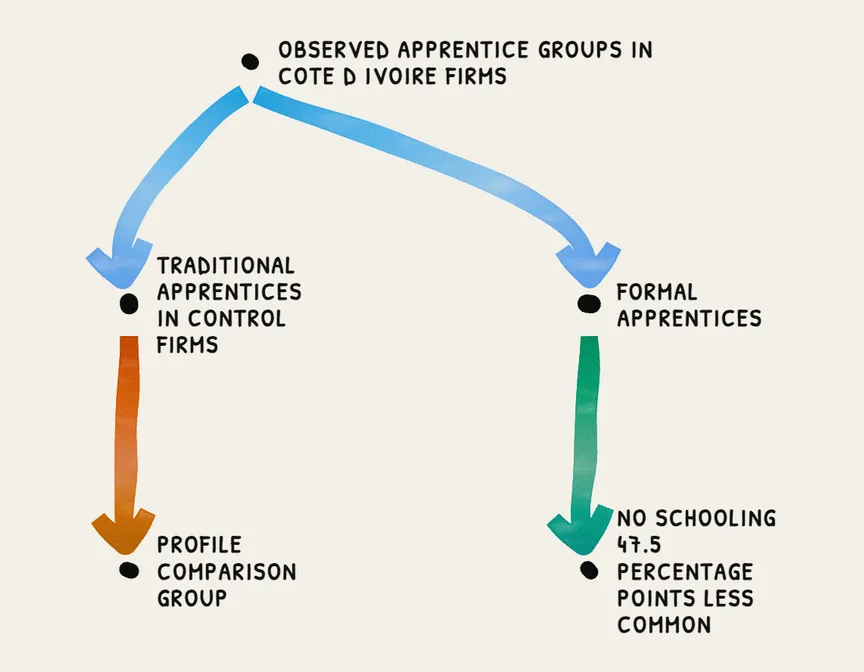
Account for self-selection shifts toward higher-educated participants when evaluating subsidized dual training programs to isolate human capital gains from baseline worker quality.
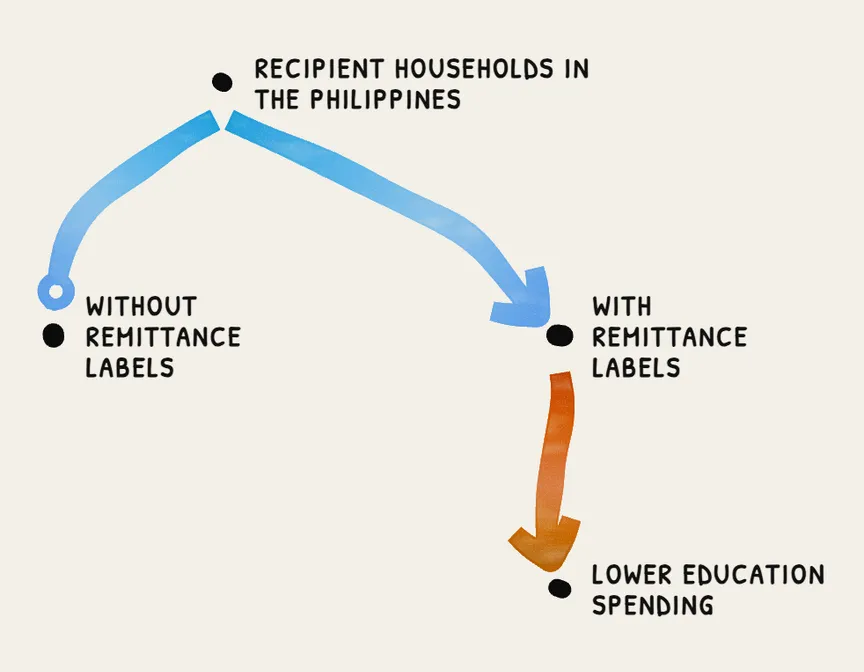
Combine remittance labeling with dedicated direct tuition disbursement mechanisms rather than soft messaging when attempting to promote educational spending.
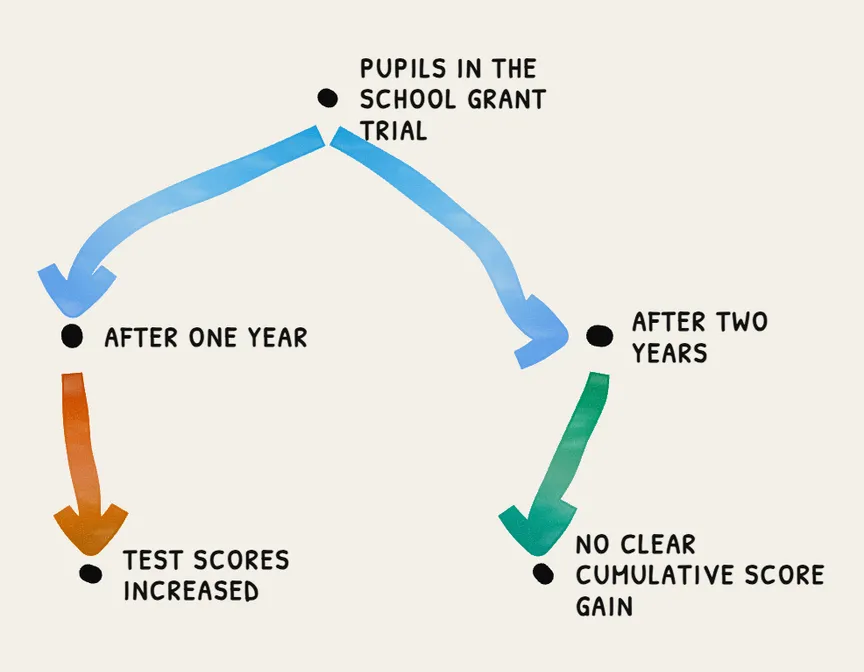
Design multi-year educational programs that maintain level-targeted support across consecutive grades rather than relying on one-year temporary interventions.
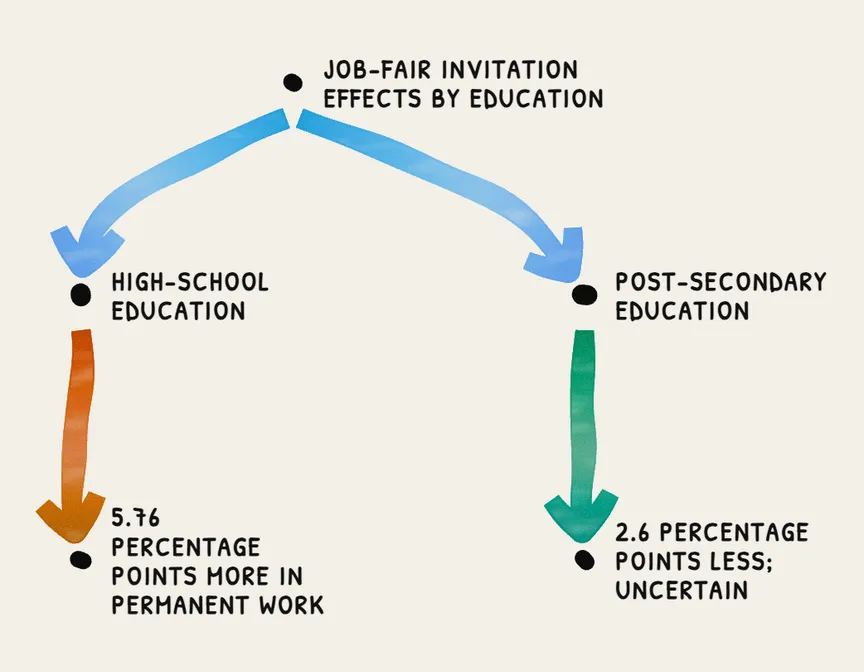
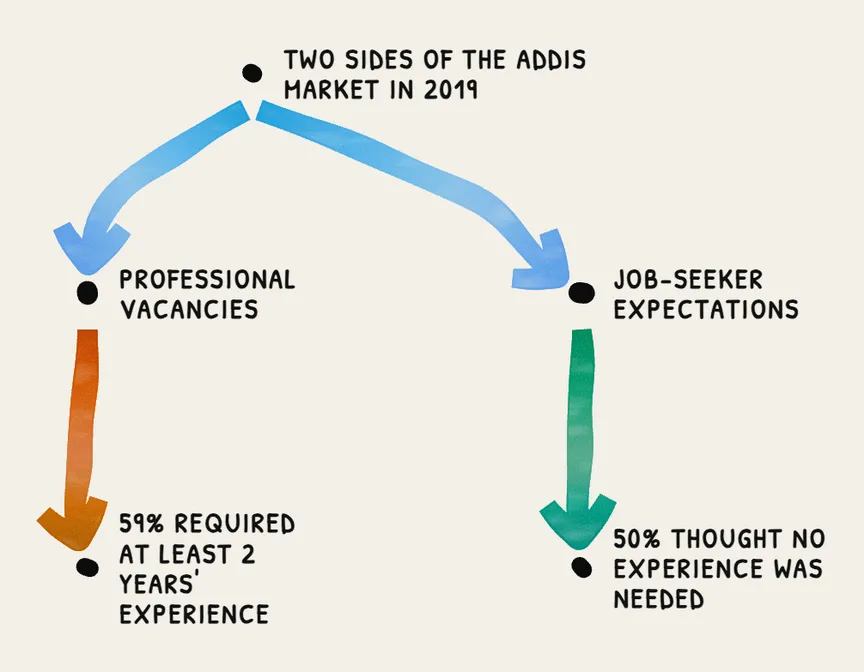
Target wage-information and market-exposure programs specifically toward high-school educated jobseekers who face severe structural expectational misalignments regarding formal entry-level roles.
Combine novel financial product rollouts with targeted financial literacy training and simplified product messaging to ensure equitable adoption among uneducated producers.
Calculate effective marginal wages in discrete job offerings using the formula $e = \frac{h_2 w_2 - h_1 w_1}{h_2 - h_1}$ to isolate true hourly compensation for incremental work hours.
Train instructors to replace outcome-and-intelligence praise with specific feedback highlighting the direct link between student effort and skill improvement.
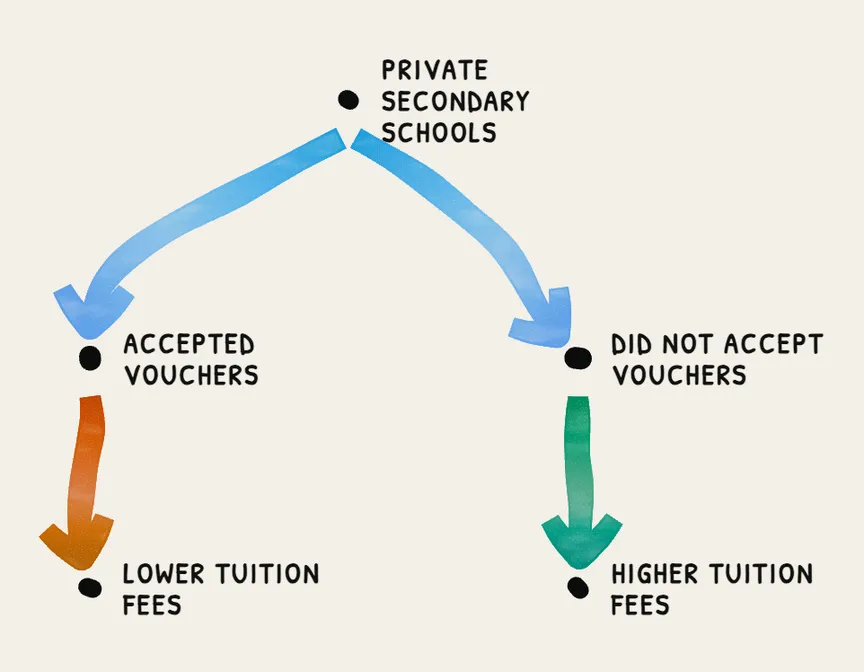
Account for institutional opt-out decisions among elite private schools when modeling the socio-economic integration effects of secondary voucher programs.
Multiply single-year performance metrics by cross-year stability coefficients before deploying estimates for predictive modeling or high-stakes decision-making.
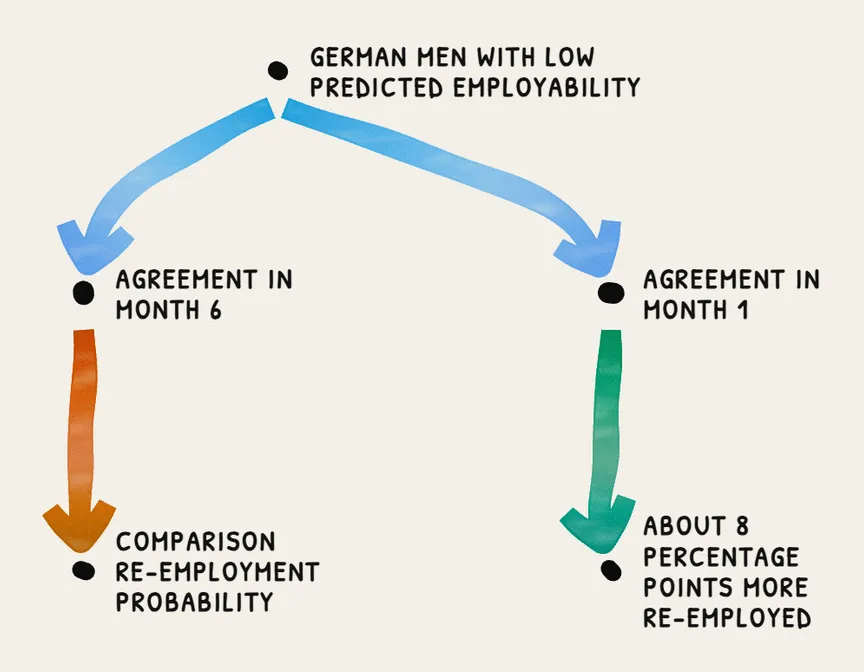
Profile newly registered job seekers using predictive labor market duration models and restrict mandatory integration agreements to individuals classified as having low employability while granting immediate job search autonomy to those with high prospects.
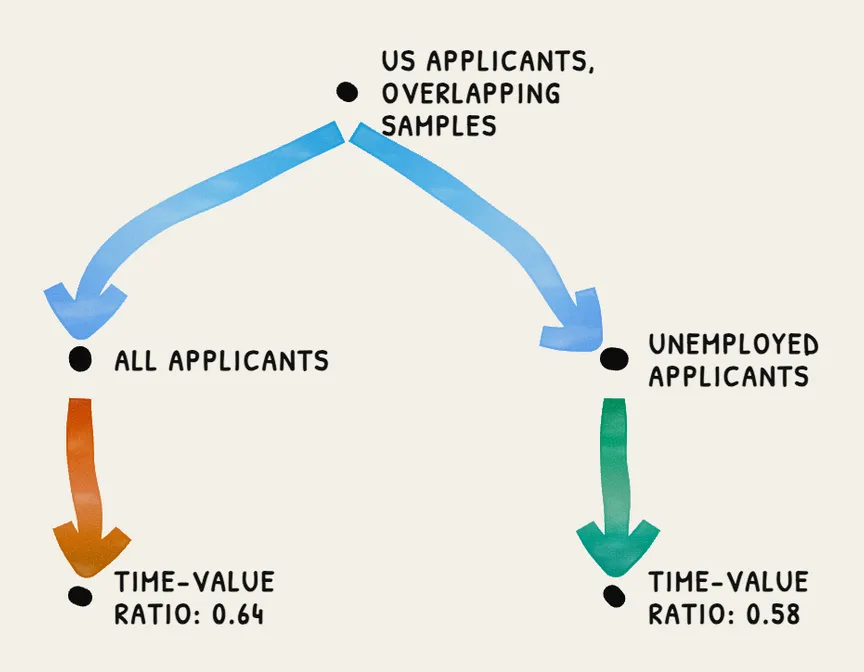
Restrict sample selection to unemployed jobseekers when estimating pure leisure and home production values, or explicitly control for secondary employment wage rates when evaluating employed workers.
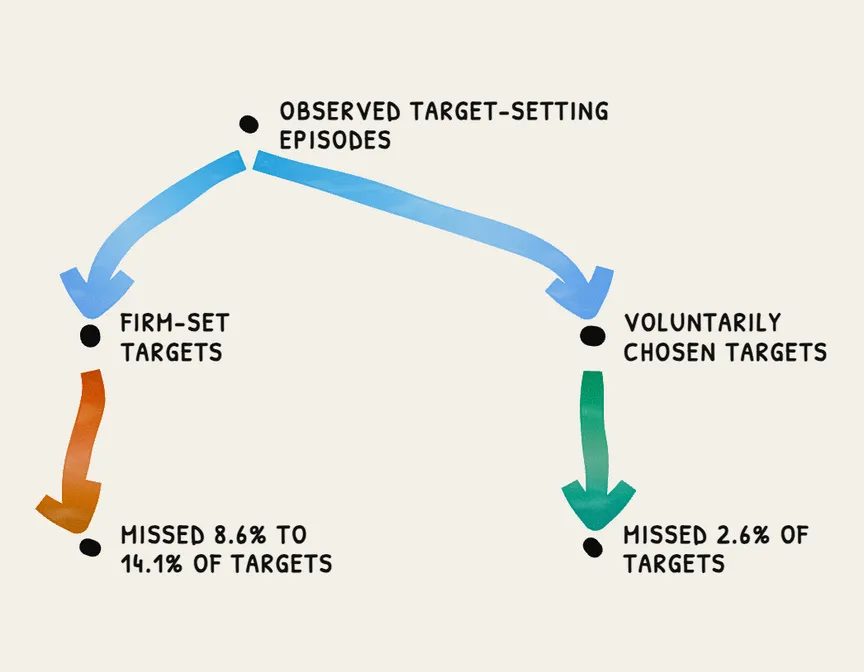
Implement an opt-in daily task target system where employees can set binding minimum production quotas prior to starting a work shift with self-selected financial or operational penalties for underperformance.
Restructure recruiter performance evaluations to reward objective skill-matching and penalty-free trial assessments rather than punishing rare bad-hire outcomes.
Establish formal employer advisory committees to audit skill demand and directly co-design technical training coursework prior to launching workforce cohorts.
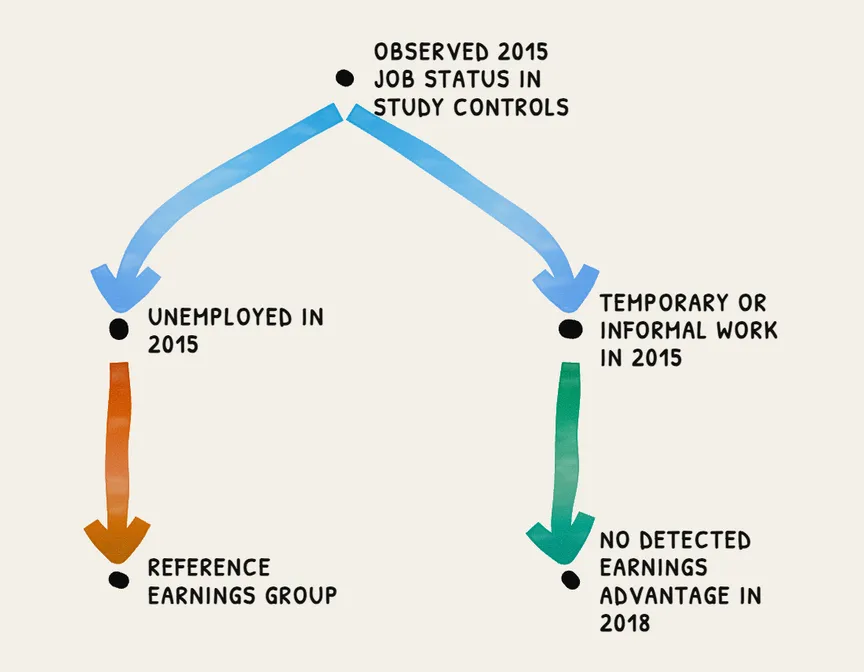
Implement early-career placement assistance that prioritizes secure, contract-backed formal employment over immediate temporary placement to prevent career scarring.
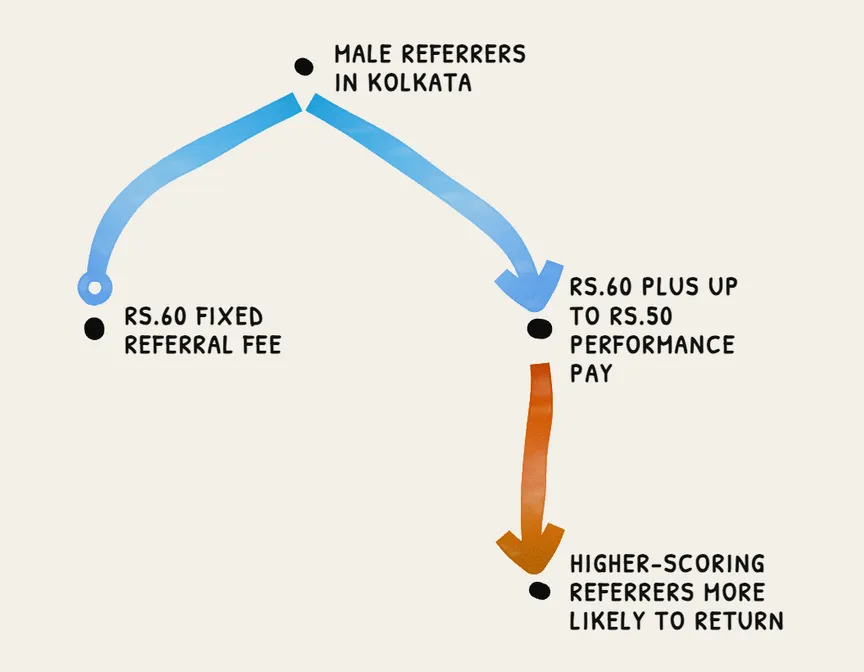
Deploy performance-contingent referral bonuses to self-select high-performing existing employees into the referral pipeline while reducing participation from low-performing employees.
Incorporate split-sample endogenous stratification into program evaluations to measure whether labor interventions systematically compress inequality between high- and low-potential workers.
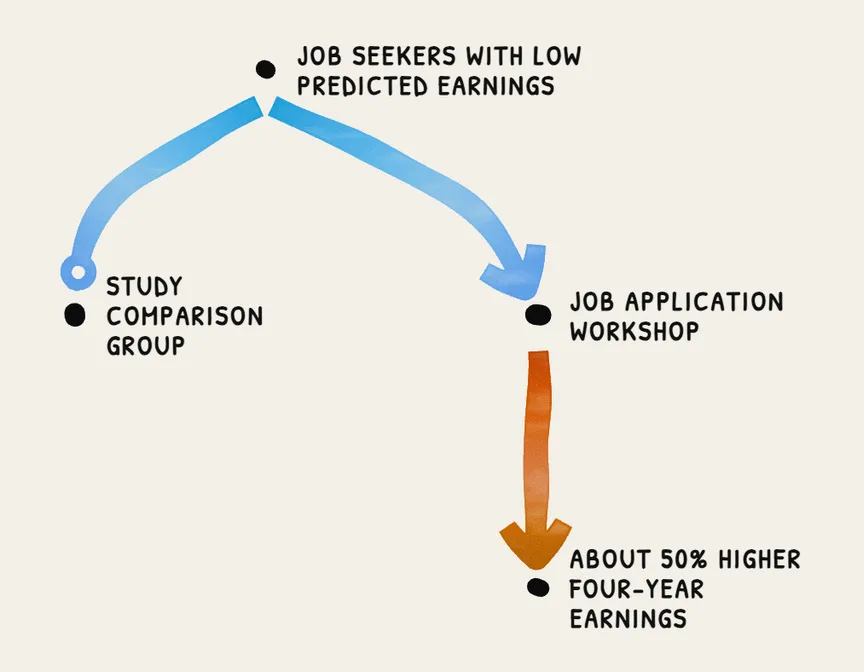
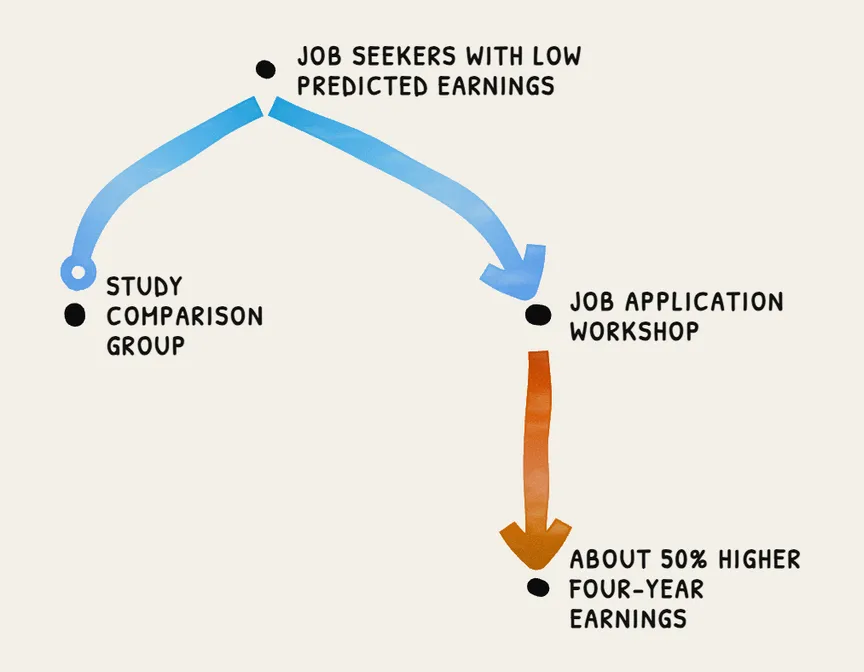
Stratify target populations by predicted baseline earnings to deliver skill-signaling tools specifically to low-predicted-earning youth.
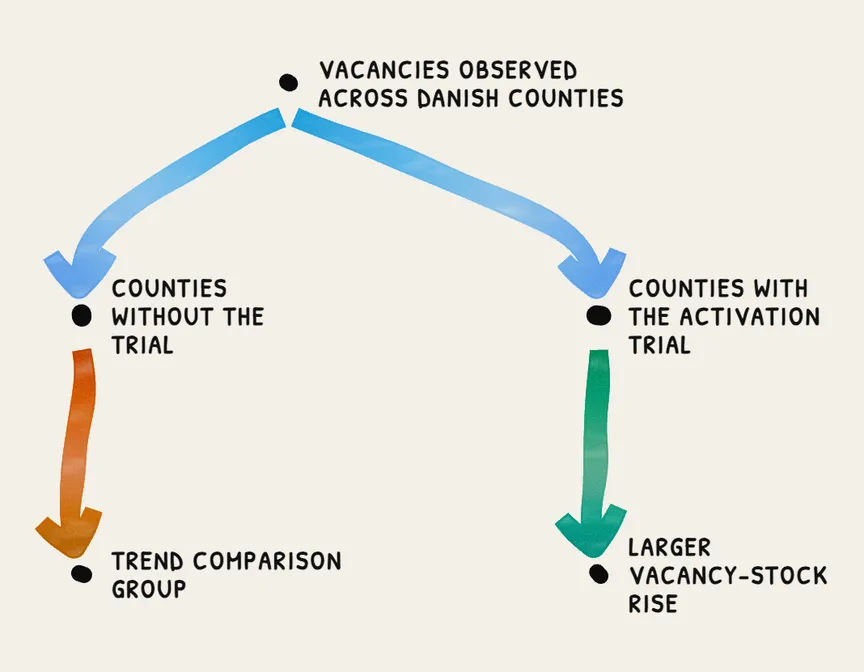
Track aggregate monthly job opening postings following labor policy interventions to measure firm creation responses before concluding that job search assistance only reshuffles existing jobs.
Standardize candidate selection criteria to evaluate gender and ethnic equity across intersectional demographic pairings rather than examining gender in isolation.
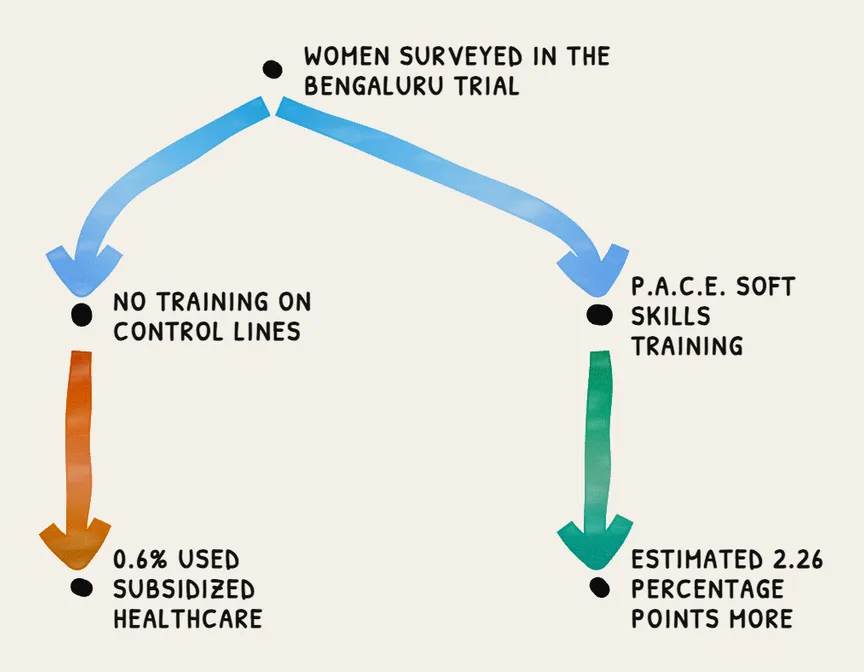
Deploy workplace communication and problem-solving modules to empower low-wage employees to independently acquire information and register for statutory public welfare entitlements.
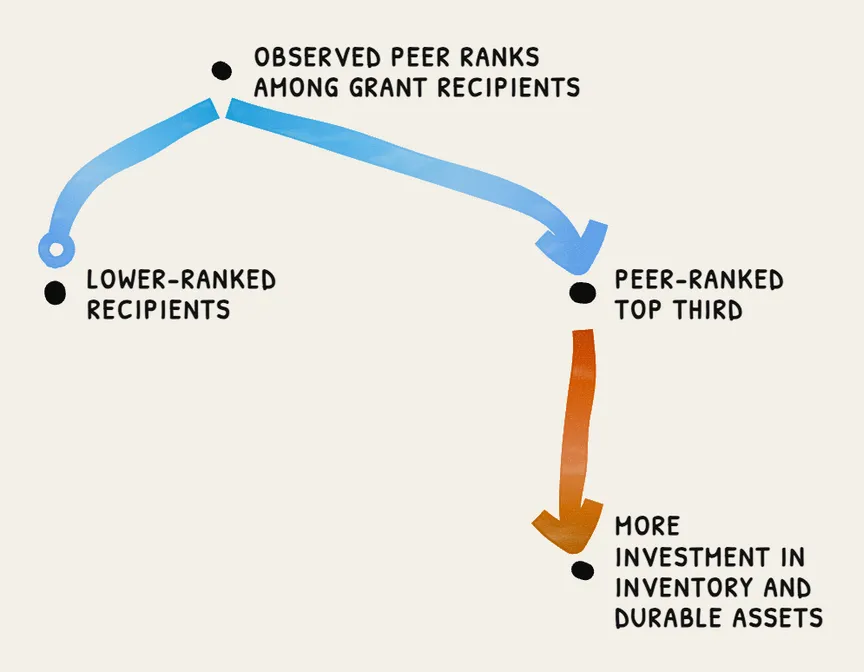
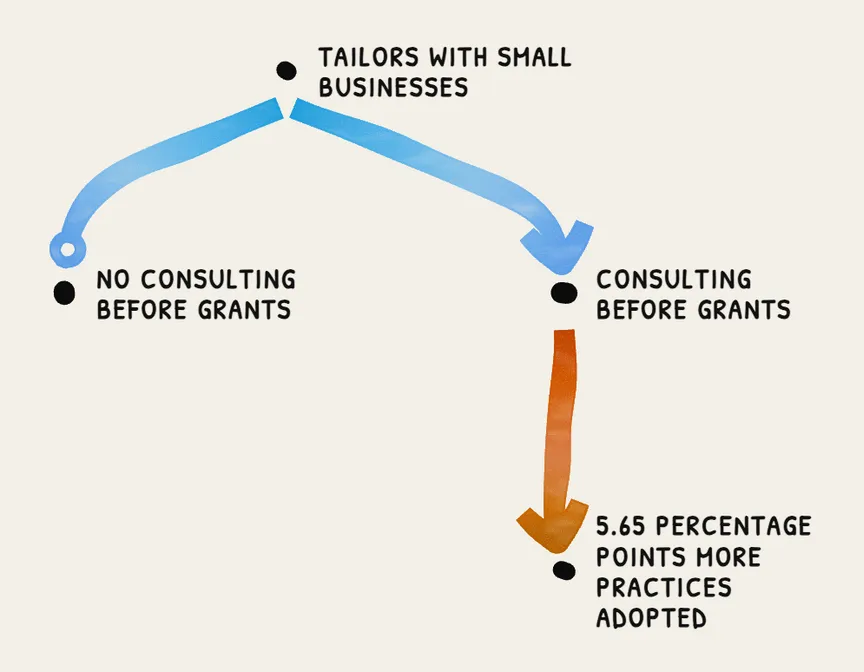
Monitor inventory purchases and labor hours as early indicators when assessing business grant utilization and entrepreneur growth trajectories.
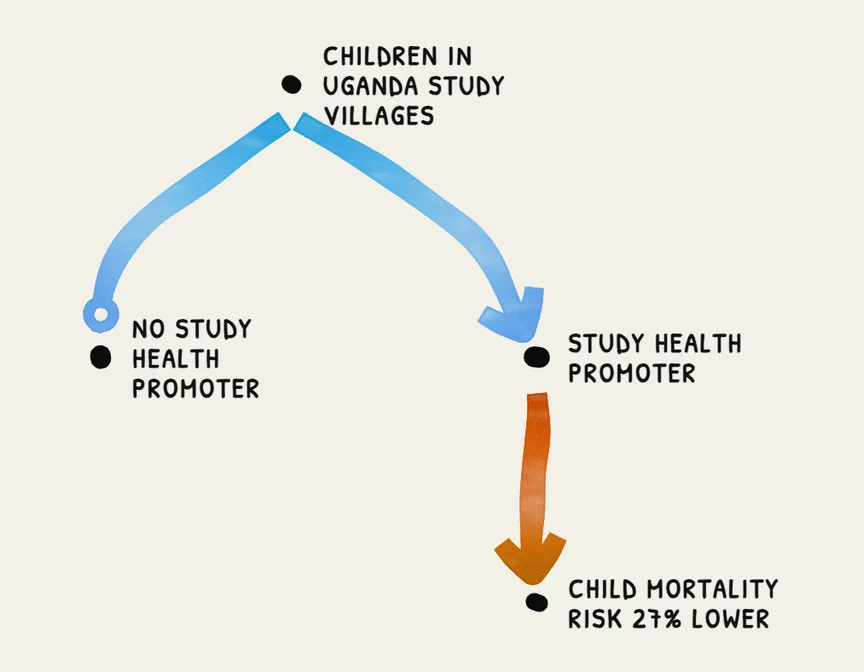
Recruit local health promoters through competitive selection, provide two weeks of combined medical education and micro-business training, and supply health products wholesale at 30% below market rates.
Evaluate microenterprise intervention outcomes over a multi-year post-treatment horizon rather than relying on short-term adoption metrics.
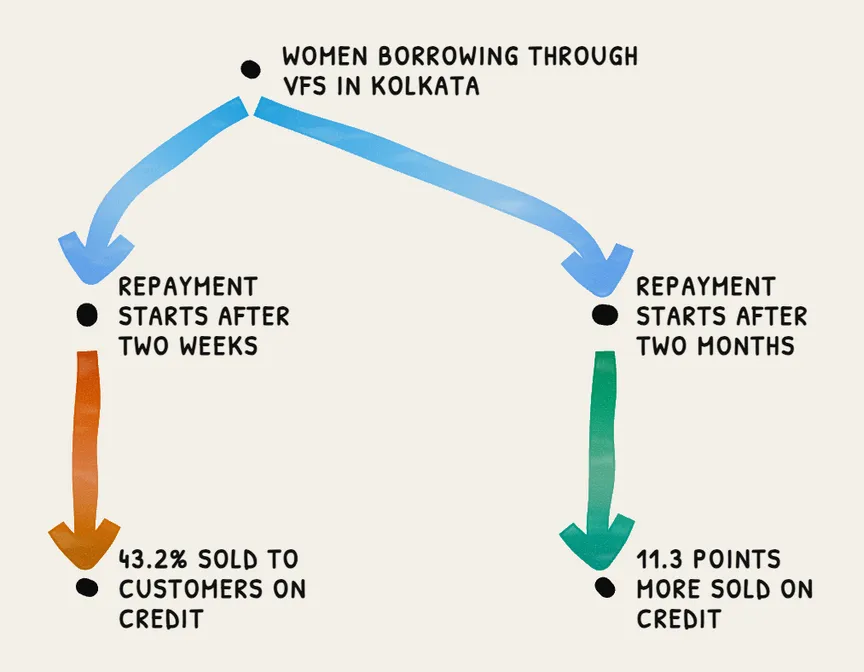
Structure loan repayment timelines to match the working capital cycle required for micro-entrepreneurs to offer trade credit and product diversification.
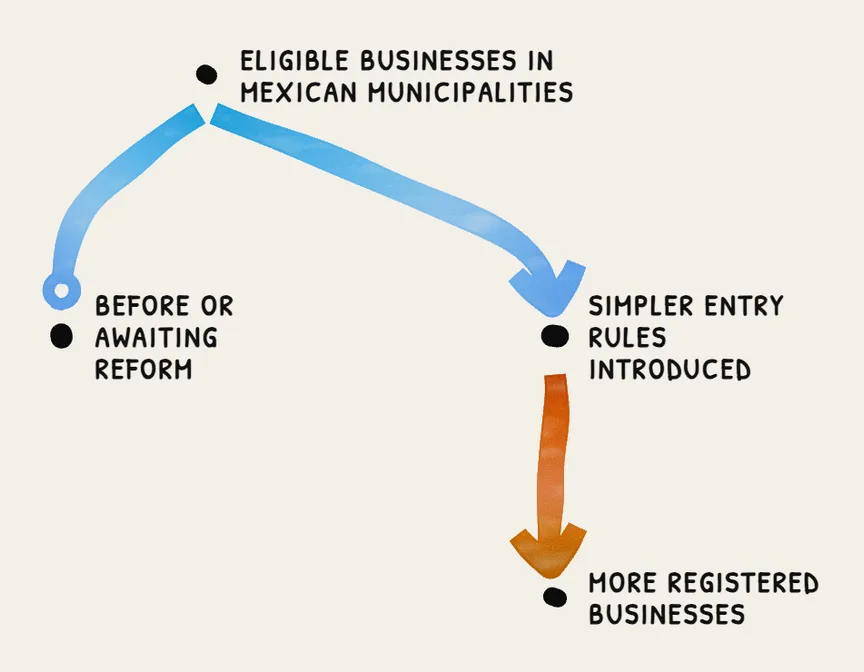
Pair startup registration simplification reforms with targeted productivity-enhancing services to effectively convert established informal firms.
Factor general equilibrium spillover discounts (subtracting 27% to 32% from micro-level hiring estimates) into cost-benefit evaluations before scaling firm-targeted labor interventions nationwide.
Simulate large-scale policy rollouts using structurally estimated equilibrium search models before scaling active labor market interventions nationwide.
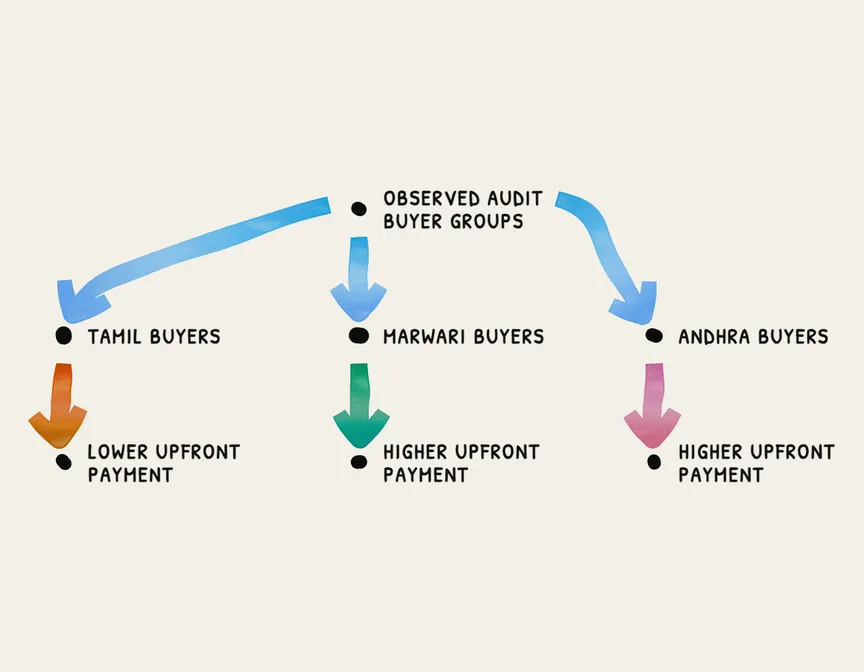
Standardize initial anchor offers and price counter-proposal rules across procurement teams to eliminate identity-driven negotiation variance.
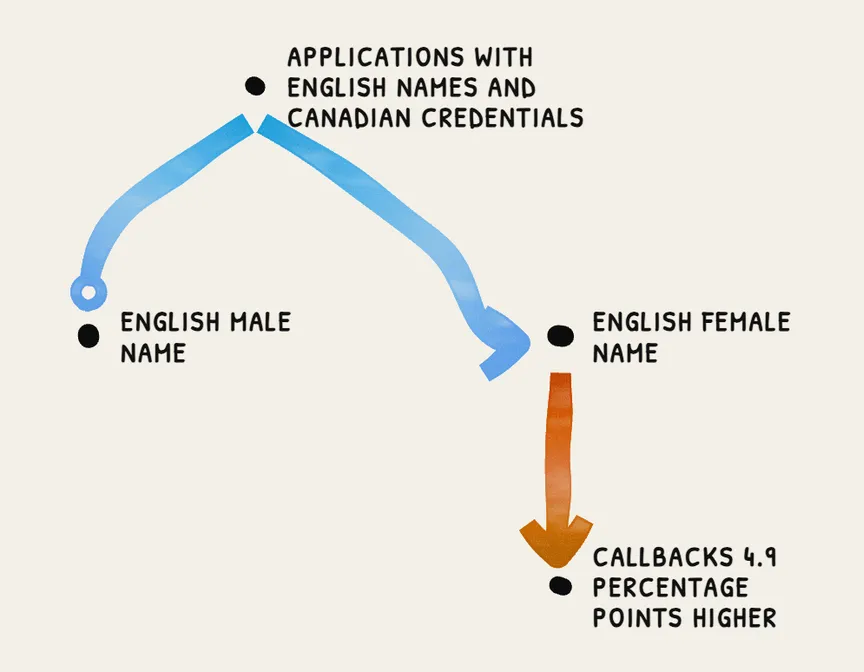
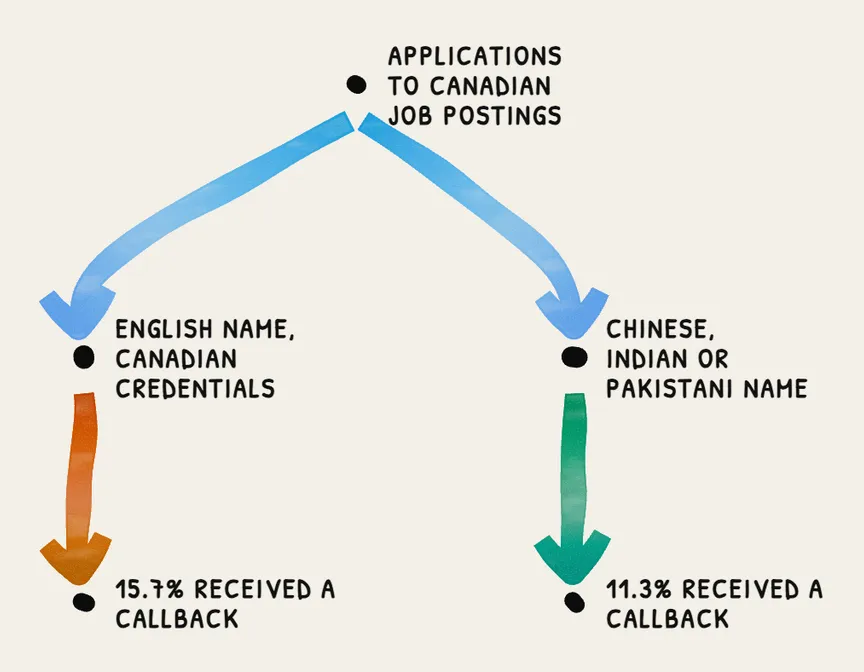
Organizations should implement anonymized or name-masked application processes where candidate contact details are removed during initial resume screening to ensure impartial interview selection.
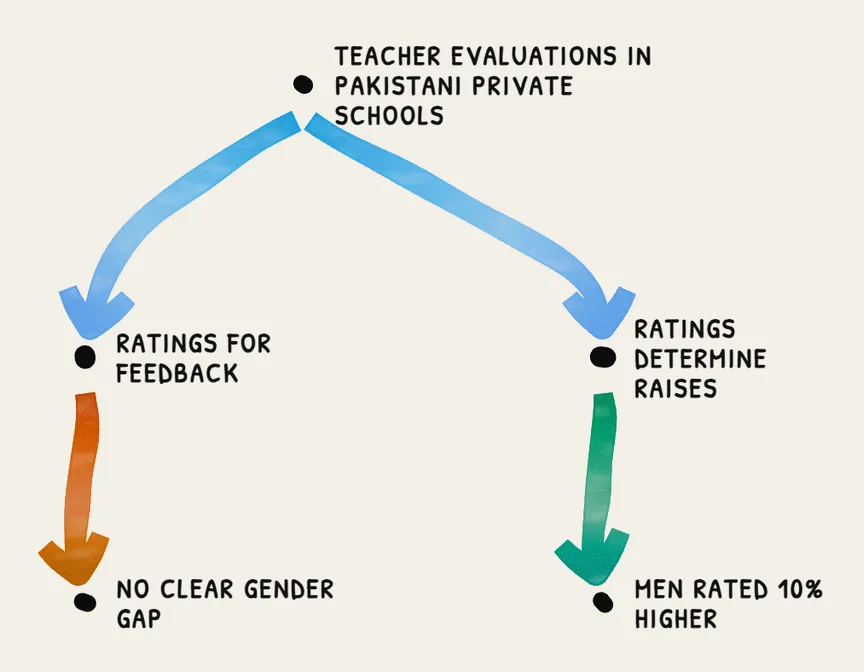
Pair high-stakes subjective rating systems with high-frequency managerial monitoring and explicit evaluation rubrics to eliminate demographic evaluation disparities.
Extend impact evaluation timeframes beyond initial implementation periods to allow household and organizational reoptimization before declaring program efficacy.
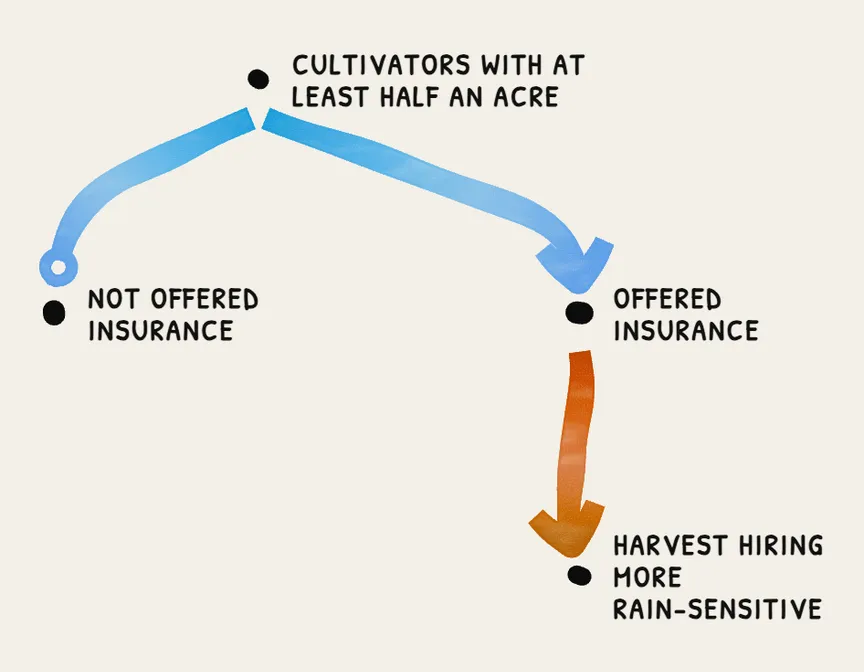
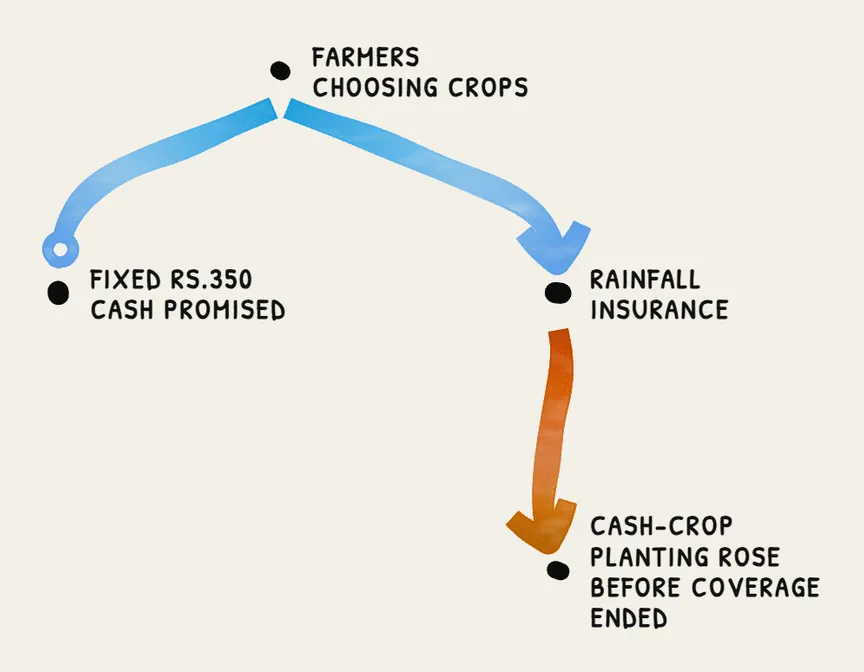
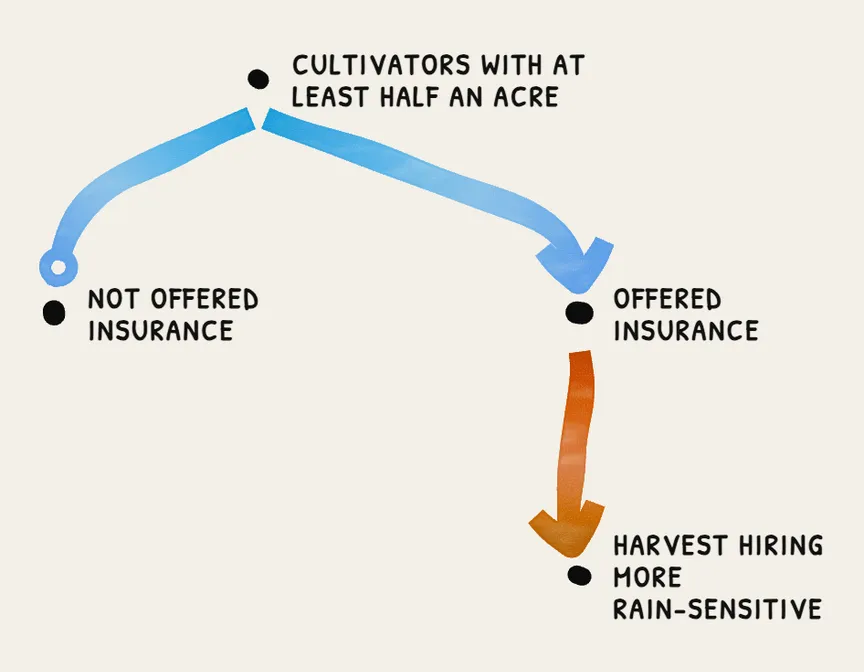
Distinguish between ex-ante planting labor and ex-post harvest labor when evaluating labor market impacts of agricultural risk management policies.
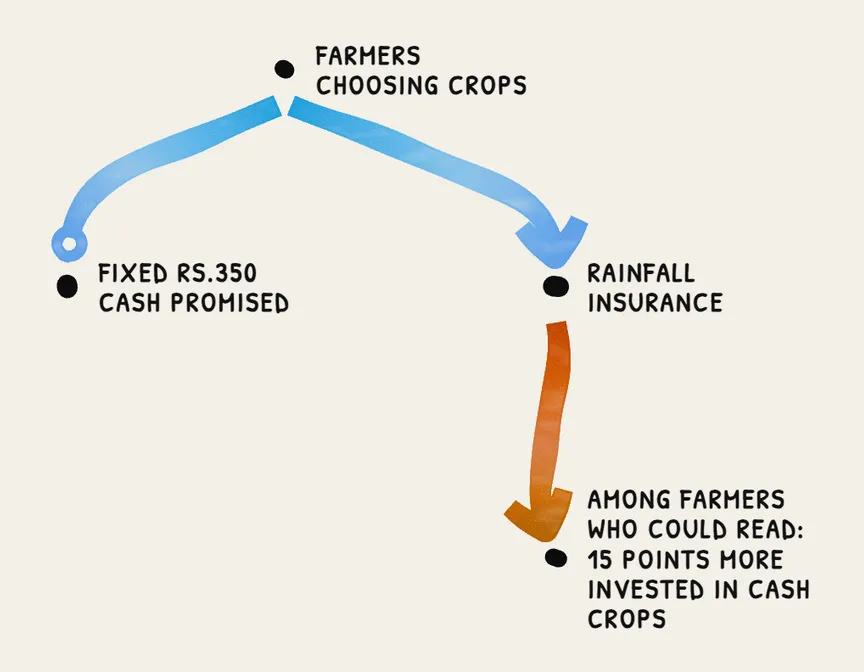
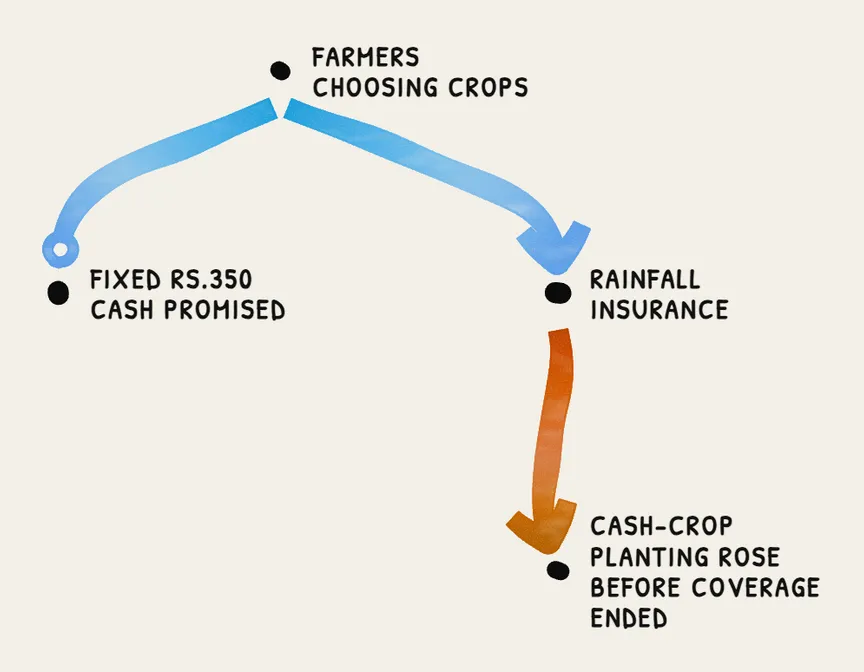
Evaluate microinsurance interventions by measuring early-season production choices and capital commitments rather than limiting impact evaluations to post-disaster payout distributions.
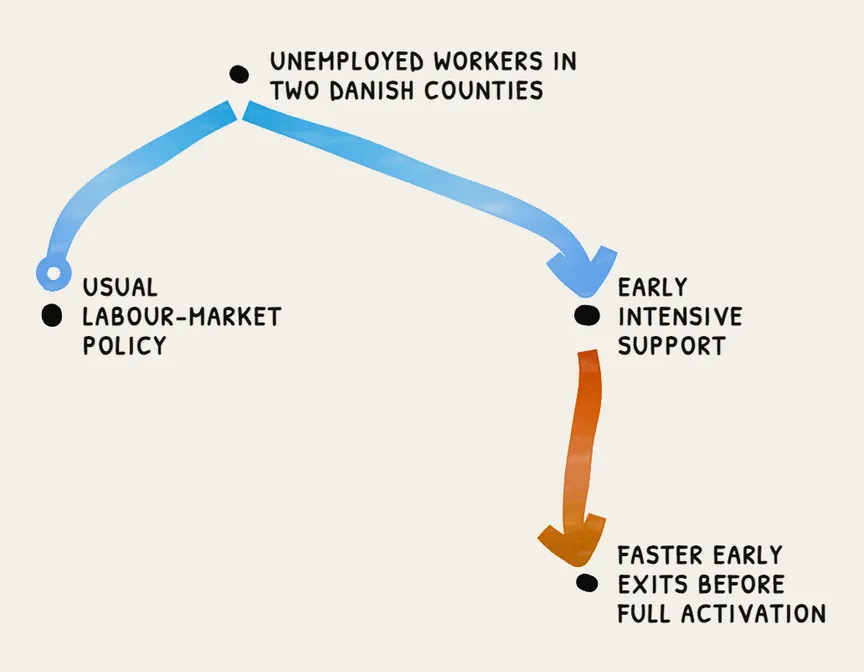
Issue official, early notification letters detailing future mandatory activation milestones upon initial unemployment registration to trigger immediate job search behavioral shifts.
Combine weather insurance products with agricultural extension services to encourage farmers to adopt weather-sensitive, high-yield input bundles.
Distribute insurance contracts prior to initial planting windows so producers can adjust input decisions under active risk hedging rather than post-disaster expectations.
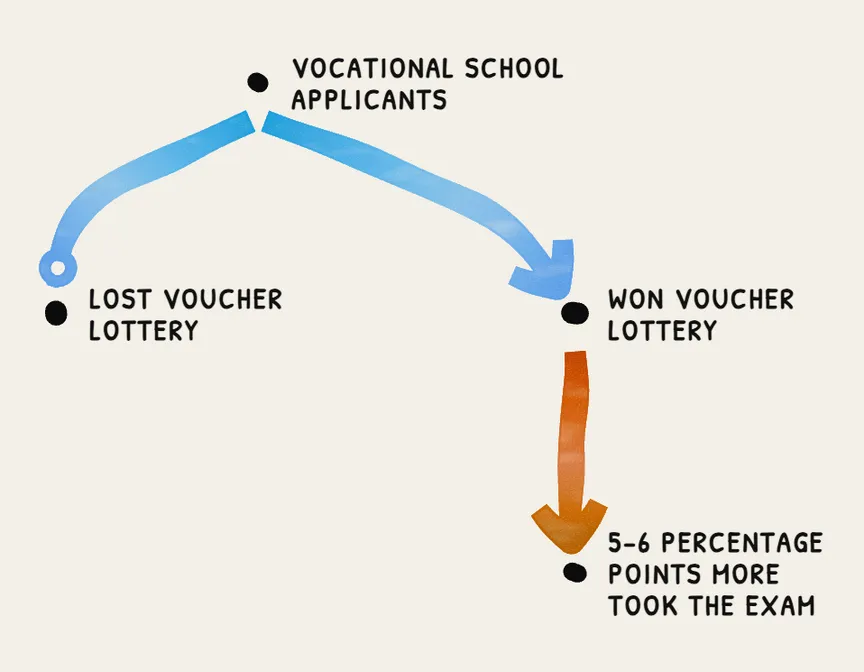
Utilize national standardized exam administrative registries as primary proxies for high school completion in contexts with incomplete school-level administrative records.
Delegate operational compliance tracking to dedicated plant-level supervisors so daily monitoring routines do not rely on the physical presence or time of senior executives.
Deploy structured web-based learning software onto pre-existing public school computer infrastructure rather than procuring new hardware to optimize return on capital investment.
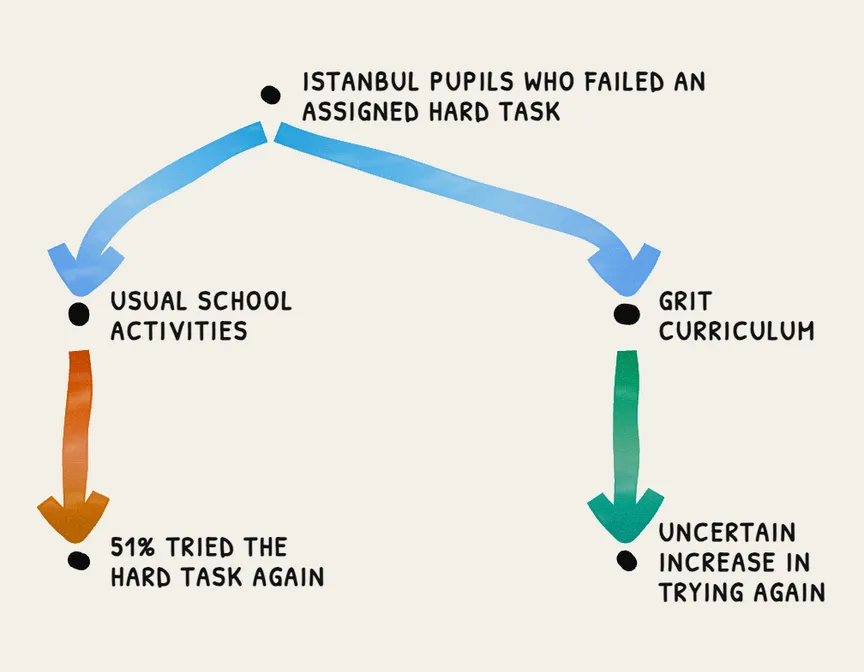
Implement forced probabilistic assignment to challenging condition rounds in experimental trials to evaluate post-failure persistence free of selection bias.
Isolate spatial proximity preferences from endogenous location decisions by estimating demand models on subsamples undergoing exogenous assignment boundary shifts.
Facilitate low-cost international transfer channels to maximize the developmental and human-capital impacts of migrant income gains in origin countries.
Establish standardized internship bridges or objective workplace competency credentials for young jobseekers to substitute for unavailable formal work experience.
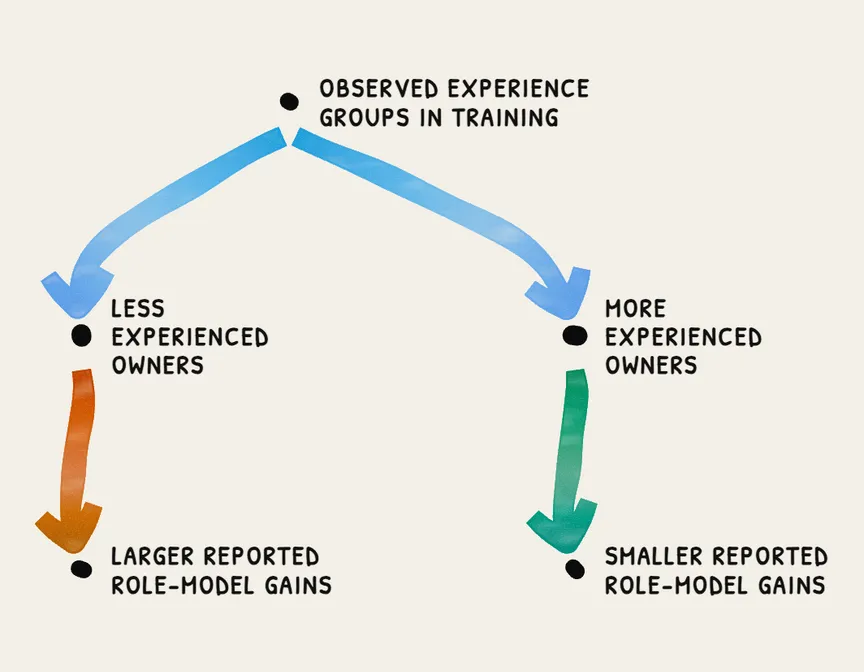
Screen and divide incoming microenterprise training cohorts by firm age and owner education, assigning novice owners to peer role model sessions and established owners to individual technical consulting.
Page 6 of 23
Previous
1
…
5
6
7
…
23
Next