Skip to the findings
Menu
aikyam
school
Findings
Methods
Subjects
All cards
Read
Findings
Methods
Subjects
All cards
Findings
1,083 findings
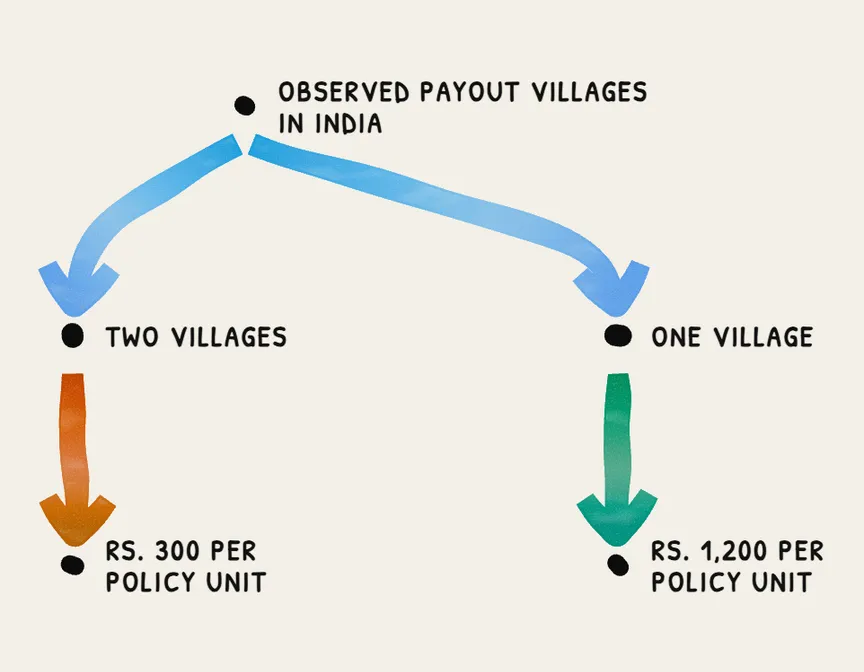
Structure weather index insurance contracts around phase-specific cumulative rainfall thresholds rather than seasonal totals to provide timely liquidity during planting and germination shocks.
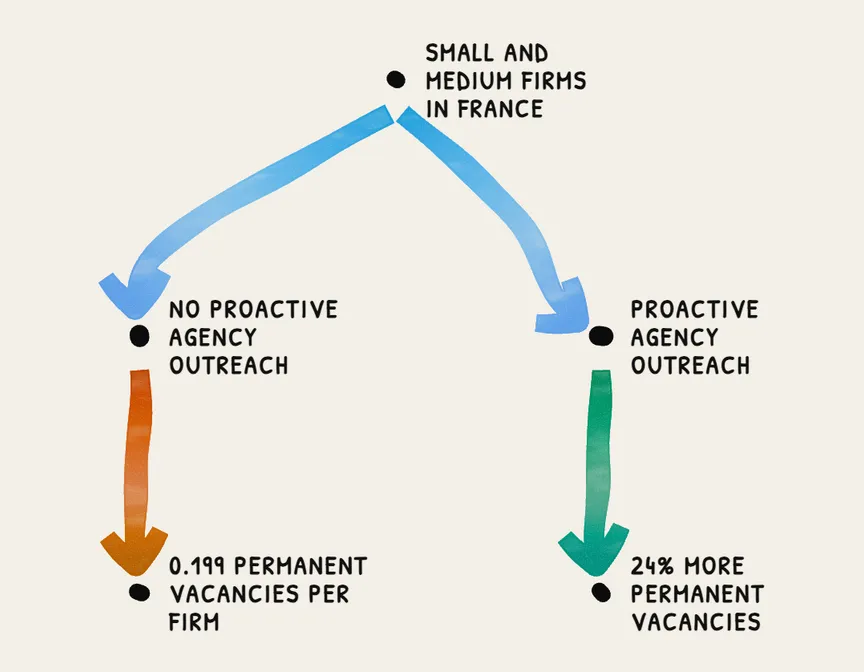
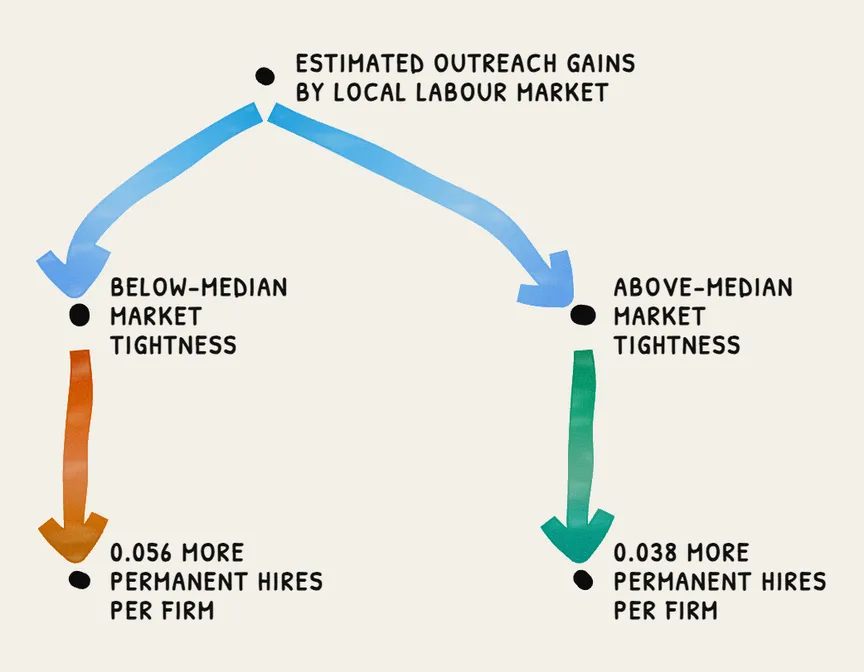
Reallocate public labor market intervention budgets to offer direct, free recruitment support to employers during periods of economic slack.
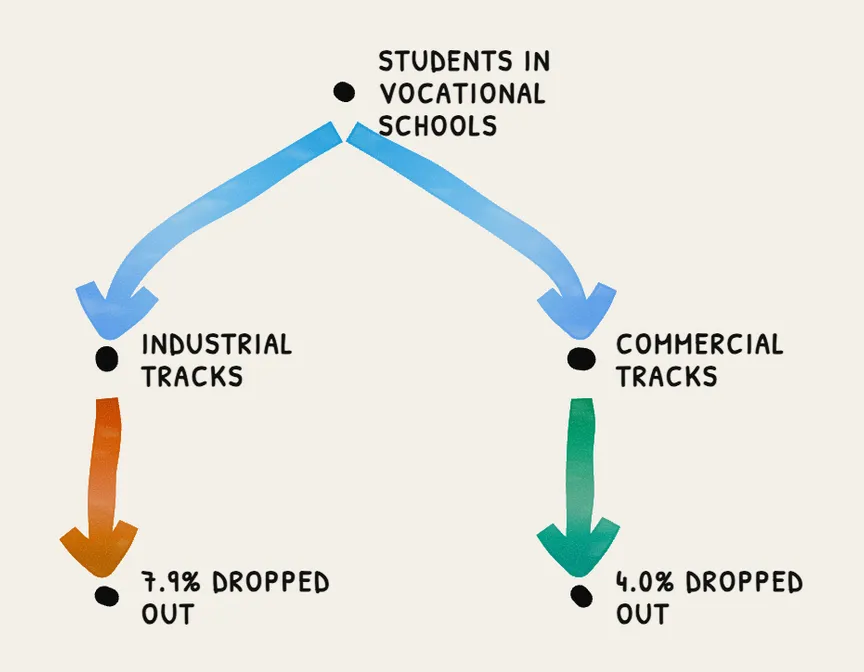
Target educational voucher subsidies toward flexible service and commercial vocational programs rather than fixed industrial tracks to optimize student retention.
Reallocate private sector development funding from standalone supply-side managerial training toward demand-side market access interventions that connect small firms directly to institutional and foreign buyers.
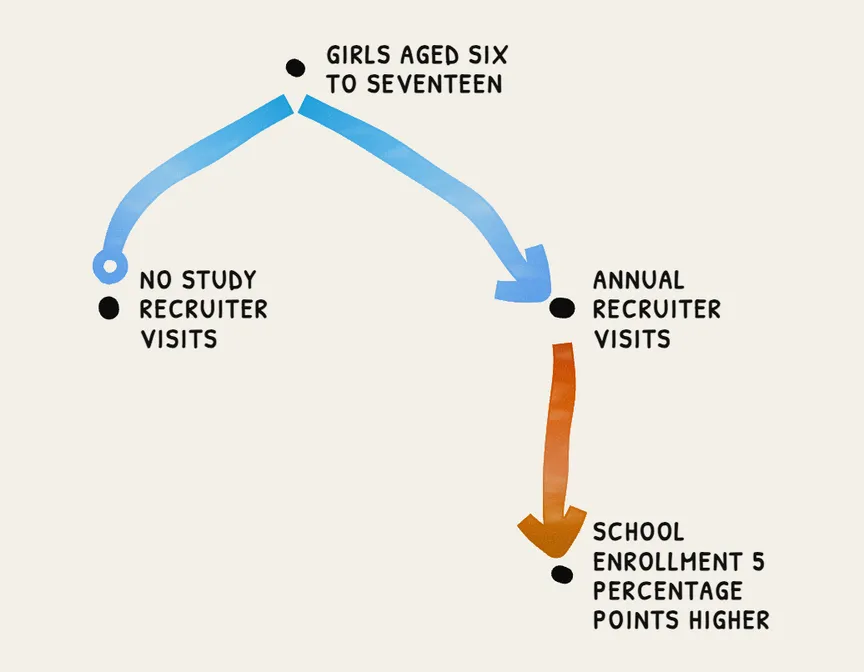
Prioritize communicating market job returns to families to stimulate female educational enrollment before relying solely on financial subsidies or fee waivers.
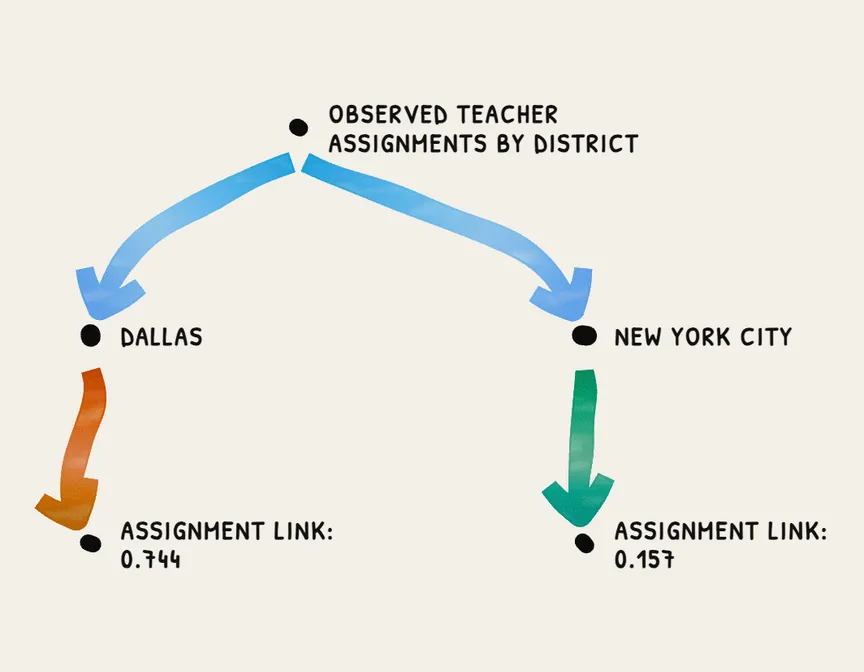
Prioritize student baseline achievement controls as the primary bias-reduction mechanism while carefully evaluating district policy trade-offs before adding or prohibiting student demographic covariates.
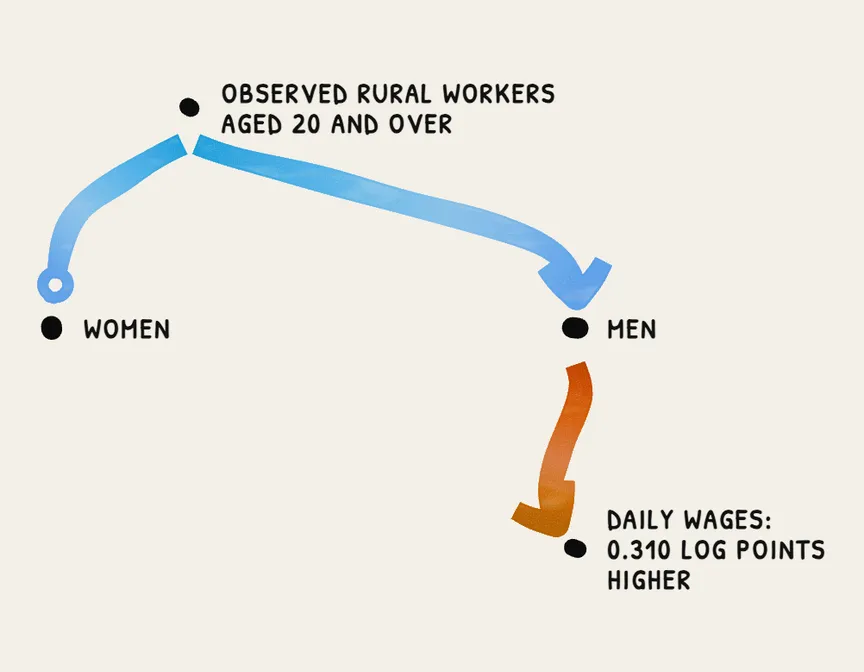
Incorporate demographic wage differentials into baseline labor market models when evaluating household income shocks and gendered welfare impacts in agrarian settings.
Track material waste, weaver labor hours, and defect rates at the specific product-design level to base pricing and catalog offerings on actual design cost rather than plant-wide averages.
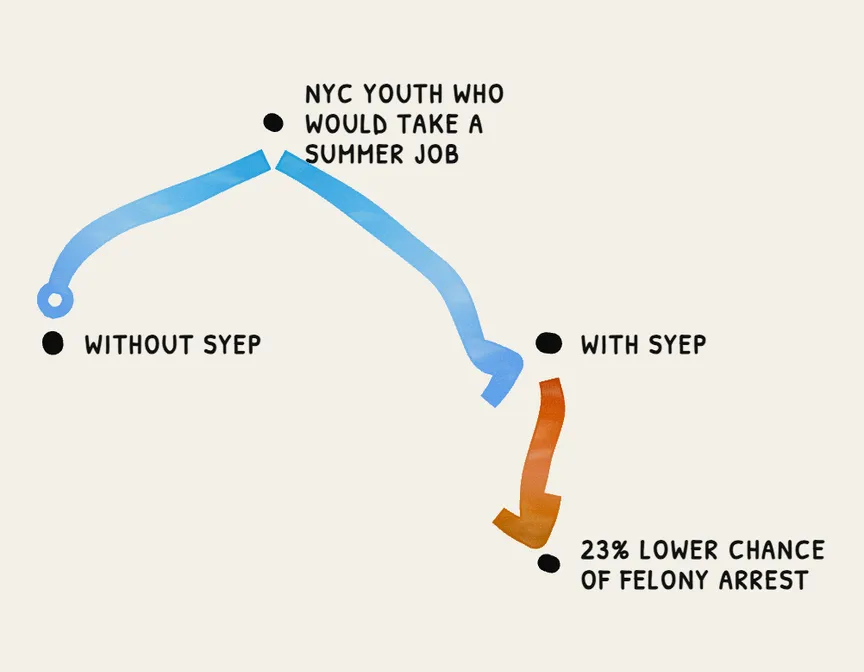
1. Target employment programs specifically at communities facing high rates of violent and property felony offenses to capture maximum social welfare gains.
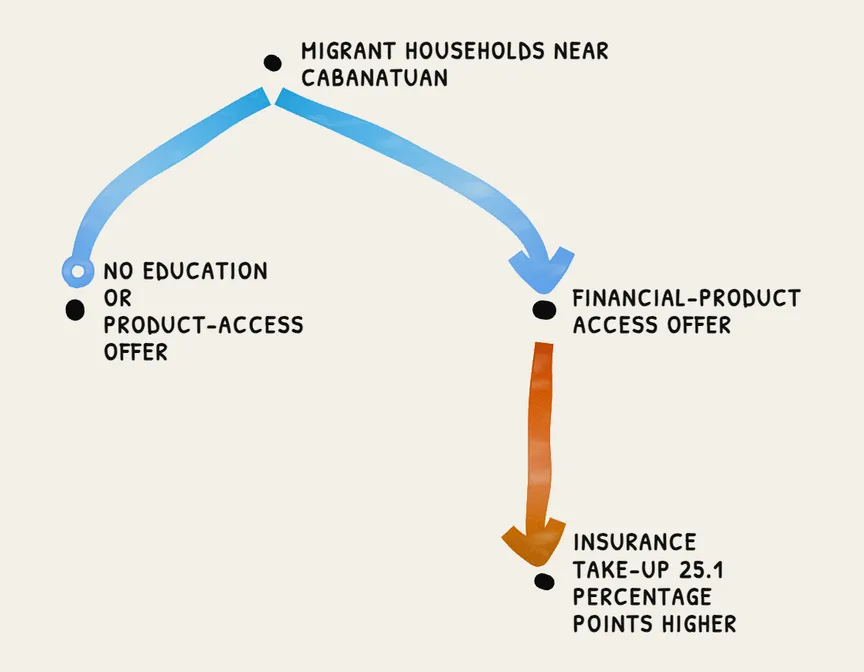
Prioritize financial access interventions specifically on underserved risk-coping products like micro-insurance rather than expanding existing formal credit and savings access in saturated markets.
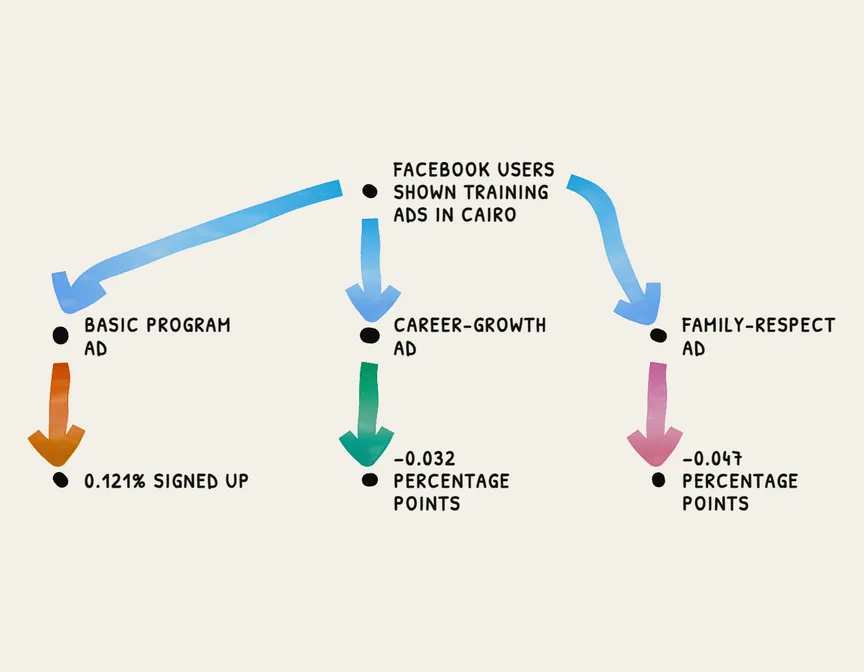
Avoid using anti-stigma messaging in brief online advertisements, reserving stigma-mitigation campaigns for high-touch, in-person outreach.
Deliver vocational video modules and peer interactions through established mobile messaging channels to maintain low-cost candidate engagement.
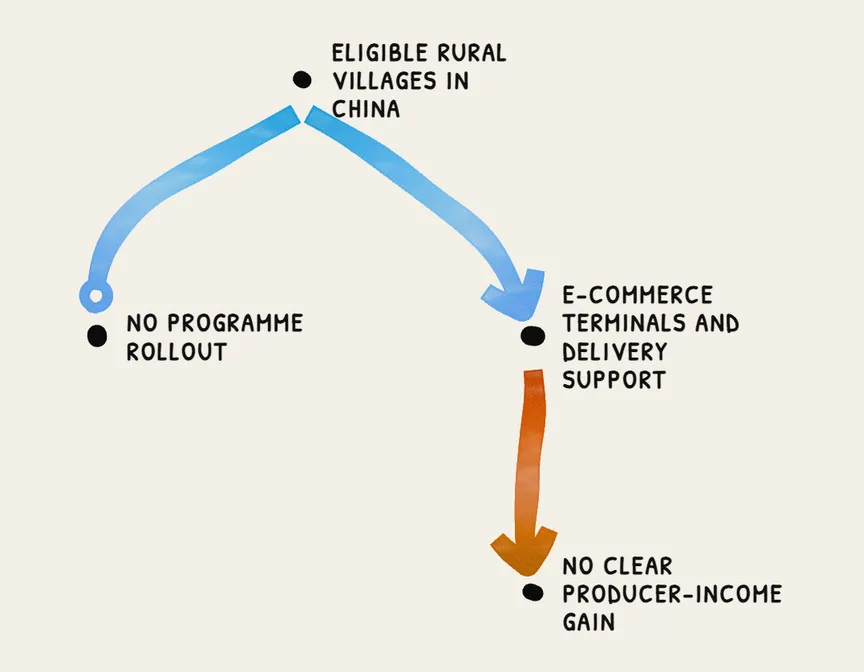
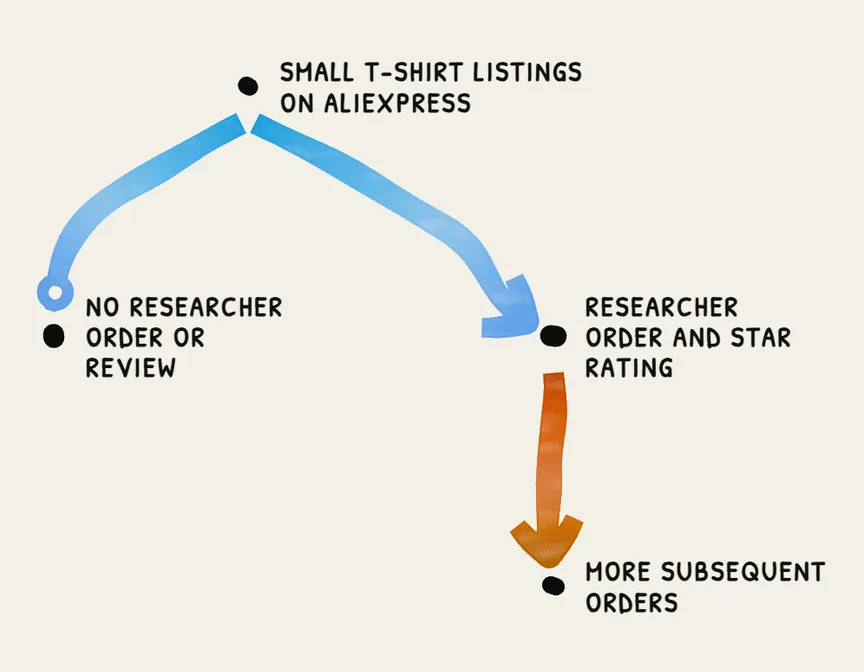
Pair digital platform infrastructure investments with specialized seller visibility tools, quality signaling features, or local aggregator intermediaries to ensure small vendors capture direct financial gains from digital market access.
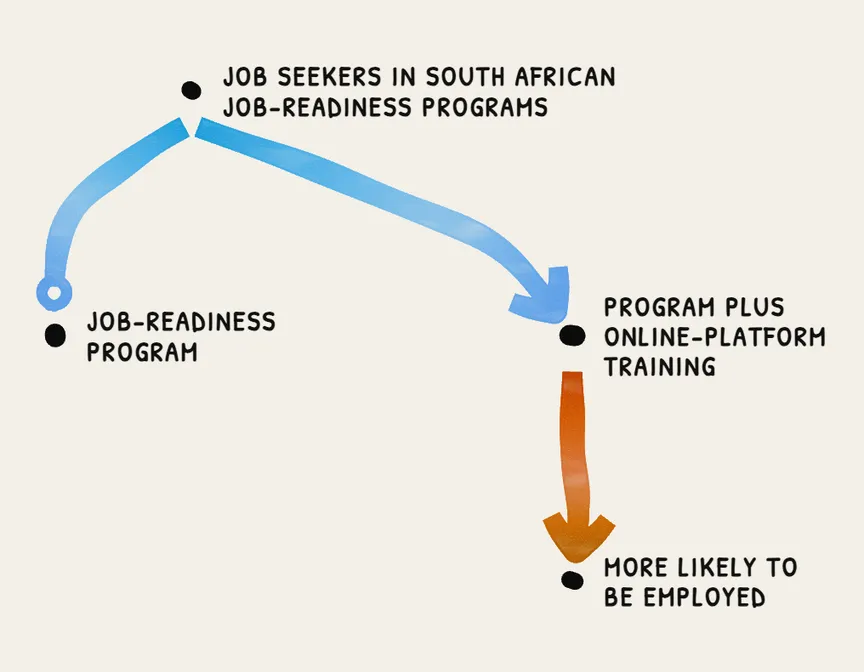
Incorporate hands-on online labor profile creation modules into standard public employment job-readiness workshops.
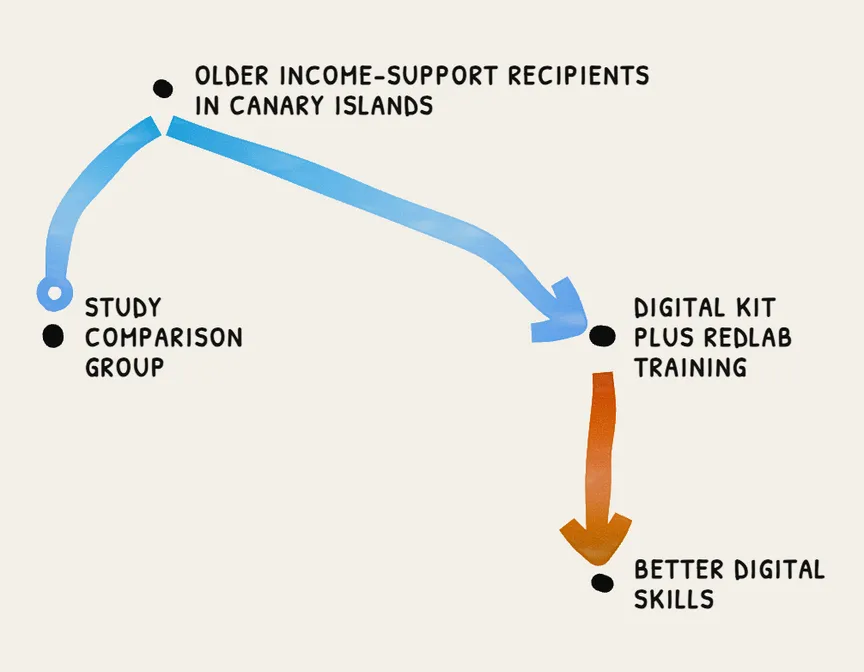
Pair hardware equipment grants with mandatory, intensive hands-on digital literacy instruction to enable low-educated older welfare recipients to conduct online job searches and navigate digital administrative procedures.
Implement digital training platforms offering personalized modules in leadership, stress management, and gender sensitivity, incorporating completion incentives within a three-month window.
Provide targeted administrative assistance to help female workers link individual bank accounts to government employment platforms for direct deposit wage delivery.
Incorporate weekly cash stipends and emergency transit/childcare assistance funds into full-time technical training programs to prevent financial attrition.
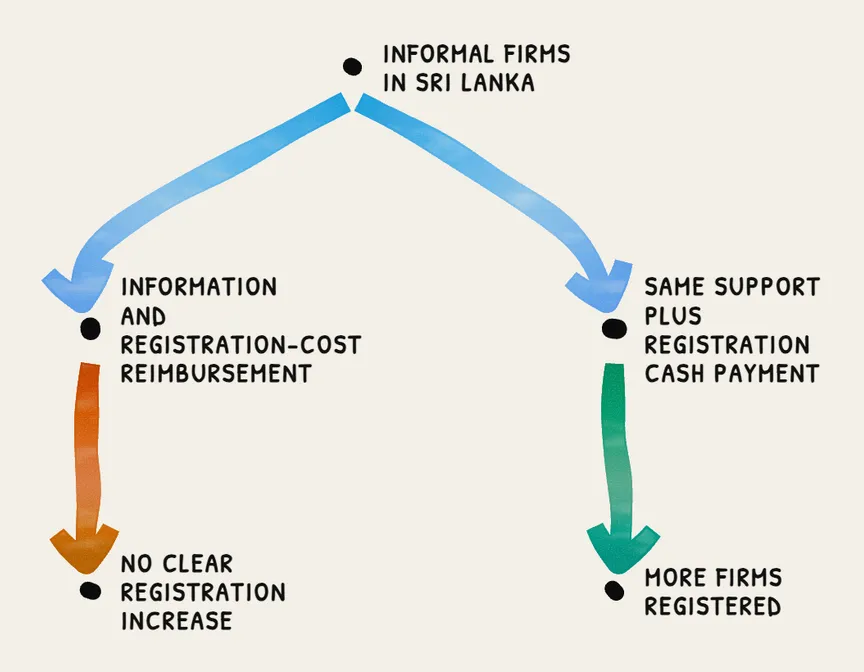
Offer one-time direct cash transfers equal to 1-2 months of average business profit to informal micro-enterprises upon verified formal registration.
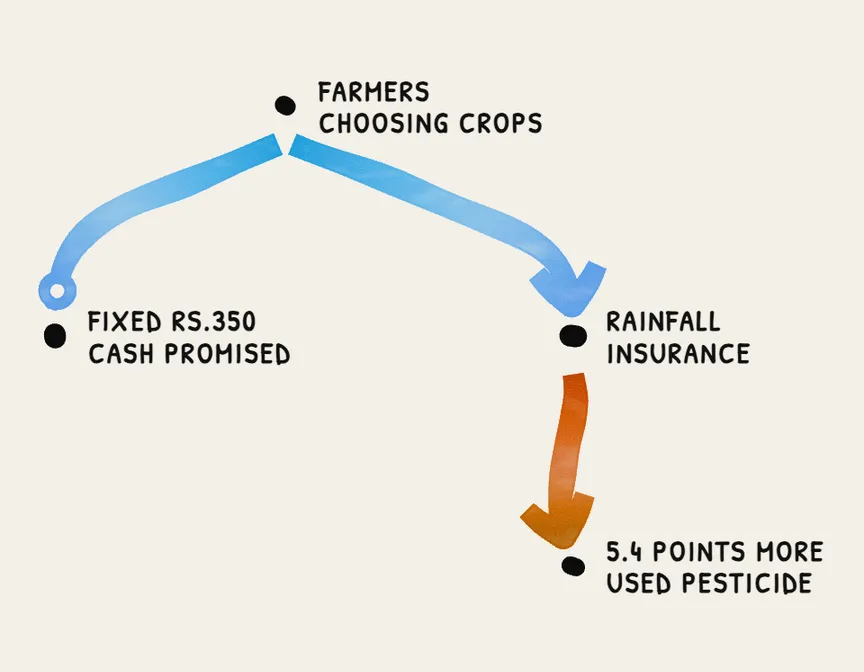
Bundle weather index insurance with targeted access to chemical pesticides, as risk-hedged producers specifically expand crop-protection inputs to secure high-value cash crop yields.
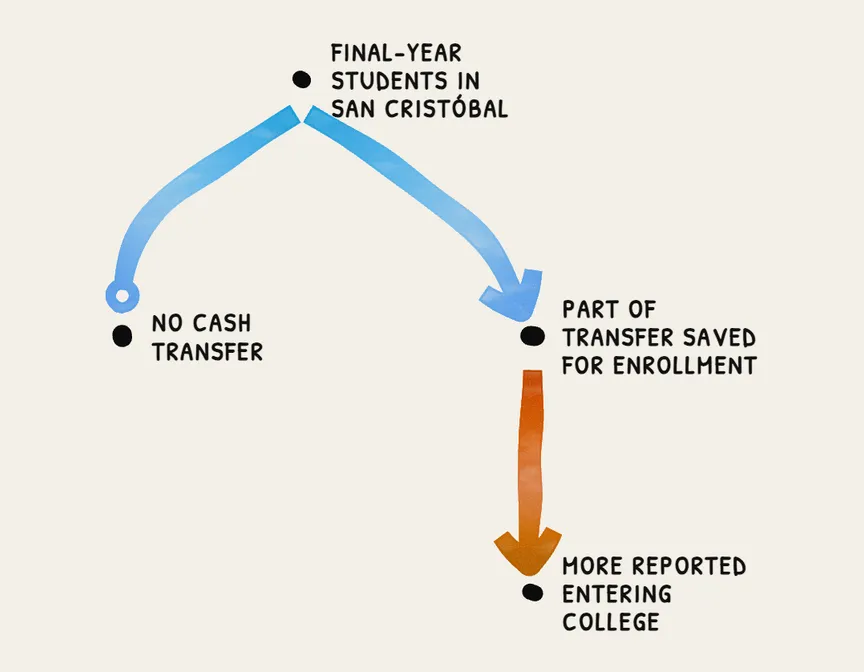
Schedule conditional education transfers as lump-sum disbursements aligned with school enrollment fee deadlines to overcome household liquidity constraints.
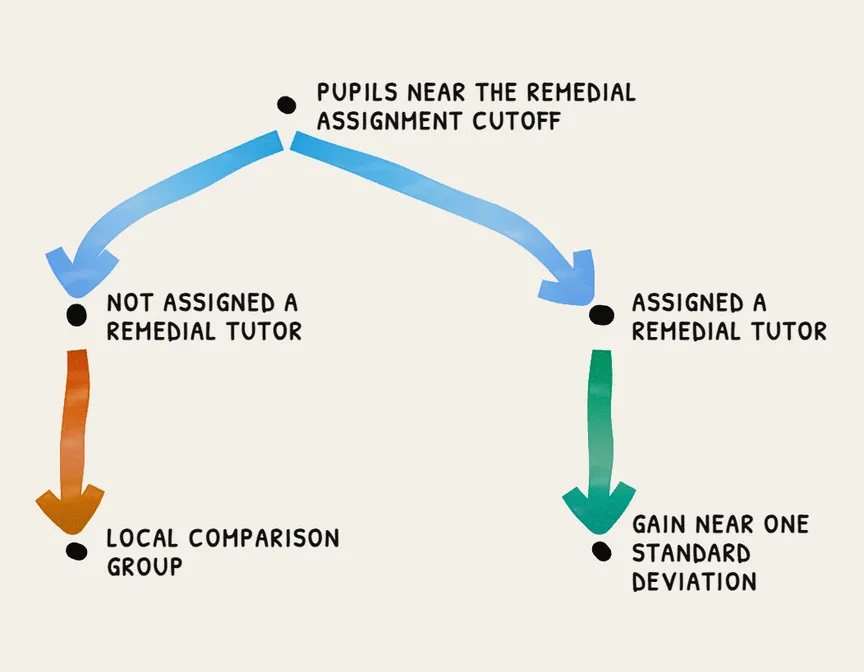
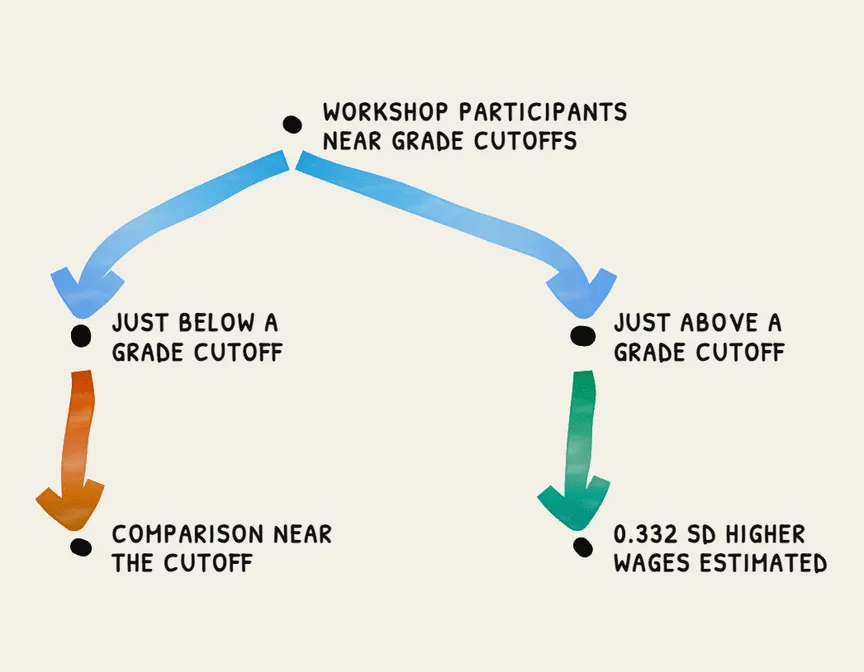
Leverage strict class-rank cutoffs in remedial assignment to separate direct treatment impacts from indirect classroom peer effects.
Group continuous applicant assessment scores into discrete performance bands on credentials to leverage threshold signaling effects for job-seekers.
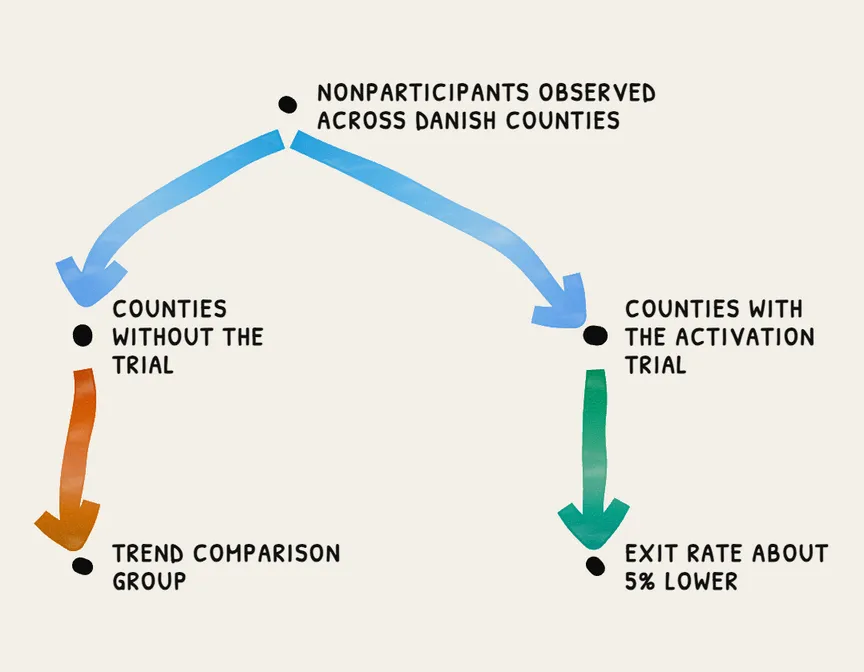
Evaluate active labor market interventions by comparing non-treated individuals in treatment regions to external control populations rather than relying on internal regional control groups.
Plot and evaluate cumulative distribution functions of post-program earnings to confirm that average intervention effects represent broad-based wage increases.
Audit local institutional constraints and allow first-stage compliance rates to vary by site when evaluating multi-district field experiments.
Account for non-monetary leisure loss costs imposed by mandatory activation compliance when estimating worker reservation wage changes and wage bargaining outcomes.
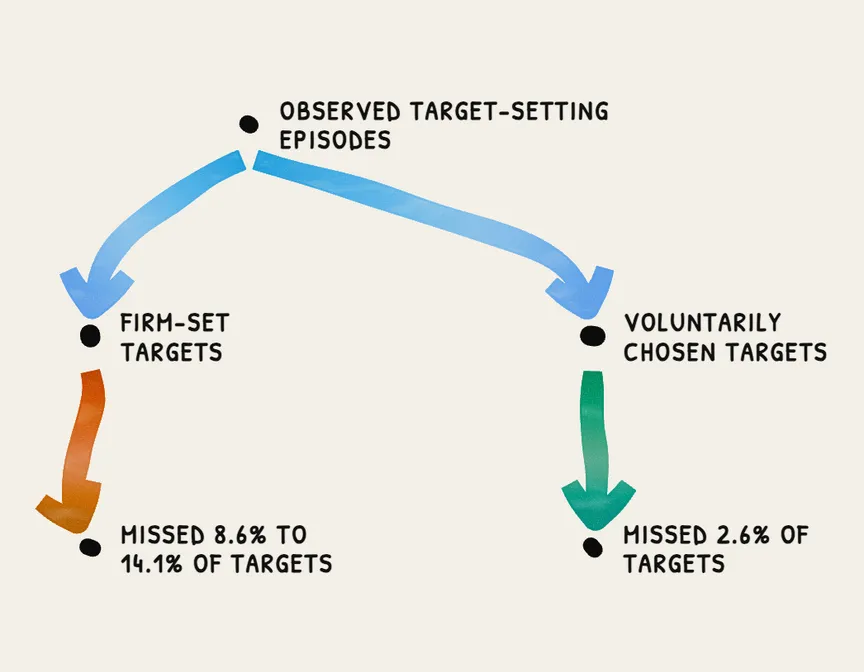
Design self-imposed penalty mechanisms rather than mandatory firm-wide quotas to leverage loss aversion without triggering high rates of costly target failure.
Utilize double-blind, scenario-based open question scoring frameworks to evaluate organizational management practices without triggering self-reporting bias.
Apply double post-Lasso automated variable selection to control for baseline high-dimensional firm attributes without introducing specification search bias.
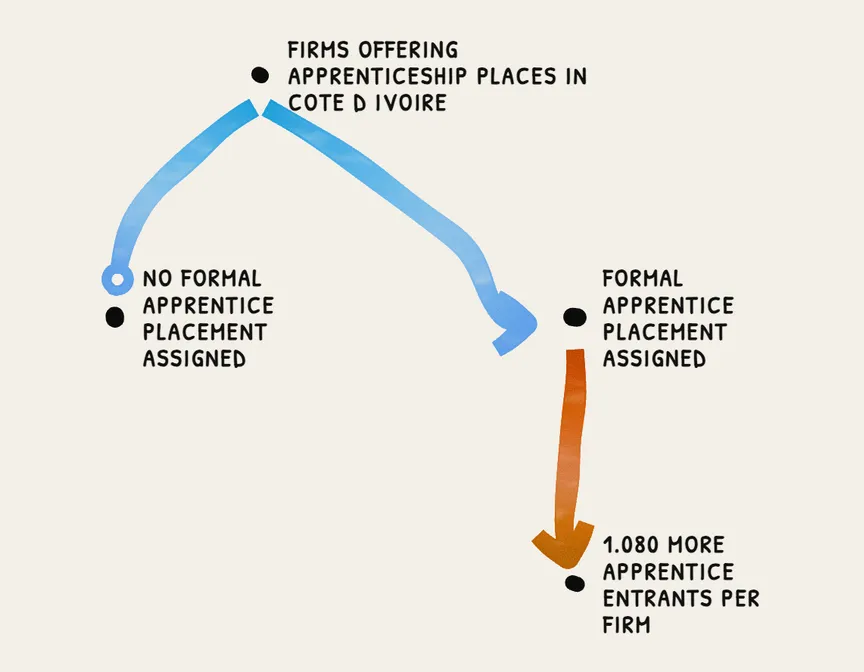
Randomize program eligibility simultaneously on both the applicant supply side and firm demand side to identify substitution parameters and net macro-level employment impacts.
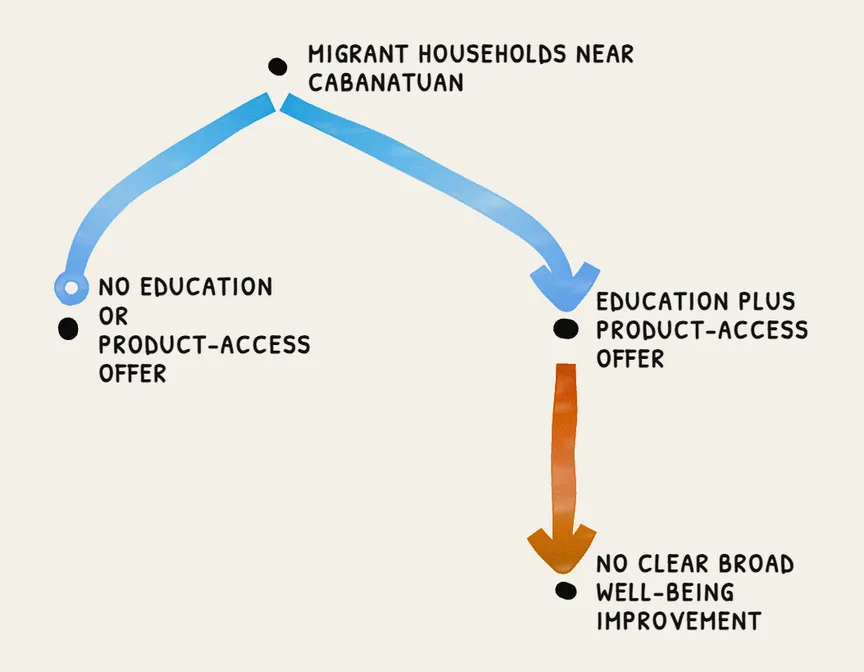
Apply multiple-inference corrections (such as Benjamini-Hochberg q-values) when evaluating broad multi-outcome household welfare impacts to prevent false positives in program evaluations.
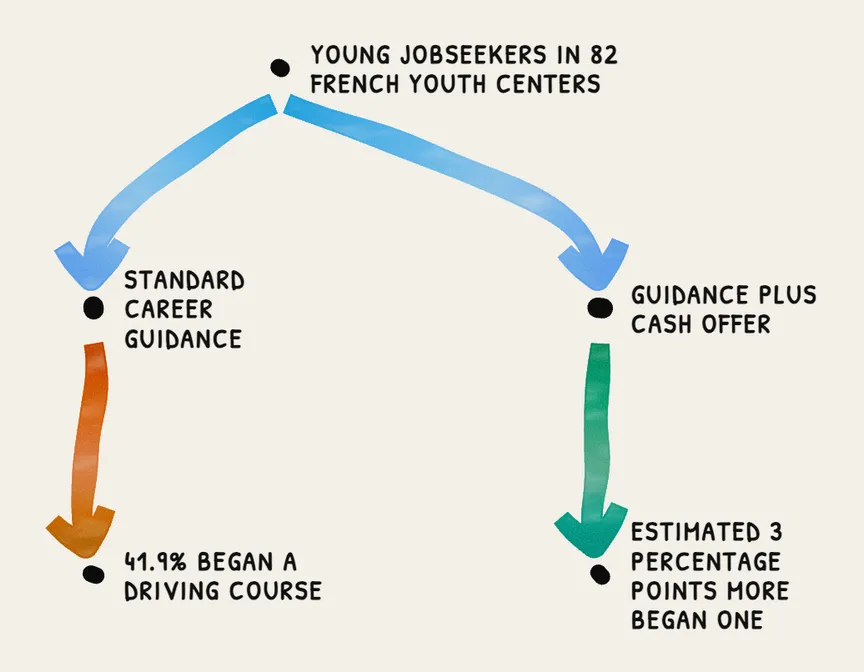
Incorporate dedicated mobility allowances or targeted driving instruction vouchers into youth employment programs to overcome spatial mismatch barriers.
Deploy candidate screening and third-party credential verification tools simultaneously whenever expanding digital recruitment pools beyond internal employee referral channels.
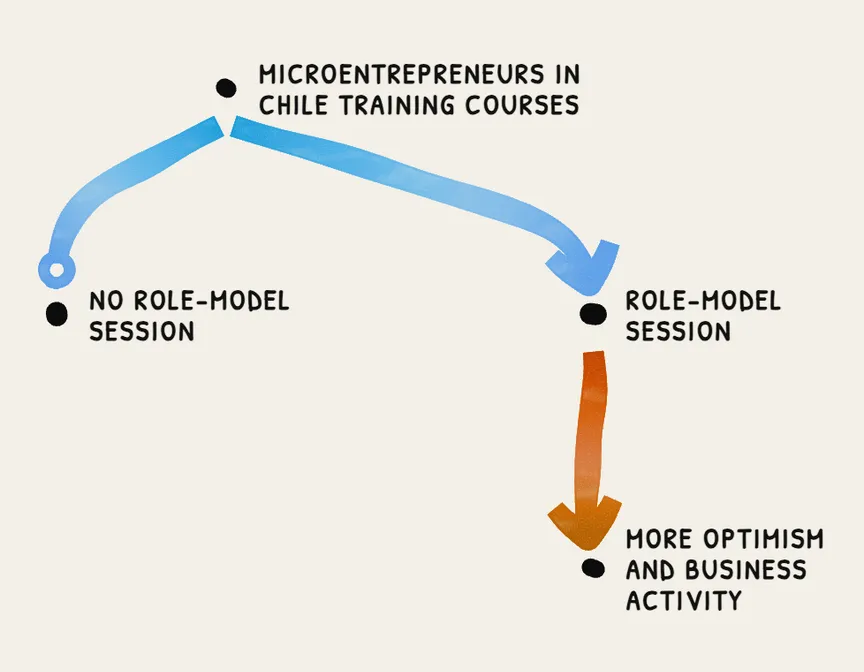
Structure microenterprise programs with dual modules that separately address technical knowledge deficits via practical exercises and motivational deficits via relatable peer interaction.
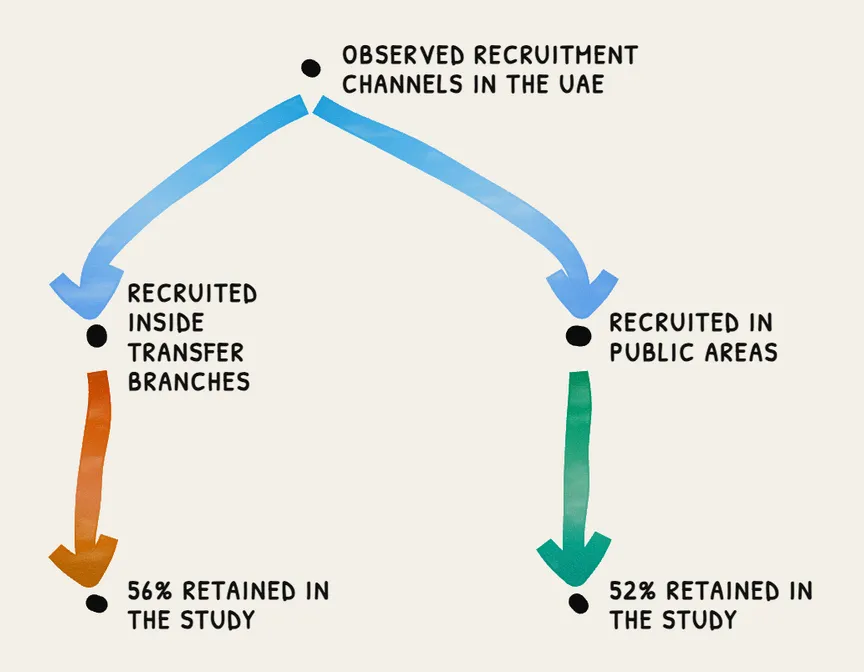
Implement balanced dual-channel sampling across commercial MTO branches and community intercept locations to minimize recruitment selection bias in migrant economic studies.
Specify matching functions with explicit dual-coordination friction parameters to model non-linear matching returns under policy-induced search effort spikes.
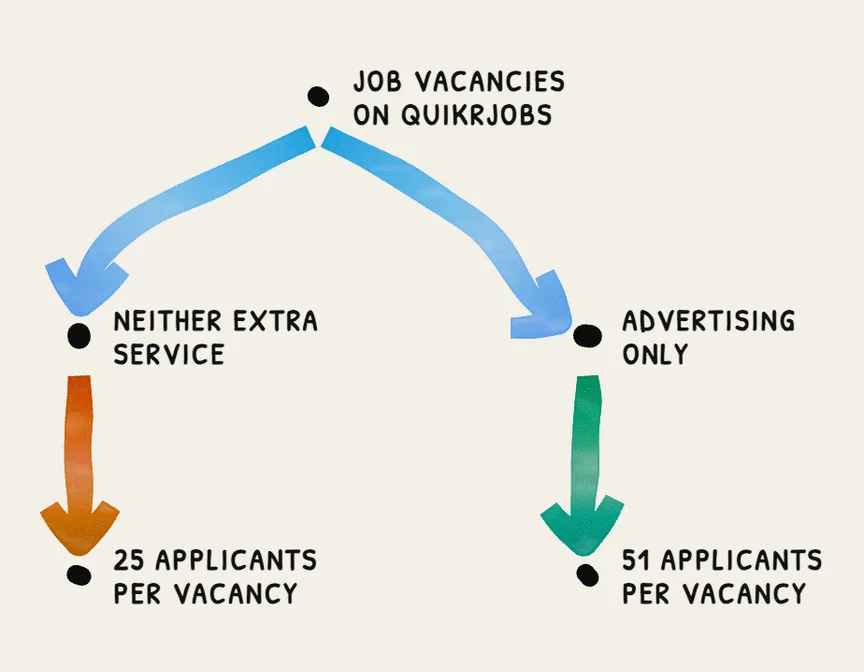
Deploy firm recruitment assistance programs continuously across both recessionary and expansionary macroeconomic cycles, switching service focus from candidate generation to applicant filtering.
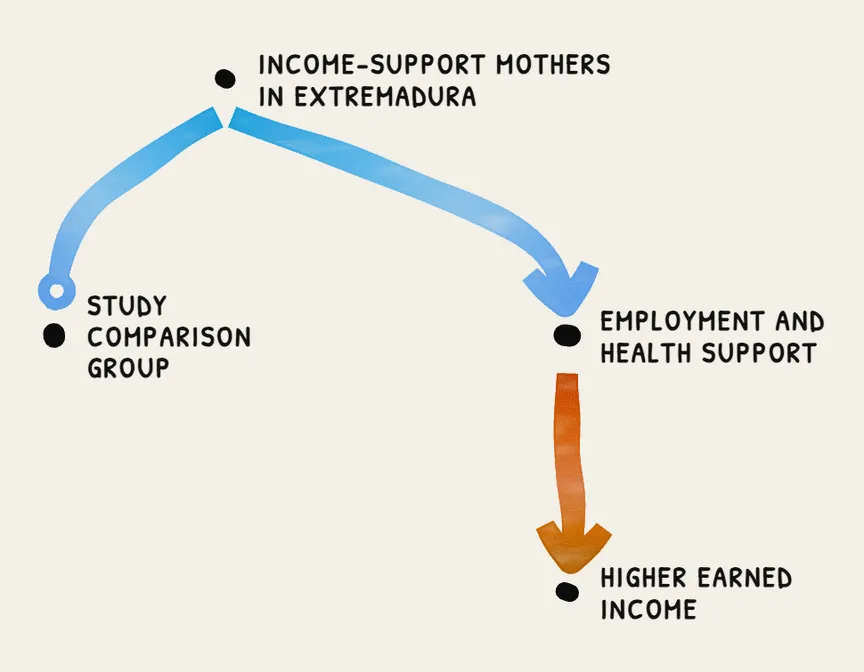
Offer vulnerable mothers receiving welfare benefits integrated access to physical and psychological healthcare consultations alongside personalized job matching and entrepreneurship counseling.
Provide external candidate filtering support to employers during both economic recessions and economic expansions, adapting services from candidate generation in tight markets to resume pre-selection in slack markets.
Implement dual-side marketing of agricultural index insurance to both land-owning farmers and landless wage laborers simultaneously to prevent equilibrium wage destabilization.
Market weather index insurance contracts simultaneously to both agricultural employer and laborer populations within the same local labor market.
Administer incentivized two-sided belief elicitation surveys using standardized objective tests (such as Raven's Matrices) alongside true population benchmarks to identify structural expectational gaps between employers and jobseekers.
Adjust baseline policy treatment intensity parameters for negative duration dependence and cohort inflow dynamics before estimating general equilibrium search models.
Re-calculate individual potential outcome predictions biweekly using updated elapsed duration and labor market indicators to adjust treatment recommendations dynamically.
Implement verified seller quality badges and algorithmic search visibility boosts for high-quality small manufacturers participating in public or commercial digital marketplaces.
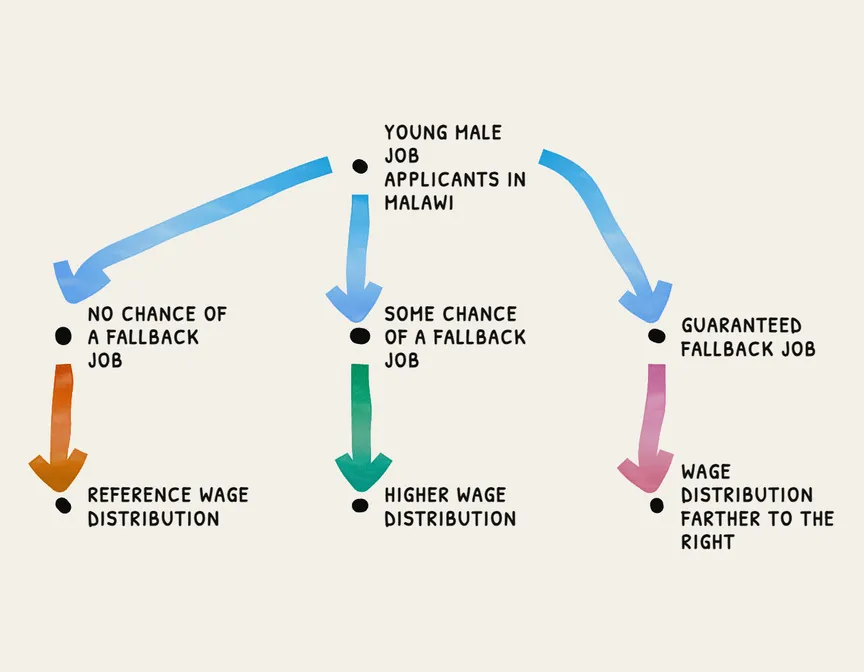
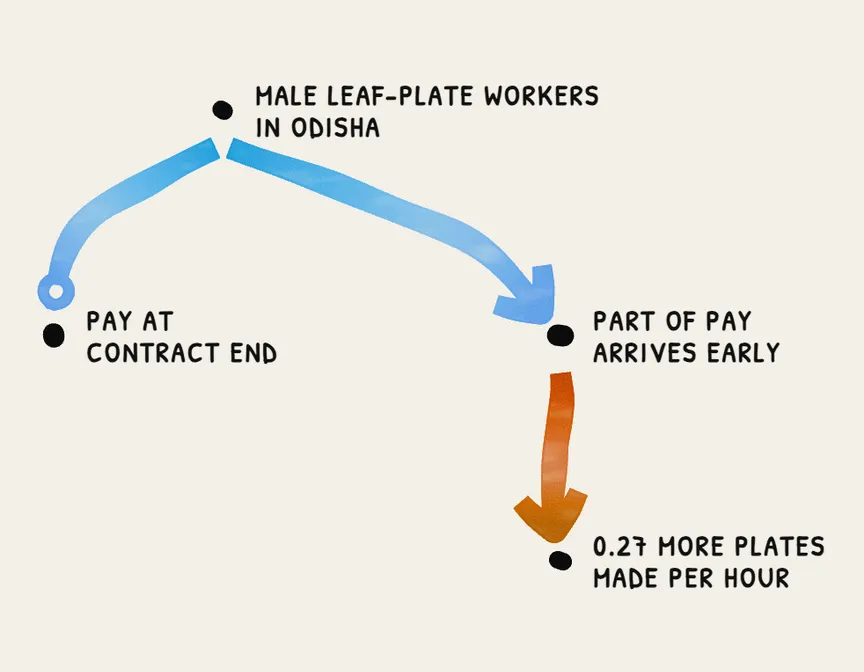
Structure wage payment cycles to disburse partial earned income mid-period rather than withholding all compensation until contract completion.
Target employment interventions toward high-paying technical sectors to evaluate whether increased income directly shifts household bargaining power and reproductive health choices.
Page 5 of 23
Previous
1
…
4
5
6
…
23
Next