Skip to the findings
Menu
aikyam
school
Findings
Methods
Subjects
All cards
Read
Findings
Methods
Subjects
All cards
Findings
1,083 findings
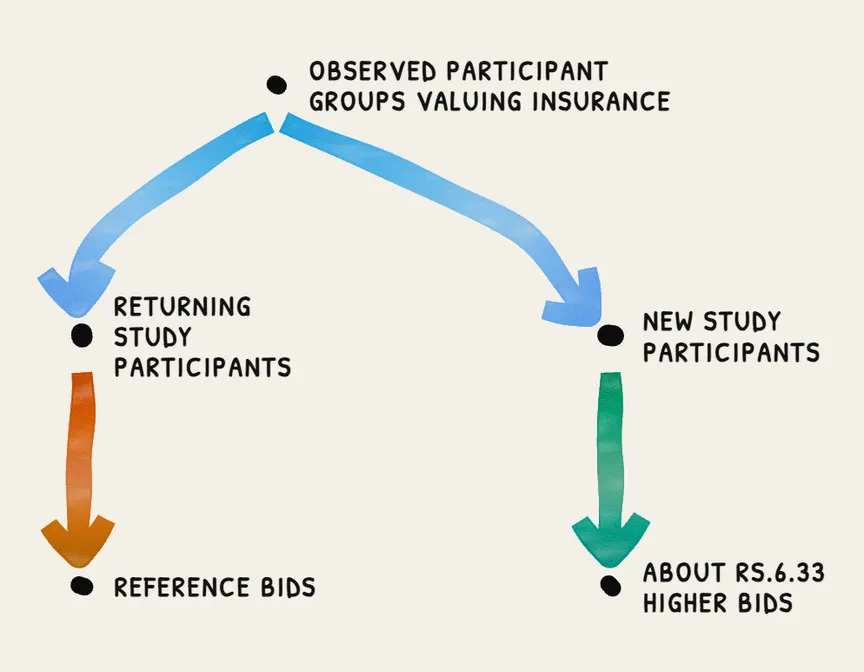
Account for participant study fatigue and novelty bias when measuring willingness to pay for novel financial services across multi-year experimental panels.
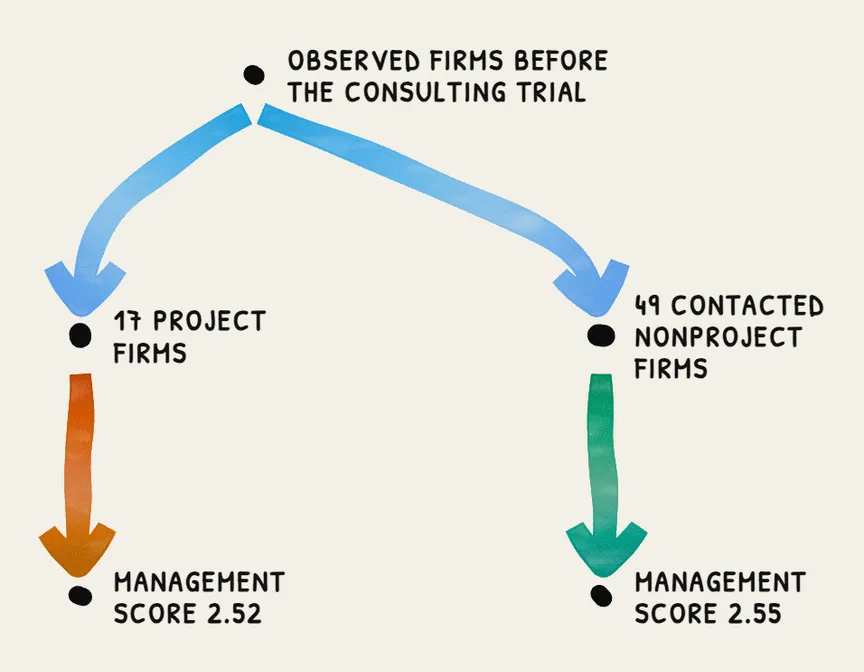
Compare volunteer program participants against non-participating industry populations across observable baseline metrics to test for self-selection bias and verify external validity.
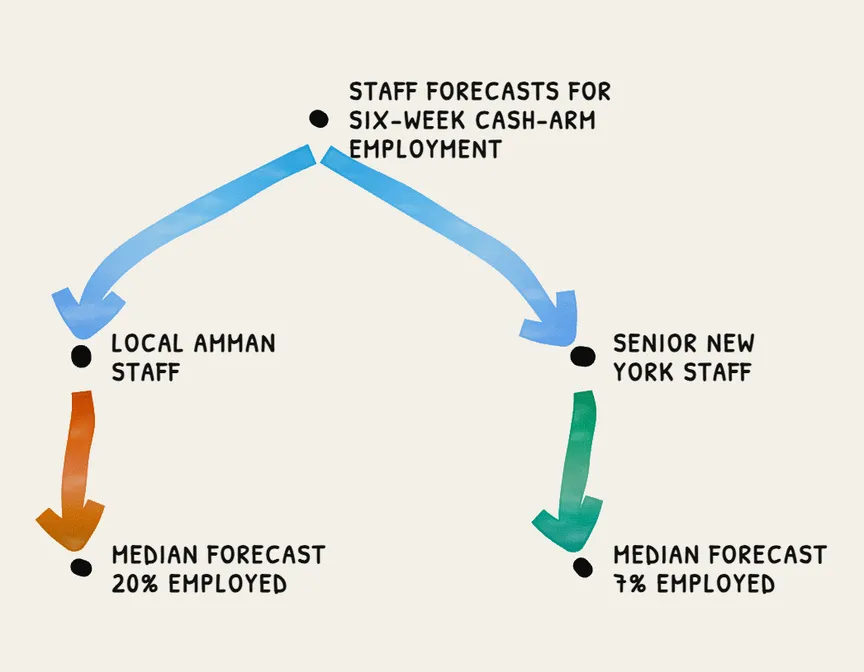
Elicit incentivized baseline outcome predictions from implementation staff prior to intervention trials to quantify professional expectation biases and calibrate Bayesian priors.
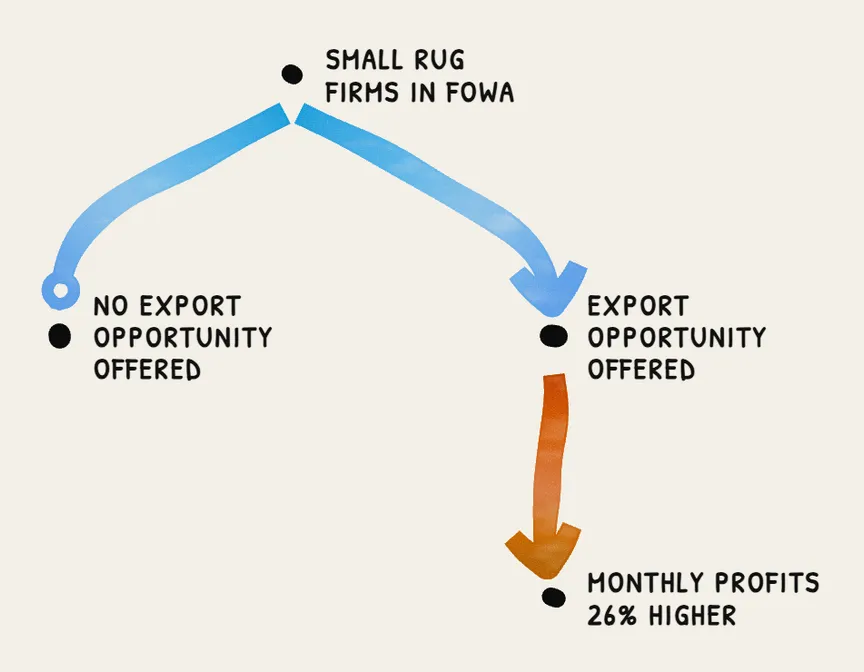
Partner micro-enterprises with local trade intermediaries capable of securing sustained foreign purchase orders and managing international logistics.
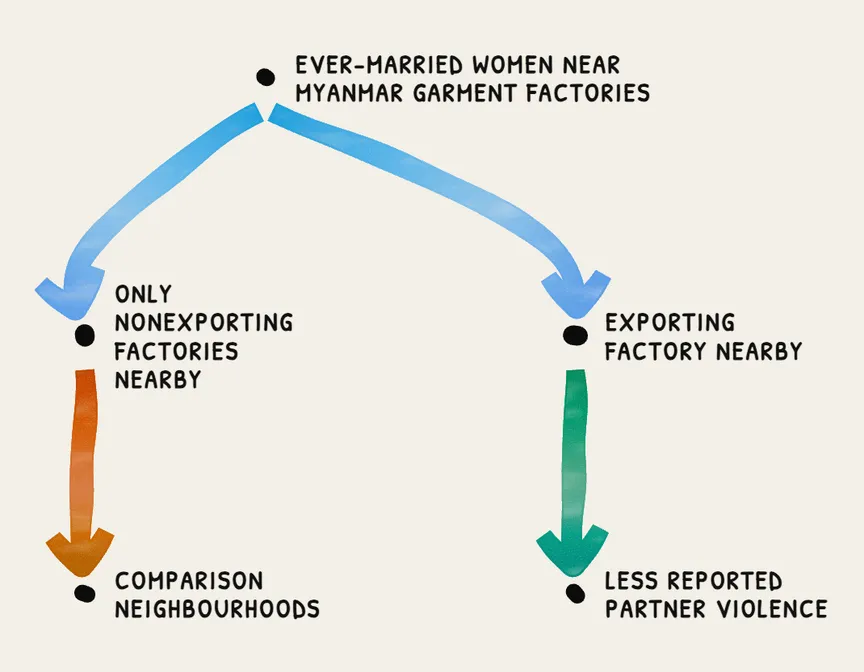
Promote foreign direct investment and market access interventions in female-labor-intensive export manufacturing sectors to expand formal economic opportunities for women.
Deploy direct-to-farmer visual marketing campaigns delivered by trained insurance representatives rather than relying on multi-tiered extension networks for novel financial products.
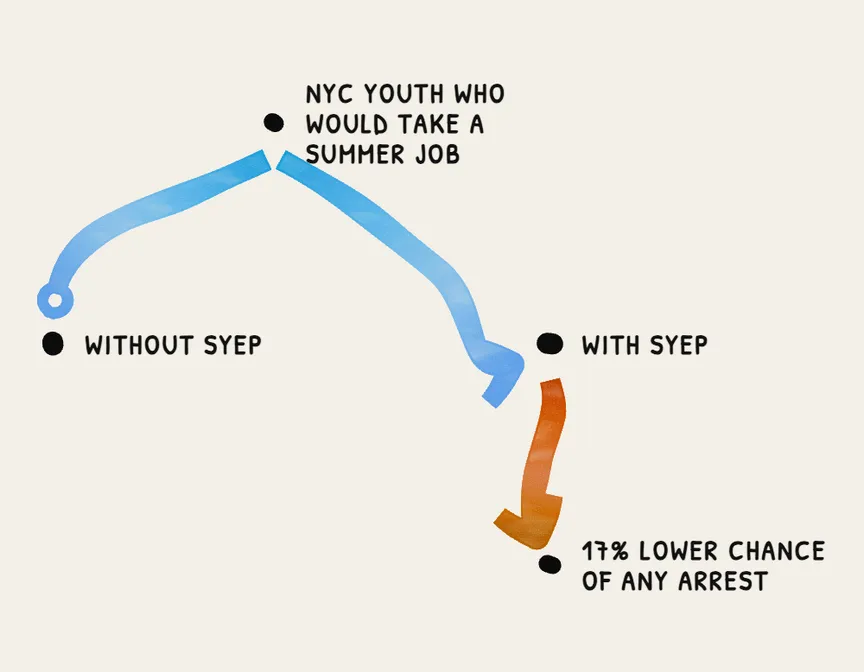
1. Design youth employment program benchmarks around first-time arrest prevention targets rather than repeat-offender frequency reduction.
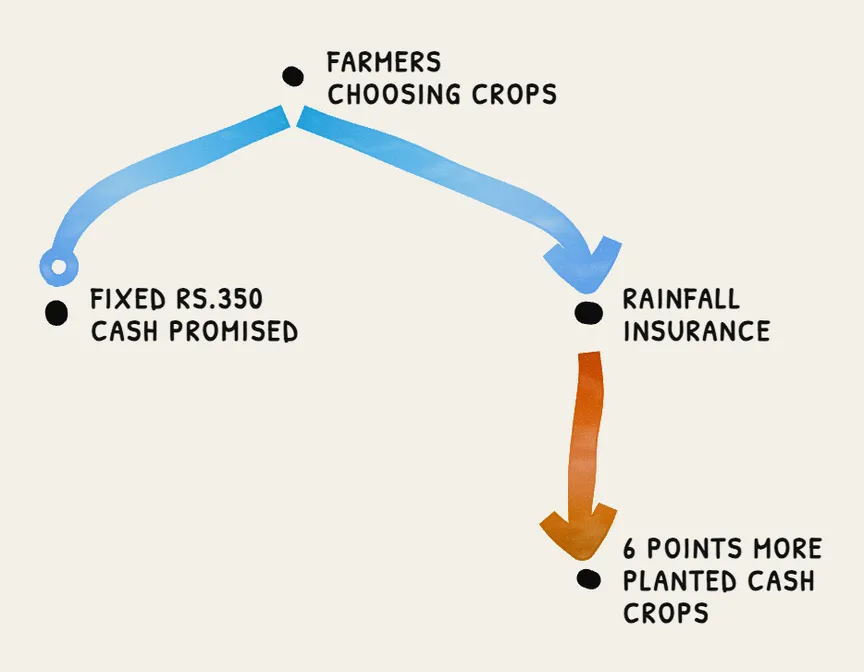
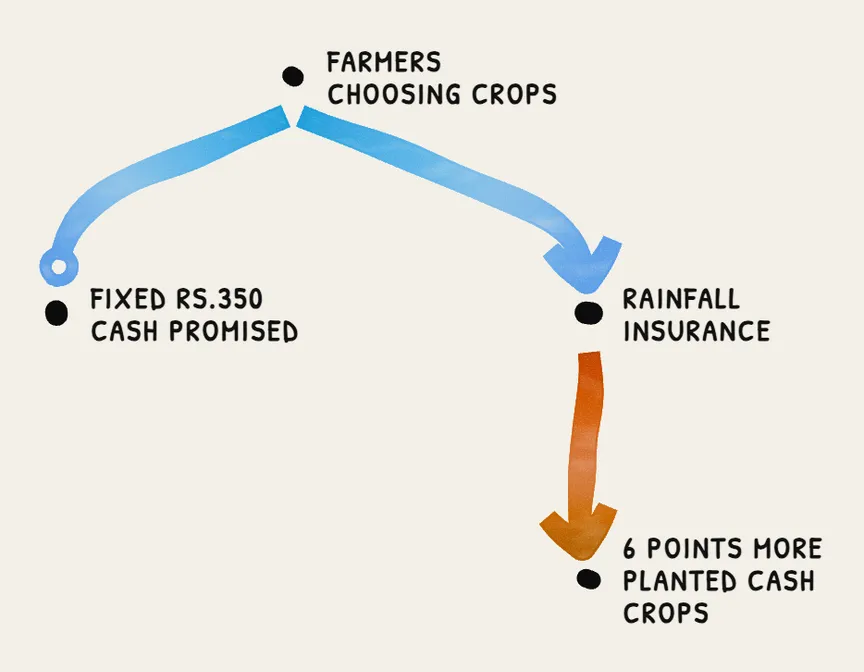
Target agricultural risk-reduction subsidies at non-commercial farmers who are near the threshold of entering commercial cash crop production to maximize extensive-margin adoption.
Forecast workforce exit rates following financial windfalls by applying minimal extensive-margin participation changes unless workers are immediately adjacent to formal institutional retirement thresholds.
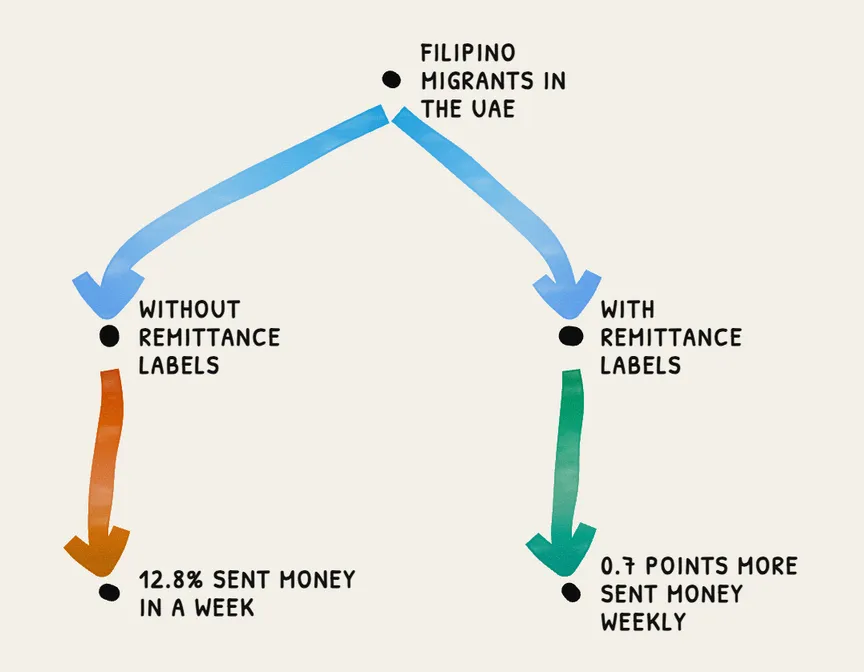
Measure transaction frequency on the extensive margin alongside total transfer volume when testing financial technology innovations.
Target agricultural risk-management subsidies at smallholders operating just below cash-crop entry thresholds to overcome fixed-cost scale barriers to commercial crop adoption.
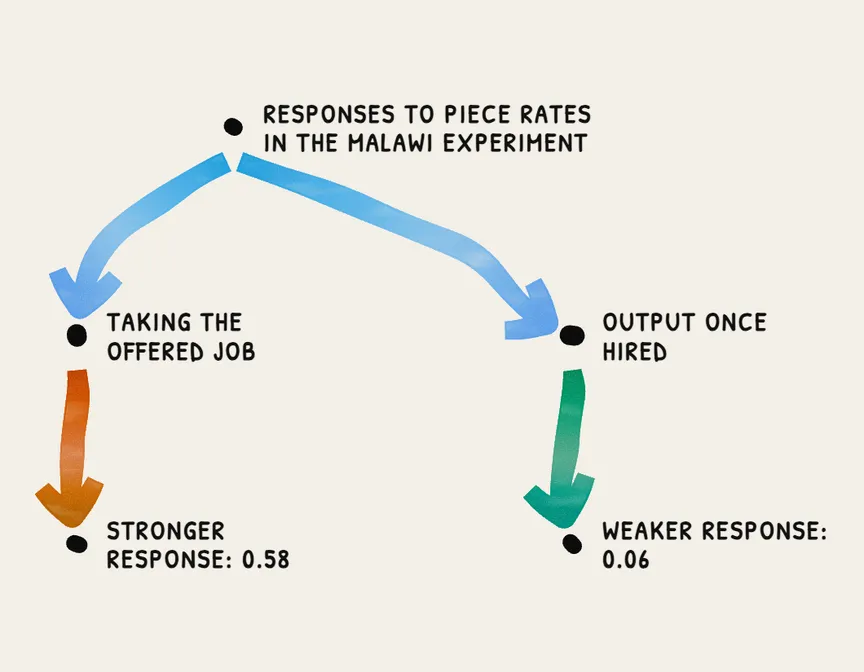
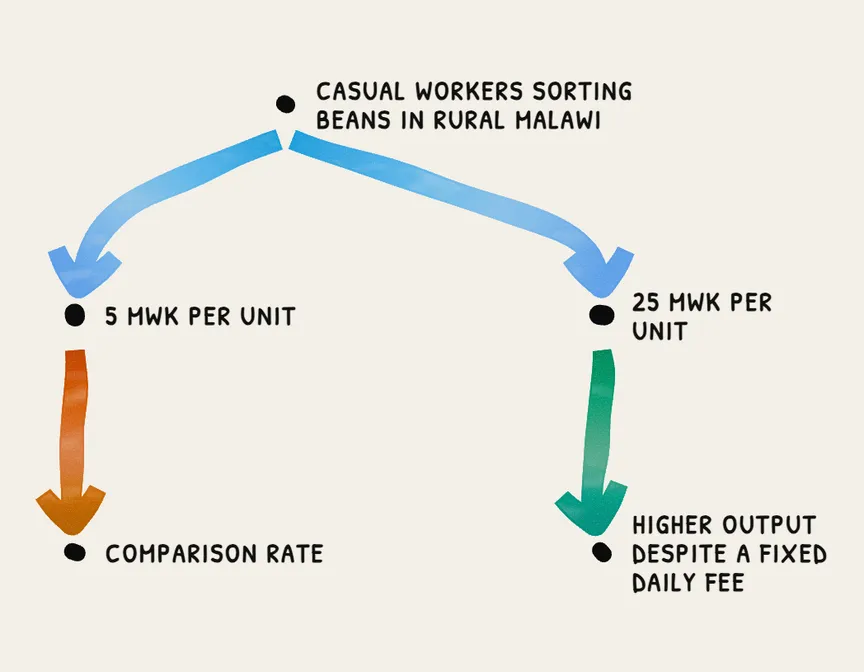
Adjust piece-rate levels to expand total workforce participation rather than expecting proportional productivity gains per individual worker.
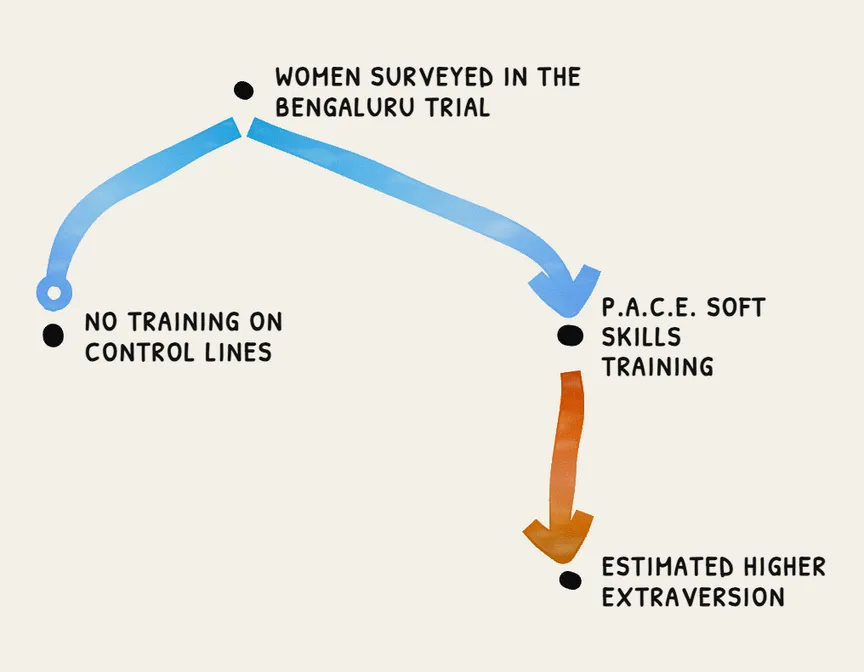
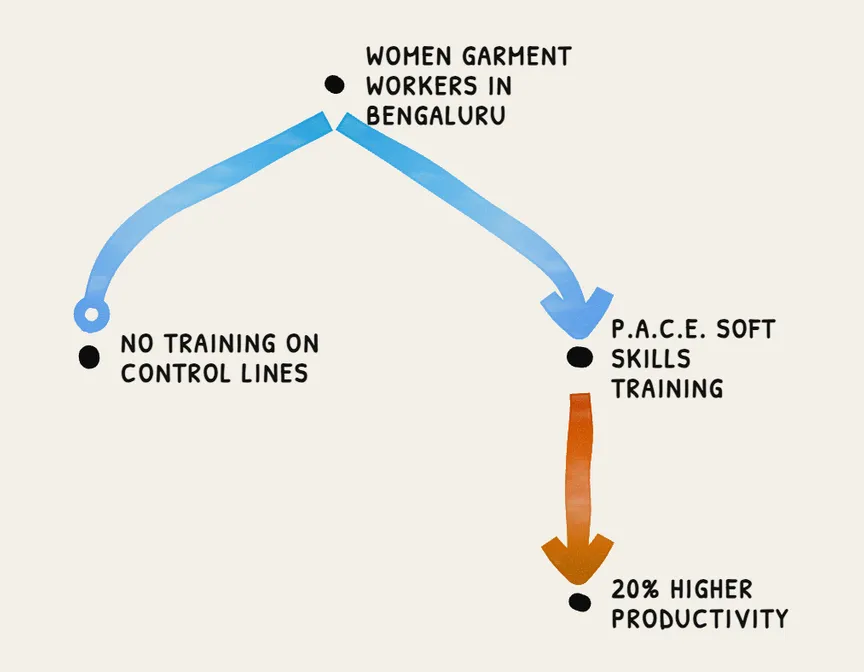
Incorporate peer-interaction and assertive role-playing modules in frontline worker training programs to specifically target extraversion as a driver of operational bottleneck resolution.
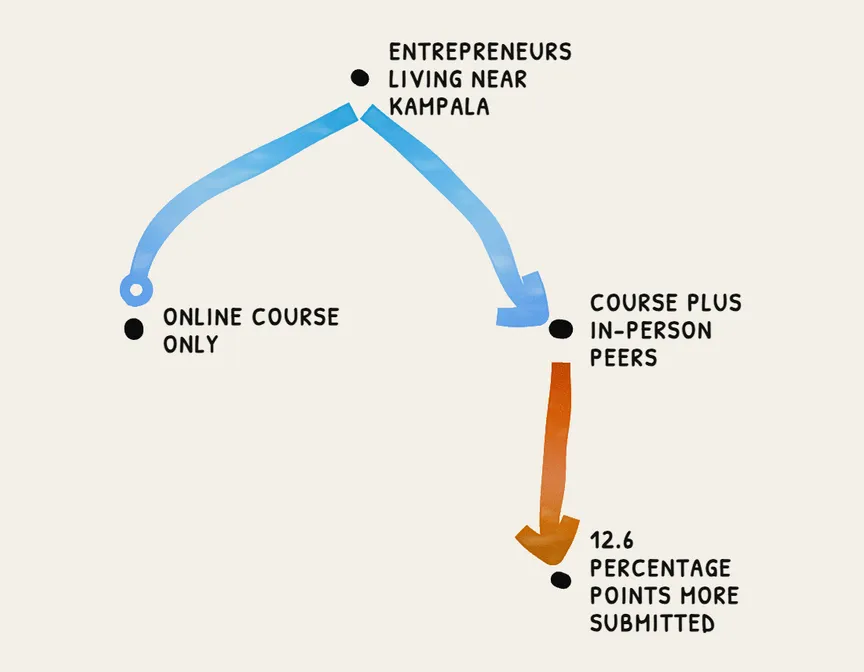
Utilize face-to-face group meetings when maximizing participant retention and completion is required, but transition to virtual within-country platforms when scaling globally to improve proposal quality.
Publish photos of participants holding verified completion certificates on official social media channels to establish peer trust and boost recruitment in diaspora field research.
Inject targeted liquid credit or input subsidies to enable smallholders to scale cash inputs until the value of marginal product equals marginal factor cost.
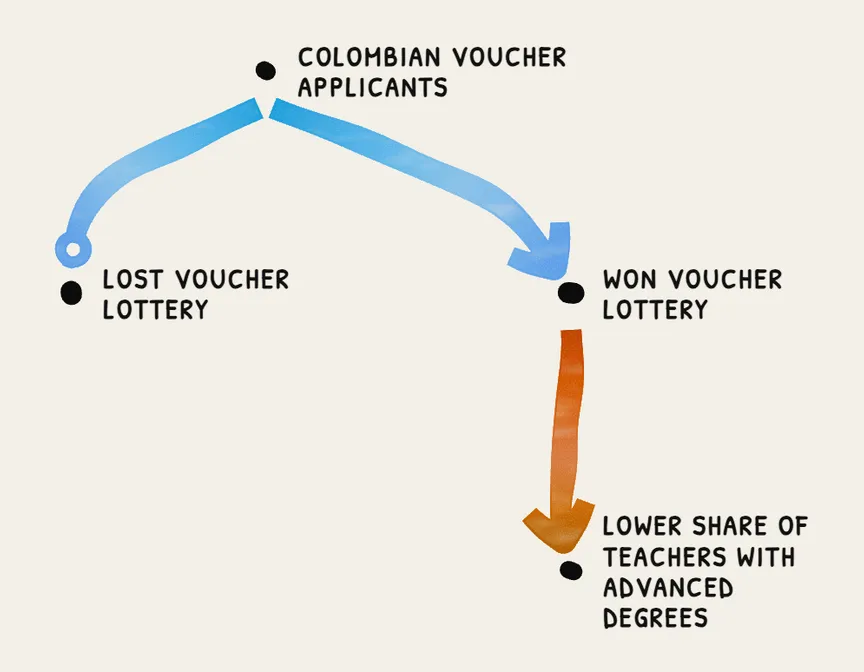
Evaluate educational quality using labor market curricular alignment and student output metrics rather than relying on formal instructor degree levels.
Create clear, merit-based career advancement pathways for non-family employees to incentivize managerial skill accumulation and performance.
Aggregate highly disaggregated intervention types into broader functional categories that guarantee valid choice sets for all client demographics while preserving statistical estimation power.
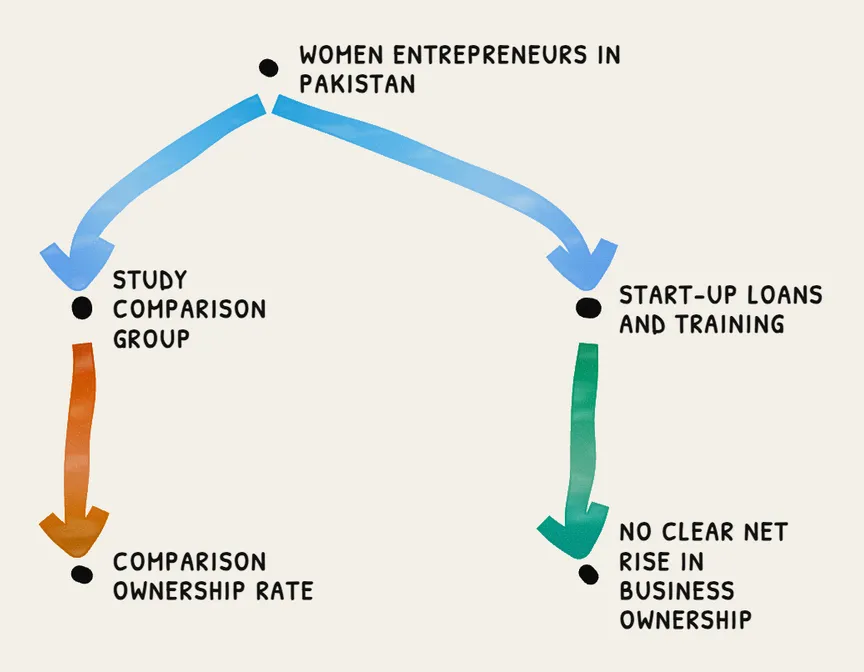
Design intervention packages for female business owners that directly address physical mobility, childcare arrangements, and commercial site access alongside credit and technical instruction.
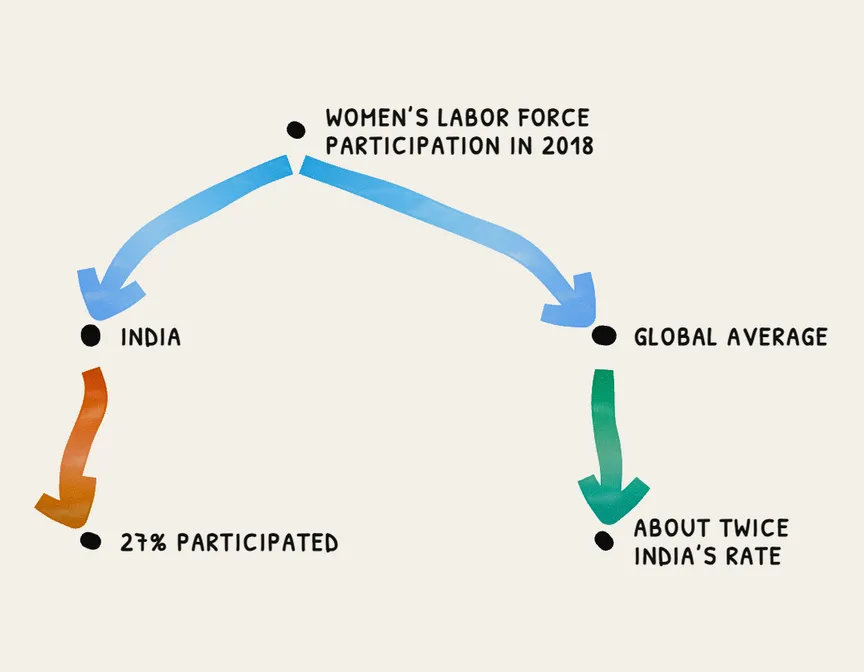
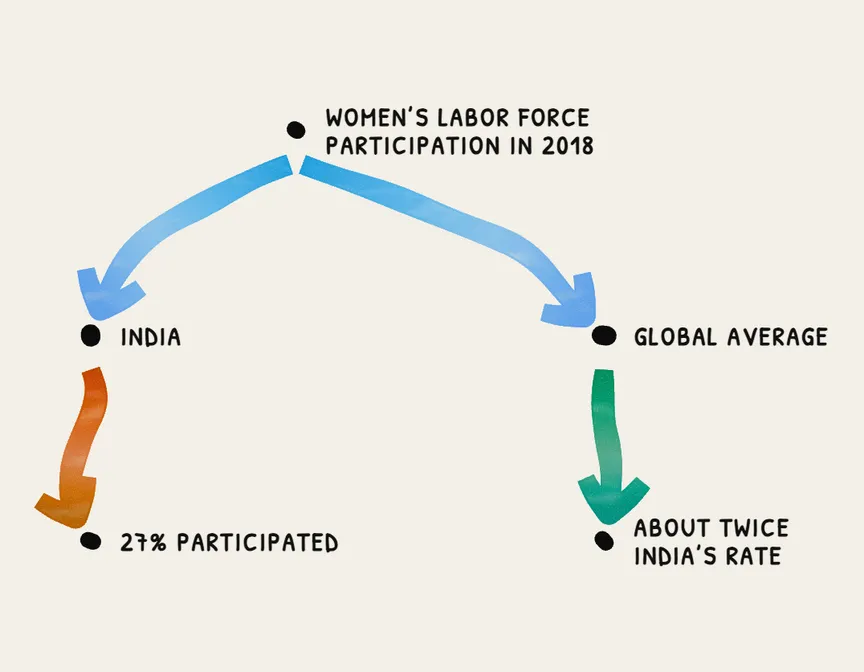
Establish targeted psychosocial and migration support programs to lower social costs and increase female participation in formal urban manufacturing.
Identify and reduce mobility restrictions and social barriers faced by rural female migrants during their transition into urban formal employment.
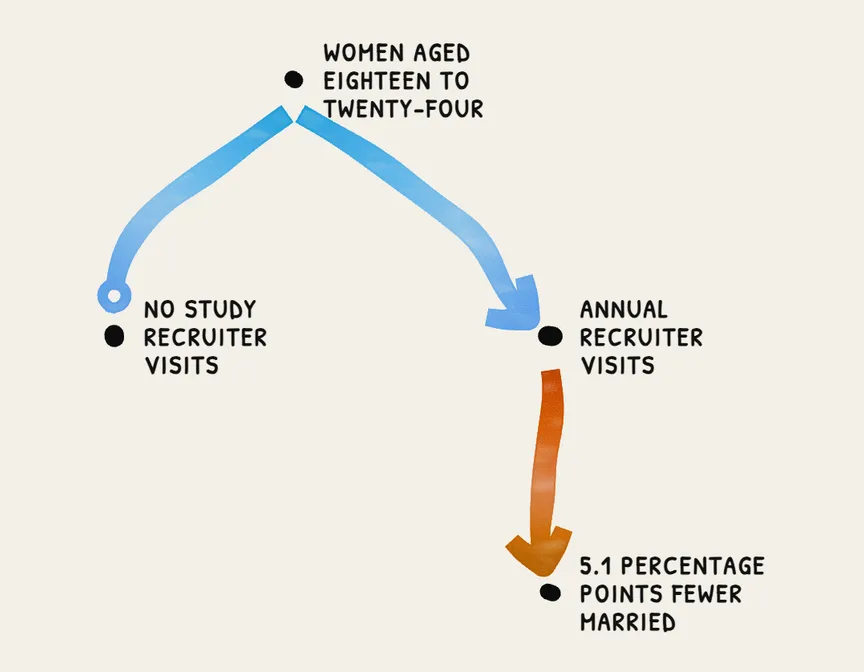
Expand high-return labor force opportunities targeted at young women to incentivize voluntary delays in early marriage and childbearing.
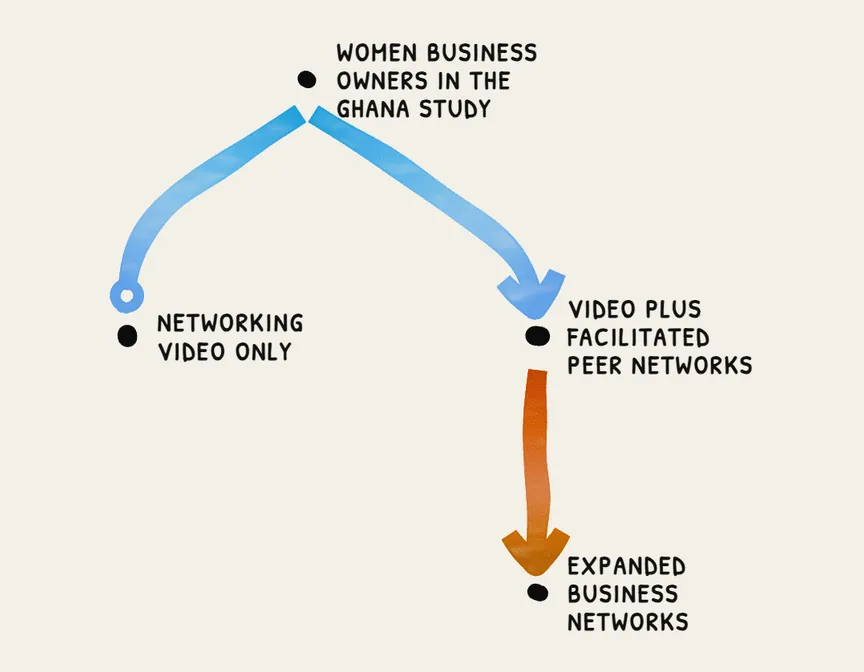
Form and subsidize female-only SME export consortia to enable women entrepreneurs to pool resources, share market information, and access international buyers.
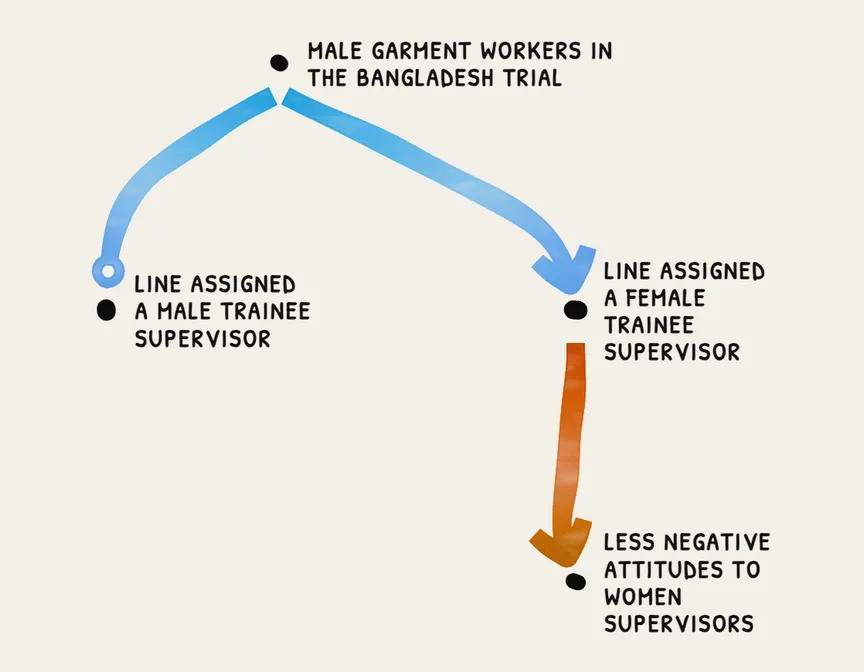
Establish transparent, merit-based promotion pathways specifically designed to advance qualified female frontline workers into supervisory roles.
Establish cash-flow-based and competency-evaluated credit programs for emerging entrepreneurs to bypass physical collateral requirements.
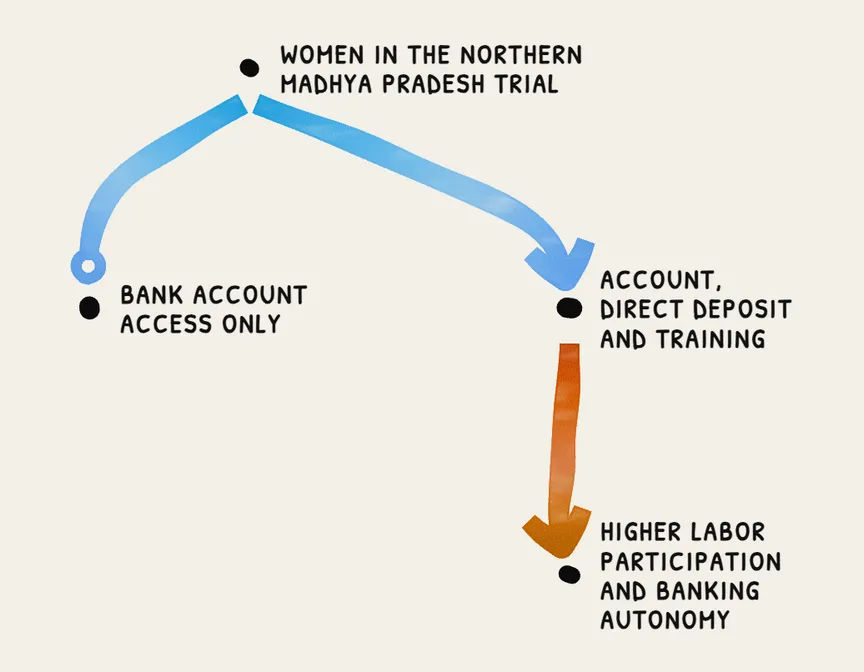
Couple bank account registration drives with structured, hands-on training sessions on operating village banking kiosks and executing financial transactions.
Cap skewed financial outcome distributions at the 99th percentile to prevent extreme top-tail outliers from distorting causal inference.
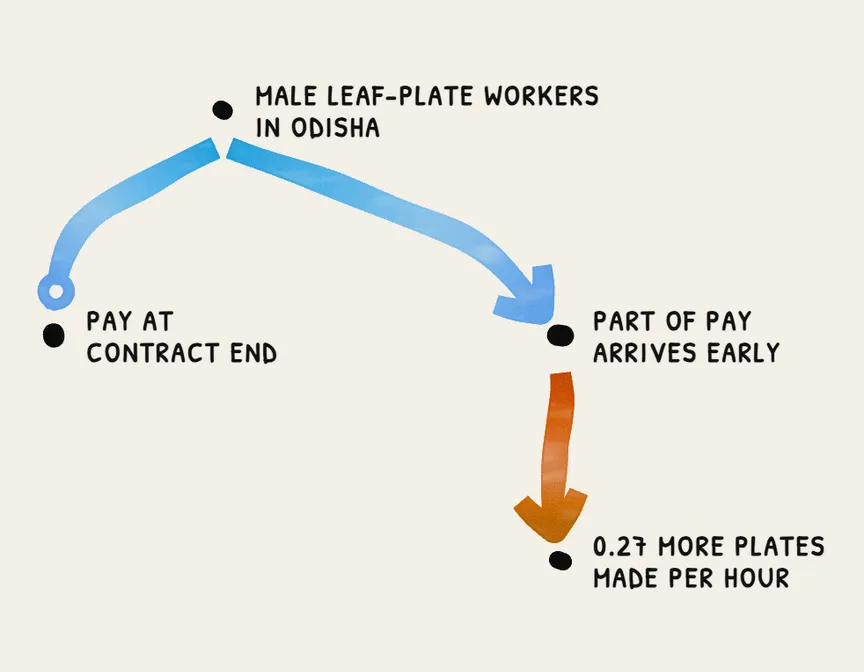
Implement piece-rate compensation alongside early liquidity options to simultaneously drive work quantity and quality precision.
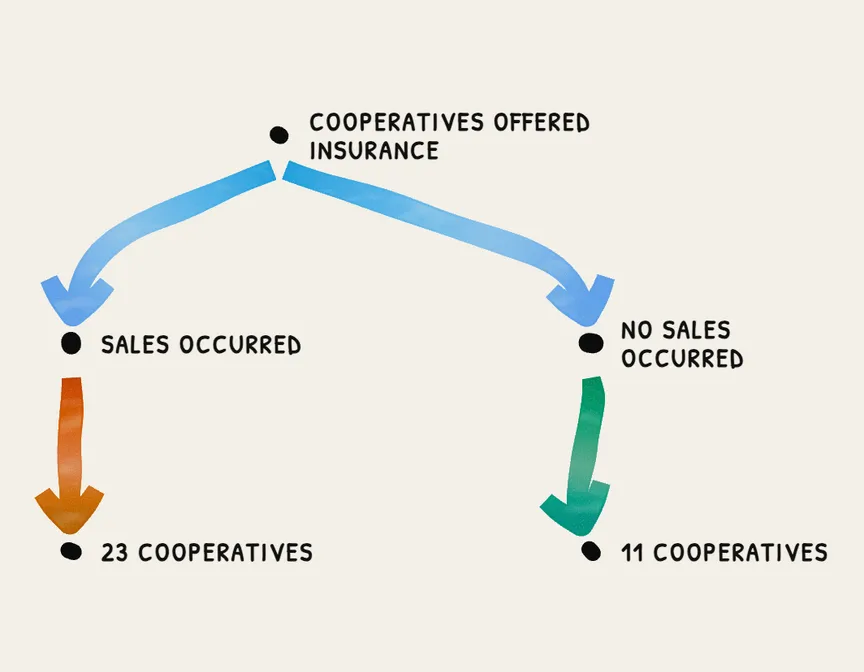
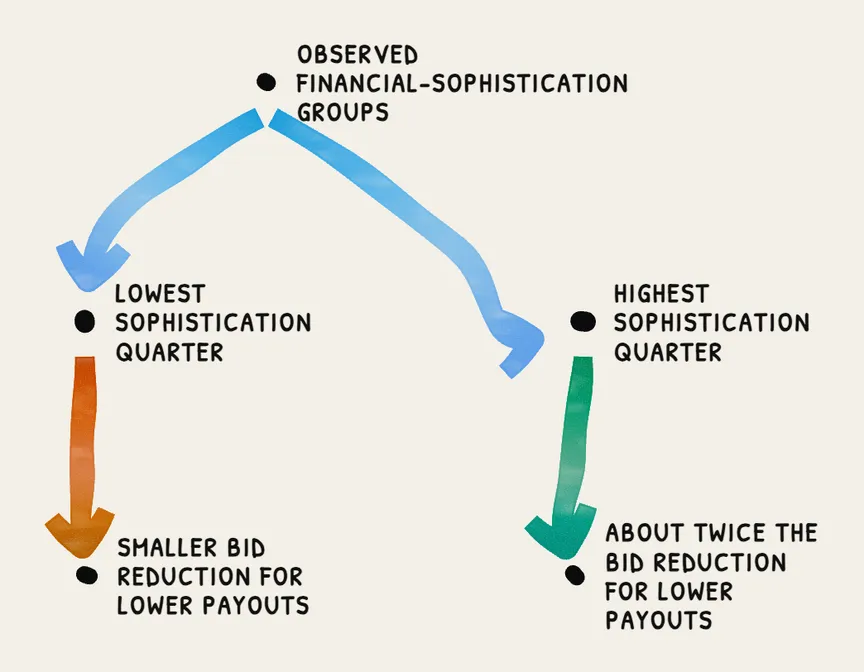
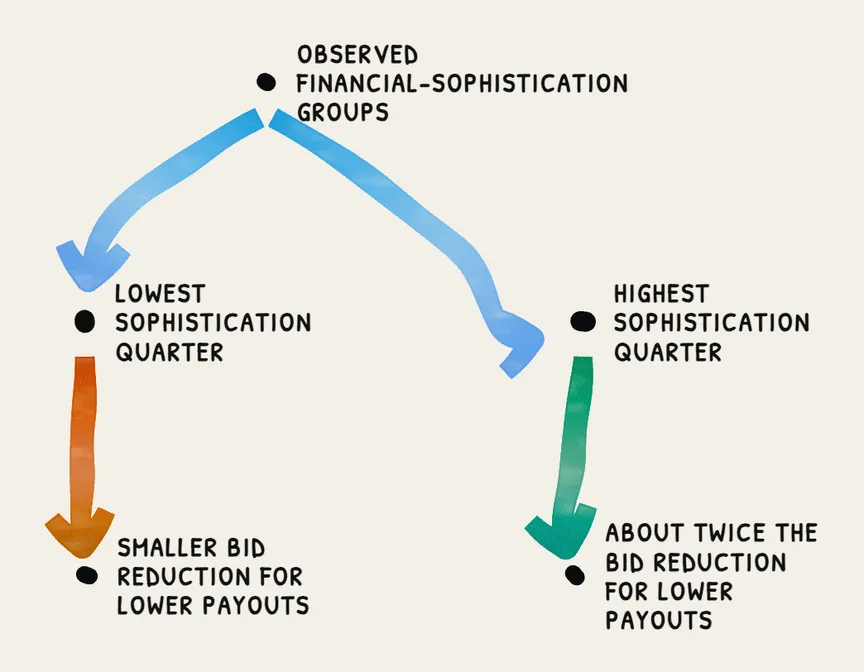
Assess consumer financial sophistication before introducing complex parametric insurance products, pairing sales with decision-support tools for low-sophistication clients.
Assess consumer financial sophistication prior to launching microinsurance products to ensure target populations accurately comprehend and value key risk-hedging clauses.
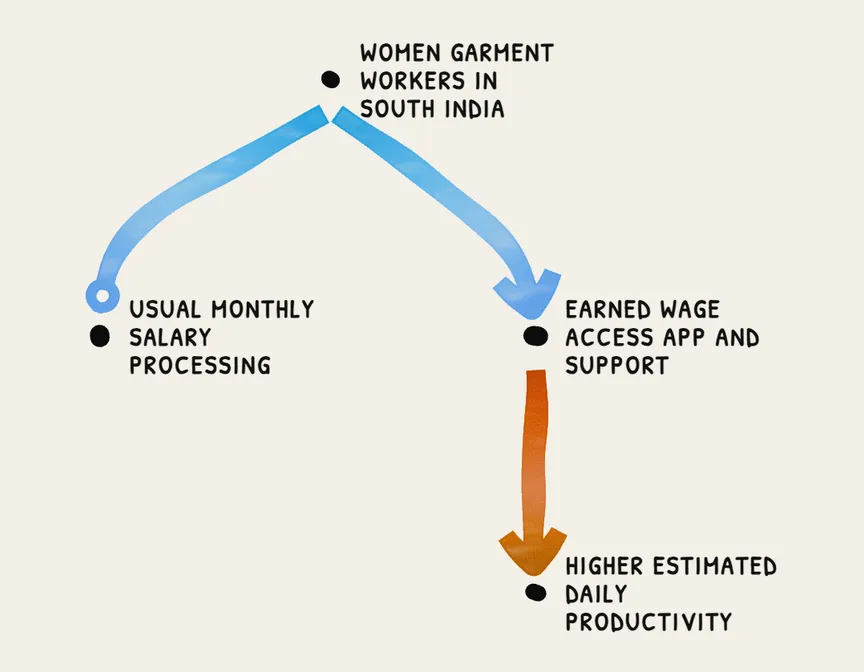
Offer earned wage access or short-term liquidity options prior to scheduled payroll cycles to alleviate frontline worker financial strain.
Eliminate invasive financial inquiries and debt collection notices within active manufacturing environments to prevent bringing latent financial stress top of mind.
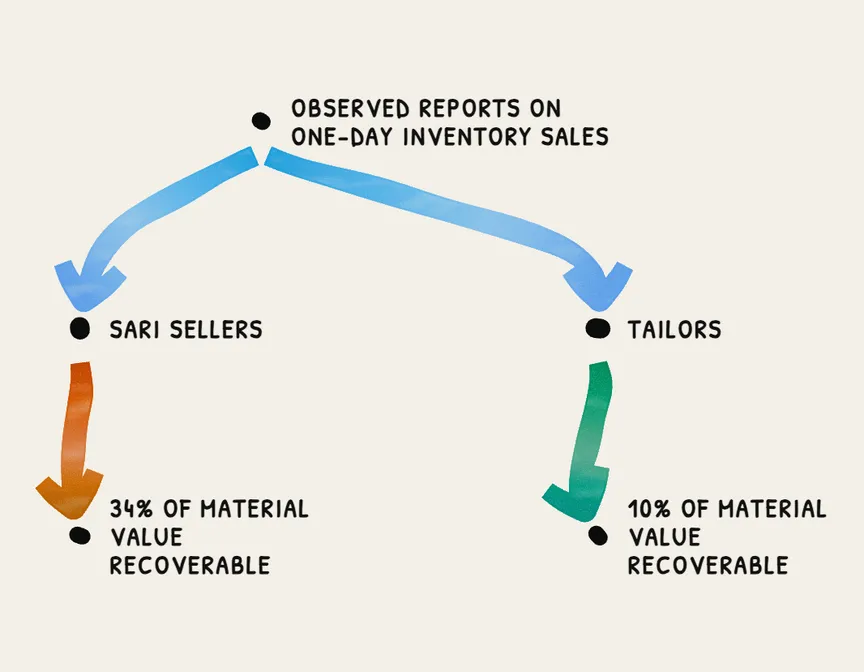
Incorporate flexible repayment pauses during market downturns to prevent micro-entrepreneurs from liquidating business inventory at severe fire-sale discounts.
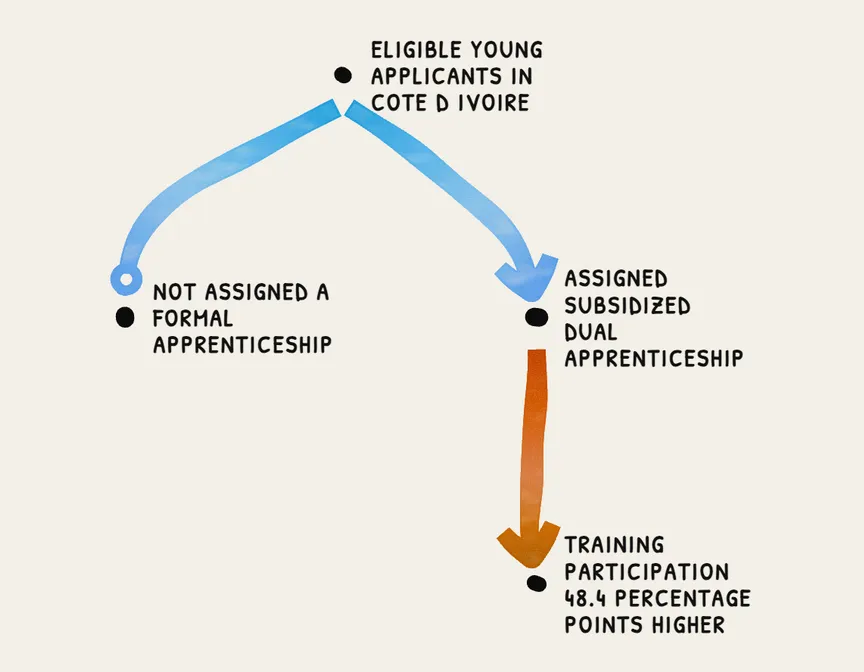
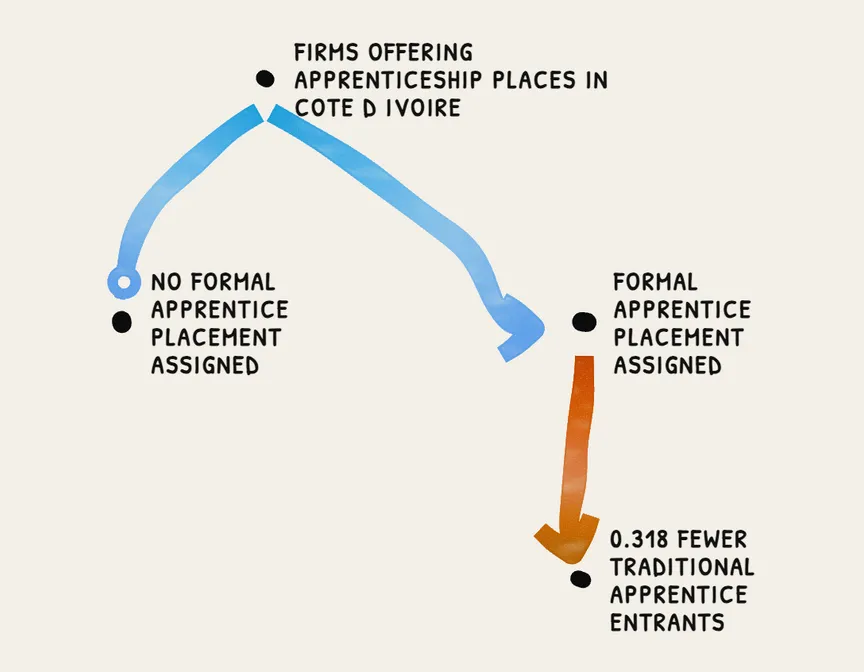
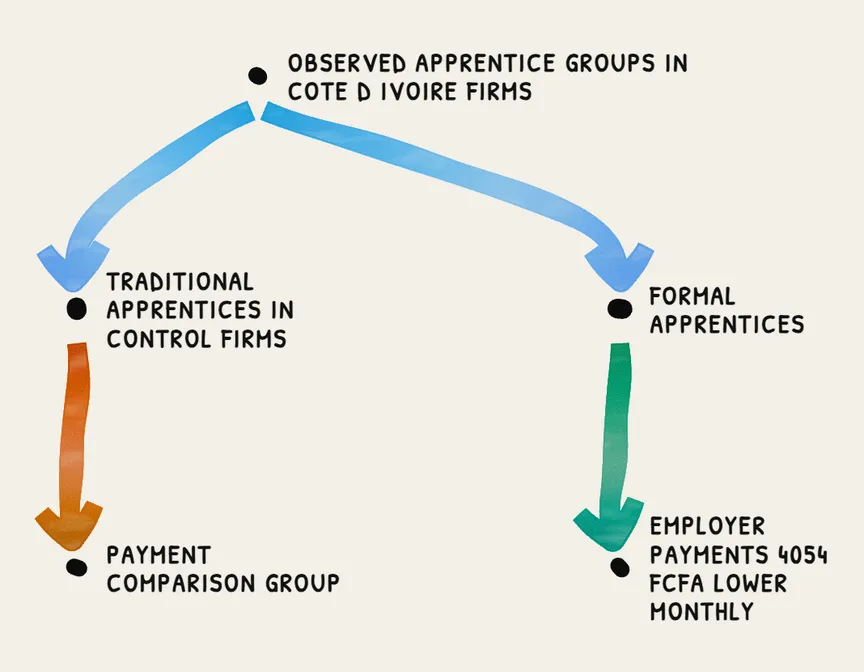
Complement informal enterprise apprenticeships with mandated, externally monitored theoretical coursework to guarantee general skill delivery and overcome firm commitment failures.
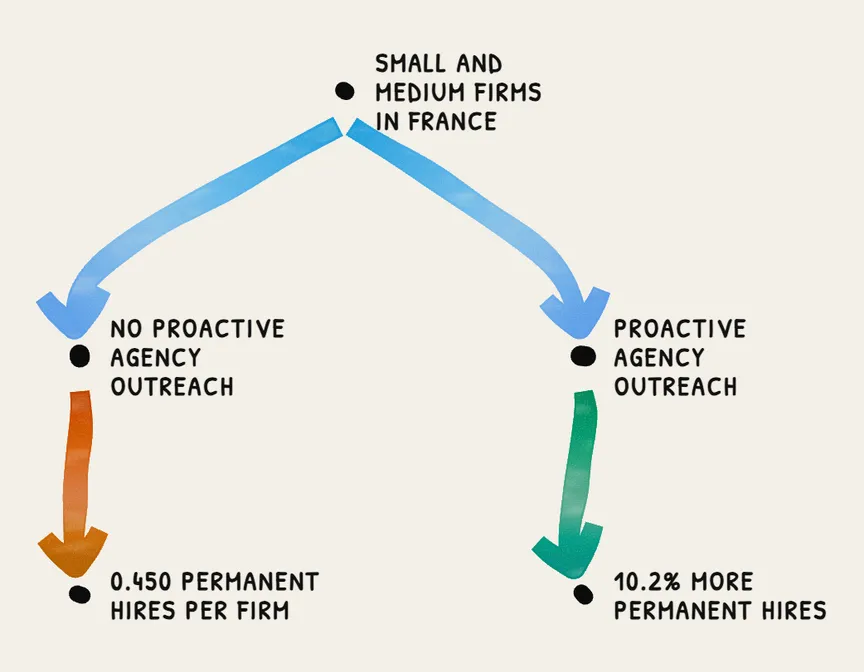
Proactively offer free recruitment services and vacancy cost reductions to small and medium enterprises during economic downturns to stimulate permanent employment demand.
Calculate total cost per worker for soft skills modules and compare accumulated post-training efficiency gains against fixed wage structures to identify net firm returns under asymmetric information frictions.
Issue standardized, low-variance skill assessment scorecards to job applicants to eliminate productivity uncertainty for risk-averse employers during interview screening.
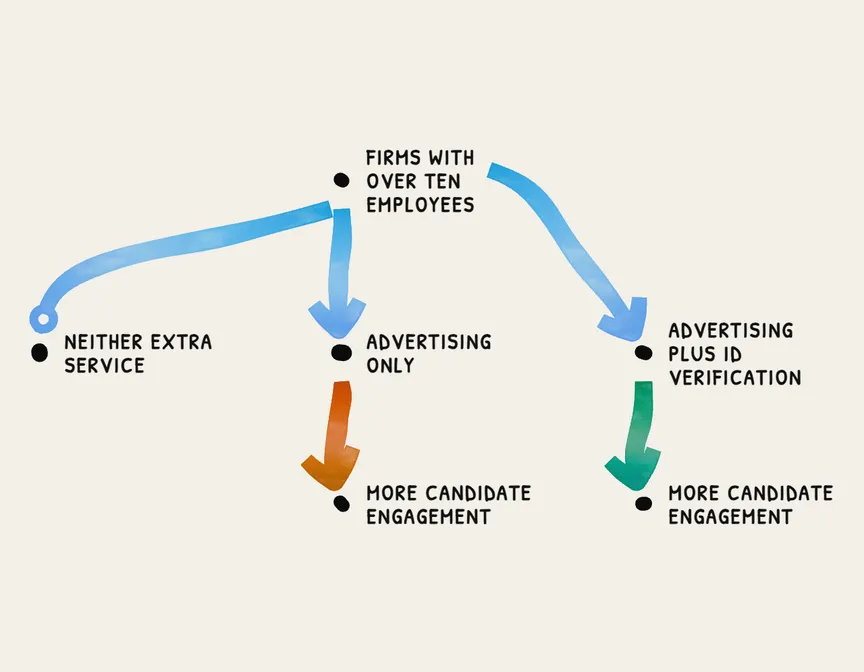
Target integrated verification and screening support specifically toward micro and small enterprises that lack internal recruiting resources.
Measure host-firm displacement parameters ($\psi$) in subsidized employment schemes to ensure net position creation remains significantly above zero.
Disentangle firm-specific training content from general skills when evaluating whether active labor market program returns reflect human capital or alternative mechanisms like social networking.
Track host-firm allowance reductions and fee adjustments in subsidized stipend programs to quantify the implicit transfer of public subsidies from trainees to enterprise owners.
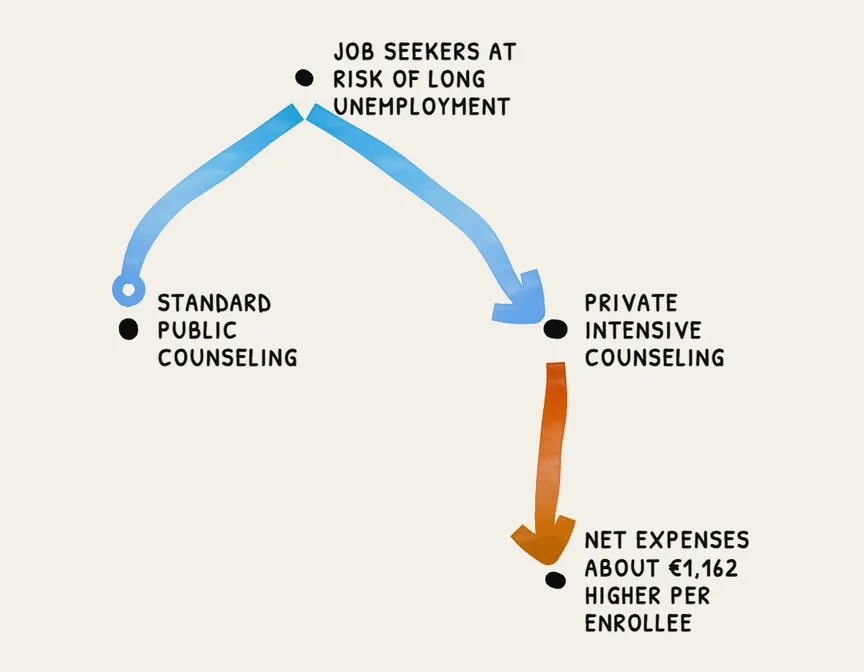
Require cost-effectiveness calculations for outsourced public programs to factor in net benefit payout savings alongside administrative service fees.
Reallocate marginal recruitment budget away from increasing flat referral bonuses and toward performance-contingent bonuses tied to referred worker productivity.
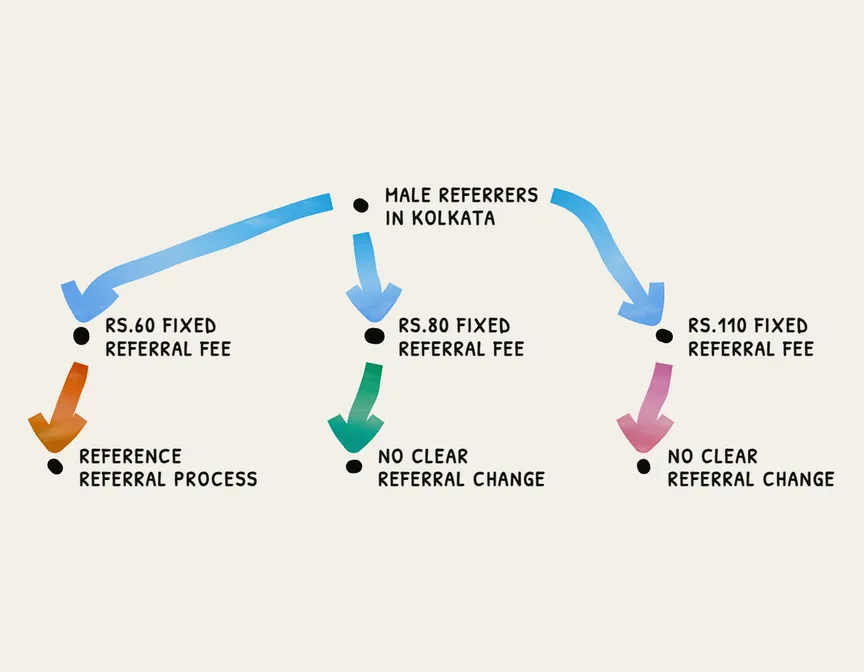
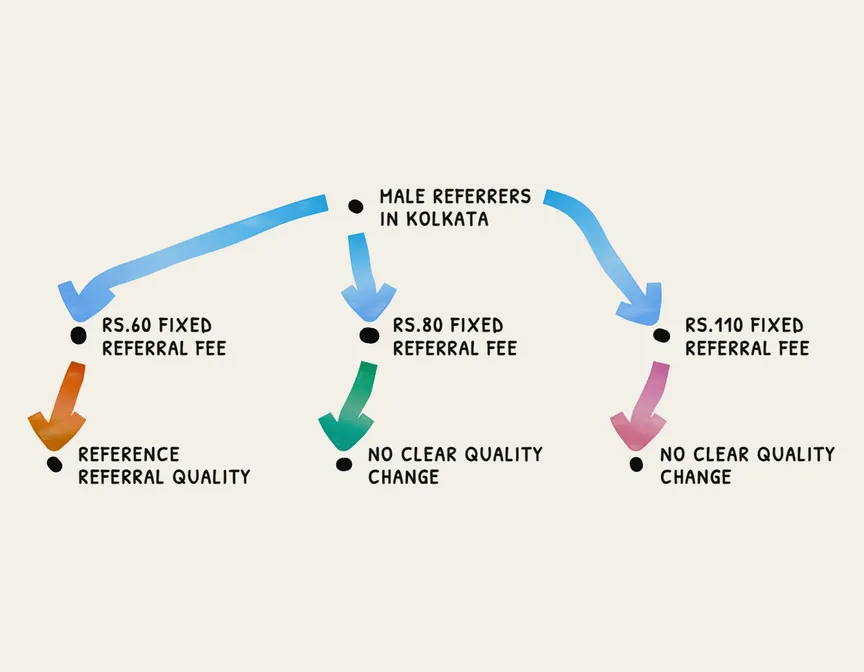
Do not increase flat monetary referral bonuses under the expectation of hiring higher-quality talent, as fixed fees alter applicant quantity without altering applicant quality.
Combine lump-sum attendance fees with piece-rate pay to reduce show-up friction without dampening worker effort responsiveness.
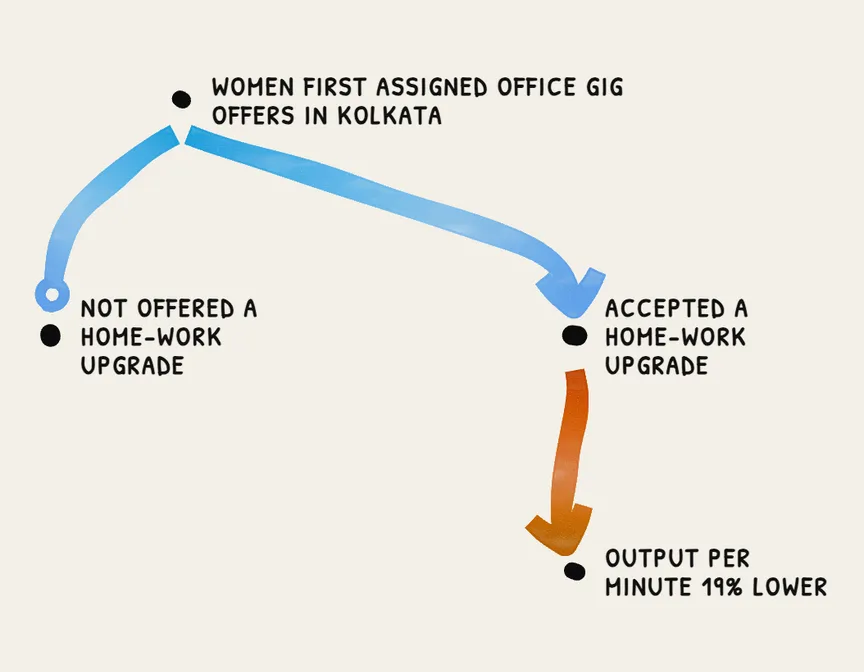
Structure home-based micro-task assignments into short, self-contained units that minimize flow-state disruption penalties during domestic interruptions.
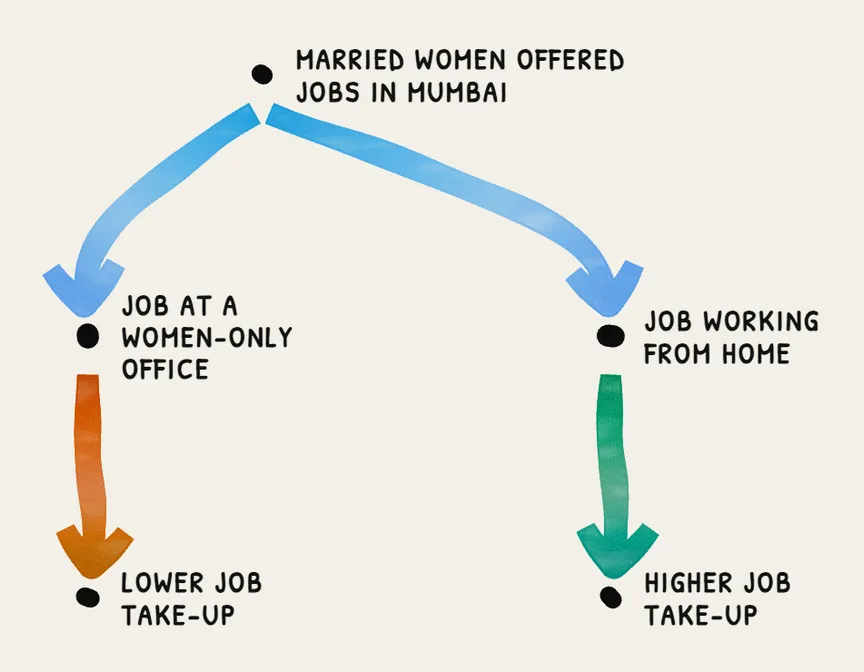
Legally define flexible working hour arrangements and remote option clauses within formal employment contracts to retain female workers.
Page 7 of 23
Previous
1
…
6
7
8
…
23
Next