Skip to the findings
Menu
aikyam
school
Findings
Methods
Subjects
All cards
Read
Findings
Methods
Subjects
All cards
Findings
1,083 findings
Establish formal post-training referral mechanisms to substitute for jobseekers' constrained personal networks.
Map organizational social networks and survey connected non-participant peers alongside primary trial participants to measure indirect treatment spillovers across the workforce.
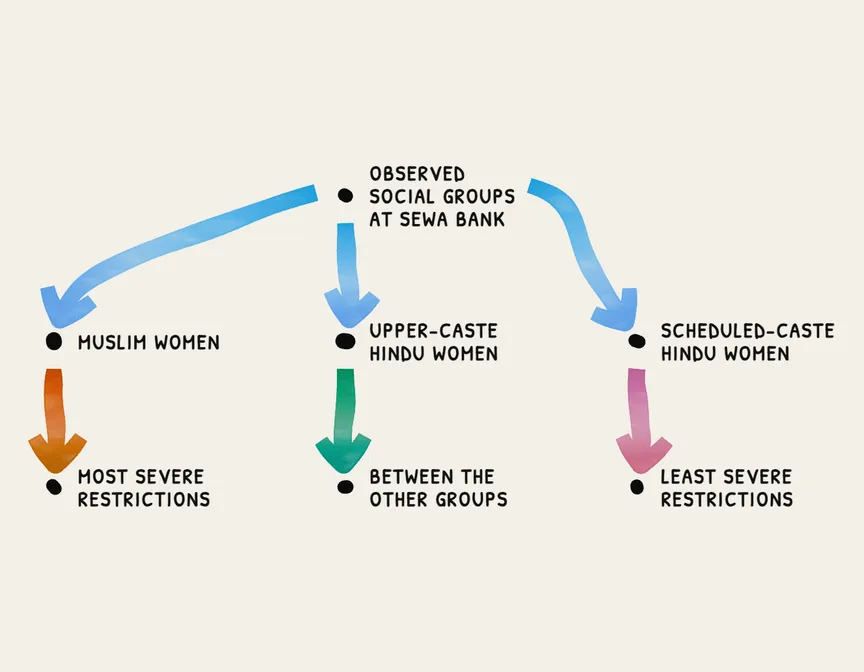
Evaluate demographic-specific social restriction indices prior to program implementation to target peer-supported empowerment mechanisms to the most socially constrained groups.
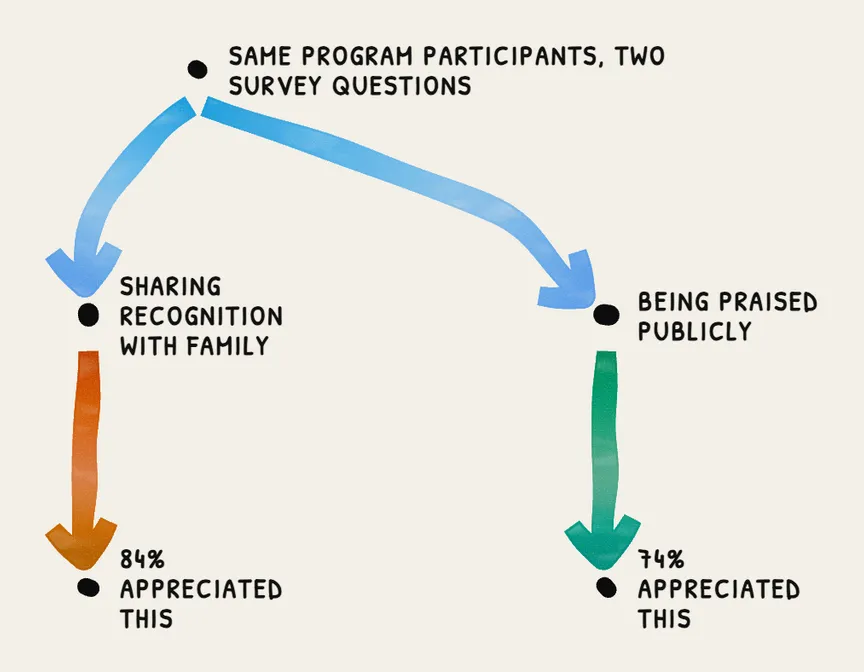
Publish monthly performance bulletins and enable employees to share non-monetary achievements with peers and families to amplify motivation without inflating cash budgets.
Publish participant photo endorsements alongside institutional co-branding to mitigate privacy mistrust in migrant financial field studies.
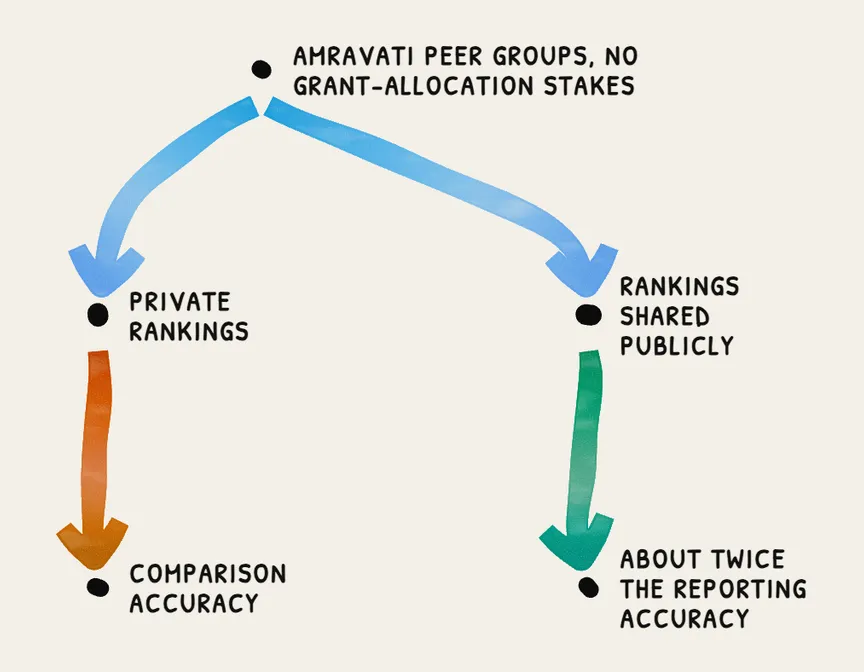
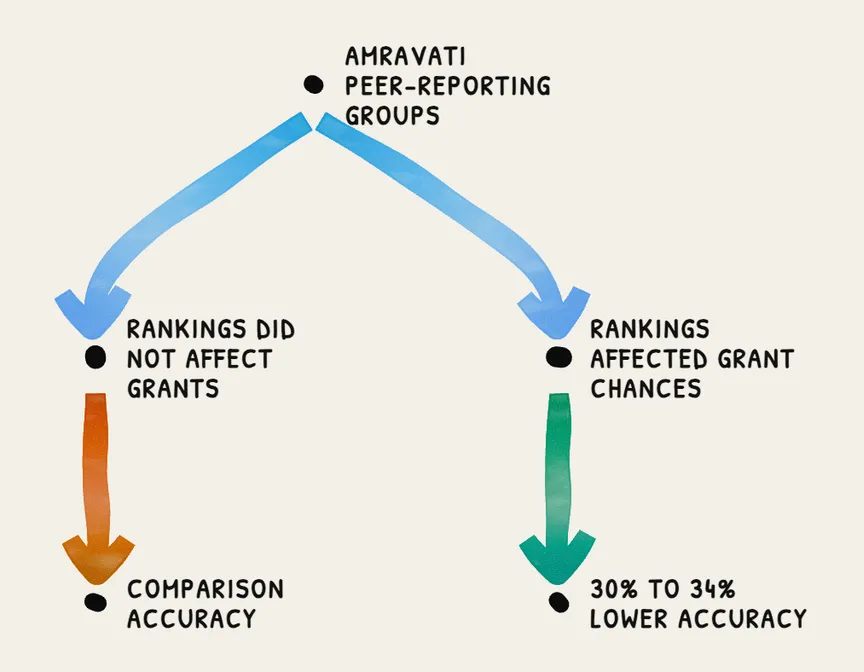
Use public peer reporting for low-stakes information collection, but pair high-stakes surveys with direct financial accuracy incentives rather than public visibility.
Measure baseline societal norm perceptions prior to launching employment interventions to quantify the exact proportion of the target population constrained by occupational stigma.
Incorporate interaction terms between user baseline ability and income when modeling demand elasticity for public services.
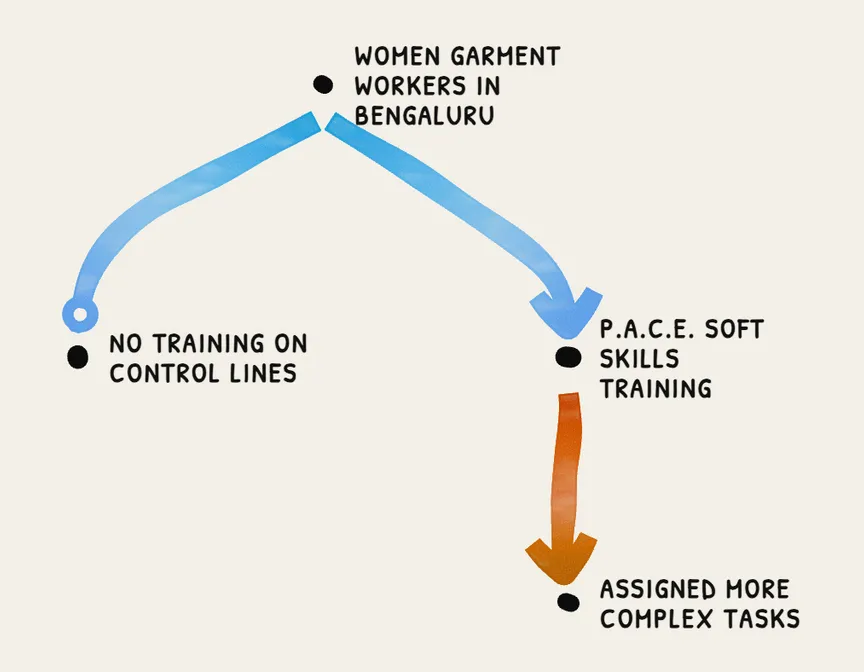
Pair workplace soft skills training with clear request channels for technical upskilling to encourage workers to voluntarily seek technical training and manage higher-complexity operations.
Increase economic returns to adult female labor to combat male-biased resource distribution within households during early childhood.
Establish probationary observation periods with clear productivity metrics so new hires can recognize their self-control gaps before opting into voluntary performance target programs.
Distribute temporary transit vouchers targeted at peripheral job-seekers seeking rapid initial placement in formal urban vacancies.
Establish decentralized physical or digital vacancy notice boards across urban peripheries to lower transit barriers for remote job-seekers.
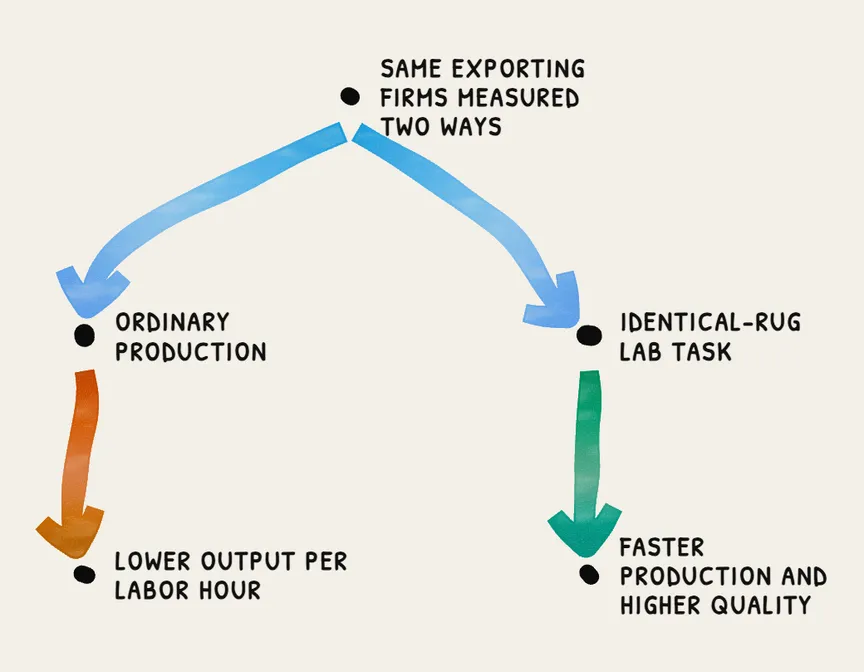
Evaluate firm productivity gains by normalizing for product specification difficulty or conducting assessments in standardized laboratory environments.
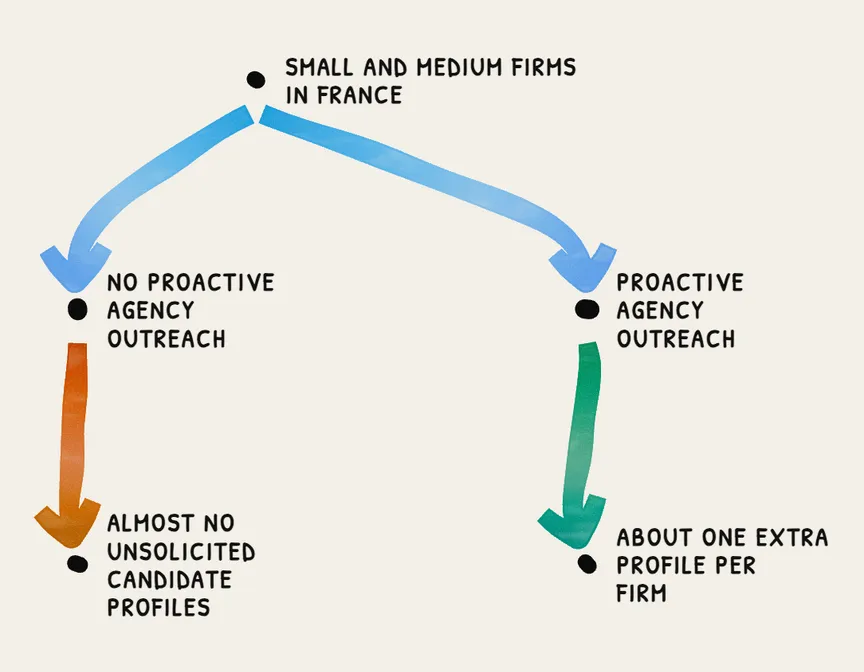
Equip employment counselors to proactively present pre-vetted jobseeker profiles directly to firm managers without waiting for an official vacancy posting to trigger hiring.
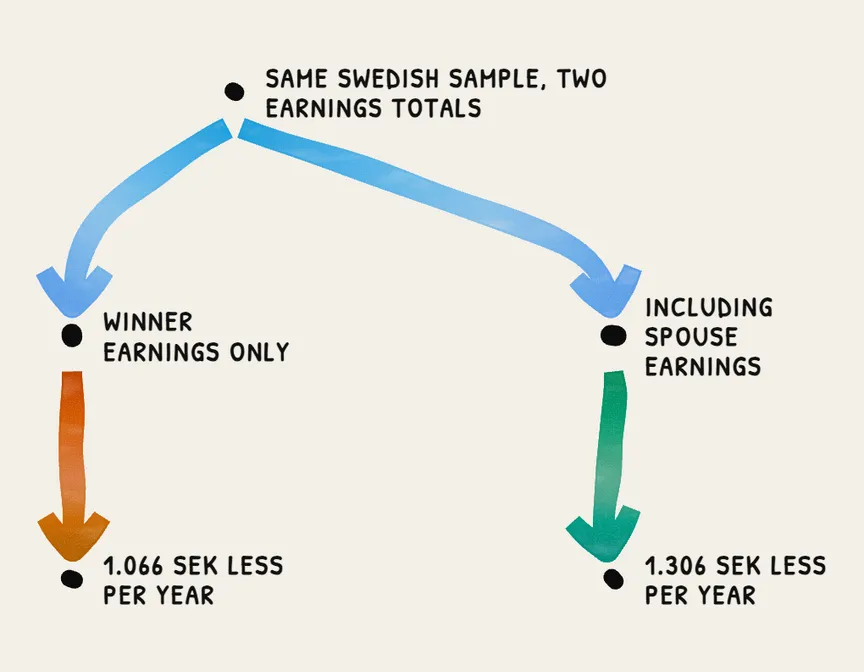
Multiply individual-level income effect estimates by a factor of 1.23 to capture total household labor supply reductions when evaluating unearned wealth transfers.
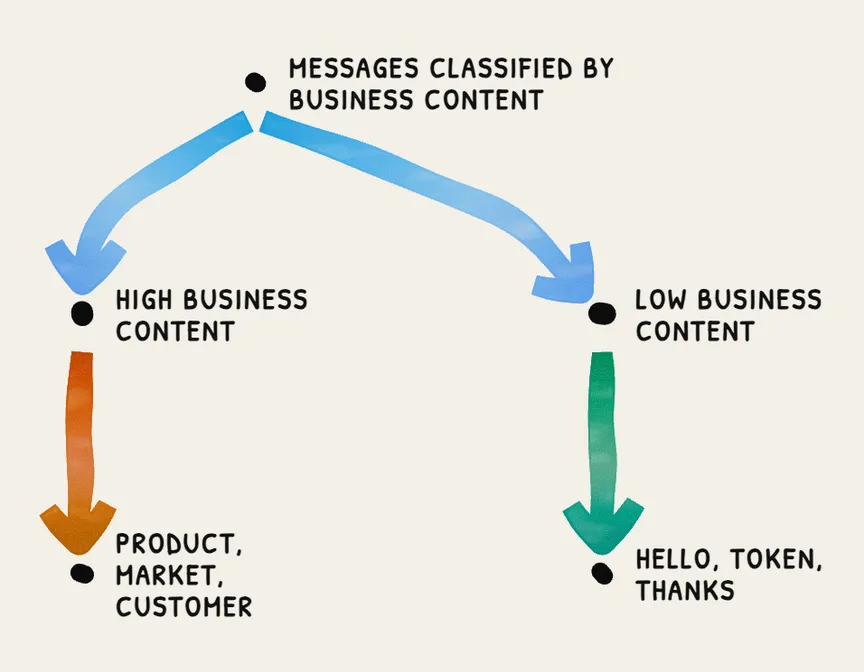
Apply stability selection with $l_1$ LASSO penalization across repeated random bootstrap sub-samples to identify stable text regressors in high-dimensional communication data.
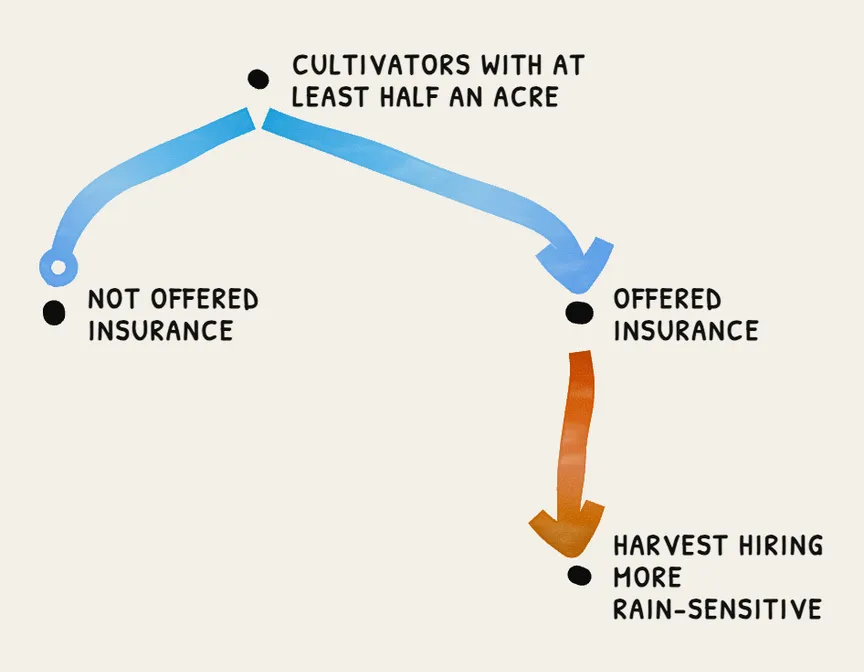
Evaluate agricultural labor policies separately across planting and harvest stages to prevent mistaking harvest-stage labor demand shifts for planting-stage employment changes.
Stagger experimental feature activation relative to individual participant onboarding dates to establish uniform baseline observation periods.
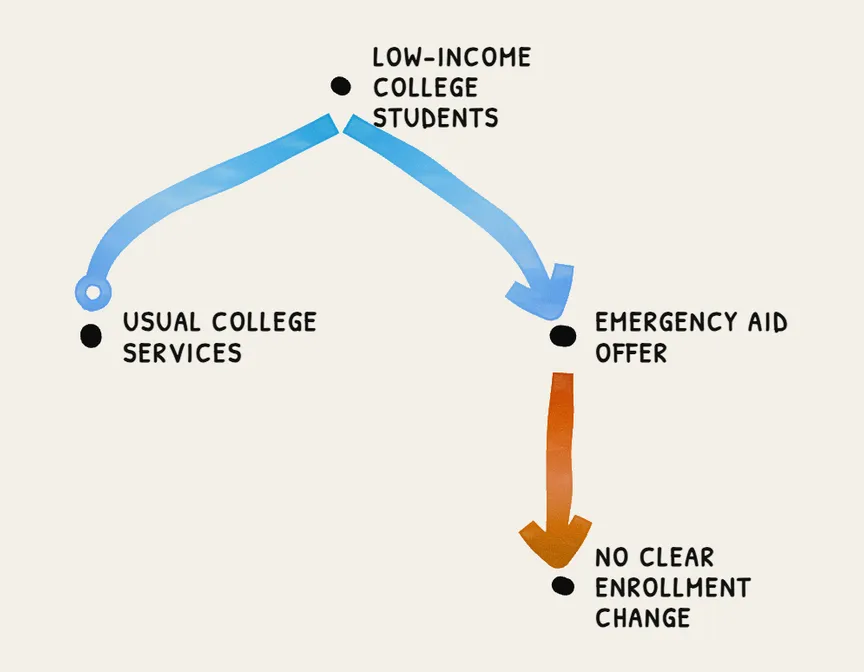
Condition emergency financial assistance disbursements on mandatory participation in case management advising rather than distributing standalone emergency cash grants.
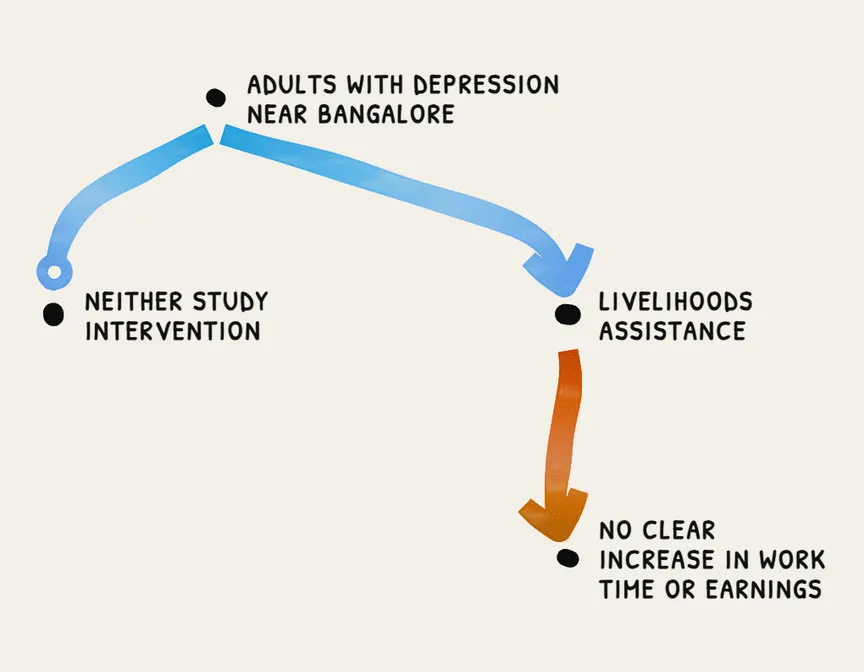
Screen program candidates for clinical depression before enrolling them in standalone job placement counseling to ensure underlying health barriers are addressed concurrently.
Benchmark custom practical candidate assessment tasks against established psychological or technical standards to ensure robust construct validity in recruitment evaluations.
Transition supervisor hiring and promotion procedures from paper assessments to standardized tablet-based technical evaluation tools.
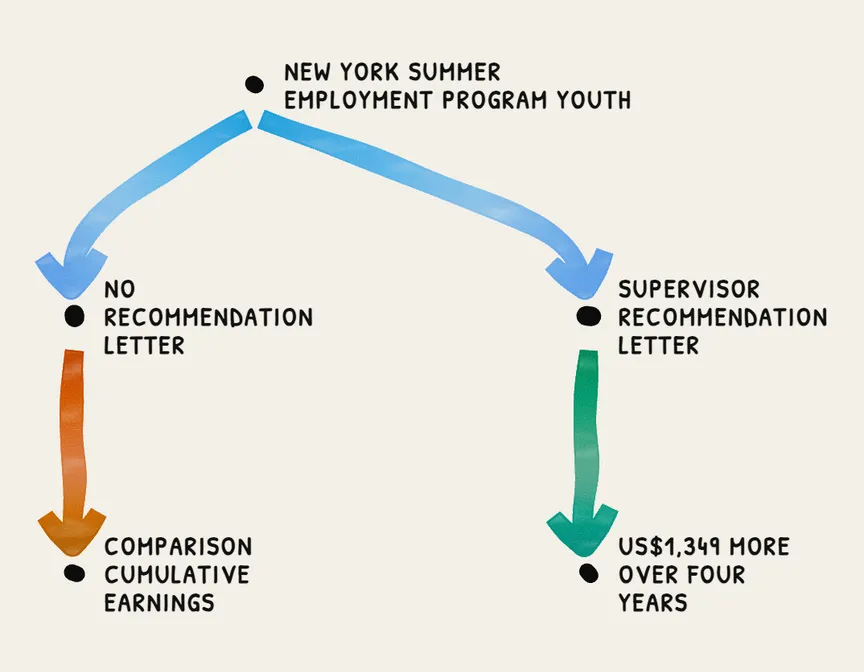
Implement automated survey templates for supervisors to generate standardized recommendation letters rating former employees on core technical skills and workplace attitudes.
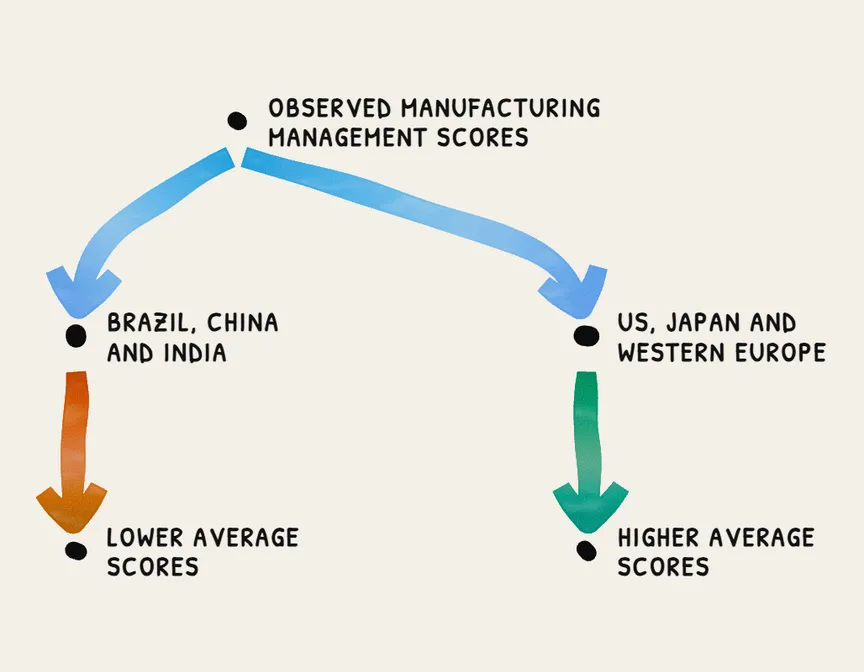
Implement double-blind internal evaluations across plant monitoring, target-setting, and merit-based incentive systems to benchmark operations against global standards.
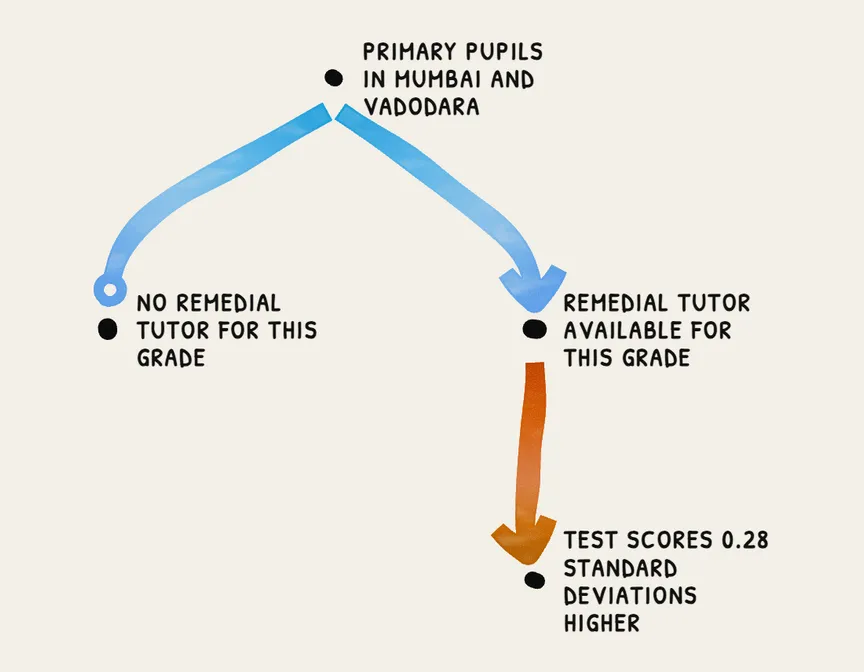
Develop simplified, standardized teaching materials so that short-tenured community paraprofessionals can deliver high-impact remedial instruction.
Bundle weather index insurance premiums into the principal of seasonal input loans so farmers pay for risk protection at harvest rather than upfront during planting.
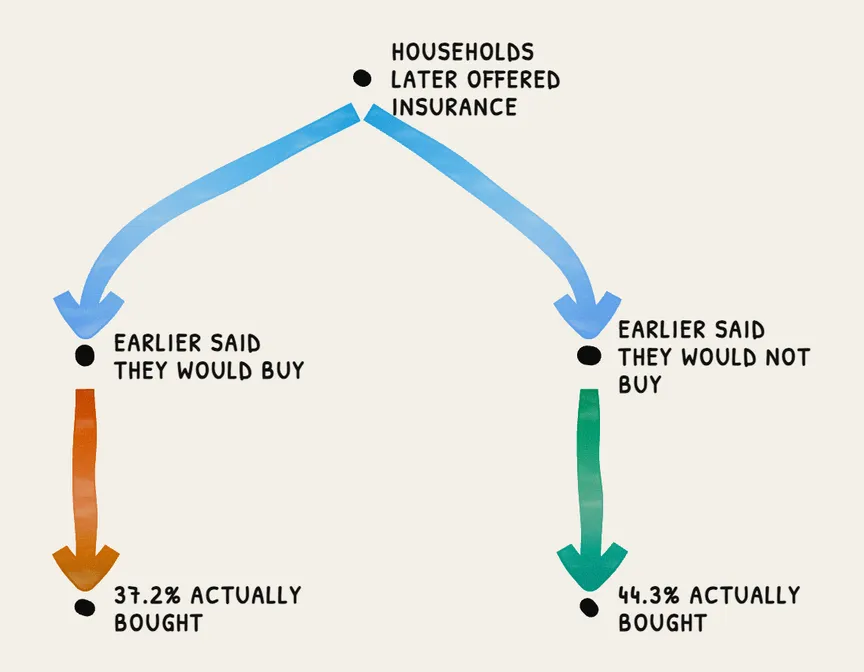
Evaluate market demand for agricultural microinsurance through real-money field trials with randomized price vouchers rather than hypothetical willingness-to-pay surveys.
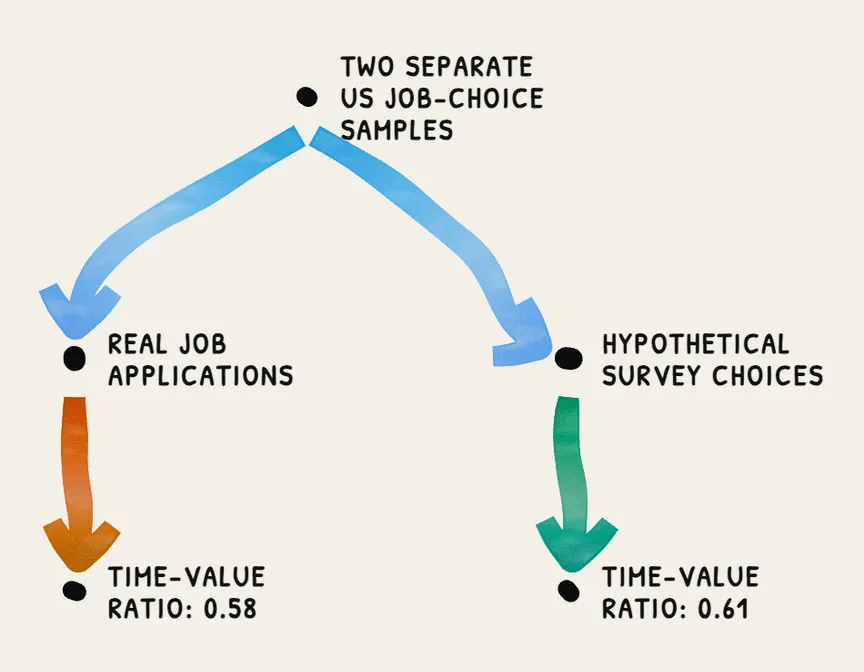
Validate hypothetical choice experiment designs by benchmarking stated preference estimates against field-experimental revealed preference parameters.
Provide objective, standardized skill assessment credentials to candidates from disadvantaged backgrounds to override negative statistical stereotyping by employers.
Validate short-run outcomes against the surrogacy condition before deploying them as reward metrics in adaptive assignment algorithms to ensure alignment with long-term policy welfare.
Transition public service allocation tools from passive risk profiling models to multi-treatment targeting models that evaluate conditional potential outcomes across distinct interventions.
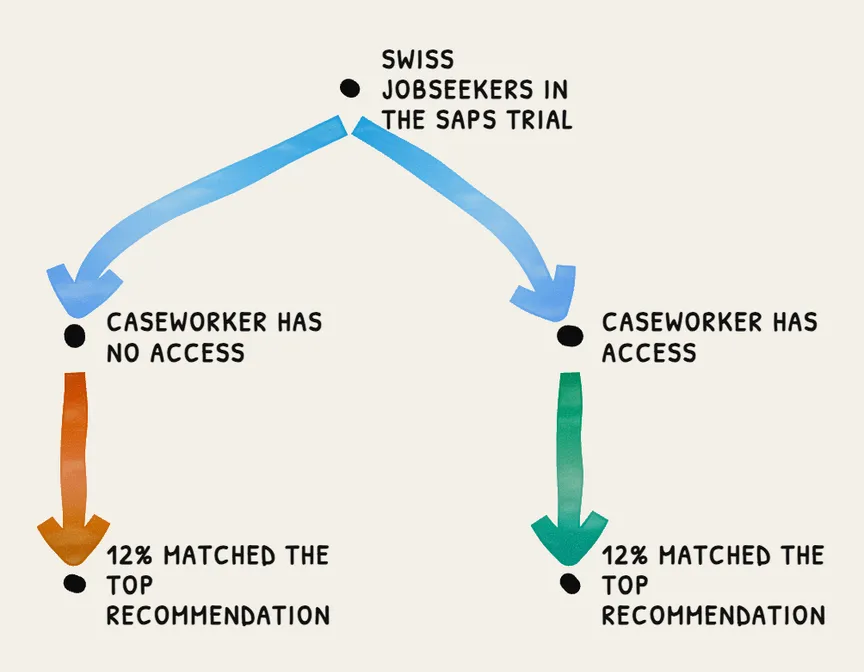
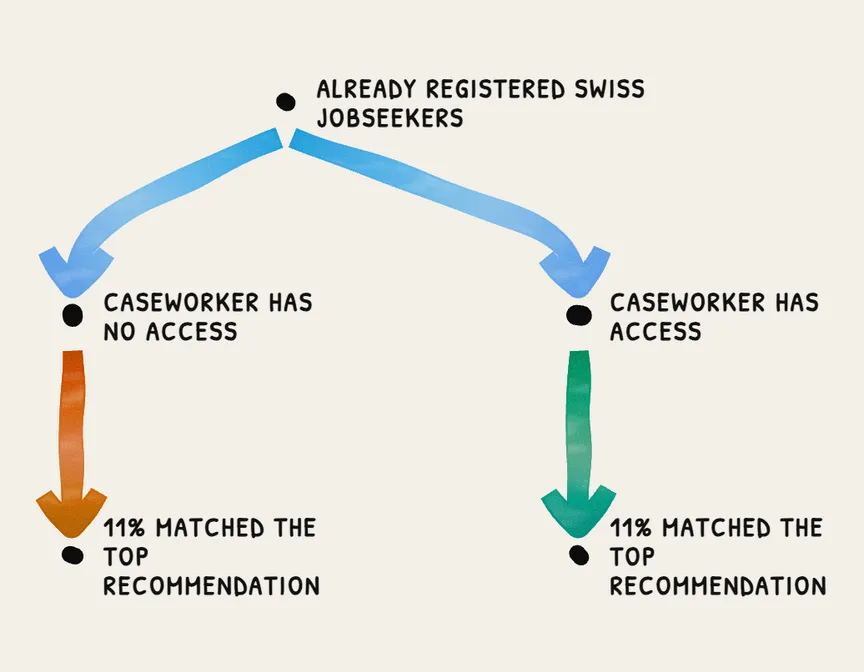
Calculate individual potential employment outcomes using disaggregated administrative data, and integrate statistical prediction sets into caseworker workflow interfaces alongside explicit compliance monitoring protocols.
Target stigma-reframing job campaigns specifically toward candidates who possess baseline status buffers rather than relying on uniform population outreach.
Incorporate legal reservation quotas and worksite childcare facilities into public infrastructure employment programs to lower entry barriers for women.
Incorporate explicit mandatory benefit withdrawal penalties into job search contracts to establish a credible financial disincentive against search non-compliance.
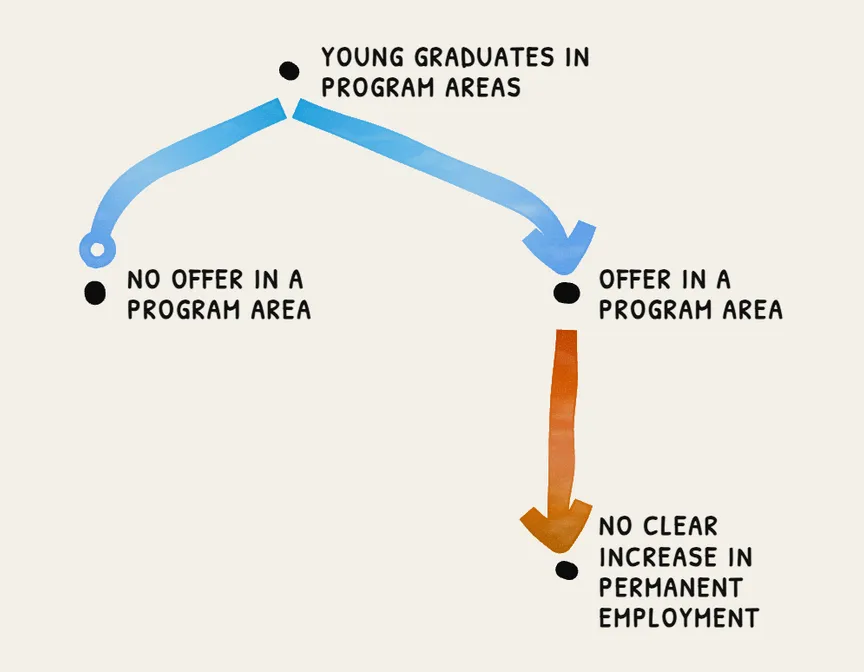
Evaluate job placement program success using permanent employment contract metrics rather than short-term or temporary placement rates.
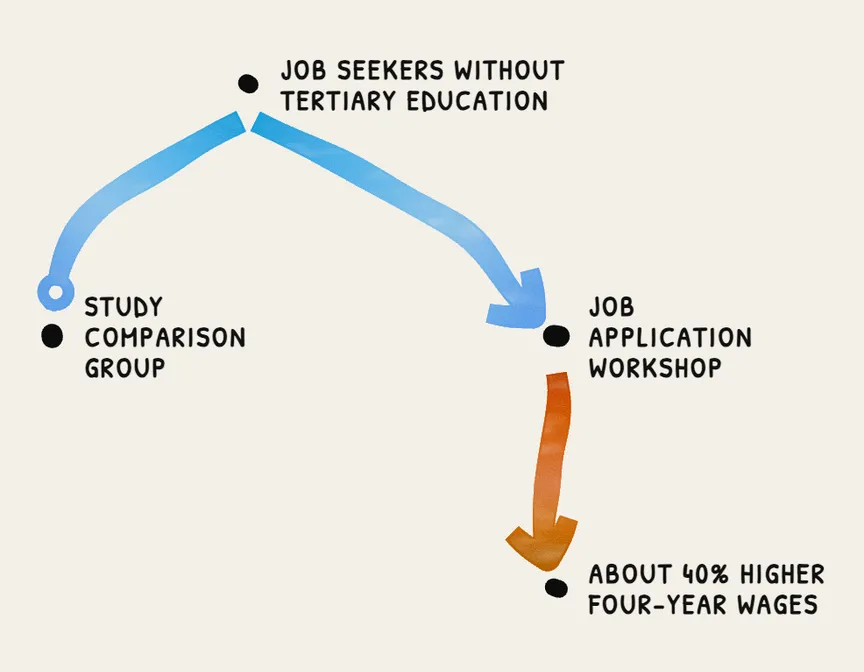
Deploy objective third-party skill evaluations specifically for job applicants from non-tertiary and inexperienced backgrounds to neutralize employer screening stereotypes.
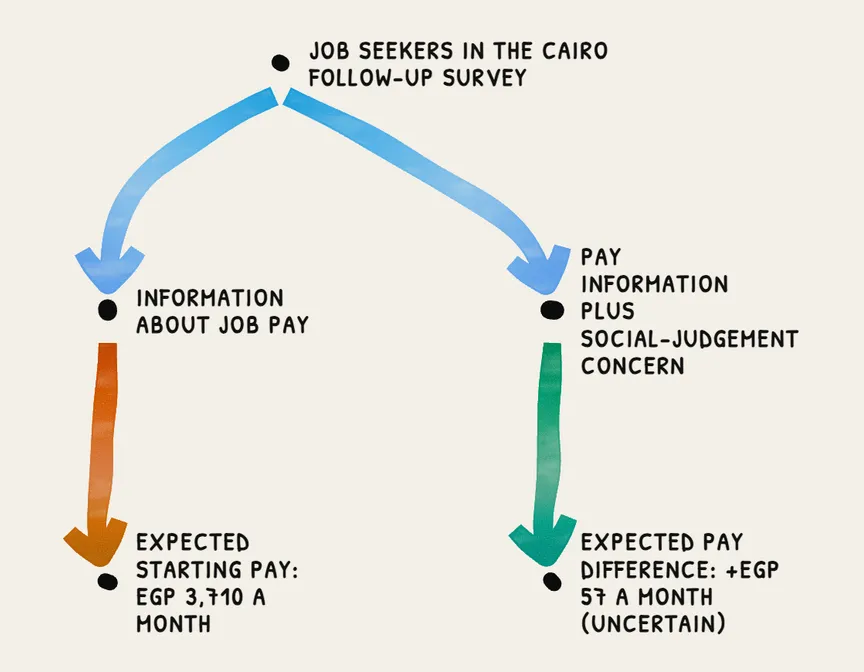
Audit informational interventions using baseline-controlled ANCOVA specifications to verify that non-monetary behavioral nudges do not inadvertently distort financial return expectations.
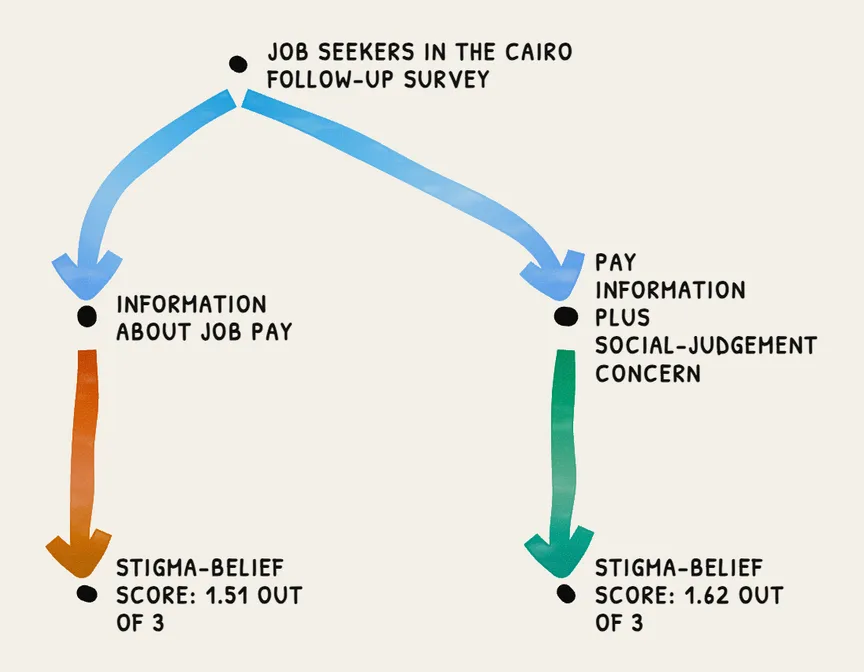
Measure subjective wage expectations alongside social status beliefs in pilot recruitment surveys to verify that messaging interventions operate purely on social image channels rather than financial perception channels.
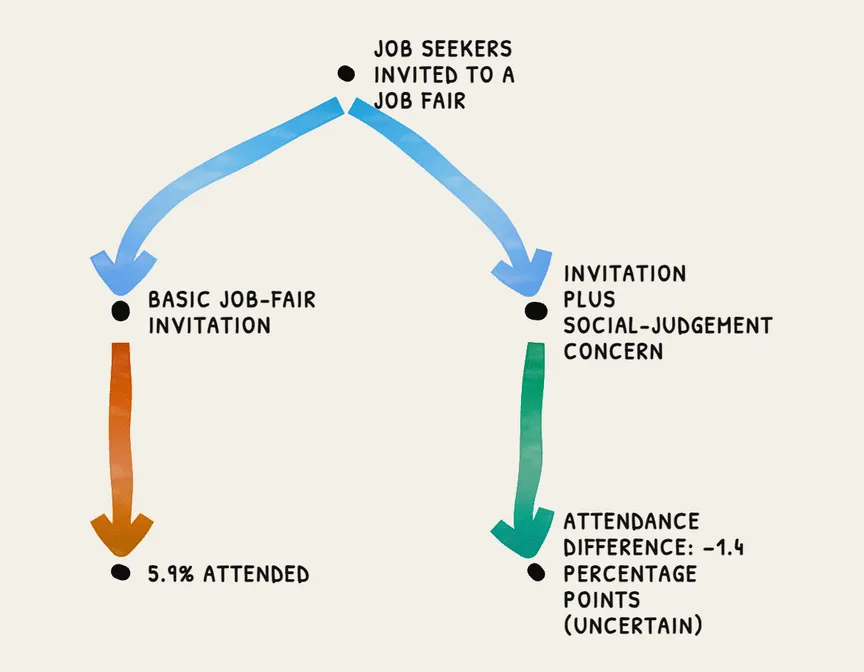
Structure recruitment communications to highlight career advancement and positive alumni role models while completely avoiding language that names or frames social judgments and stigmas.
Define explicitly whether a labor policy prioritizes equity or impact efficiency before launching anti-stigma messaging campaigns in recruitment drives.
Disaggregate field evaluation samples into distinct stock and flow cohorts to isolate duration dependence and evaluate early-intervention effects independently from long-term unemployment dynamics.
Distinguish permanent educational dropouts from strategic exam re-applicants when measuring program success in centralized upper secondary assignment systems.
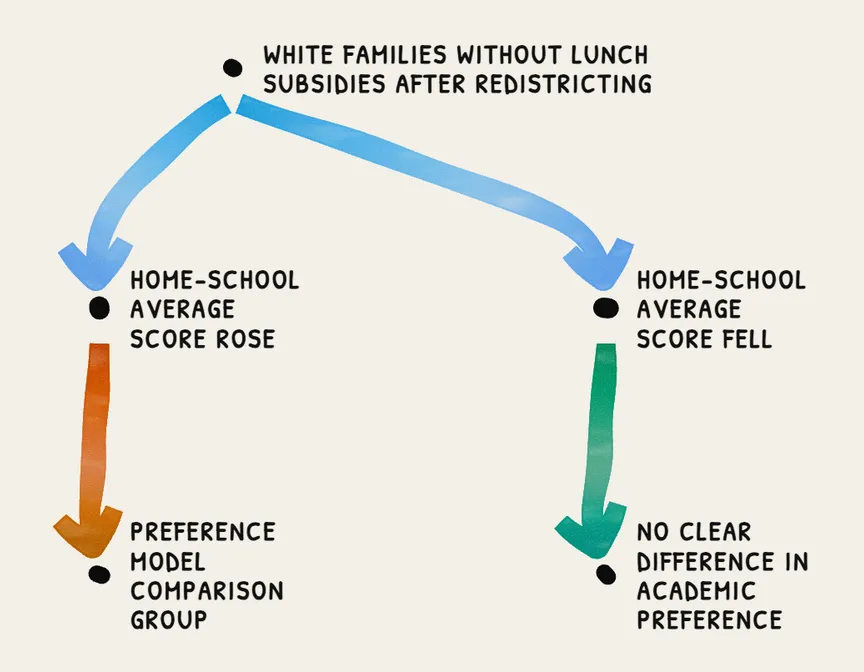
Evaluate preference parameters from initial policy implementation years to obtain un-strategic baseline demand estimates before gaming behaviors emerge among participants.
Decouple peer-ranking surveys from direct, unadjusted grant allocation decisions to prevent strategic distortion and nepotistic reporting.
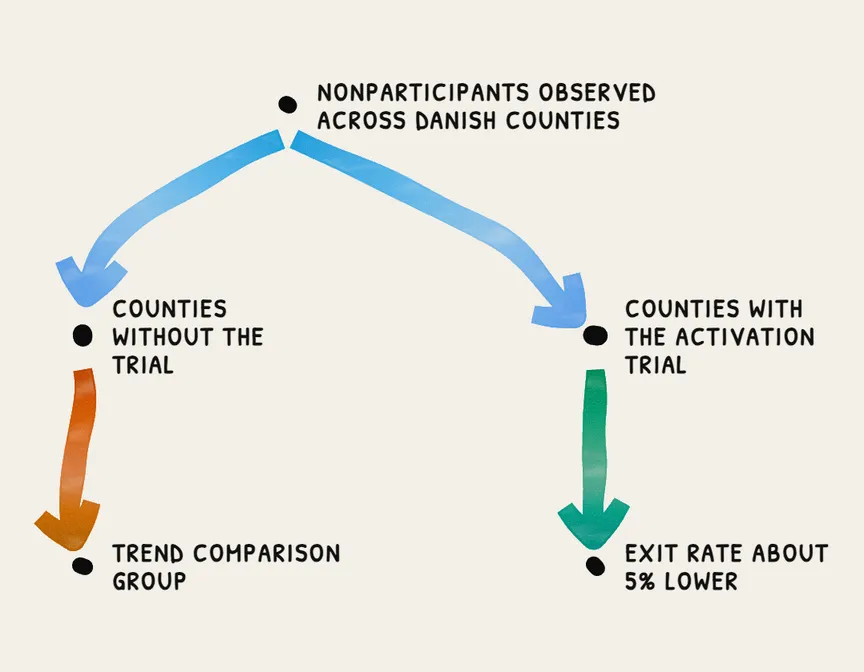
Apply stratified partial likelihood proportional hazard models using non-experiment comparison regions to isolate non-treated spillover effects without imposing parametric hazard assumptions.
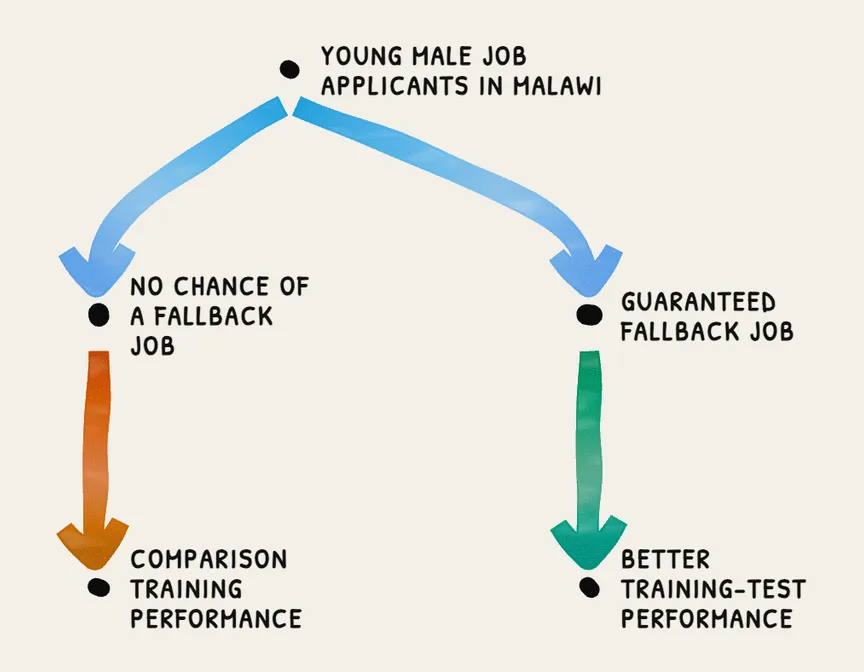
Incorporate probabilistic fallback job guarantees or safety cushions into high-stakes recruitment and assessment settings to reduce evaluation stress and improve applicant test performance.
Page 20 of 23
Previous
1
…
19
20
21
22
23
Next