Skip to the findings
Menu
aikyam
school
Findings
Methods
Subjects
All cards
Read
Findings
Methods
Subjects
All cards
Findings
1,083 findings
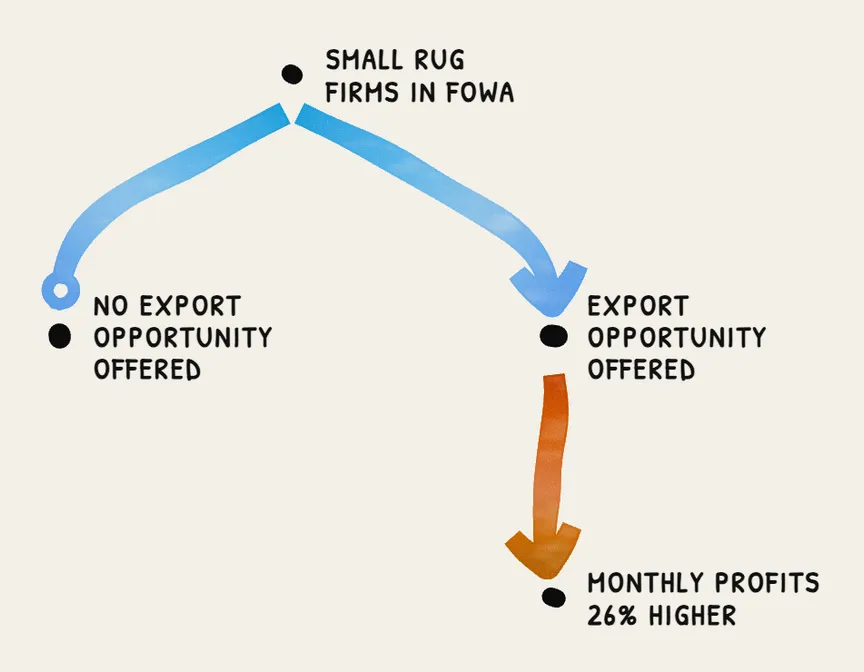
Implement national trade policies that lower tariffs, simplify export documentation, and reduce market entry costs specifically tailored for micro and small enterprises.
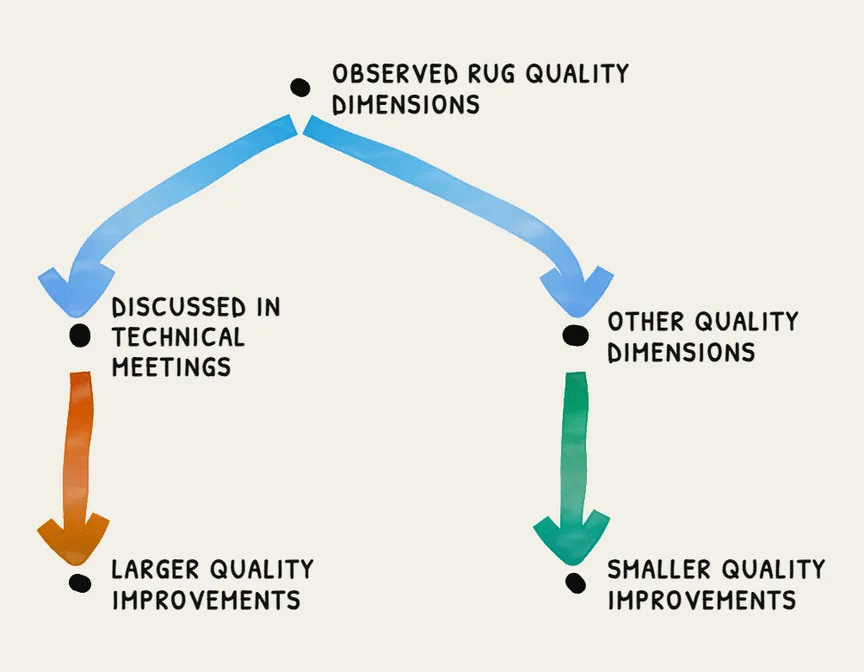
Establish partnerships with commercial trade intermediaries to provide micro-enterprises with specialized raw inputs, explicit technical guidelines, and ongoing buyer feedback.
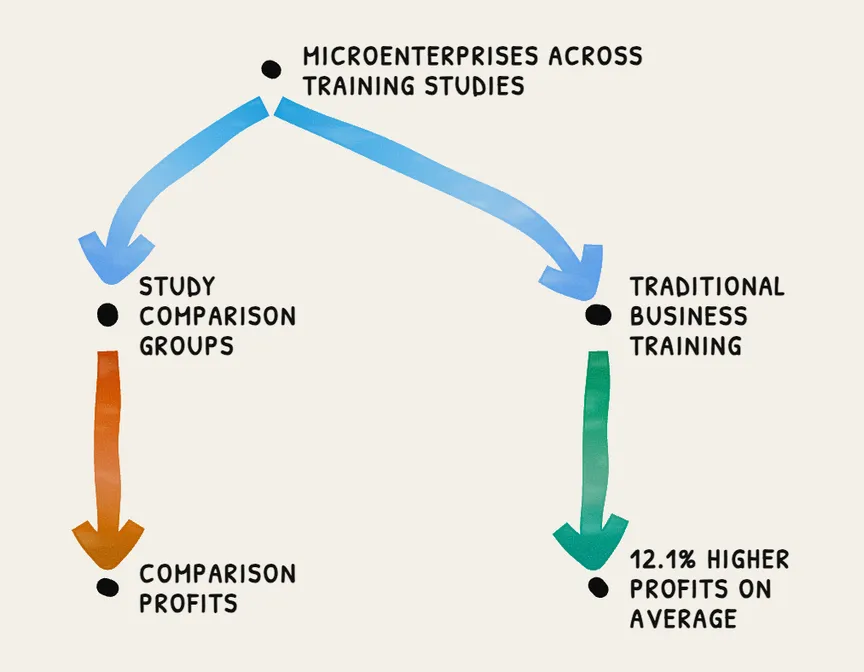
Replace multi-topic general classroom lectures with narrow, focused modules that target single, actionable operational problems.
Evaluate program rollout through a split-sample trial comparing NGO staff against local government officers to determine the most effective delivery agent.
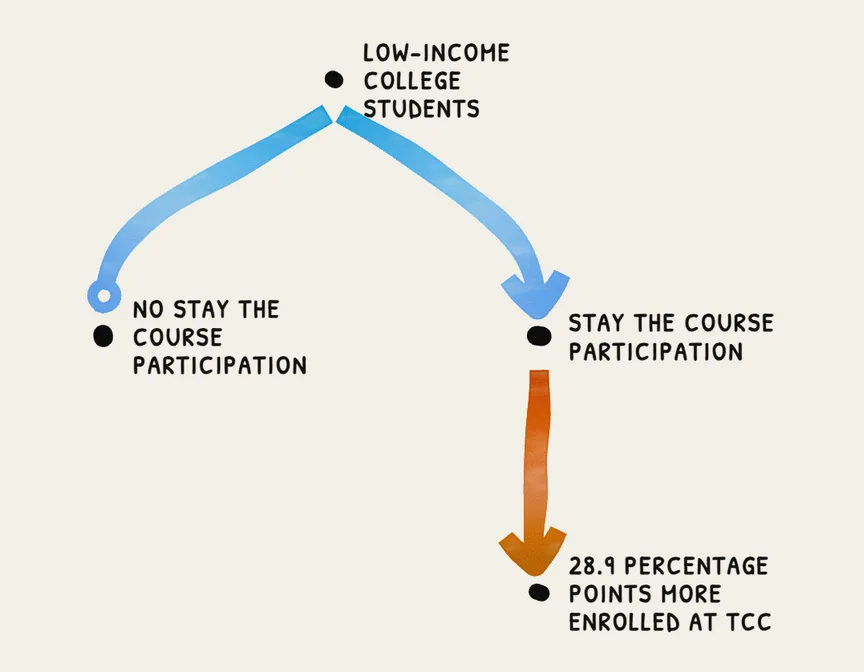
Structure early case management benchmarks around institutional retention at the primary community college to ensure foundational credit completion prior to four-year transfer.
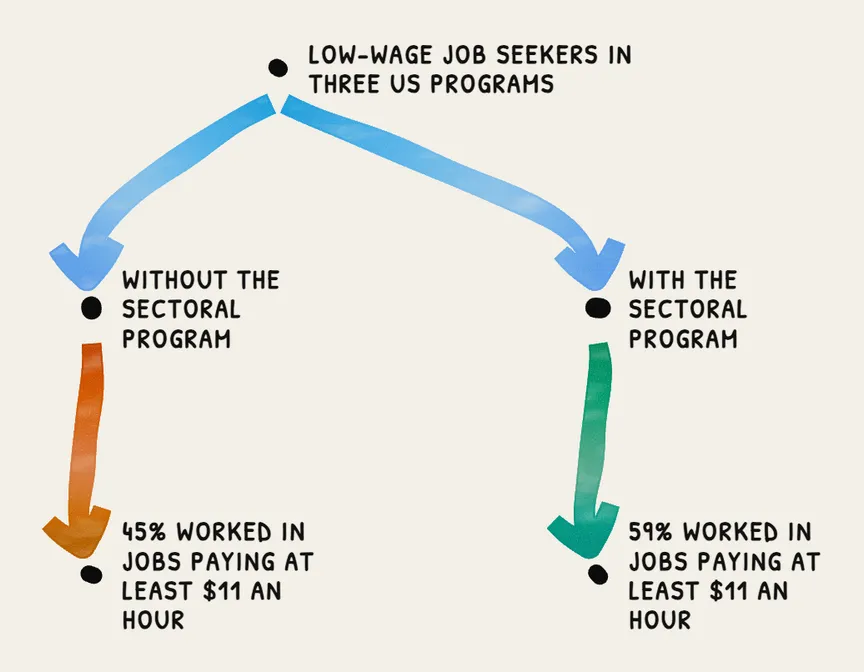
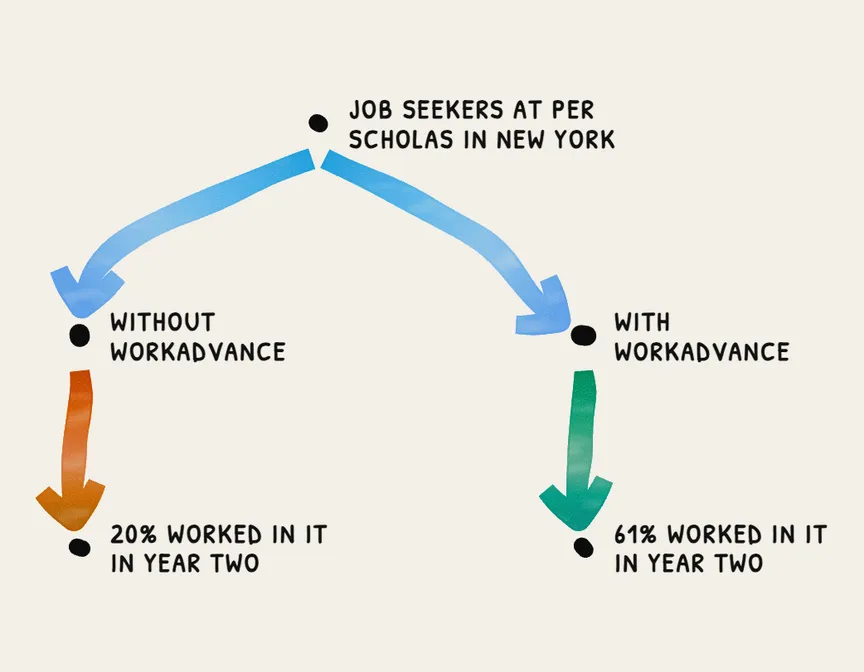
Structure sector training programs around widely accepted industry certifications to establish portable skill signals for non-traditional job seekers.
Monitor participant behavioral data across extended multi-year horizons to determine whether initial financial responses to soft commitment tools persist or decay over time.
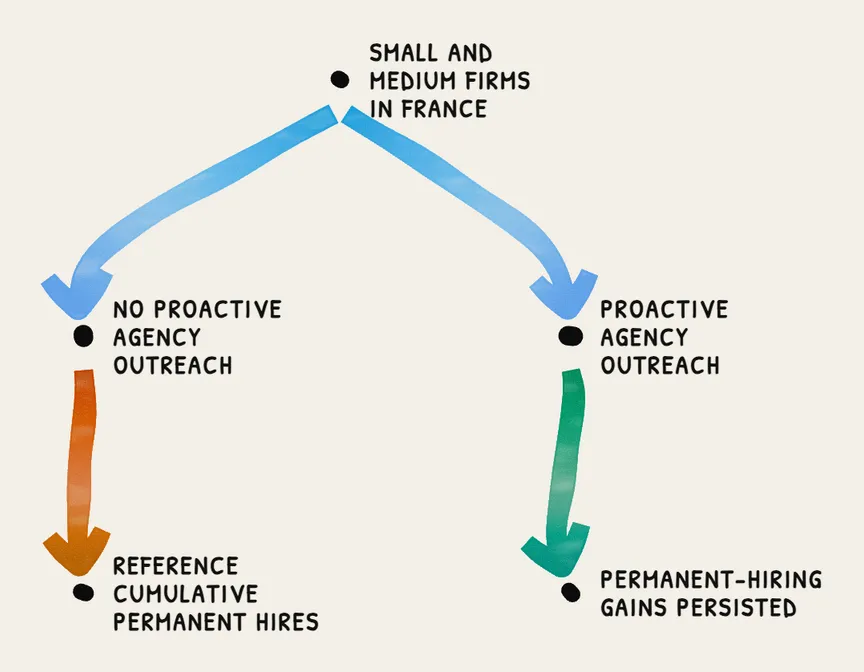
Track post-intervention recruitment metrics over a multi-year horizon to distinguish between permanent job creation and temporary public agency posting channel substitution.
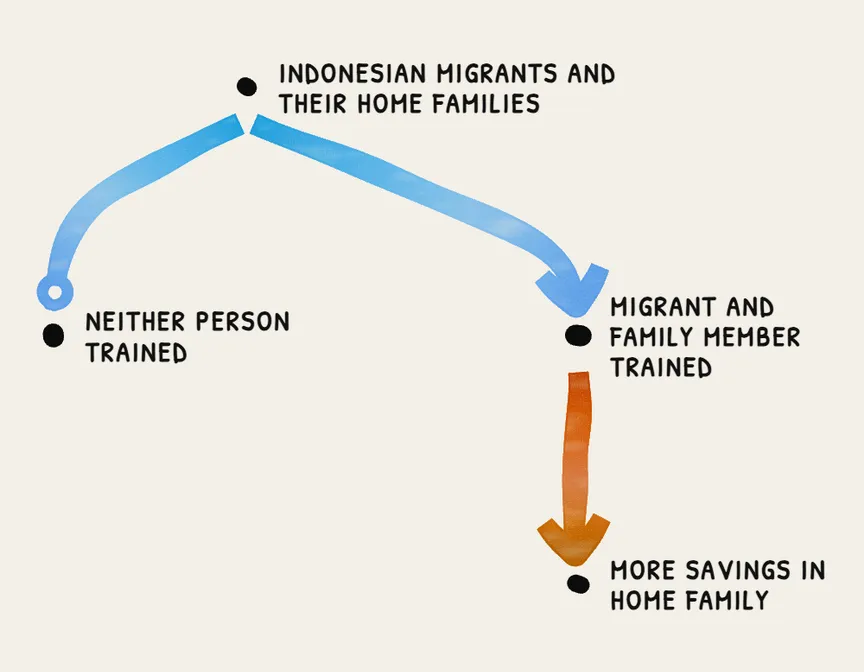
Require joint participation of both overseas migrants and home-country decision-makers when implementing financial education or remittance-channeling initiatives.
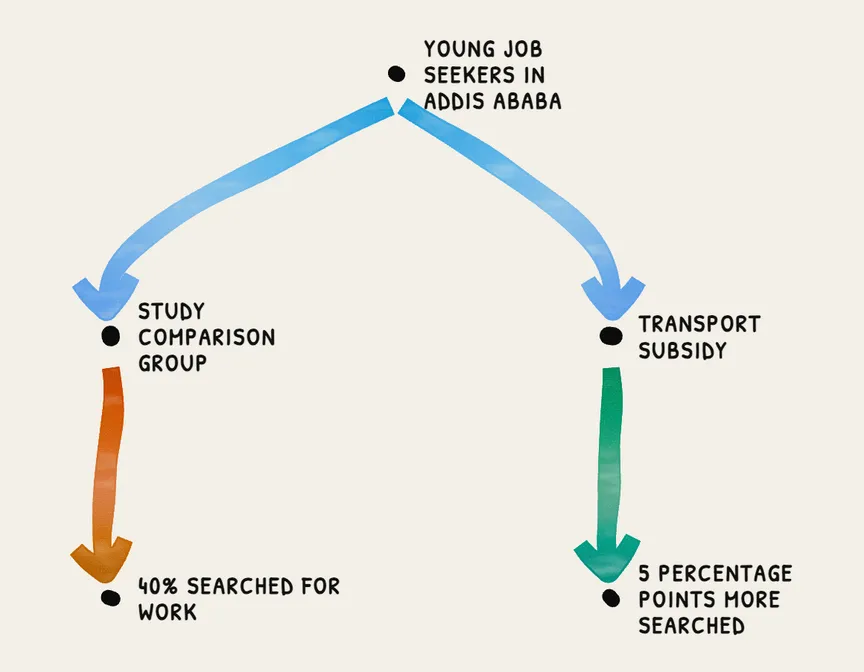
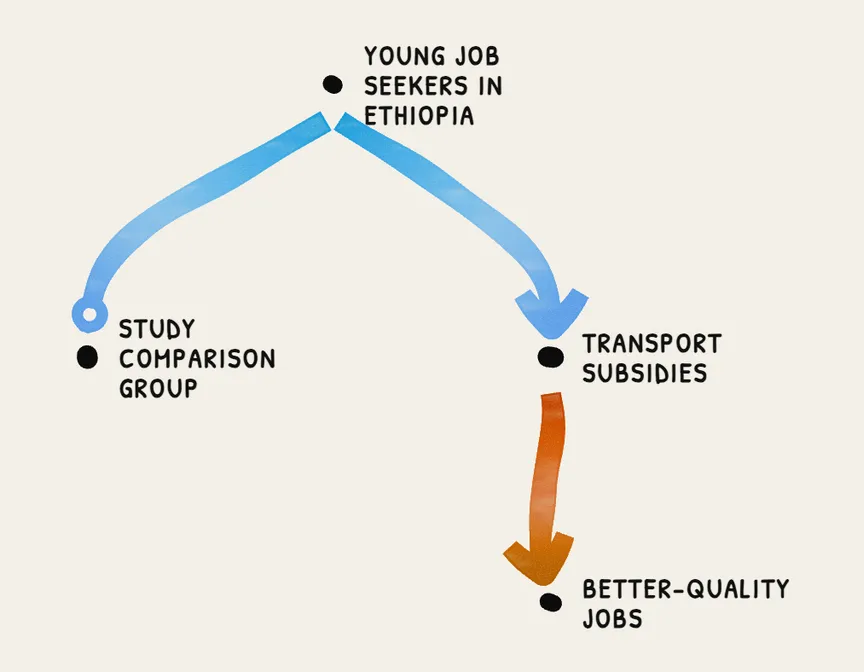
Provide temporary, conditional travel vouchers to unemployed youth to cover commuting expenses to centralized job vacancy boards during active job-hunting periods.
Distribute targeted transit subsidies or cash stipends via public employment centers to low-income unemployed individuals during active search periods.
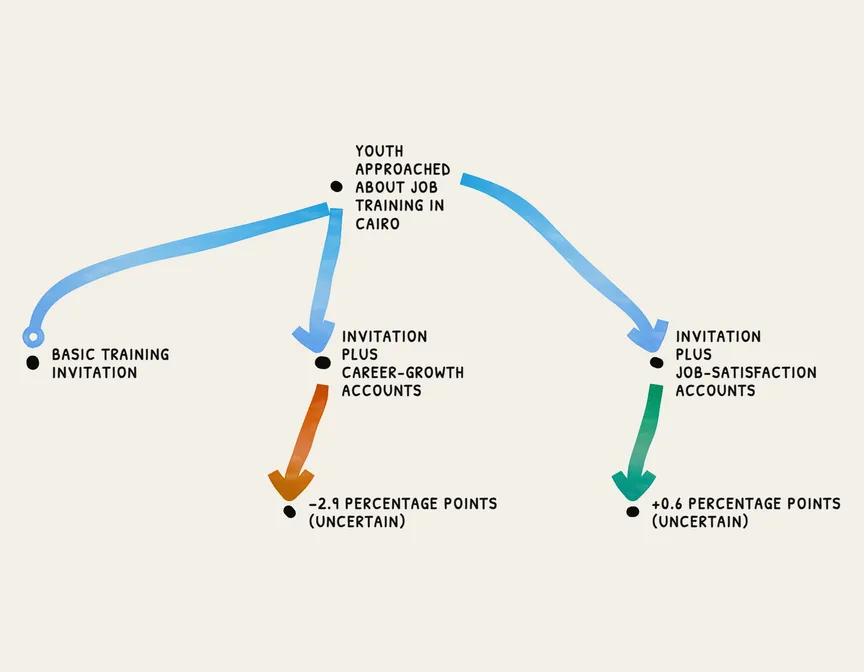
Audit job recruitment materials to ensure career mobility messaging directly addresses long-term professional advancement rather than relying solely on personal satisfaction claims.
Employ familiar, trusted field staff rather than anonymous survey agents to administer follow-up evaluations when measuring informal labor market outcomes among vulnerable populations.
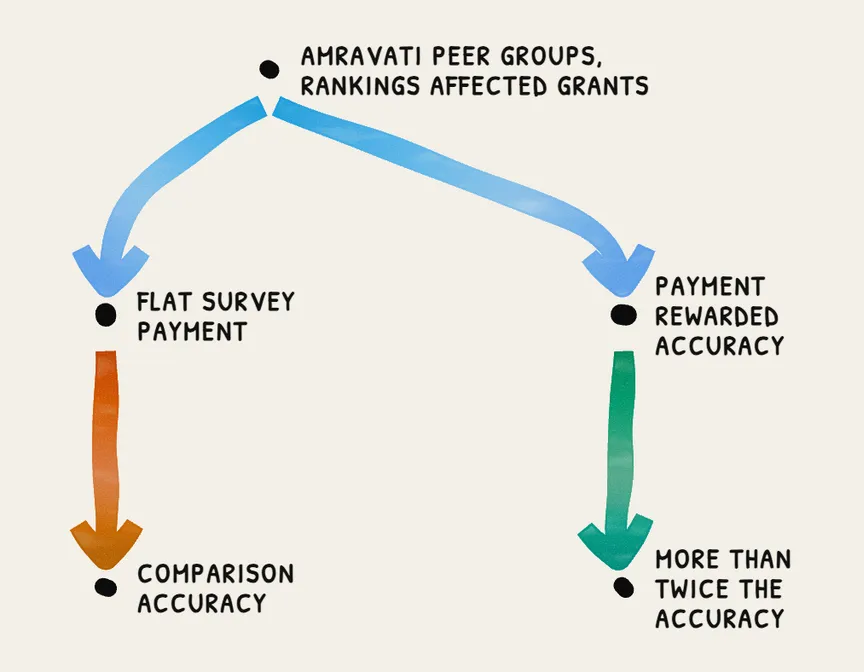
Offer microentrepreneurs small, accuracy-calibrated monetary incentives when completing peer evaluation surveys to ensure truthful data collection.
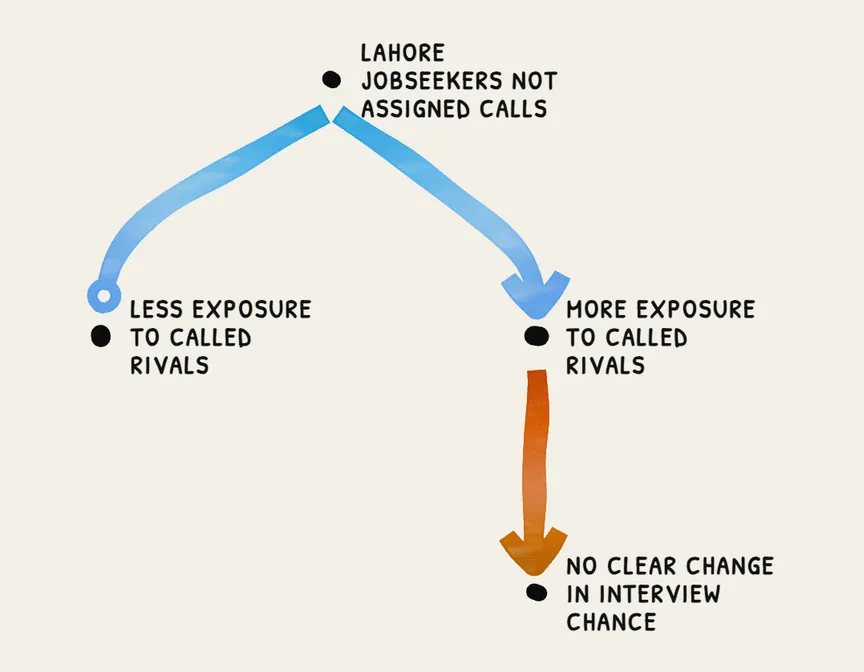
Design active labor market evaluations using a two-step cluster randomization framework that varies treatment saturation across distinct local market clusters to measure spillover effects.
Pause early-stage field intake to secure formal commercial partner integration when facing participant trust or logistical bottlenecks.
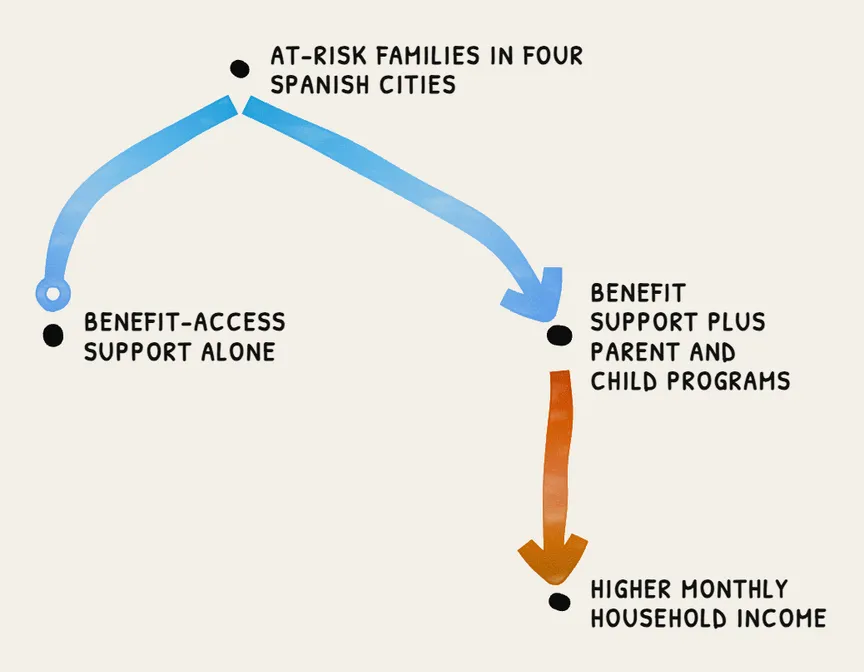
Integrate adult job placement and benefit navigation services with child academic tutoring and early childhood education within a single family-focused program.
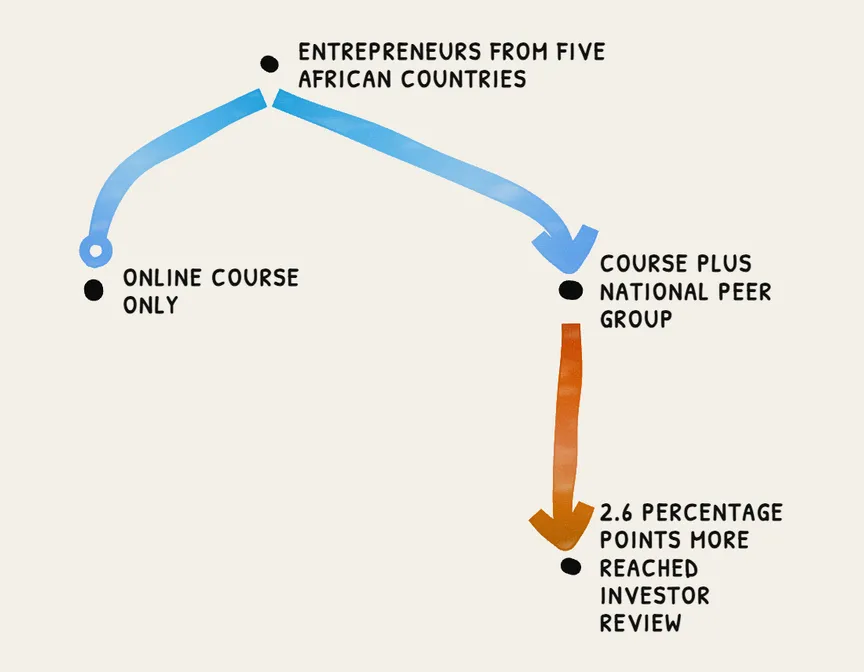
Implement a two-tier evaluation framework using local ecosystem experts to filter business plans before presenting top-tier proposals to senior venture capitalists for funding consideration.
Audit educational spending to ensure additional physical or human resources directly target baseline learning deficits rather than expanding standard unadapted curriculum inputs.
Replace raw unadjusted status test scores with prior achievement-adjusted growth models when constructing instructor evaluation frameworks.
Administer offline paper-and-pencil evaluations when testing computer-based educational programs to eliminate modality familiarity bias.
Deploy emergency or non-recurrent school improvement grants as unexpected one-time allocations to prevent private expenditure reductions during early implementation phases.
Estimate unconditional quantile treatment effects and run permutation-based rank-sum tests to confirm program earnings gains are distributed across the entire income distribution.
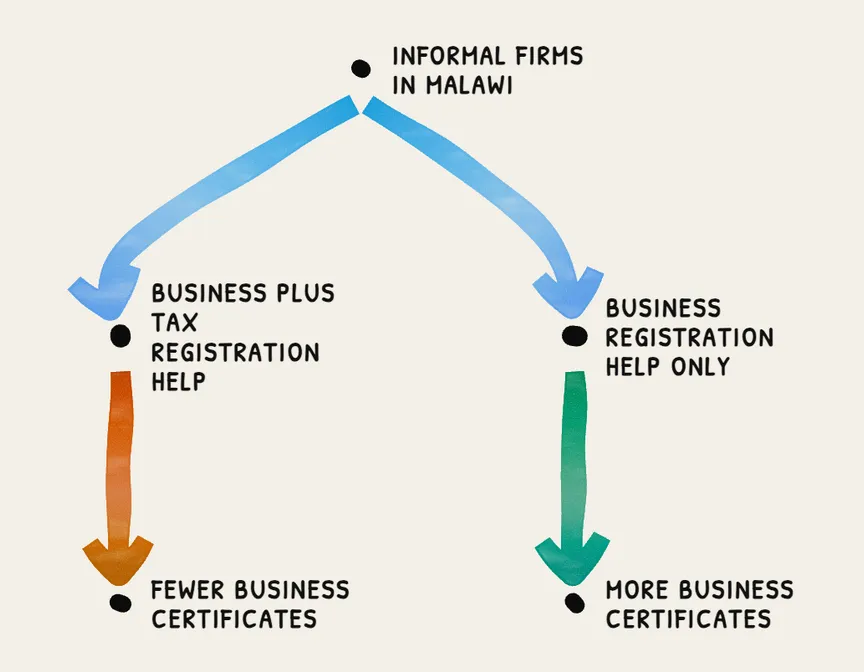
Separate municipal business registration from tax agency databases to allow informal firms to obtain legal status before incurring tax liabilities.
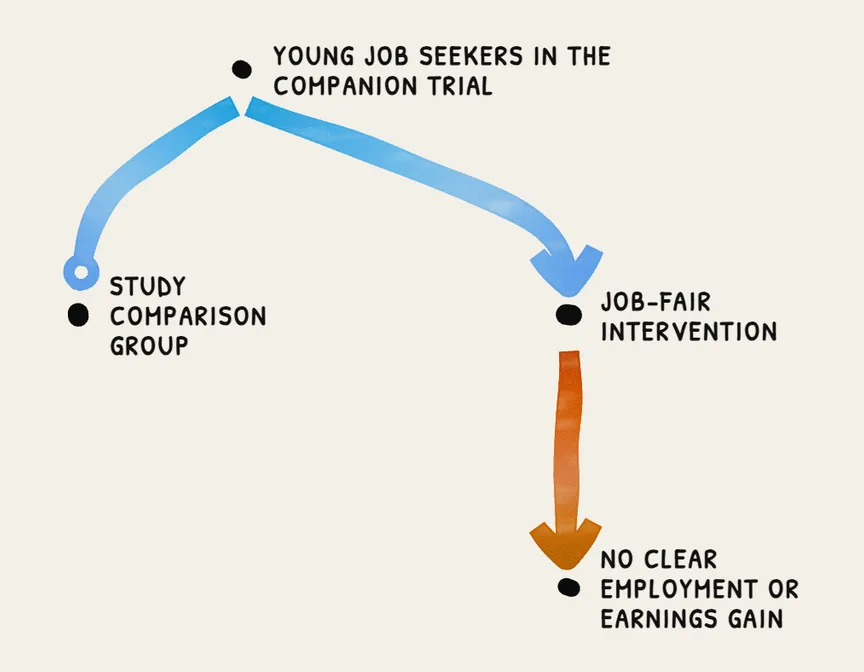
Avoid funding passive job fairs or physical matching events unless they incorporate standardized candidate skill assessment and certification mechanisms.
Design credit policies that evaluate the social cost of entrepreneurial underinvestment alongside lender default risk when establishing lending guidelines.
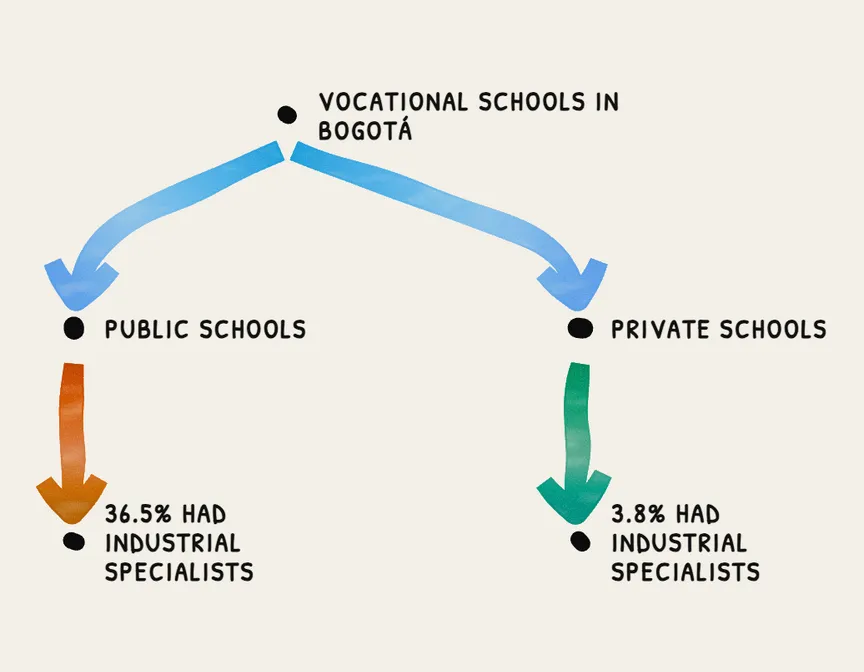
Reallocate hiring and firing authority directly to school principals to enable rapid faculty conversion from declining industrial specializations to expanding commercial fields.
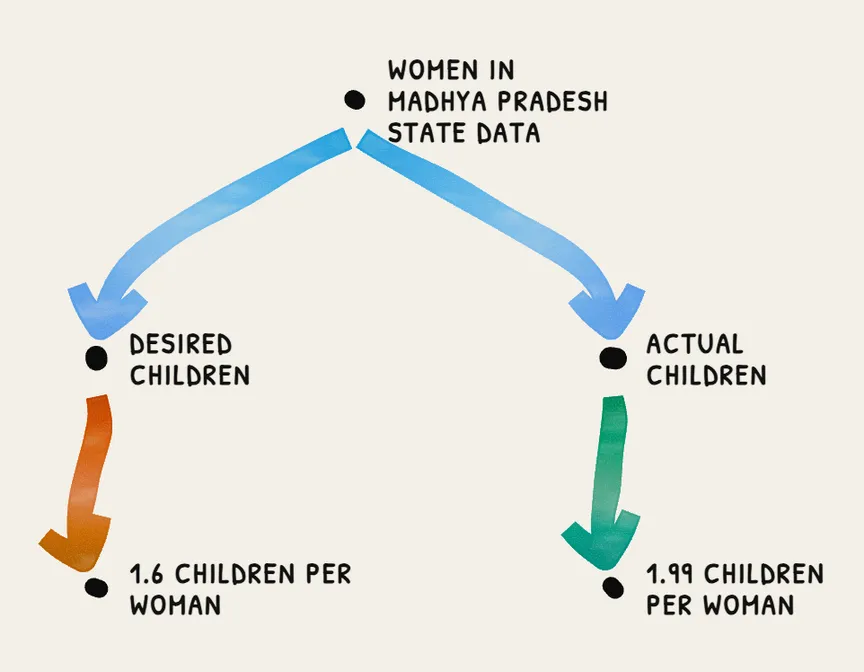
Measure individual female fertility preferences against actual household childbearing metrics to identify regional gaps in contraceptive access and reproductive agency.
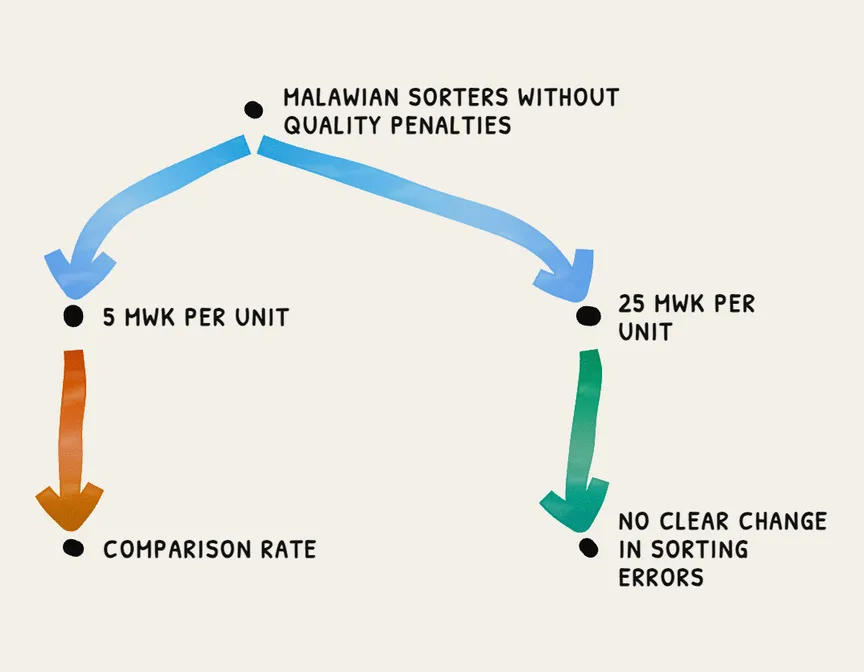
Test for non-monetary reciprocity in piece-rate contracts before implementing costly monitoring systems that risk crowding out intrinsic worker goodwill.
Target peer disclosure and reputational oversight mechanisms specifically at chronically underperforming public health facilities rather than imposing universal oversight across all staff.
Incorporate peer referral pipelines alongside traditional resume screening to evaluate non-standard worker competencies that formal screening mechanisms fail to detect.
Capitalize on the external unobservability of general soft skills to invest in employer-sponsored non-cognitive training without incurring increased turnover or wage inflation.
Deploy open-ended, unprompted end-of-shift recall protocols to evaluate the prevalence of off-task mental rumination without introducing surveyor demand bias.
Evaluate whether a target population faces binding floor constraints (such as minimum skill thresholds or reservation wages) and high vacancy costs before implementing information interventions, as sobering information increases effort specifically in unsafe regimes.
Incorporate mandatory pre-enrollment literacy and math assessments alongside motivational evaluations to select candidates most prepared for sector-specific technical training.
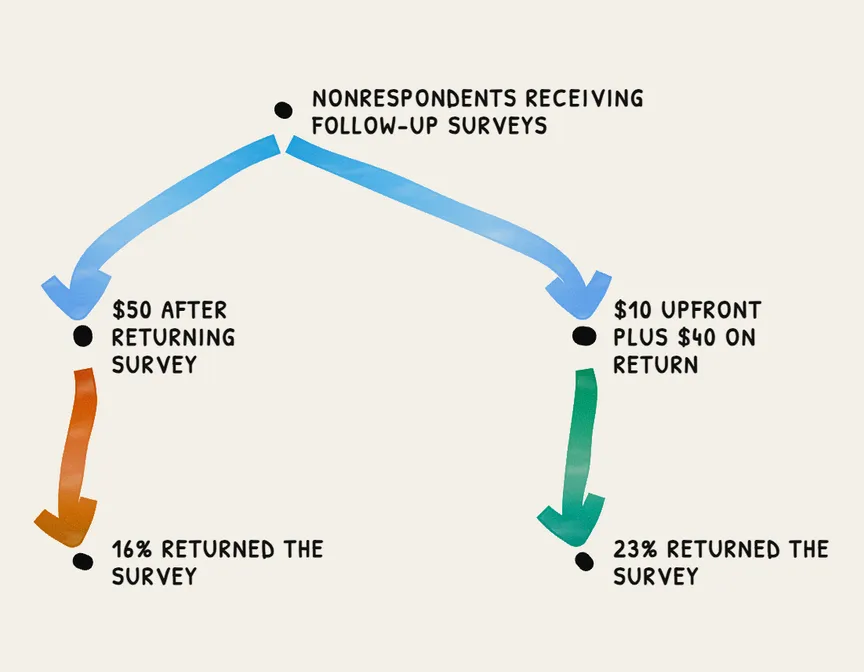
1. Include small unconditional upfront cash payments in survey mailings rather than relying solely on larger conditional post-completion financial promises when sampling hard-to-reach populations.
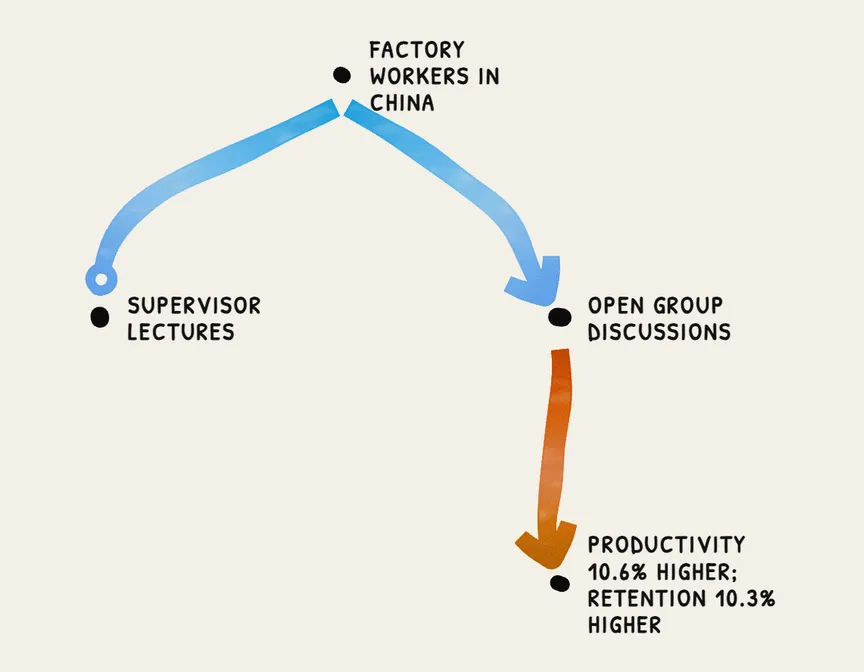
Implement a recurring, confidential digital feedback channel allowing line workers to evaluate supervisor supportive behaviors and report daily operational friction.
Utilize micro-founded matching functions with variable coordination frictions rather than aggregate Cobb-Douglas forms when predicting labor policy effects across regional markets.
Utilize residential utility billing stratification as a low-friction administrative mechanism to target social subsidies toward low-income households.
Scale job application encouragement programs across matching platforms without restricting participation out of concern for applicant crowd-out when platform vacancy fill rates remain well below capacity.
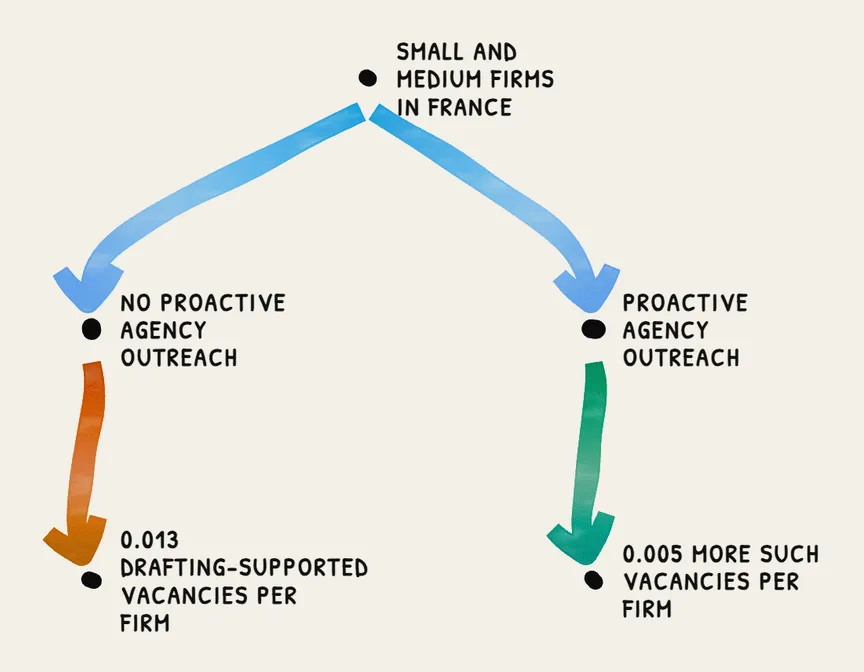
Utilize standardized public agency drafting templates to ensure job postings meet statutory non-discrimination standards and clearly specify skill prerequisites.
Implement a 1% extreme value trimming protocol on estimated teacher value-added scores before deploying them in evaluation or predictive validity research models.
Apply rank-based van der Waerden score normalization to raw test scores before pooling student achievement metrics across disparate assessment systems.
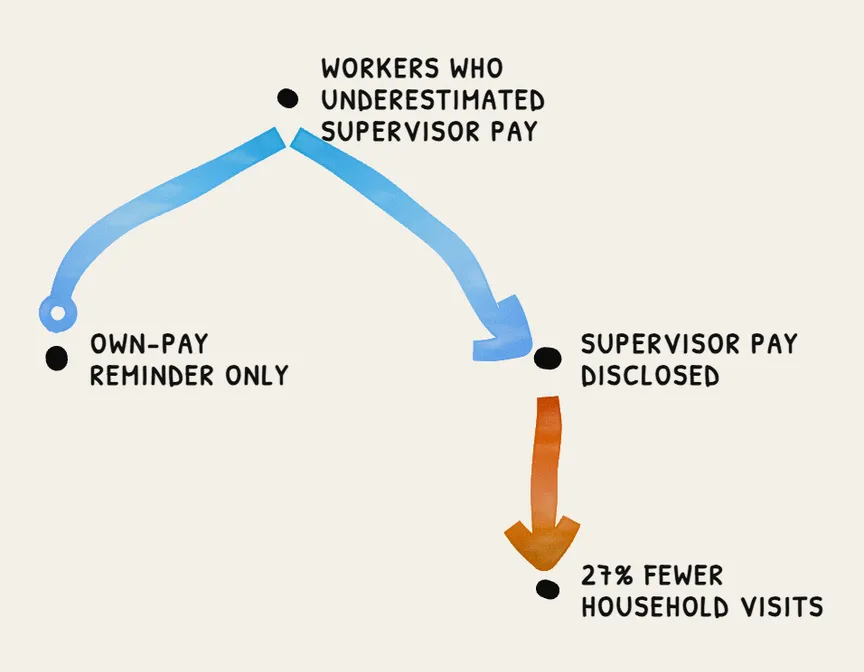
Distinguish vertical managerial pay gaps from horizontal peer salary disparities when evaluating employee responses to wage transparency.
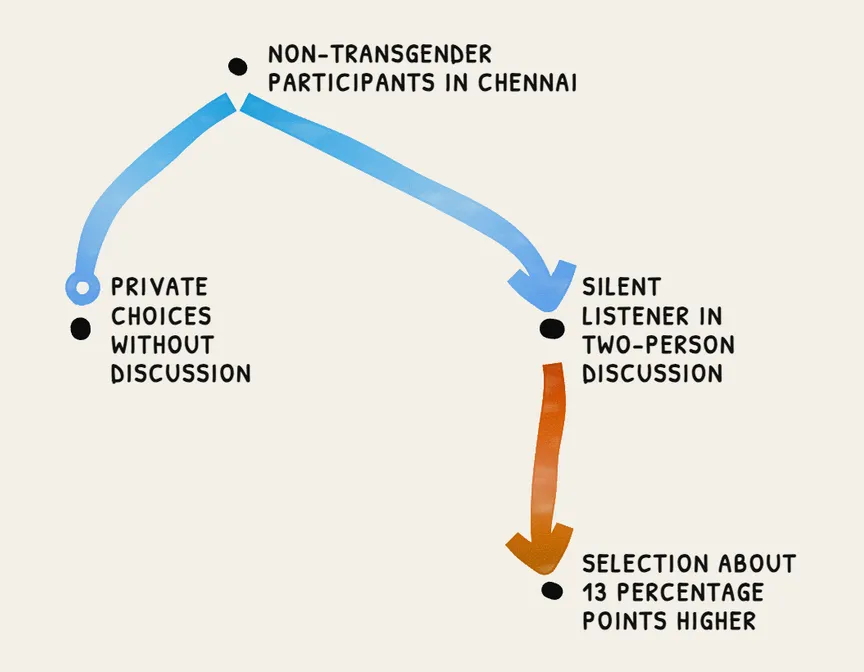
Include passive audience observers in structured peer deliberation sessions when logistical or time constraints prevent every individual from speaking actively.
Deploy video-guided instructional modules coordinated by NGO or government staff to train job seekers on enrollment and administrative navigation.
Evaluate agricultural interventions using village-level general equilibrium models rather than partial equilibrium individual frameworks to capture localized price and wage adjustments.
Structure participant stipends to match or exceed lost casual labor earnings to eliminate short-term financial barriers during intensive training programs.
Page 22 of 23
Previous
1
…
21
22
23
Next