Skip to the findings
Menu
aikyam
school
Findings
Methods
Subjects
All cards
Read
Findings
Methods
Subjects
All cards
Findings
1,083 findings
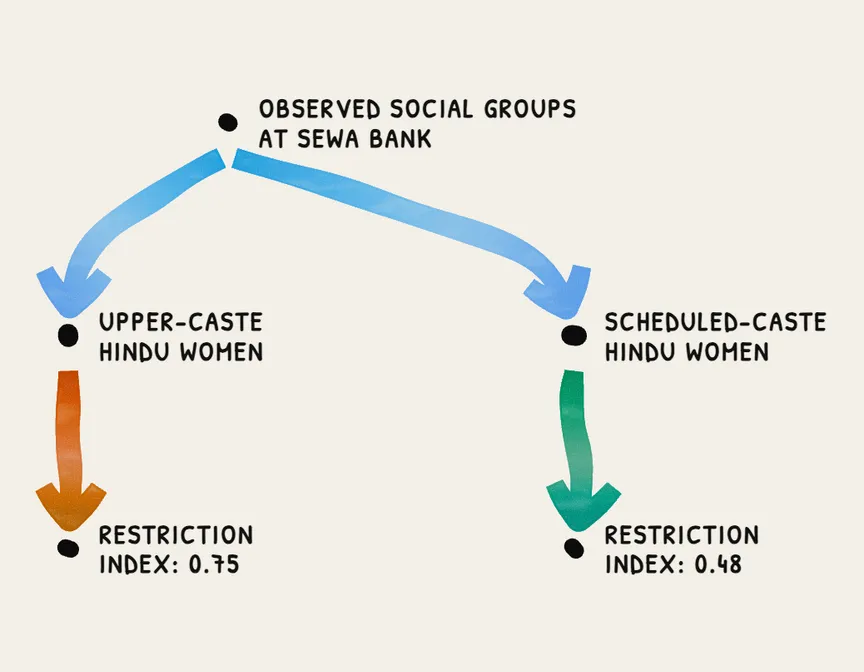
Monitor social restriction indicators among upwardly mobile lower-caste populations and couple economic development programs with gender norm campaigns to prevent sanskritization-driven declines in female labor supply.
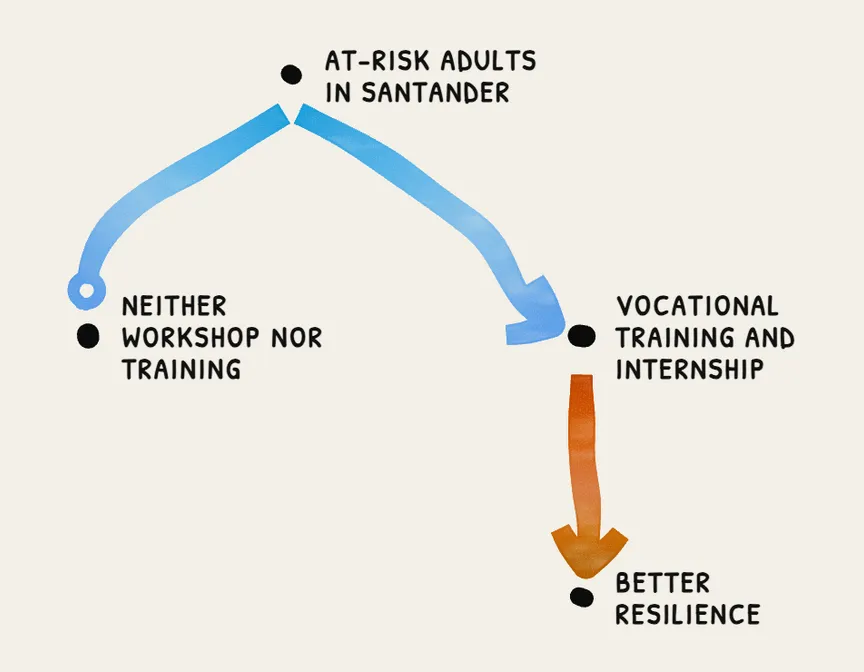
Deliver 15-hour personal empowerment workshops prior to or alongside 50-80 hours of targeted vocational training to improve job search proactivity and psychological resilience among individuals at risk of poverty.
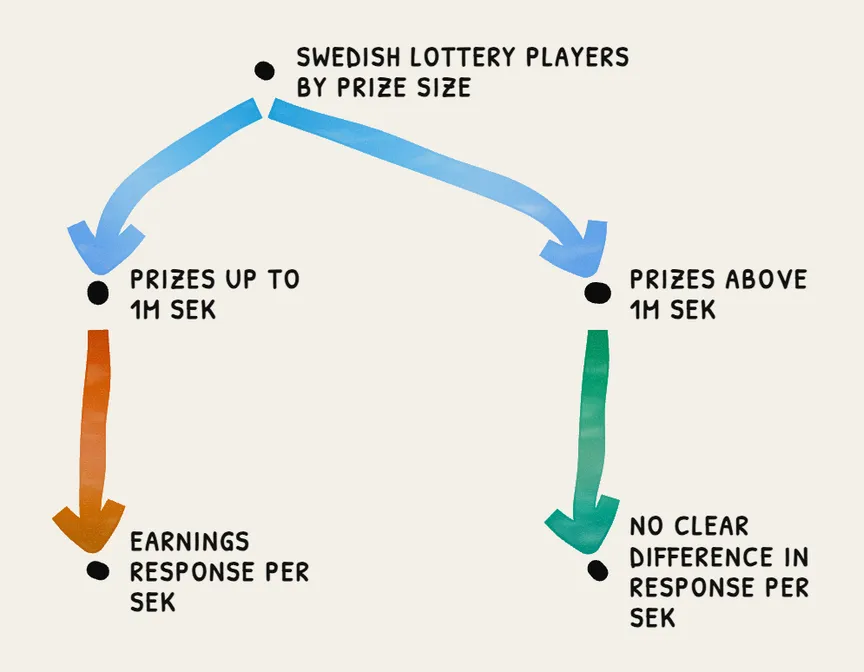
Apply linear marginal propensity to earn parameters uniformly across both small and large wealth transfer sizes when forecasting labor market responses.
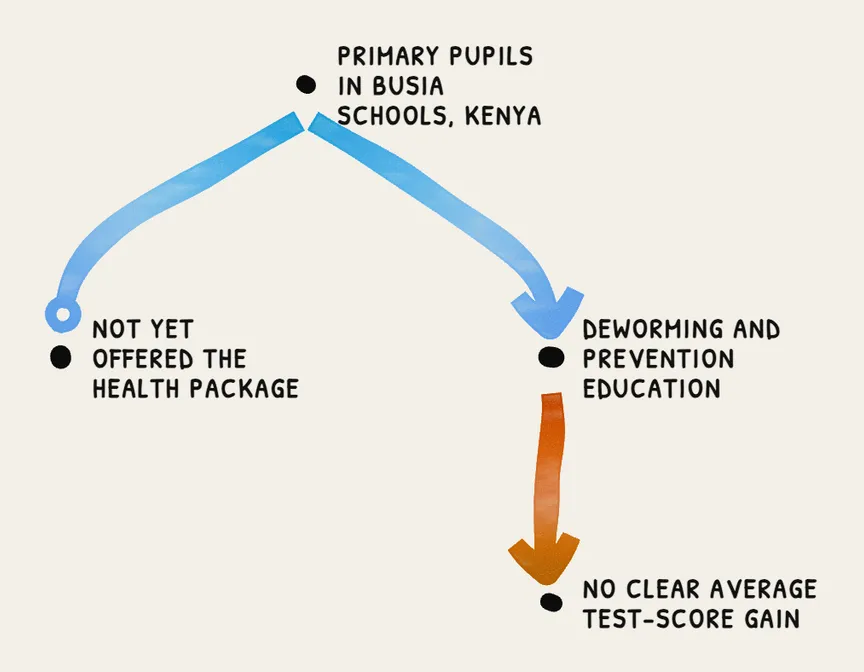
Pair enrollment-boosting health and nutritional policies with targeted instructional reforms to ensure increased attendance translates into academic achievement.
Expand public secondary and vocational education infrastructure to raise baseline worker qualifications for formal sector employment.
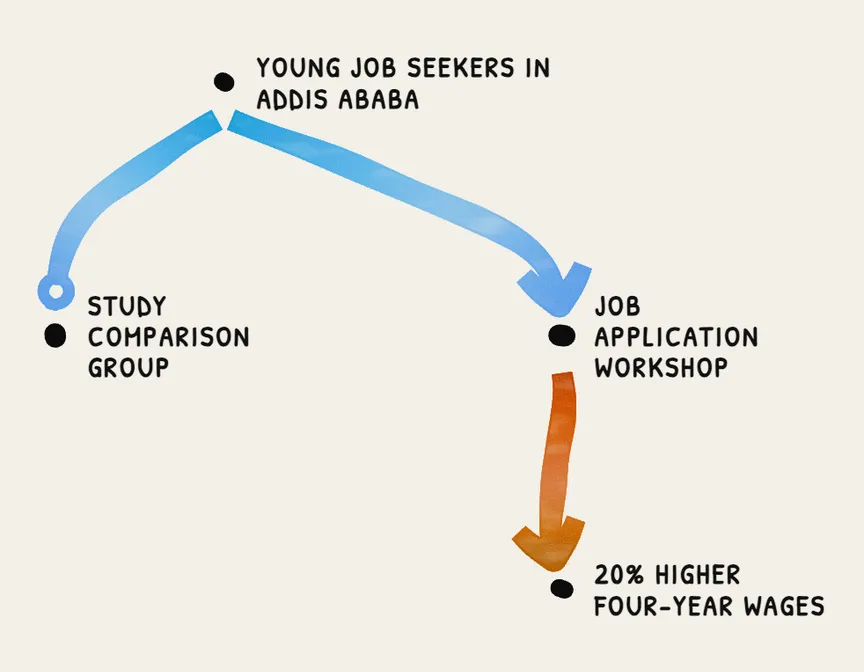
Measure employment policy impacts over multi-year horizons to ensure interventions create sustainable labor market attachment rather than brief search acceleration.
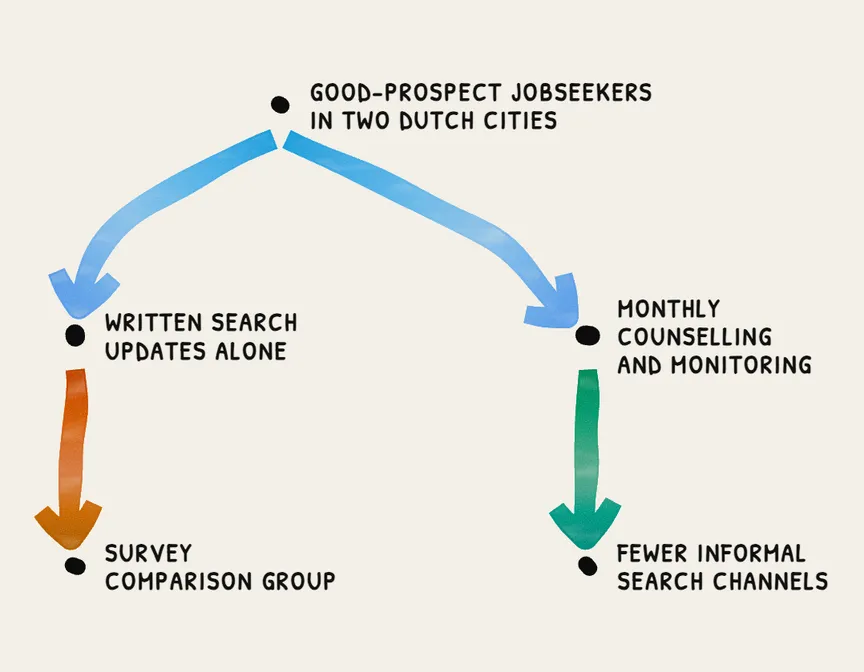
Audit both formal paper applications and informal networking channels when evaluating the true net impact of job search compliance rules.
Shift active labor market policy design from encouraging raw job search volume toward equipping applicants with objective skill certification.
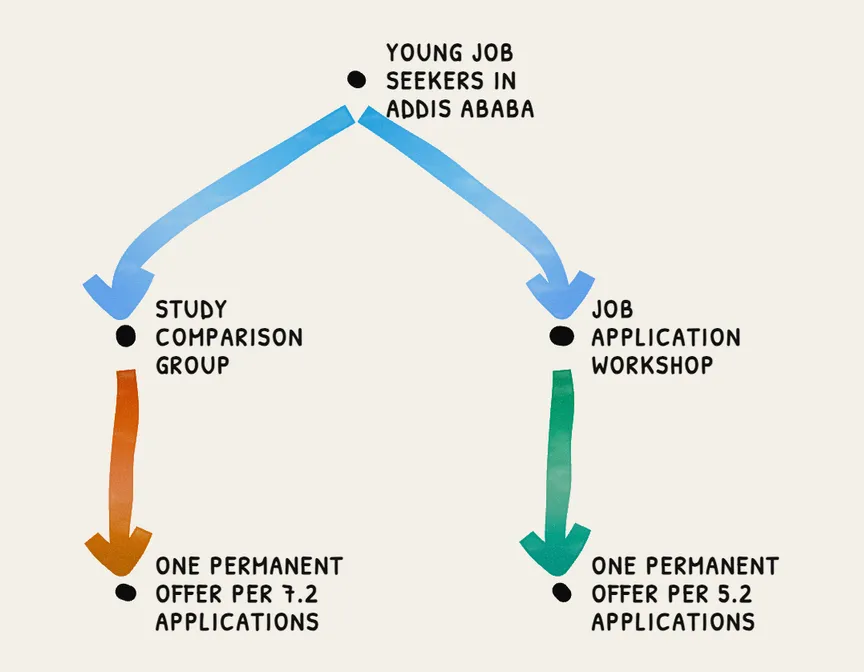
Distinguish search volume metrics from application-to-offer conversion rates when evaluating whether labor market constraints stem from spatial search costs or information asymmetries.
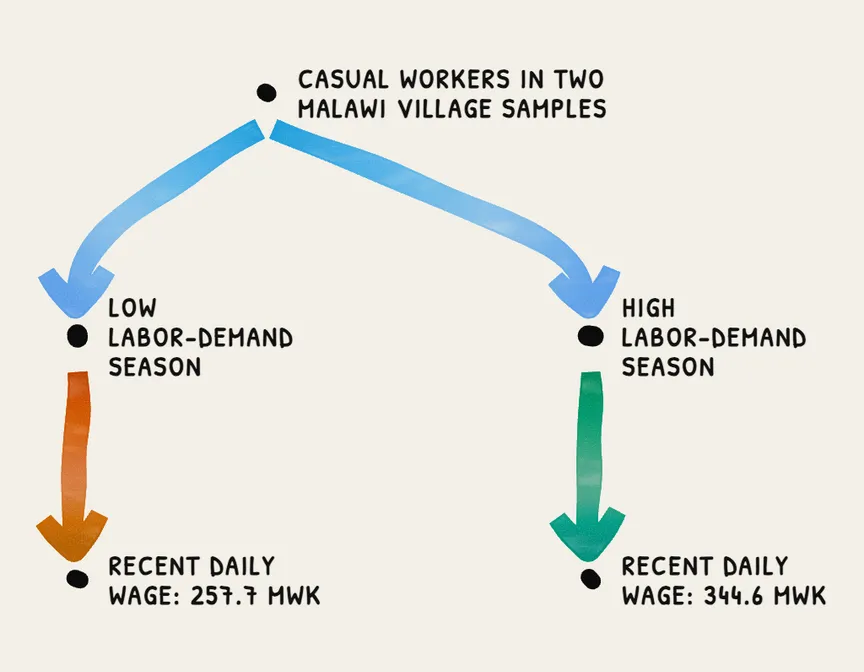
Schedule interim financial assistance or wage-smoothing mechanisms during known seasonal lean months when regional employment availability drops below two days per week.
Account for agricultural seasonality and household liquidity stress when forecasting labor supply elasticity and setting seasonal piece rates.
Instrument direct peer influences using exogenous baseline traits of two-step network neighbors when estimating social spillover effects in non-saturated social networks.
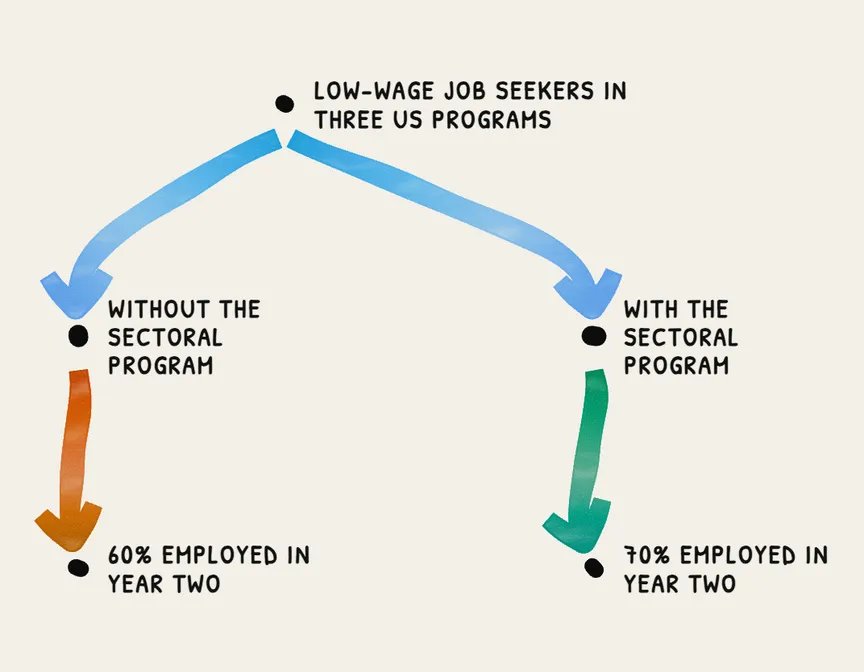
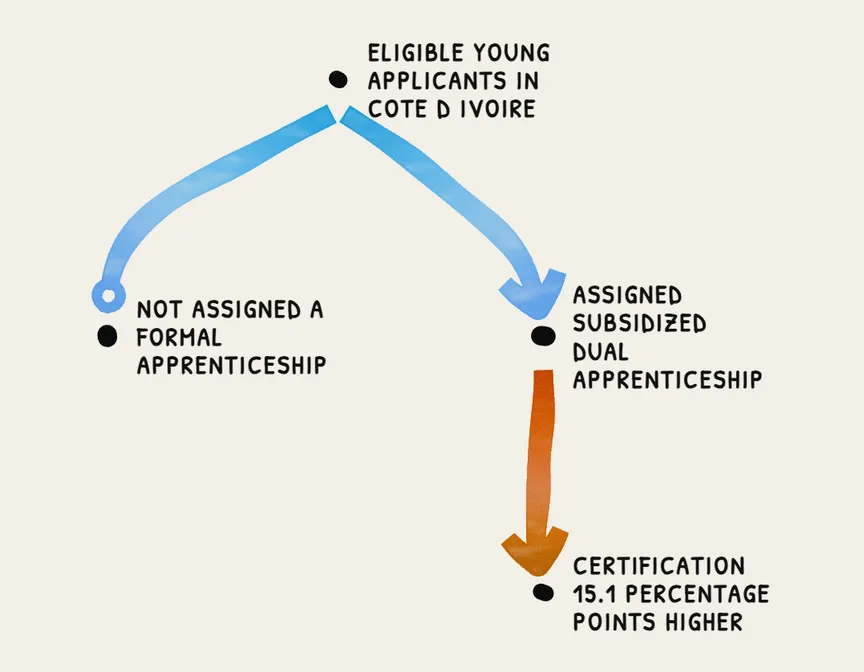
Design sector-focused training initiatives in collaboration with local employers that lead directly to industry-recognized certifications in healthcare, IT, and manufacturing.
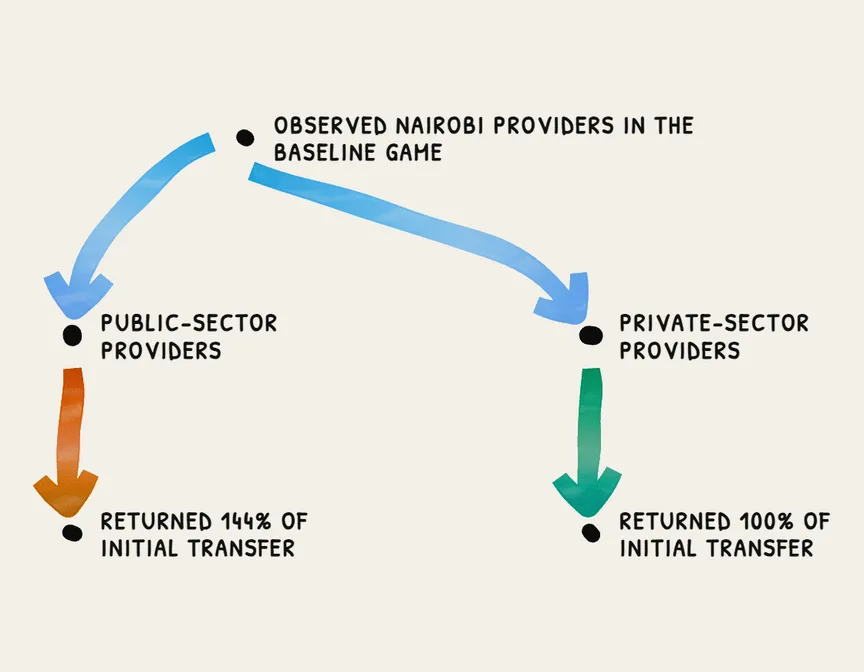
Differentiate healthcare workforce management by deploying reputational peer-review systems in public sector institutions while utilizing financial incentive or penalty structures in private sector clinics.
Specify Zellner's SURE system estimation to execute joint hypothesis testing across all baseline covariates when validating randomization balance in multi-site RCTs.
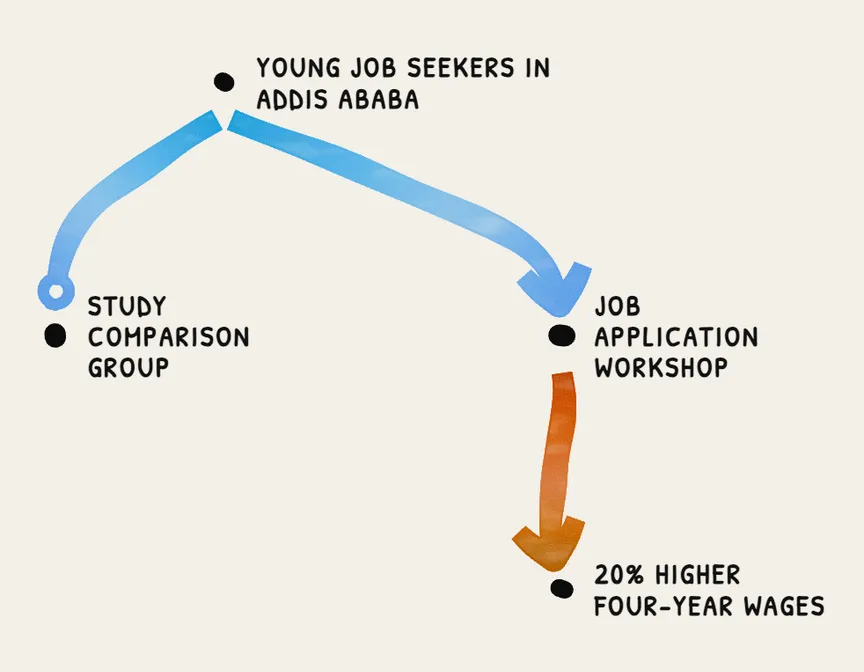
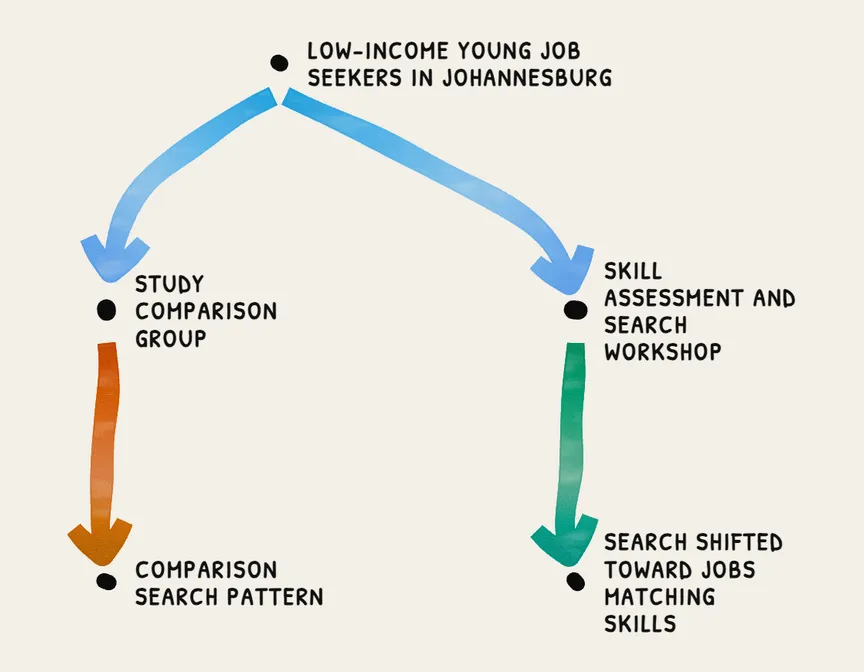
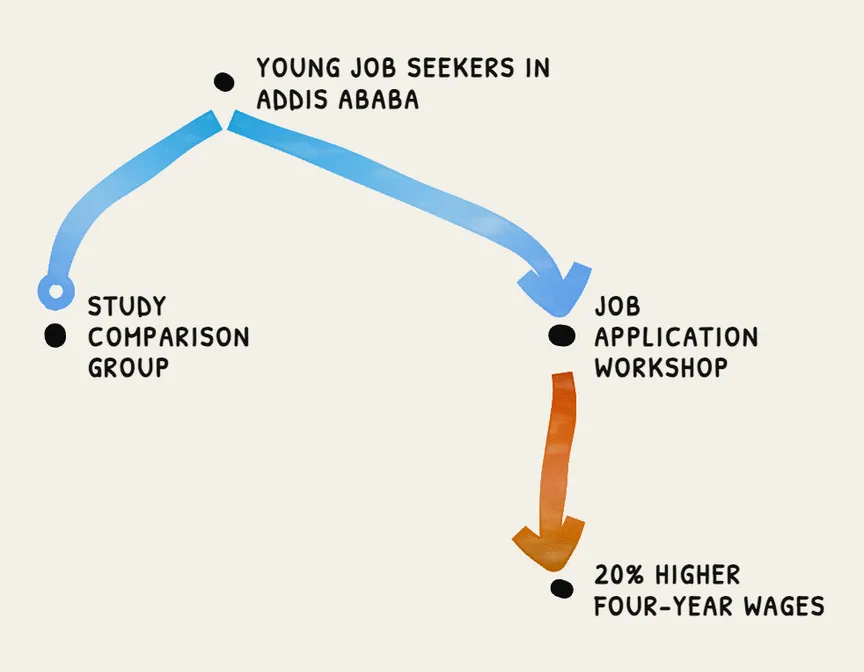
Combine objective numeracy and communication skill assessments with a one-day workshop to provide job seekers with clear performance rankings and guided search strategy training.
Exclude unearned cash transfers or lottery windfalls as direct drivers of entrepreneurial expansion or business startup activity when evaluating small business policy interventions.
Tailor formal microinsurance marketing toward middle-tier income households that face severe vulnerability to catastrophic shocks but lack sufficient self-insurance reserves.
Set public works wage rates at or slightly below prevailing market floor rates while requiring physical labor to enforce automatic self-selection by low-income individuals.
Design virtual networking environments to permit flexible, multidimensional interaction, allowing informal social sentiment to co-exist alongside structured business discussions.
Assign newly arrived migrant factory workers to senior peer mentors residing in the same housing facilities and speaking the same primary language for structured twice-weekly guidance meetings over an eight-week duration.
Design intra-household transfer programs that assign benefits directly to target individuals rather than relying on statutory household-level divorce division laws to equalize intra-household allocation.
Utilize flexible home-based gig positions as a transitional gateway to modify intra-household norm boundaries before introducing formal outside-the-home employment offers.
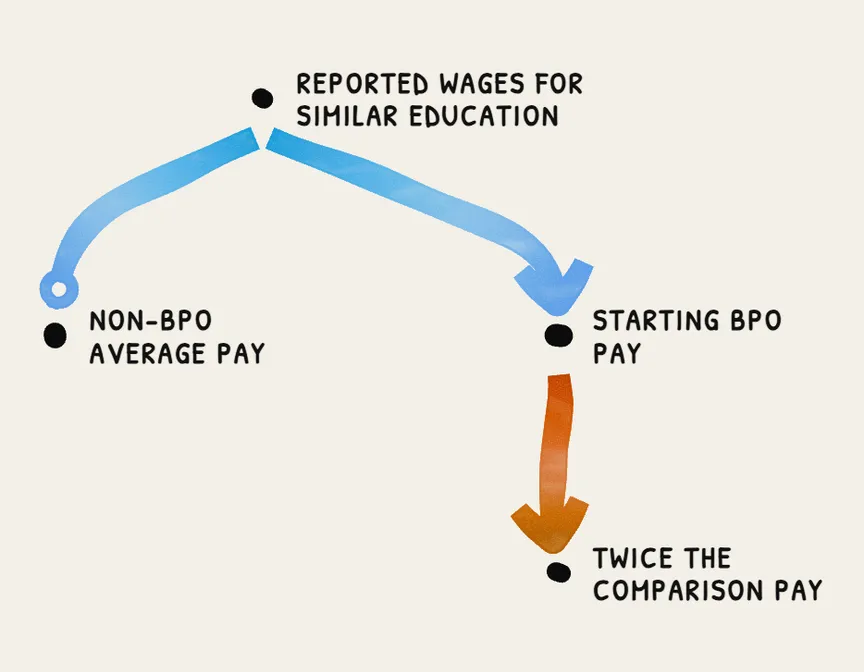
Promote modern service-sector industries (such as call centers and digital support) in emerging economies to leverage employer preferences for female labor and boost women's workforce participation.
Treat non-overlapping time shifts in shared physical facilities as distinct, independent sampling units when conducting field evaluations in multi-shift public infrastructure.
Implement multi-year phased rollout schedules for educational vouchers to allow private supply capacity to expand and prevent short-run overcrowding externalities.
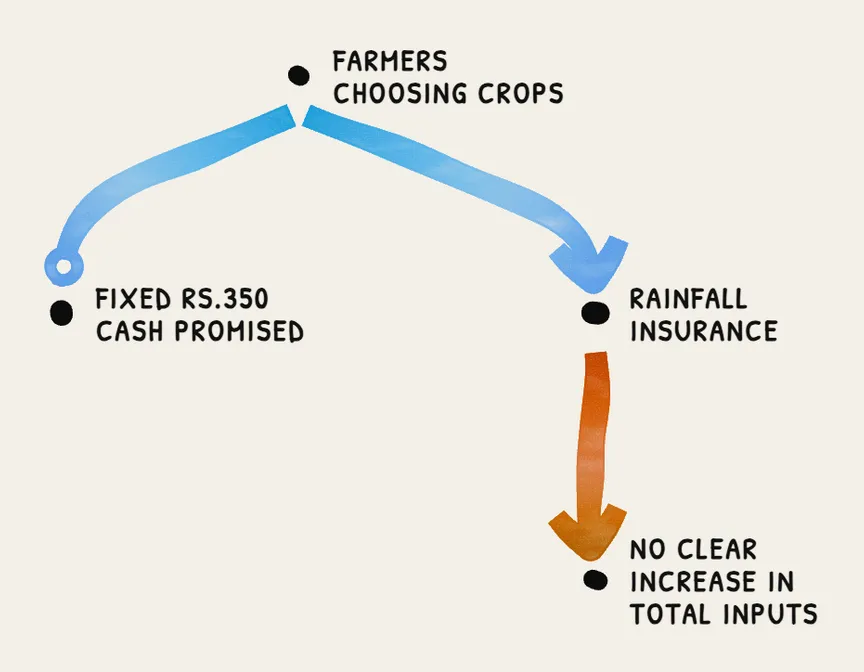
Evaluate agricultural risk interventions based on intra-portfolio input reallocation rather than expecting immediate expansion of total land under cultivation.
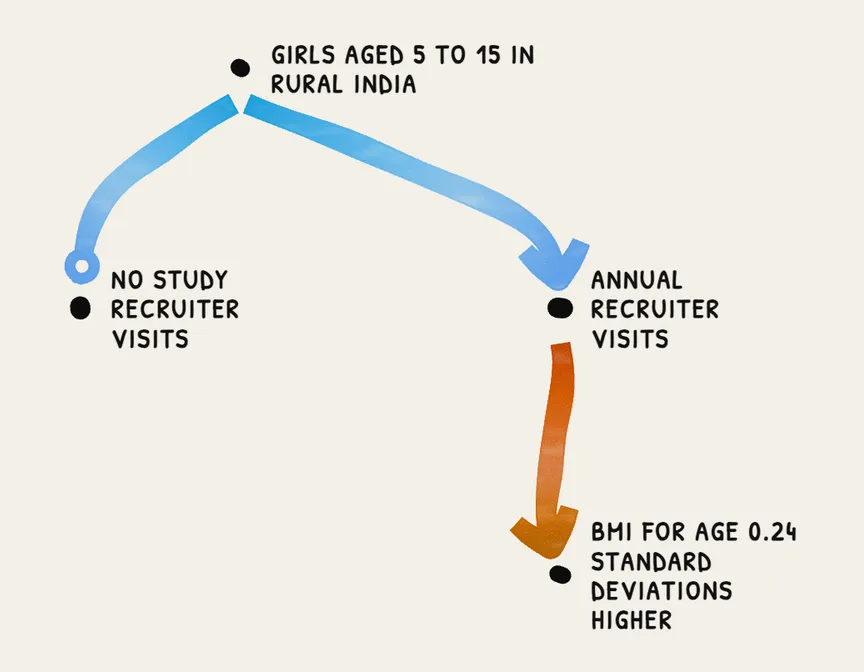
Utilize body mass index (BMI) z-scores rather than height-for-age z-scores when evaluating short-to-medium term nutritional improvements in child health interventions.
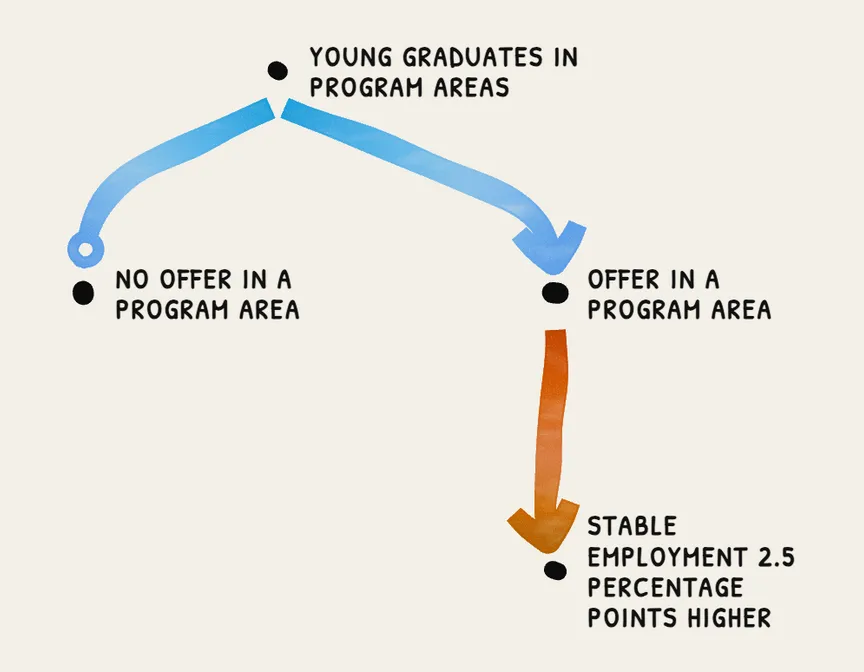
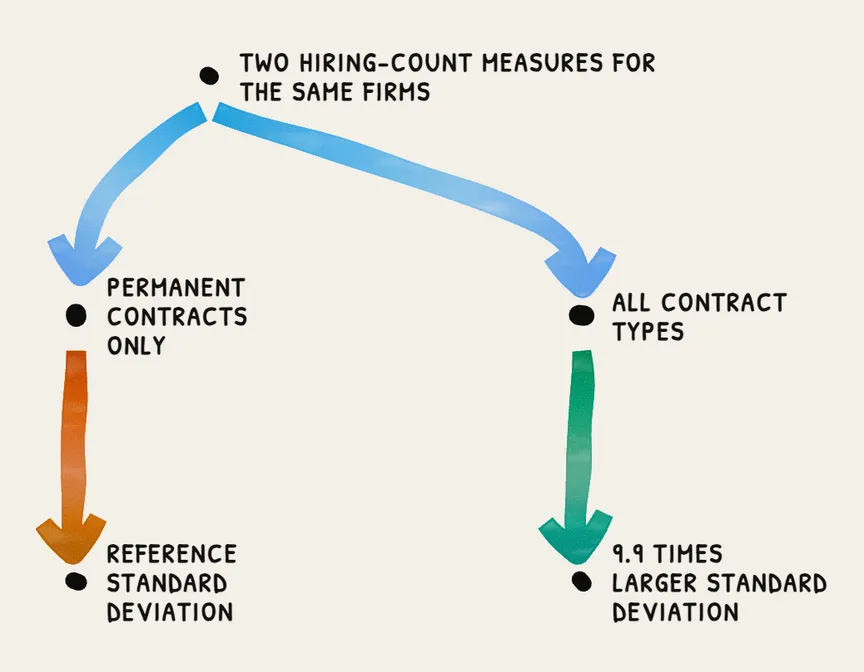
Isolate permanent contract hires or restrict evaluation windows to contracts exceeding minimum threshold durations when assessing active labor market policy impacts.
Guarantee pre-execution bonus payouts to referrers when testing screening mechanisms to prevent candidates from being privately incentivized through side payments.
Calculate cross-year covariance of performance metrics to isolate true signal standard deviation before establishing performance benchmark thresholds.
Construct skill certification tools that explicitly reduce candidate signal variance across multiple operational skill dimensions to satisfy risk-averse employer screening thresholds.
Restrict enterprise evaluation samples to single defined industries when evaluating specialized managerial capital interventions to maximize measurement precision.
Pair ambitious goal selection with structured, voluntary practice workbooks distributed over multi-day intervals to foster deliberate practice before evaluation.
Establish standardized third-party skill certification programs evaluating cognitive, mathematical, linguistic, and practical work-sample abilities for unemployed youth.
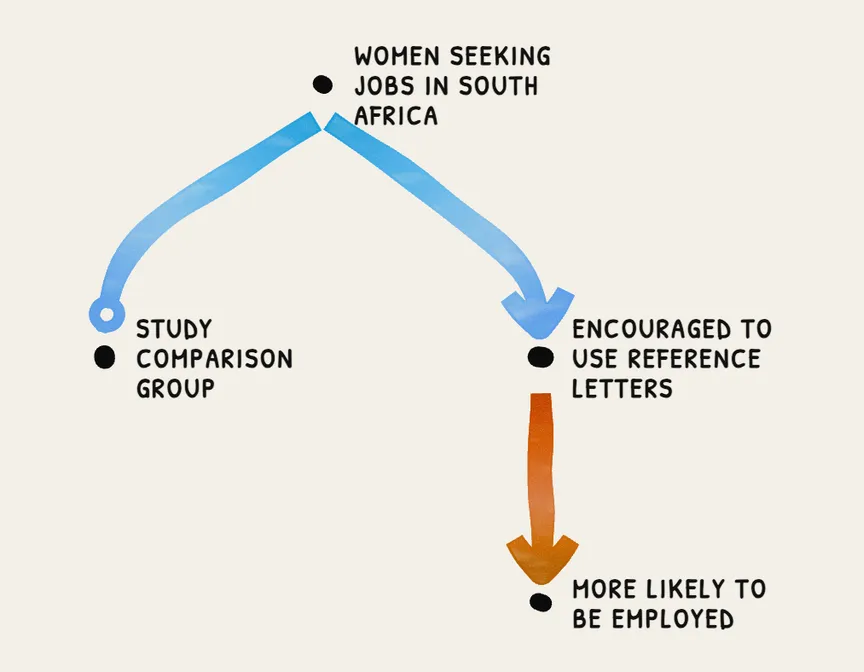
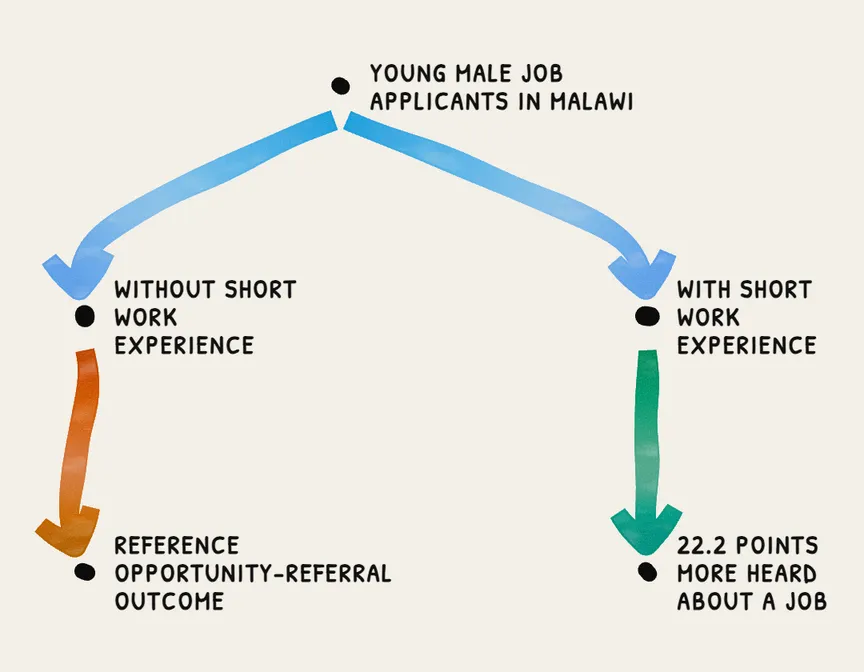
Integrate standardized skill certification modules and structured reference letter generation tools into public employment service platforms to help job seekers verifiably signal qualifications to employers.
Combine external theoretical exams with standardized practical assessments to provide portable skill certification that overcomes labor market information asymmetries.
Administer standardized cognitive and non-cognitive skill testing sessions to young job-seekers and issue official, certified performance bands for job application portfolios.
Collect high-frequency repeated measurements over extended time horizons when running interventions on small sample populations to achieve sufficient statistical power and exact inference.
Deploy structured multi-counterparty exposure events to induce empirical recalibration of expectations among over-optimistic market participants rather than relying solely on passive advice.
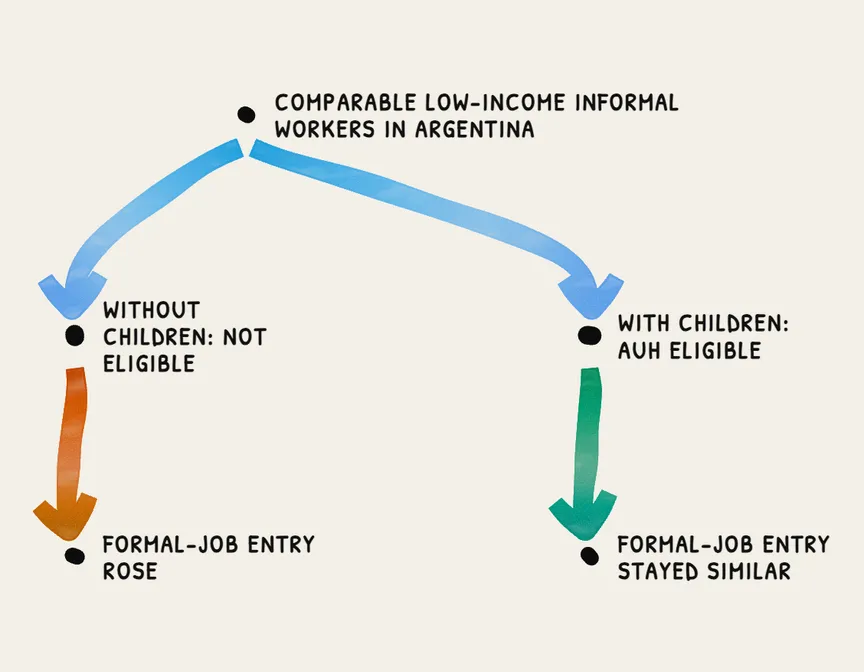
Design social protection transfers with gradual benefit roll-offs or universal coverage guarantees that persist regardless of formal employment status.
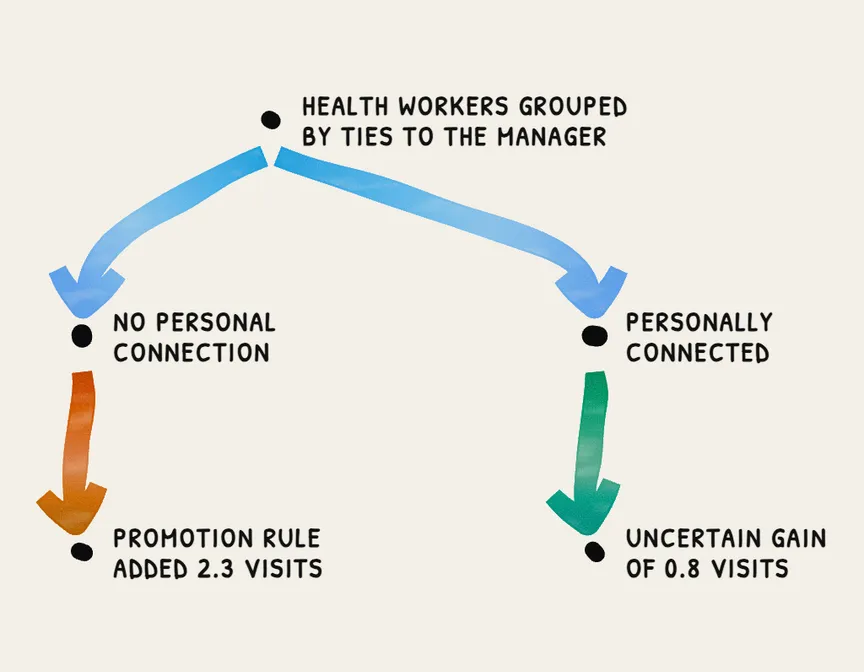
Implement objective, rule-based promotion systems to unlock latent productivity from non-politically connected frontline public sector employees who face discretionary barriers.
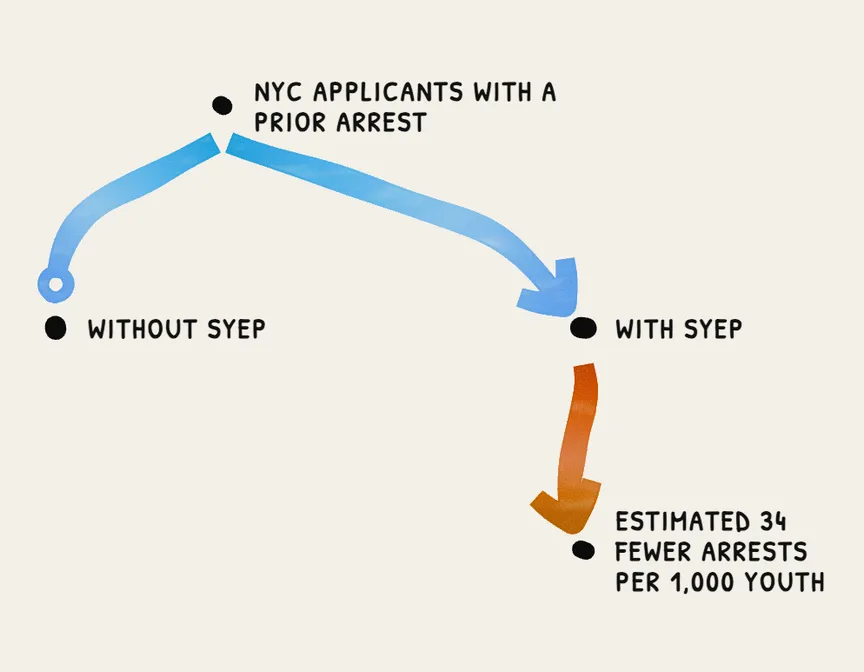
1. Incorporate subgroup-specific crime cost valuations into government cost-benefit models to justify targeted social program investments.
Structure remedial math instruction around students' sociocultural contexts and embed sessions within mandatory school timetables.
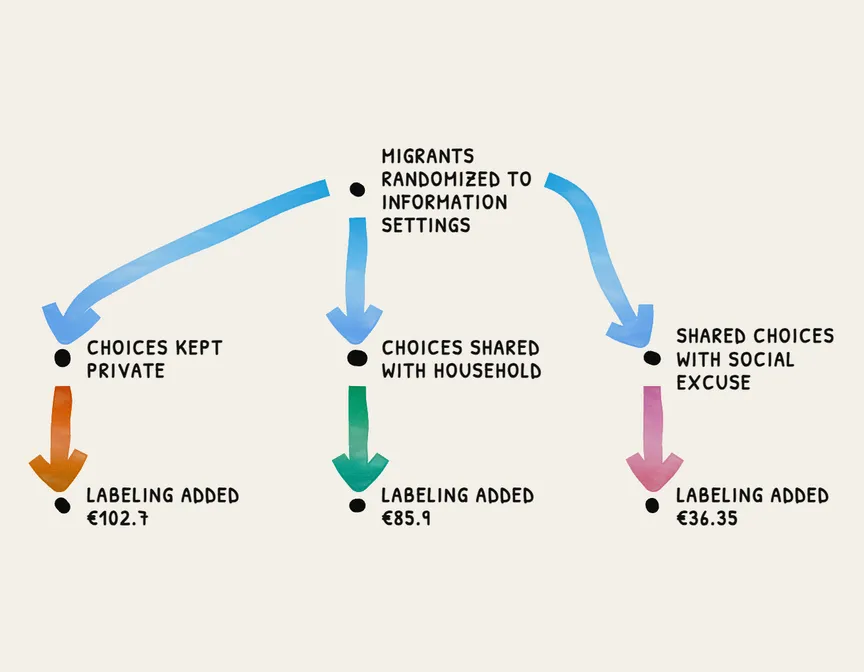
Frame formal remittance restrictions using third-party institutional mandates to minimize interpersonal conflict between senders and recipients.
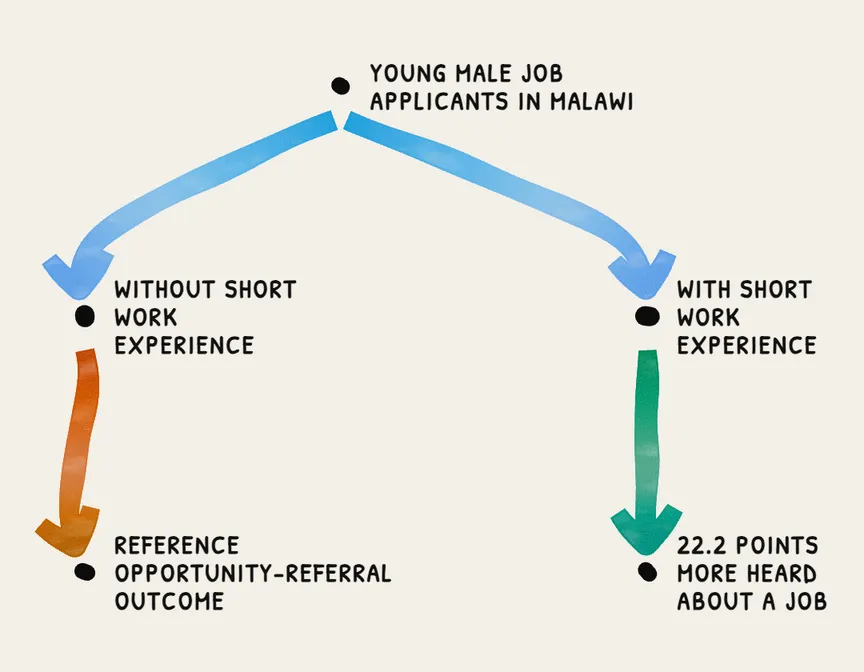
Structure active labor market programs to incorporate collaborative tasks and supervisor interactions that foster informal job referral connections among participants.
Design active labor market programs to maximize direct social interaction among participants and supervisors rather than relying exclusively on isolated technical instruction.
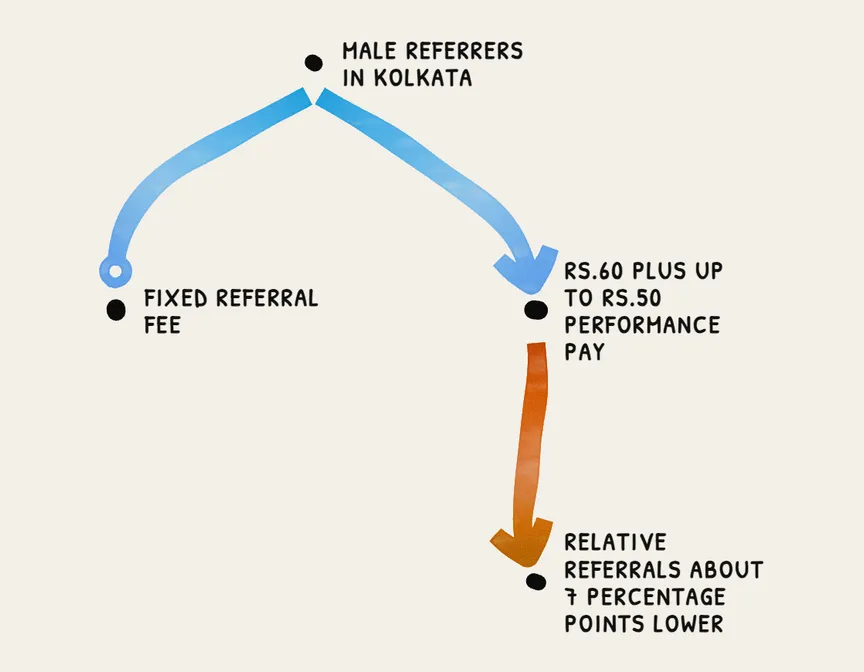
Decouple employee recruitment from informal social safety-net obligations by avoiding unindexed finder's fees that encourage workers to subsidize relatives.
Page 19 of 23
Previous
1
…
18
19
20
…
23
Next