Skip to the findings
Menu
aikyam
school
Findings
Methods
Subjects
All cards
Read
Findings
Methods
Subjects
All cards
Findings
1,083 findings
Administer open-ended visual attribution tasks to gauge worker mental bandwidth and financial stress reduction following organizational compensation adjustments.
Regress outcome data availability indicators on assigned treatment ratings to test for attrition bias in multi-site randomized field trials.
Apply conservative differential mean and standard deviation imputation bounds to longitudinal trial data to confirm treatment effect robustness against attrition.
Implement mandatory unannounced third-party audit back-checks on a random 25% sample of performance evaluation data to eliminate collusion and reporting bias.
Establish biweekly joint case-review meetings between municipal social caseworkers and public employment counselors to co-manage unified inclusion itineraries for minimum income recipients.
Structure workplace training modules around personal goal-setting and self-congruence to shift frontline employee motivation from external compliance to identified autonomous regulation.
Enforce strict experimental controls preventing caseworkers from modifying auxiliary program assignments based on contract timing to isolate behavioral compliance mechanisms.
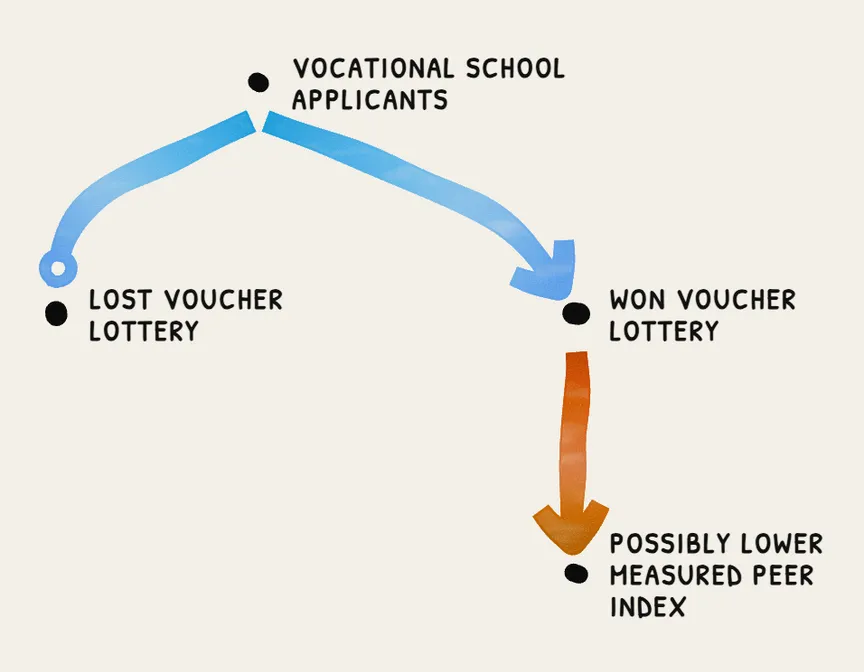
Aggregate correlated school quality metrics into a standardized Average Effect Size index to increase statistical power when evaluating small institutional sample sizes.
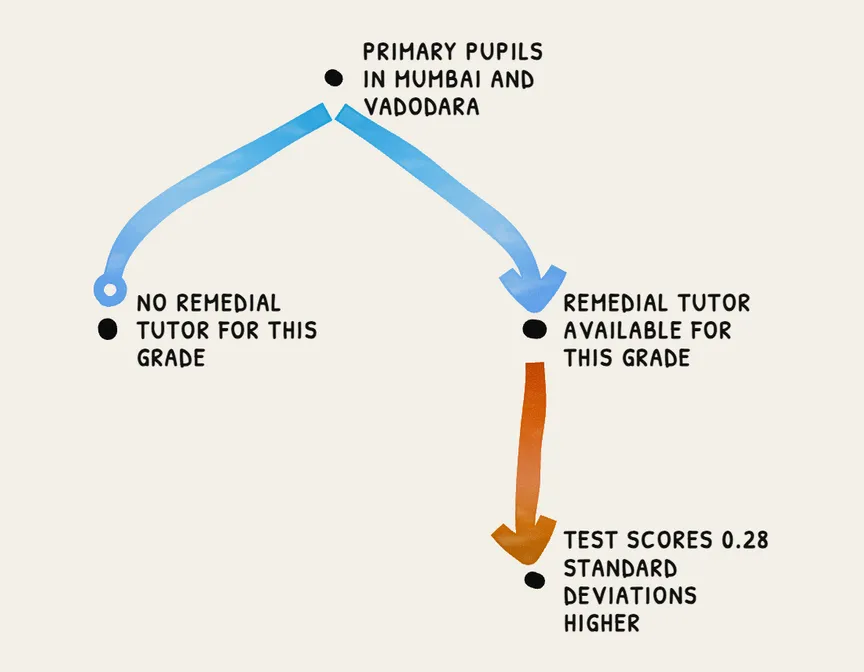
Employ secondary-school educated community members to provide two hours of daily targeted foundational literacy and numeracy tutoring to low-performing primary students outside the main classroom.
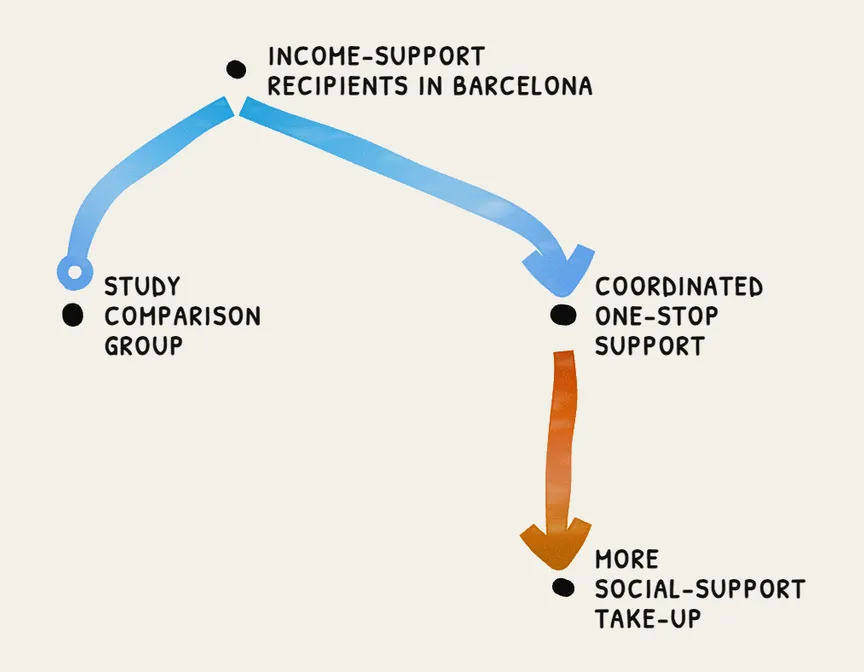
Assign specialized municipal caseworkers to conduct holistic intake assessments for minimum income recipients to streamline access and increase take-up of auxiliary social support programs.
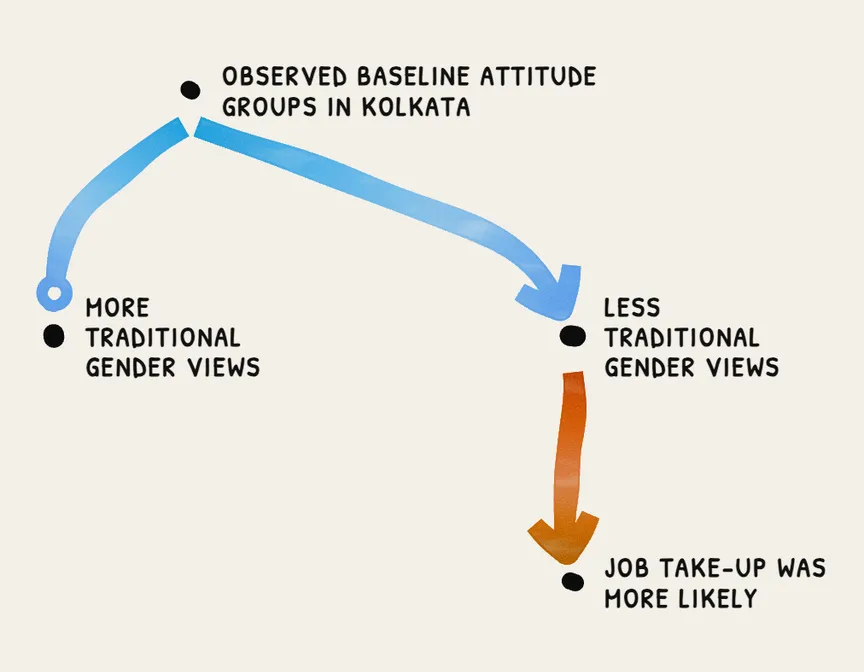
Incorporate baseline gender attitudinal screening when targeting economic recruitment campaigns to identify populations requiring additional norm-shifting support.
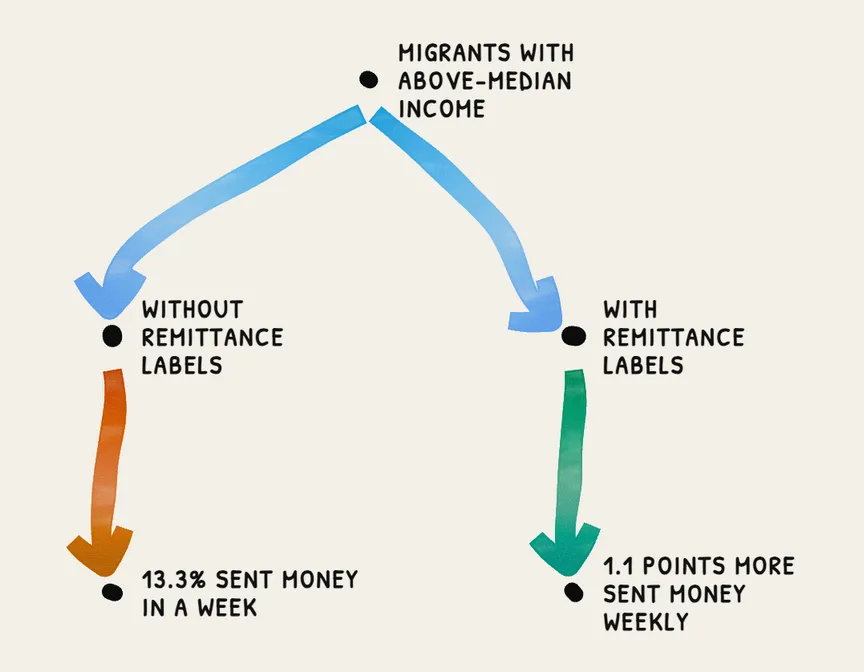
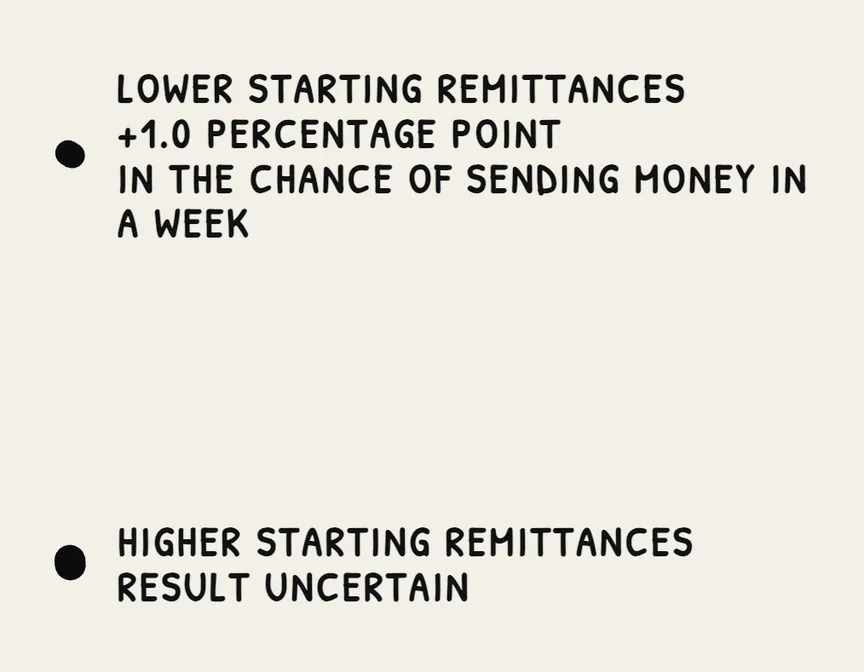
Target financial behavior labeling features toward higher-income migrant segments who possess unallocated discretionary income capacity.
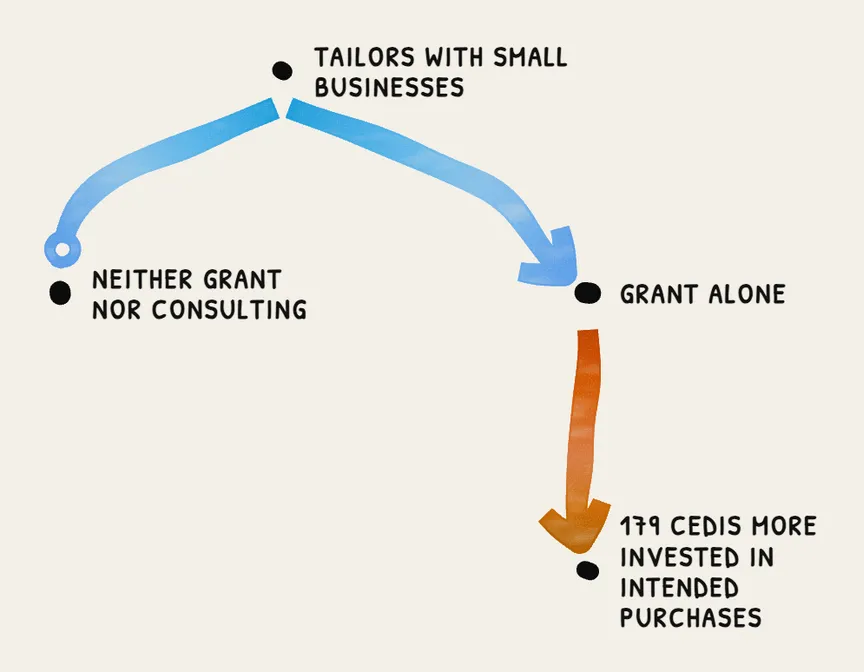
Measure baseline specific investment intentions separately from aggregate asset flows to capture short-run liquidity relaxation without assuming long-term capital growth.
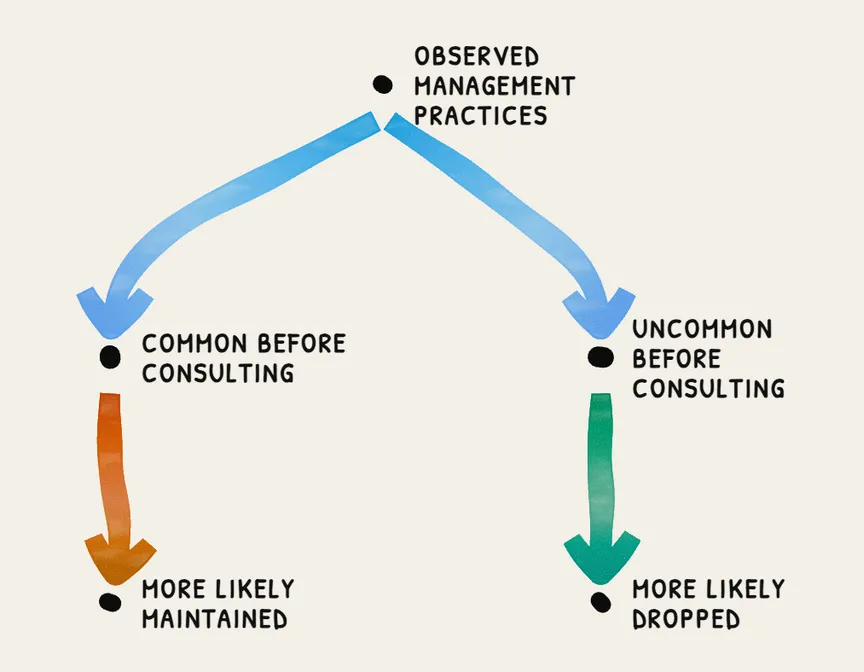
Focus management transformation programs on embedding standard industry-wide operational practices before introducing complex or novel analytical routines.
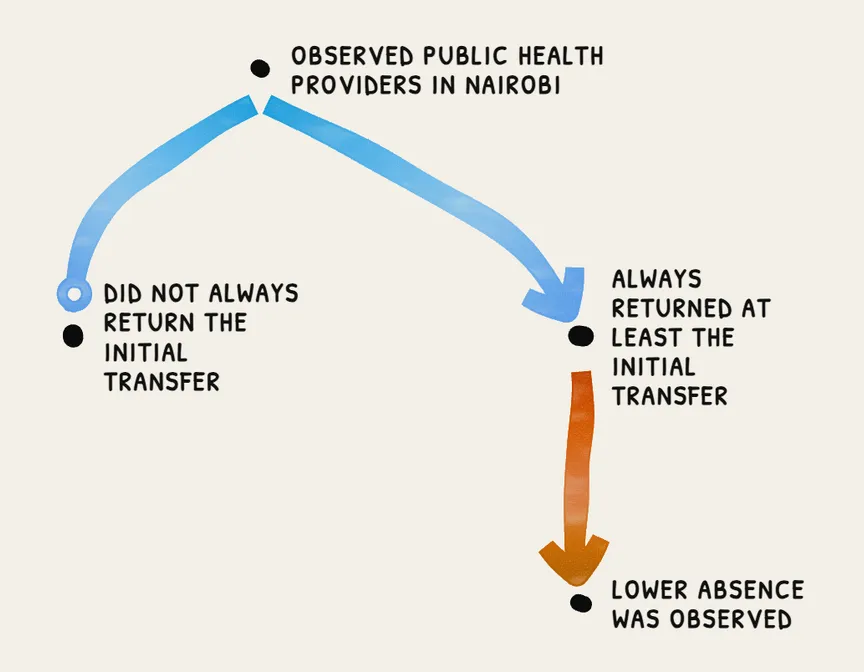
Utilize behavioral game exercises during public health workforce screening to identify candidate intrinsic prosociality and mitigate downstream employee absenteeism.
Segment financial policy evaluations by pre-treatment transaction volume to detect intervention impacts specific to under-performing user segments.
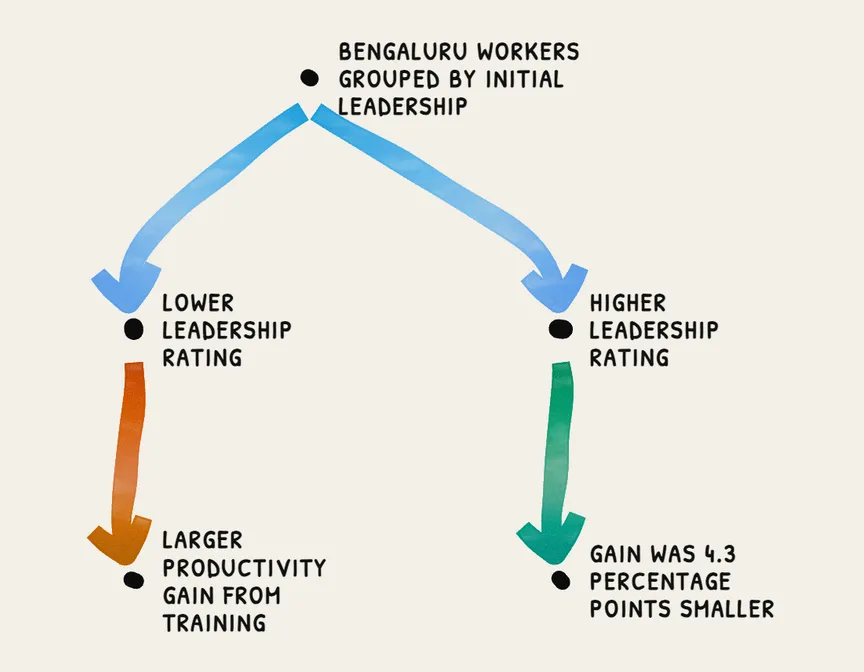
Target enterprise soft skills training programs preferentially to frontline employees identified as lacking baseline leadership or formal education to maximize marginal productivity returns.
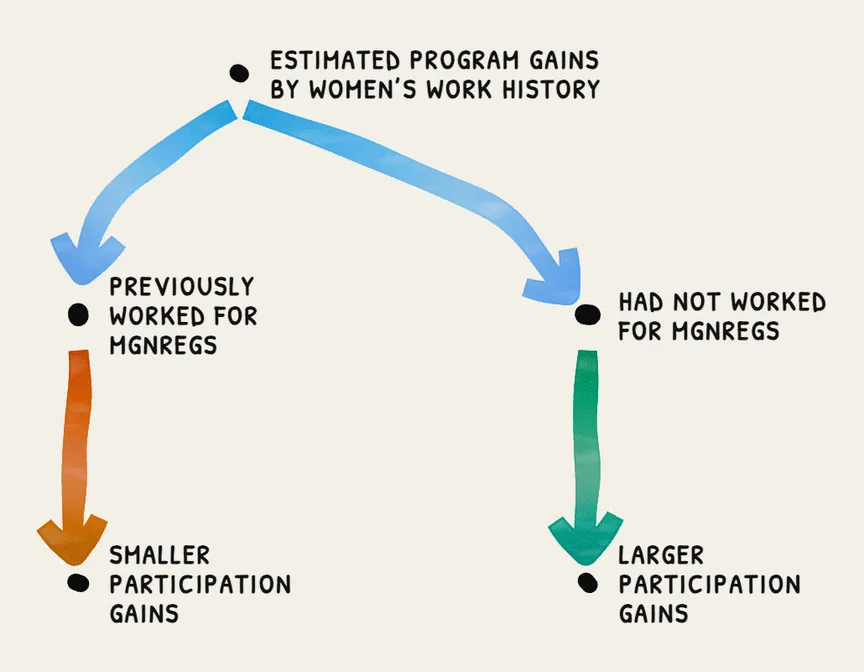
Prioritize unengaged, socially constrained non-workers rather than active laborers when enrolling participants in targeted financial control programs.
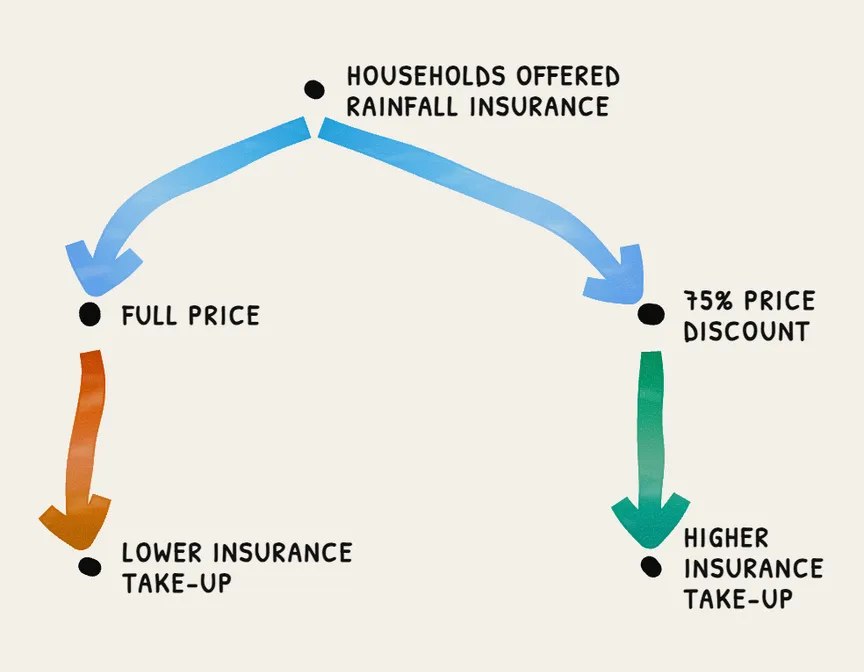
Deploy localized micro-weather sensor networks or satellite-derived precipitation indexes to minimize spatial basis risk and increase voluntary insurance adoption.
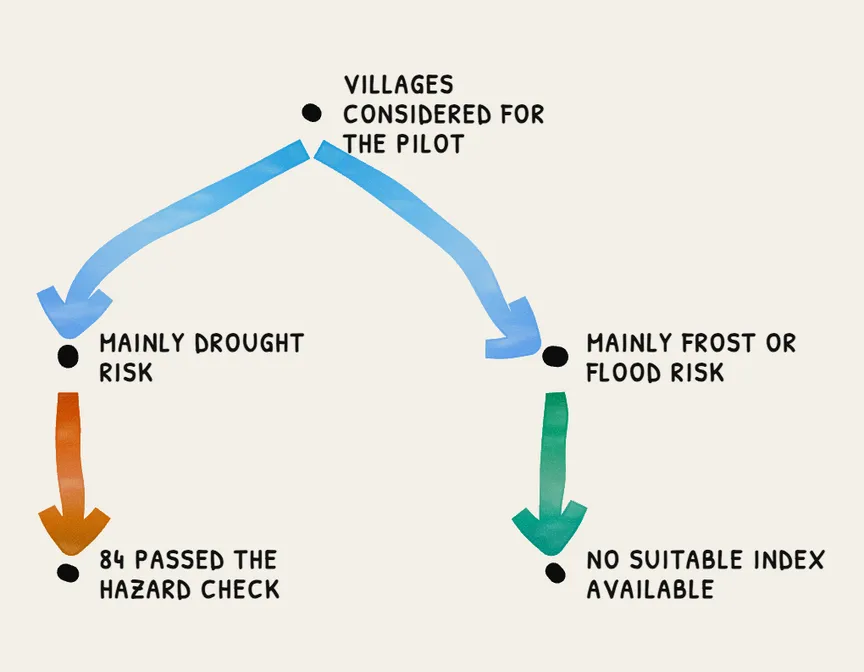
Establish dense weather monitoring networks or satellite remote-sensing indices to minimize spatial and peril mismatch before offering index insurance products to farmers.
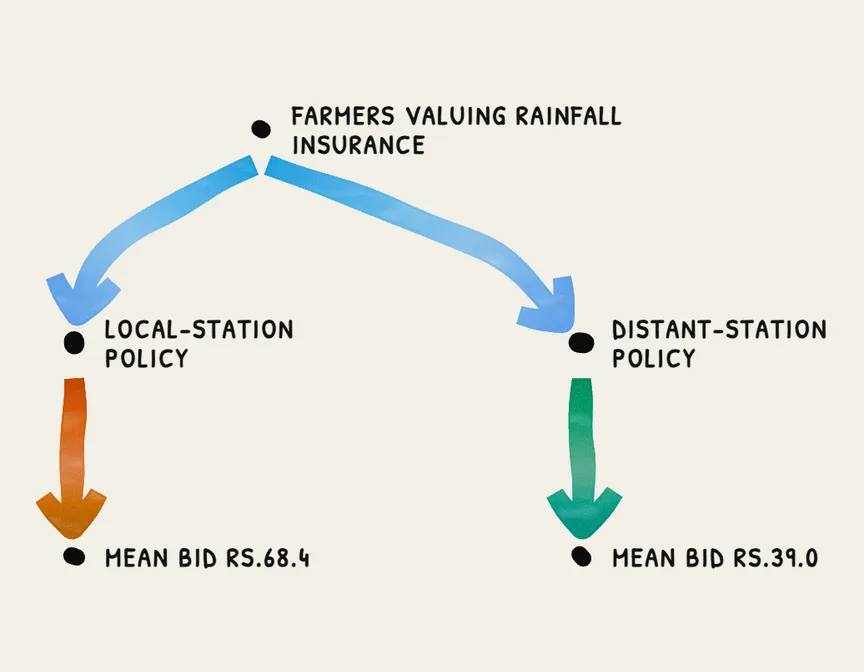
Deploy dense networks of automated weather stations or satellite-derived rainfall indices to reduce distance-induced basis risk before marketing index insurance to smallholder producers.
Calculate empirical Bayes posterior expectations of individual random coefficients to create un-attenuated interaction terms for secondary causal regressions.
Account for social learning dynamics when releasing aggregate diagnostic testing data in public health campaigns to avoid unintended shifts in population risk perceptions.
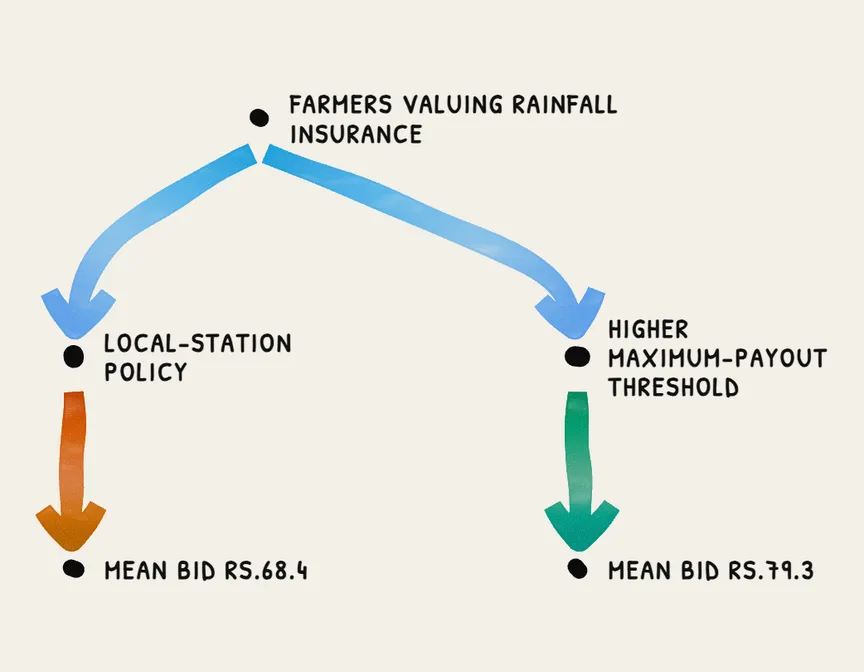
Regulate private microinsurance contract structures to prevent insurers from exploiting consumer behavioral biases through high-frequency, low-value policy tweaks that under-protect against severe tail events.
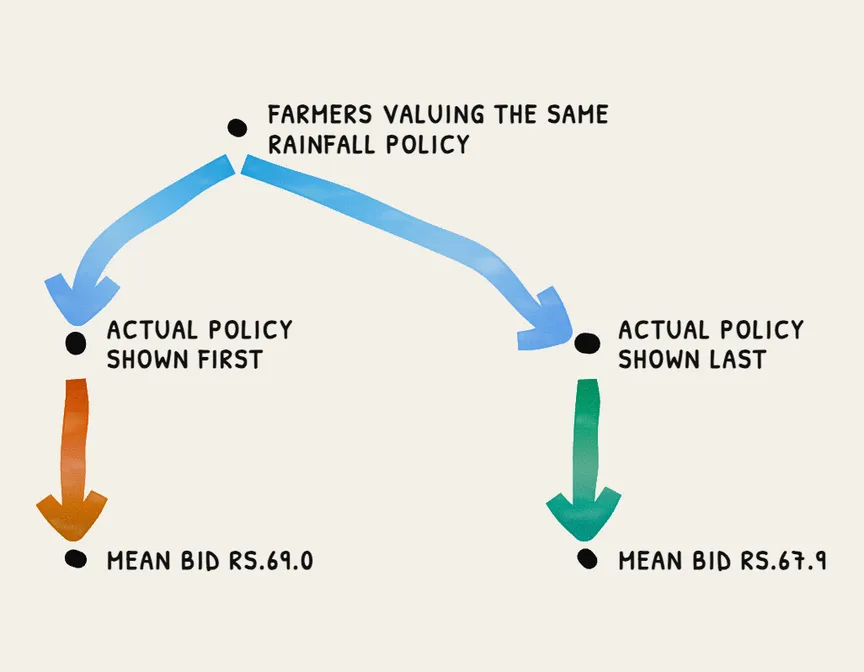
Randomize and test presentation sequences when deploying incentive-compatible BDM auctions to ensure contract valuation measurements are free from cognitive anchoring biases.
Conduct practice bidding rounds using simple tangible items like chocolate bars before administering BDM willingness-to-pay mechanisms for complex financial products.
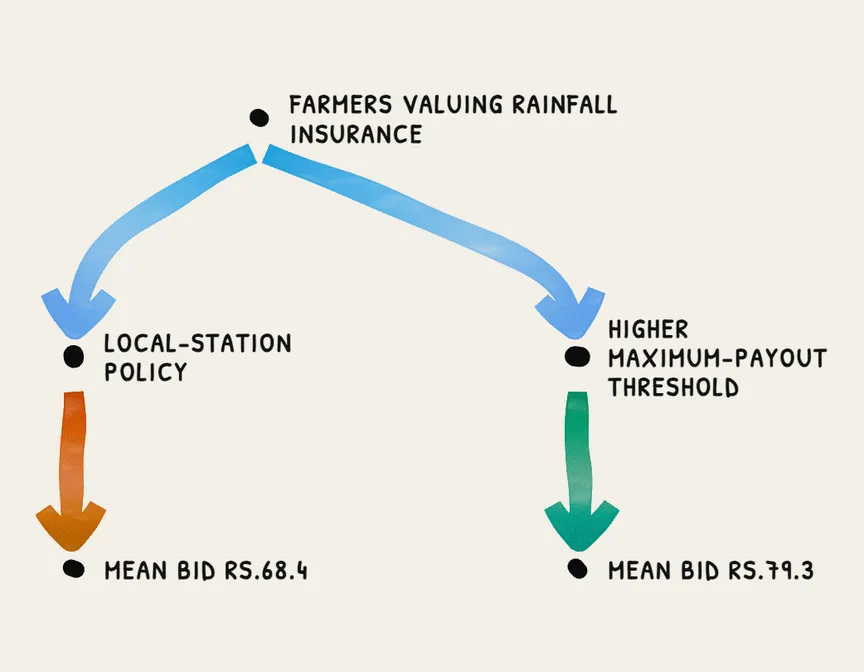
Regulate and standardize retail index insurance contract parameters to prevent commercial insurers from offering policies that exploit consumer misvaluation of severe tail events.
Implement a BDM random wage draw mechanism in experimental field settings to decouple revealed reservation wages from actual assigned piece-rate pay.
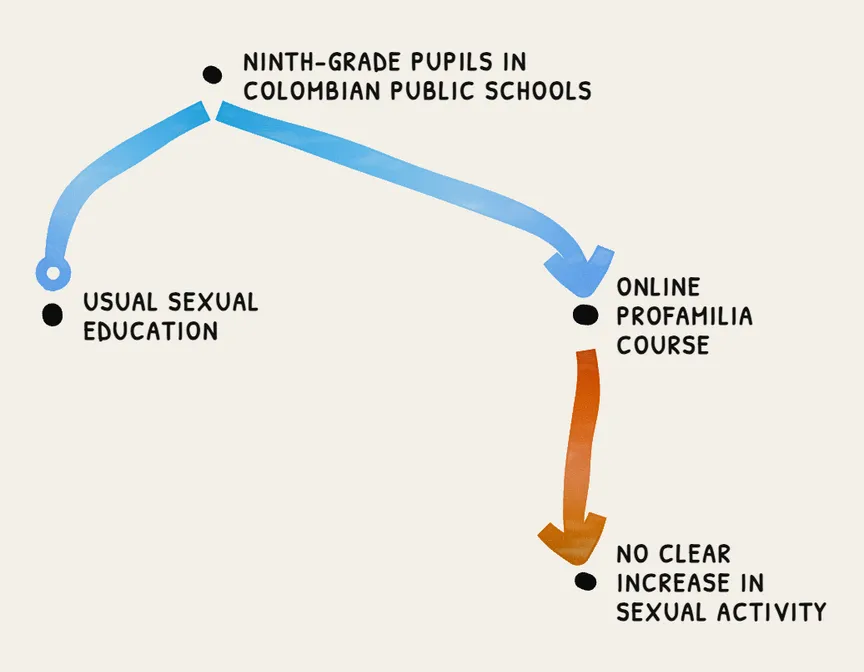
Implement comprehensive sexual education and condom access programs without fear of increasing adolescent sexual activity rates.
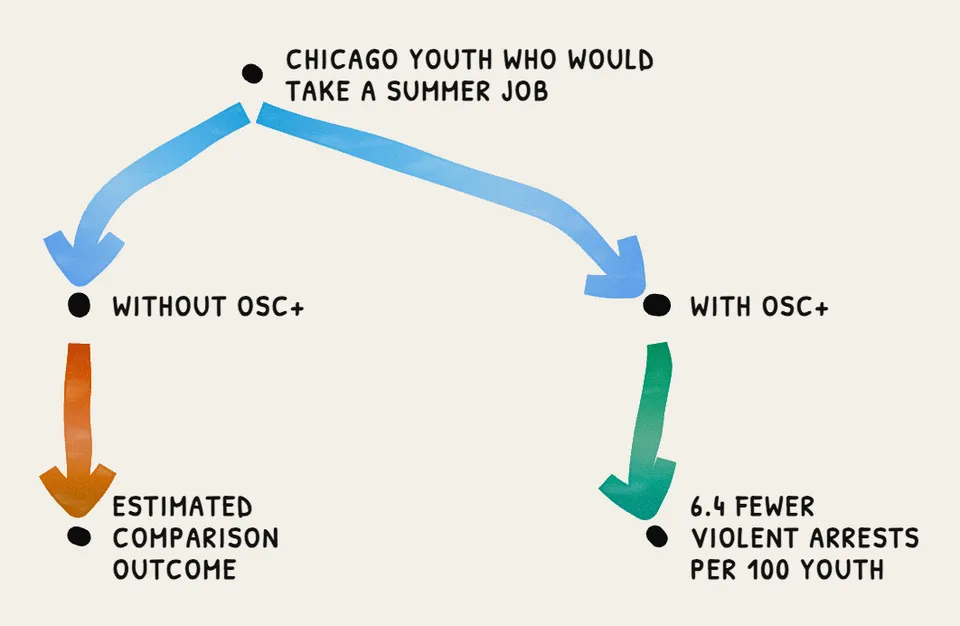
Structure youth employment interventions around experiential skill formation rather than relying on physical monitoring to achieve durable crime reductions.
Incorporate a standardized 60-to-90-minute personality and behavioral screening protocol into supervisory promotion and hiring pipelines.
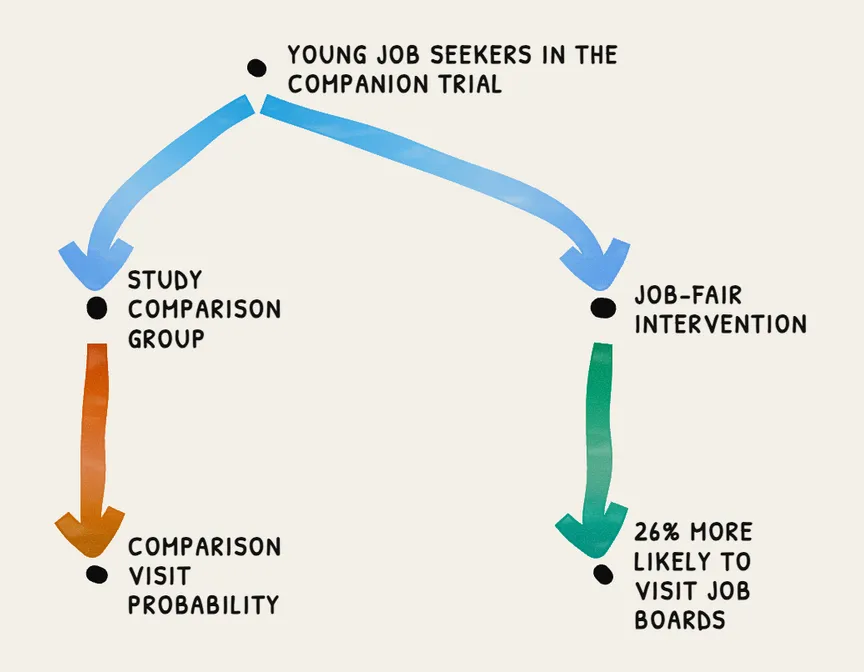
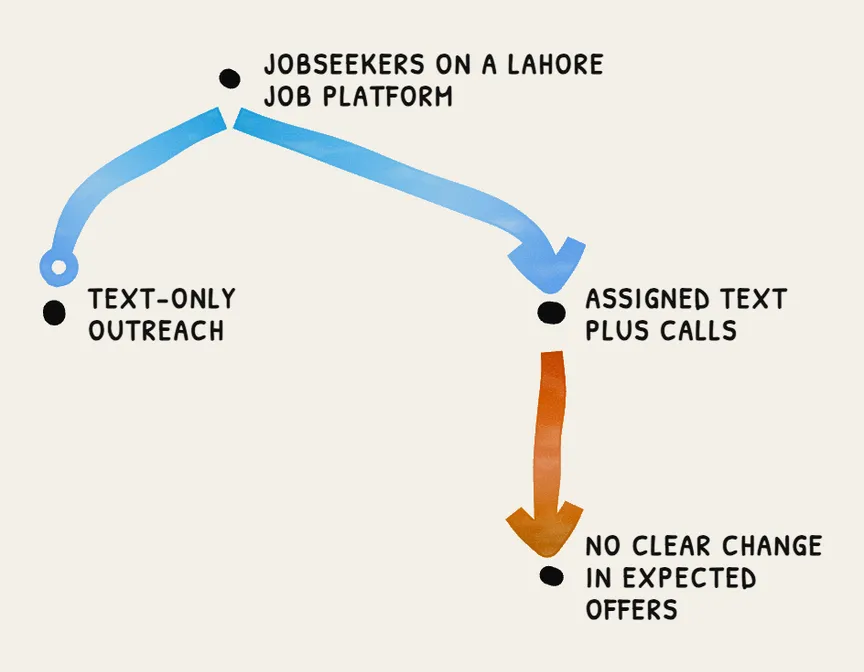
Evaluate active labor market programs by measuring long-term behavioral changes in search strategy and belief calibration rather than evaluating interventions solely on immediate direct match placements.
Disambiguate behavioral interventions by evaluating whether outreach alters user beliefs about outcome probabilities or merely removes execution steps.
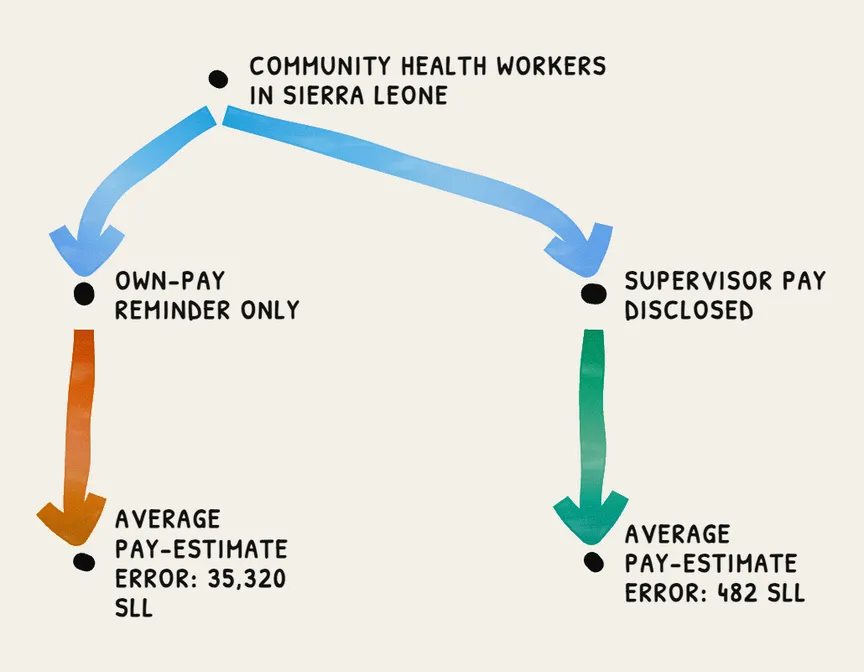
Publish transparent, easily accessible public sector wage bands to eliminate widespread employee misperceptions regarding supervisor compensation.
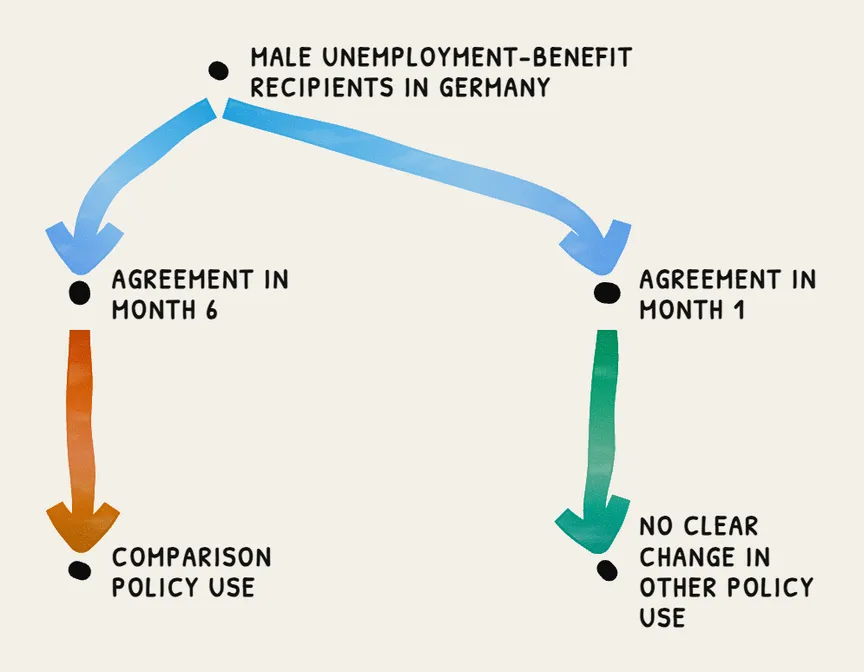
Enforce a temporary benefit sanction window for voluntary job quitters to maintain job retention incentives and prevent moral hazard in benefit administration.
Incorporate ex-post Bertrand wage competition into equilibrium search models when evaluating labor market programs that increase simultaneous job offer probabilities per worker.
Limit policy claims regarding teacher value-added validity to within-school comparisons unless inter-school random reassignment data become available.
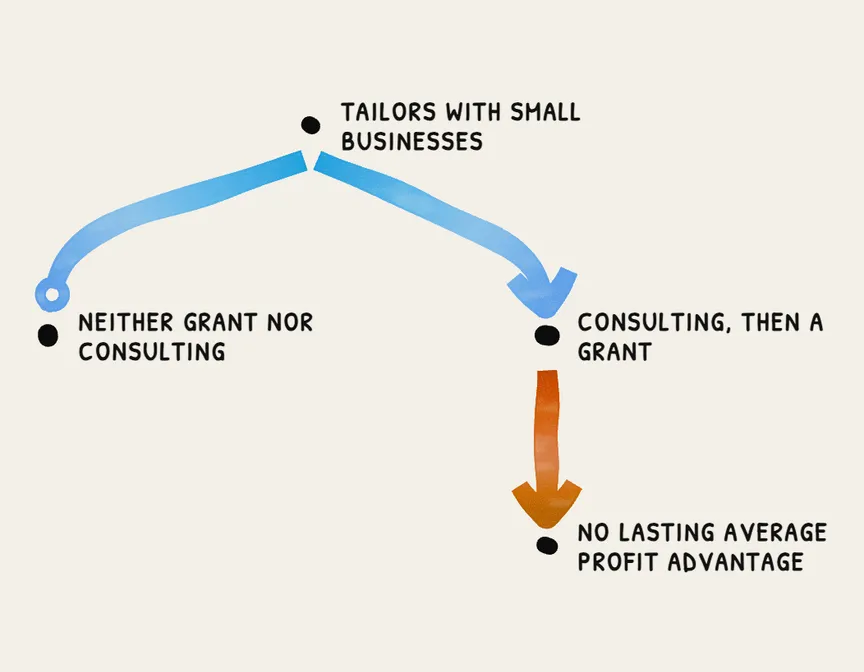
Reject universal "big push" capital and consulting grants as a mechanism for force-scaling microenterprises into formal medium-sized firms without screening for firm demand and managerial capacity.
Assign social trial participants using birthdate splits (1st–15th vs. 16th–31st) to implement transparent, unmanipulable field randomization.
Configure applicant tracking systems (ATS) to automatically strip candidate names, foreign location identifiers, and institutional names prior to initial HR screening.
Incorporate annual firm recruitment intention survey data as a core stratification variable when designing randomized labor market field experiments.
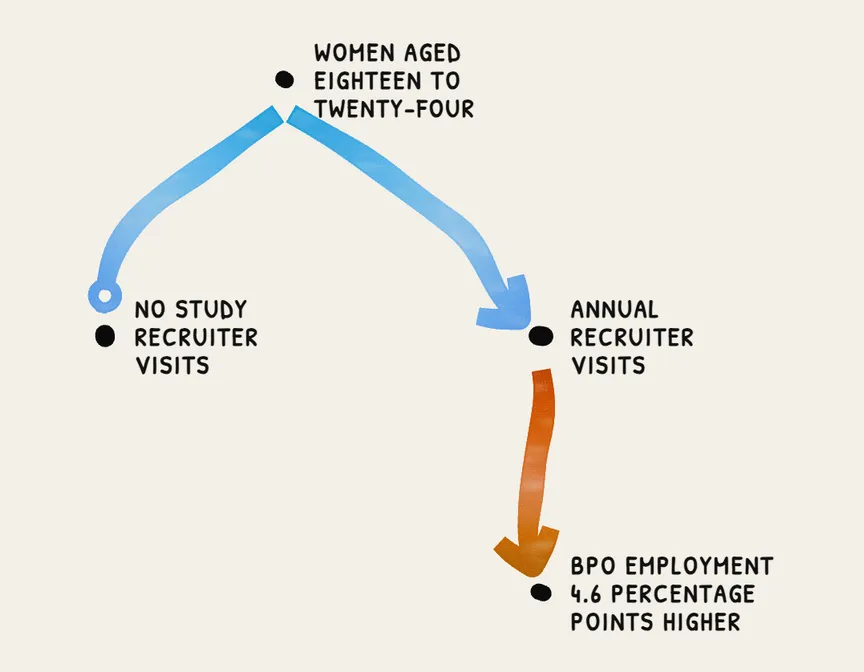
Deploy experienced industry recruiters to deliver structured, women-only annual information sessions regarding urban job specifications, qualifications, compensation levels, and placement contacts in rural communities with low information access.
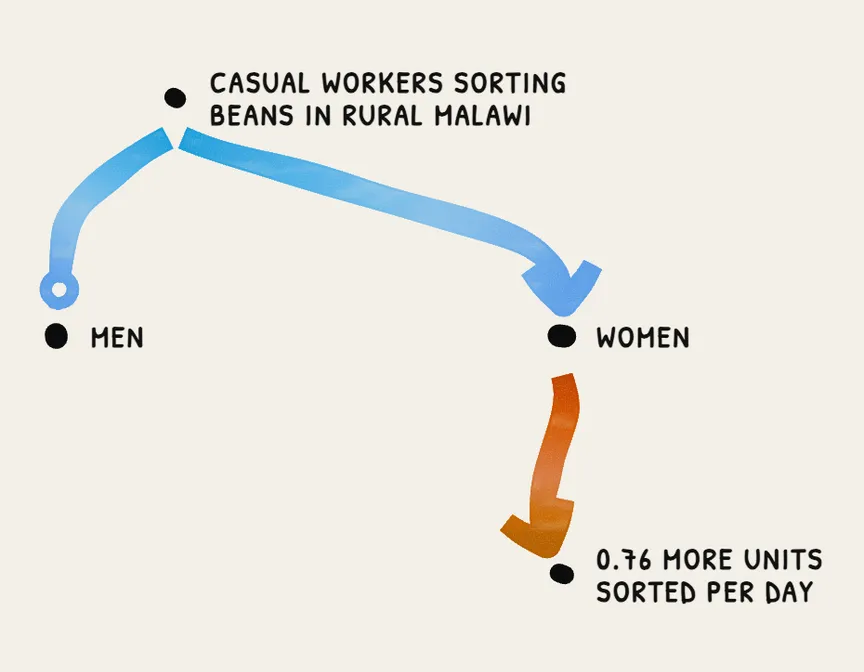
Align task assignments with gender-differentiated comparative advantages rather than assuming uniform productivity across agricultural tasks.
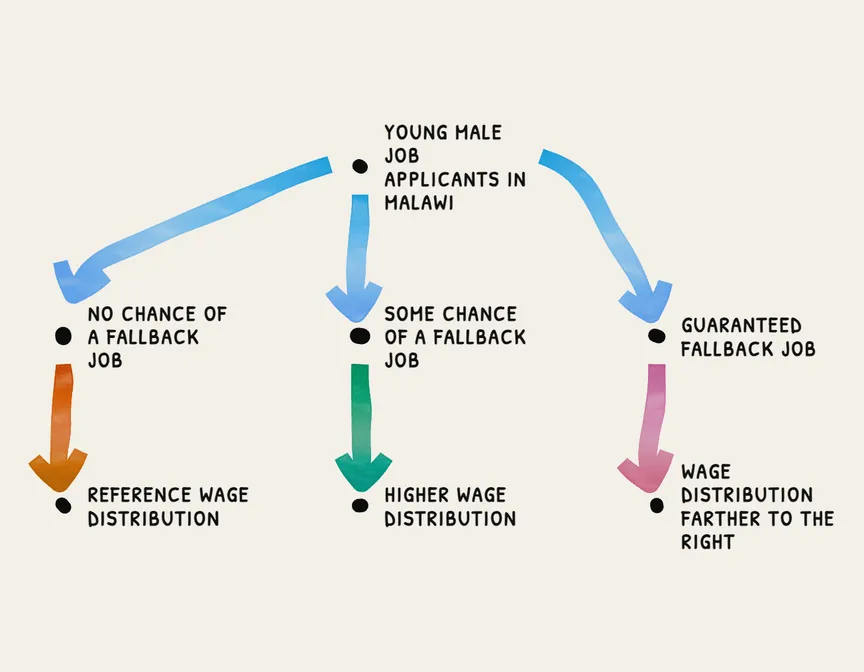
Plot cumulative distribution functions of wage outcomes when evaluating employment interventions to confirm that wage growth is broad-based across all income quantiles.
Evaluate whether digital financial tools drive behavioral adoption through sender personal mental accounting rather than enforcement mechanisms over recipients.
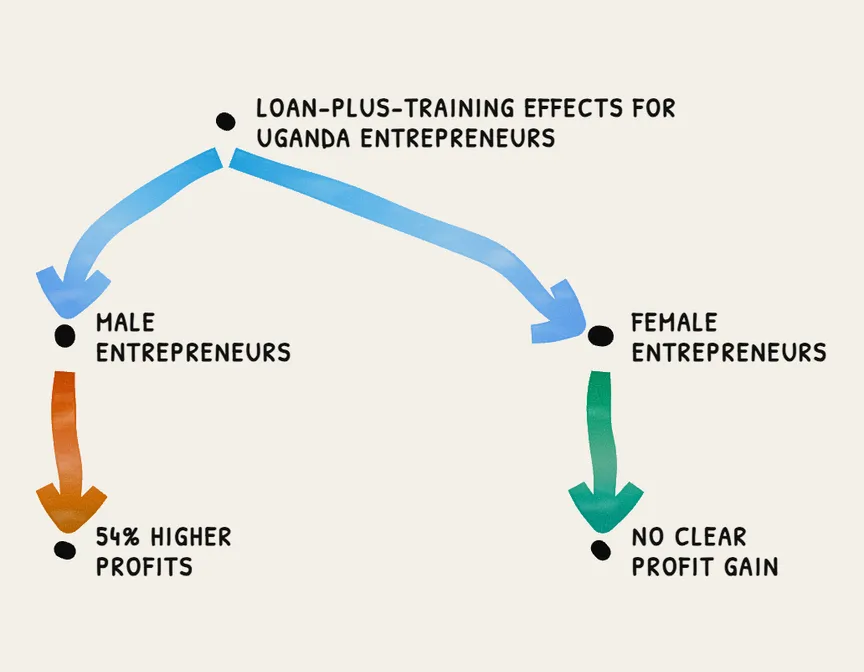
Unbundle capital grants from mandatory classroom training requirements unless the business training curriculum is explicitly adapted to address the social and domestic constraints of the target entrepreneurs.
Schedule direct, cost-free gynecologist visits and contraceptive counseling sessions for working-age women to lower procedural barriers to specialized healthcare.
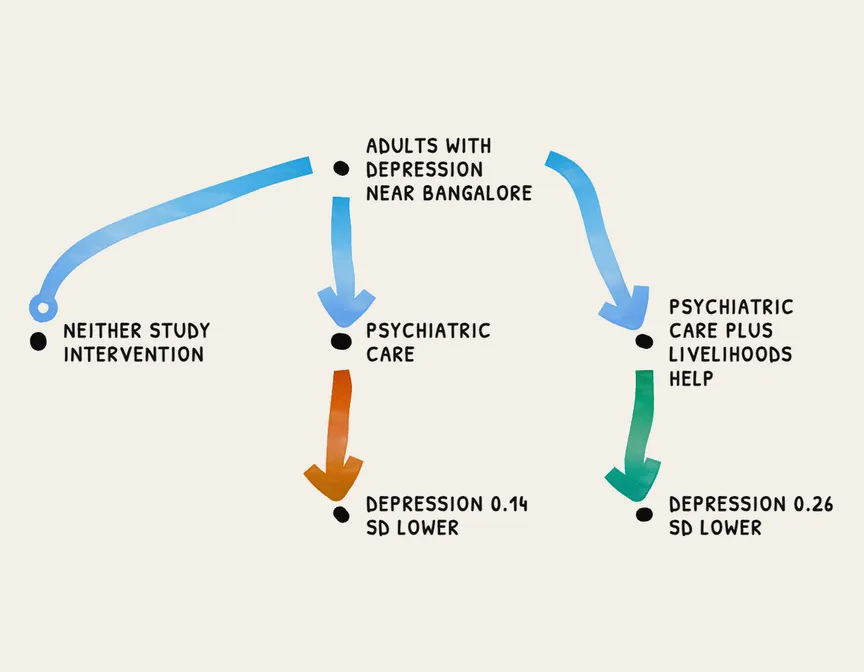
Package clinical psychiatric care with group work-challenge meetings and one-on-one job placement support to achieve cost-effective, persistent mental health gains.
Page 2 of 23
Previous
1
2
3
…
23
Next