Skip to the findings
Menu
aikyam
school
Findings
Methods
Subjects
All cards
Read
Findings
Methods
Subjects
All cards
Findings
1,083 findings
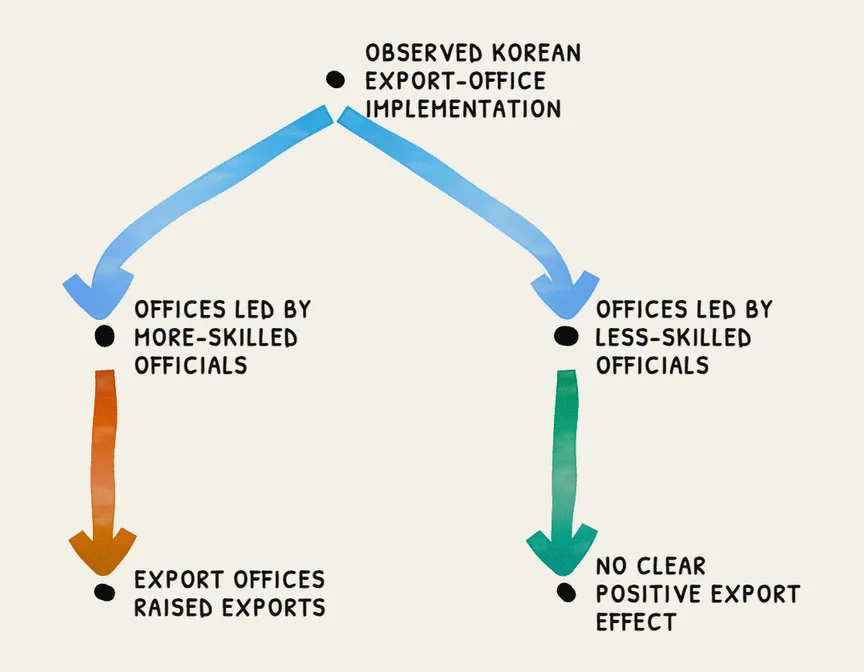
Assess and screen public officials for specialized managerial and commercial competencies before deploying them to lead international trade promotion offices.
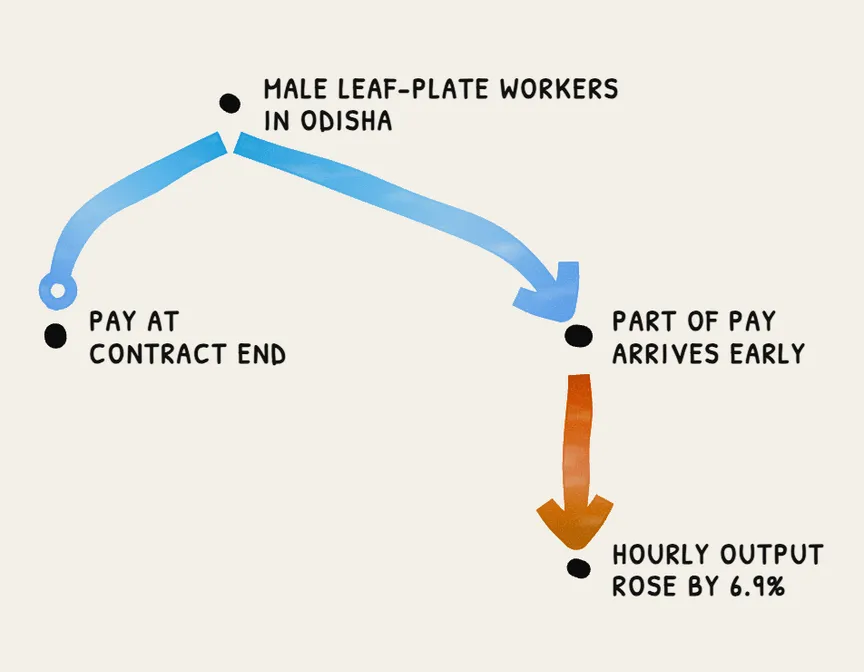
Restructure organizational payroll technologies to offer flexible or cadence-matched payout options that align wage disbursement with workers' major debt and expenditure due dates.
Apply calibrated income (-0.09) and compensated wage (0.15) elasticities when modeling structural labor supply changes in response to means-tested transfer adjustments.
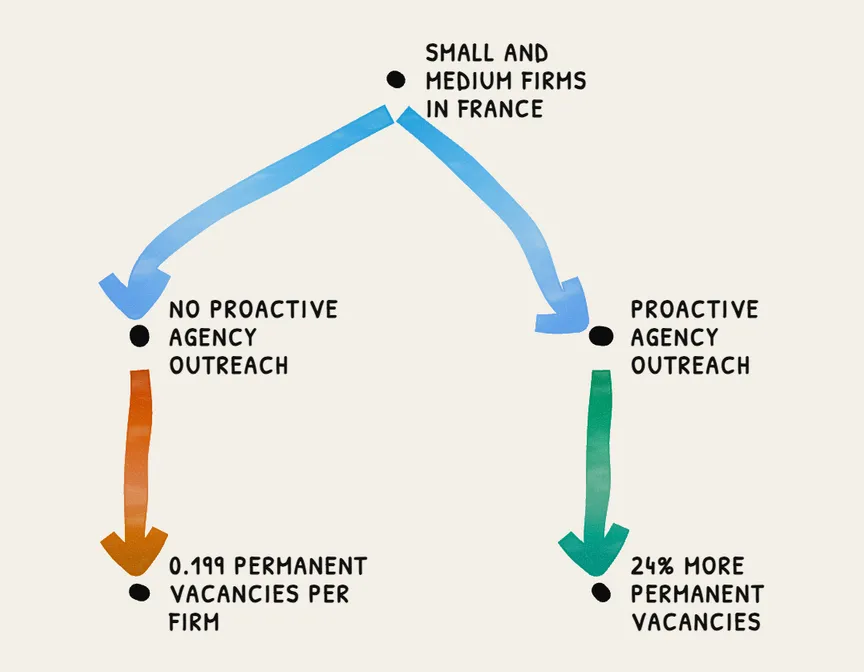
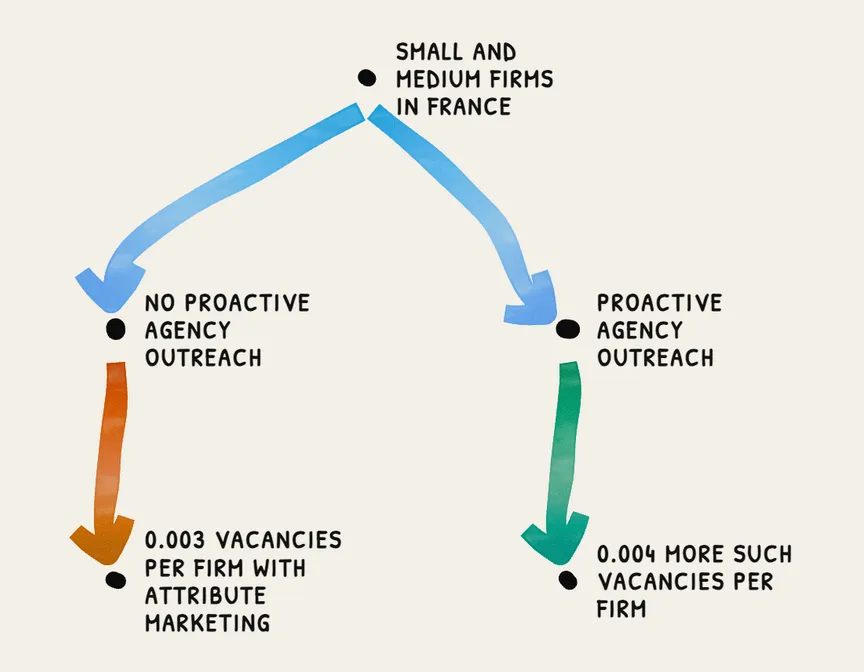
Delegate candidate initial verification and pre-selection screening to intermediary agency caseworkers to restrict applicant volume and lower private firm evaluation effort.
Offer workplace immersion trials and counselor-backed candidate attribute endorsements to employers to verify unobservable soft skills before contract finalization.
Evaluate microcredit flexibility interventions using multi-year follow-up horizons to capture full intertemporal compounding effects on microenterprise capital.
Measure firm liability substitution and debt reduction alongside physical asset investment when evaluating cash transfer interventions.
Reallocate public policy funding in low-income labor markets from standalone classroom skills training toward direct capital injections and micro-grants for job seekers.
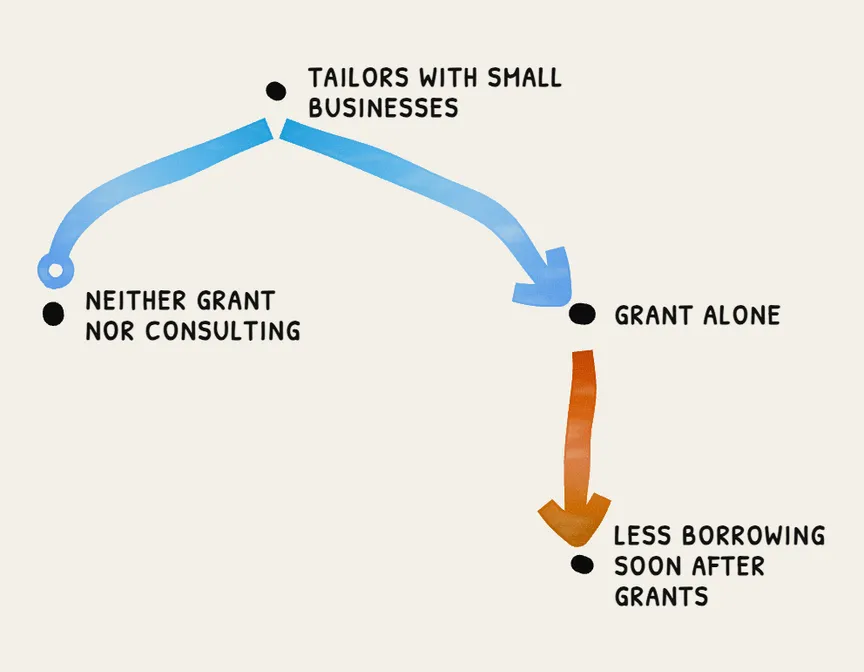
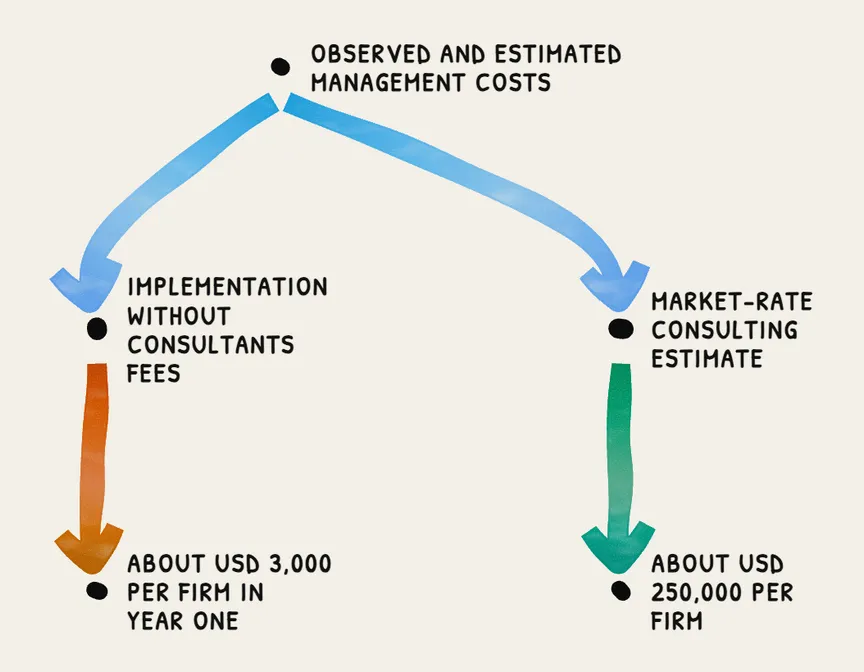
Structure financial assistance or subsidy programs specifically for intangible operational training and advisory services rather than physical equipment acquisitions when targeting enterprise productivity.
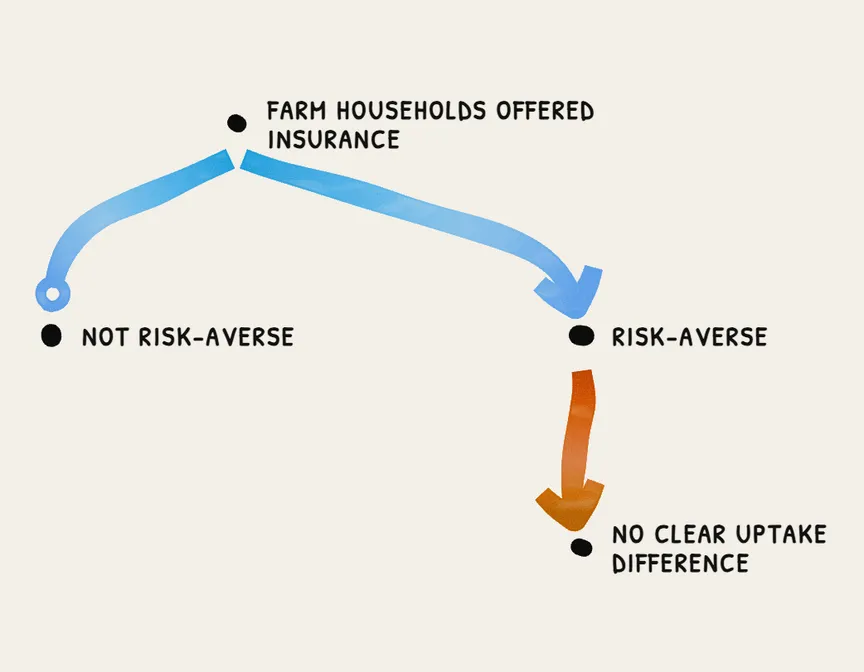
Introduce targeted risk-hedging financial instruments to reduce uninsurable background risk, enabling risk-averse producers to reallocate capital into higher-yielding production activities.
Embed mandatory non-technical workshops covering time management, critical thinking, professional communication, and conflict resolution into technical training schedules.
Implement a master-clinician-to-teacher cascade training model using standardized instruction handbooks to scale socio-emotional workshops within public school networks.
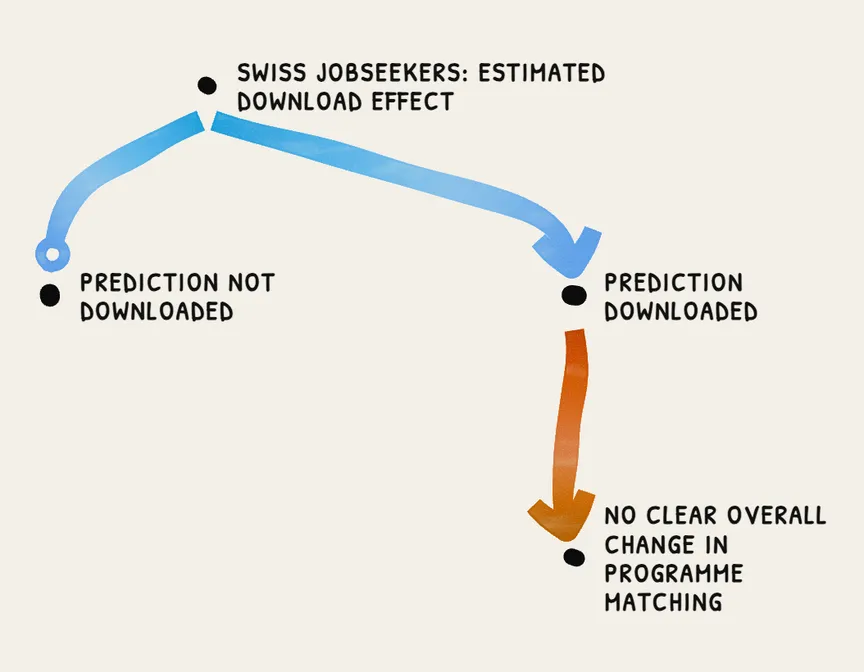
Design algorithmic implementation protocols that combine caseworker discretion with explicit compliance incentives or mandatory justification requirements when deviating from statistical predictions.
Identify high-performing caseworkers through interaction modeling and train agency staff on effective agreement communication practices to minimize execution variance.
Structure field experiments of organizational decision-support tools by randomizing frontline staff rather than end clients to eliminate informational spillovers and cross-treatment extrapolation.
Reallocate public employment agency resources from multi-month vocational courses toward biweekly face-to-face caseworker monitoring interviews.
Evaluate caseworker performance using historical client retention and proposal execution rates, reallocating high-need jobseekers to top-performing counselors rather than relying solely on financial participation incentives.
Synchronize sales campaigns for agricultural insurance and financial products with post-harvest periods when rural households experience peak cash liquidity.
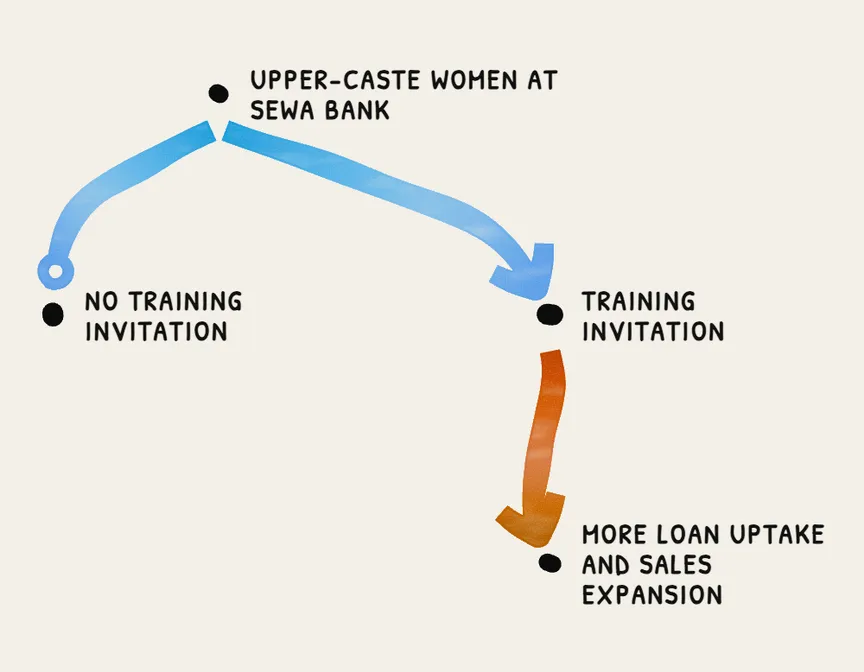
Target peer-assisted entrepreneurial interventions primarily at moderately restricted demographic groups where peer support provides sufficient social capital to cross economic participation thresholds.
Use sub-group or caste stratification when designing large-scale randomized evaluations to generate exogenous market-level treatment intensity without confounding market-level characteristics.
Design general equilibrium field experiments by randomizing treatment across social network sub-units of varying sizes to generate exogenous community-level coverage variation.
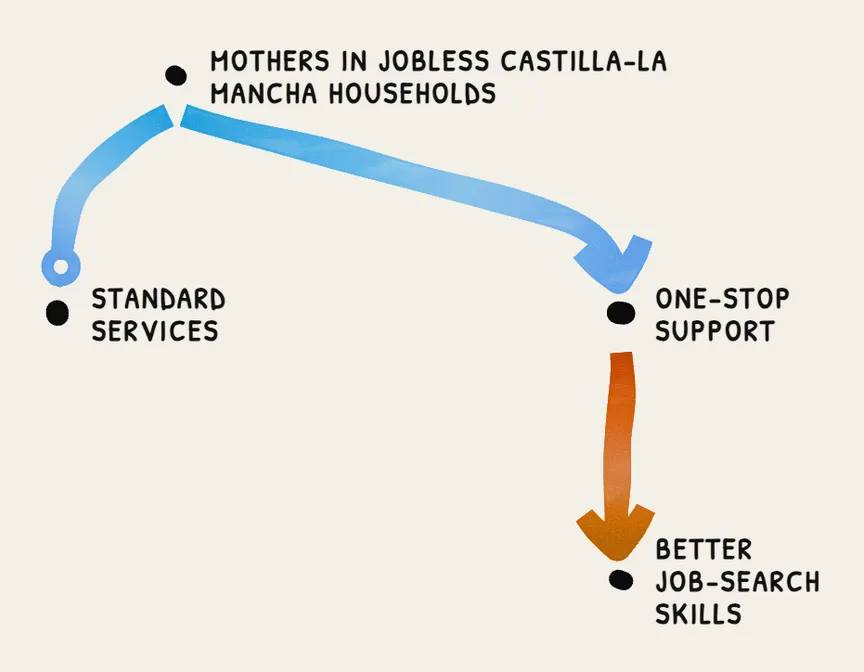
Deploy specialized social caseworkers to offer low-income mothers tailored one-stop support packages combining digital skills instruction, corporate job matching, and personal autonomy counseling.
Utilize temporary field-laboratory job environments with market-calibrated wages to isolate employee screening capabilities from confounded organizational dynamics.
Use demographic catchment size boundaries as exogenous instruments when estimating per-capita public transfer impacts in fixed-grant administrative settings.
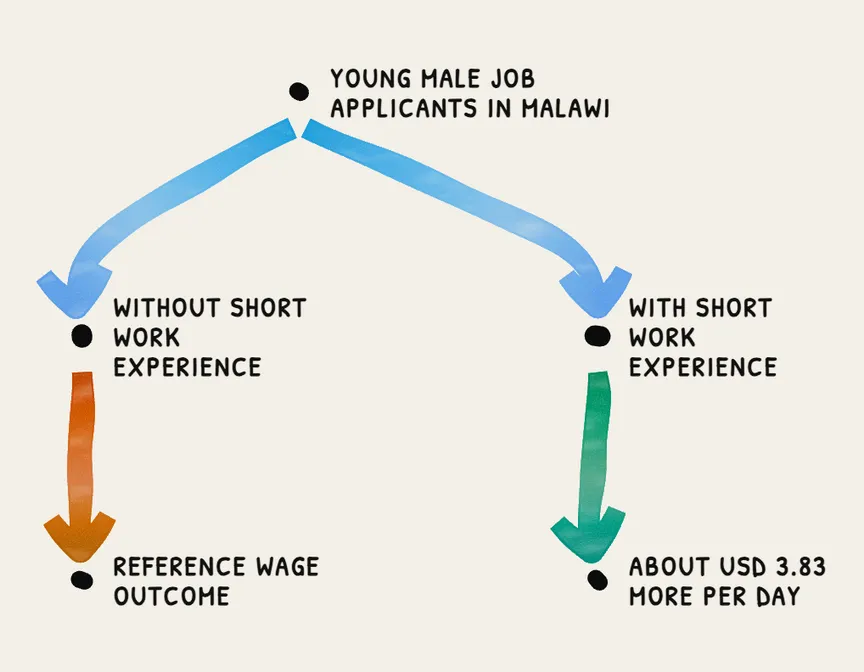
Implement targeted 5-day paid work placement programs for young secondary school graduates in low-income urban areas to accelerate wage growth and private-sector employment integration.
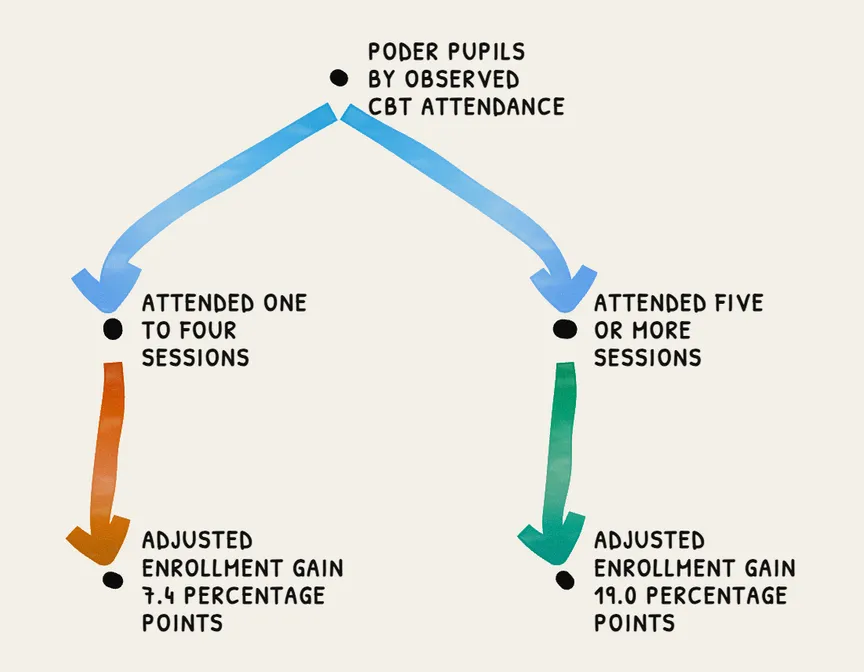
Incorporate active attendance tracking and minimum participation milestones of at least 5 sessions when implementing voluntary socio-emotional programs.
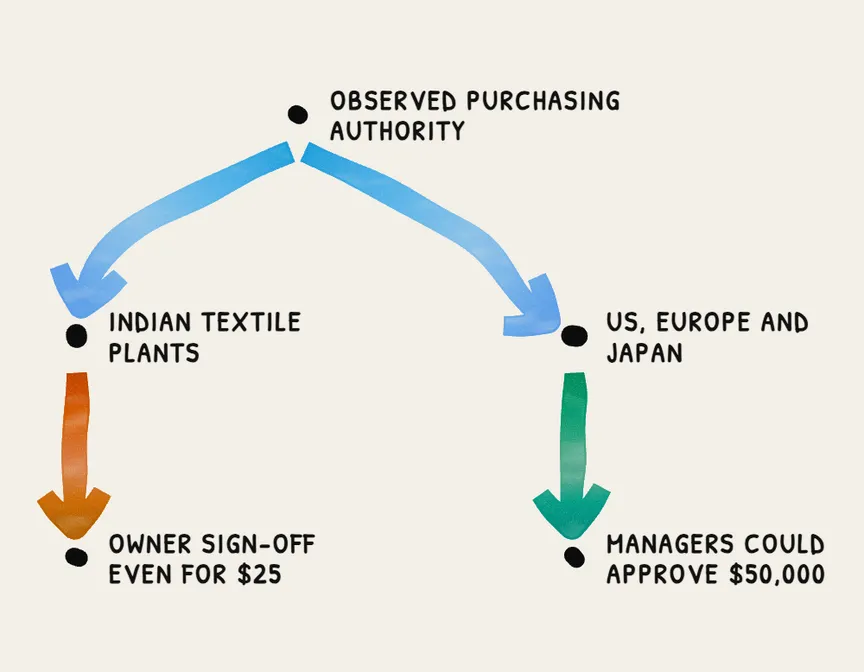
Establish structured financial delegation thresholds permitting middle managers to approve routine operational expenditures independently.
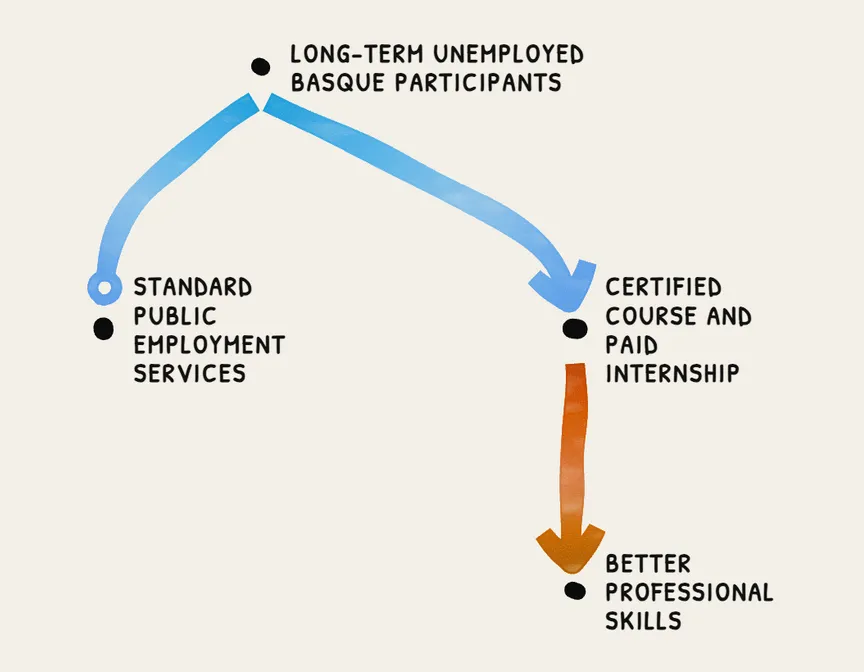
Structure adult vocational re-skilling programs so that certified classroom instruction (200+ hours) is mandatorily paired with a multi-month paid corporate internship and continuous job placement support.
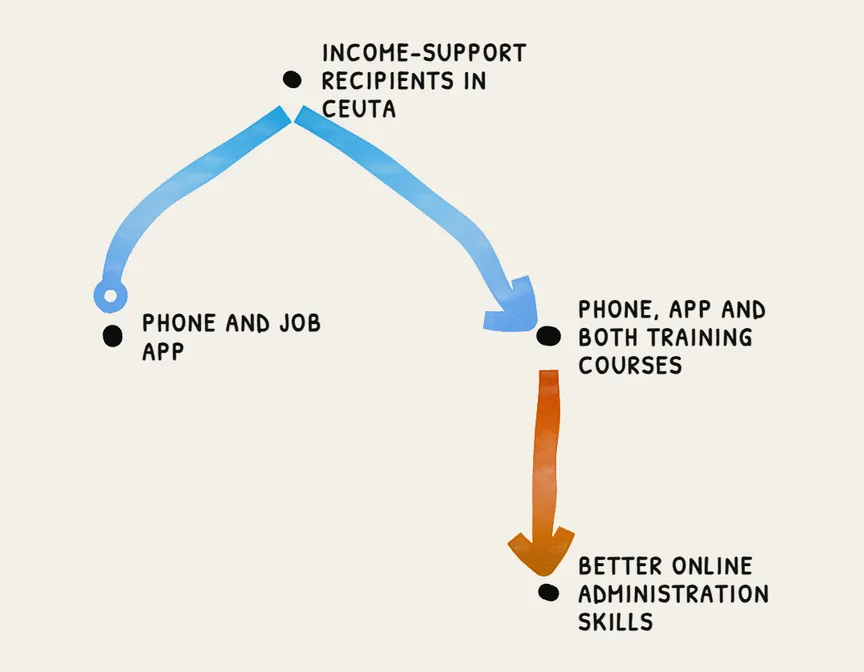
Provide low-income job seekers with internet-connected smartphones pre-loaded with employment apps and pair them with 39 hours of structured digital literacy instruction to improve online e-government task execution.
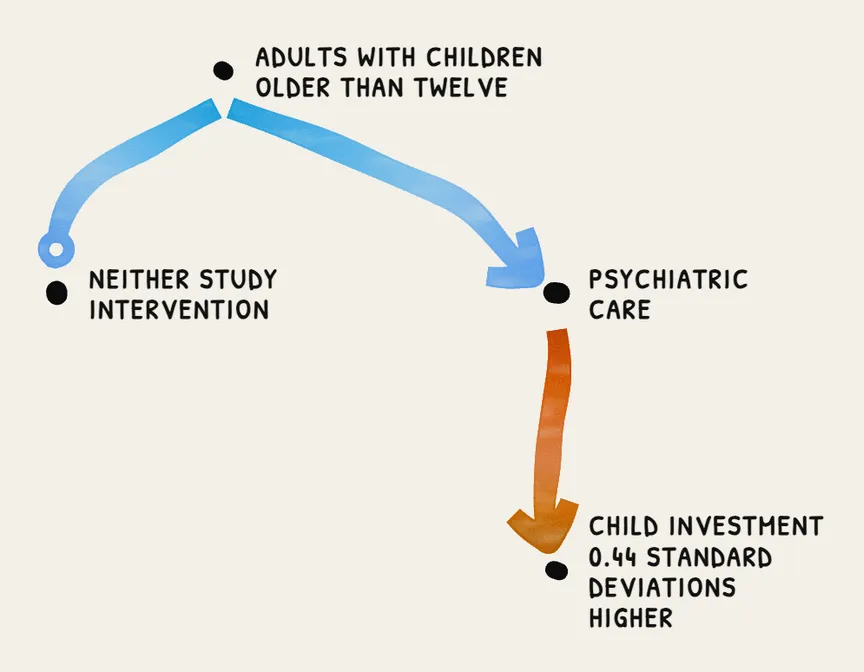
Incorporate tracking of adolescent school attendance and homework support into adult depression treatment programs to capture intergenerational human capital benefits.
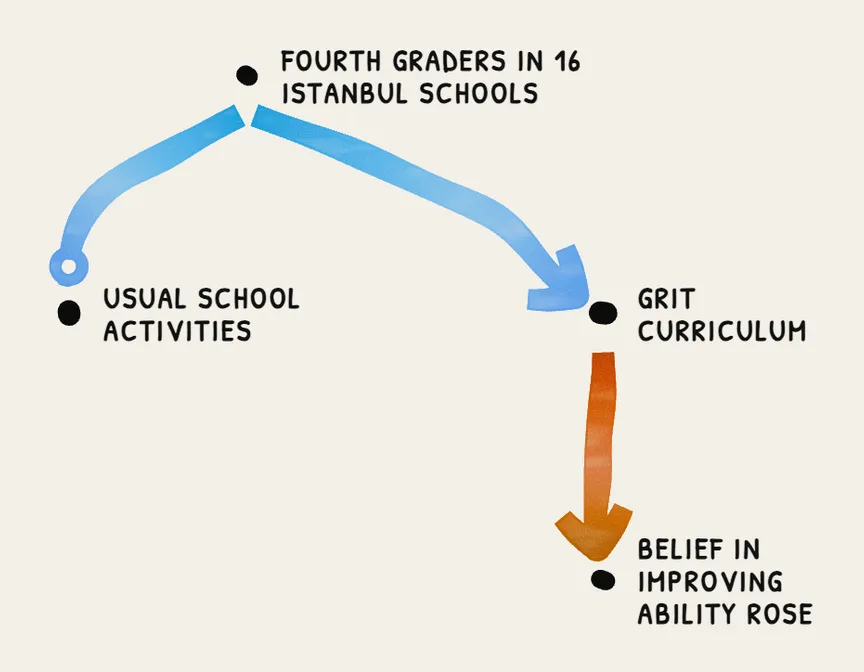
Deploy non-cognitive development programs during middle childhood (ages 8–10) to capitalize on early brain plasticity before adolescent behavioral patterns solidify.
Incorporate downside basis risk protections or supplemental loss-verification mechanisms to prevent risk-averse farmers from rejecting index insurance contracts.
Avoid expanding municipal education budgets solely to hire additional formal teachers for class size reduction without accompanying pedagogical reforms.
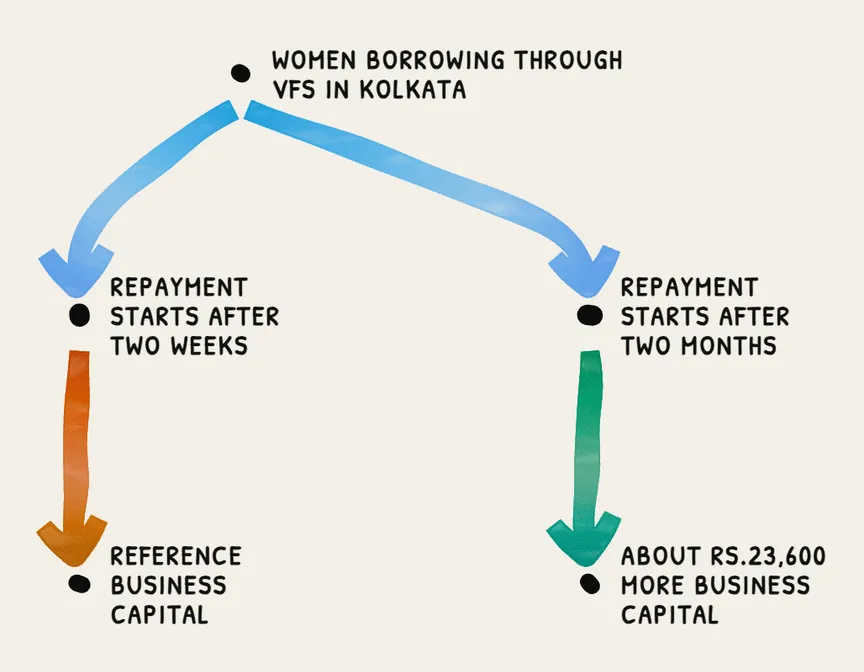
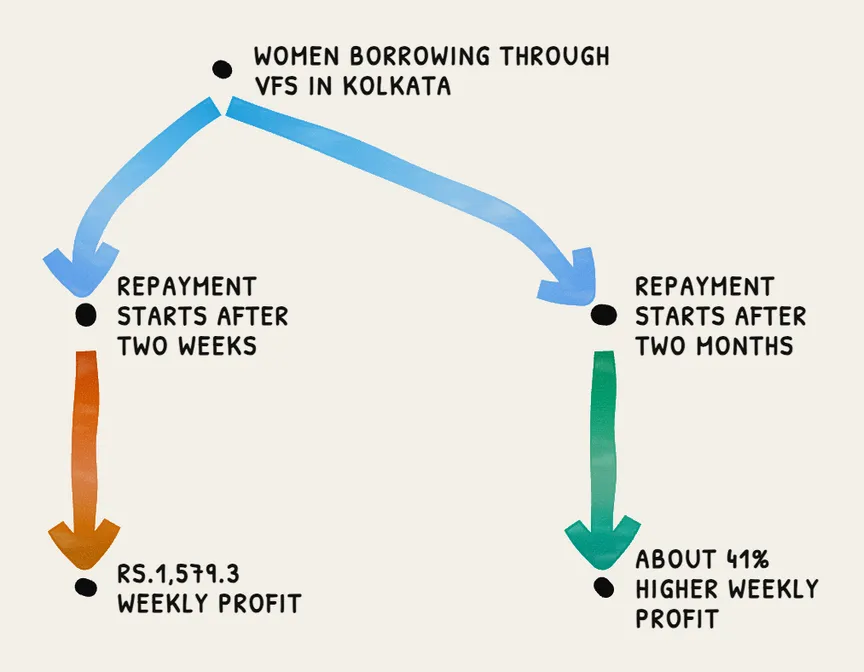
Redesign traditional microfinance products away from rigid fortnightly repayment schedules starting immediately after disbursement when financing micro-entrepreneurs with gestation-heavy business opportunities.
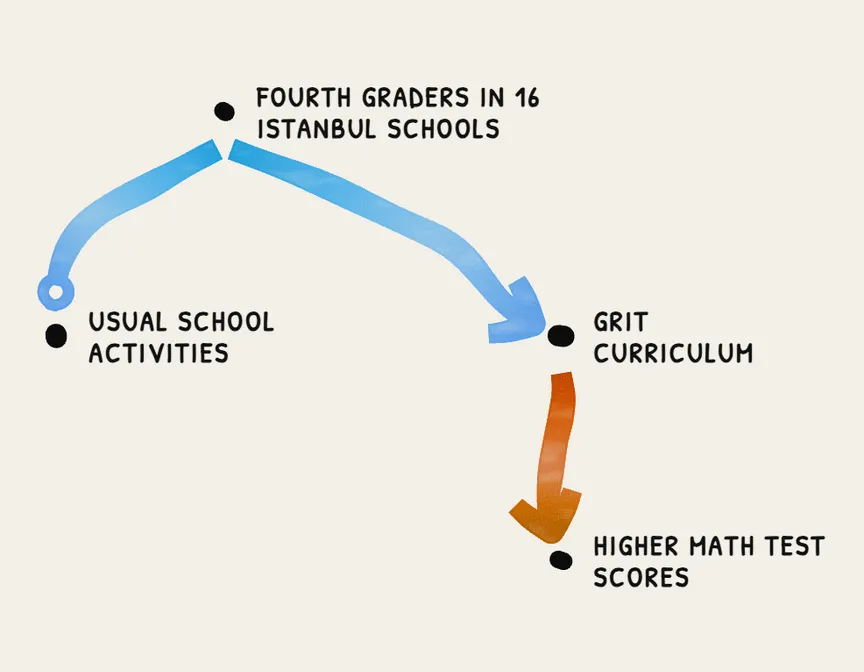
Train elementary teachers to deliver effort-focused feedback and animated case studies during extracurricular hours to reframe student setbacks as opportunities for skill accumulation.
Incorporate structured classroom observation rubrics into multi-measure composite evaluation systems alongside test-based value-added metrics to maintain qualitative feedback while reducing overall predictive variance.
Integrate parametric rainfall index insurance into national climate adaptation strategies to protect agricultural productivity against rising monsoon volatility.
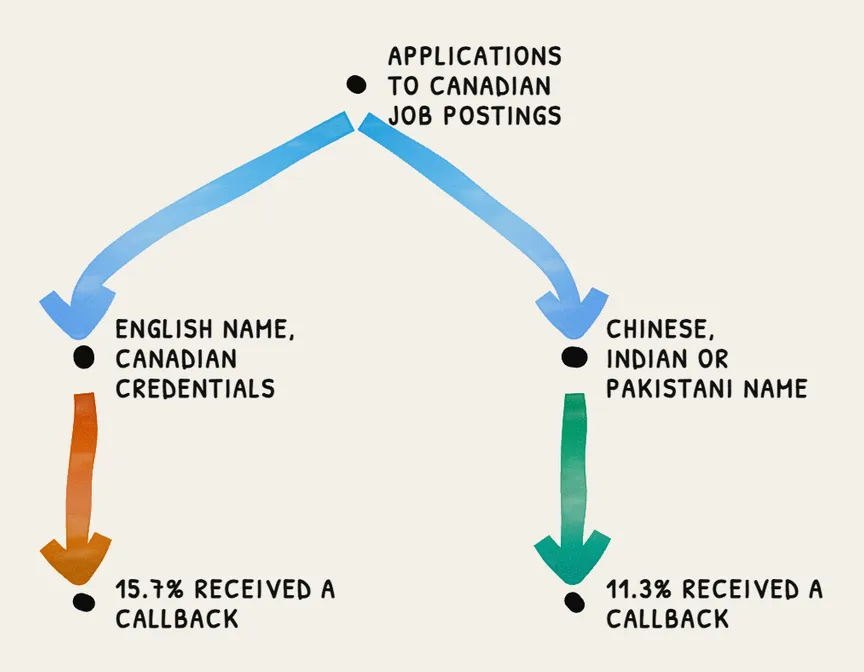
Human resource departments should institute structured, itemized evaluation rubrics for resume screening to compel evaluators to score specific individual candidate skills rather than making holistic group-based pass/fail decisions.
Track worker error rates and quality metrics against pay schedule timing to identify attentiveness deficits caused by pre-payday financial worry.
Implement mandatory visual displays and structured daily tracking logs to force managerial attention onto non-obvious operational metrics.
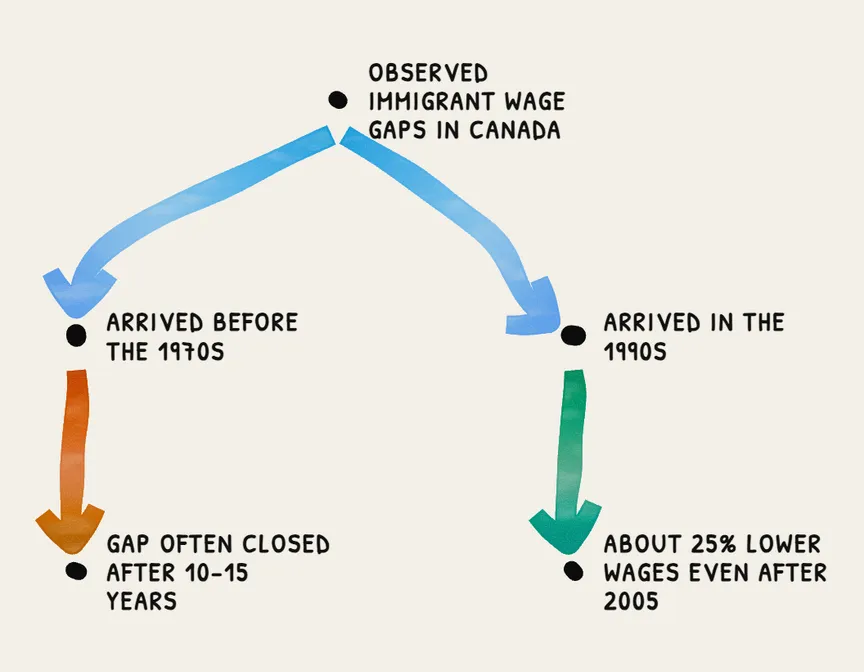
Policy researchers must redesign labor market assimilation models to address permanent structural barriers rather than relying on time-in-country to eliminate immigrant earnings disparities.
Establish open-access physical hub spaces equipped with internet-connected computers and moderated peer messaging groups in local welfare offices to foster mutual assistance and active job search techniques.
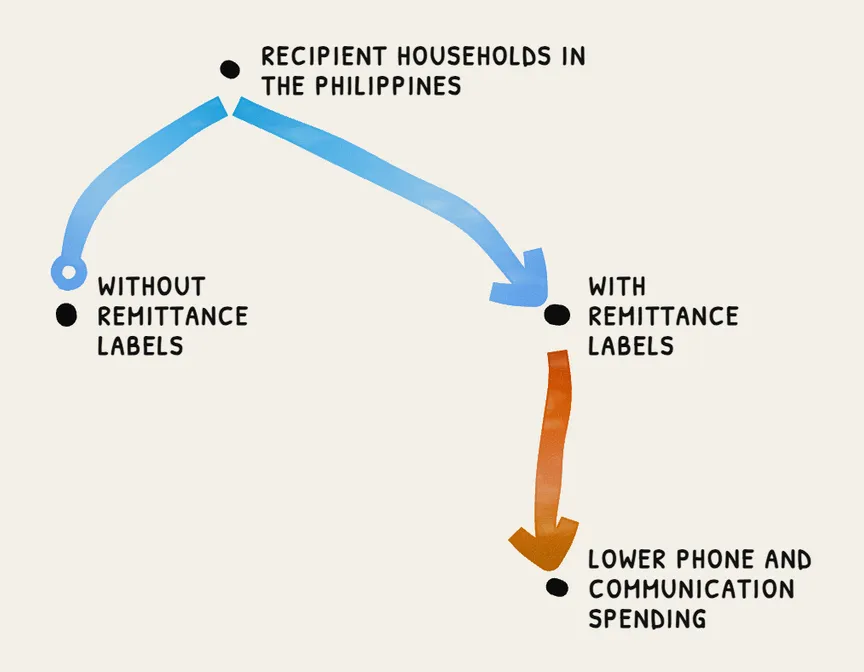
Embed automated transaction notification messaging into financial apps to reduce personal communication expenditures between migrants and recipients.
Train program facilitators to engage local community leaders, emphasize voluntary participation, and execute conflict mitigation protocols before launching gender empowerment programs.
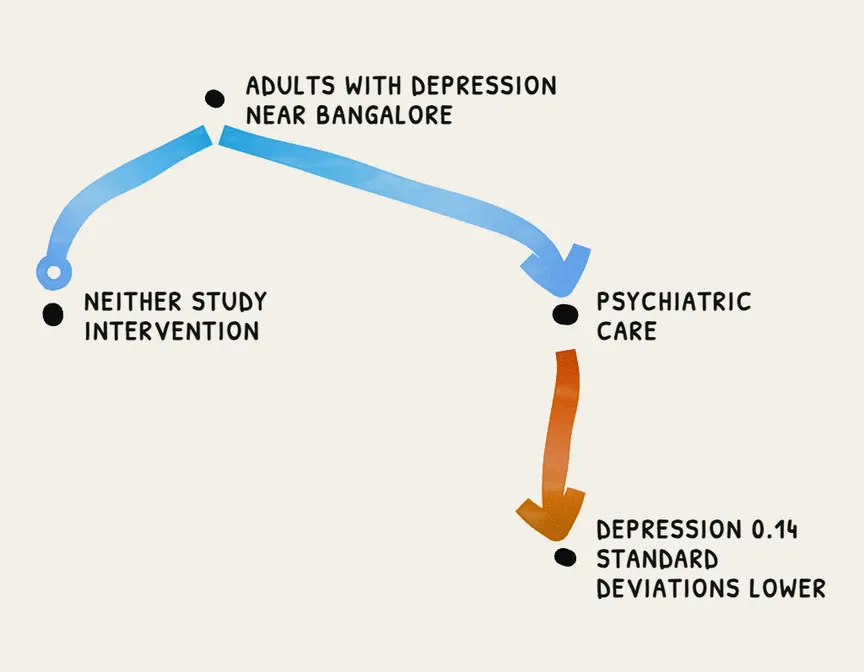
Establish community-based psychiatric screening and monthly local medication monitoring protocols to deliver localized pharmacotherapy to low-income populations.
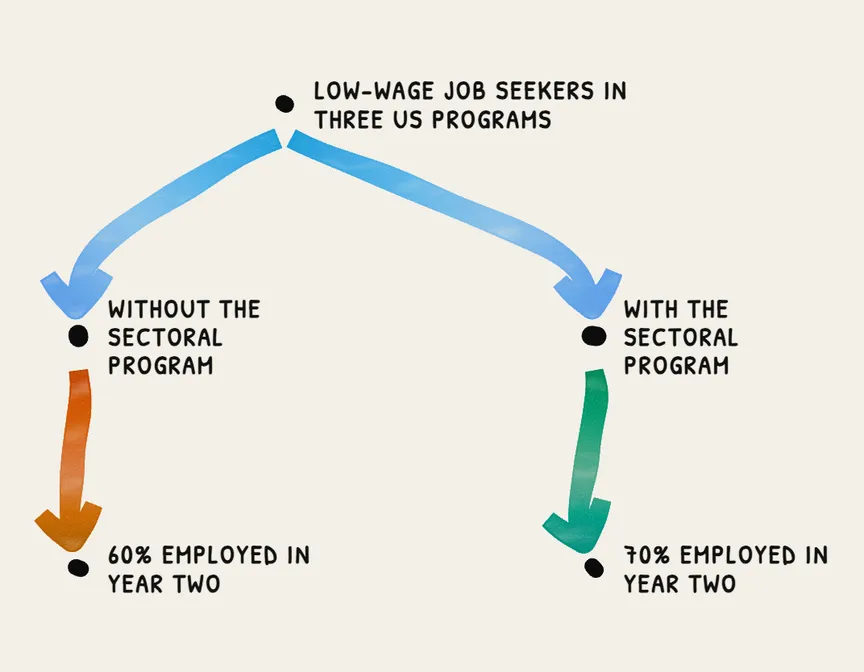
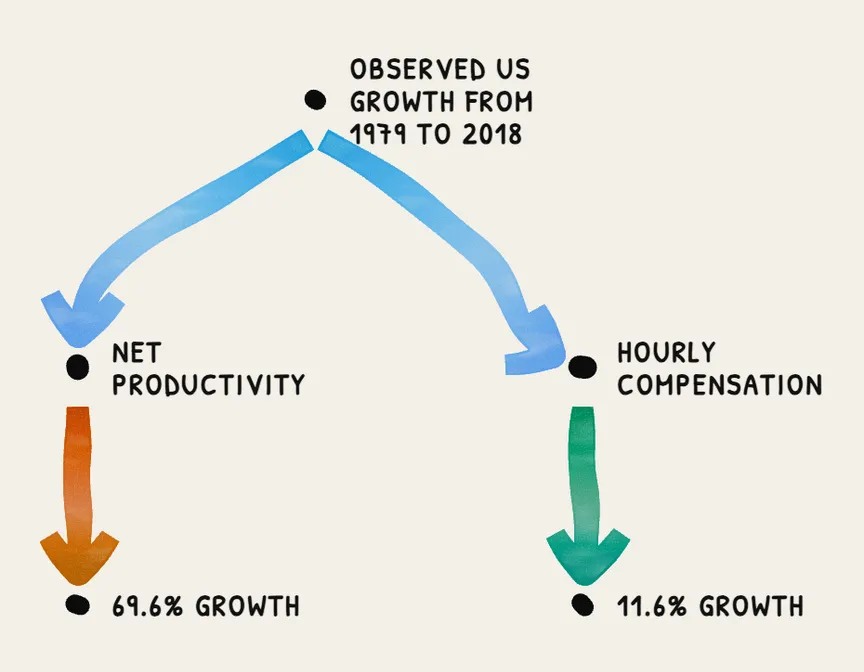
Deploy sector-focused employment interventions to connect non-college workers to high-demand technical sectors that restore real wage growth.
Audit recruitment interventions using Lasso-based index metrics and machine learning heterogeneity tests rather than evaluating success solely on aggregate participation volume.
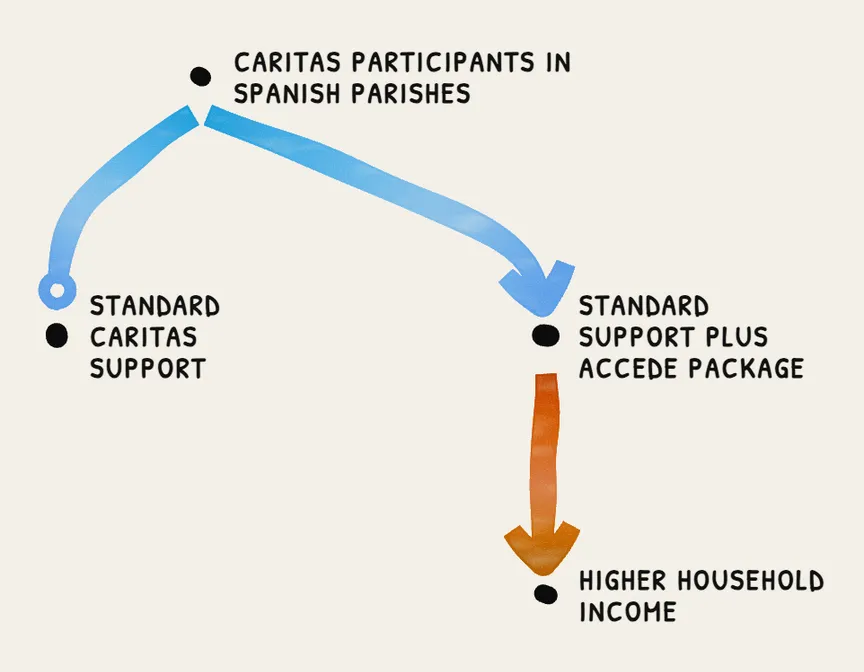
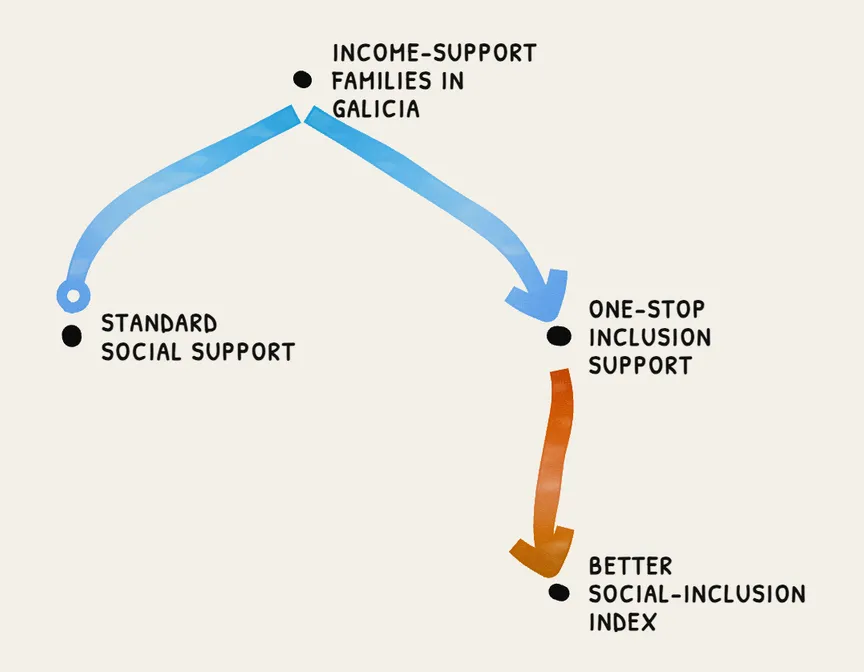
Integrate municipal social assistance and public employment services into unified single-window intake centers that conduct holistic family needs assessments and assign dedicated caseworkers to coordinate multi-sectoral support plans.
Page 3 of 23
Previous
1
2
3
4
…
23
Next