Skip to the findings
Menu
aikyam
school
Findings
Methods
Subjects
All cards
Read
Findings
Methods
Subjects
All cards
Findings
1,083 findings
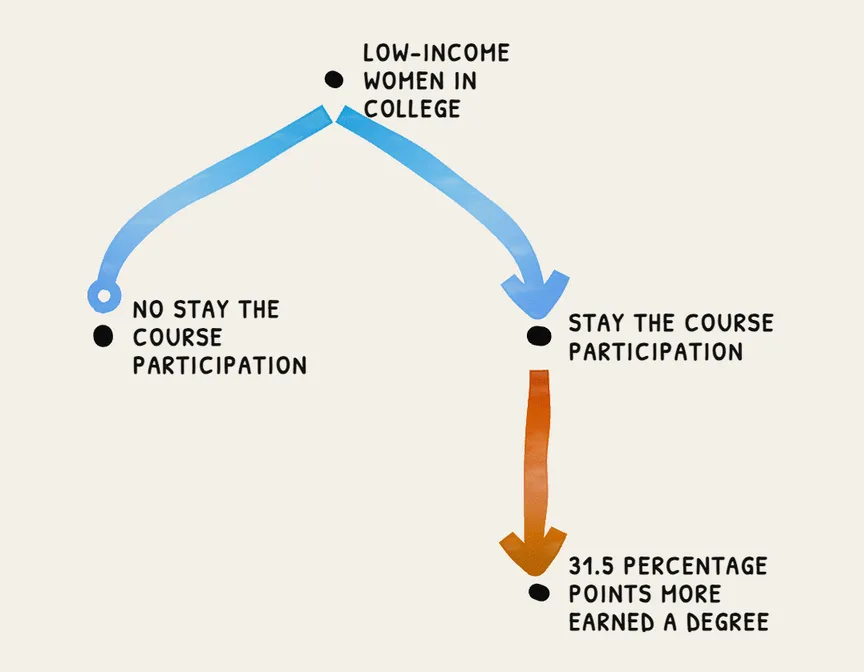
Partner with third-party social service agencies to place dedicated social workers on college campuses with caseloads capped below 40:1 to provide proactive mentoring, referrals, and personal crisis management.
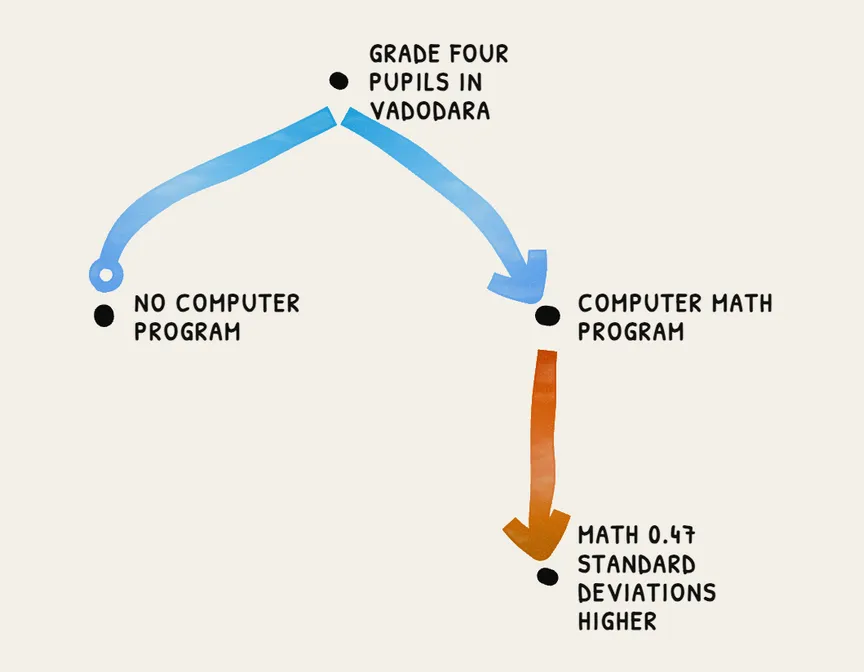
Install educational mathematics software that adapts difficulty based on student performance and schedule two hours of weekly student computer access.
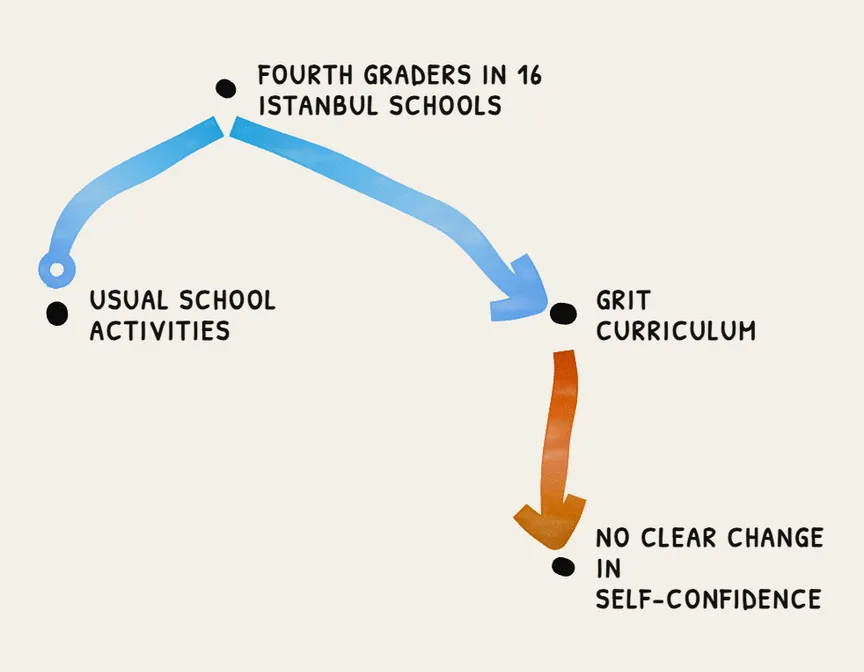
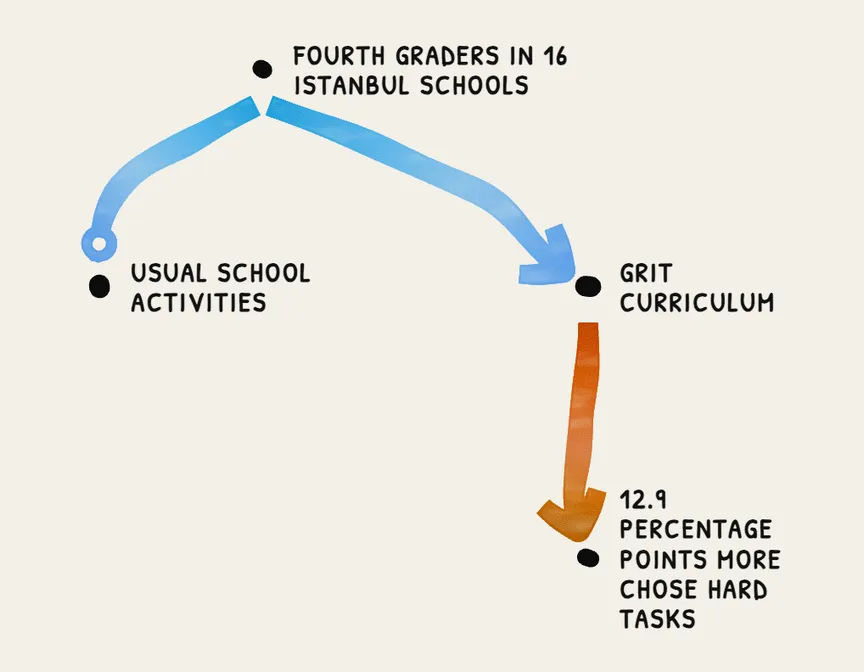
Design perseverance curricula that target beliefs about effort productivity rather than attempting to boost general self-esteem or artificial self-confidence.
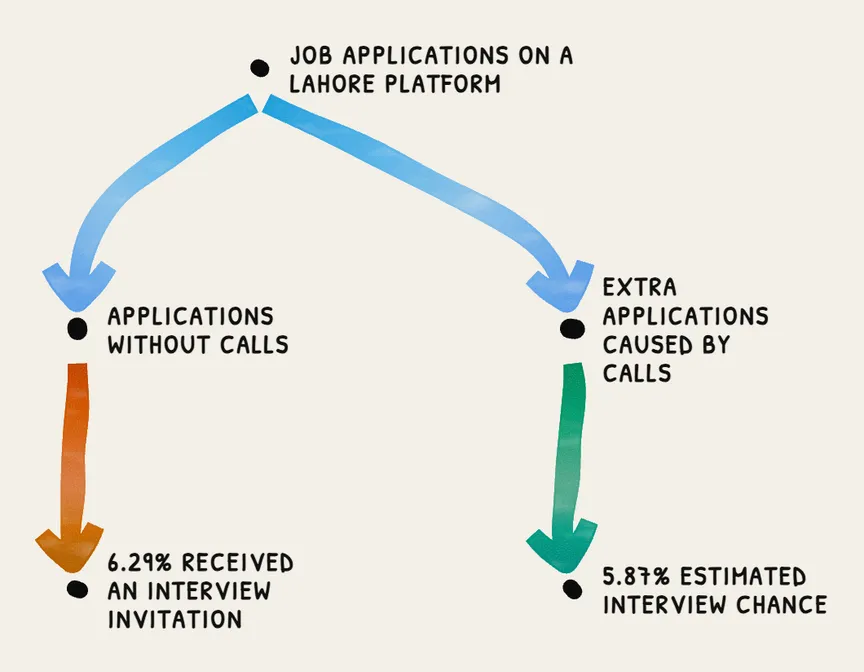
Expand job search assistance and application subsidies without restricting output targets, as additional applications generated by relaxing behavioral initiation barriers do not decay in quality or interview yield.
Select psychometric evaluation instruments that measure the explicit sub-skills targeted by an intervention rather than relying on broad emotional intelligence inventories.
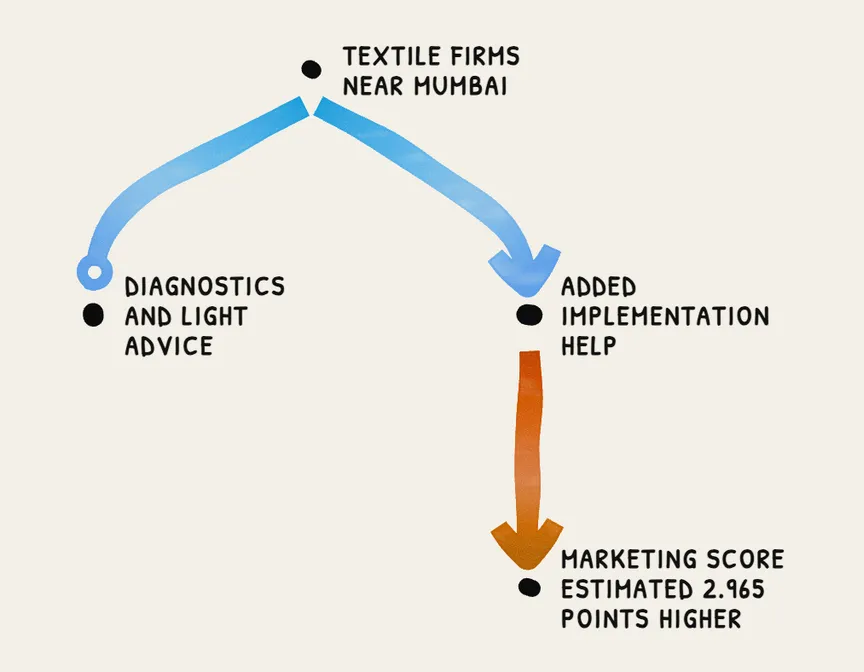
Replace high-cost individualized professional consulting for microenterprises with low-cost, simplified "rule-of-thumb" group training modules.
Utilize verified third-party research partnerships or government-backed demonstration projects to overcome trust and informational barriers when sourcing external management advice.
Separate program evaluations from client satisfaction metrics by relying strictly on audited objective performance indicators rather than stated willingness to pay.
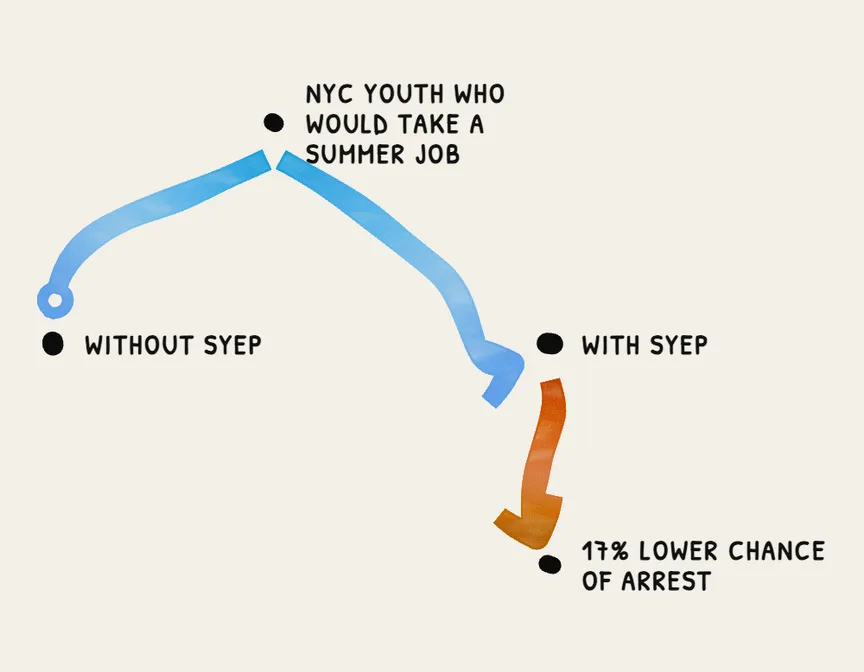
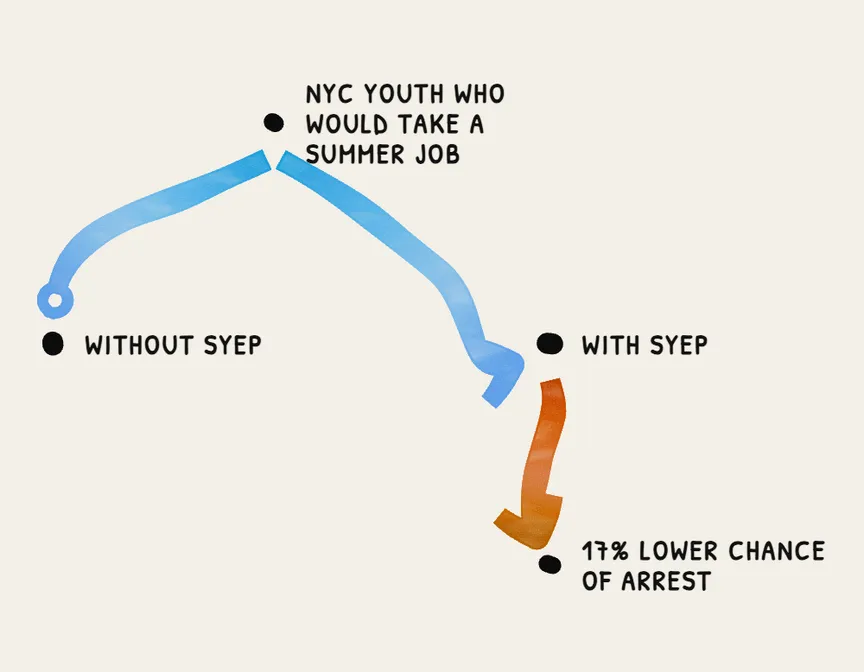
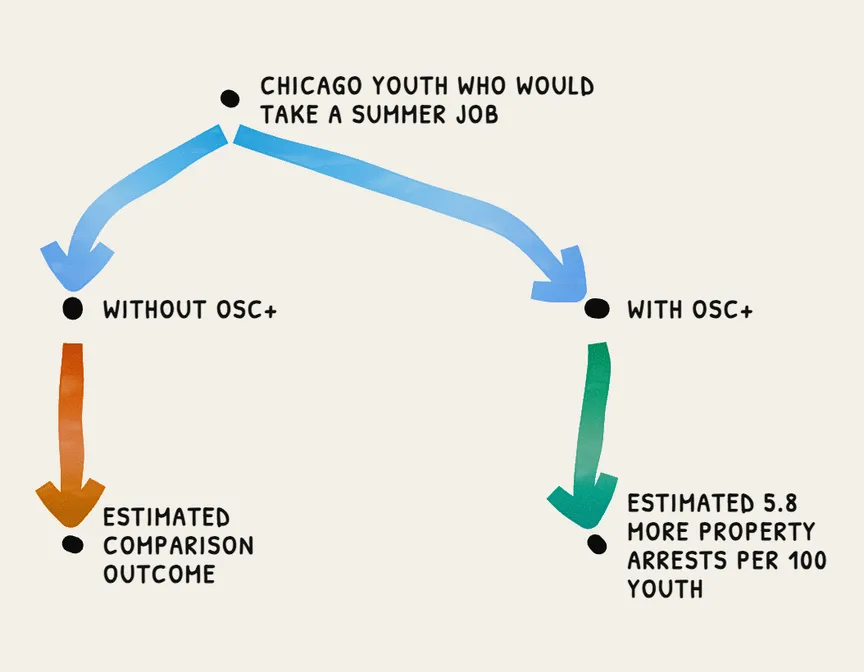
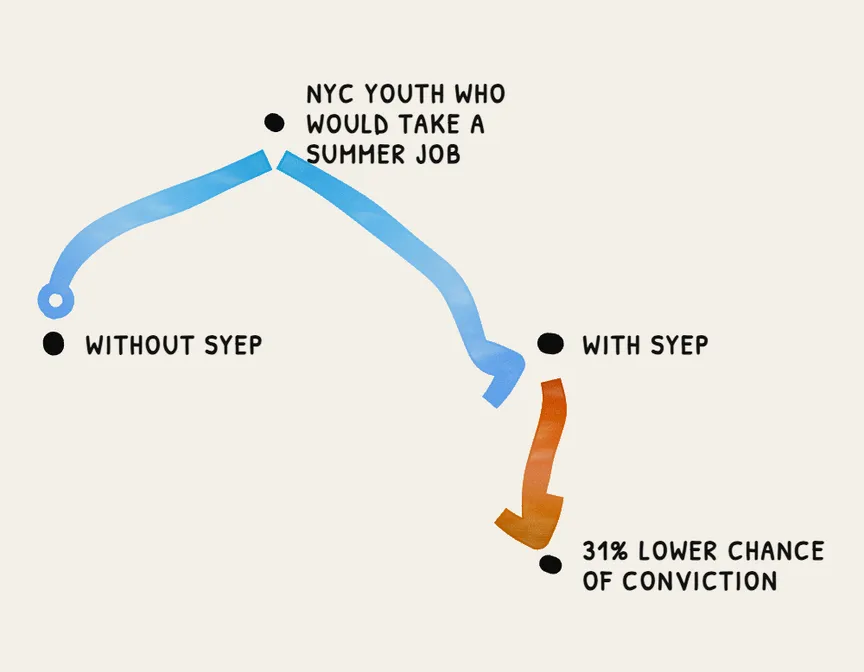
1. Structure summer youth employment programs with randomized lotteries specifically targeted at youth with prior arrest records to achieve immediate summer crime reduction.
1. Schedule youth employment program hours explicitly during historical peak crime hours (afternoon and early evening weekdays) to maximize incapacitation benefits.
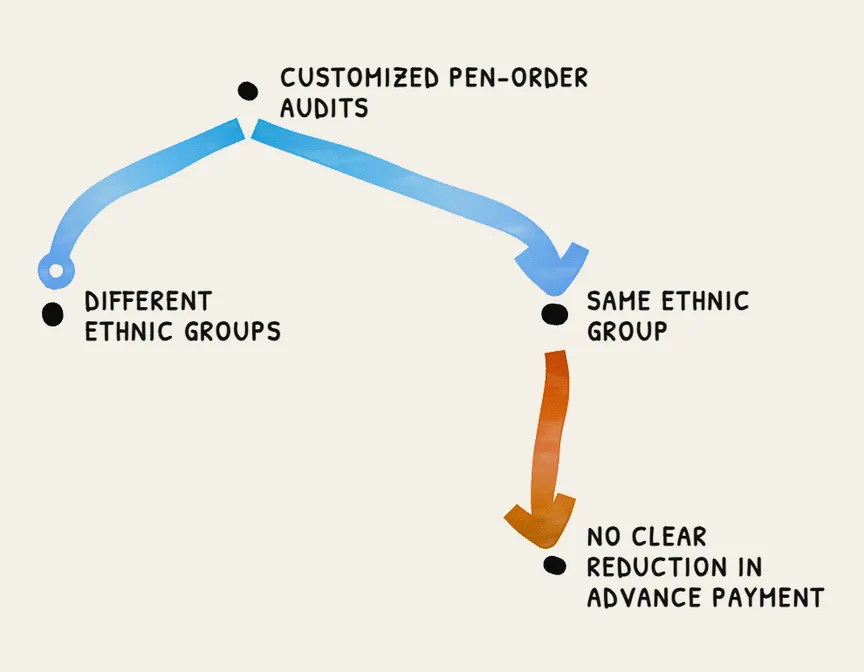
Utilize required advance payment percentages on customized orders as an objective proxy for counterparty trust levels in unmonitored B2B transactions.
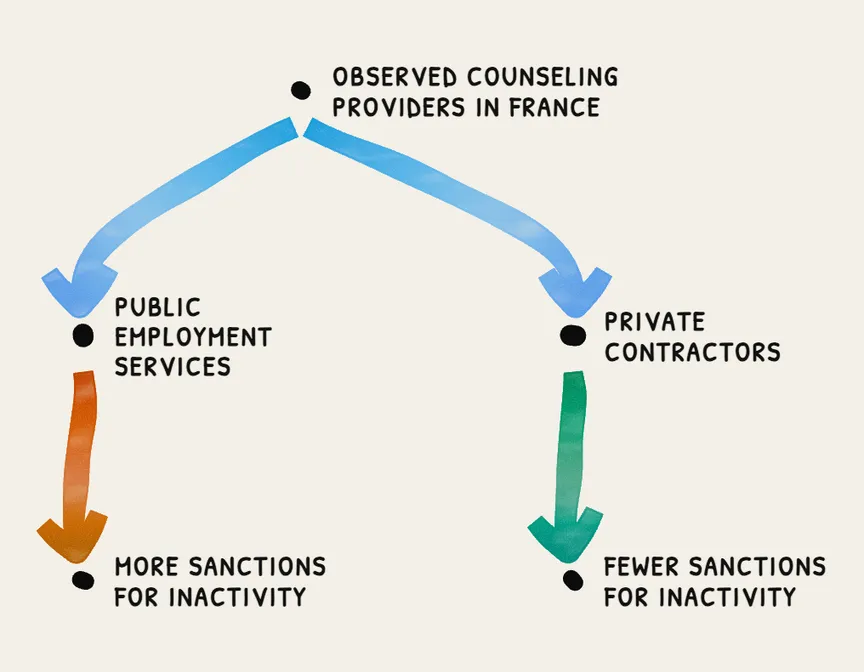
Restructure public procurement contracts to eliminate upfront fixed enrollment fees and adjust conditional placement bonuses to prevent provider cream-skimming and sanction dilution.
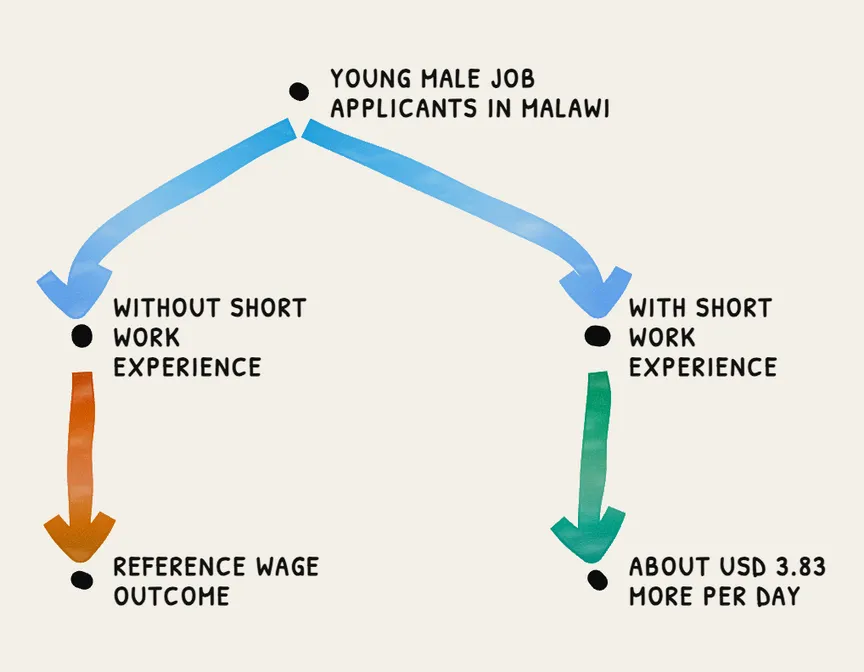
Evaluate youth employment interventions using both daily wage metrics and contract duration indicators to measure long-term job stability alongside wage growth.
Apply corporate capital structure models of debt maturity to microfinance contract engineering to balance agency costs against underinvestment risks.
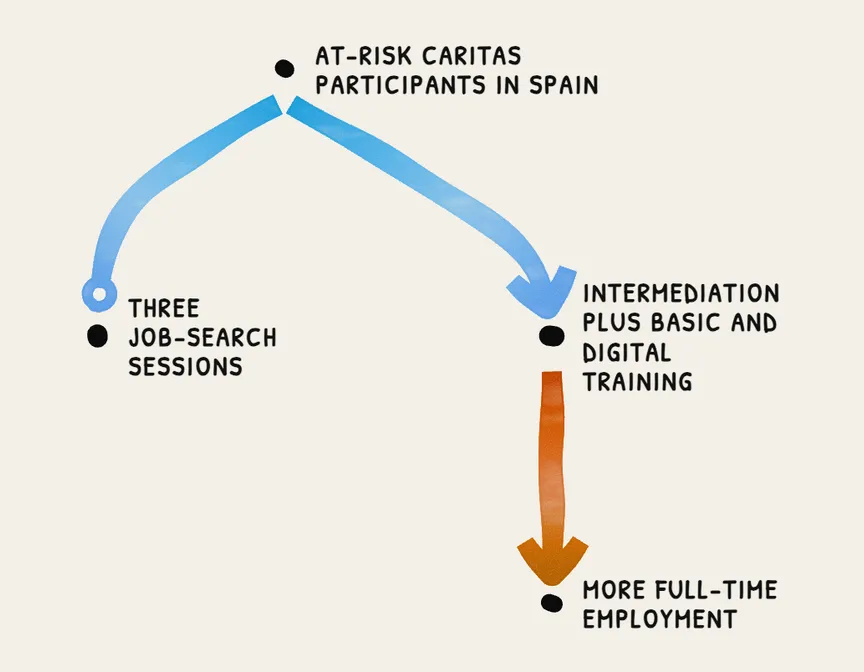
Combine direct employer matching liaisons with eight mandatory digital skills training sessions to boost full-time employment rates among job seekers at risk of poverty.
Incorporate small financial accuracy bonuses into peer-survey protocols during loan underwriting to acquire high-value targeting data at nominal marginal cost.
Prioritize low-cost informational and skill-certification workshops over capital-intensive transit subsidies or lengthy vocational training in ALMP budgeting.
Prioritize job market information and recruitment linkage interventions over direct cash transfer schemes when seeking cost-effective delays in marriage and gains in female education.
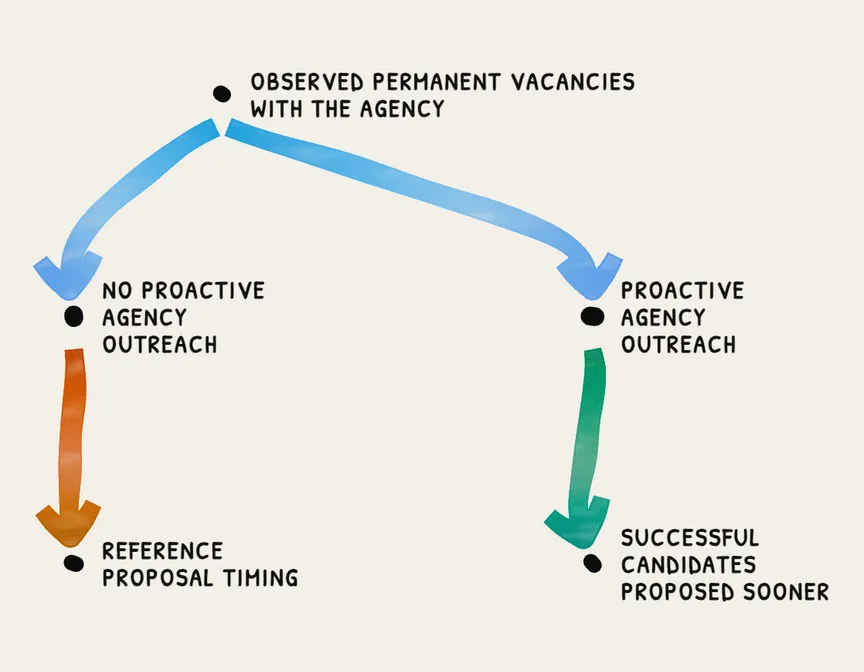
Evaluate recruitment agency performance based on the 8-week match conversion rate rather than total candidate referral volume.
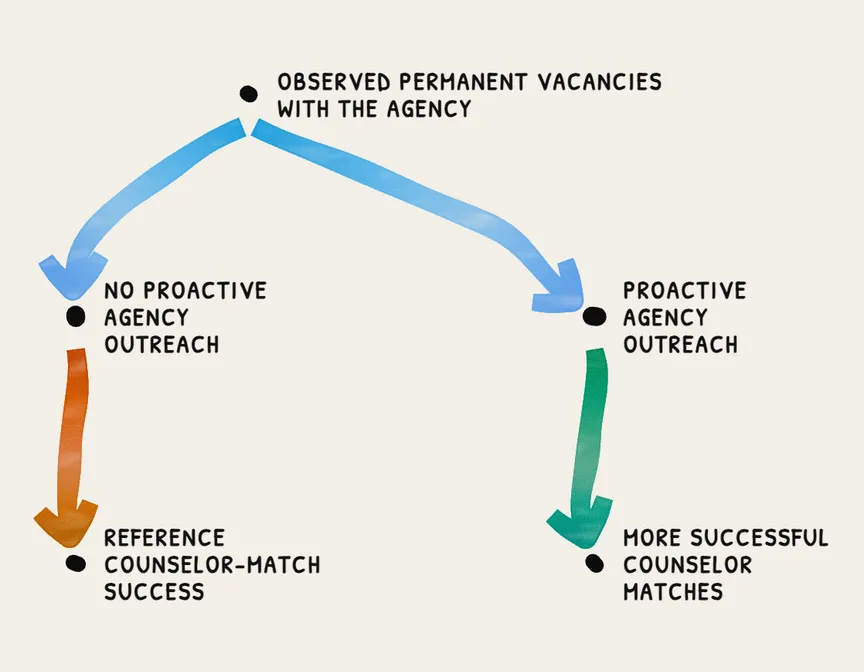
Assign dedicated recruitment counselors to newly opened vacancies within 24 hours of posting to maximize initial match velocity and candidate placement success.
Re-run adaptive allocation algorithms over observed experimental histories under the sharp null hypothesis to generate exact finite-sample p-values.
Frame prejudice measurement studies as routine commercial decision-making tasks with tangible economic stakes to observe authentic behavioral choices.
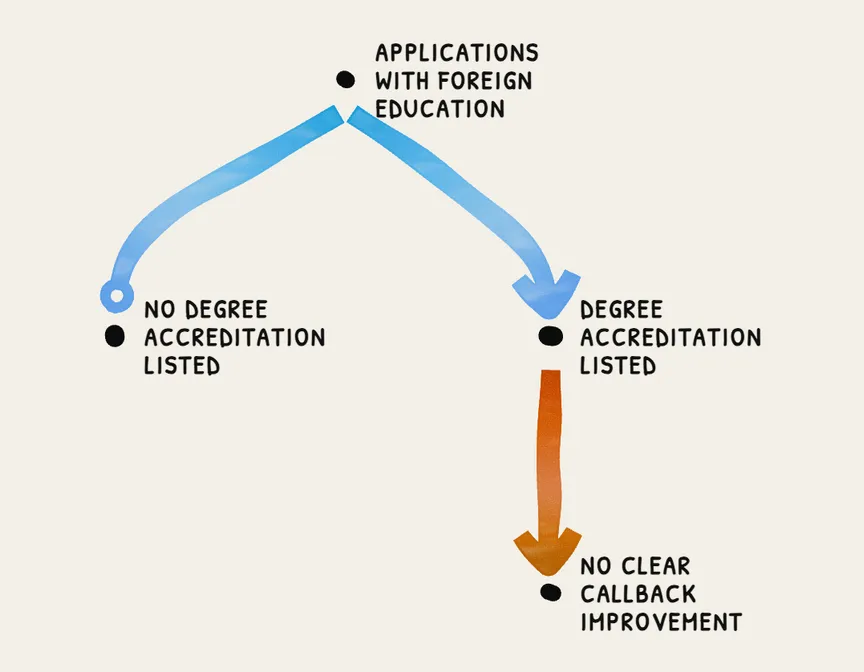
Replace secondary resume credential building with direct anonymized skill assessments during candidate screening.
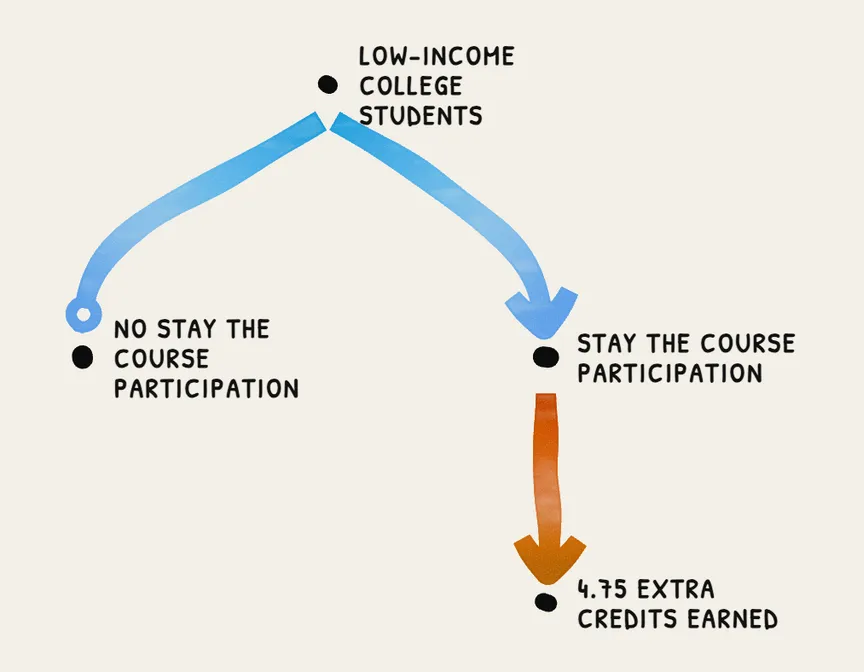
Track early cumulative credit velocity as a key intermediate diagnostic metric for long-term degree completion in student support programs.
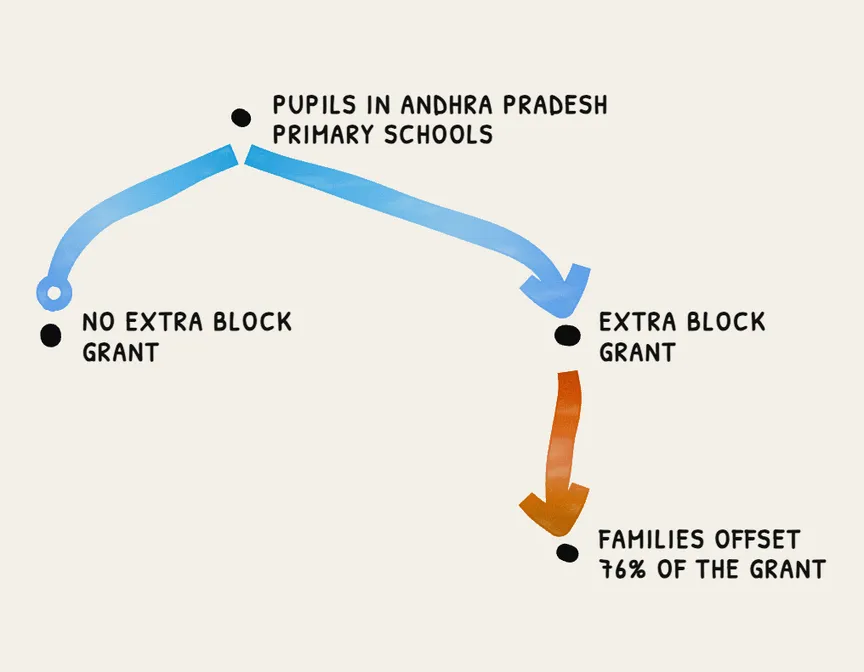
Evaluate household-level liquidity and non-educational expenditure needs when designing in-kind educational subsidies for low-income populations.
Establish credit assessment frameworks based on verified managerial competency and business plans rather than physical asset collateral alone.
Pair microcredit availability with financial literacy and goal-setting modules to stimulate productive demand for capital among female micro-entrepreneurs.
Disaggregate program evaluation metrics by specific crime category to isolate distinct psychological and financial behavioral mechanisms.
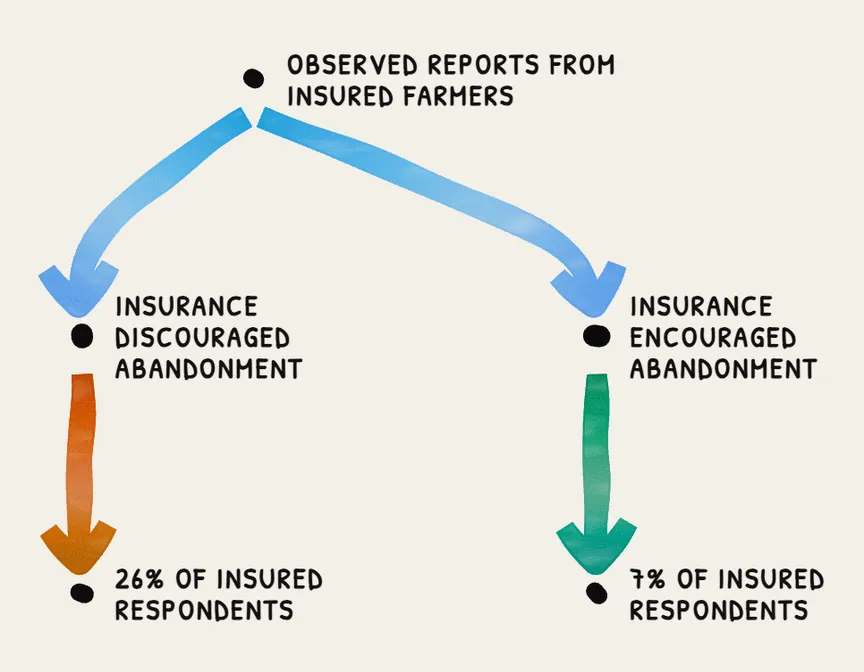
Issue parametric weather insurance prior to sowing windows to prevent panic-driven crop abandonment during early-season rainfall deficits.
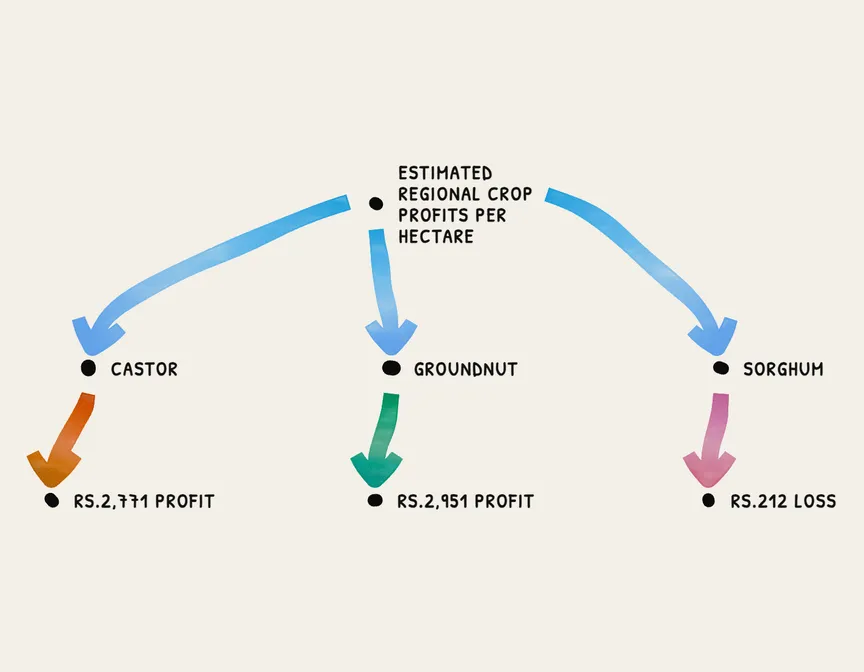
Promote high-yield cash crops only when bundled with risk-hedging products, as high moisture thresholds create catastrophic downside losses during rainfall deficits.
Deploy matched-pair audit buyer teams adhering to identical negotiation protocols to measure discrimination across supply chain vendors.
Prioritize meritocratic civil service promotion rules in developing nations where public sector vertical pay gaps are structurally wide.
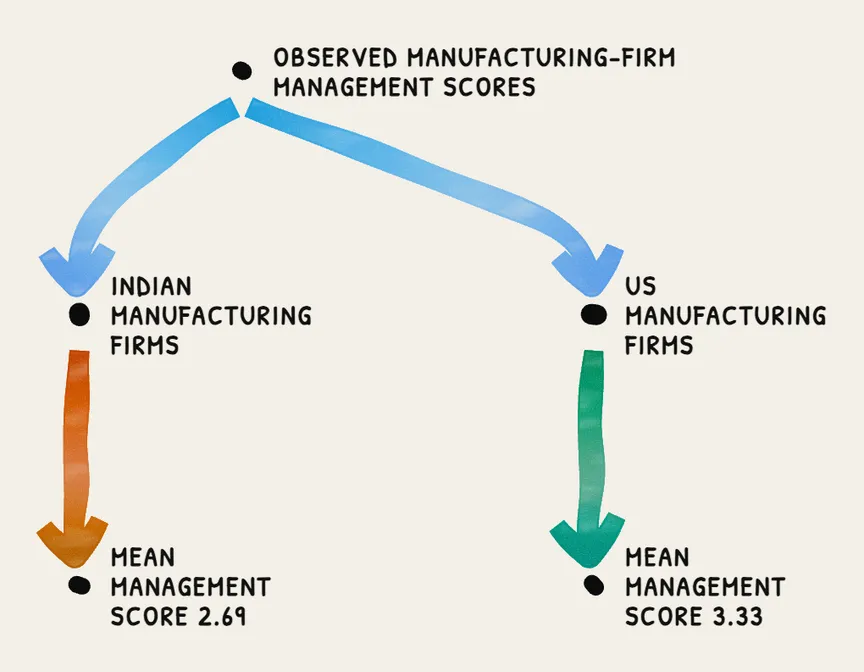
Systematically benchmark firm management scores against international industry standards using standardized double-blind evaluation frameworks to identify tail underperformance.
Extend standardized operational monitoring systems and data-driven evaluation protocols from manufacturing plants into commercial sales, marketing, and external advisory engagements.
Target labor market interventions specifically by gender when attempting to close gender-specific gaps in education and workforce participation.
Validate social policy interventions by executing an independent replication RCT on a secondary cohort prior to authorizing full-scale institutional rollout.
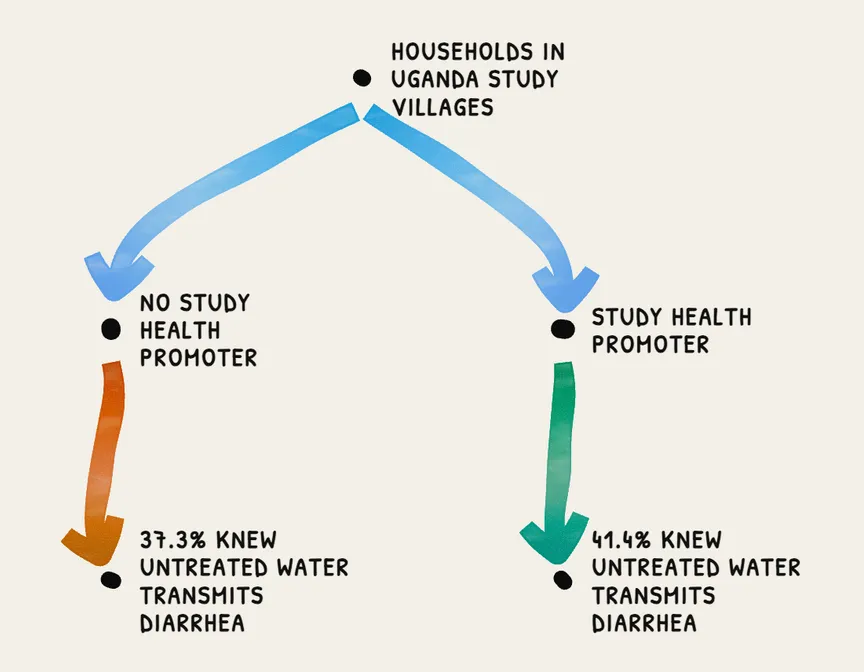
Establish a wholesale retail channel supplying community health promoters with goods at 30% below retail price, enabling them to resell at 10% below market price to maintain consumer affordability while earning a profit margin.
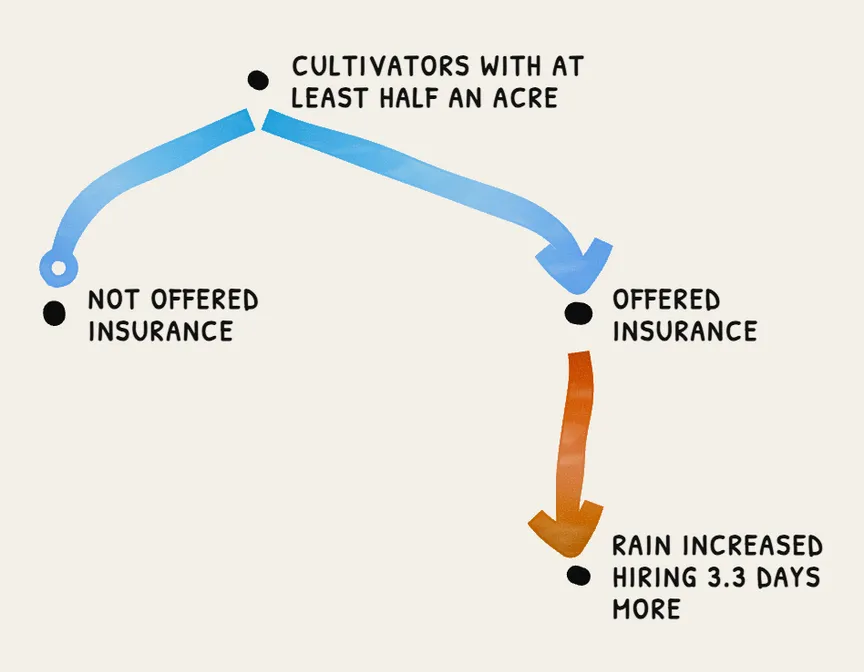
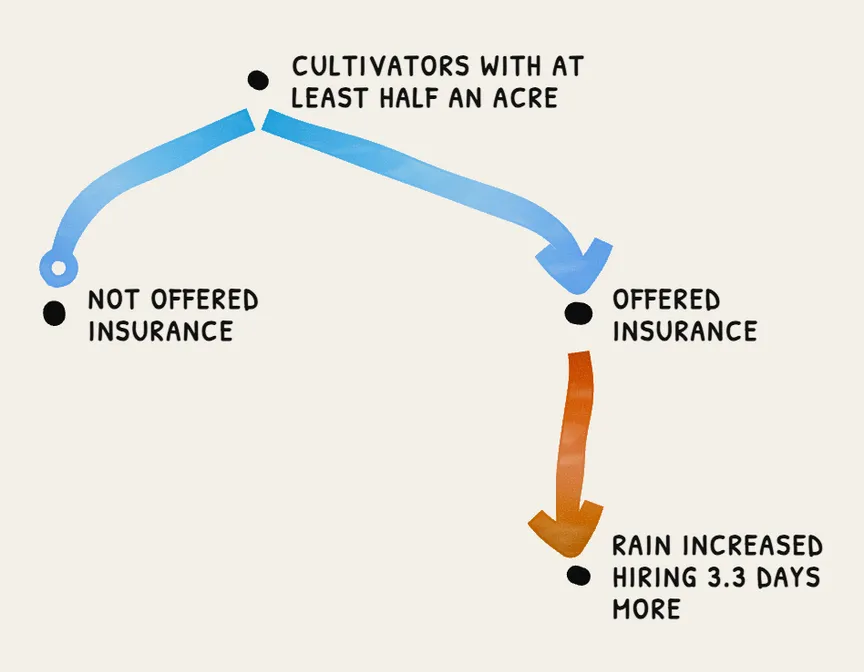
Calculate the wage sensitivity ratio across favorable and unfavorable weather states before rolling out index insurance exclusively to agricultural asset owners.
Provide formal weather index insurance to landowning farmers to incentivize high-yield agricultural investments while concurrently implementing labor market buffers for rural wage workers.
Bundle weather index insurance with agricultural extension services to accelerate smallholder transition toward high-yield commercial crops.
1. Establish non-carceral youth development programs as institutional touchpoints to prevent initial legal system processing and downstream sentence escalation.
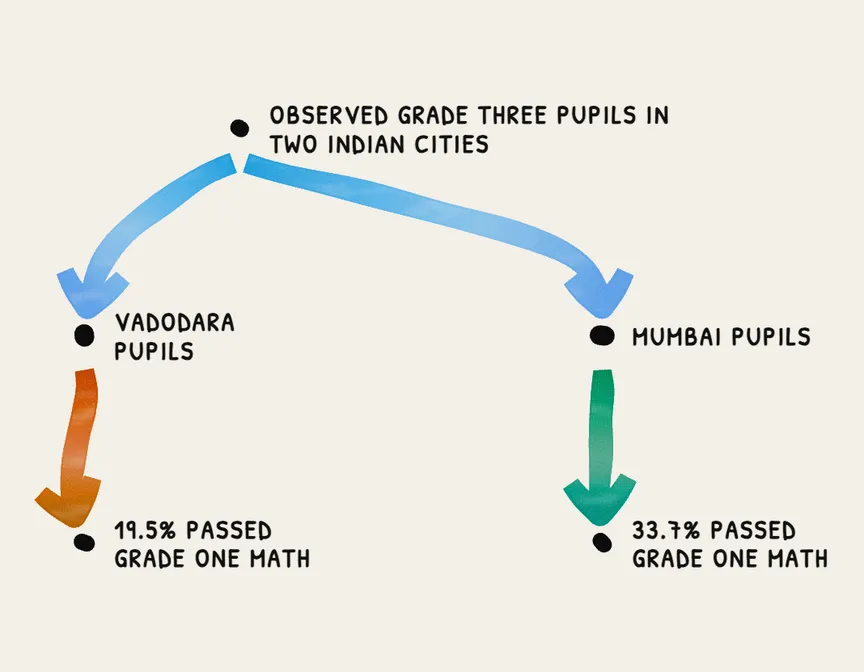
Structure foundational remedial instruction programs to run continuously across at least two consecutive primary grades to solidify long-term learning retention.
Re-align primary school teaching objectives and daily classroom instruction to match the actual diagnostic skill levels of students rather than adhering strictly to age-based official curricula.
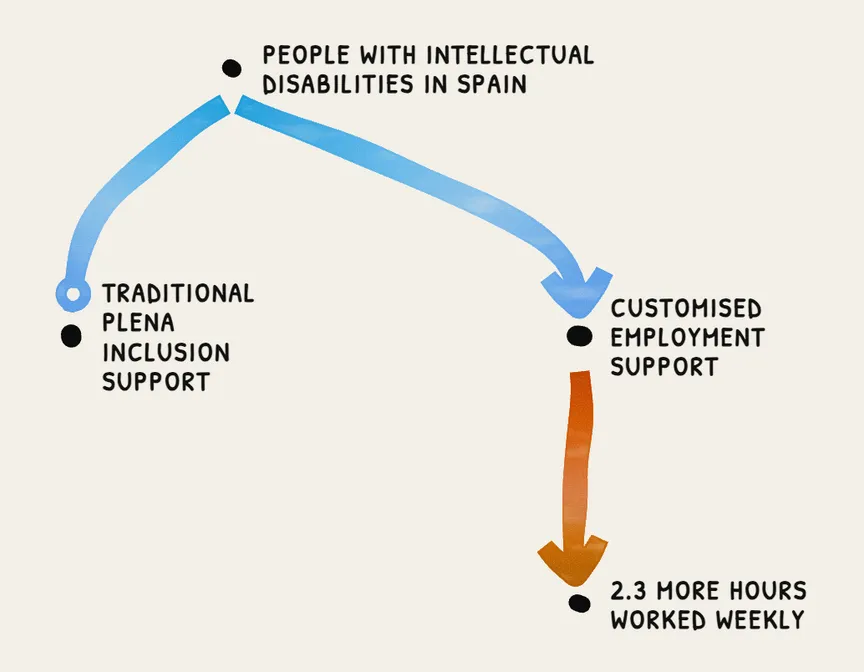
Deploy specialized job developers to perform individual discovery assessments and negotiate customized, task-tailored job contracts directly with local business owners for job seekers with intellectual disabilities.
Deploy digital inventory and production logging systems to establish transparent operational auditing before granting managerial autonomy.
Identify student loan borrowers who show early signs of academic withdrawal and target them with immediate retention interventions to prevent default-inducing non-completion.
Combine technical programming instruction with professional etiquette modules and merit-based performance certificates to overcome signaling gaps for job seekers from low-tier colleges.
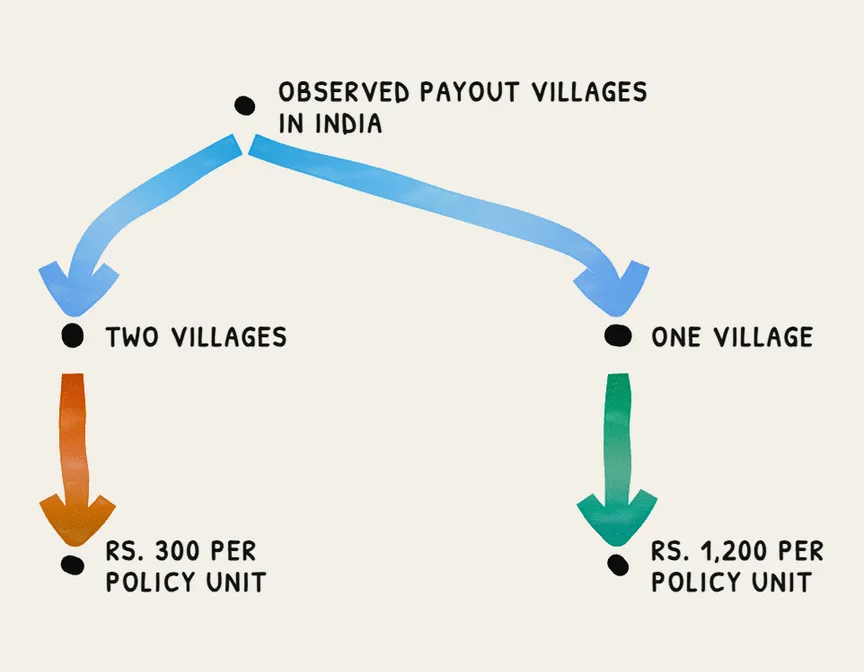
Structure micro-agricultural weather insurance contracts using multi-tiered objective onset delay triggers to provide rapid liquidity during planting delays.
Page 4 of 23
Previous
1
2
3
4
5
…
23
Next