Skip to the findings
Menu
aikyam
school
Findings
Methods
Subjects
All cards
Read
Findings
Methods
Subjects
All cards
Findings
1,083 findings
Implement dynamic recall window prompts based on individual prior submission timestamps in mobile survey applications to prevent reporting gaps.
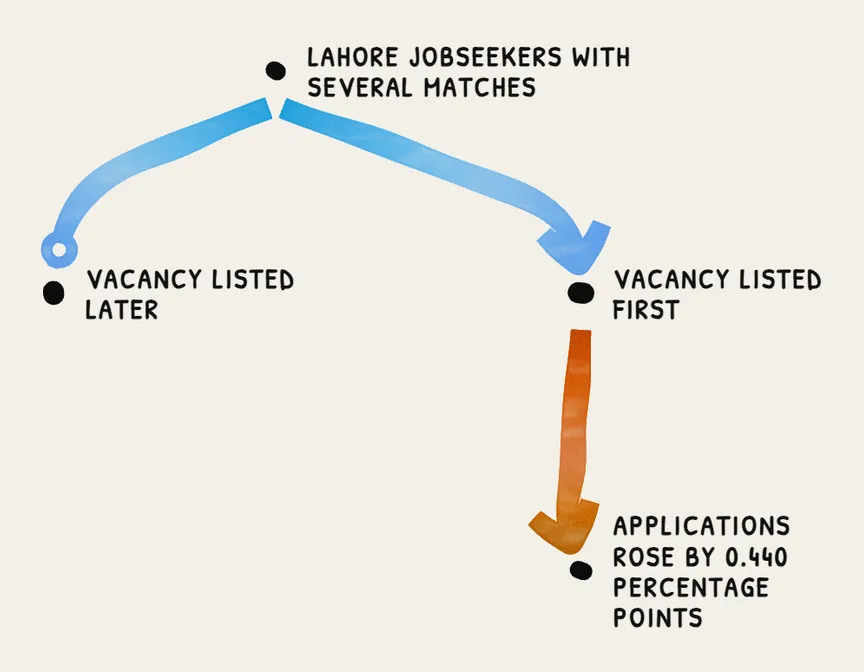
Avoid using random default sorting or top-of-list placement to drive user engagement on matching platforms, as forced random exposure induces low-yield actions with rapid return decay.
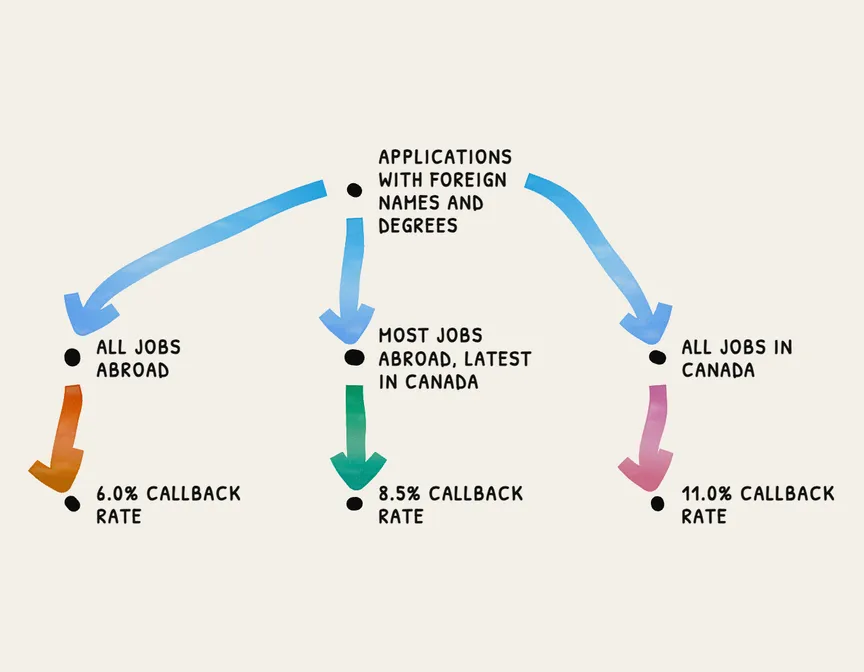
Establish standardized global work experience equivalency frameworks and subsidized bridge internships to help skilled immigrants obtain initial host-country work experience.
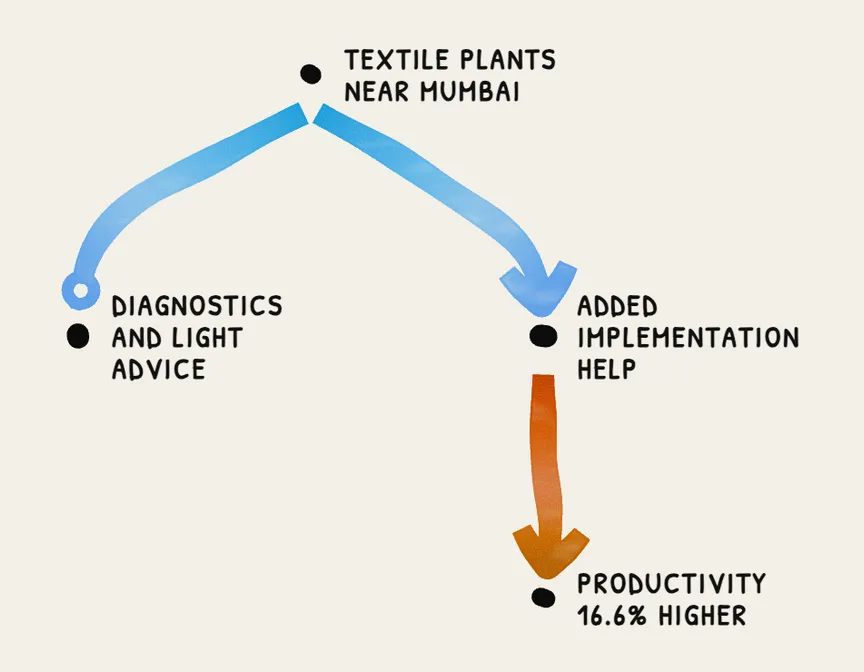
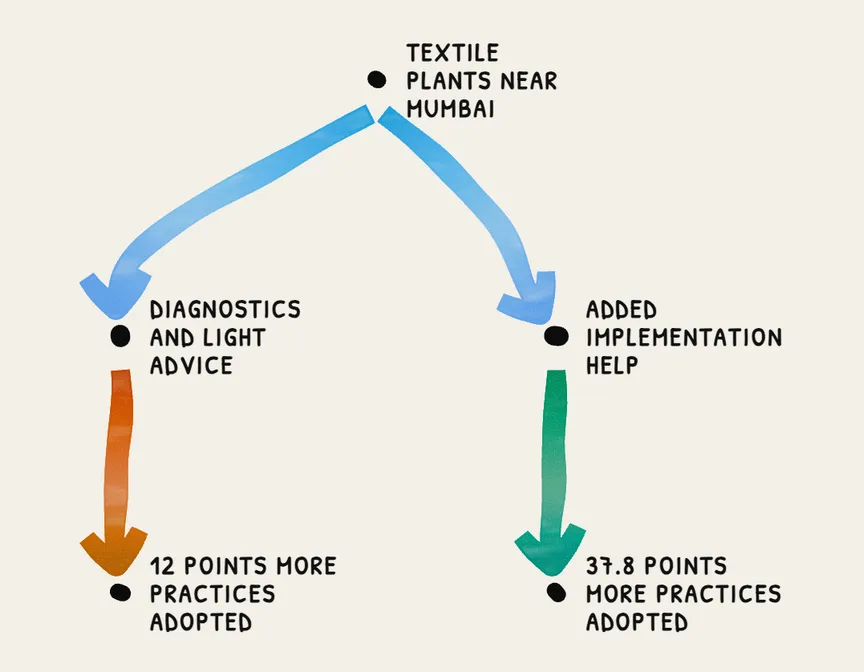
Audit plant operations to replace informal supervisory supervision with systematic performance monitoring, clear target setting, and standardized incentive structures.
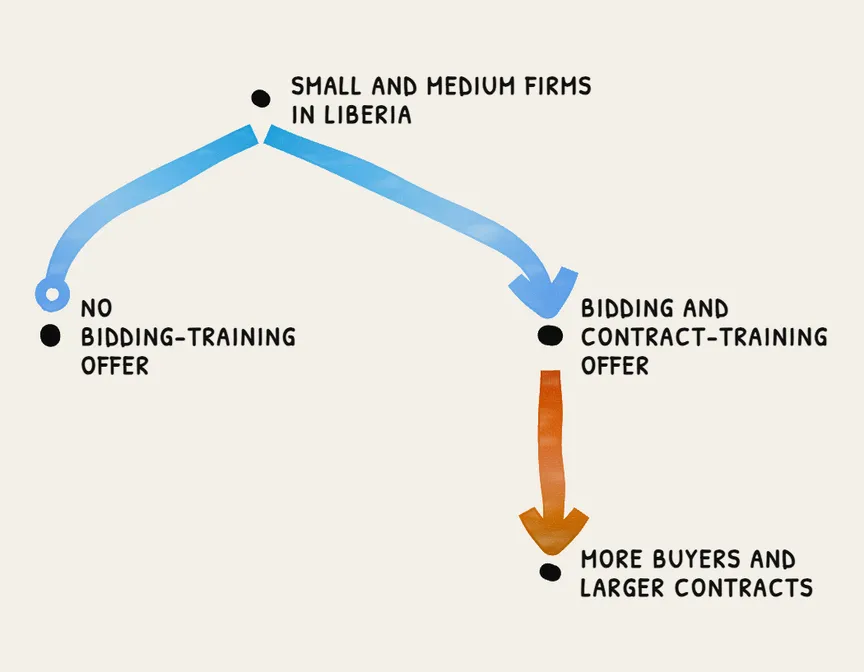
Deliver specialized managerial training focused on contract bidding techniques, tender proposal preparation, and formal buyer negotiation strategies to small business owners.
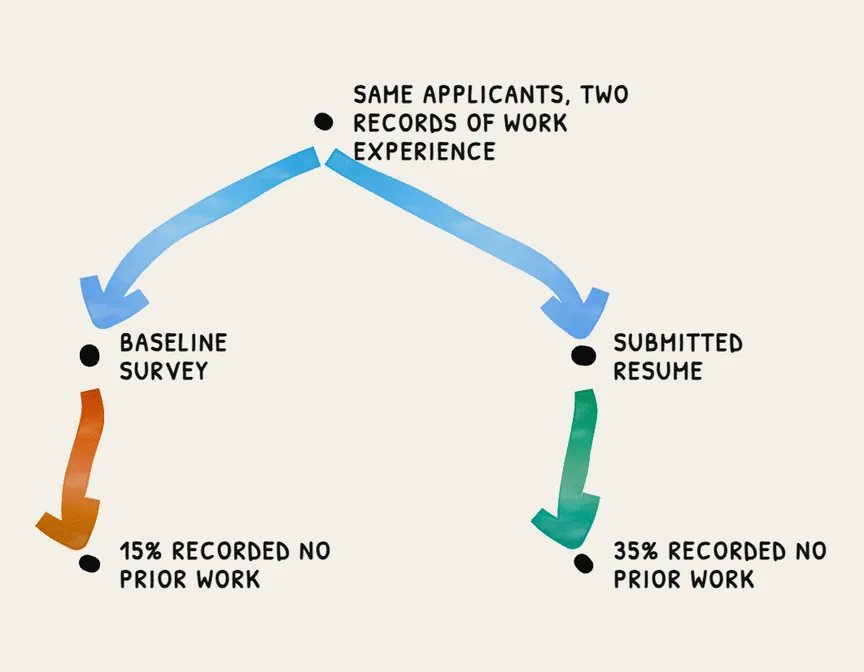
Provide active resume-updating assistance to job seekers in developing labor markets to ensure all informal and short-term work experiences are documented for prospective employers.
Designate specific, labeled storage locations for all raw materials and spare parts, establishing minimum and maximum buffer stock norms for reordering.
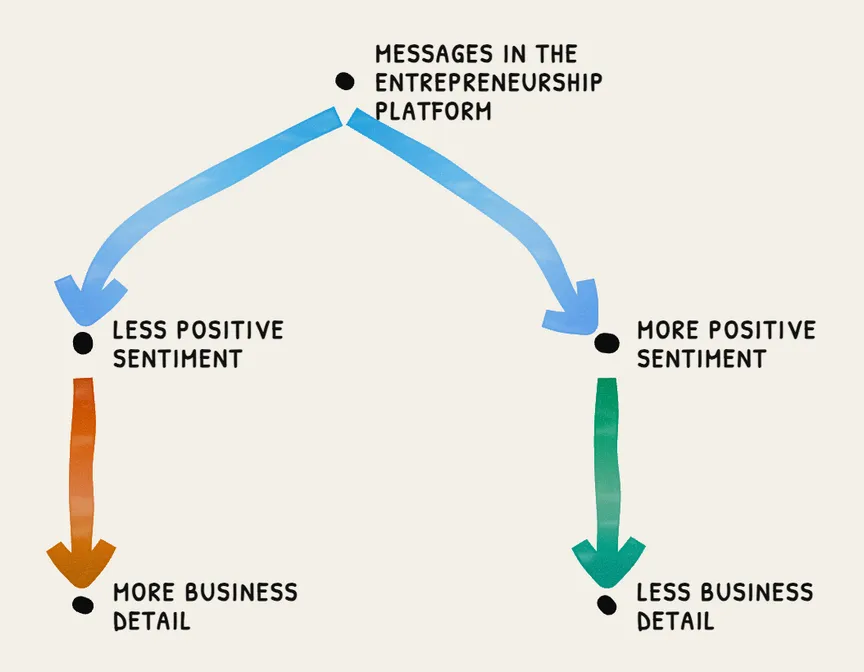
Structure online entrepreneurship platforms with separate dedicated channels for formal business iteration versus informal peer encouragement to prevent diluting analytical feedback.
Set a minimum assignment share parameter $\gamma = \frac{1}{4 N \lambda}$ in multi-armed bandit rules to enforce a frequentist bound $\lambda$ on estimator variance across all treatment arms.
Policy makers should reduce trade protection tariffs and remove credit market barriers to strengthen market competition against inefficient incumbent producers.
Model unearned wealth shocks as adjustments to working hours within existing employment matches rather than drivers of career re-allocation or inter-firm labor mobility.
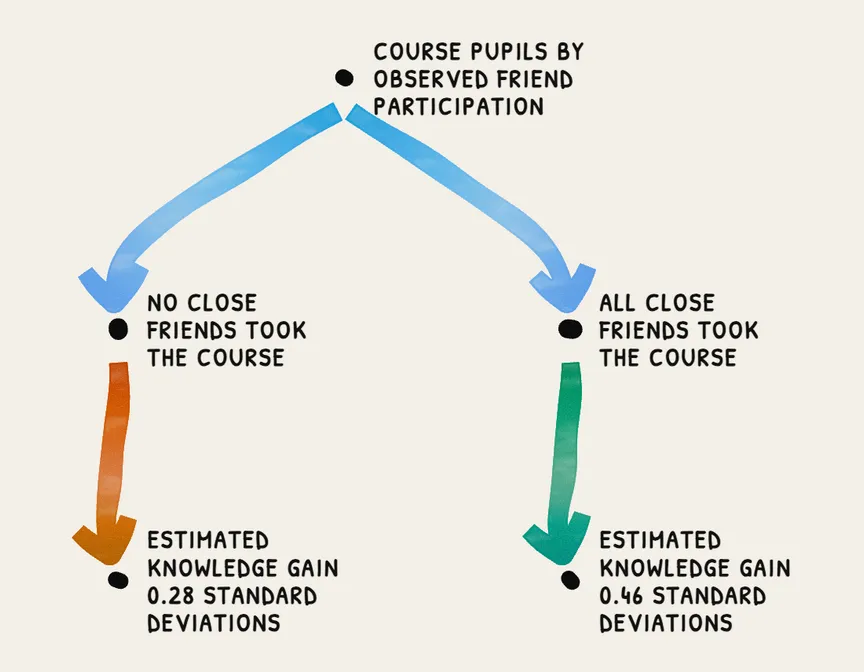
Assign entire peer cohorts or full intact classrooms to health education interventions rather than selecting scattered individuals, maximizing peer reinforcement.
Deconstruct monthly performance quotas into explicit weekly targets that frontload 60% of total target completions into the first two weeks of the production cycle.
Deploy state-contingent hedging instruments to decouple investment decisions from background volatility in credit- and risk-constrained enterprises.
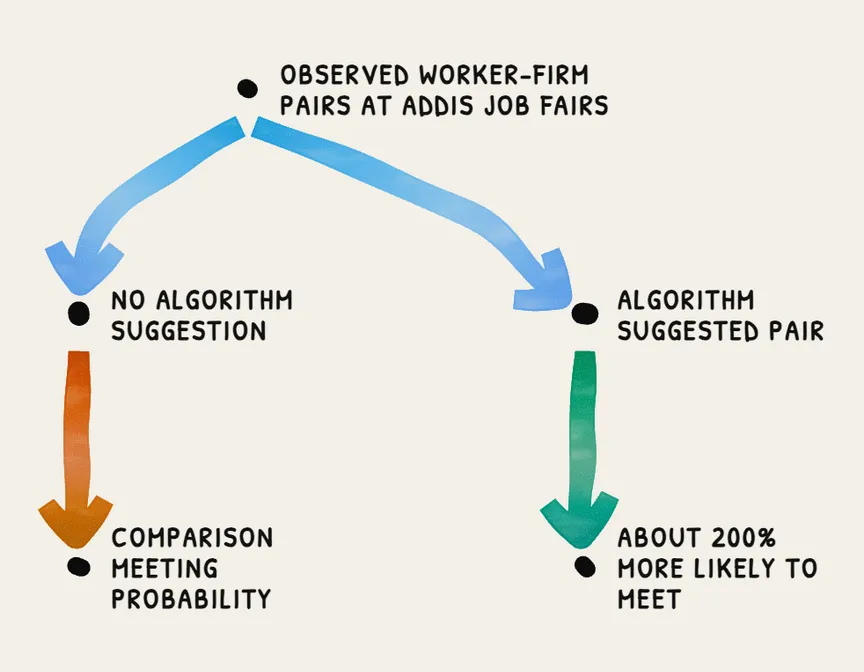
Construct synthetic lexicographic preference rankings using baseline survey variables (education, previous occupation, and advertised wages) and execute a Gale-Shapley deferred acceptance algorithm to schedule targeted meetings at job fairs.
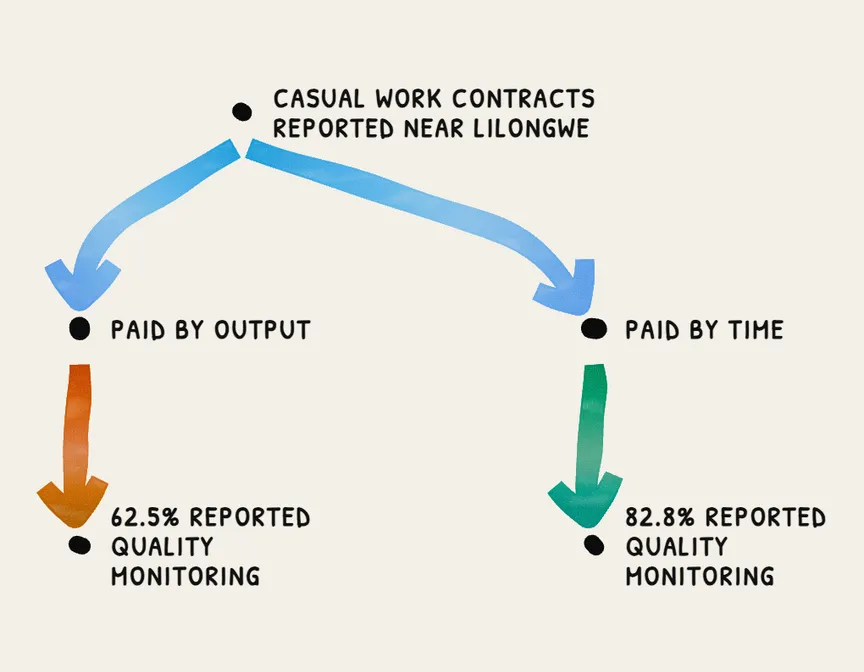
Structure agricultural labor policy and contract evaluations specifically around short-term ganyu task dynamics rather than standard salaried models.
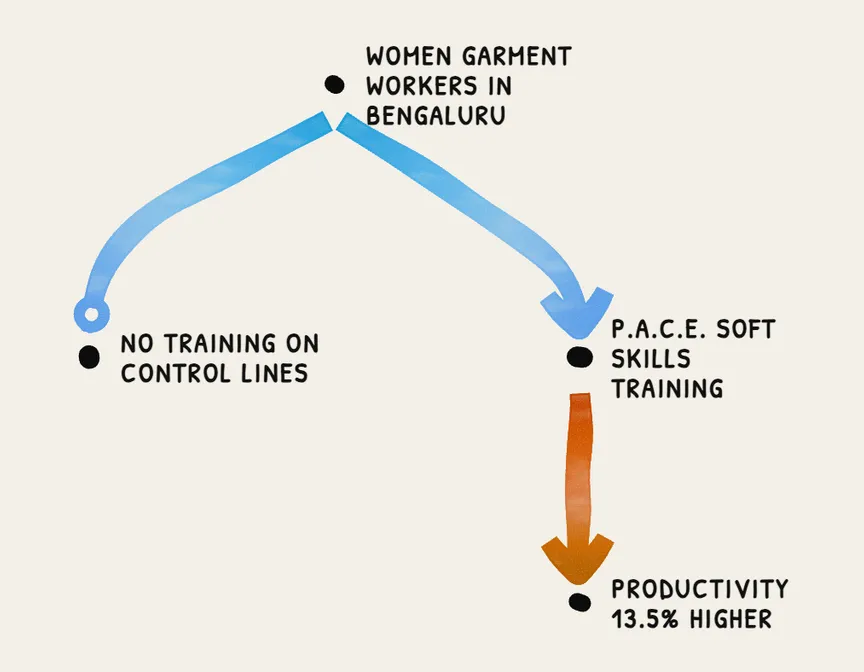
Enroll production line workers in an on-the-job soft skills curriculum focused on communication, time management, financial literacy, and collaborative problem-solving.
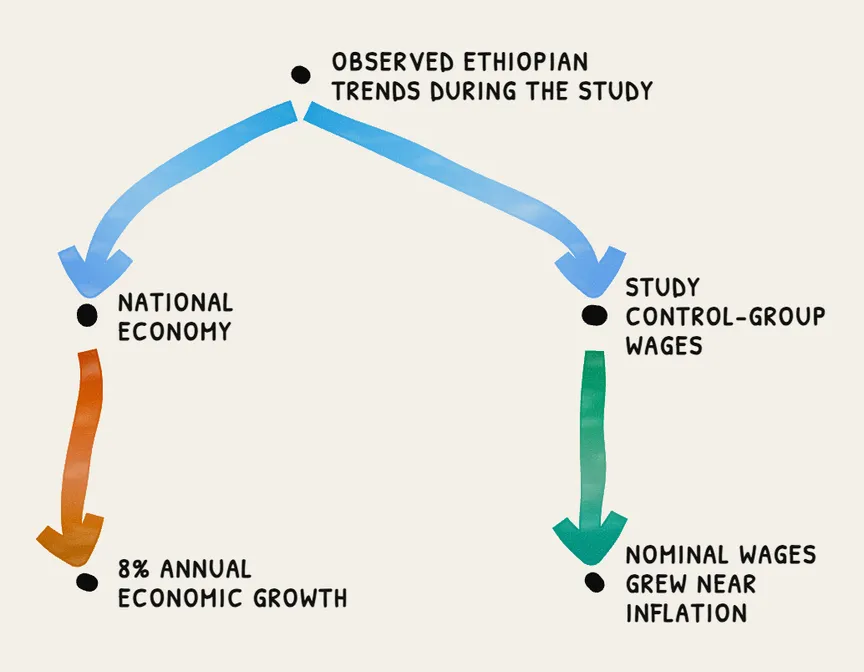
Implement early-career skill certification interventions to help youth secure permanent formal contracts rather than relying on aggregate GDP growth to raise wages.
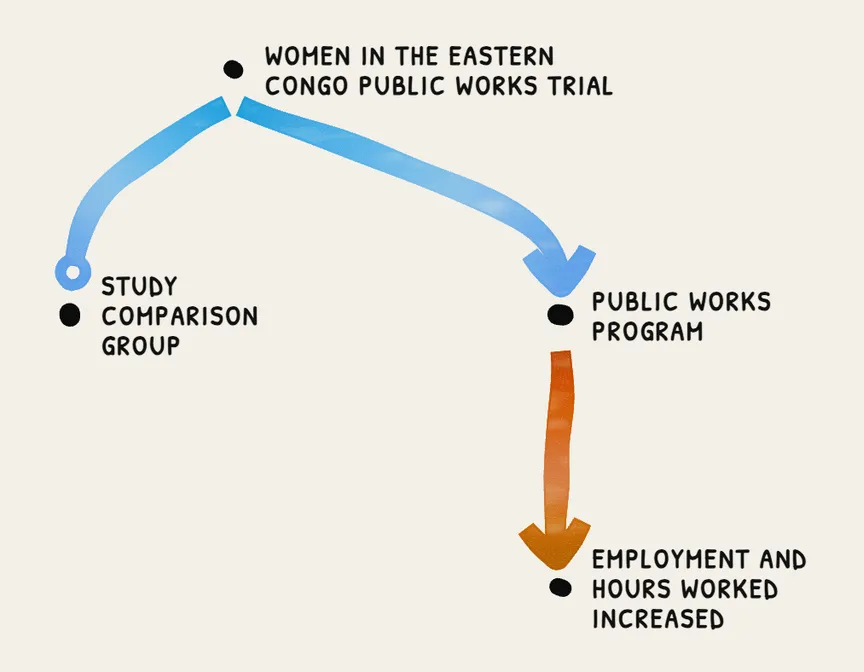
Design female-focused employment quotas and gender-adapted project tasks within public works initiatives to boost total local labor market participation.
Pair male postsecondary students with gender-matched mentors and structure coaching frameworks to specifically address gender-based differences in advising receptivity.
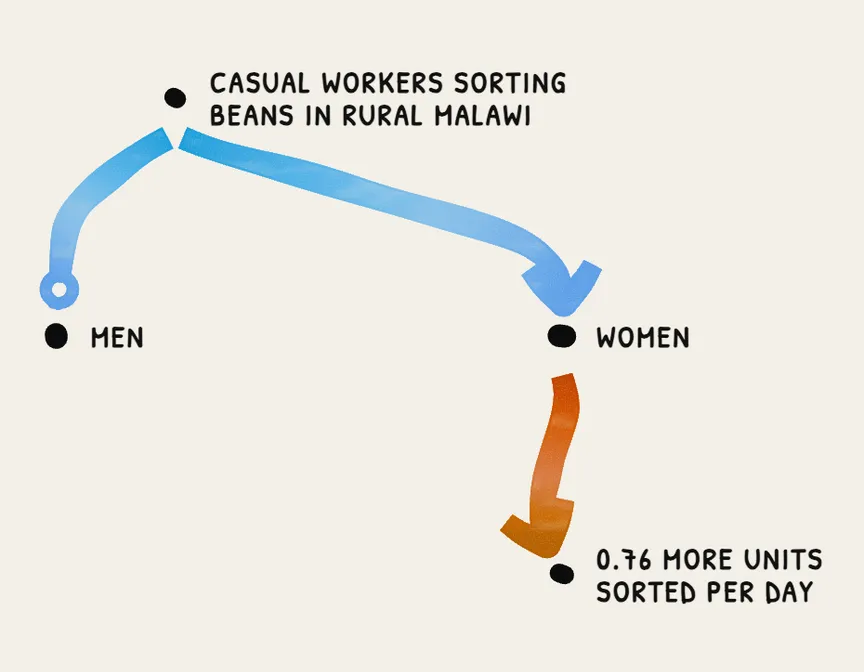
Evaluate gender-specific outside labor opportunities and household cash demands when designing targeted piece-rate incentive contracts.
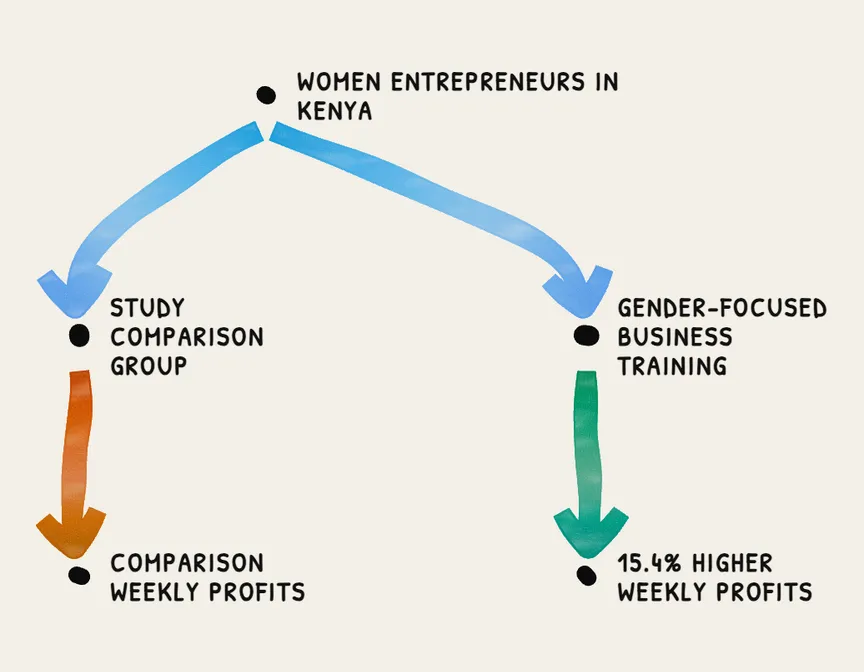
Incorporate agency-building, self-confidence coaching, and social-norm navigation strategies directly into business skills curricula targeted at female microentrepreneurs.
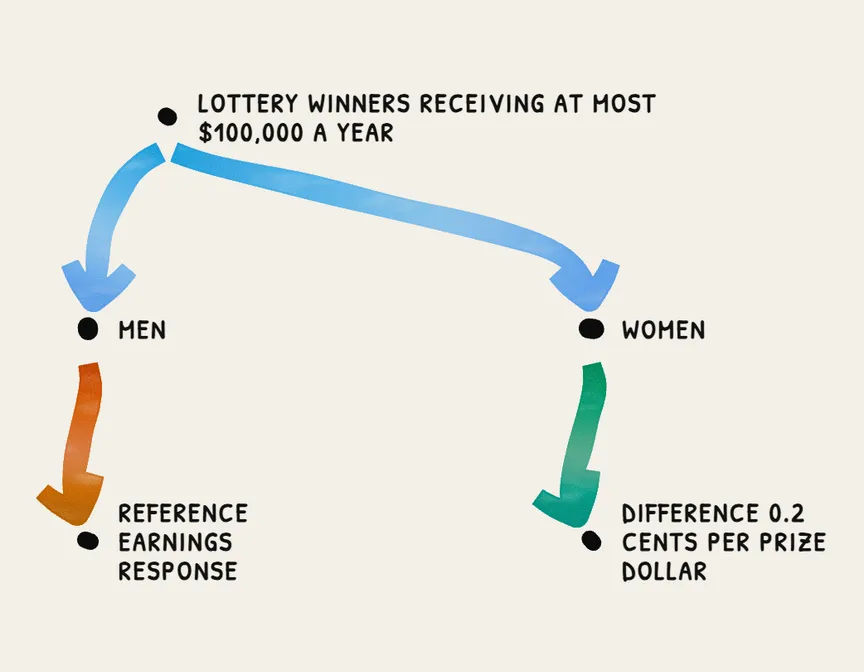
1. Apply identical labor supply reduction coefficients across male and female populations when modeling non-wage income transfers or universal basic income policies.
Mandate dedicated gender-sensitivity and anti-harassment training modules within supervisory soft skills curricula in female-dominated manufacturing plants.
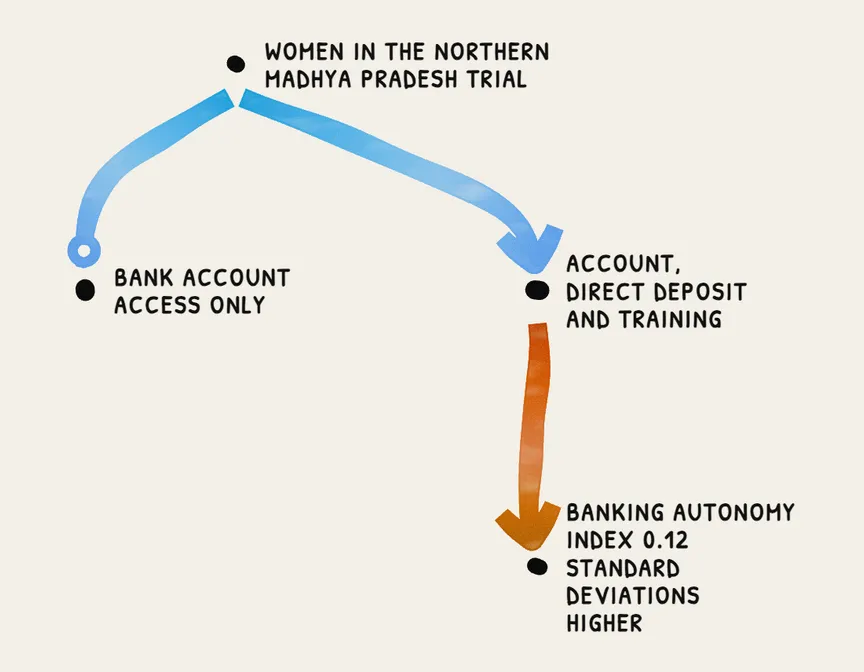
Transition public employment and work guarantee payments from joint household accounts to individual, gender-targeted bank accounts linked to direct deposit infrastructure.
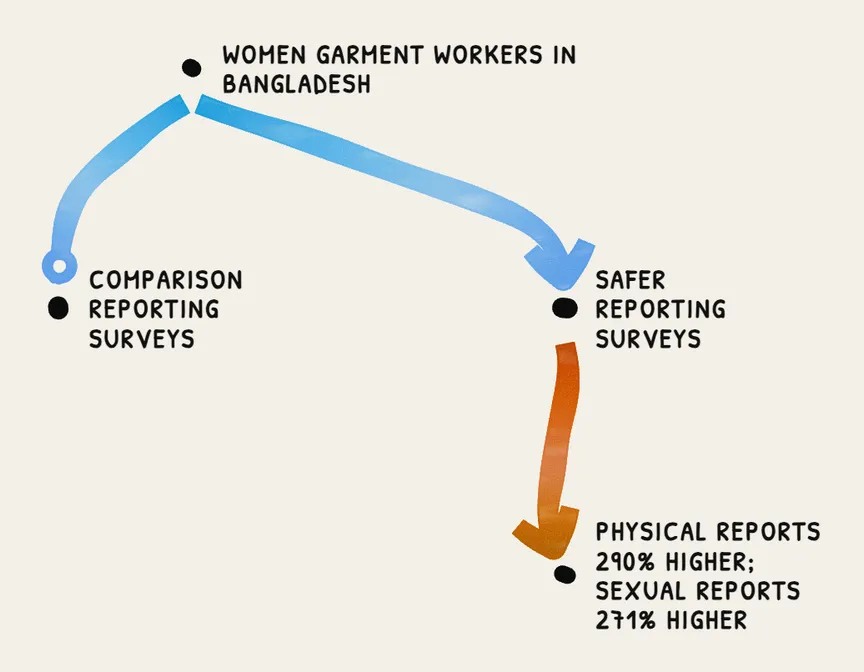
Establish an independent, confidential grievance reporting channel specifically configured for reporting workplace abuse and gender-based harassment.
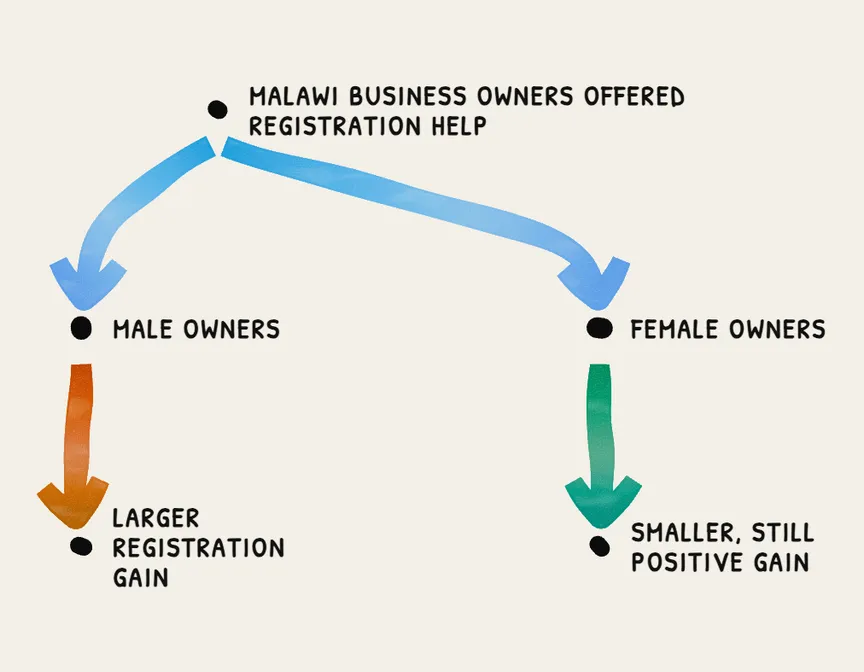
Combine female enterprise formalization incentives with subsidized childcare services and secure personal savings mechanisms to insulate business revenues from household claims.
Evaluate target populations using direct financial literacy assessments rather than relying on general educational attainment as a proxy for financial capability.
Incorporate general equilibrium market price and wage estimations into program evaluation designs before scaling social or financial interventions.
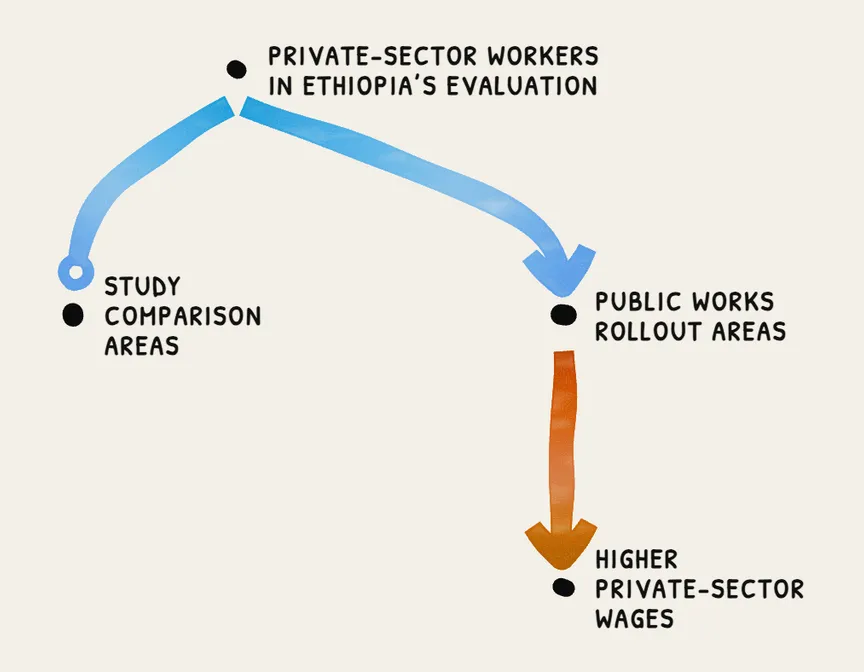
Set public works wage rates slightly above prevailing market floor rates in large-scale deployments to incentivize private sector wage increases across local economies.
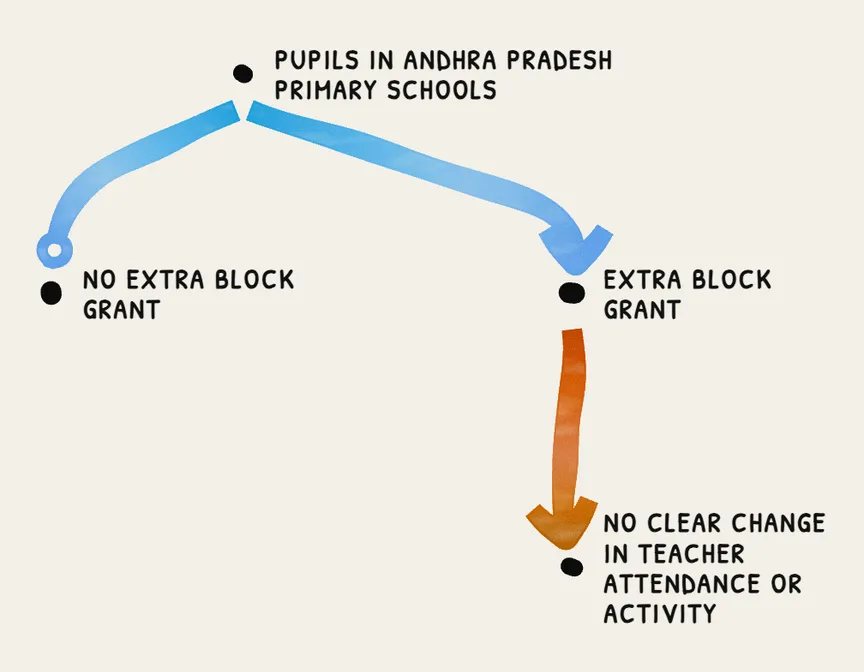
Monitor direct behavioral effort metrics, such as teacher attendance and active instruction time, across multi-year field trials to empirically rule out temporary observer effects and gift-exchange dynamics.
Incorporate a mandatory six-month financial goal setting module accompanied by structured group step-mapping into financial training curricula.
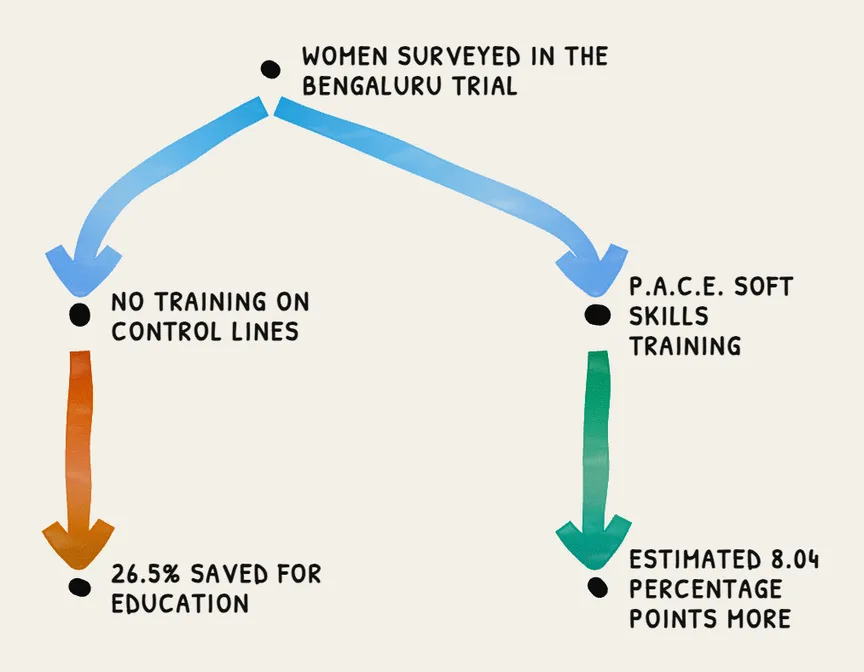
Integrate personal goal-setting and prioritization exercises into workplace soft skills curricula to stimulate employee savings behaviors directed toward children's long-term educational attainment.
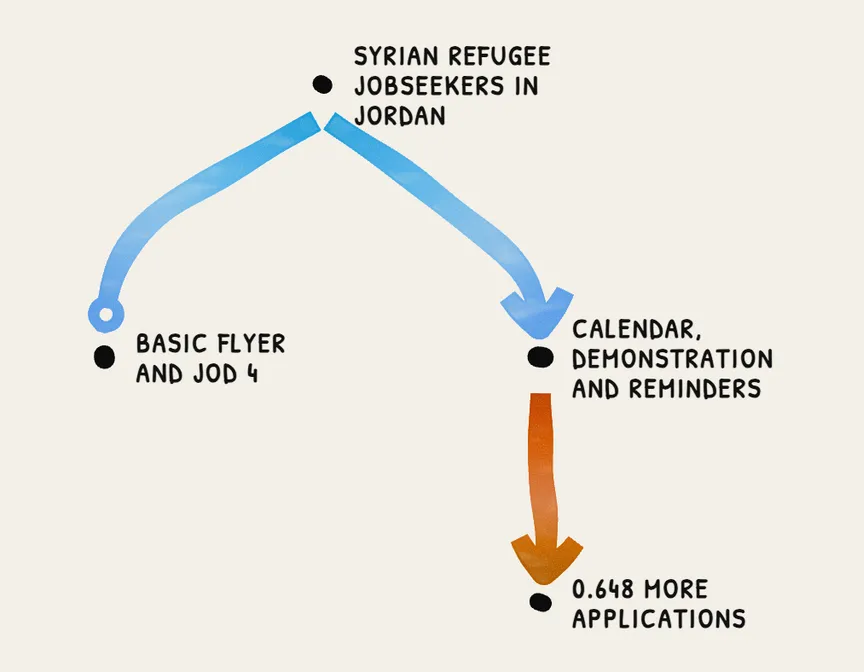
Deploy structured weekly planning calendars paired with automated goal-setting and goal-review text messages to jobseekers to mitigate self-control bottlenecks during active search phases.
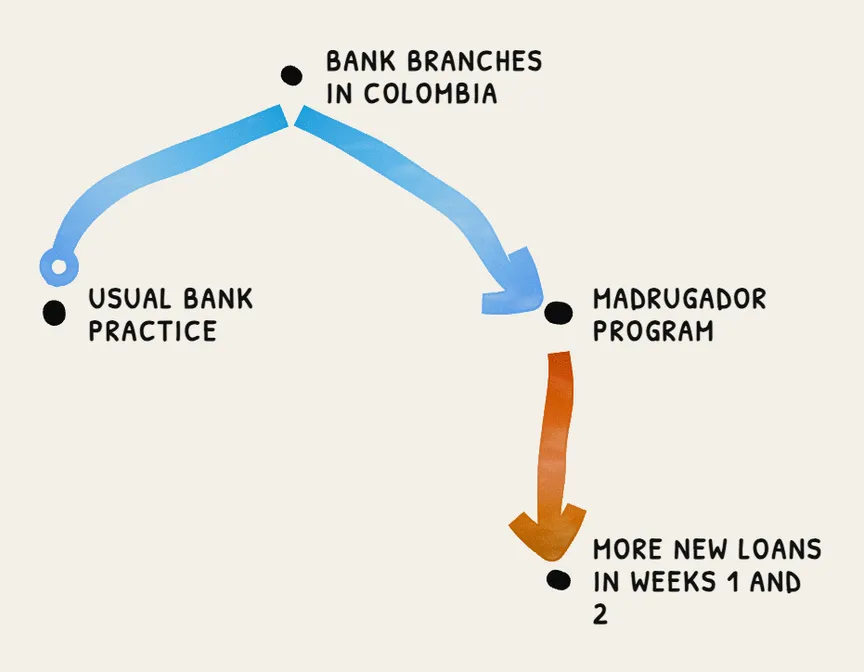
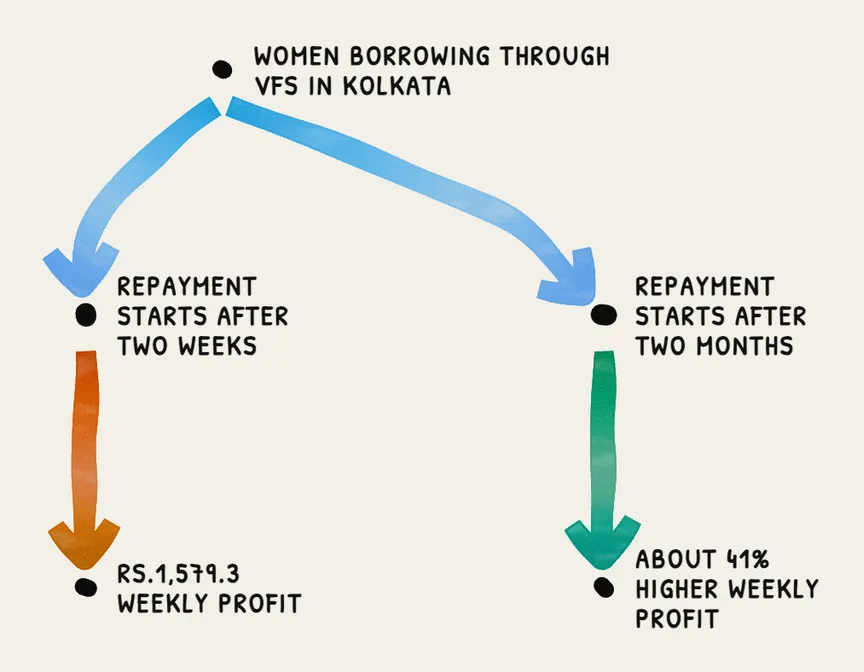
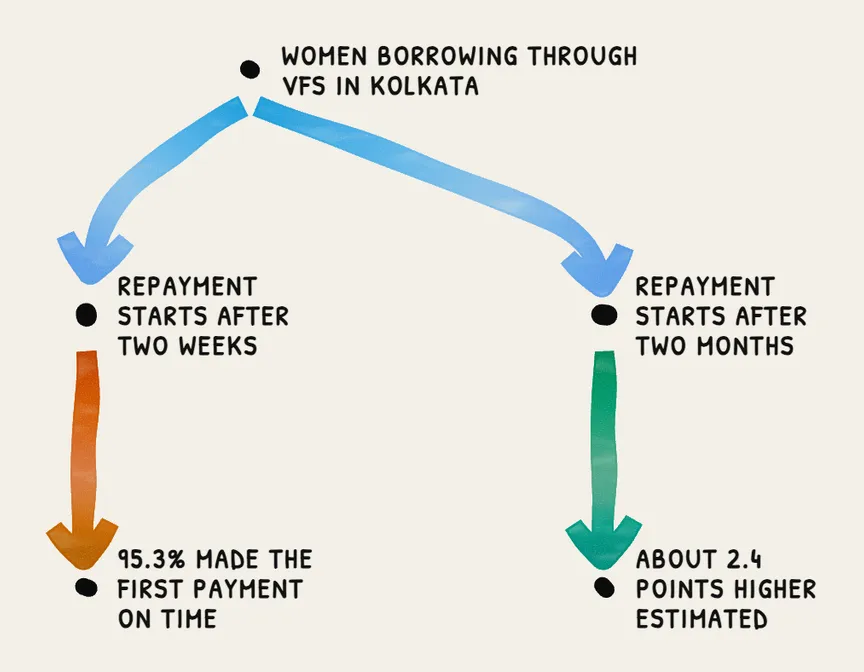
Restructure microfinance loan offerings by introducing an 8-week deferral on initial installment collections for entrepreneurial clients seeking to purchase capital-intensive or illiquid inventory.
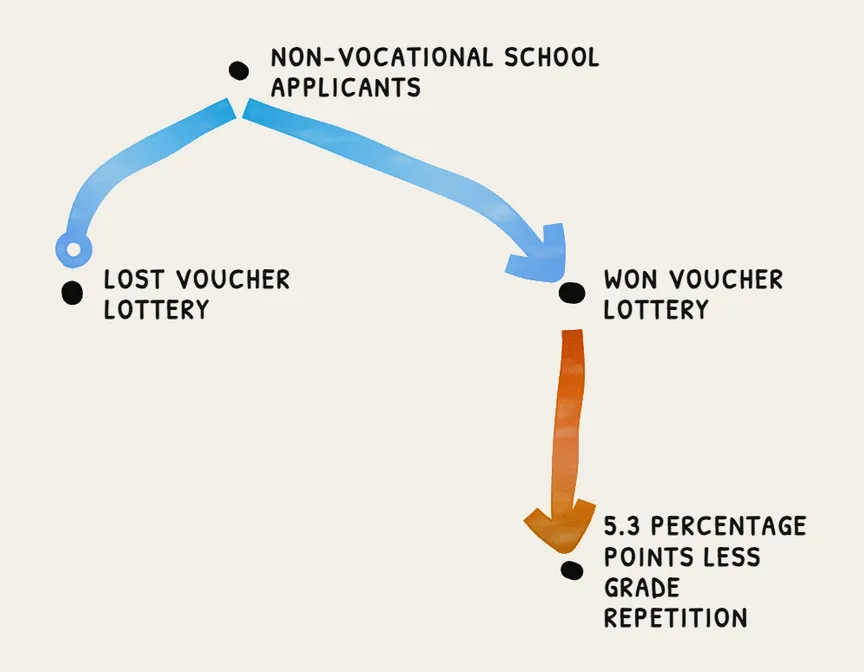
Incorporate academic grade-progression incentives into educational funding models to reduce grade retention costs and accelerate secondary school completion.
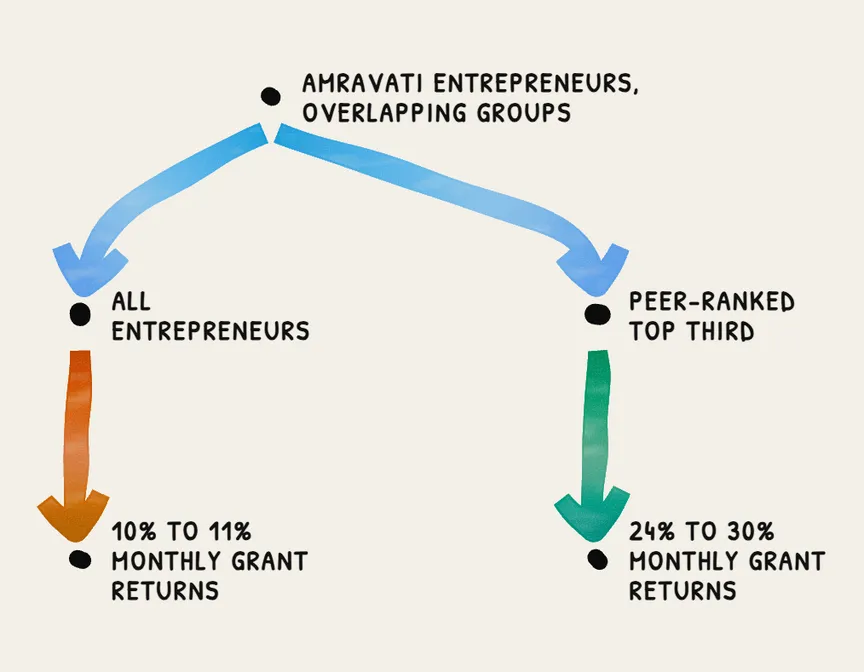
Structure capital allocation programs to differentiate between average and high-return microenterprises rather than relying on uniform, population-wide microcredit disbursements.
Bundle high-yielding seed varieties and fertilizer subsidies directly with index weather insurance to accelerate technology adoption among risk-averse smallholders.
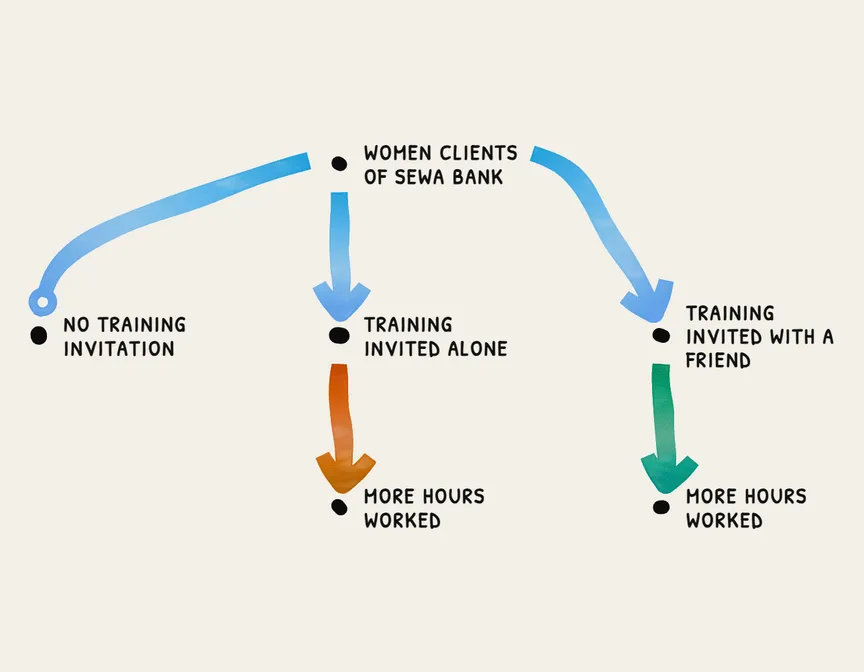
Implement structured weekly discussion prompts covering practical life logistics and interpersonal bonding questions for paired workplace peers.
Maintain strict post-grace period installment enforcement to preserve repayment discipline once initial payments commence.
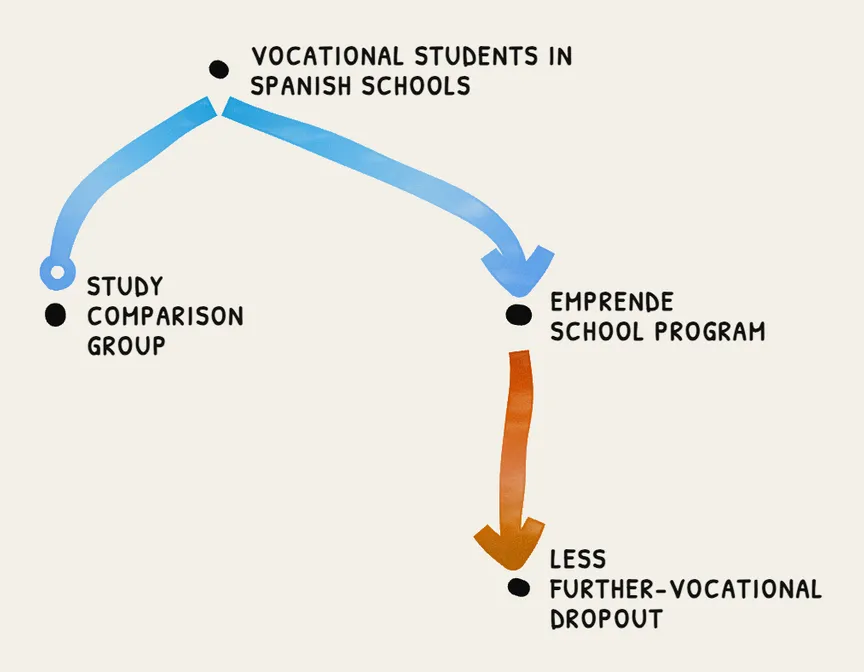
Embed structured hands-on business creation modules and industry networking events directly into vocational high school curricula to reduce student dropout rates.
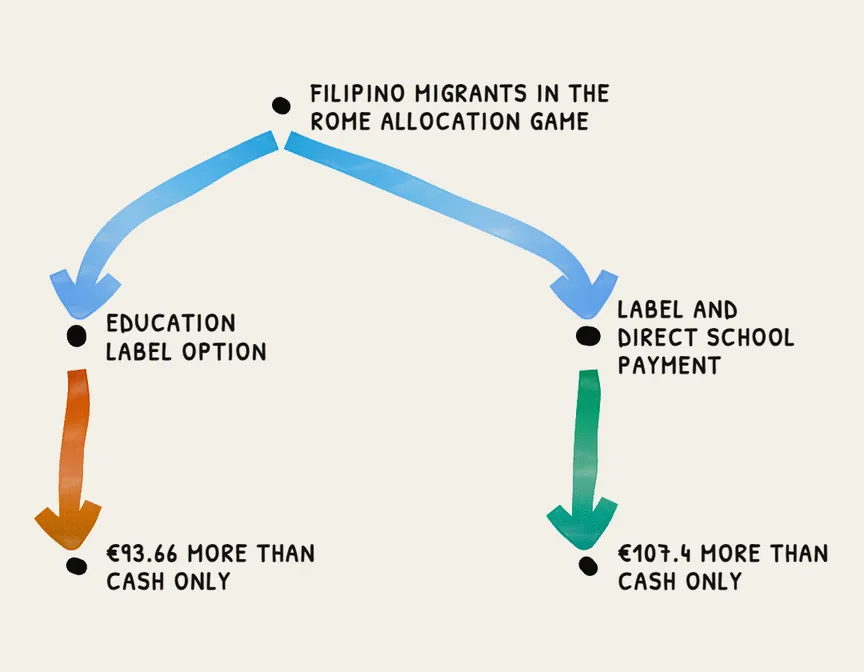
Prioritize lower-friction soft labeling options over rigid direct-pay channels when designing remittance management tools for transnational families.
Incorporate diagnostic-only control groups receiving identical observation intensity when testing management or process interventions to isolate genuine operational effects from Hawthorne worker behavior shifts.
Structure high-frequency panel questionnaires using identical baseline wording and non-directional prompts to avoid inducing behavioral measurement artifacts among study participants.
Conduct post-intervention follow-up testing at least one year after program completion to separate permanent cognitive skill accumulation from temporary Hawthorne effects.
Reallocate public health budgets toward centralized digital learning platforms to lower per-capita costs and achieve benefit-to-cost ratios exceeding 1.5 in adolescent health programs.
Develop screening diagnostics for entrepreneurial talent and baseline management capability before deploying capital or consulting interventions rather than offering broad-based programs.
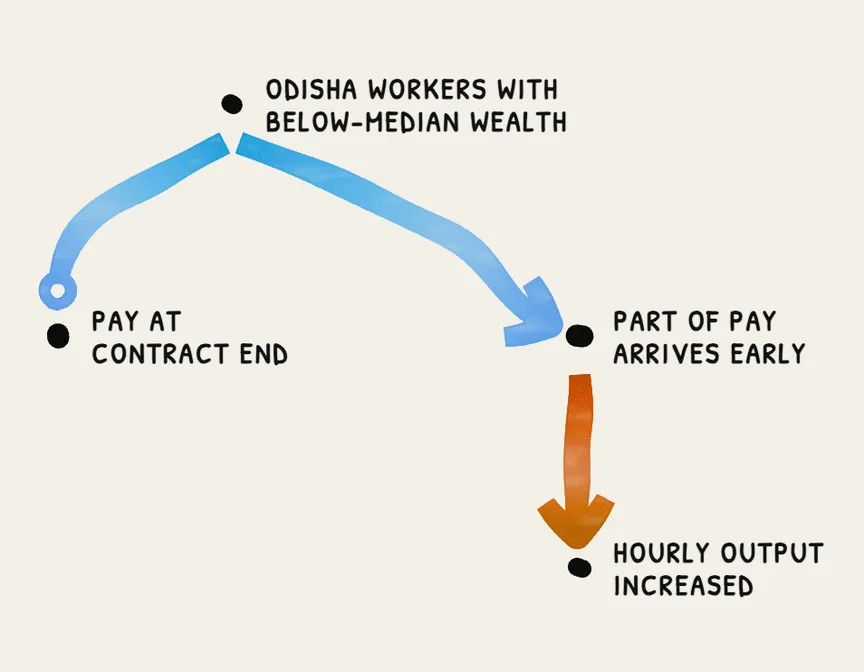
Target early wage disbursements specifically toward employees exhibiting high baseline indicators of financial distress rather than applying blanket payment policies across all income tiers.
Page 8 of 23
Previous
1
…
7
8
9
…
23
Next