Skip to the methods
Menu
aikyam
school
Findings
Methods
Subjects
All cards
Read
Findings
Methods
Subjects
All cards
Methods
2,124 methods
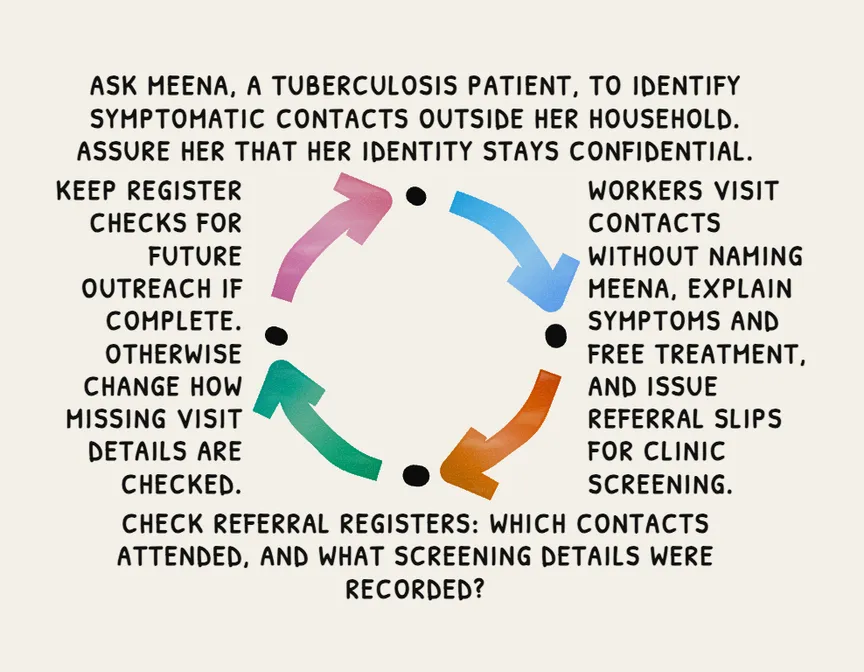
Concealing the identity of the referring patient removes time and social stigma costs for the current patient.
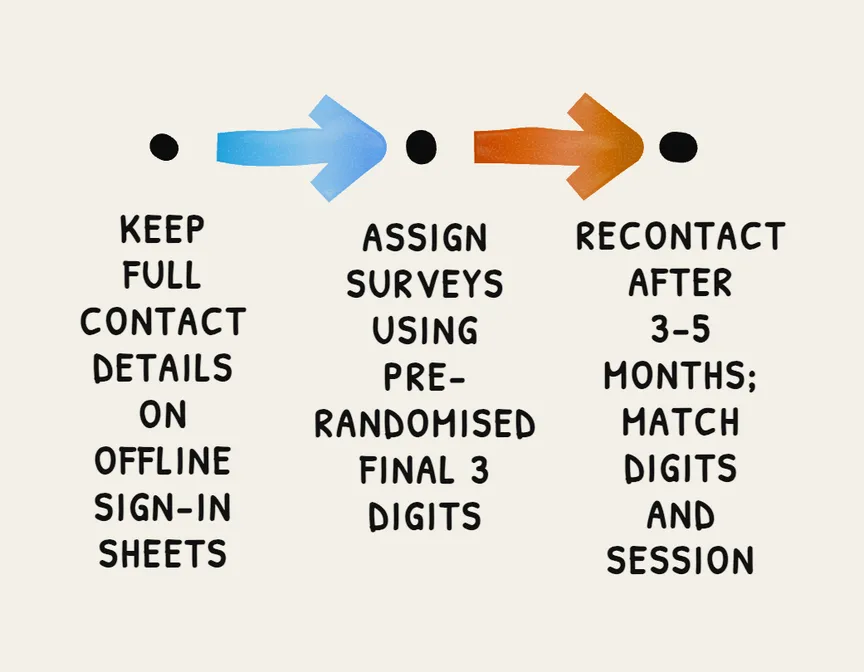
Separating full contact lists from survey data ensures that researchers never see full names or phone numbers linked to private answers.
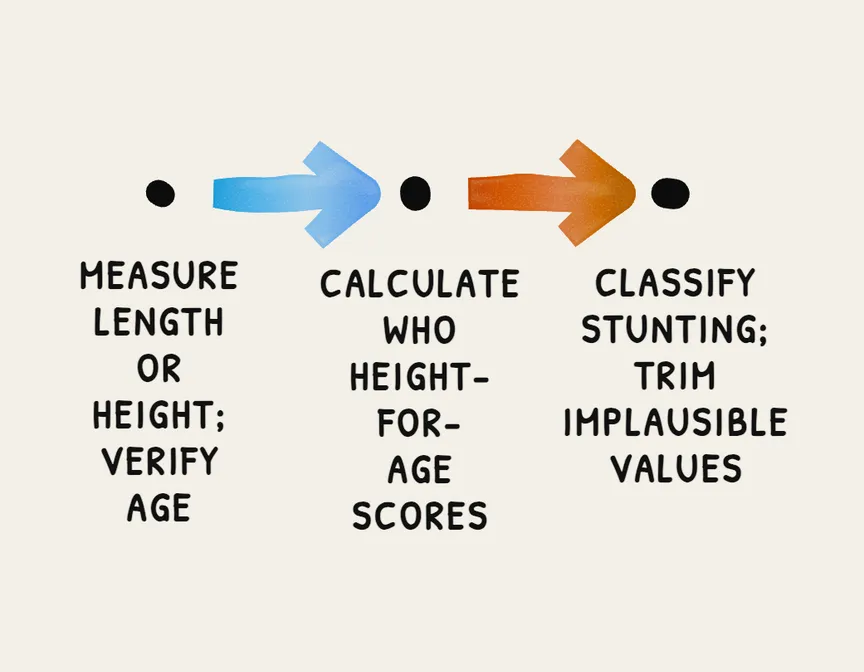
Height-for-age z-scores capture cumulative biological growth and nutritional history rather than temporary weight fluctuations.
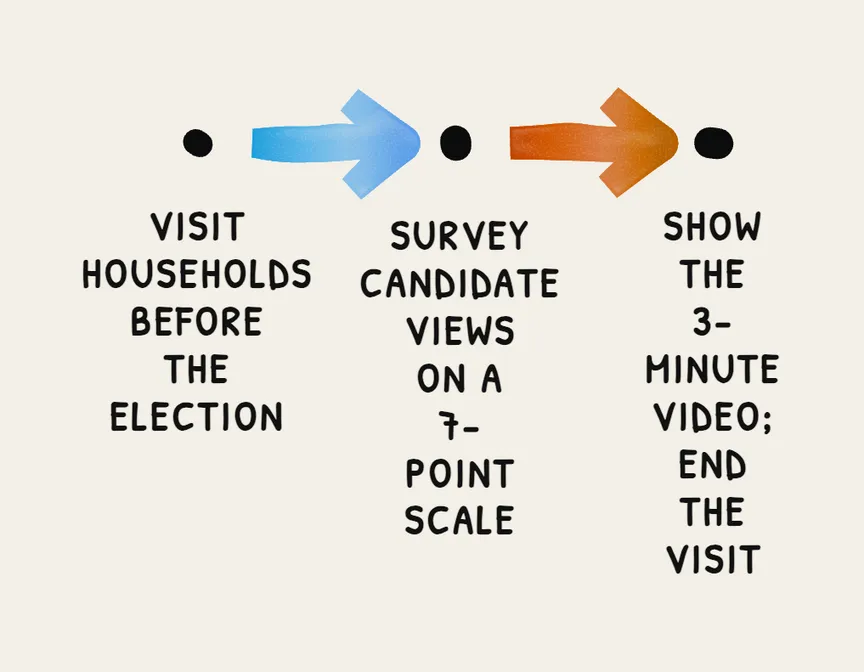
Visual educational content delivered by prominent figures highlights the civic harms of vote-buying.
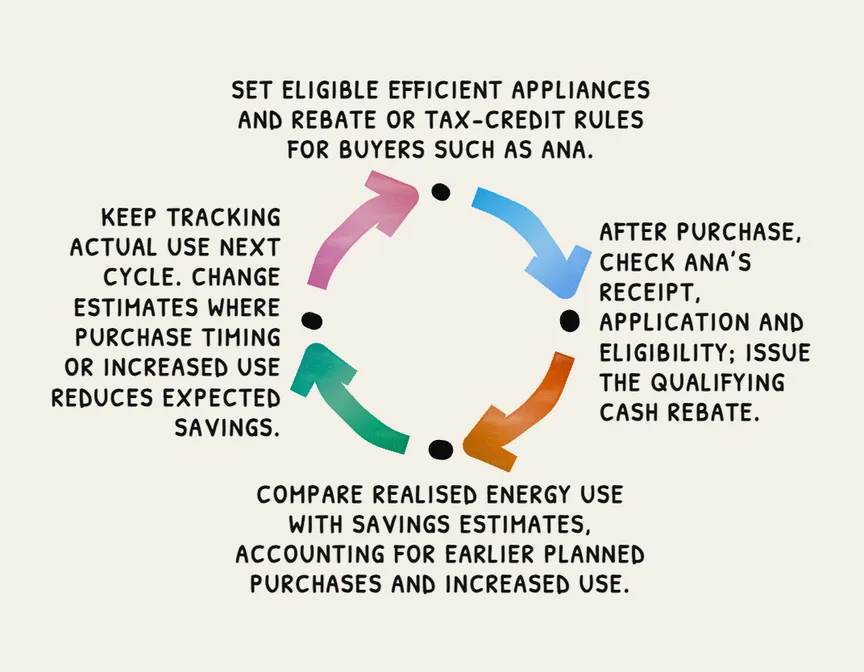
Lower upfront prices encourage households to purchase energy-efficient models instead of standard units.
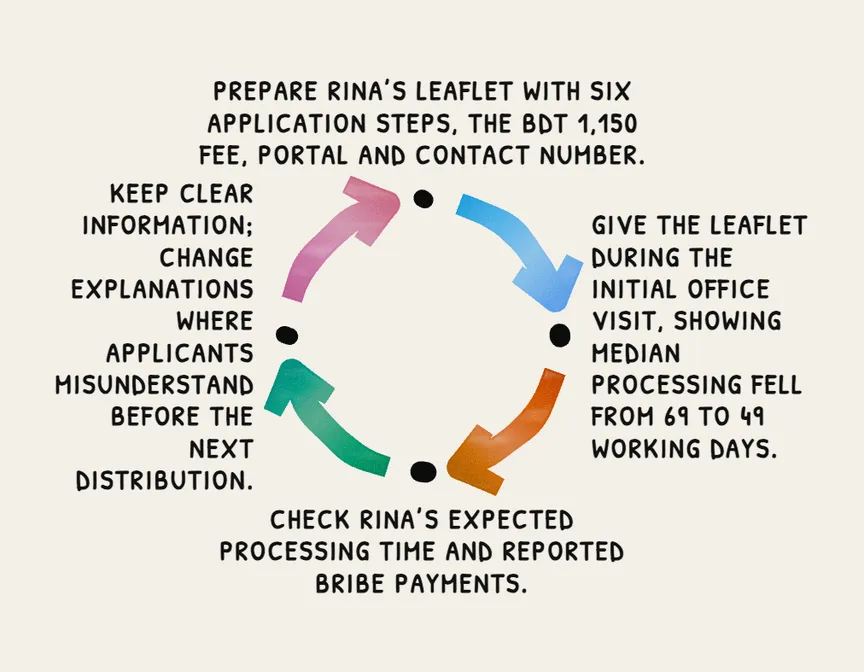
Providing objective delay statistics directly to citizens lowers their expected processing timelines.
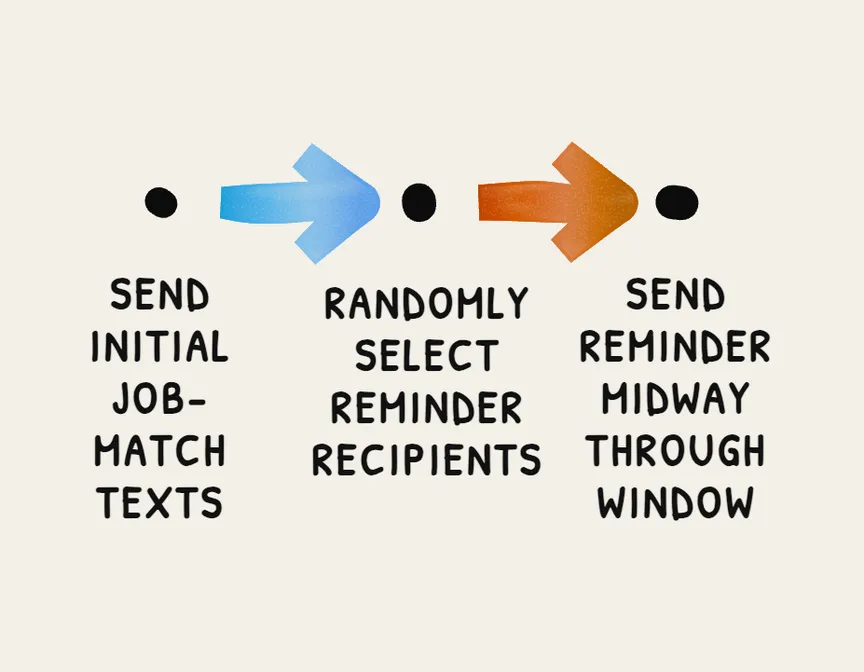
Follow-up text messages increase the salience of pending deadlines, mitigating search failure caused by memory decay.
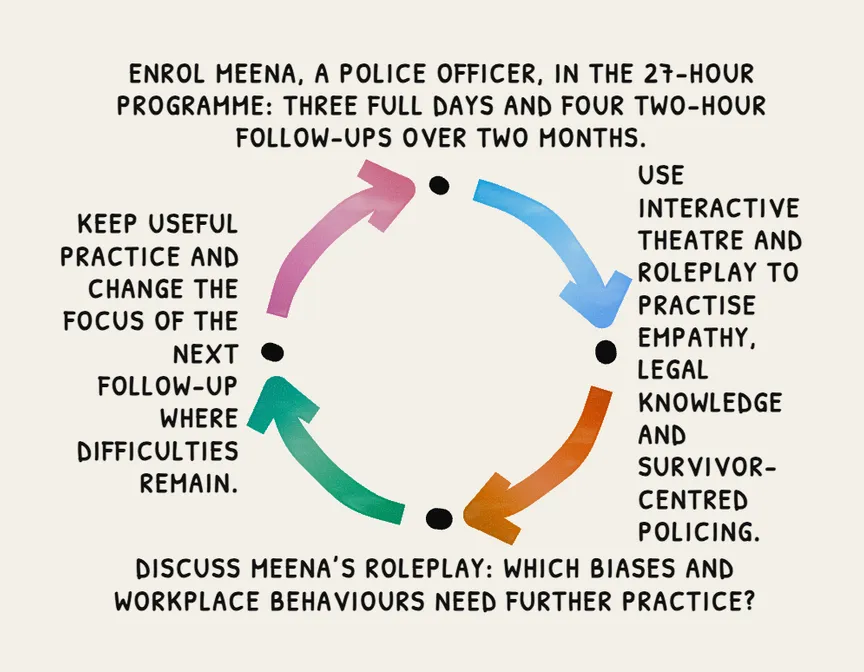
Interactive theater creates safe spaces for officers to voice opinions and build empathy through shared narratives.
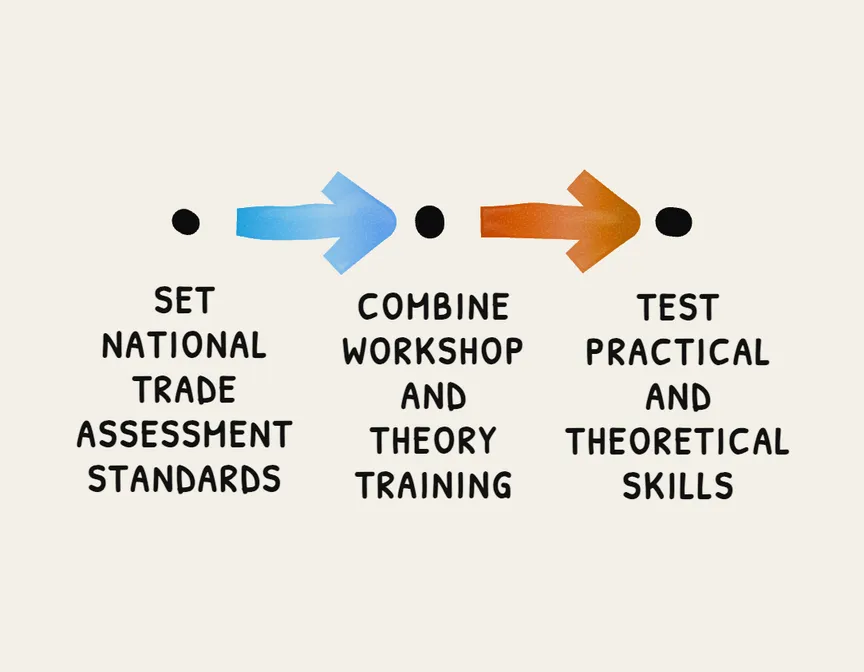
External certification frameworks resolve information asymmetries in informal labor markets by providing a portable signal of general, transferable skills.
Showing relatable peer success stories builds aspirations and demonstrates practical financial behaviors.
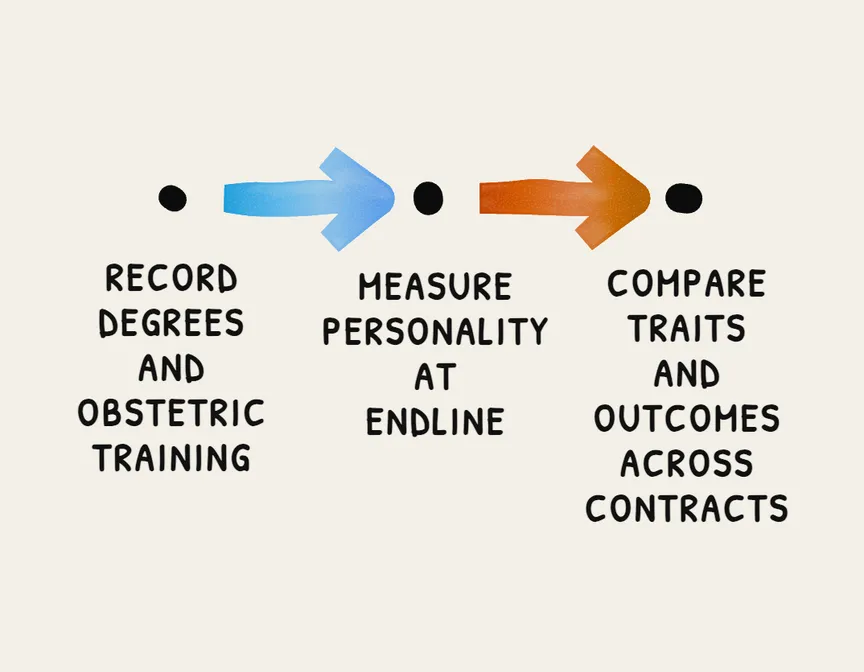
Measuring medical skills and personality traits reveals how provider characteristics modify response to incentive contracts.
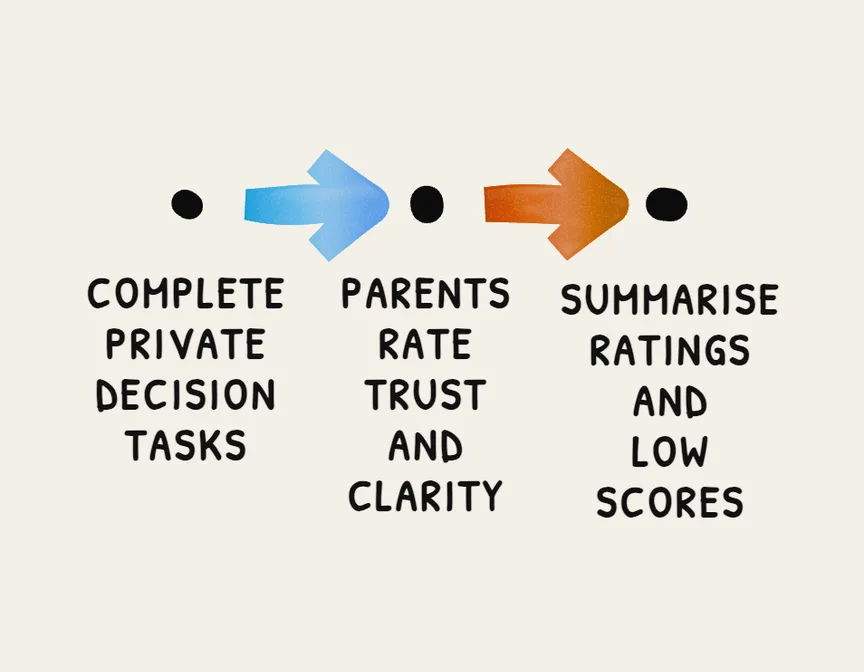
Quantitative feedback on participant trust confirms whether single-anonymous controls successfully prevented social pressure or skepticism from distorting choices.
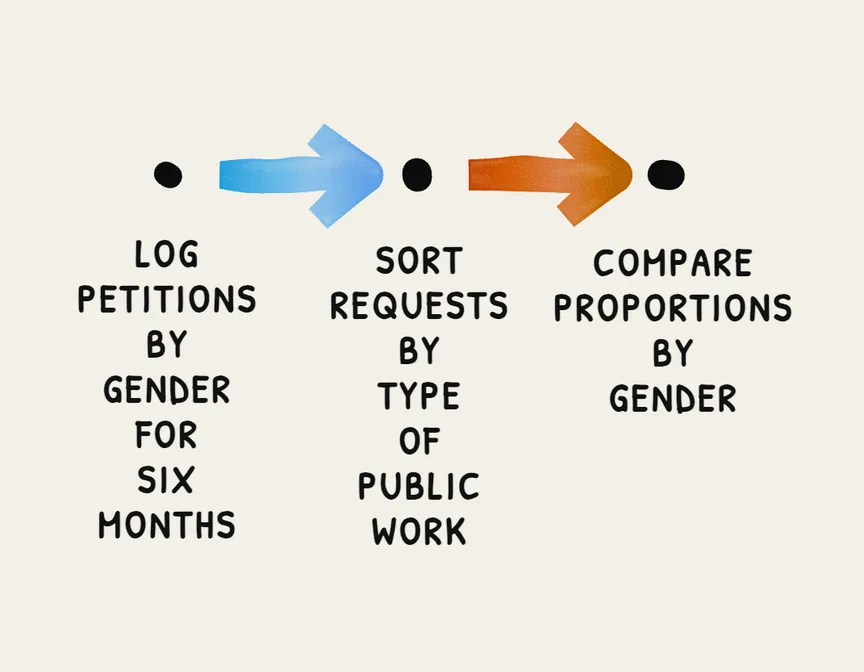
Sorting citizen petitions by gender surfaces underlying differences in daily responsibilities and household labor opportunities between men and women.
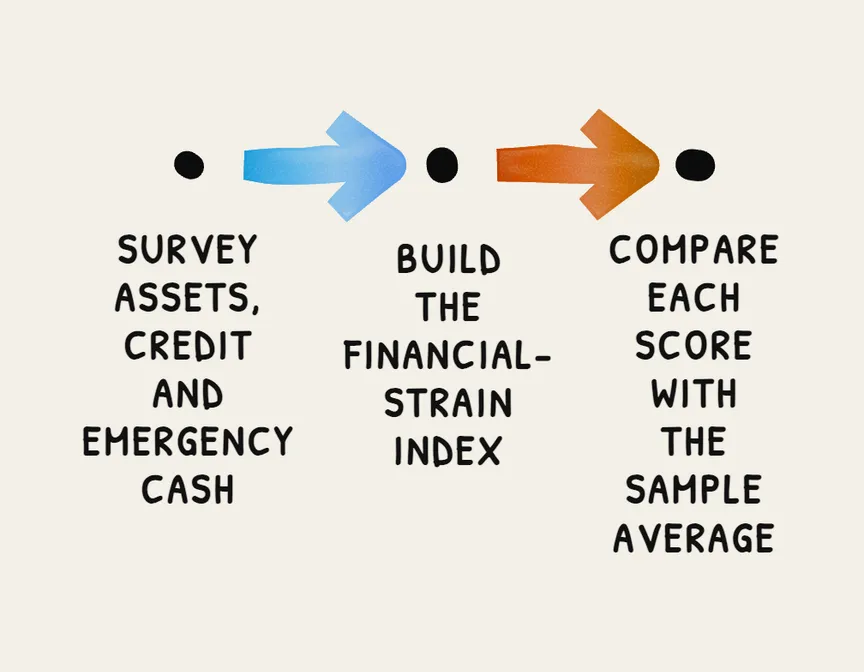
Asking about tangible assets, credit usage, and emergency liquidity provides an accurate picture of household economic distress.
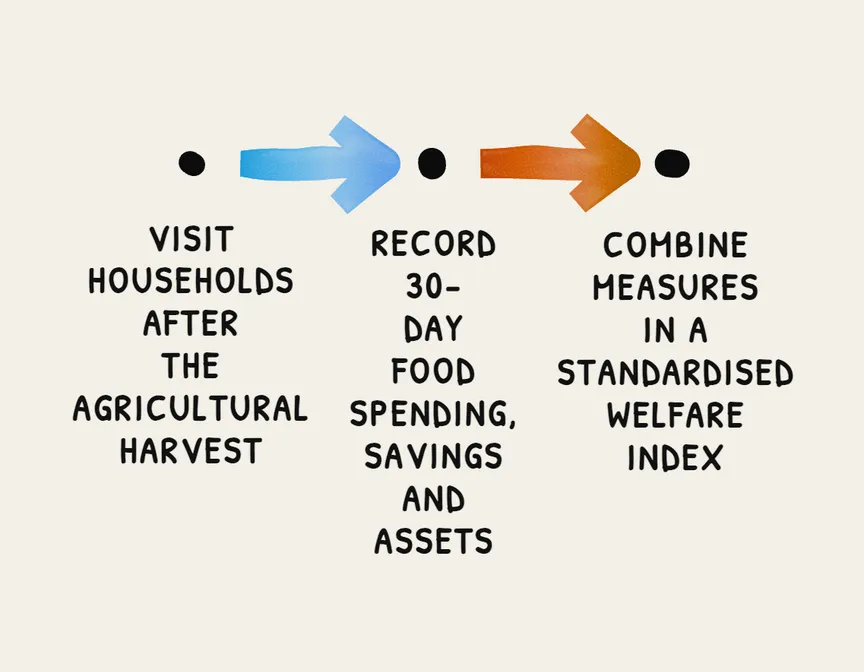
Measuring comprehensive household expenditure captures aggregate living standard gains resulting from forecast-driven input adjustments.
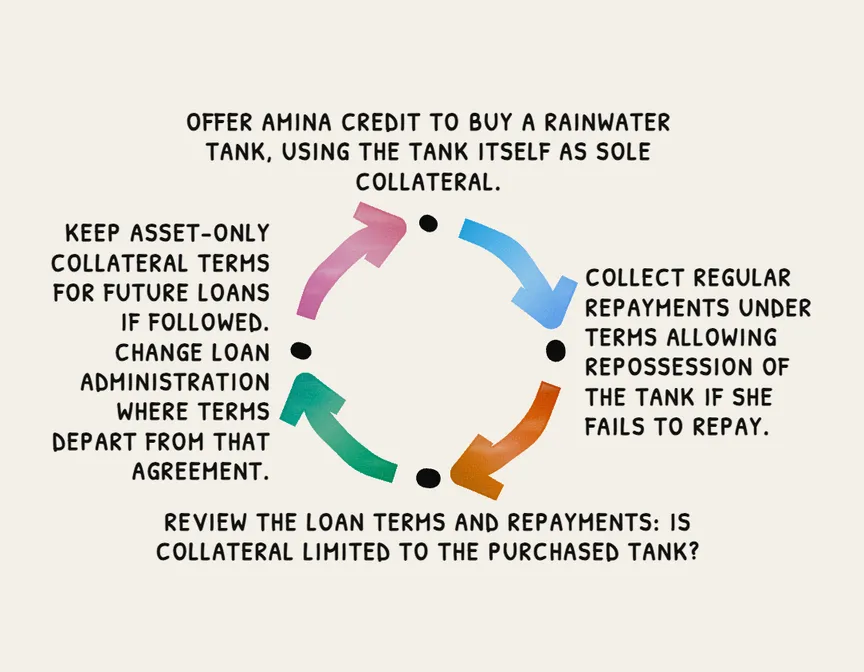
Pledging the purchased asset removes the need for land titles or shared group risk.
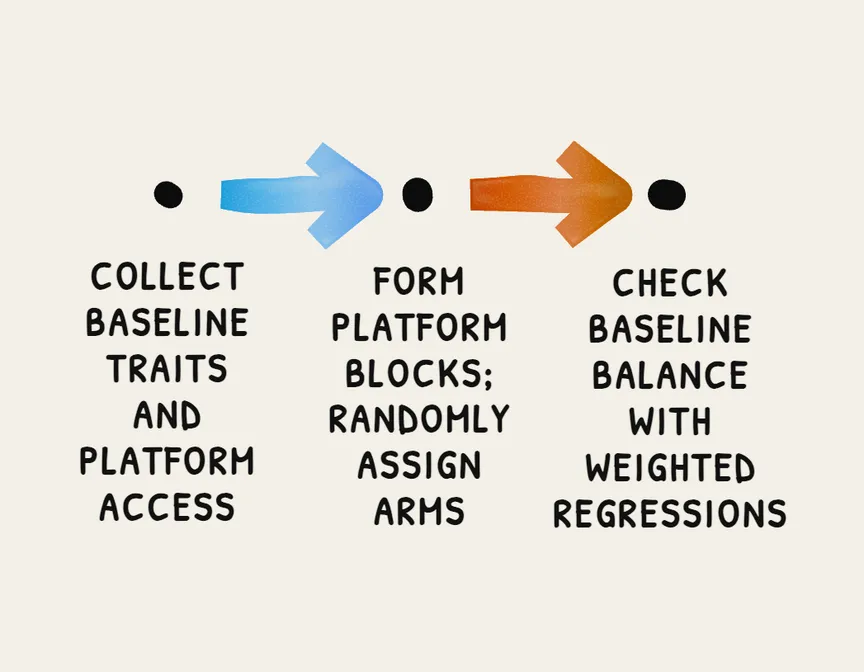
Stratifying participants into demographic blocks before random assignment prevents statistical noise and accidental sample skew across study conditions.
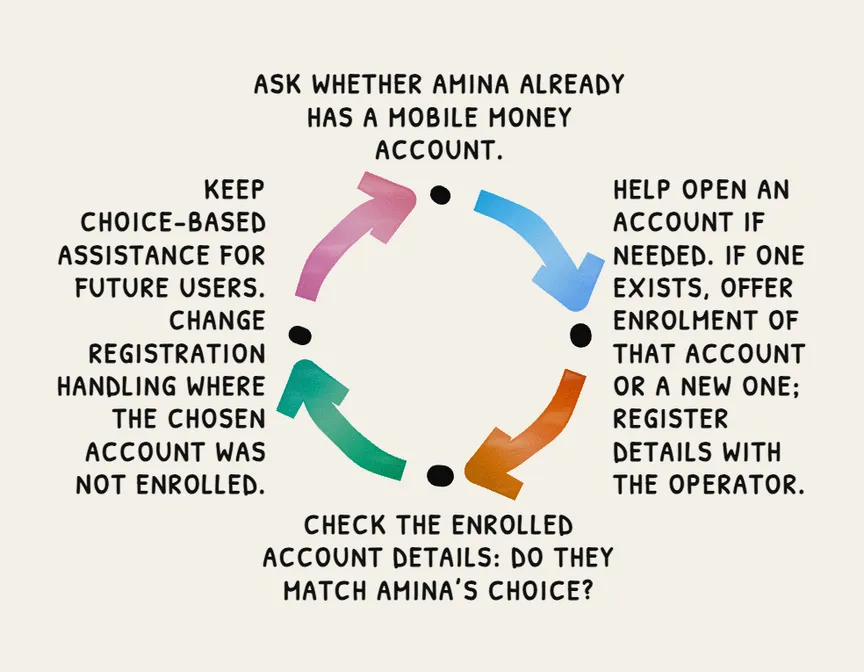
Direct administrative support overcomes setup friction and transaction costs that prevent business owners from completing registration on their own.
Professional drafting assistance lowers the administrative burden of vacancy creation for firm managers.
Eliminating travel to district offices removes major transaction costs and hassle barriers.
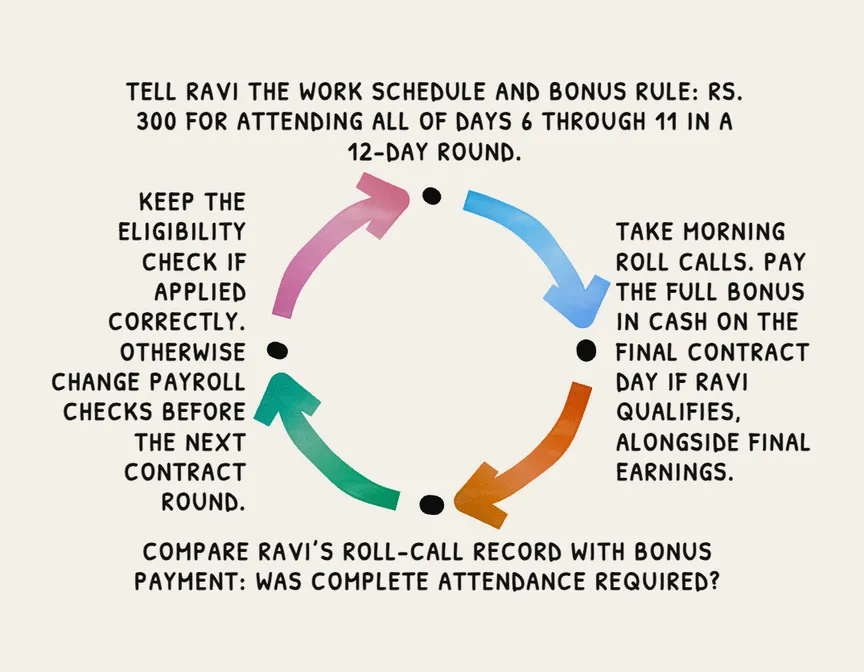
Tying a substantial lump-sum reward to perfect attendance creates a strong incentive that outweighs daily temptations to skip work.
Providing an immediate, predictable cash transfer relieves short-term liquidity constraints and counteracts time discounting.
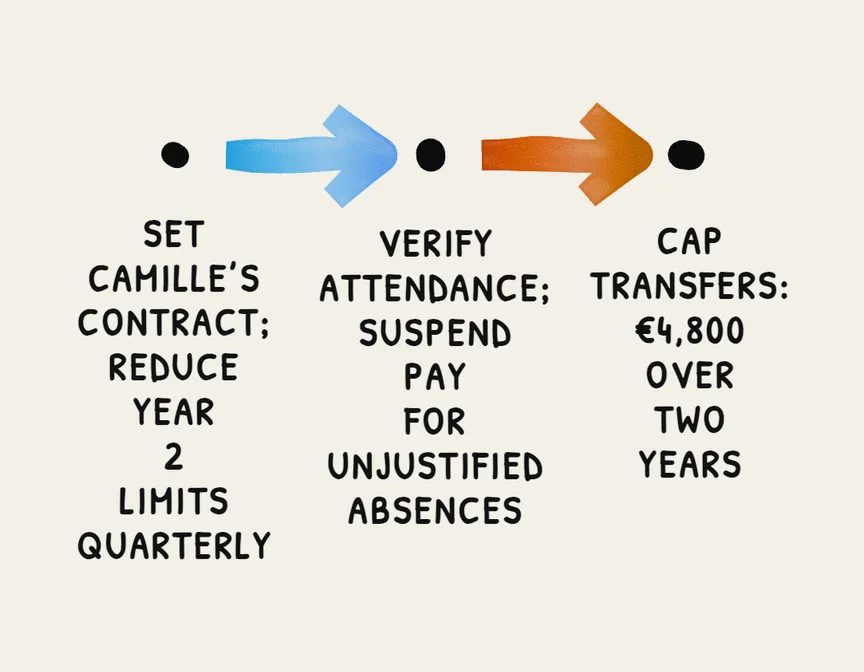
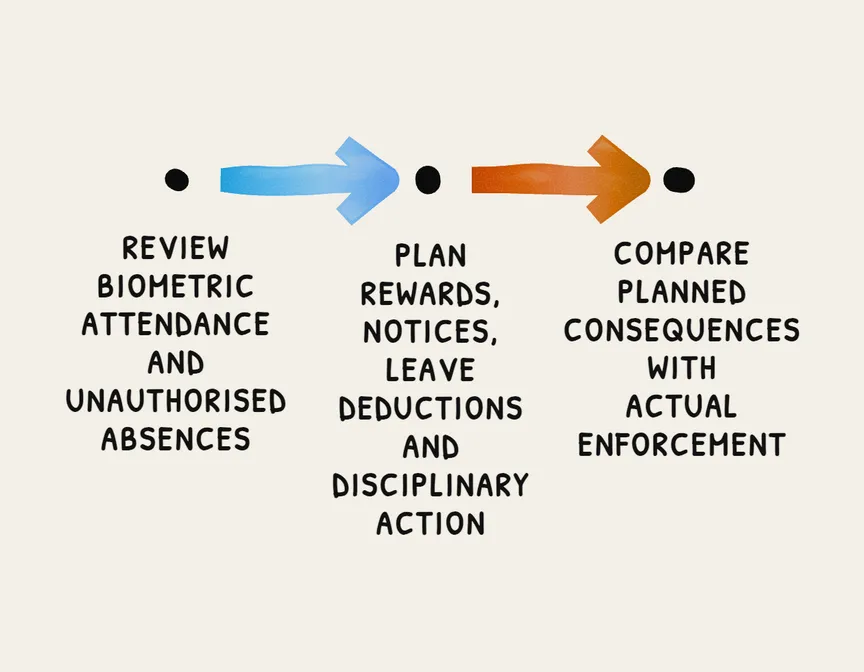
Tying attendance data directly to salary, leave balance, and official recognition creates financial and professional consequences for unannounced absences.
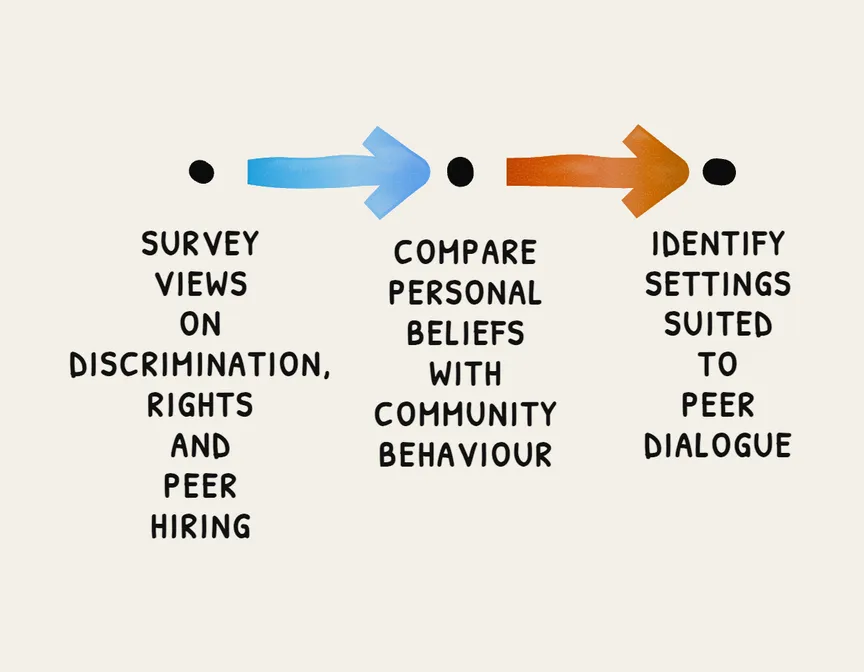
Attitude surveys identify contexts where a latent anti-discrimination sentiment already exists among community members.
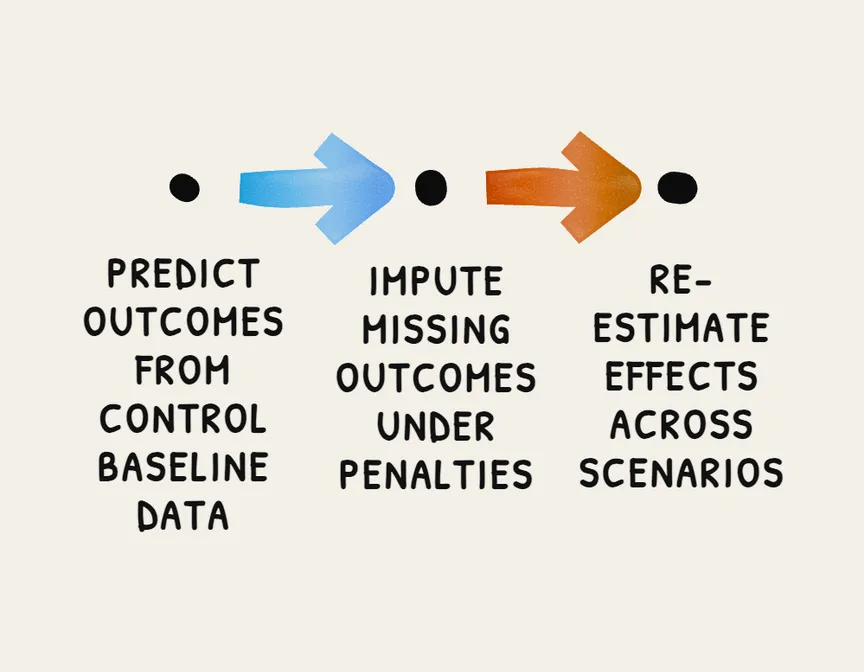
Subjecting treatment effect estimates to extreme outcome imputations verifies whether long-term findings survive worst-case differential attrition assumptions.
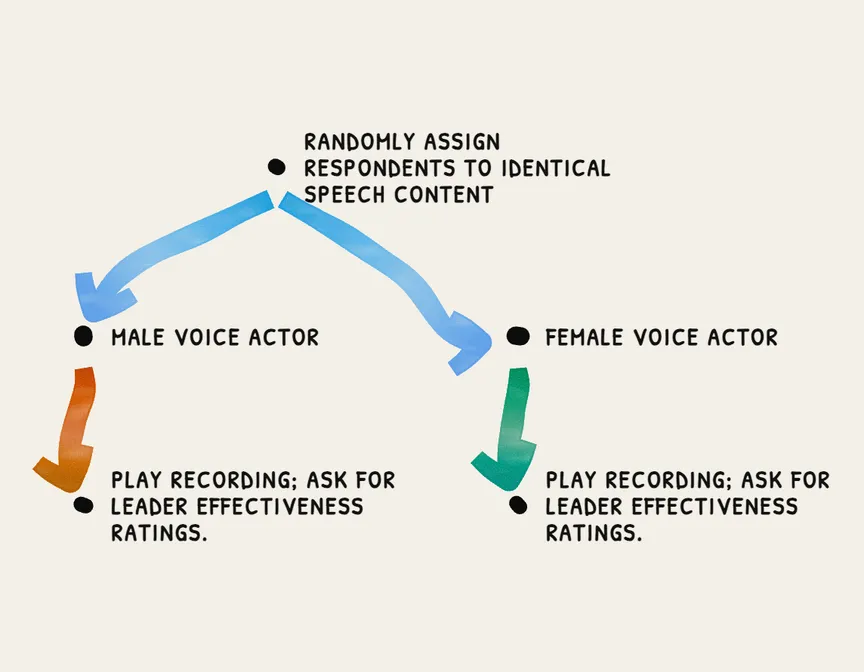
Holding the speech content identical ensures that differences in respondent evaluations reflect gender bias rather than variations in leader speech quality or policy choices.
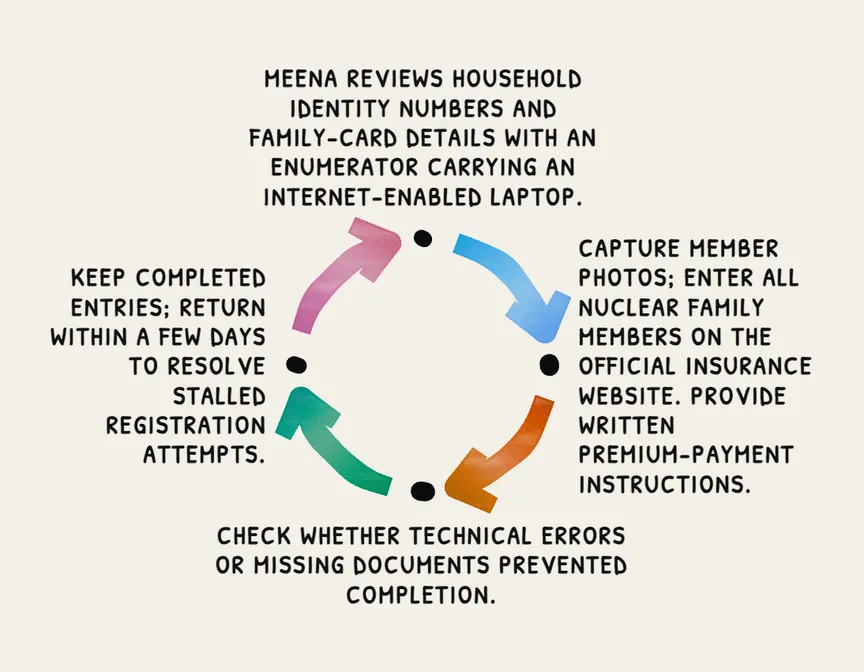
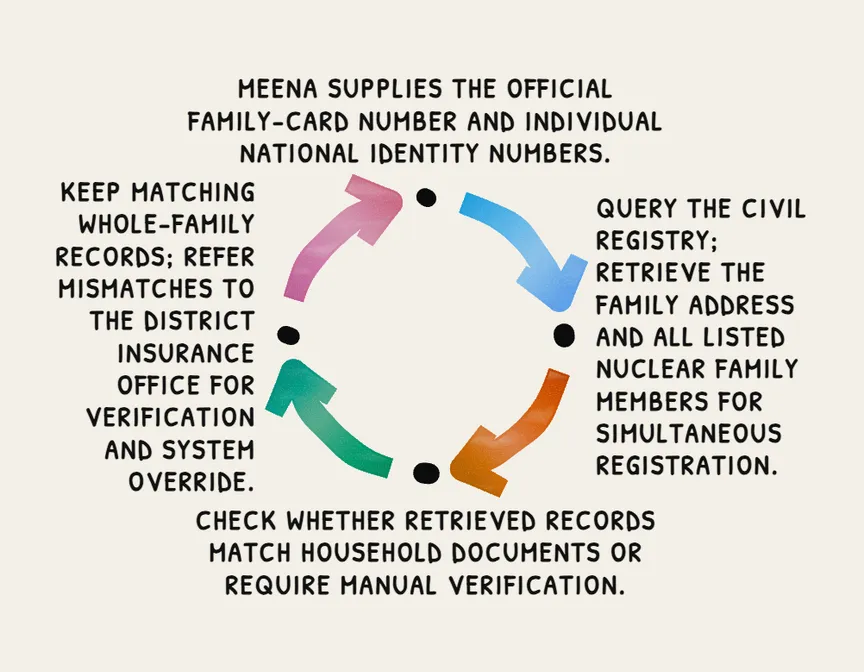
Mandating complete nuclear family enrollment prevents households from selectively insuring only sick members.
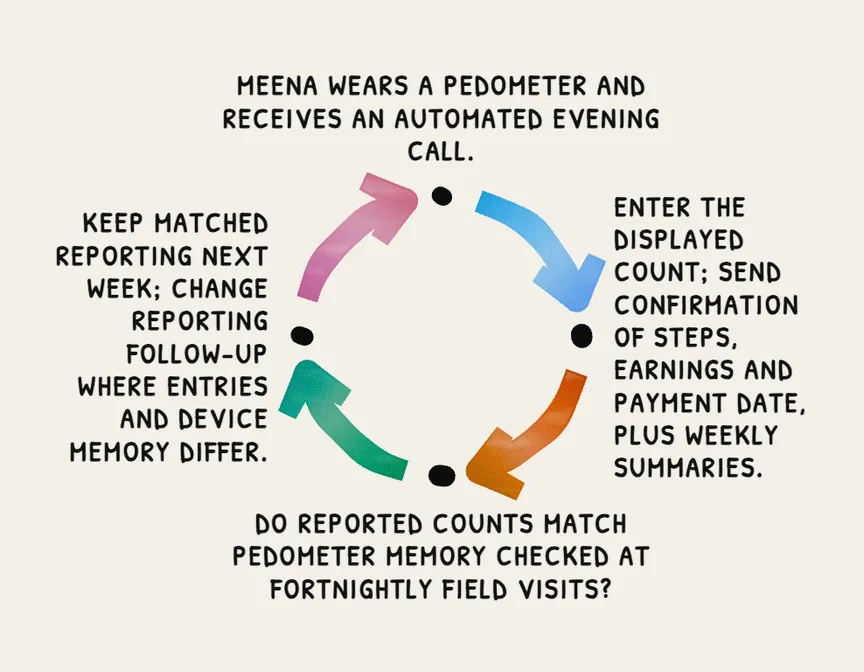
Daily automated calls establish a consistent routine for participants to check and report their physical activity.
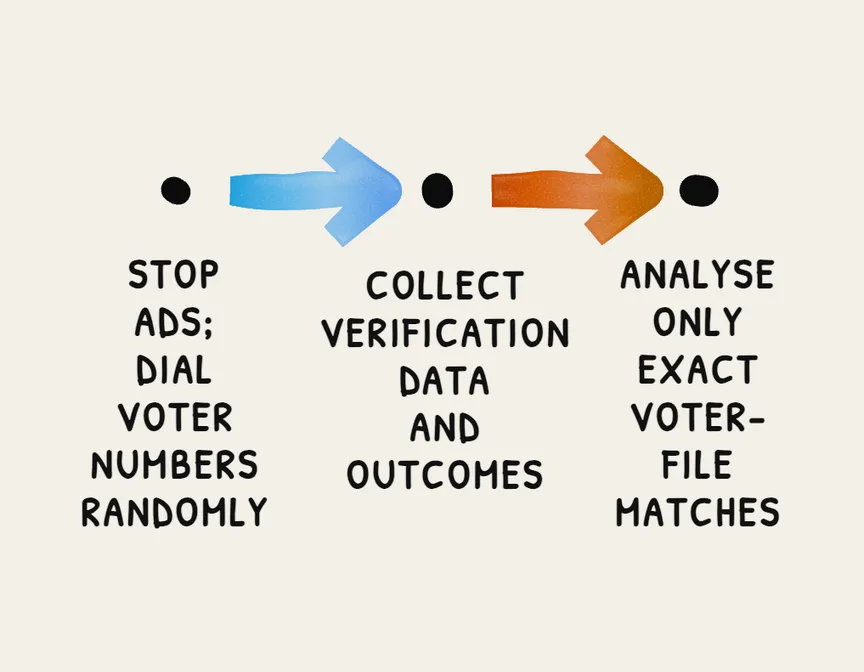
Automated call systems reach thousands of targets simultaneously at a fraction of live-calling costs.
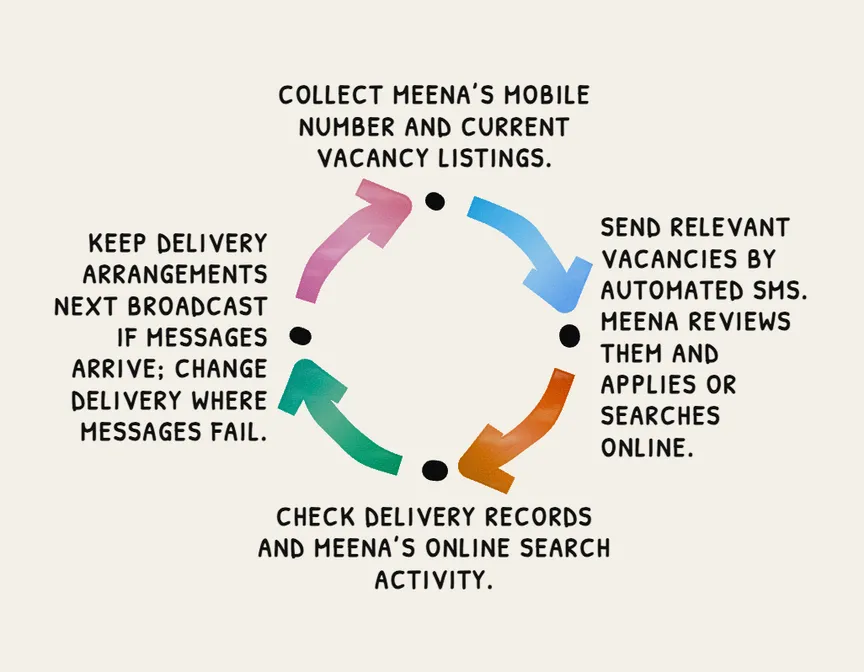
Automated SMS alerts expand the pool of information available to job seekers at low cost.
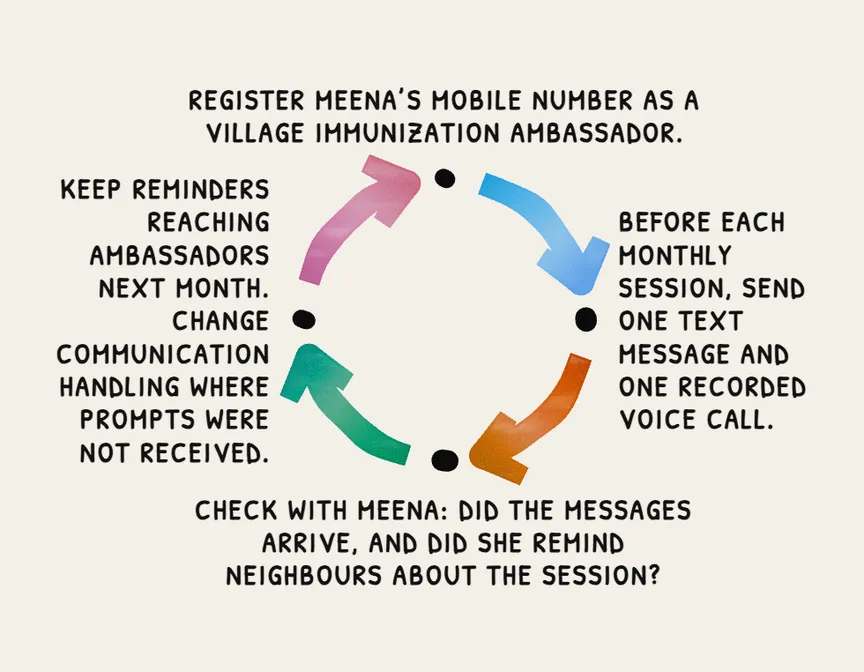
Automated mobile messages provide timely cognitive cues that keep child vaccination top-of-mind for community ambassadors.
Broadcasting winning prices gives participating operators continuous feedback on market-clearing rates, accelerating price learning and helping competitive firms identify winning price levels across different neighborhoods.
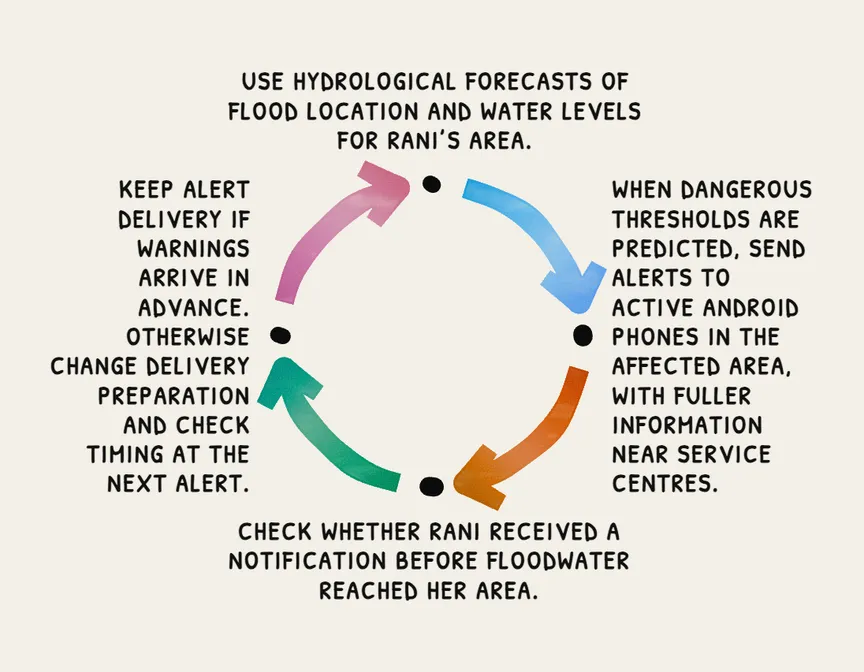
Digital application alerts leverage mobile connectivity to deliver hazard predictions across wide geographic areas in less time.
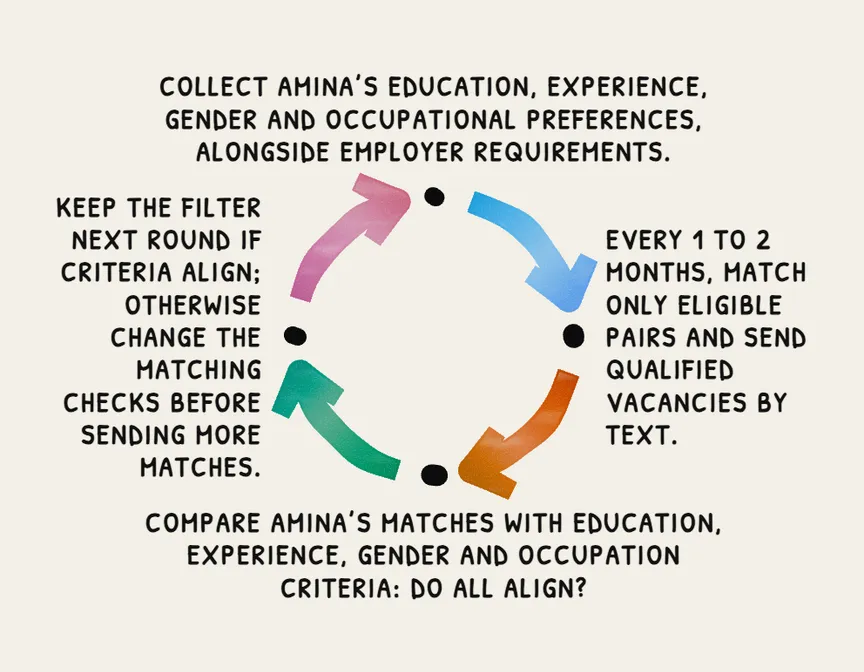
Algorithmic match filtering eliminates information overload and prevents candidates from wasting effort on ineligible vacancies.
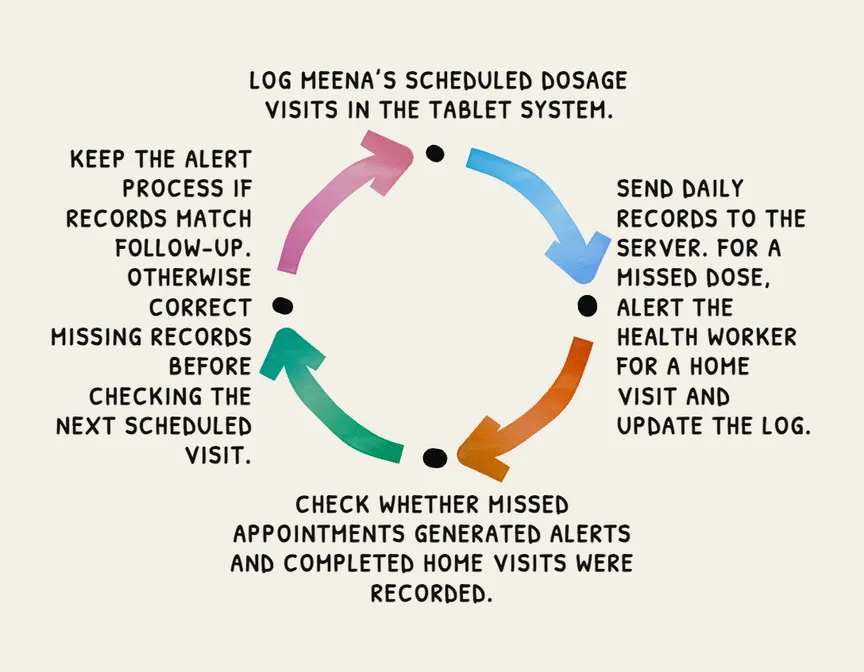
Real-time SMS alerts inform health workers about missed doses immediately without requiring manual cross-checking of paper treatment cards.
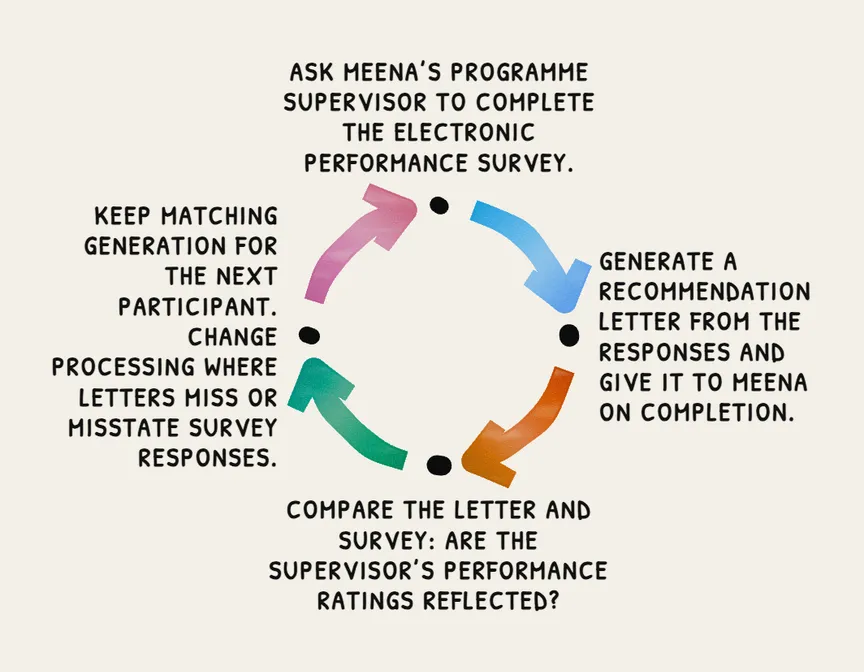
Automated recommendation letters provide hiring managers with verified supervisor ratings at a very low administrative cost.
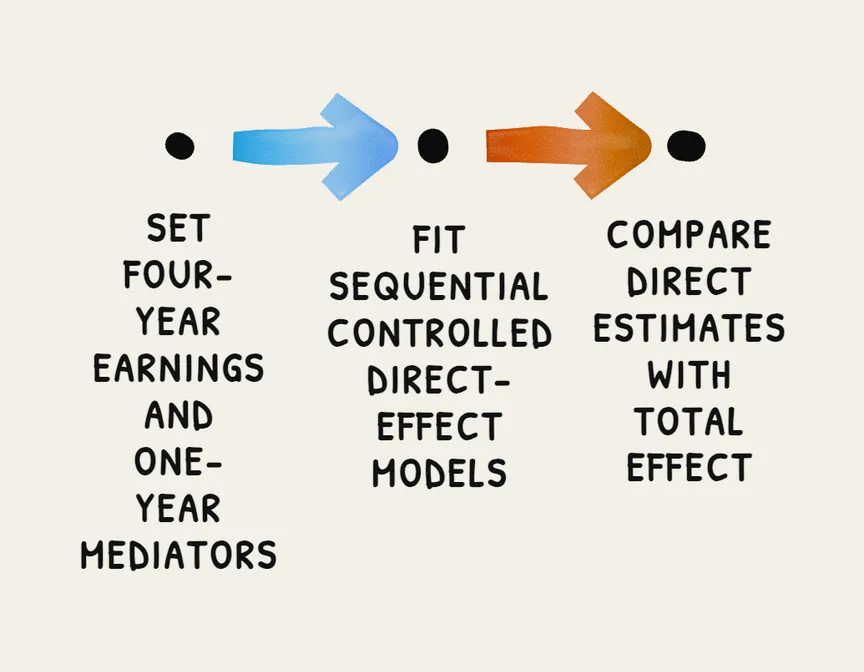
Fixing intermediate mediators breaks the dynamic causal chain linking short-term program wins to long-term economic gains.
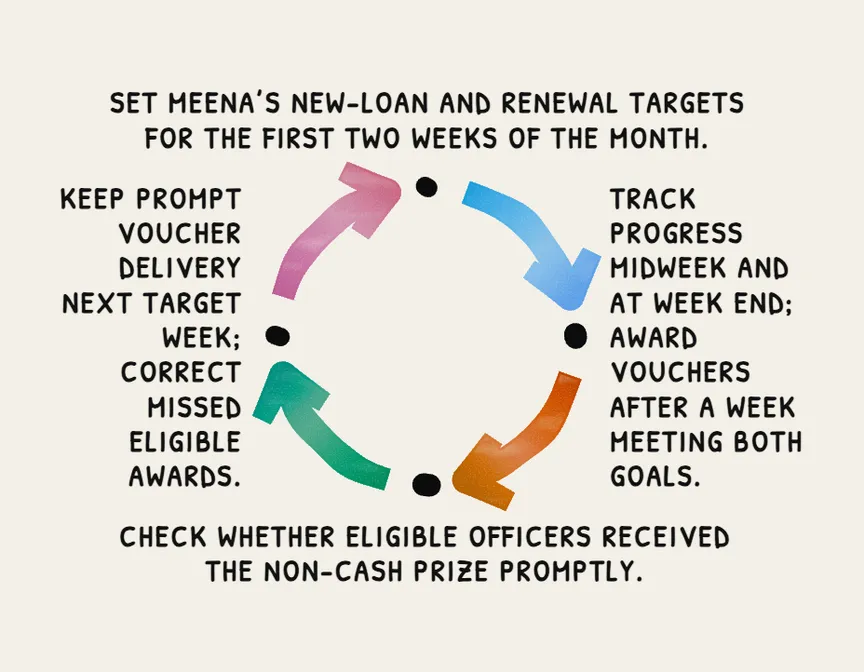
Small in-kind prizes act as frequent positive reminders that make early-period goals immediate and tangible without significantly altering overall compensation structures.
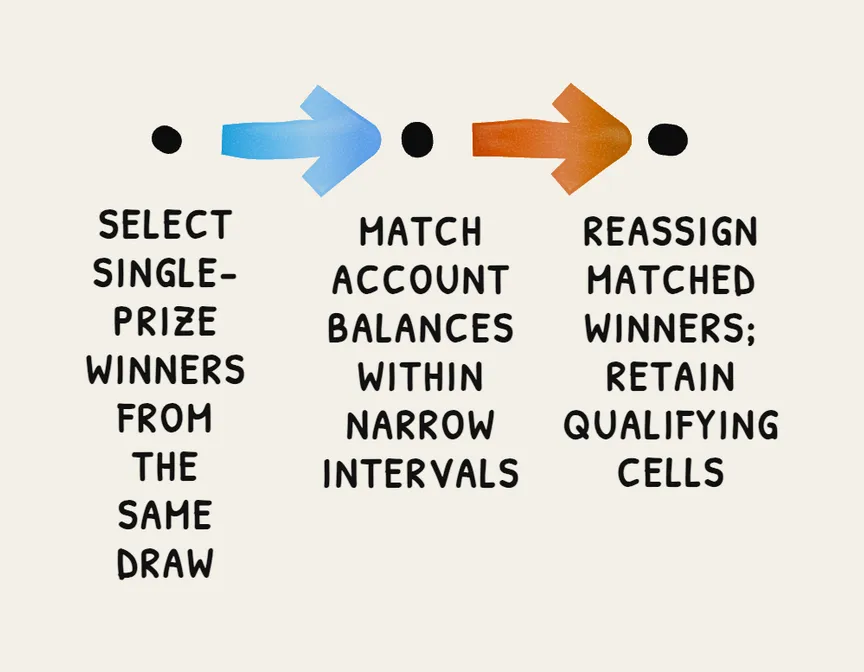
Comparing winners with similar account balances in the same drawing holds baseline wealth constant while isolating randomized variation in winning an odds prize versus a fixed prize.
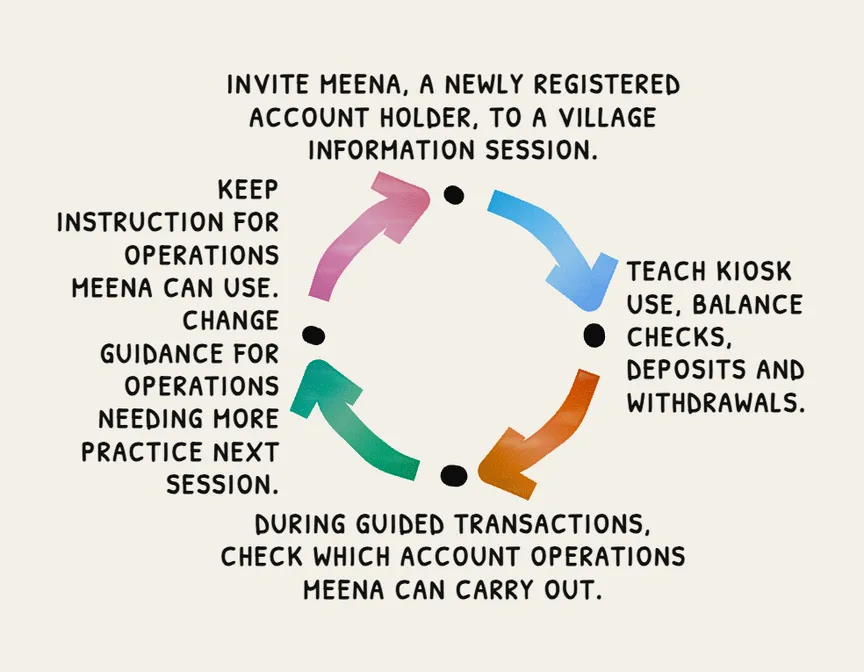
Information sessions build technical capability and confidence so women can execute transactions without relying on family members.
High interest rate subsidies increase the relative return on formal savings, making bank accounts attractive compared to informal alternatives.
Paying fees through commercial bank receipts eliminates informal rent extraction by office staff, while installing physical cornerstones creates visible, permanent property boundary markers on the ground.
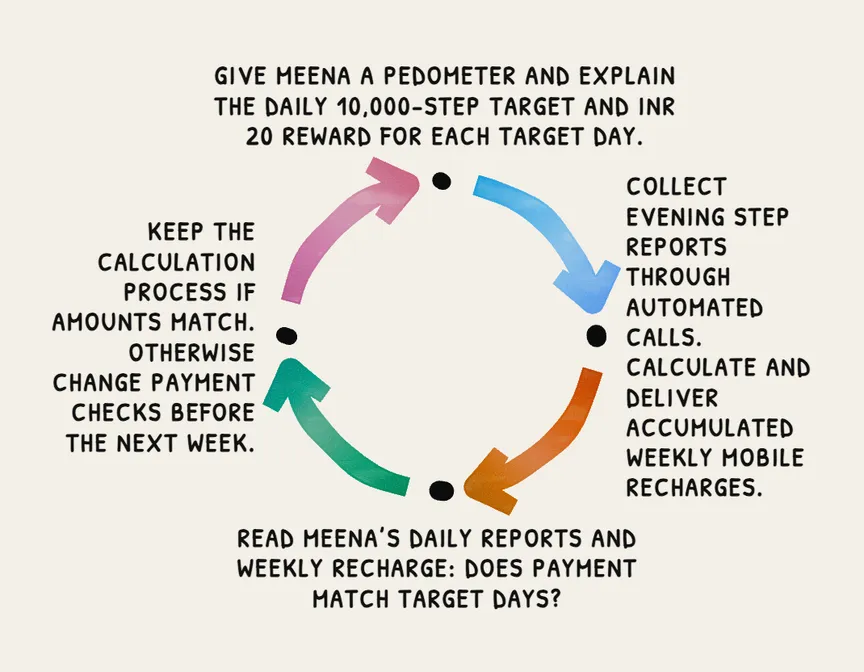
Small financial rewards offset the immediate time and effort costs of physical activity with present benefits.
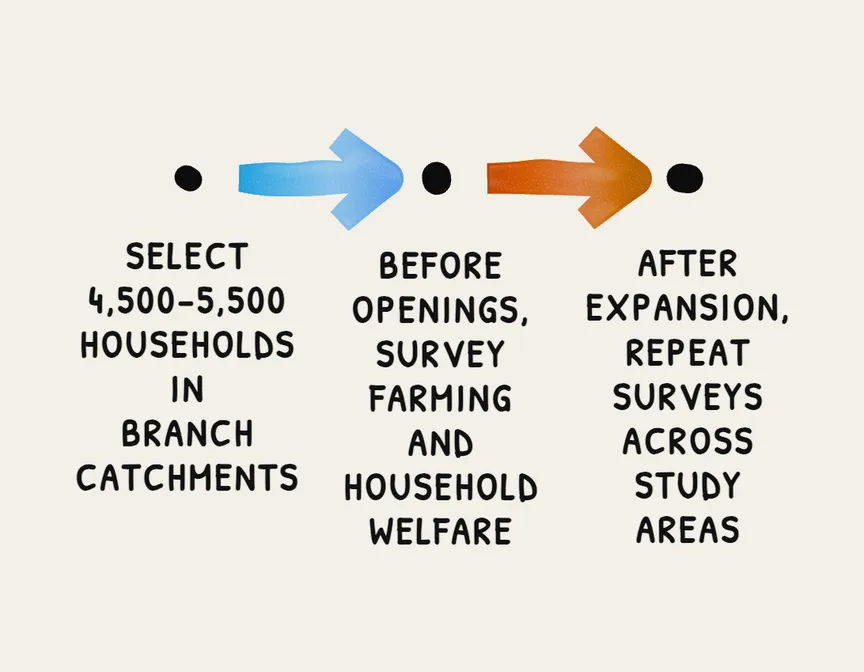
Collecting standardized household data before and after financial expansion allows researchers to isolate changes driven by credit, information, and risk management.
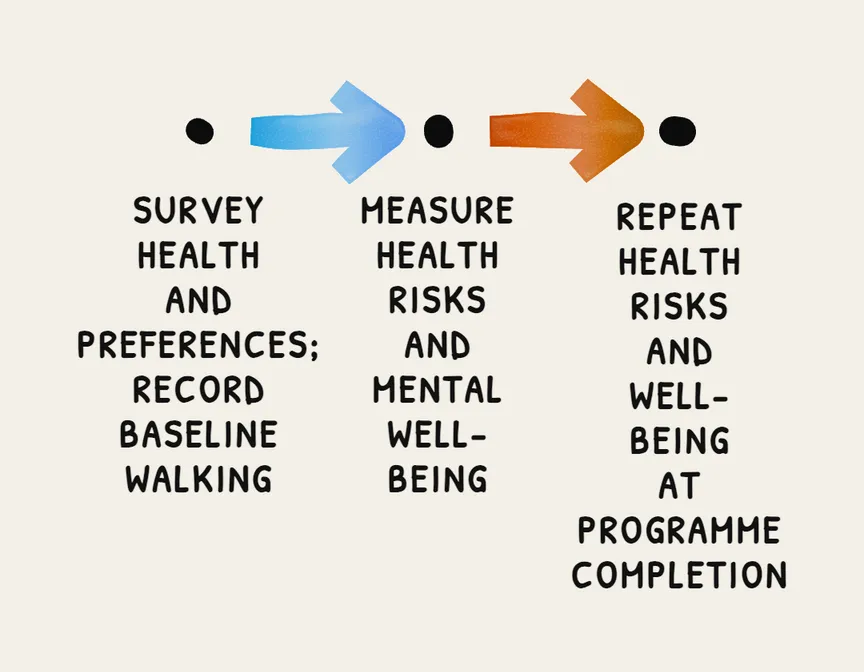
Combining biometric testing with preference assessments allows programs to track exact health improvements and isolate how psychological traits like impatience influence intervention outcomes.
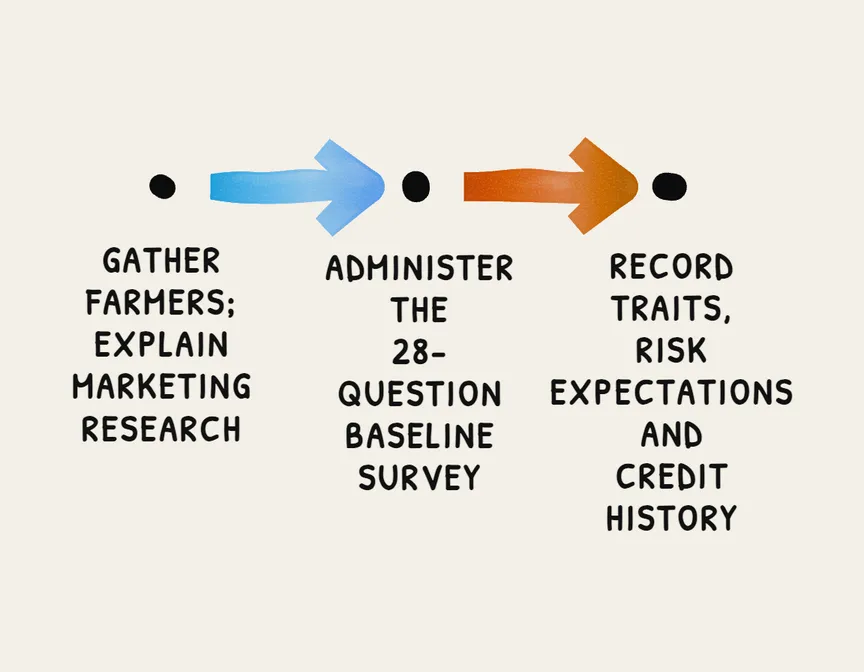
Capturing baseline cognitive traits and risk expectations allows researchers and lenders to separate fundamental credit demand from cognitive or psychological barriers.
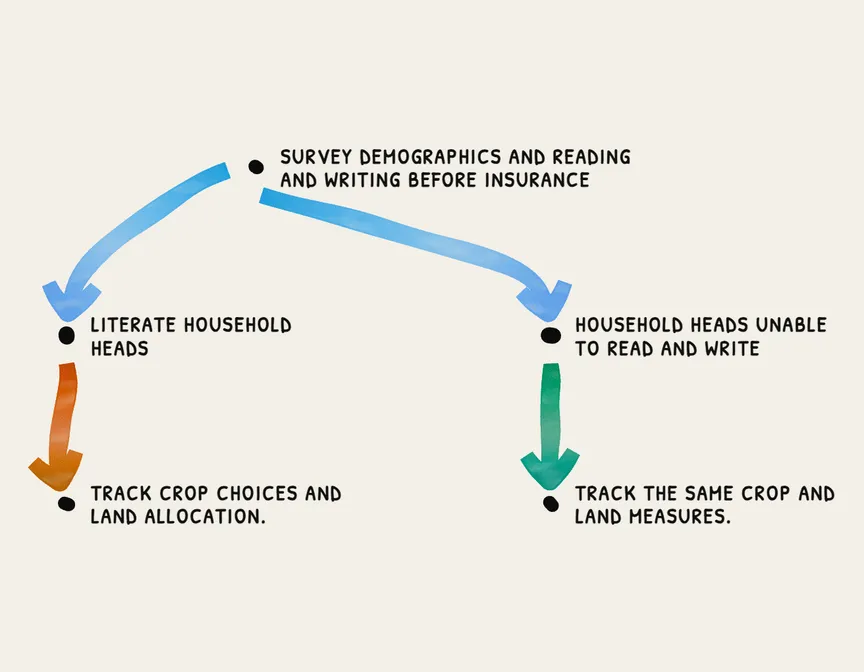
Measuring literacy baseline traits identifies human capital bottlenecks that prevent uneducated farmers from understanding contract mechanics.
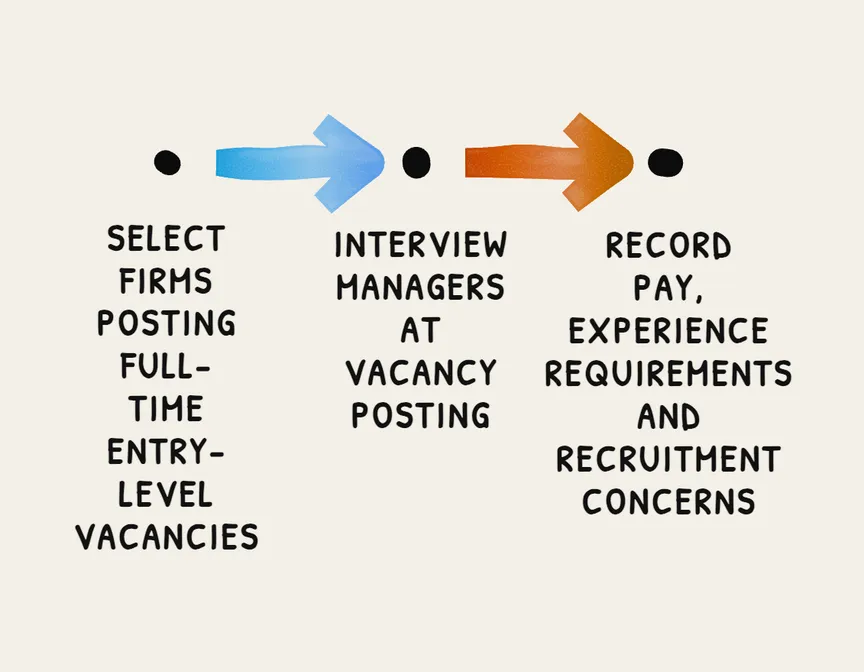
Direct baseline measurement reveals specific market frictions that prevent firms from hiring outside known networks.
Page 2 of 45
Previous
1
2
3
…
45
Next