Skip to the methods
Menu
aikyam
school
Findings
Methods
Subjects
All cards
Read
Findings
Methods
Subjects
All cards
Methods
2,124 methods
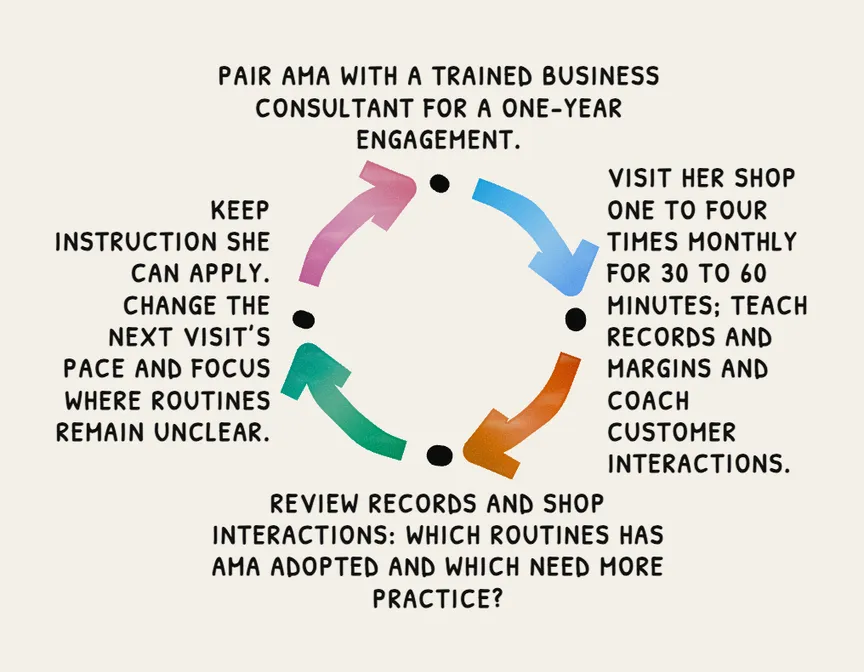
Personalized instruction directly addresses individual managerial knowledge gaps and demonstrates the financial benefits of structured business routines.
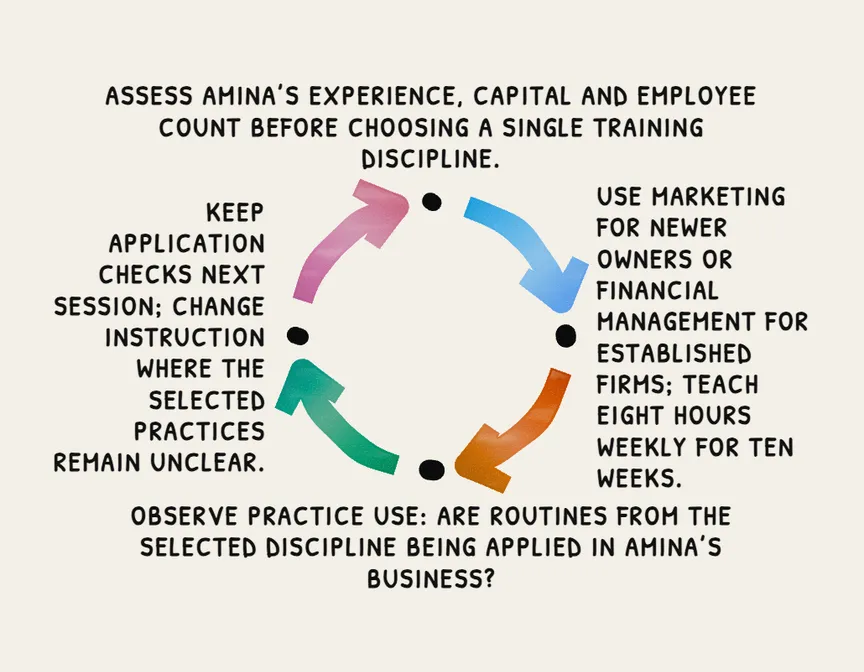
Narrowing the curriculum prevents information overload while higher training intensity deepens skill absorption.
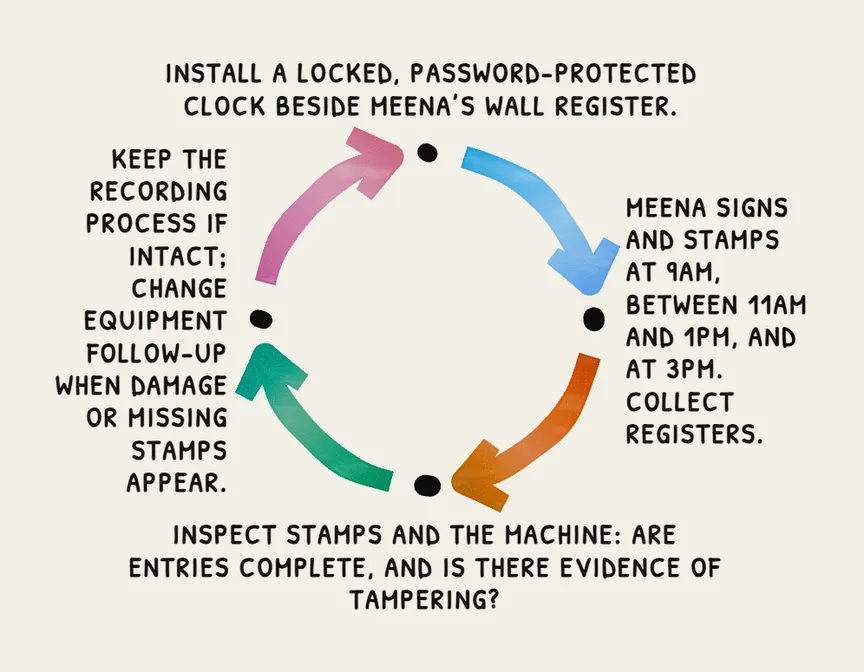
Requiring physical, machine-generated time stamps at multiple scheduled intervals throughout the day prevents workers from signing attendance logs retroactively or leaving facilities during operating hours.
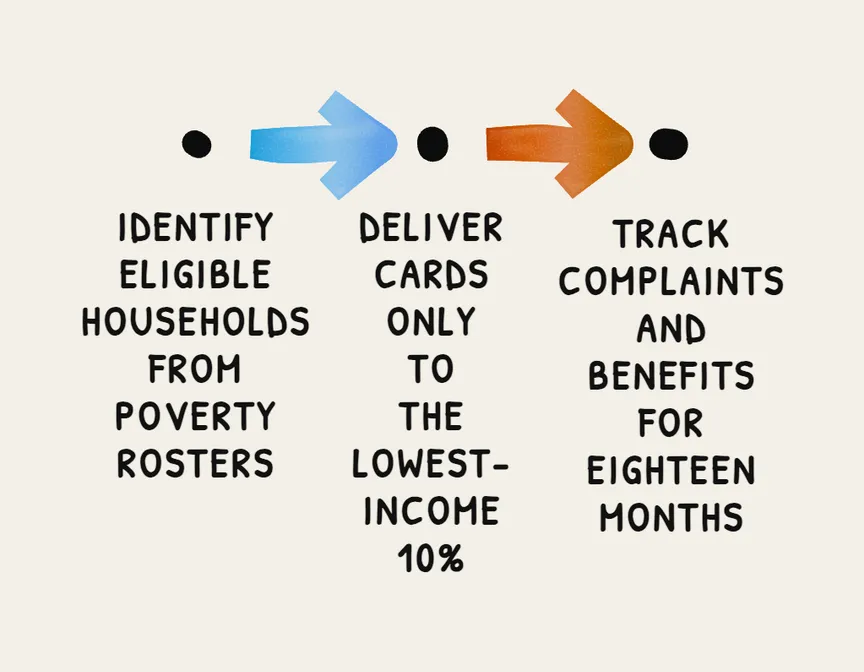
Sending cards only to the poorest households reduces complaints to local leaders about program administration.
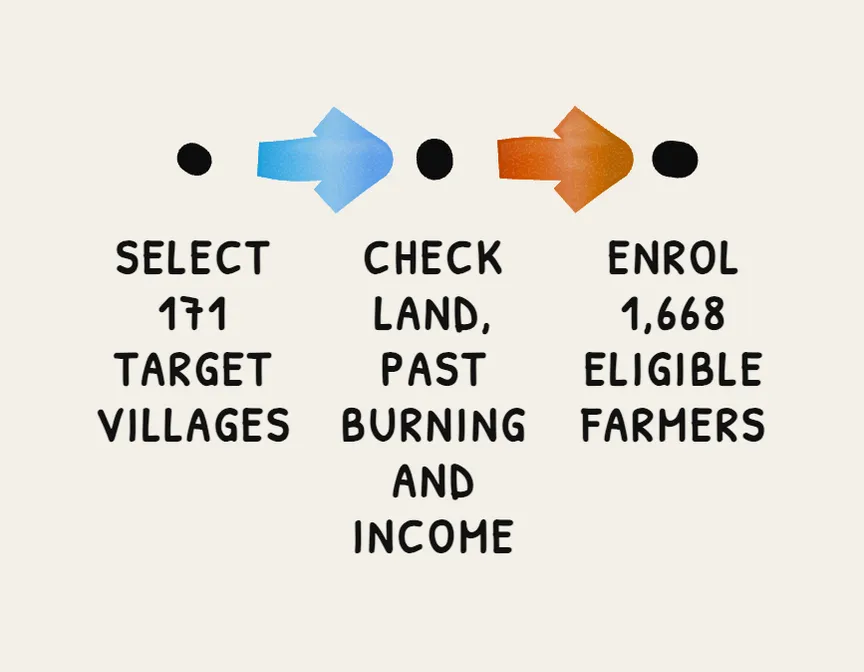
Filtering for land size and past burning ensures the target group faces real financial and time constraints to avoid residue burning.
Targeting newly arrived migrants focuses support on young women who experience the greatest mobility restrictions and social disconnection.
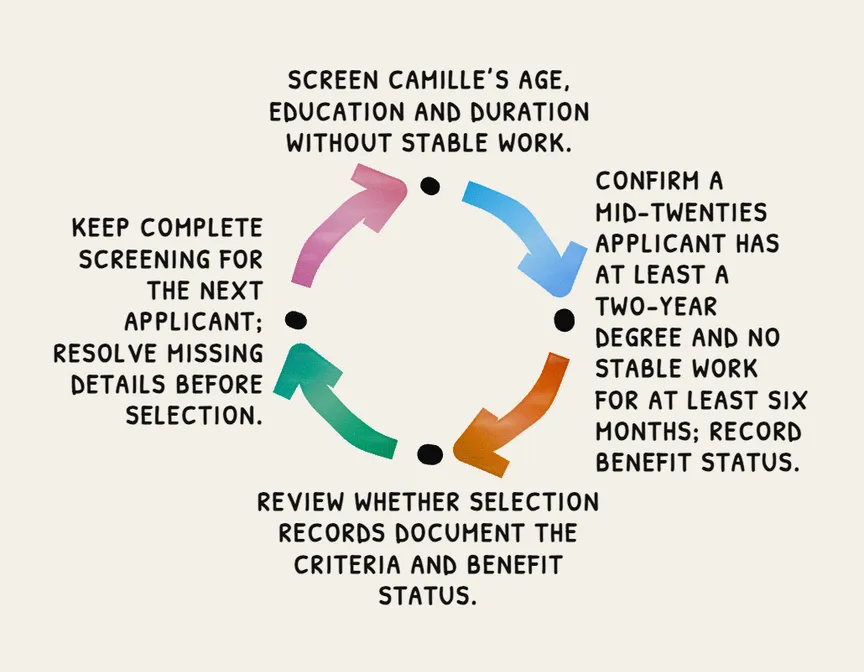
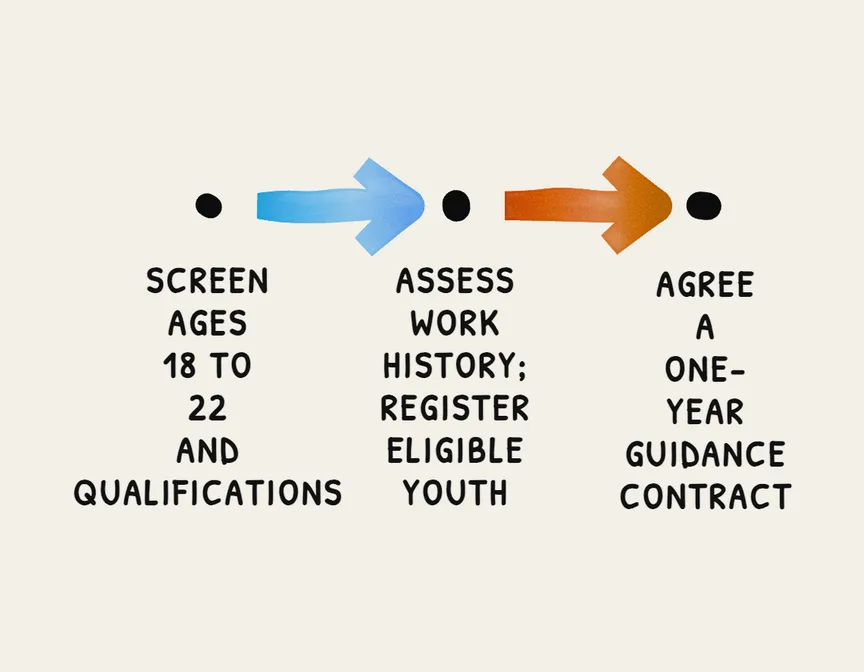
Filtering participants by age, education level, and unemployment duration ensures that counseling services reach individuals who have foundational qualifications but struggle with job search friction.
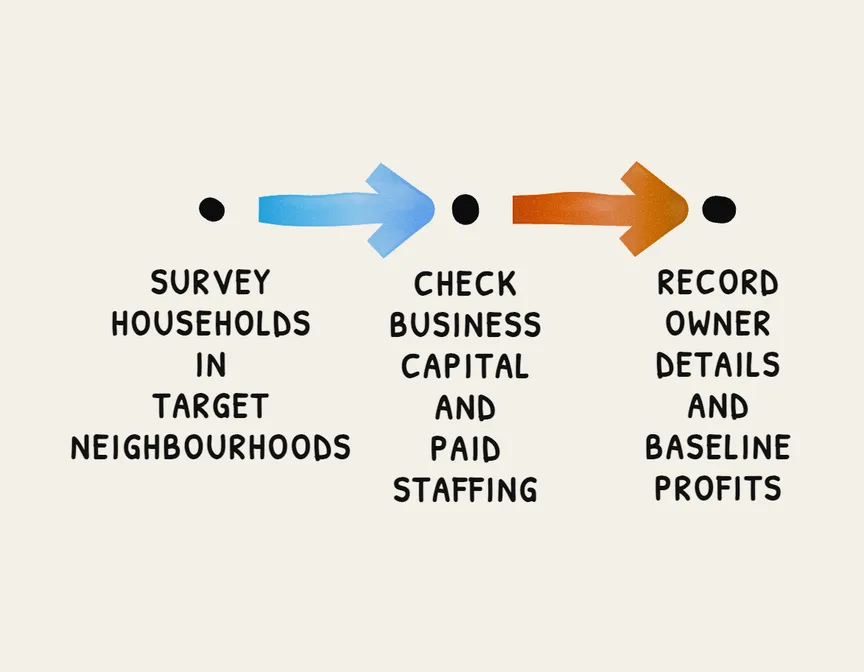
Filtering for low asset levels and sole proprietorships isolates informal enterprises where formal financial records are absent.
Seeding in lines reduces competition among plants for light, water, and soil nutrients.
Focusing enrollment on low-qualified dropouts ensures that public guidance resources directly reach young people facing the greatest financial and structural barriers to employment.
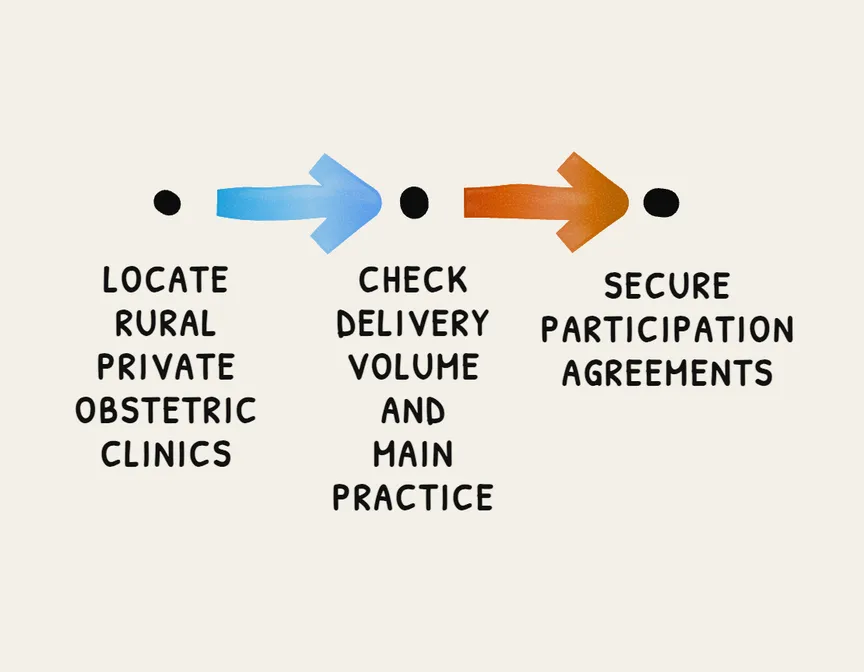
Focusing on active private practitioners targets healthcare providers who directly manage deliveries in rural communities.
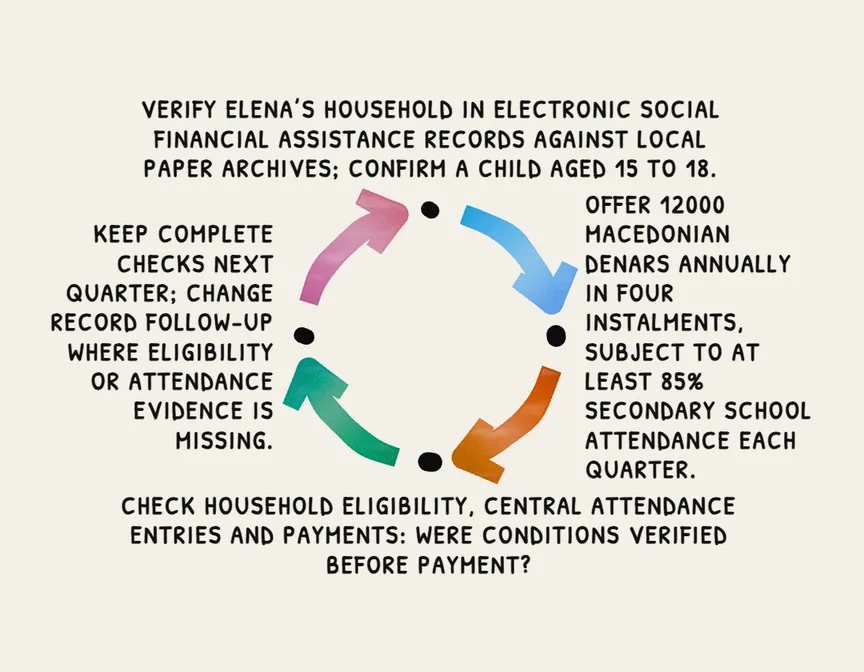
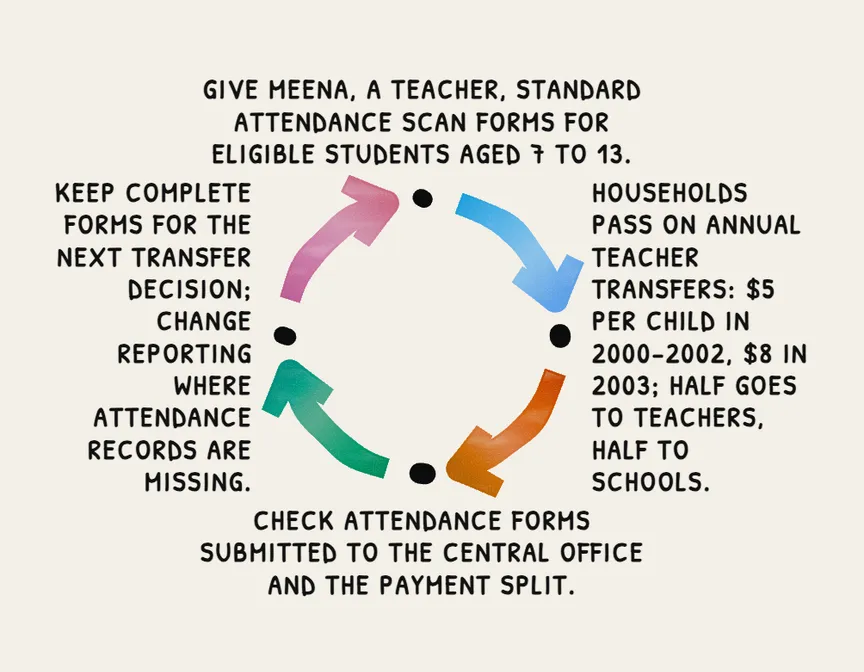
Providing monetary transfers conditional on attendance relieves short-term financial pressure on poor families.
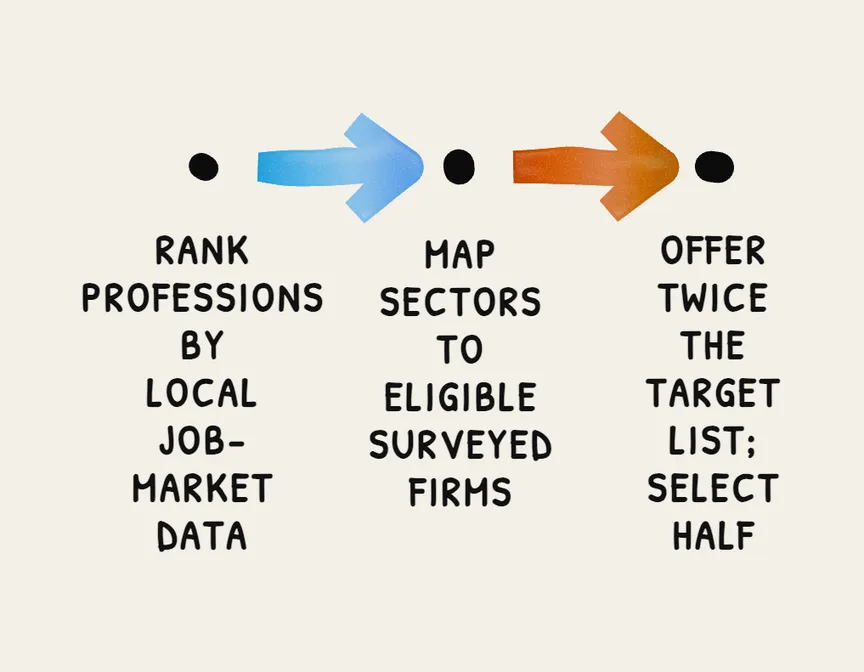
Focusing resources on depressed micro-markets concentrates public recruitment support where candidate search frictions are most severe.
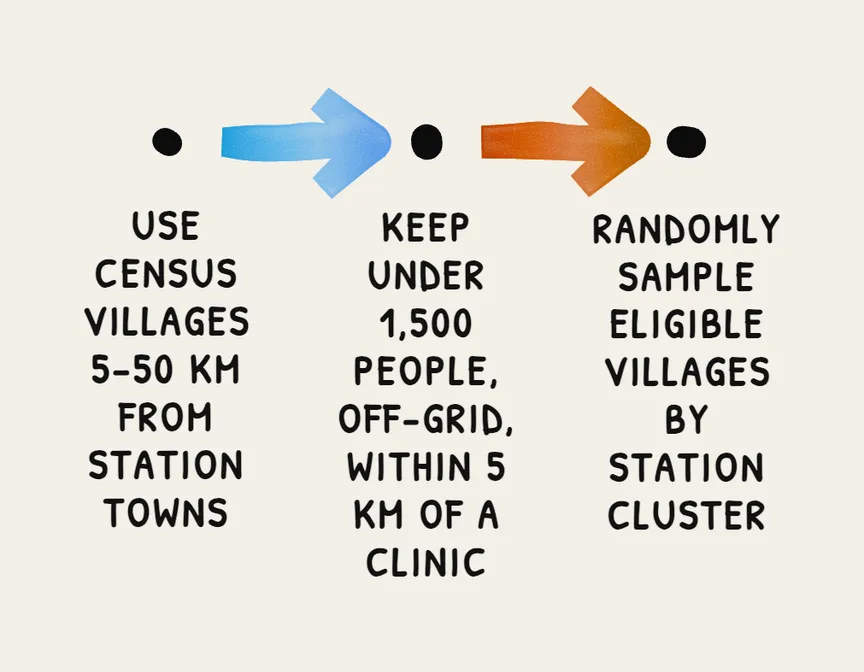
Selecting off-grid rural villages near health centers isolates radio as the primary mass media channel while ensuring health facilities can fulfill resulting demand.
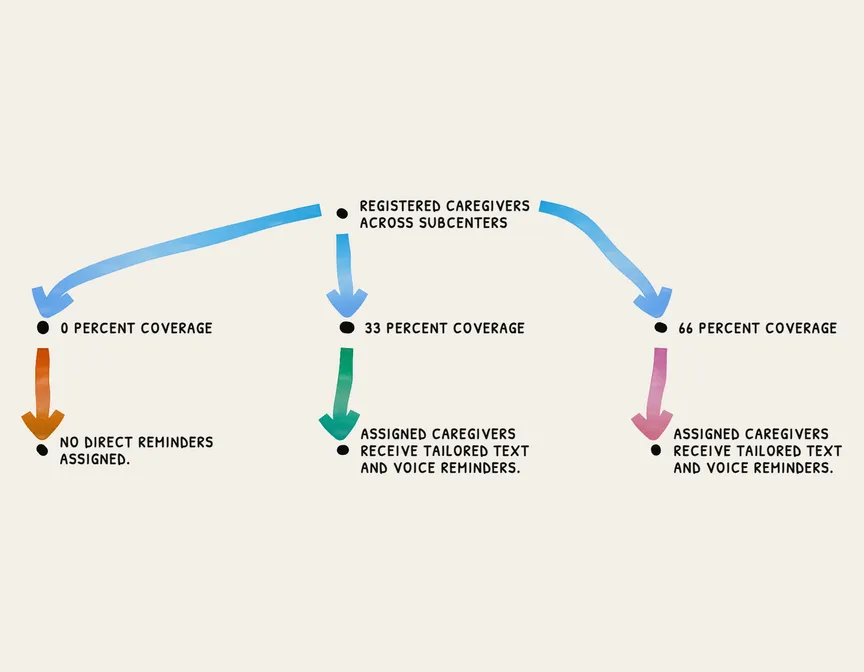
Direct mobile notifications address parental oversight and memory friction regarding specific vaccine dates.
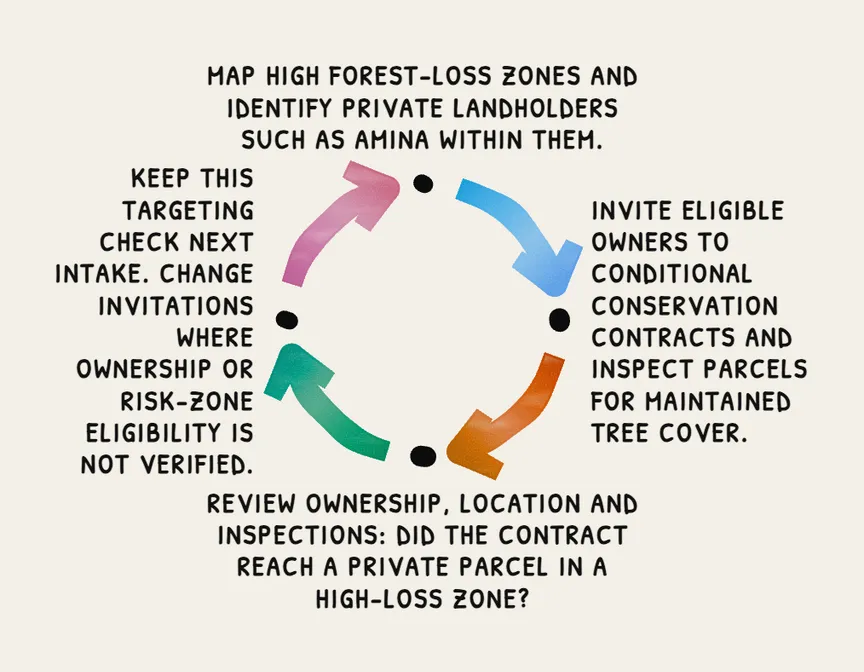
Private landholders account for the majority of forest land and clear trees faster than public managers.
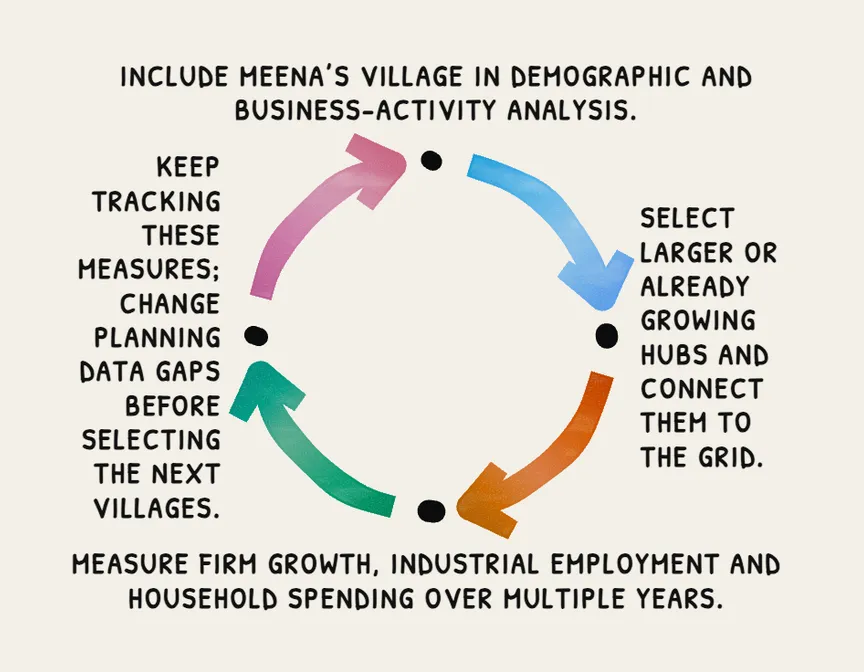
Complementary economic conditions like existing markets, firm activity, and credit drive the productive use of power.
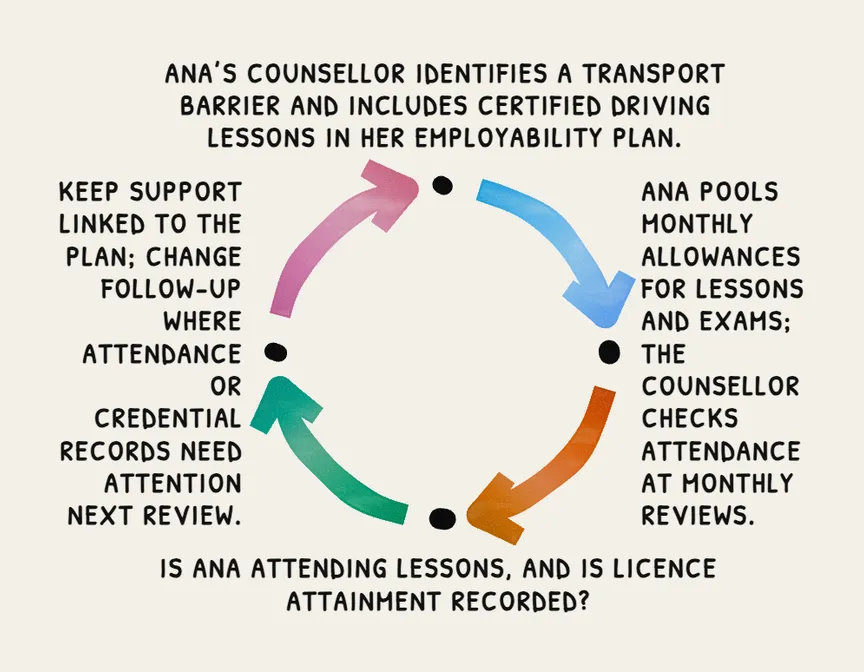
Financing driver credentials directly removes spatial barriers that prevent isolated youth from commuting to regional employment hubs.
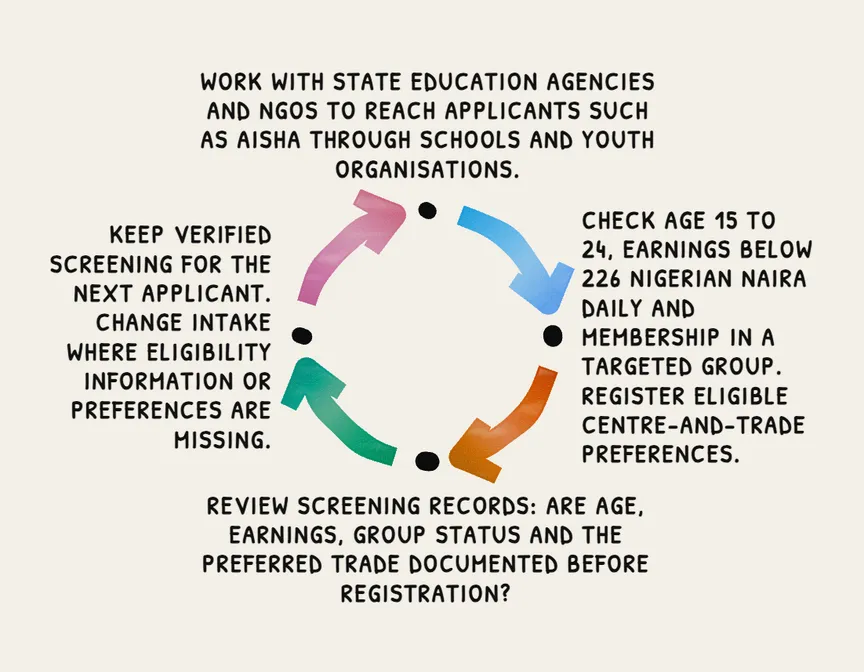
Working directly with trusted local institutions prevents cultural backlash from religious community leaders.
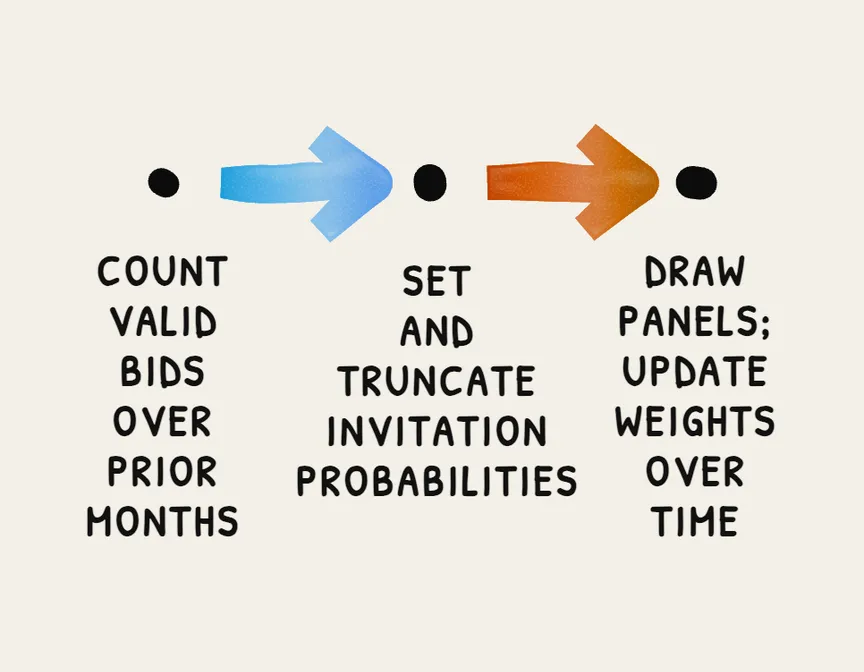
Weighting invitation probabilities toward active participants increases average bids submitted per auction, ensuring clients receive competitive quotes.
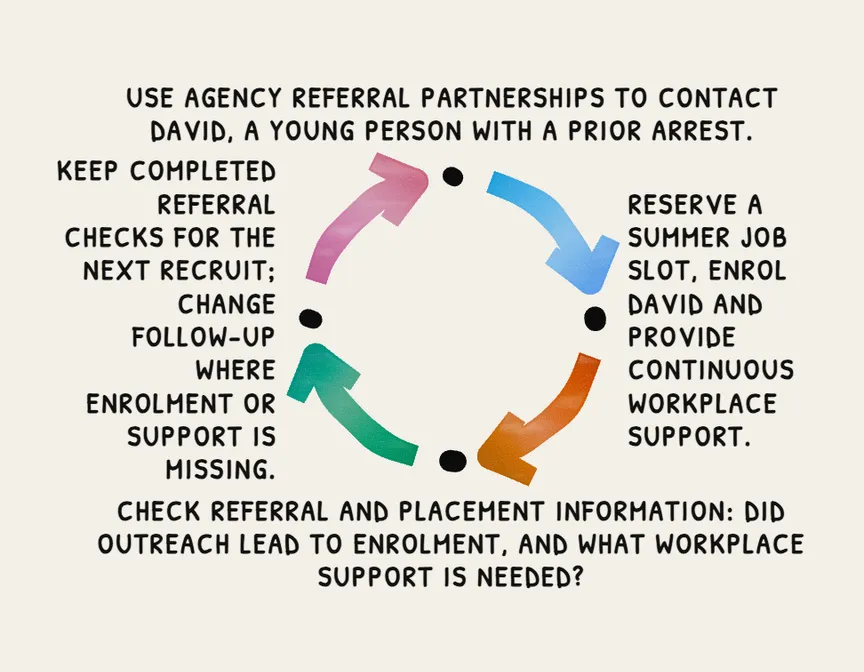
Directing recruitment specifically to justice-involved youth ensures that crime-prevention resources reach individuals facing the highest baseline risk of violent crime.
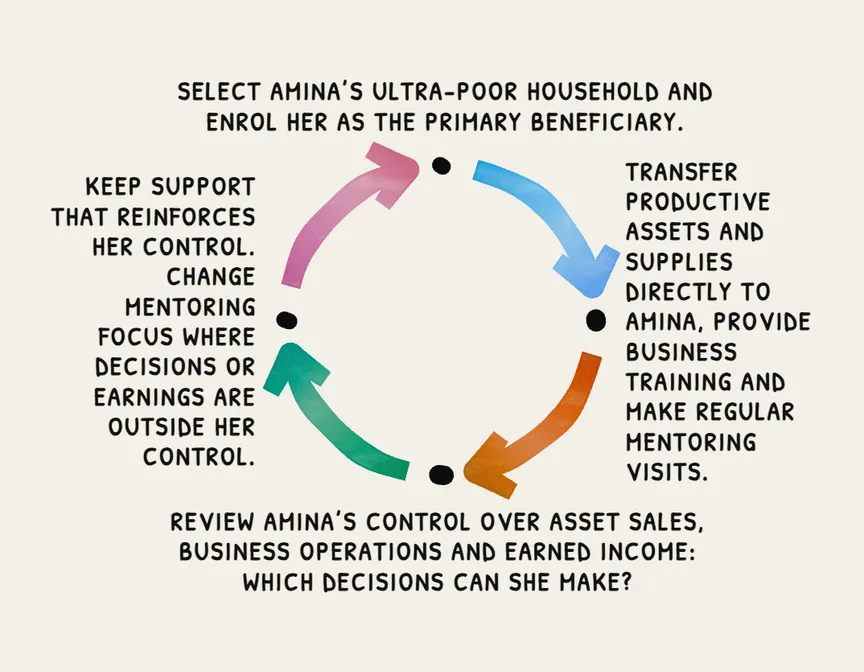
Targeting resources toward women builds household decision-making ability, ownership of productive assets, and control over income.
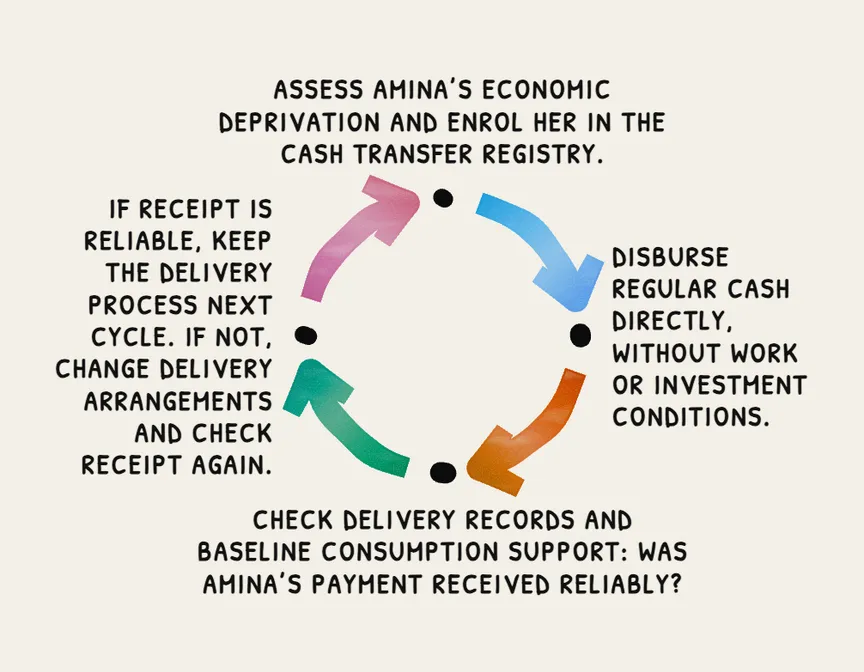
Unconditional cash transfers provide immediate, low-cost income support that helps highly deprived households meet basic needs.
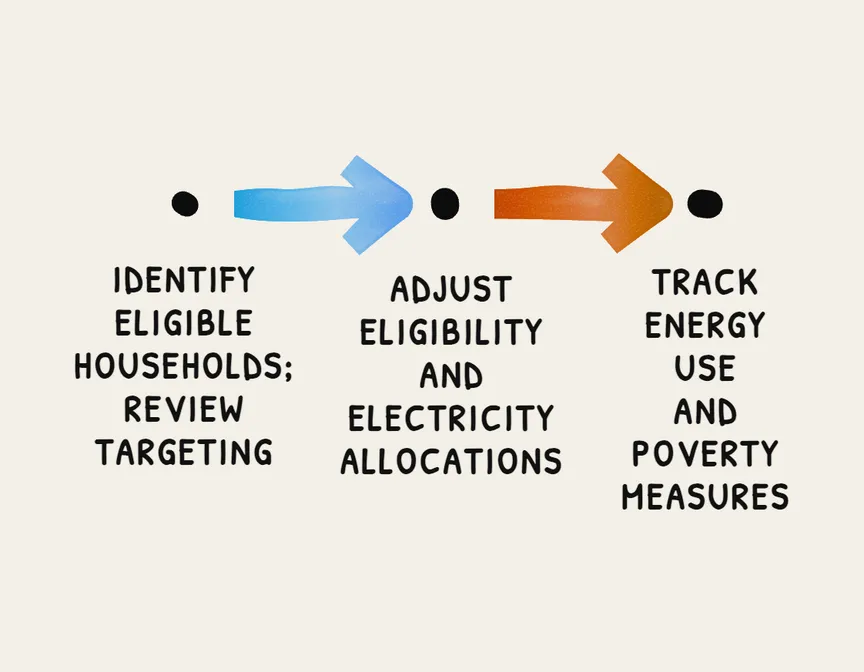
Adapting evidence-based social assistance targeting to utility subsidies ensures in-kind electricity transfers reach low-income households without subsidizing higher-income energy consumption.
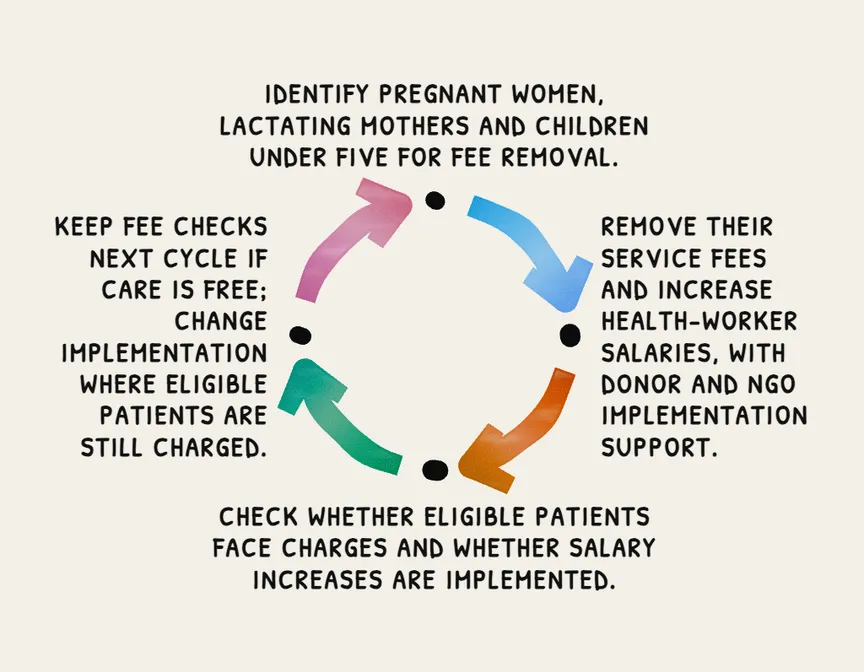
Removing user fees reduces direct financial barriers for vulnerable groups, enabling families to seek clinical care.
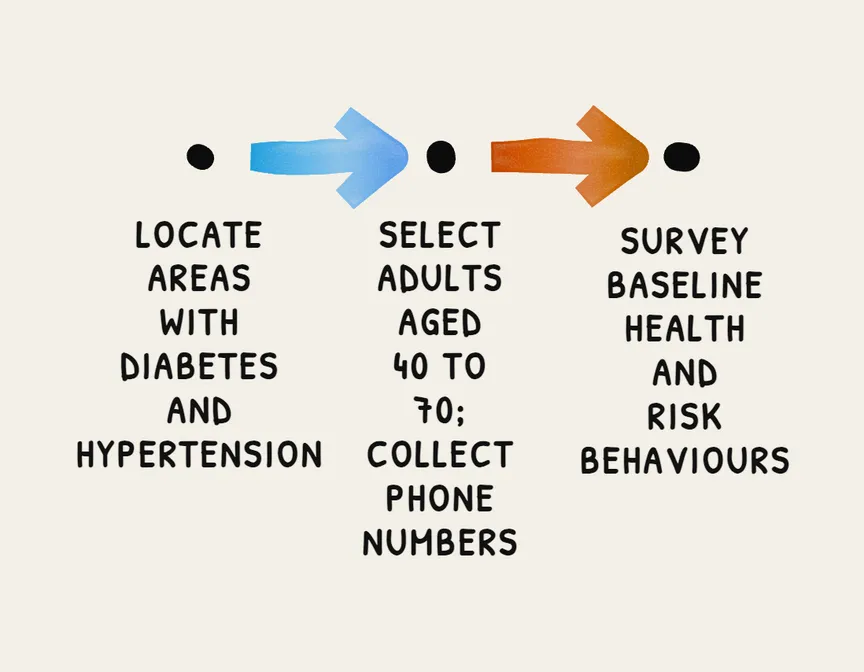
People with pre-existing conditions face greater health risks during an epidemic.
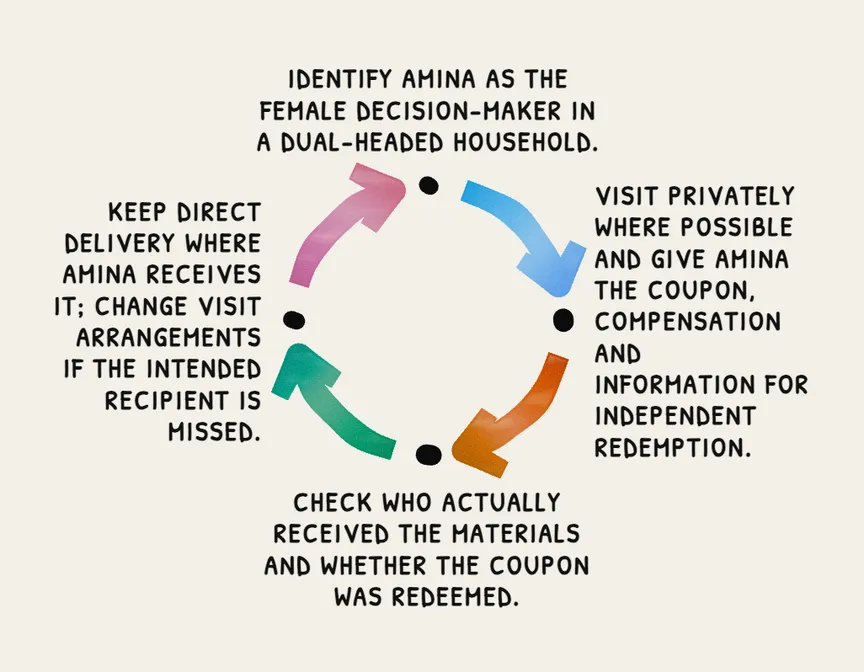
Mothers generally place a higher value on child health investments than fathers, but communication barriers and preference conflicts within the household often prevent husbands from sharing information or funds.
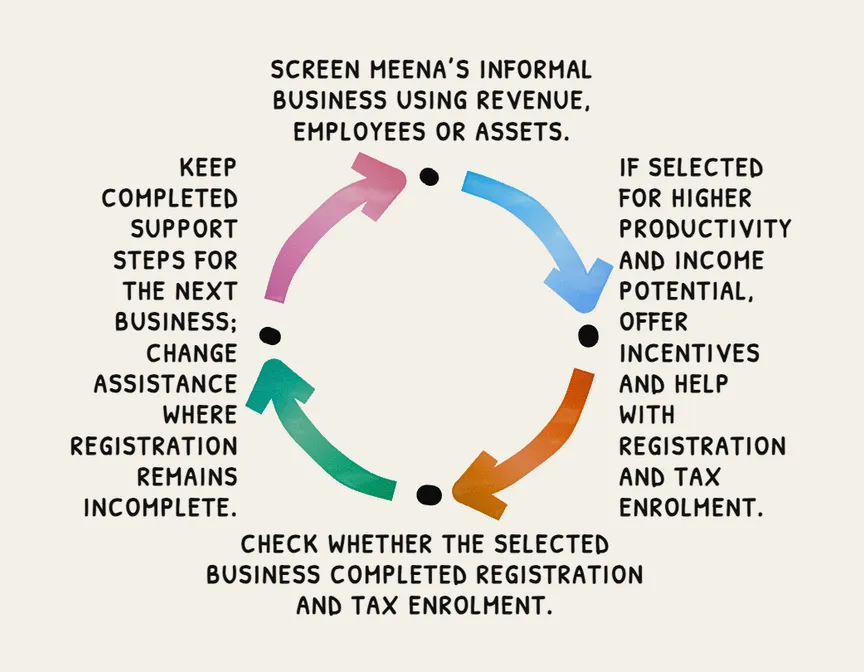
High-productivity firms possess the financial capacity to absorb legal compliance costs and benefit from formal market opportunities.
Mobile phones allow extension organizations to deliver frequent, low-cost reminders tailored to particular points during planting.
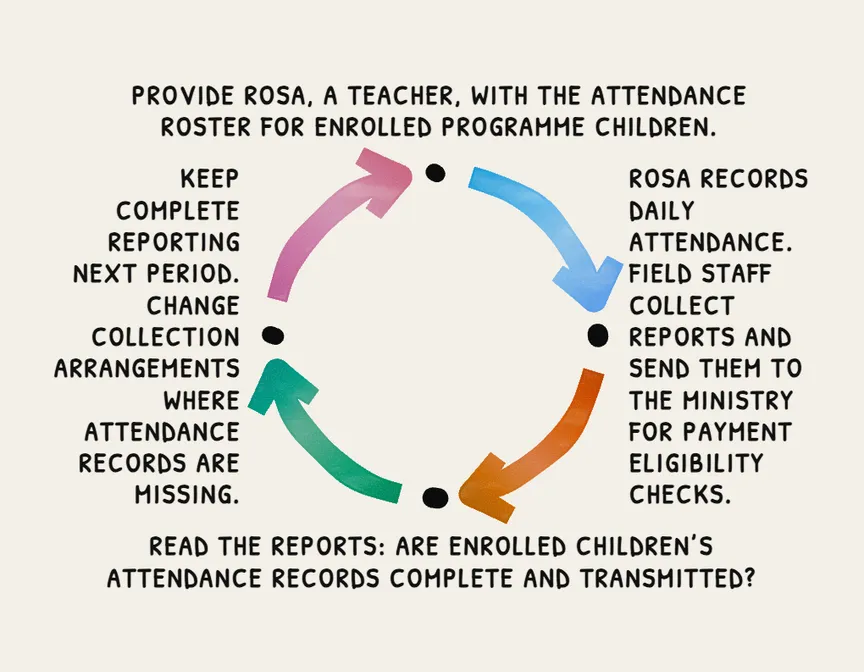
Relying on primary school teachers creates a direct, decentralized monitoring mechanism that guarantees accuracy and prevents parental misreporting.
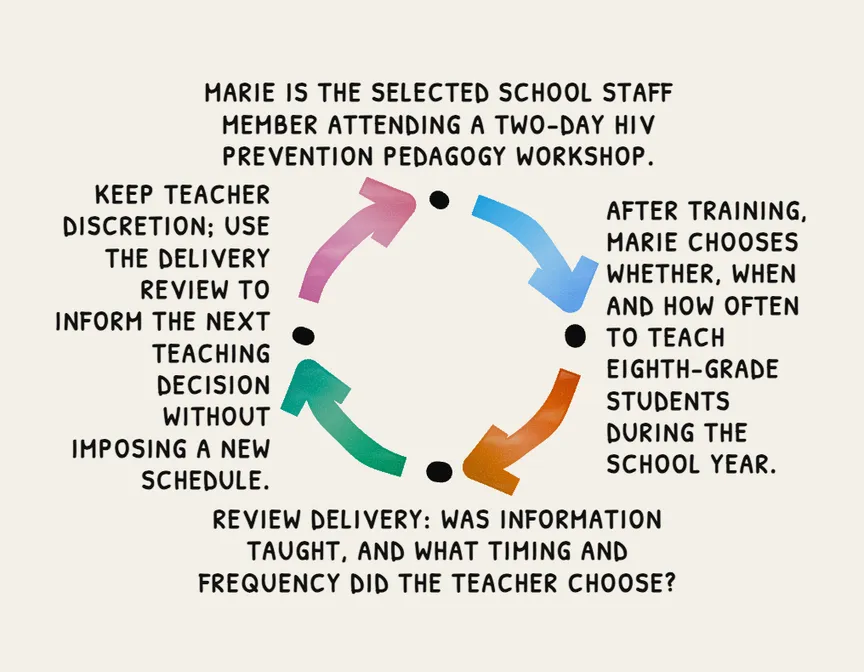
Training existing school staff builds institutional capacity to communicate accurate sexual health and HIV prevention information.
Direct financial incentives compensate teachers for the administrative effort of tracking attendance and substitute for mandatory parental school fees.
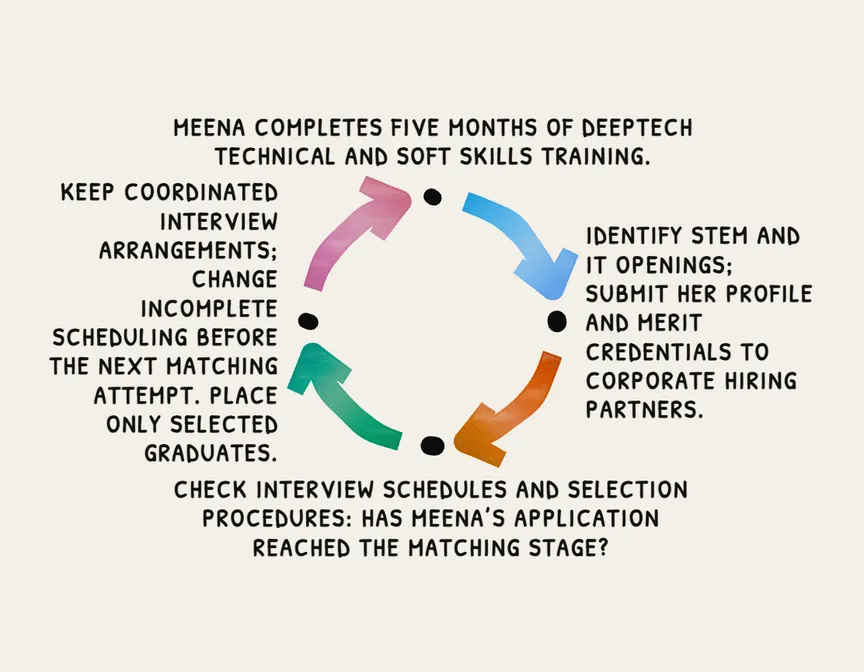
Job placement assistance helps job seekers identify and secure positions that better match their technical capabilities.
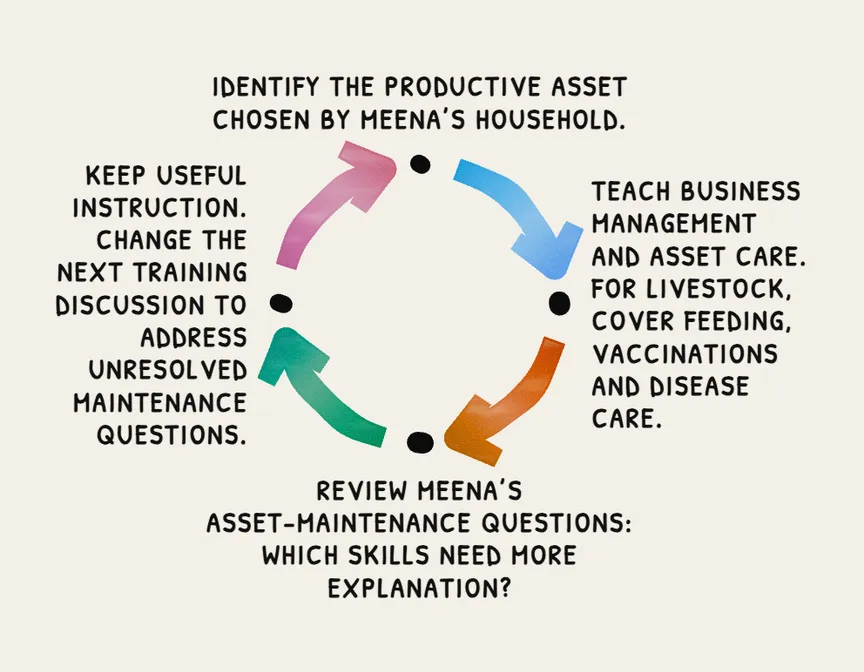
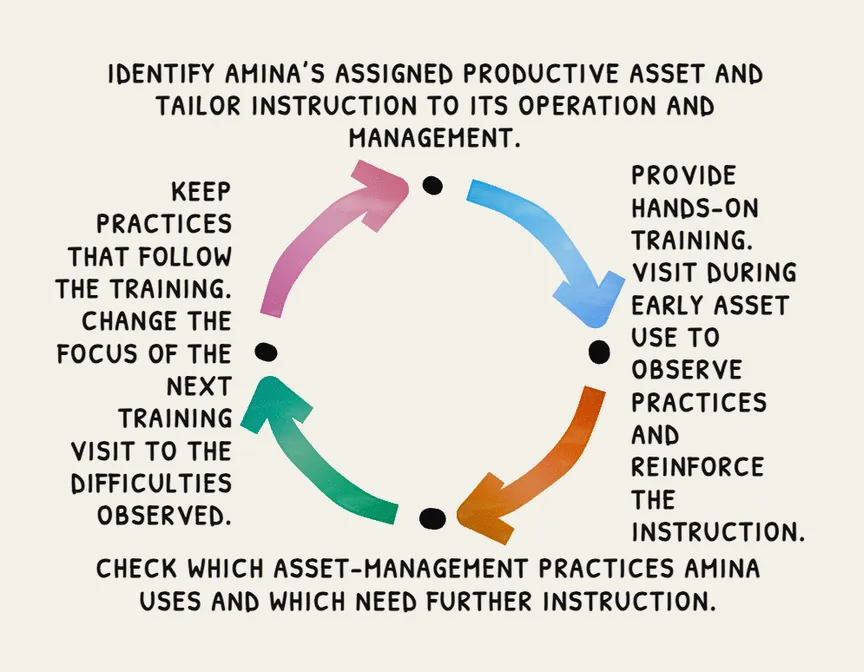
Asset-specific technical knowledge prevents asset loss from disease or poor management while building confidence in running a business.
Providing relevant technical skills ensures that beneficiaries maintain asset productivity and build self-employment earnings.
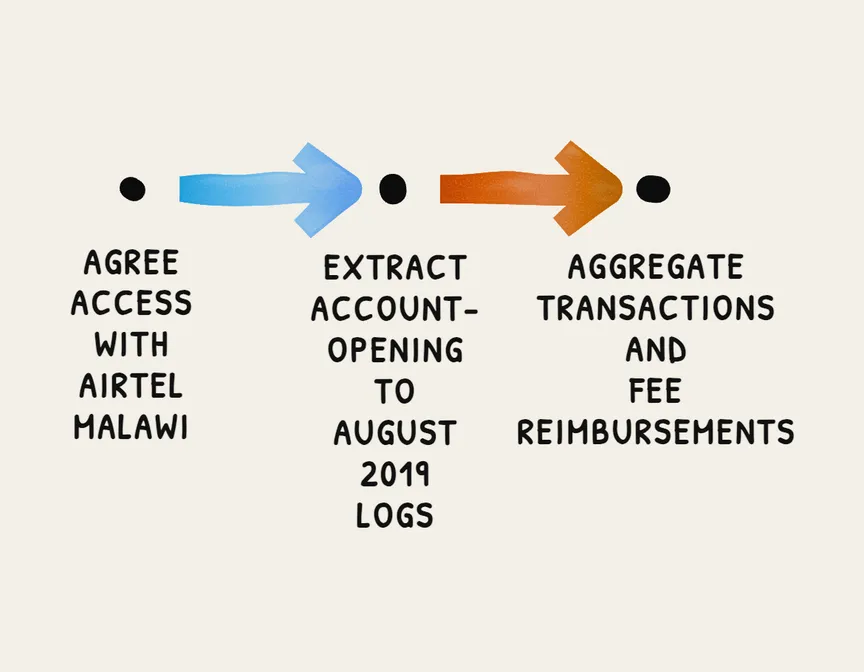
Administrative network logs eliminate recall bias, reporting errors, and survey non-response by capturing complete account activity automatically.
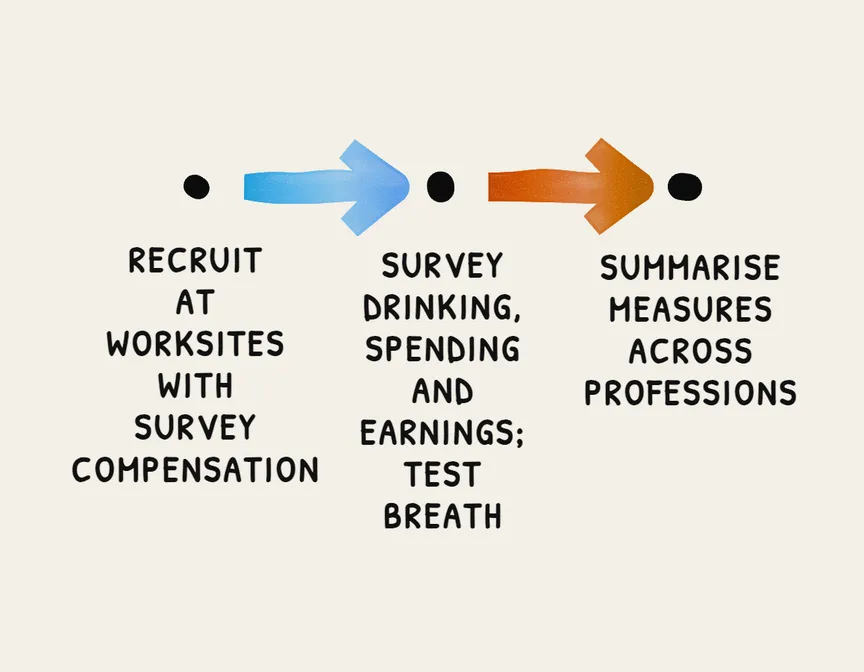
Direct breathalyzer testing combined with brief questionnaires during work hours provides objective data that avoids underreporting in self-reported health surveys.
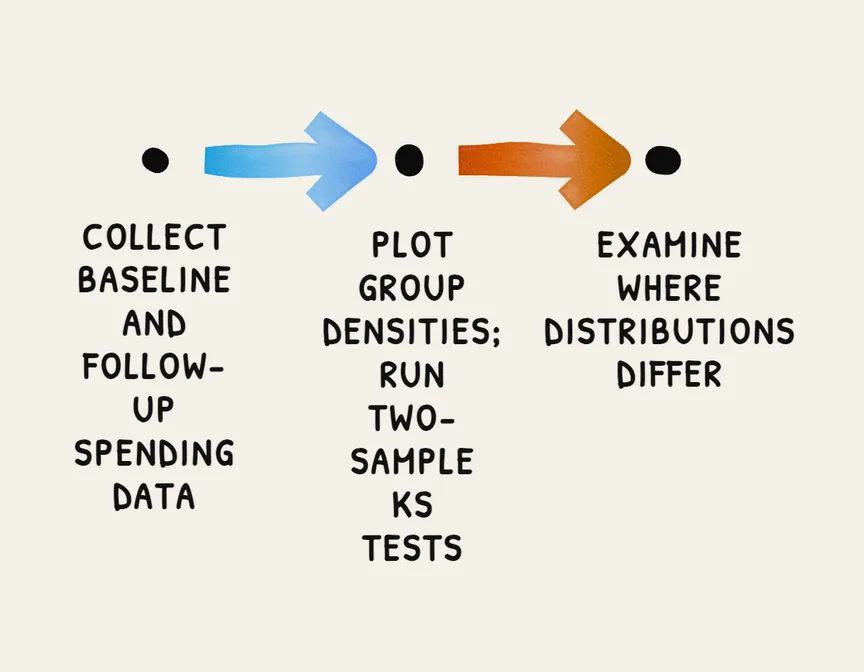
Kolmogorov-Smirnov tests evaluate the maximum vertical distance between two empirical cumulative distribution functions without making parametric distributional assumptions.
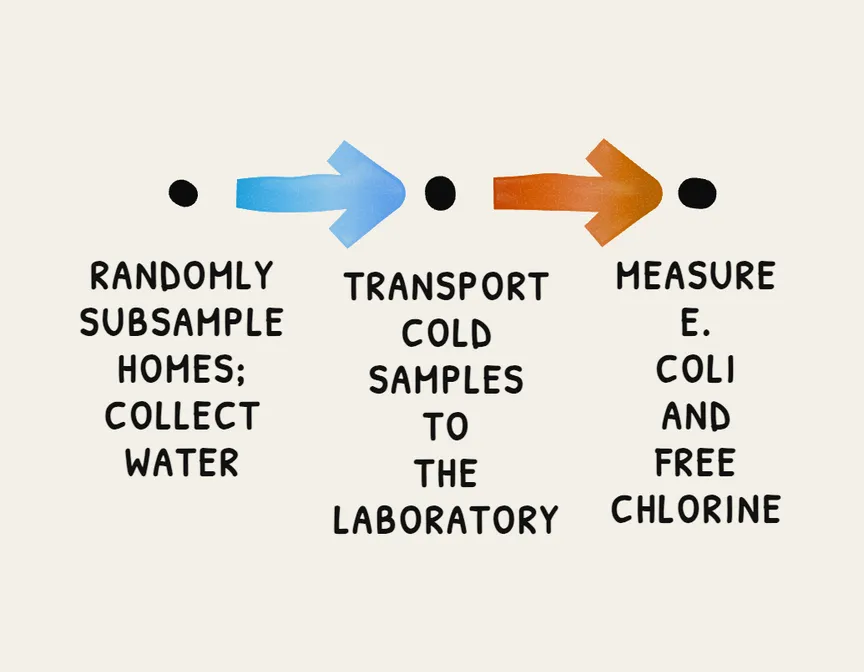
Direct laboratory testing provides an objective biological and chemical measure of water safety, eliminating self-reporting bias.
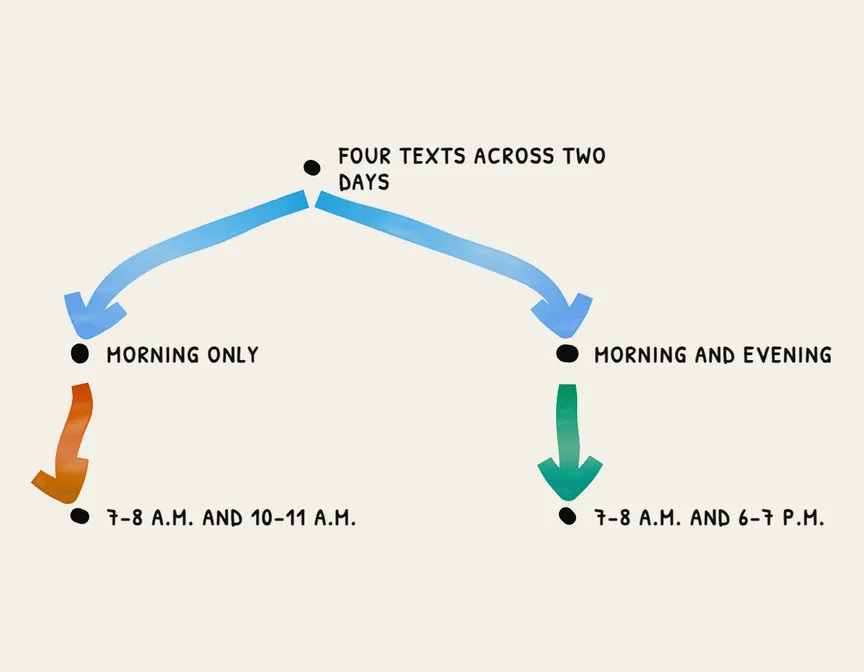
Varying the delivery time tests whether receiving reminders during active morning hours or evening leisure hours improves message reading and behavioral uptake.
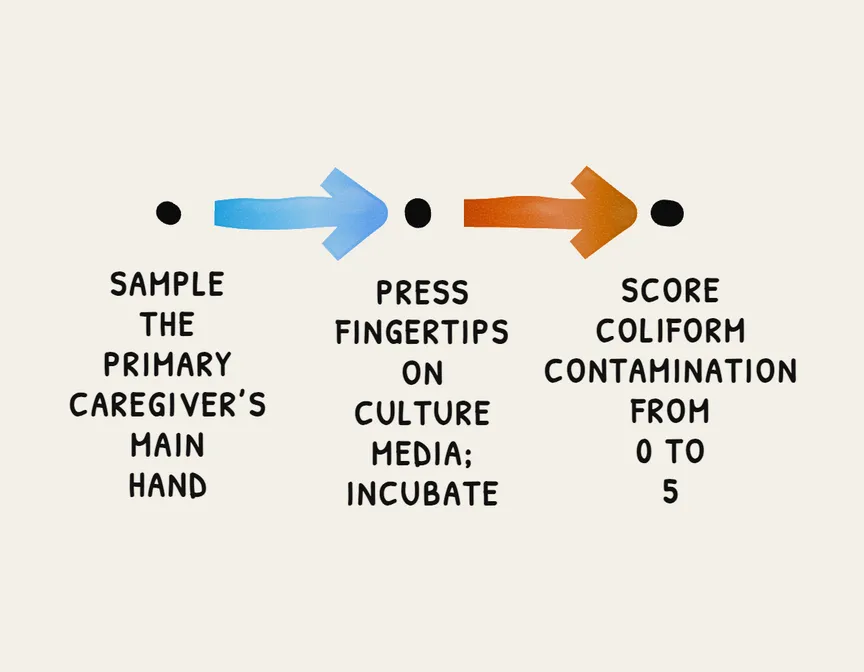
Direct biological sampling of fingertips bypasses self-reporting bias and measures actual physical contamination present on hands.
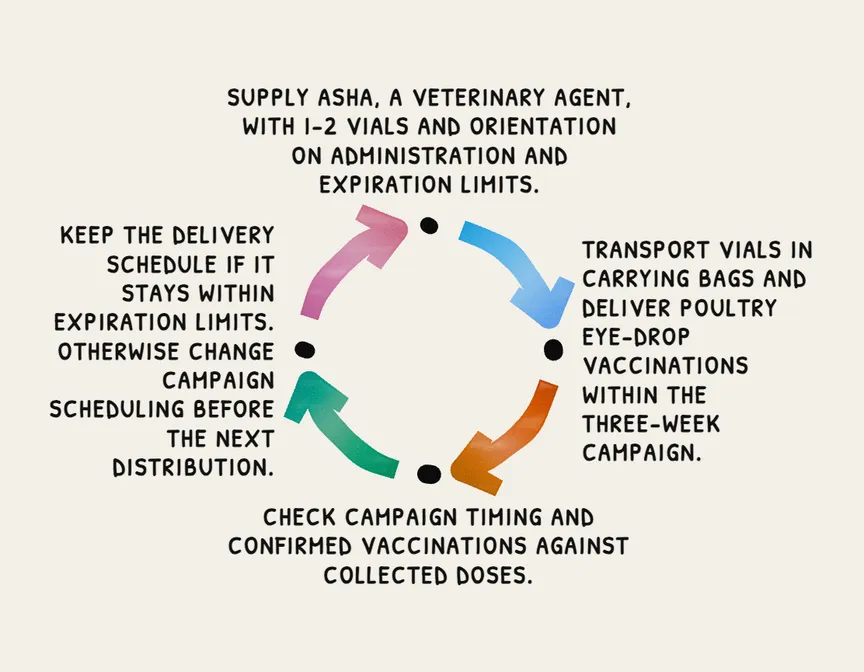
Using a thermotolerant biological strain eliminates dependence on electrical refrigeration during transport to remote locations.
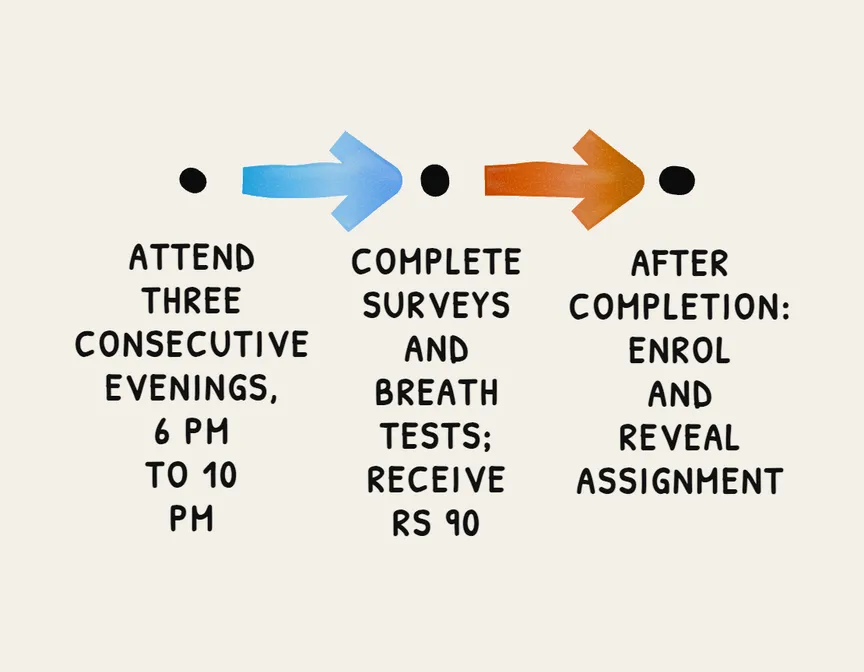
Requiring consistent attendance before revealing treatment conditions eliminates early dropouts who seek one-time initial incentives.
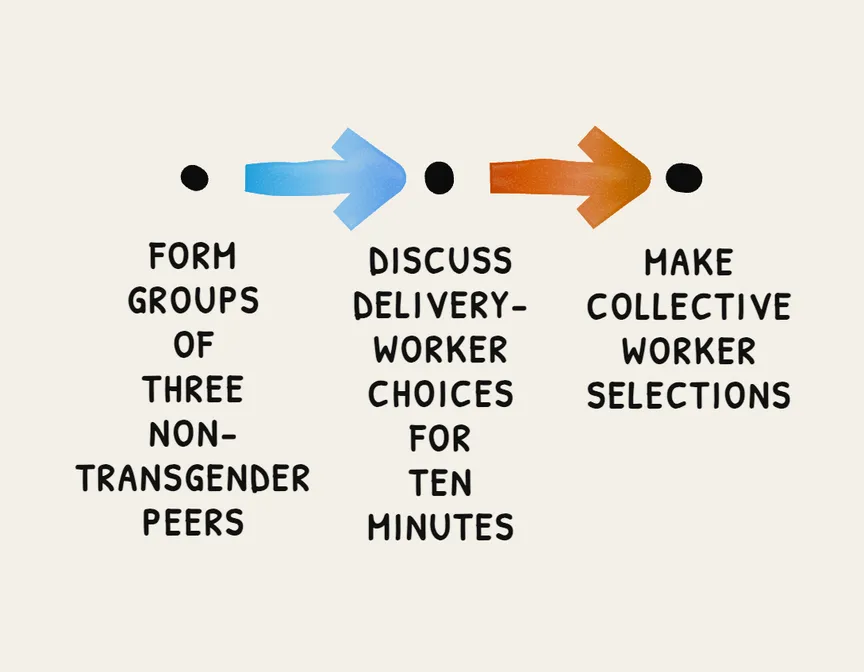
Group discussions allow pro-transgender peers to voice persuasive moral arguments about equal rights and fairness 2.5 times more often than opposing views.
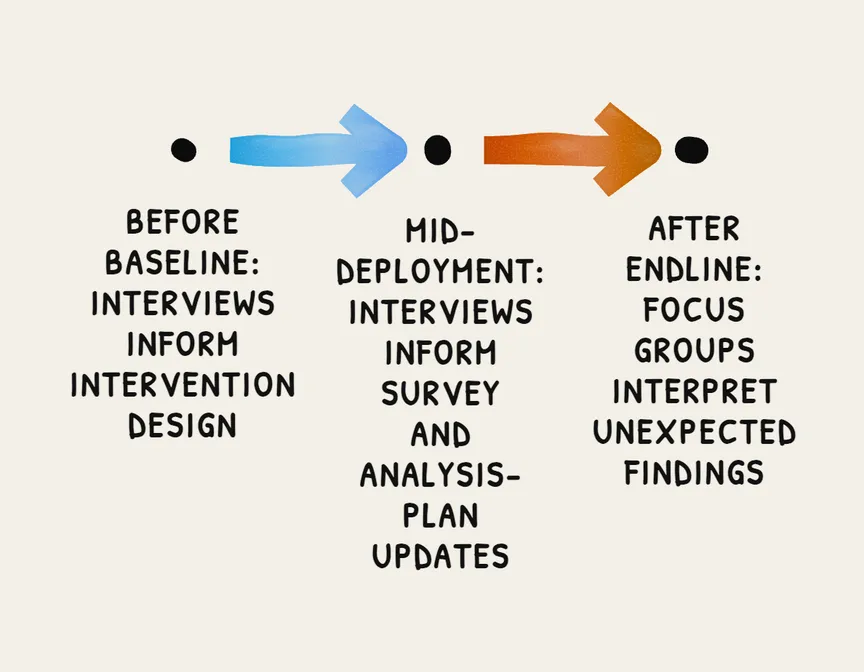
Unstructured interviews prevent enumerators from priming participants with expected hypotheses, allowing unobserved social mechanisms to surface naturally.
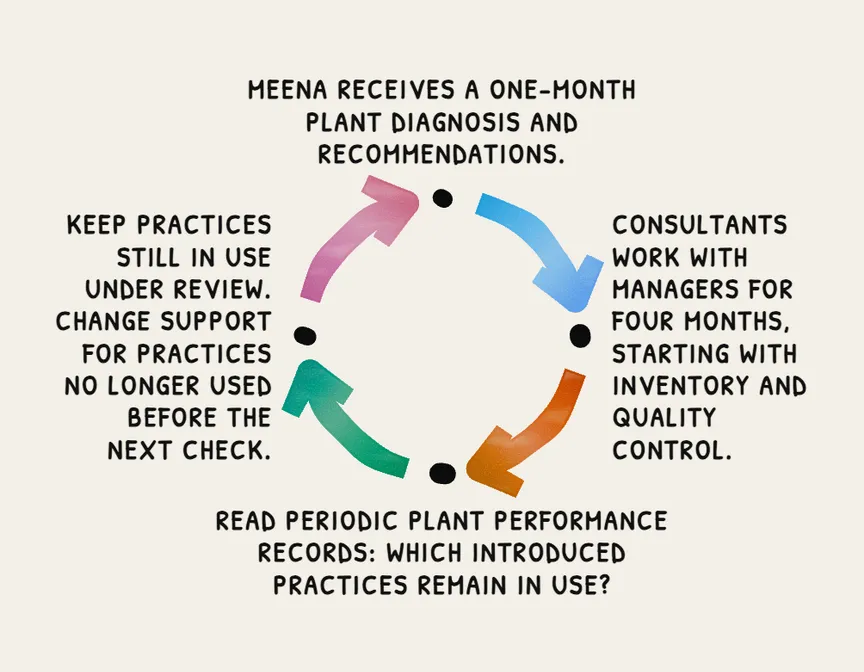
Hands-on consultant assistance builds director confidence and demonstrates quick pay-offs in quality control and inventory management.
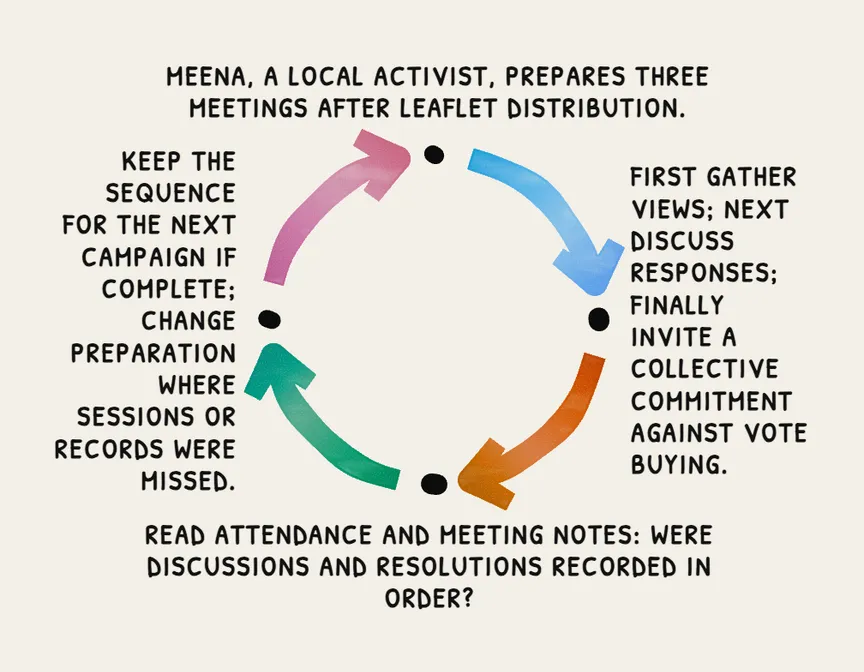
Sequential meetings build collective awareness that vote buying damages local public service delivery and create shared social expectations among community members.
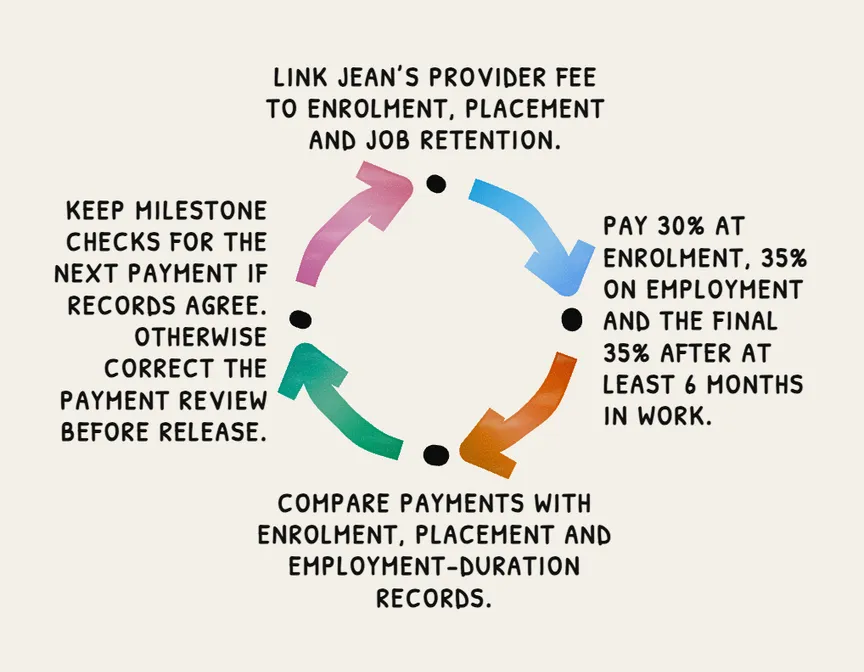
Tying payments to placement and retention motivates contractors to focus on securing lasting jobs for participants.
Page 40 of 45
Previous
1
…
39
40
41
…
45
Next