Skip to the methods
Menu
aikyam
school
Findings
Methods
Subjects
All cards
Read
Findings
Methods
Subjects
All cards
Methods
2,124 methods
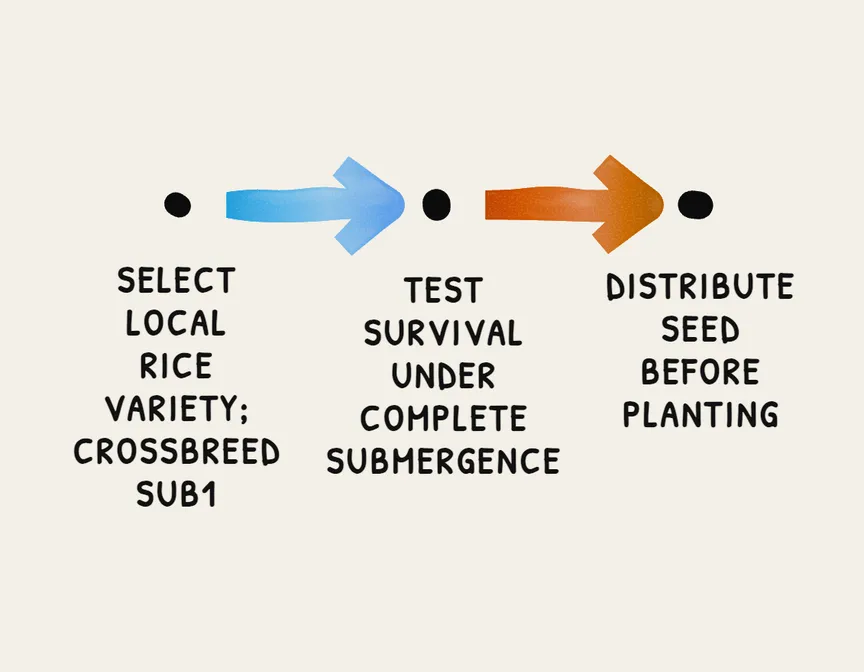
The inserted Sub1 gene enables rice plants to survive complete underwater submergence for up to two to three weeks without dying.
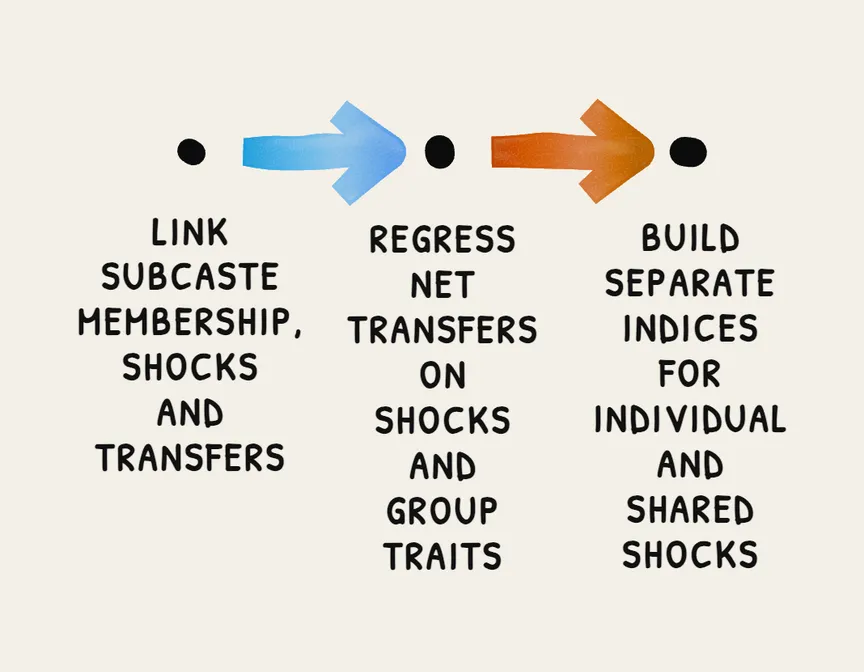
Tracking actual monetary transfers during past crises reveals the true strength of social safety nets without relying on subjective self-reports.
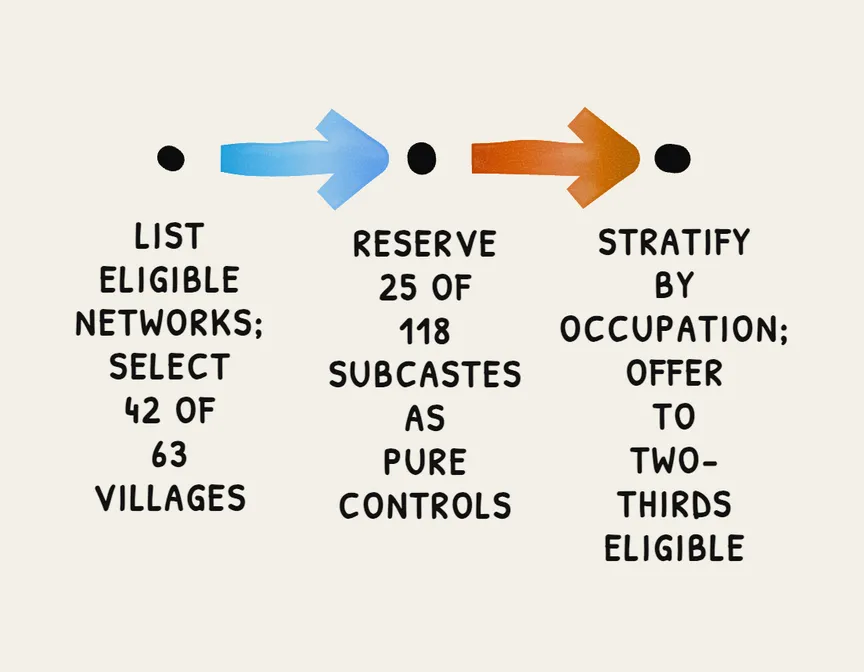
Reserving entire social networks as pure controls prevents informal transfers from spilling over into control households.
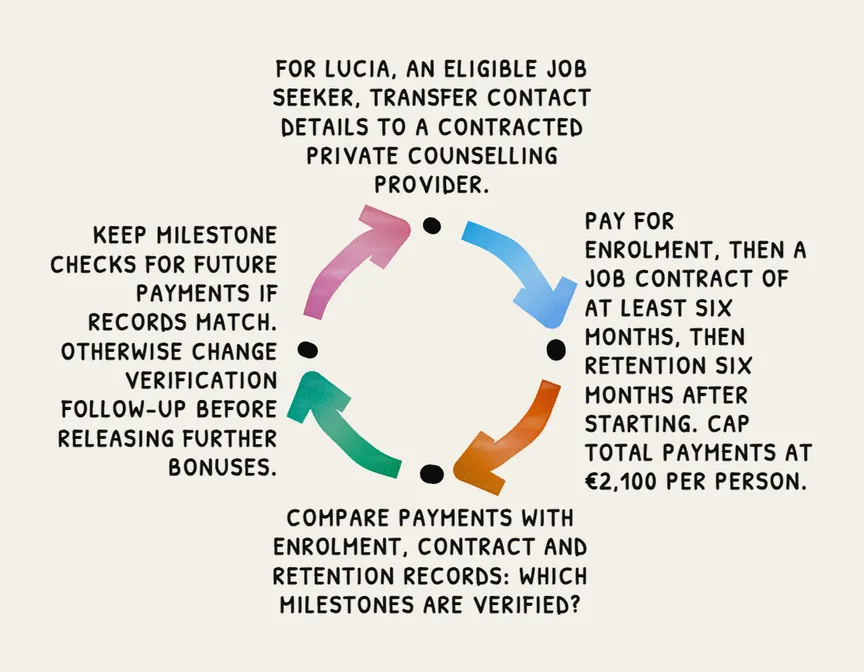
Private agencies are believed to be more agile and efficient at connecting candidates with prospective employers than public agencies.
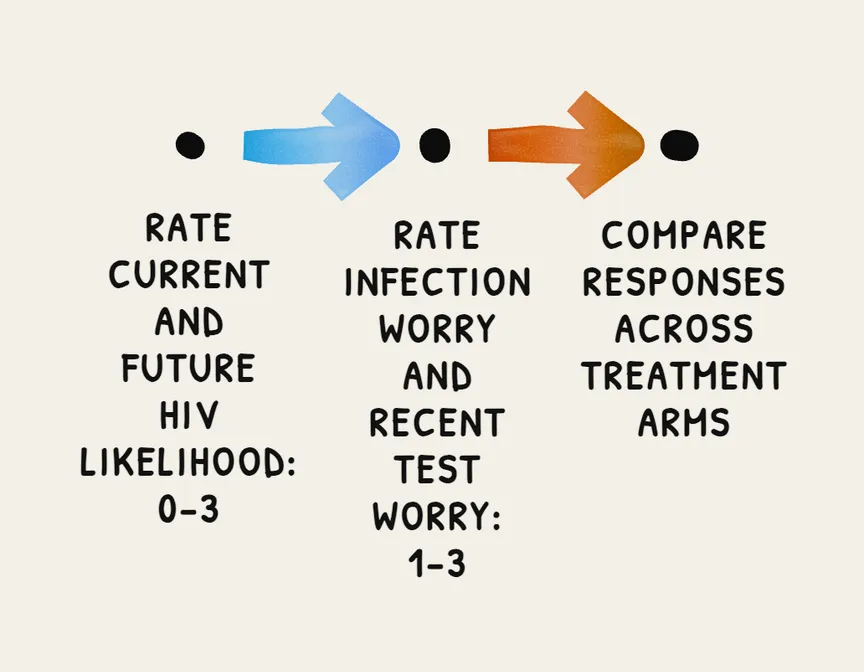
Providing clear HIV test results resolves subjective uncertainty about partner infection risk.
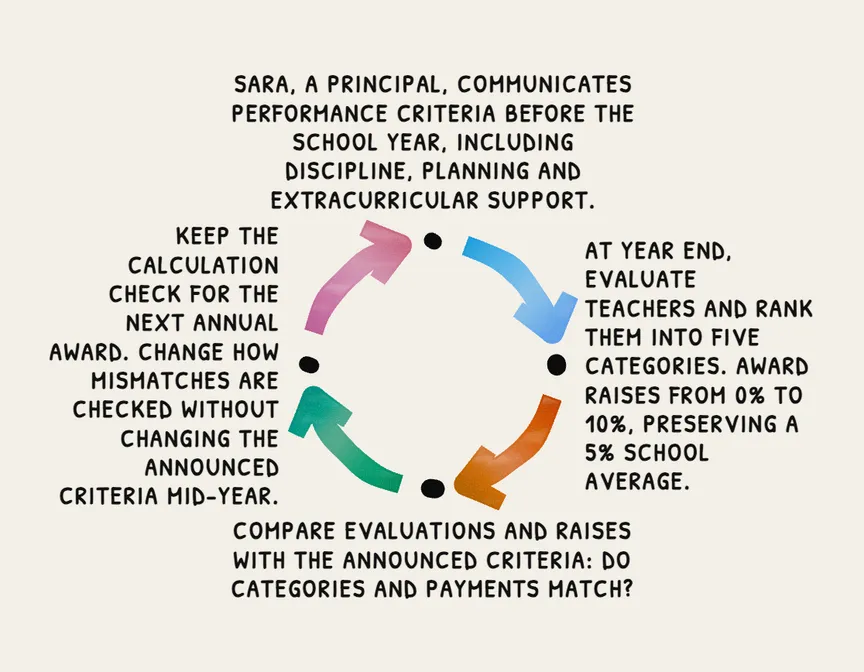
Principals observe day-to-day classroom management and student discipline that standardized test scores miss.
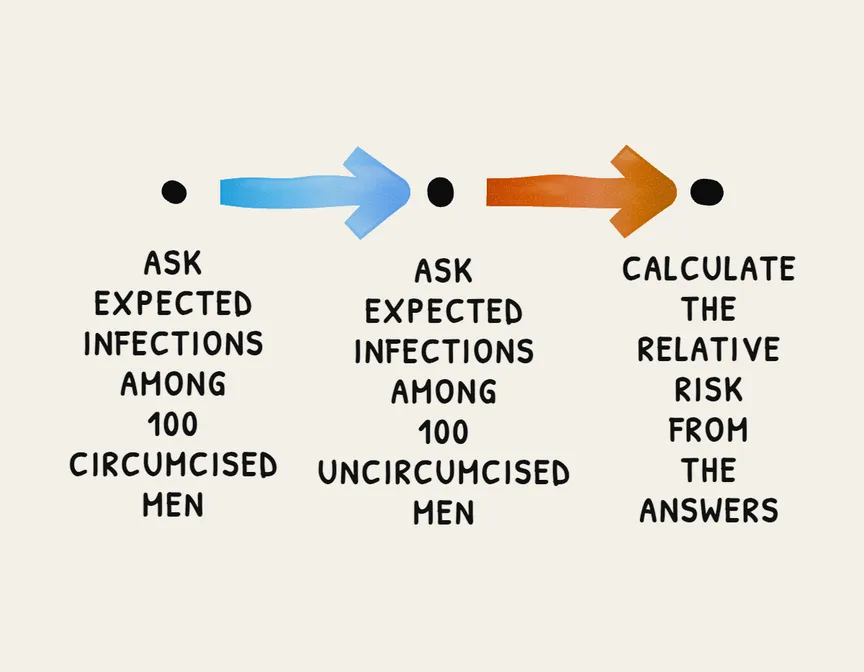
Framing probabilities as natural counts out of 100 allows respondents with varied mathematical background to express risk beliefs accurately.
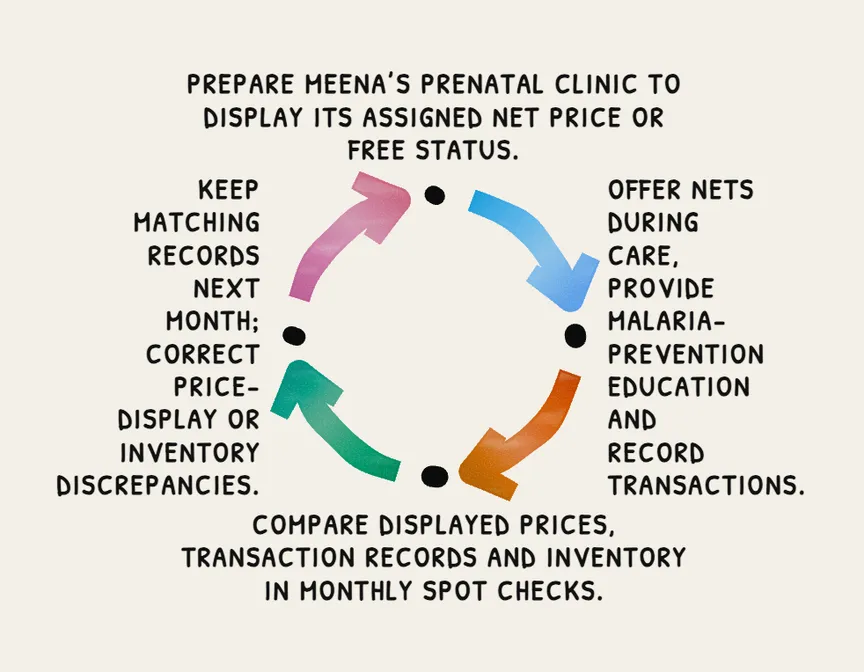
Heavy subsidies remove financial barriers for cash-constrained families who value malaria prevention.
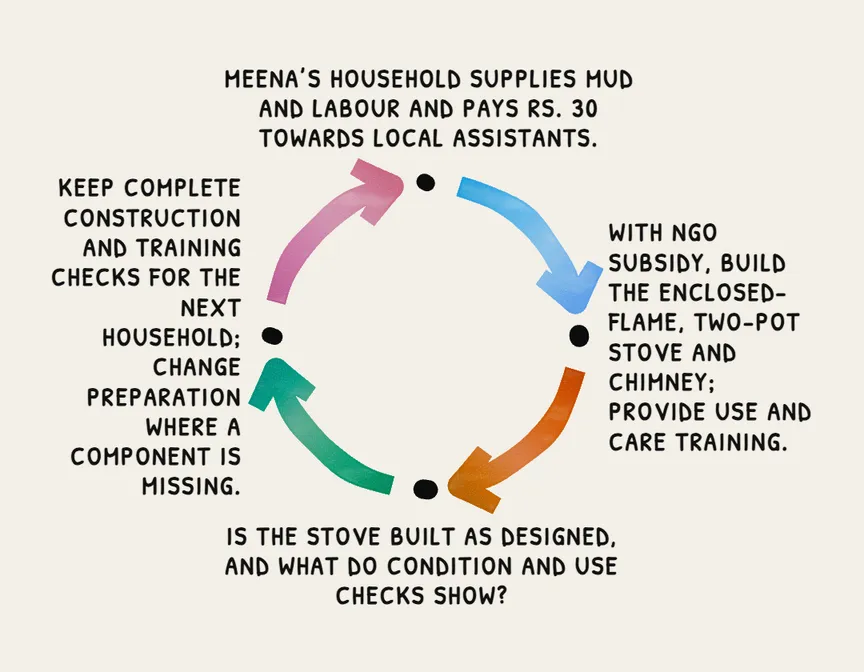
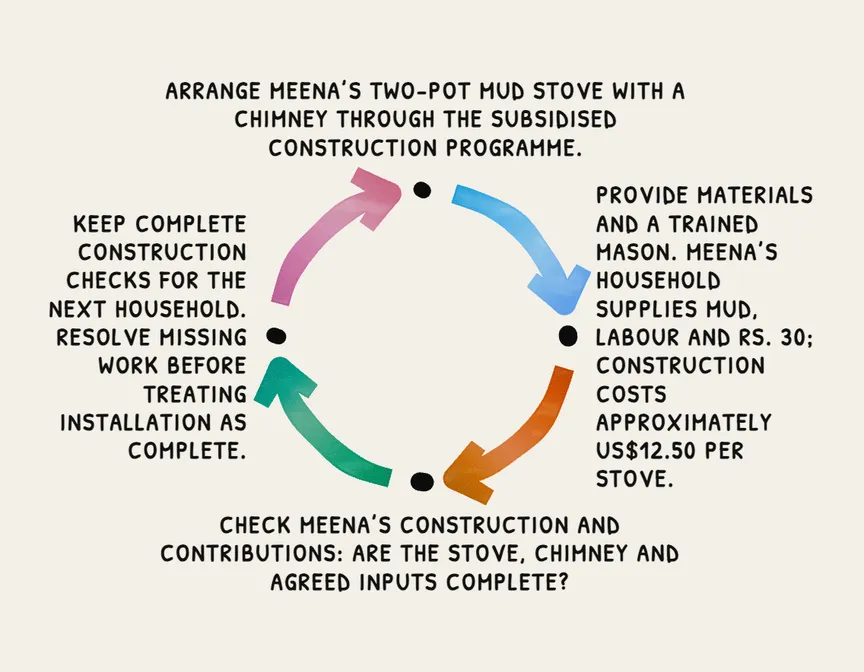
Enclosing the flame directs heat onto two cooking pots to reduce fuel demand and cooking time.
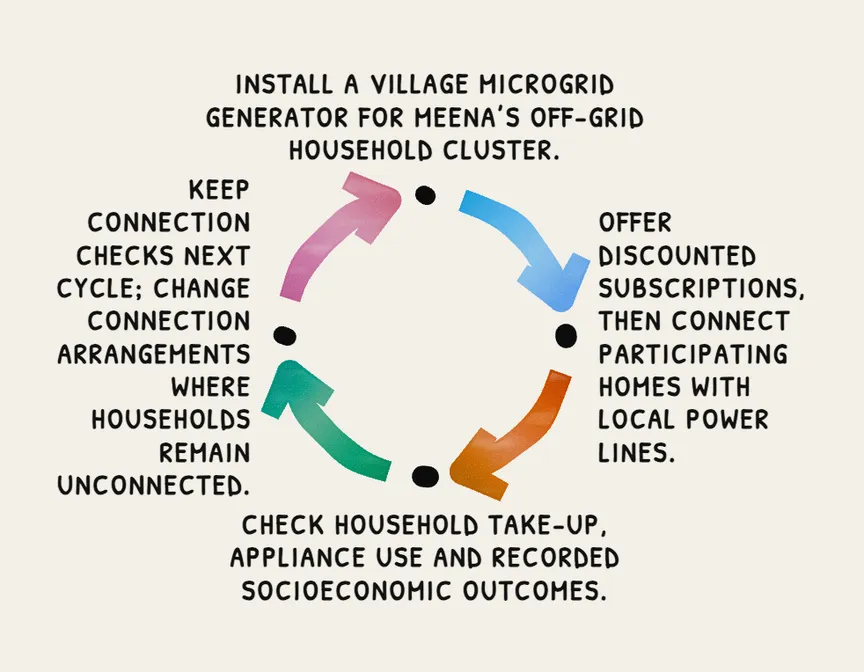
Price subsidies reduce upfront connection barriers for low-income families sensitive to high energy costs.
Heavy subsidies remove financial entry barriers for poor rural families who cannot afford clean appliances.
Capping household outlays and providing home visits eliminates the prohibitive monetary and transaction costs that prevent citizens from accessing formal land titling under the status quo.
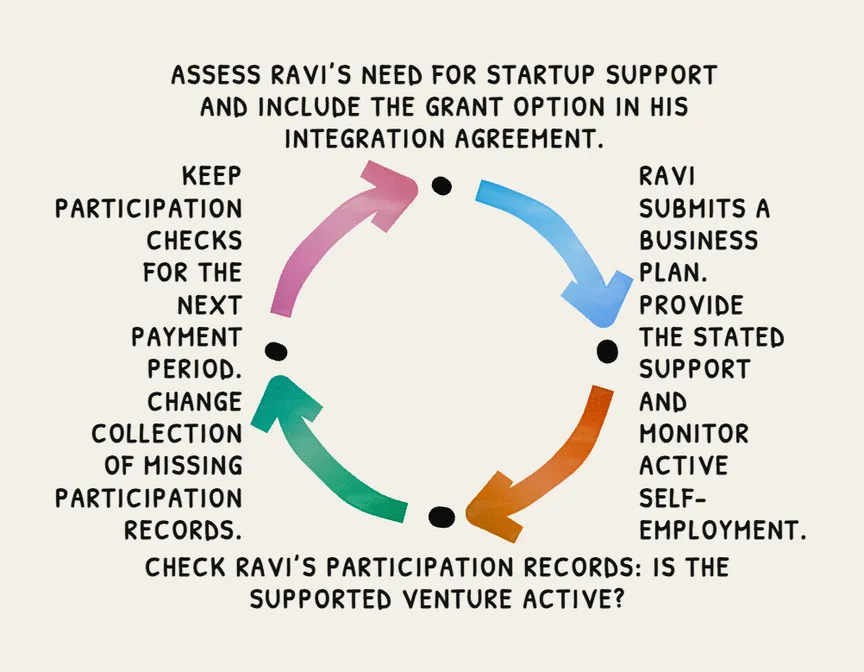
Combining mandatory search contracts with financial startup grants or wage subsidies lowers hiring costs for employers and reduces business launch risks for founders.
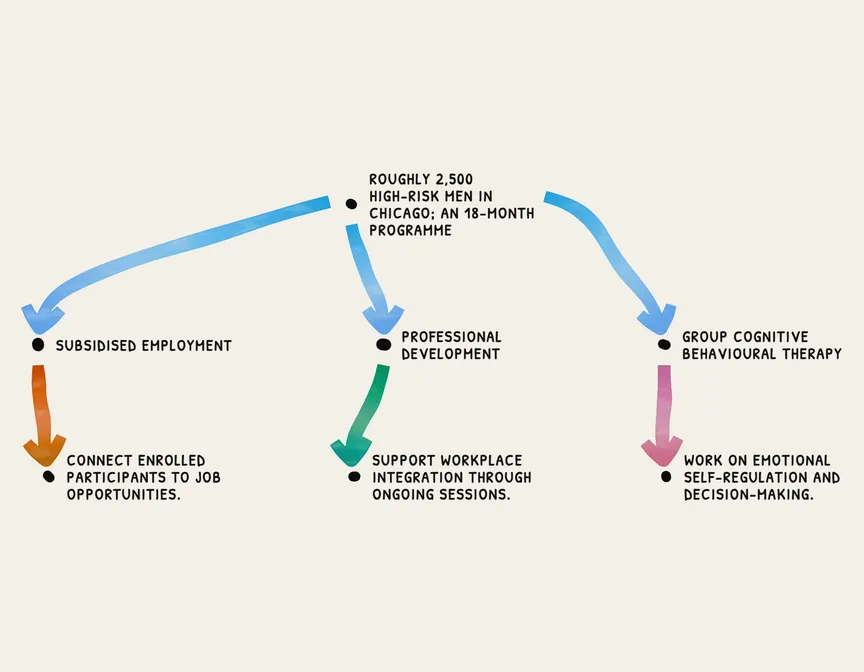
Integrating subsidized employment with therapy provides immediate structure and income while modifying default decision-making assumptions.
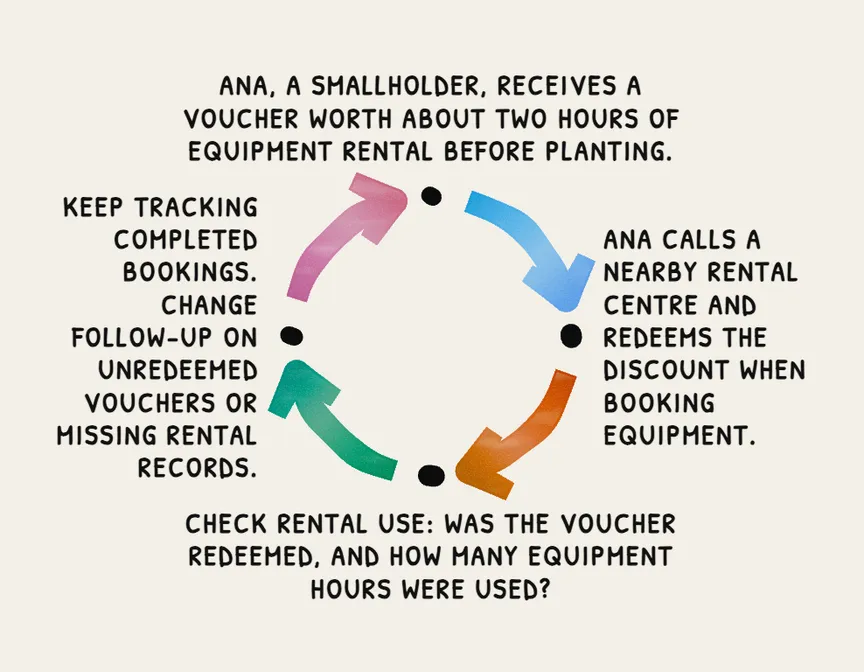
Lowering rental costs through vouchers removes financial barriers that prevent smallholders from using machinery.
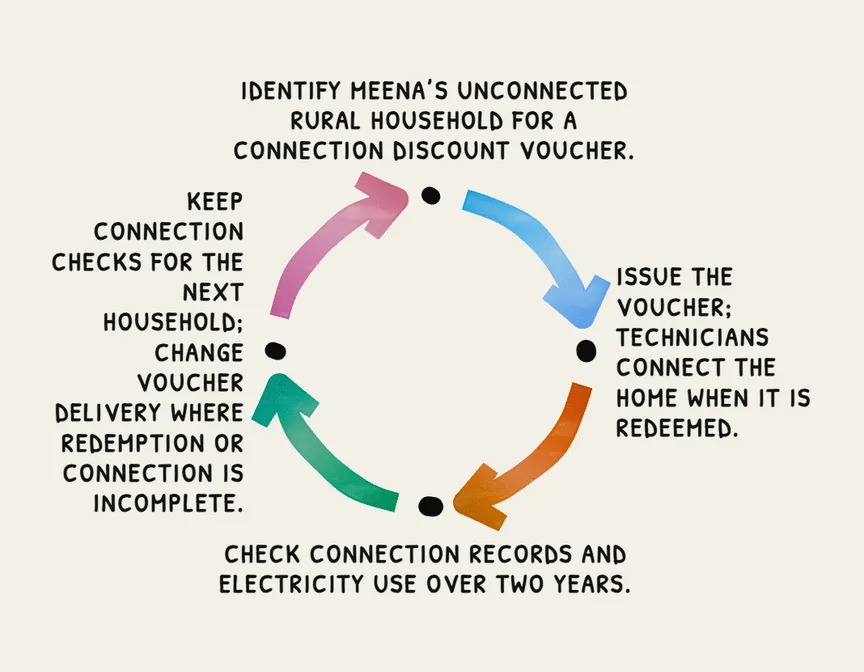
Lowering upfront connection fees overcomes initial financial barriers for poor families.
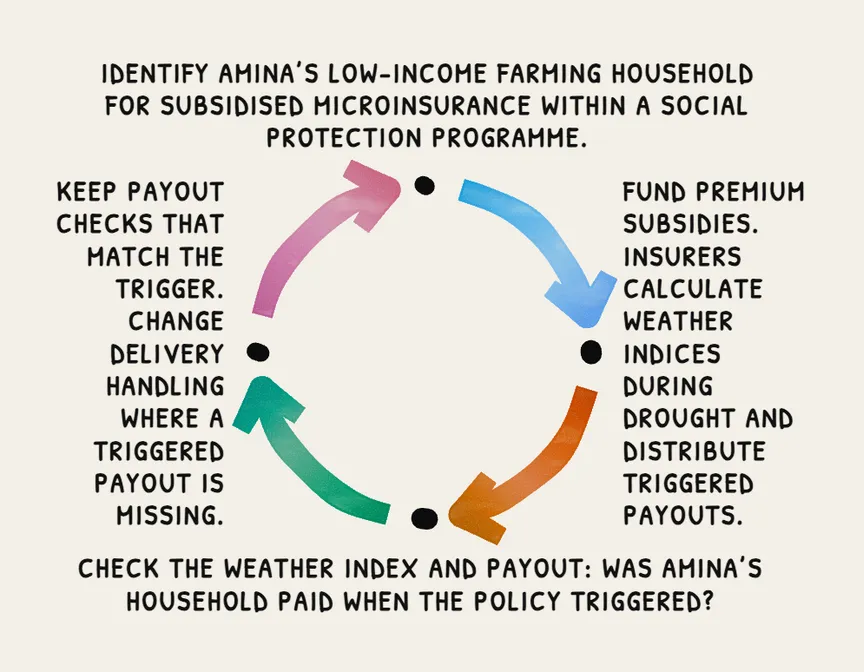
Providing subsidized microinsurance cushions low-income households against disaster losses without requiring them to liquidate productive capital.
Outsider status prevents collusion between guards and local village thieves because non-local guards lack local family and social ties.
Price discounts lower immediate healthcare costs, easing liquidity constraints and offsetting the present bias that causes individuals to delay preventive care.
Printing official prices on identification cards gives eligible citizens explicit leverage during transactions.
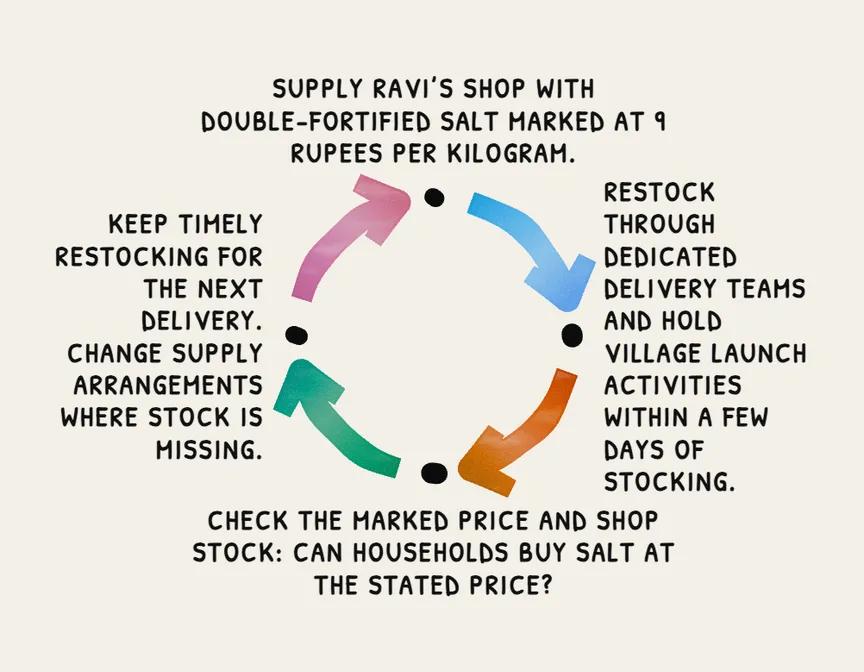
Replacing regular cooking salt with double-fortified salt requires no major diet changes because salt is consumed daily across all households.
Direct retail vouchers lower the upfront price of long-lasting bednets to match household liquidity constraints.
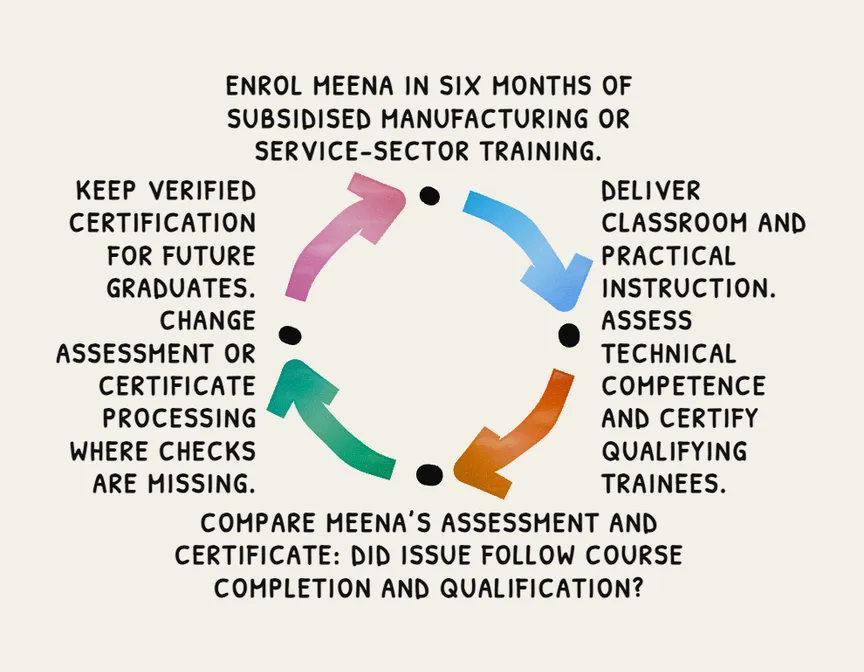
External vocational credentials allow job seekers to prove their technical skills to outside firms beyond their initial training provider.
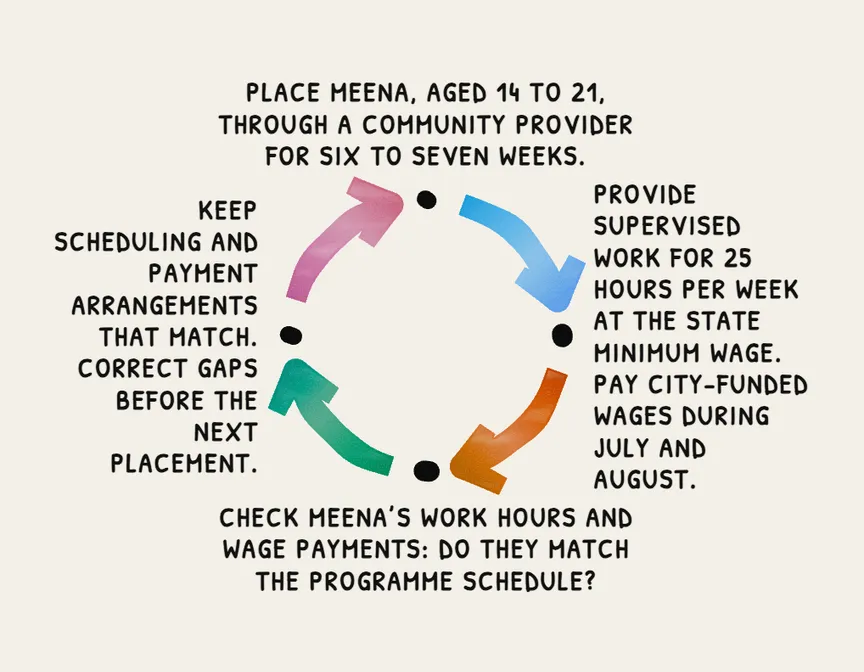
Placing youth in structured summer jobs provides social-emotional learning opportunities and adult guidance that recalibrate decision-making in real-world settings.
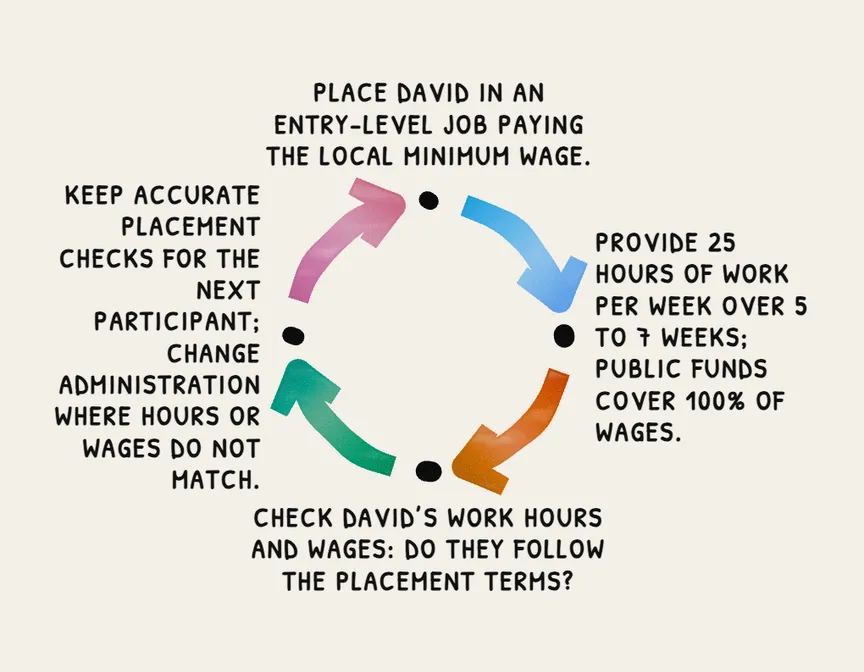
Providing structured employment physically occupies youth during peak daytime hours when delinquent behavior typically occurs.
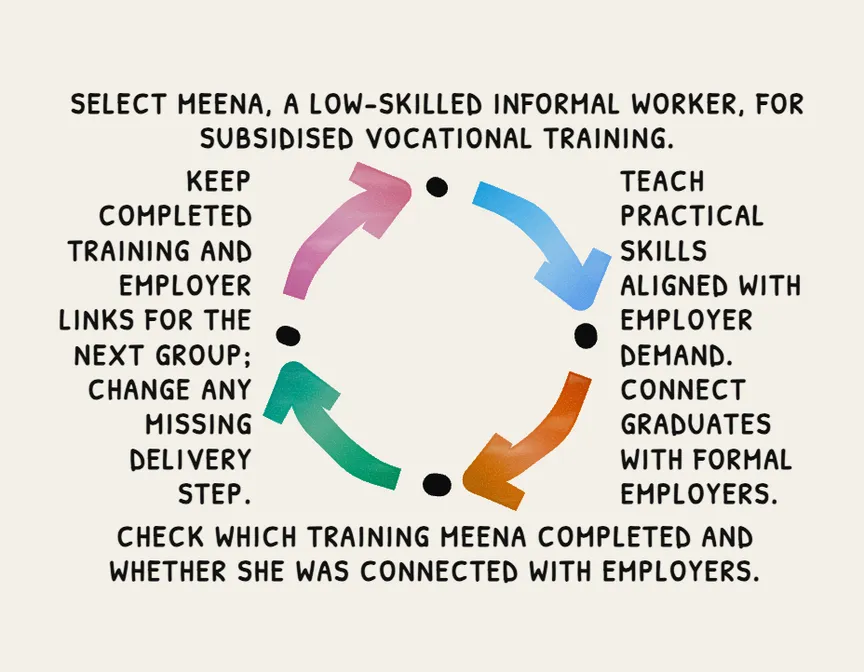
Job training enhances worker technical capabilities and productivity, making participants more attractive to formal employers.
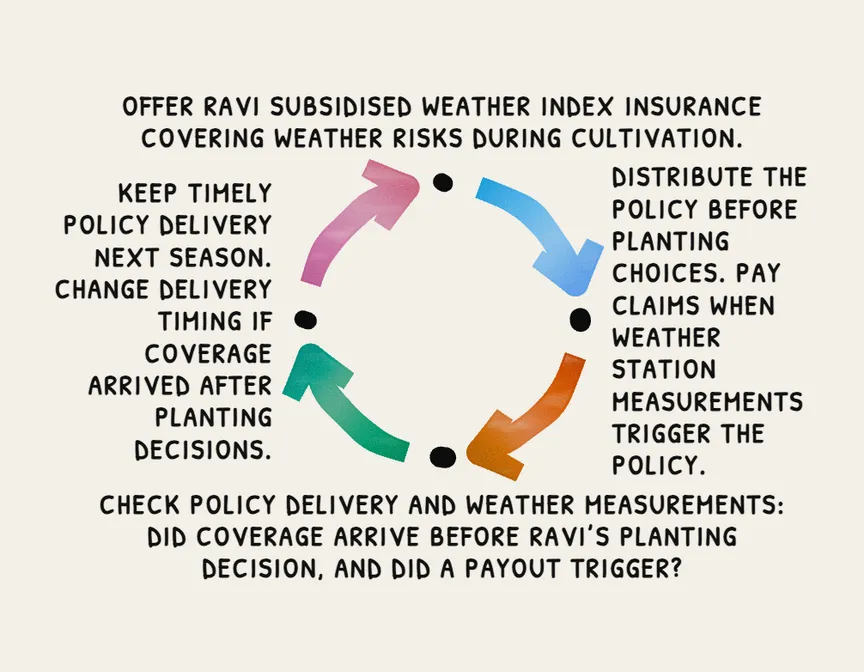
Providing financial subsidies as insurance protects farmers against downside risks during severe weather events.
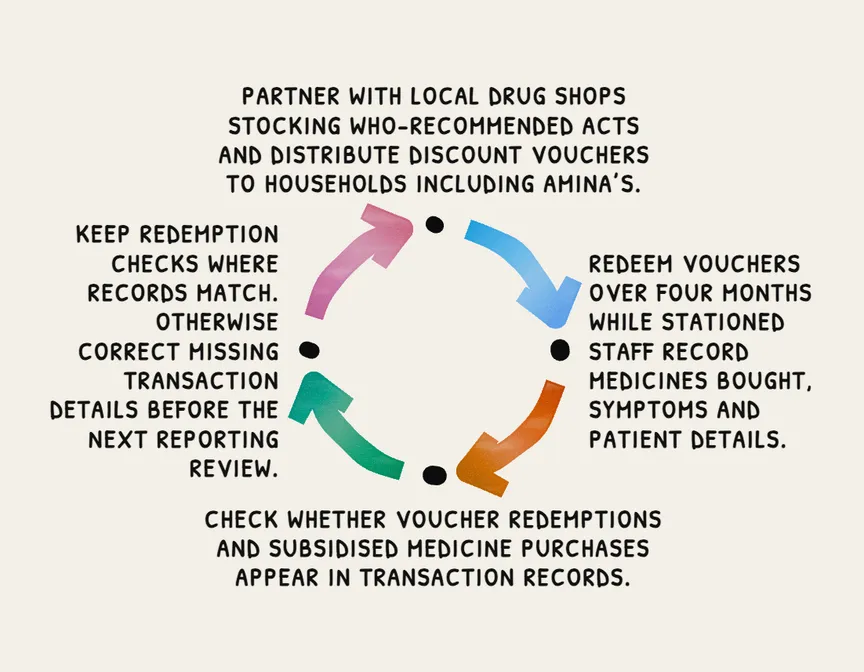
Reducing retail prices overcomes major financial barriers for low-income families seeking immediate local healthcare.
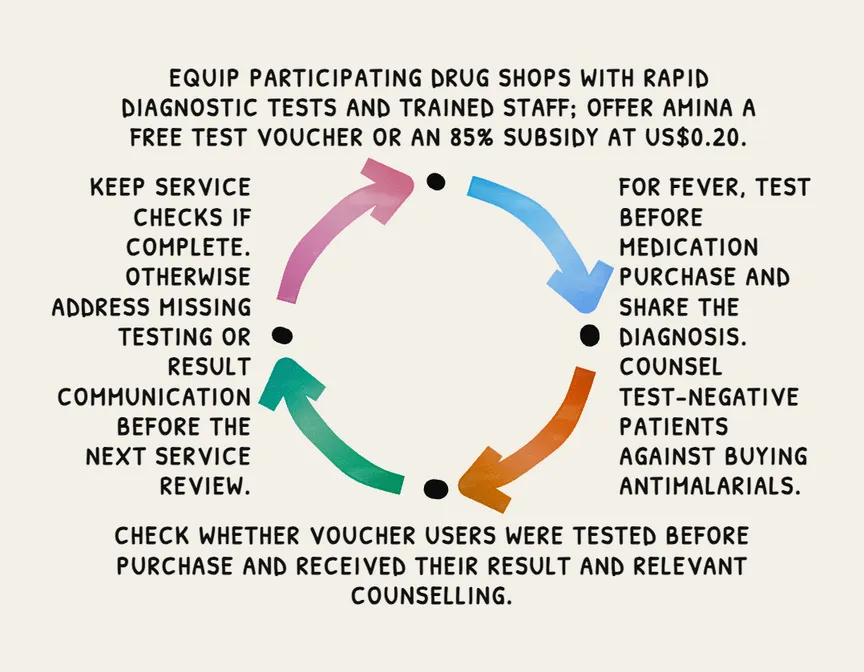
Pre-purchase testing informs patients of their true infection status before spending money on drugs.
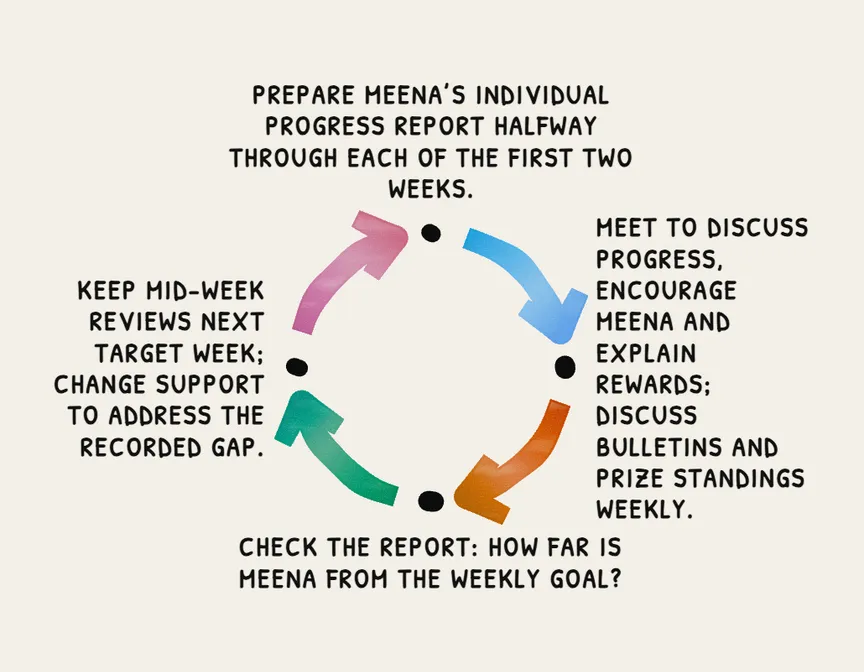
Direct supervisory check-ins prevent employees from pushing off tasks until deadlines are imminent by enforcing frequent accountability and progress visibility.
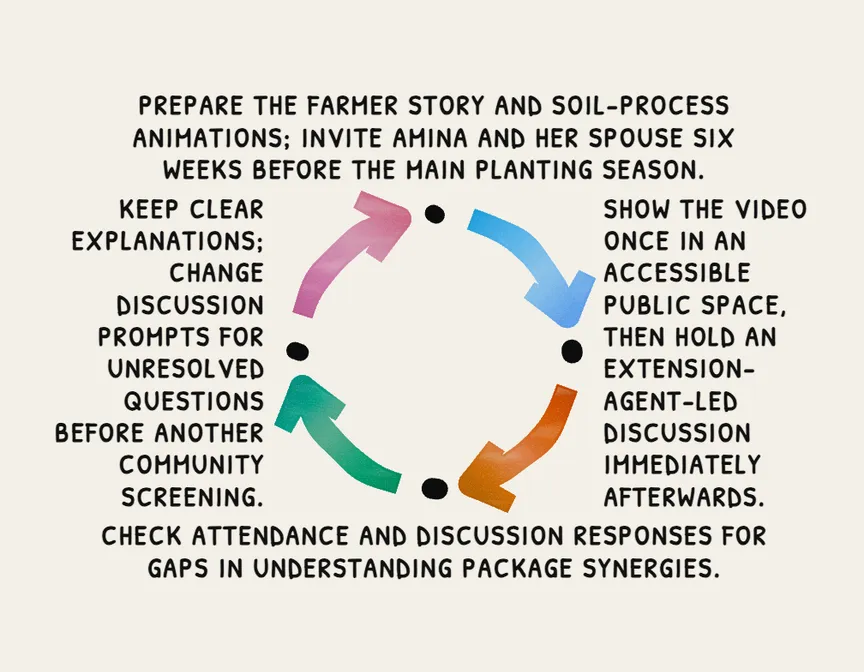
Combining narrative role-model examples with visual animations clarifies why integrated component adoption works and triggers active peer information seeking.
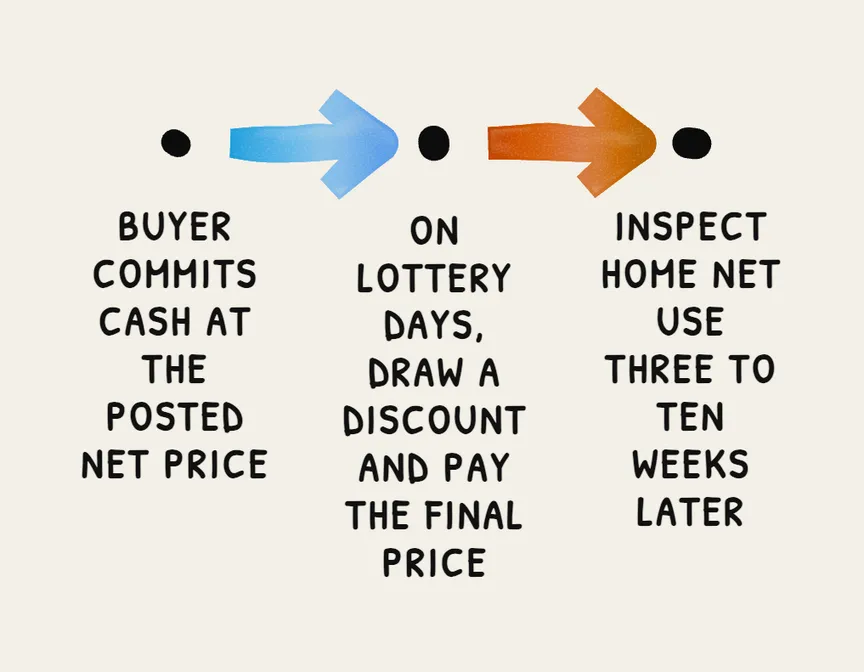
Holding willingness to pay constant across consumers isolates the effect of the transaction price from selection effects.
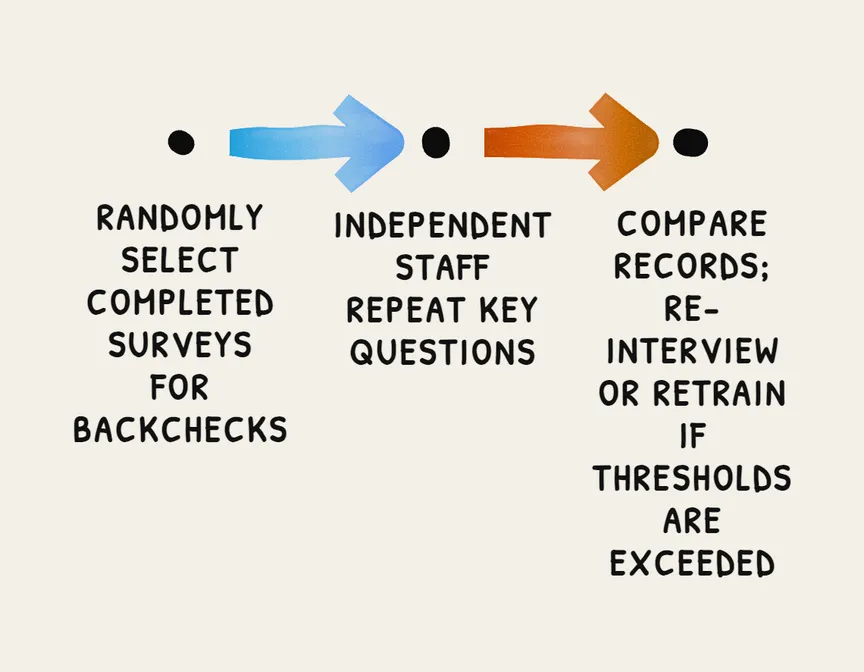
Independent re-interviews incentivize field enumerators to adhere strictly to survey protocols and prevent data fabrication.
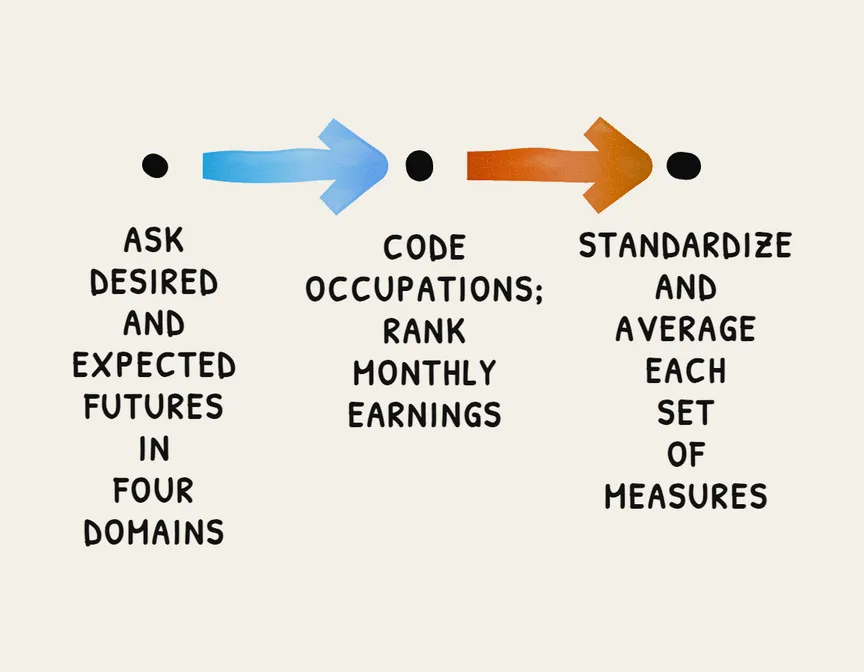
Measuring desired and realistic outcomes separately isolates ideal goals from perceived real-world constraints.
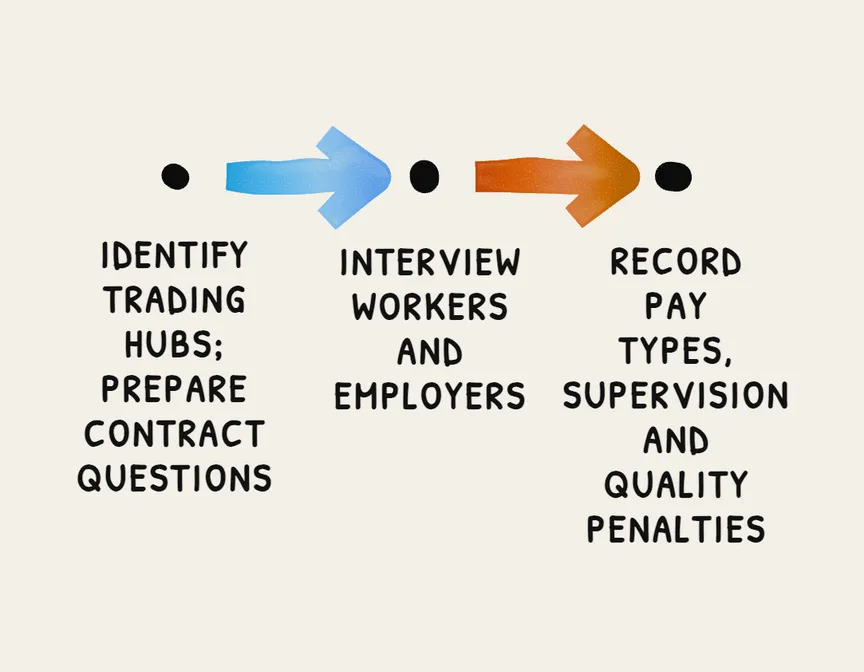
Gathering direct field data from active market participants reveals actual wage arrangements and oversight expectations that standard household surveys miss.
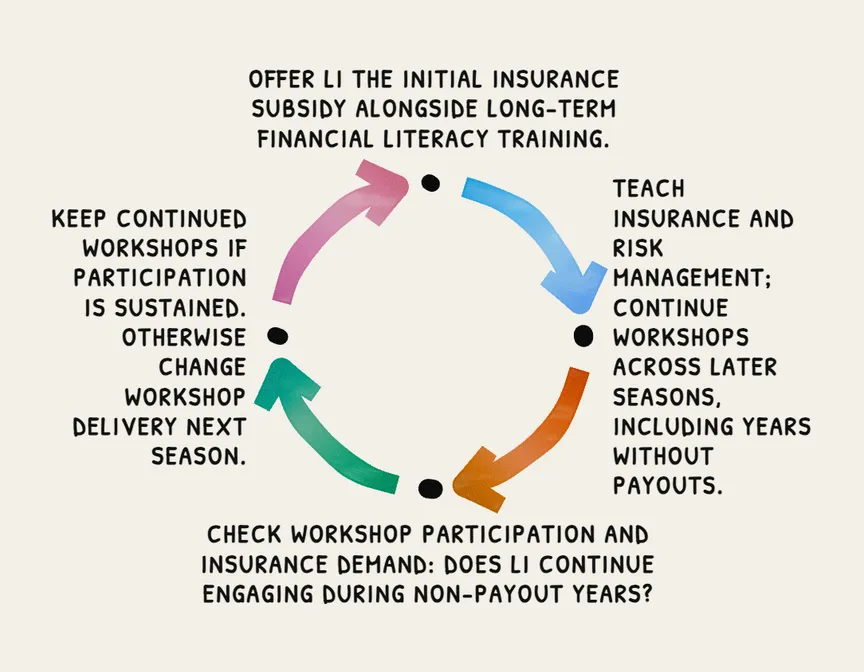
Combining long-term training with positive payout experiences reinforces farmer understanding during non-payout years.
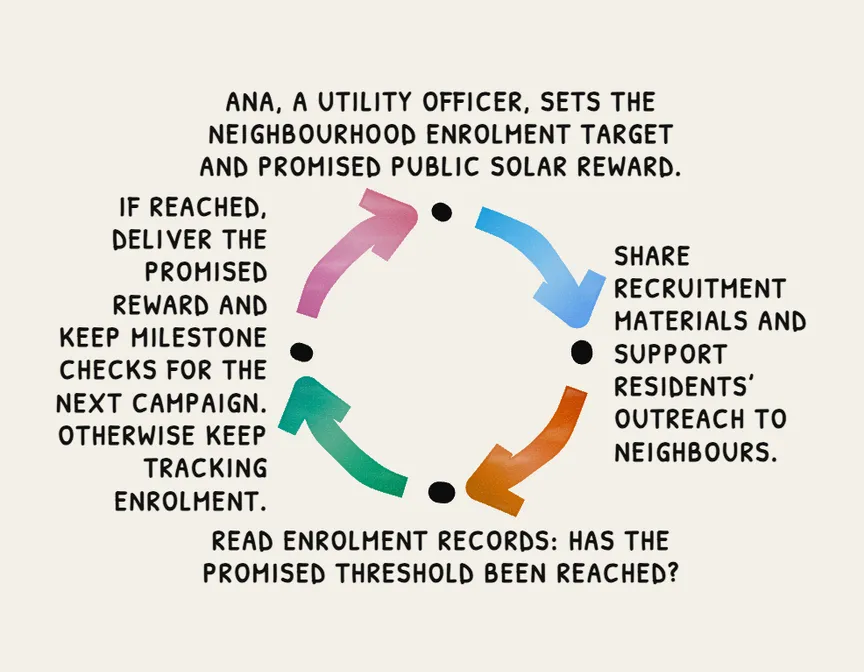
Conditioning community-wide public rewards on collective participation targets creates shared social motivation among residents.
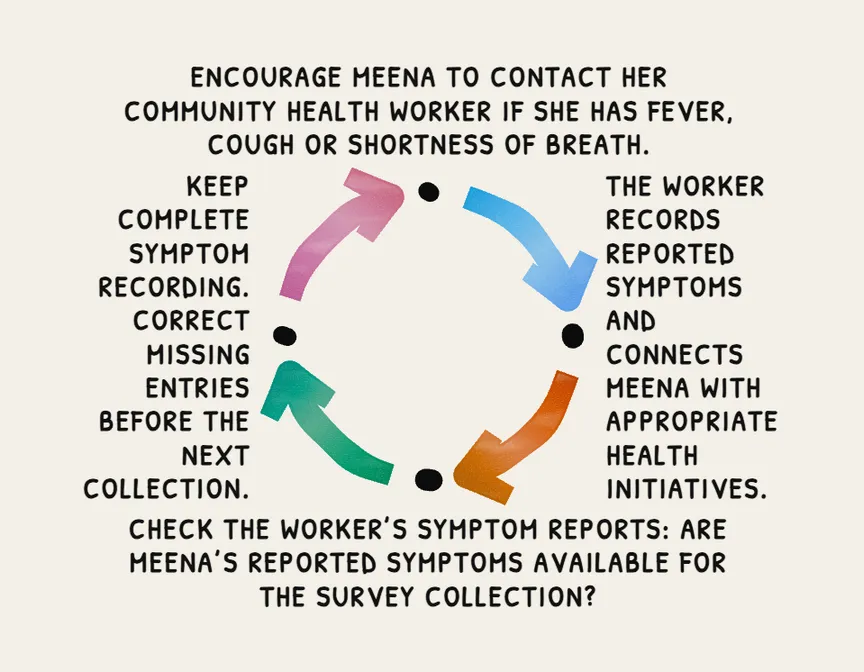
Repurposing trusted community health workers provides an accessible bridge between rural residents and formal medical care.
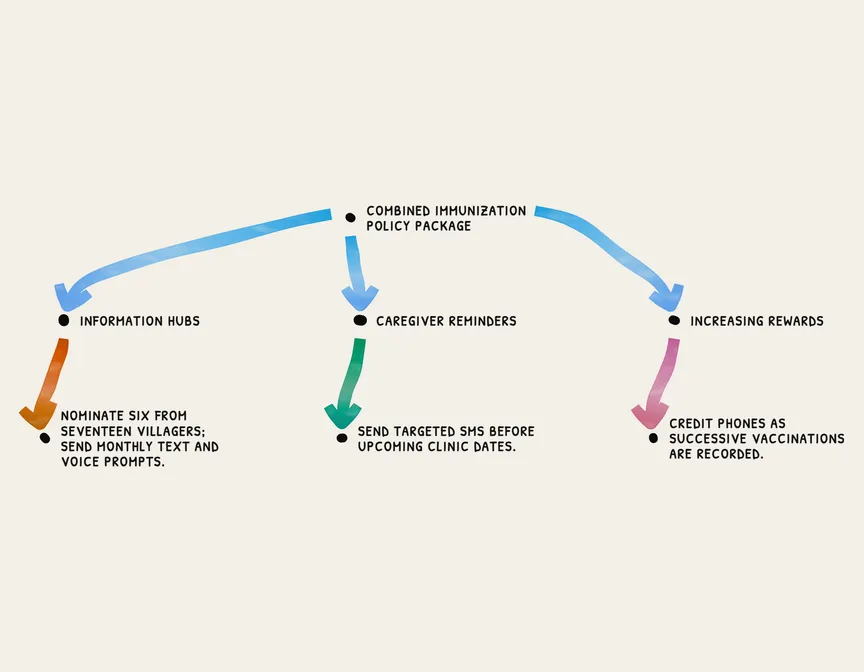
Local ambassadors amplify reminders and explain incentive structures, overcoming information and motivation friction simultaneously.
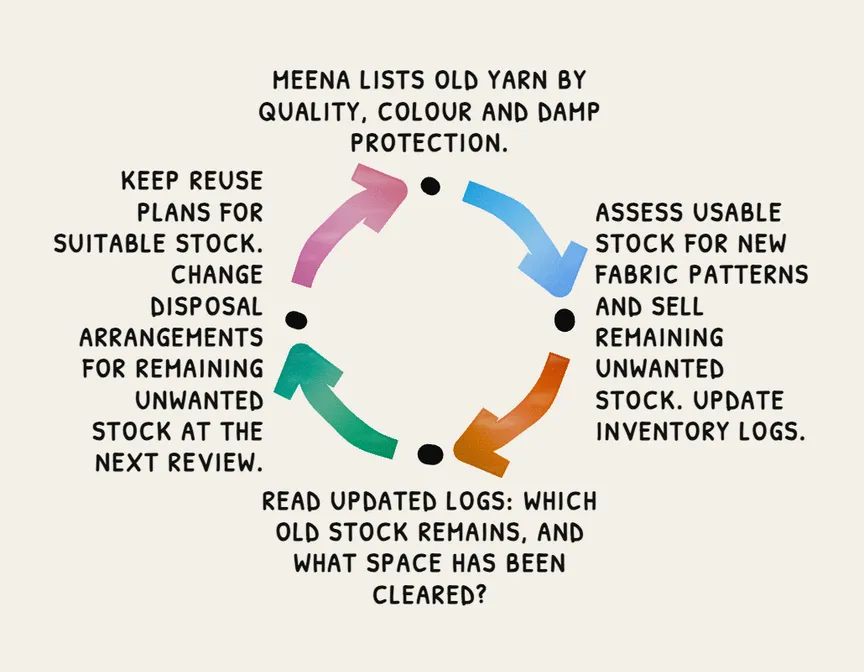
Cataloging and clearing old stock frees up warehouse space and recovers working capital tied up in dead yarn.
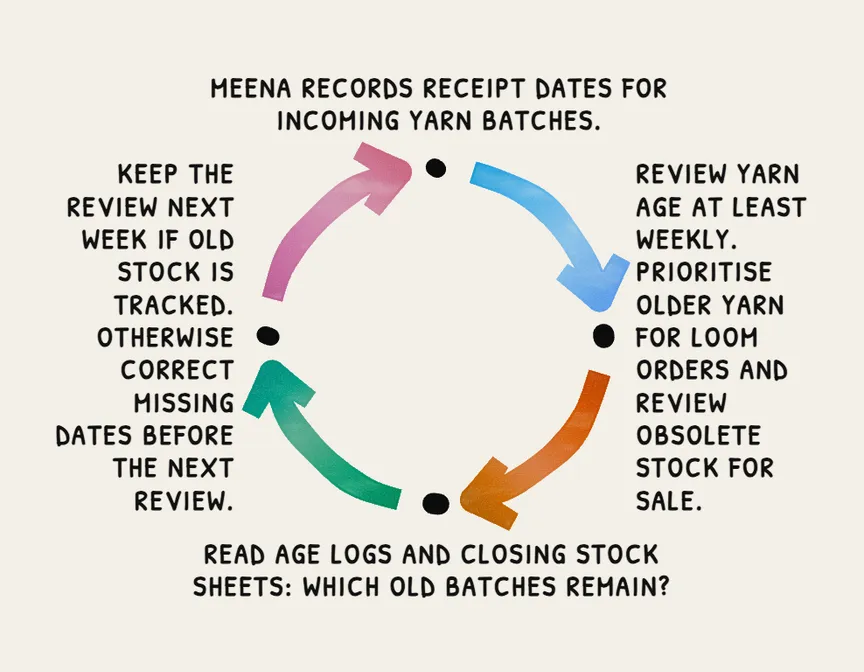
Tracking inventory age prevents raw materials from rotting or losing quality on warehouse floors.
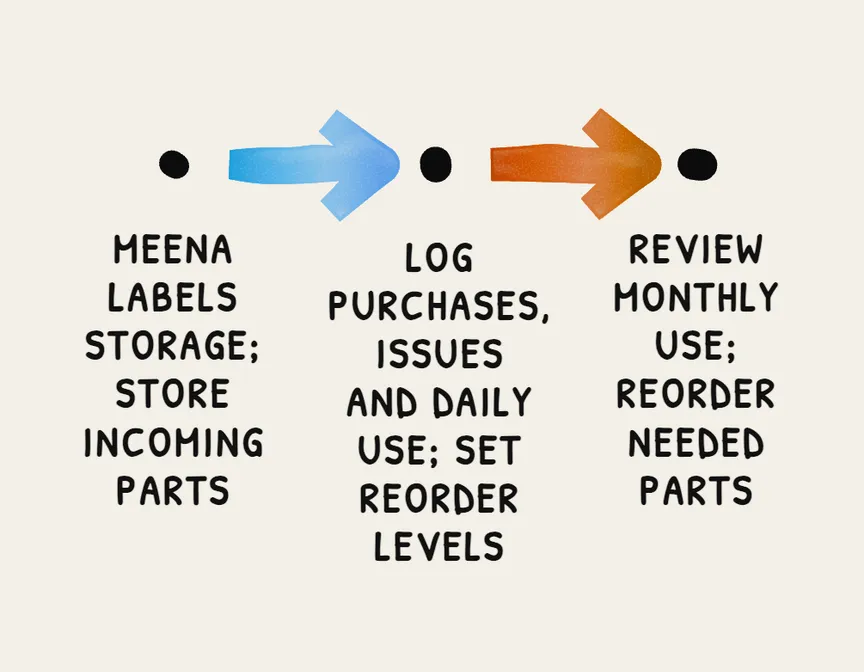
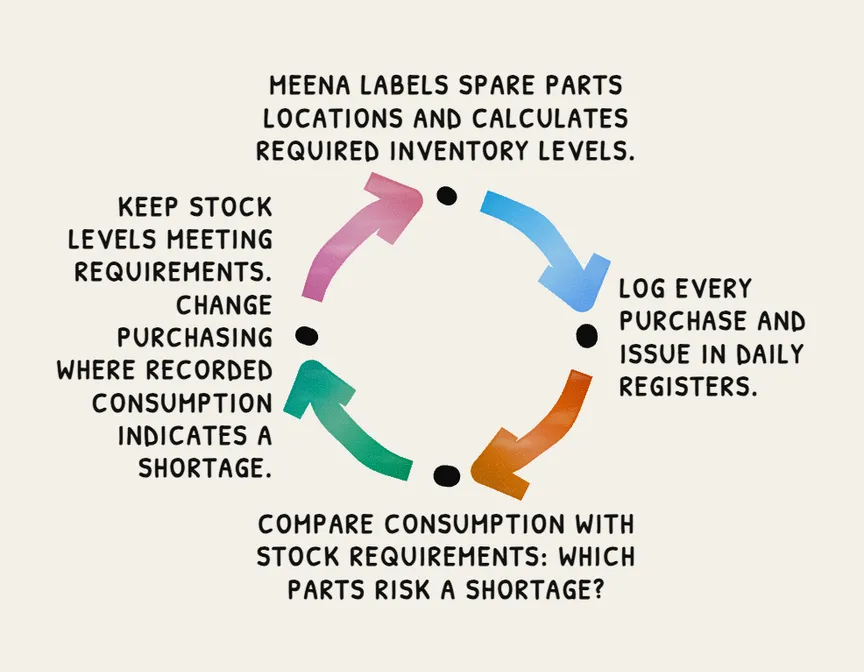
Organizing spare parts with clear labels and demarked locations eliminates time lost searching for misplaced machinery components.
Storing spare parts in labeled locations prevents delays when technicians need replacement components during machine breakdowns.
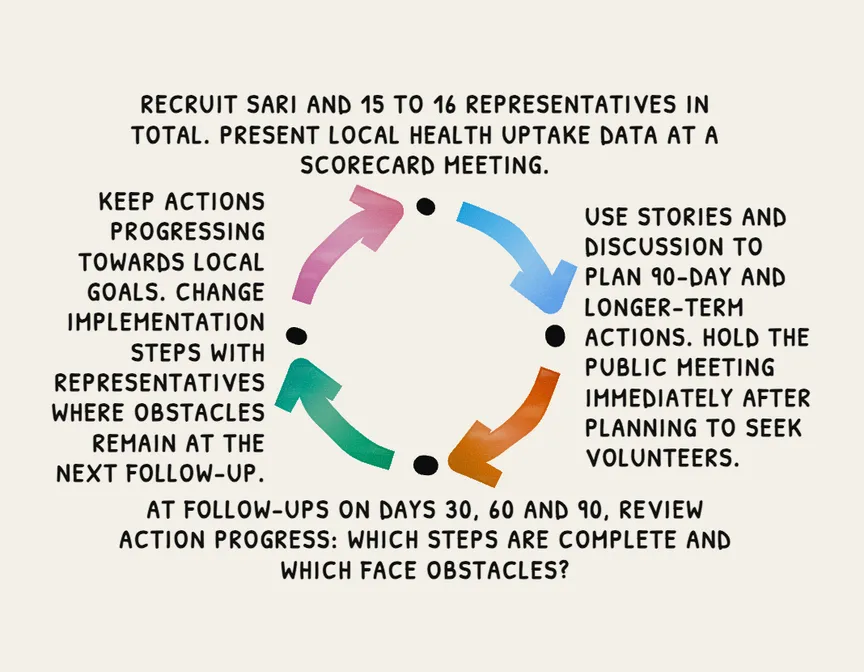
Information about local service breakdowns combined with facilitated discussion motivates community members to design tailored solutions.
A digitized assessment provides a standardized measure of candidate technical skills.
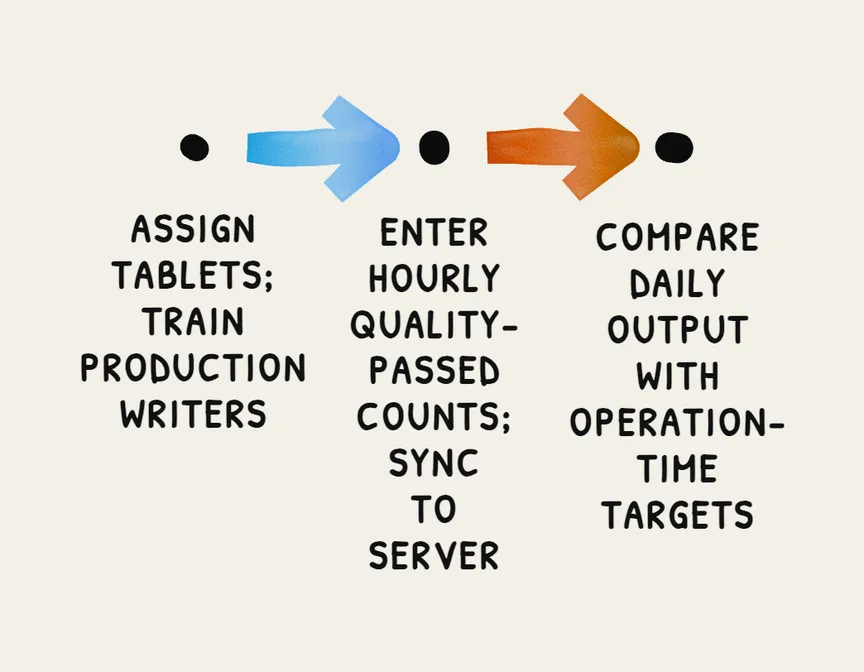
Direct digital entry creates granular, worker-hourly production records without altering normal floor operations.
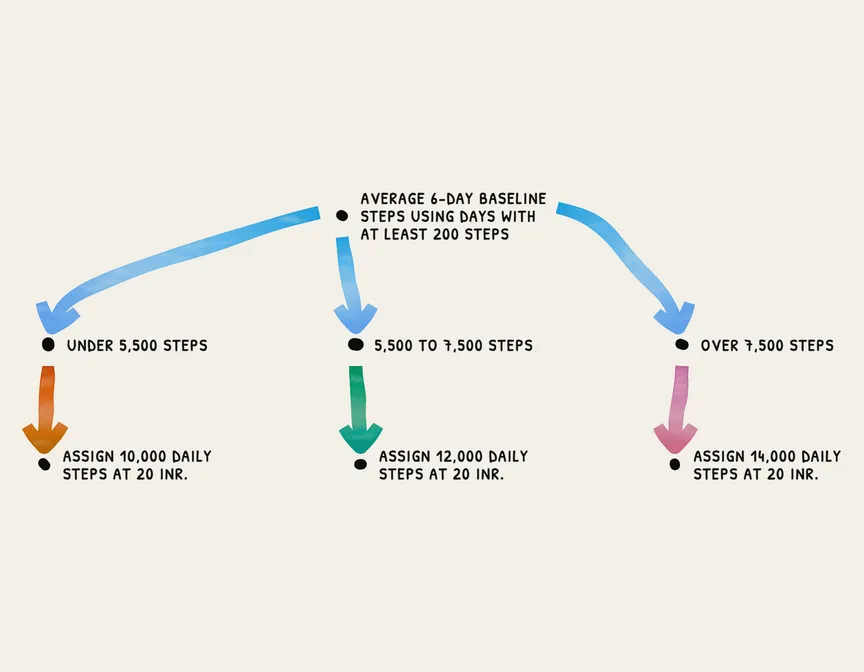
Tagging uses observable proxies of individual baseline effort to target higher step goals toward higher-capacity participants.
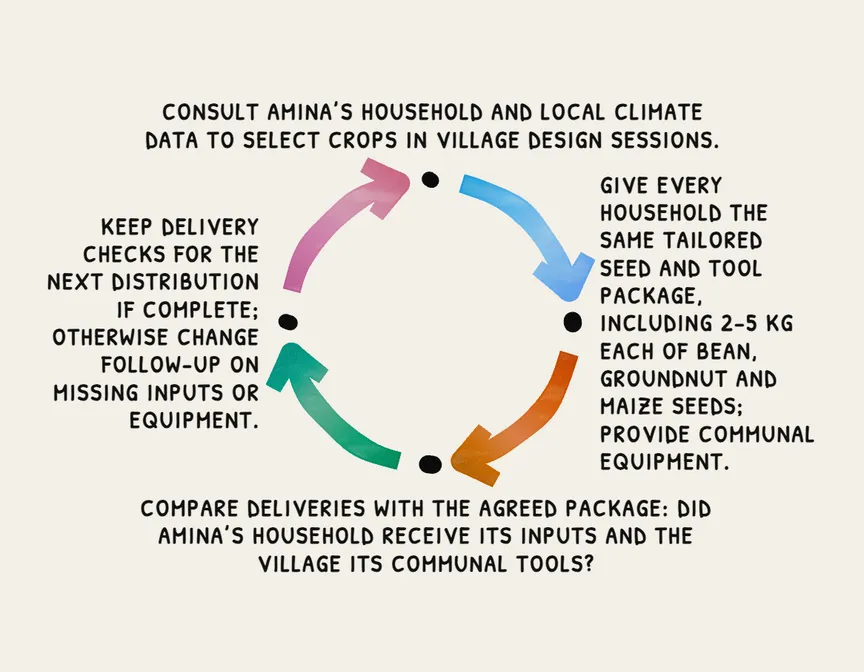
Tailoring input packages to local soil and climate conditions ensures high crop yields and adaptability.
Page 39 of 45
Previous
1
…
38
39
40
…
45
Next