Skip to the methods
Menu
aikyam
school
Findings
Methods
Subjects
All cards
Read
Findings
Methods
Subjects
All cards
Methods
2,124 methods
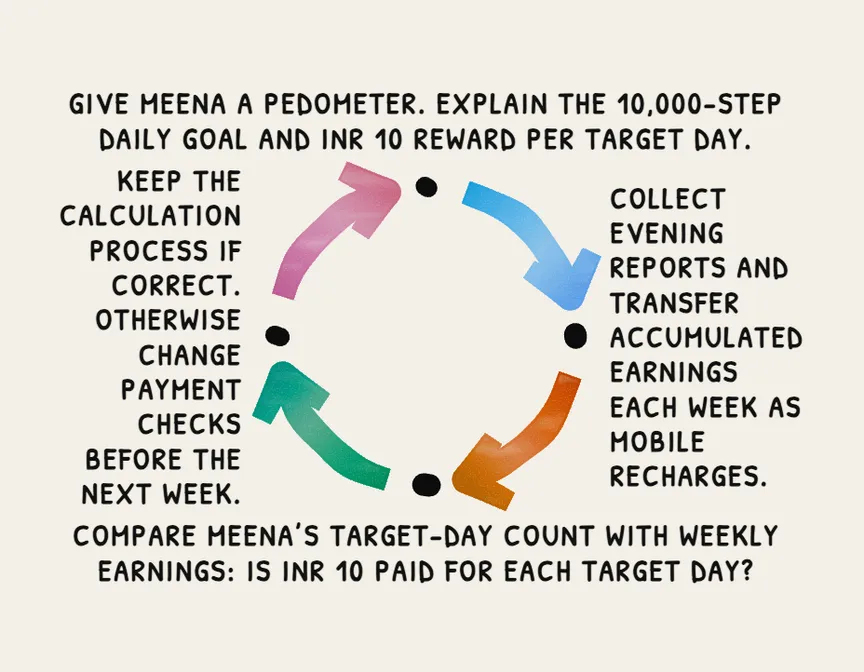
Testing a reduced incentive amount allows health programs to benchmark effect sizes against higher financial reward levels.
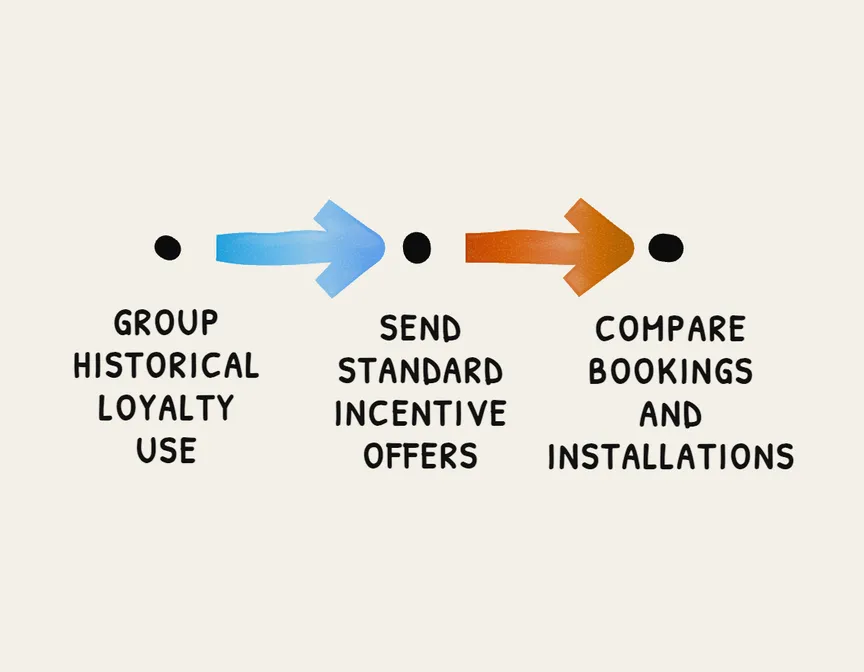
Inexperienced or unregistered loyalty program members may not fully realize the cash value of reward points, making the offer feel like a novel bonus.
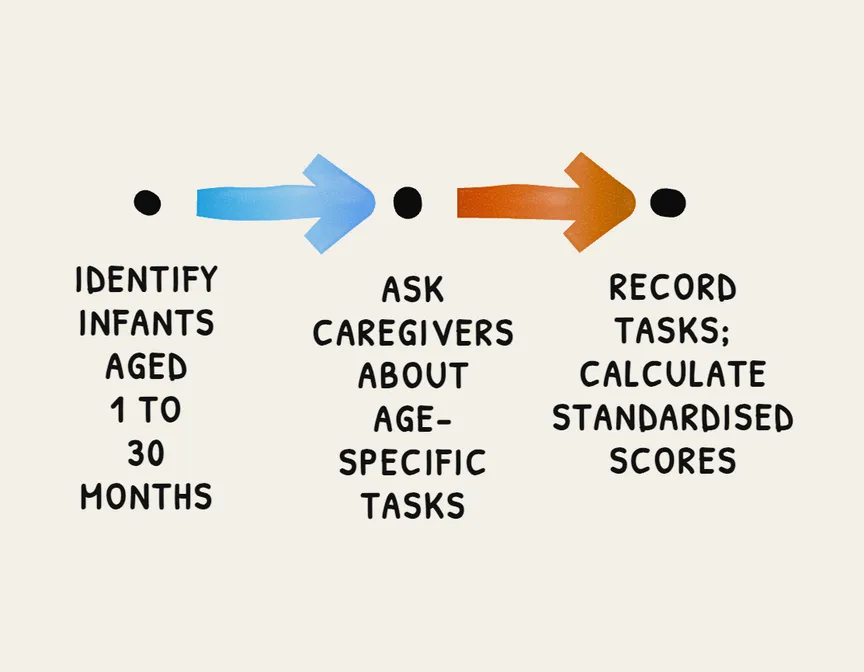
Caregivers continuously observe their infants daily and can accurately report developmental milestones without requiring lengthy clinical testing by specialized physicians.
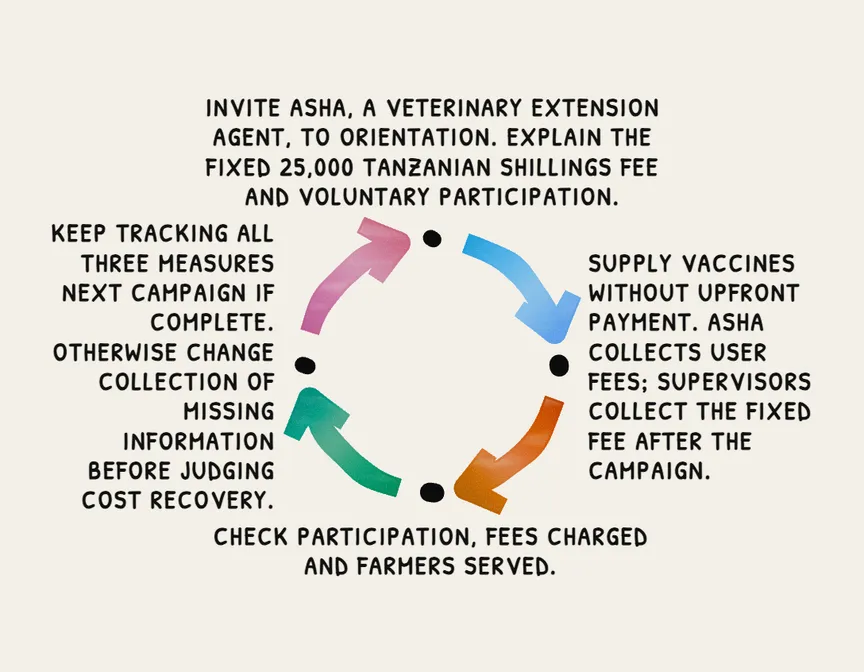
Charging a fixed lump-sum fee reduces fiscal pressure on government budgets by transferring material costs to service agents.
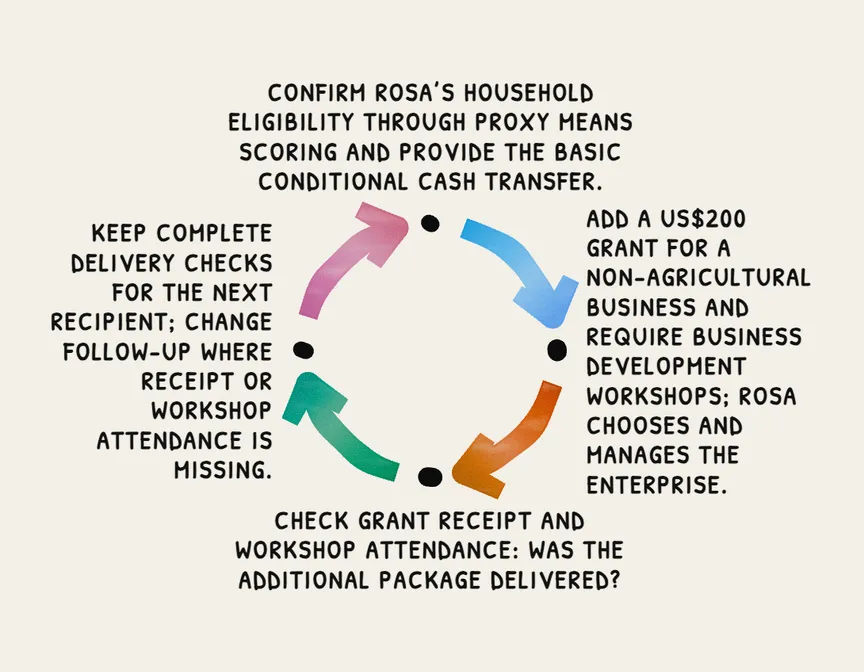
A substantial lump-sum cash grant lifts financial constraints and allows households to accumulate income-generating productive assets.
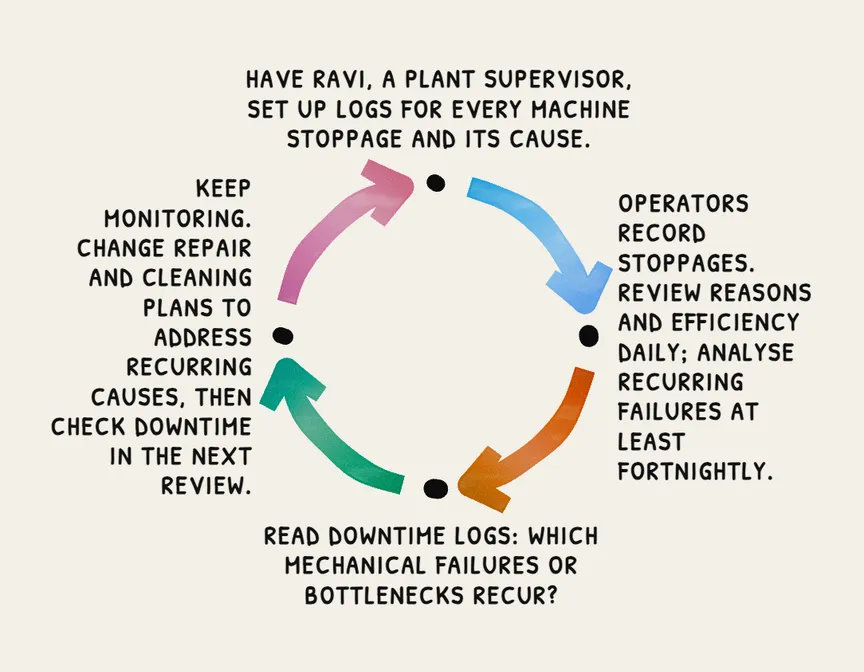
Systematically tracking and monitoring downtime reasons transforms isolated machine stoppages into actionable operational data.
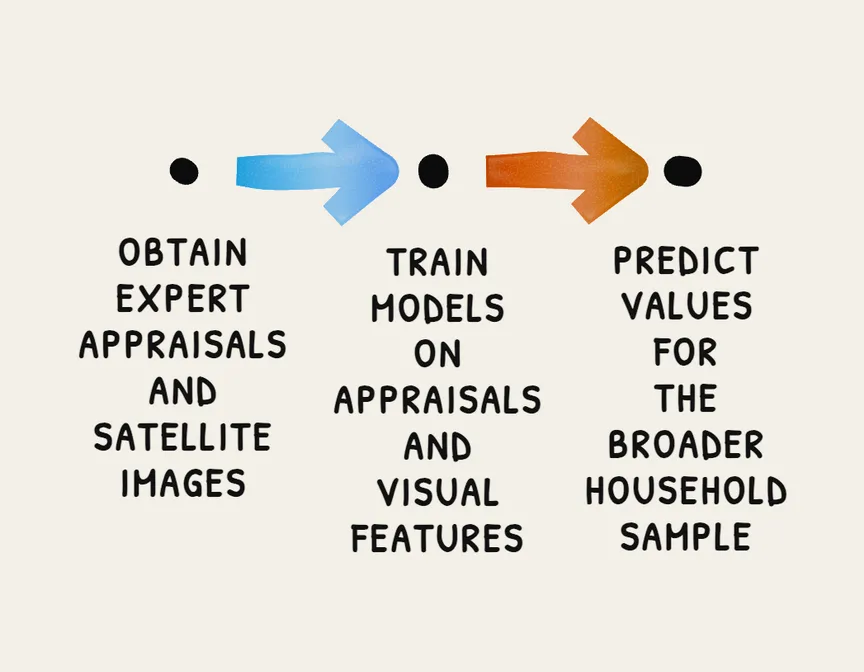
Combining expert field valuations with machine learning vision algorithms scales expert appraisal standards across large urban datasets.
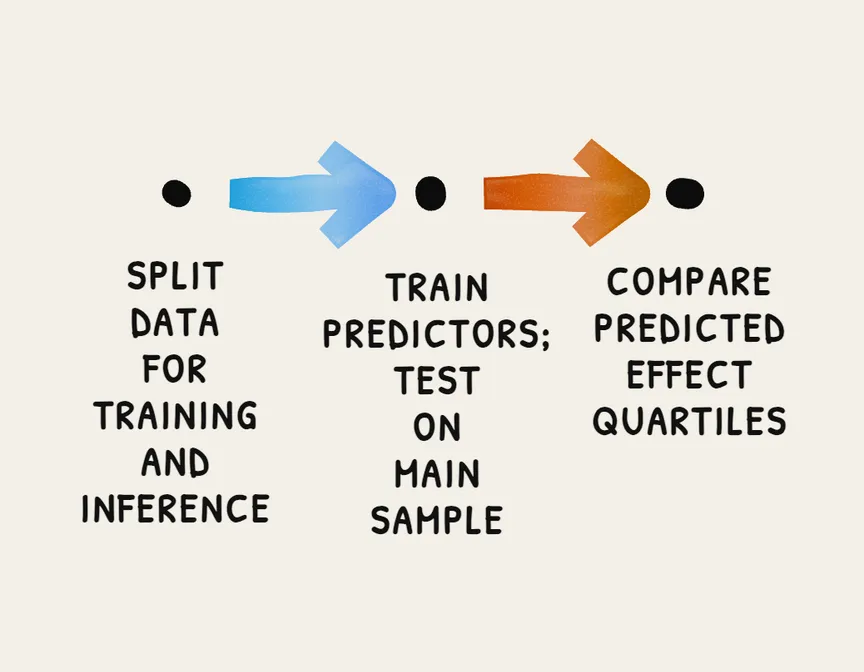
Machine learning algorithms detect non-linear interactions across high-dimensional covariates without restrictive functional form assumptions.
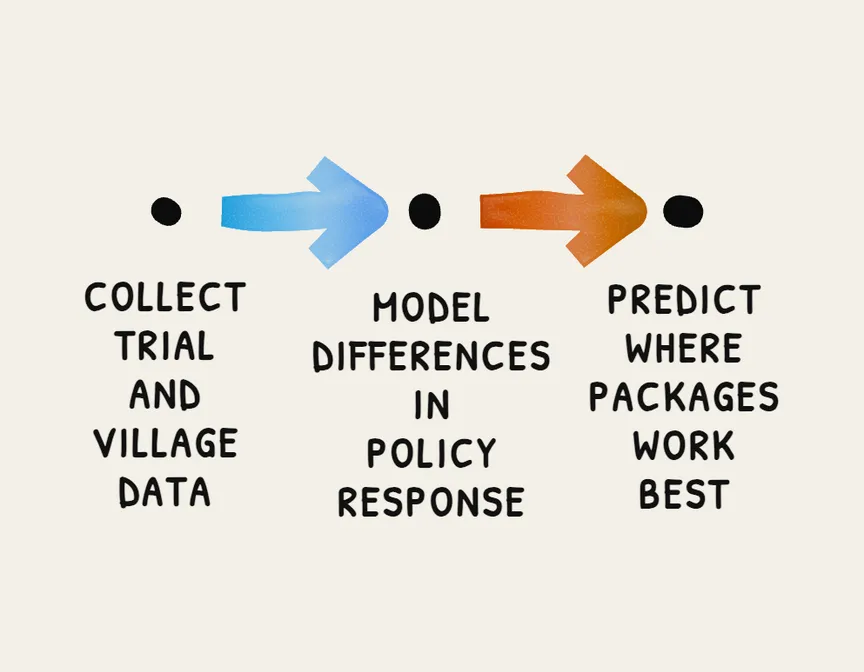
Machine learning identifies complex interactions between village baseline characteristics and policy components that standard average treatment estimates mask.
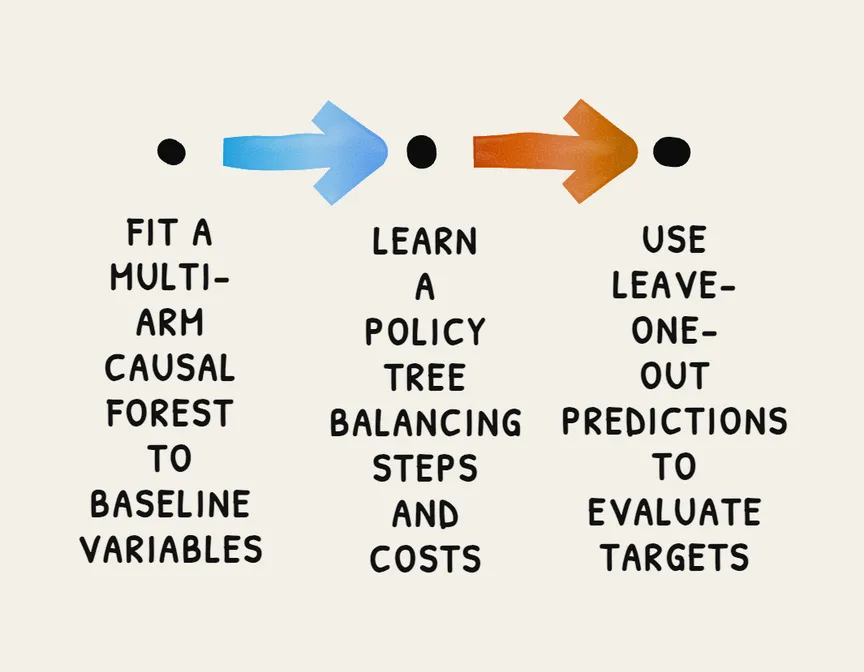
Policy tree algorithms non-parametrically detect multidimensional treatment effect heterogeneity across complex baseline data, identifying subgroups that respond most to specific targets.
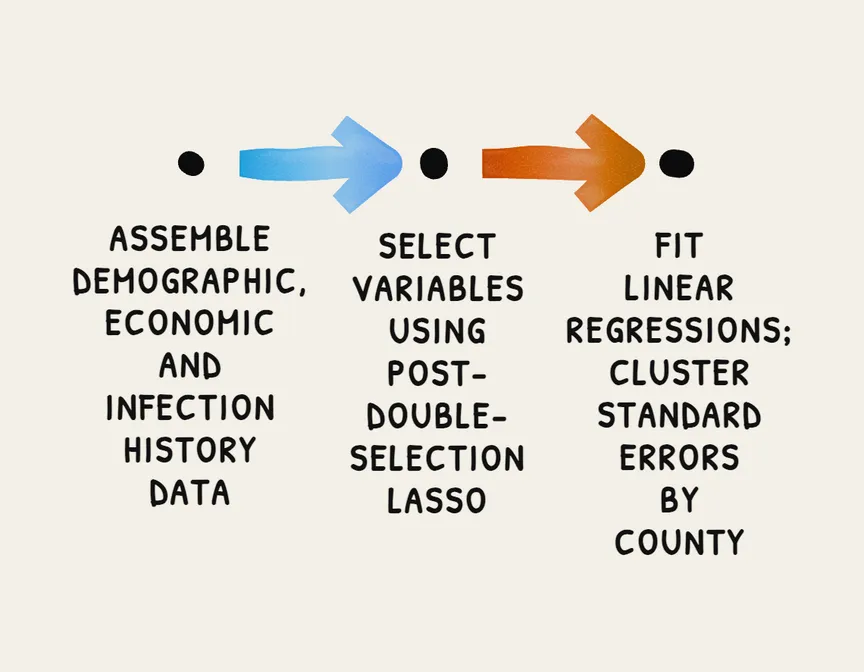
Selecting high-dimensional predictors via automated algorithms reduces residual variance without allowing researcher discretion to bias covariate choices.
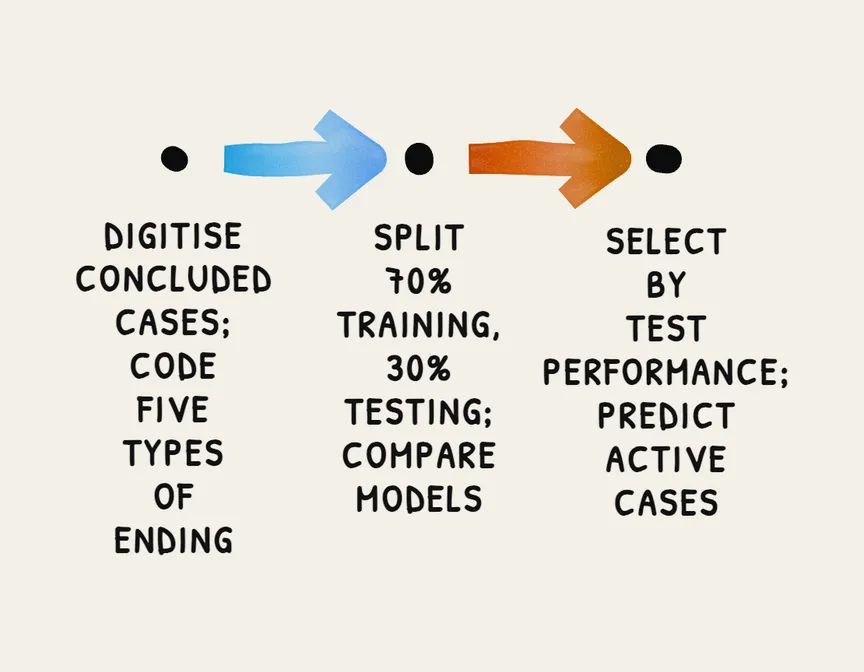
Machine learning algorithms systematically uncover complex empirical relationships across thousands of past court rulings that human litigants cannot calculate.
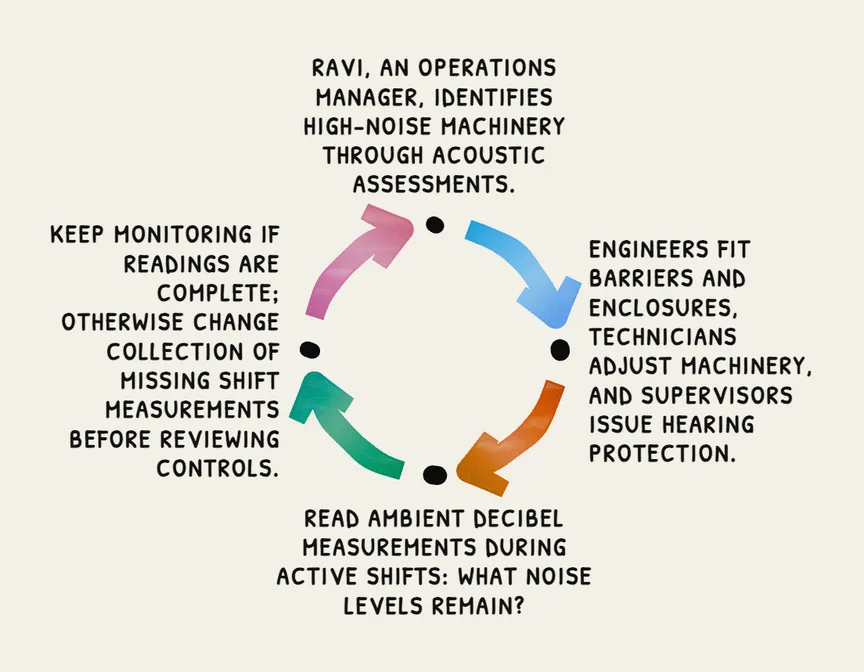
Lowering excessive noise reduces physical and mental strains on manufacturing workers.
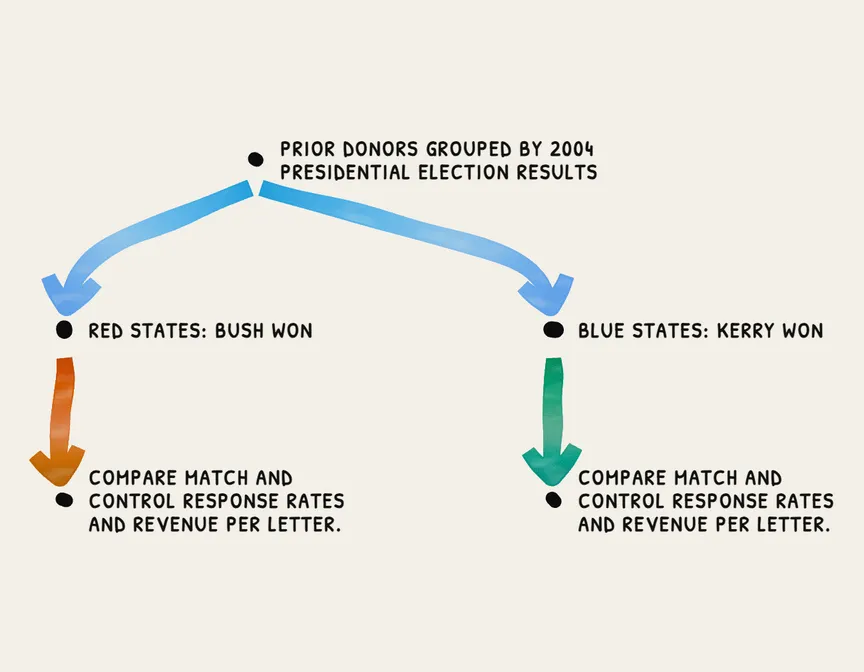
Donors in minority political environments experience heightened responsiveness to social cues and leadership signals, making a matching grant offer significantly more effective at triggering contributions.
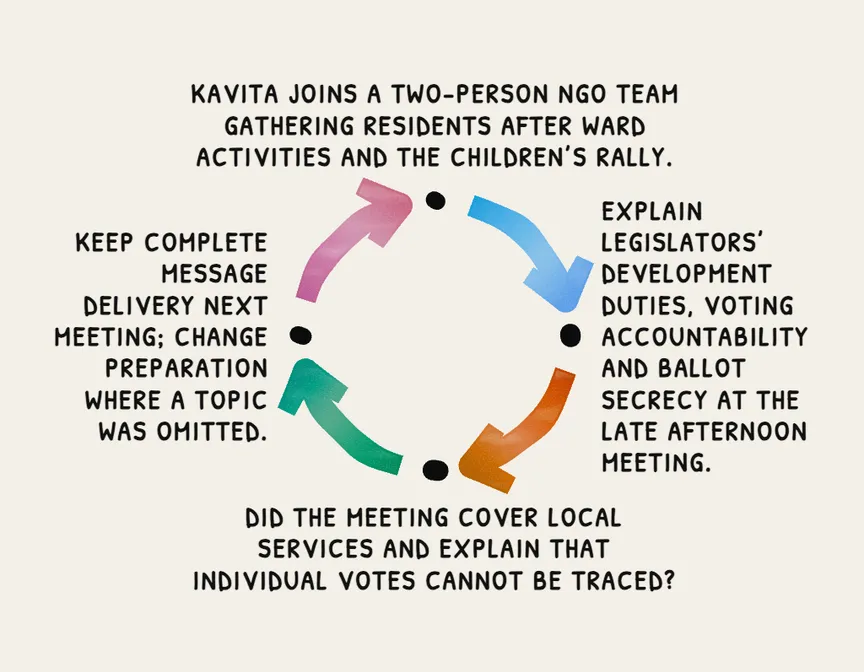
Centralized village meetings create a shared public space where individual citizens hear non-partisan development arguments collectively.
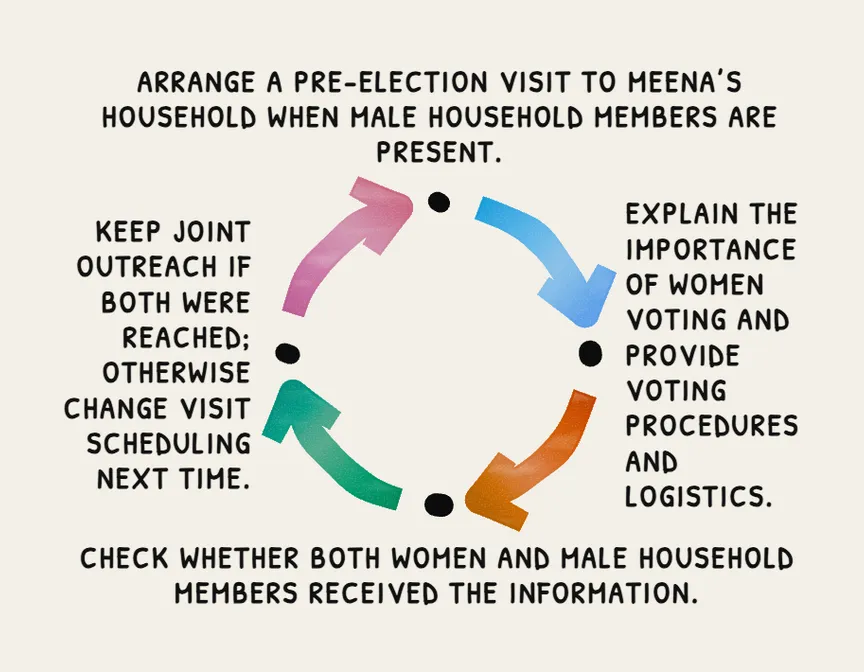
Engaging male family members addresses the gatekeeping role men hold over household political decisions.
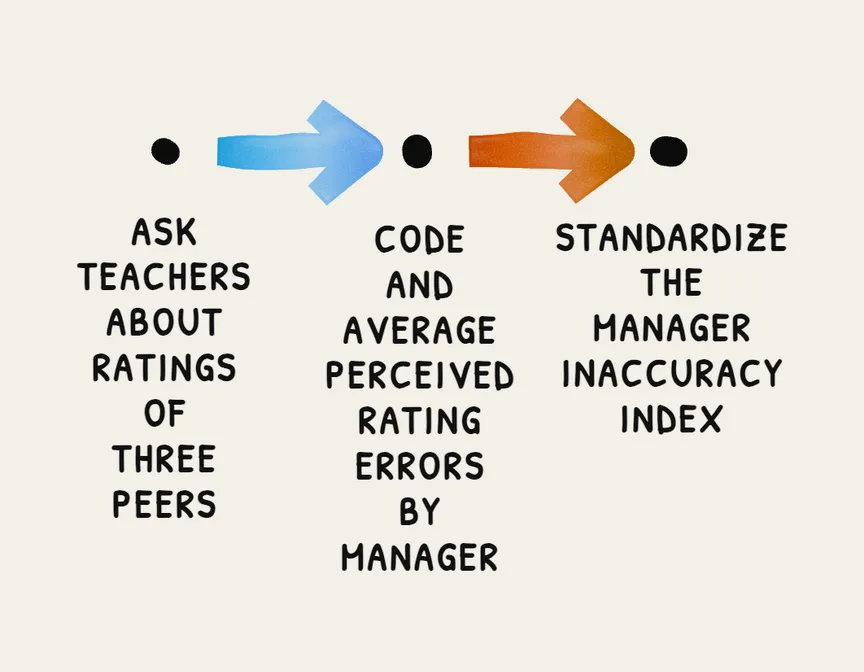
Subordinates observe daily peer interactions and know whether a manager's performance ratings reflect actual workplace effort.
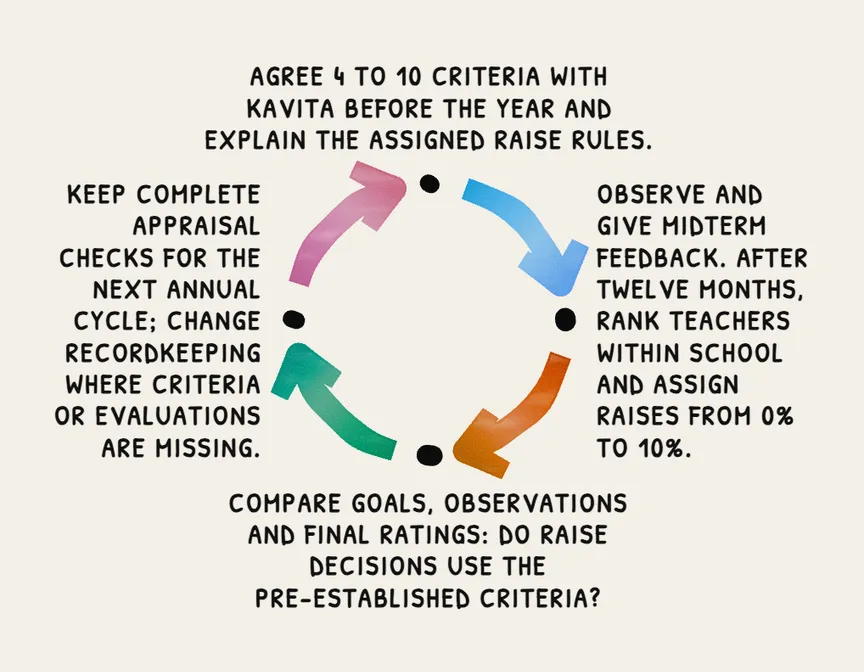
Subjective evaluations reduce contract noise because teachers feel rewards depend on their direct effort rather than external test score shocks.
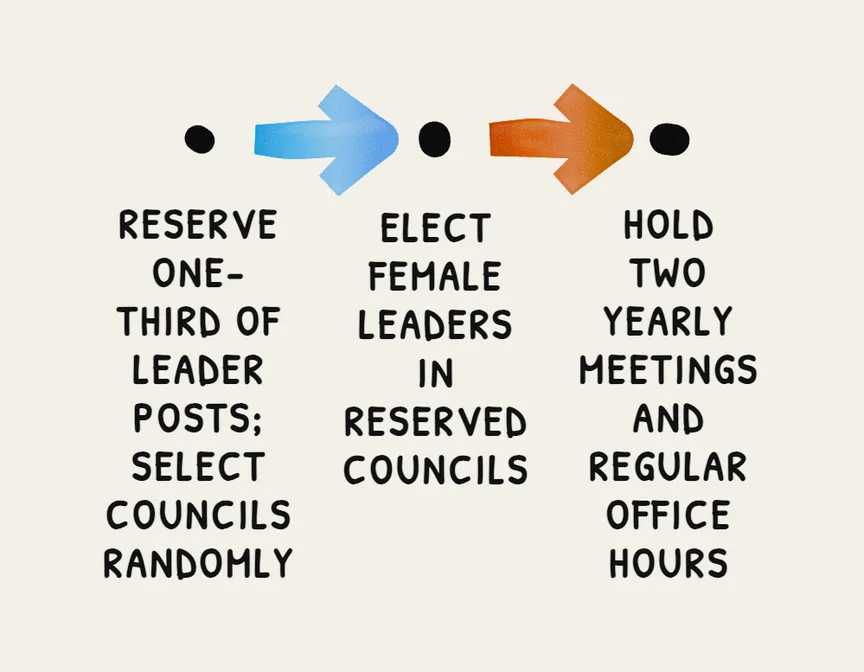
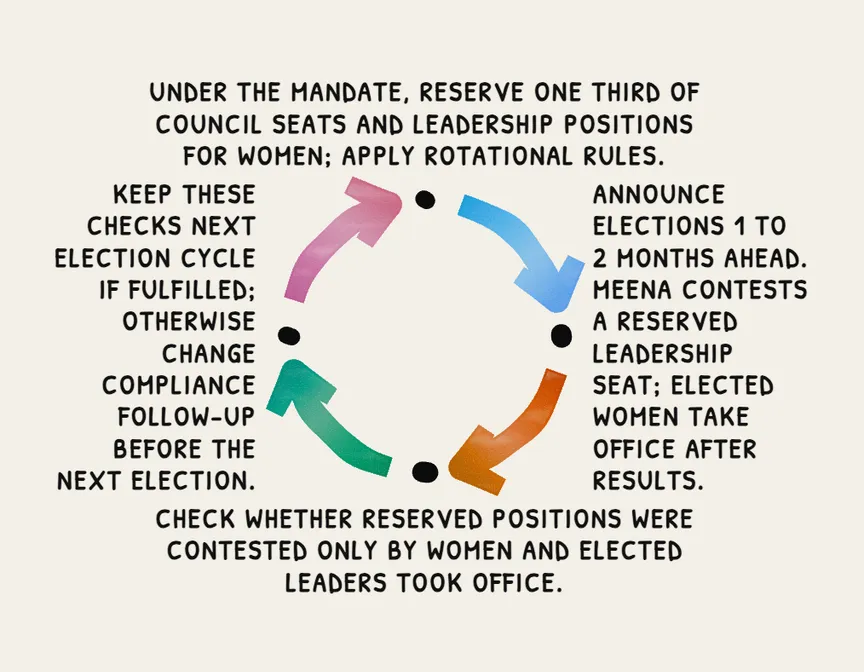
Elected leaders prioritize public goods that directly address the complaints and preferences of their own gender.
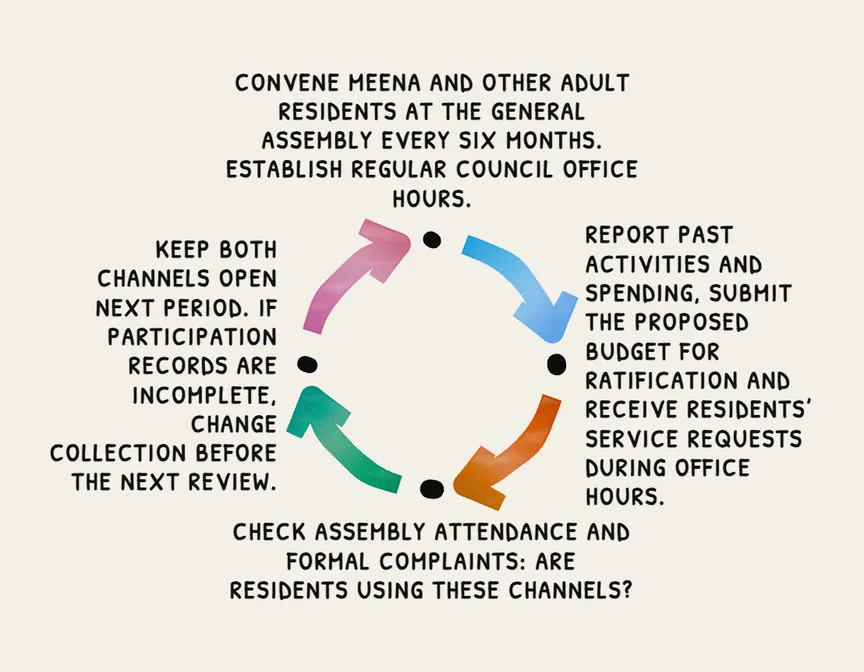
Mandating public assemblies and open office hours secures direct input from citizens and allows residents to articulate policy preferences to local leaders.
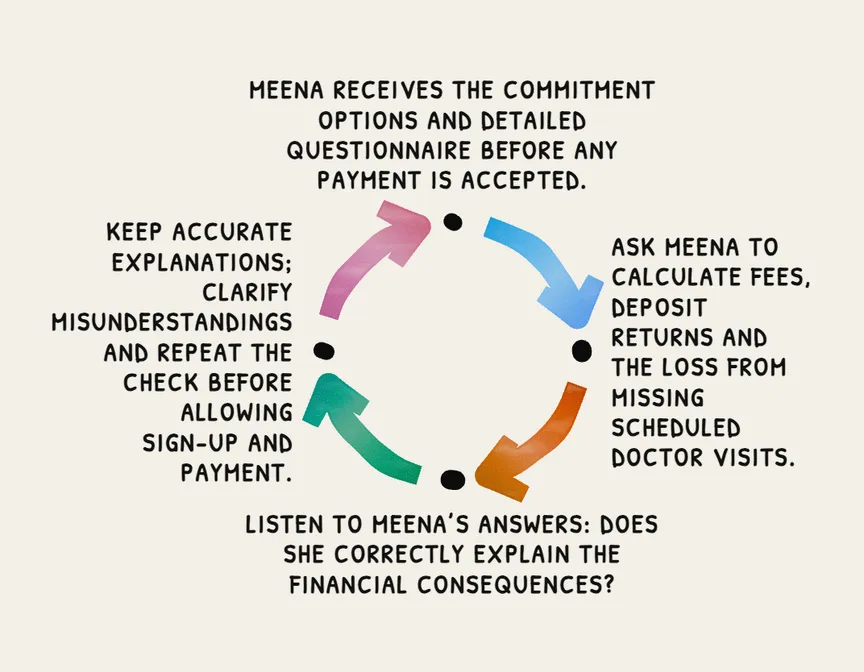
Requiring prospective buyers to demonstrate active comprehension prevents impulsive enrollment and ensures that participants understand contract rules and financial forfeiture risks.
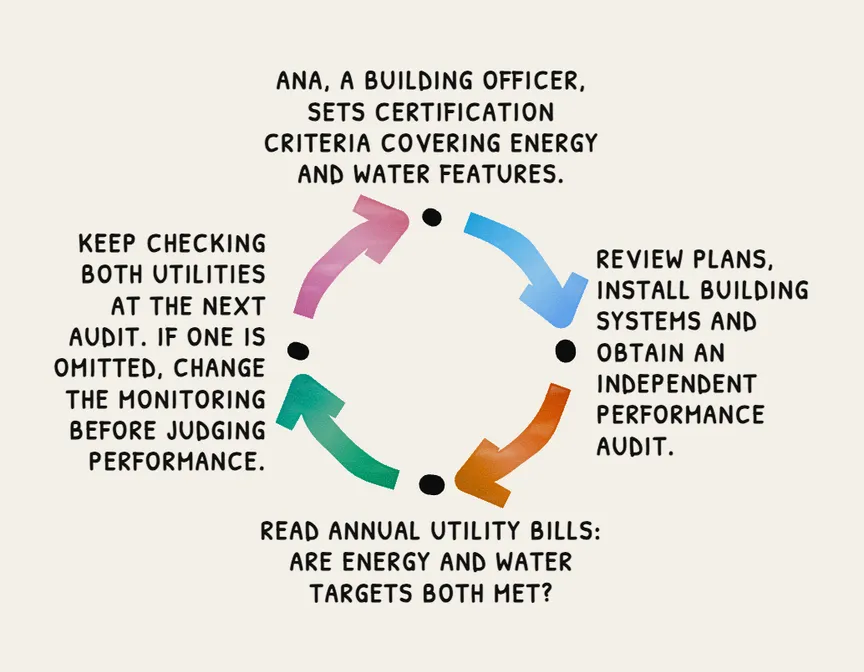
Building certifications serve as market signals that reveal existing building efficiency rather than driving new conservation investments.
Female leaders often have stronger preferences for public goods that directly benefit children, such as clean water, health care, and nutrition.
Mandatory disclosures eliminate information asymmetry between home sellers and prospective real estate buyers.
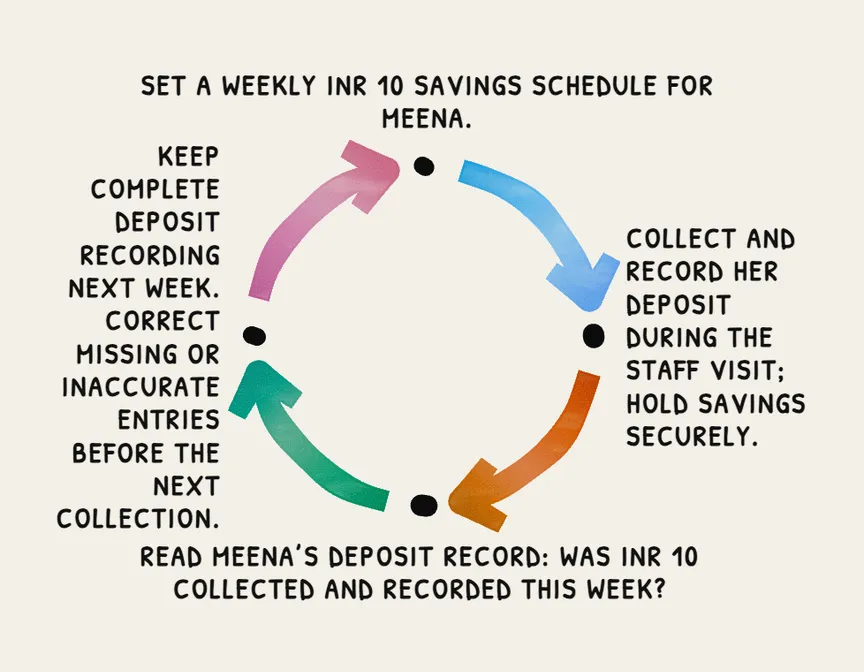
Enforcing weekly deposits builds regular financial discipline and creates a secure cash cushion.
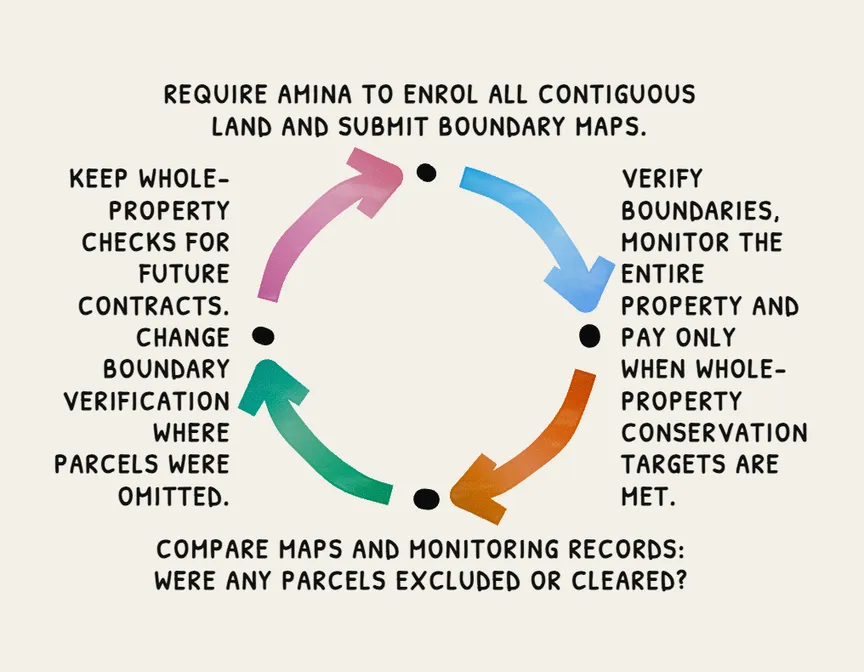
Mandating full property enrolment prevents landholders from shifting clearing activities onto unenrolled parcels.
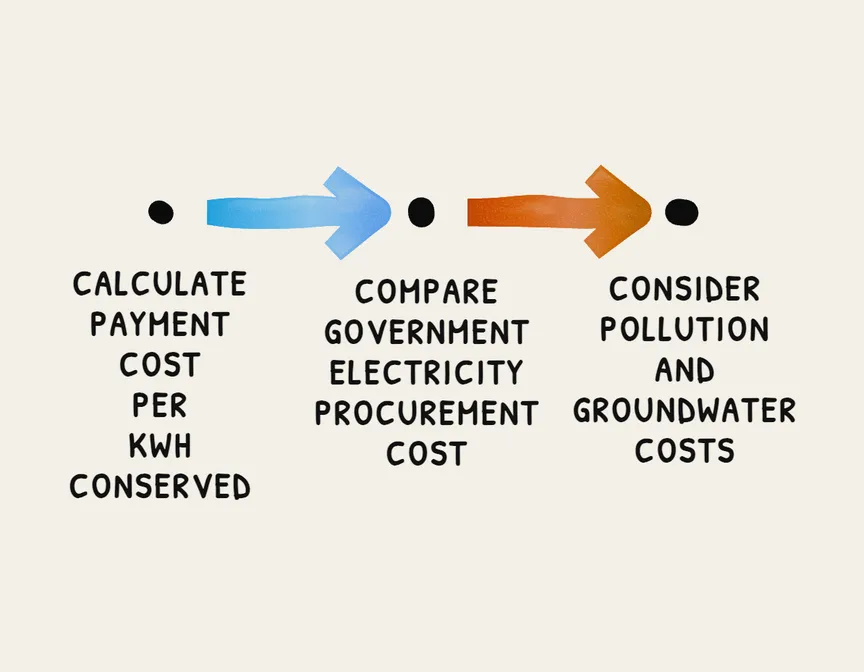
Factoring in avoided air pollution and groundwater depletion reveals that conservation incentives provide substantial social value.
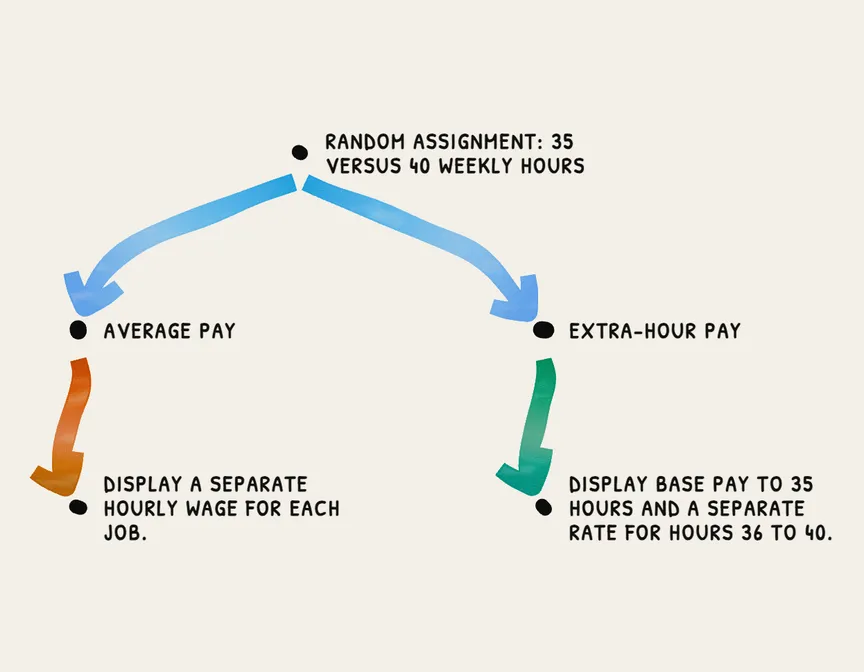
Job choices depend on effective marginal earnings rather than presentation style when applicants evaluate compensation accurately.
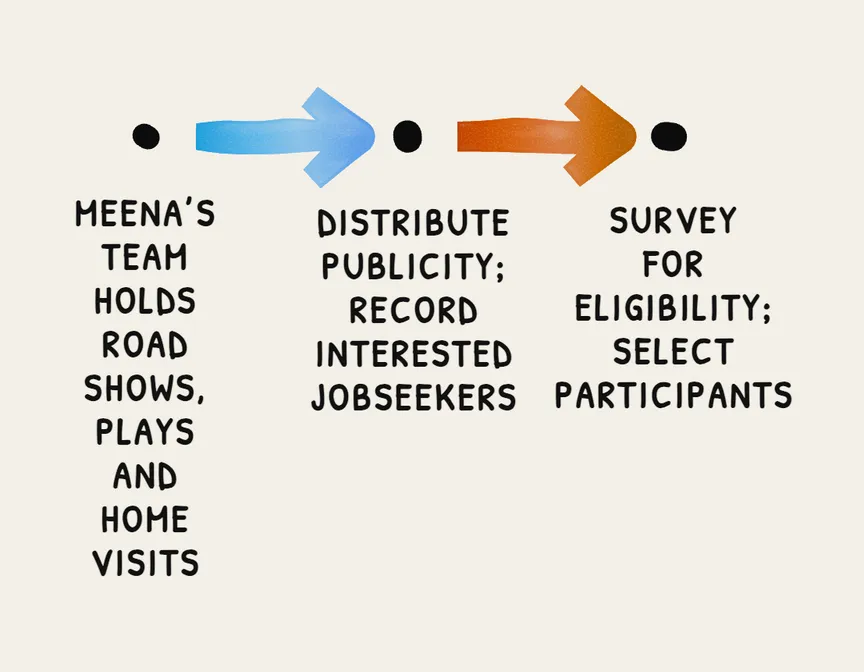
Direct community marketing combines visual media, street theater, and personal home visits to reach rural youth who do not access formal job boards.
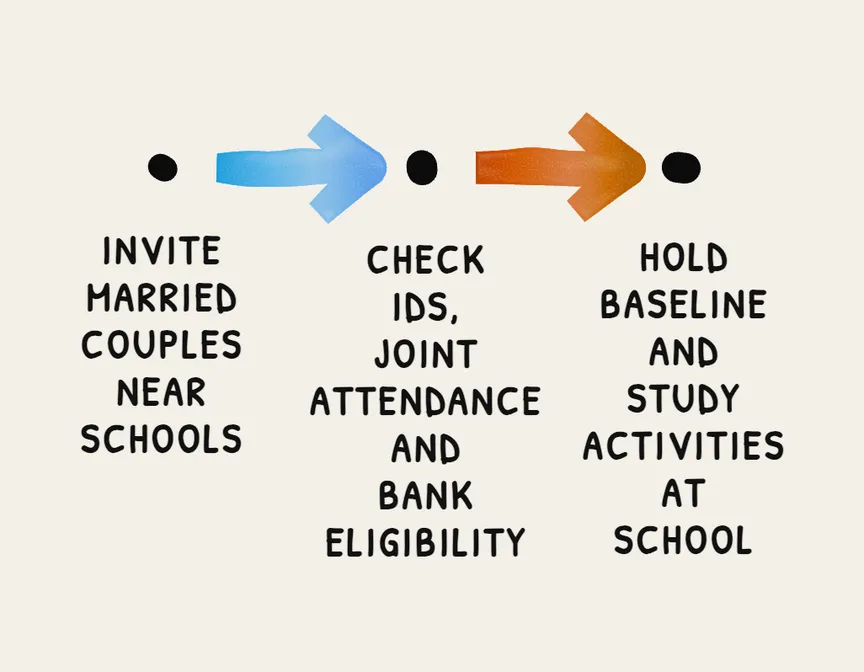
School-centered invitations reach established households in a defined geographical area through a recognized public meeting place.
Formal instructor certification ensures that teachers possess verified technical expertise before entering workshops.
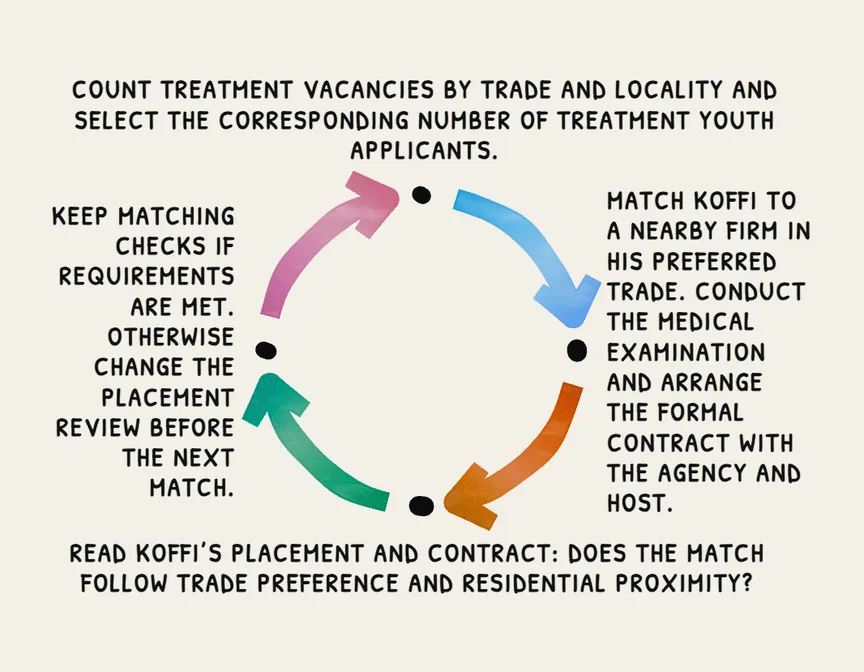
Matching candidates by geographic proximity minimizes daily transportation costs and commute time for low-income trainees receiving fixed stipends.
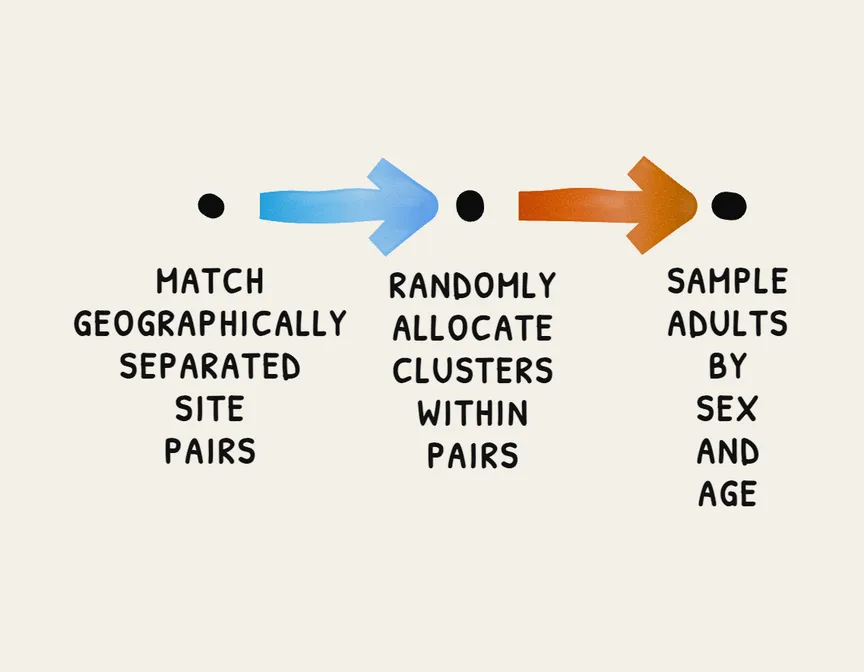
Block randomization of matched clusters minimizes baseline observable differences across small samples.
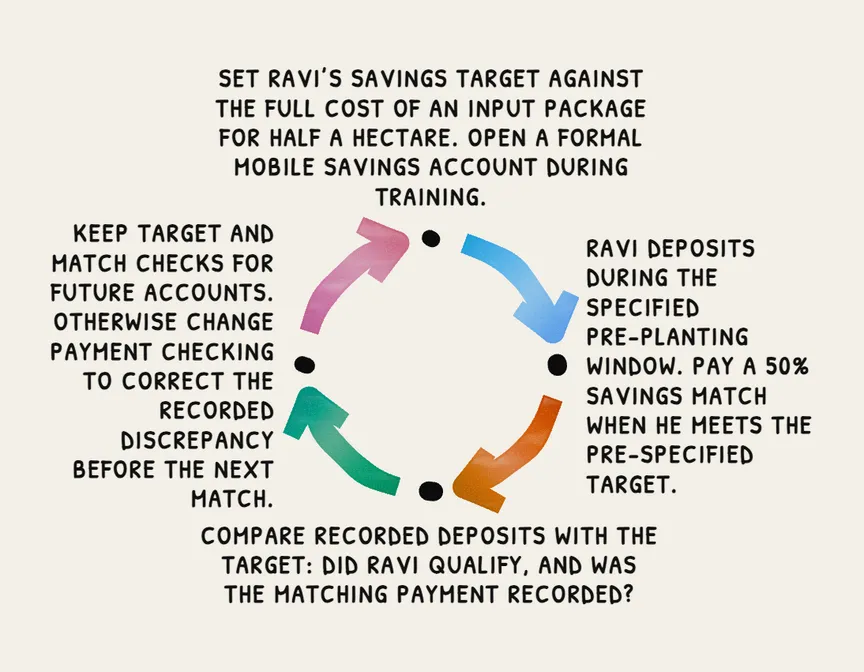
Combining formal mobile banking access with a substantial 50% match overcomes behavioral present bias and compensates for missing rural credit markets.
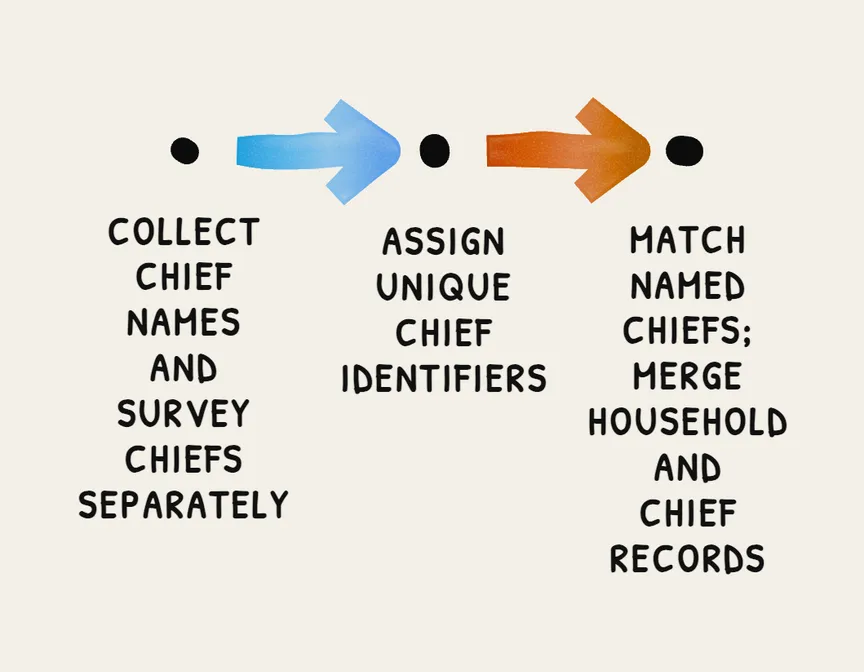
Using unique identifiers to match citizens with their reported local chiefs enables precise dyadic data linkage between residents and local elites.
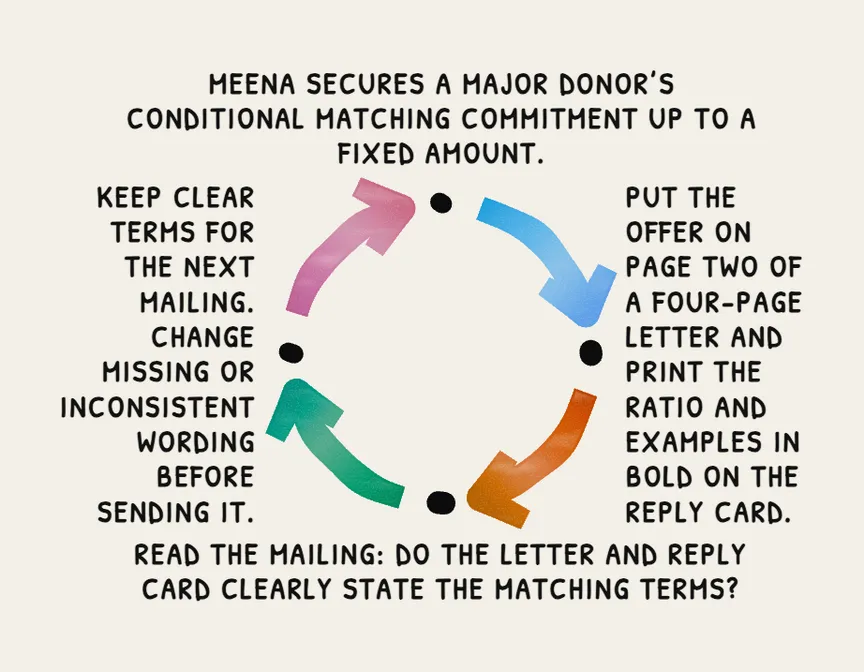
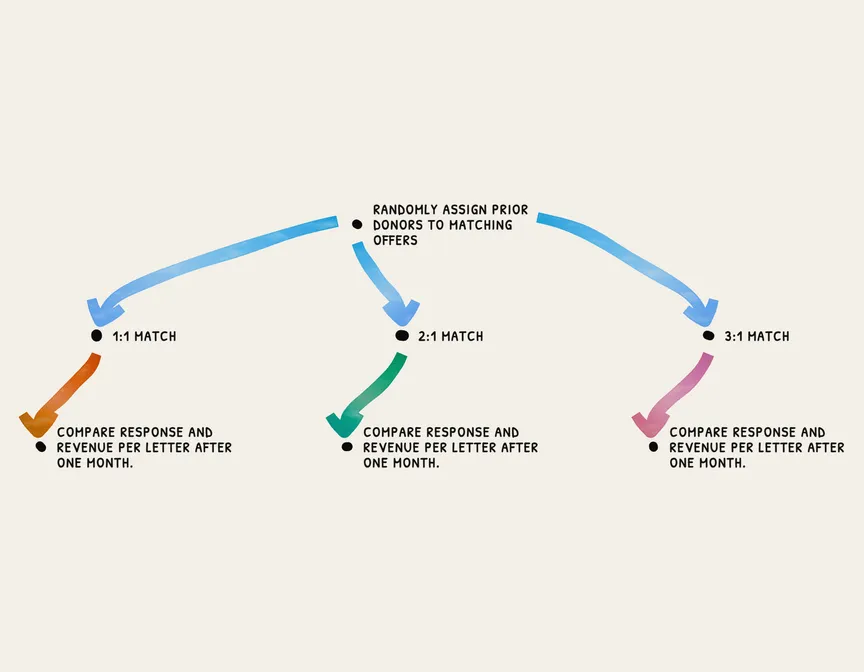
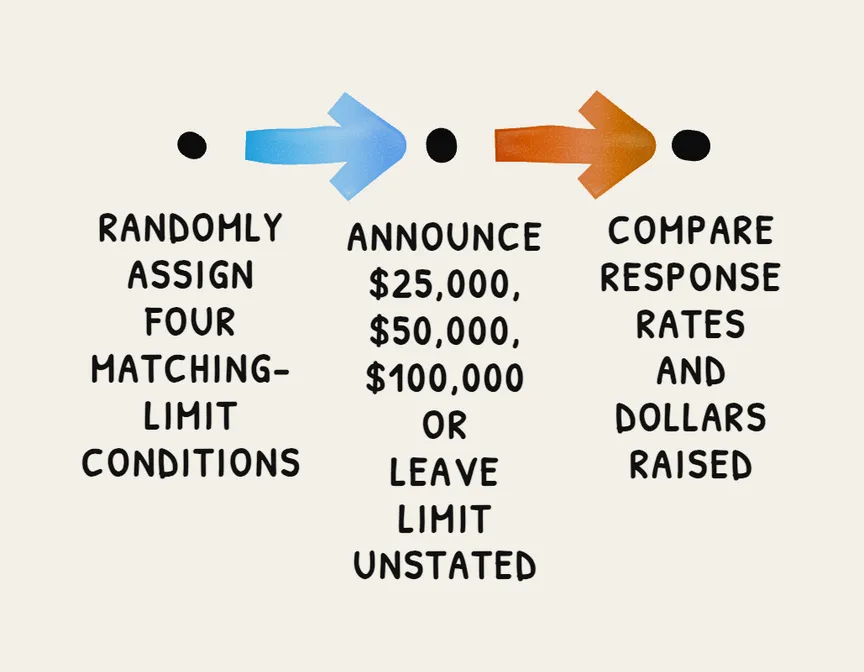
Announcing a matching grant lowers the effective price of contributing to a public good.
Donors view the presence of any matching grant as a signal of organizational credibility and cause urgency, but they are inelastic to further reductions in price beyond the initial match offer.
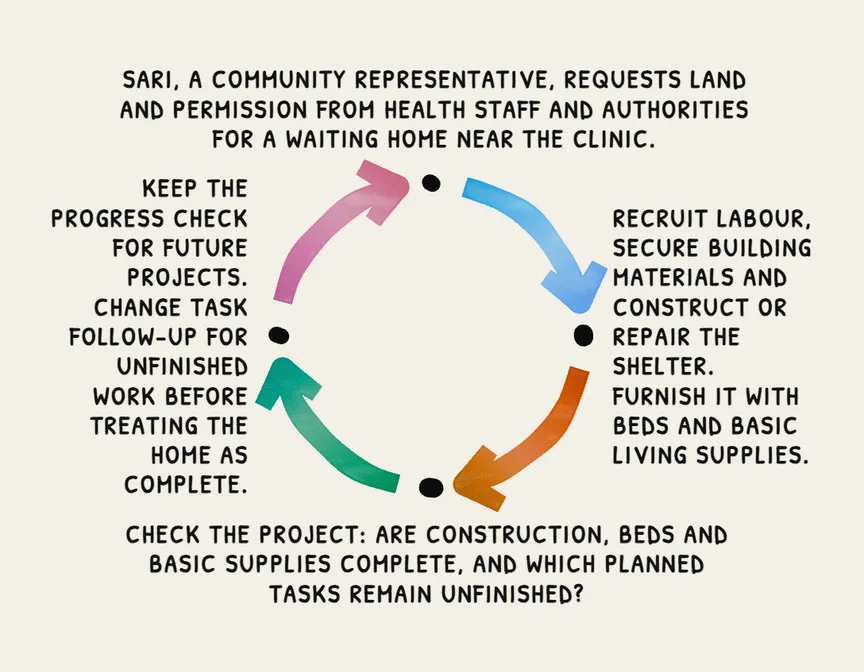
Constructing a maternity home near a clinic eliminates transportation delays during active labor for women residing in distant sub-villages.
Individual donors give based on the immediate presence of a match rather than the overall size of the leadership donor's matching pool.
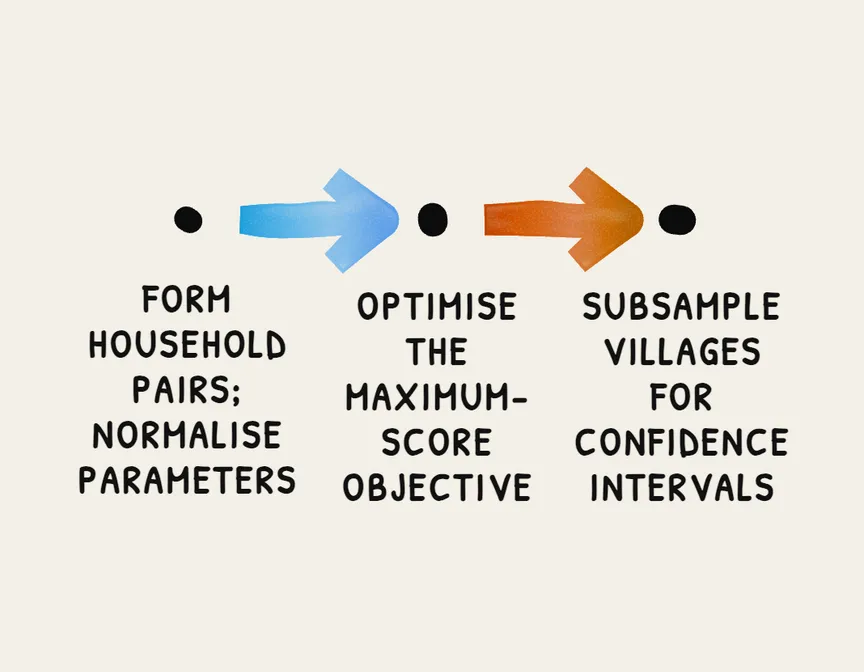
Maximizing pairwise choice score indicators relies solely on a zero conditional median error restriction rather than specific logistic distributions.
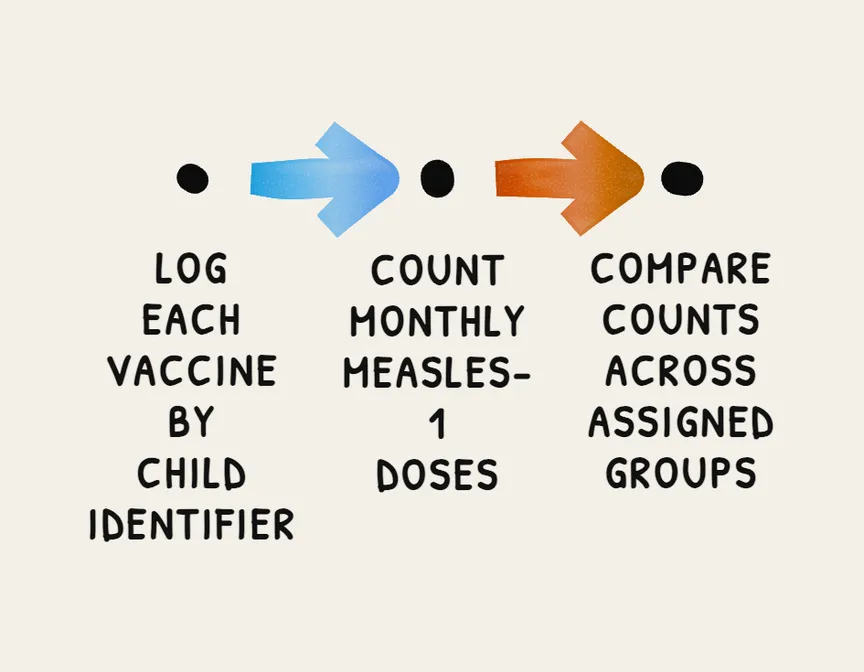
Measuring the final vaccine in the required sequence captures whether a child completed all preceding health visits.
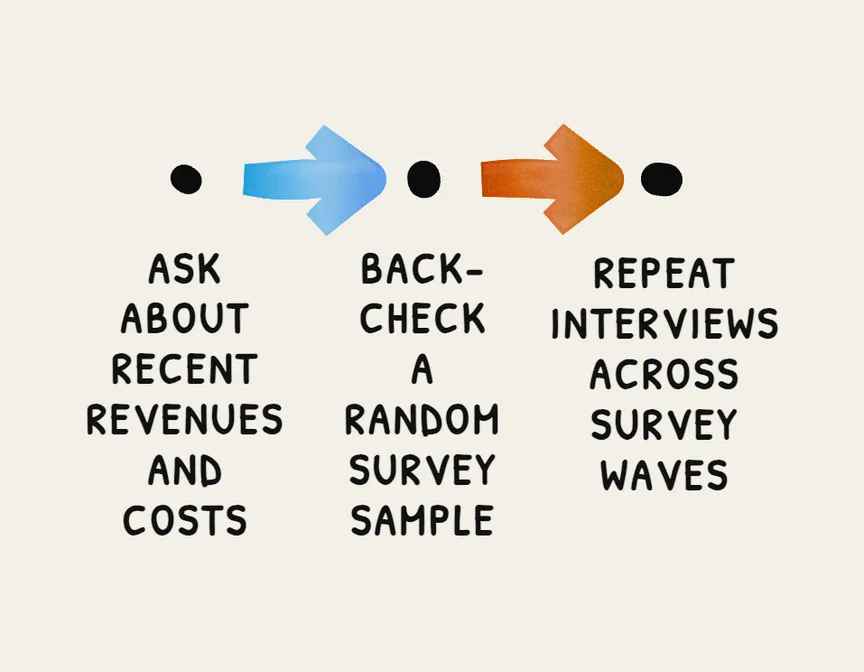
Short-term recall modules tailored to informal business routines reduce recall bias for unrecorded cash transactions.
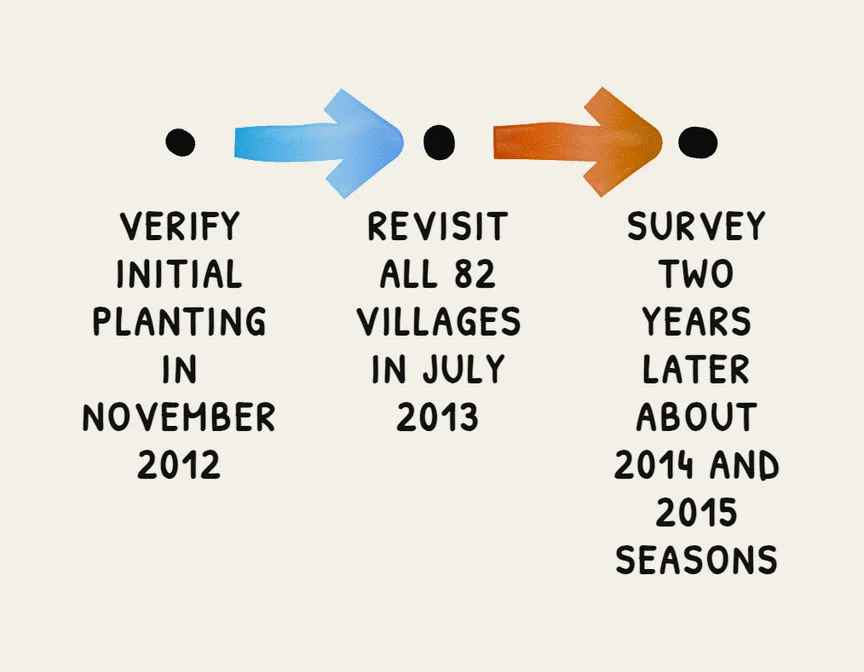
Repeated multi-season surveys isolate initial distribution shocks from true, sustained peer-to-peer technology diffusion.
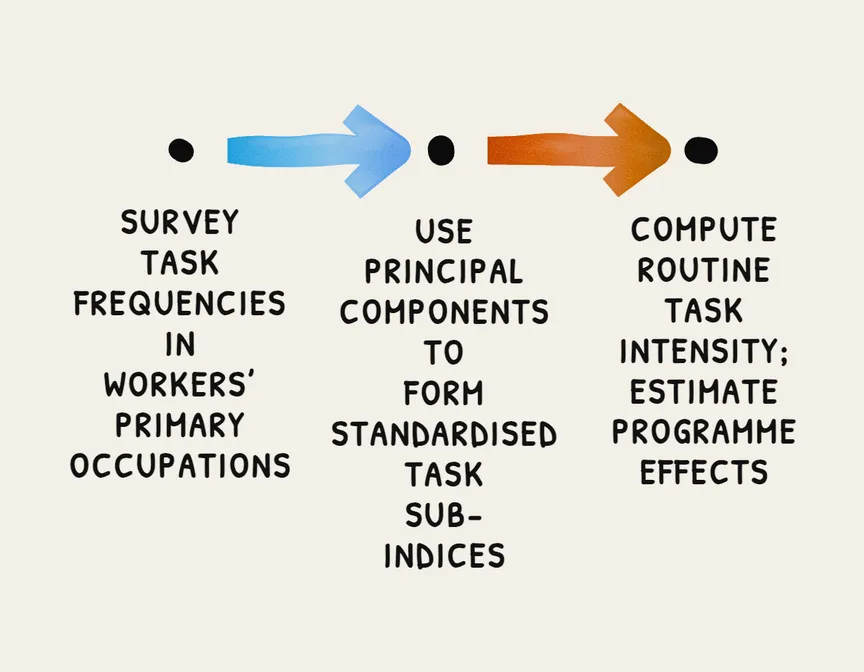
Measuring specific workplace task frequencies provides an objective, occupation-neutral indicator of worker skill accumulation and productivity.
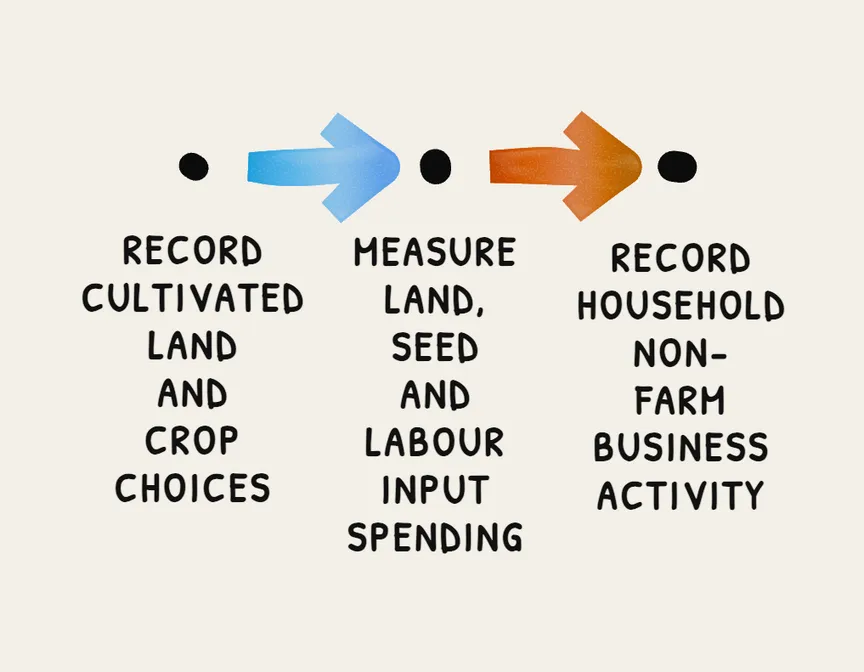
Collecting post-harvest data across farm and non-farm activities captures the full range of household behavioral adaptations to long-range weather information.
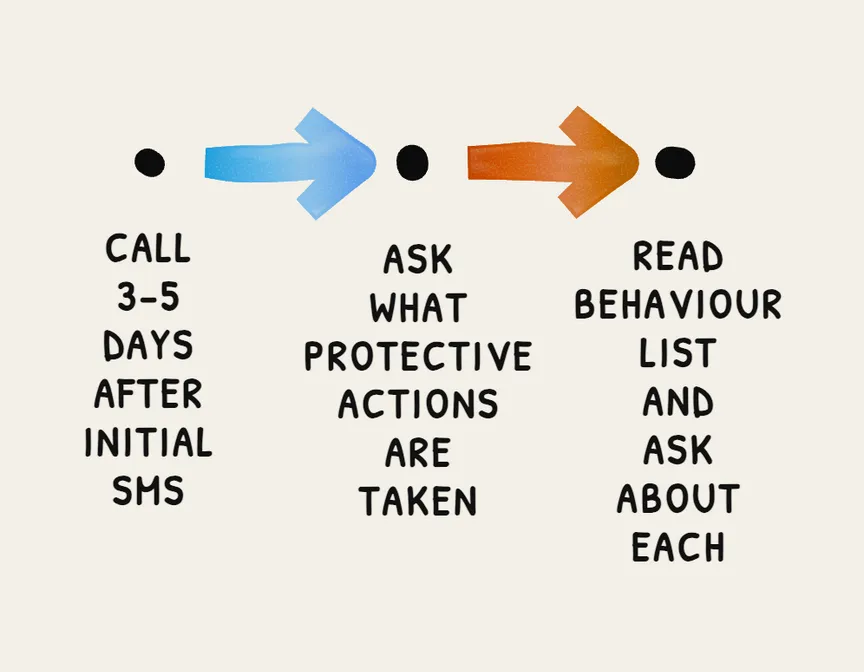
Combining unprompted open questions with specific prompted lists reduces recall bias and captures both top-of-mind habits and targeted health actions.
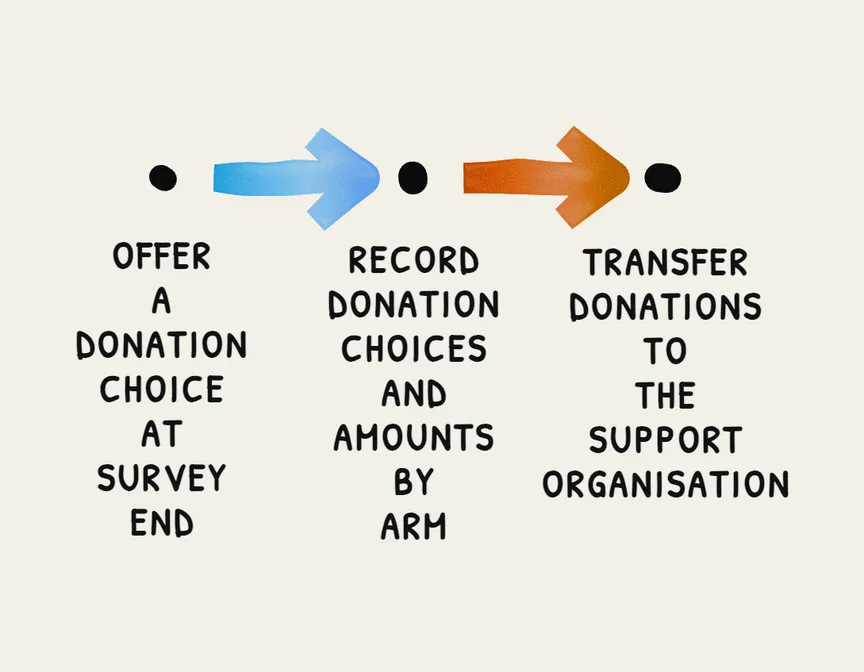
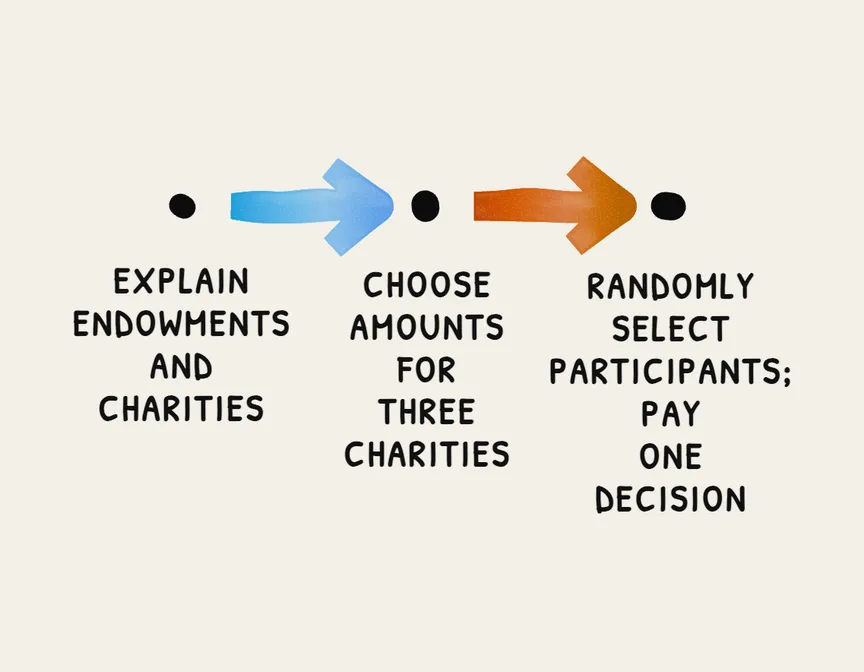
Requiring participants to sacrifice real personal compensation creates a costly behavioral signal that reflects genuine commitment to a cause.
Pairing participants with real non-profit organizations provides a tangible measure of altruism motivated by social goals and recipient need.
Page 21 of 45
Previous
1
…
20
21
22
…
45
Next