Skip to the methods
Menu
aikyam
school
Findings
Methods
Subjects
All cards
Read
Findings
Methods
Subjects
All cards
Methods
2,124 methods
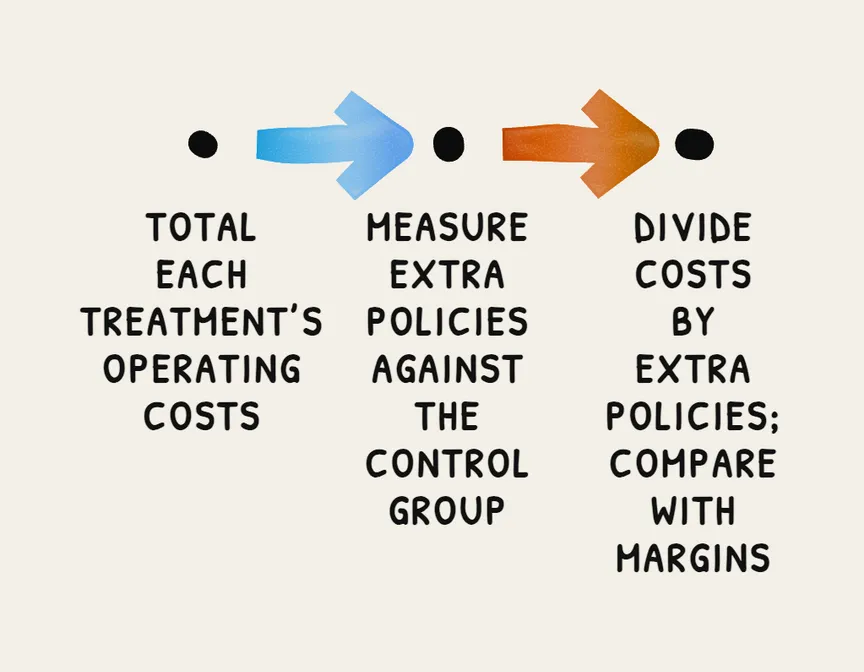
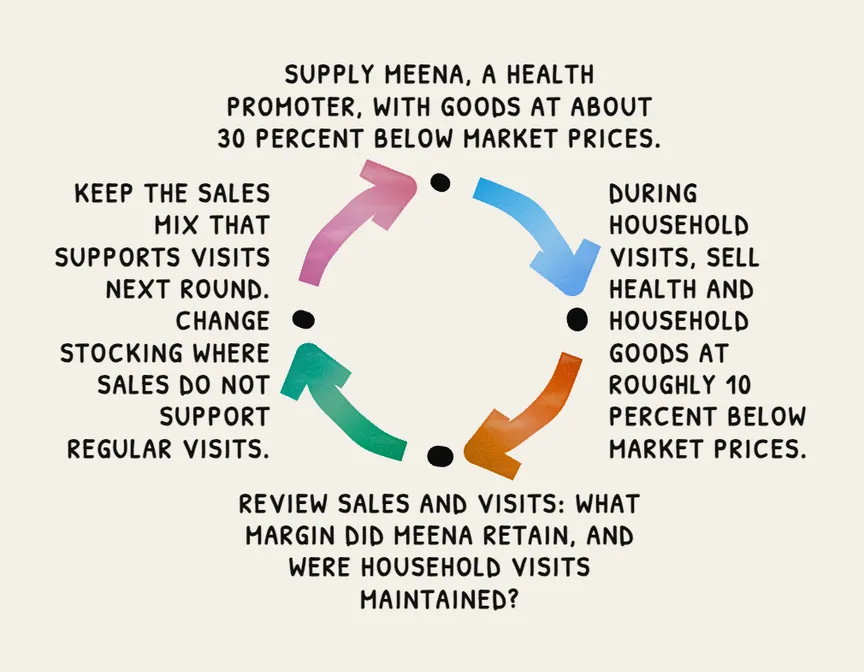
Comparing acquisition costs directly to policy margins reveals whether promotional strategies generate sustainable revenue or rely on heavy subsidies.
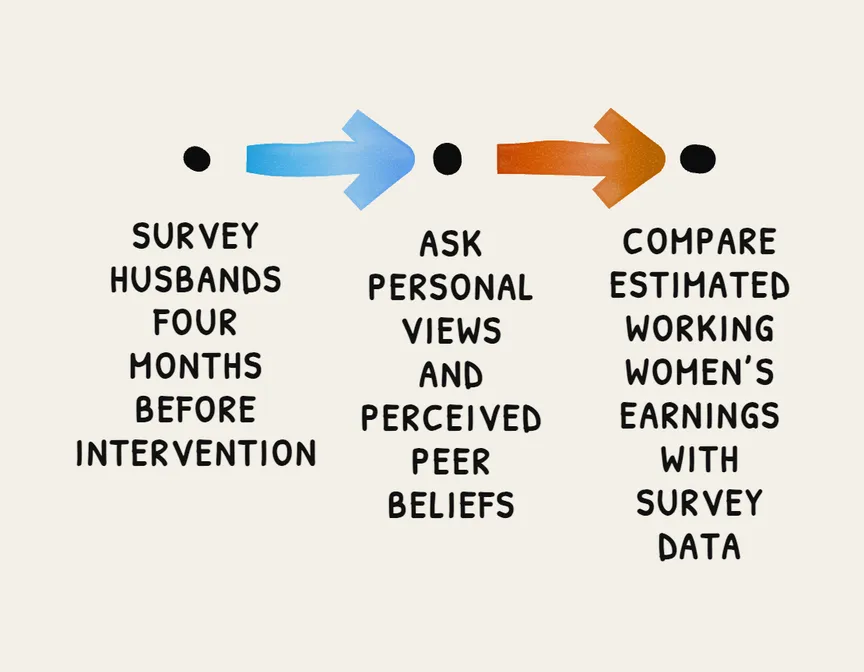
People often conform to perceived social norms even when those assumptions contradict their own private beliefs.
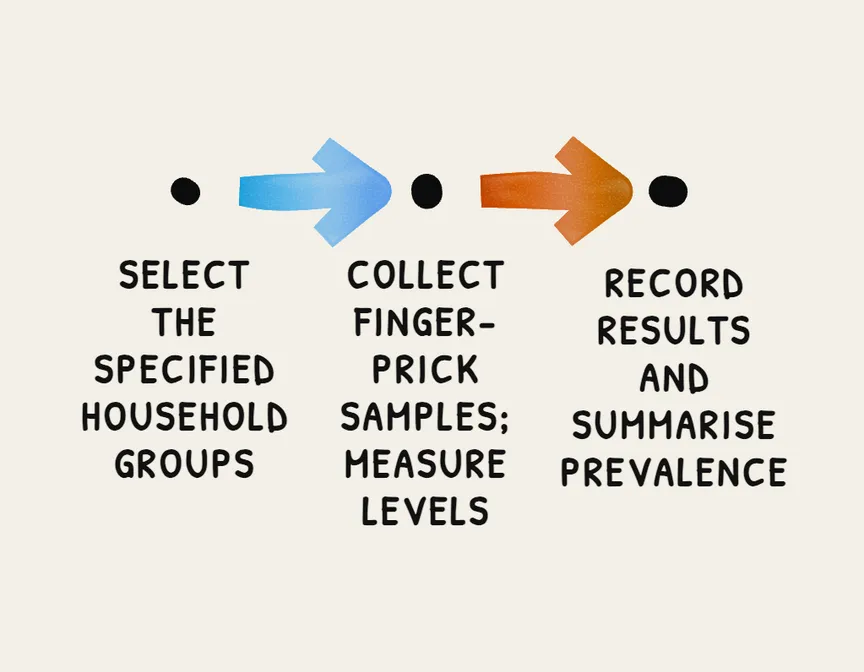
Direct blood hemoglobin measurements provide precise, quantitative biomarkers of anemia caused by malaria and nutritional deficiencies.
Phone surveys allow continuous remote data collection when public transport and gathering restrictions prevent field visits.
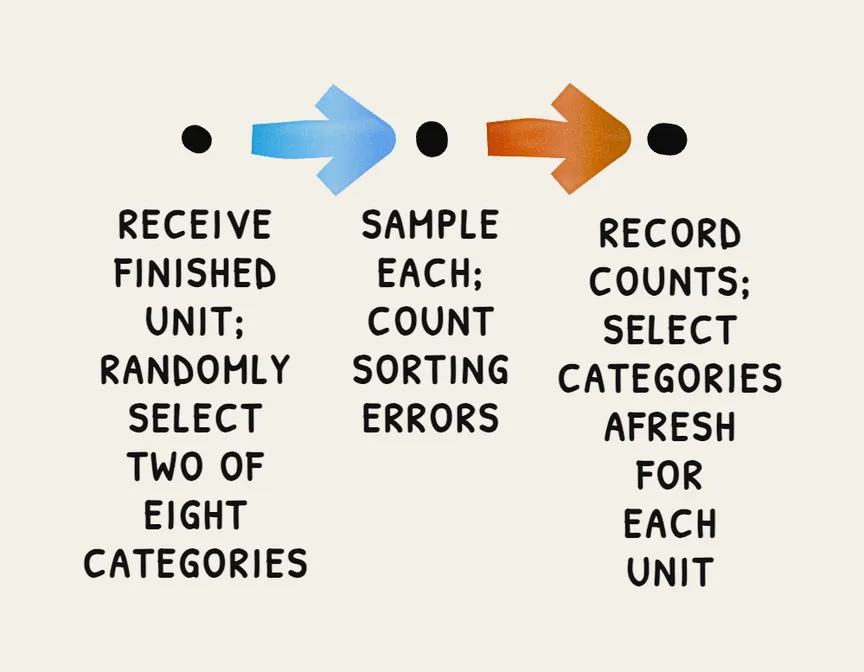
Unannounced random sampling across categories prevents workers from predicting which items will be checked.
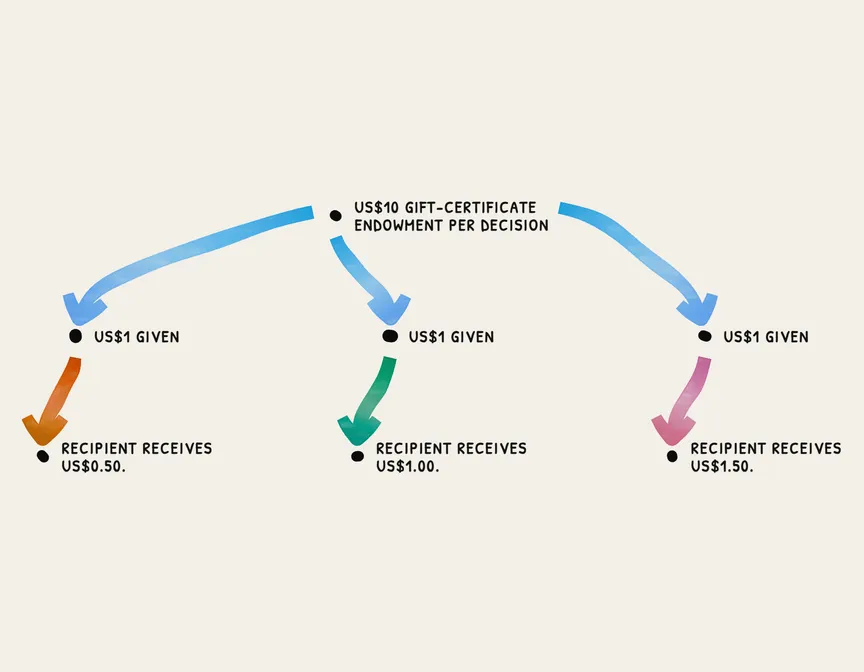
Varying exchange rates shifts the relative cost of giving, revealing whether children respond to the price of generosity.
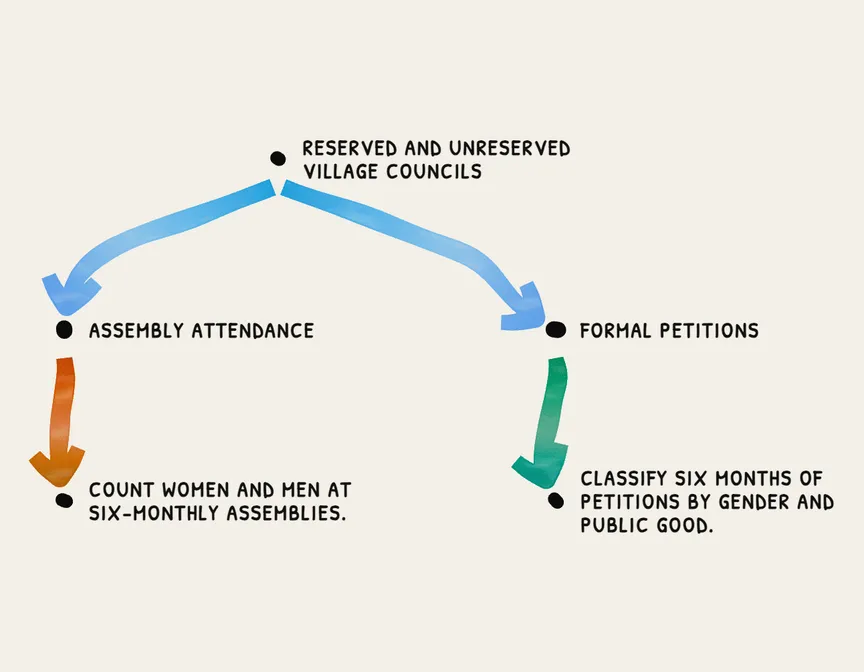
Comparing attendance demographics and formal petition rates reveals whether female leadership facilitates civic communication and encourages women to voice their policy needs.
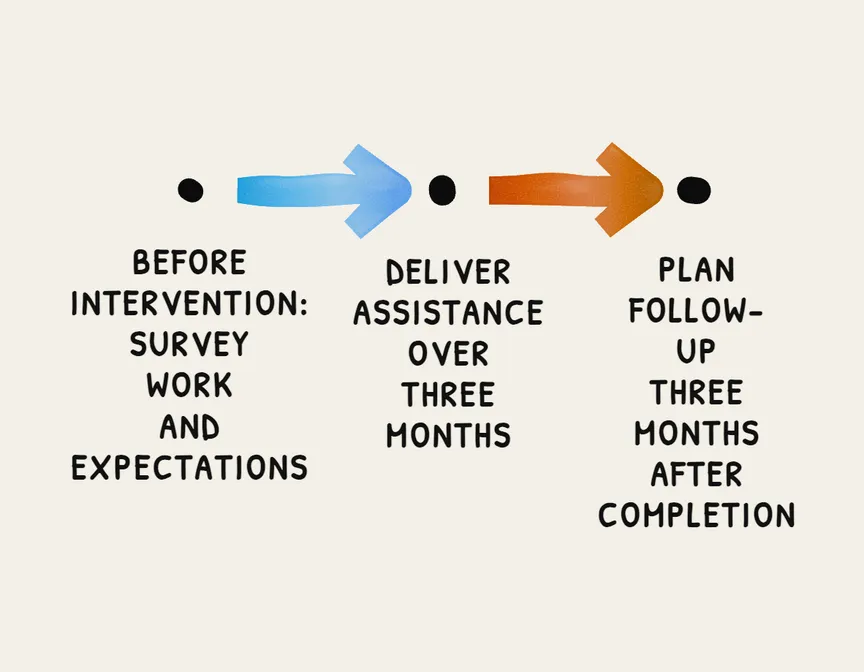
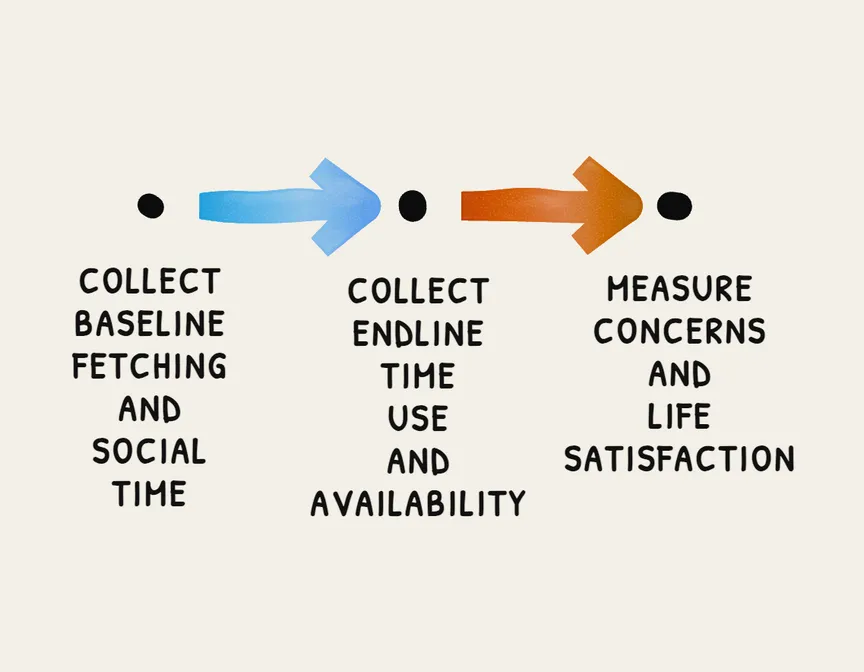
Subjective well-being scales and structured activity timetables capture non-market benefits like reduced stress and increased leisure that standard economic metrics omit.
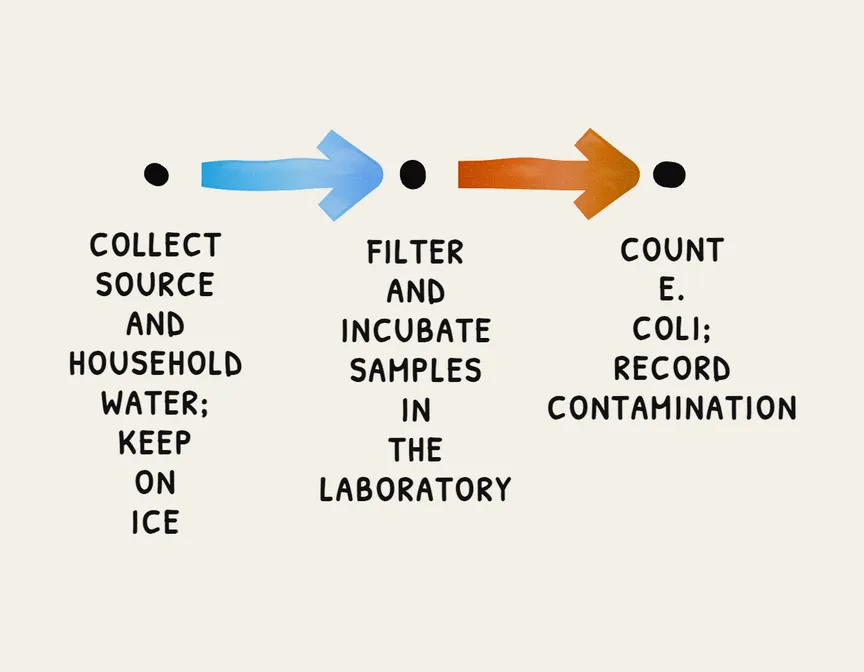
Testing for Escherichia coli provides an objective indicator bacterium directly correlated with fecal matter and waterborne pathogens.
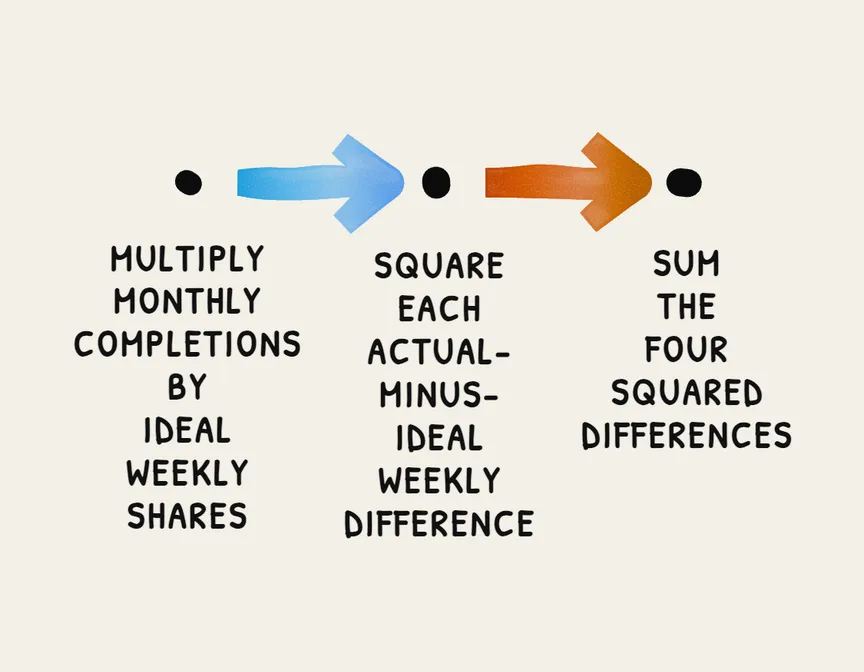
Squaring the weekly differences heavily penalizes large deviations in any single week, capturing both early lags and severe end-of-month rushes in a single quantitative metric.
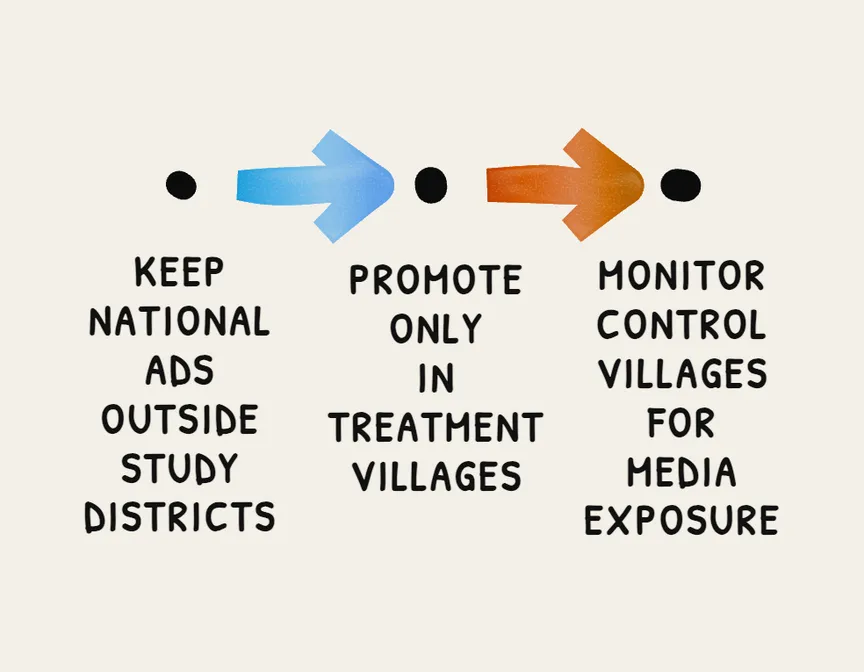
Restricting mass media coverage prevents awareness spillovers into control communities.
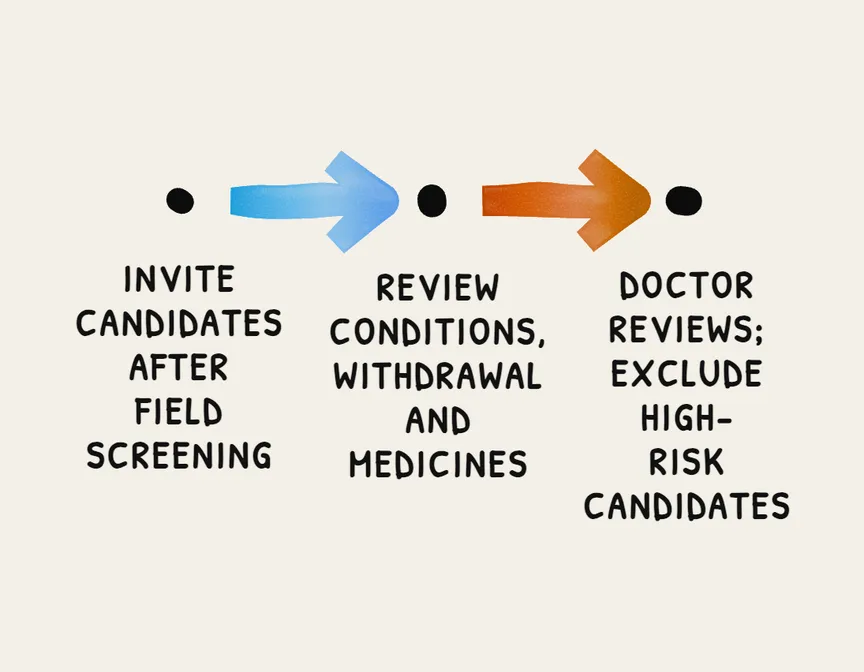
Thorough medical evaluation identifies underlying clinical conditions and severe dependency before incentivized sobriety begins.
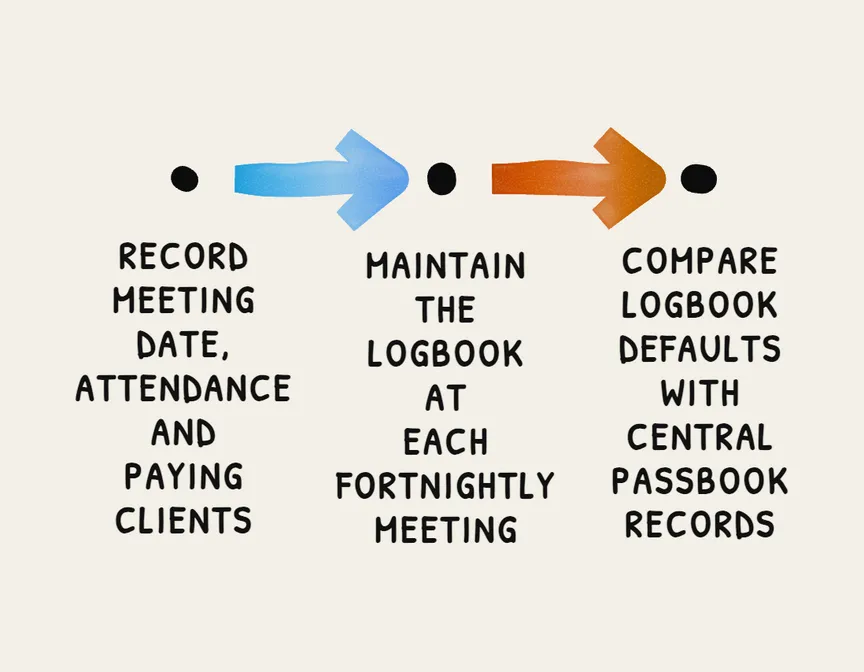
Independent logbook tracking prevents data entry errors or reporting biases from distorting official delinquency metrics.
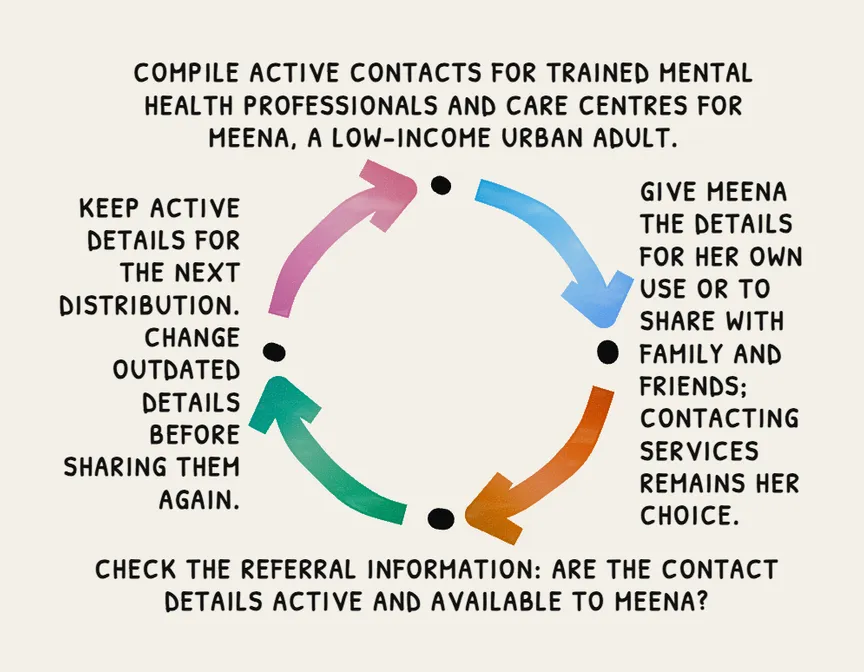
Direct information sharing enables individuals experiencing distress to seek professional mental health care when needed.
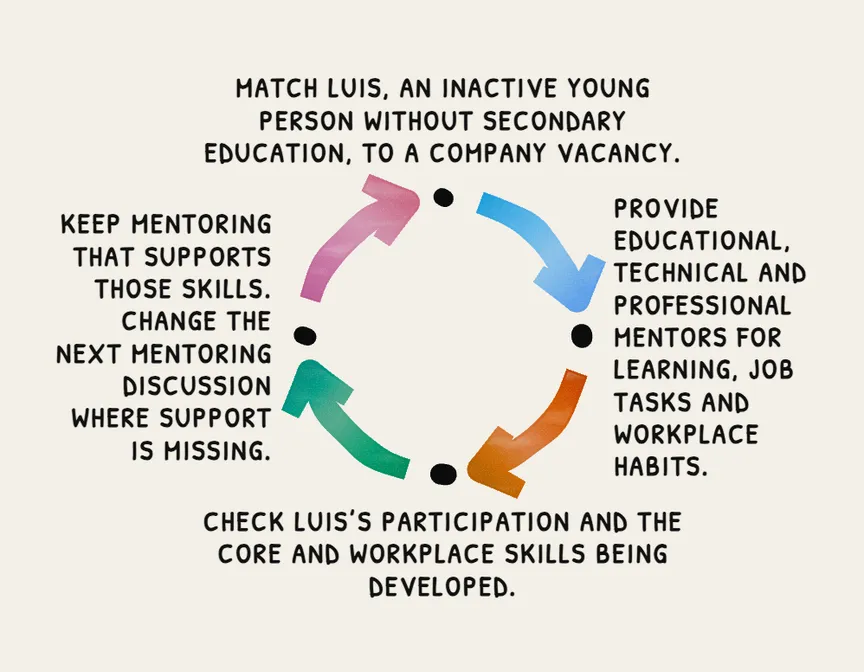
Combining company placement with structured triple mentoring provides direct workplace exposure and continuous personal guidance.
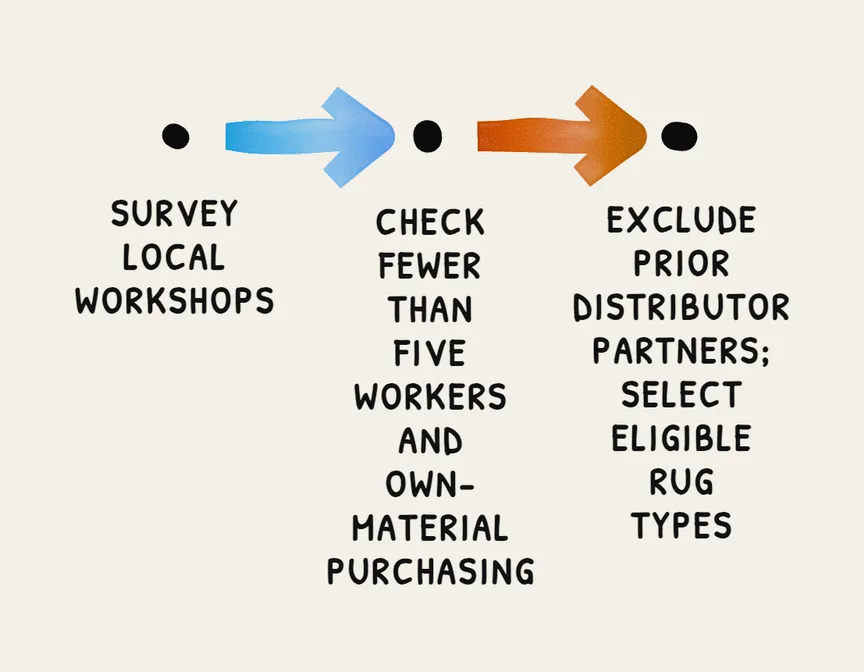
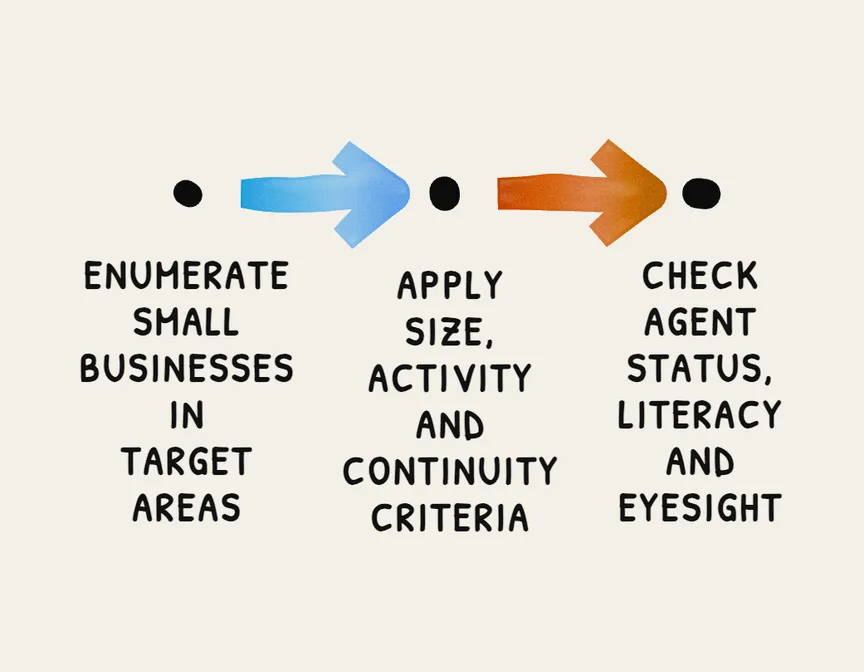
Filtering for small, independent producers ensures the intervention targets genuine micro-enterprises that face credit or market access constraints.
Selling a diverse mix of health-related commodities encourages overall sales and motivates promoters to visit households regularly.
Strict screening ensures participants possess the operational stability, literacy, and sight needed to use mobile financial tools and respond to project surveys.
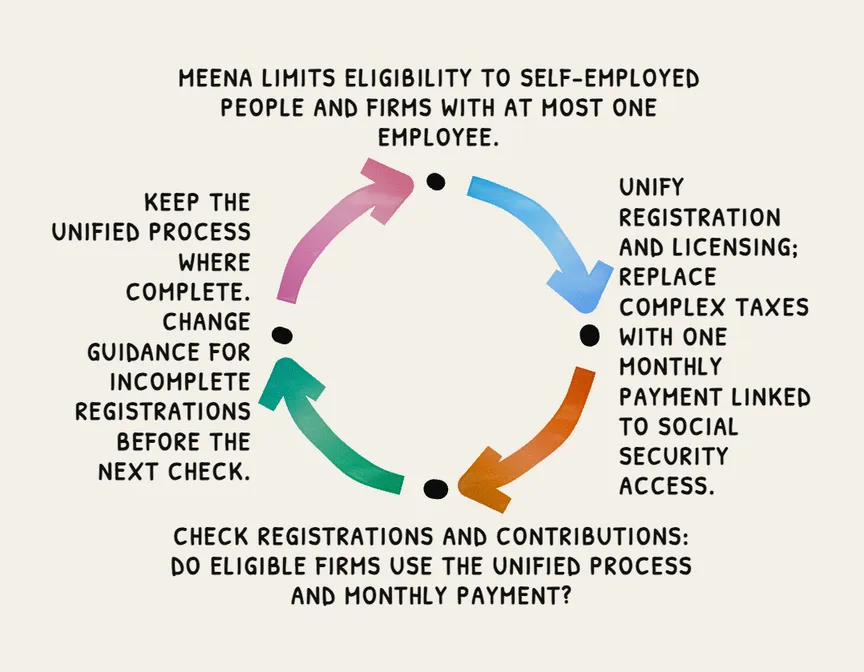
Simplifying administrative requirements and lowering compliance costs makes operating legally affordable for self-employed workers.
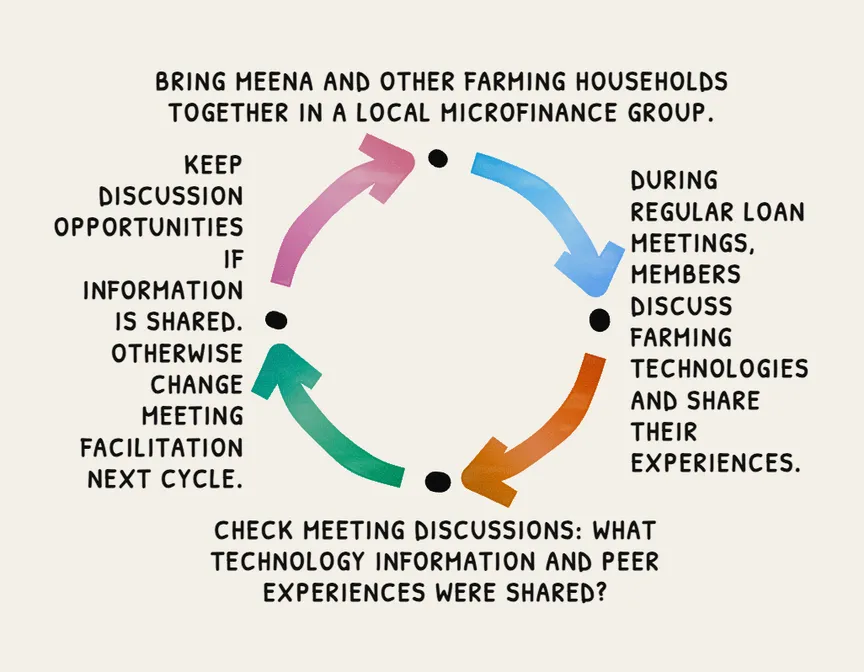
Participating in regular group meetings encourages social interactions among members, reducing information barriers about new farming techniques.
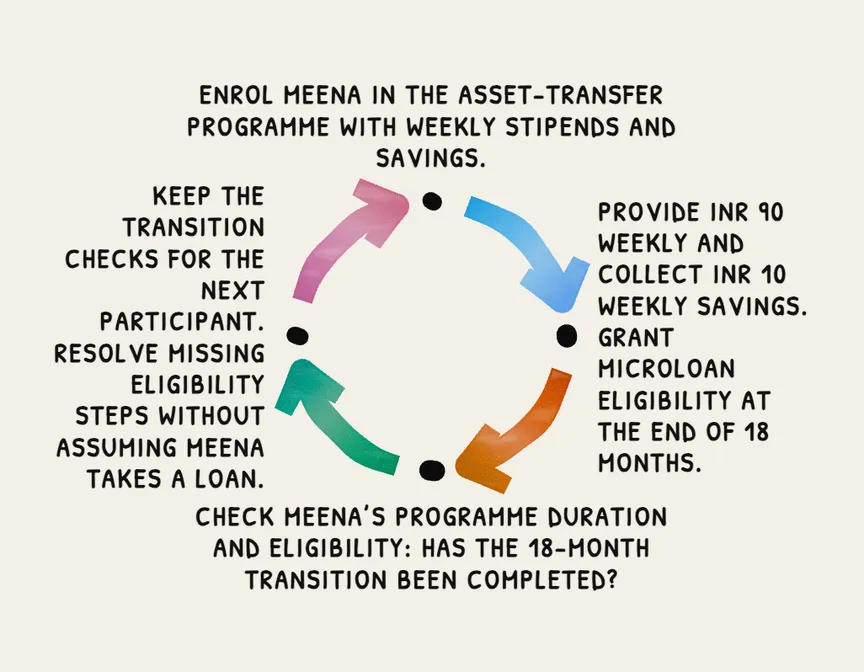
Combining productive assets with mandatory savings and temporary stipends builds household income and economic stability over 18 months.
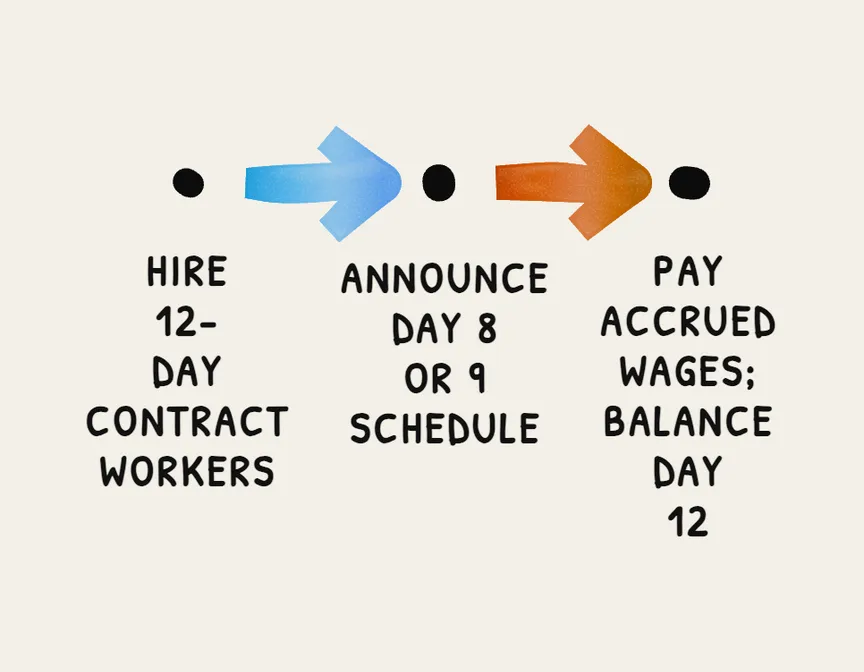
Disbursing cash on hand enables liquidity-constrained workers to immediately settle pressing debts and purchase household essentials.
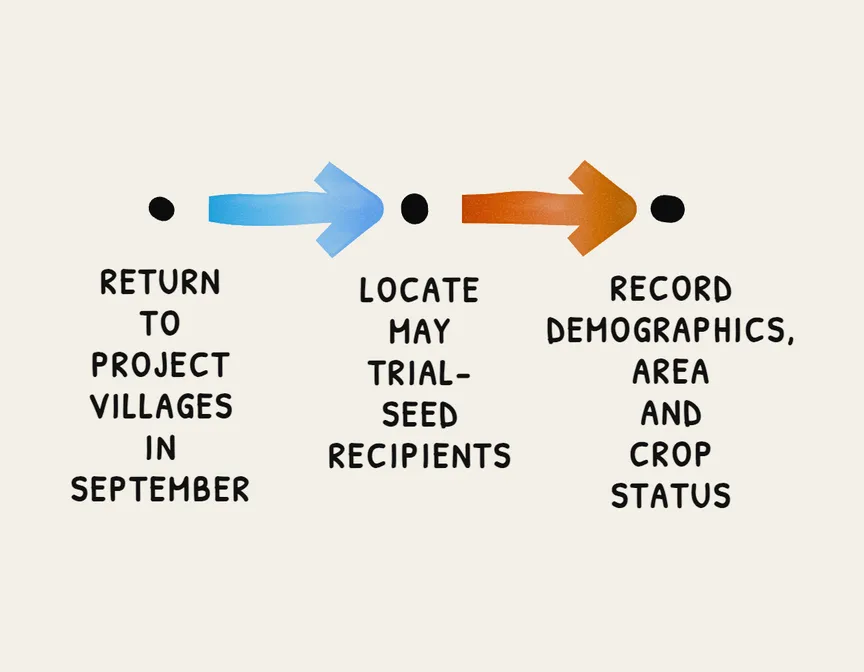
Mid-season field visits allow staff to track early adoption rates, verify planted land area, and record crop condition.
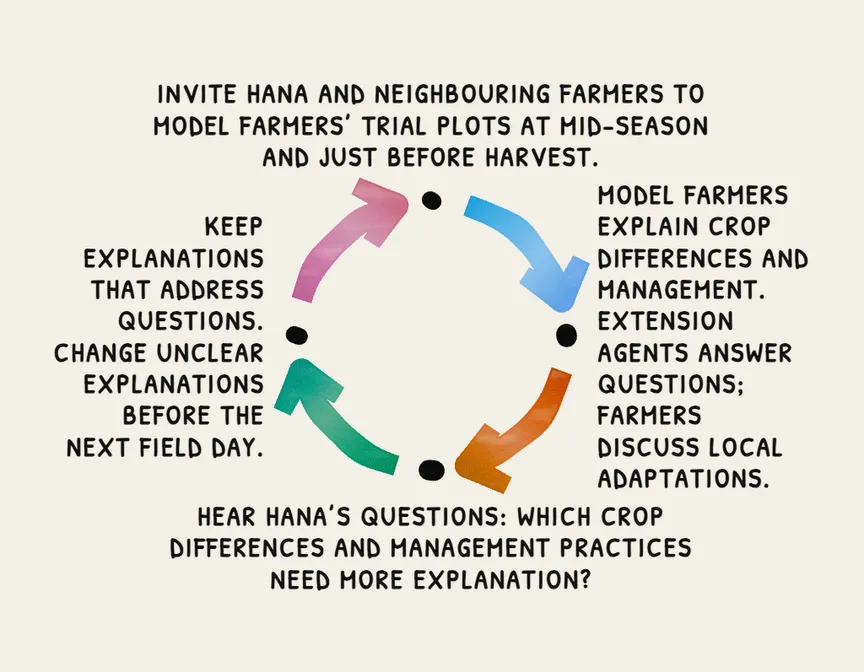
Field days allow farmers to observe live crop growth differences at crucial seasonal milestones.
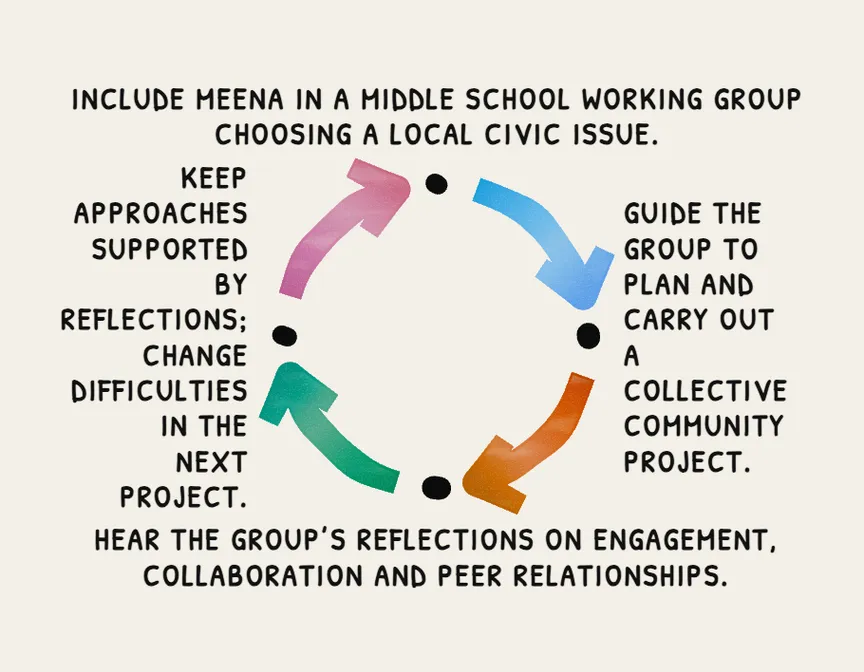
Engaging students in hands-on, collective community projects builds practical civic skills and social trust.
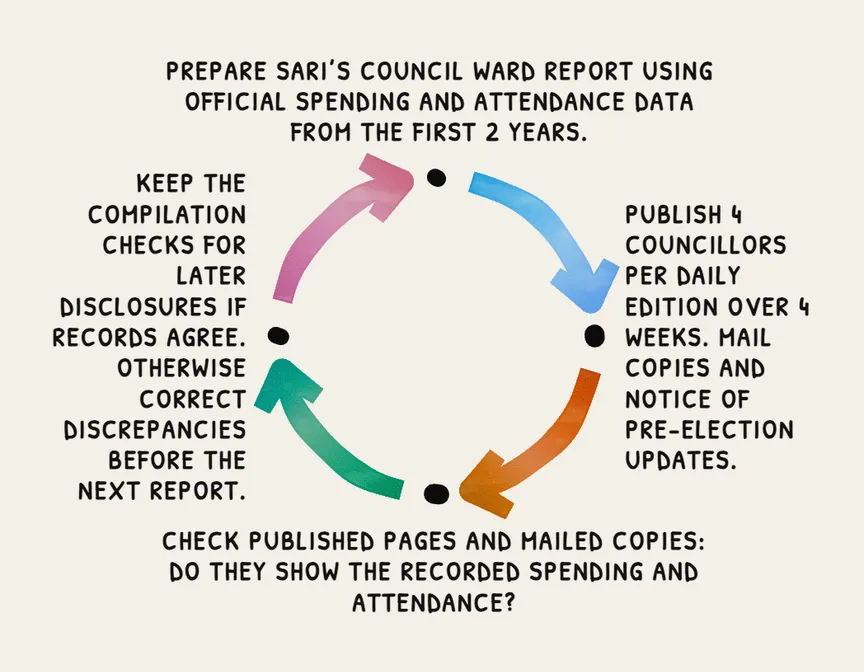
Midterm disclosures establish the credibility of upcoming pre-election evaluation campaigns and make performance metrics salient to politicians early in their tenure.
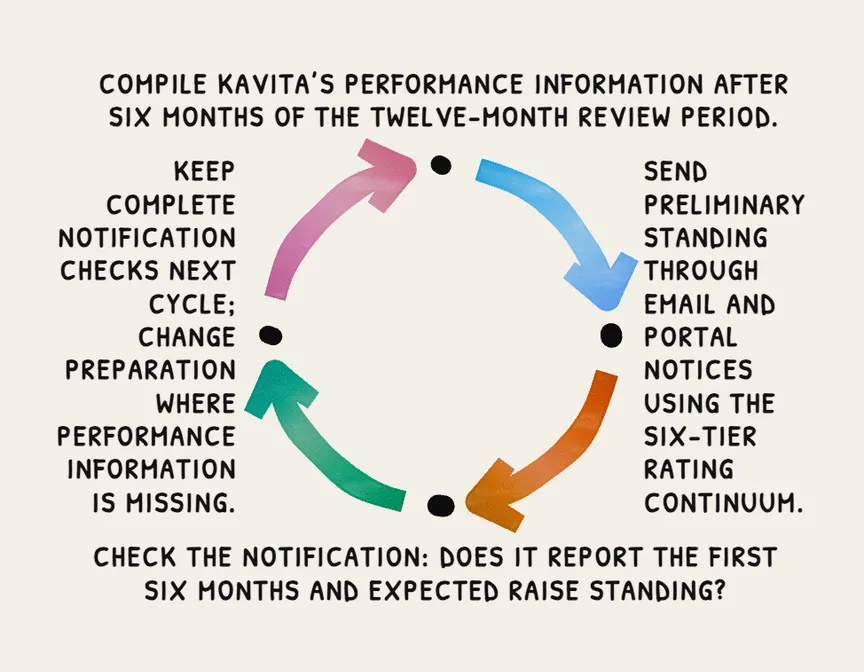
Interim notifications reduce uncertainty by giving employees clear signals about their trajectory halfway through the review cycle.
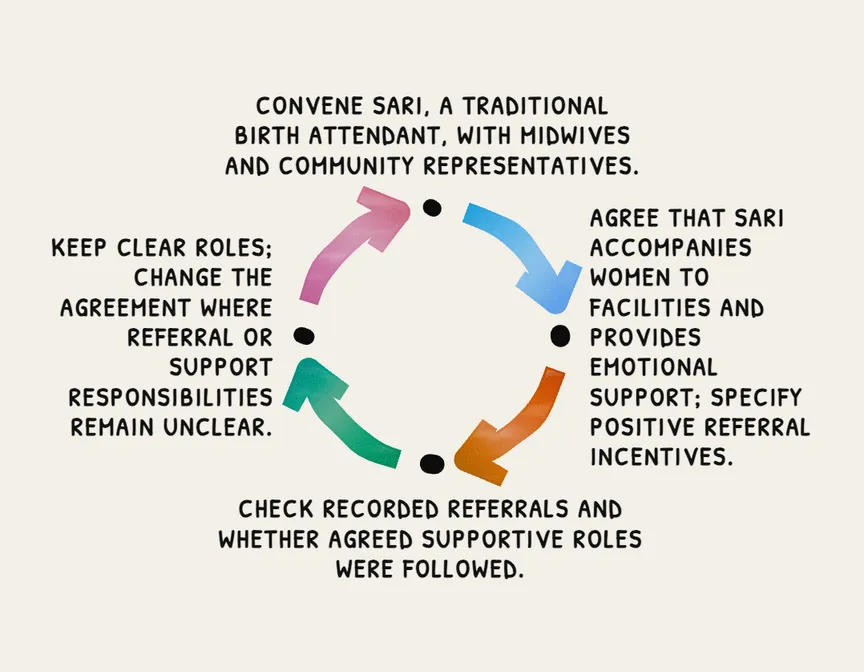
Establishing collaborative partnerships uses a constructive incentive model rather than punitive sanctions to align local traditional birth attendants with formal healthcare staff.
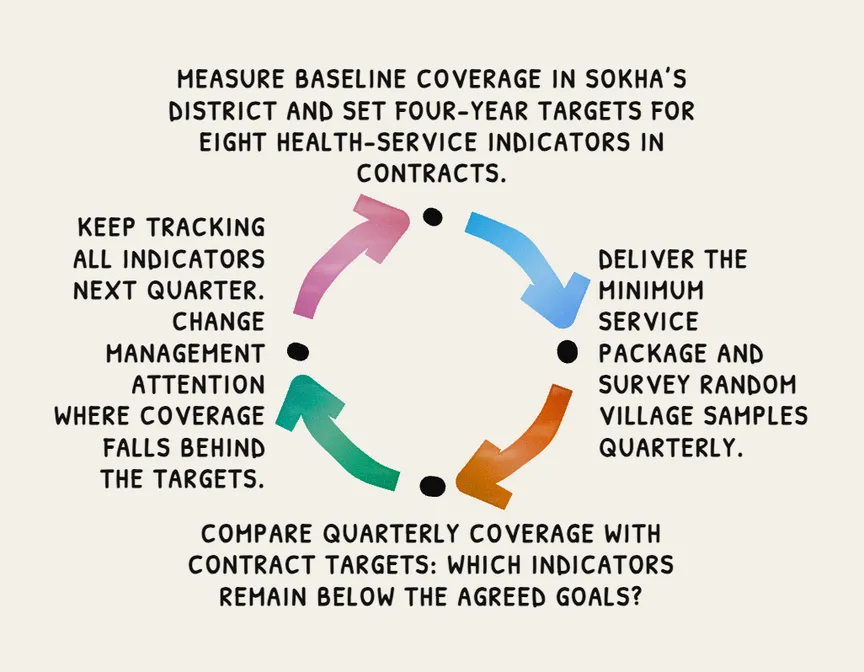
Explicit targets tie performance evaluation directly to priority maternal and child health indicators.
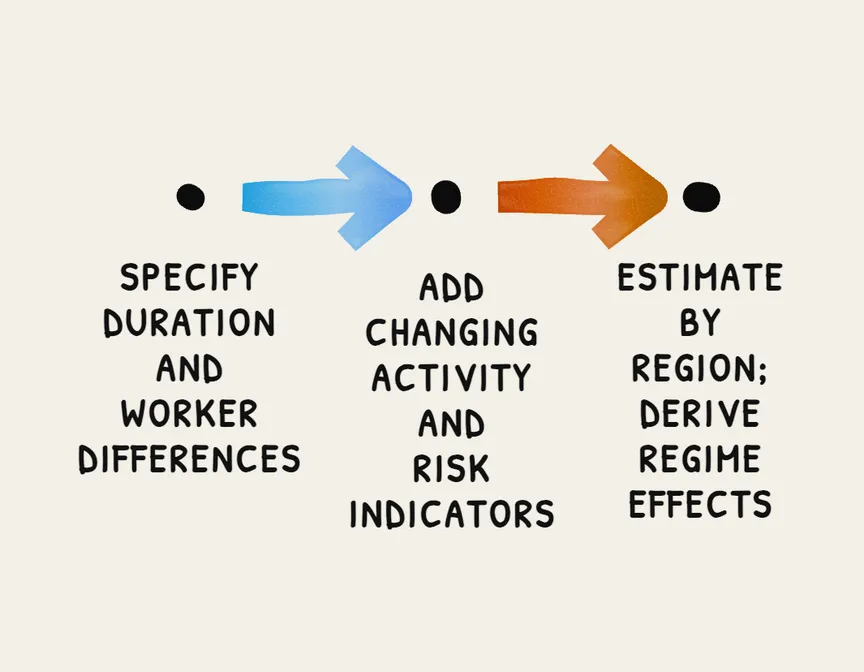
Modeling transition hazards directly corrects for composition changes among remaining unemployed survivors over time.
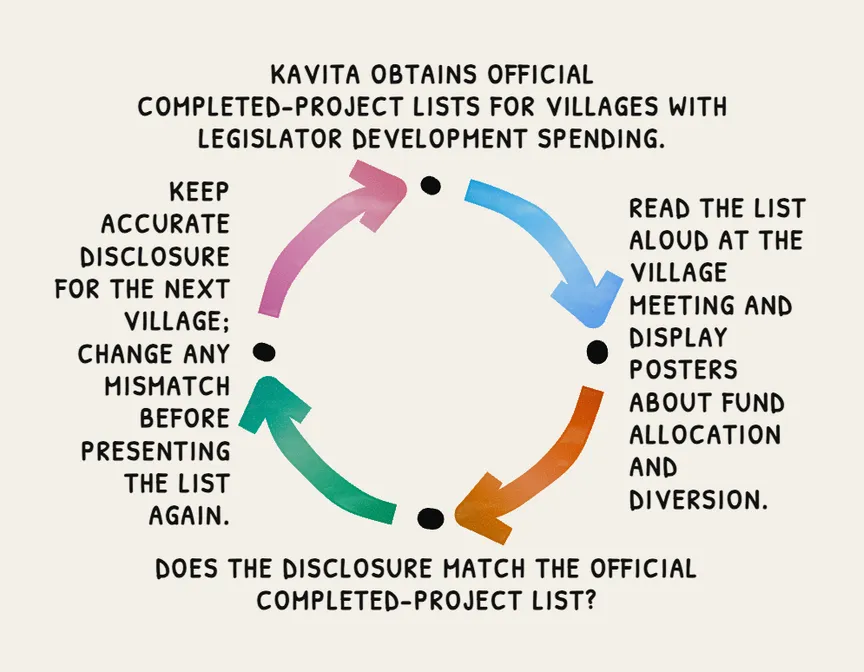
Reading aloud official lists of completed local projects provides voters with verifiable information about whether an incumbent actually delivered public goods to their village.
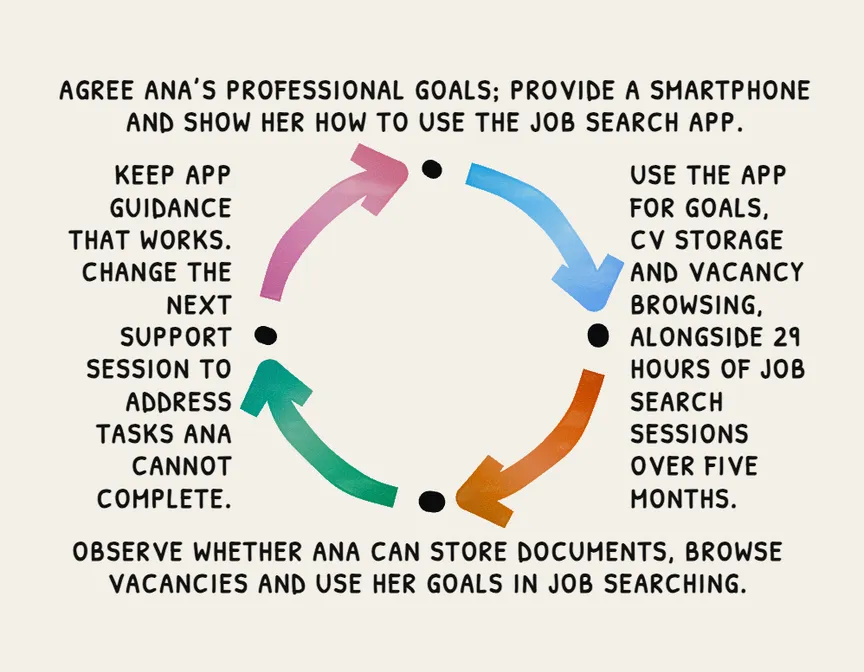
Combining personal goal setting with a dedicated mobile application gives job seekers an accessible repository for essential job documents.
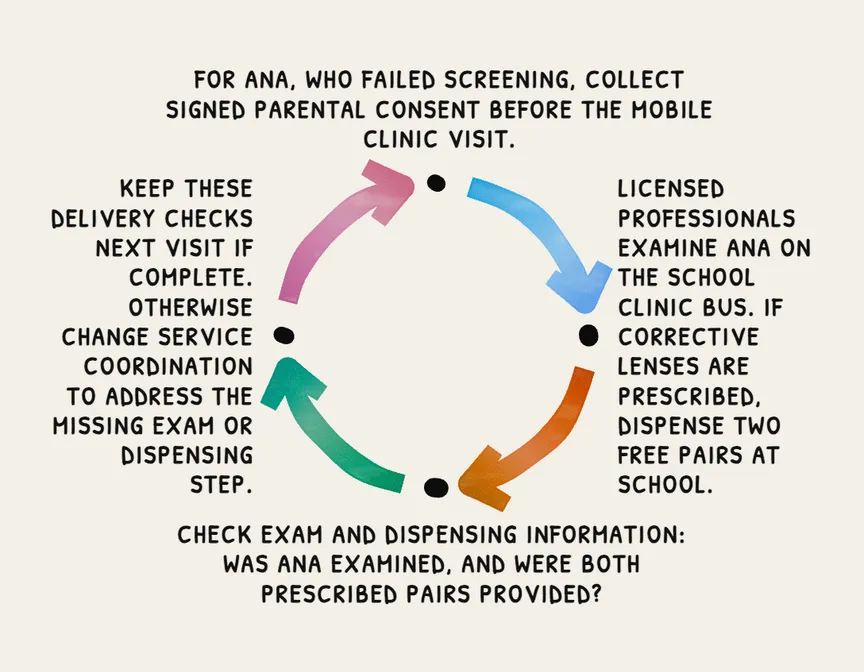
Eliminating geographic and financial hurdles directly at school ensures high follow-up rates among low-income families who face severe access constraints.
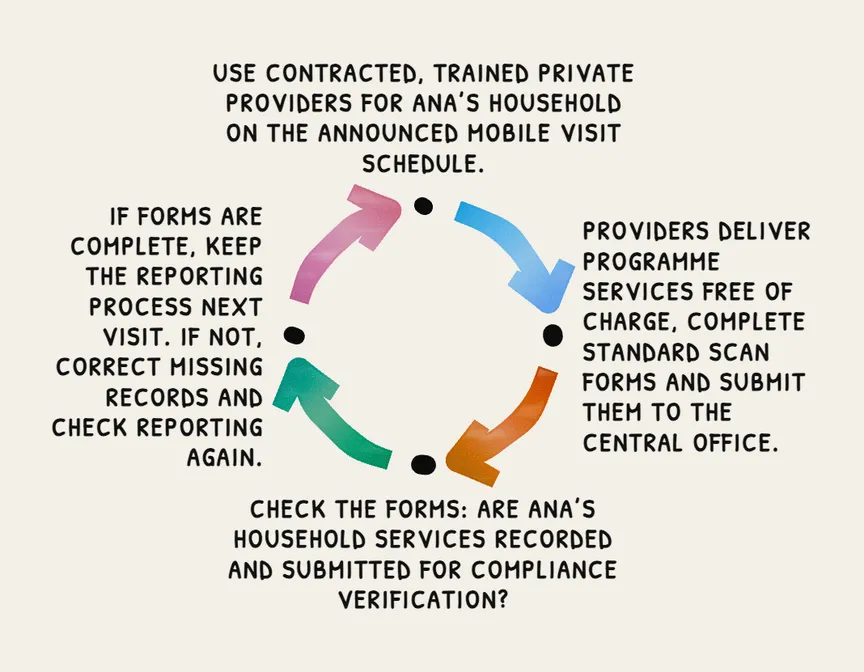
Contracting private providers expands total healthcare supply without burdening existing public rural clinics.
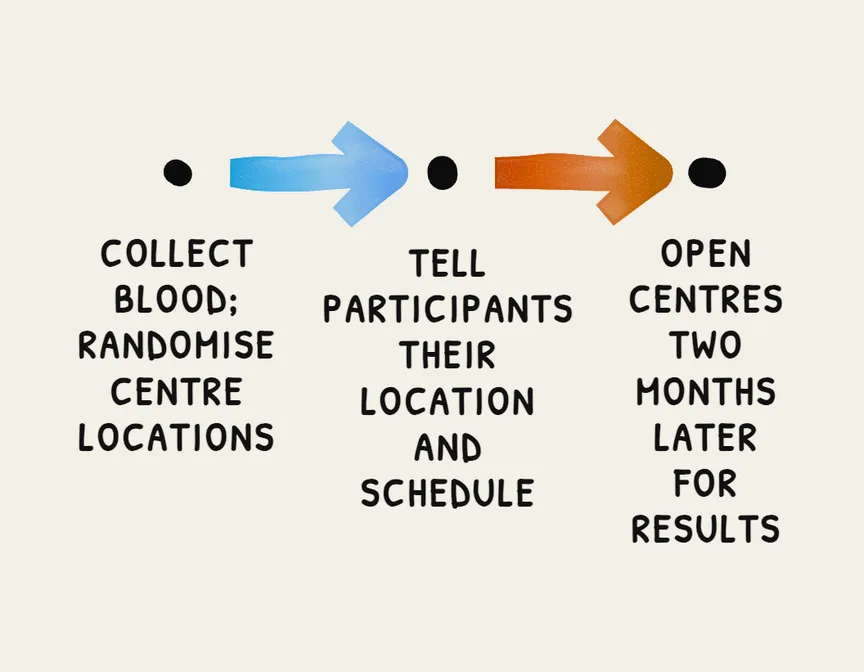
Placing mobile centers closer to residents reduces travel costs, walking time, and opportunity costs.
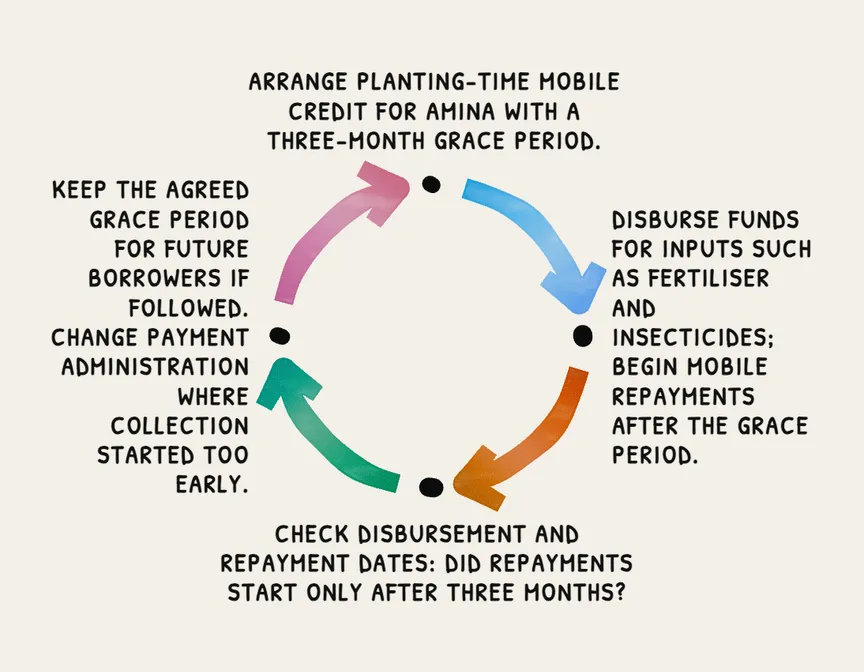
Removing upfront financial constraints through digital access allows farmers to purchase required inputs and invest in necessary equipment.
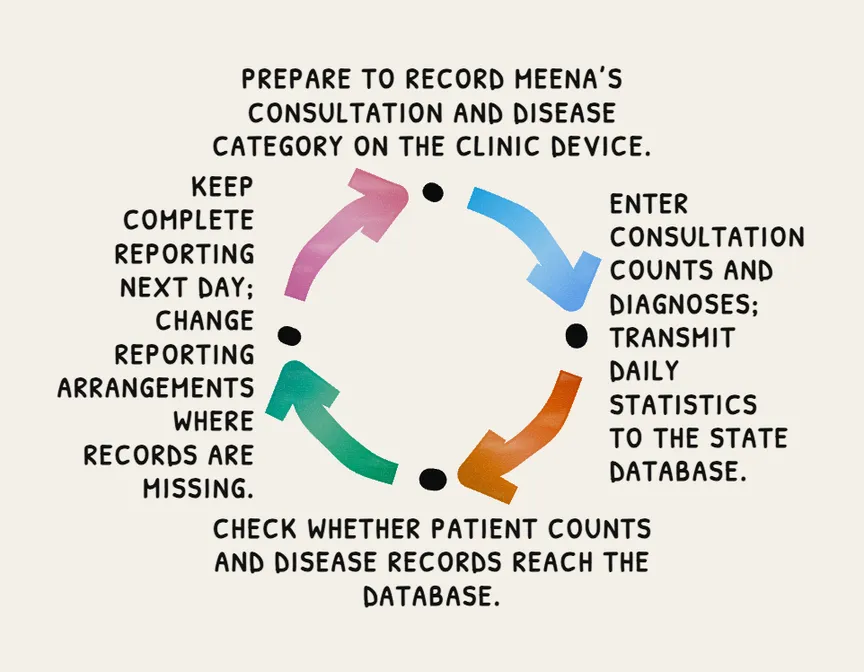
Digitizing patient reporting at the point of care automates disease tracking without manual ledger consolidation.
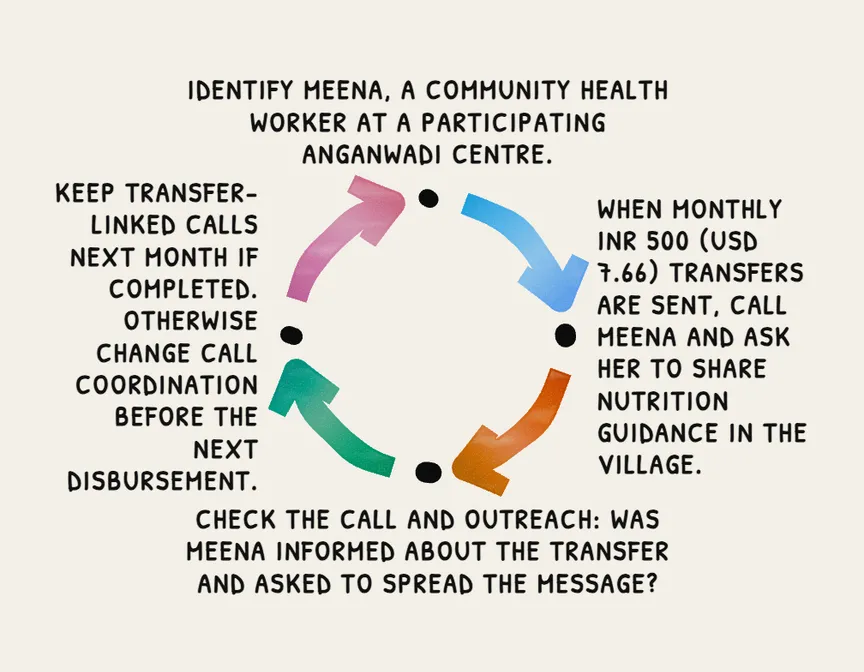
Direct communication with health workers leverages trusted local leaders to amplify program messaging.
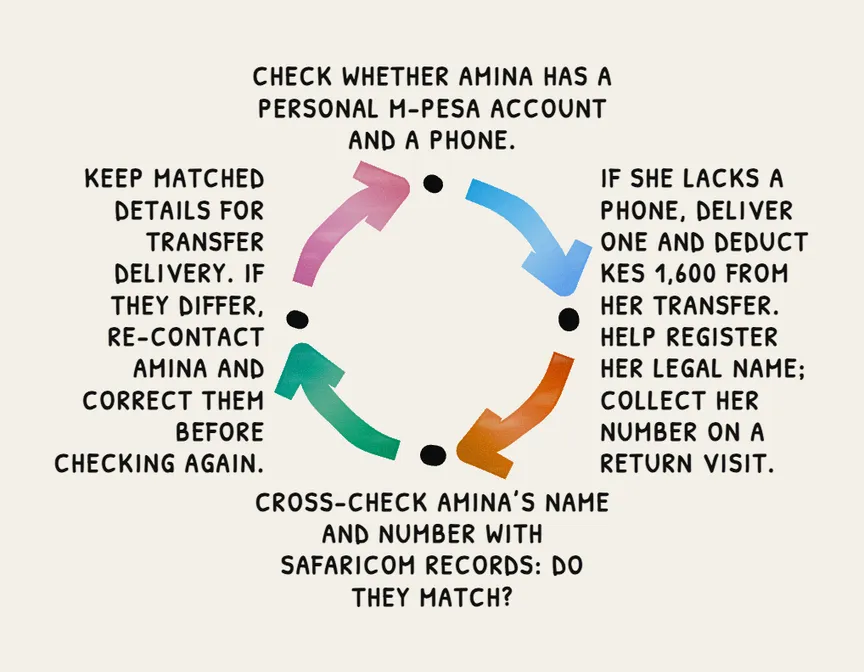
Providing mobile hardware directly removes physical barriers to digital financial access for phone-less individuals.
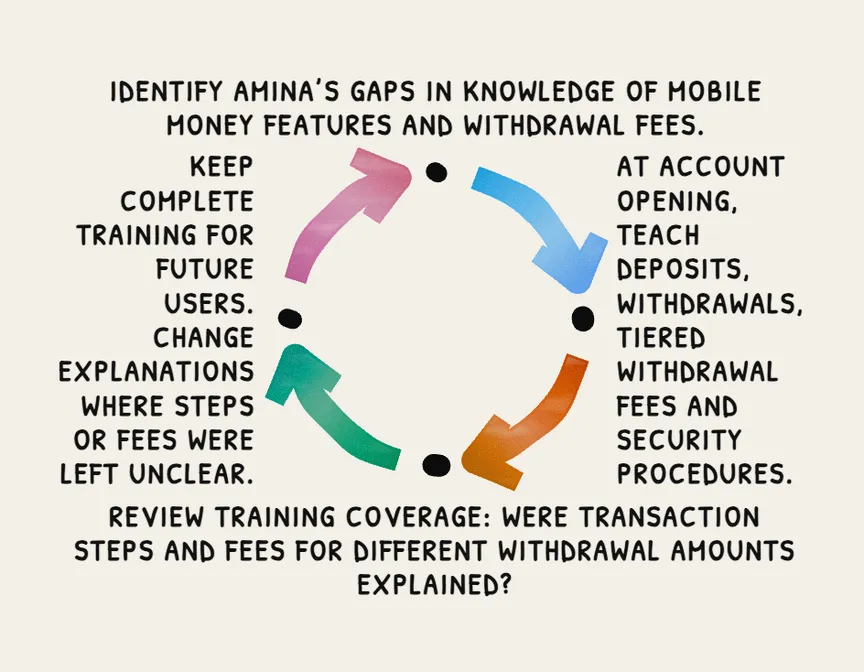
Direct training addresses widespread knowledge gaps that mobile network agents routinely fail to resolve during standard sign-ups.
Preexisting social networks can amplify and endorse public health information faster than central authorities.
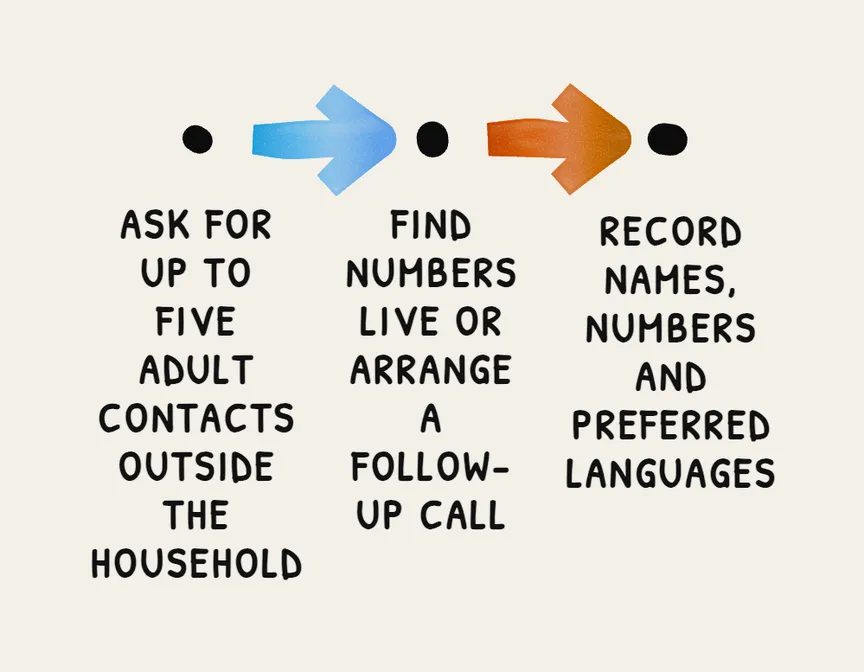
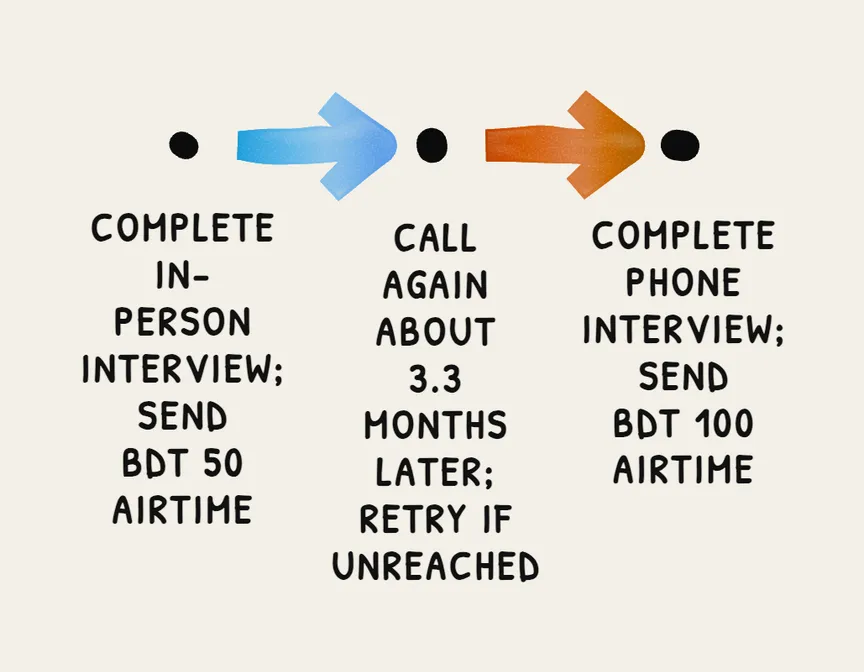
Direct mobile phone recharges provide immediate compensation for participants' time without requiring physical cash handling or complex payment logistics.
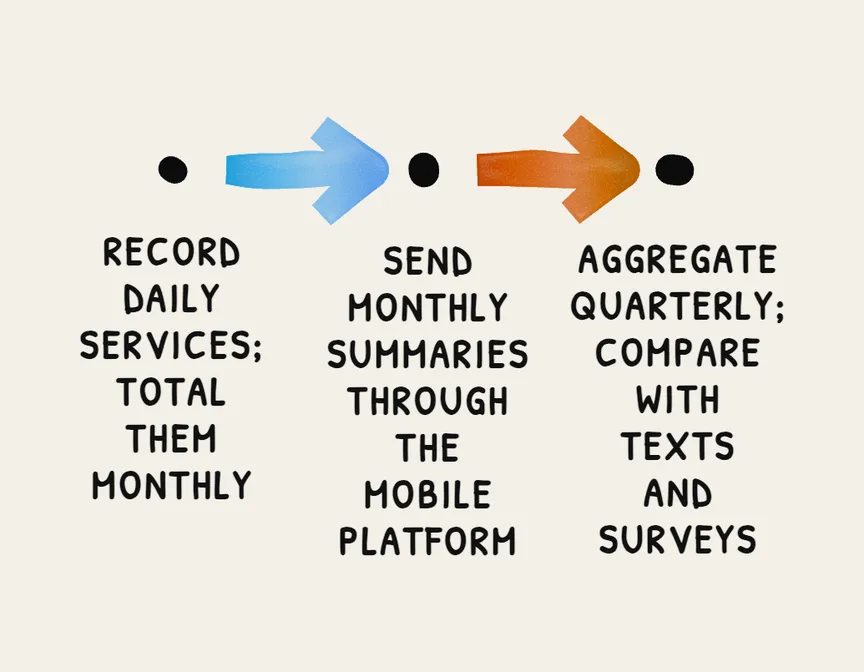
Mobile reporting platforms reduce paper transit times and data loss from remote rural health posts.
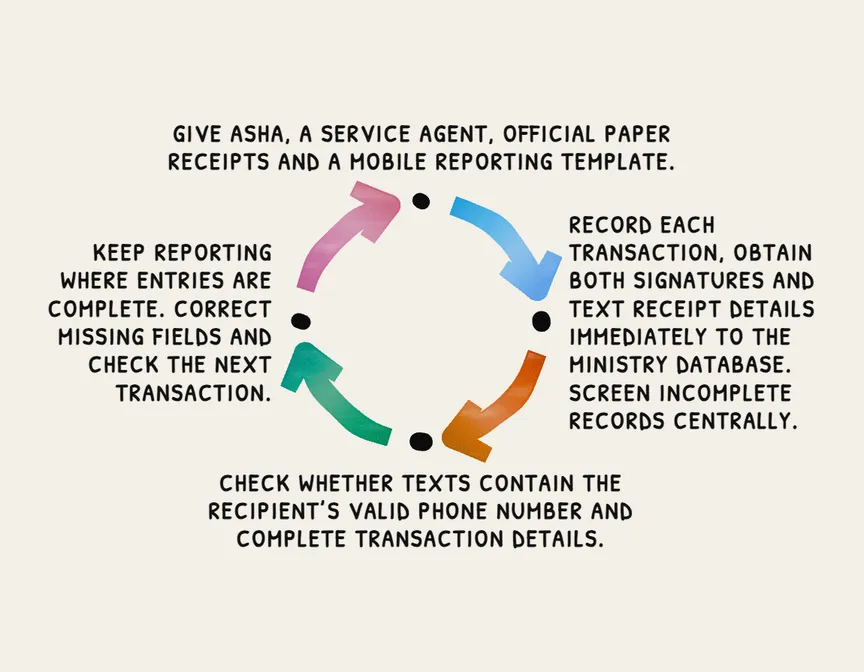
Mobile text reporting creates a real-time central database of decentralized field operations without requiring physical supervisors.
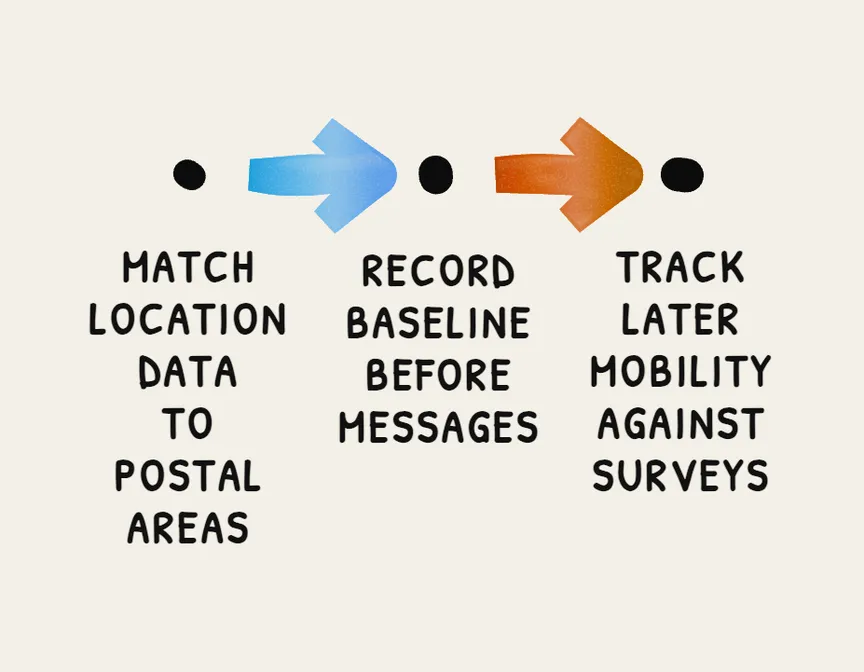
Aggregated platform location data provides passive, continuous, real-time observational data that does not rely on recall or self-reporting.
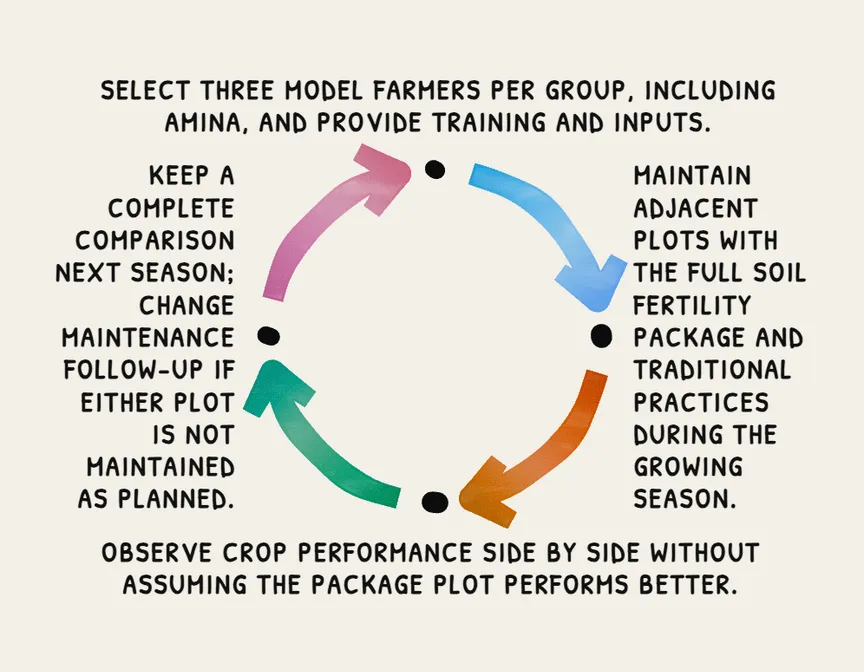
Side-by-side comparative plots make the tangible yield and soil benefits of integrated practices clearly visible to local farmers.
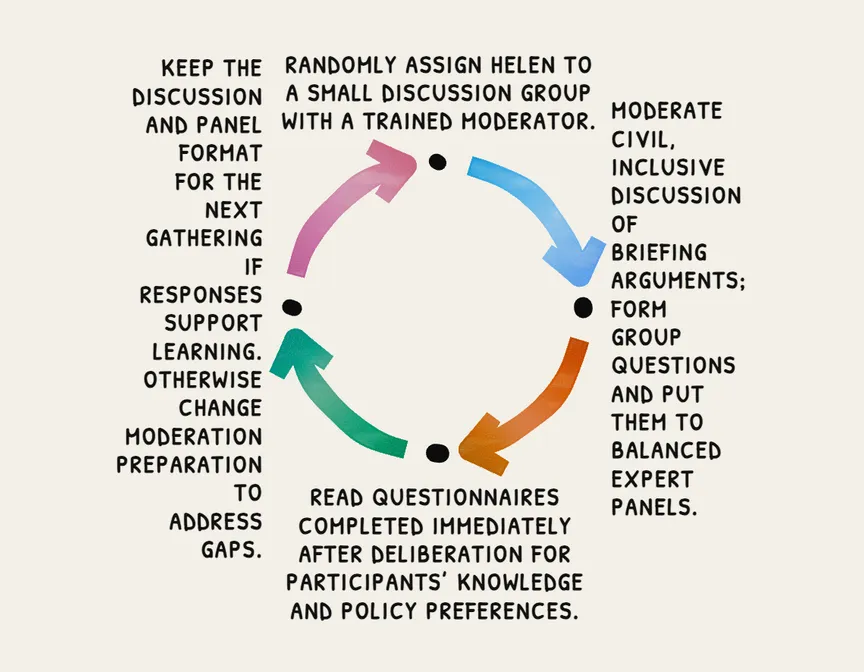
Active moderation and balanced expert panels force participants to give serious attention to opposing perspectives and factual evidence they would otherwise ignore in everyday life.
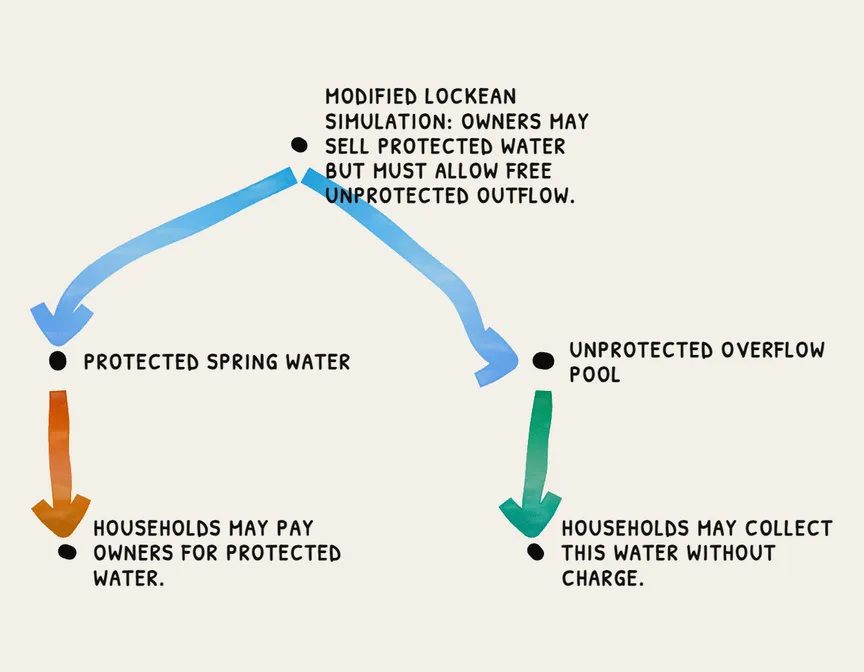
Allowing landowners to sell protected water provides a financial incentive to invest in spring protection infrastructure.
Page 22 of 45
Previous
1
…
21
22
23
…
45
Next