Skip to the methods
Menu
aikyam
school
Findings
Methods
Subjects
All cards
Read
Findings
Methods
Subjects
All cards
Methods
2,124 methods
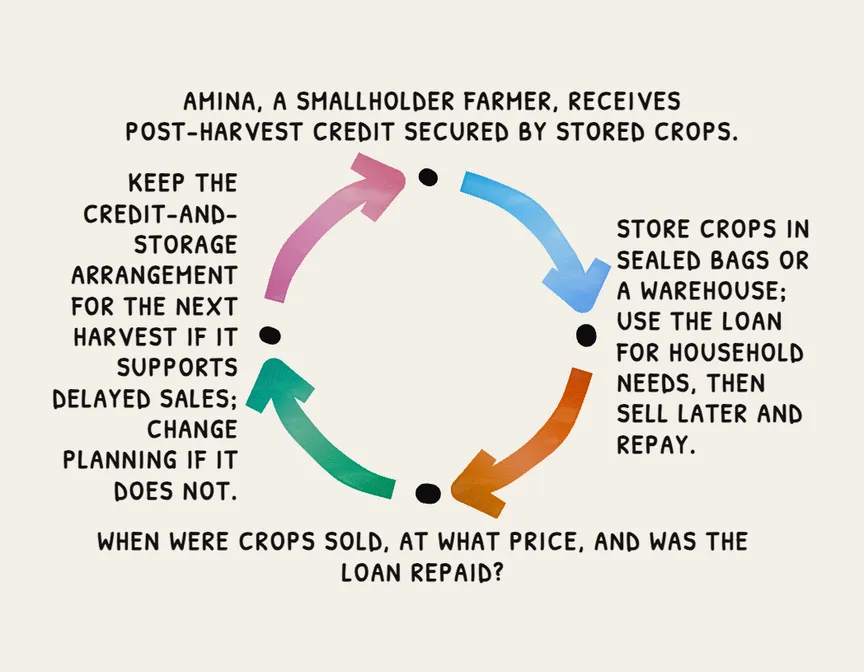
Direct post-harvest surveying captures detailed operational decisions that bank administrative records miss.
Providing cash during harvest stops farmers from panic-selling crops when prices are low.
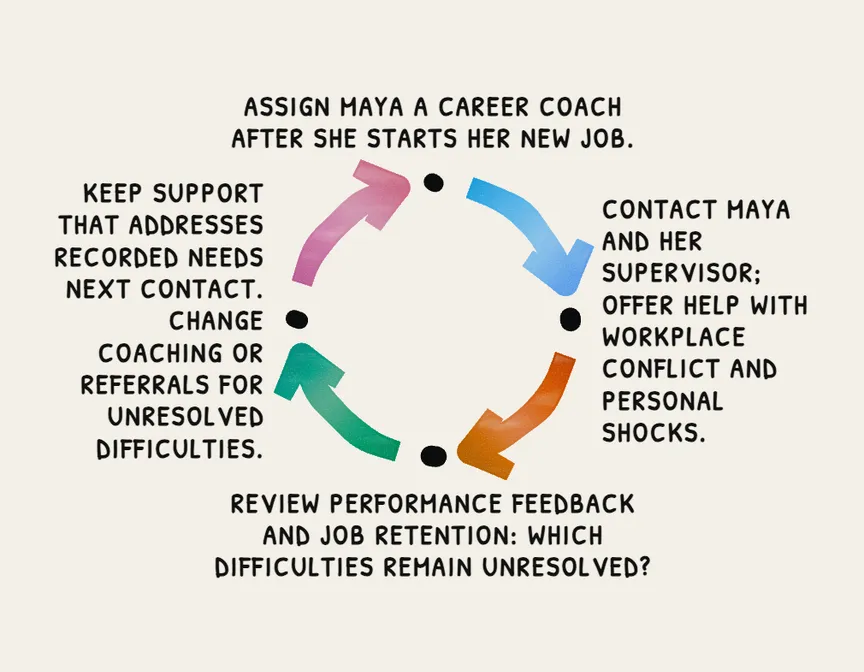
Post-hire outreach allows participants to overcome supervisor implicit bias and workplace discrimination against non-traditional employees.
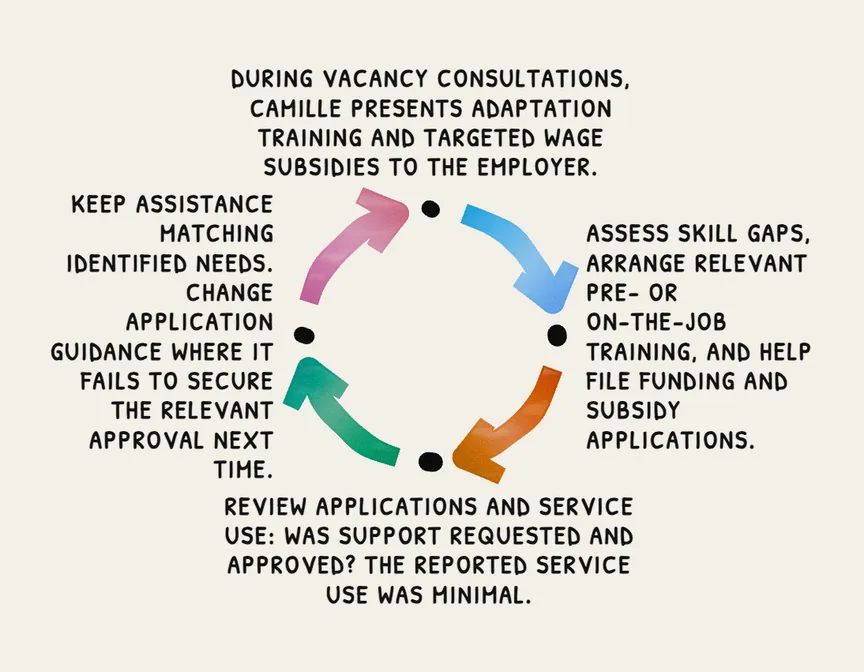
Combining tailored workplace skill adaptation with wage subsidies reduces initial training friction and lowers net wage costs for newly hired workers.
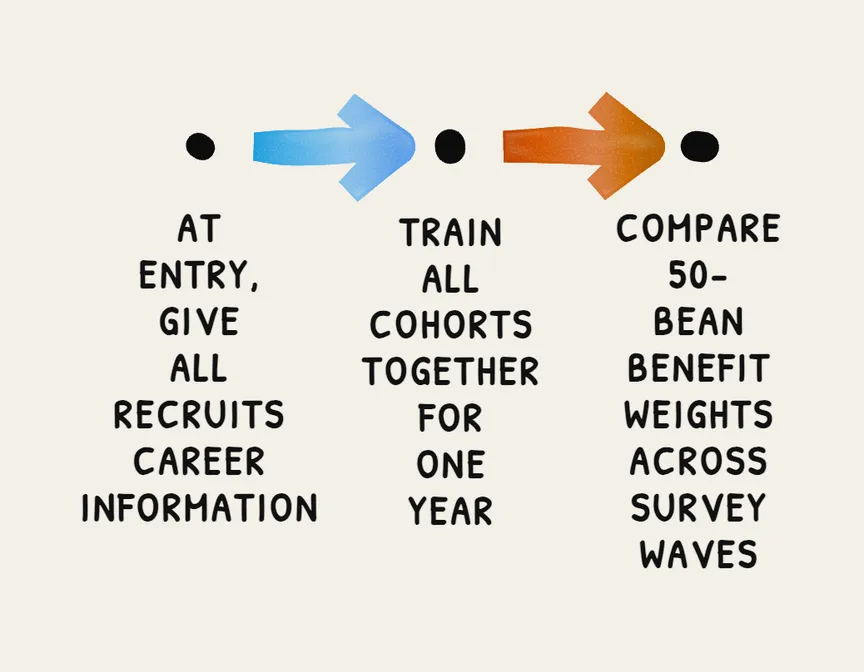
Providing identical career advancement details during post-hire training eliminates initial informational disparities generated by recruitment advertising.
Repeated daily exercise driven by short-term incentives can lower future effort costs by building behavioral routines and intrinsic habits.
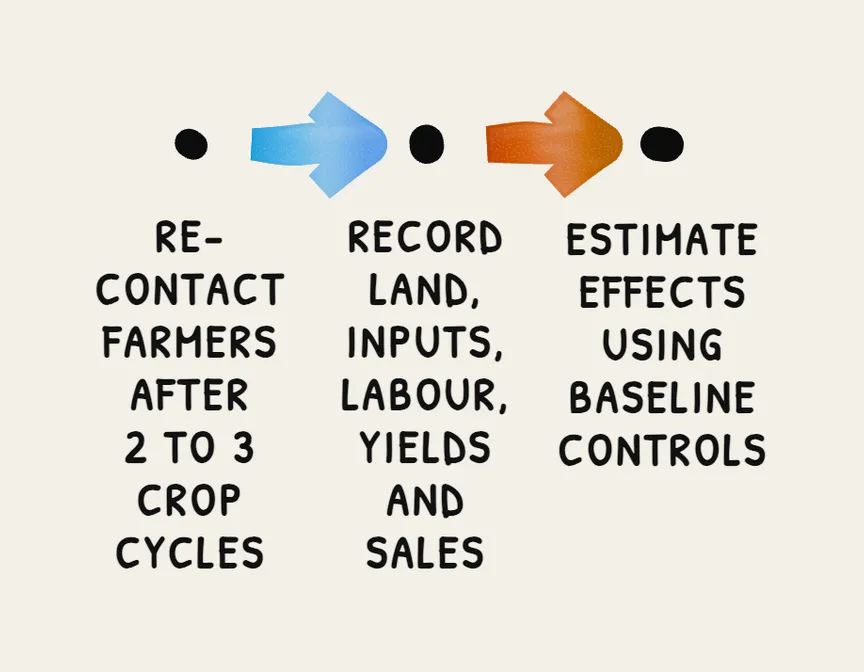
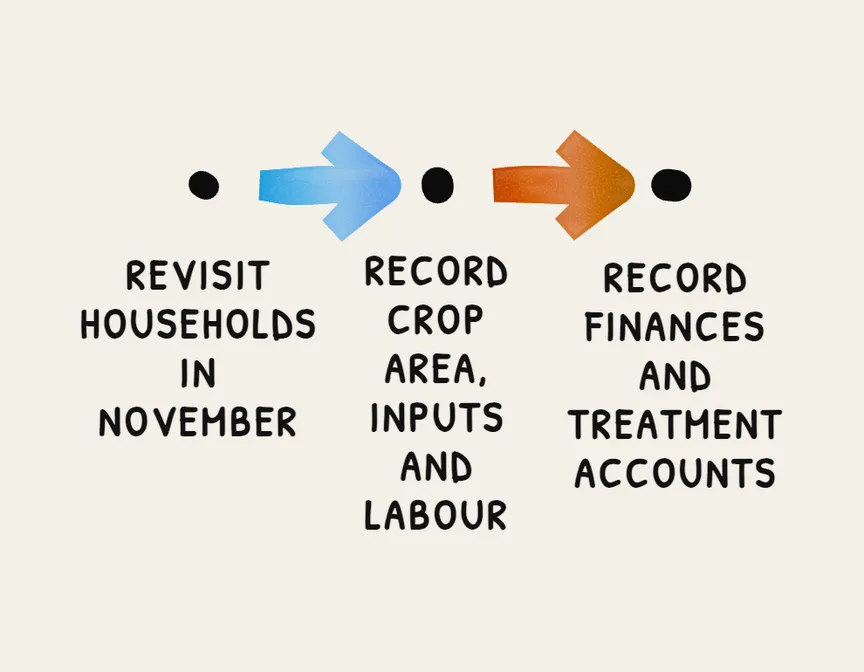
Collecting post-harvest data directly from producers captures the cumulative impact of seasonal risk management treatments on real capital allocation.
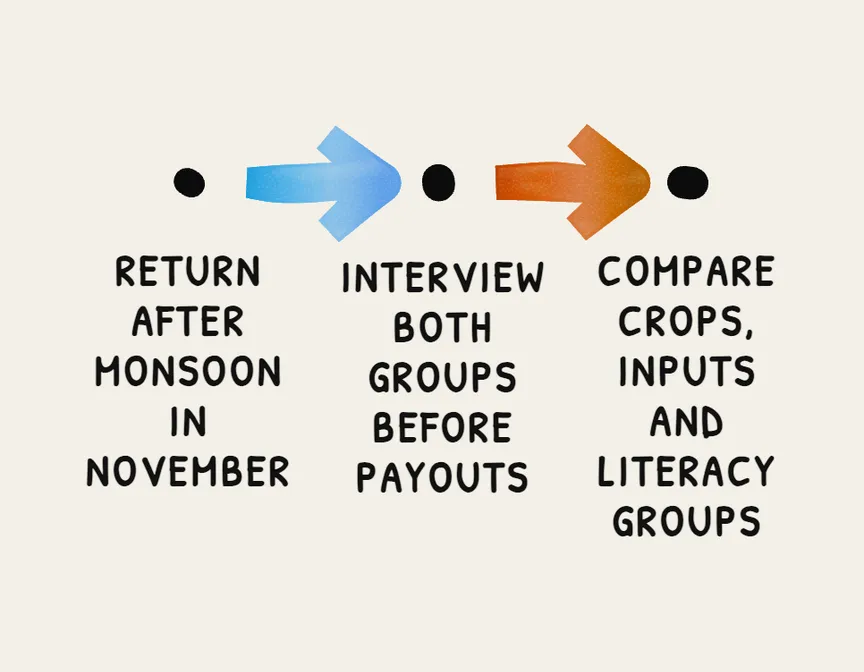
Surveying households before payout disbursements isolates how risk coverage alters forward-looking planting choices from the income effects of receiving cash.
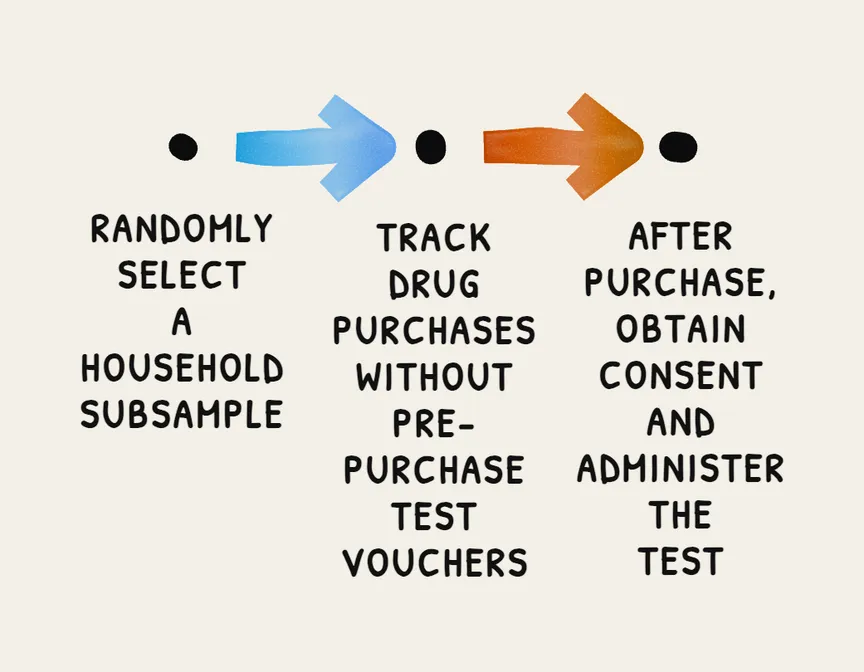
Post-purchase blood testing establishes an unbiased objective baseline of true infection rates among drug buyers without altering initial retail purchasing decisions.
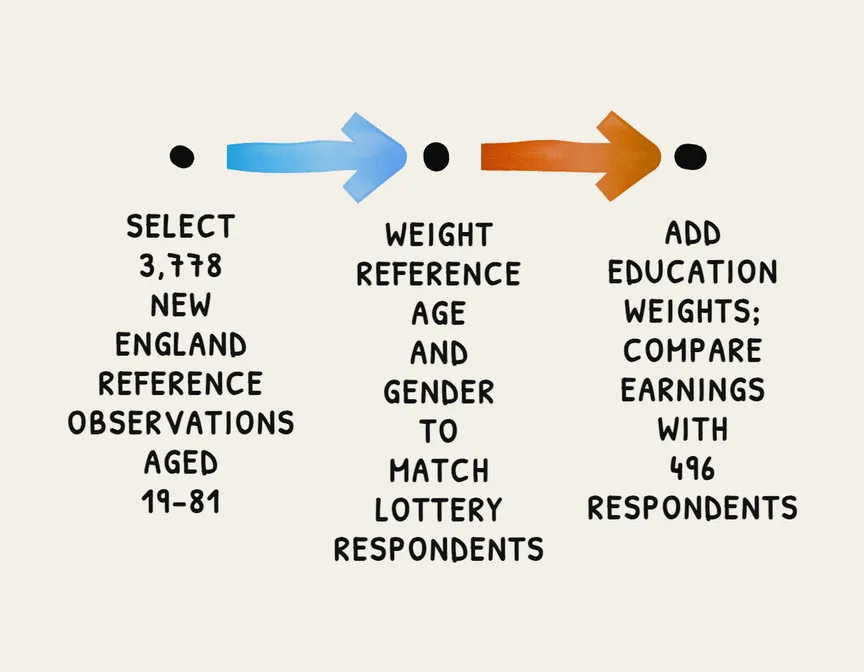
Demographic post-stratification weighting balances differences in age, gender, and schooling structures across survey datasets.
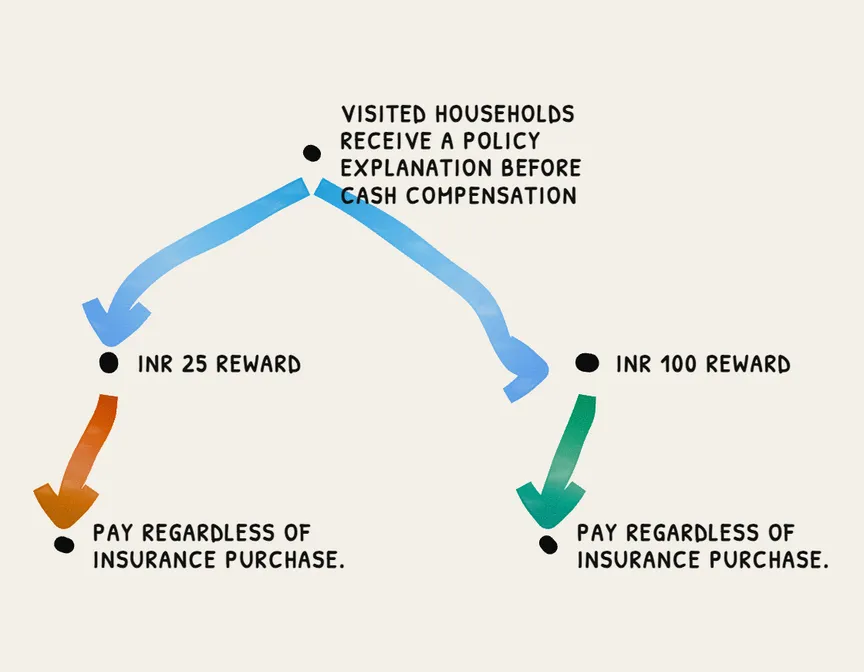
Providing immediate cash rewards relaxes severe household liquidity constraints at the moment of purchase.
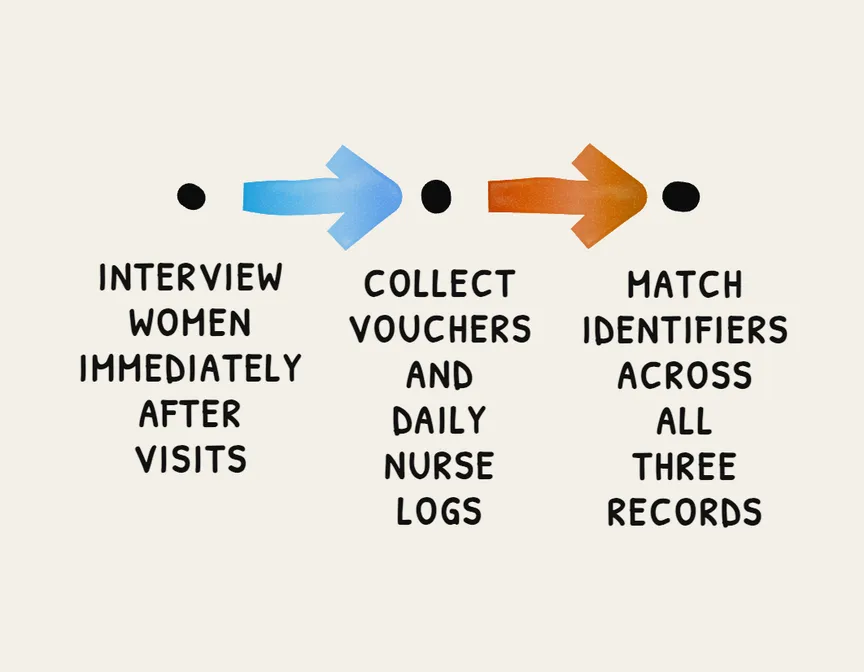
Interception immediately post-visit captures unvarnished explanations of spousal hiding and misrepresentation while memories remain fresh.
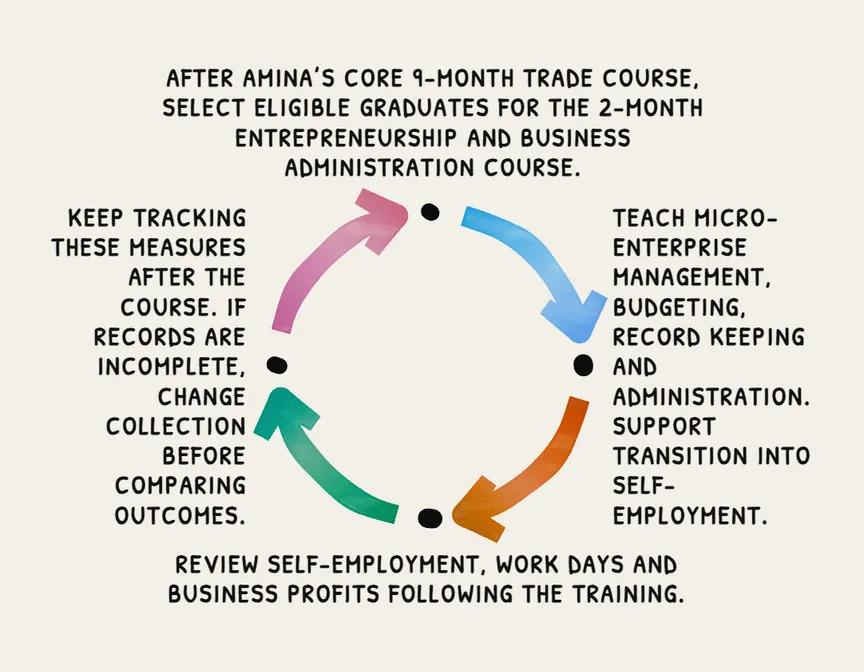
Post-vocational business management training equips technical graduates with practical administrative skills needed to manage cash flow and run viable enterprises.
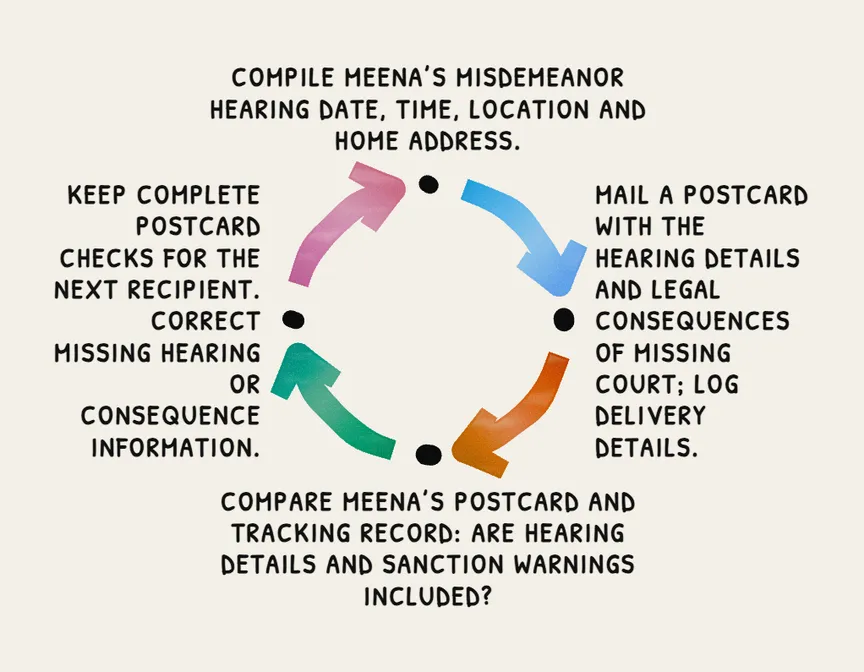
Adding information about legal consequences alongside scheduling details clarifies both the process and the risks of missing court.
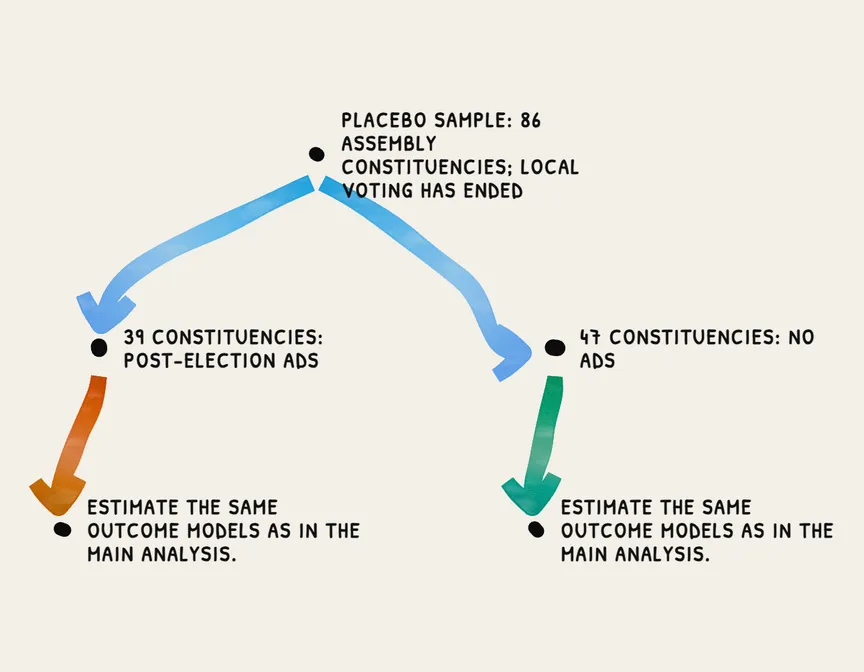
Because post-election broadcasts occur after ballots are cast, they cannot plausibly influence voter choices or party spending during the election.
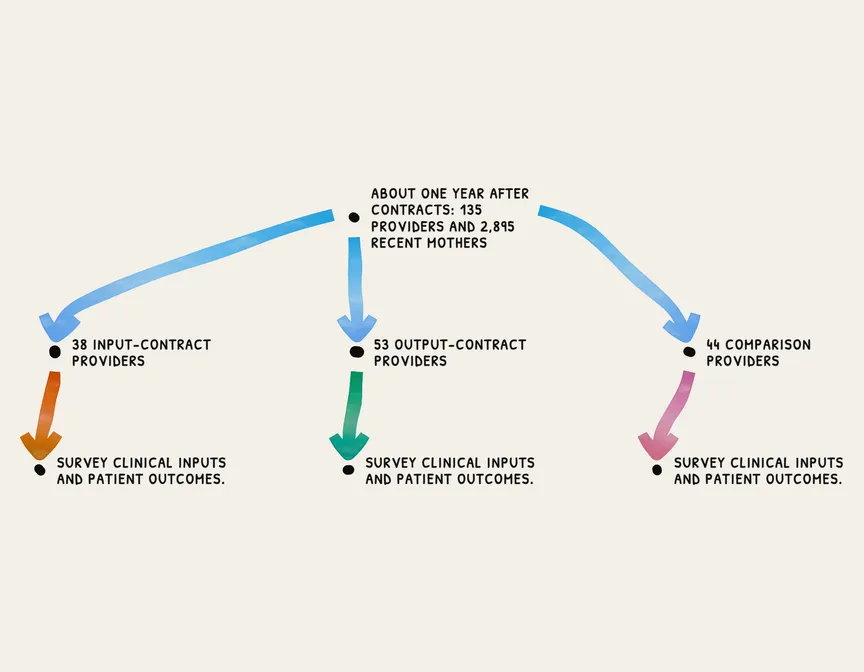
Direct patient and provider surveys generate independent, verified clinical data without relying on incomplete facility records.
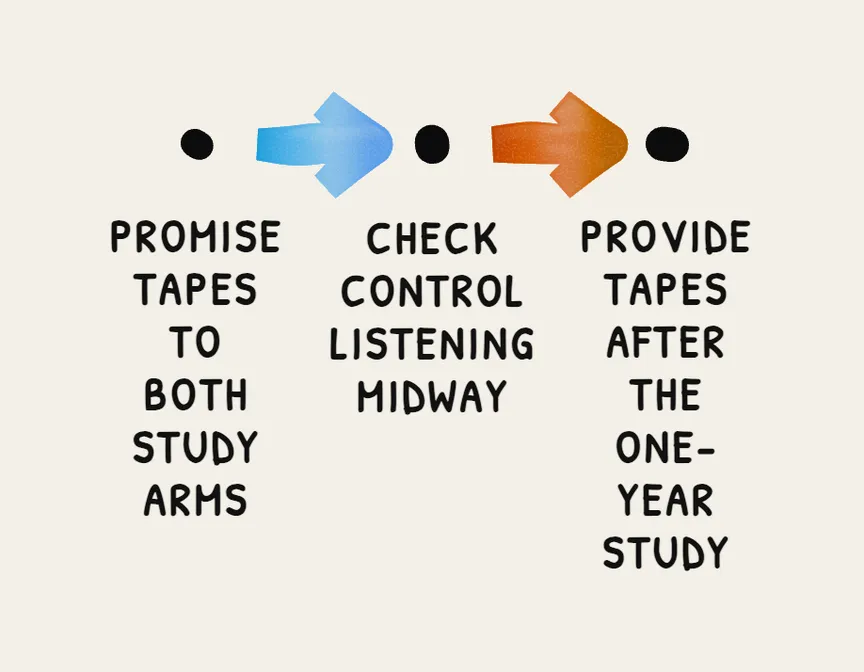
Participants view compliance as a temporary delay rather than a permanent loss because they receive the entire broadcast series after data collection ends.
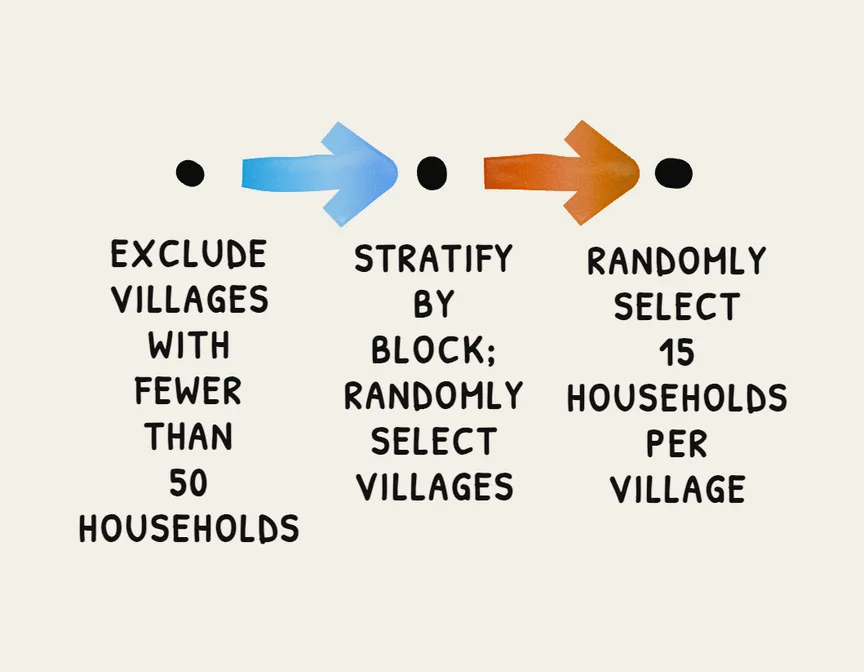
Using pre-existing administrative poverty lists ensures unbiased village selection and representative sampling of low-income rural households.
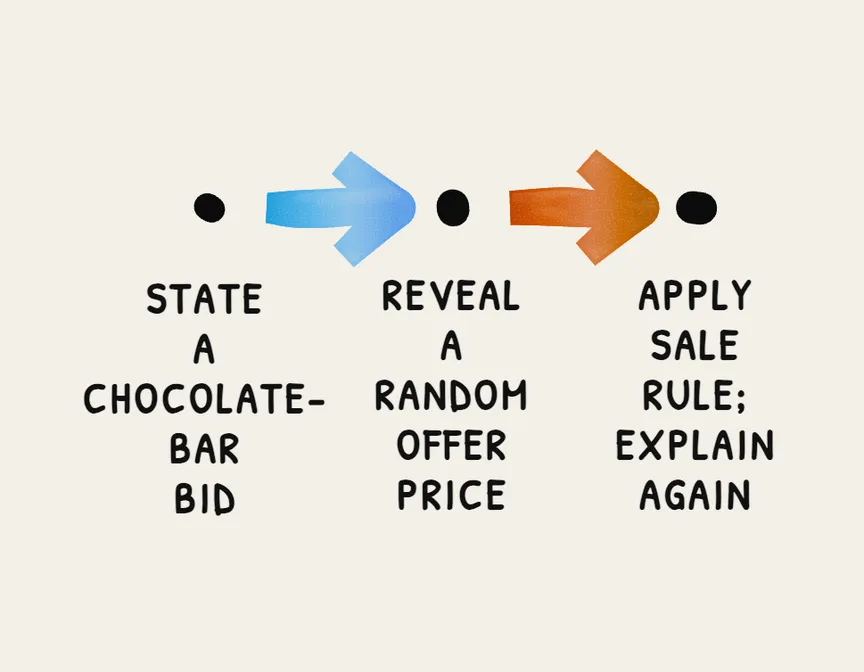
Simulating the BDM mechanism with a tangible, low-stakes item gives subjects hands-on experience with the pricing rules and payoff structure.
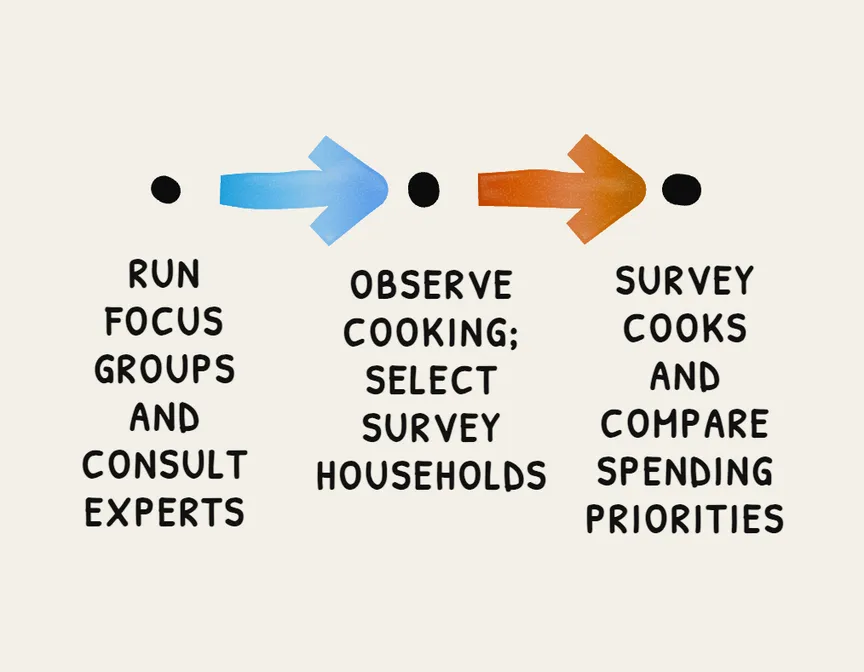
Asking households directly reveals local priorities and willingness to pay before product deployment.
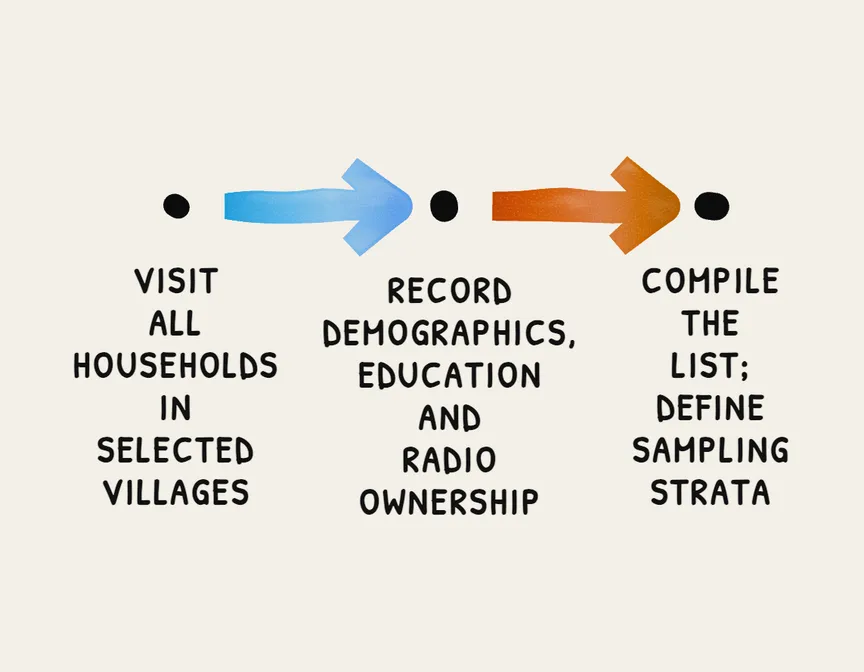
A complete census listing provides an unbiased, up-to-date sampling frame that captures every eligible resident in target communities.
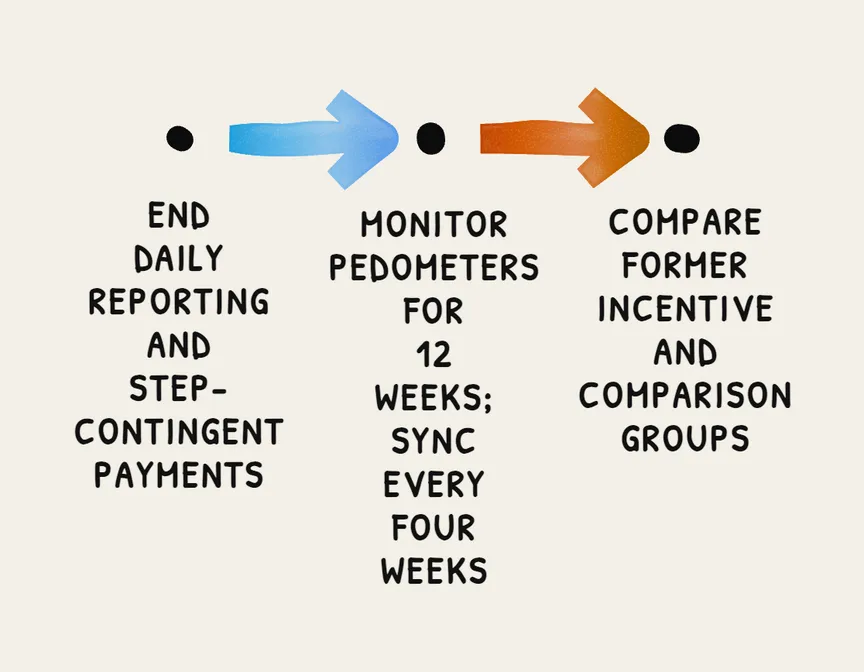
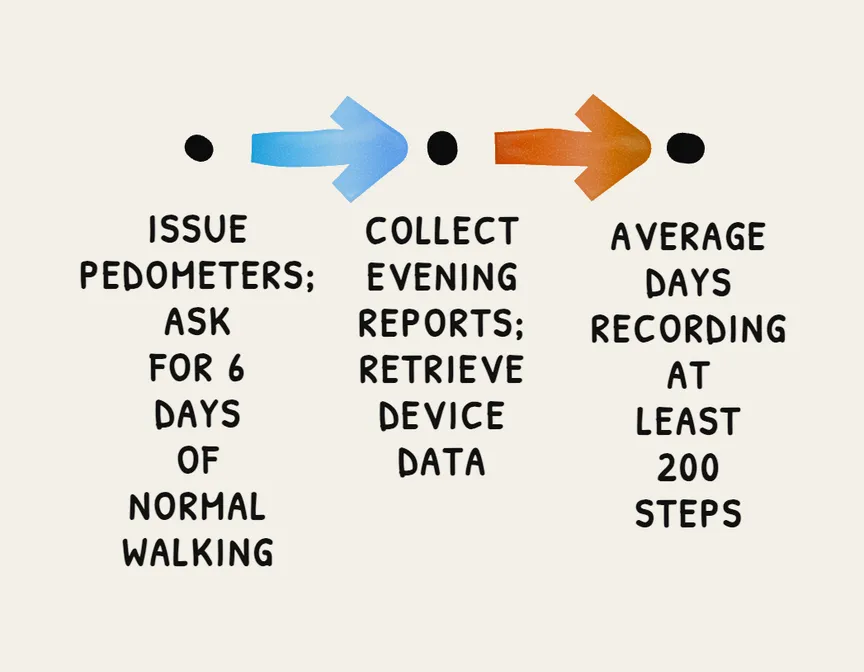
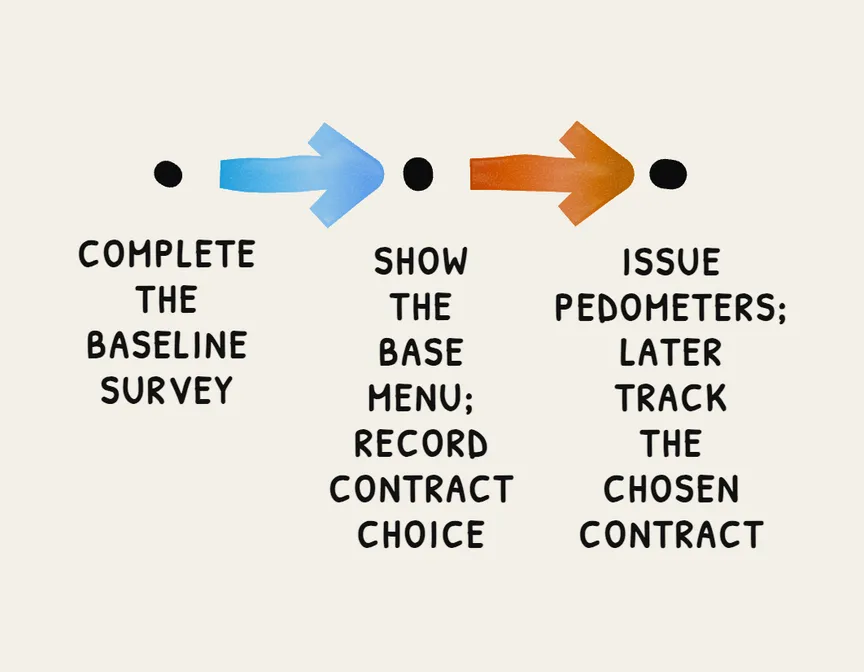
Measuring activity without financial rewards for meeting targets reveals an individual's intrinsic walking type before incentives alter behavior.
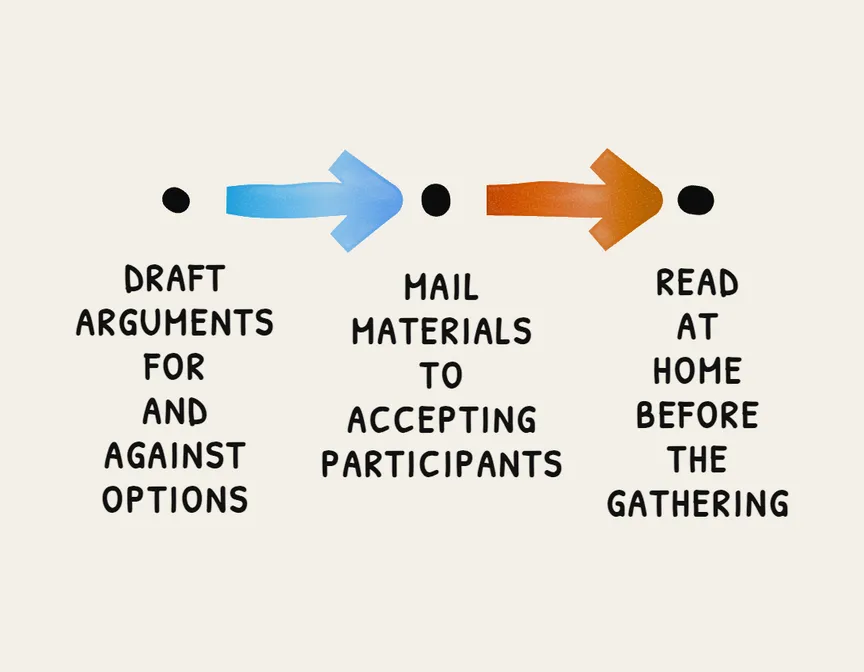
Carefully balanced briefing materials provide a shared, factual foundation for all participants regardless of prior knowledge.
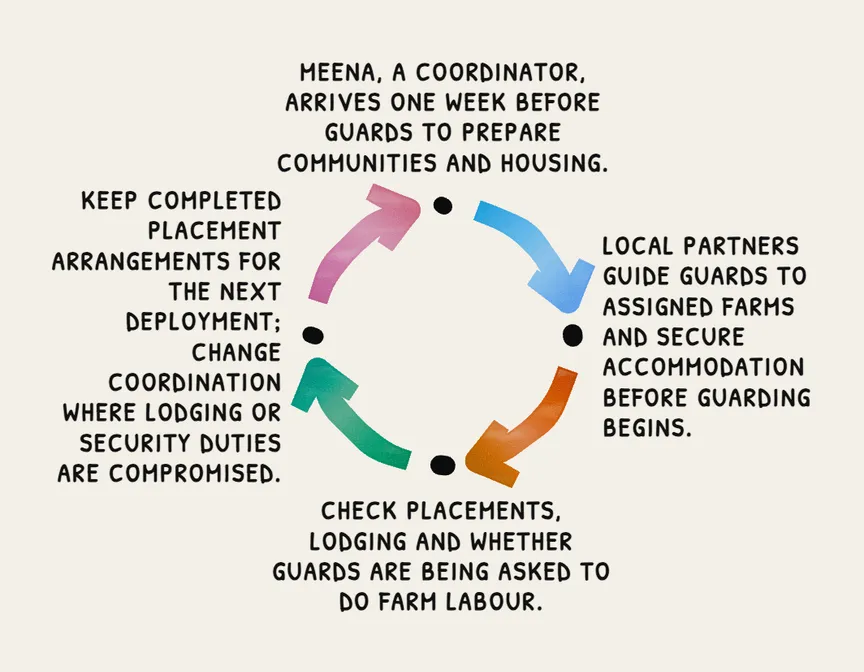
Leveraging local agricultural partner networks ensures guards find proper lodging and navigate unfamiliar terrain.
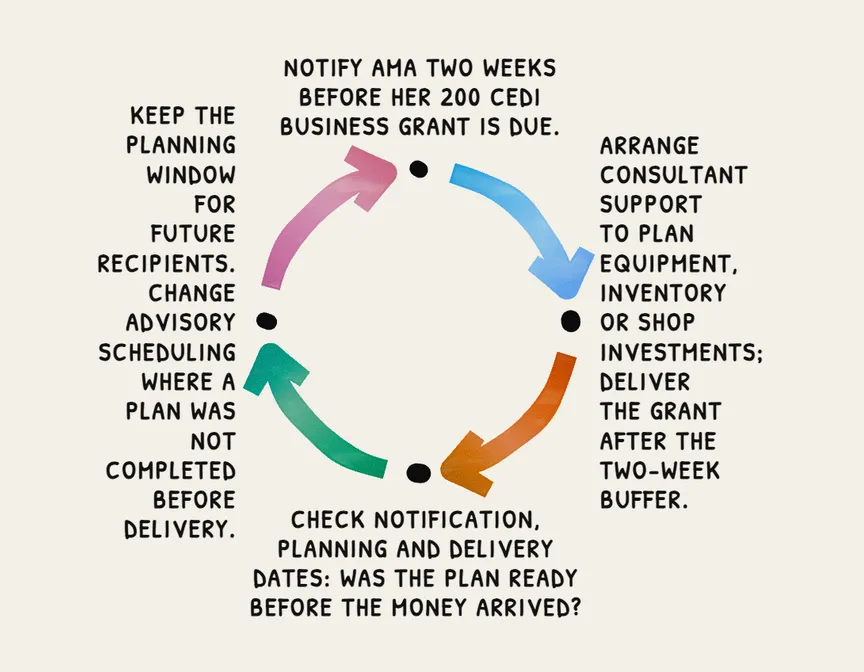
An advance notification window gives entrepreneurs time to evaluate operational bottlenecks and consult business advisors before holding liquid cash.
Participants frequently possess accurate self-knowledge regarding their general physical activity habits even without pedometer tracking experience.
In-person reminders counter cognitive inattention and memory decay by highlighting upcoming deadlines, helping individuals overcome limited attention to utilize health benefits before they expire.
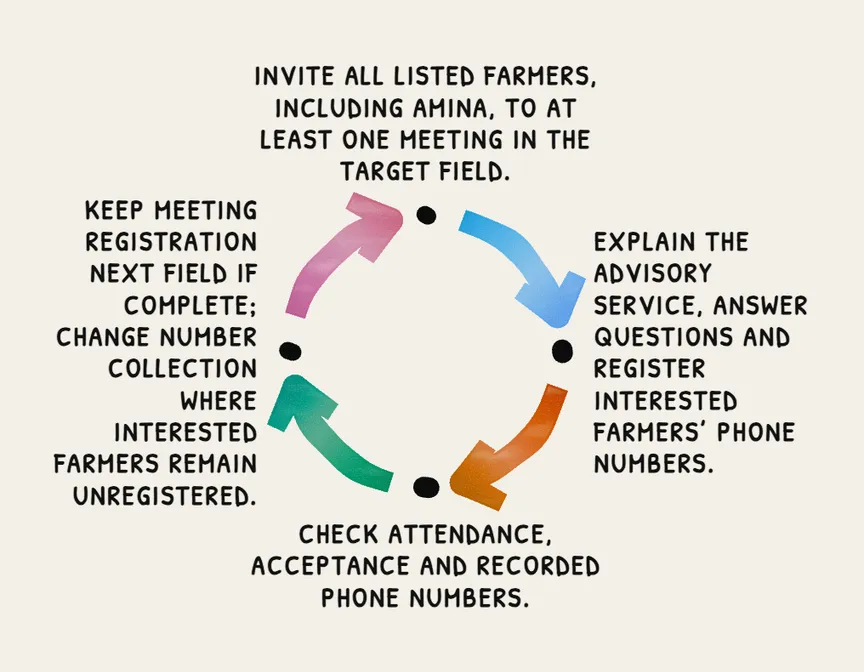
Organizing short learning sessions helps farmers learn from peers and observe standing crop results in person before harvest.
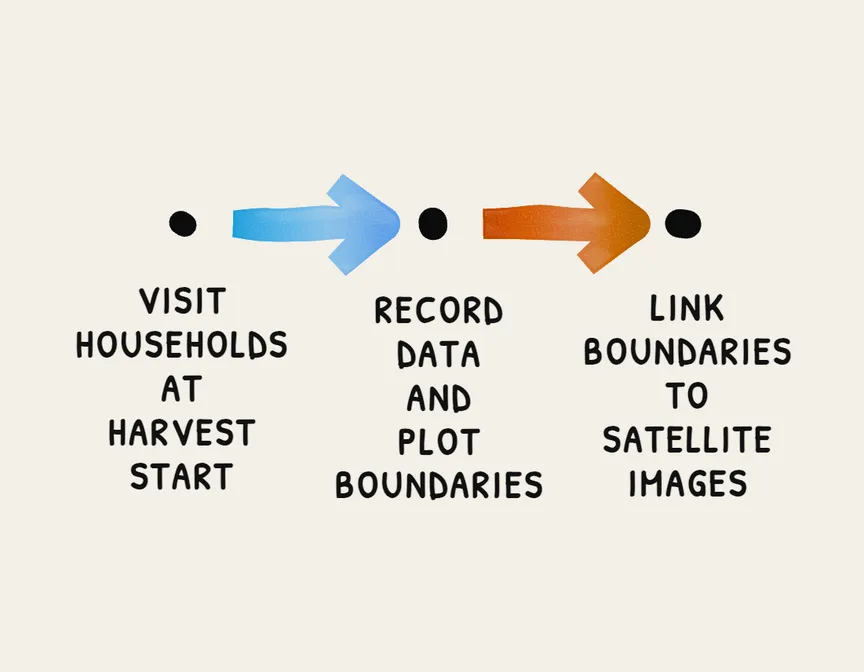
Establishing geographic boundaries before harvest prevents plot misattribution and baseline spatial error.
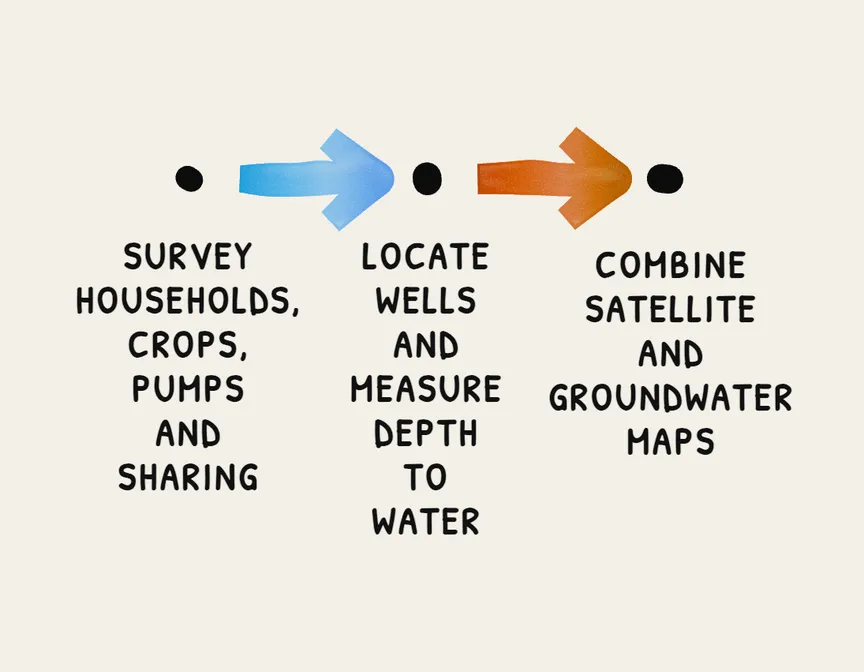
Integrating socio-economic survey data with geographic and hydrogeological information creates robust baseline controls for impact evaluation.
In-person meetings reduce trust barriers and overcome missing contact records.
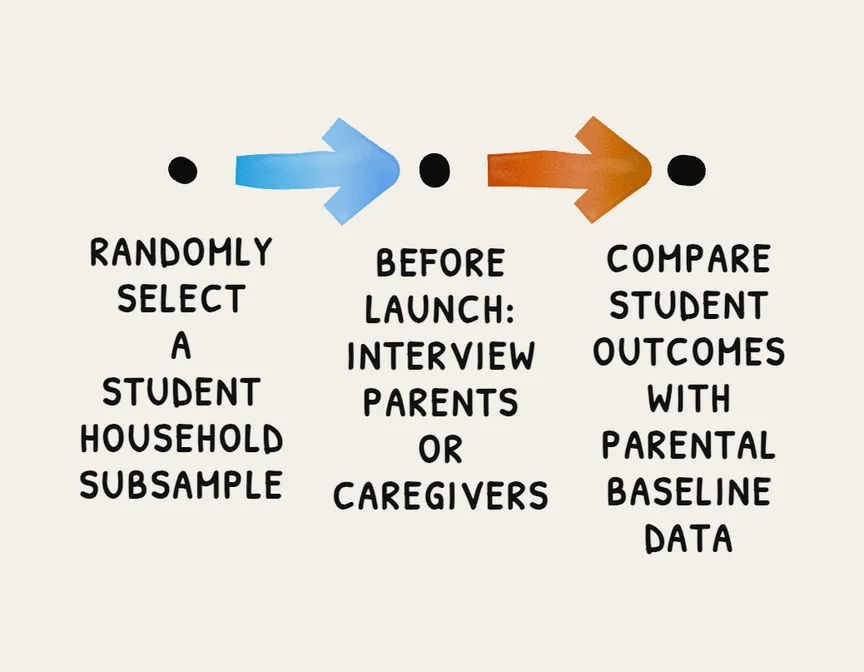
Measuring parental views before program launch allows researchers to test whether intergenerational attitudes restrict student attitude and behavior change.
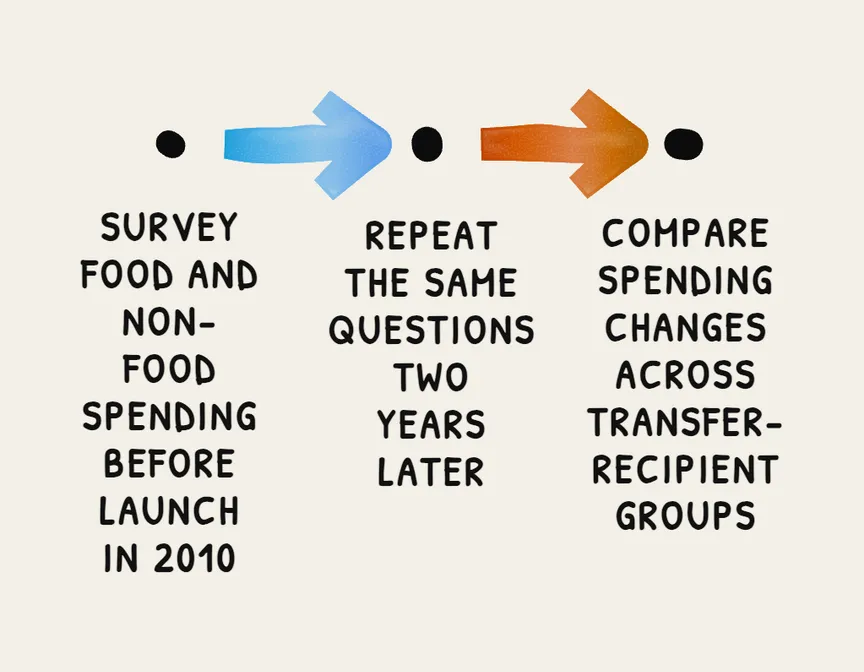
Collecting identical spending data before and after an intervention allows researchers to isolate exact budget shifts caused by the policy.
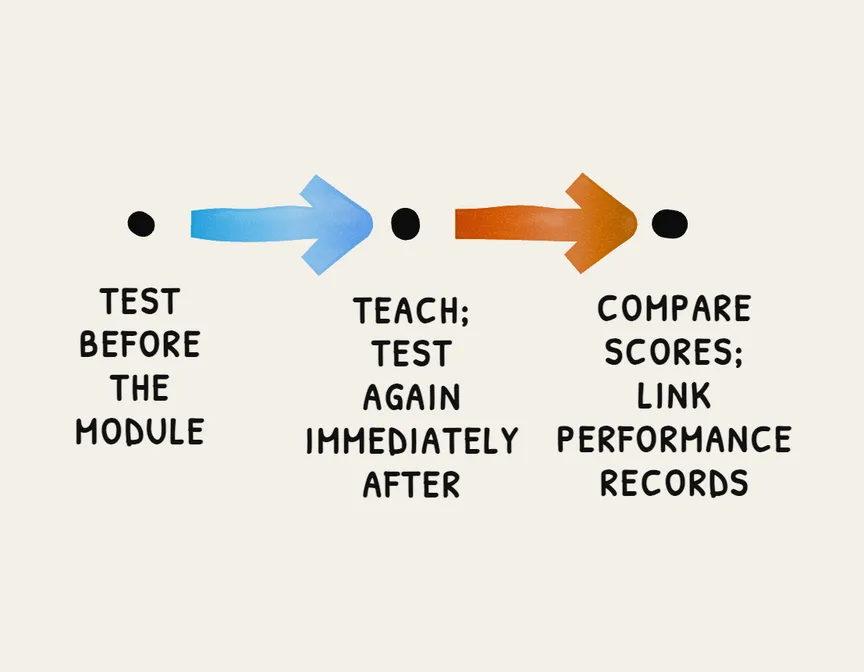
Pre- and post-testing confirms that workplace training generates genuine knowledge acquisition rather than simple attendance.
Pairing pre- and post-intervention surveys isolates specific cognitive and behavioral shifts resulting from generic versus personalized informational campaigns.
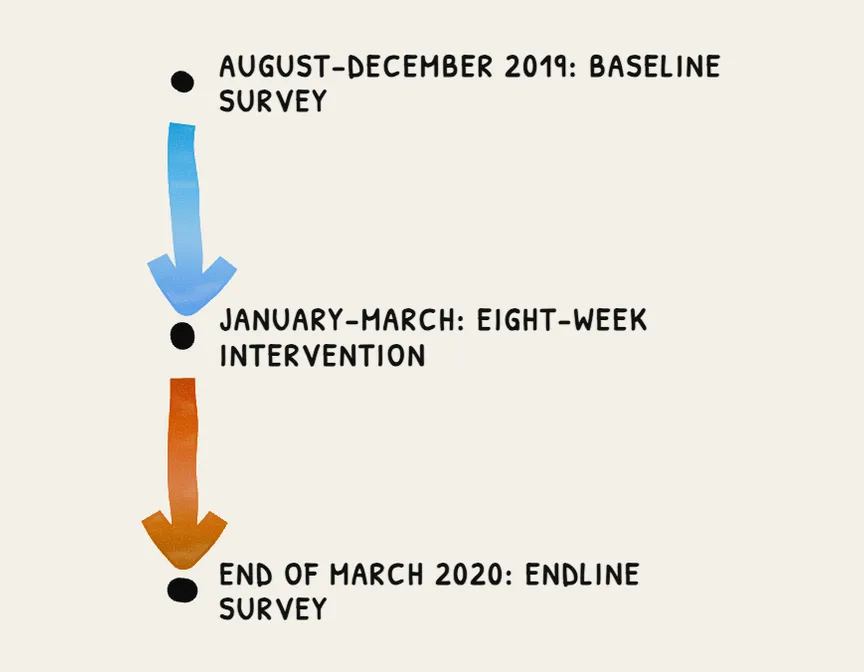
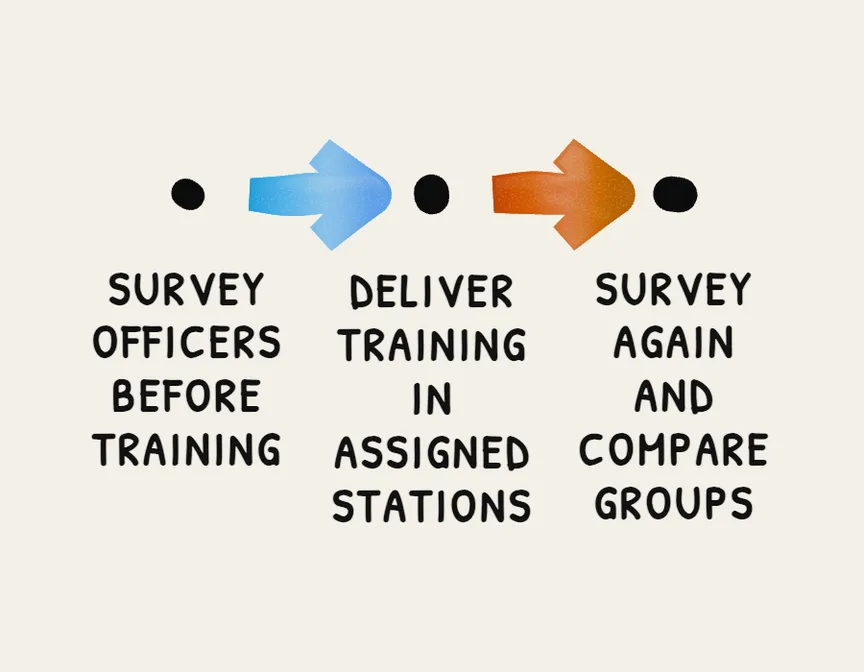
Surveys systematically track changes in officer mindsets and legal knowledge before and after an intervention.
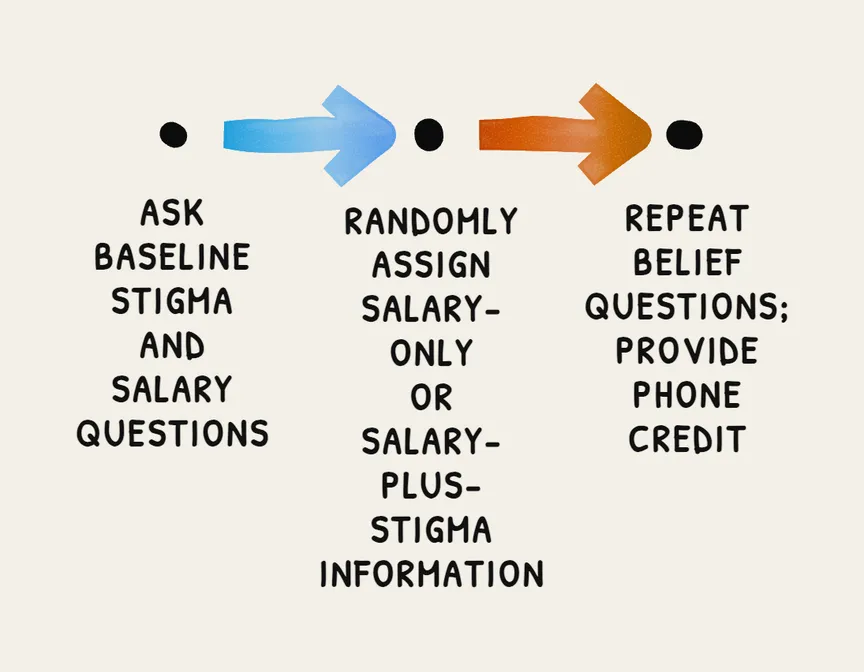
Holding salary information identical across treatment arms ensures that differences in post-treatment responses isolate changes in social image beliefs.
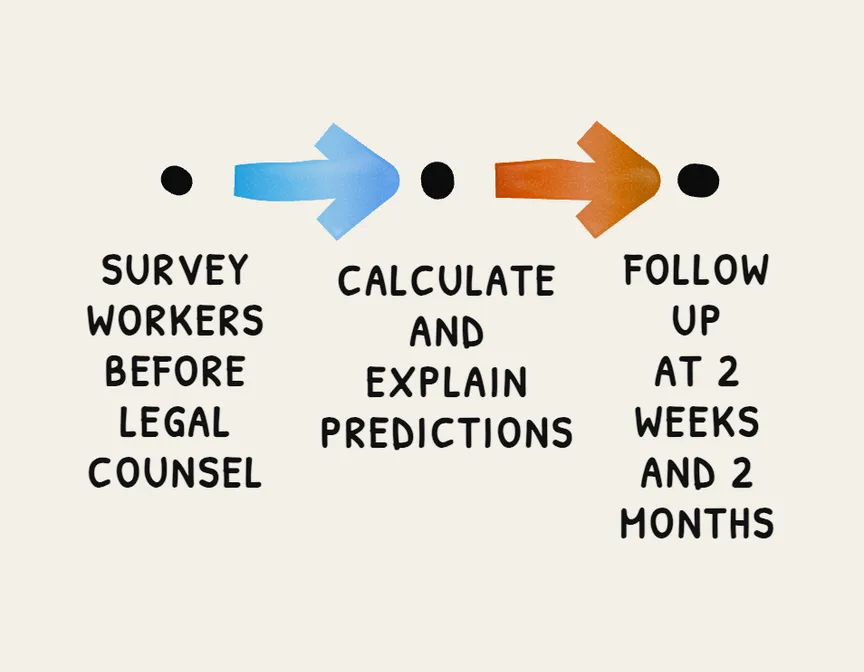
Informing workers before hiring private lawyers debiases excessive optimism when workers are still free to negotiate directly.
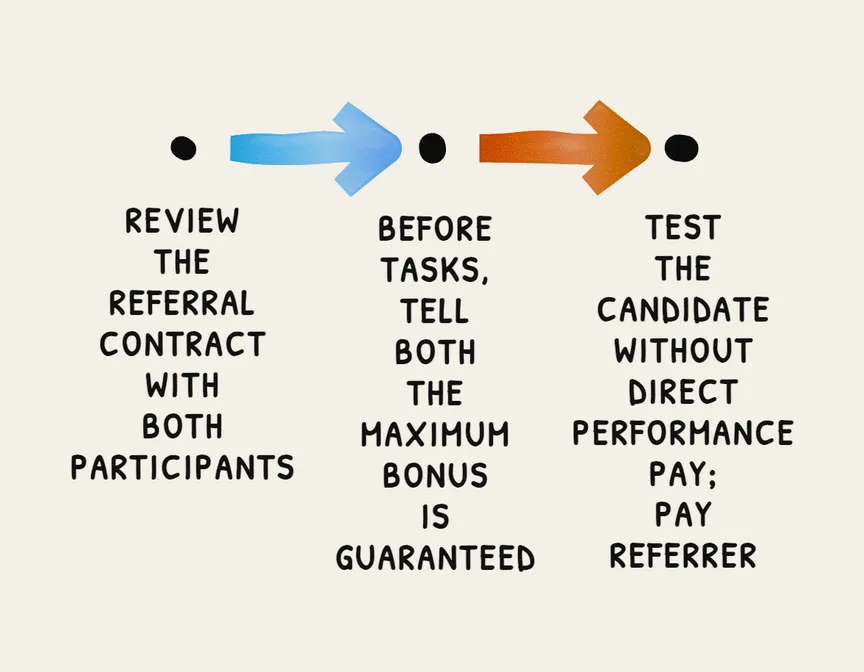
Guaranteeing full bonus payment before task execution removes the referrer's incentive to offer candidates cash side payments for high performance.
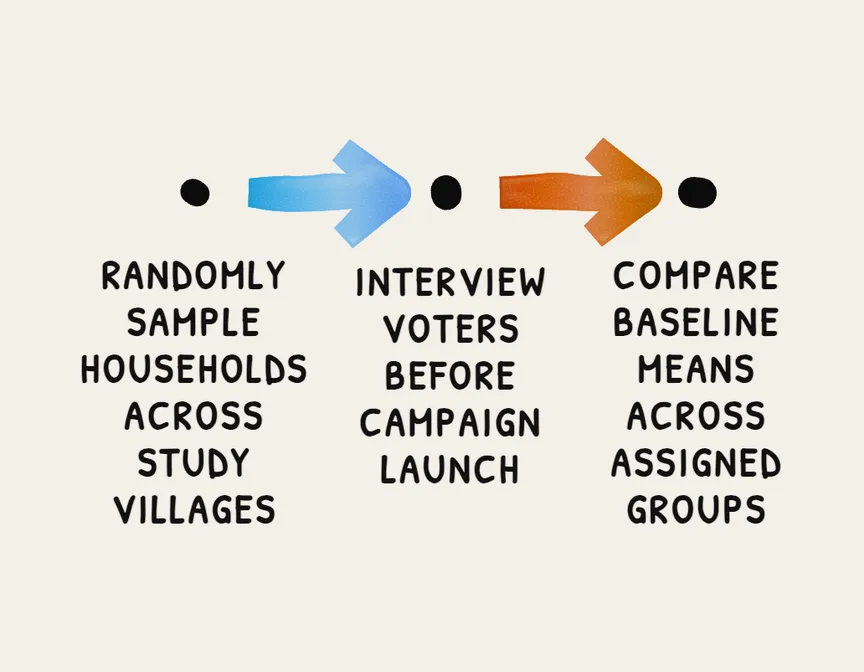
Pre-treatment surveying verifies that randomization successfully created balanced experimental groups prior to intervention delivery.
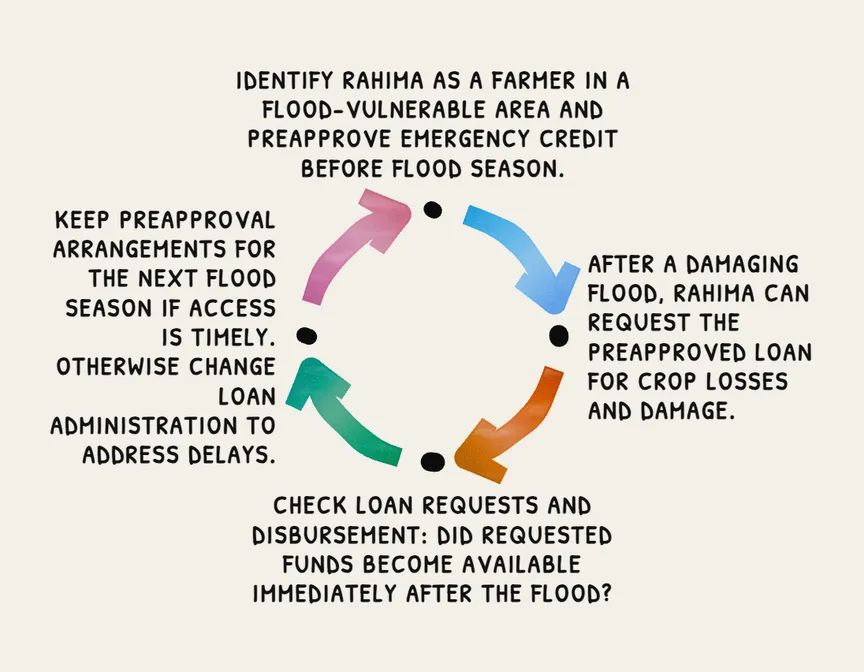
Post-shock emergency credit provides liquidity after damage occurs without requiring upfront investments of labor, time, or capital before the season.
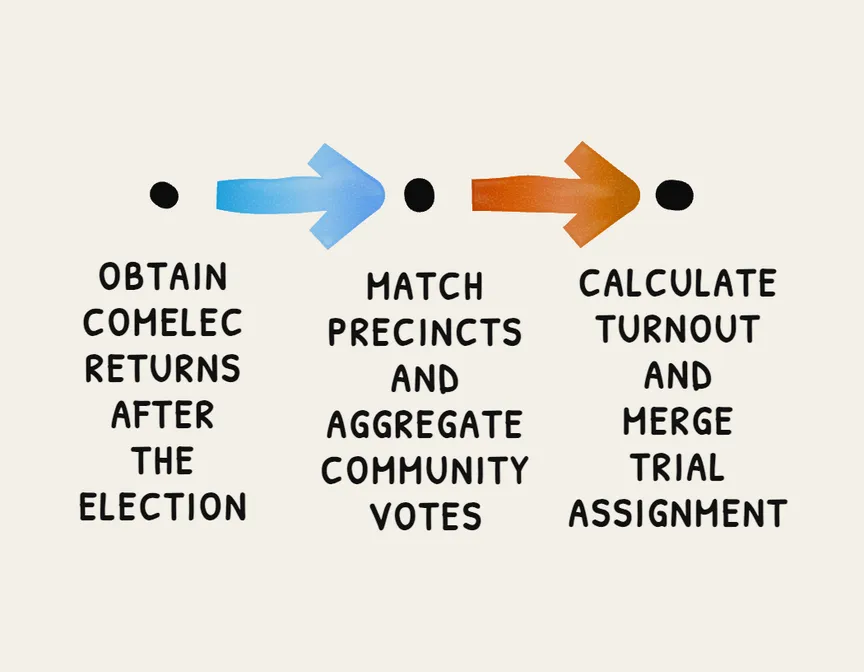
Administrative election data provides complete, objective, and unbiased measurements of actual voter behavior at the ballot box.
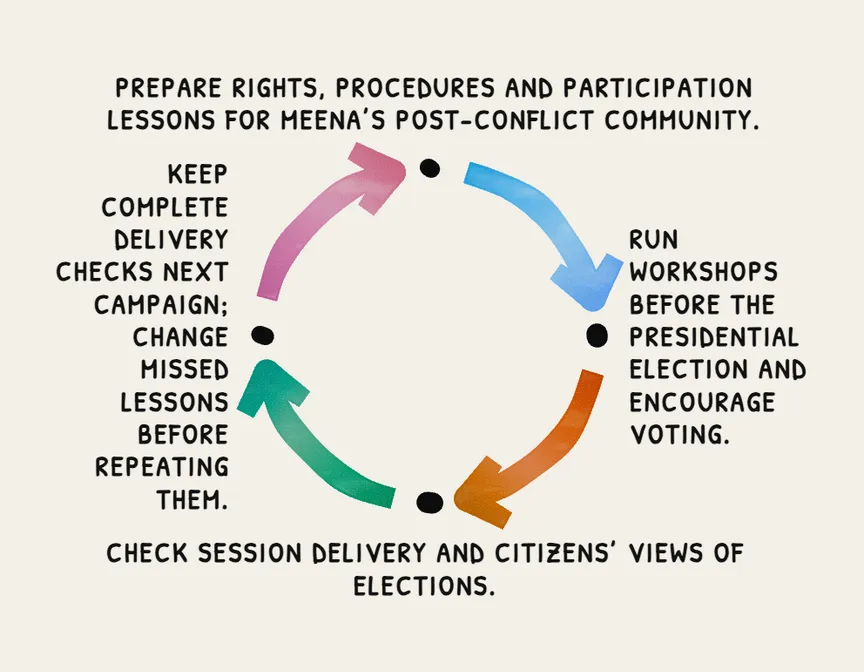
Providing civic education clarifies voting procedures and reinforces civic responsibility, which motivates citizens to turn out on election day despite recent conflict.
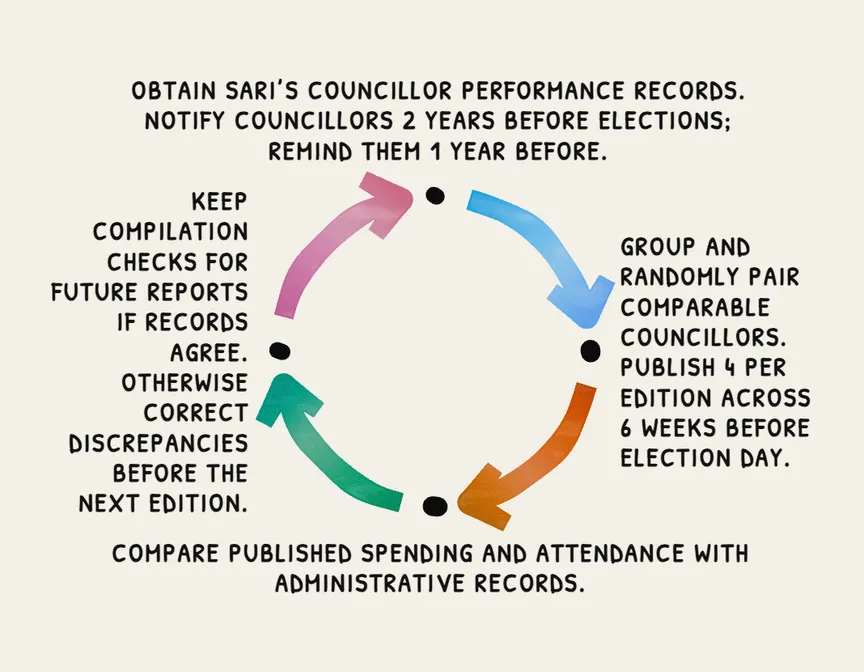
Mass media public disclosures enhance retrospective electoral accountability by providing poorly informed voters with credible candidate performance data.
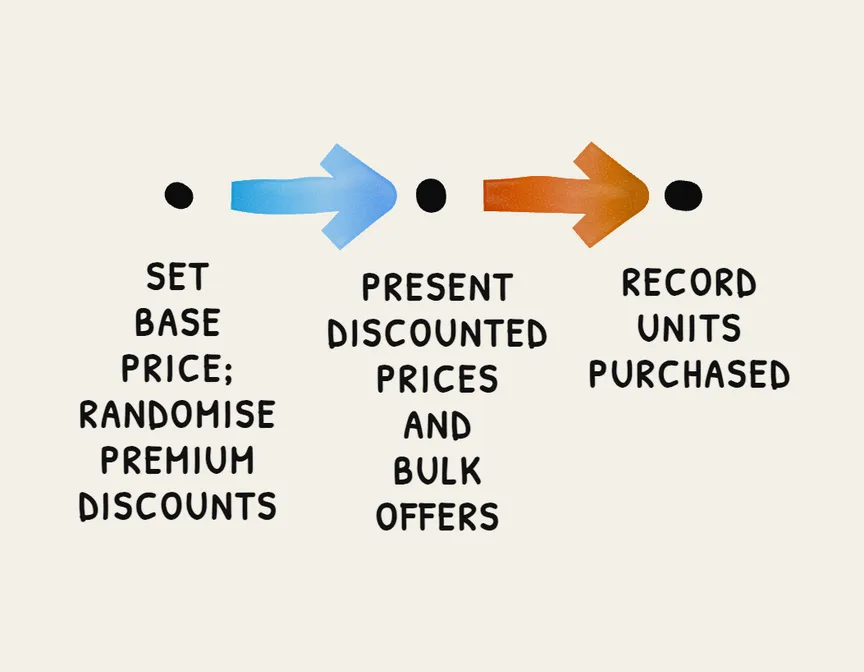
Price discounts lower immediate liquidity hurdles for risk-averse households hesitant to spend limited cash on financial products.
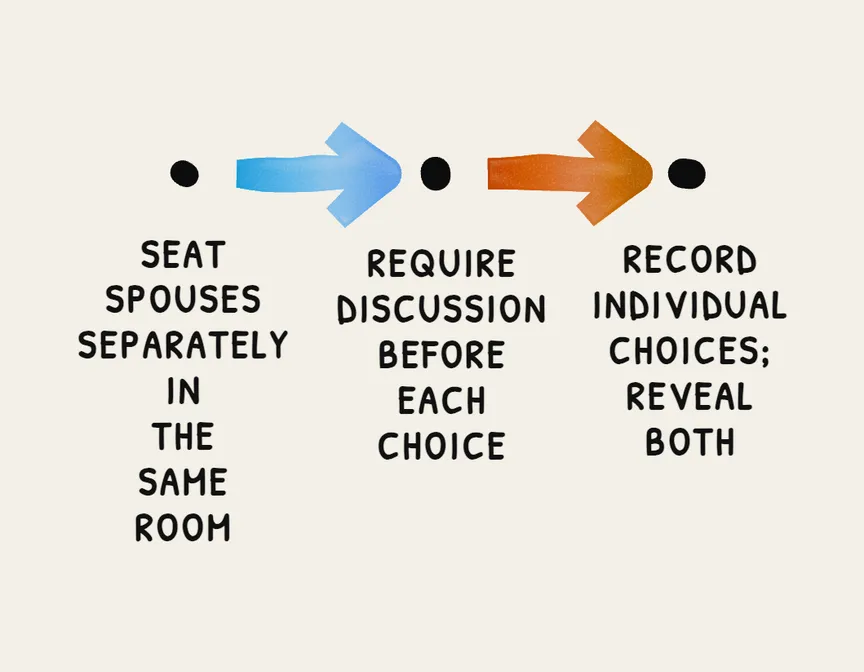
Mandatory communication allows the monitoring spouse to explicitly state preferences and invoke social pressure, raising the punishment cost for explicit defiance.
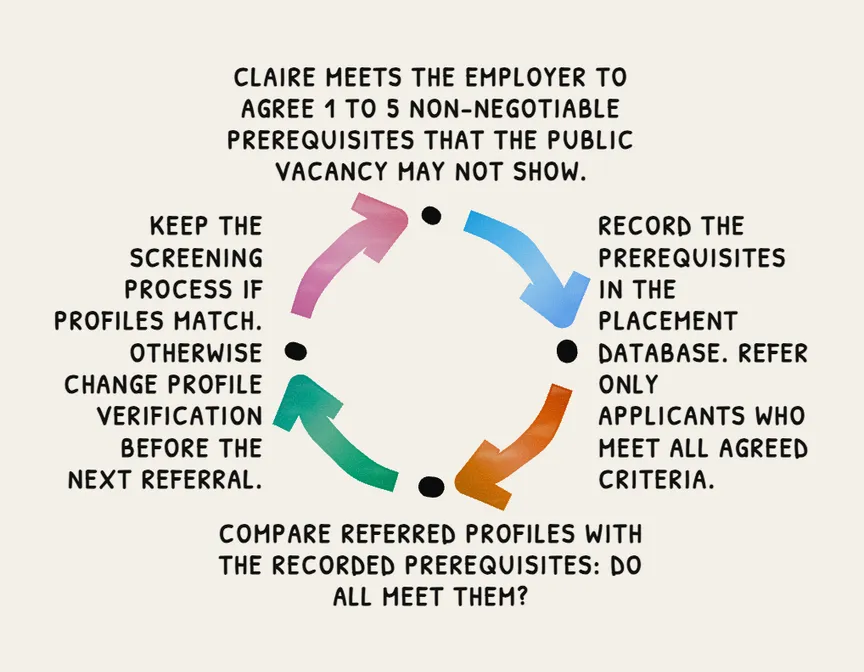
Establishing explicit screening criteria directly with employers aligns candidate vetting with unstated firm needs and reduces applicant processing costs.
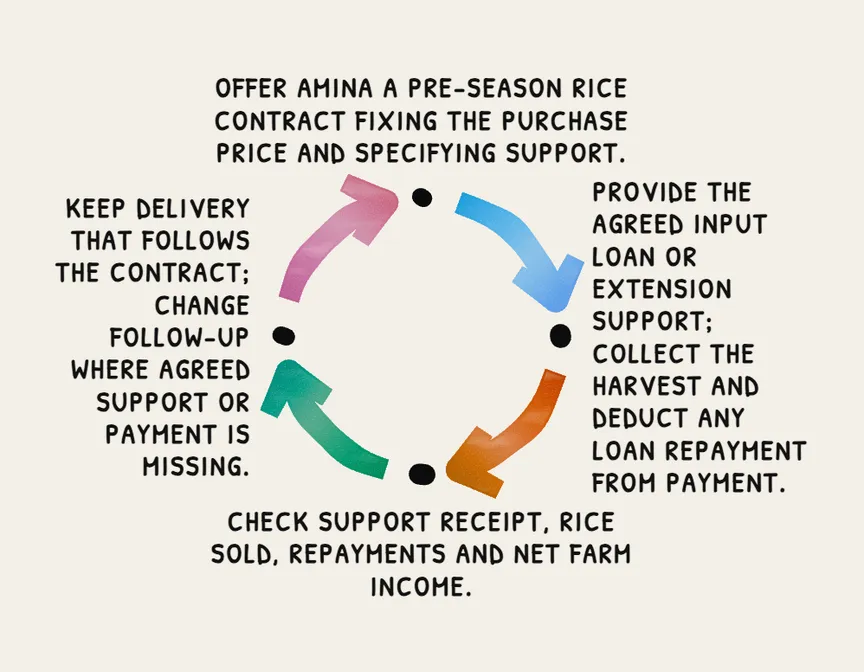
Locking in a stable sale price and providing upfront credit gives farmers the financial security needed to invest in high-quality inputs.
Page 29 of 45
Previous
1
…
28
29
30
…
45
Next