Skip to the methods
Menu
aikyam
school
Findings
Methods
Subjects
All cards
Read
Findings
Methods
Subjects
All cards
Methods
2,124 methods
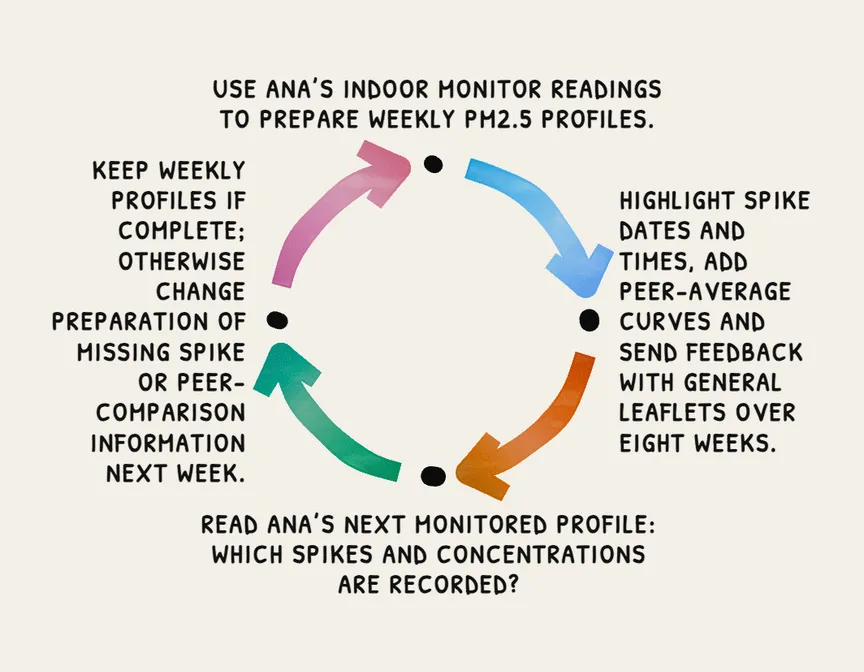
Combining personal emission profiles with peer comparison data overcomes individual optimism bias and inattention regarding household pollution.
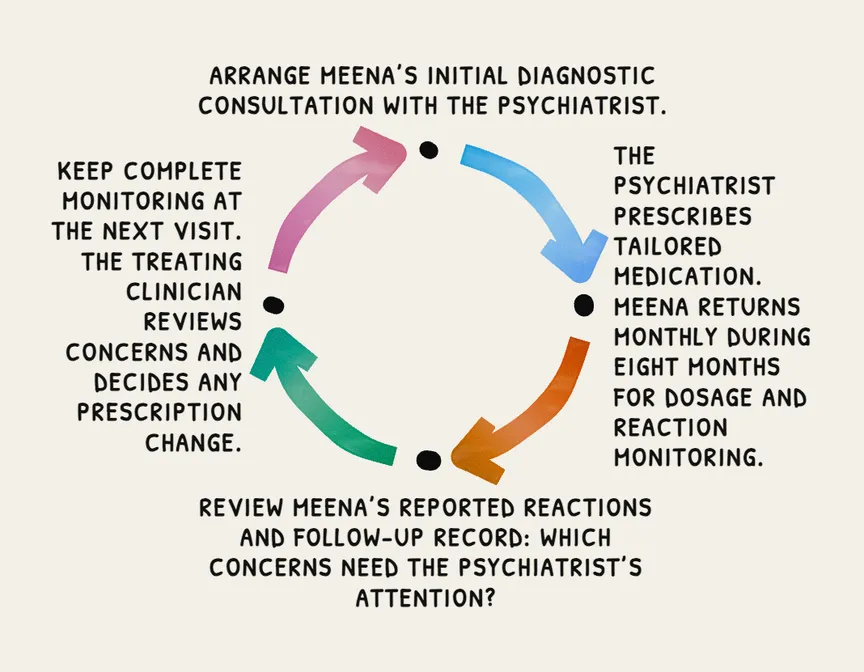
Community-based medication directly targets neurological and psychological causes of depressive illness under professional psychiatric supervision.
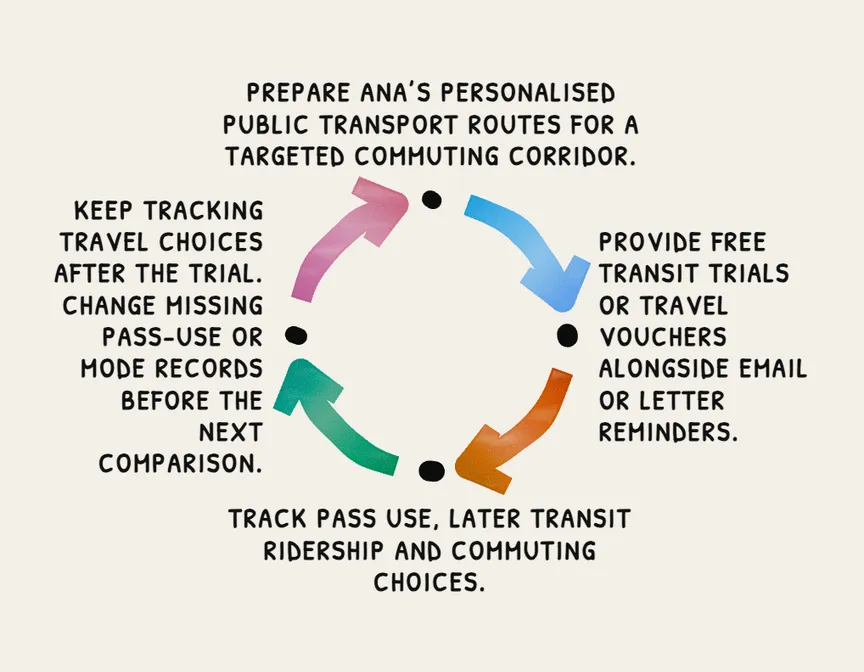
Pairing informational travel guidance with financial trial passes lowers both the cognitive and economic barriers to testing public transit.
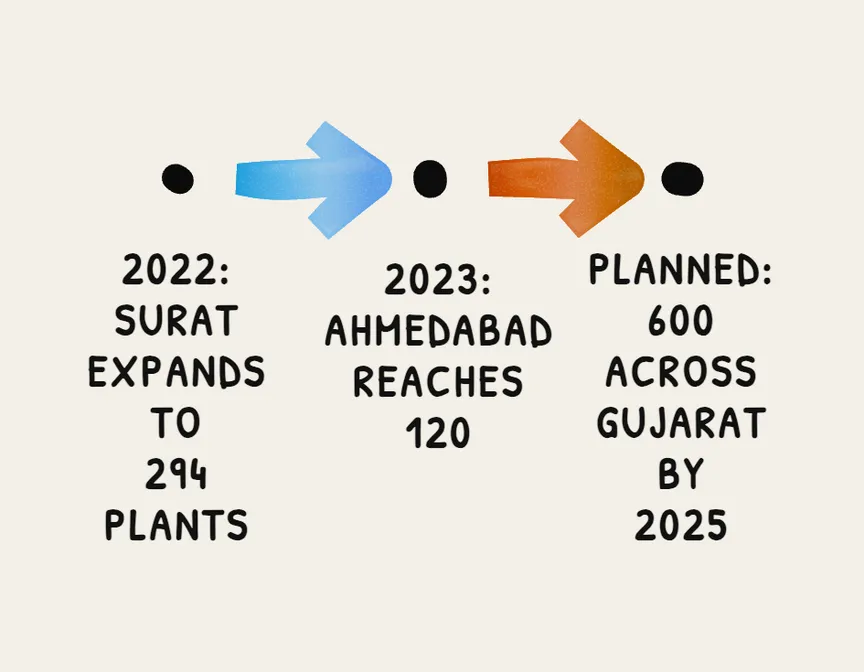
Demonstrating cost-effective pollution reductions in initial pilot markets provides government partners with empirical proof and operational infrastructure to expand market-based regulation to larger urban airsheds.
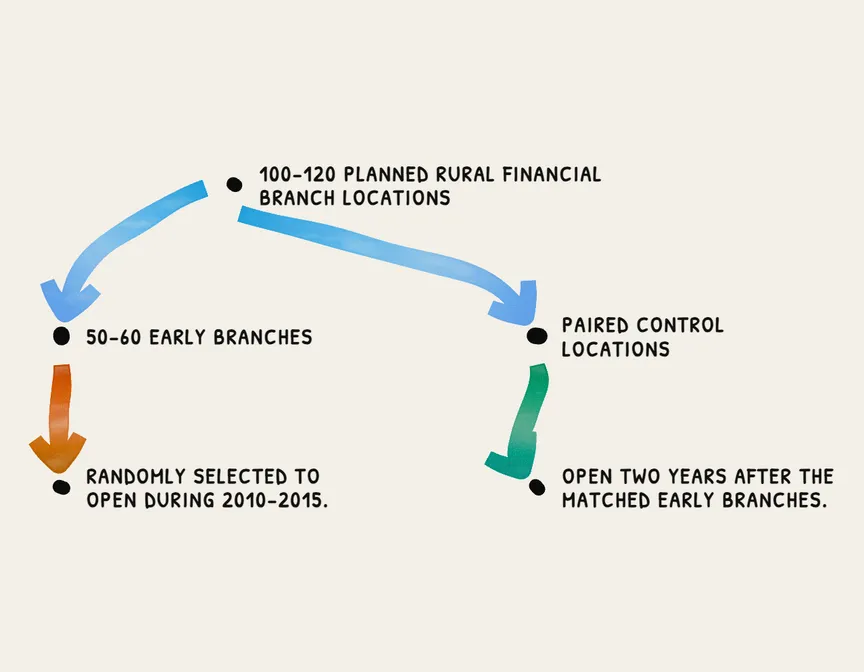
Randomizing branch opening order eliminates geographic selection bias.
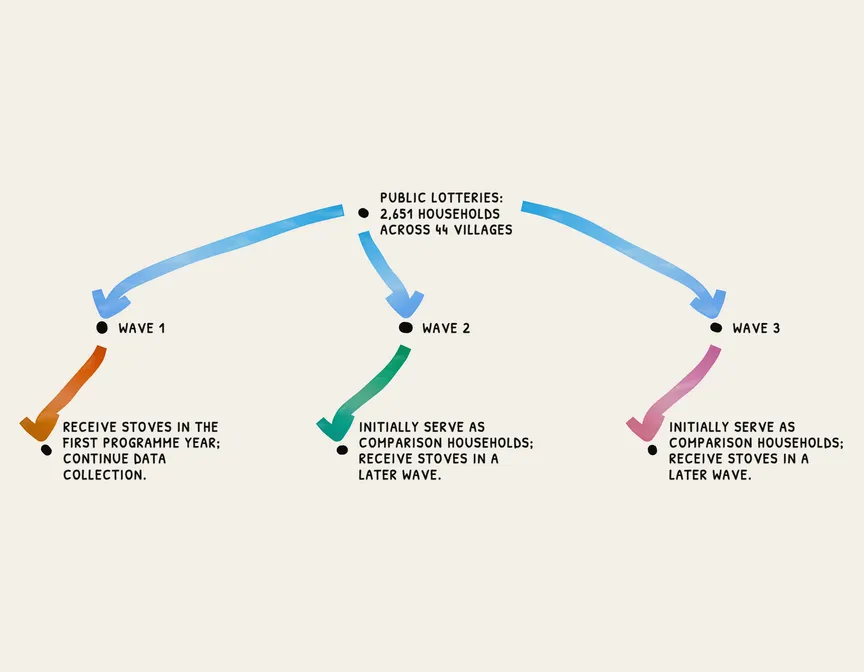
Public lotteries ensure fair and transparent selection, preventing political or socioeconomic bias in program delivery.
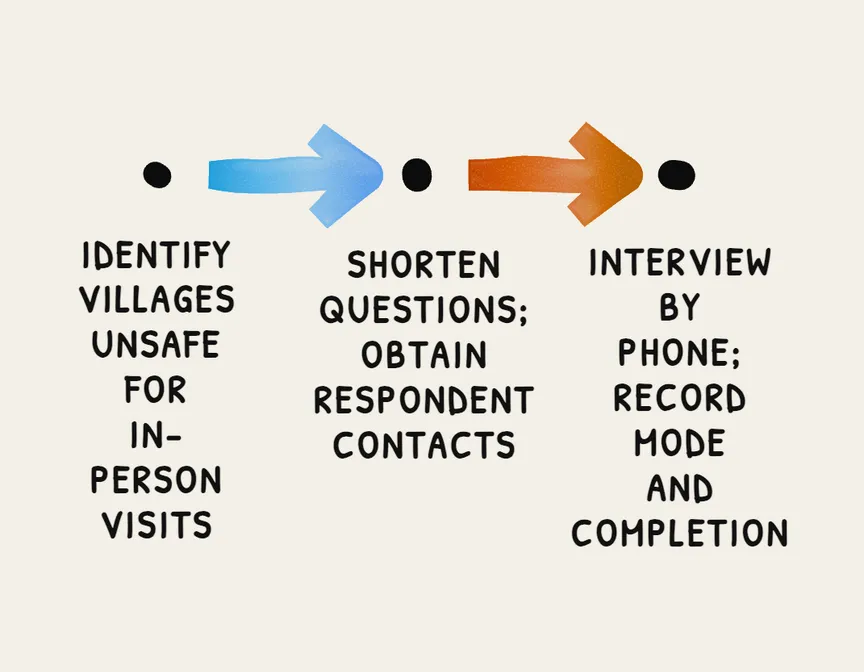
Phone-based surveys allow data collection teams to reach respondents in active conflict zones where in-person fieldwork is impossible.
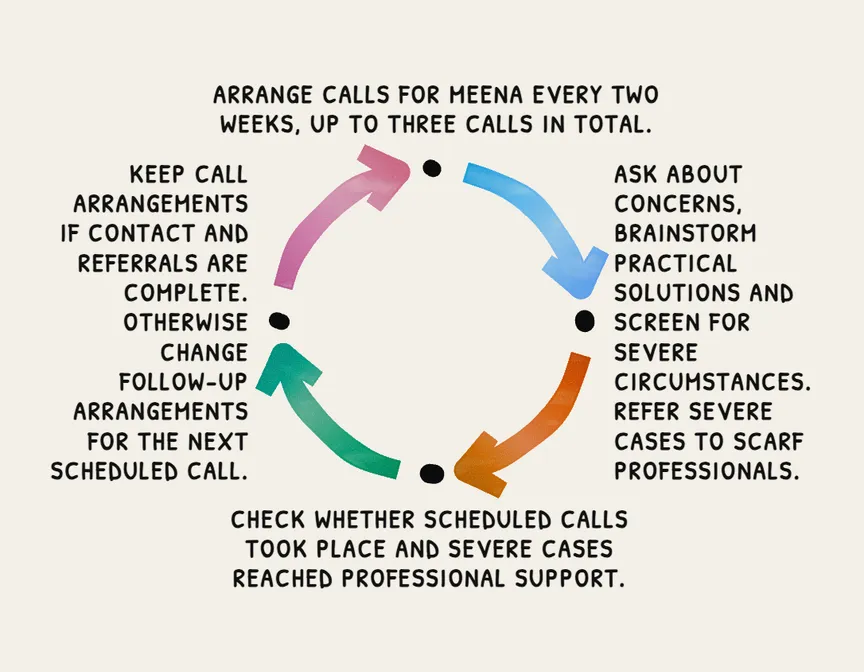
Psychological first aid provides a supportive response method that alleviates mental distress and helps individuals build coping strategies.
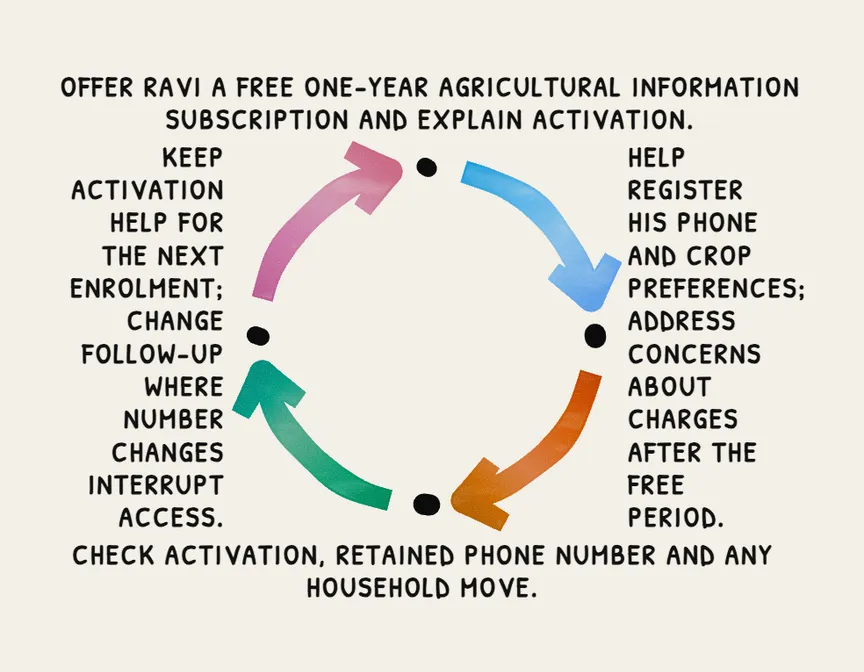
Providing explicit zero-cost subscriptions removes financial entry barriers for risk-averse smallholders.
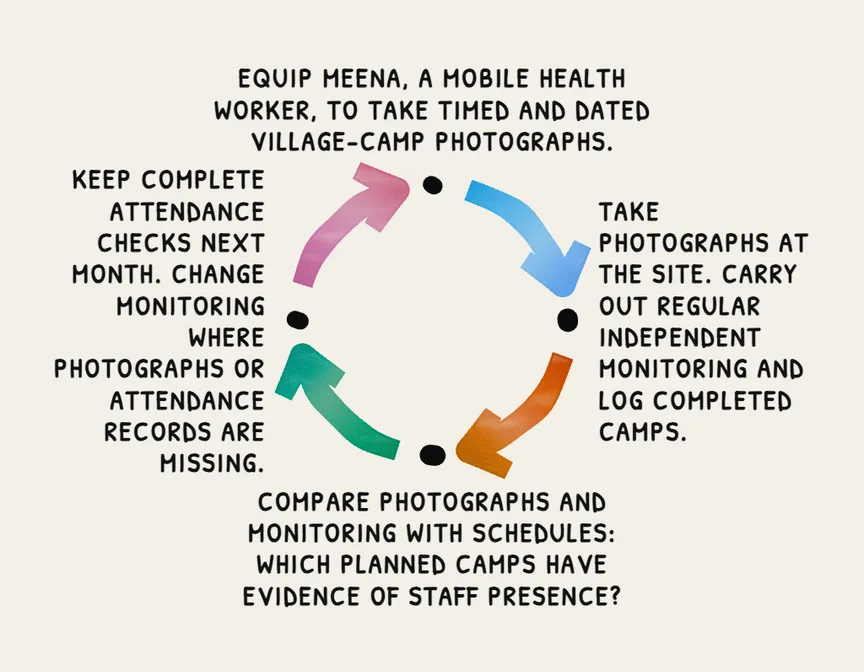
Requiring objective visual proof of attendance with timestamped evidence creates accountability for field staff operating in remote locations.
Reducing non-monetary procedural friction makes application steps clear and predictable, alleviating fears of administrative complexity that prevent retirees from enrolling.
Capturing real-time visual evidence directly from fields reduces reliance on distant weather stations.
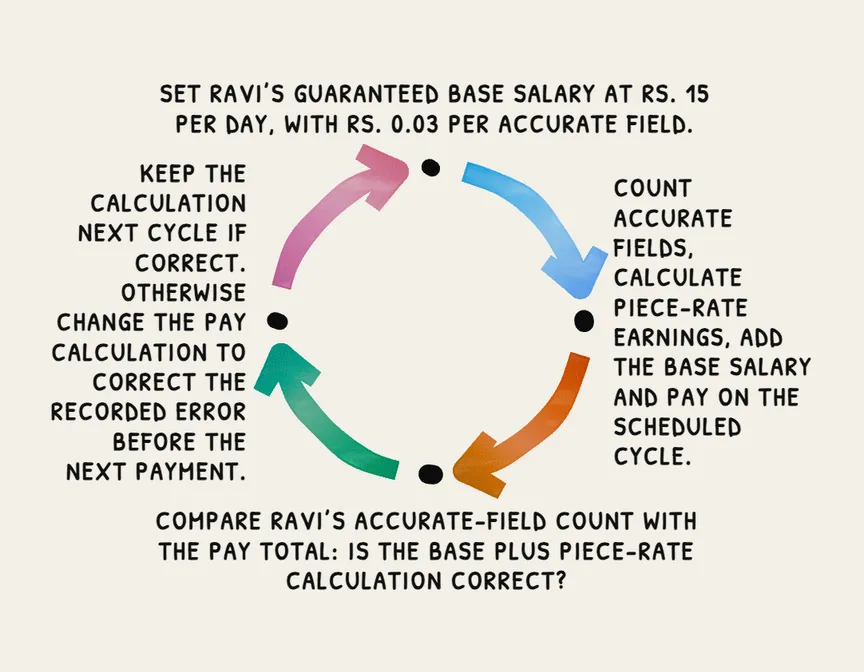
The daily base salary guarantees minimal financial security for attendance.
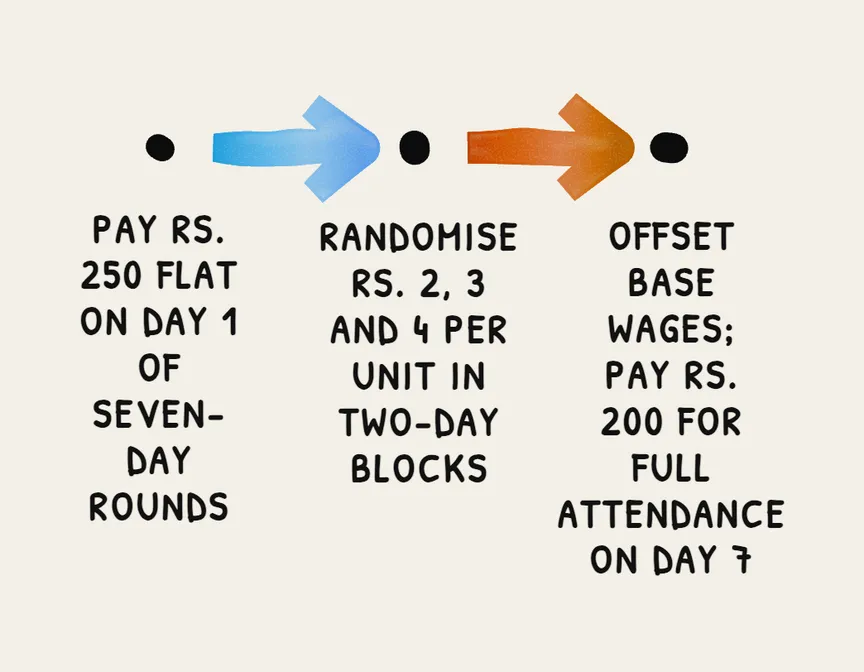
Adjusting base wages inversely alongside piece-rate changes holds worker wealth and financial strain constant, isolating the marginal financial return to conscious physical effort.
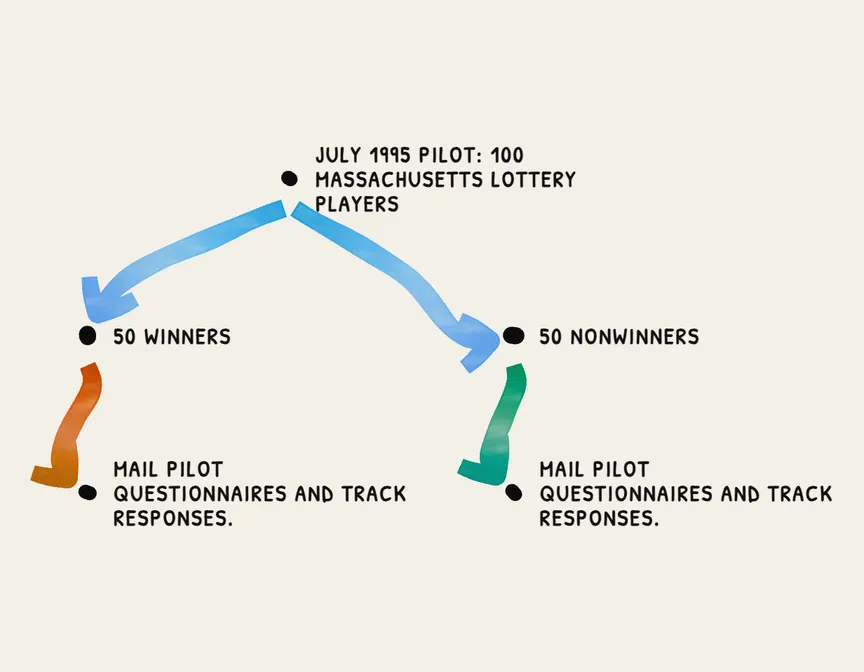
Pre-testing survey protocols on a small sample reveals unexpected nonresponse patterns and operational flaws early.
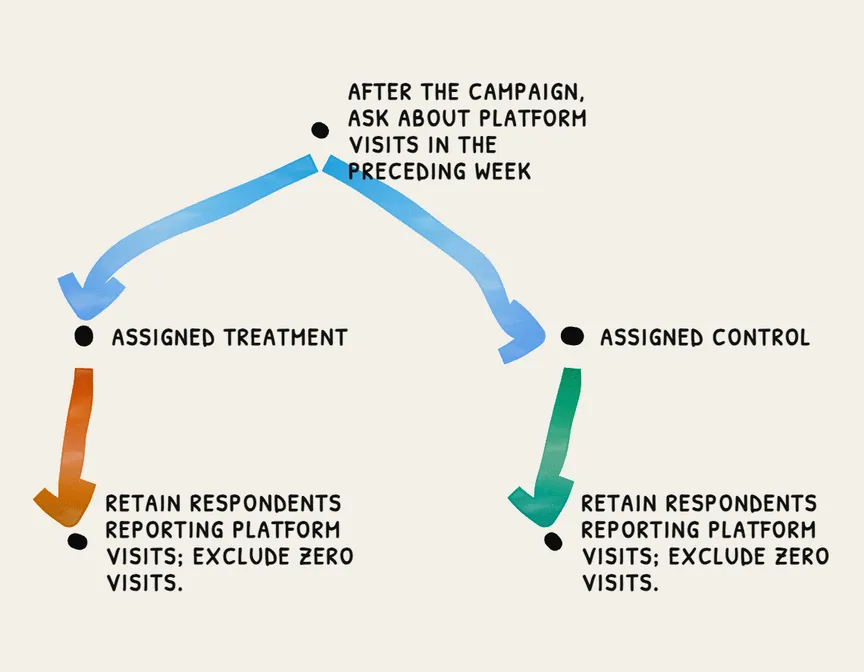
Restricting analysis to active platform users in both arms compares treated individuals only against control subjects who would have received treatment had their cluster been assigned to it.
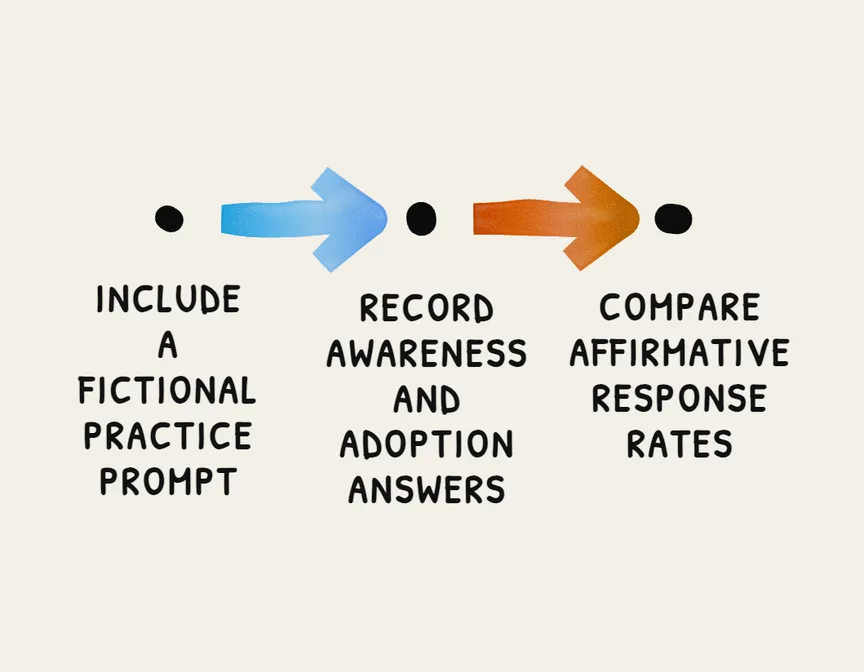
Because the placebo practice does not exist in real farming, affirmative responses isolate pure reporting exaggeration.
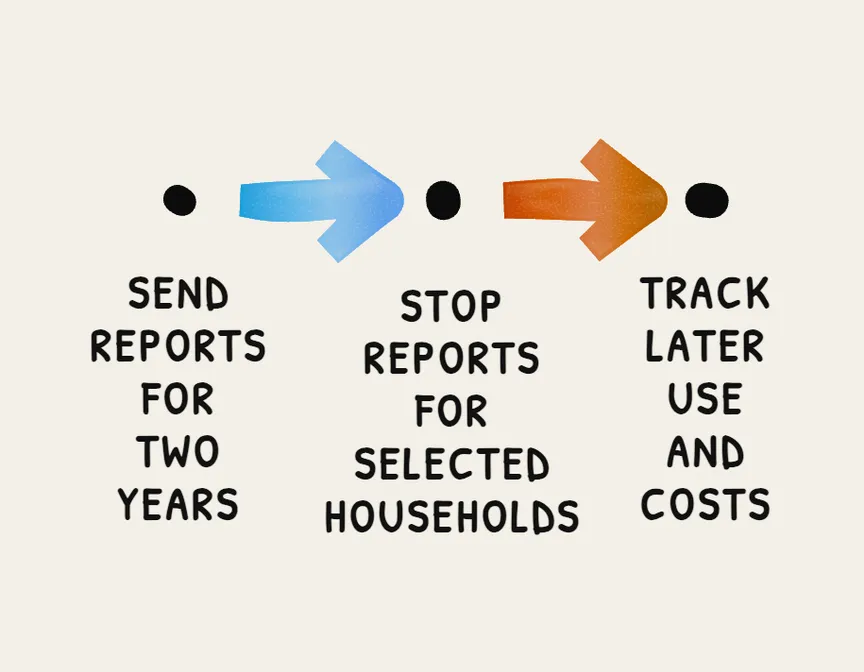
Repeated nudges induce consumers to form a durable capital stock of energy-saving habits and small efficiency capital over time.
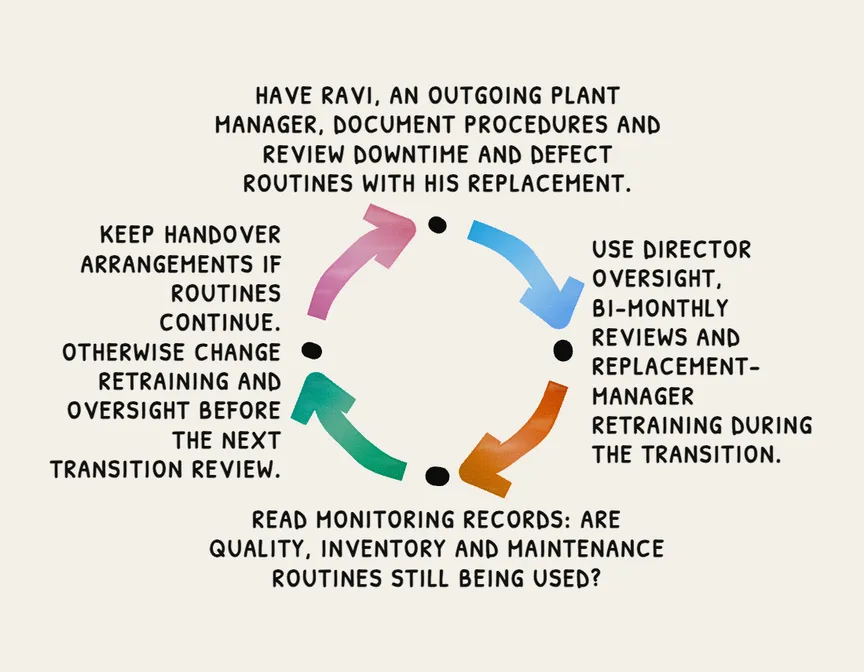
Formalizing handover protocols prevents incoming managers from discarding established shop-floor systems that they did not personally set up.
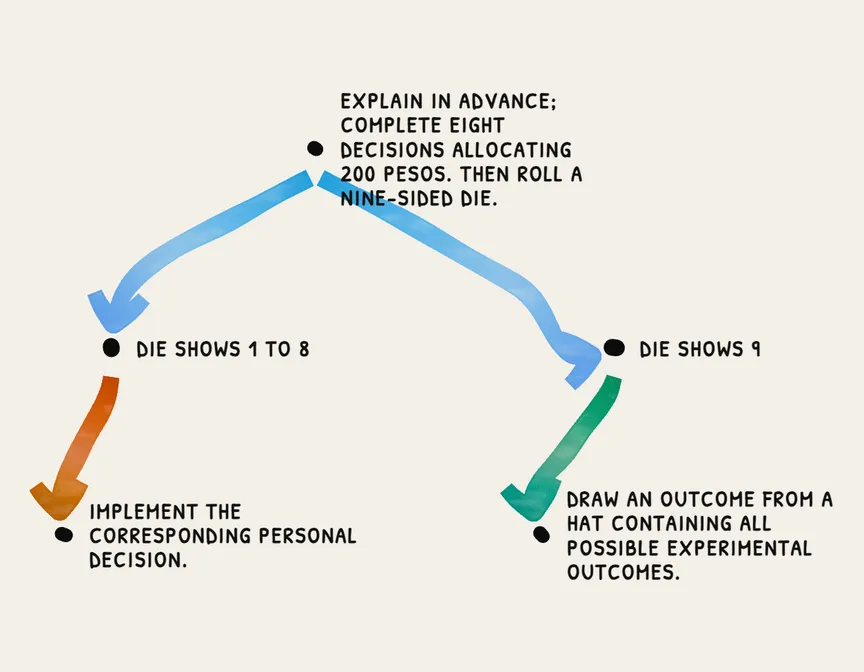
Adding a random draw breaks the direct link between personal decisions and final payouts.
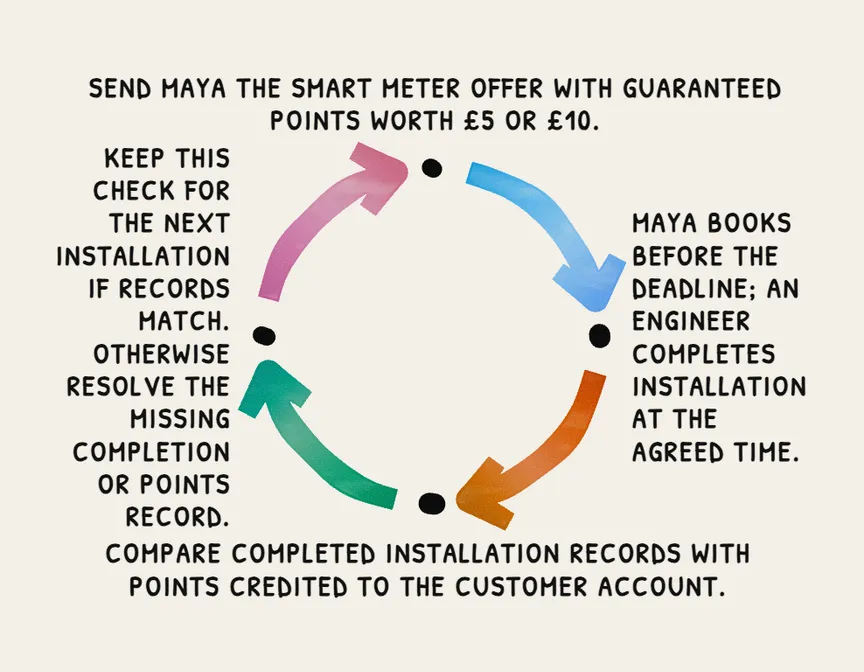
Small financial rewards create an immediate positive payoff that offsets the perceived hassle of booking and waiting for an installer.
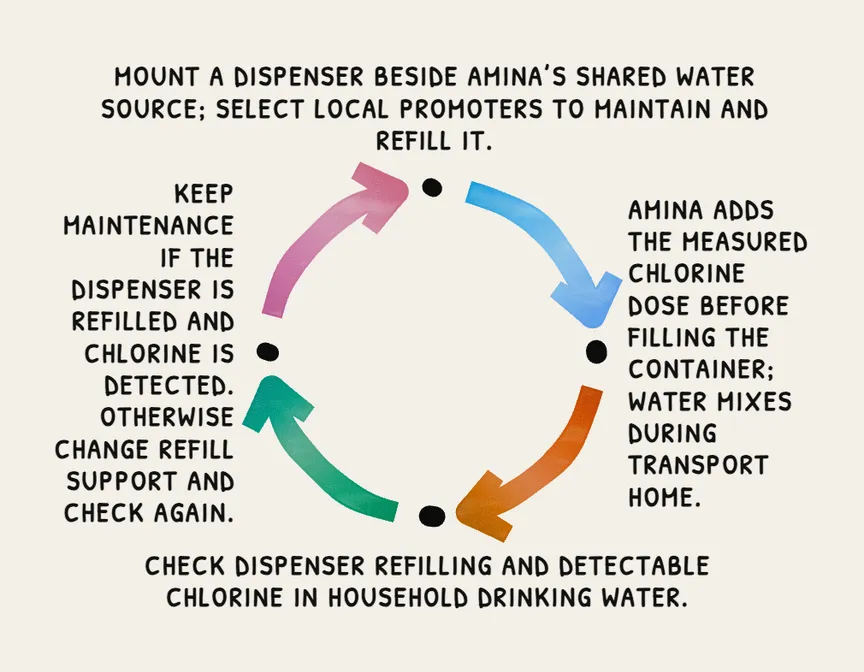
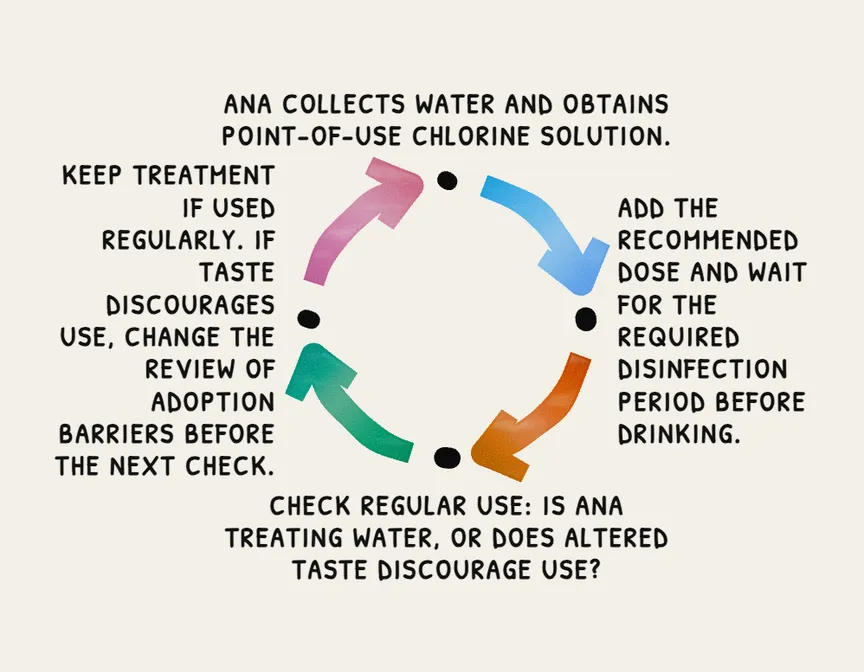
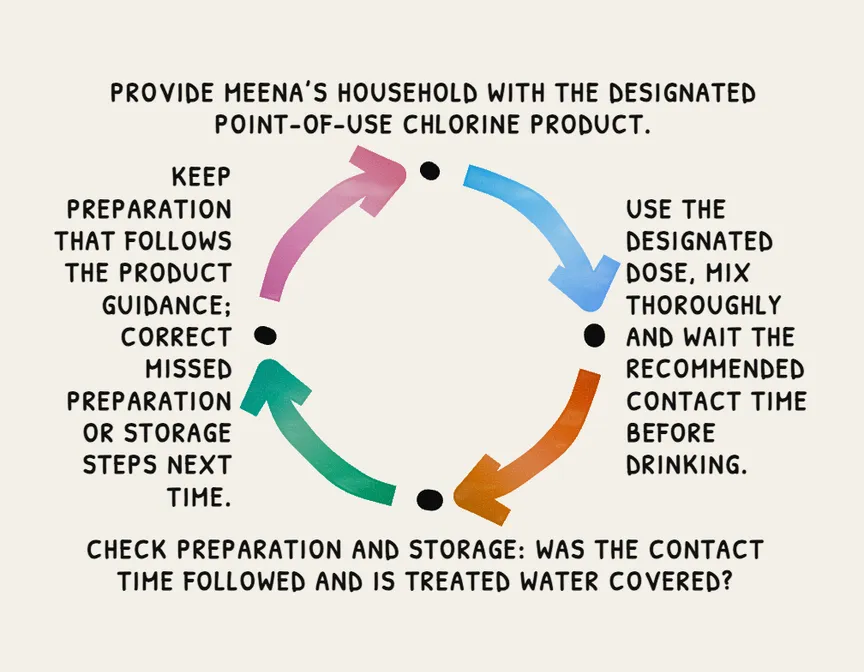
Placing chlorine dispensers at the point of water collection eliminates financial costs and simplifies water treatment into a convenient habit during routine water collection.
Chlorine solution neutralizes biological contaminants and harmful fecal bacteria, making raw groundwater safe for human consumption at very low financial cost.
Chlorine treatment destroys disease-causing bacterial pathogens directly at the point of consumption.
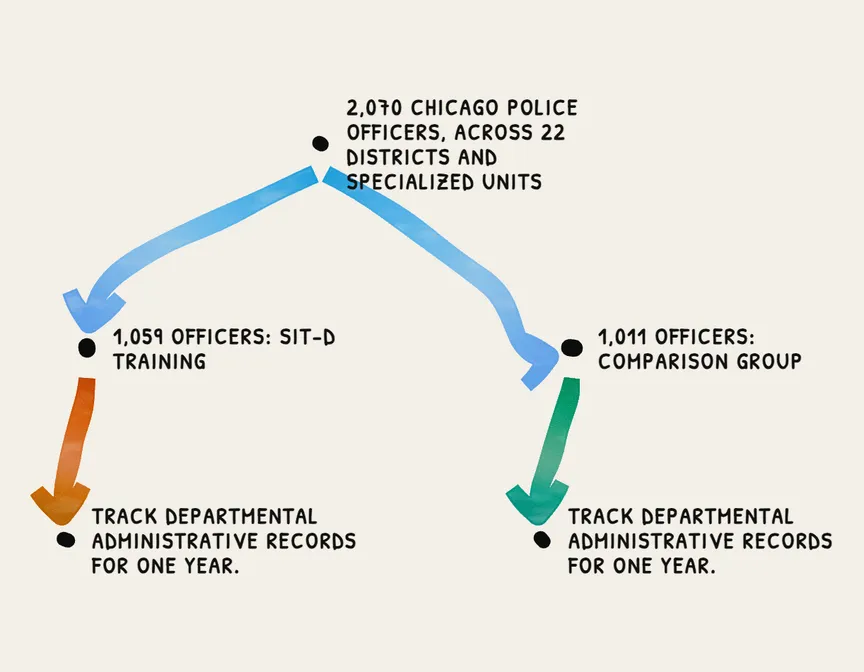
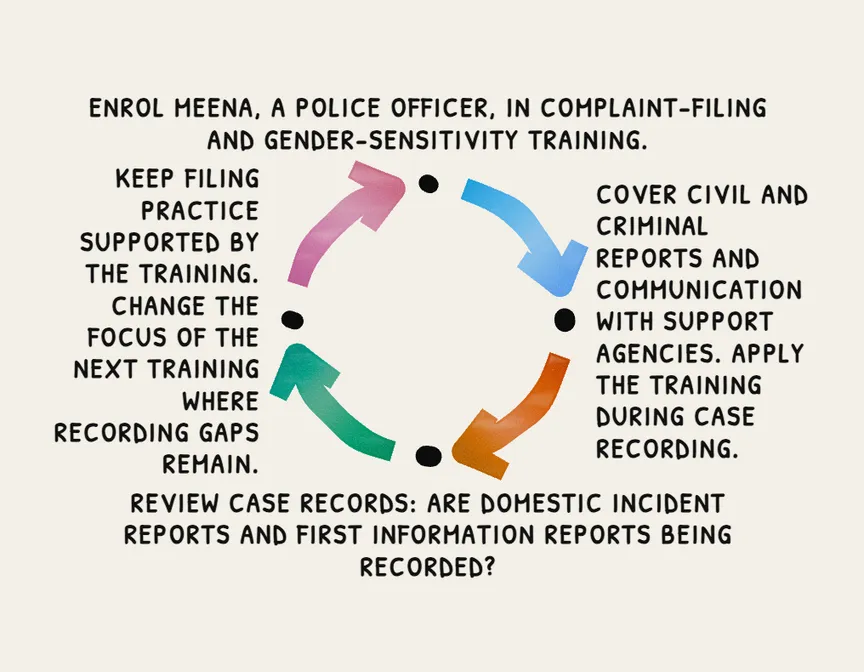
Administrative records capture real-world officer behavior across entire department shifts and districts without observer presence altering actions.
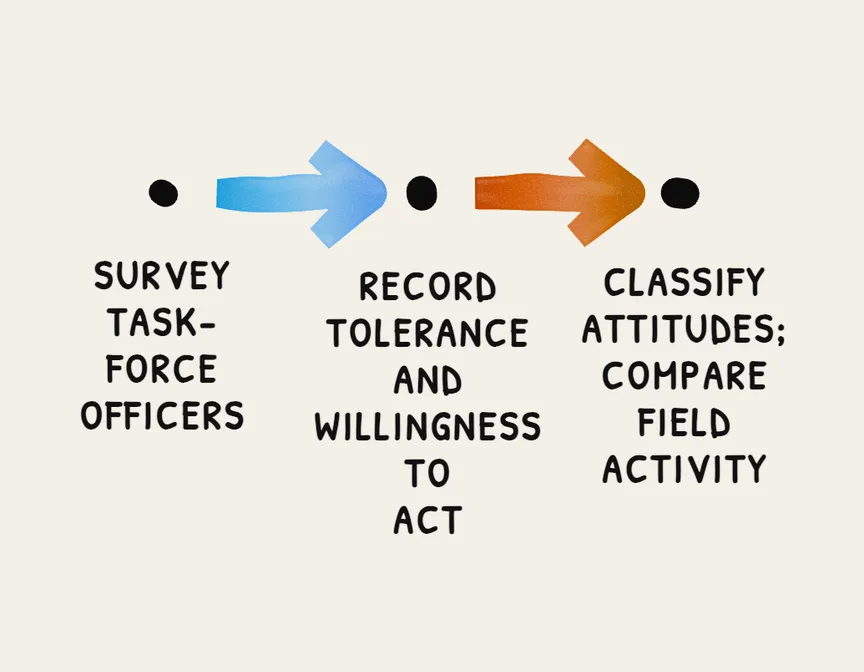
Measuring officer attitudes reveals underlying biases and reluctance to enforce laws against mild harassment.
Training informs officers about legal procedures like Domestic Incident Reports that were previously unfamiliar to them.
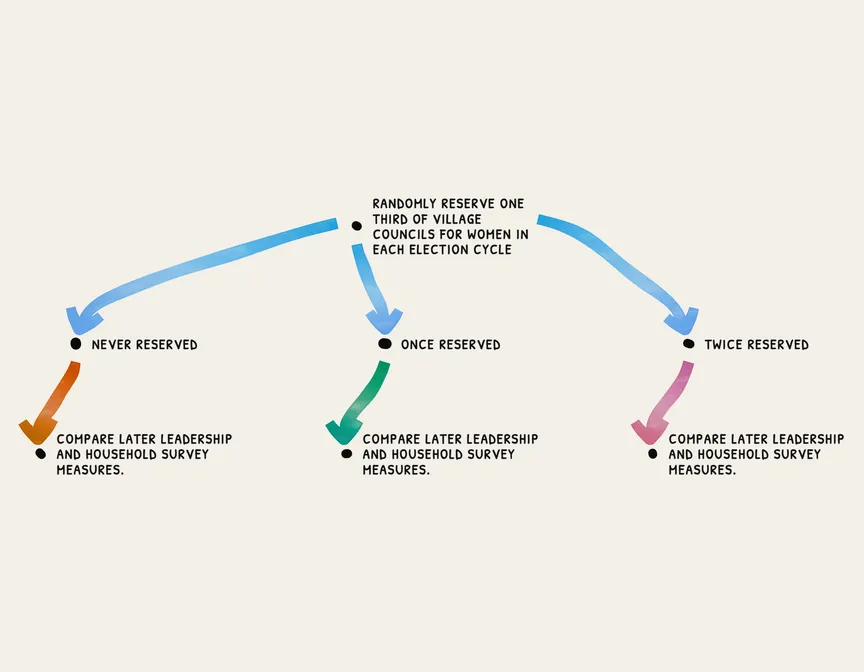
Mandated exposure allows villagers to observe women governing effectively in real leadership roles.
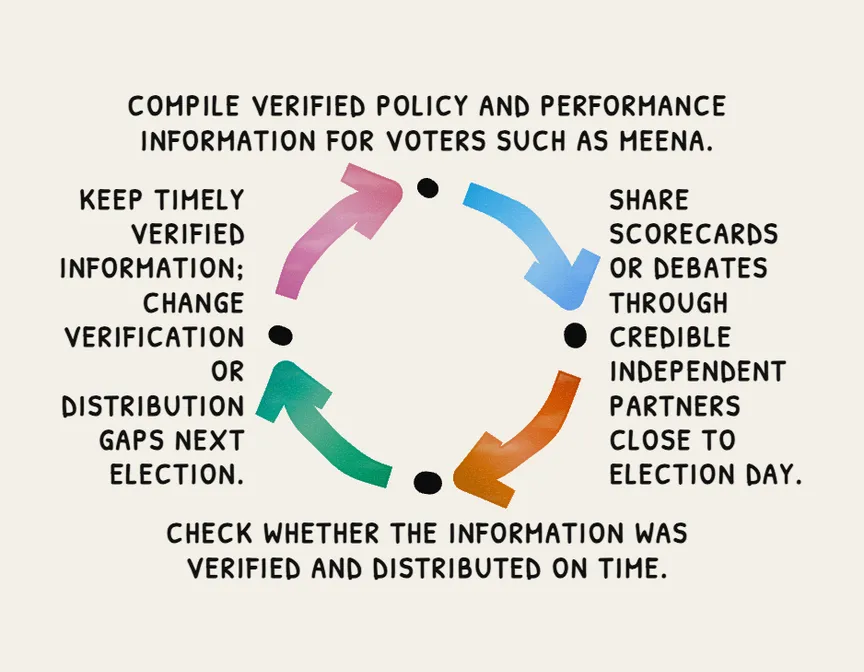
Providing citizens with credible performance data enables voters to evaluate candidates on policy records rather than ethnic identity or clientelist promises.
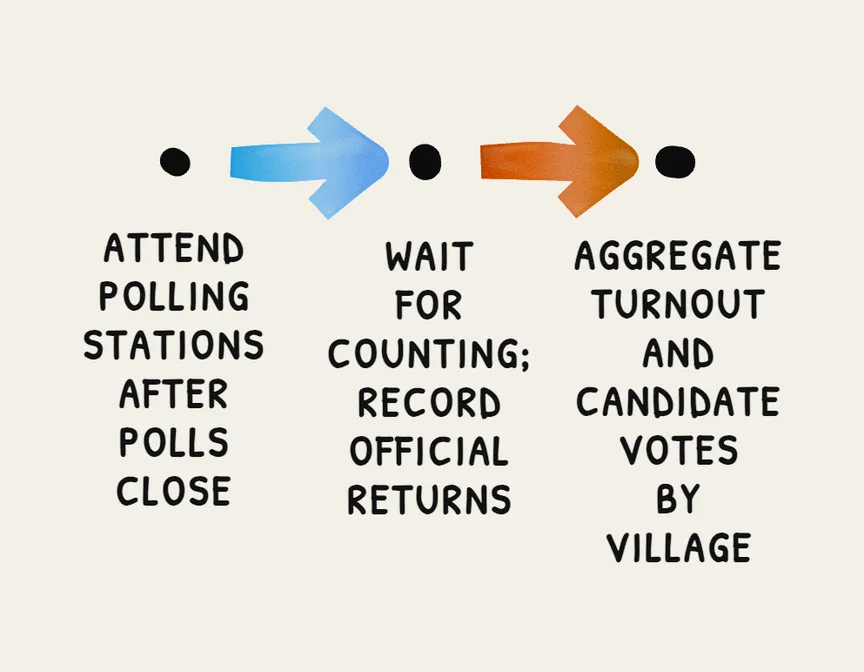
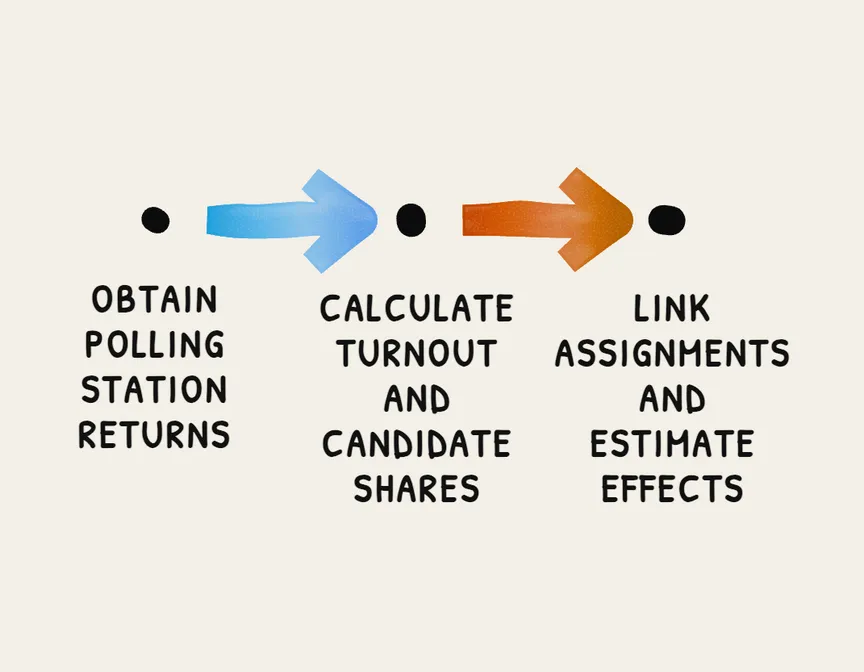
Direct collection of official polling station returns captures actual electoral behavior without relying on self-reported survey recall.
Administrative electoral returns provide an objective, un-manipulated measurement of citizen voting choices across entire populations, eliminating recall and misreporting biases inherent in voter surveys.
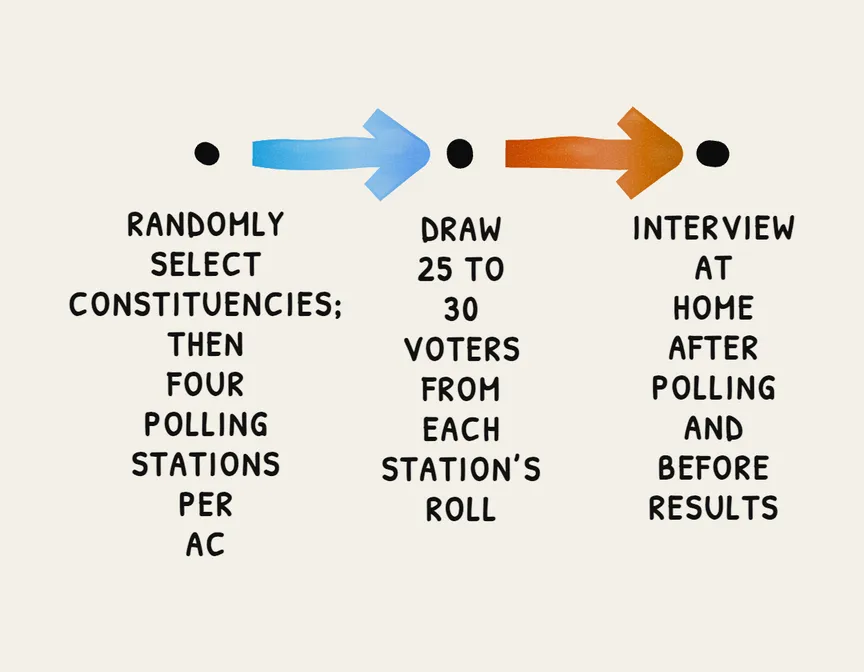
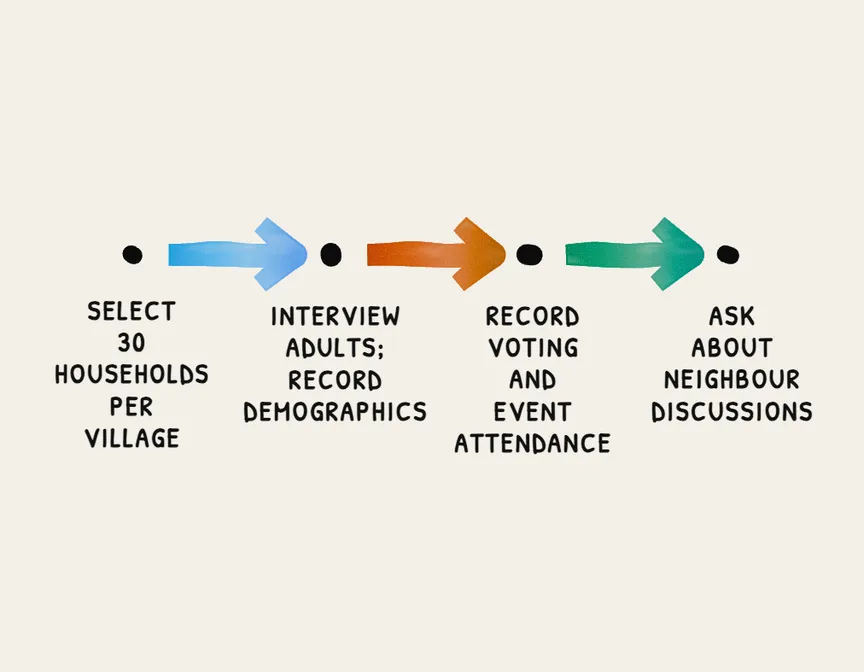
Sampling directly from polling station electoral rolls ensures each registered voter has a known probability of selection, reducing household listing errors and sampling bias.
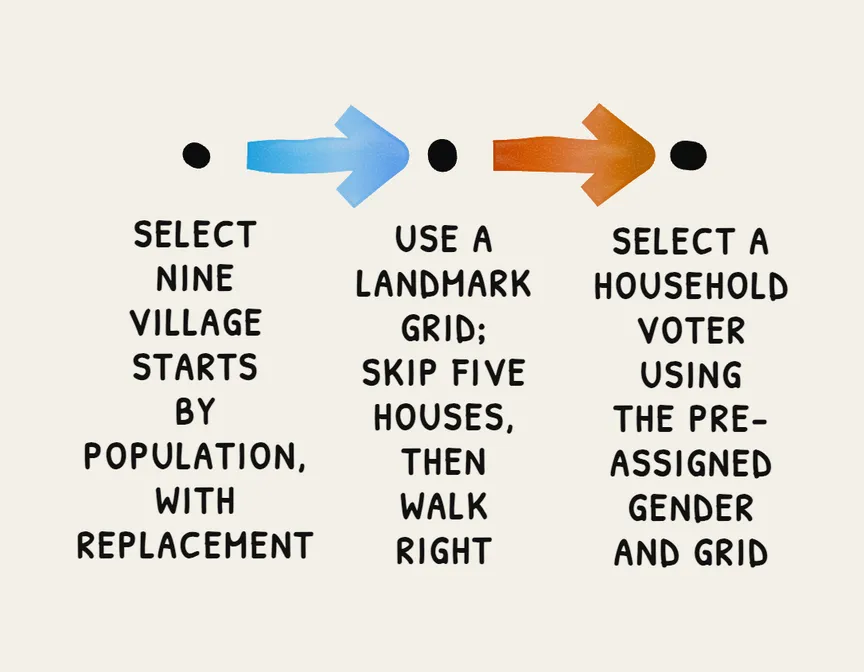
Probability-proportional sampling ensures equal voter representation across varying village sizes.
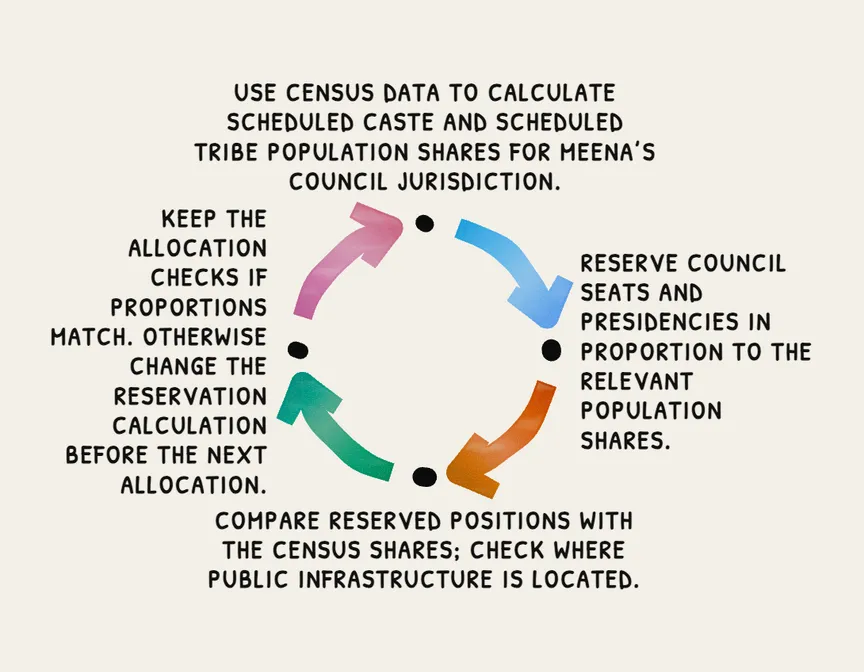
Reserving leadership positions for disadvantaged groups shifts the spatial distribution of public investments toward under-served minority hamlets.
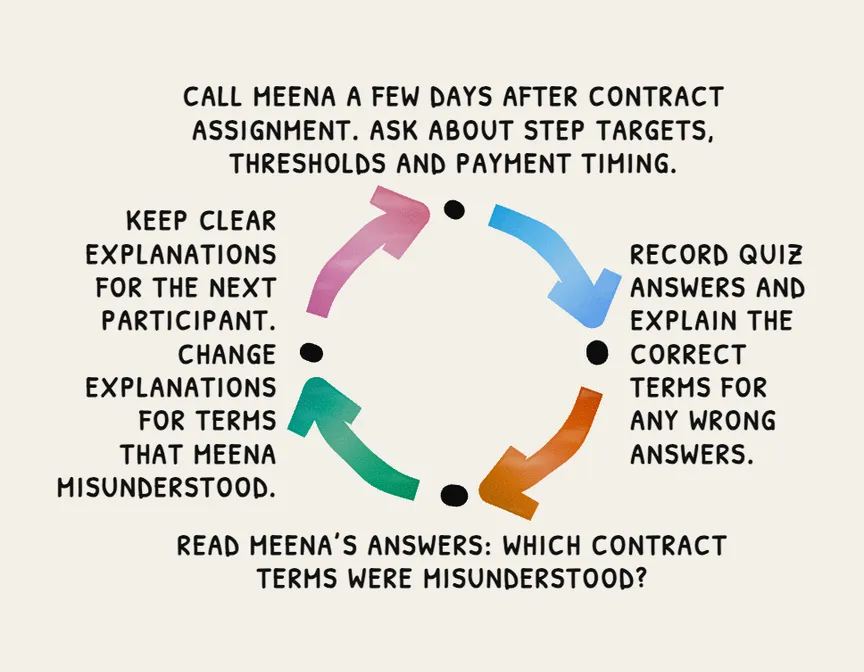
Active verification phone calls ensure that participants understand how their daily efforts translate into financial rewards.
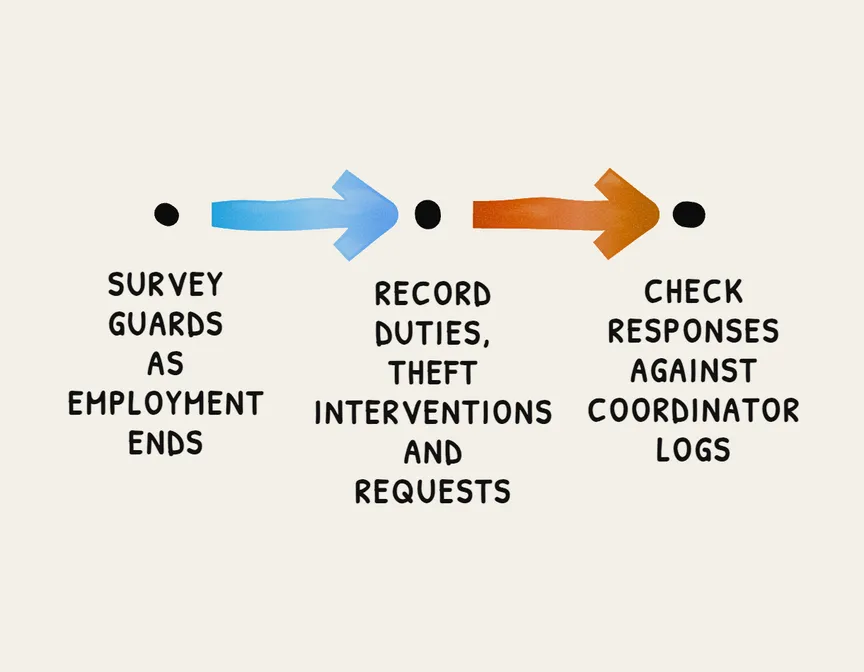
Directly surveying security guards at exit provides an unprimed audit of actual daily time allocation.
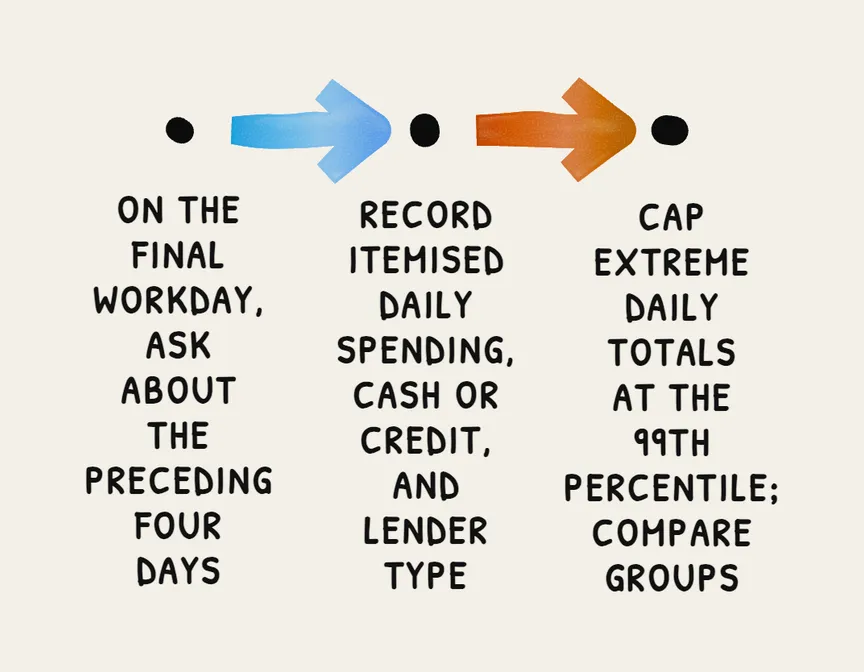
Asking for itemized recall across specific days immediately following payment captures how workers allocate new liquidity.
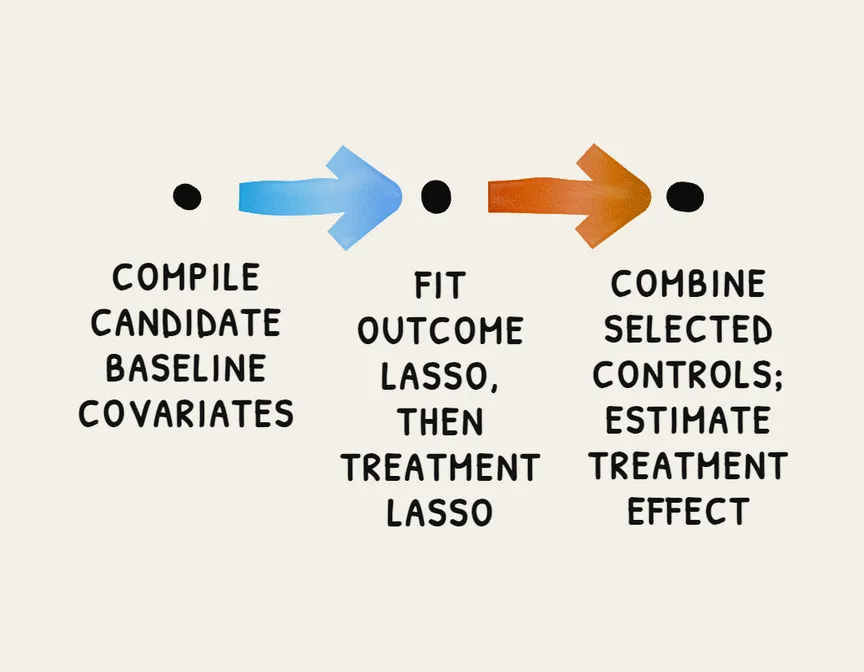
Post-double selection lasso selects baseline covariates that strongly predict either outcome variation or treatment assignment, minimizing omitted variable bias.
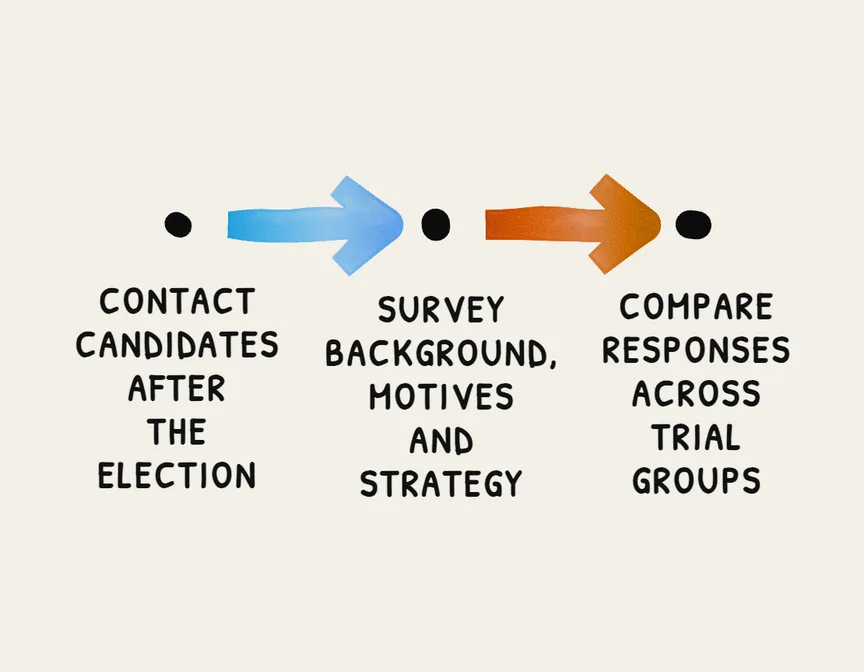
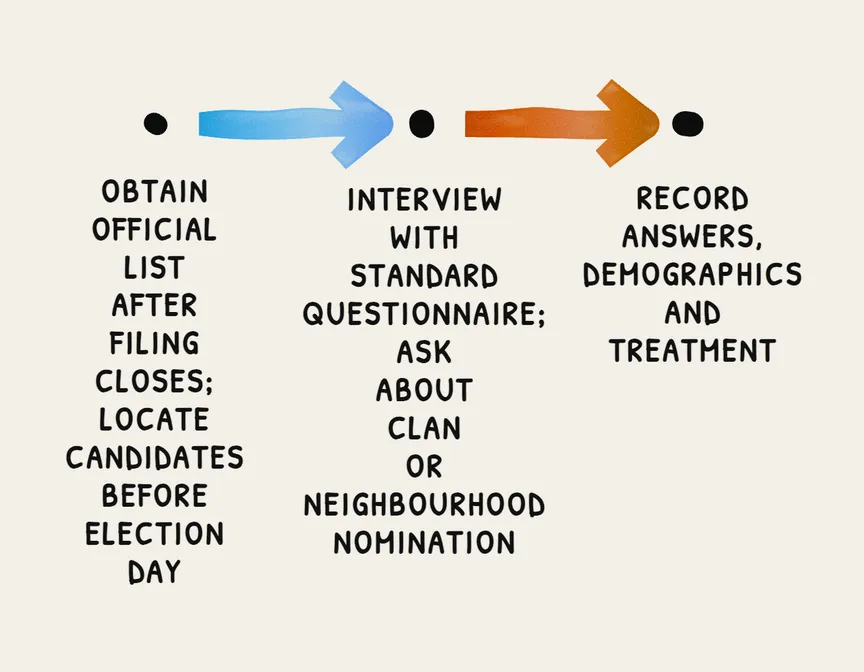
Directly surveying candidates reveals strategic campaign responses and political sophistication that administrative election returns and voter surveys cannot capture.
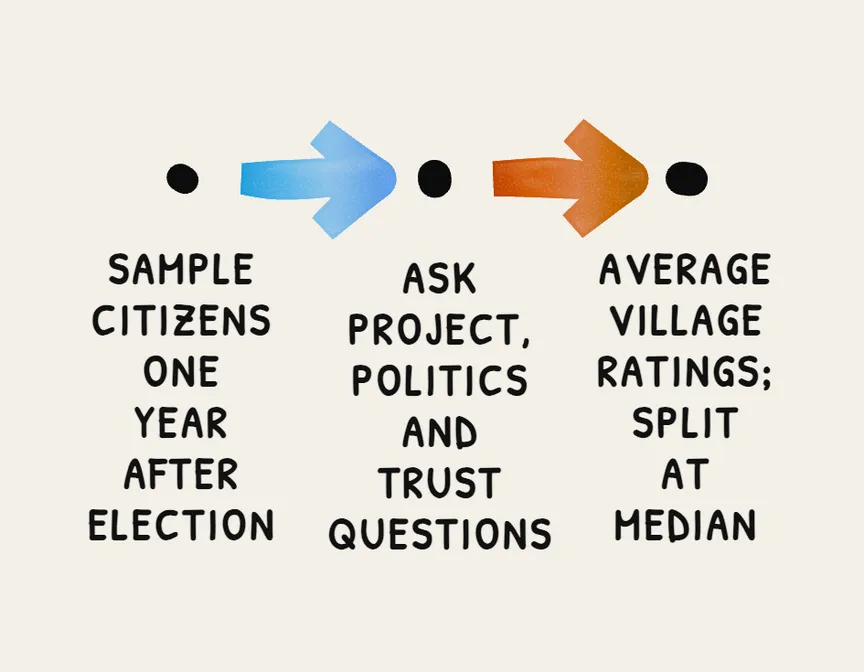
Measuring constituent approval and institutional trust directly reveals whether political recruitment changes translate into broader democratic legitimacy.
In-person household surveys capture individual mechanisms such as platform comprehension and peer-to-peer information sharing that official aggregate returns miss.
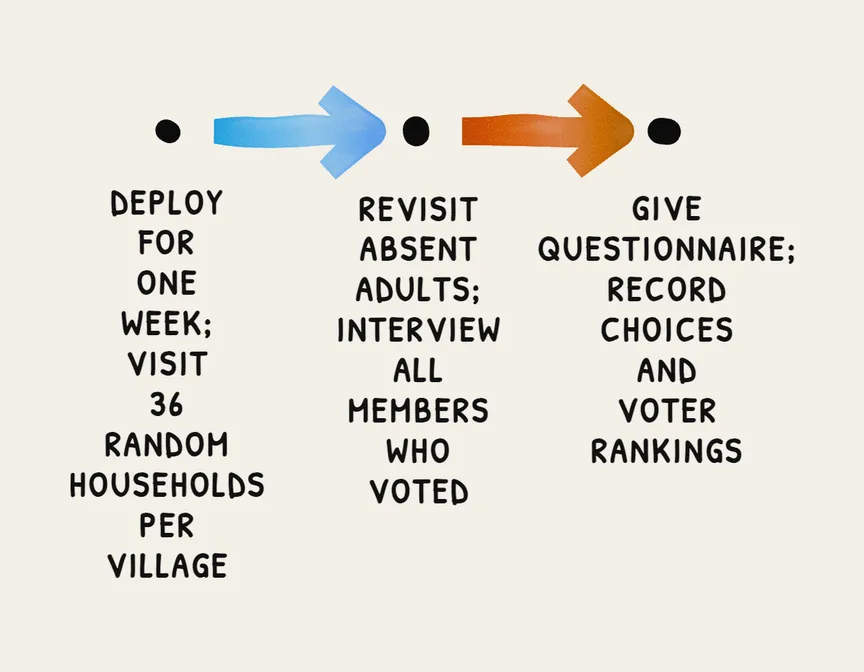
Living in target communities for a full week and conducting repeat visits minimizes non-response bias among working adults.
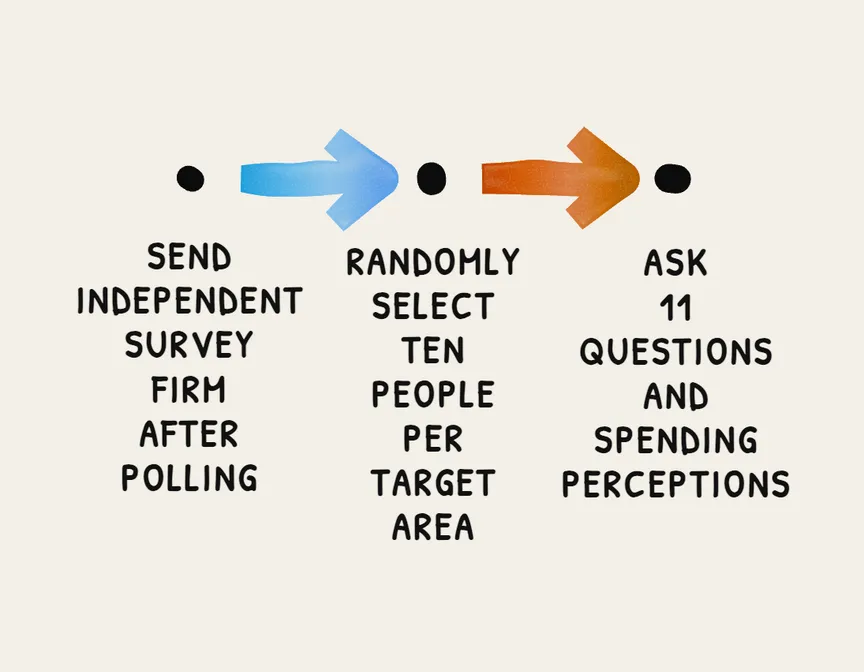
Administering surveys during the narrow post-polling, pre-result window prevents official election results from biasing voter responses while capturing immediate campaign recall.
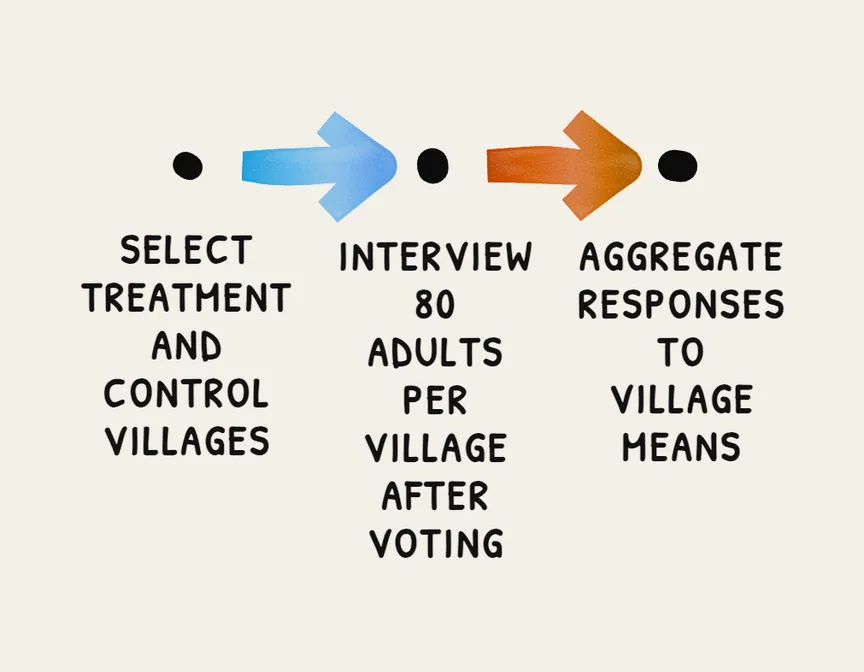
Surveying voters immediately after election day minimizes recall decay while eliminating bias driven by knowledge of official election results.
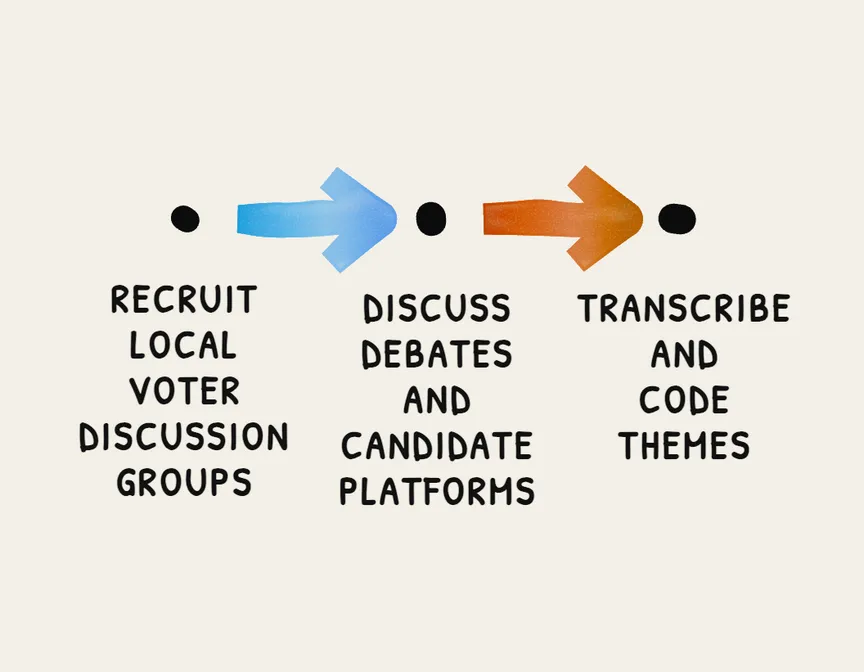
Group discussions allow citizens to articulate in their own words how debate attendance, candidate platforms, and policy promises influenced their electoral deliberations.
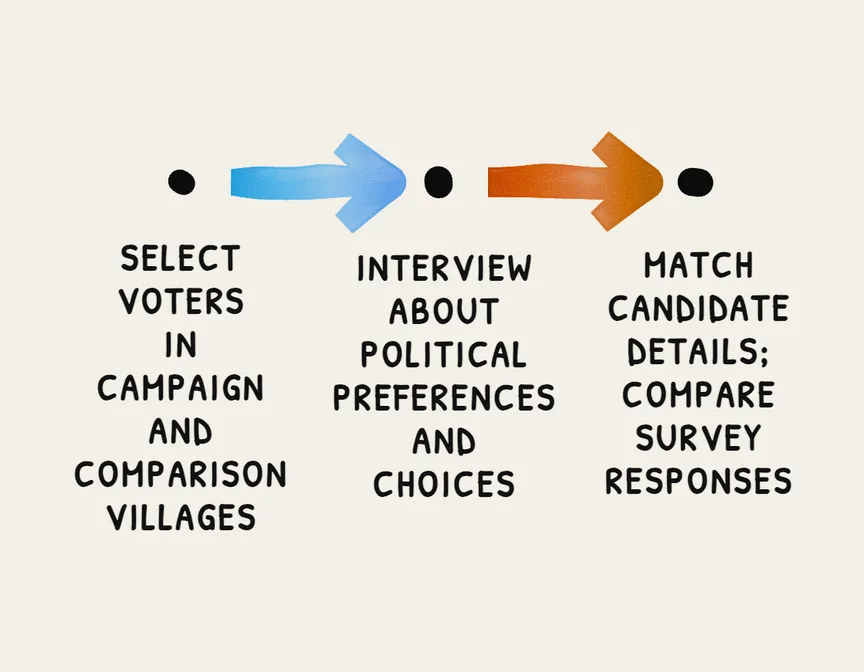
Post-election survey tracking gathers disaggregated data directly from voters that official electoral returns cannot capture.
Surveying candidates immediately after nomination filing captures accurate self-reported motivation and community endorsement before election outcomes occur.
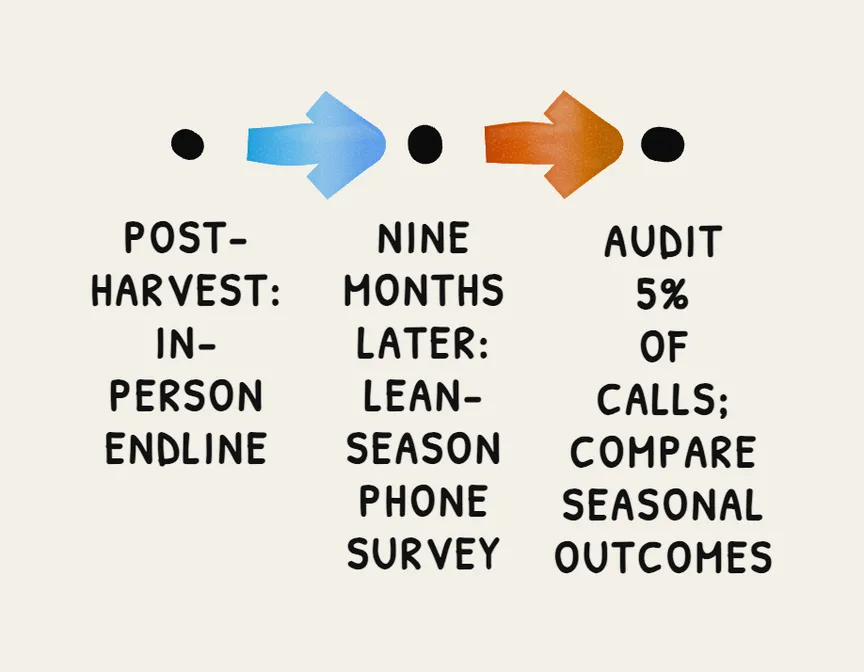
Capturing consumption data during both post-harvest abundance and lean-season scarcity prevents seasonal bias and reveals whether program benefits enable households to smooth consumption over time.
Page 28 of 45
Previous
1
…
27
28
29
…
45
Next