Skip to the methods
Menu
aikyam
school
Findings
Methods
Subjects
All cards
Read
Findings
Methods
Subjects
All cards
Methods
2,124 methods
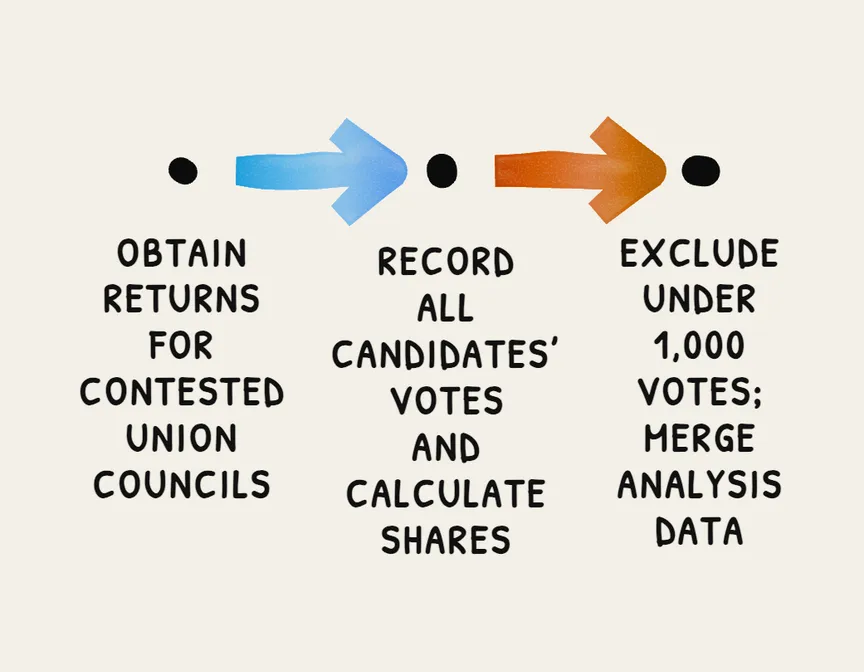
Form 14 provides full, disaggregated administrative records for all competing candidates rather than just top finishers.
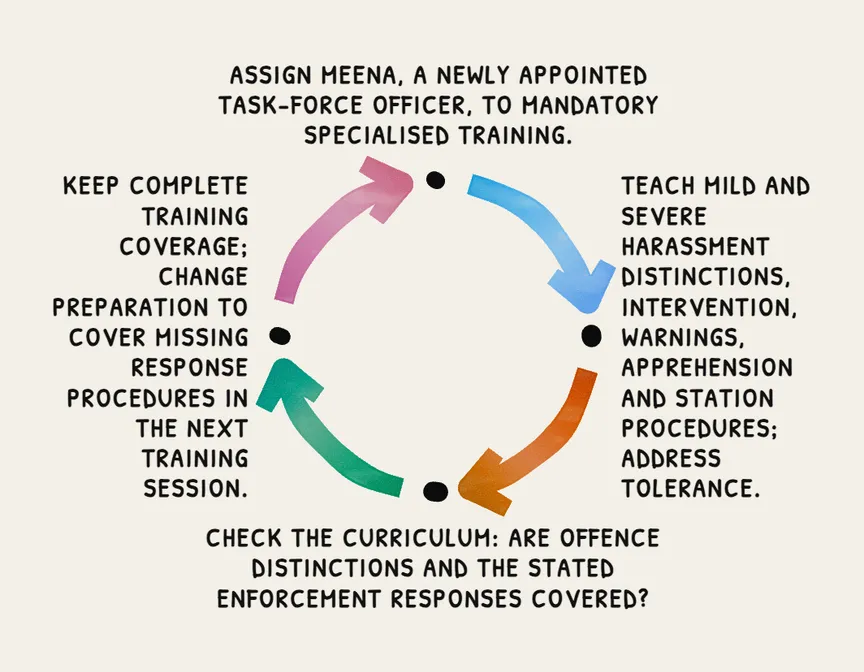
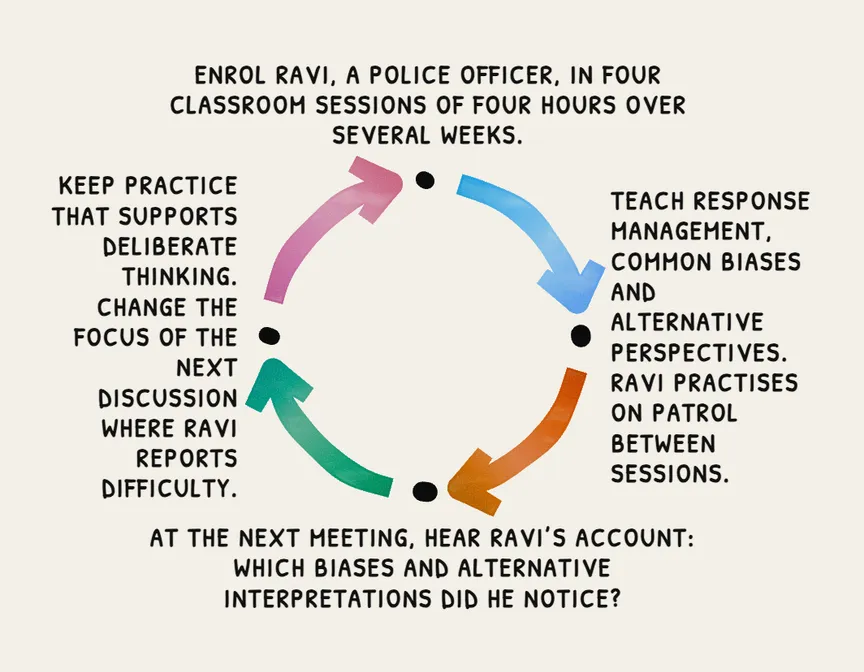
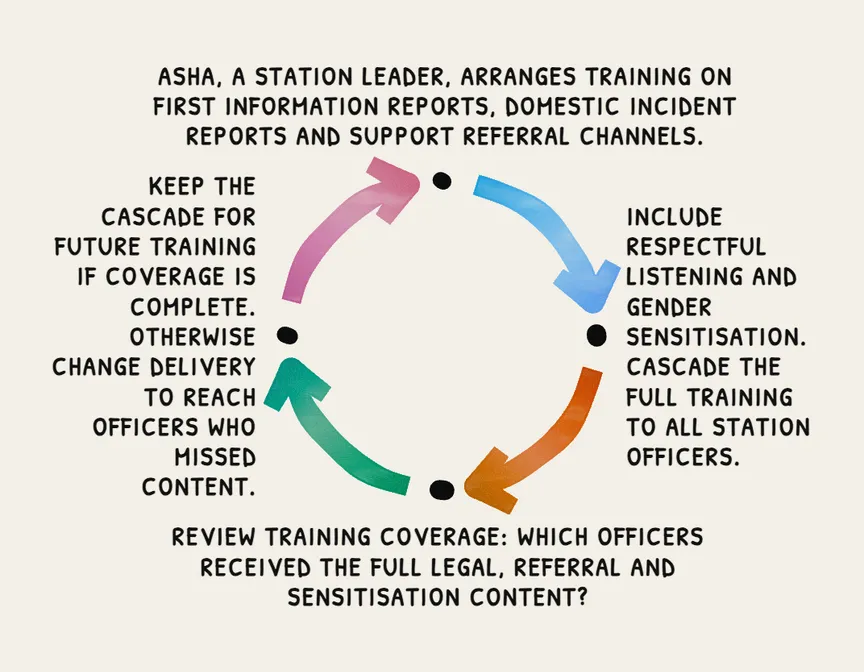
Specialized instruction equips officers with actionable knowledge to recognize subtle harassment behaviors that are often ignored.
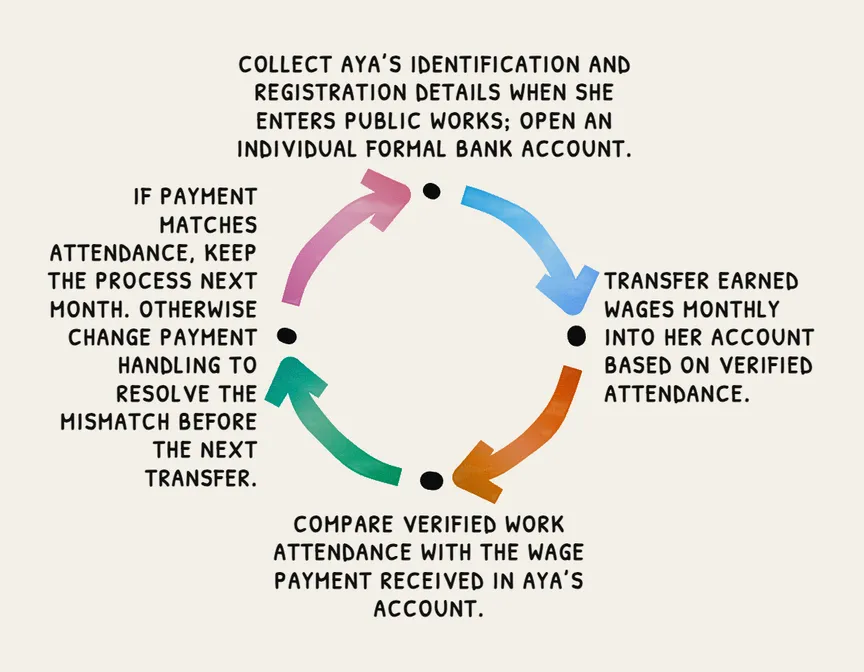
Direct bank account deposits eliminate payment intermediaries and provide beneficiaries with a secure, formal mechanism to store earnings.
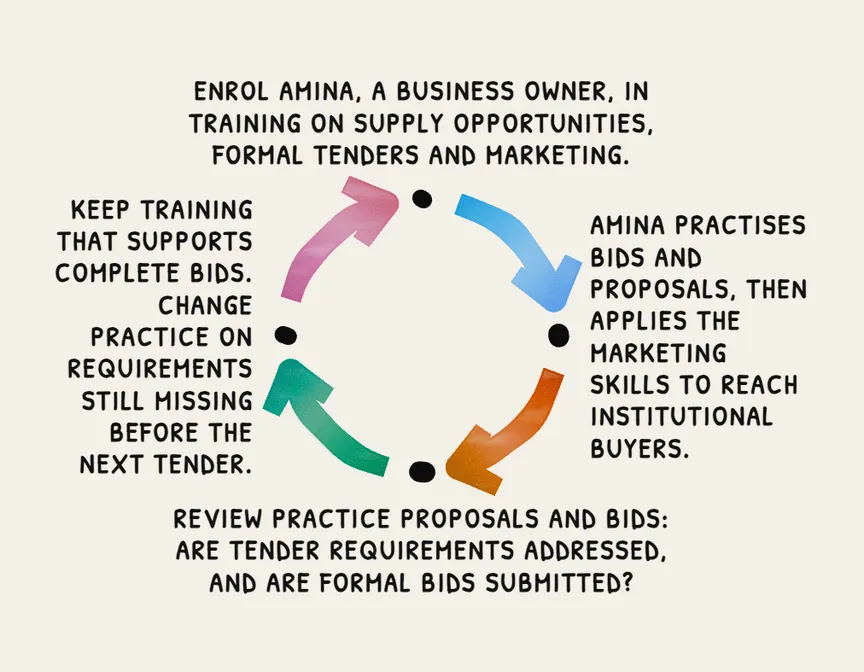
Training small firm managers in contract bidding and marketing skills reduces informational frictions that prevent small businesses from finding and securing formal commercial buyers.
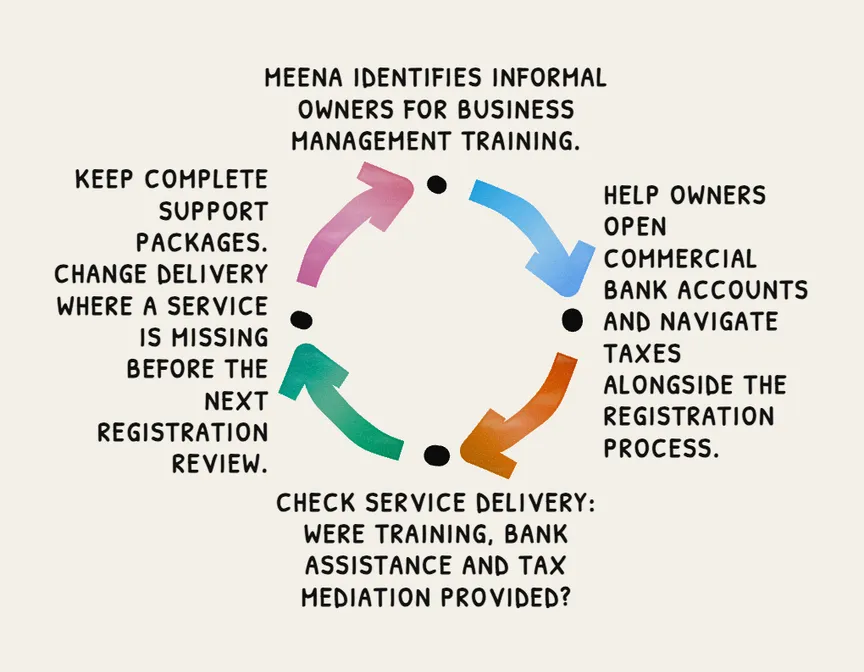
Combining business management education, banking access, and tax mediation increases the tangible benefits of operating legally while mitigating the administrative fears associated with formalization.
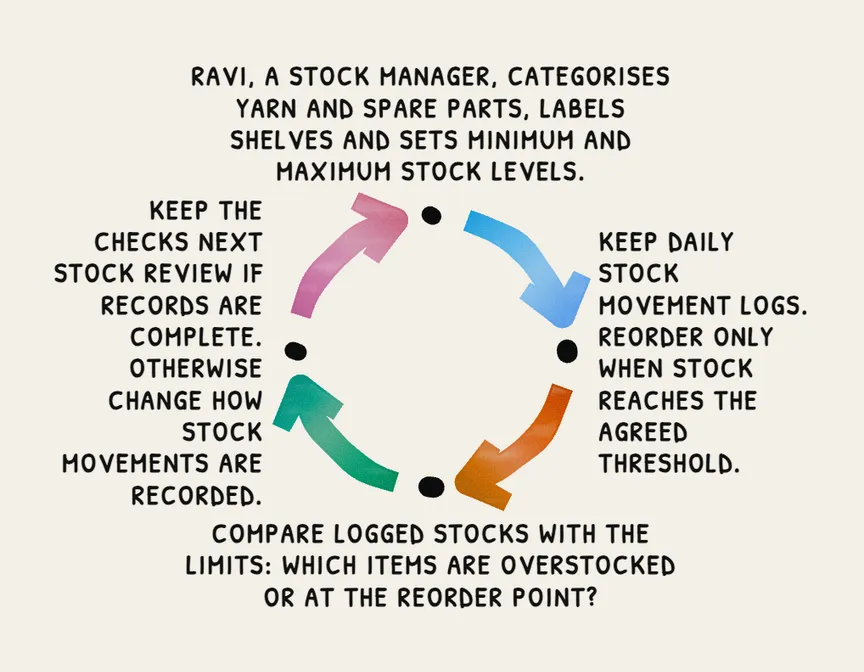
Organizing storage areas prevents workers from wasting time searching for misplaced materials across the factory.
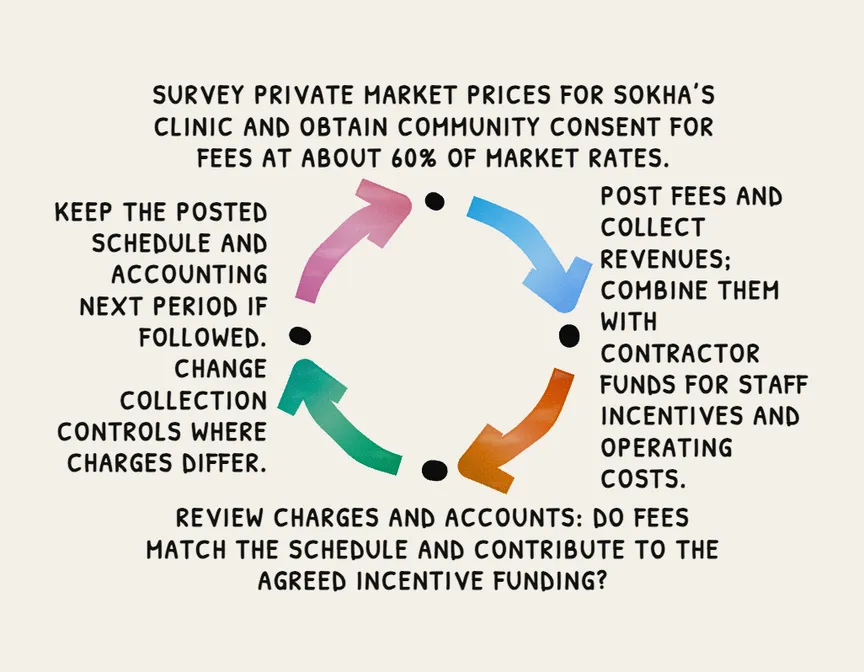
Formalized user fees bring informal out-of-pocket payments into a monitored accounting system.
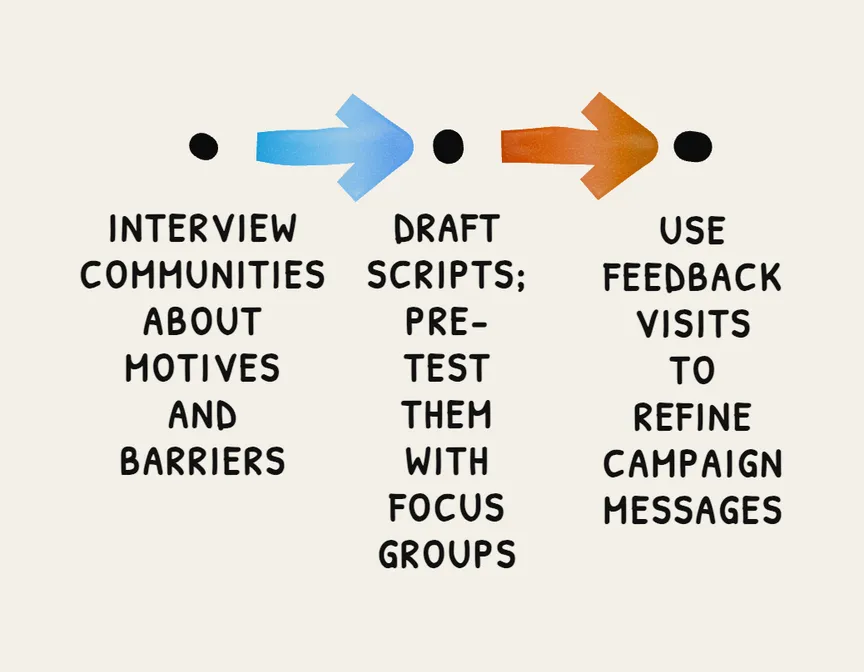
Qualitative research reveals the exact social and cognitive barriers preventing adoption, allowing content creators to design targeted messages that directly dismantle specific local myths.
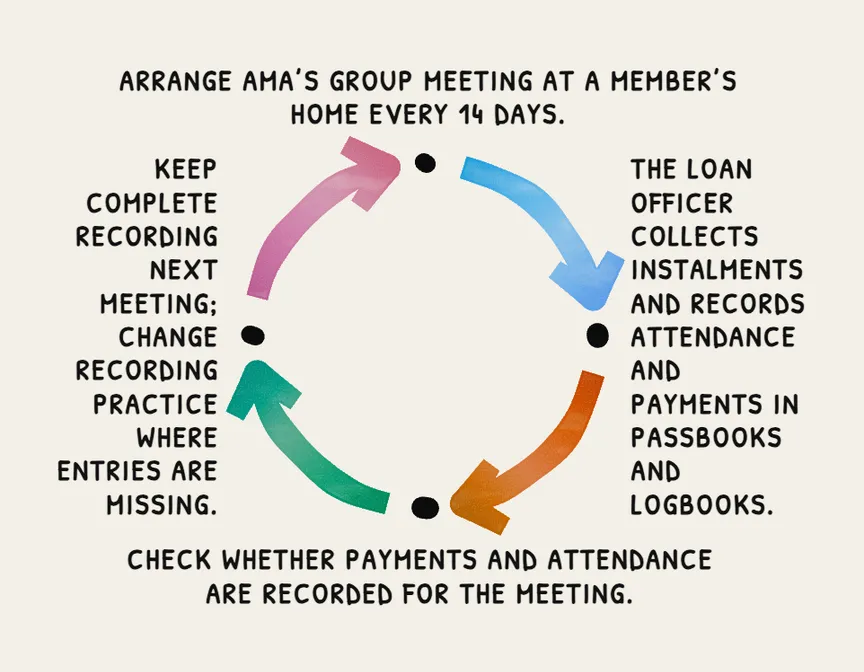
Frequent group meetings create a structured environment where loan officers can efficiently gather payments from multiple clients at once.
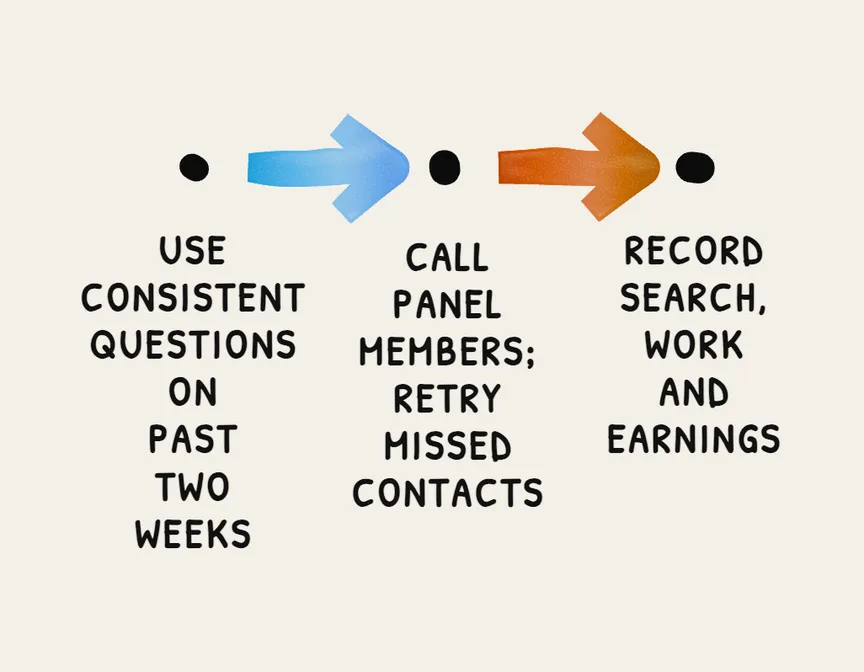
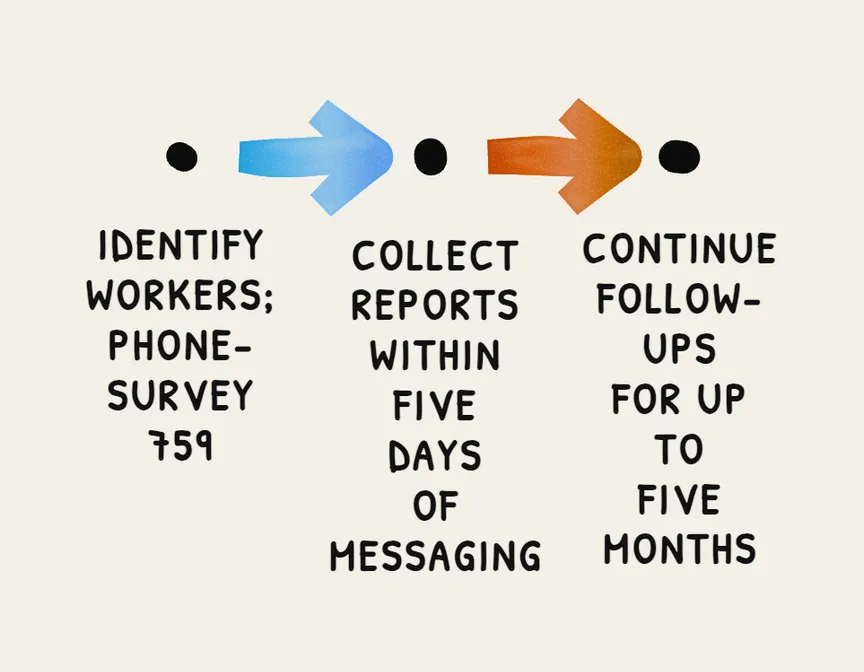
High-frequency phone tracking captures immediate behavioral responses to active labor market policies without generating Hawthorne panel effects.
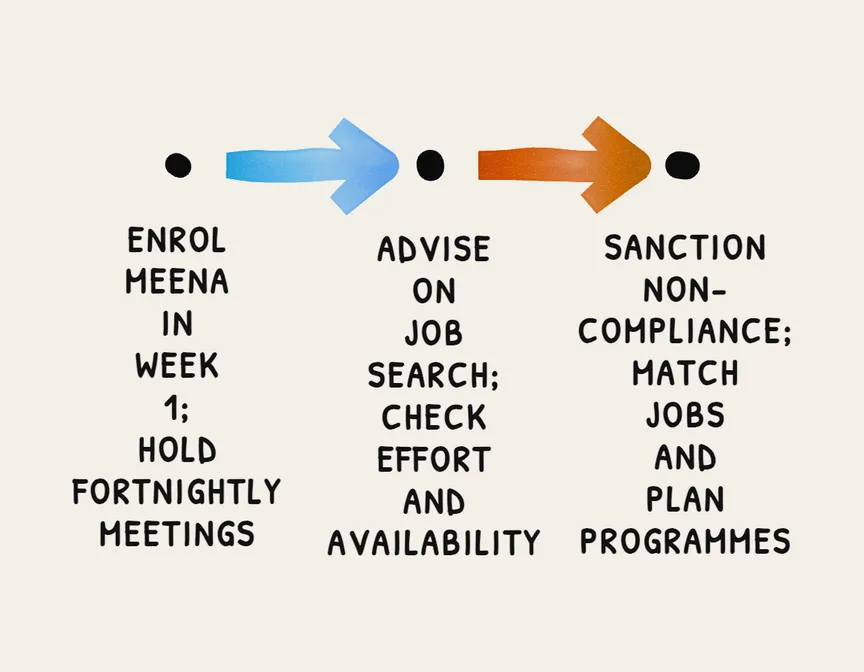
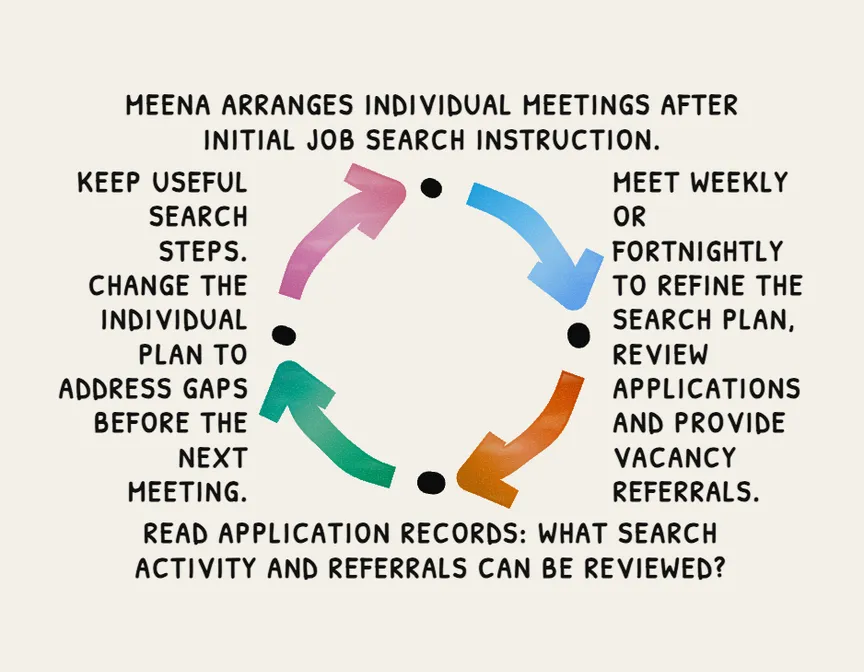
Frequent one-on-one interaction provides tailored job search guidance while closely monitoring search effort from the start of an unemployment spell.
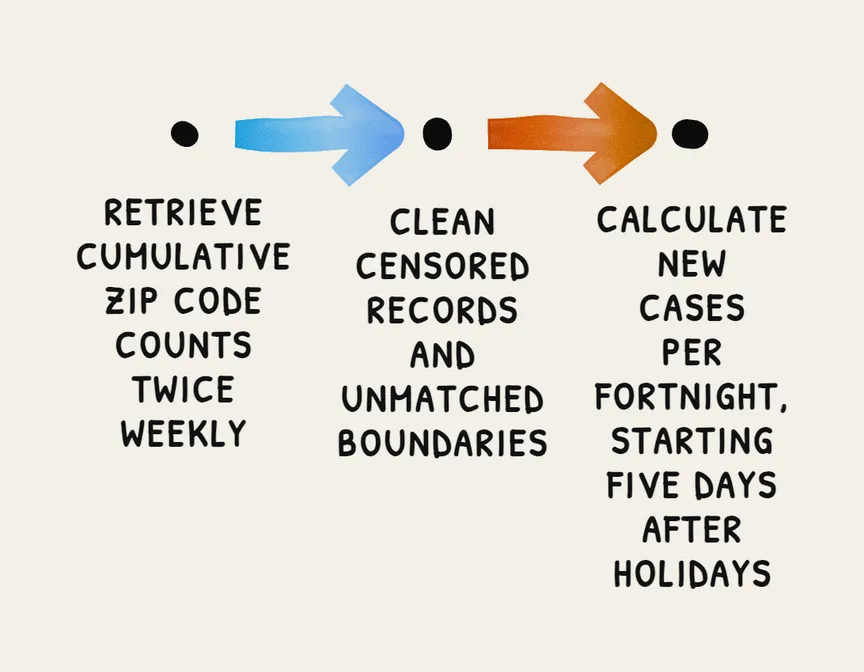
Scraping public health department web portals extracts granular, local infection data directly without waiting for delayed centralized national reporting.
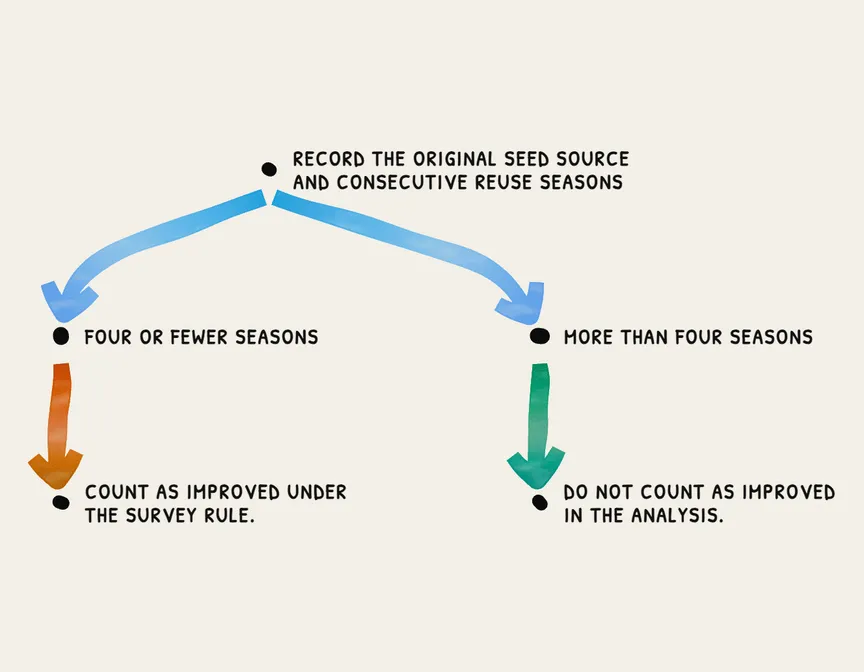
Reusing improved cereal seeds beyond four consecutive seasons degrades genetic purity and yield potential.
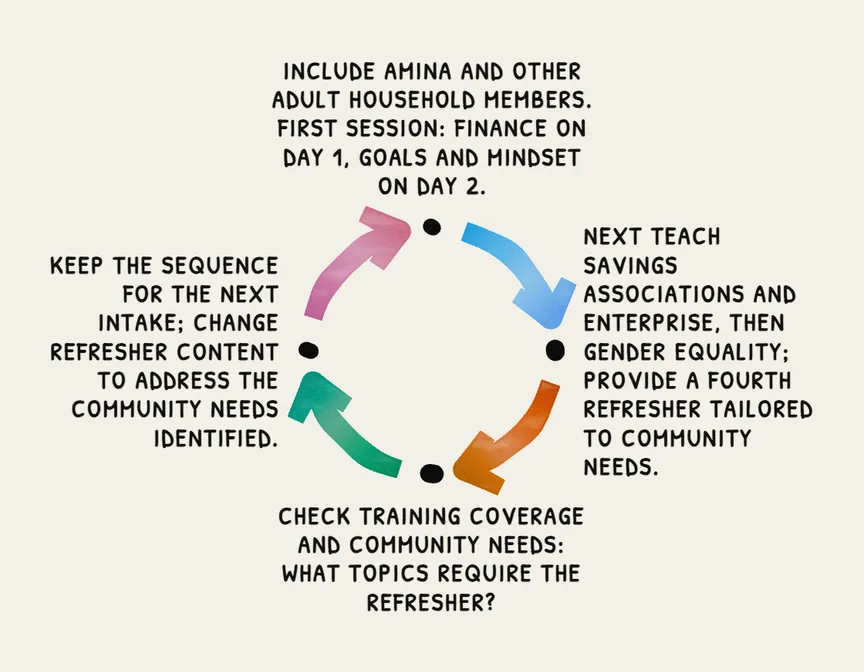
Combining practical financial education with psychological empowerment encourages households to set ambitious goals and make productive investments.
The instruction trains officers to pause automatic reactions and engage in deliberate processing during high-stress events.
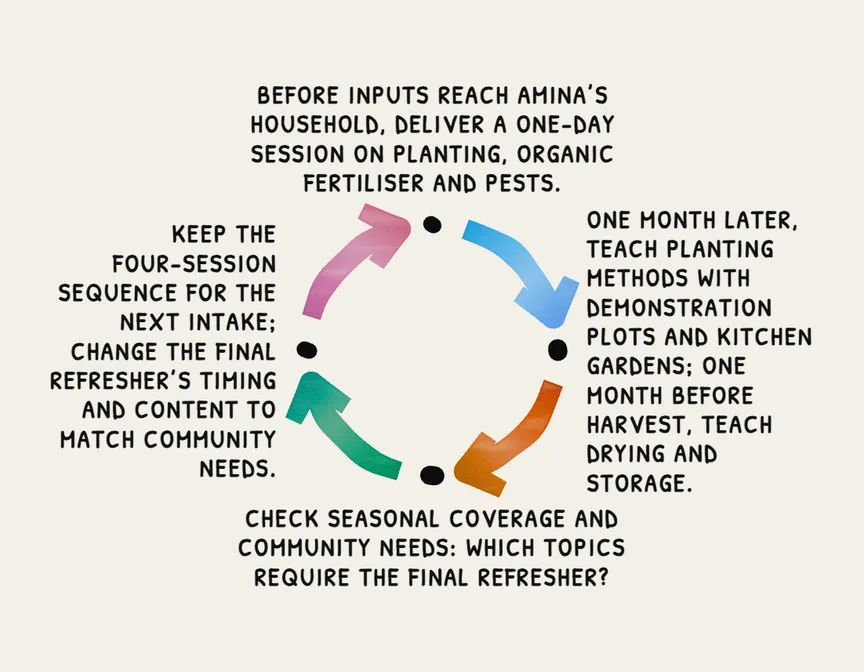
Timing training modules to align with the agricultural calendar ensures that farmers apply practical techniques at the precise moment they are needed.
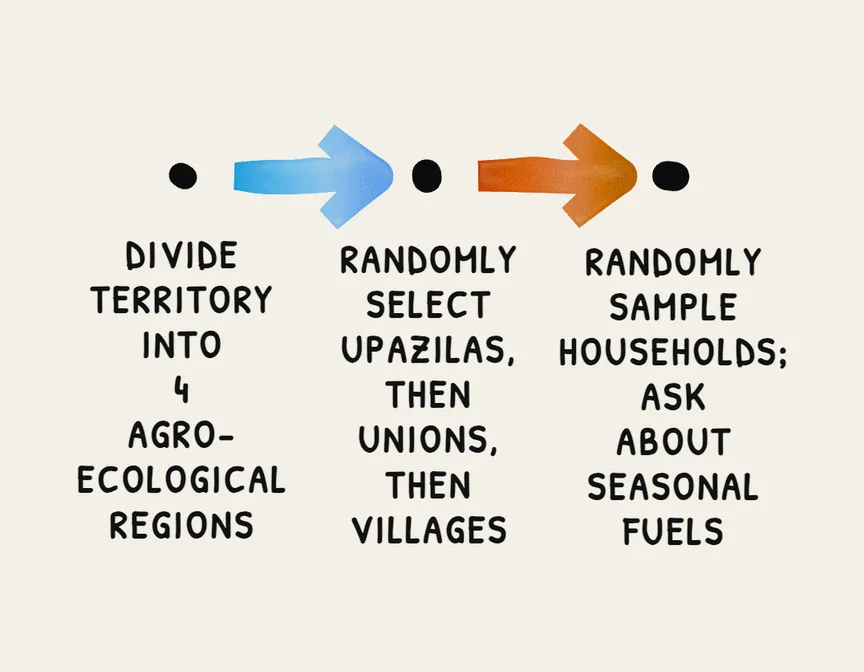
Hierarchical random sampling across agro-ecological zones ensures national representativeness while controlling for regional variations in biomass availability.
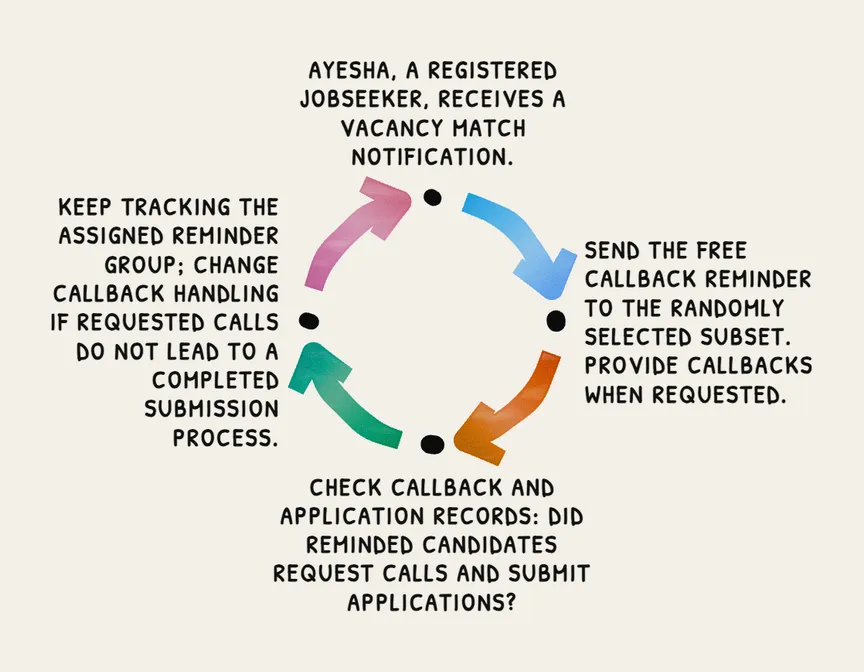
Reminding jobseekers that callbacks are free eliminates small airtime fees as a potential economic barrier.
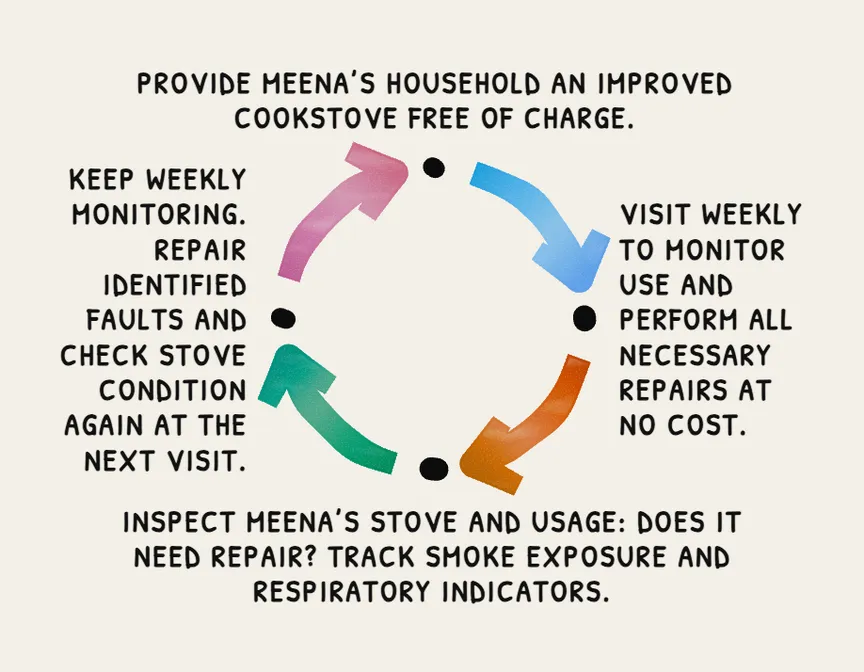
Eliminating purchase costs removes financial entry barriers for low-income households.
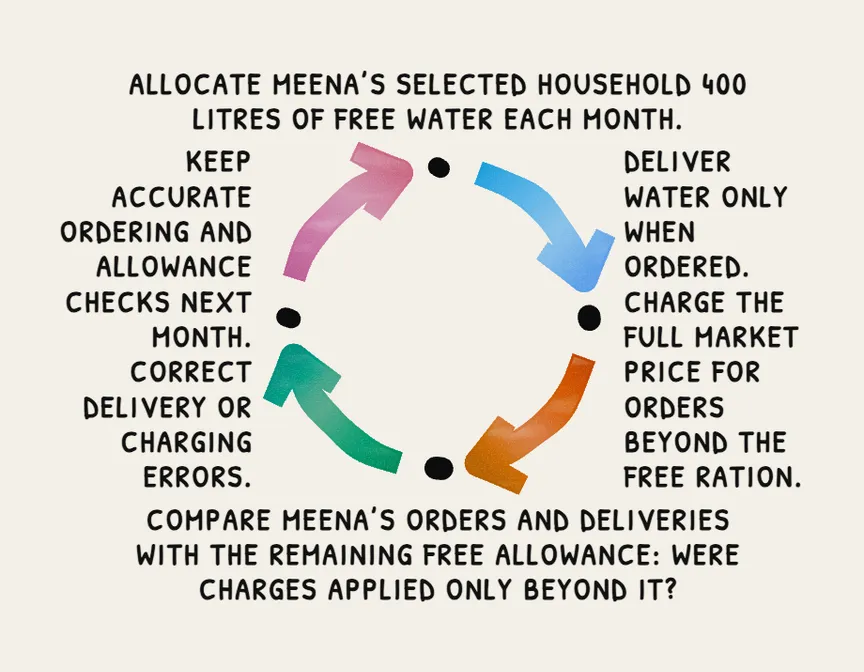
Requiring households to actively place orders prevents wasteful delivery of unrequested water while eliminating financial barriers to drinking safe water.
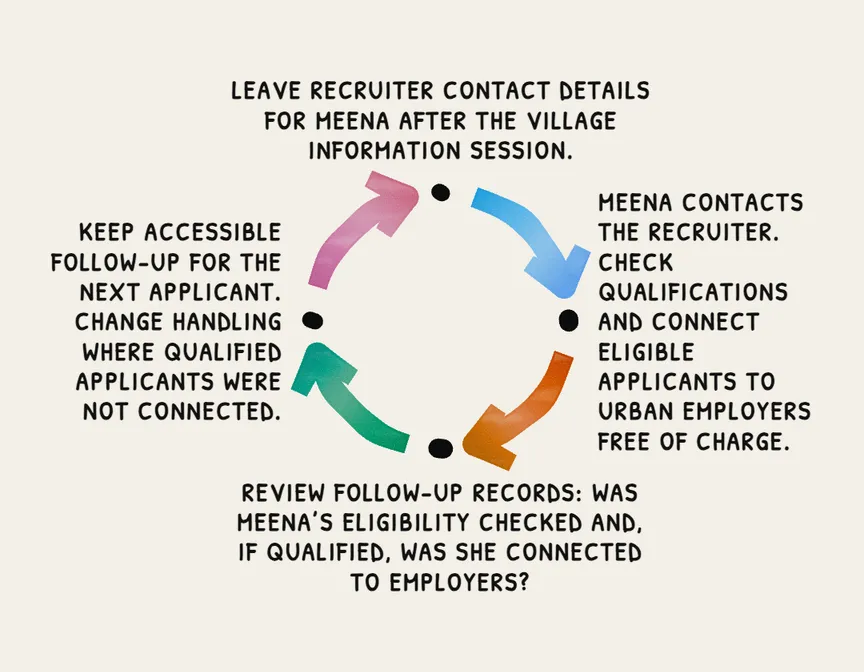
Lowering application friction and offering trusted placement support enables qualified rural candidates to overcome logistical barriers to urban hiring.
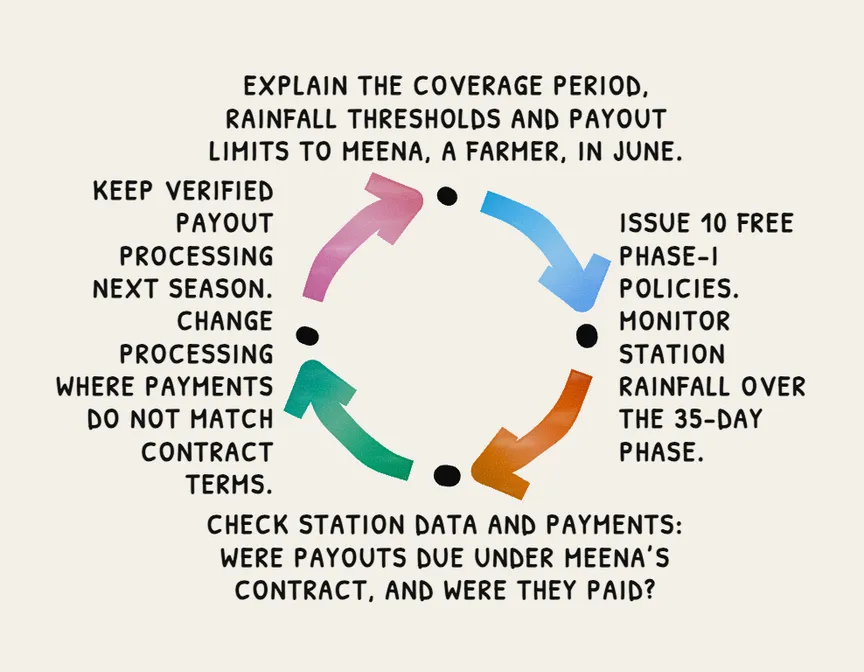
Index insurance eliminates moral hazard and claims verification delays because payouts depend entirely on objective third-party weather measurements.
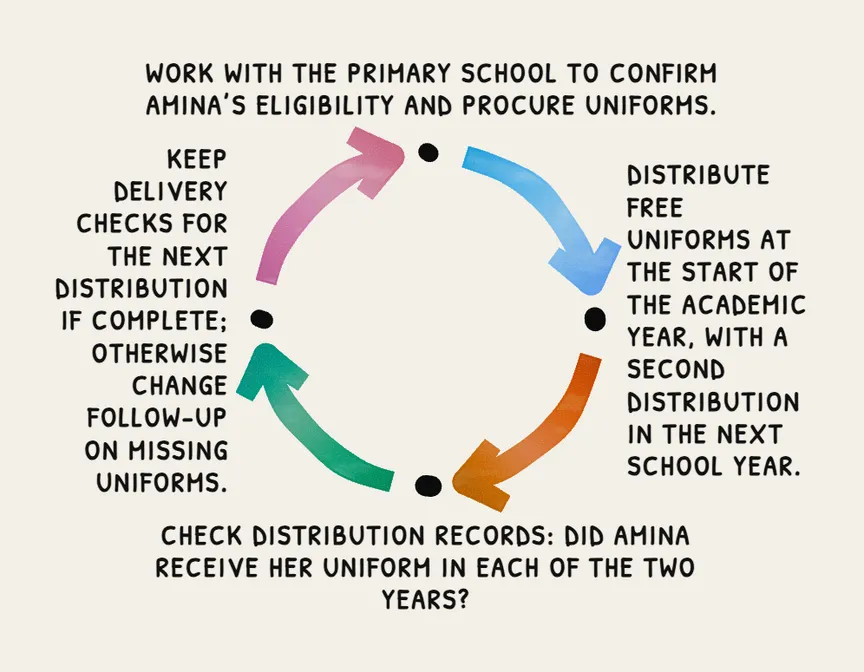
Reducing the direct household costs of schooling encourages girls to stay in school rather than dropping out into early marriage or relationships.
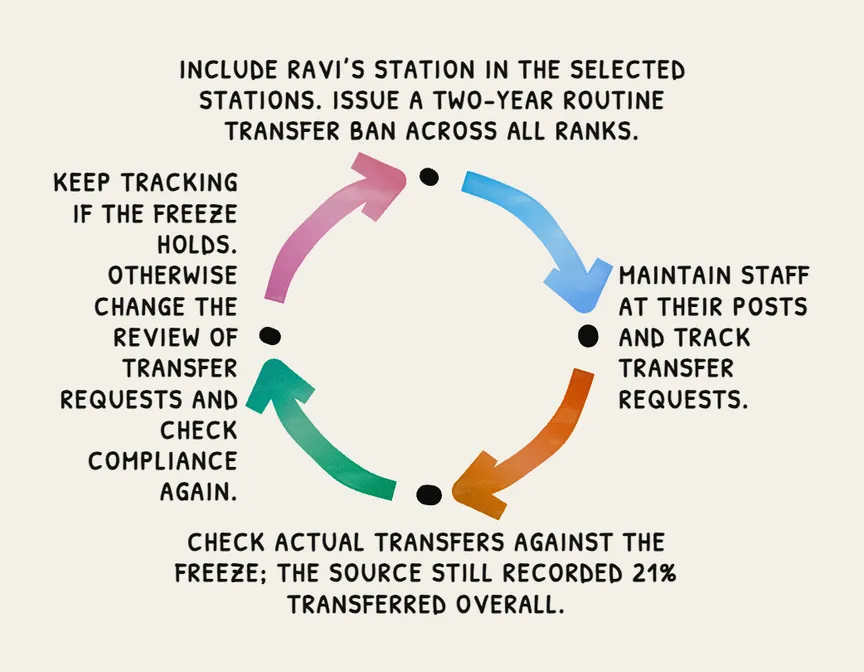
Allowing officers to remain at the same station helps local citizens become familiar with the police working in their neighborhoods.
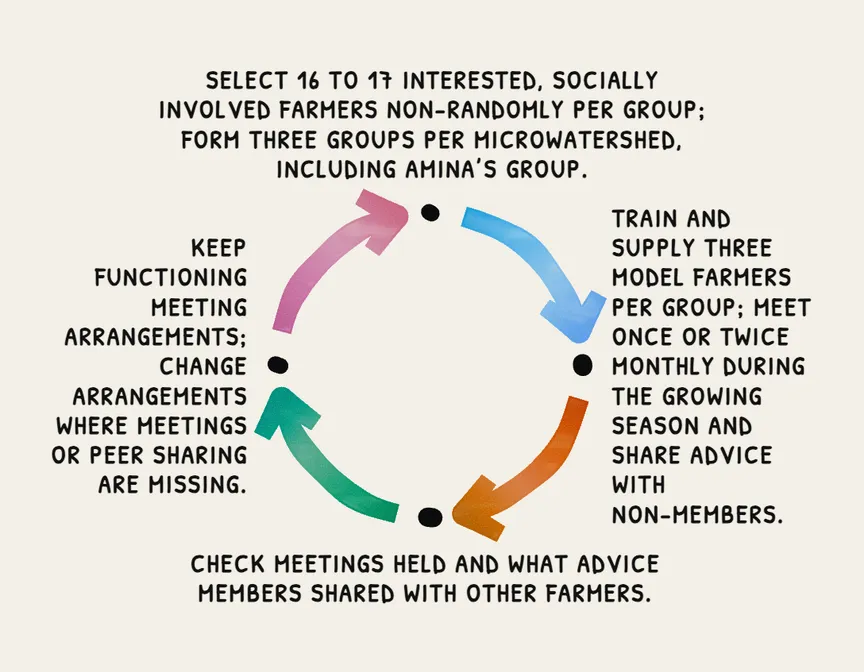
Grouping farmers creates dedicated channels for regular interaction and technical discussion.
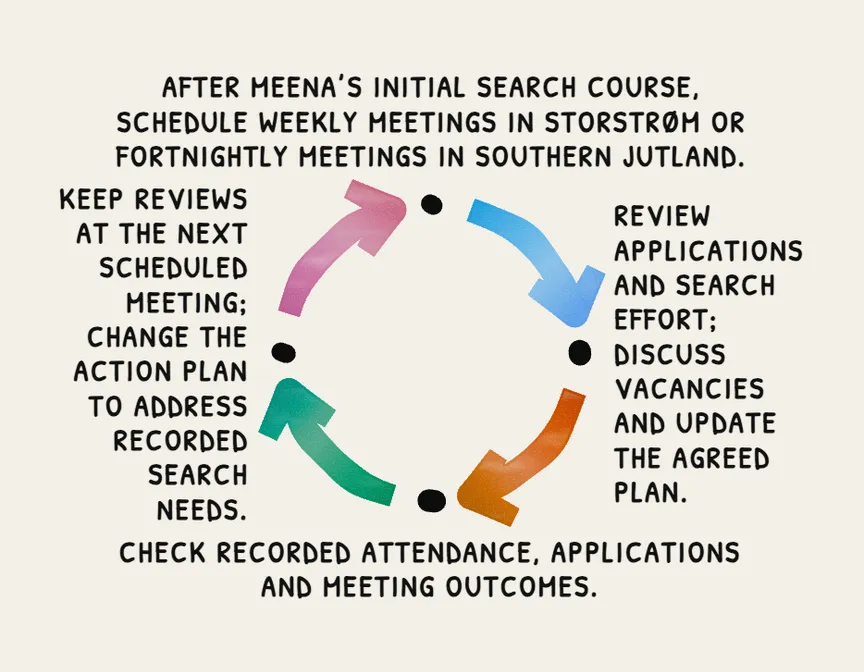
Frequent meetings increase monitoring and impose time requirements that tax the leisure time of unemployed individuals.
Frequent mandatory meetings lower the cost of finding job opportunities through direct caseworker referrals while increasing search effort through monitoring and reducing the value of non-market leisure time.
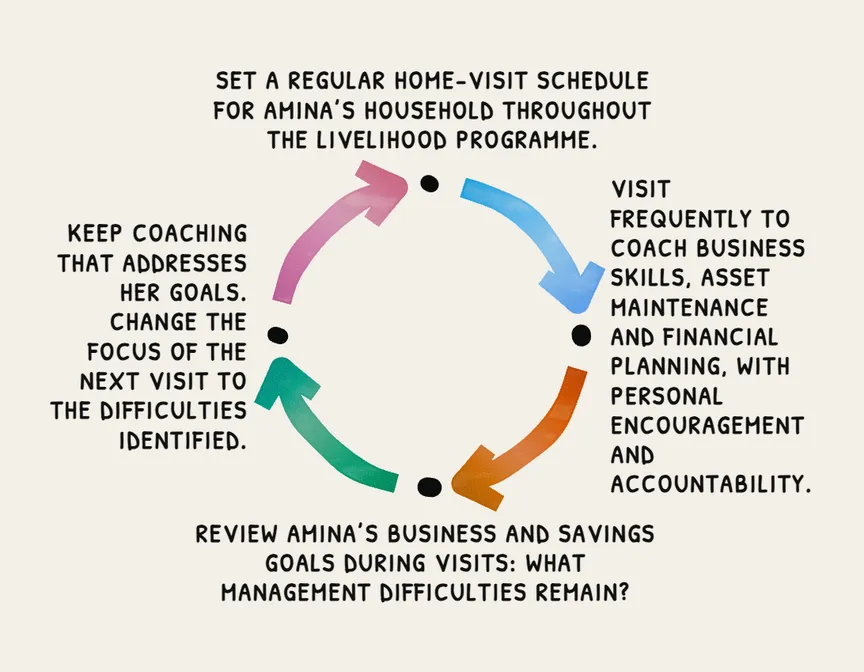
Regular personal contact holds beneficiaries accountable to their business and savings goals while offering emotional support.
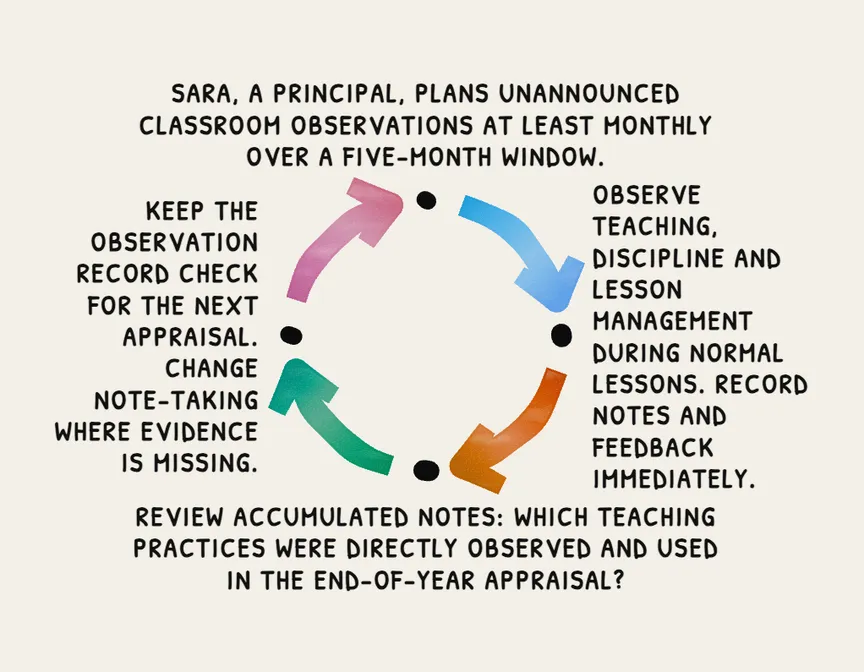
Repeated unannounced spot checks increase manager exposure to daily worker performance, reducing observational noise and information asymmetries.
Frontline health workers act as centralized data hubs for local communities because citizens report symptoms directly to them.
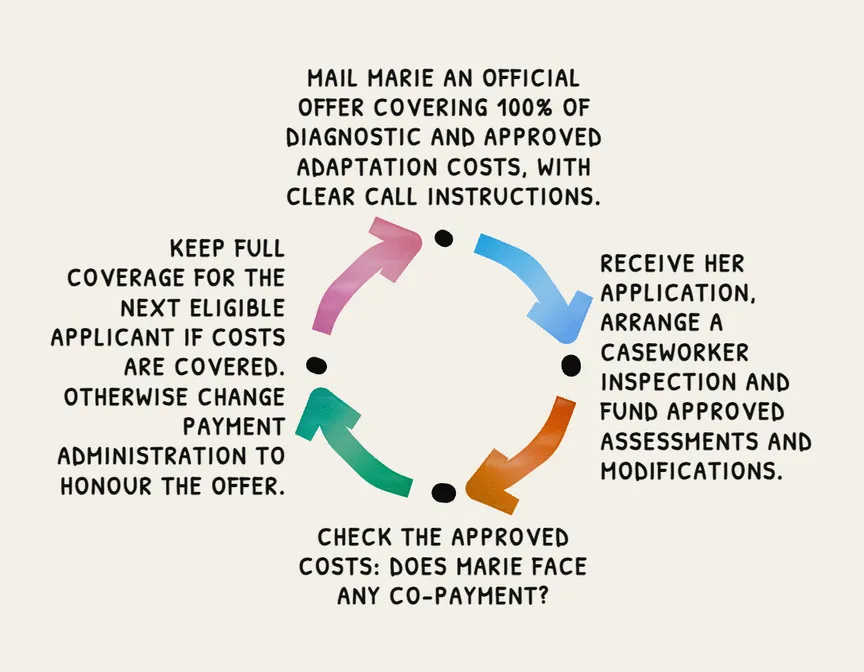
Removing 100% of out-of-pocket costs eliminates financial constraints as a barrier to investment, encouraging retirees who would otherwise hesitate due to price sensitivity to register for safety programs.
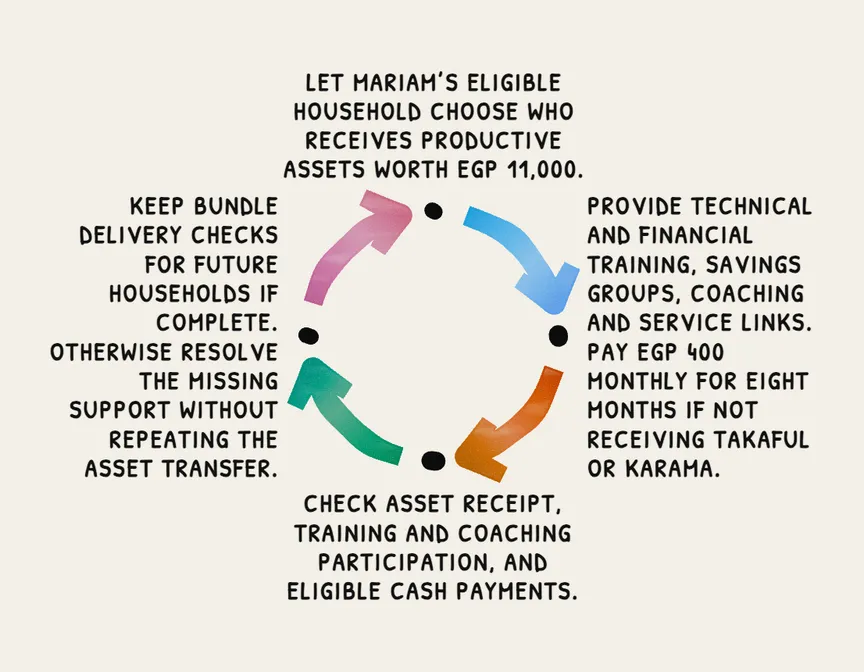
A big-push bundle provides capital, skills, and living support to overcome multi-dimensional poverty traps.
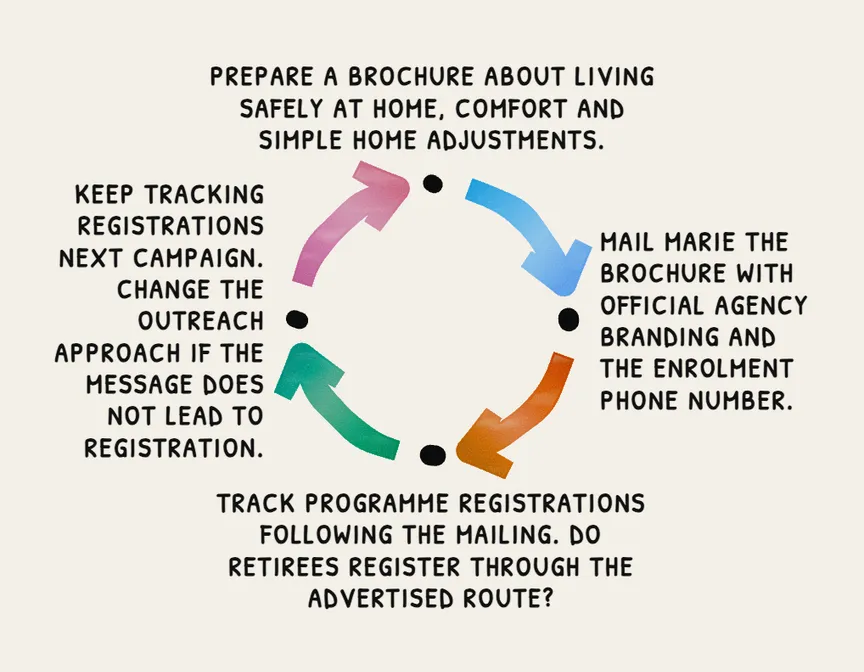
Emphasizing gains aligns with retirees' intrinsic goal of staying independent at home.
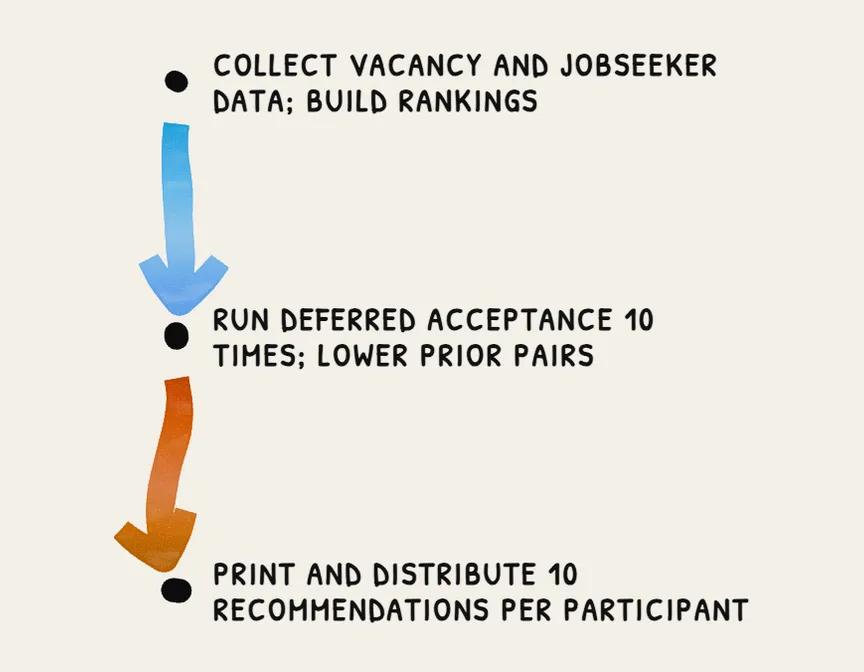
Algorithmic recommendations replace random interactions with targeted pairings that account for heterogeneous employer criteria and worker expectations.
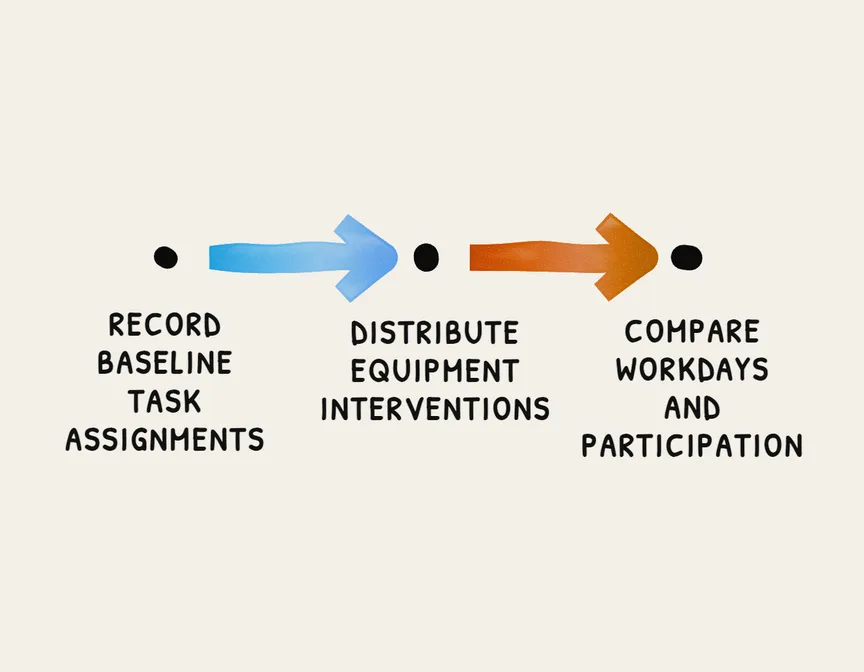
Gender determines task assignments in smallholder farming, so mechanization affects specific labor types differently depending on which manual tasks machines replace.
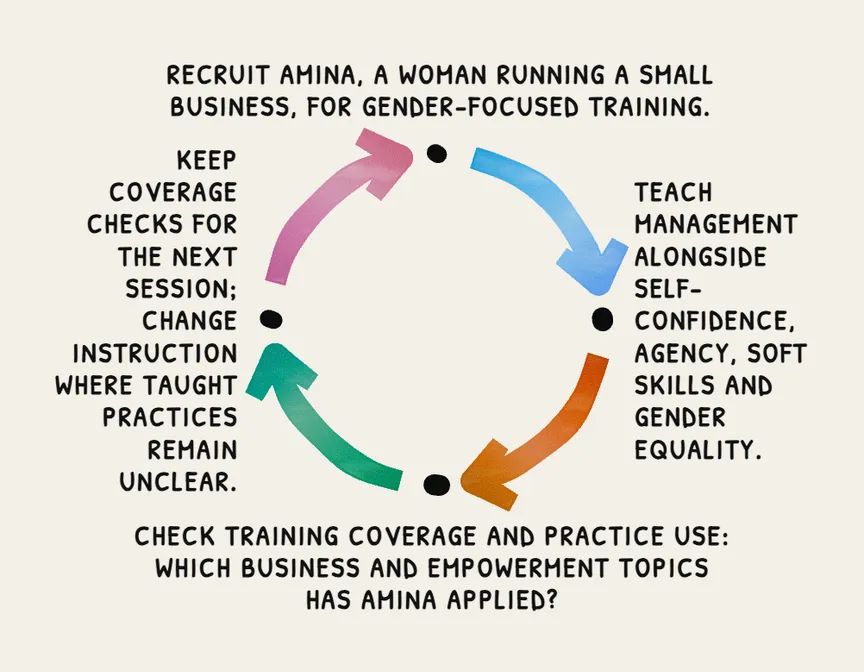
Addressing gender equality alongside management practices strengthens self-confidence and agency among female microentrepreneurs.
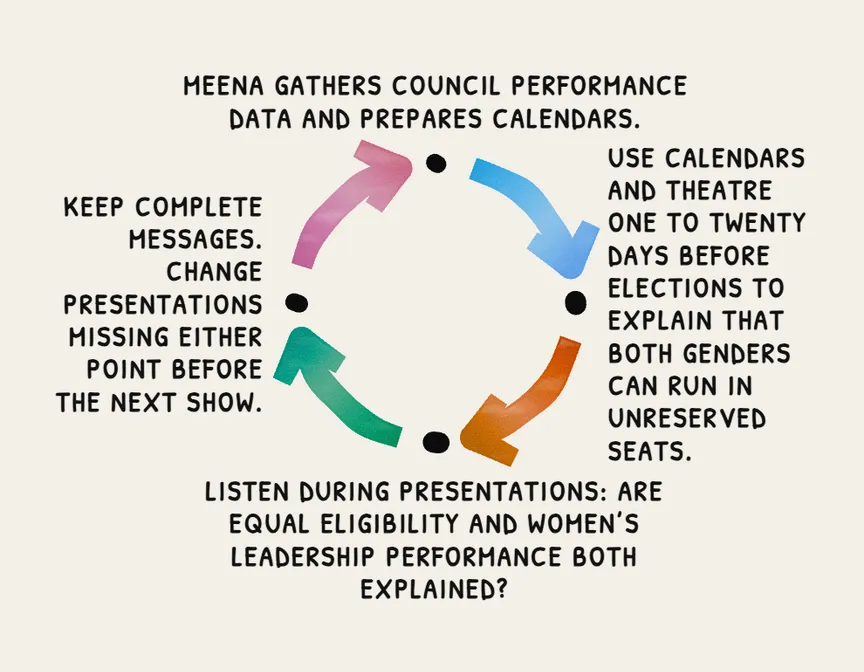
Explicitly stating that women perform as well as men in council leadership directly addresses voter bias and lowers social barriers for prospective female candidates.
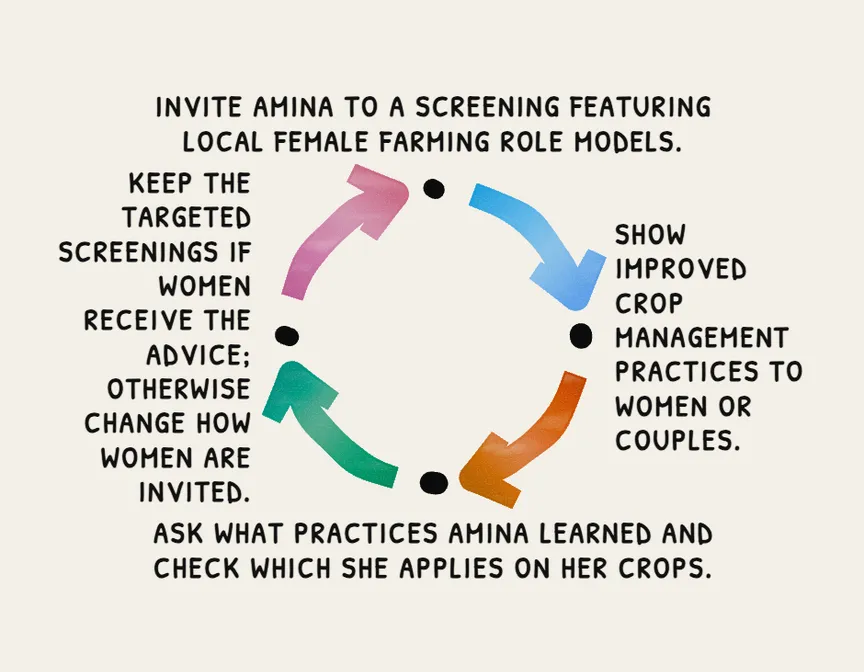
Showing female role models in instructional videos validates women's role in agriculture and makes technical information accessible.
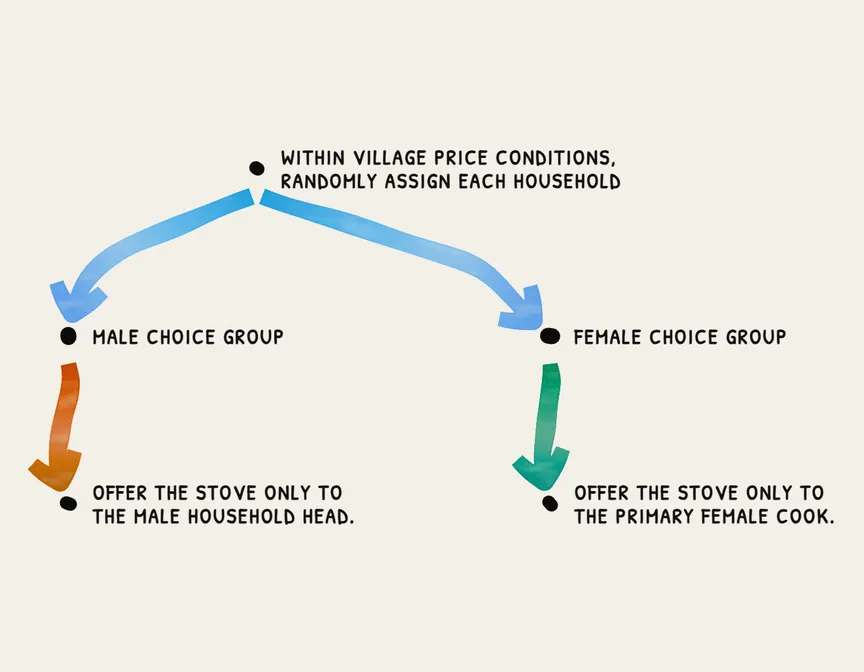
Randomizing decision-making authority at the individual level isolates gender-specific preference differences from confounding household socio-economic characteristics.
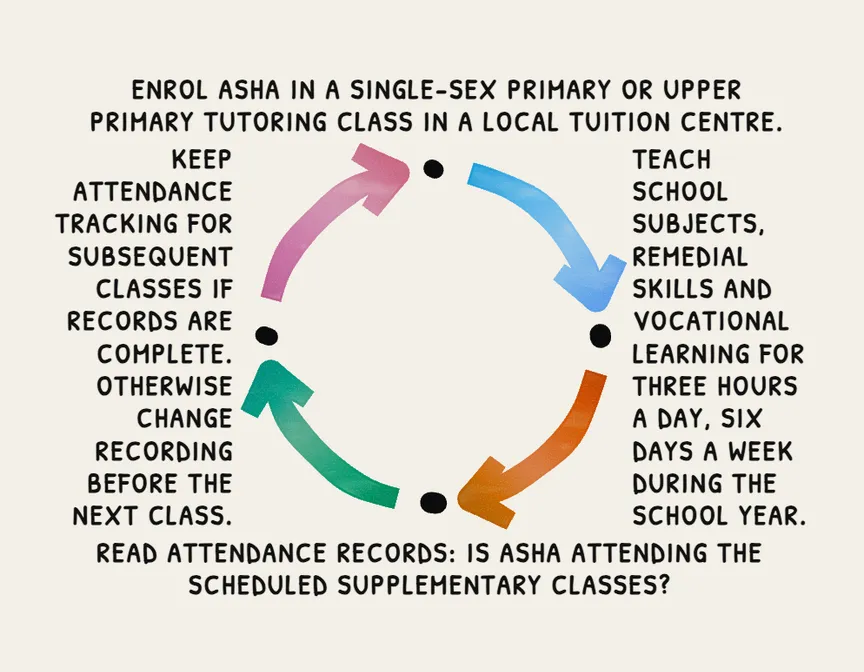
Segregating classes by gender and offering three hours of daily instruction allows tutors to tailor content, remedial skills, and vocational learning to specific student groups.
Targeted legal and gender sensitization training expands officers' technical knowledge of specialized filings while challenging patriarchal dismissal biases.
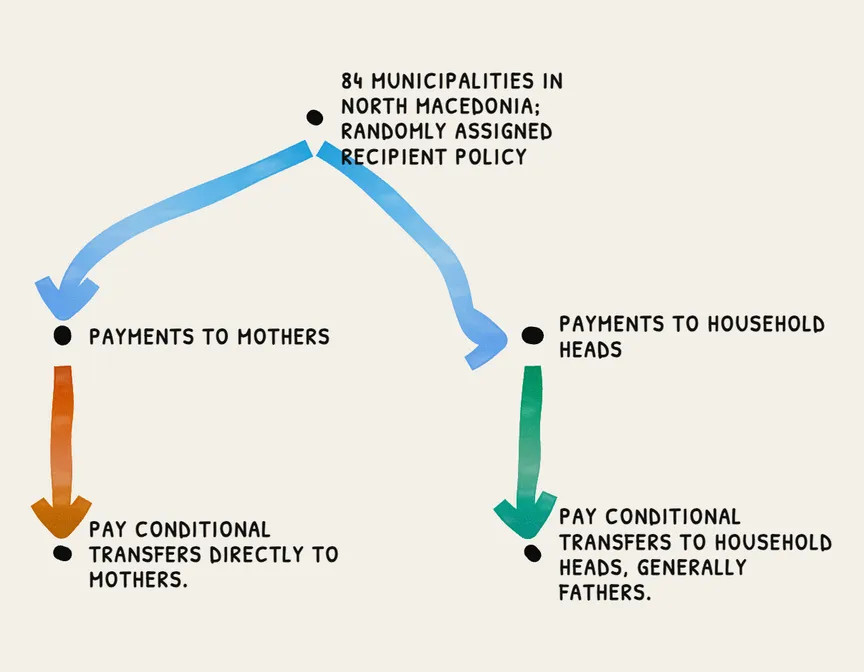
Increasing a mother's share of household income elevates her influence over financial choices.
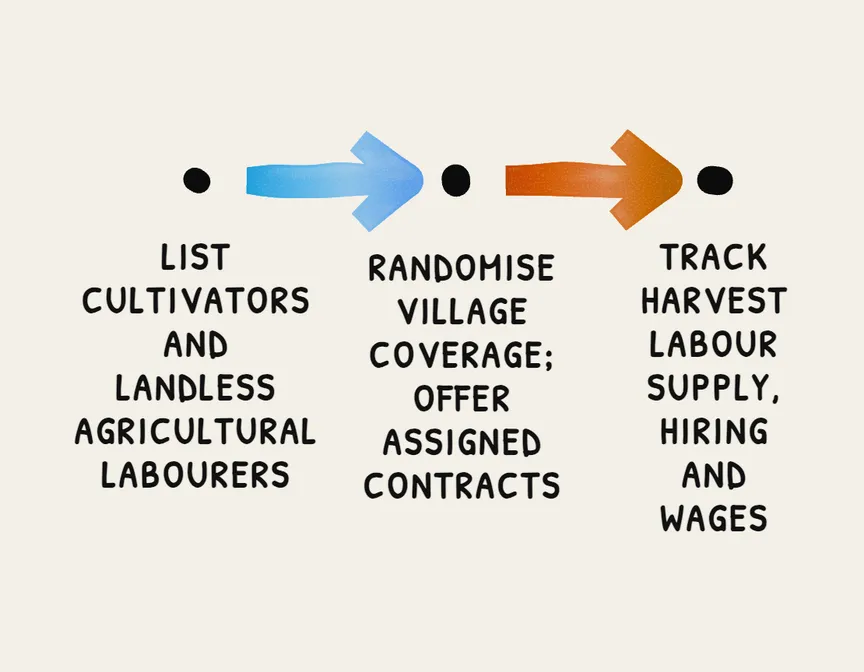
Generating random variation in marketing coverage across villages creates exogenous differences in local labor market conditions.
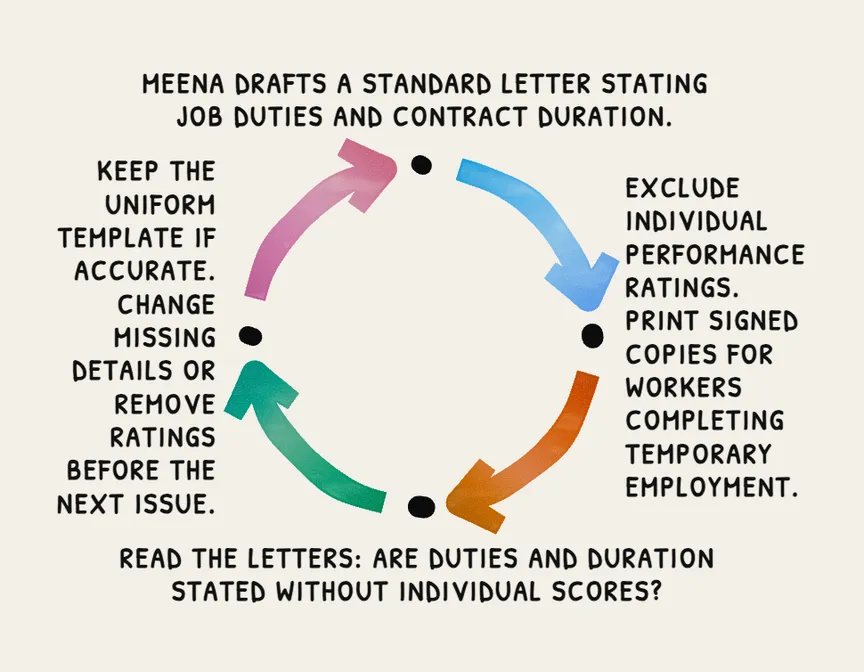
Standard reference letters certify that a worker completed short-term employment without revealing specific performance metrics.
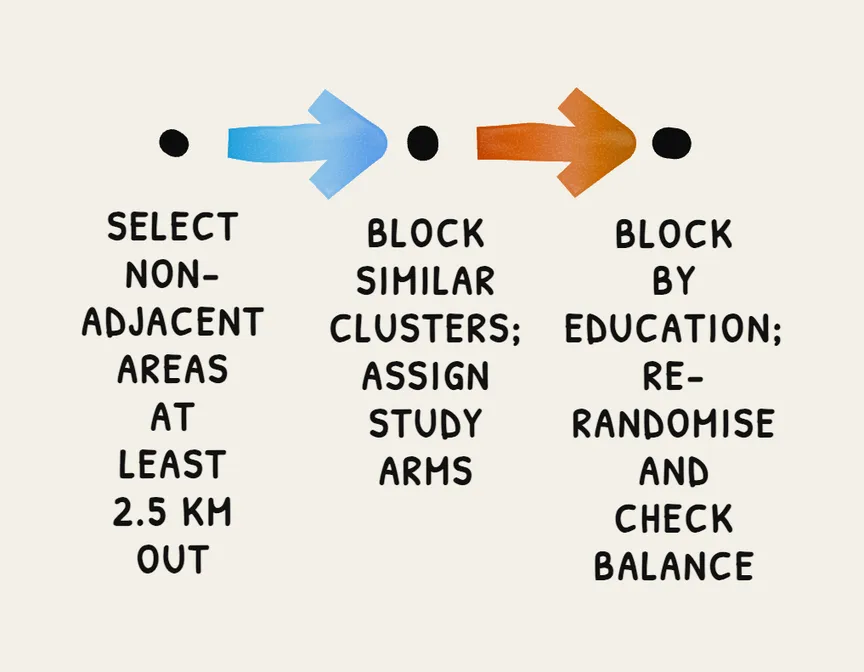
Grouping geographic clusters into blocks on baseline observables ensures that spatial and socio-demographic covariates are balanced across treatment groups.
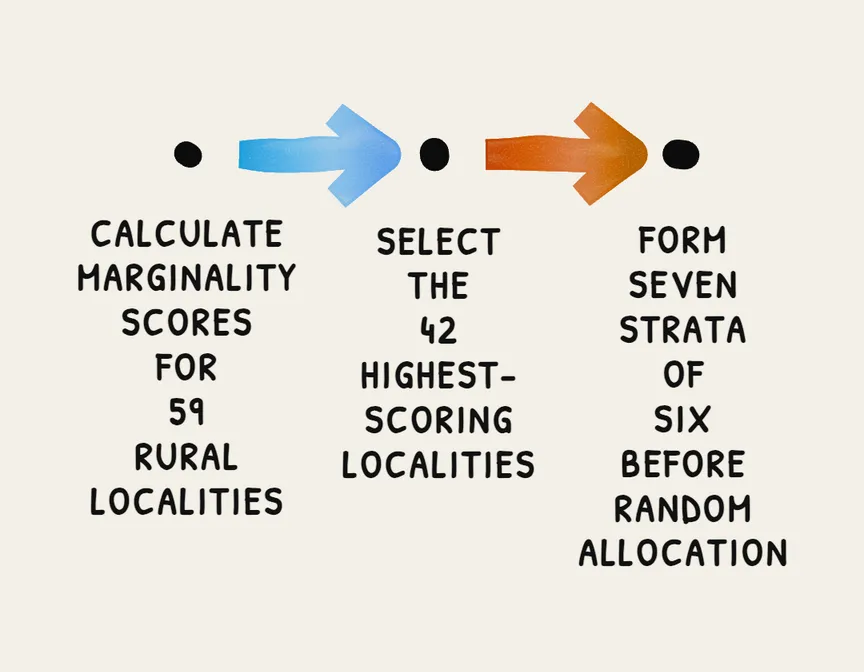
Combining multiple housing, sanitation, and literacy indicators creates an objective measure of community poverty without requiring costly household surveys.
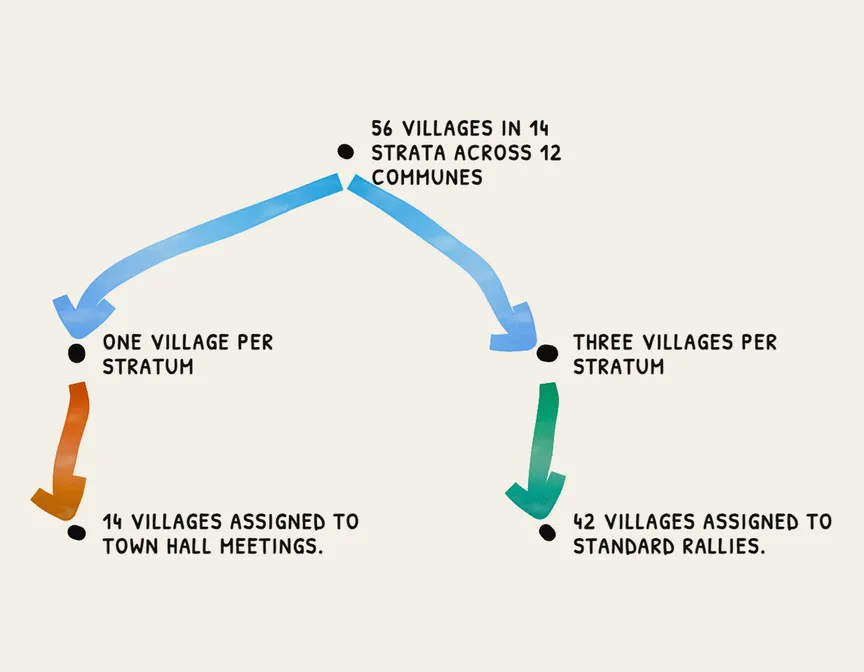
Stratifying randomization geographically guarantees perfect balance on unobserved characteristics that vary at the commune level, such as regional political dominance, infrastructure, or ethnic composition.
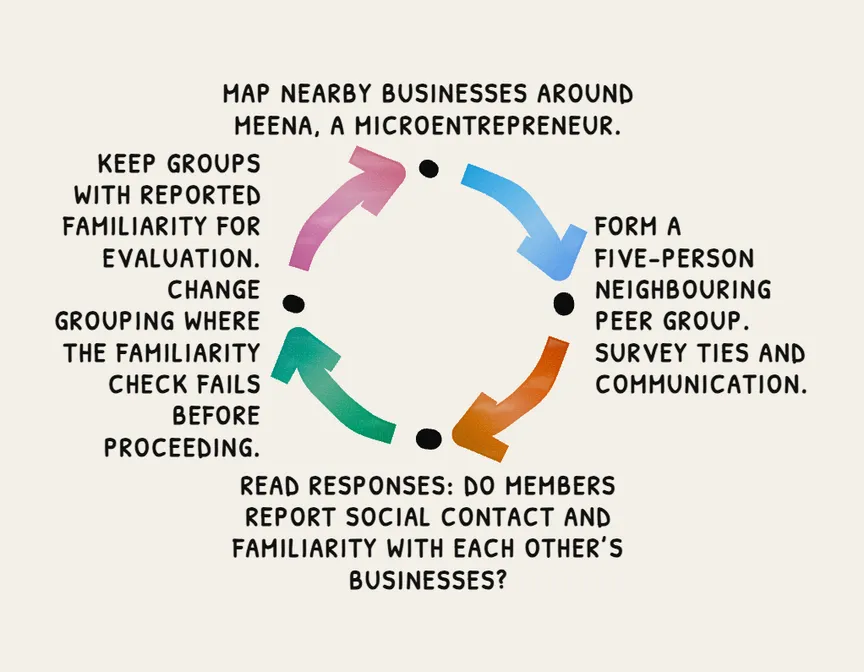
Physical proximity creates high social information density where neighbors observe daily customer traffic, work ethics, and business operations.
Page 14 of 45
Previous
1
…
13
14
15
…
45
Next