Skip to the methods
Menu
aikyam
school
Findings
Methods
Subjects
All cards
Read
Findings
Methods
Subjects
All cards
Methods
2,124 methods
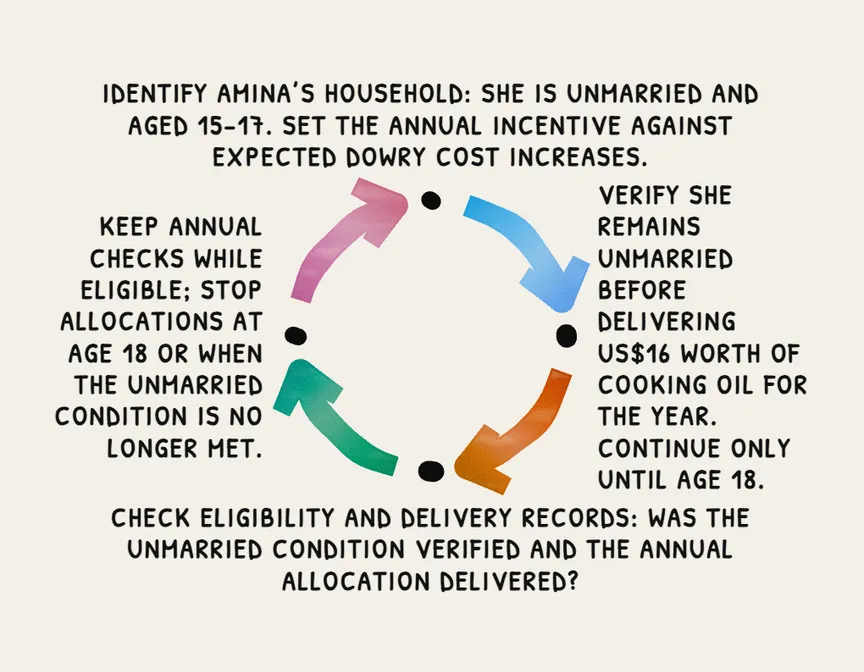
Providing an annual in-kind transfer offsets the financial trade-offs parents face regarding dowry increases as daughters age.
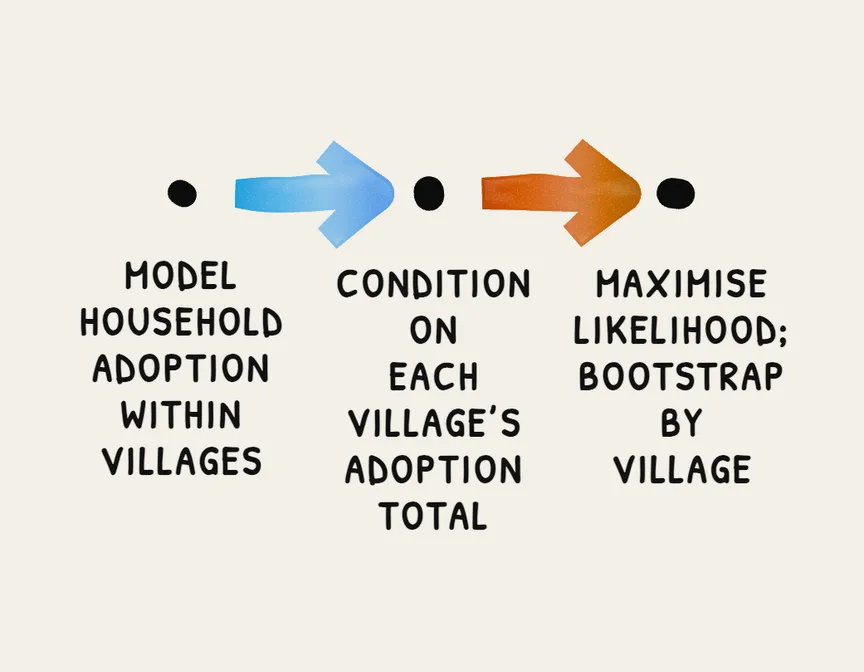
Conditioning the likelihood function on the total sum of adoption choices within a village cluster eliminates unobserved village fixed effects from the likelihood expression.
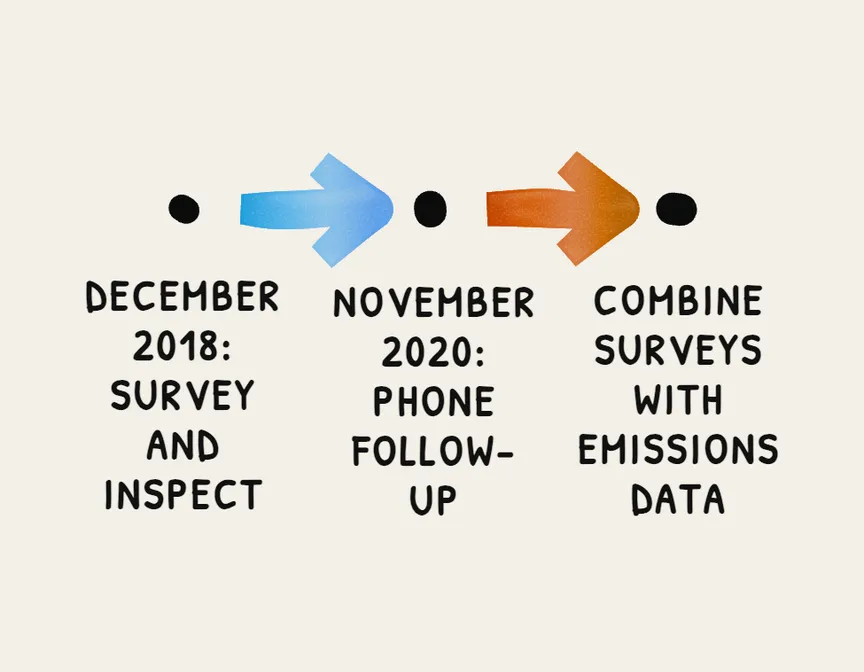
Direct baseline inspections verify physical abatement machinery and establish economic baselines across industrial facilities.
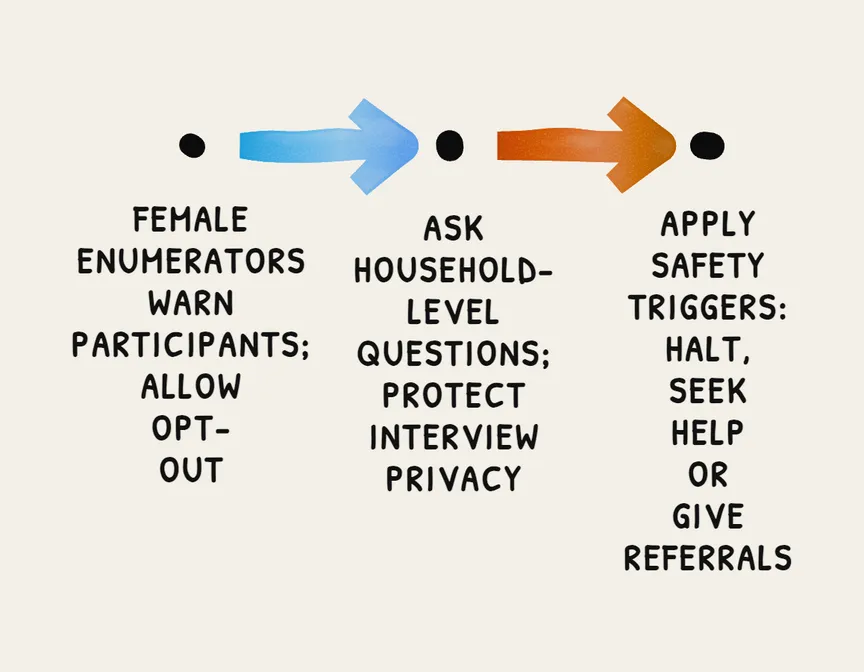
Employing female enumerators, household-level question framing, and active family distraction protocols mitigates safety risks and prevents retaliatory domestic harm.
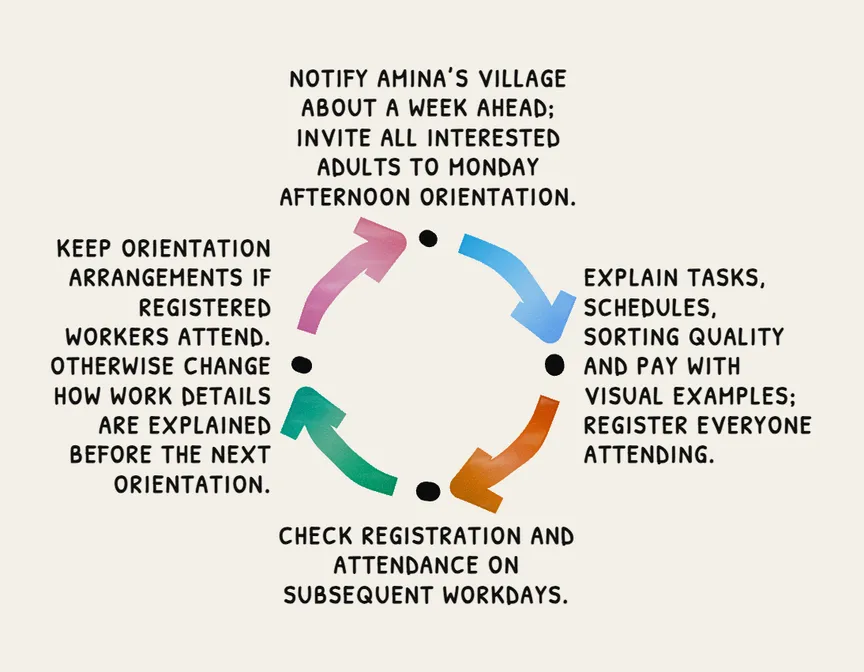
Informing the whole community openly prevents accusations of favoritism and ensures that interested workers understand job tasks before work starts.
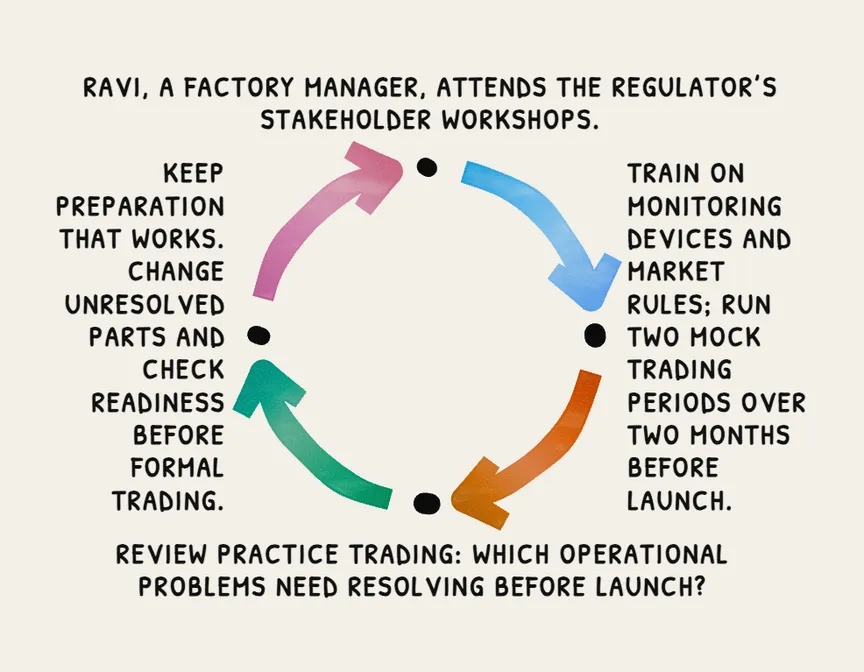
Educating participants and simulating live trading builds technical familiarity, resolves operational bottlenecks, and ensures high compliance once legal regulation begins.
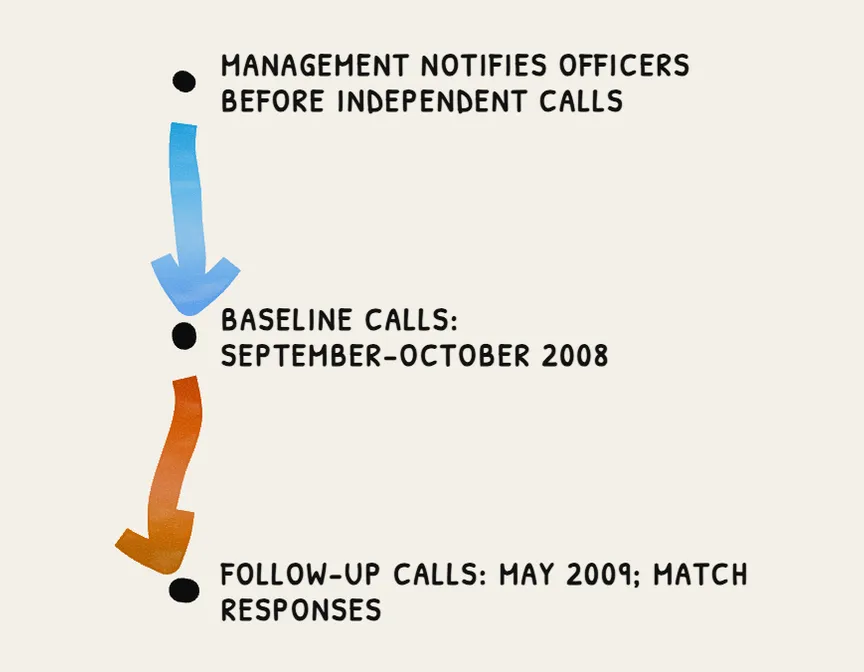
Telephone surveys conducted by an independent survey firm allow researchers to collect standardized personal well-being metrics without interfering with daily branch operations.
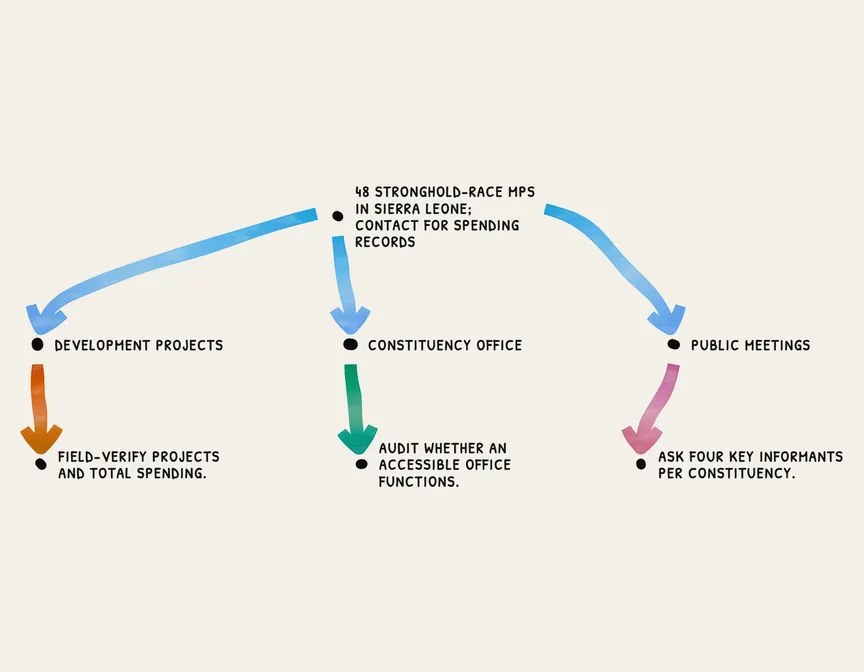
Physical field audits verify self-reported expenditure, preventing legislators from overstating their accomplishments.
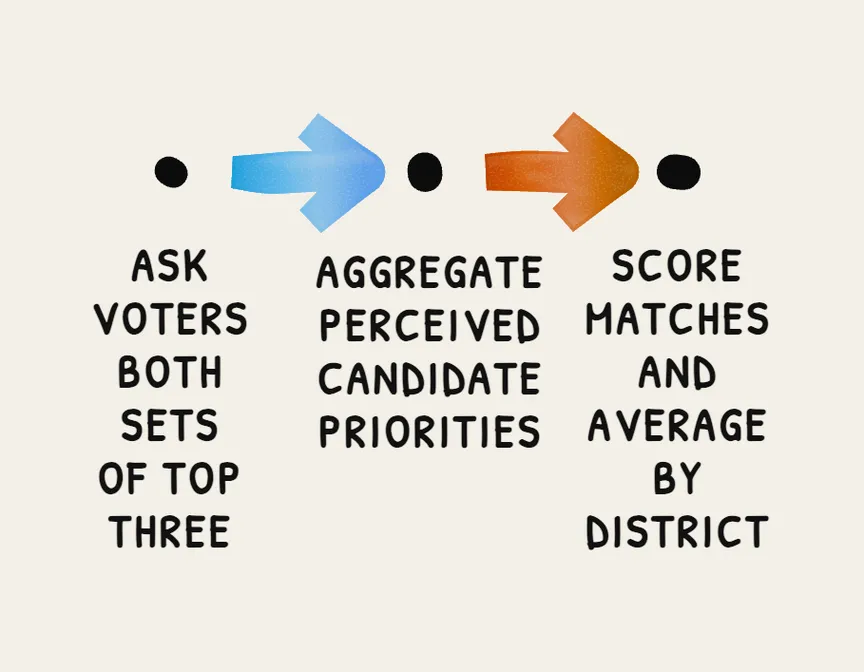
Open-ended questions capture genuine constituent demands without imposing restrictive choices.
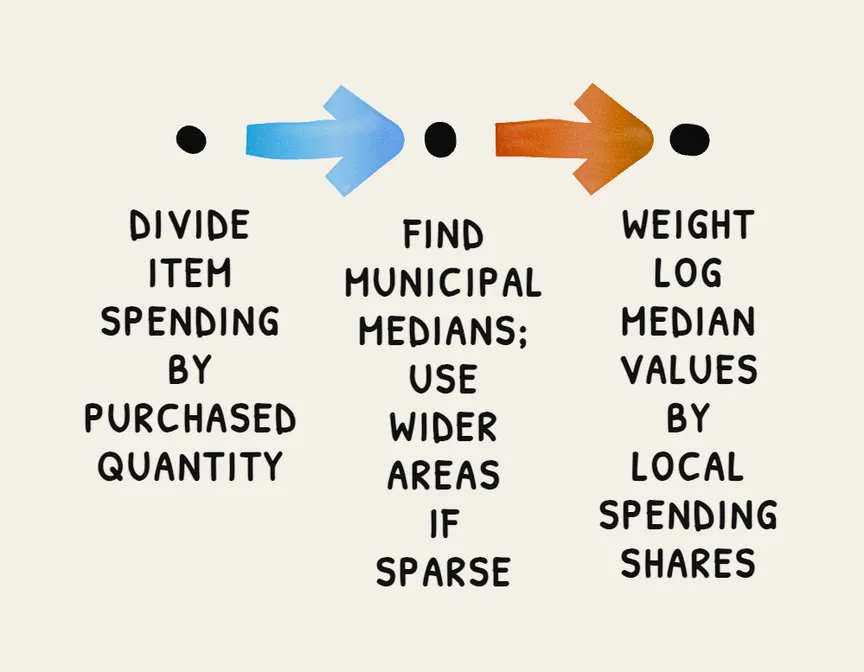
Weighting log unit values by municipal expenditure shares captures local price structures without requiring explicit retail price surveys.
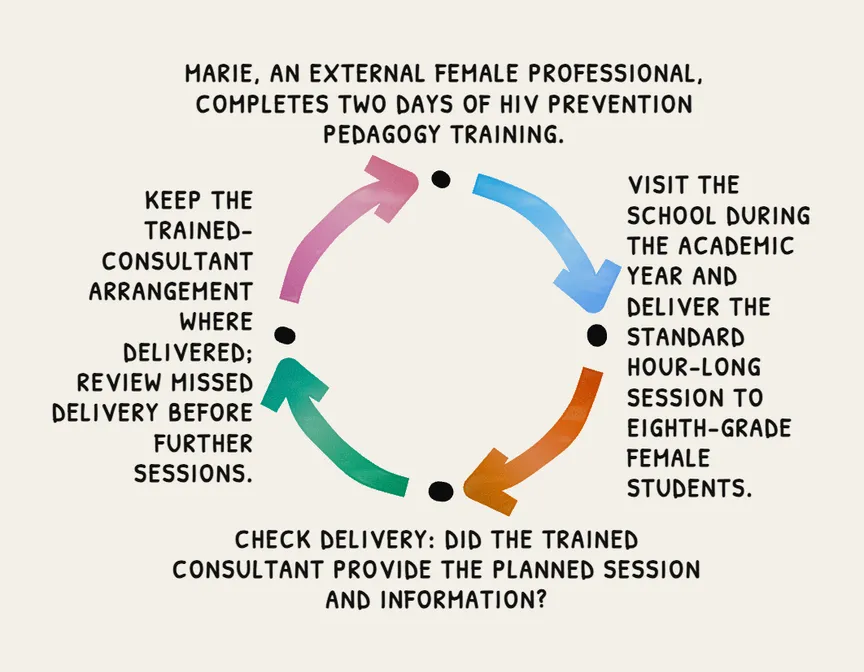
Delivering accurate health information through external female professionals helps align adolescents' perceptions of sexual health risks with reality.
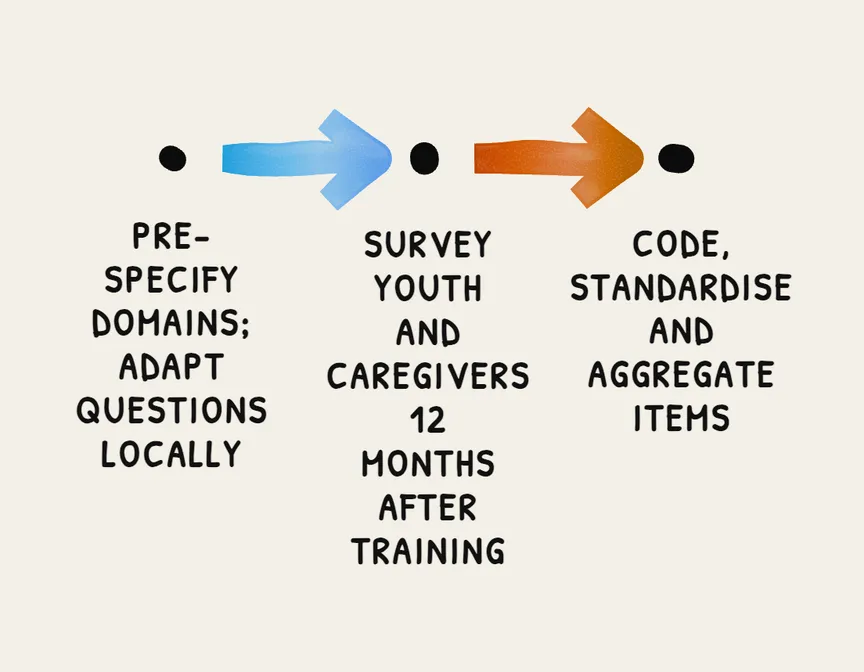
Adapting survey modules to specific local customs prevents measurement error caused by irrelevant or poorly understood foreign constructs.
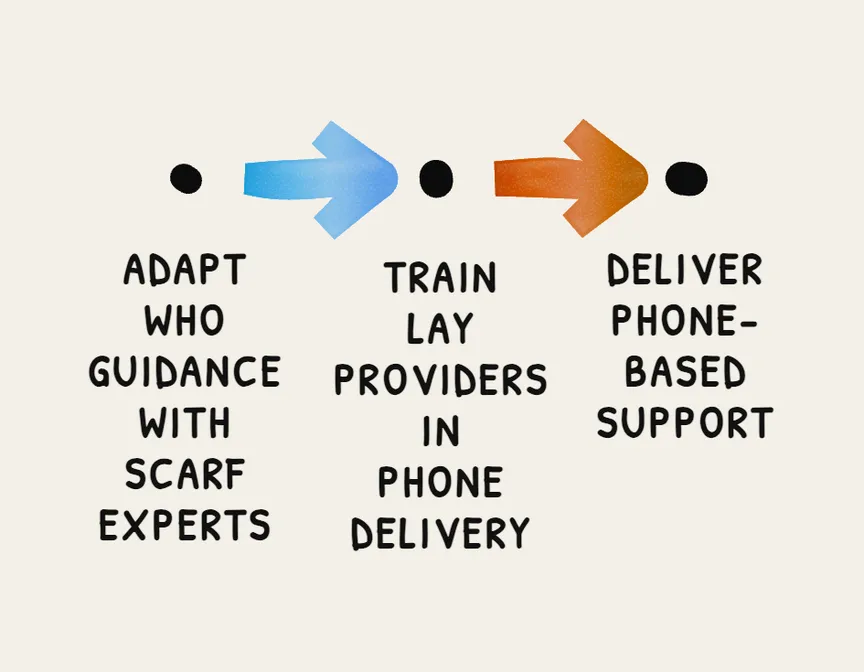
Adapting established guidelines for phone delivery enables safe remote care during epidemics, while training lay providers bypasses shortages of specialized mental health professionals.
Explicitly walking respondents through the specific household goods given up forces careful introspection about real budget constraints, reducing hypothetical bias and overstatement.
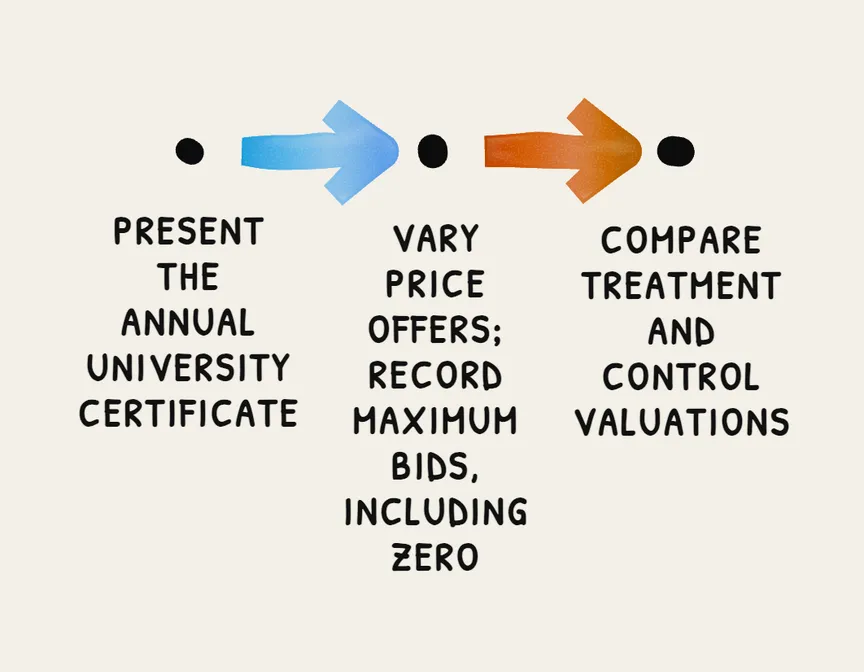
Randomizing offer prices across survey respondents generates precise demand curves at low cost.
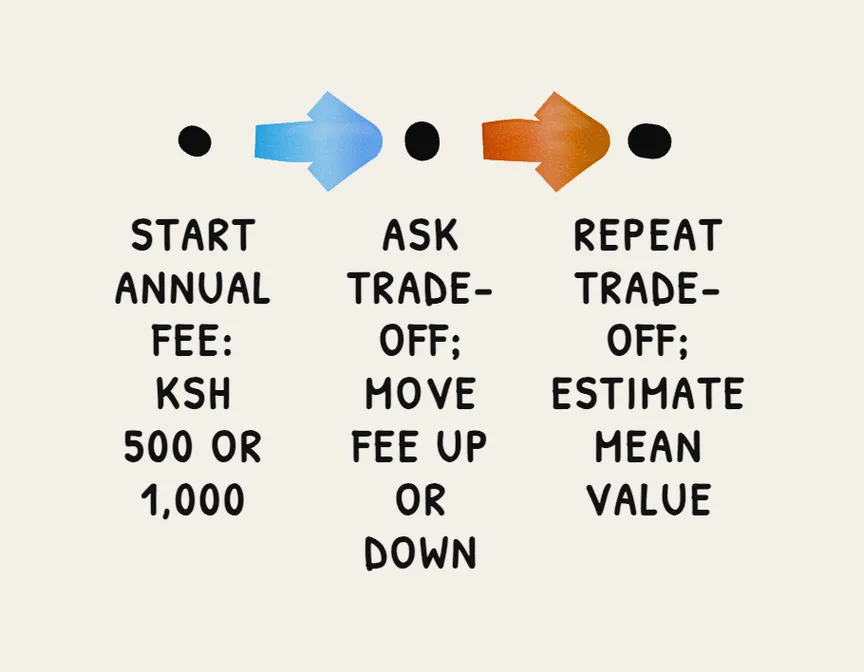
Stepwise contingent valuation questions force respondents to make explicit trade-offs between cash retained and services received, revealing private financial valuation for institutional trust building.
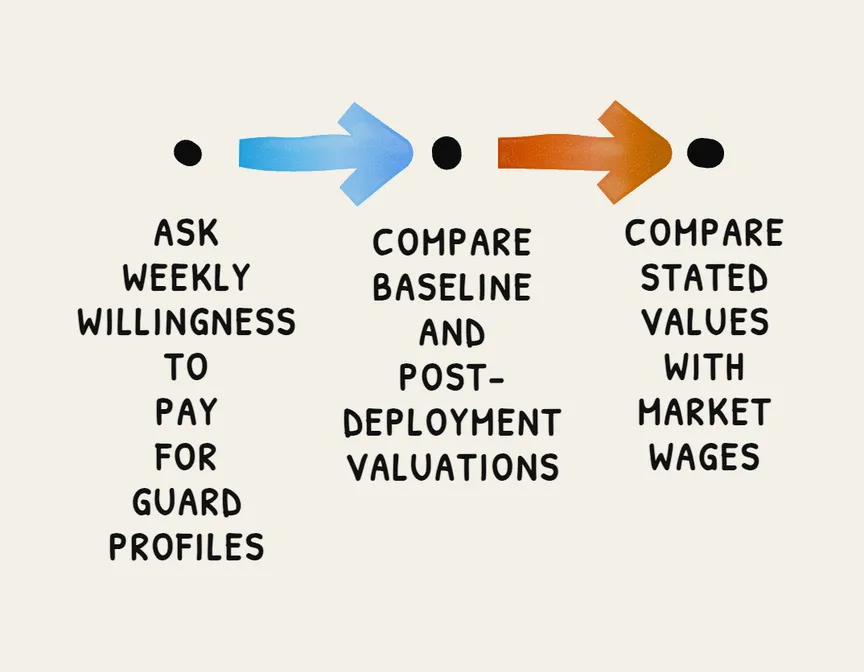
Stated valuation modules isolate individual security preferences from credit constraints and reveal how local social collusion concerns depress demand for village-based guards.
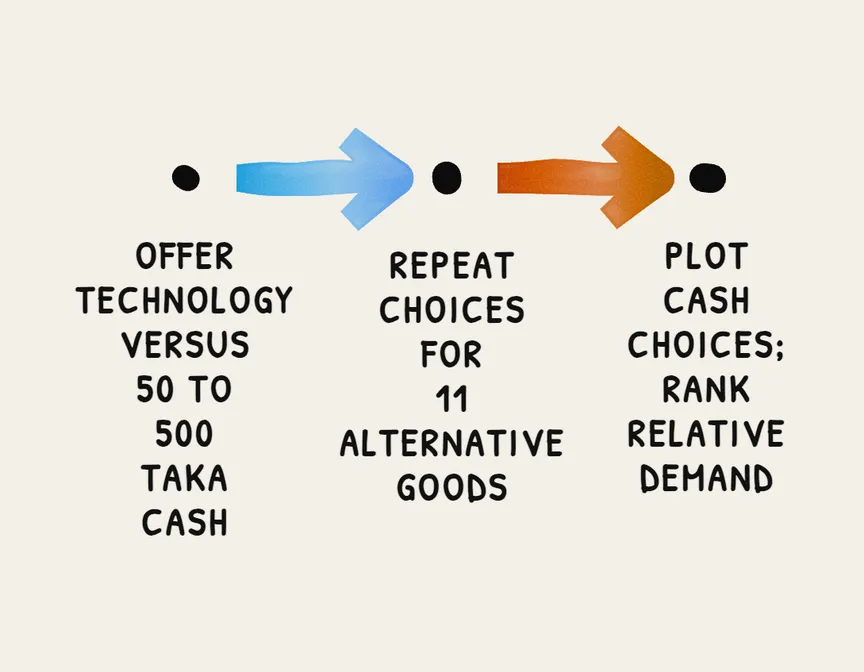
Comparing hypothetical choices between direct cash transfers and various essential goods isolates relative preferences and rankings.
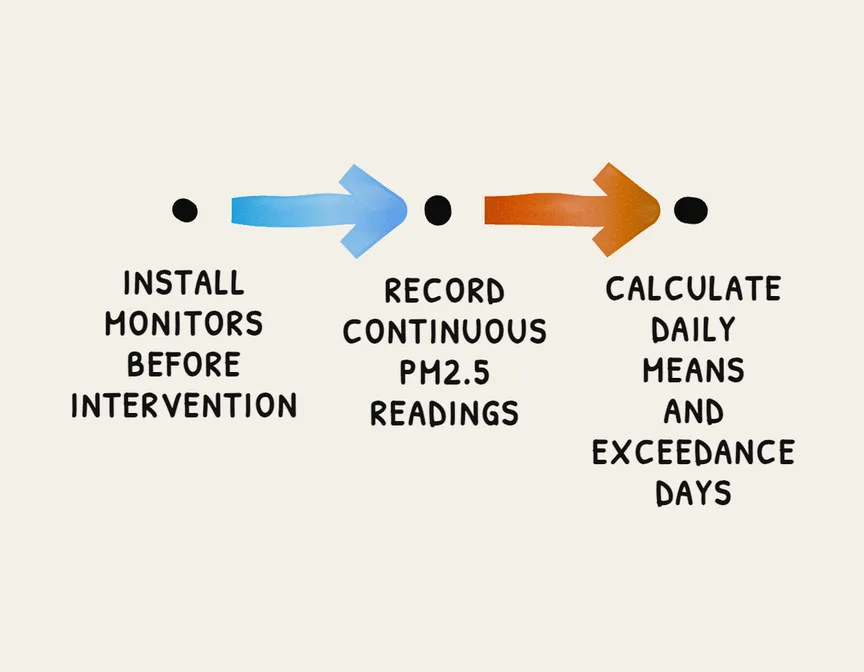
Continuous sensor monitoring captures precise particulate fluctuations that residents cannot detect visually.
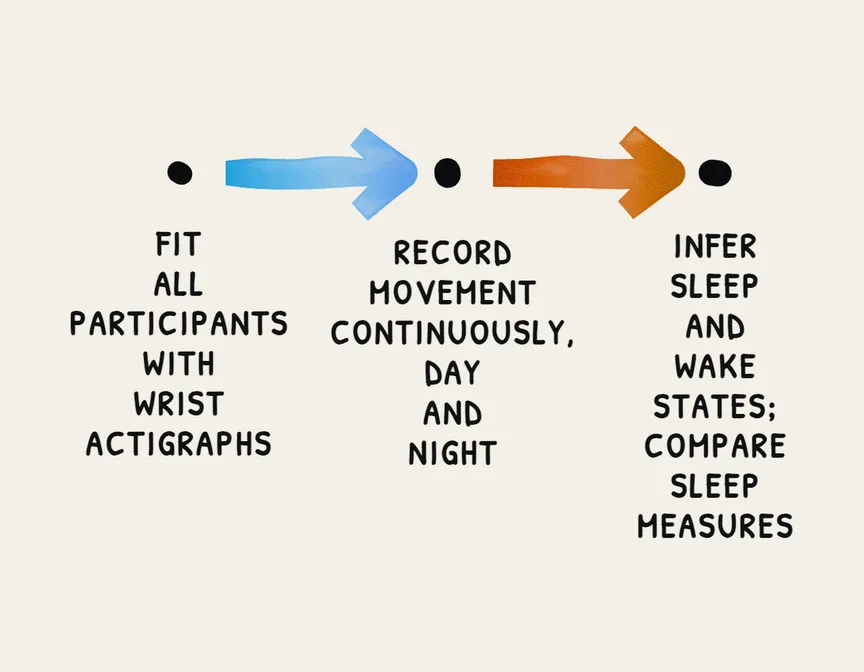
Accelerometers in wrist actigraphs record physical movement to distinguish wakefulness from sleep without depending on memory.
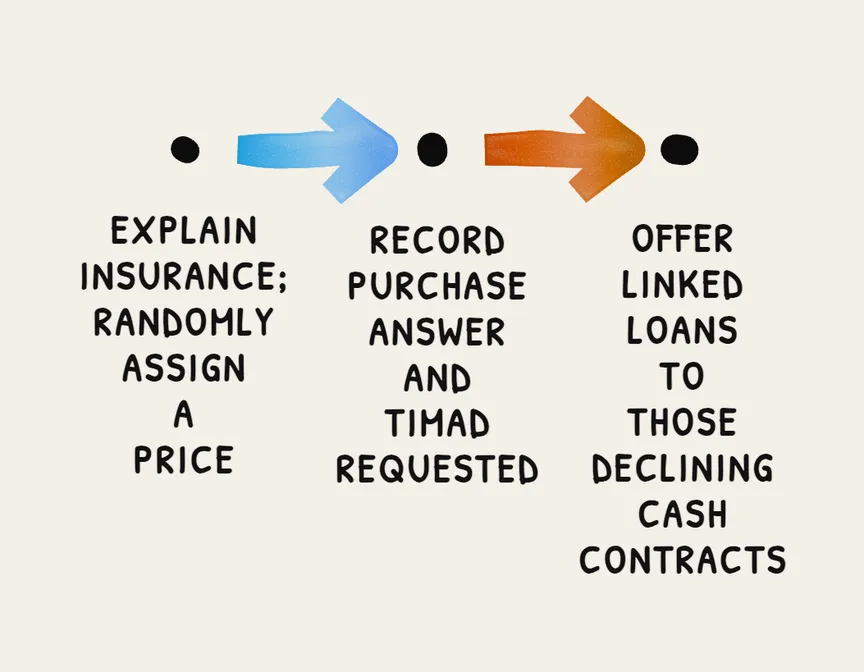
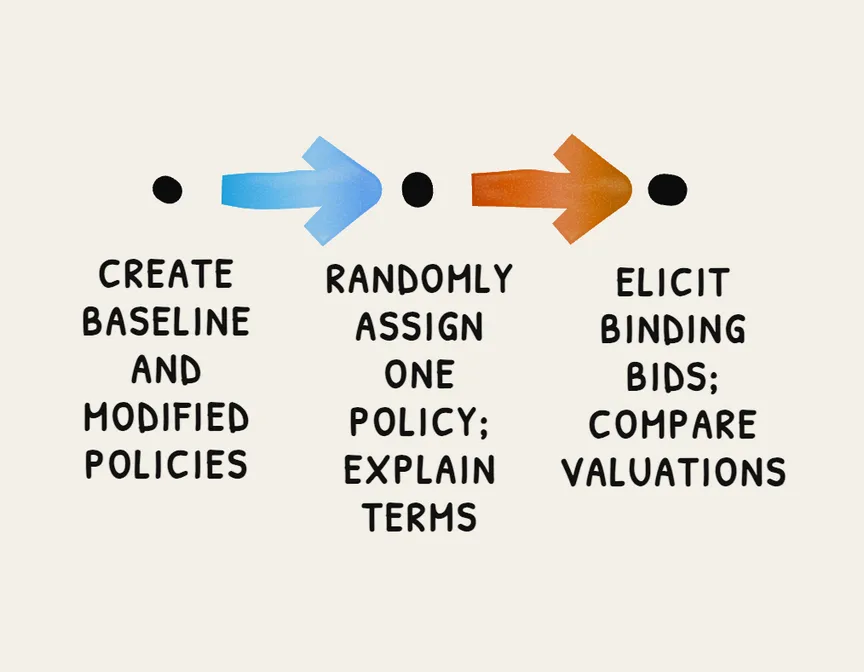
Randomizing contract features within an incentive-compatible bidding structure isolates how specific terms influence willingness-to-pay.
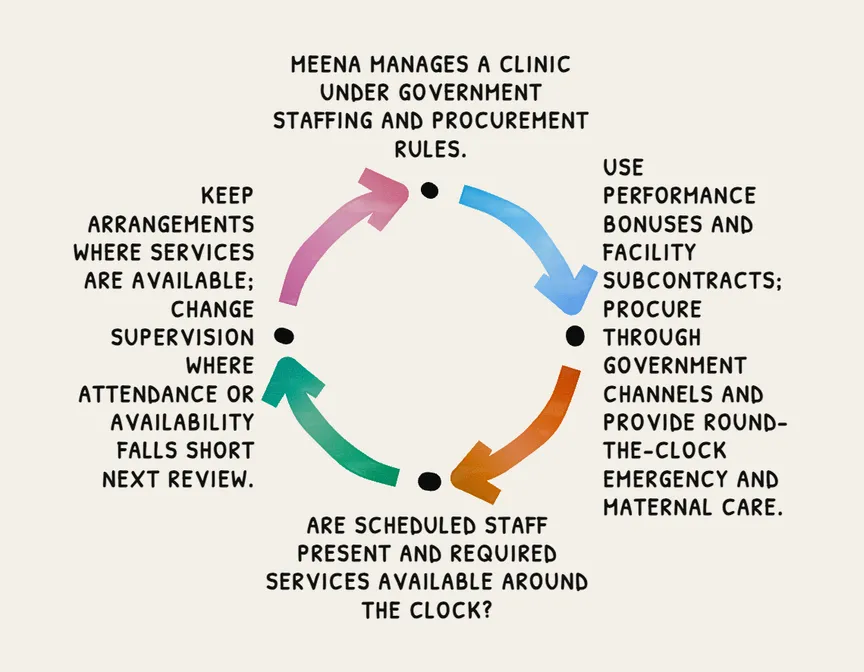
Contractor management brings active supervision and performance-based salary bonuses to civil service health staff.
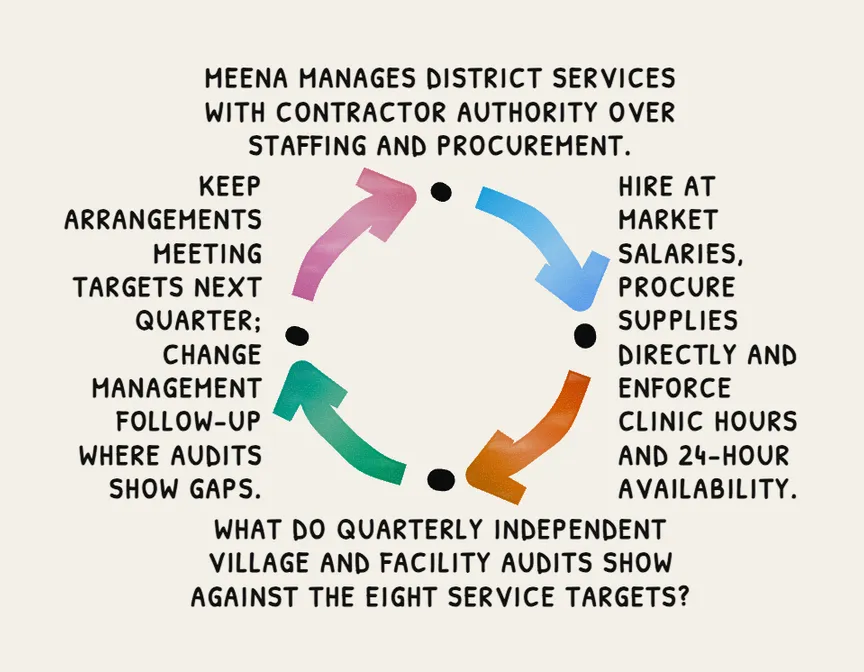
Full managerial autonomy lets contractors bypass slow government procurement and pay workers market wages.
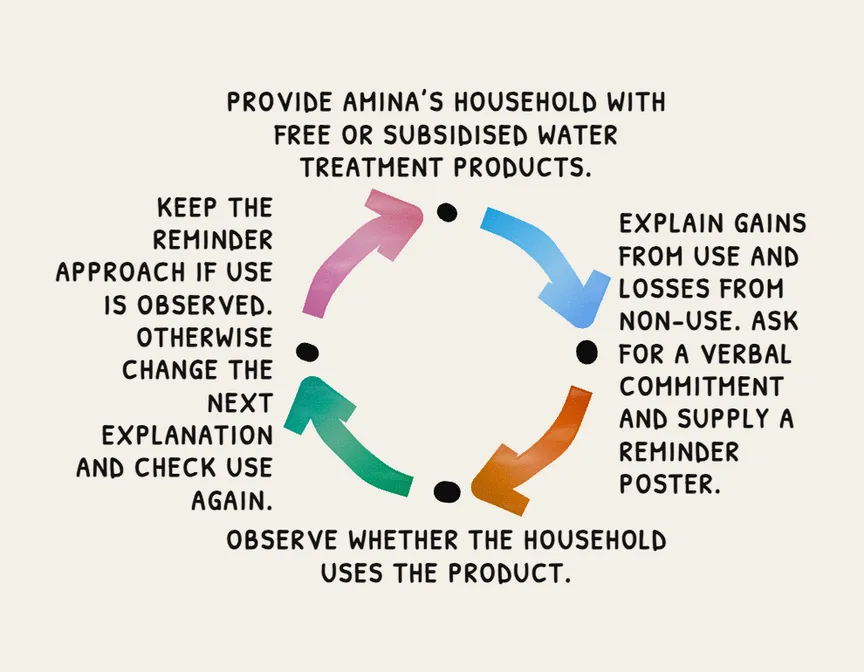
Framing information around potential losses alongside gains increases risk awareness, while visual commitment prompts motivate short-run usage of unfamiliar products.
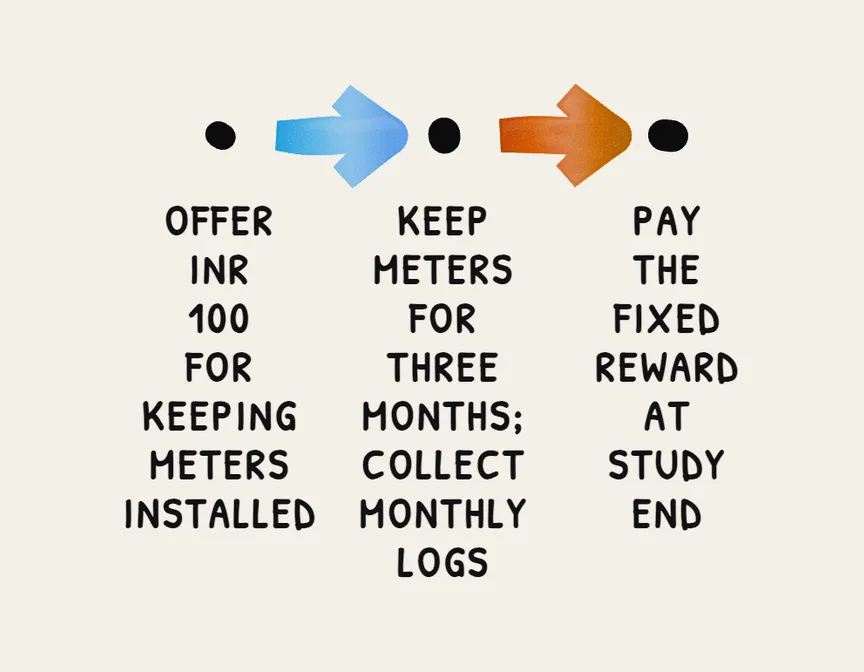
Paying a nominal fixed reward compensates control farmers for allowing monitoring hardware on their land without altering their marginal cost of pumping water.
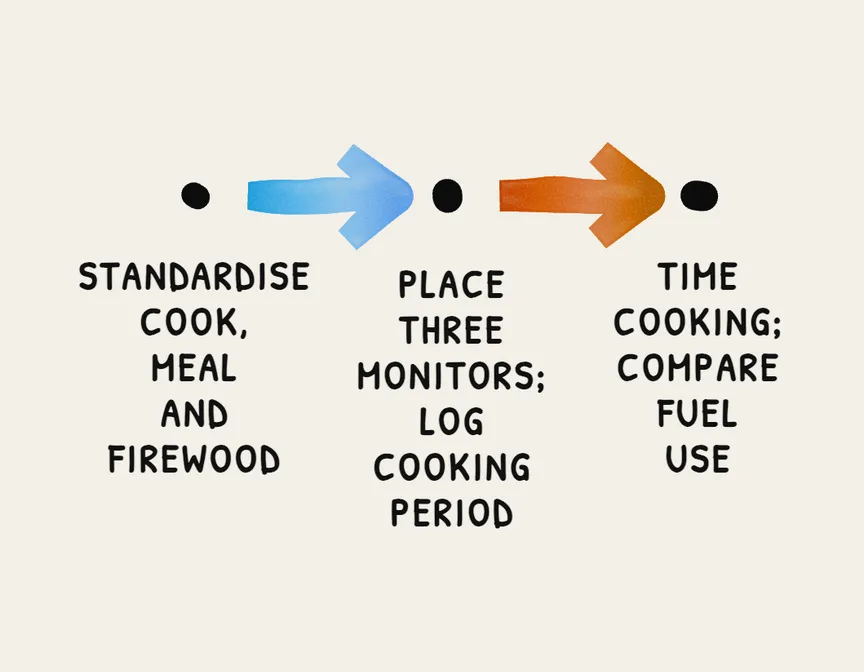
Standardizing meals, fuel, and location isolates the impact of stove architecture on kitchen air quality and fuel consumption.
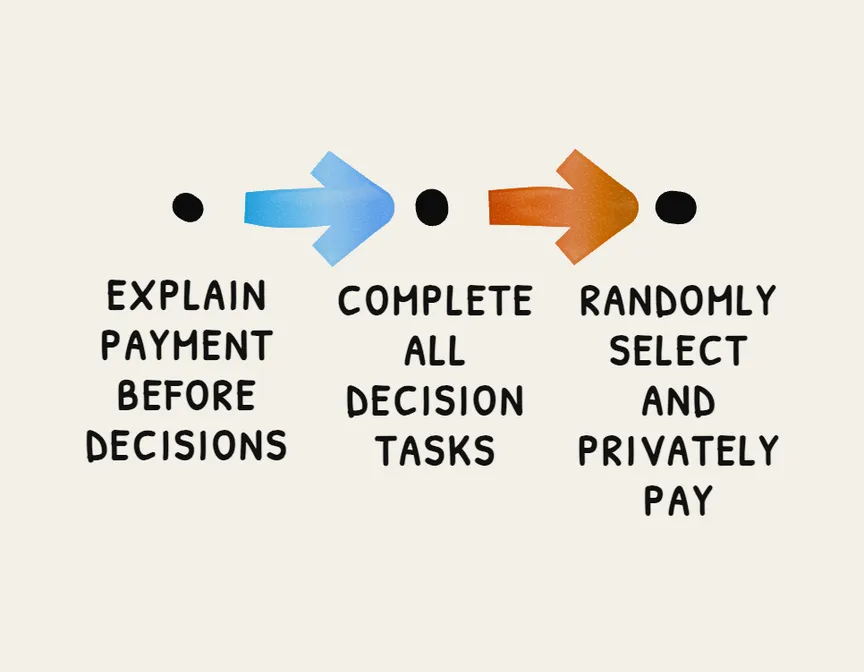
Paying for a randomly selected decision ensures that a participant's anticipated wealth for any given task remains unchanged by earlier or future choices.
Traditional classroom instruction delivers foundational knowledge about management principles and financial calculations to business owners.
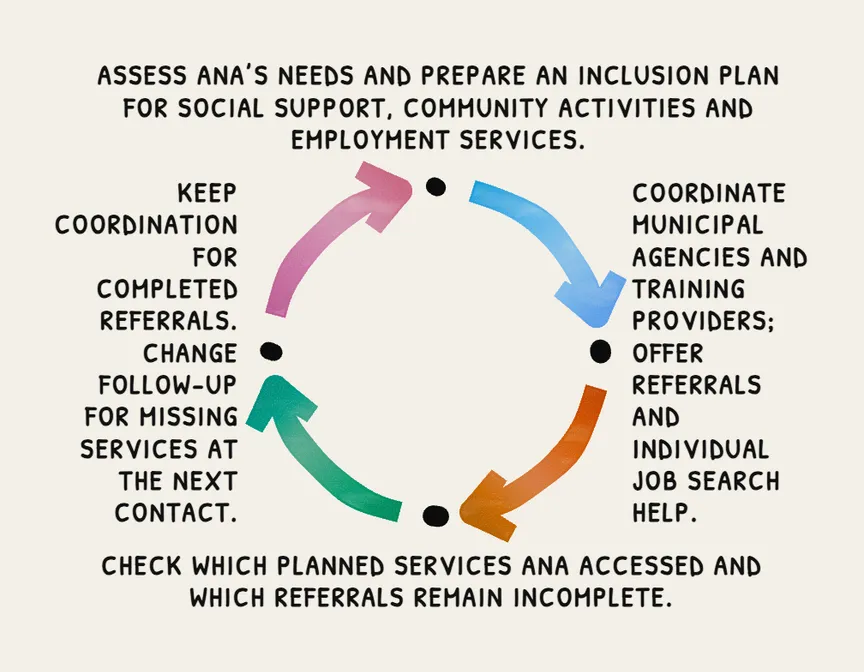
Assigning dedicated municipal caseworkers lowers the administrative burden of navigating fragmented public assistance programs.
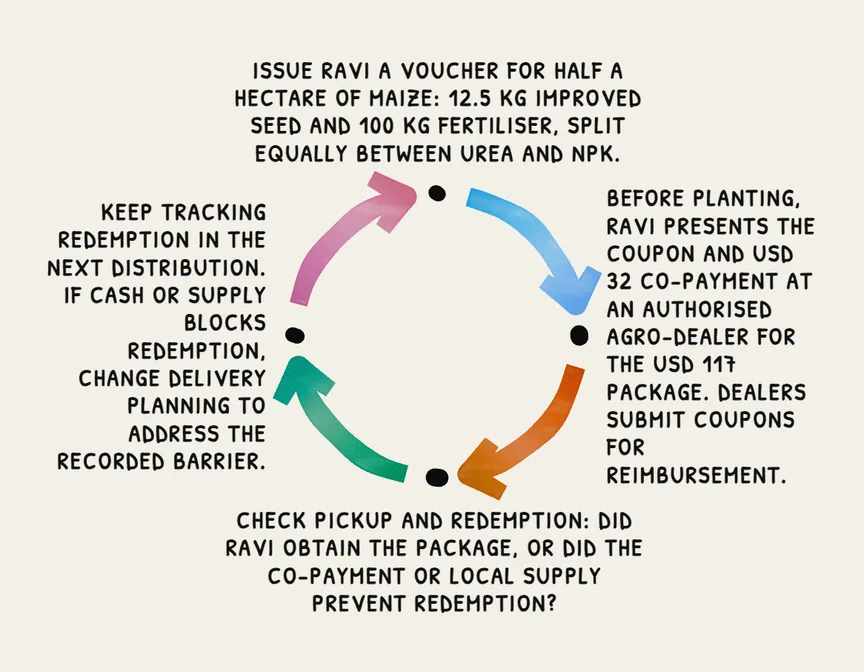
Co-payment voucher schemes reduce upfront capital barriers for credit-constrained farmers while stimulating private agricultural supply chains rather than bypassing them through state distribution.
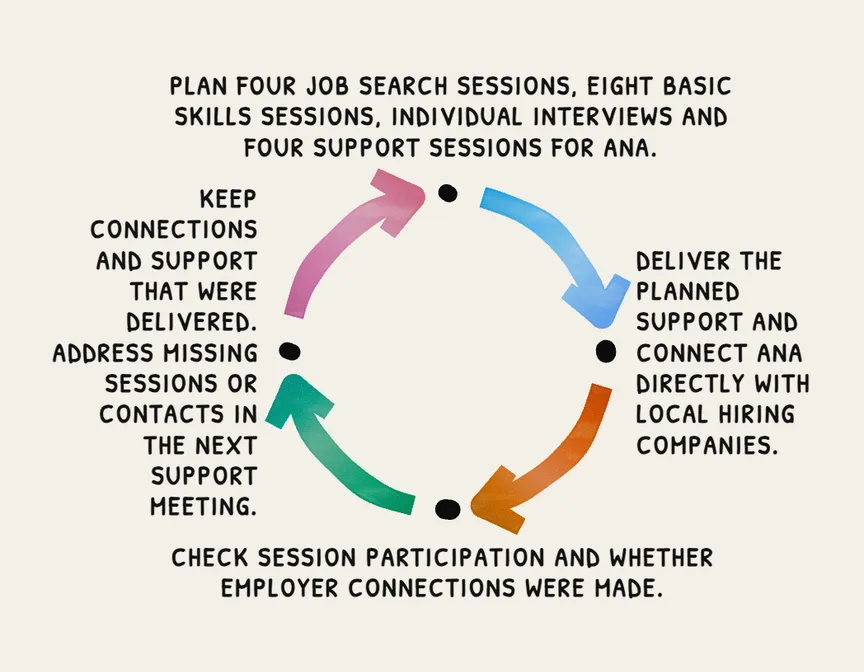
Direct corporate intermediation bridges the gap between vulnerable job seekers and hiring firms.
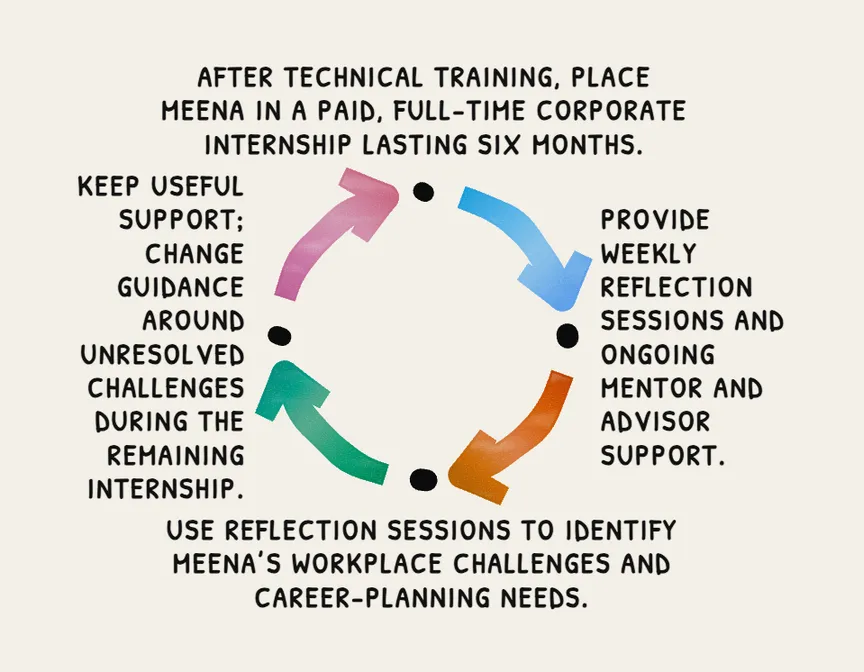
Internships allow participants to put both technical and non-technical skills into practice in real-world work environments.
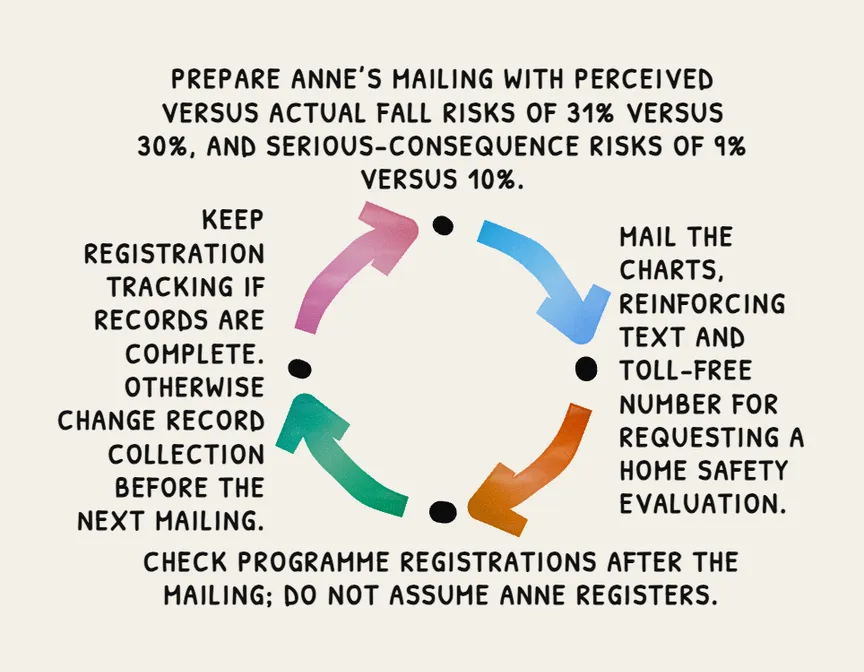
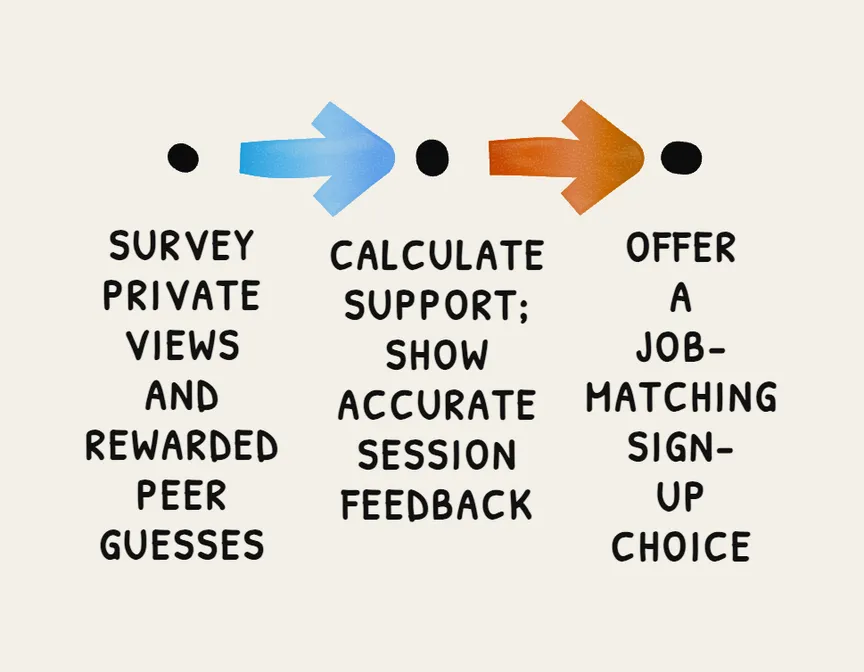
Validating that seniors correctly evaluate fall risks reinforces confidence in their judgment while confirming that real danger levels are high.
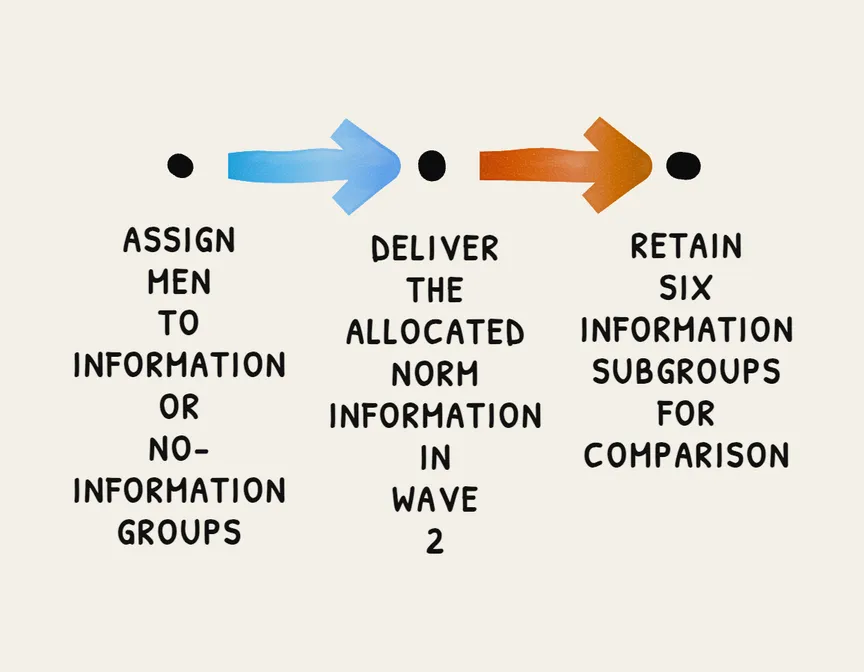
Correcting inaccurate assumptions about peer beliefs removes social status concerns that prevent supportive behavior.
Correcting inaccurate beliefs reduces the expected social stigma or judgment associated with a behavior.
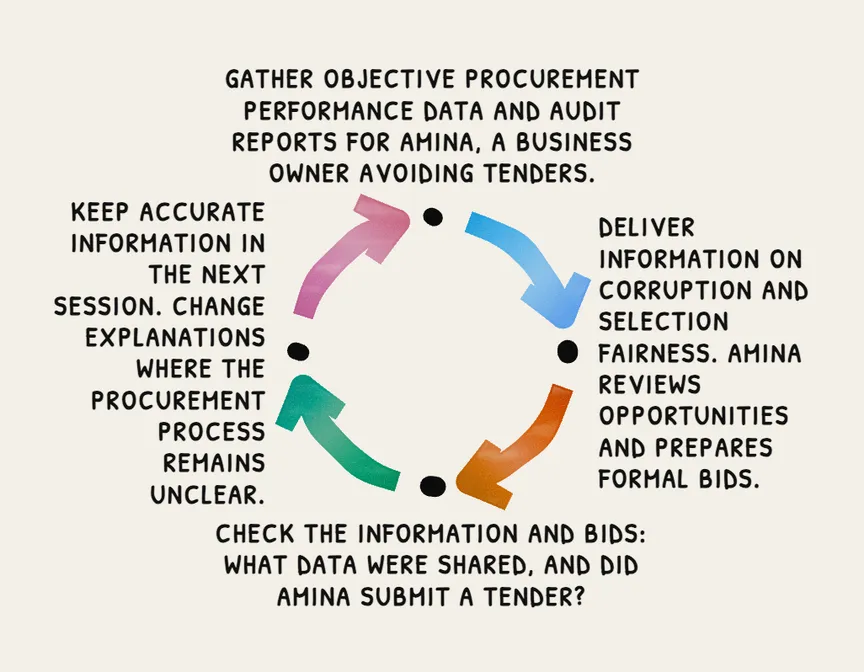
How well firms trust public institutions directly impacts their willingness to invest time and resources in bidding for public contracts.
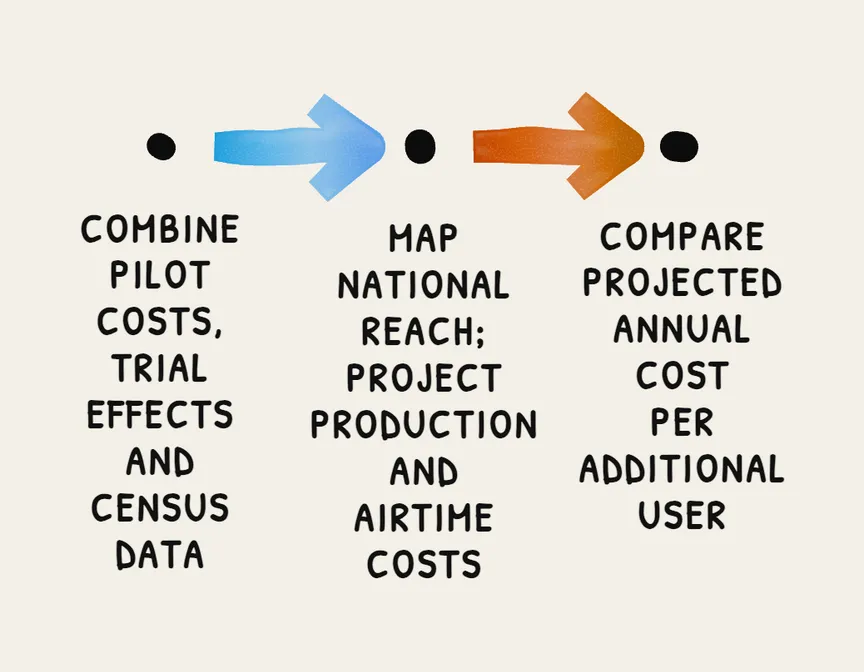
Mass media interventions feature high fixed production costs and low marginal transmission fees.
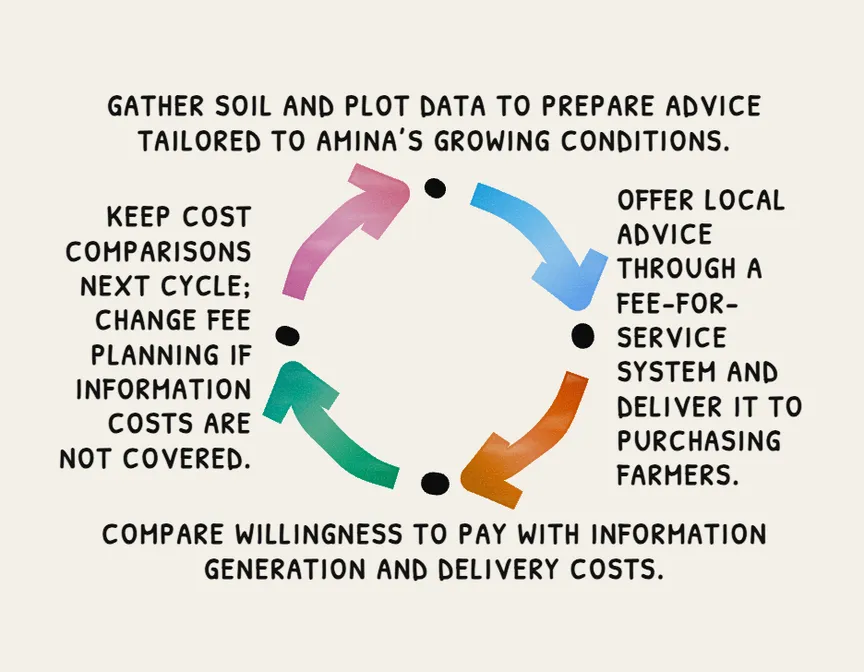
Smallholders recognize that site-specific information helps them calibrate input use to local field conditions and improve returns.
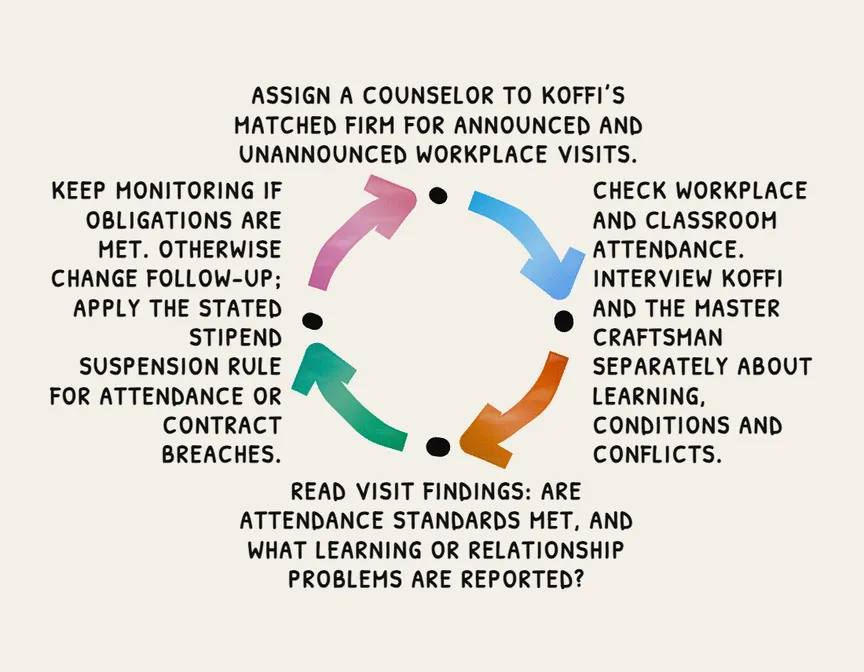
Regular counselor visits create external accountability that prevents informal enterprise owners from neglecting instruction or assigning non-trade chores.
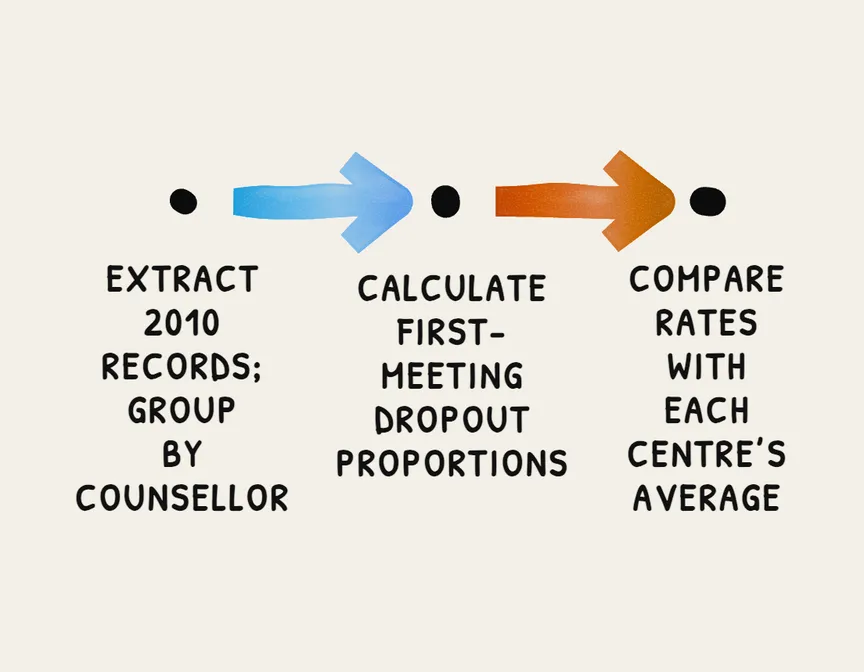
Jobseekers choose not to return to counselors who provide ill-suited guidance and fail to address individual client needs.
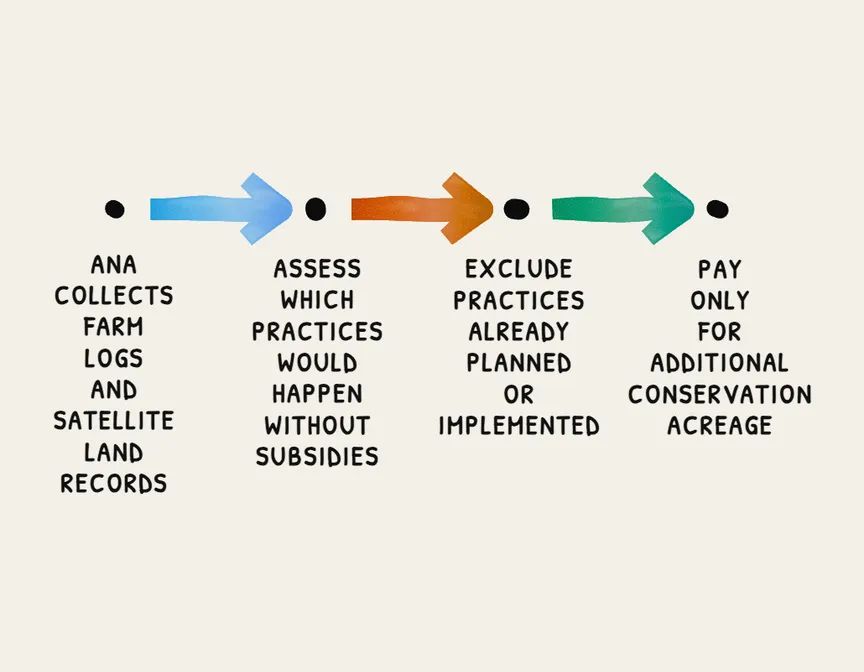
Evaluating historical farming behavior isolates true policy impact from independent management decisions.
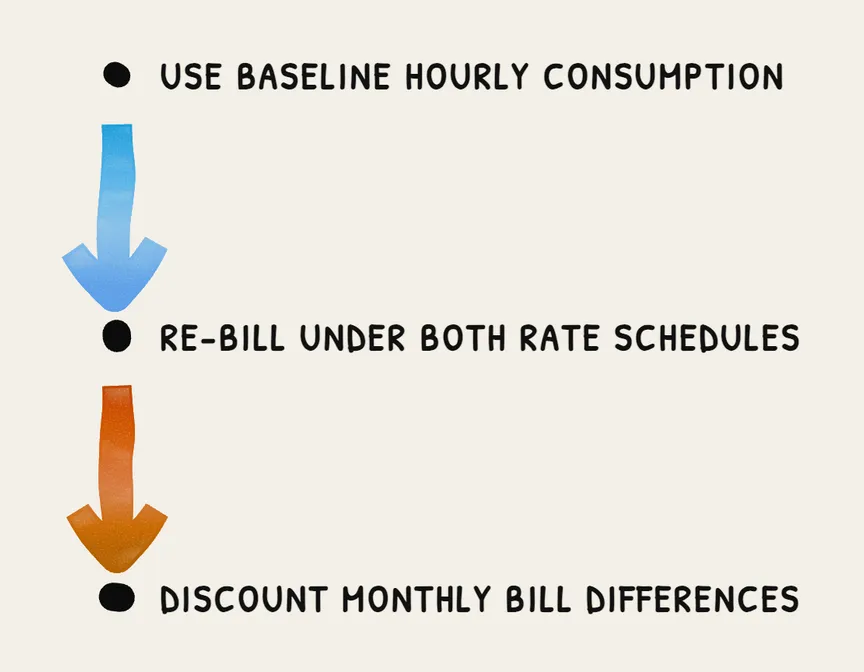
Holding consumption fixed isolates the pure passive financial impact of rate structure changes from subsequent behavioral load shifts.
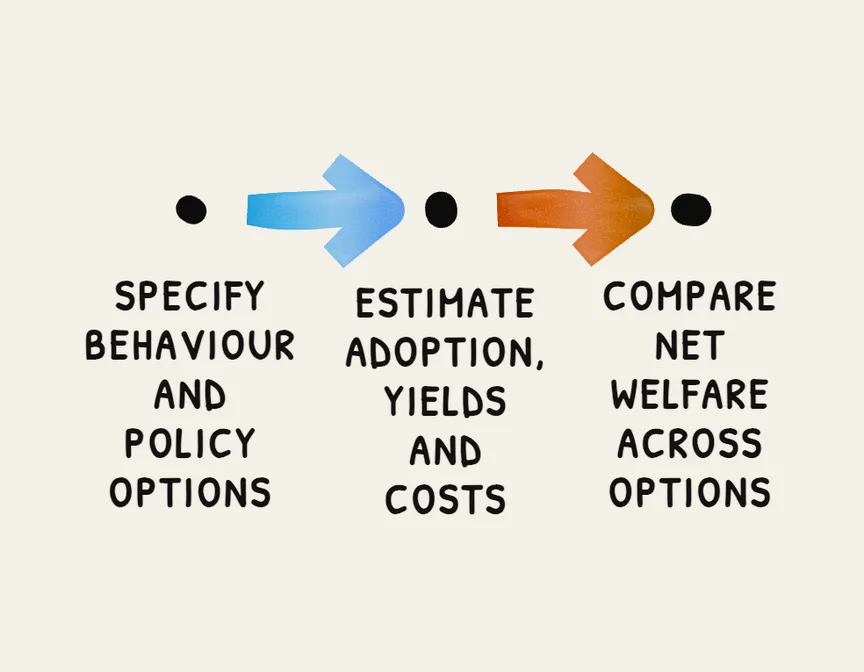
A welfare model accounts for both direct investment profits and indirect fiscal overhead.
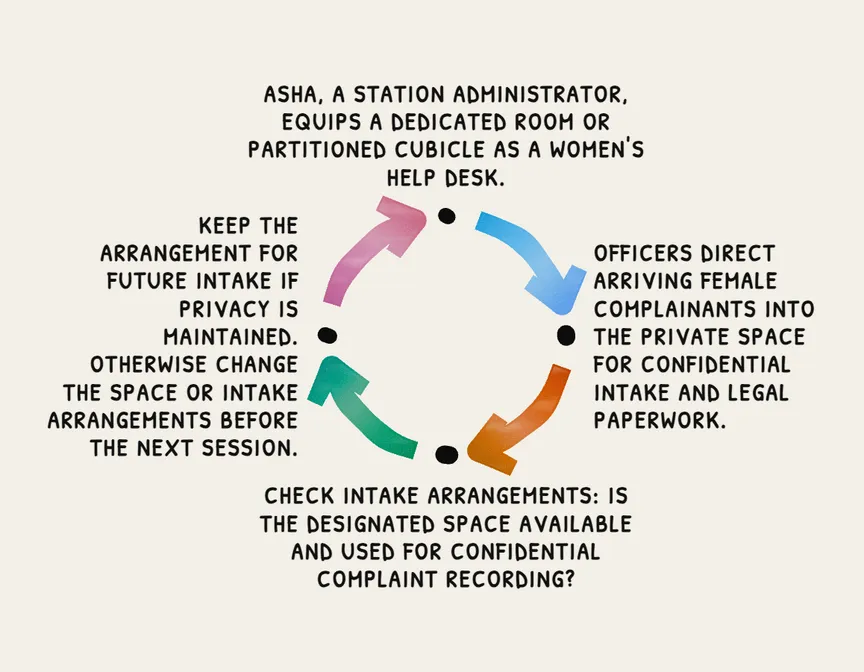
Creating dedicated private spaces reduces reporting barriers like stigma and low trust by offering confidential environments for women to share sensitive details of violence.
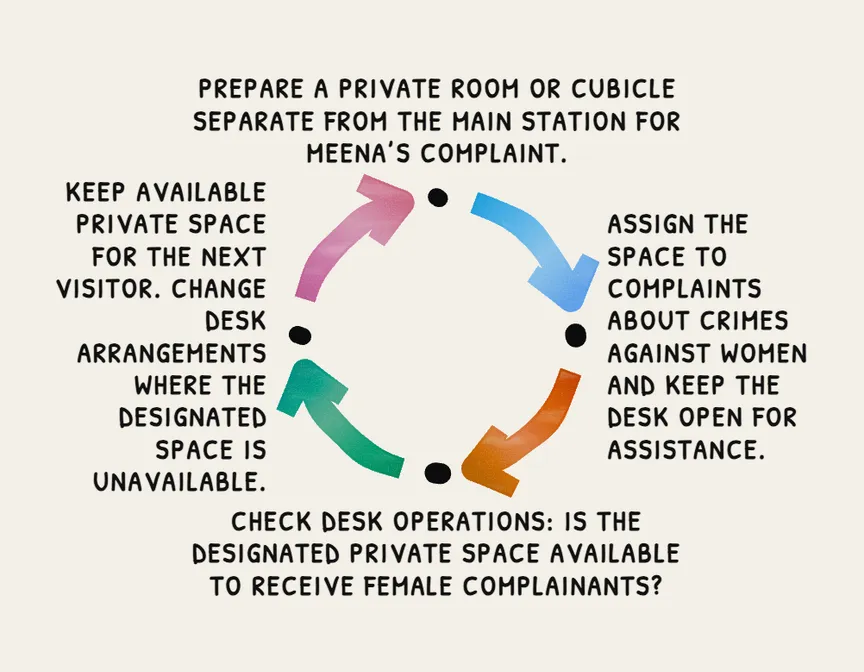
Creating a private space separate from the main station reduces stigma for female complainants.
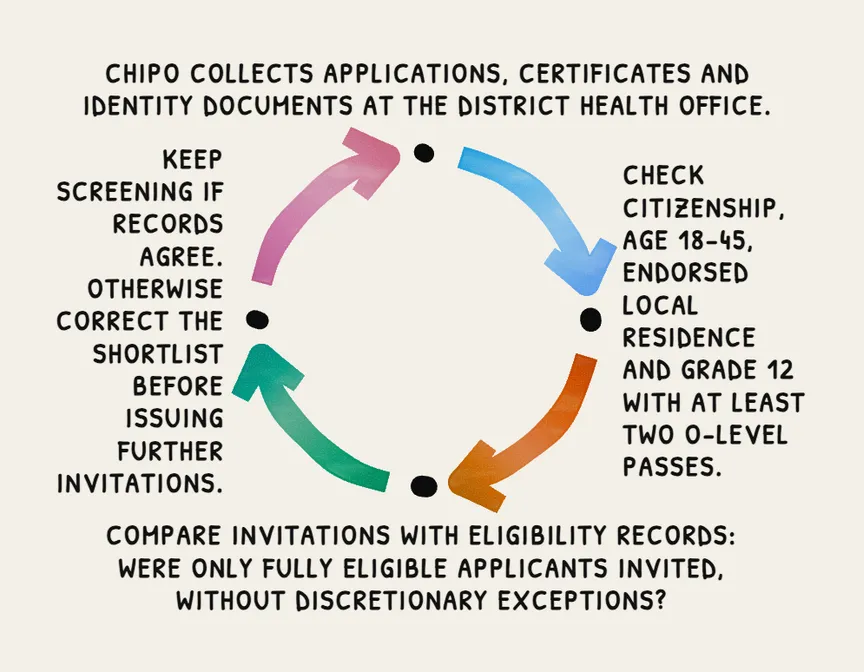
Objective pre-interview screening applies uniform eligibility criteria across all applicants, removing unqualified candidates before face-to-face evaluations.
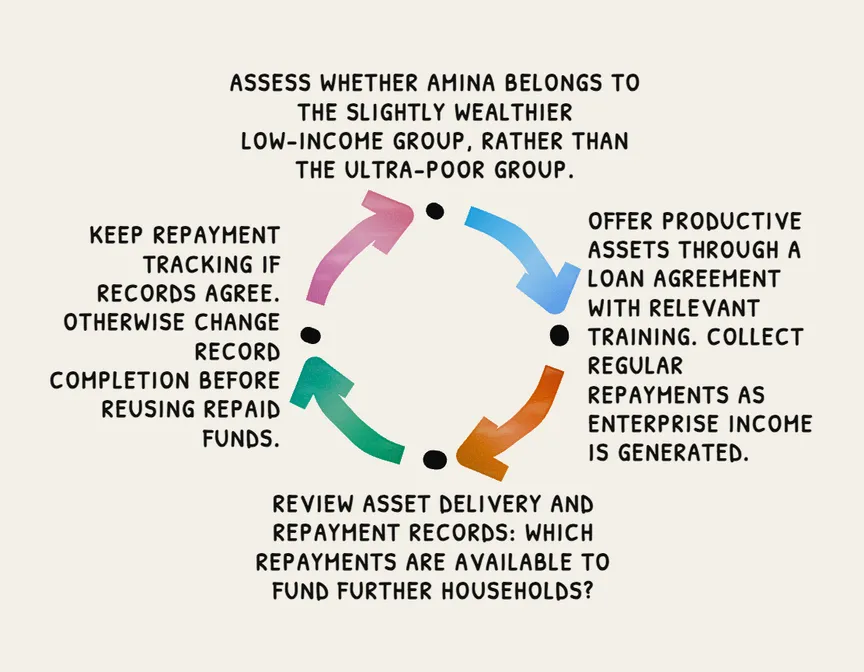
Providing credit instead of cash grants to slightly wealthier households delivers equivalent economic benefits while reducing total program costs.
Exposing consumers to high critical peak prices accurately reflects marginal generation costs and signals the true value of electricity during peak grid stress.
Page 7 of 45
Previous
1
…
6
7
8
…
45
Next