Skip to the methods
Menu
aikyam
school
Findings
Methods
Subjects
All cards
Read
Findings
Methods
Subjects
All cards
Methods
2,124 methods
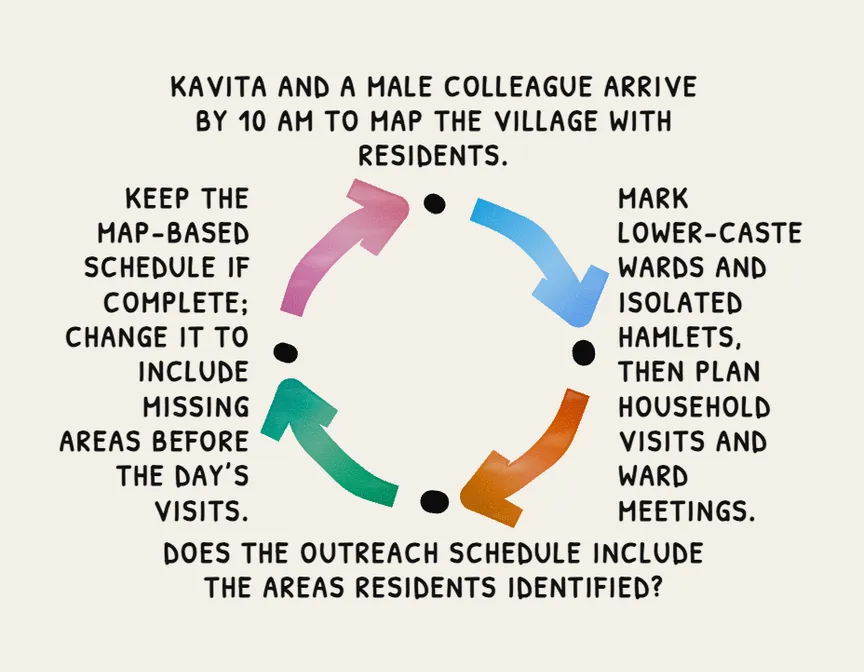
Involving community members in mapping ensures accurate spatial knowledge of marginalized wards that outside campaign staff might otherwise overlook.
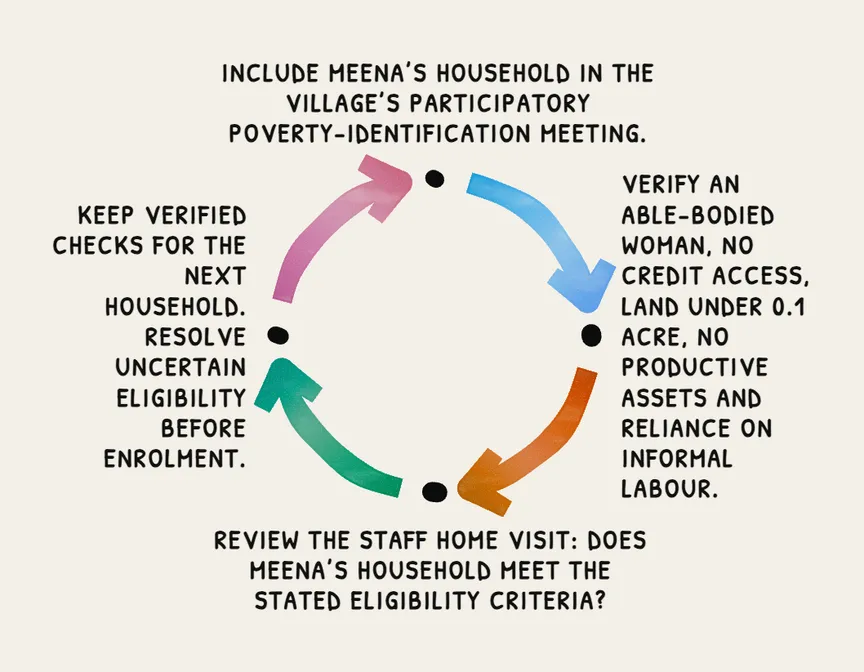
Community members know local living conditions best and can spot destitute neighbors who lack official documentation.
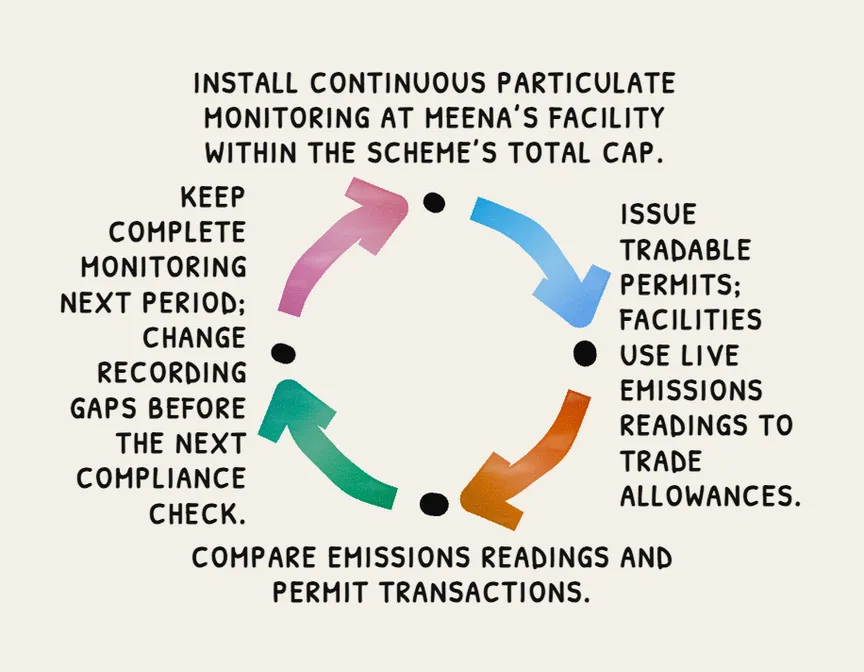
Emissions trading schemes allow facilities with lower pollution control costs to reduce emissions more, lowering overall compliance expenses.
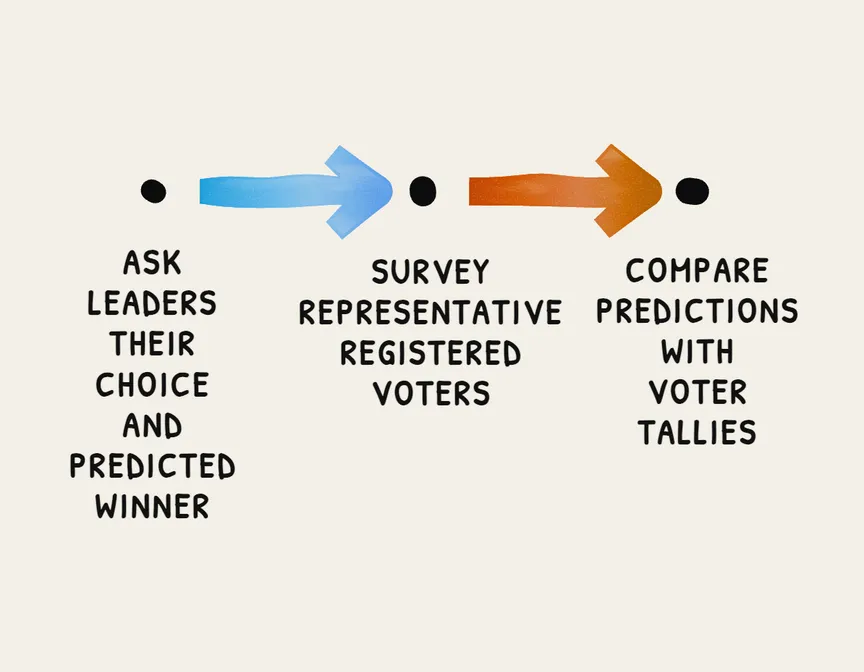
Measuring elite misperception reveals that party leaders often operate under misplaced confidence regarding constituent opinion.
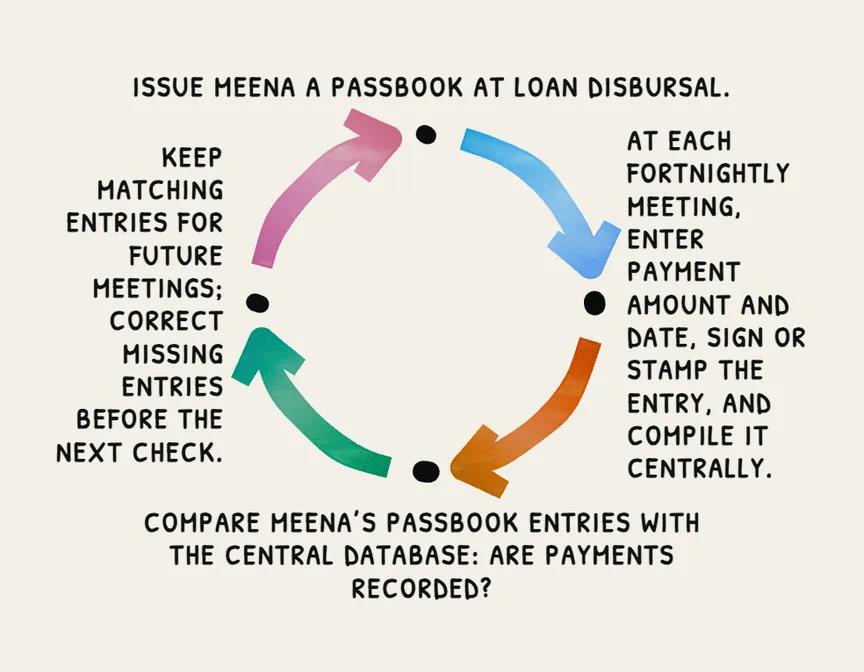
Dual entry in physical passbooks and a centralized database ensures transparent transaction tracking for both clients and loan officers.
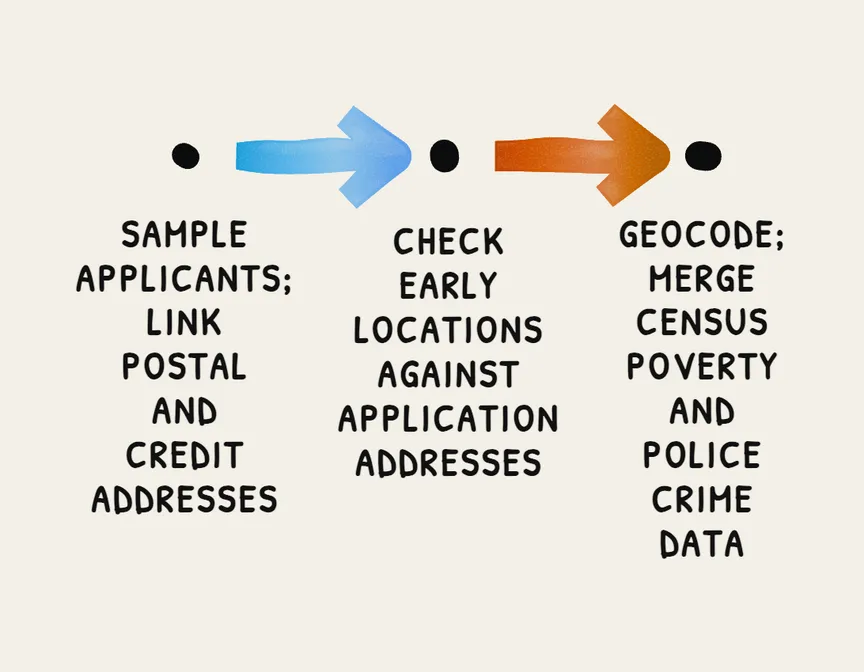
Credit bureaus and postal services update residential records constantly whenever people apply for credit or forward mail.
Improved quality of care leads satisfied patients to return or recommend the provider to others in the community.
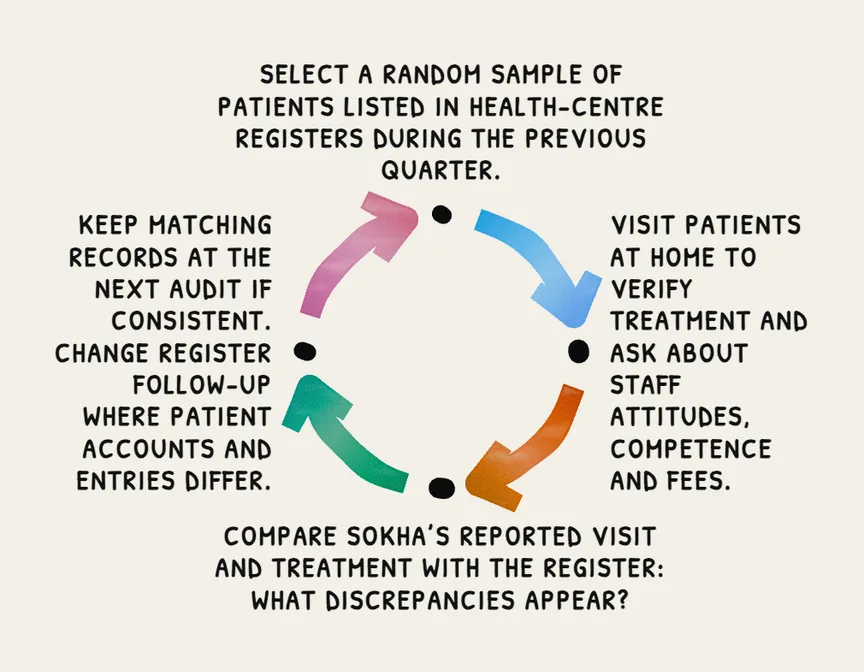
Direct patient follow-up prevents health workers from fabricating entries in facility registers to meet contractual targets.
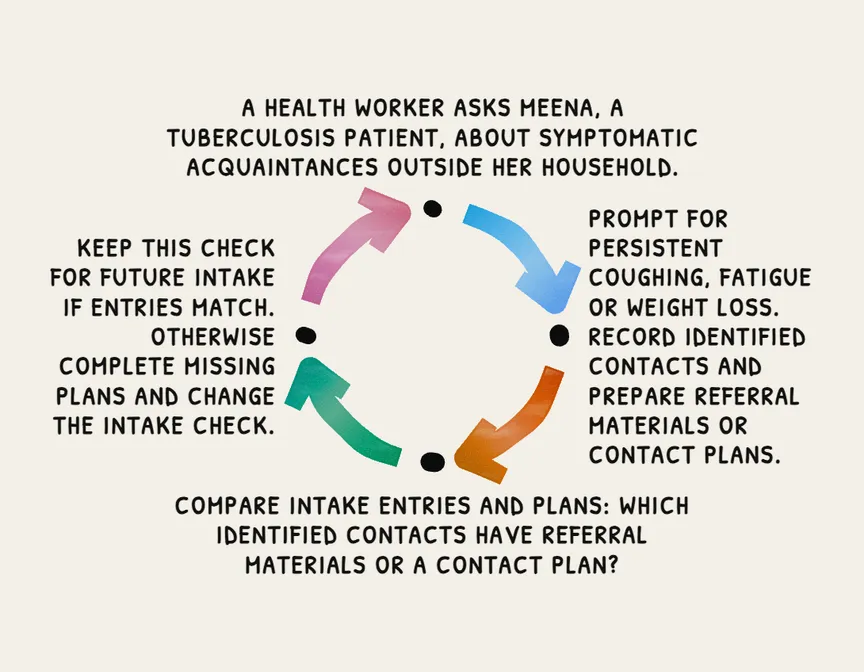
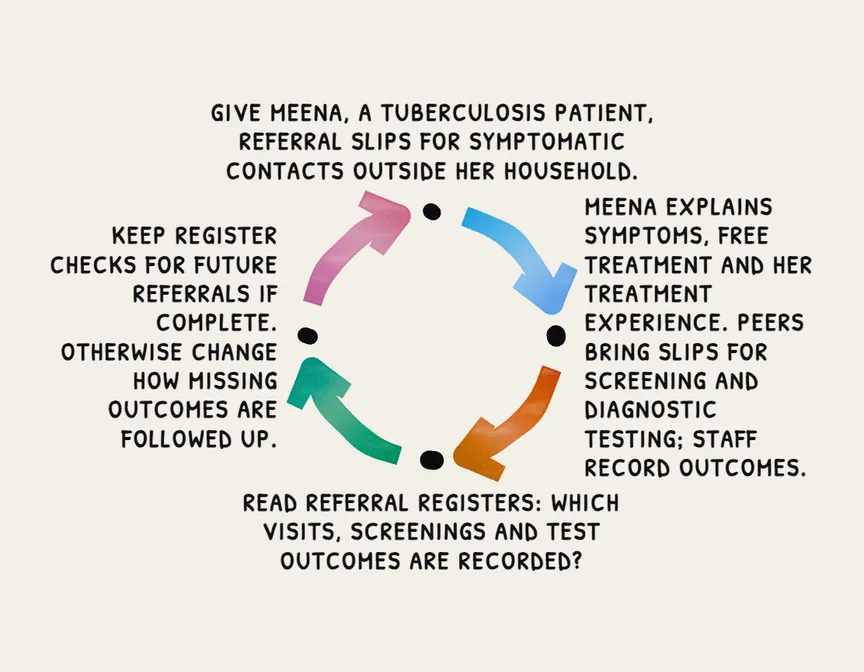
Current patients possess direct information about symptomatic individuals in their personal networks.
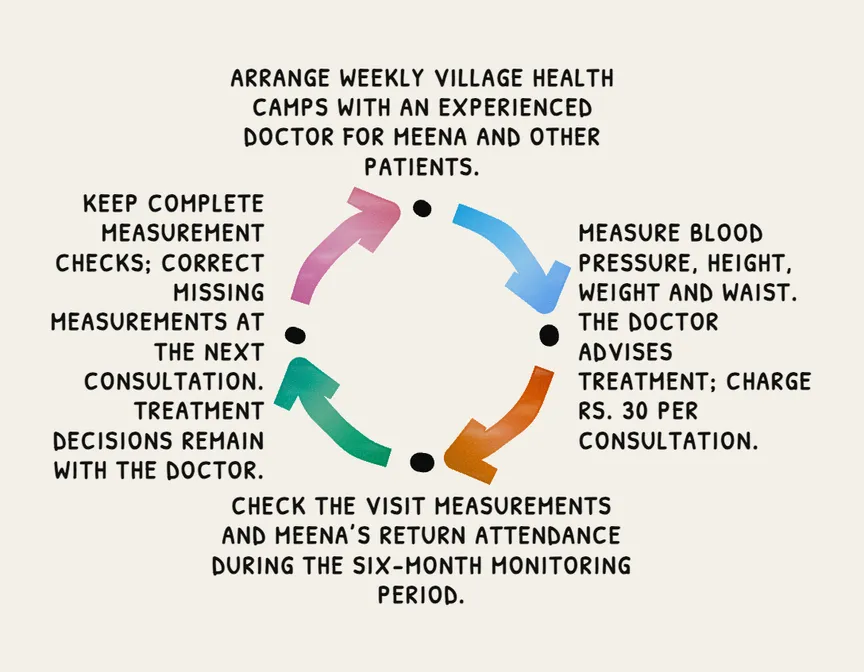
Standard pay-as-you-go pricing avoids requiring individuals to make upfront financial commitments, providing flexible access to high-quality doctors and diagnostic monitoring directly within rural villages.
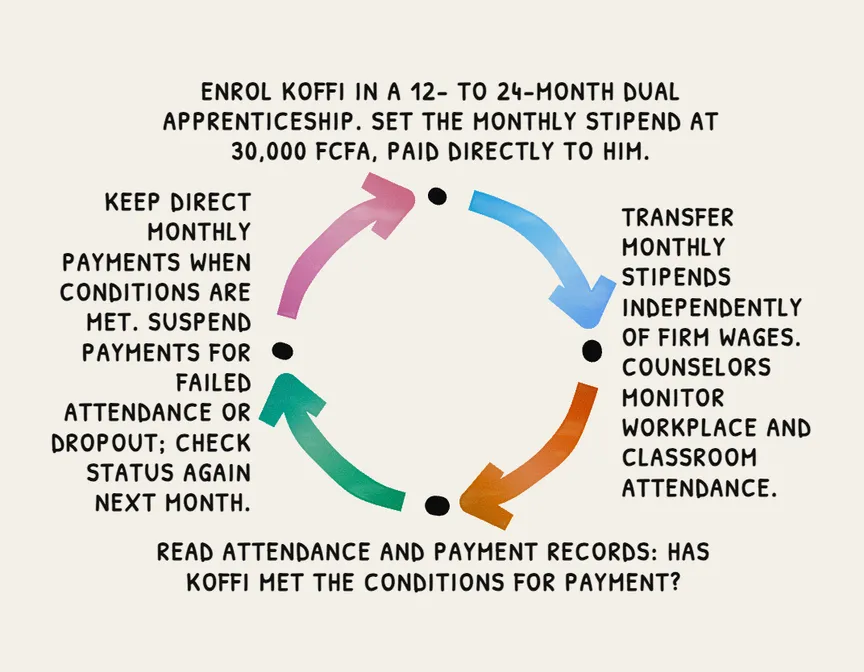
Direct stipends overcome credit market imperfections by replacing lost casual labor earnings during full-time training.
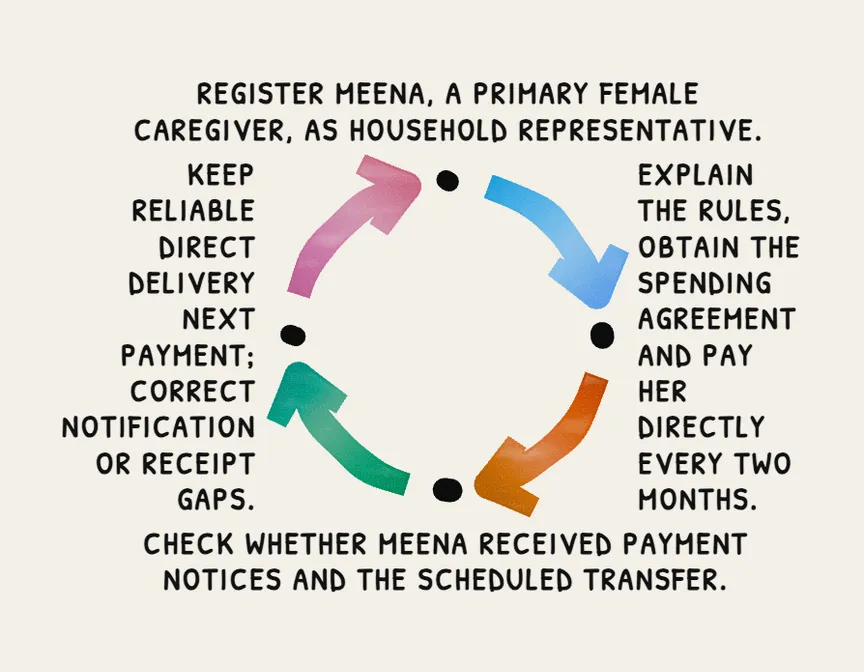
Women in poor rural households tend to allocate a larger share of marginal income toward child food consumption, healthcare, and schooling compared to men.
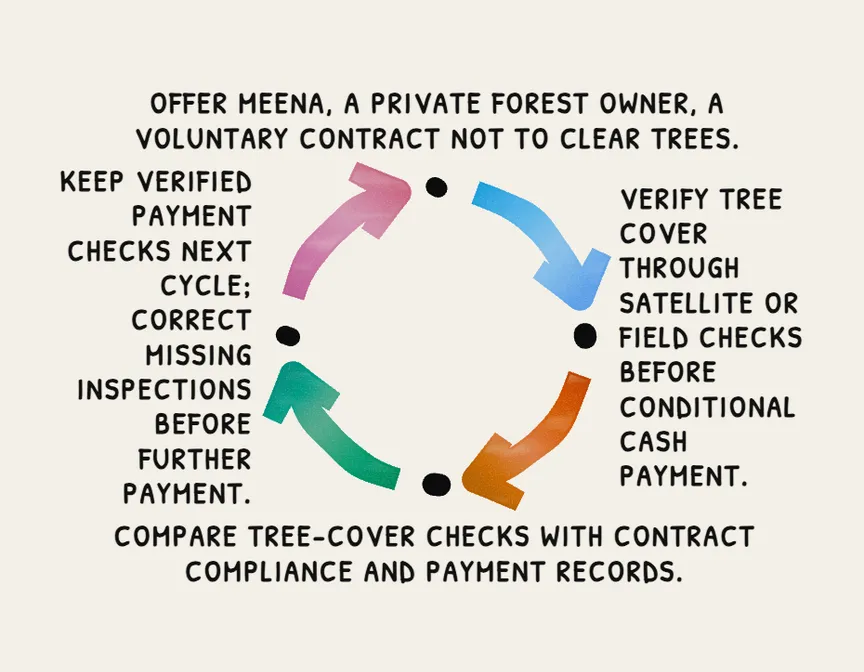
Compensating landowners for foregone timber or agricultural income aligns private incentives with forest conservation.
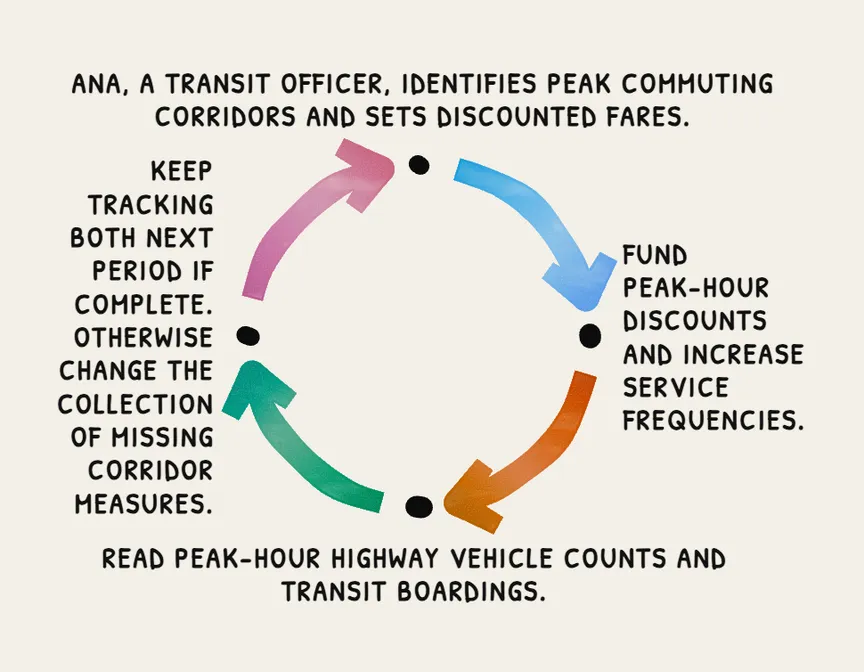
Subsidizing transit fares lowers the financial cost of public transit relative to private vehicle driving.
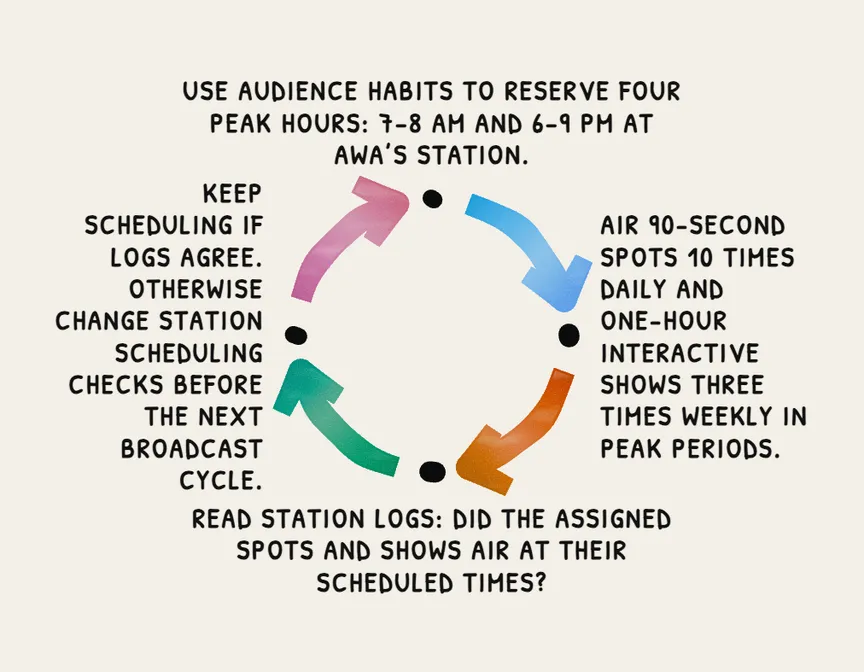
Concentrating broadcasts during early morning and evening hours aligns campaign airtime with actual household listening routines when target audiences are at home.
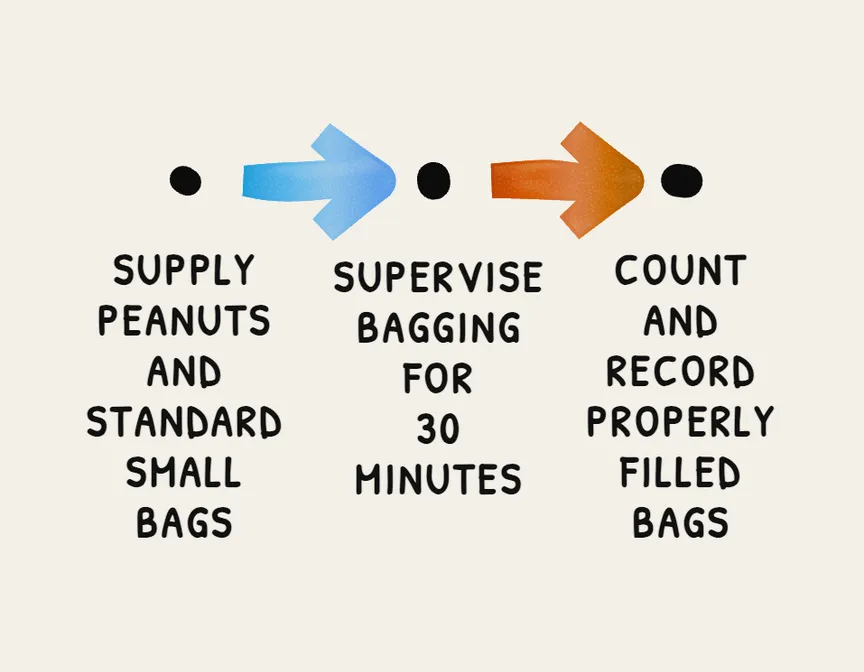
Repetitive manual tasks like bagging bulk goods require consistent physical effort rather than abstract problem solving or education.
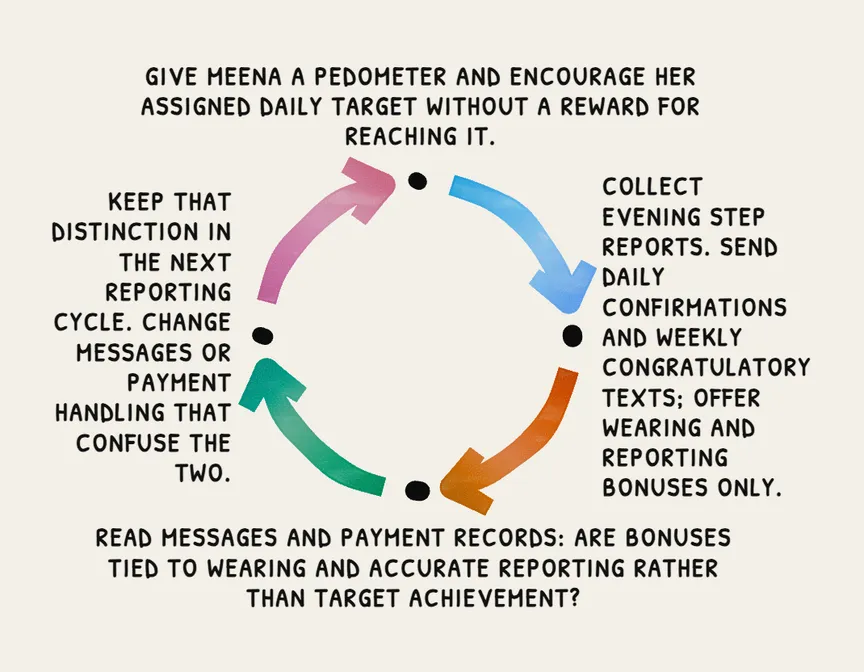
Self-monitoring with pedometers creates daily feedback awareness and goal-setting salience, encouraging baseline effort without monetary distortion.
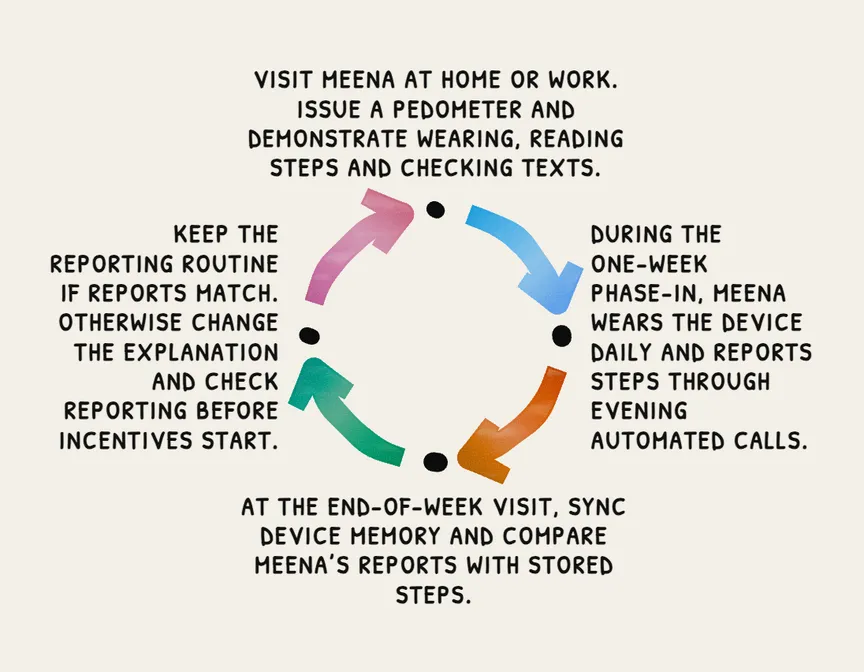
A structured phase-in period allows participants to build daily habits for wearing devices and reporting data without contract pressure.
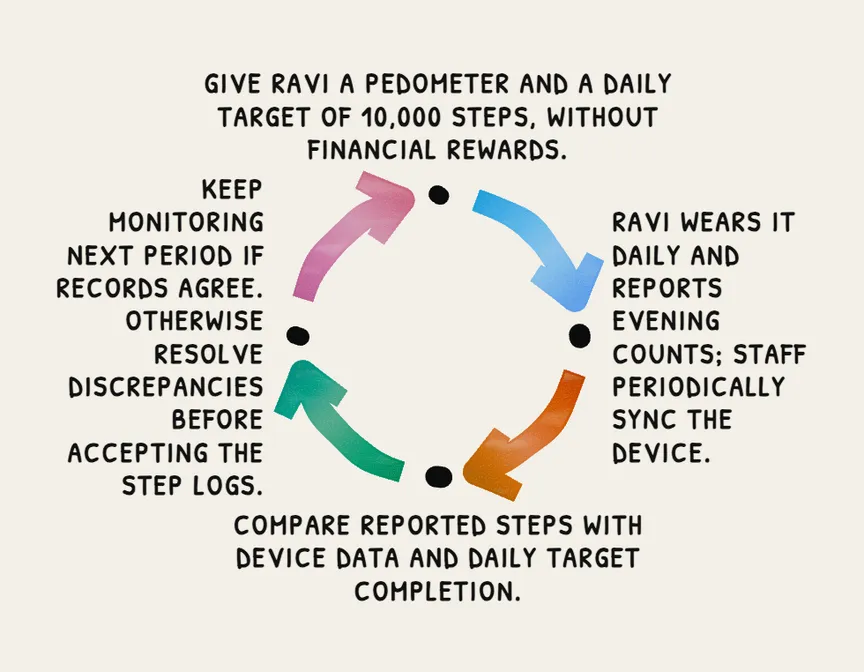
Providing pedometers gives participants clear visual feedback on their daily physical activity and creates routine self-accountability.
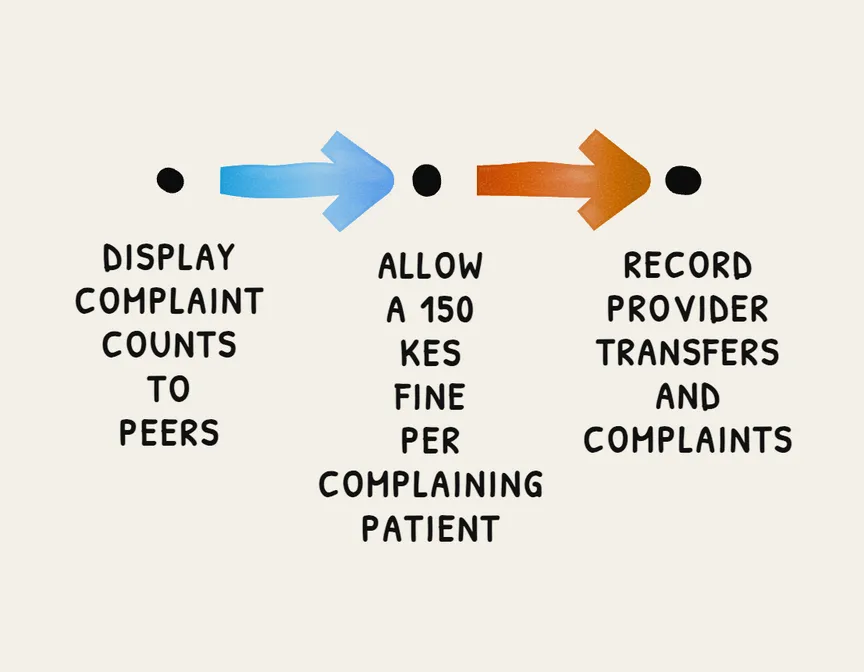
Health workers care about social observability, peer judgment, and professional reputation among their colleagues.
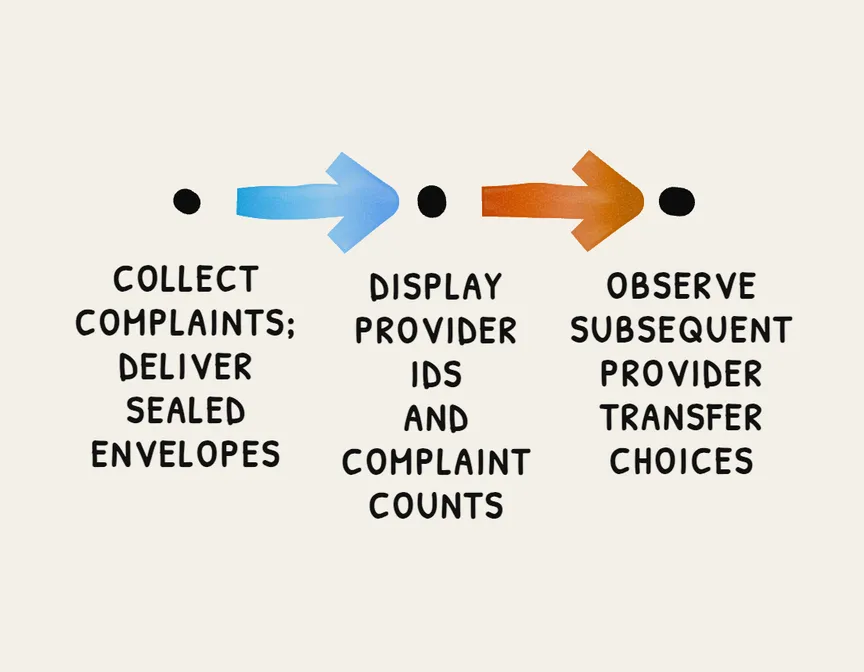
Allowing provider retaliation increases the expected cost of complaining for patients, lowering their likelihood of reporting.
Current patients share both objective facts about treatment and subjective personal experiences that build trust with symptomatic peers.
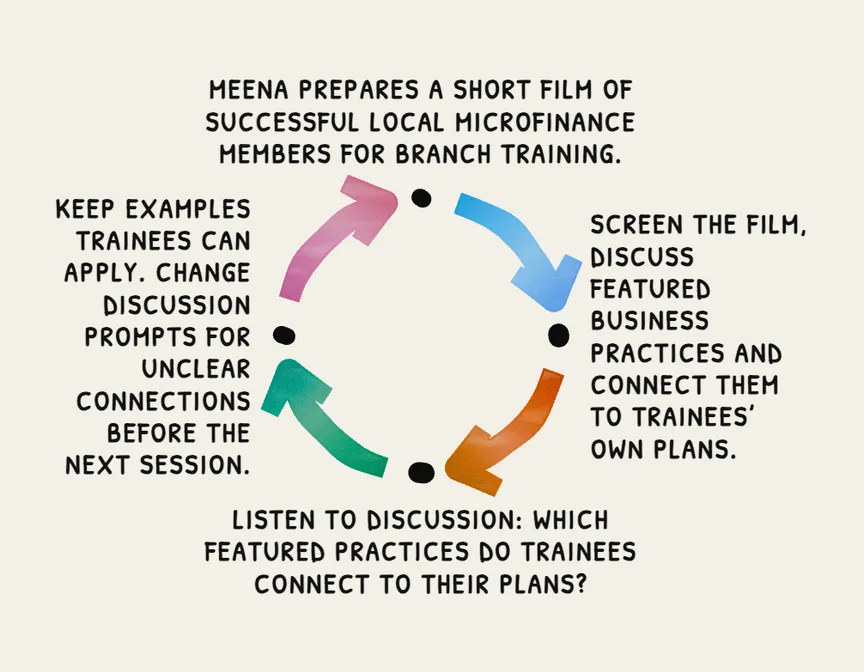
Engaging with role models during training makes microentrepreneurs more optimistic about their business prospects.
Seeing relatable peer entrepreneurs demonstrates that financial growth is achievable within the local cultural context.
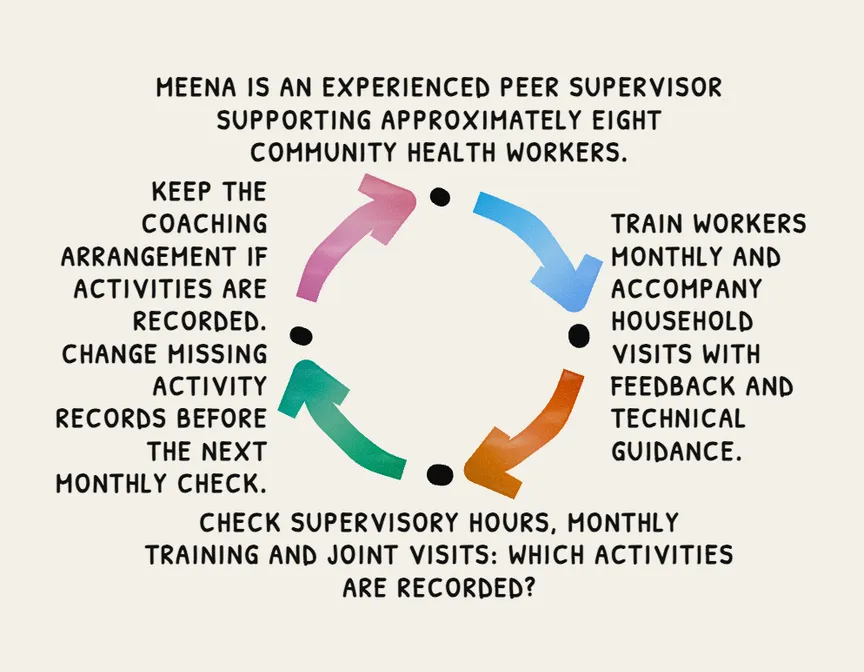
Peer supervisors who were previously frontline workers possess field-tested clinical skills and peer credibility.
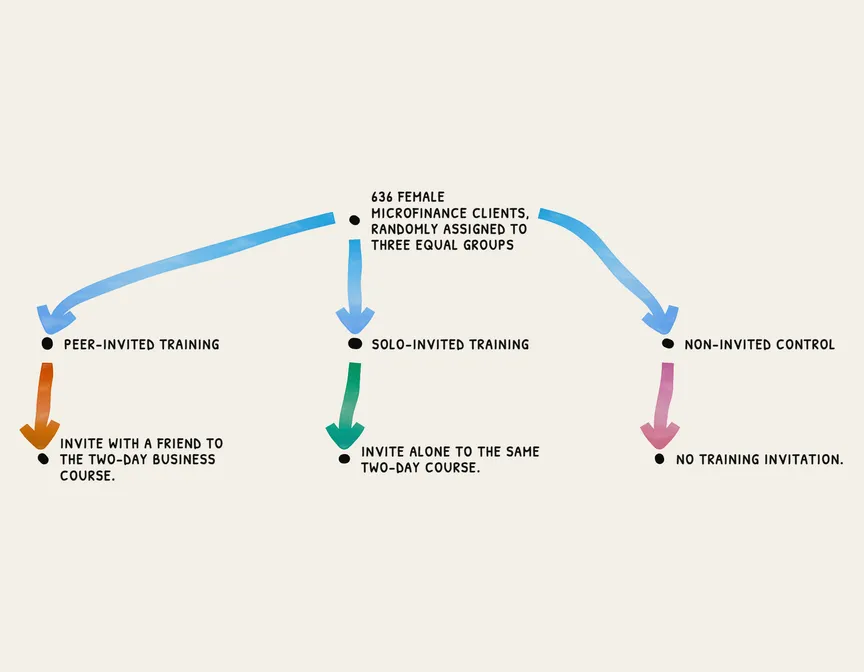
Randomized assignment across peer and solo arms isolates the specific impact of peer companionship during training.
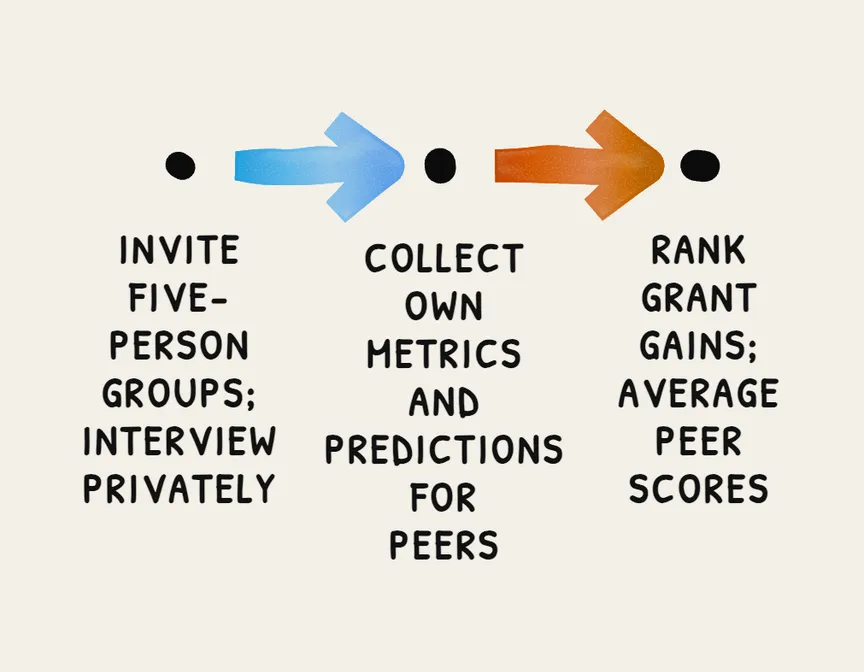
Community peers possess dense, informal information gathered through daily proximity and social interaction.
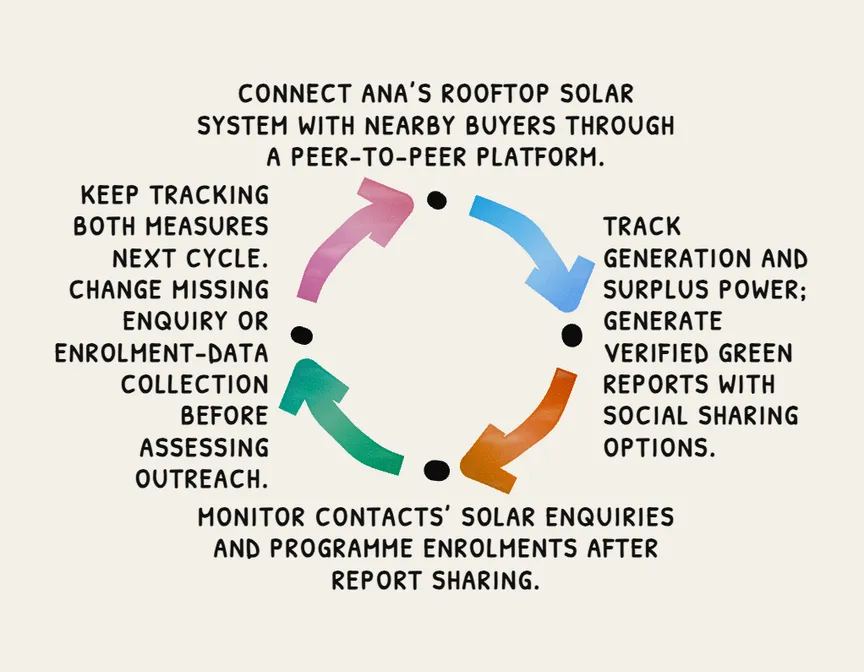
Sharing green reports on social media makes private pro-social choices visible to peer networks.
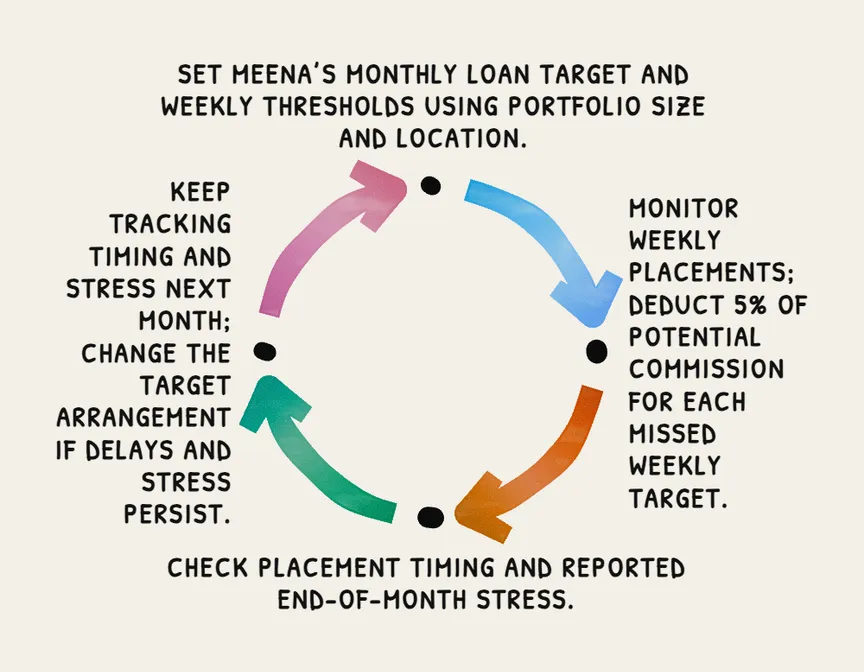
Imposing immediate financial penalties makes procrastination costly by reducing total potential commission pay for delayed effort.
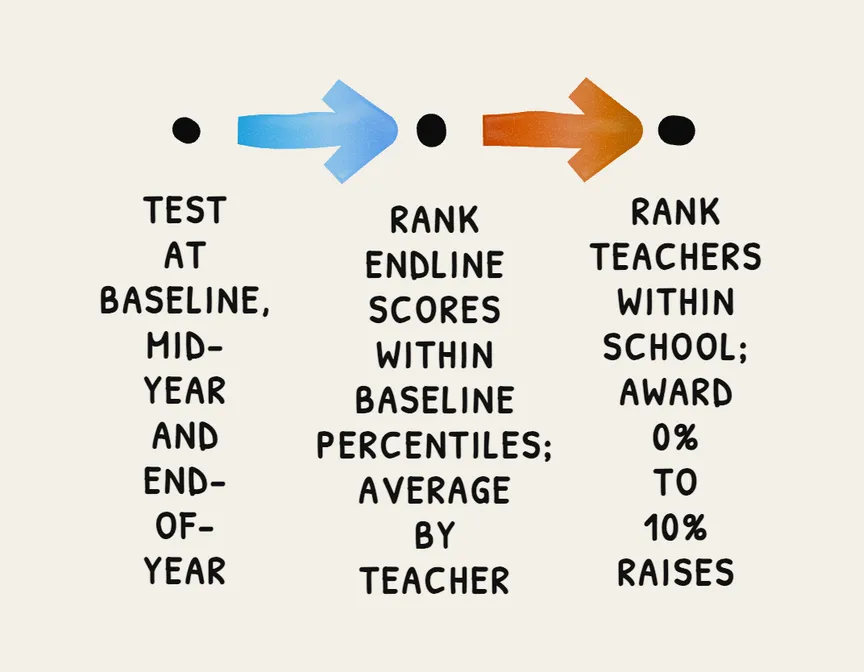
Percentile value-added benchmarking controls for baseline student achievement differences, ensuring teachers face fair incentives regardless of initial student preparation.
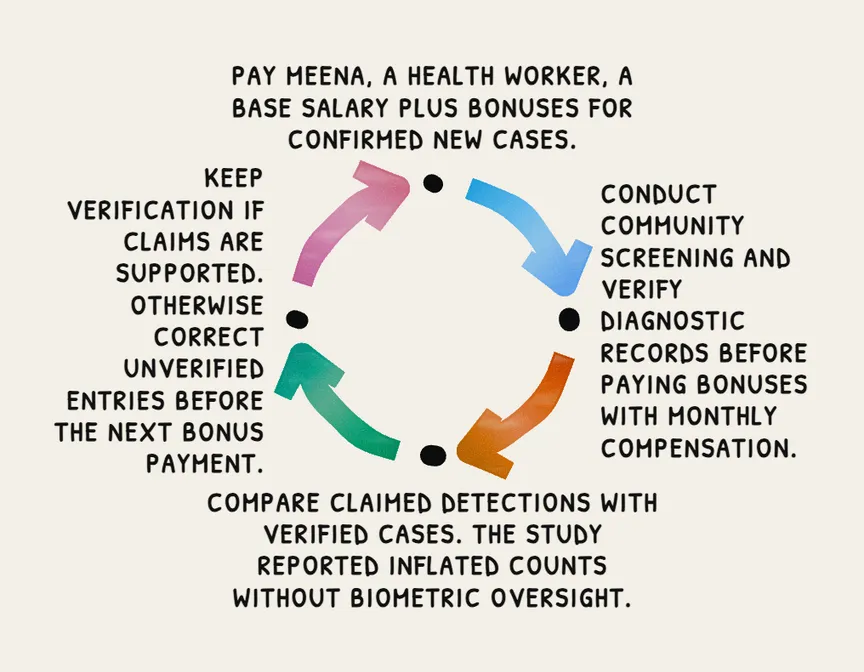
Financial bonuses tie healthcare worker earnings directly to case detection performance, creating a strong monetary incentive to find undiagnosed patients.
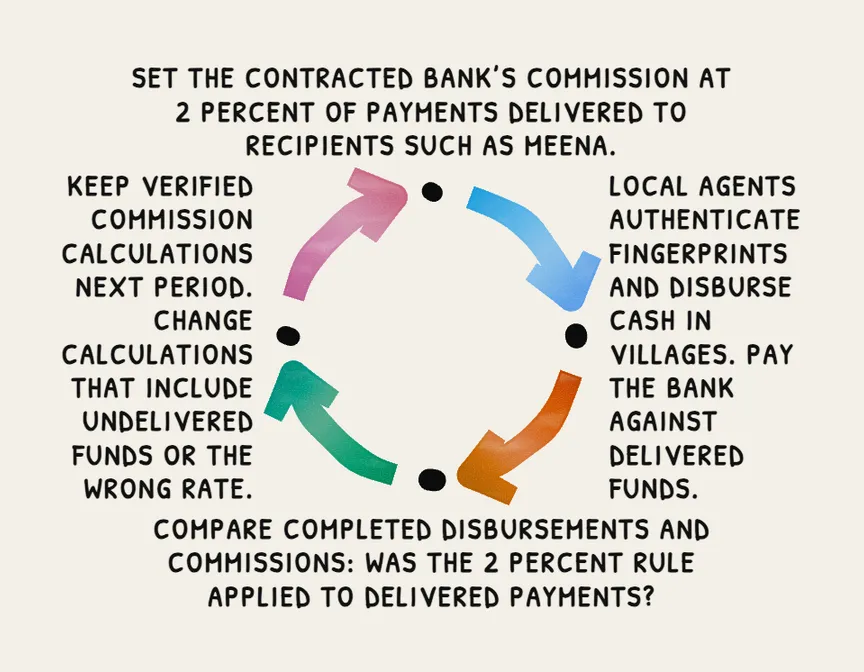
Providing commissions on successfully delivered payments incentivizes banks and customer service providers to resolve logistical challenges and implement the system correctly.
Conditioning future business on performance mimics a standard buyer-seller market relationship.
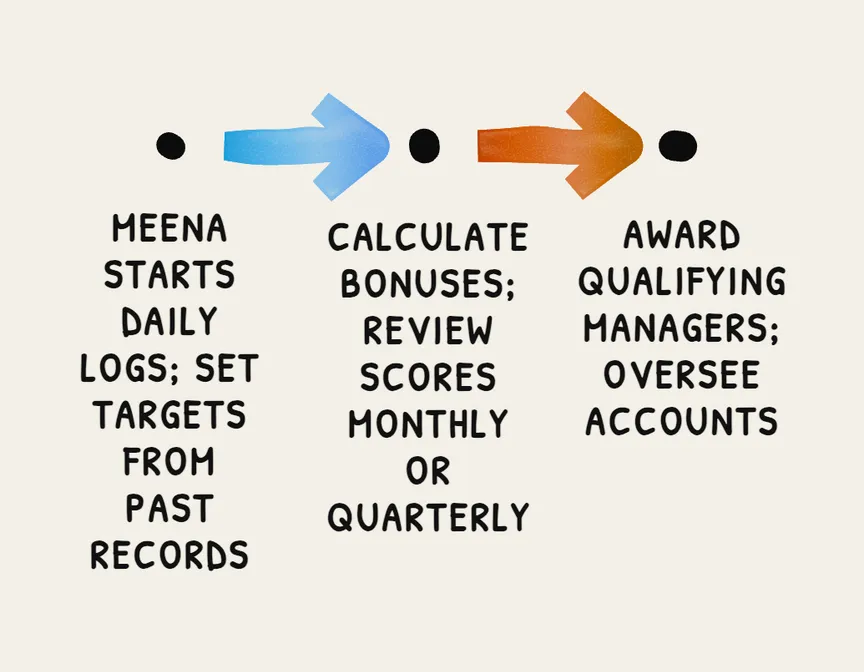
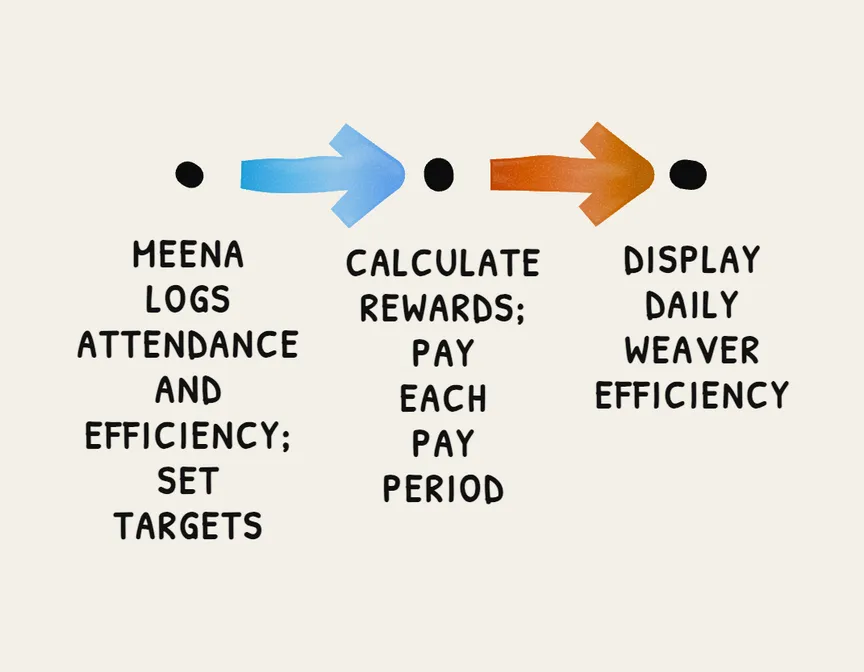
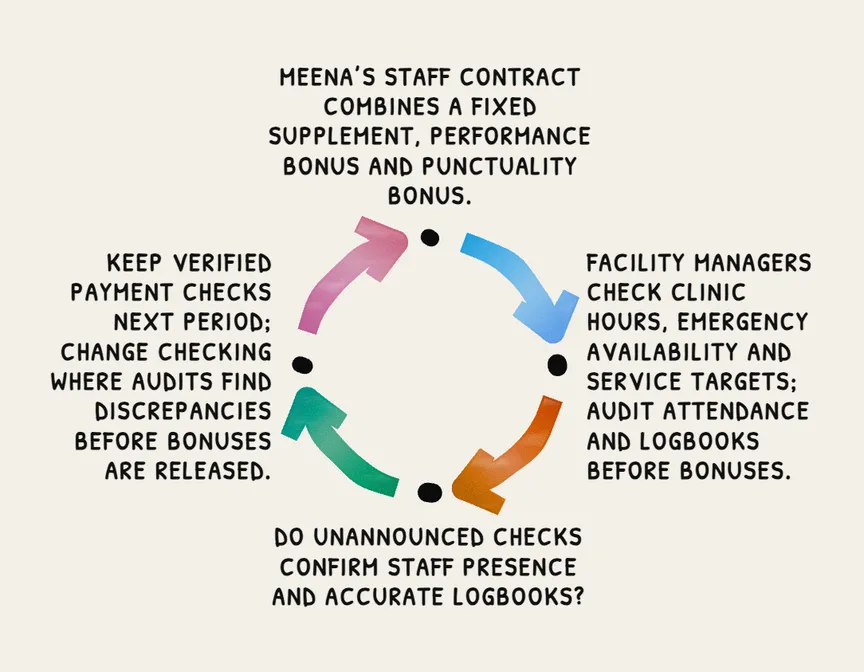
Linking financial compensation directly to monitored performance targets motivates staff to work efficiently and show up consistently.
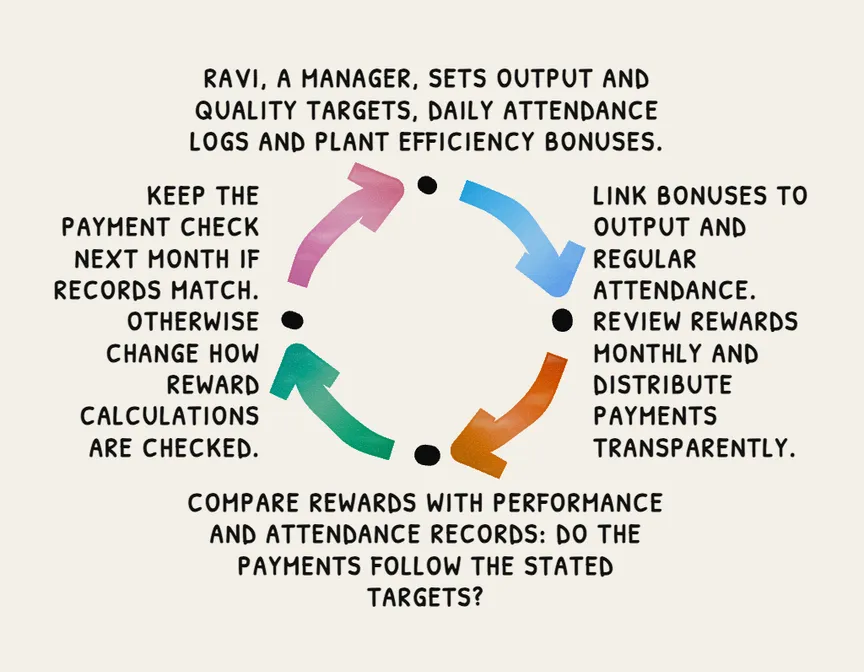
Establishing performance-based bonus schemes gives plant managers direct financial motivation to improve production efficiency and enforce quality controls.
Linking financial compensation directly to operational output and attendance encourages workers to maintain high operating efficiency.
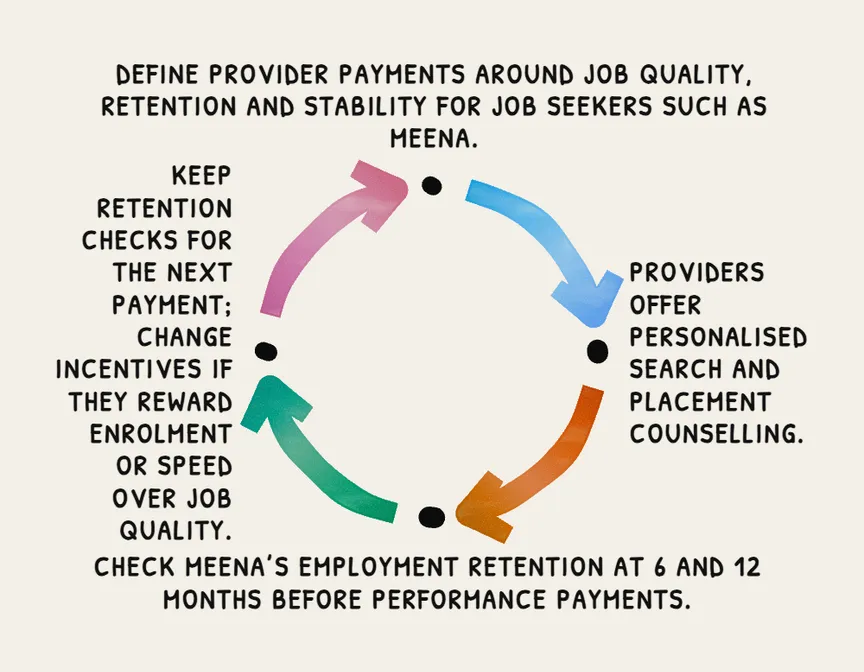
Aligning provider remuneration with job match quality prevents counseling services from prioritizing rapid placements or maximizing participant volume.
Baseline civil service pay is too low to retain or motivate health staff without additional compensation.
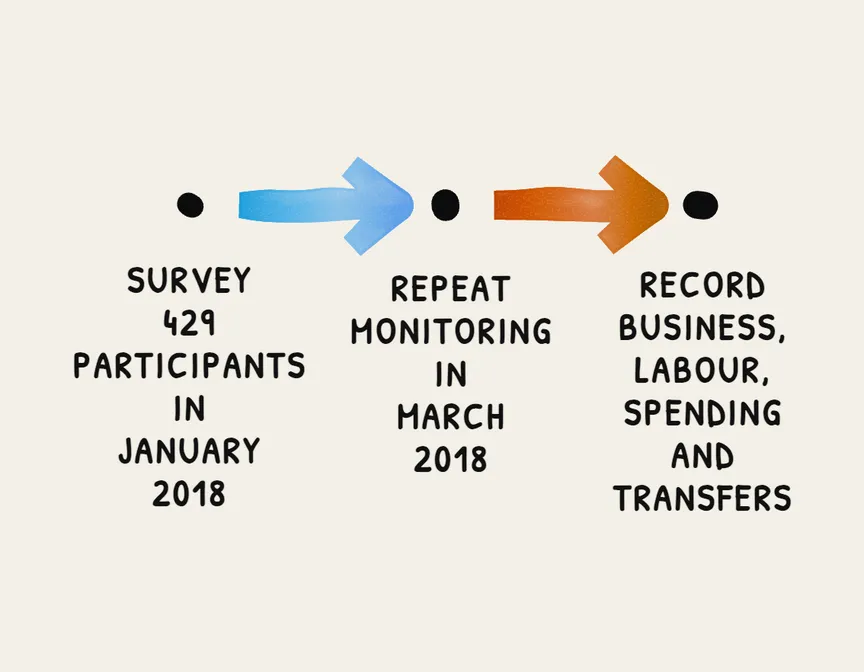
Longer recall windows capture multi-month financial shifts and seasonal labor reallocations that short-term tracking might miss.
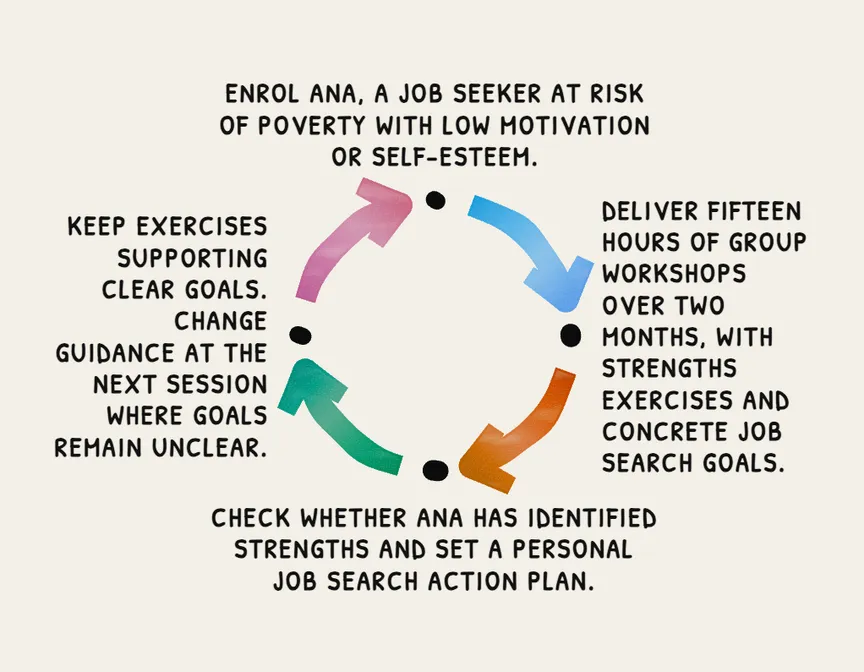
Building personal self-esteem addresses underlying psychological barriers to active job seeking.
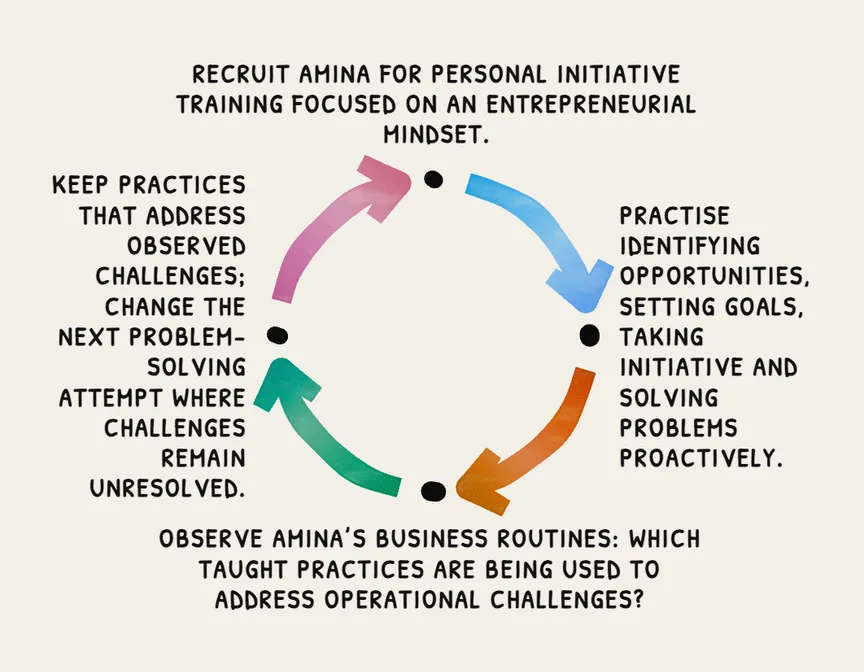
Teaching personal initiative fosters an entrepreneurial mindset that encourages self-starting behavior and proactive problem-solving.
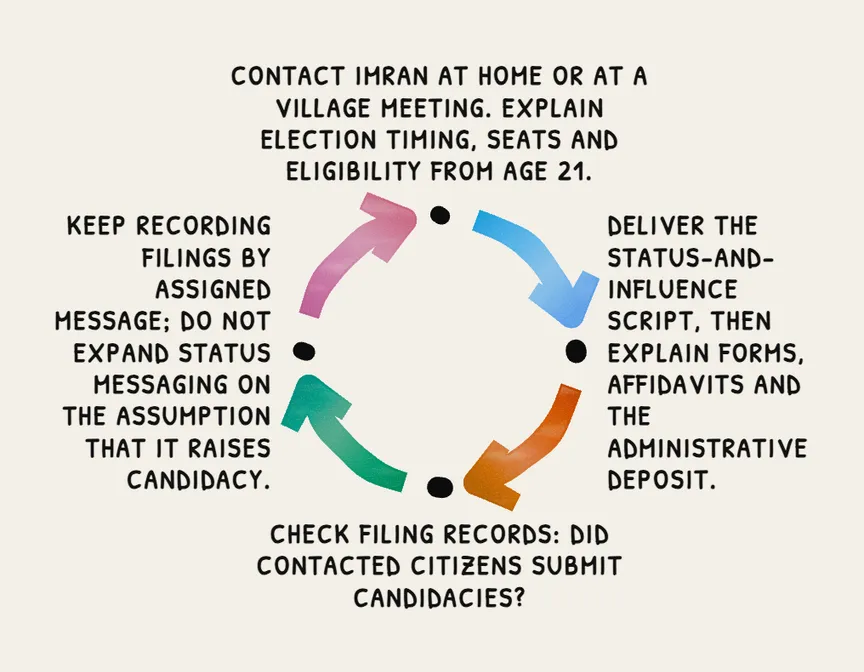
Highlighting personal returns reinforces the baseline perception that politicians run for selfish motives, discouraging public-spirited individuals from entering the race while failing to boost overall candidacy.
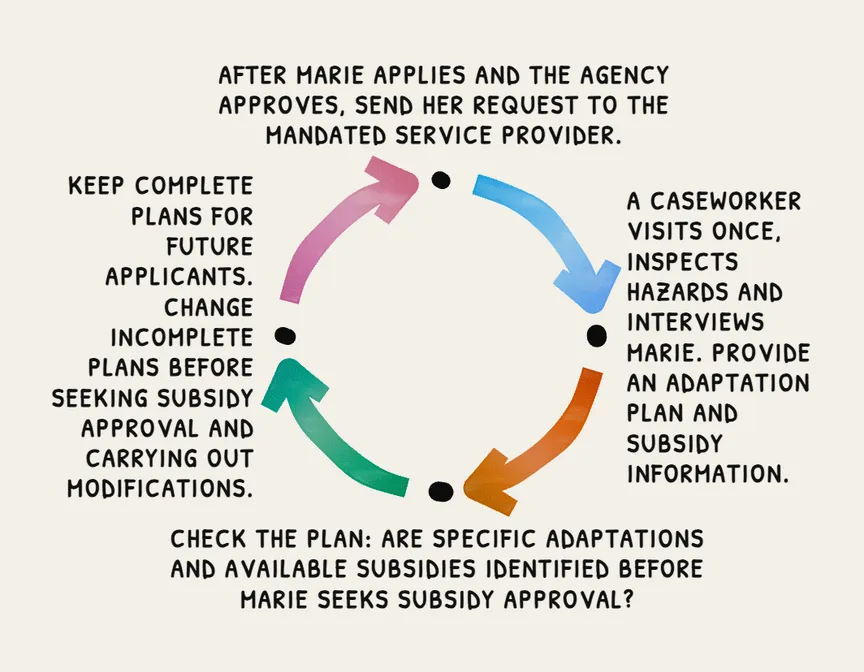
Structured home visits by caseworkers reduce information and friction barriers by identifying specific physical hazards that retirees overlook and providing actionable adaptation guidance.
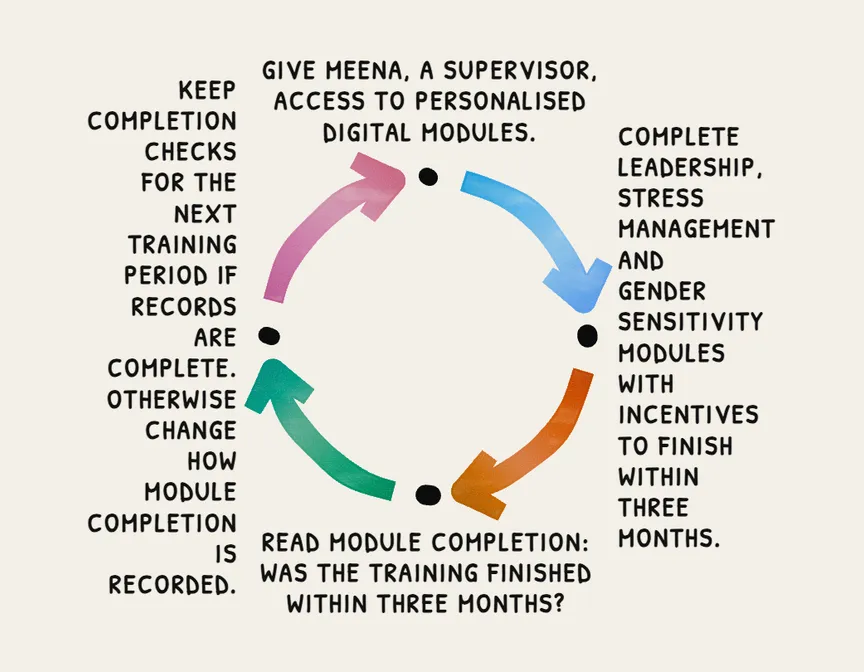
Targeted digital modules directly address identified interpersonal skill gaps in high-stress production settings.
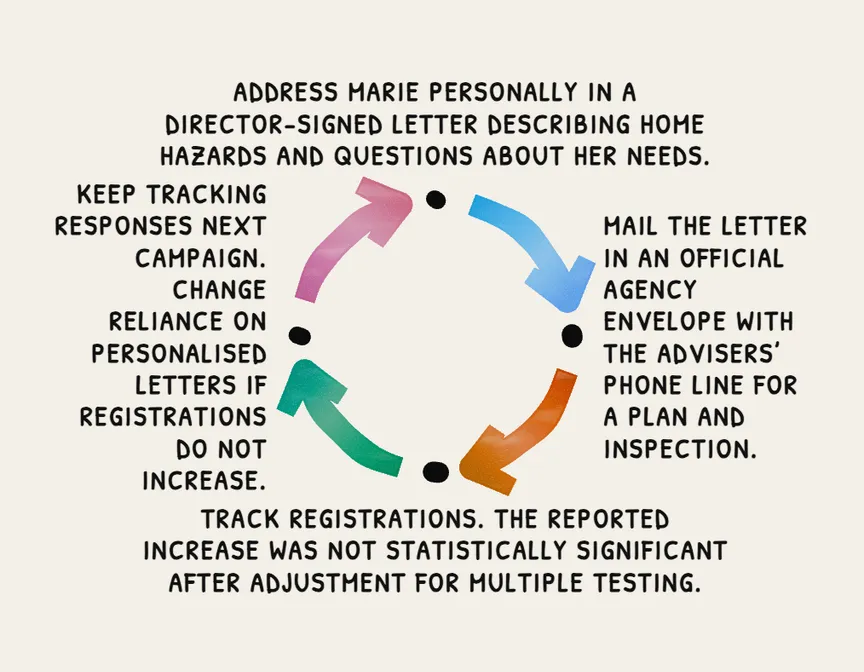
A direct letter signed by institutional leadership makes retirees feel individually targeted and increases perceived relevance through official authority.
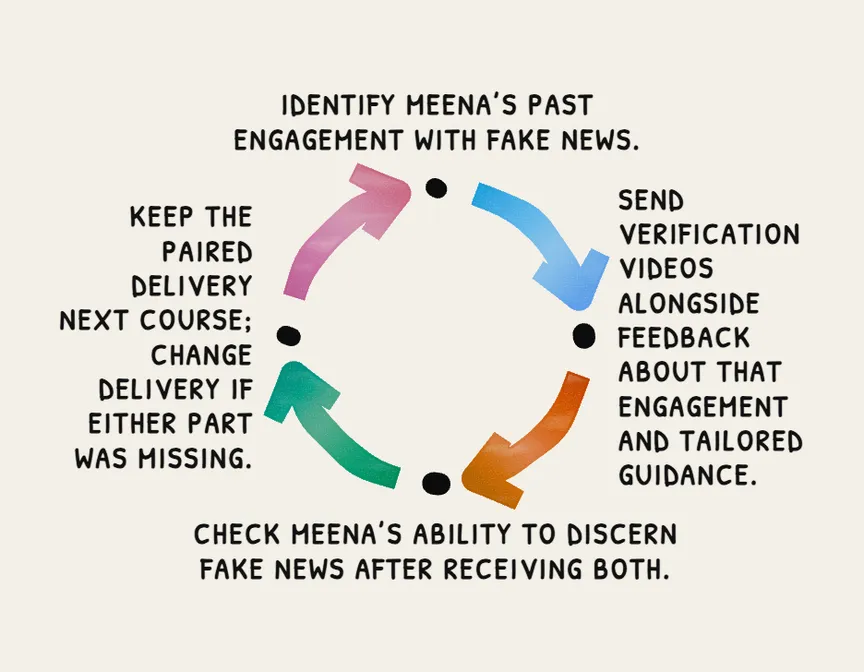
Combining generic educational videos with personalized feedback addresses specific user behavior and low digital literacy.
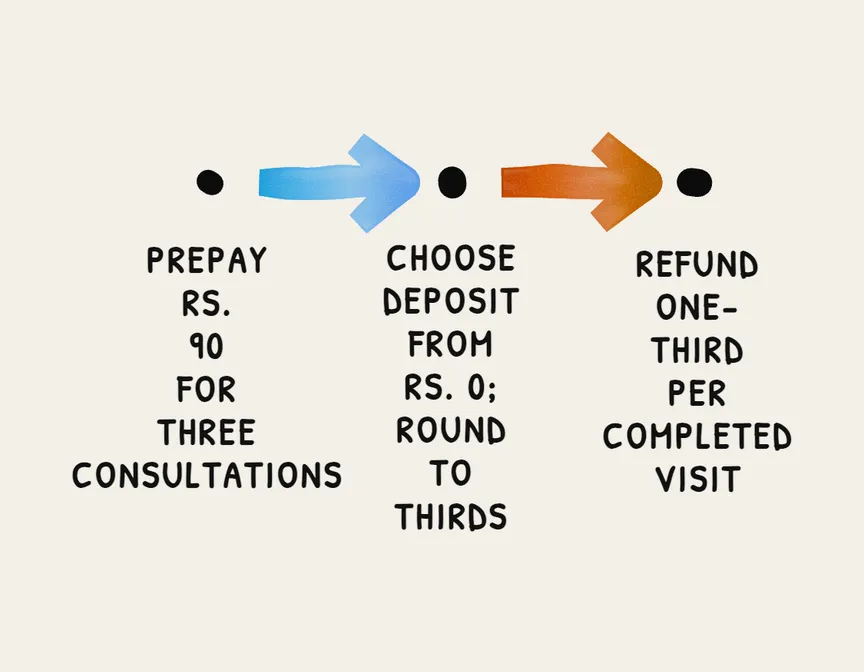
Allowing patients to choose their commitment level provides flexibility to tailor financial incentives to their perceived self-control needs without imposing a fixed, overly burdening fee structure.
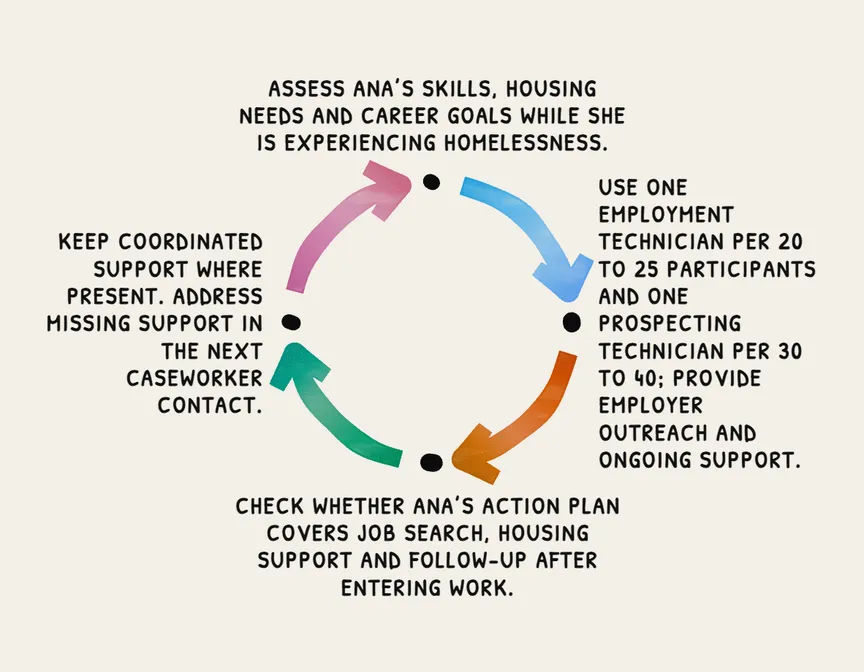
Increasing caseworker-to-beneficiary ratios allows staff to provide tailored guidance that addresses each person's unique housing and health challenges.
Page 27 of 45
Previous
1
…
26
27
28
…
45
Next