Skip to the methods
Menu
aikyam
school
Findings
Methods
Subjects
All cards
Read
Findings
Methods
Subjects
All cards
Methods
2,124 methods
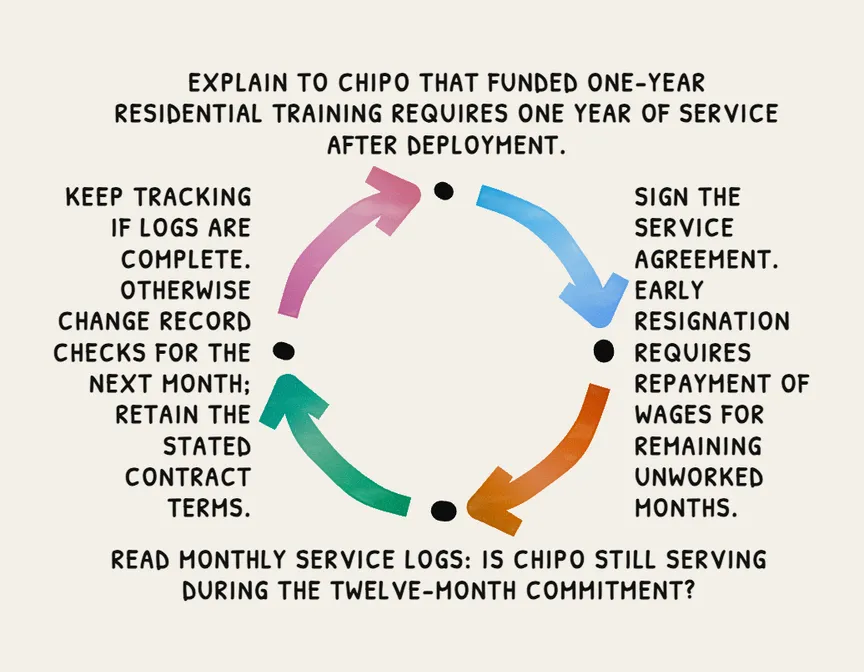
Financial cost-recovery penalties raise the explicit cost of early resignation, ensuring that candidates fulfill their initial post-training service obligation.
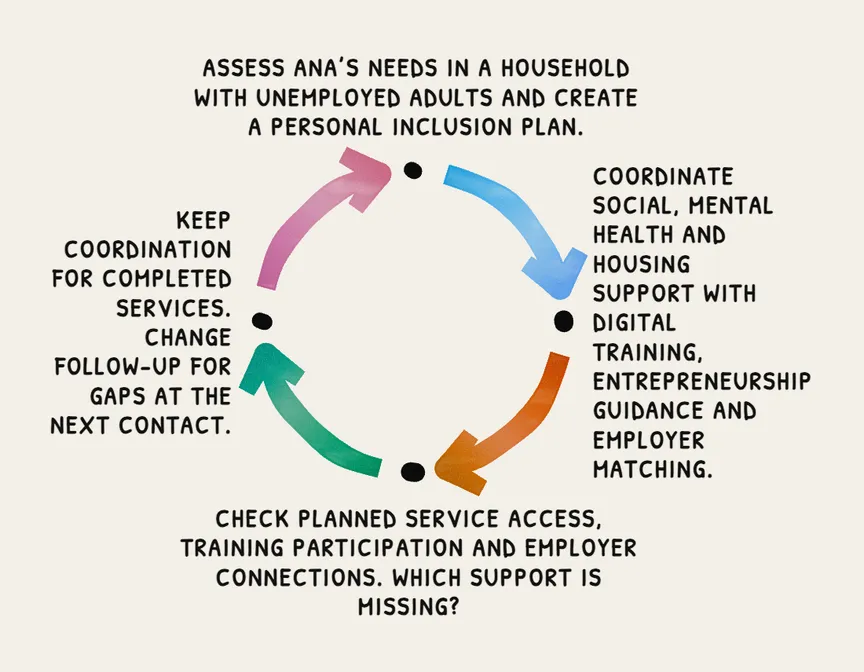
Combining personalized social support with digital skills training and direct firm matching strengthens personal autonomy and mental well-being.
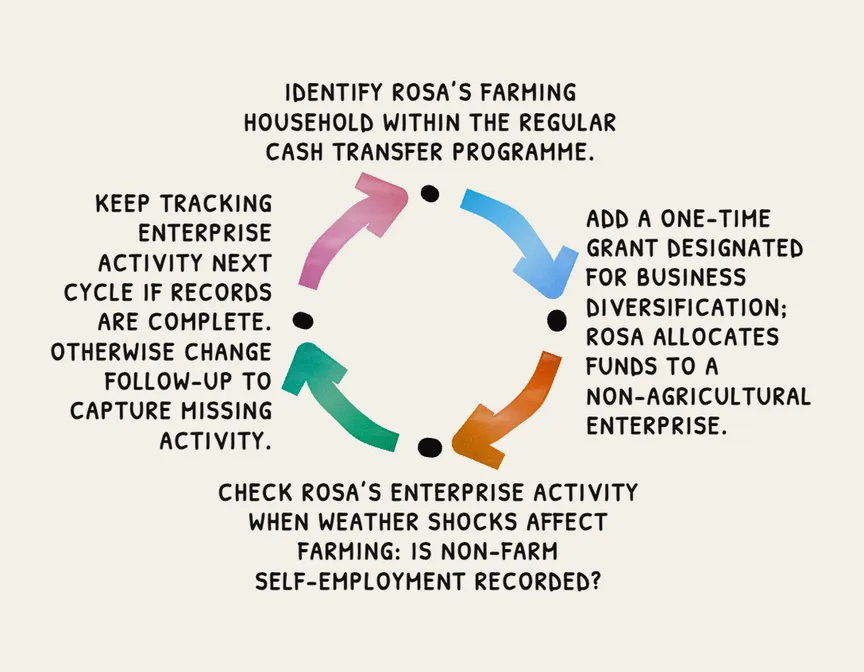
Providing lump-sum capital explicitly designated for business creation enables households to overcome start-up credit barriers and establish non-farm enterprises.
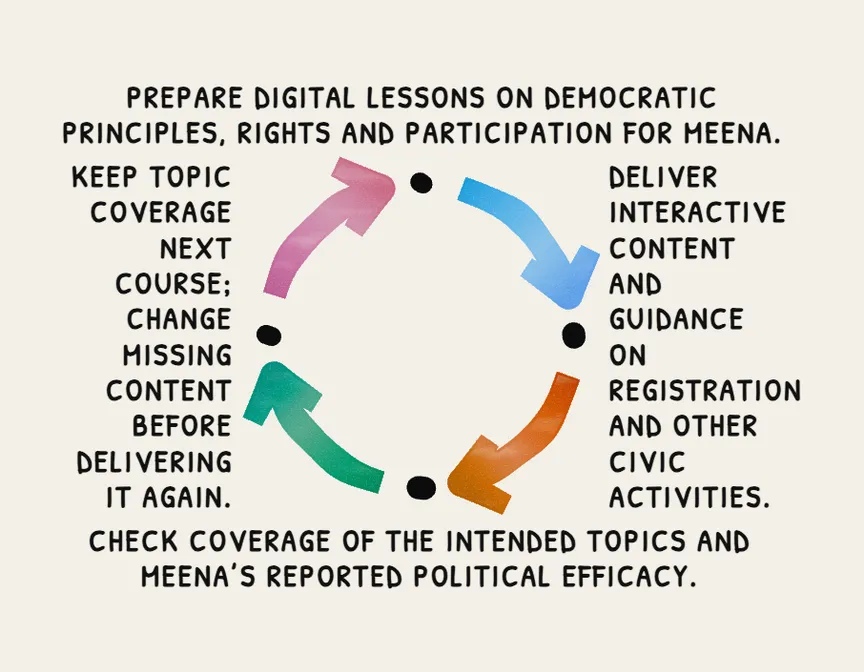
Providing accessible online education clarifies the value of democratic institutions and builds personal political confidence.
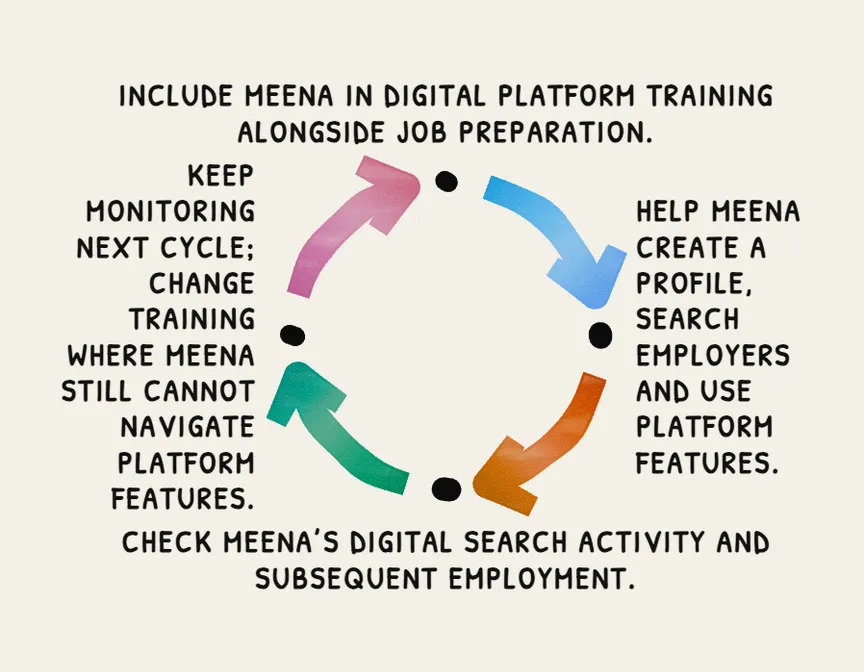
Training job seekers to use online platforms helps them acquire more information about potential employers.
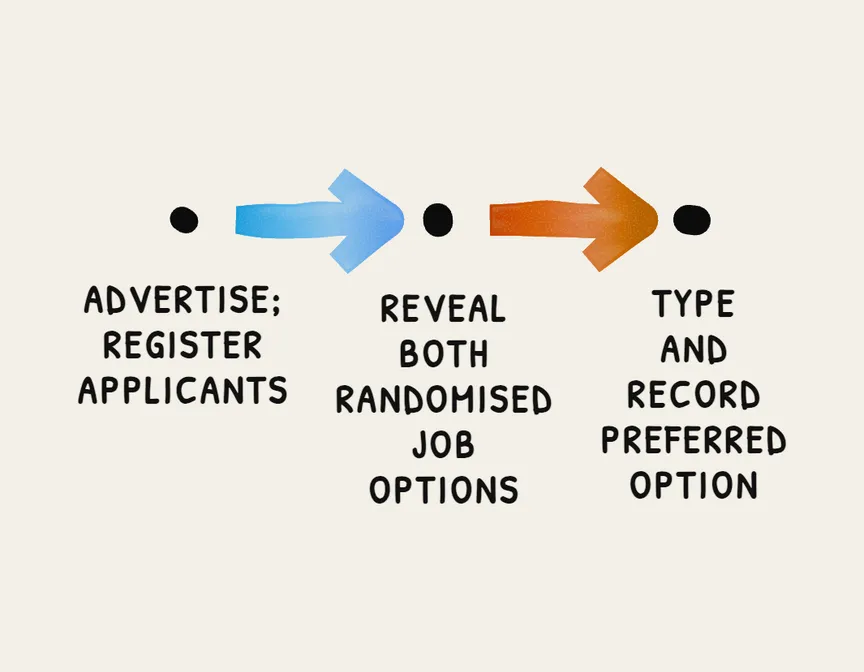
Forcing candidates to click on both position descriptions and manually type their preferred position number ensures that applicants thoroughly read both job offers before choosing.
Pre-recorded video lectures and automated testing allow consistent quality delivery across large cohorts without geographic limits.
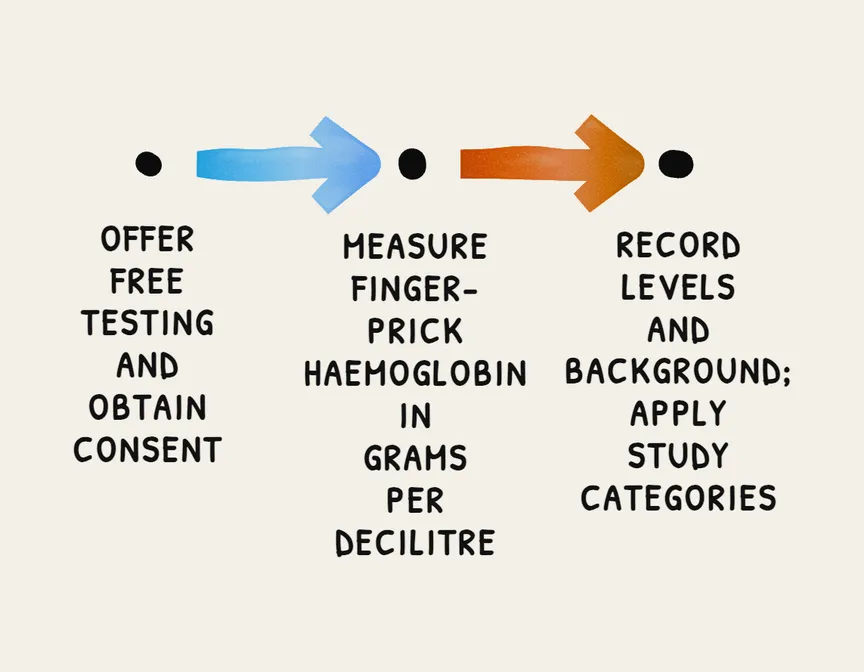
Hemoglobin levels provide an objective physical marker of malaria exposure and overall vulnerability, unaffected by social desirability or recall bias.
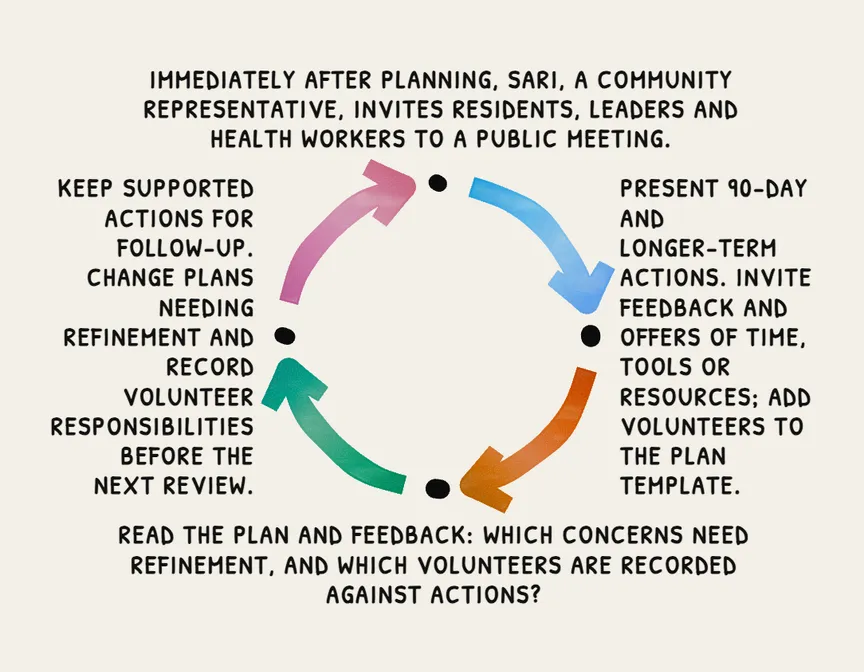
Presenting action plans publicly builds broader community awareness and shared ownership of local health solutions.
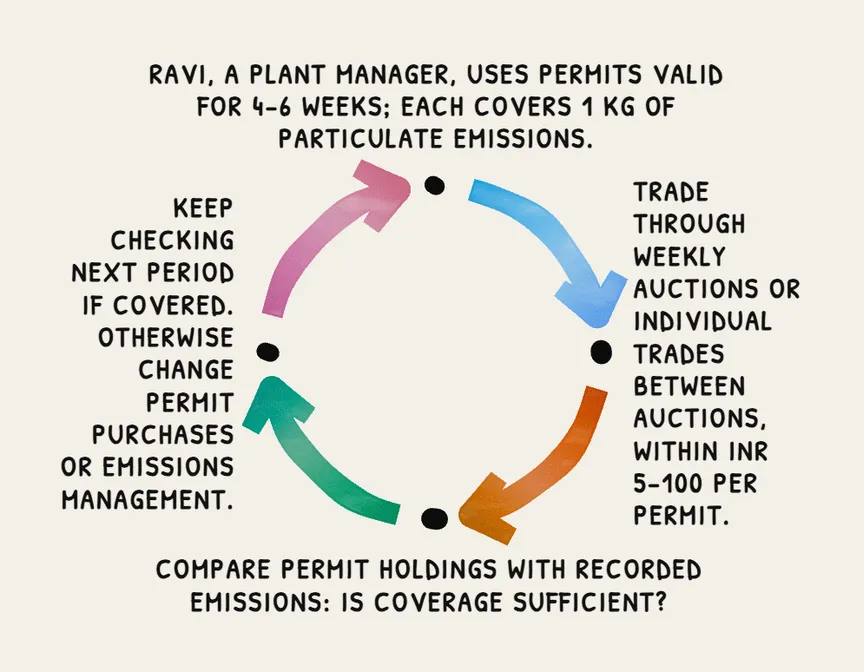
Ease of permit trading and low, consistent per-permit prices enable firms to acquire permit holdings equal to their actual emissions.
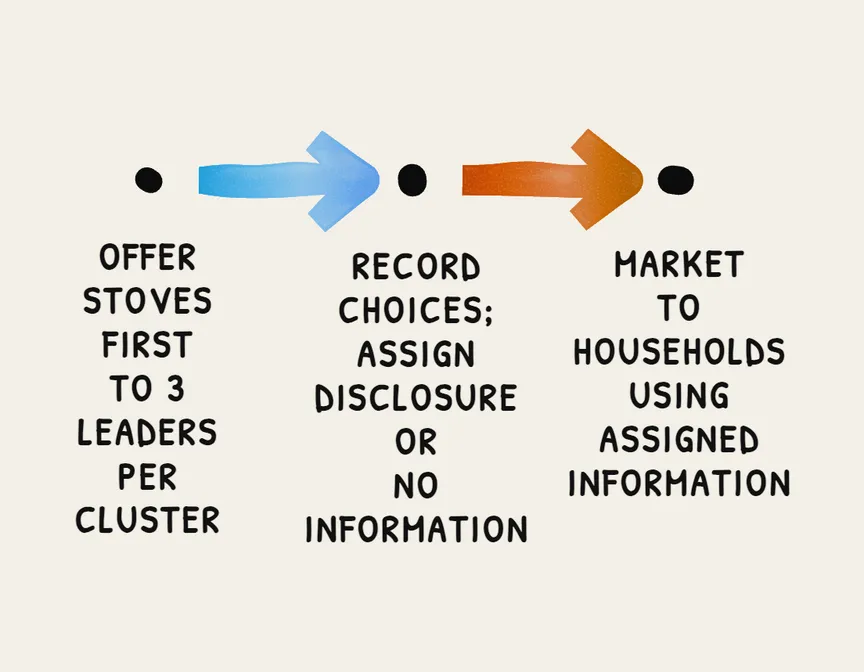
Disclosing leader decisions provides villagers with an observational signal about whether a high-status peer considers the technology a worthwhile expenditure.
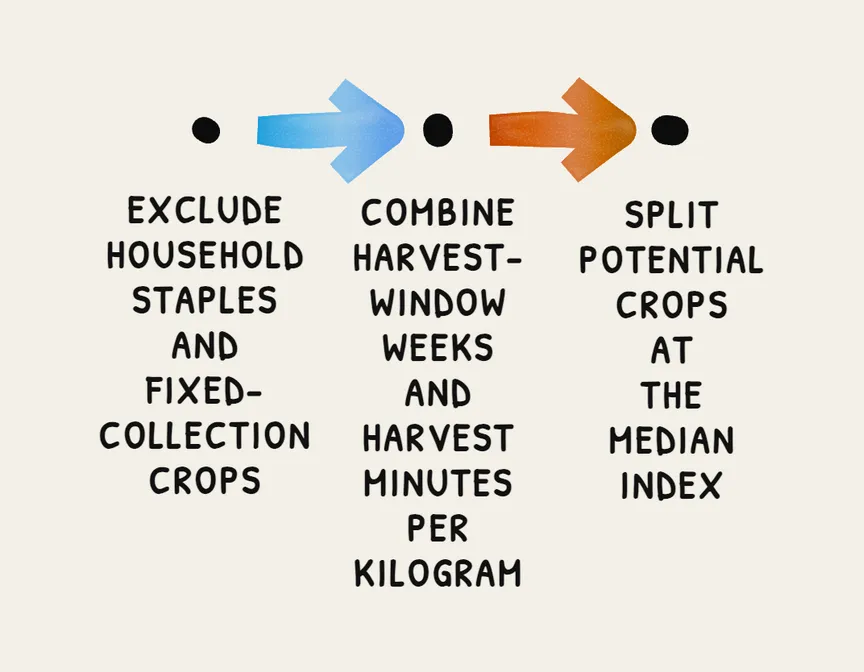
Opportunistic theft targets crops that offer prolonged exposure in the field and require minimal labor to steal quickly.
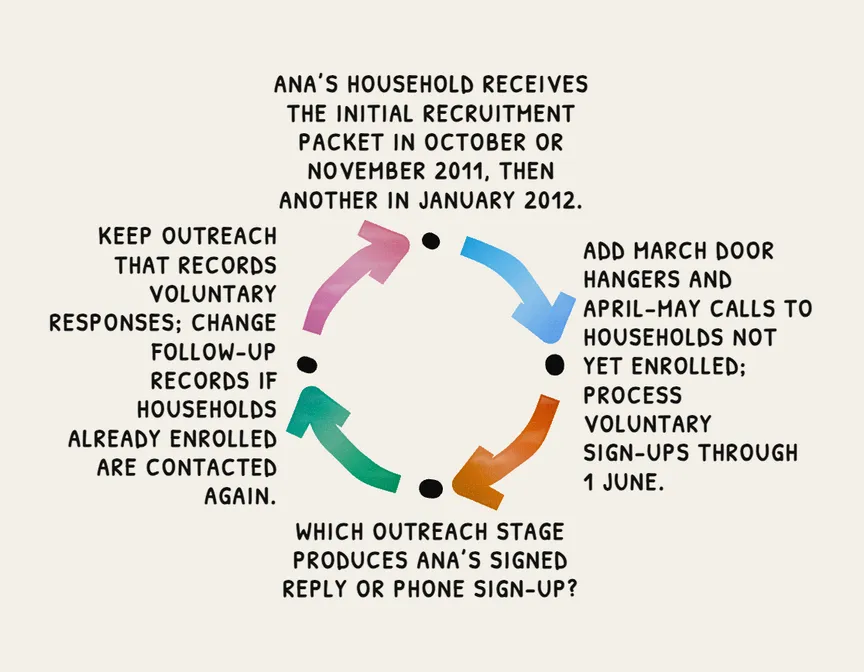
Repeated touchpoints across multiple media lower information barriers and provide households multiple convenient ways to opt in.
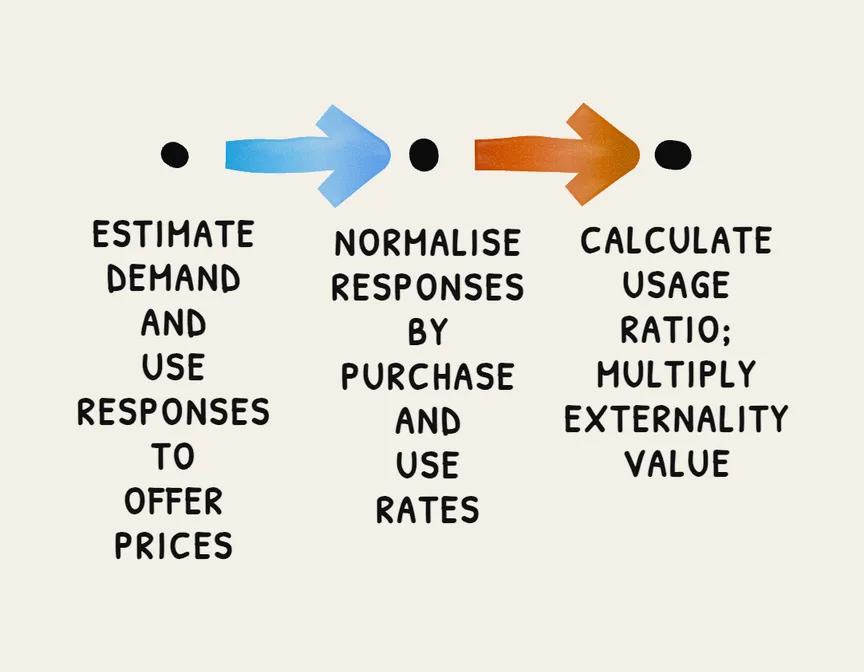
Because higher prices screen for households with greater willingness-to-pay and higher use intensity, marginal buyers attracted by lower prices have lower product usage propensities than average buyers.
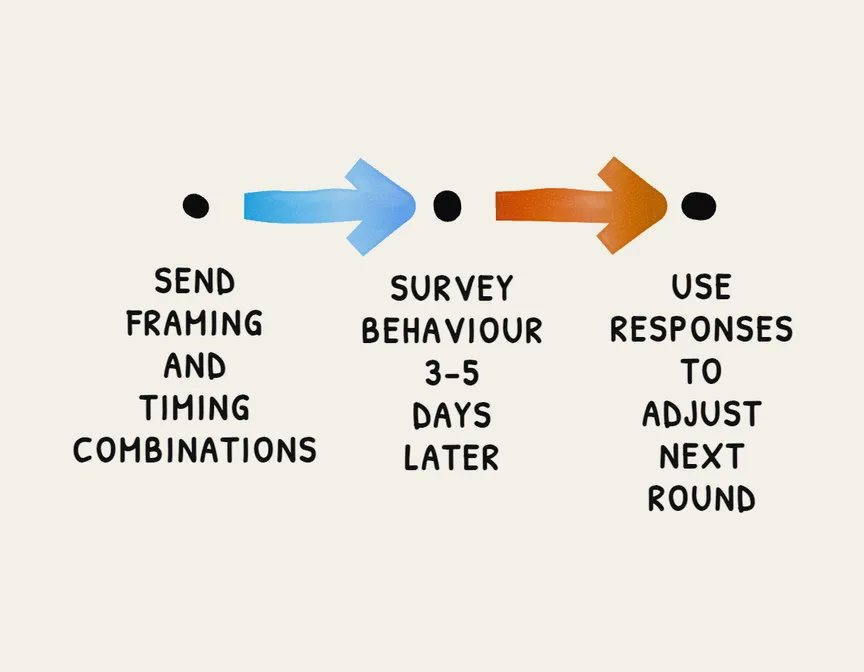
Varying assignment probabilities based on previous performance allows evaluators to continuously allocate more resources to higher-performing message variations.
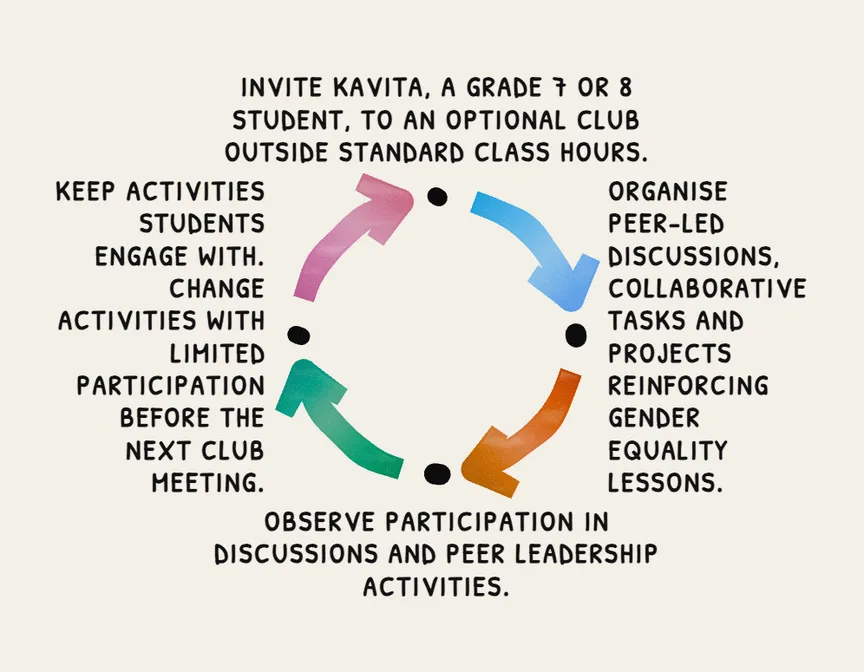
Optional youth clubs give motivated adolescents an additional social space to engage with gender topics and practice peer leadership.
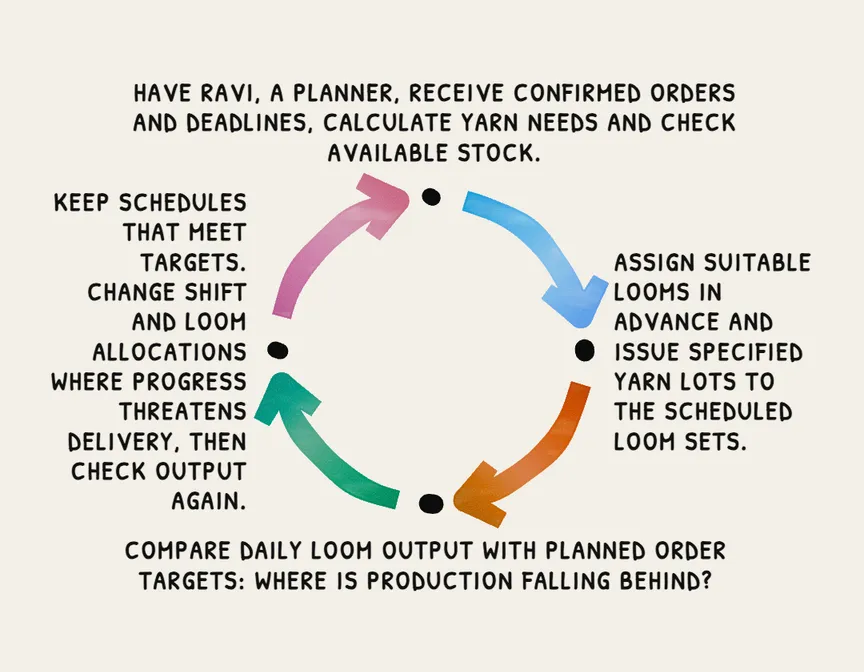
Planning production by specific customer orders aligns raw yarn inventory with active weaving schedules.
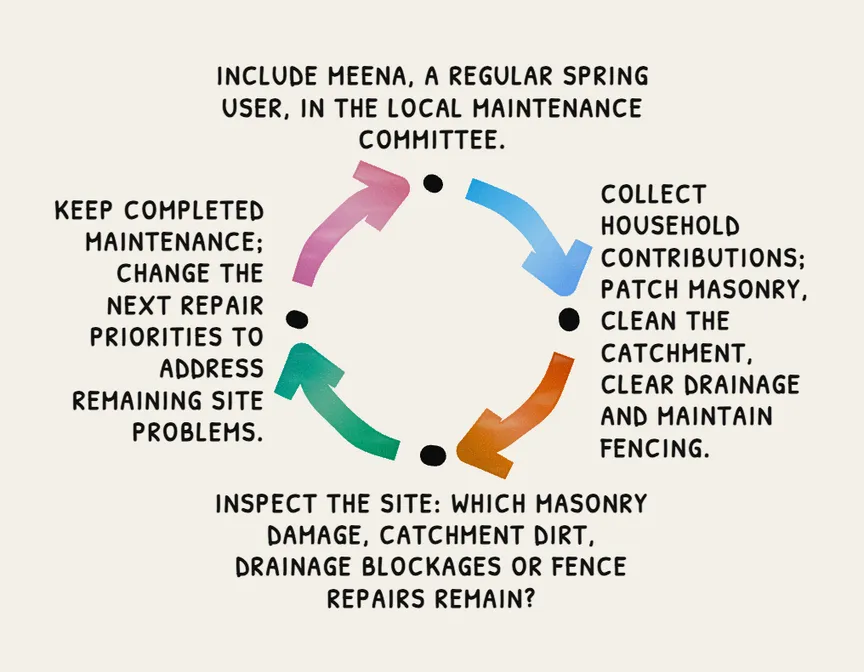
Assigning explicit maintenance responsibilities to a dedicated local committee prevents infrastructure deterioration.
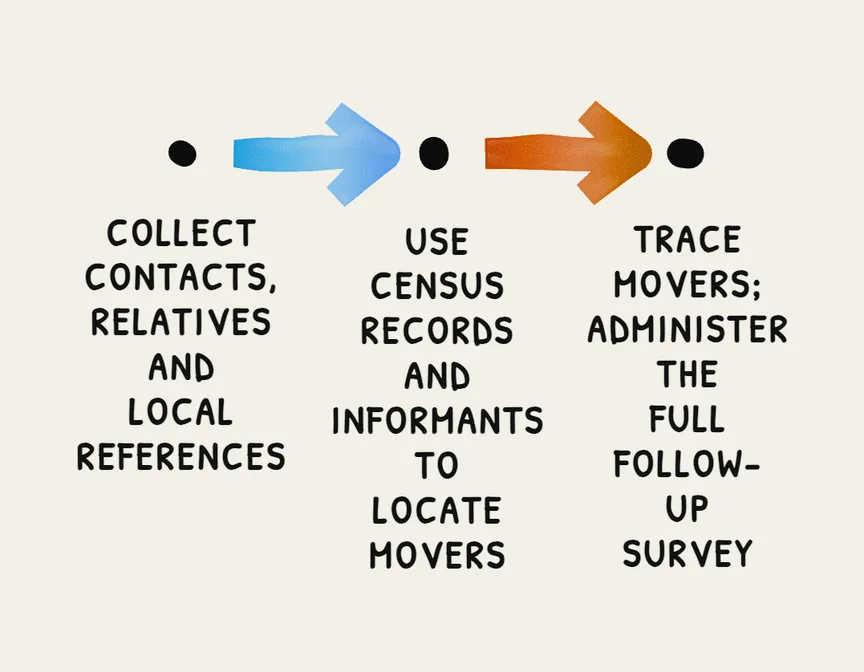
Active tracking of out-migrant respondents prevents selective attrition bias that commonly distorts long-term impact estimates.
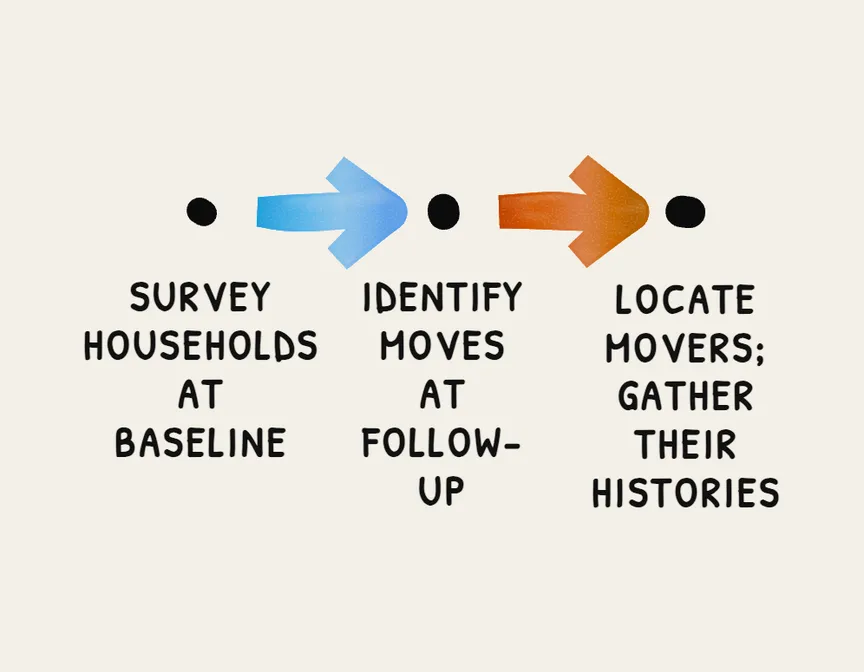
Tracking relocated respondents prevents selective sample attrition bias caused by migration for employment or marriage.
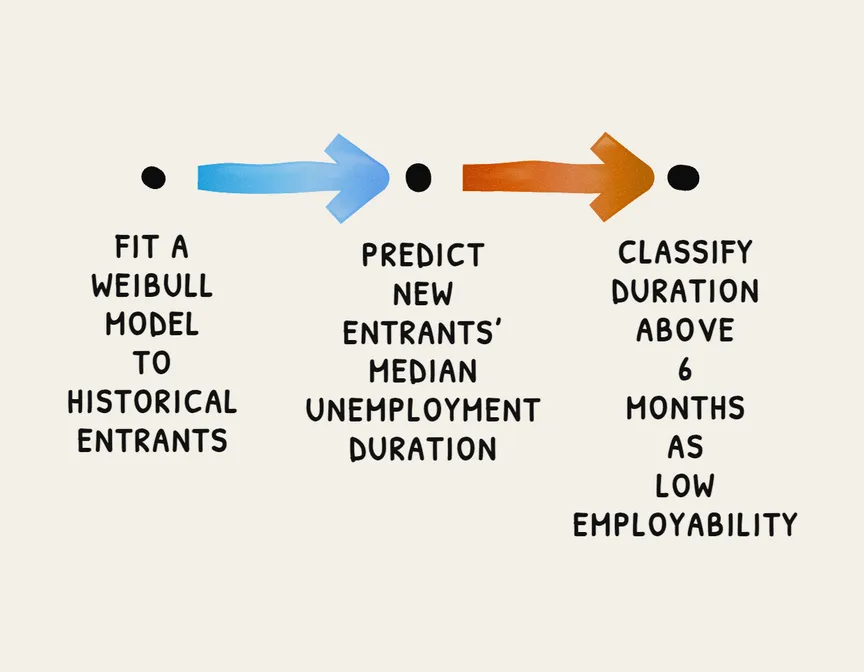
Estimating predictions on an independent historical cohort prevents endogenous sample overfitting and eliminates selection bias in treatment effect evaluation.
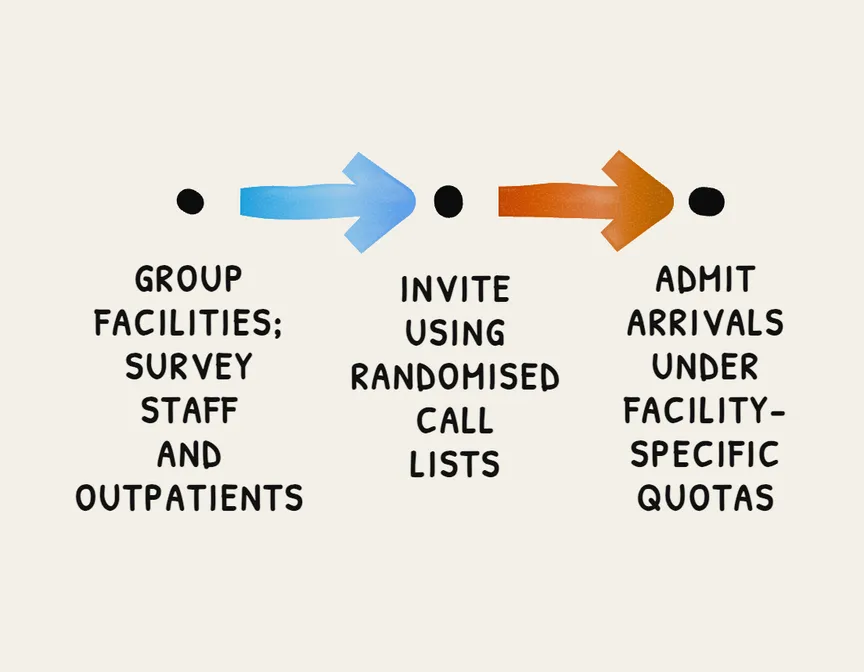
Using facility staff rosters and exit interviews creates clear, unbiased sampling frames of actual service providers and active service users.
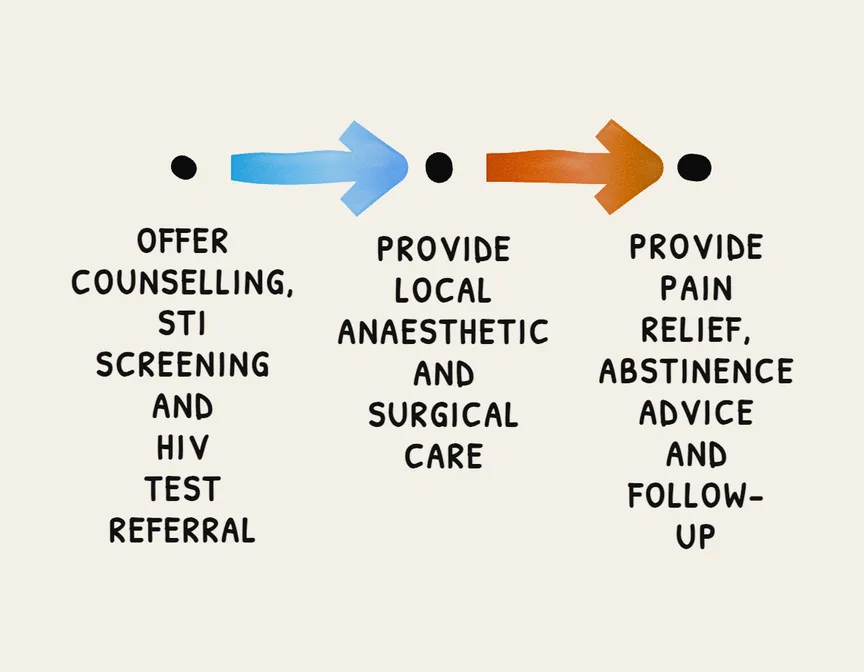
Combining local anesthesia, dissolvable stitches, and post-operative counseling allows for safe outpatient delivery with minimal recovery time, enabling most patients to resume work within two to three days.
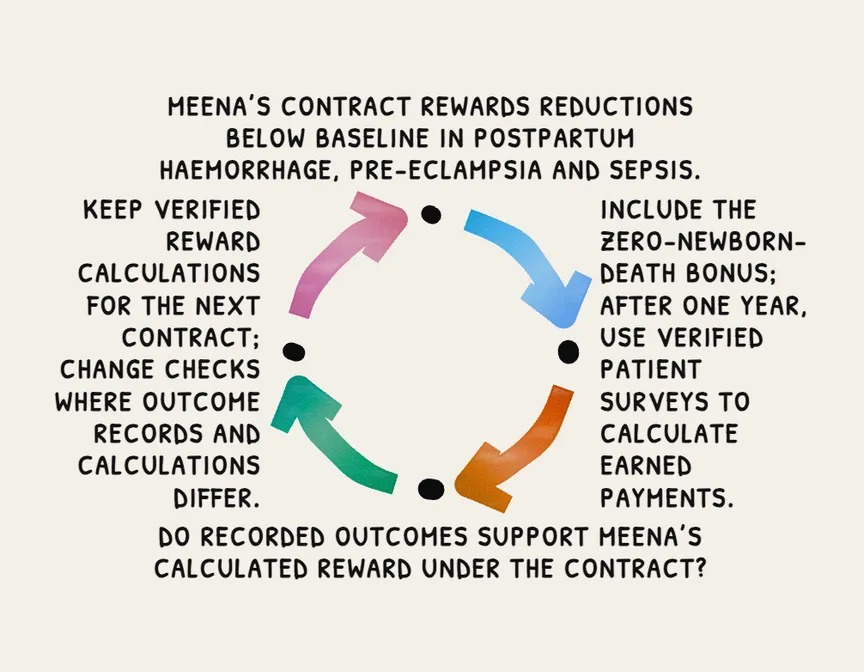
Incentivizing direct health outcomes gives high-skilled providers flexibility to introduce new delivery strategies tailored to individual patients.
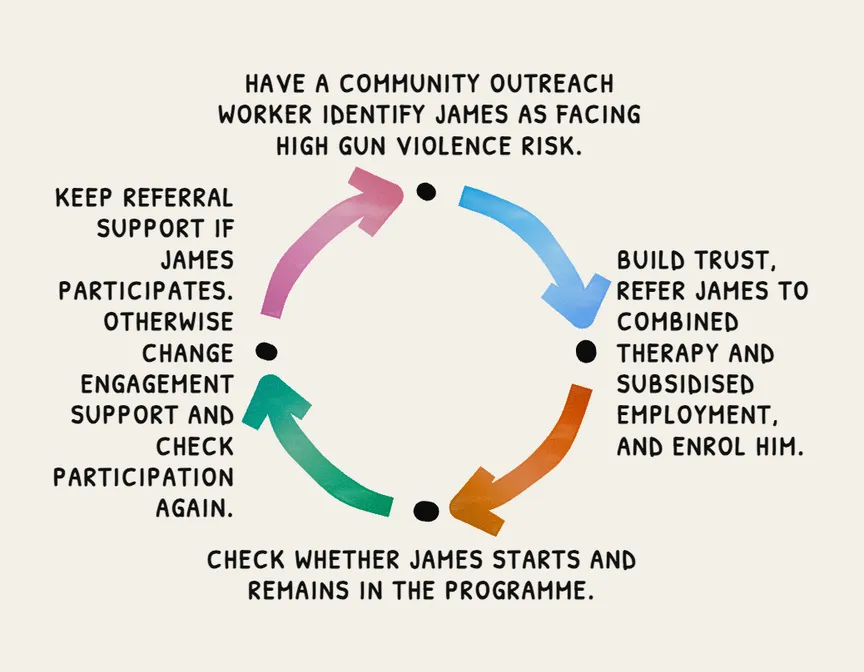
Outreach workers possess established trust and credibility within high-risk communities, allowing them to engage individuals who avoid traditional state channels.
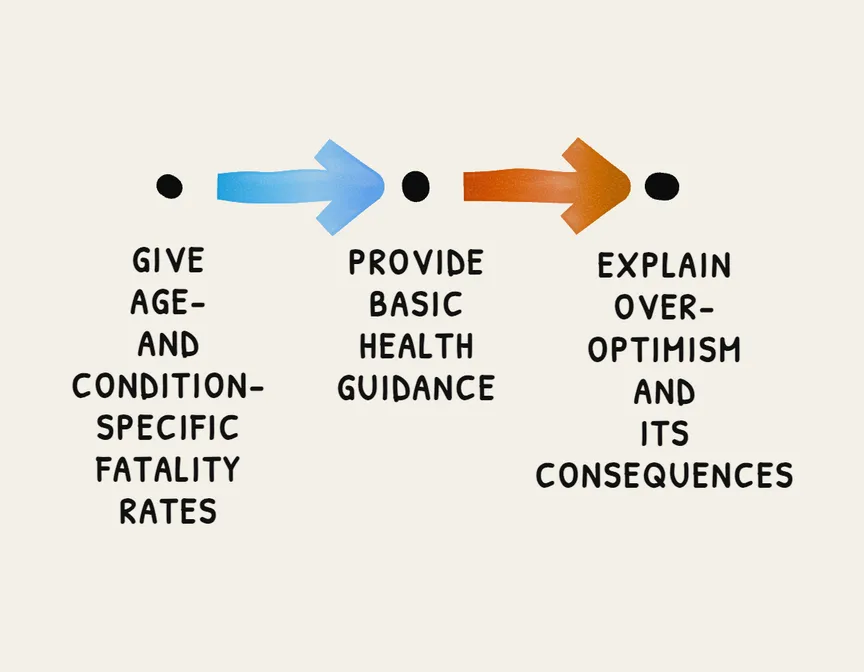
Describing how widespread over-optimistic beliefs are and highlighting their consequences challenges rationalizations and reduces personal risk underestimation.
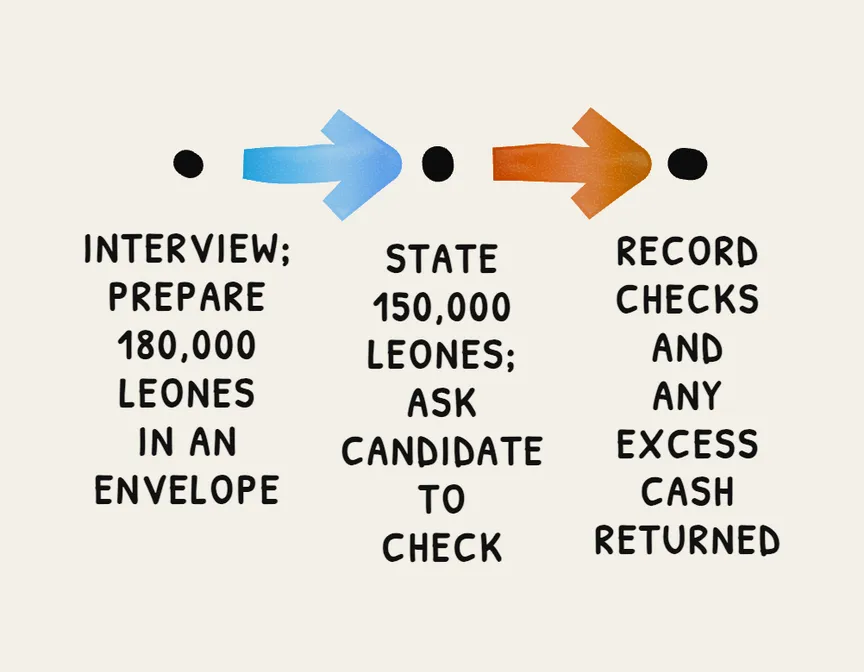
Self-reported claims of honesty and attention to detail suffer from social desirability bias.
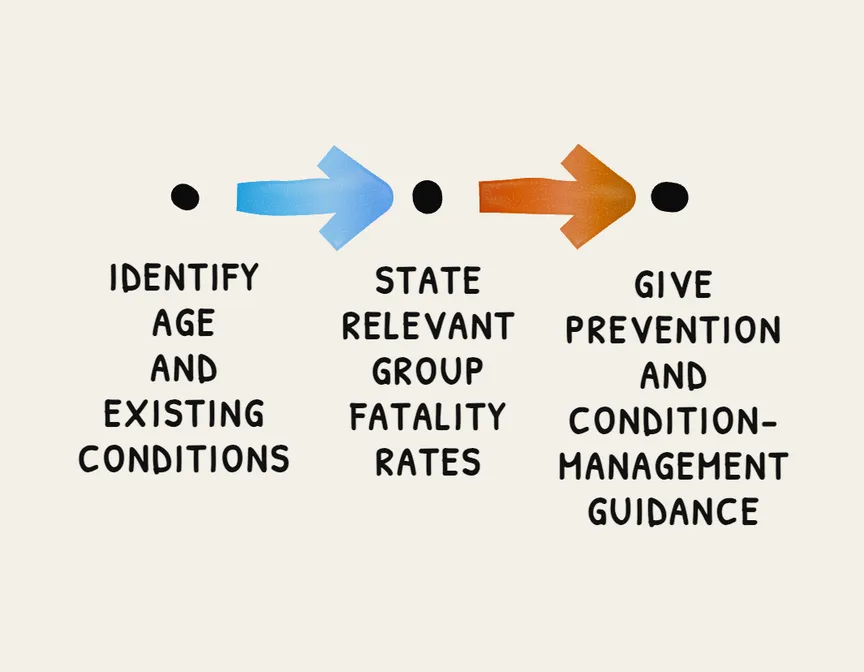
Providing tailored health risk information directly informs individuals about the statistical fatality risks faced by people with their exact age and health profile, counteracting general underestimation of risk.
Systematic legal auditing by specialized titling officials prevents fraudulent land claims and confirms that all underlying ownership transfers are legally binding.
Training strengthens non-cognitive skills like extraversion and autonomous problem solving, allowing workers to resolve line bottlenecks collaboratively with peers and supervisors.
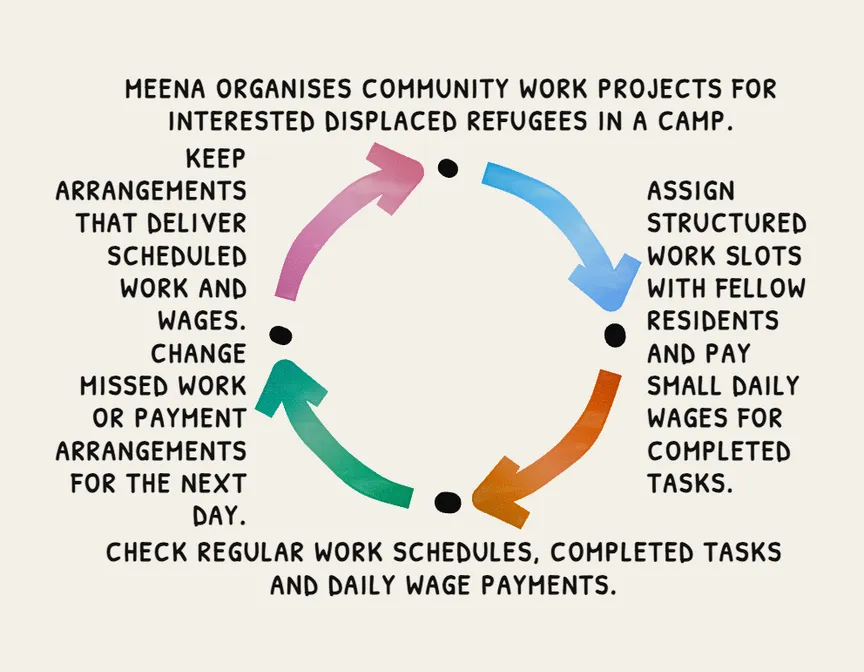
Engaging in paid work provides psychological purpose, social integration, and personal dignity that unconditional cash transfers cannot supply.
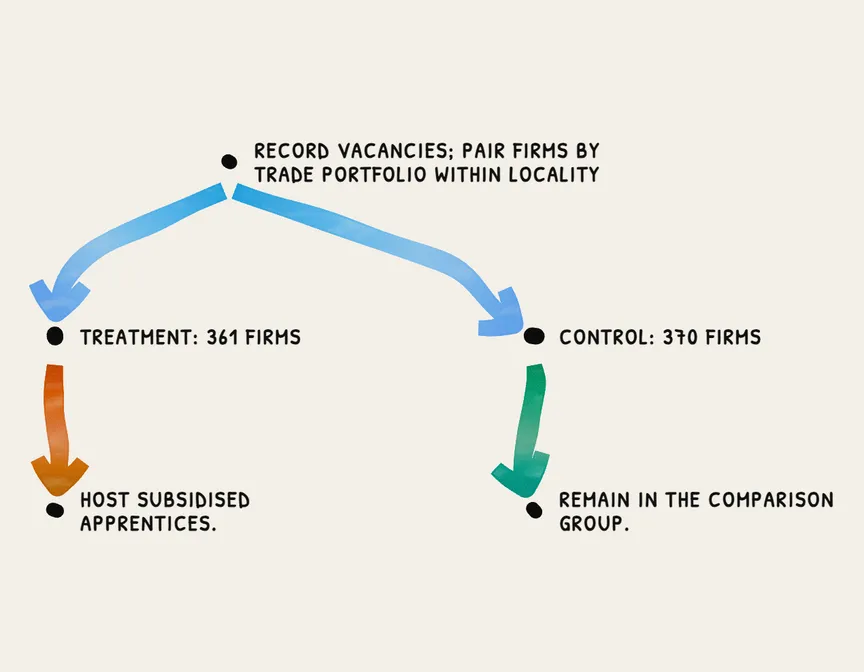
Pairing enterprises by their multi-trade vacancy structures accounts for complex firm-level hiring capacities that span multiple trades.
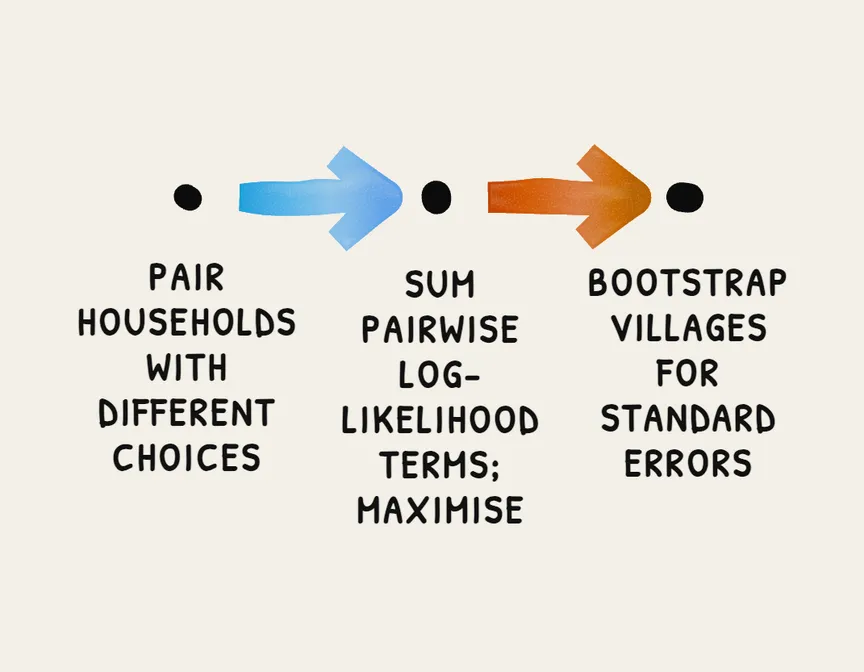
Pairwise comparison eliminates unobserved village fixed effects by contrasting choice utilities directly between pairs of households in the same cluster.
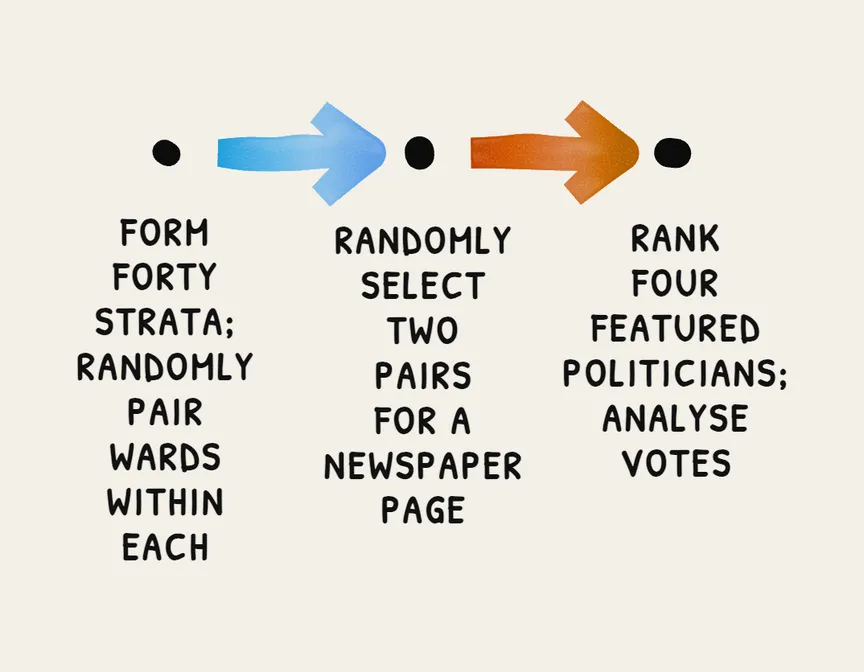
Featuring candidates together on the same page allows voters to compare incumbent performance against local peers facing similar municipal constraints.
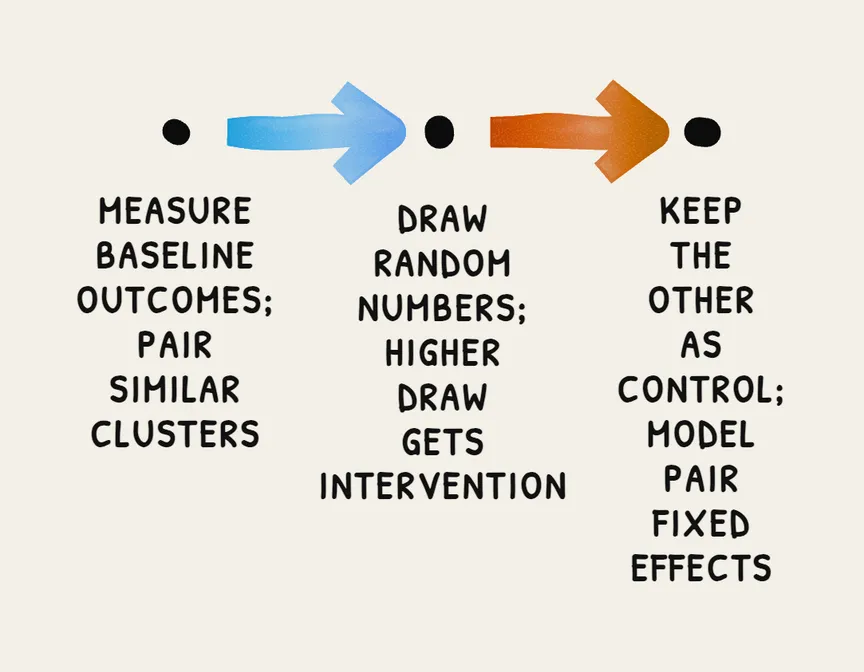
Pairing clusters on baseline outcome levels ensures that treatment and control groups start with nearly identical average outcome rates.
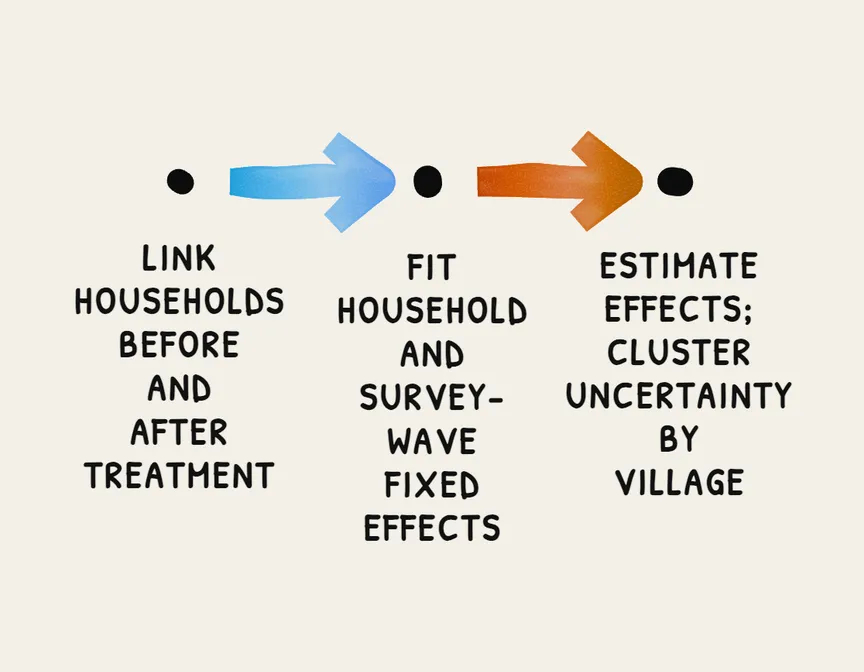
Including individual fixed effects absorbs all unobserved time-invariant household and farm characteristics that influence agricultural choices.
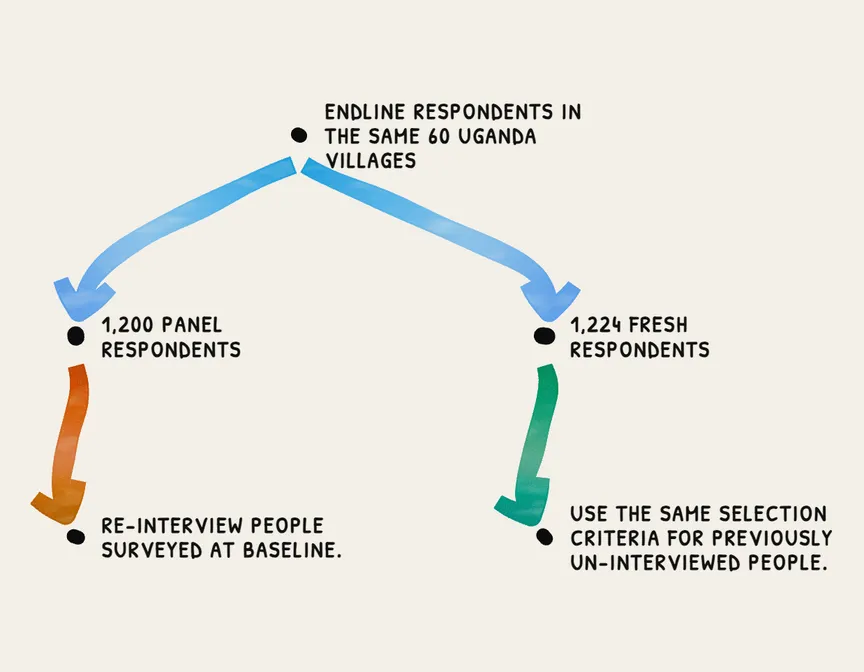
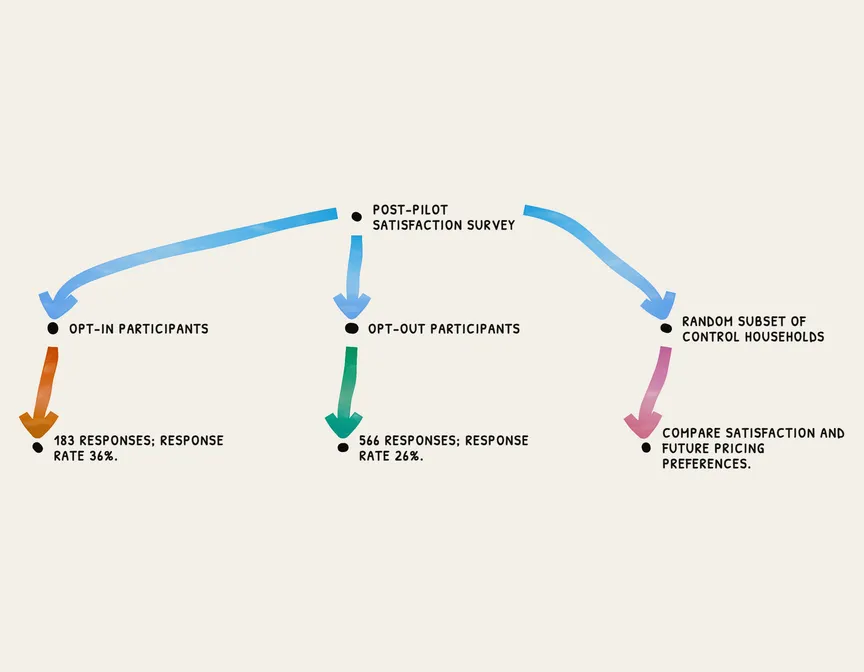
Comparing resurveyed baseline participants against fresh cross-sectional respondents identifies whether answering earlier survey questions primed respondents to use the service.
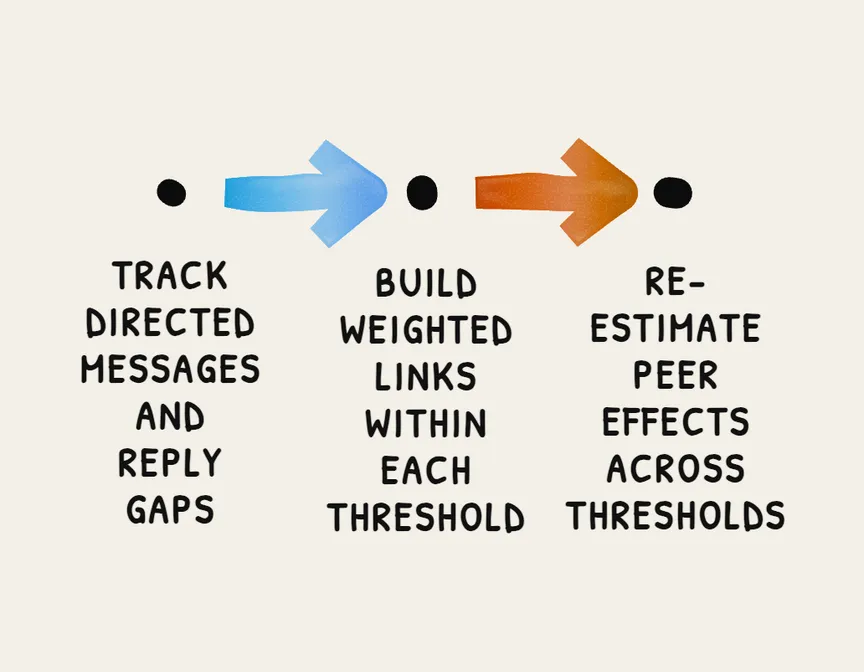
Counting intermediate messages reflects how far down a user's screen an earlier message moves before a response occurs.
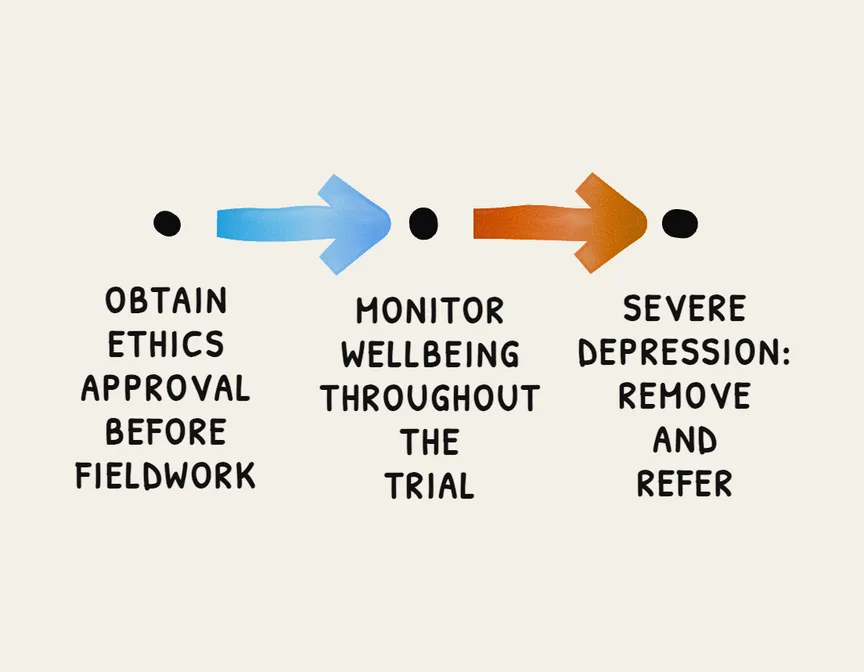
Requiring parental consent ensures legal compliance and parental involvement before administering health exams.
Direct customer surveying captures subjective welfare impacts and sentiment that electricity billing and usage data cannot measure.
Continuous monitoring by field personnel ensures immediate clinical intervention whenever a participant's condition deteriorates.
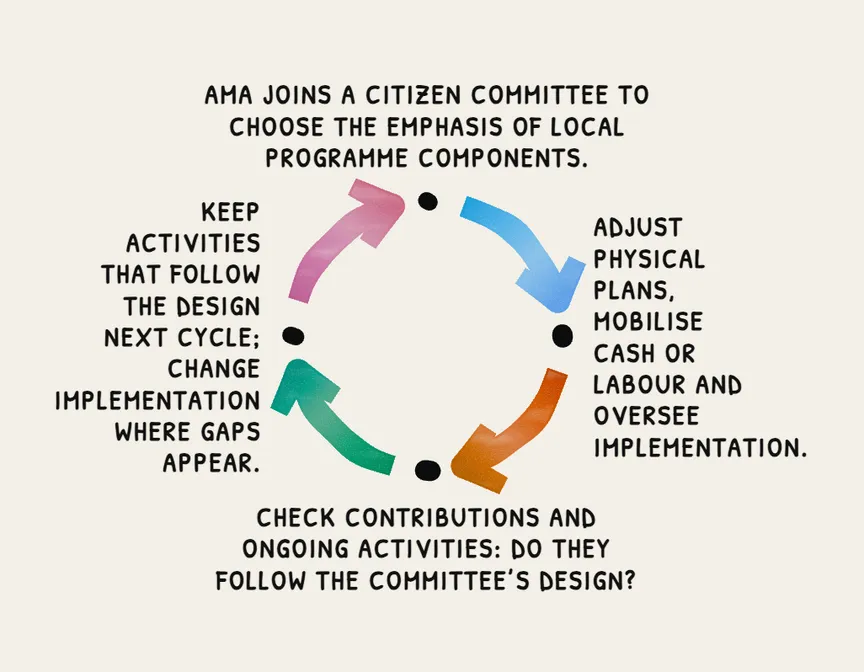
Incorporating community members into governance aligns project outcomes with citizens' needs and reduces corruption.
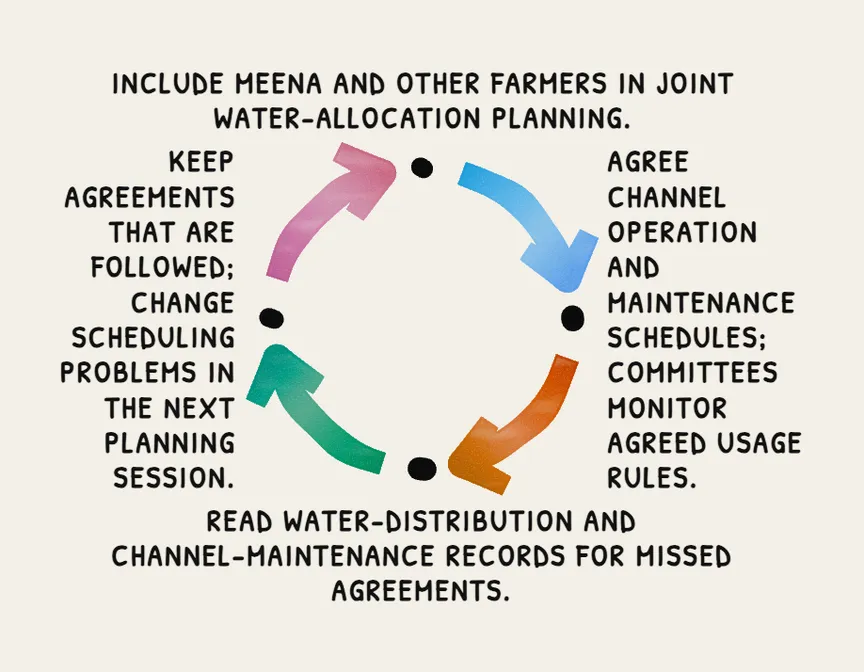
Giving local communities direct agency over irrigation projects ensures fair resource distribution and creates collective responsibility for maintaining shared infrastructure.
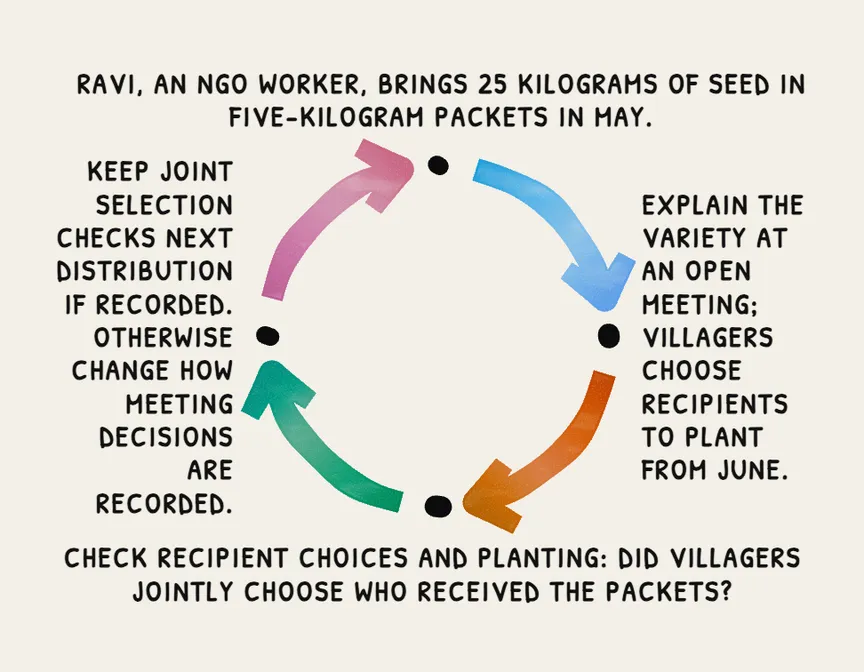
Participatory selection aims to choose demonstrators who represent the broader community rather than local elites.
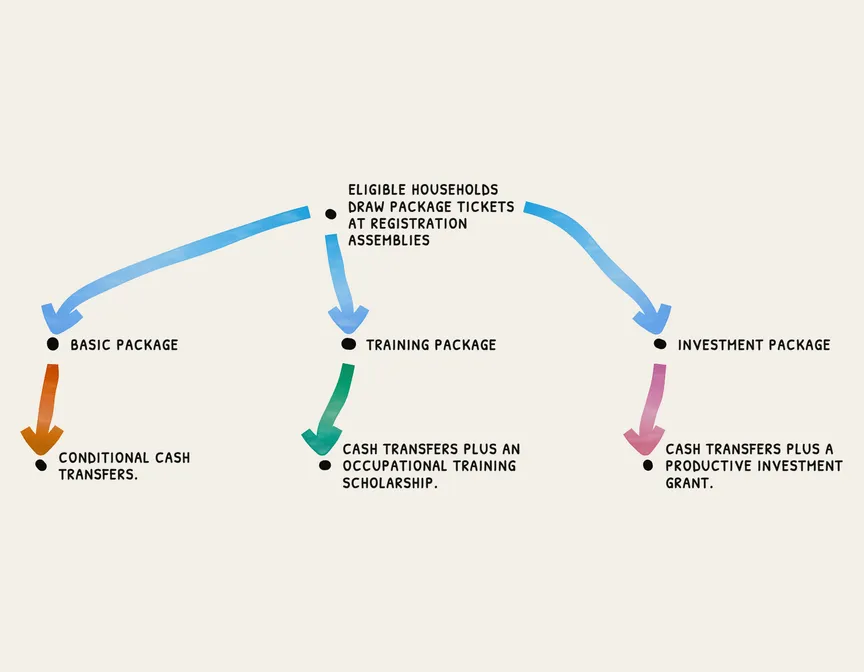
Conducting random assignment in public community assemblies ensures full transparency and trust among participants while eliminating selection bias in package allocation.
Participatory village meetings reduce favoritism among local village officials when choosing who gets trial inputs.
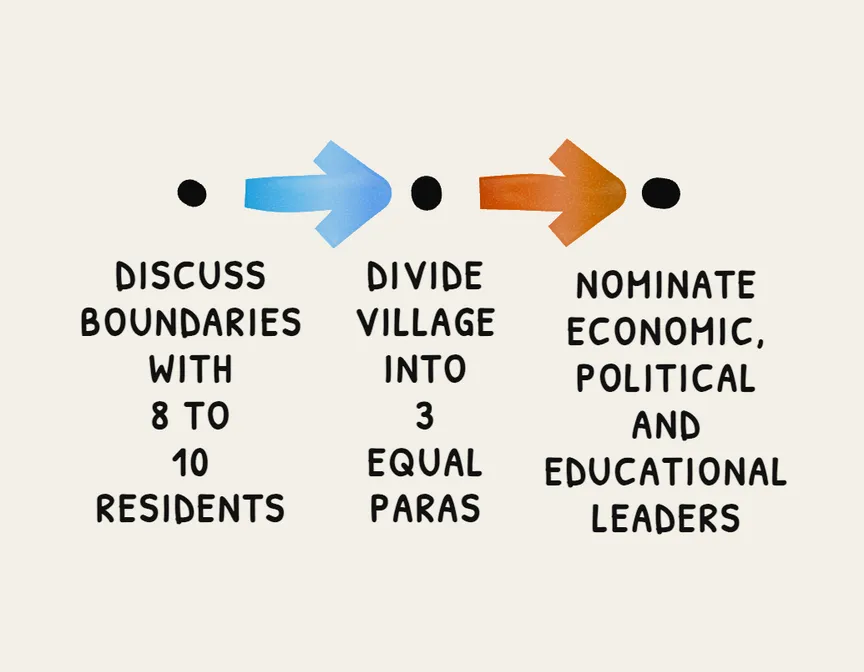
Distinguishing economic, political, and educational domains captures brokers who channel information across dissimilar social groups.
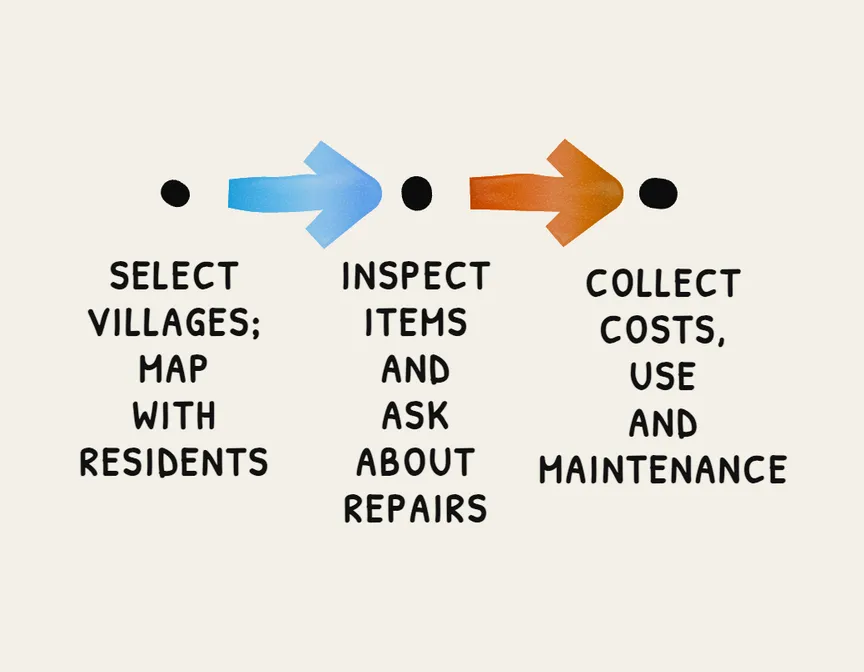
Combining community mapping with physical inspection produces objective, verified data on public goods construction and repair across rural jurisdictions.
Page 26 of 45
Previous
1
…
25
26
27
…
45
Next