Skip to the methods
Menu
aikyam
school
Findings
Methods
Subjects
All cards
Read
Findings
Methods
Subjects
All cards
Methods
2,124 methods
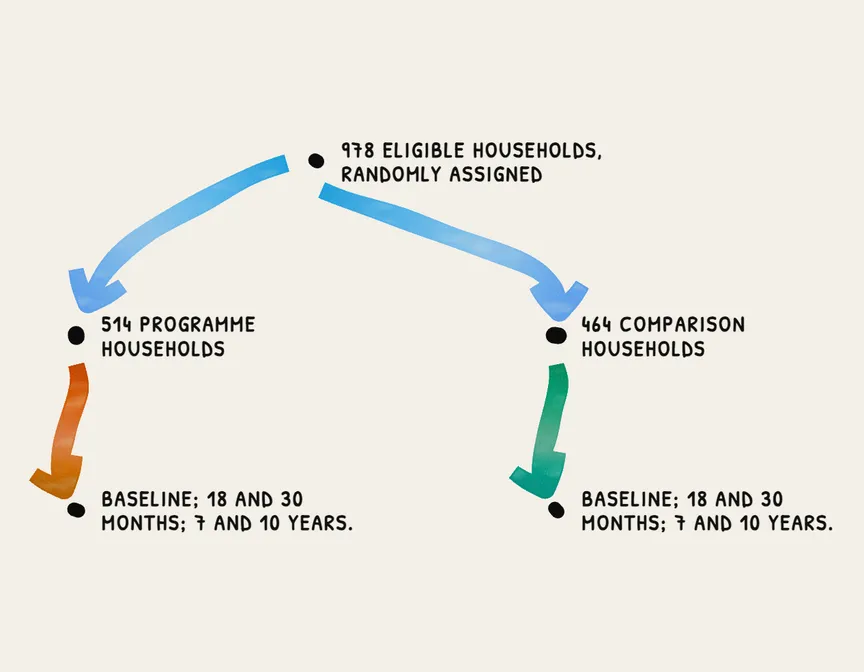
Random assignment creates identical comparison groups, ensuring that measured differences reflect true program causality.
Randomized evaluations rigorously isolate the impact of distinct interventions from background crisis trends.
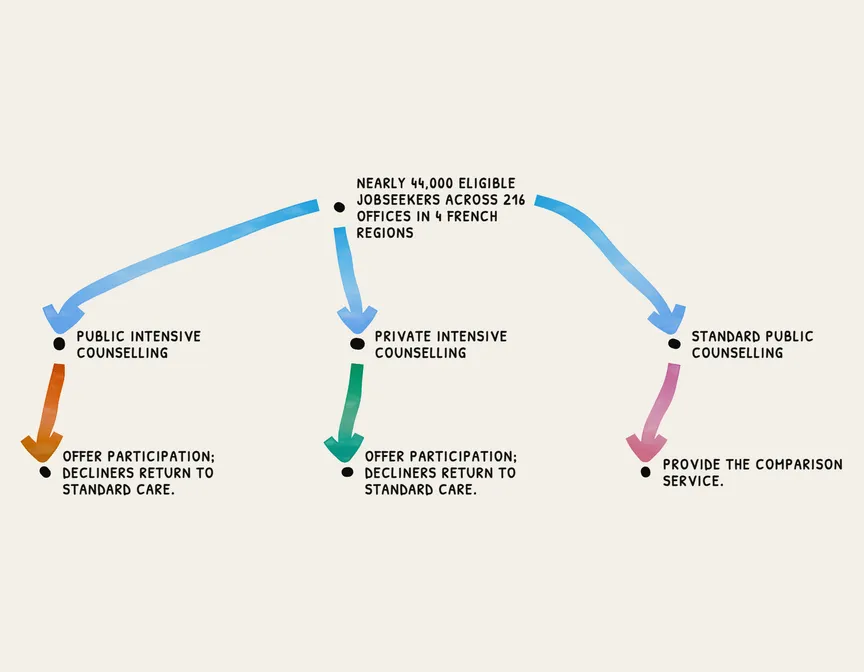
Random assignment ensures that differences in employment rates and government costs across tracks reflect true program impacts rather than selection bias.
Mandating female council heads forces political turnover and breaks entrenched incumbent networks.
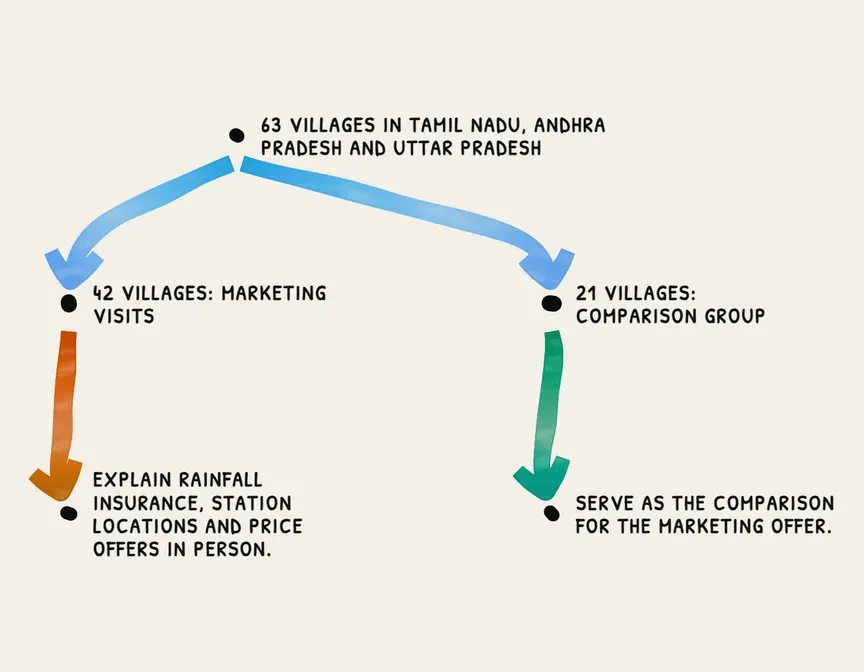
Direct marketing visits inform households about how index payouts work and where weather stations measure rain, resolving uncertainty around contract terms.
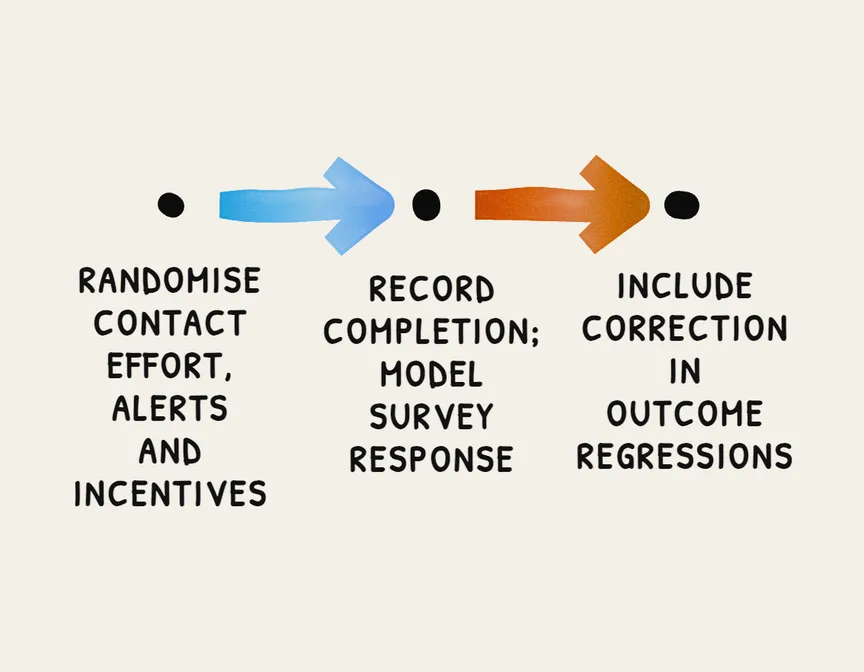
Exogenous variation in survey contact effort and completion incentives shifts response probabilities without altering candidates' actual job search or employment choices.
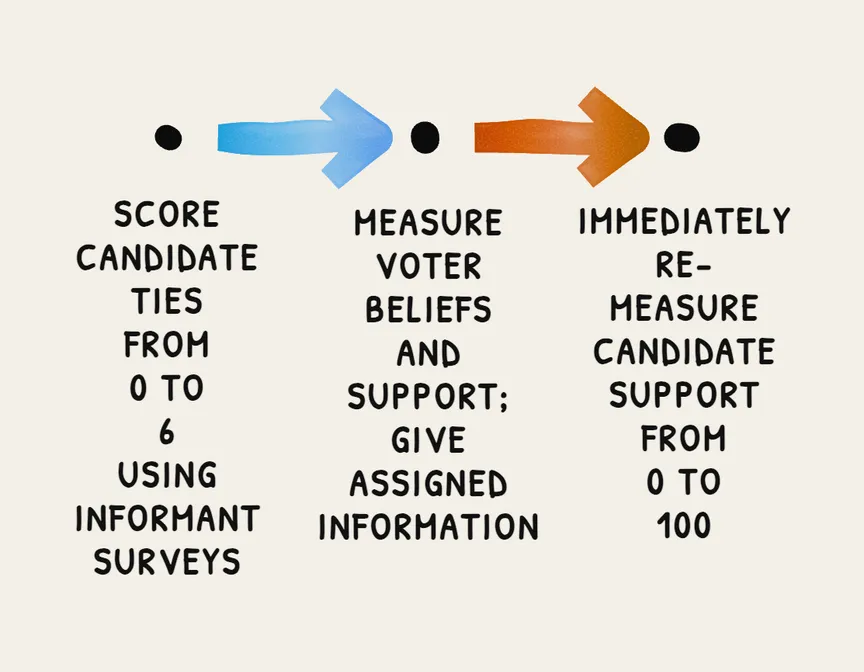
Providing verifiable candidate-specific connection scores allows voters to update inaccurate beliefs regarding candidate networks.
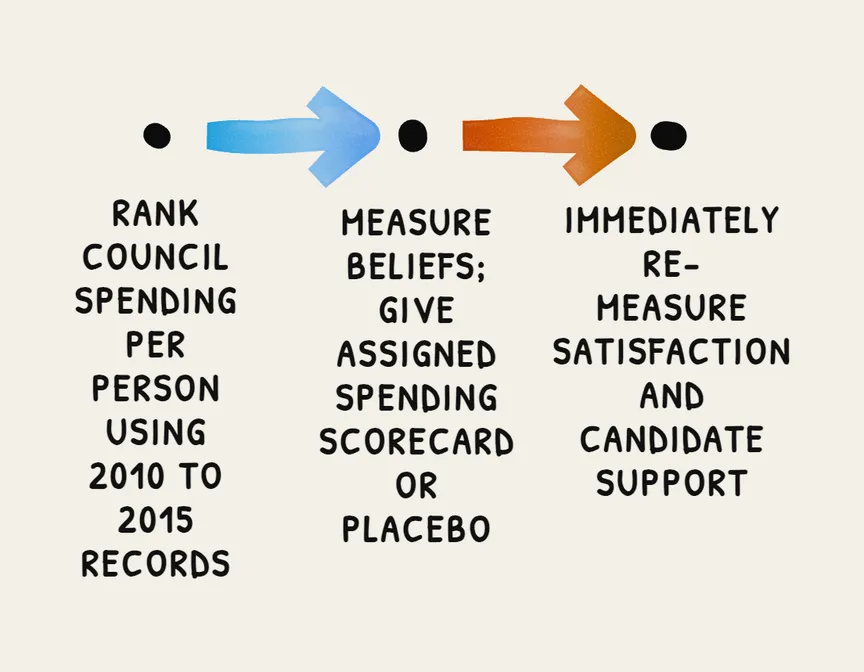
Providing objective budgetary figures allows citizens to assess local government performance accurately.
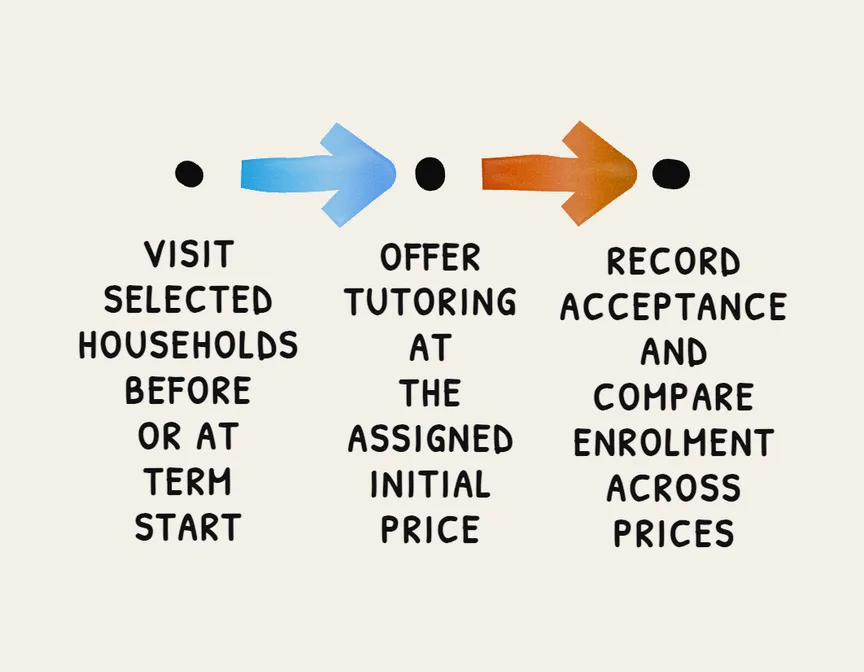
Varying initial prices across households establishes an unbiased baseline of household willingness to pay based on actual offer acceptance.
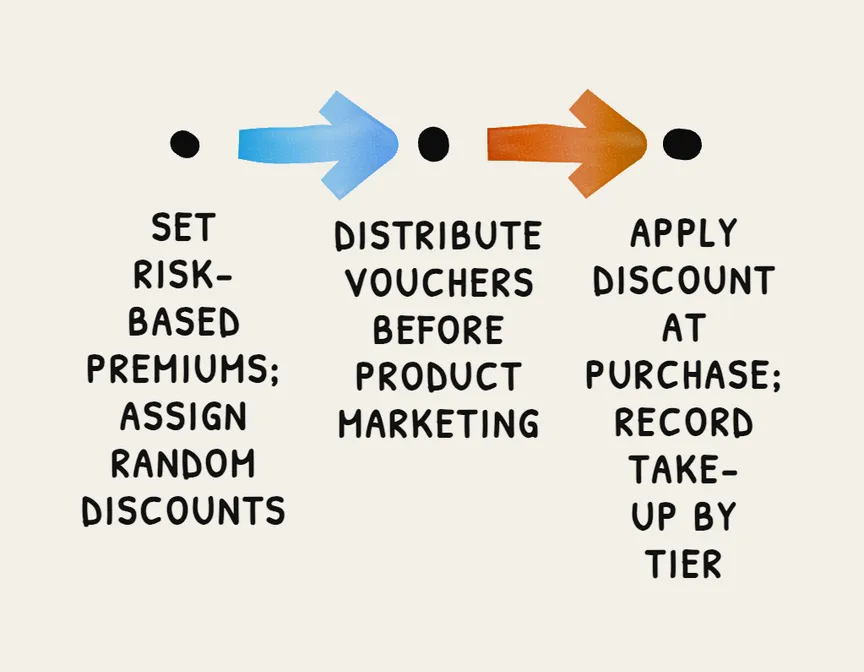
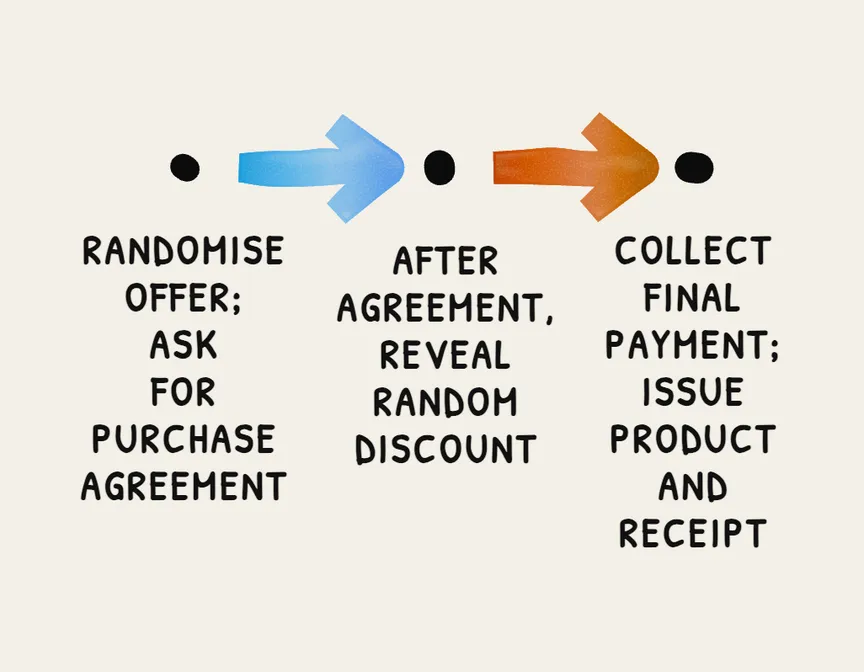
Randomizing discount percentages isolates price effects from household wealth and risk preferences.
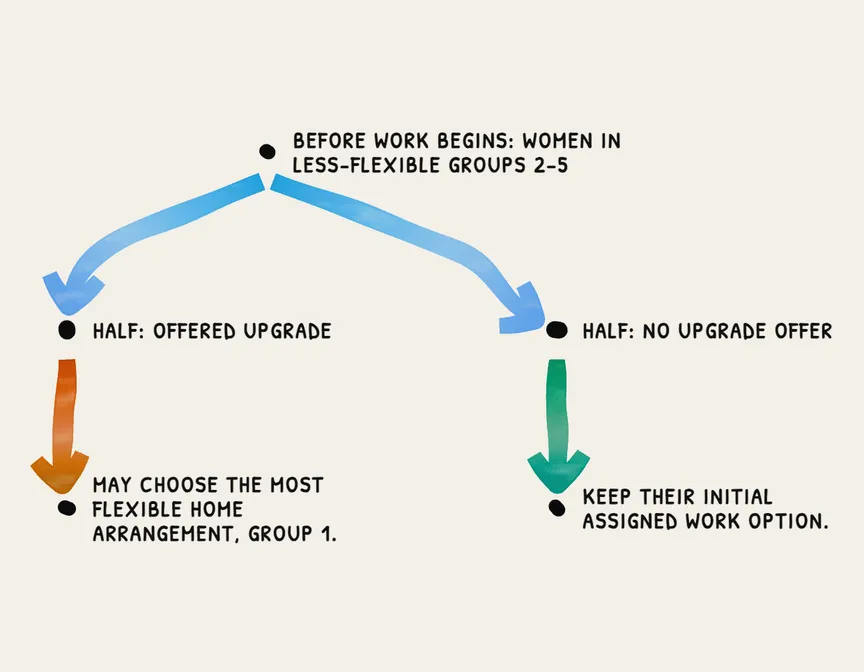
Randomizing the upgrade offer separates worker selection preferences from actual productivity impacts.
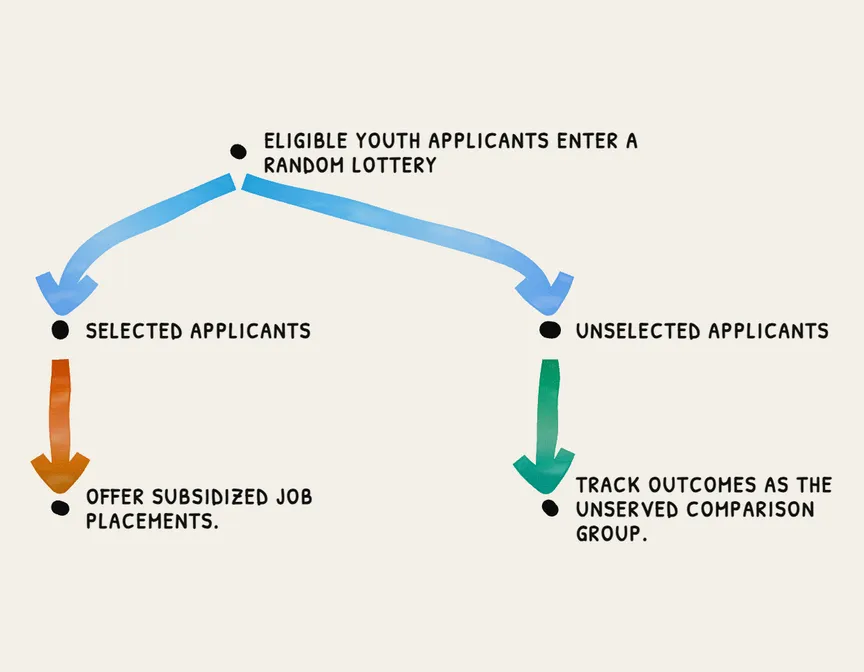
Random lotteries eliminate favoritism and selection bias in public resource distribution.
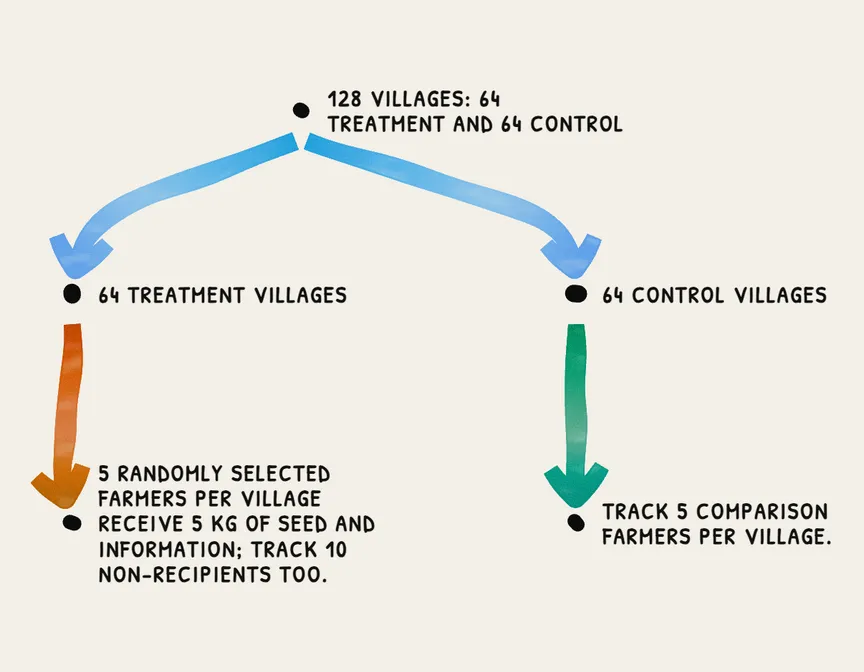
Providing a small, tangible seed sample alongside clear technical information allows farmers to observe crop performance on their own land without risking major financial capital.
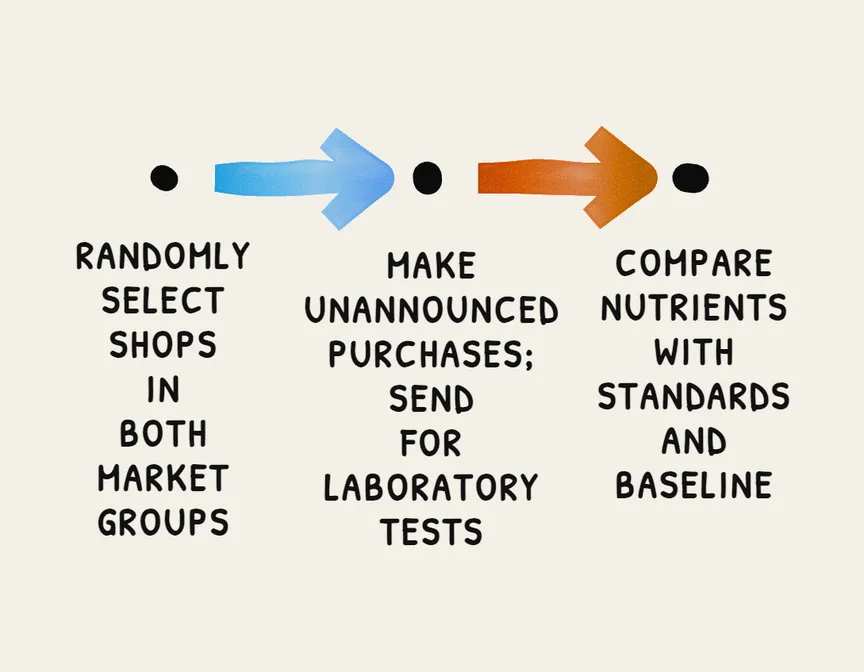
Unannounced follow-up mystery purchases deter retailers from attempting product adulteration or quality degradation after public quality certifications are issued.
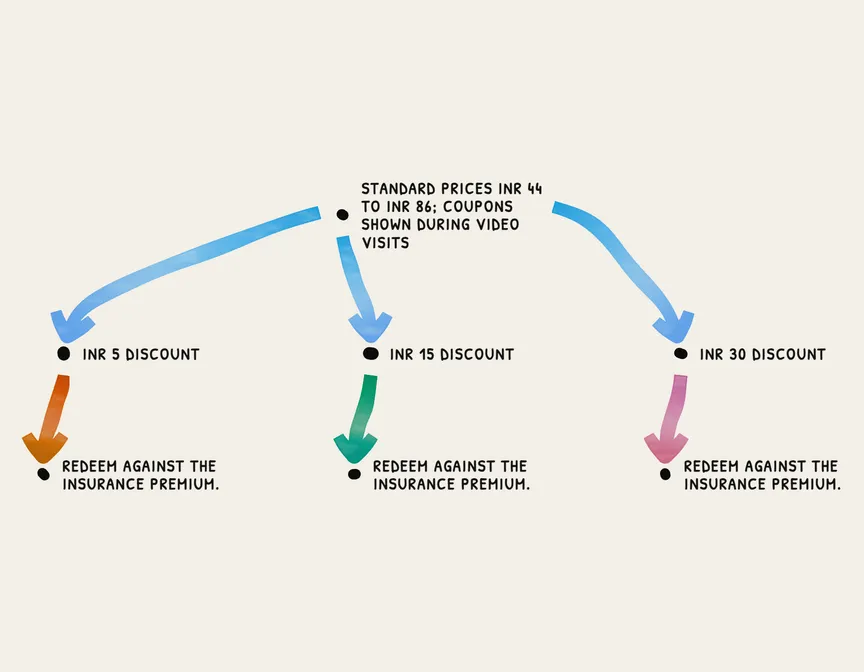
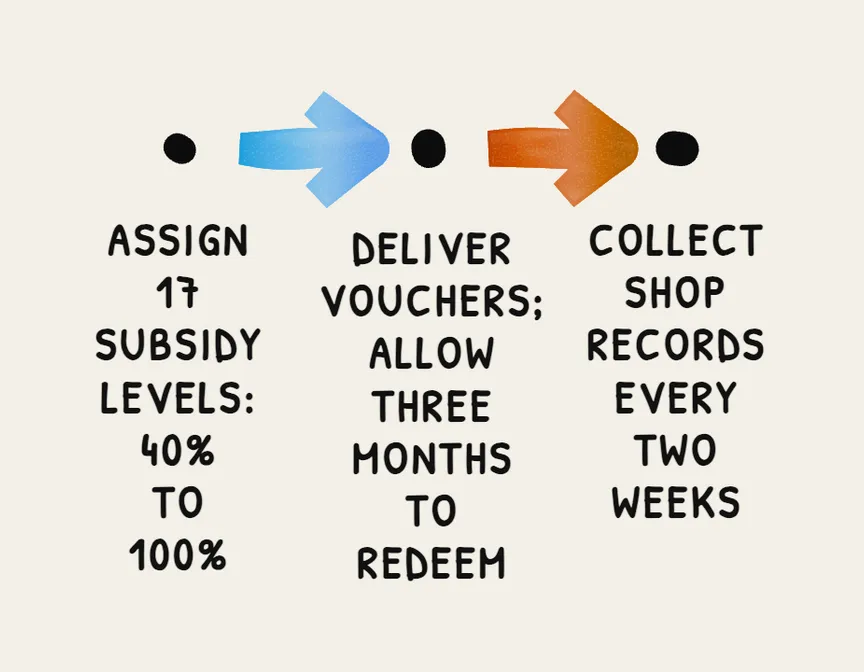
Lowering premium prices reduces the direct financial burden on rural families.
Lowering prices reduces initial purchase barriers for poor households, allowing them to try and evaluate new products.
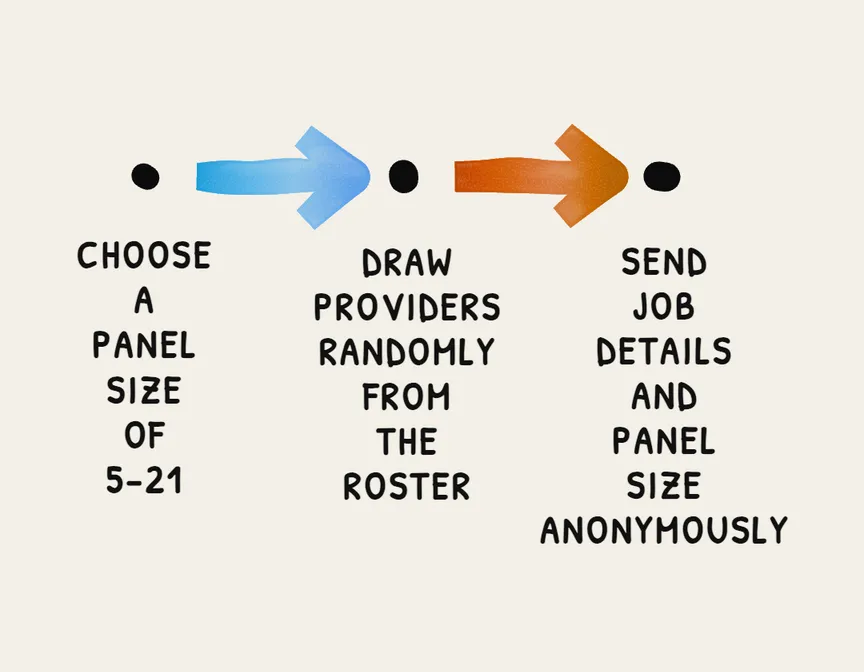
Randomizing and anonymizing invitation lists prevents service providers from anticipating which competitors they will face in any given auction.
Female leaders understand and share the policy priorities of women, shifting council spending toward infrastructure like drinking water that directly benefits female residents.
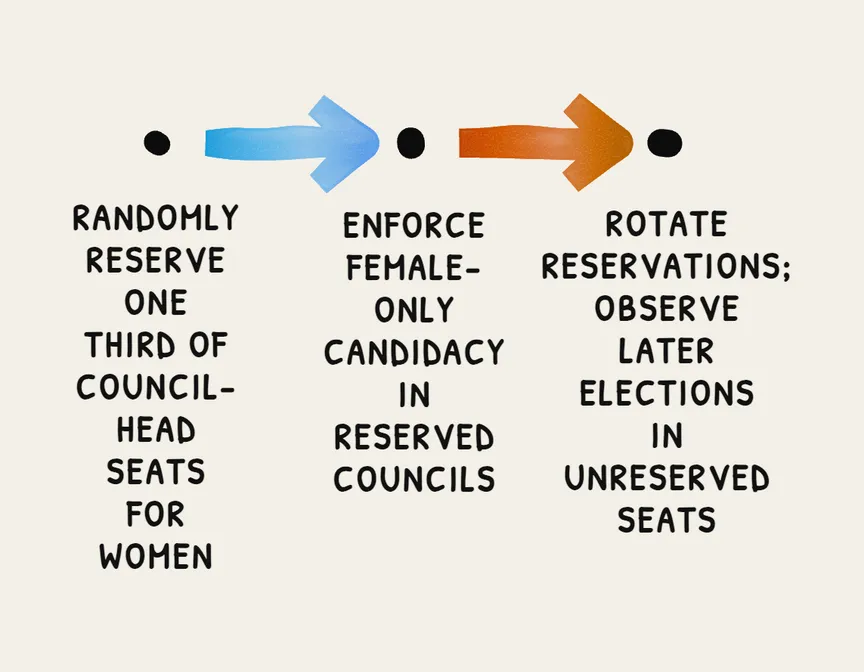
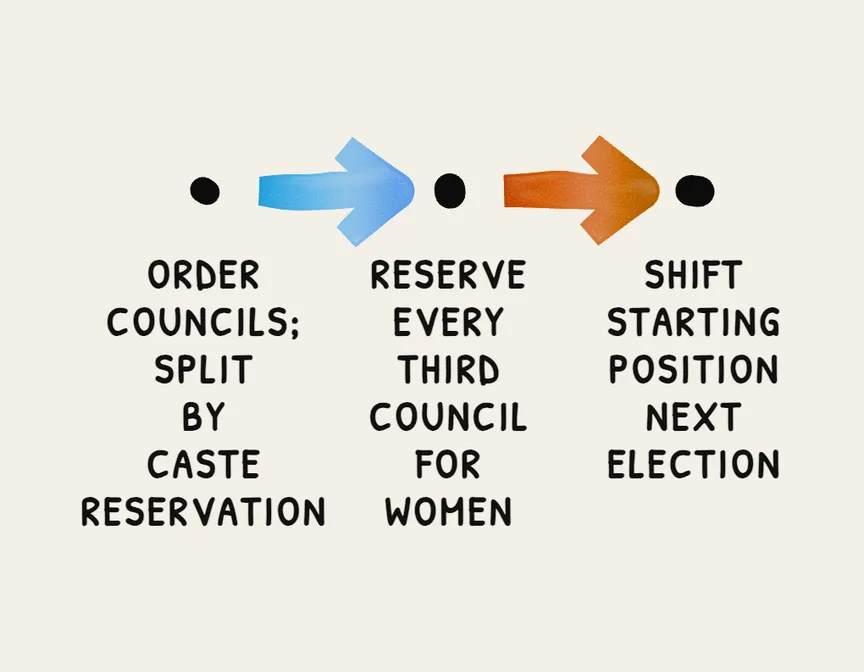
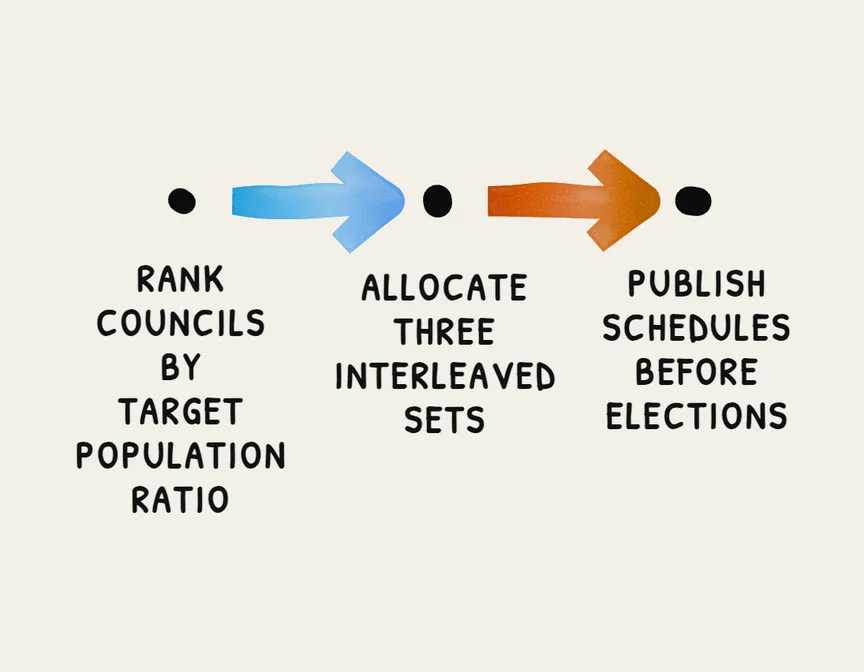
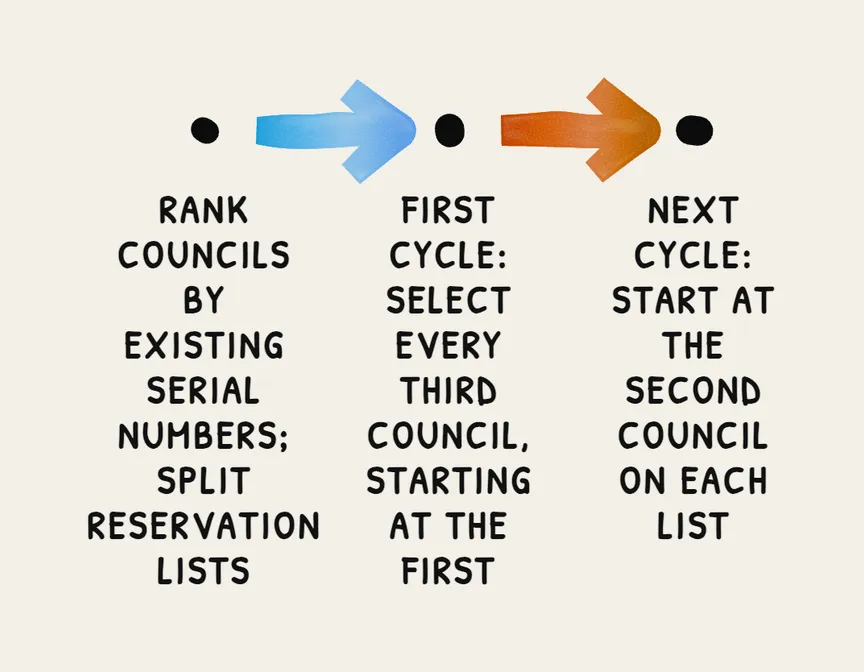
Randomizing assignment through systematic rotation eliminates political selection bias and guarantees that every jurisdiction experiences female leadership over time.
Mandating female political leadership overcomes high entry costs and structural barriers that historically prevent women from running for office.
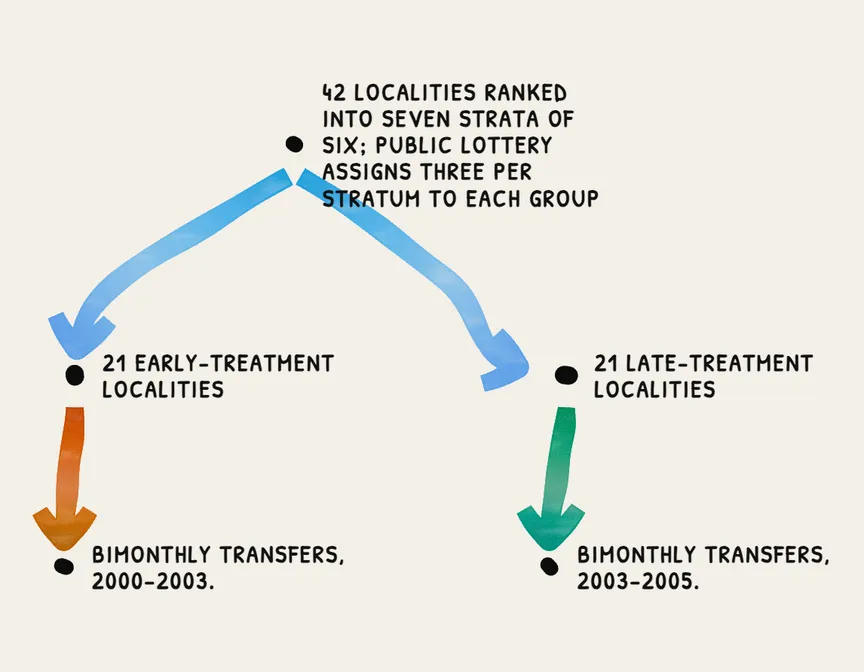
Stratifying localities before public random assignment guarantees equal baseline poverty distributions between treatment arms.
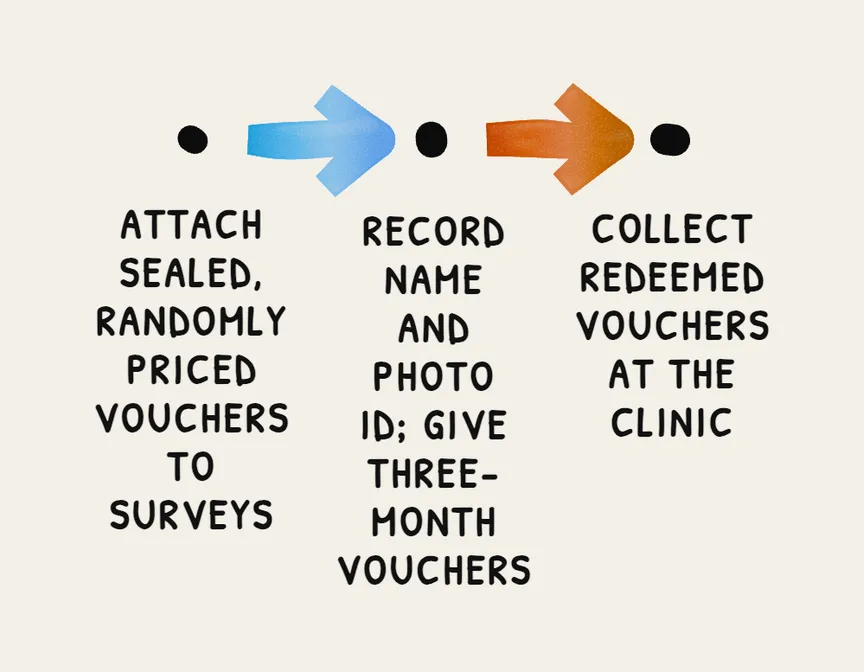
Lowering out-of-pocket prices reduces credit constraints and immediate financial barriers to accessing clinical medical care.
Varying the offer price holds the transaction price constant to isolate how higher prices select buyers with greater willingness-to-pay.
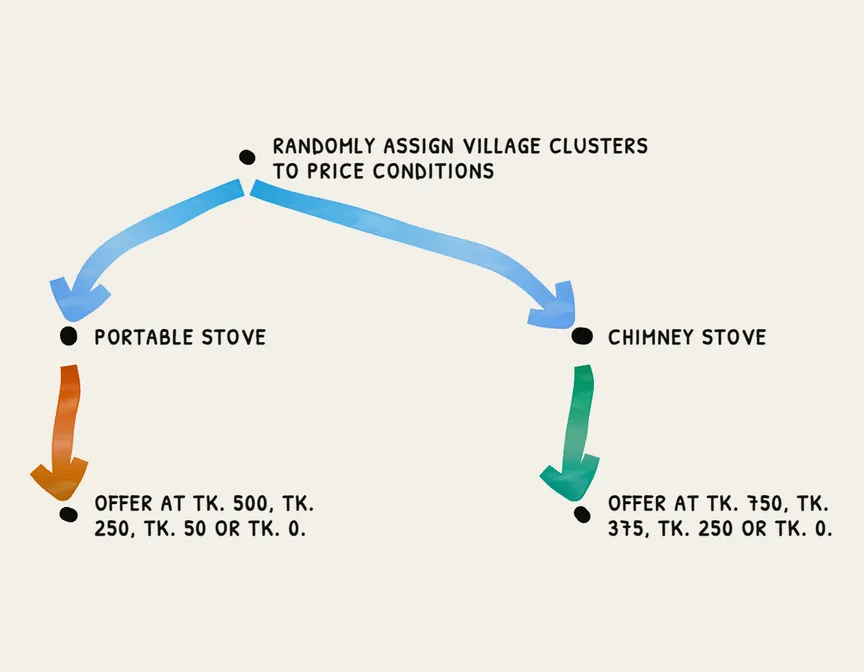
Cluster-level randomization prevents price jealousy while isolating true liquidity constraints from baseline preferences.
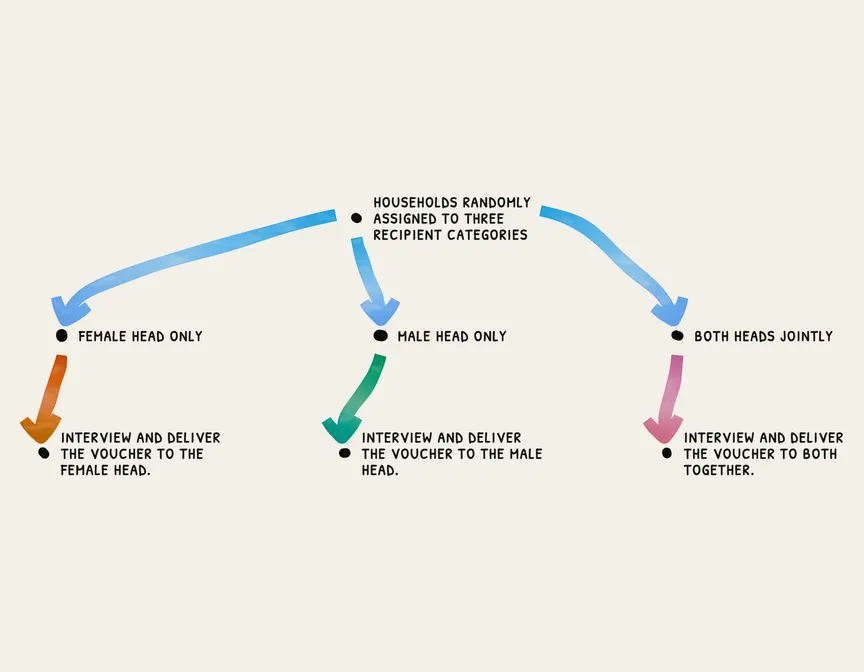
Randomizing recipient gender isolates whether women face greater financial liquidity constraints or hold higher willingness to pay for family health products than men.
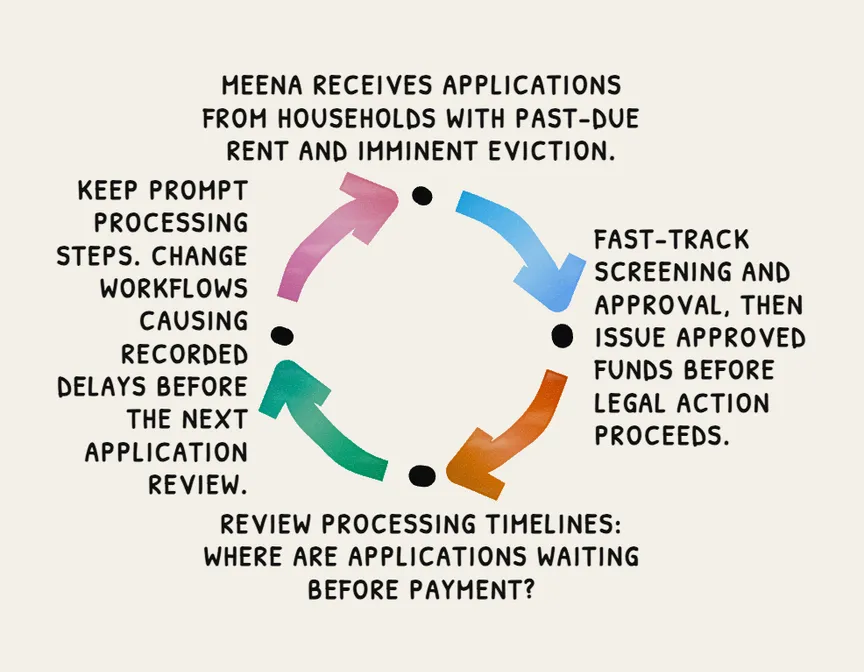
Timeliness is critical because renters in financial crisis face immediate deadlines from landlords or courts.
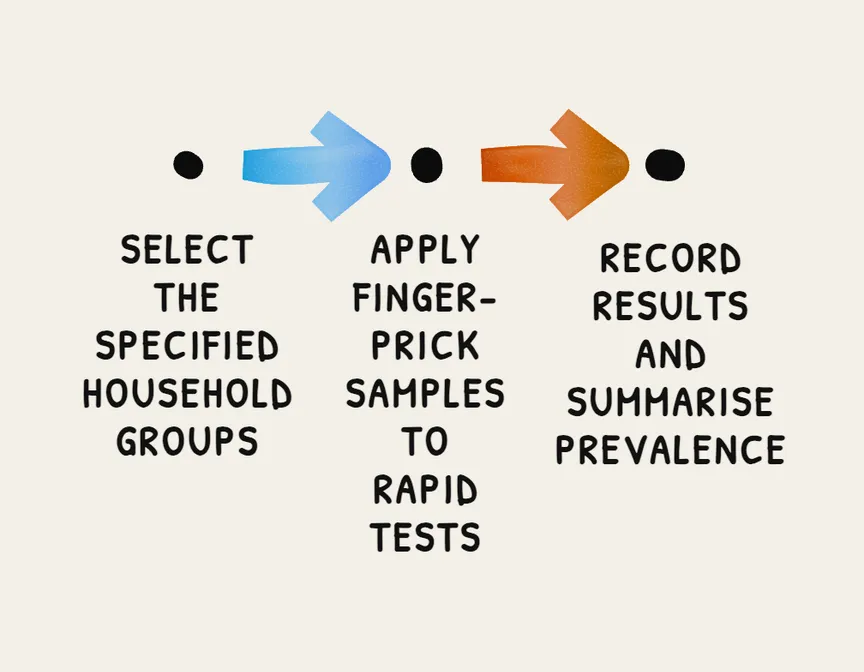
Antigen-based rapid diagnostic tests detect active malaria parasite proteins in blood samples taken directly in the field.
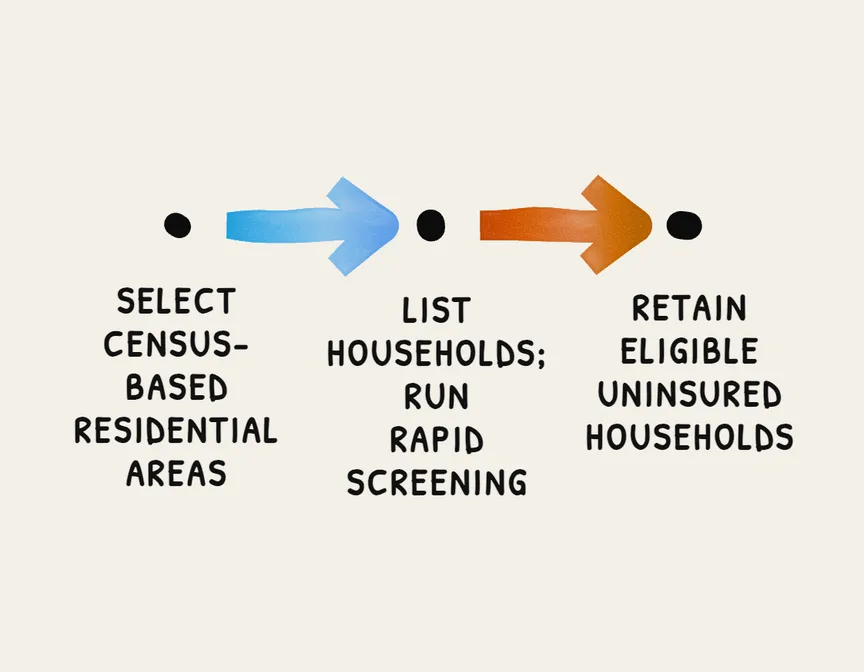
Direct door-to-door enumeration bypasses missing or outdated informal sector labor records.
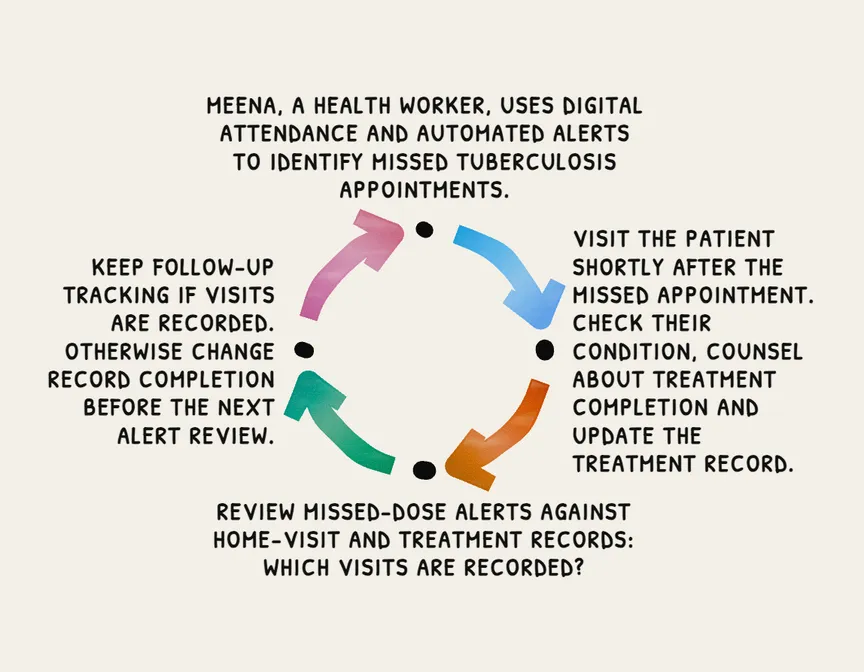
Automated alerts remove reliance on provider memory and paper records, ensuring health workers act quickly.
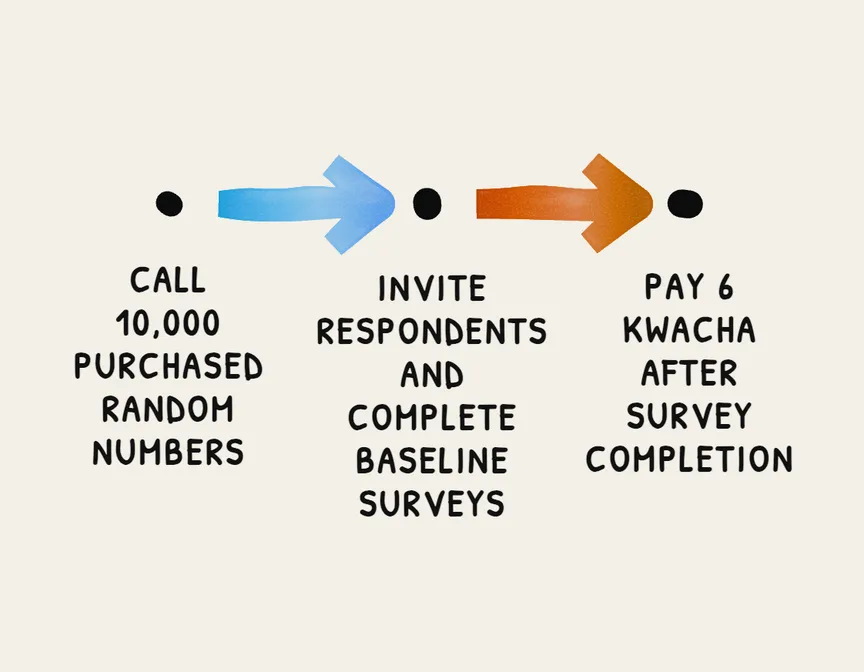
Mobile phone expansion allows remote recruitment across broad geographic regions without face-to-face contact.
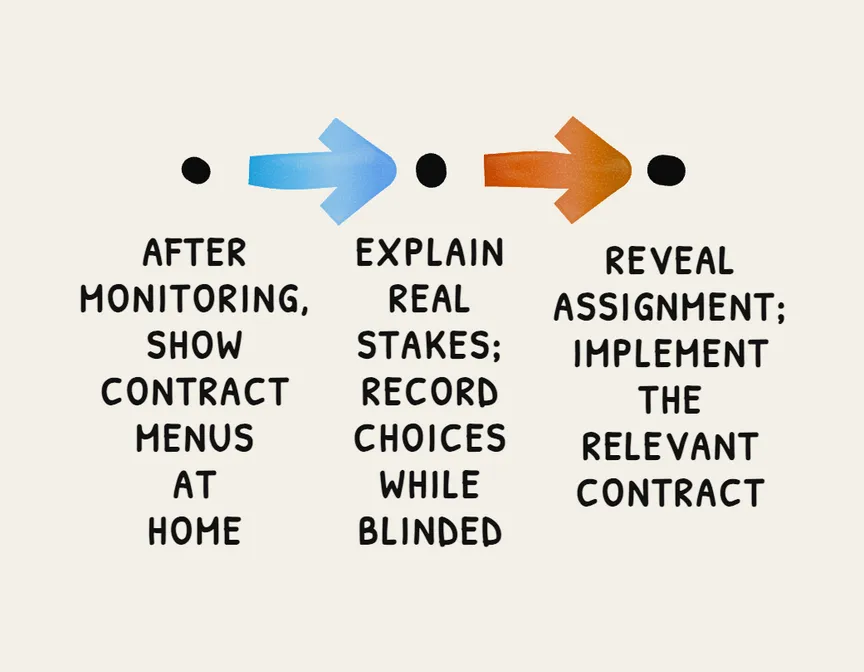
Holding choice elicitation before revealing treatment assignment maintains real-stakes motivation for all participants while keeping choices uninfluenced by assigned group status.
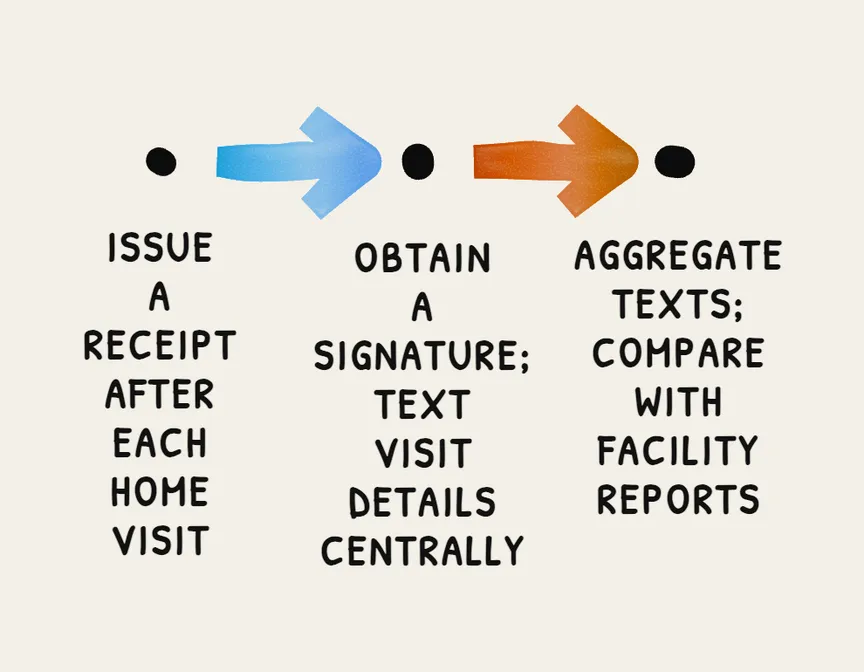
Requiring real-time electronic reporting creates immediate administrative accountability for remote field staff.
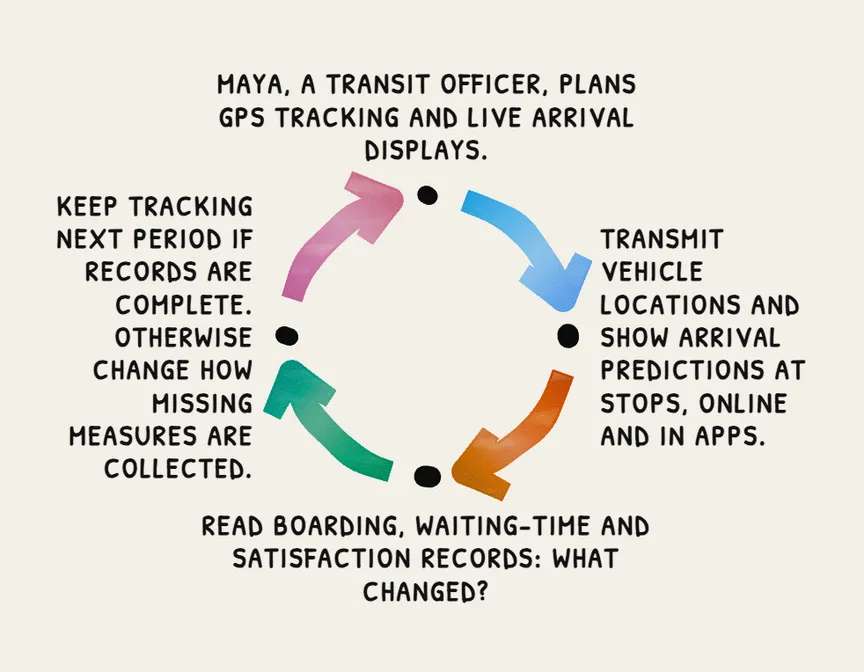
Providing live vehicle arrival predictions eliminates uncertainty for waiting passengers and improves overall rider satisfaction.
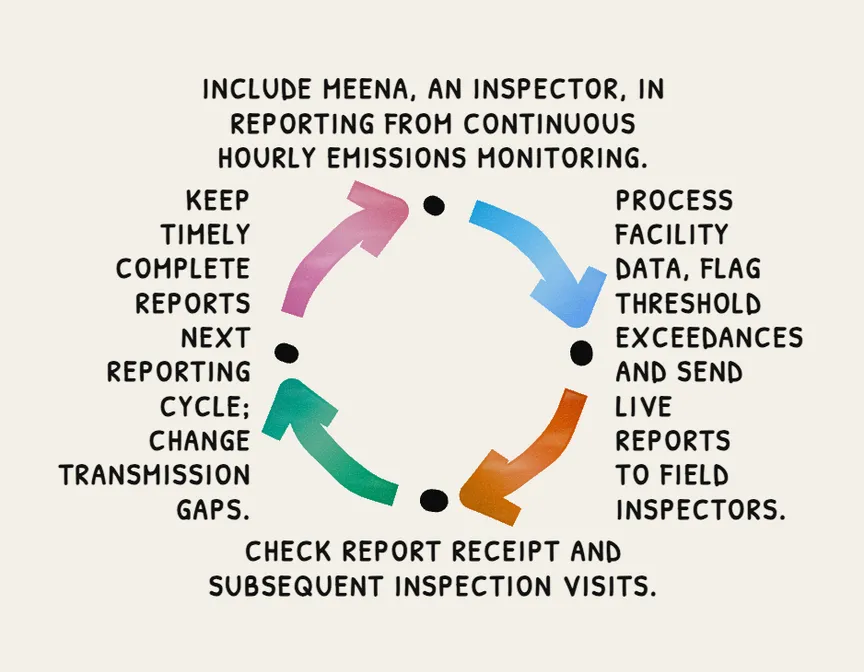
Providing live hourly emissions data removes information barriers for enforcement agents, allowing them to detect violations immediately.
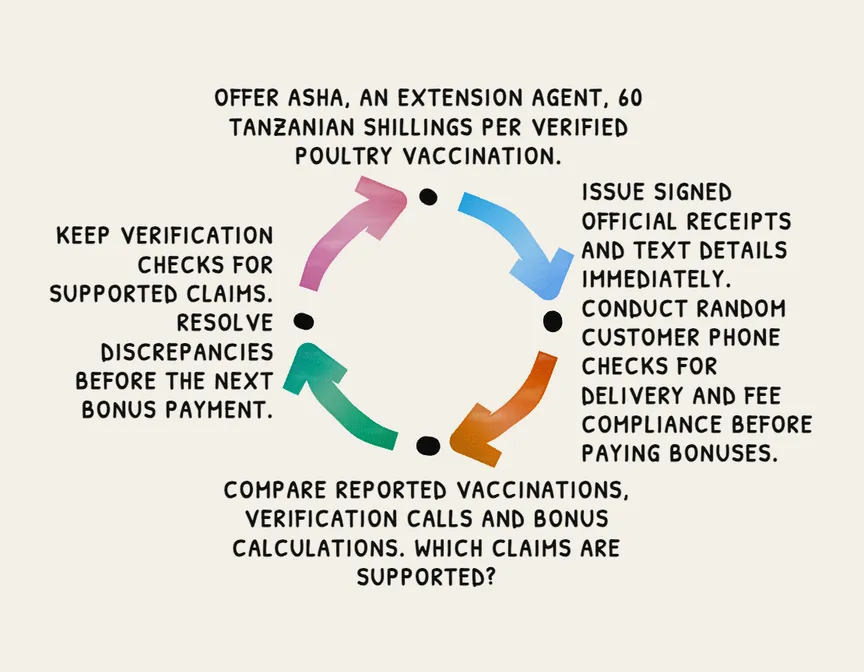
Conditioning bonus payments on verified receipts creates strong incentive compatibility for workers to report transactions accurately and comply with price rules.
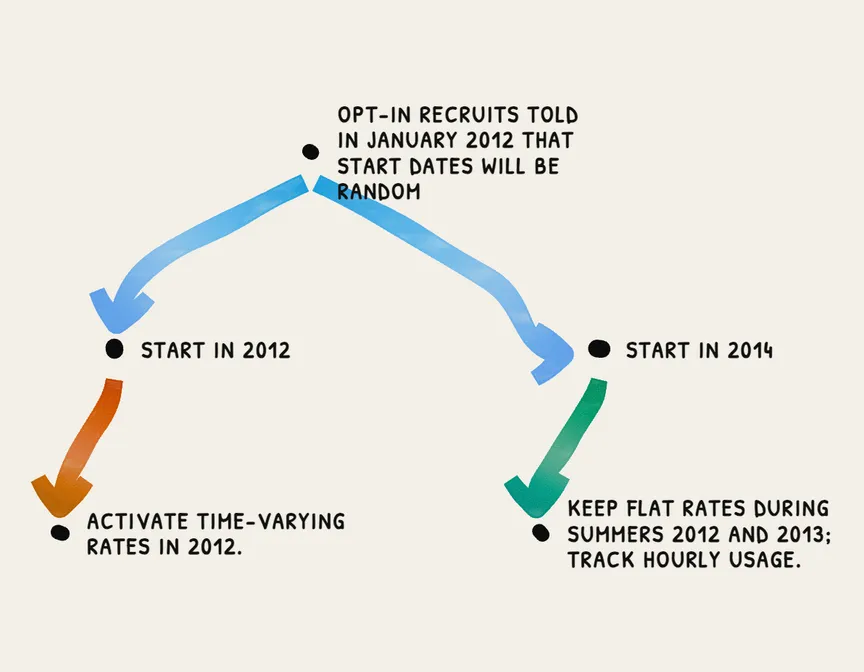
Randomly delaying rate activation holds the underlying retail price schedule constant while keeping the voluntary participation process identical.
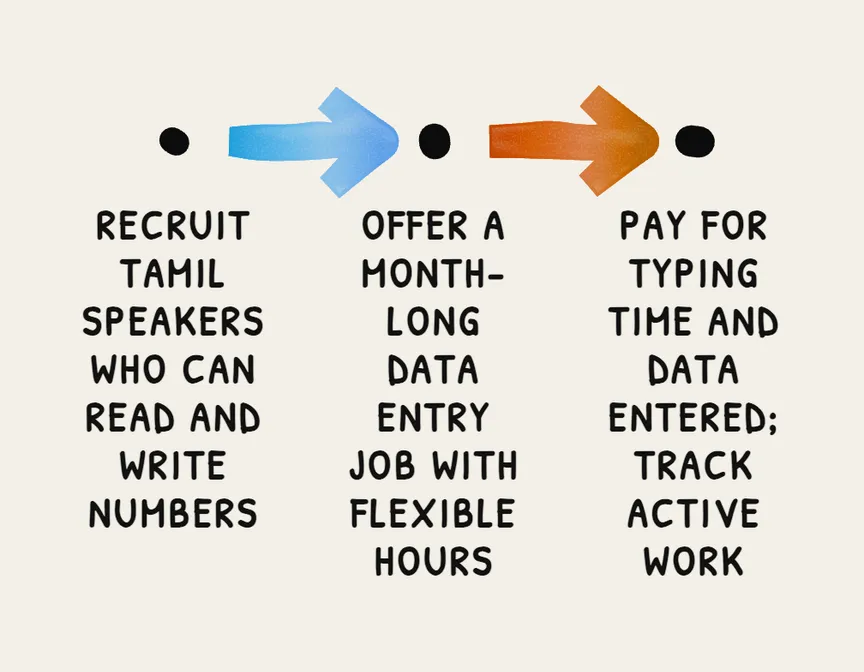
Flexible work hours allow low-income participants to balance employment with challenging home conditions and personal responsibilities.
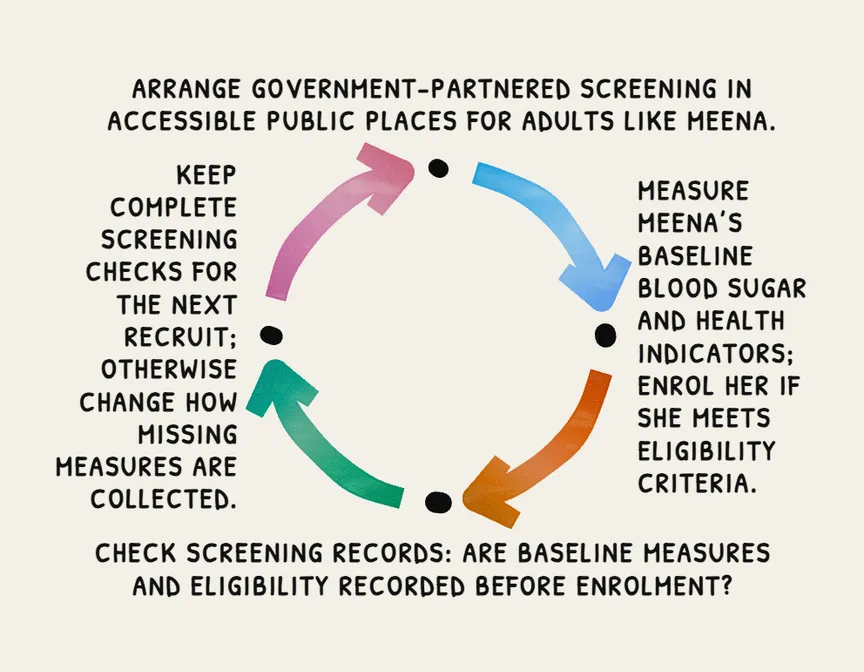
Public screening camps make health testing accessible by removing geographical and institutional barriers for urban populations.
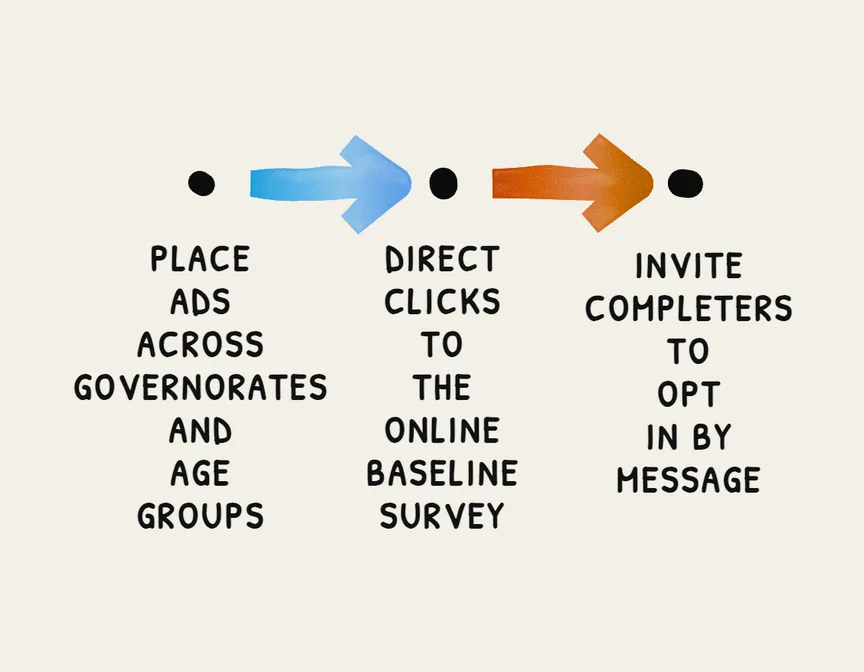
Broad digital ad placement overcomes movement restrictions and connects directly with isolated individuals using widely adopted internet platforms.
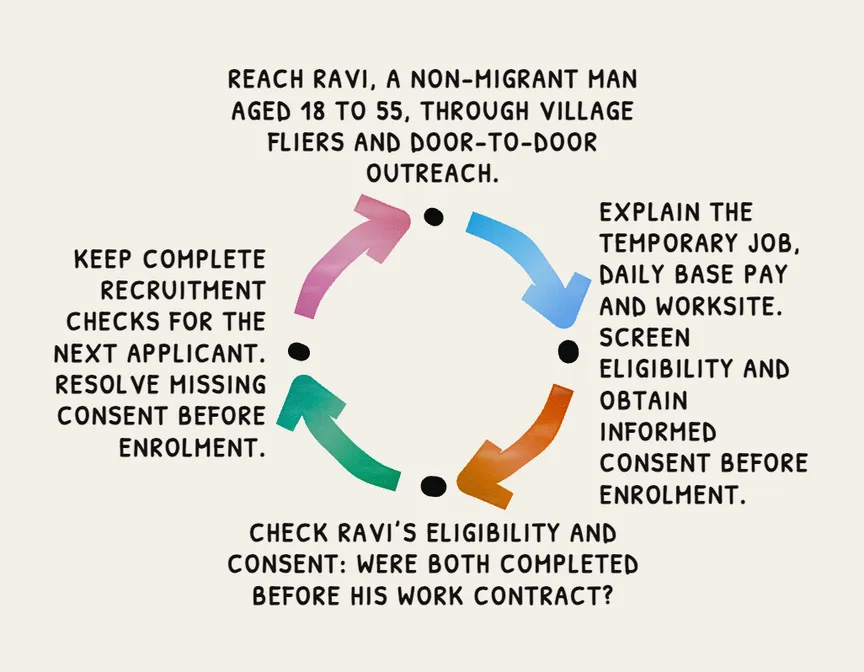
Direct door-to-door visits and fliers overcome information barriers during lean employment periods when rural workers actively seek short-term work.
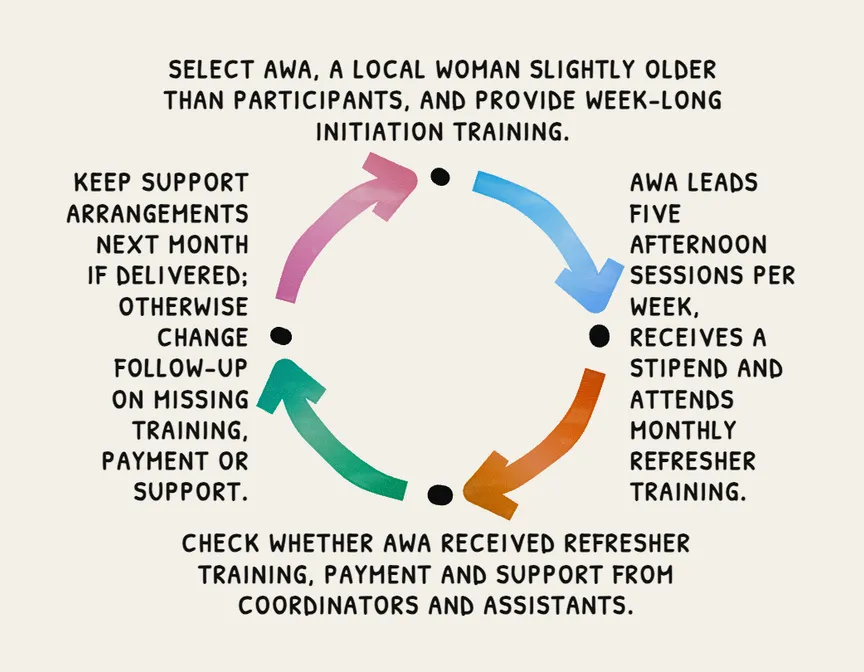
Mentors who are close in age to participants and share similar community backgrounds have often successfully confronted similar economic and social challenges.
A fictional caller persona allows producers to introduce sensitive rumors naturally without putting real listeners on the spot or reinforcing stigma.
Moving critical court date and location details to the top of the page makes key information immediately visible and easy to read.
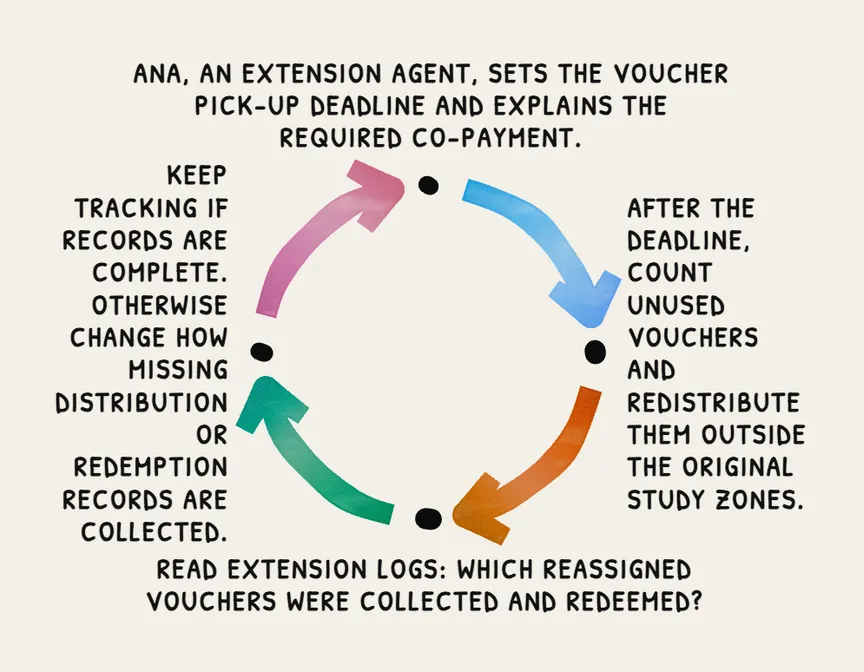
Reassigning unused vouchers ensures that limited government subsidy budgets achieve maximum input distribution rather than letting expired vouchers go unused.
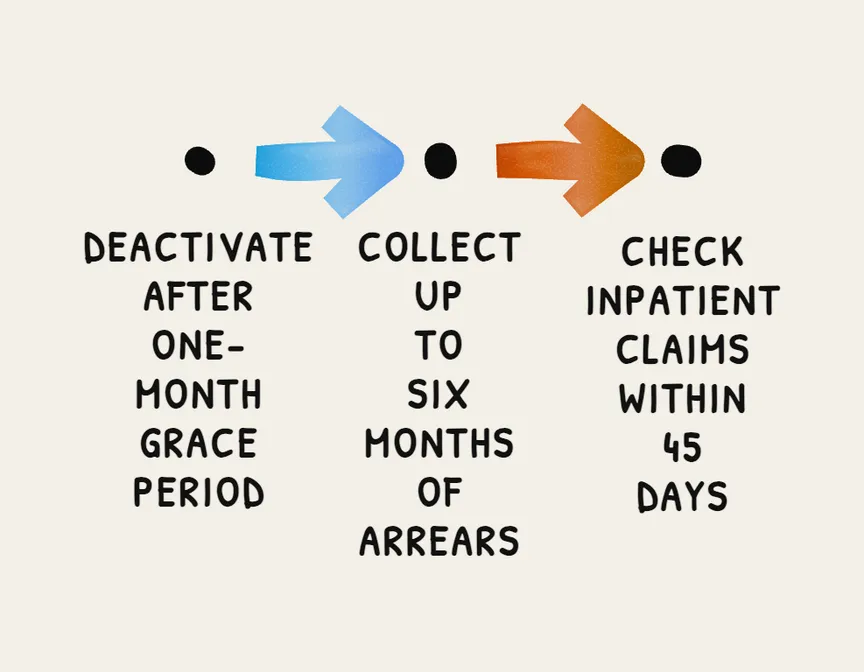
Requiring back-payments and tying penalties to immediate hospital claims makes dropping coverage expensive during healthy months.
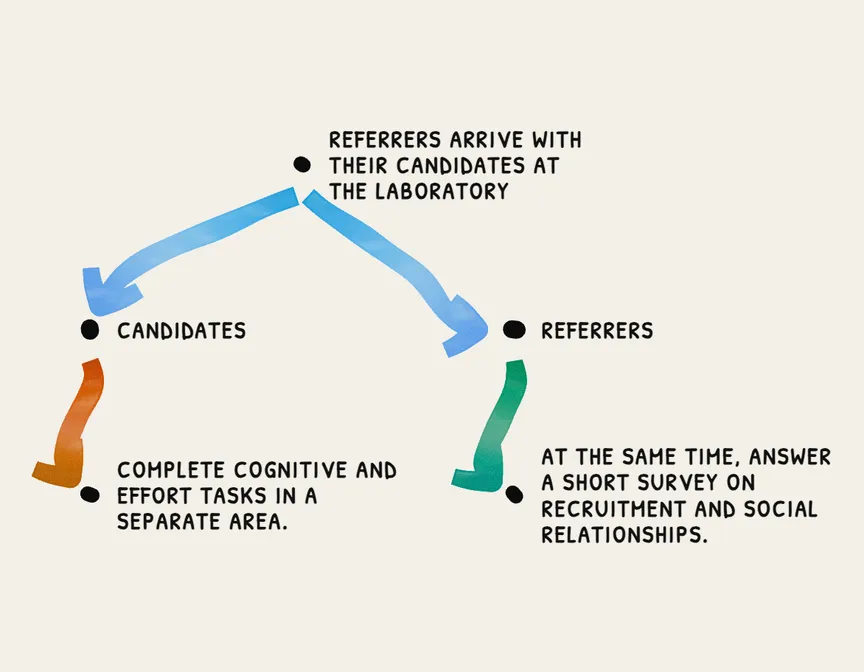
Surveying referrers simultaneously while candidates complete tasks captures immediate operational details about candidate selection without requiring additional participant site visits.
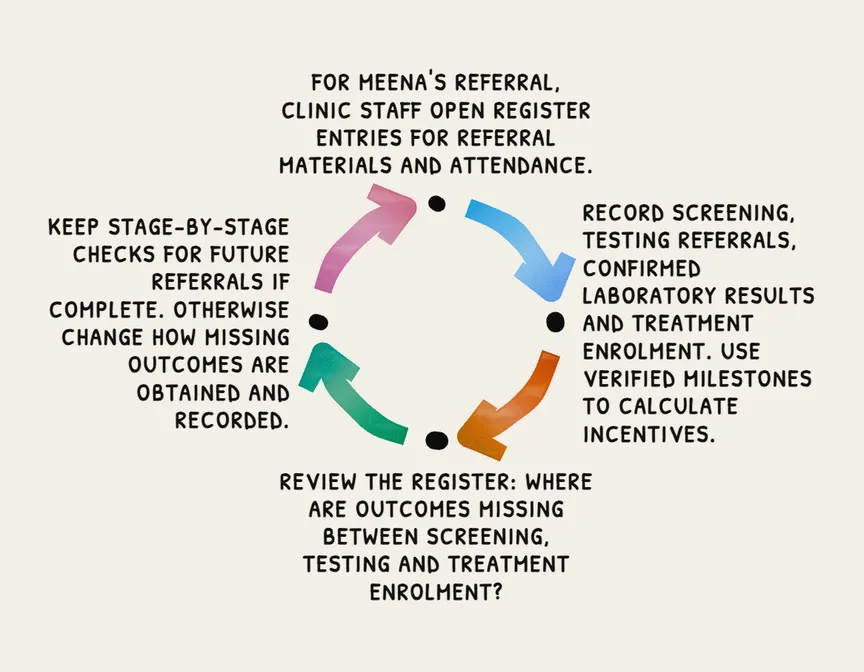
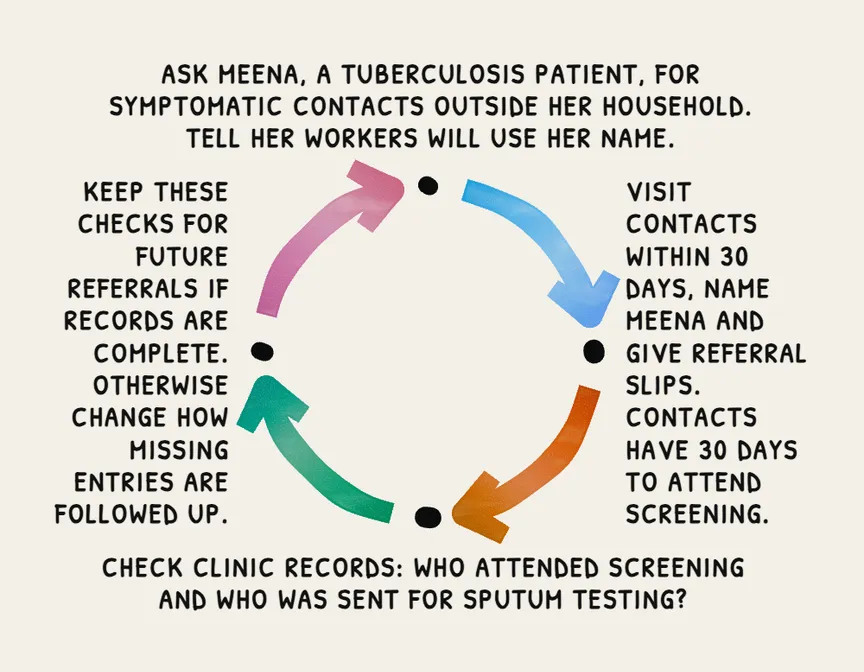
Sequential register tracking provides a verifiable audit trail at every care stage, preventing lost follow-up data and ensuring accurate financial disbursements.
Professional health workers deliver standardized objective information about tuberculosis testing and treatment.
Page 33 of 45
Previous
1
…
32
33
34
…
45
Next