Skip to the methods
Menu
aikyam
school
Findings
Methods
Subjects
All cards
Read
Findings
Methods
Subjects
All cards
Methods
2,124 methods
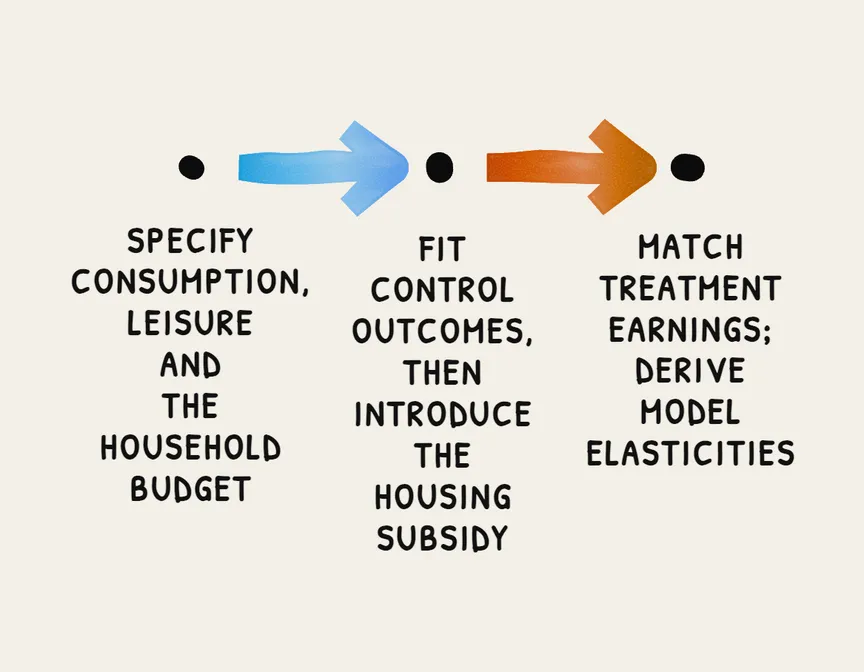
Mathematical calibration grounds abstract preference parameters in actual experimental data.
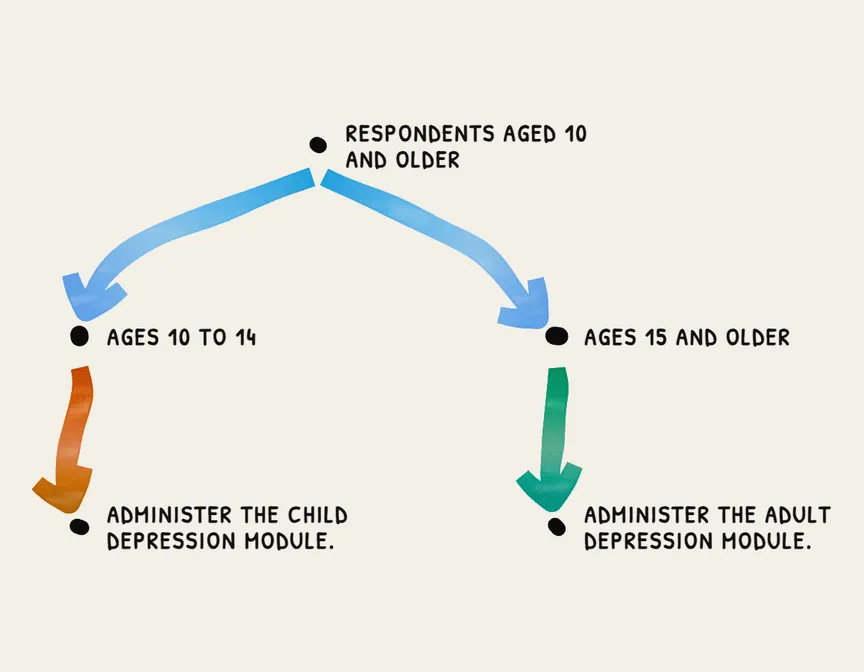
Self-reported questionnaire batteries modeled on validated depression scales efficiently capture psychological symptoms and affective distress without requiring clinical psychiatric exams.
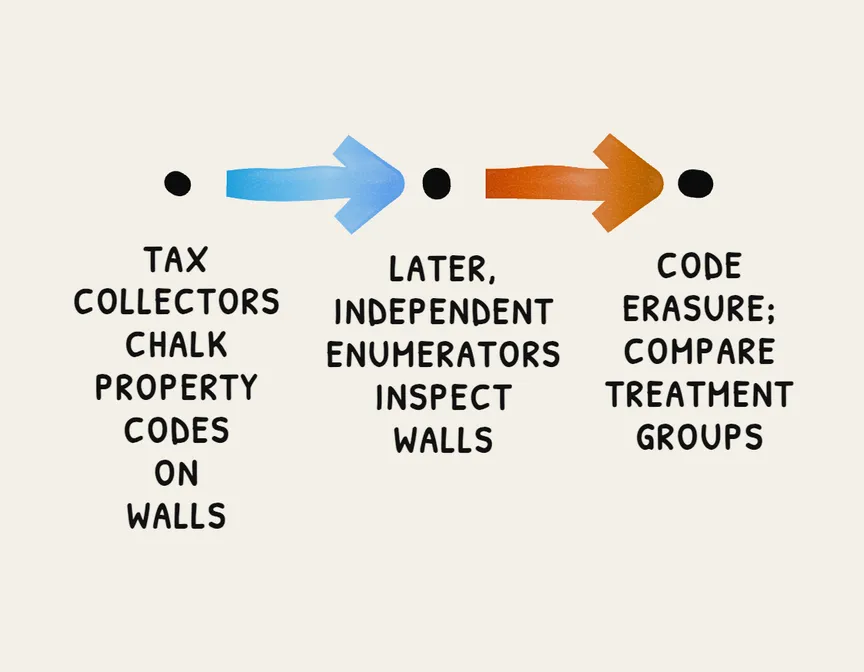
Inspecting physical chalk markings on compound walls provides an unobtrusive, behavioral measure of citizen resistance to state tracking that bypasses social desirability bias in survey self-reports.
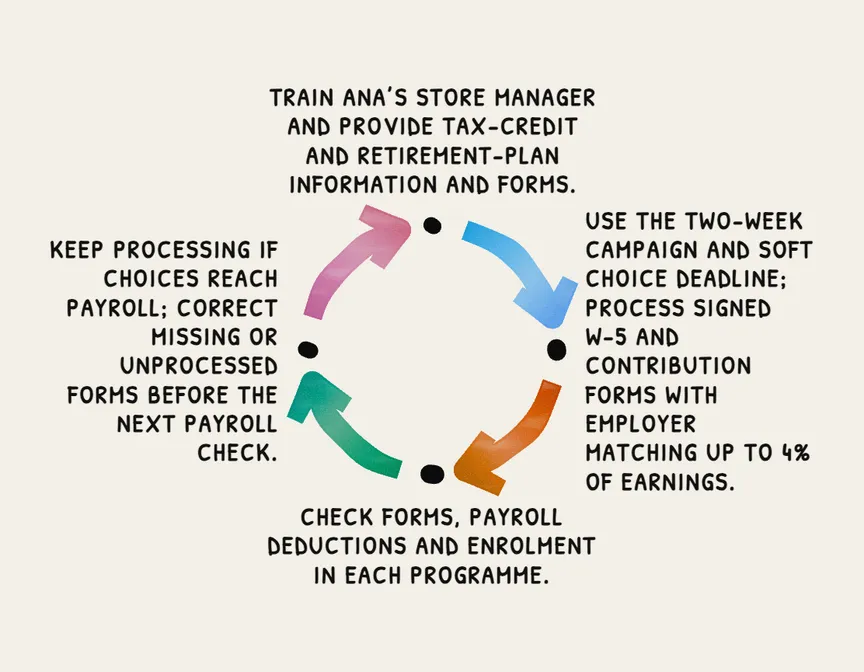
Automating contributions to an illiquid retirement plan acts as a commitment device for individuals with long-term forced savings motives.
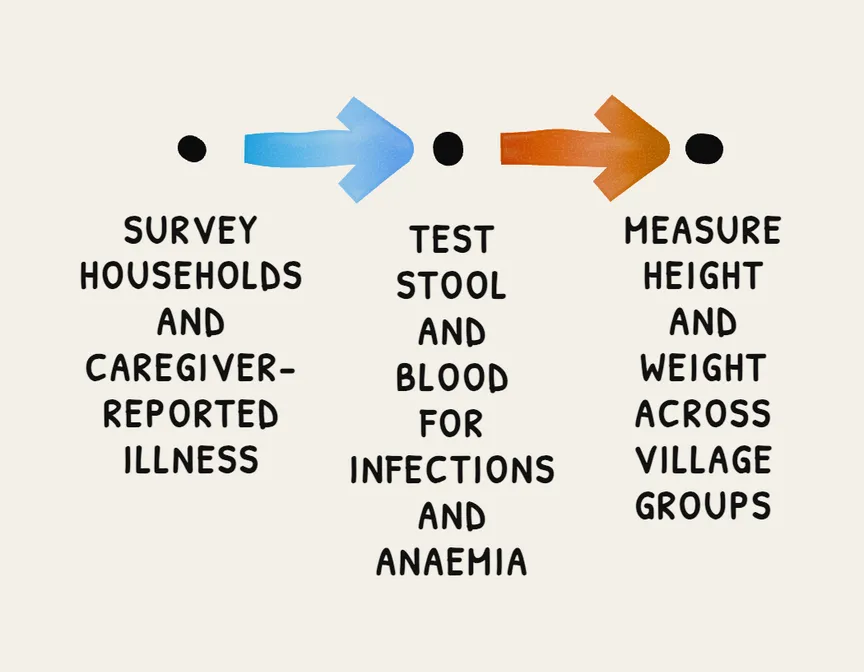
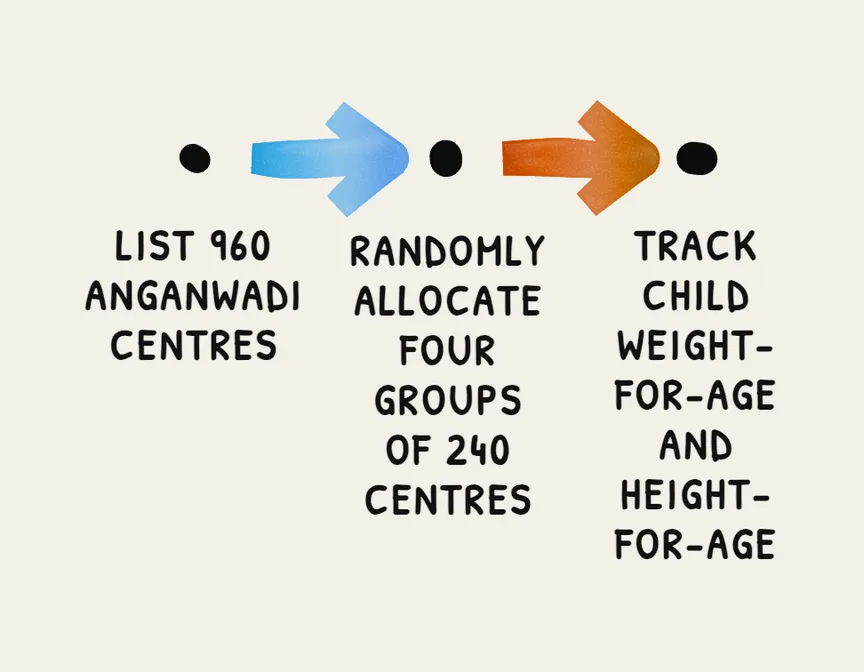
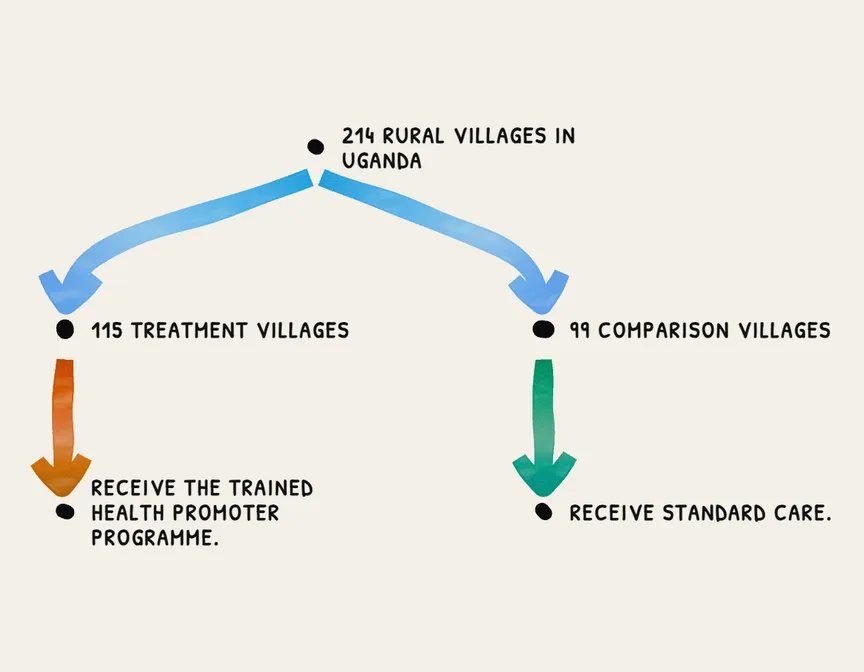
Systematic health assessment compares disease prevalence and growth indicators between treated and untreated villages to determine whether infrastructure expansion produces measurable health benefits.
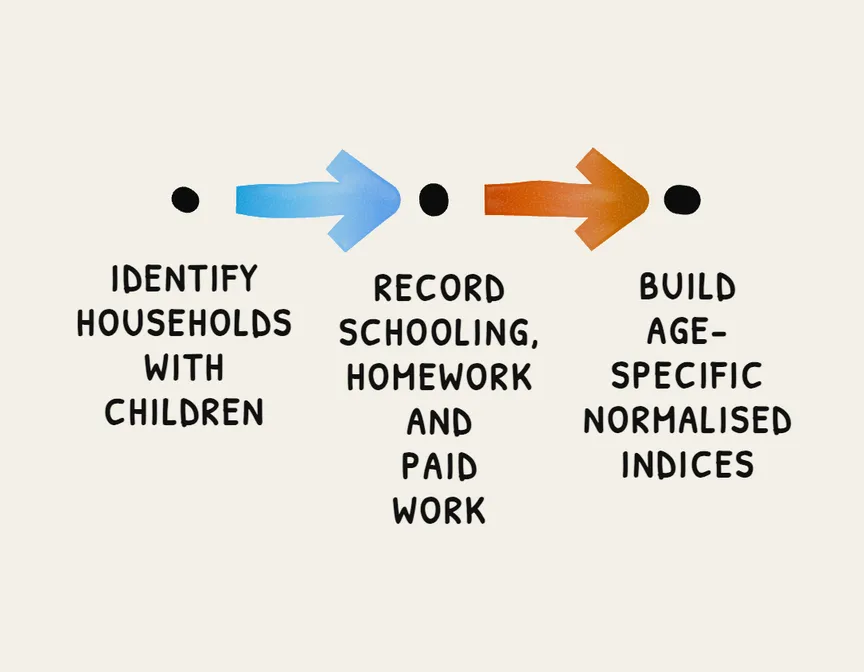
Combining enrollment, attendance, homework time, and labor participation into one index captures shifts in household parental support.
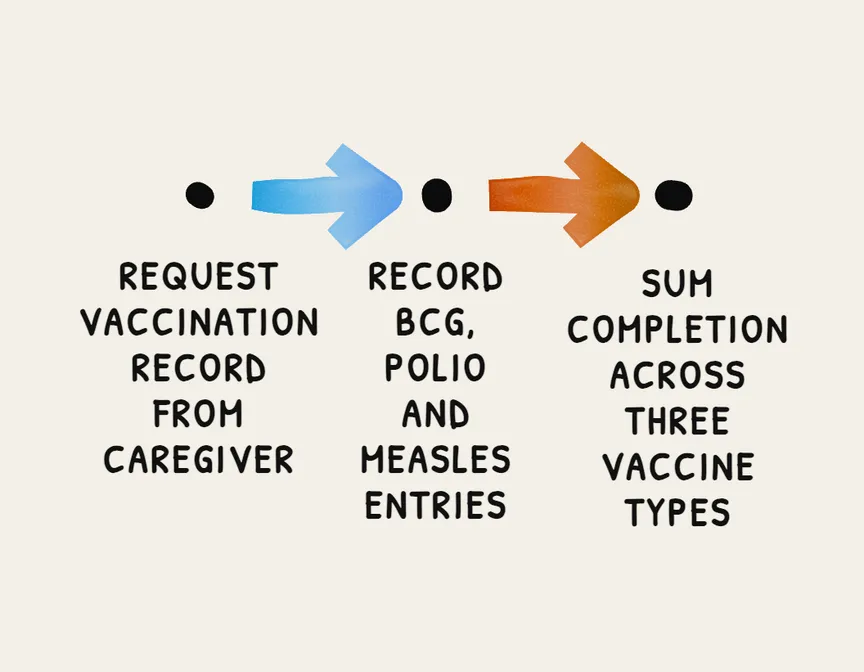
Direct physical verification on health cards eliminates recall error and provides objective medical proof of health service delivery.
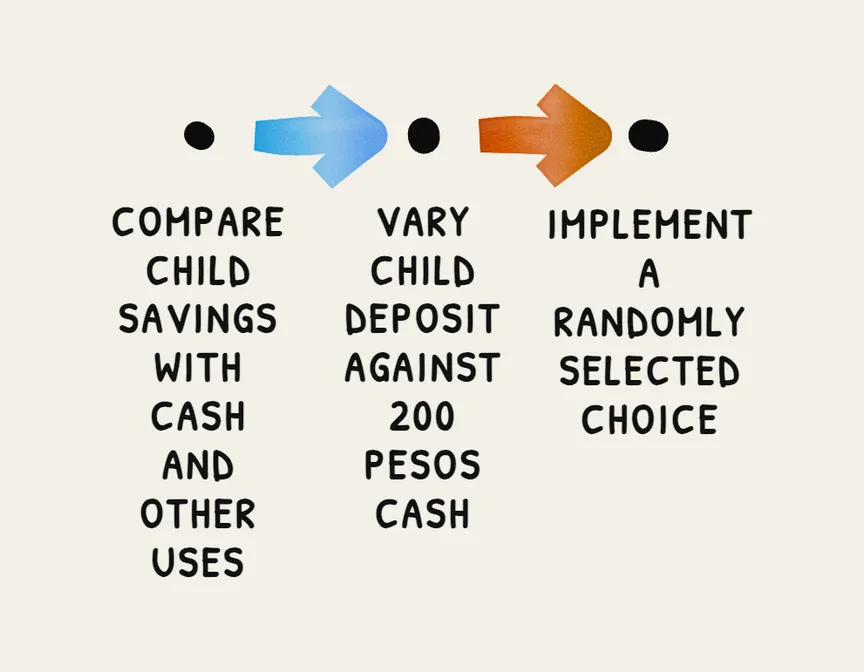
Saving in a child's name acts as a public good within the household that both spouses value highly.
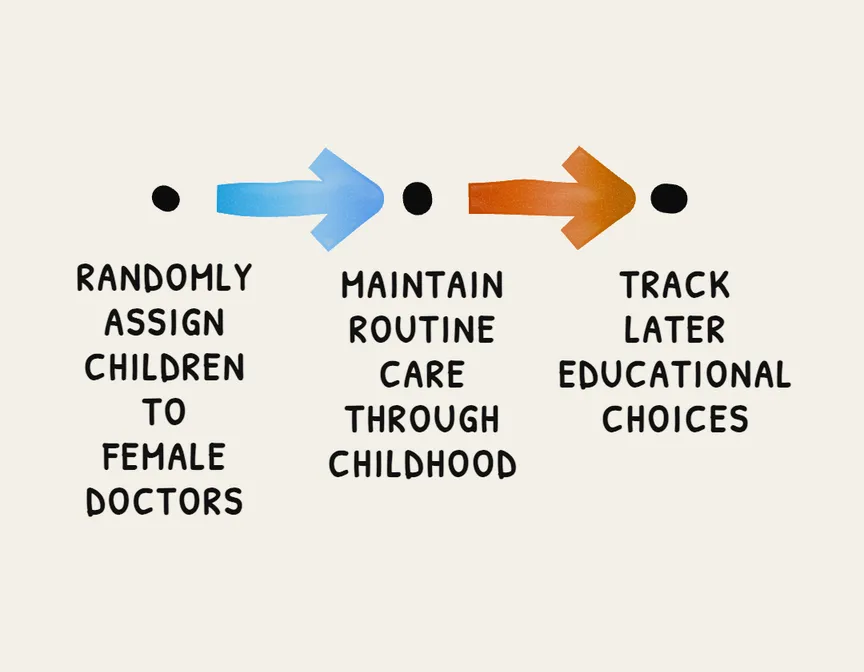
Repeated interactions with female medical professionals challenge gender stereotypes during malleable childhood years.
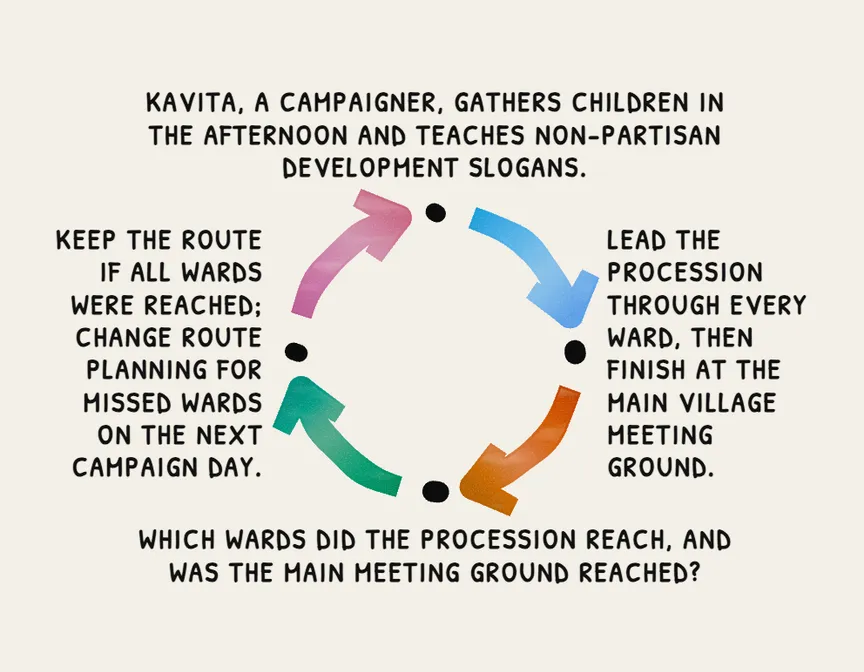
Children's rallies generate community enthusiasm and public visibility across village wards.
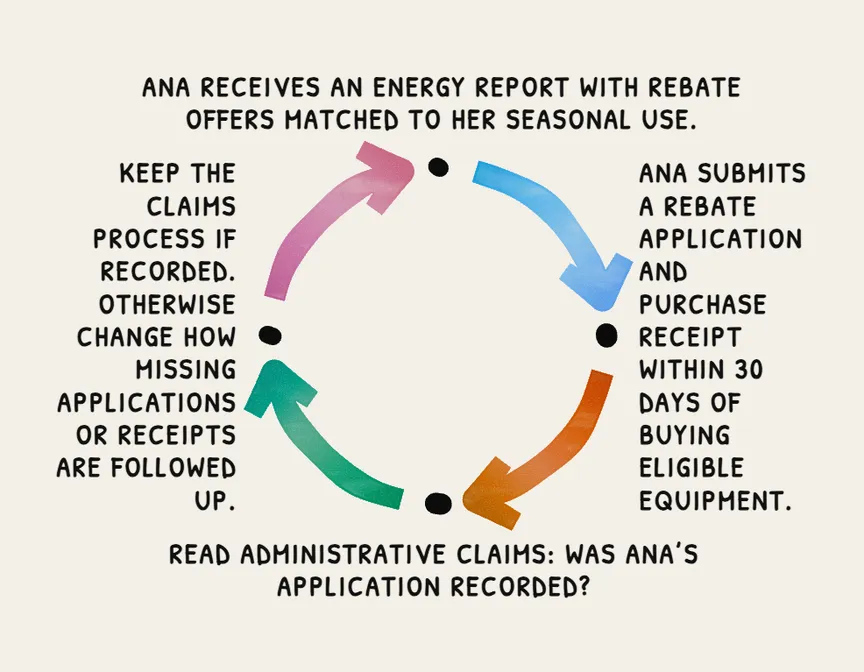
Issuing written claim receipts provides tangible proof of adjudication while public review allows households to correct mistakes transparently.
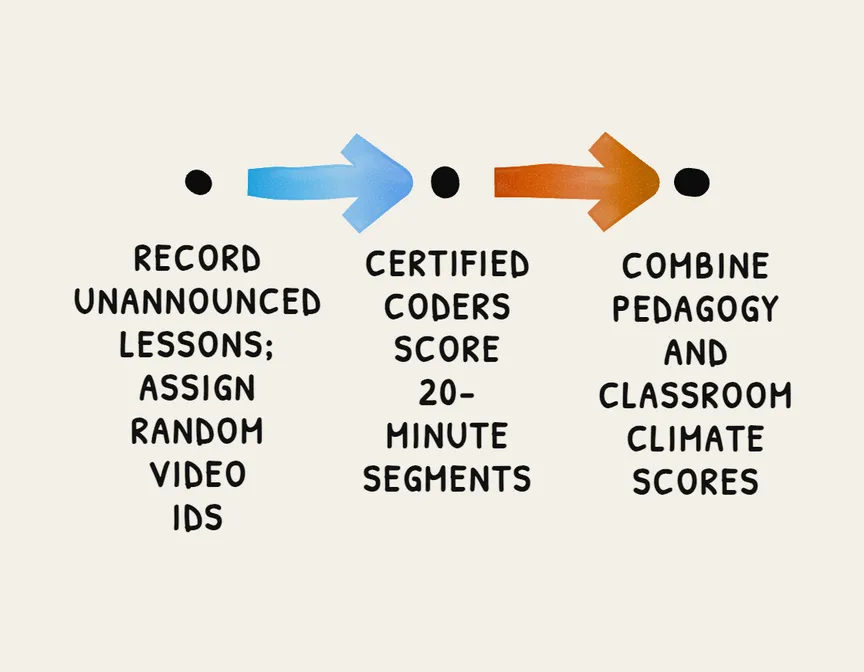
External coding of standardized video recordings prevents manager rating bias and observer drift across schools.
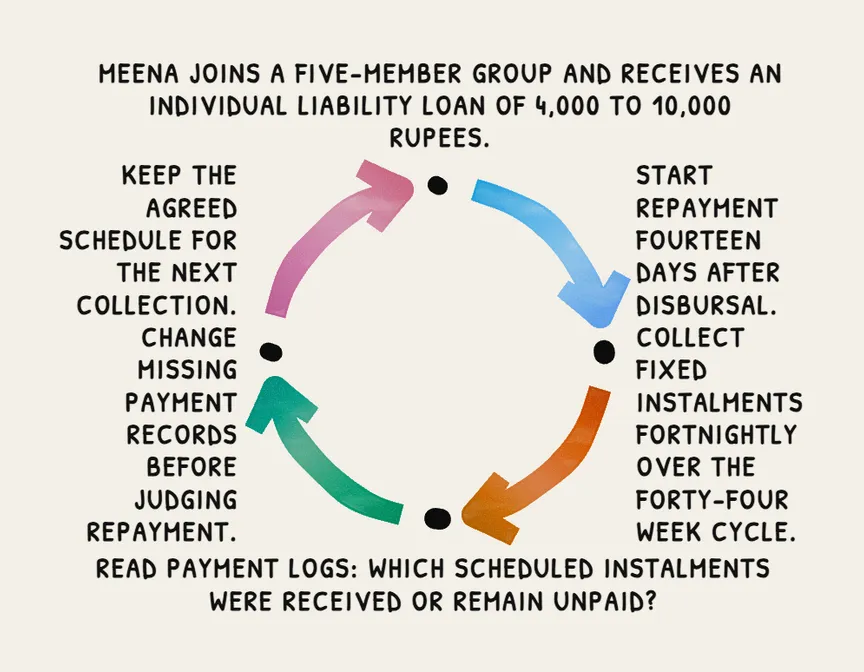
Early initiation of repayment forces borrowers to maintain liquid cash reserves and reduces lending risk for microfinance institutions.
Classroom training aims to raise participant qualification levels and human capital to improve job matching quality.
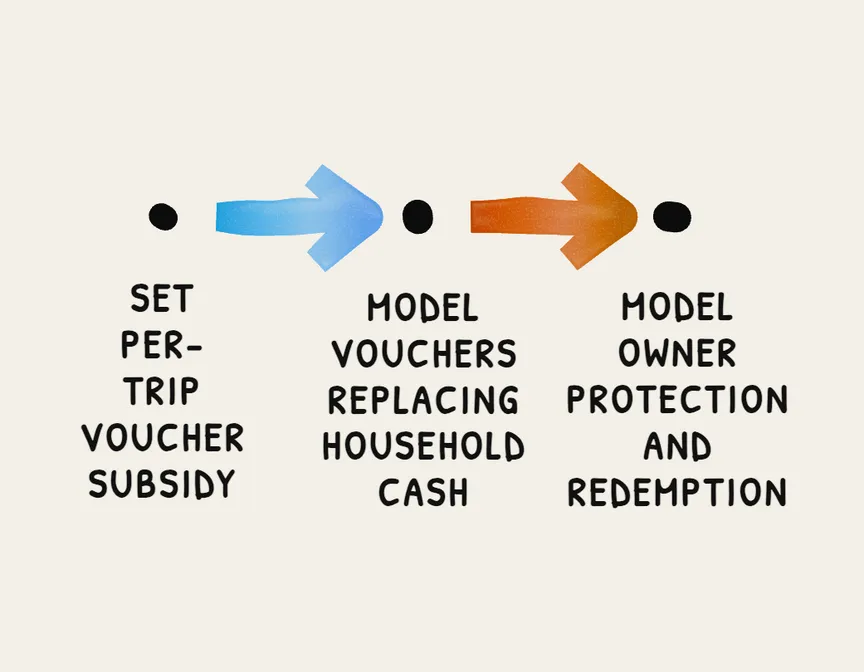
Voucher subsidies reward private spring owners based on actual user demand, leveraging local owner knowledge about which springs are worth protecting.
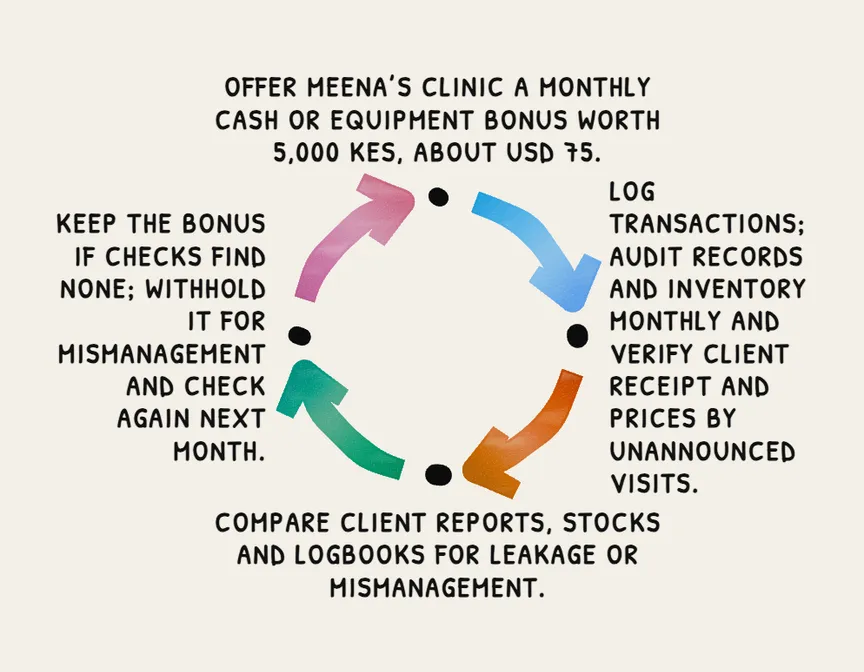
Combining performance bonuses with multi-level monitoring creates a credible threat of detection that deters unauthorized product diversion.
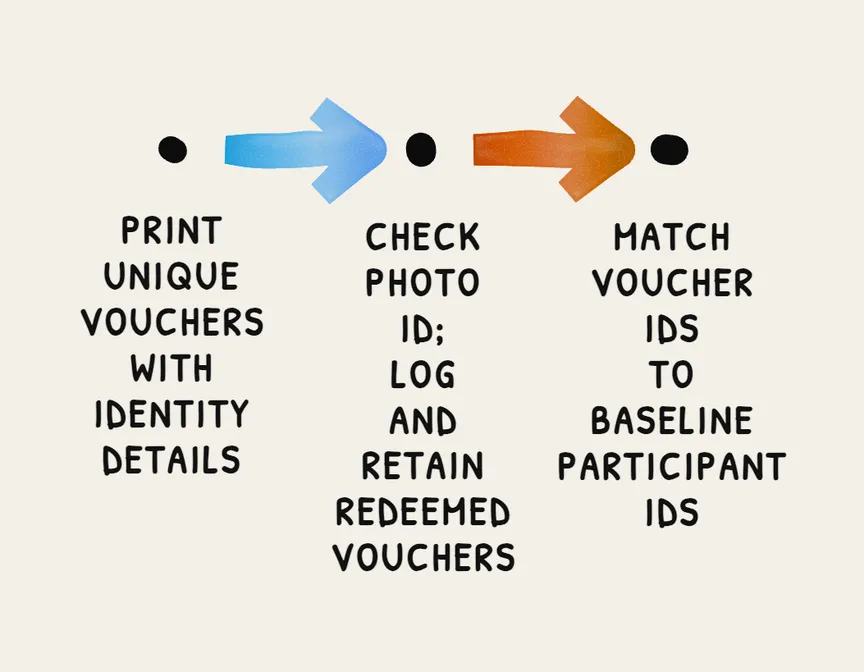
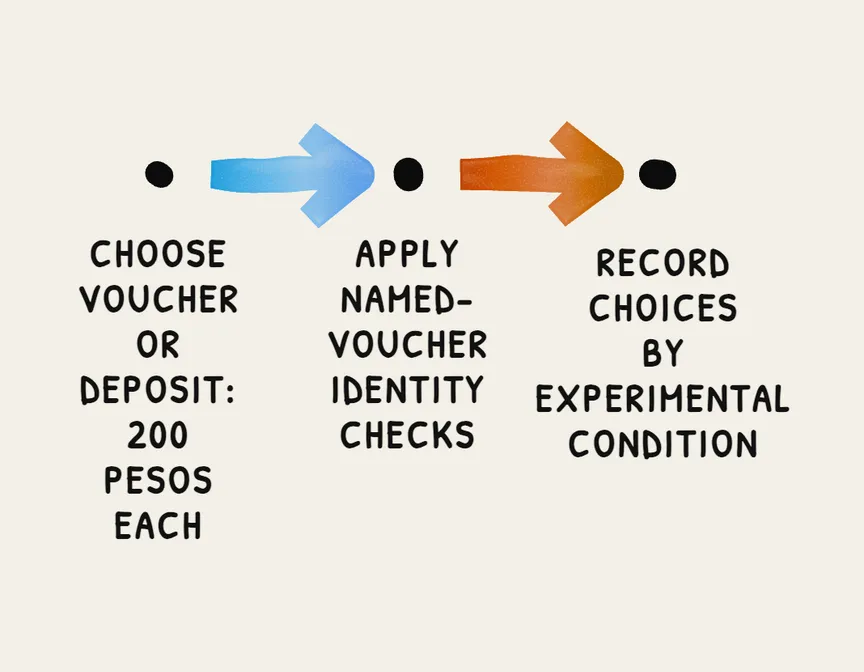
Linking physical vouchers with unique survey identifiers provides an objective, unconfounded measure of service demand without relying on self-reports.
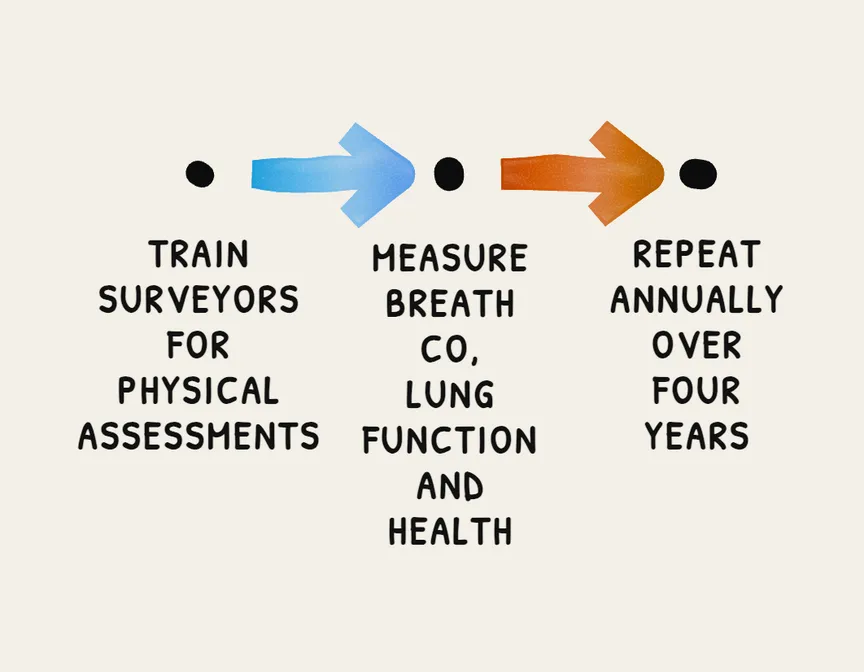
Objective clinical biomonitoring eliminates self-reporting bias and social desirability effects by measuring actual physiological markers of smoke inhalation and lung performance.
Randomizing transfer schedules across clusters controls for regional and socioeconomic differences between communities.
Randomizing at the village cluster level prevents service spillovers between neighboring households.
Cluster randomization prevents information spillovers between treated and untreated individuals within the same community.
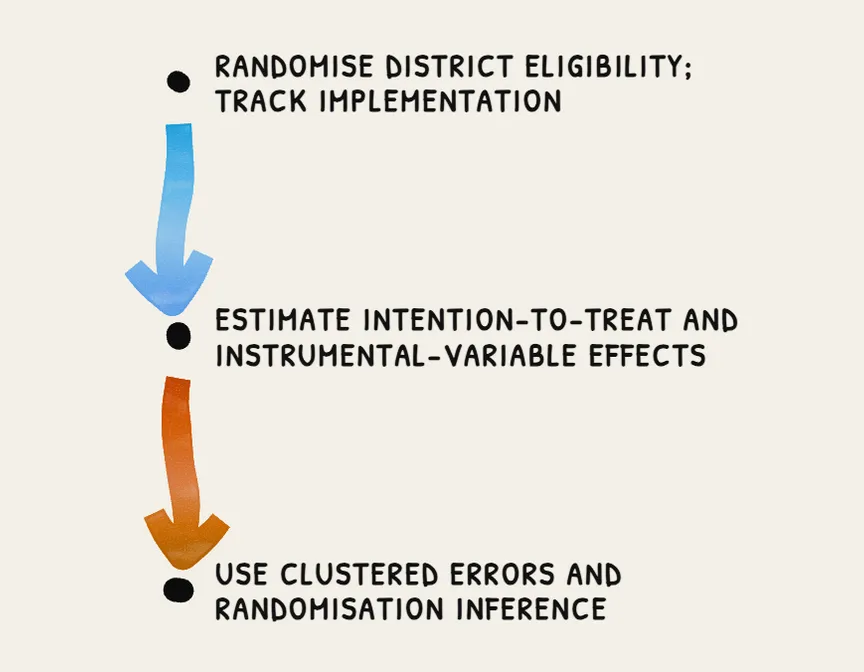
Initial random assignment is orthogonal to unobserved unit characteristics, providing a valid instrument for non-random actual treatment take-up.
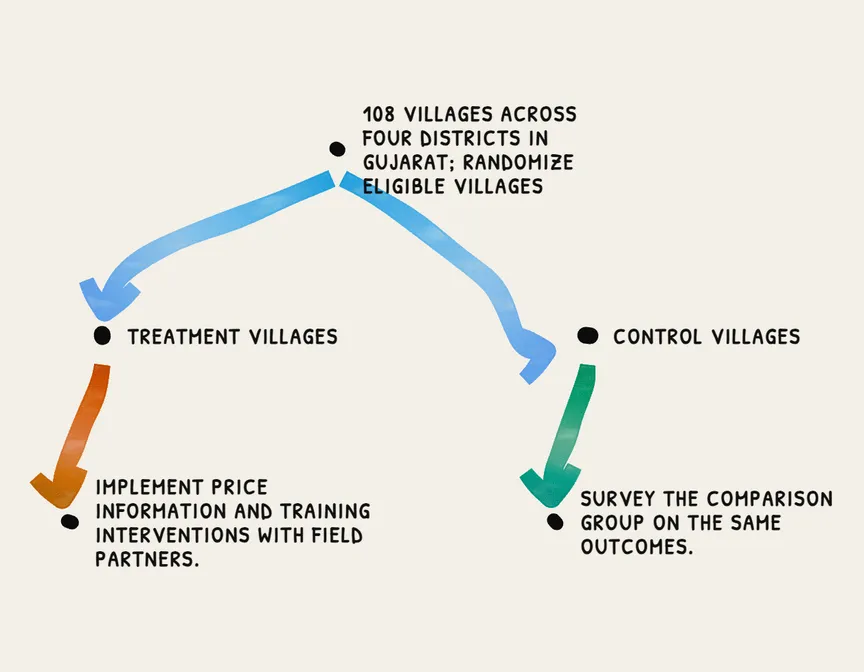
Randomized evaluation isolates the causal effect of price discovery tools from confounding economic factors.
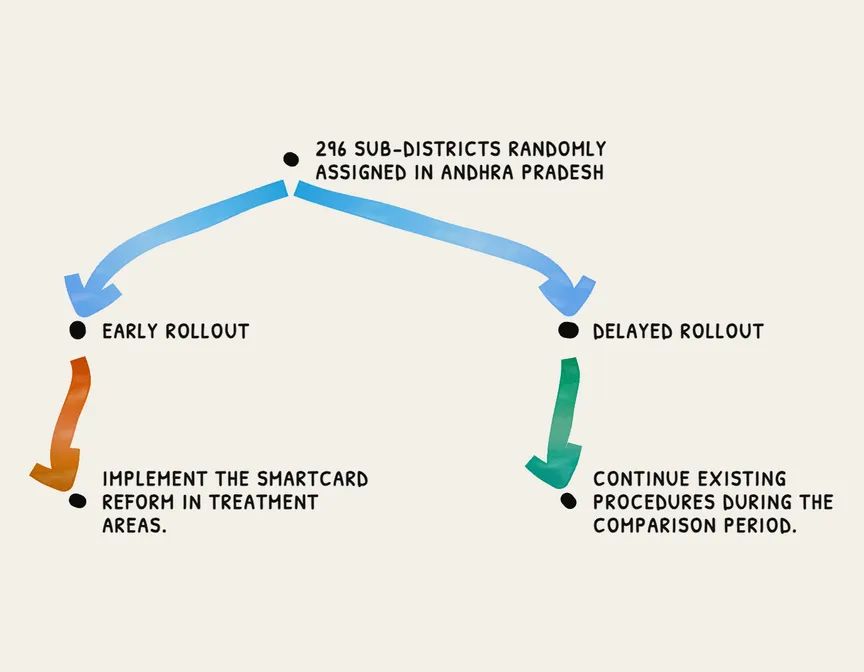
Randomizing phased rollout across administrative clusters creates a clean counterfactual while preserving real-world implementation conditions.
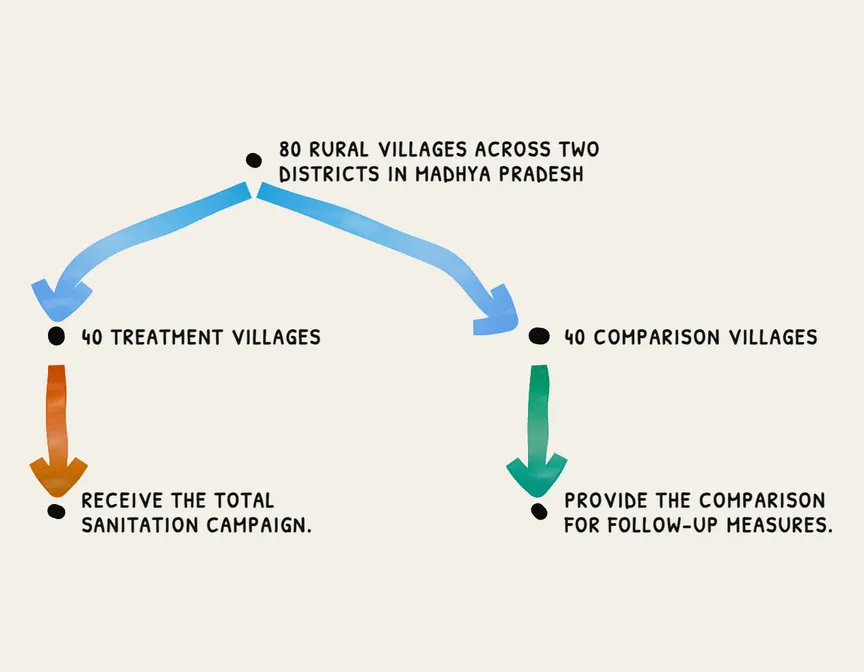
Randomizing at the village cluster level prevents spillovers between neighboring households and ensures comparison groups remain unbiased.
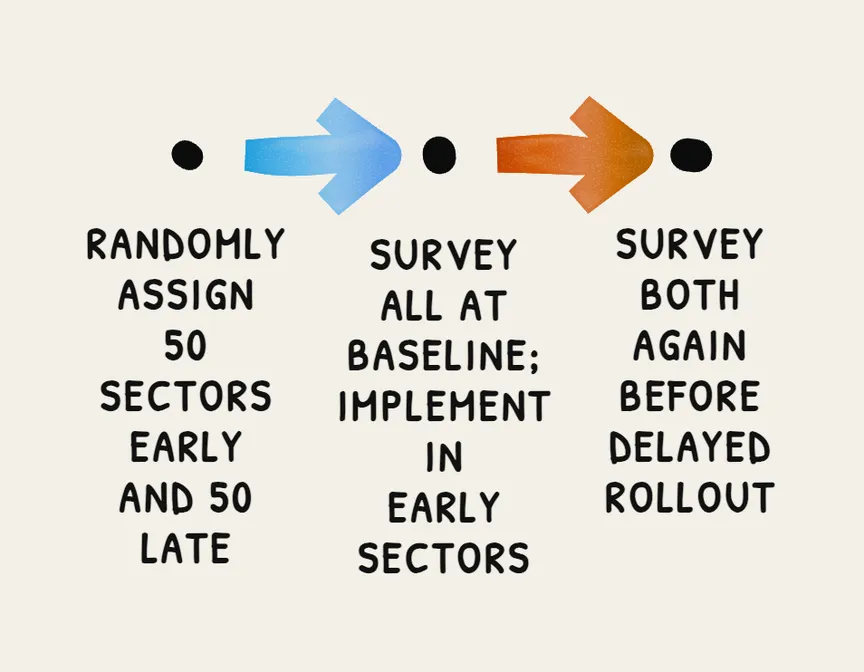
Randomizing implementation order creates statistically identical treatment and comparison groups without denying services permanently to control areas.
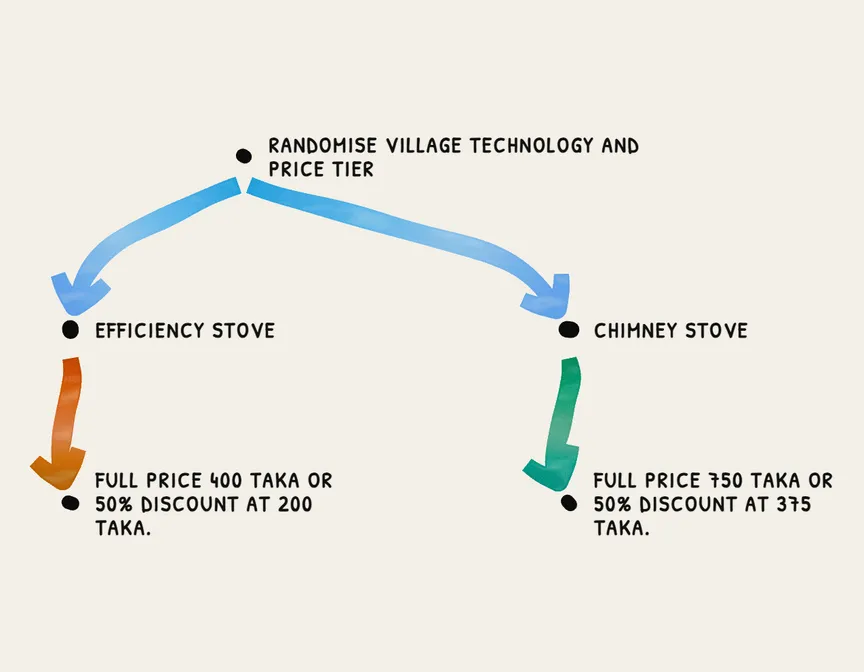
Randomizing prices at the village level prevents price comparison and discontent among neighboring households.
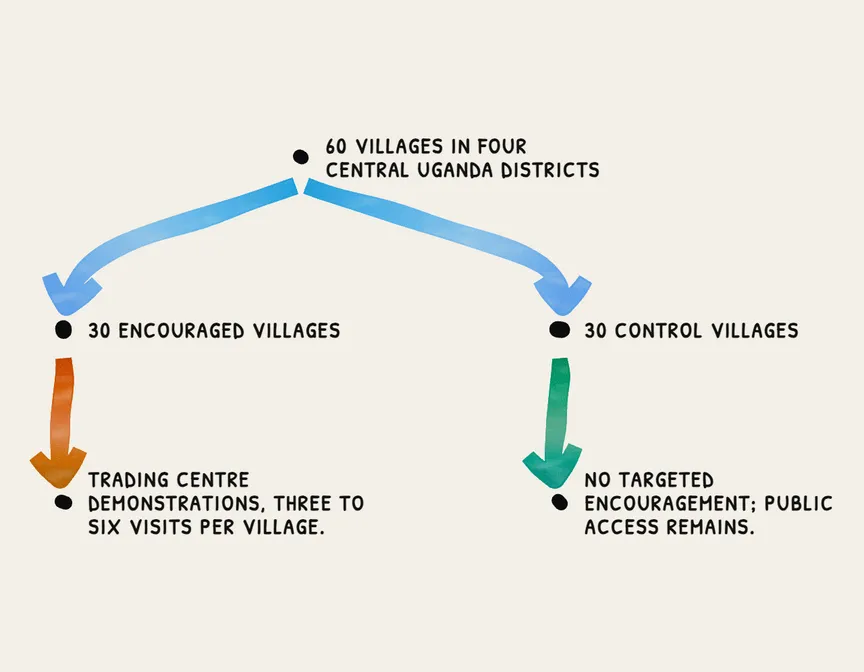
Randomizing encouragement creates a substantial differential in service adoption rates between treatment and control groups without denying public access.
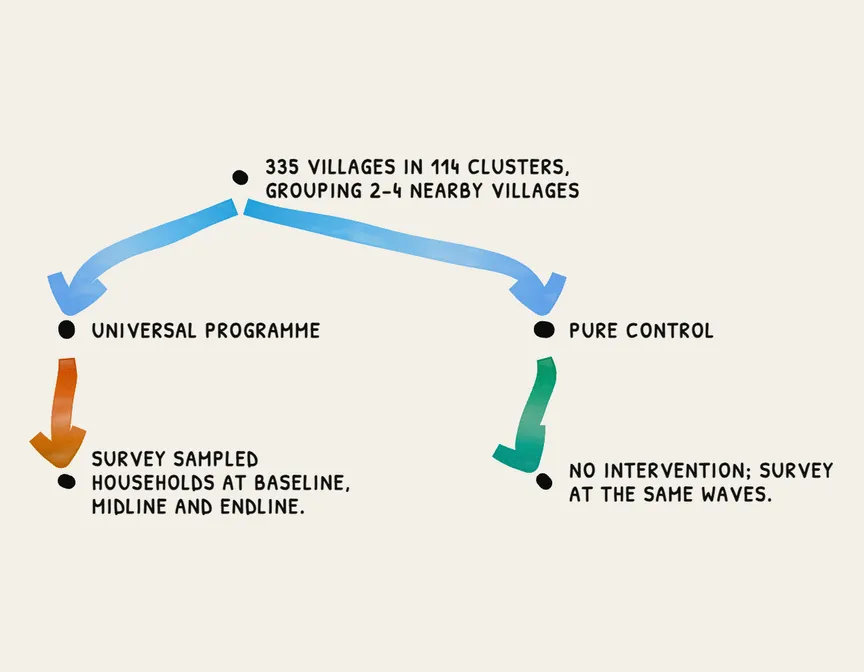
Grouping geographically close villages into clusters minimizes spillover effects between treatment and control areas.
Combining expert theater pedagogy with police leadership insights builds interactive safe spaces for officers to examine personal biases.
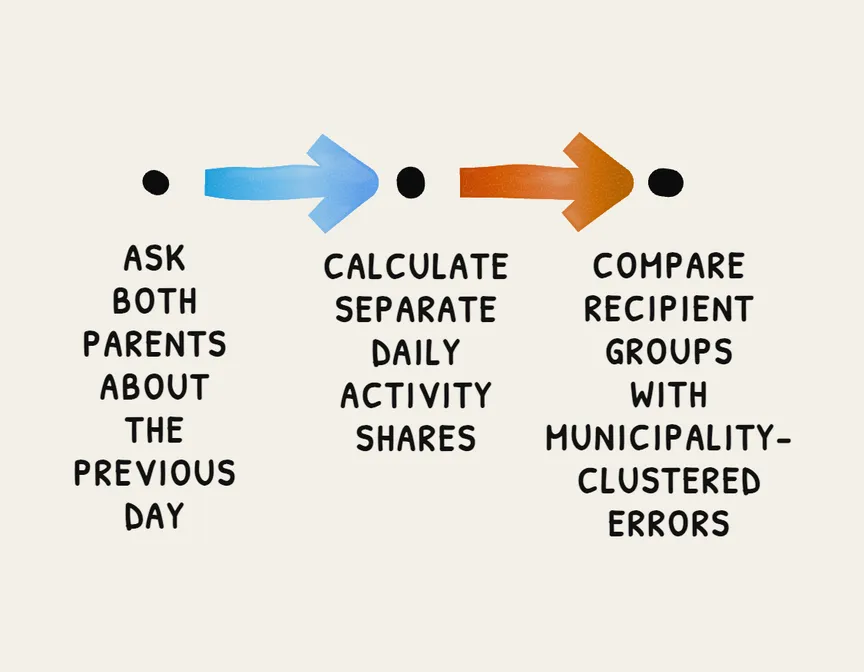
Collecting 24-hour recall time-use data directly from both spouses tests whether cash transfers shift parental labor supply or household time allocation.
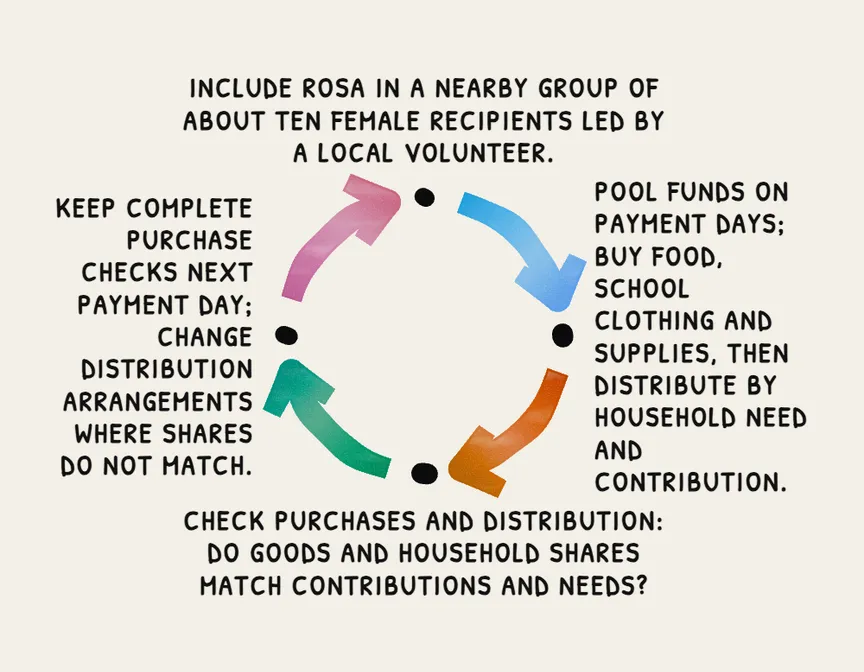
Organizing joint purchasing trips leverages group buying power while making human capital investments visibly transparent across peer networks.
Co-marketing financial incentives within behavioral feedback lowers information search costs and draws consumer attention to high-yield capital investments.
Classroom instruction guarantees that trainees master general, transferable skills that informal enterprise owners might lack the incentive or capacity to teach.
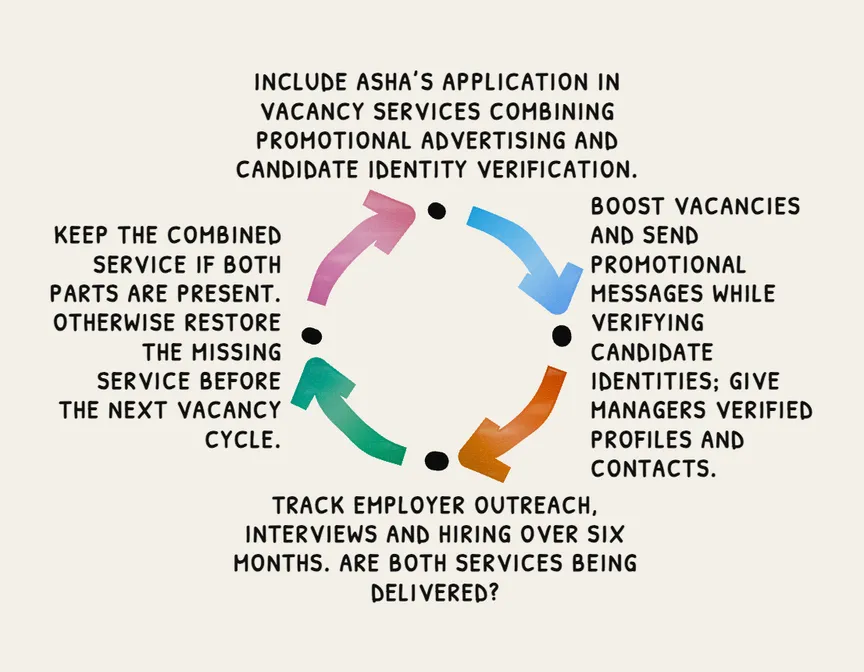
Combining candidate scale with identity verification expands candidate reach while alleviating employer concerns regarding applicant unreliability and trust.
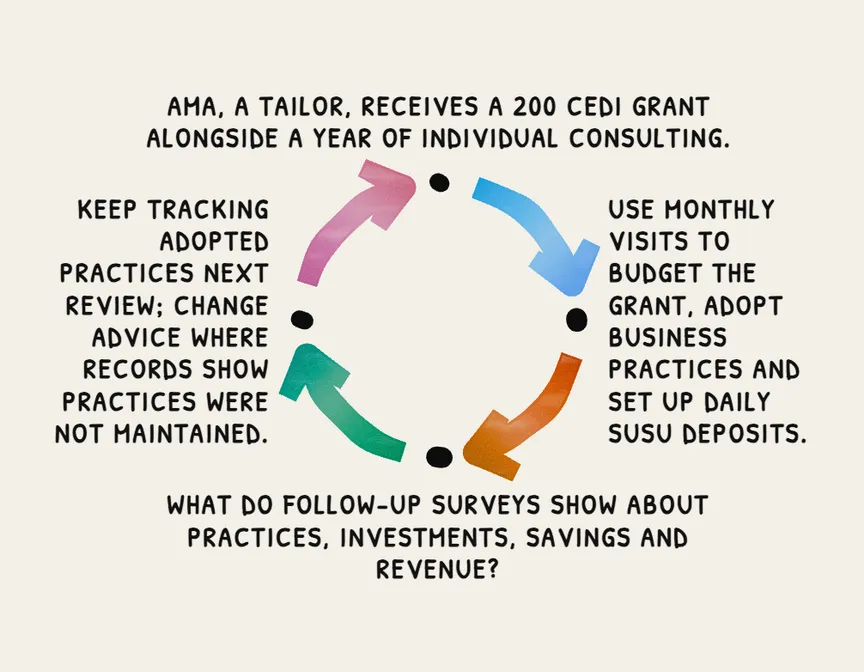
Simultaneously relaxing financial and managerial constraints enables entrepreneurs to invest in equipment while implementing structured business practices.
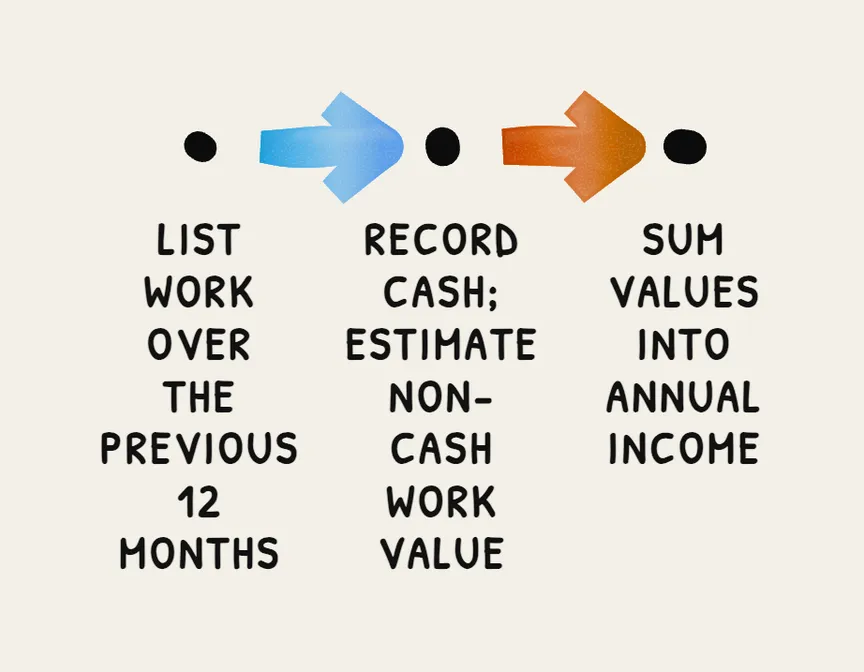
Including in-kind compensation captures non-monetary agricultural and barter output that forms the primary livelihood of rural farmers.
Combining private and public messaging shifts both the intrinsic and extrinsic calculus of candidacy simultaneously.
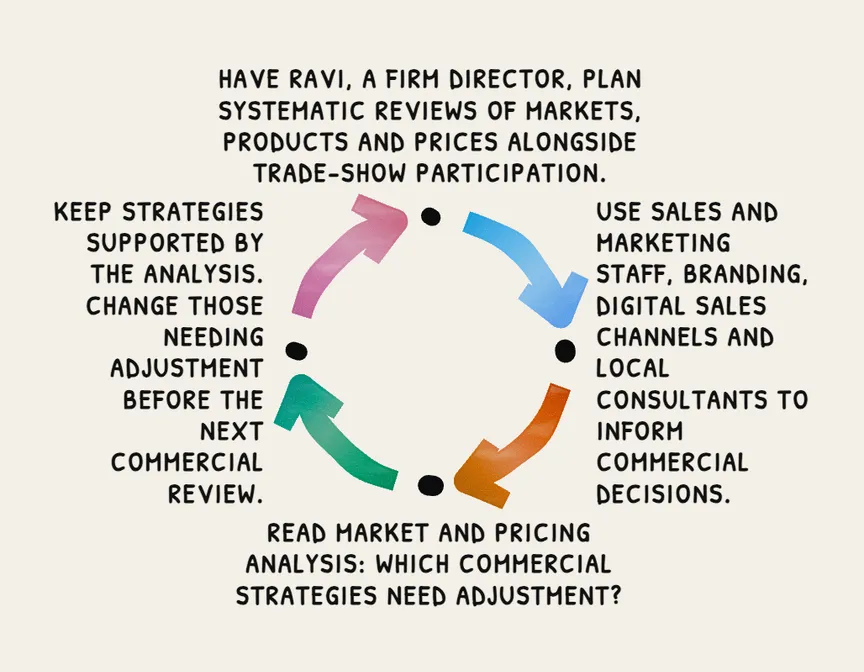
Instilling disciplined operational tracking leads firm directors to value systematic, data-driven decision-making across all business functions.
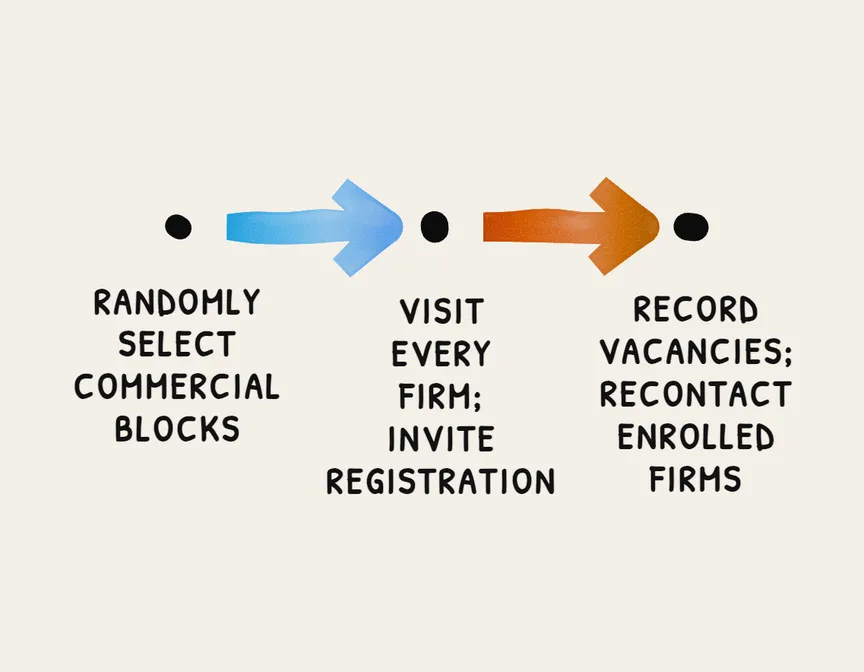
Active door-to-door outreach overcomes registration inertia among firms that have never advertised on public platforms.
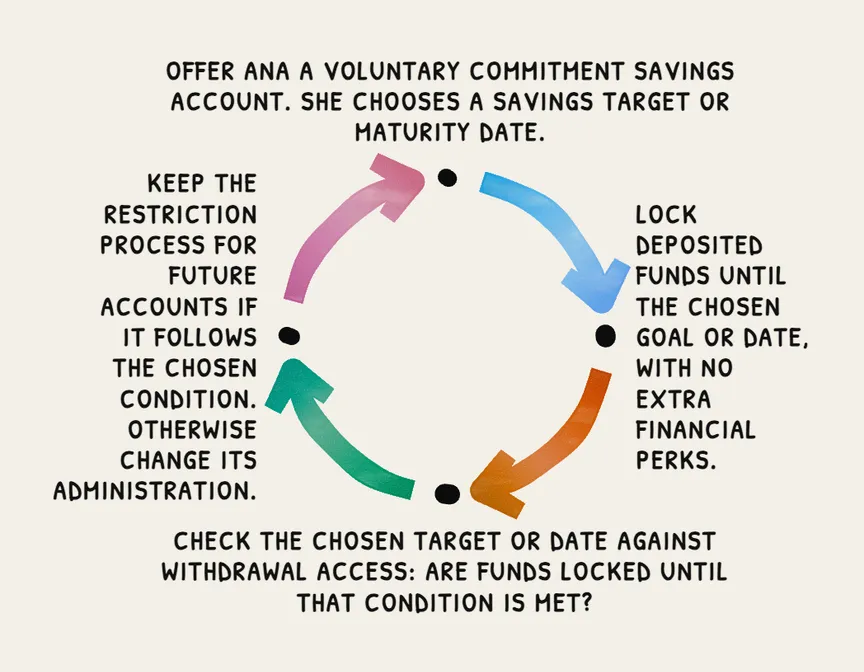
Strict withdrawal restrictions serve as a commitment device that protects deposited money from short-term temptation spending.
Gift certificates restrict liquidity and prevent funds from being absorbed into general household budgets.
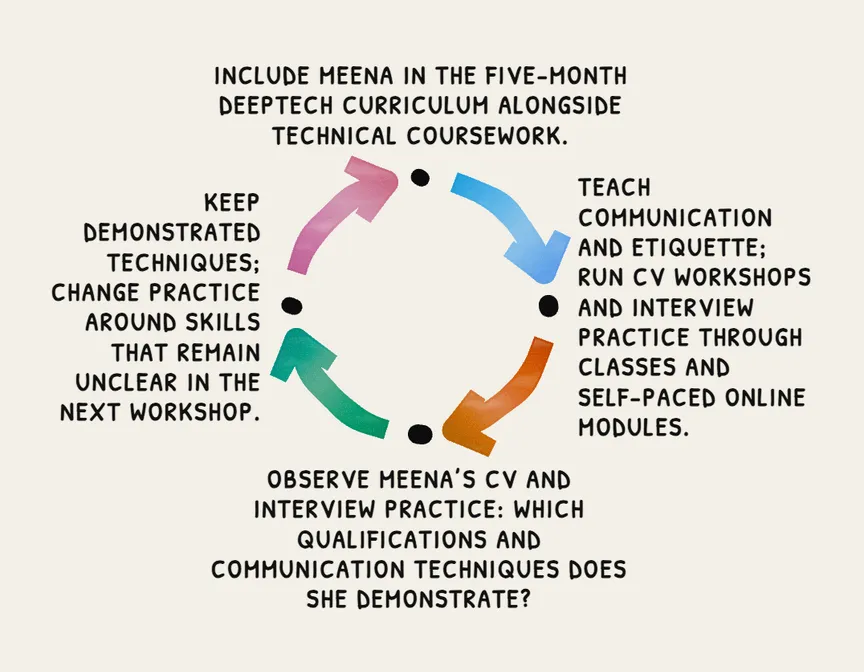
Enhancing communication capabilities and interview preparation helps job seekers navigate recruitment barriers and showcase their abilities to employers.
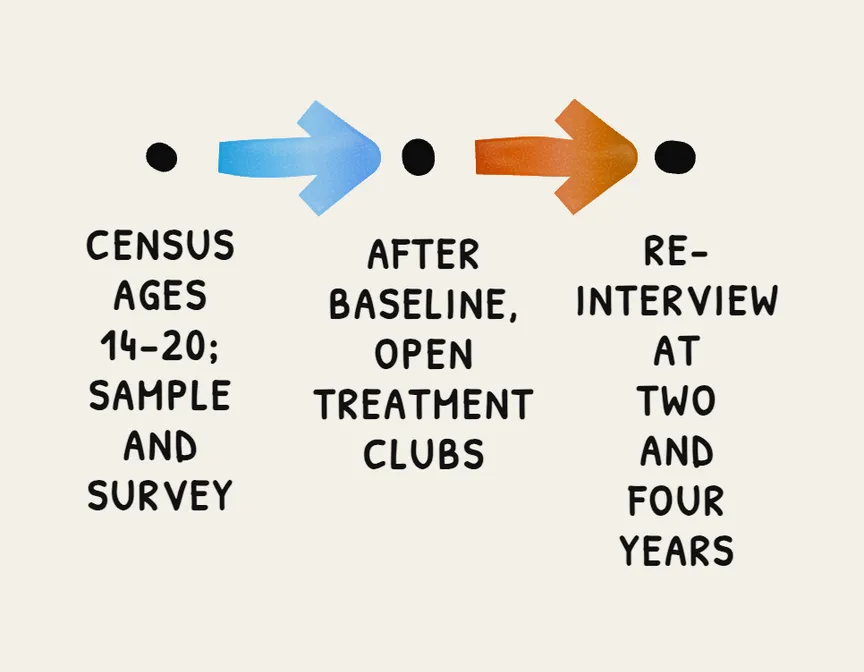
Conducting an initial complete census ensures the survey sample reflects the true target population rather than only visible or active youth.
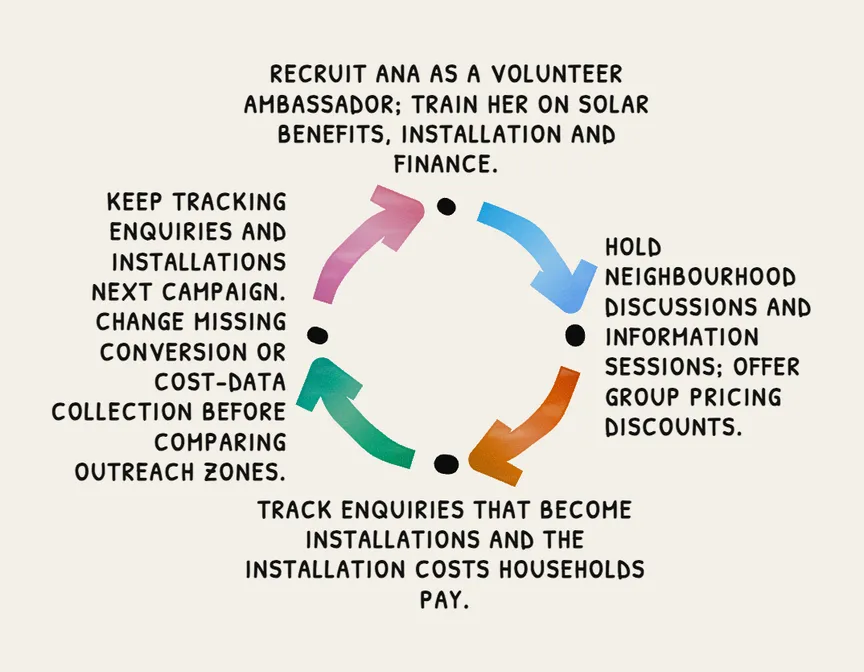
Information delivered by trusted neighbors reduces uncertainty and lowers perceived technical barriers.
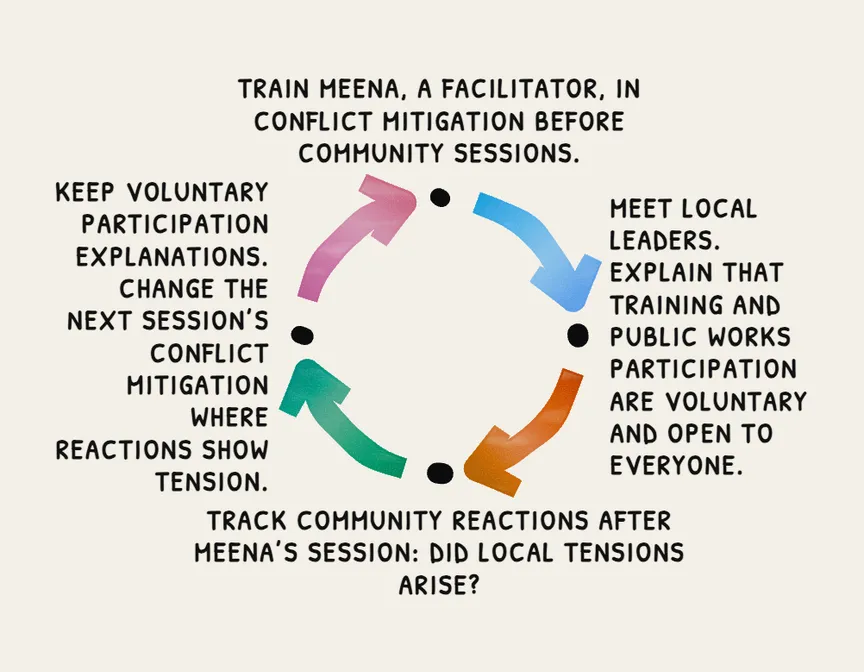
Proactively engaging local leaders and clarifying that participation is voluntary reduces perceived threats to traditional social norms.
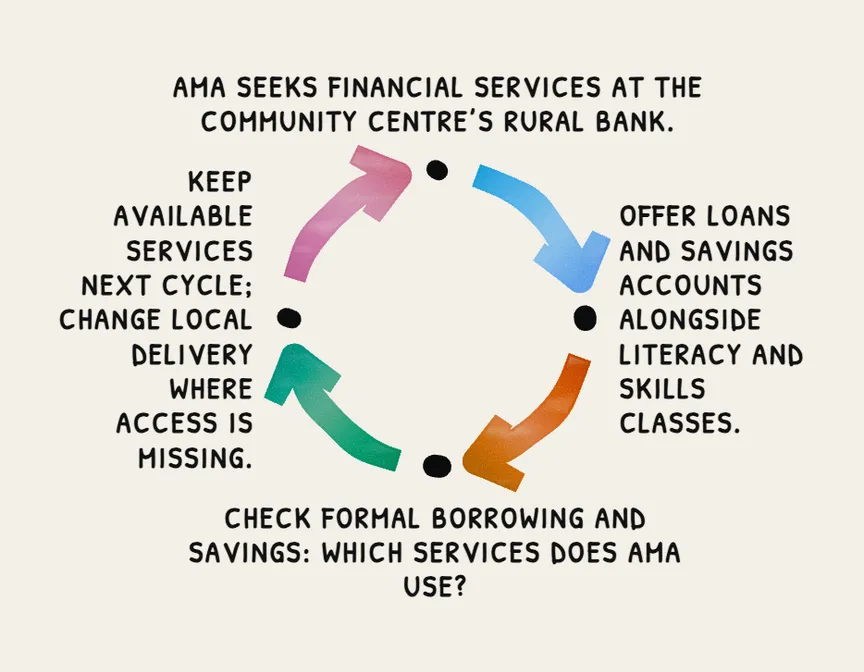
Integrating rural banks into community epicenters reduces structural barriers to financial inclusion by bringing formal credit and savings institutions directly to remote villages.
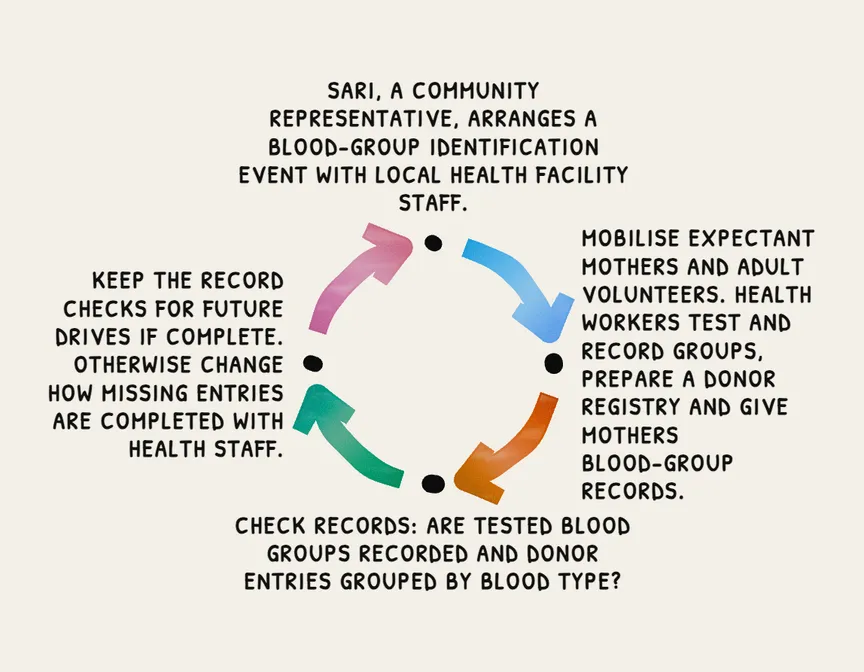
Identifying blood types before labor begins removes a critical delay during acute maternal hemorrhage emergencies.
Page 5 of 45
Previous
1
…
4
5
6
…
45
Next