Skip to the methods
Menu
aikyam
school
Findings
Methods
Subjects
All cards
Read
Findings
Methods
Subjects
All cards
Methods
2,124 methods
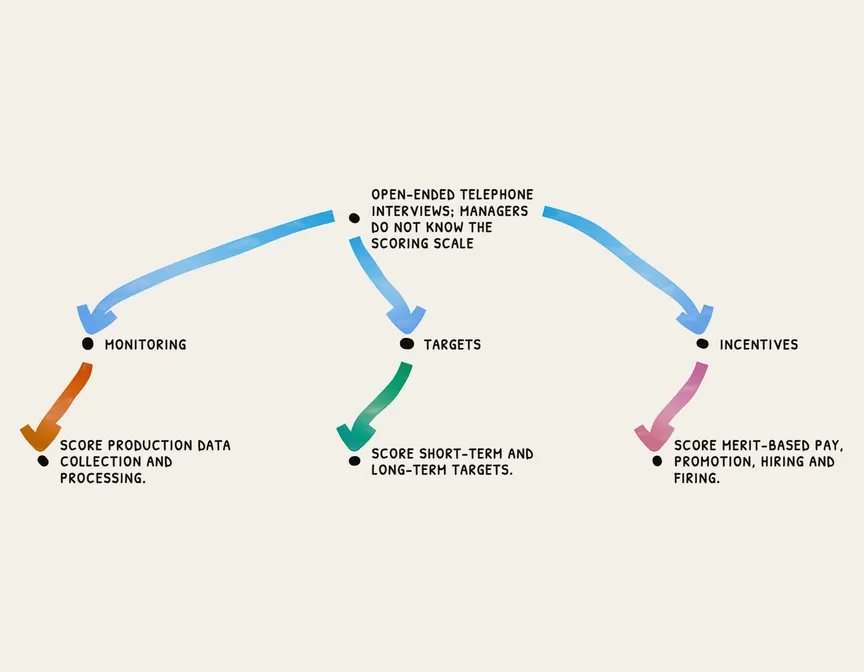
Double-blind scoring prevents plant managers from overstating their achievements.
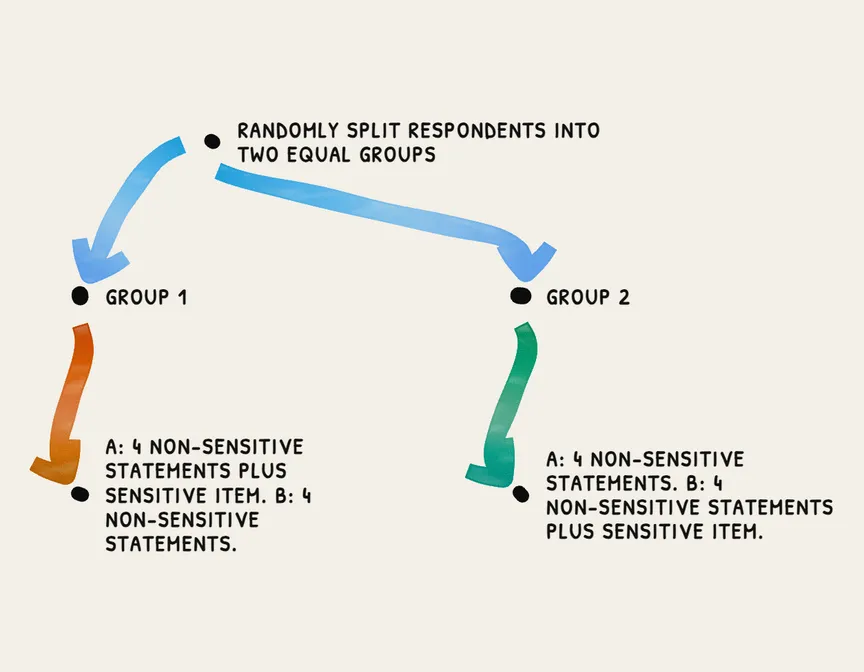
Aggregating statement counts protects individual anonymity, eliminating social desirability bias and fear of reporting illegal activities.
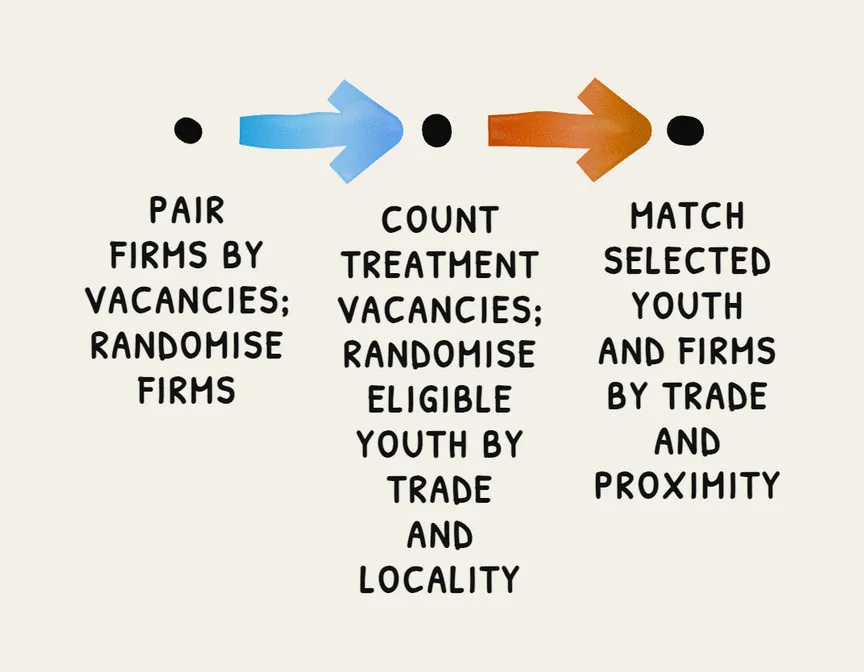
Simultaneous randomization across market supply and demand isolates individual participant windfall effects from employer-side substitution effects.
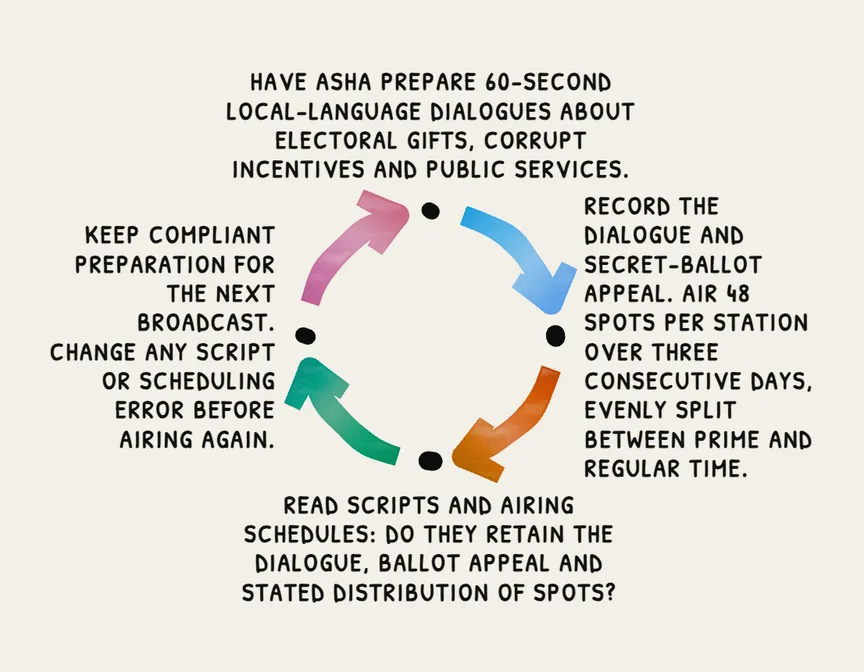
The campaign changes voter attitudes by making citizens pessimistic about the post-election performance and public service delivery of gift-distributing politicians.
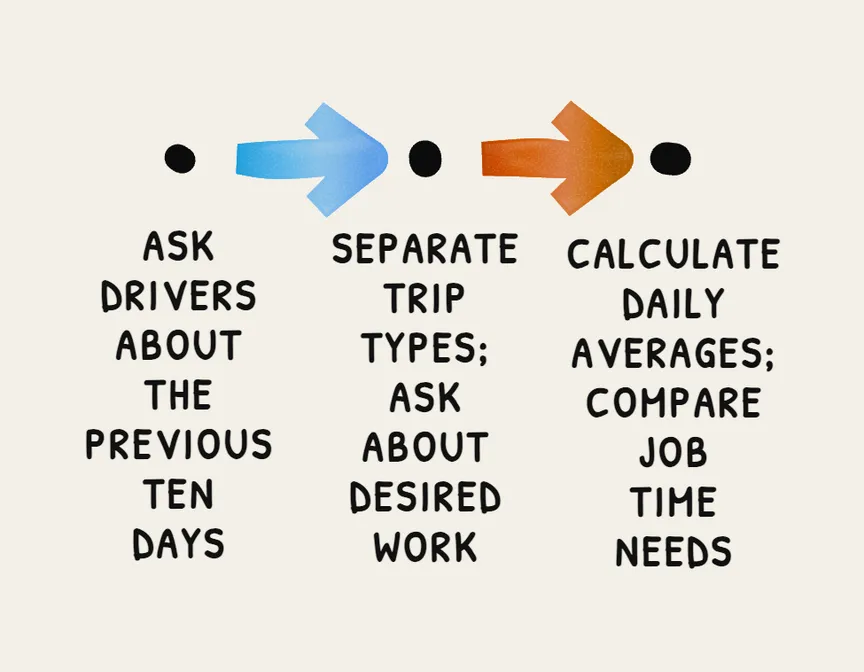
Using a ten-day recall window smooths day-to-day demand fluctuations while keeping recall burden manageable for drivers operating without written logbooks.
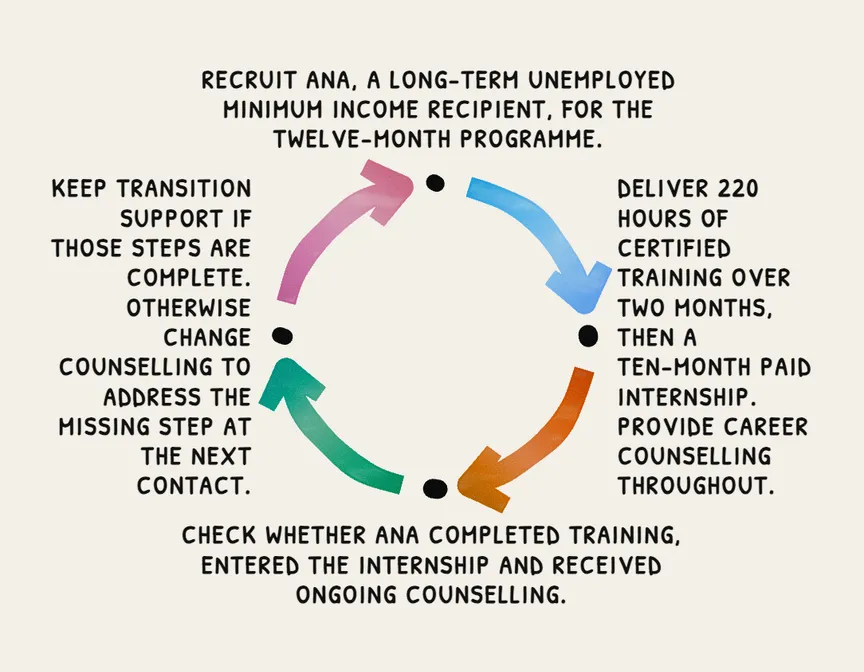
Combining formal classroom instruction with an extended paid internship restores technical competencies while preventing skill decay.
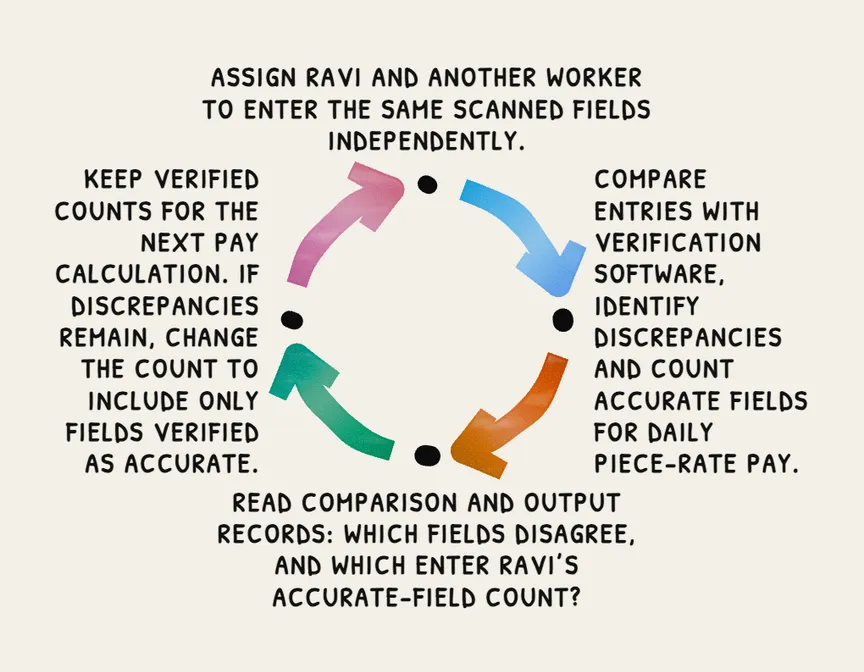
Dual entry provides a reliable industry standard for detecting human entry errors across large datasets.
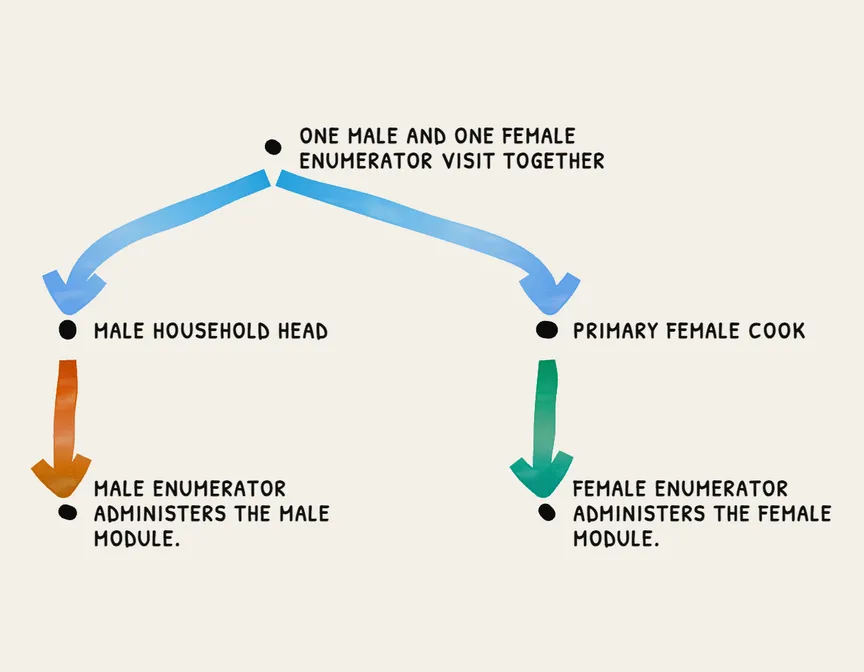
Gender-matched enumerators ease cultural constraints in conservative communities where female respondents hesitate to speak openly with male strangers.
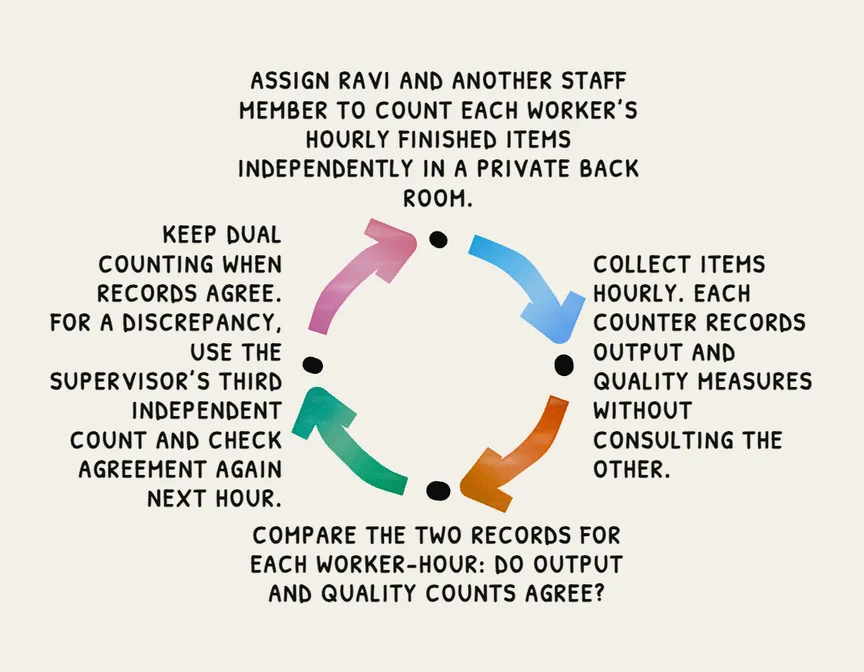
Independent dual counts prevent single-checker oversight and recording mistakes from contaminating dataset entries.
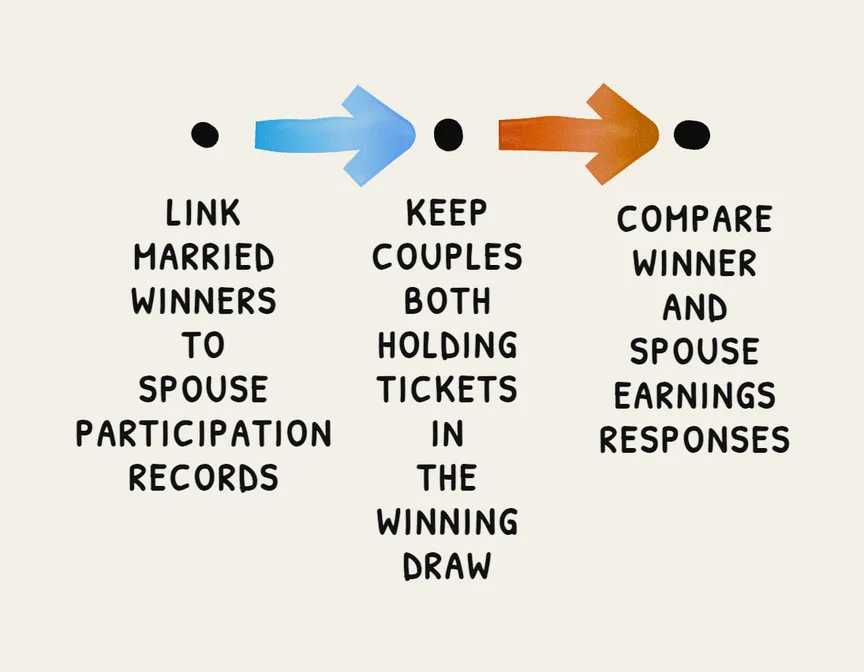
Requiring both spouses to be active lottery participants balances underlying unobserved preferences for gambling, risk, and labor across husbands and wives.
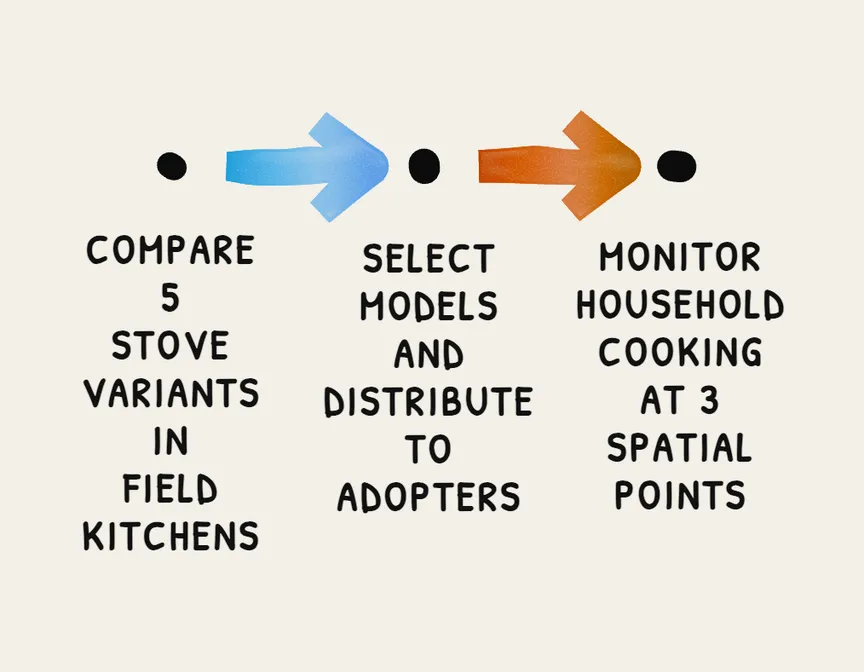
Combining preliminary comparative filtering with post-adoption field monitoring ensures selected designs balance technical performance with real-world user operational practices.
Providing standard health education ensures that all participants share a baseline understanding of contraceptive options before testing targeted voucher offers.
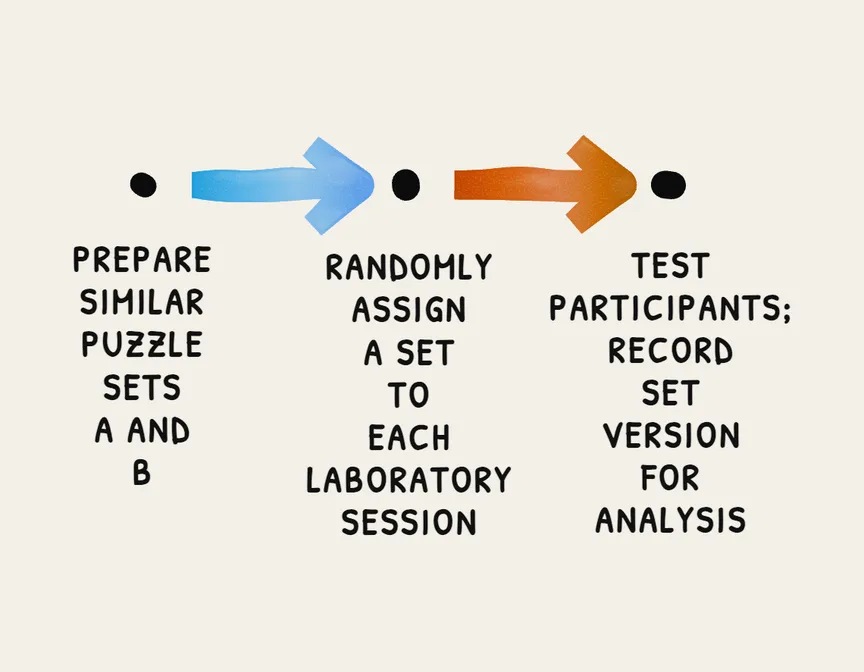
Randomizing puzzle set versions between sessions prevents referring workers from giving their candidates answer keys or solution shortcuts.
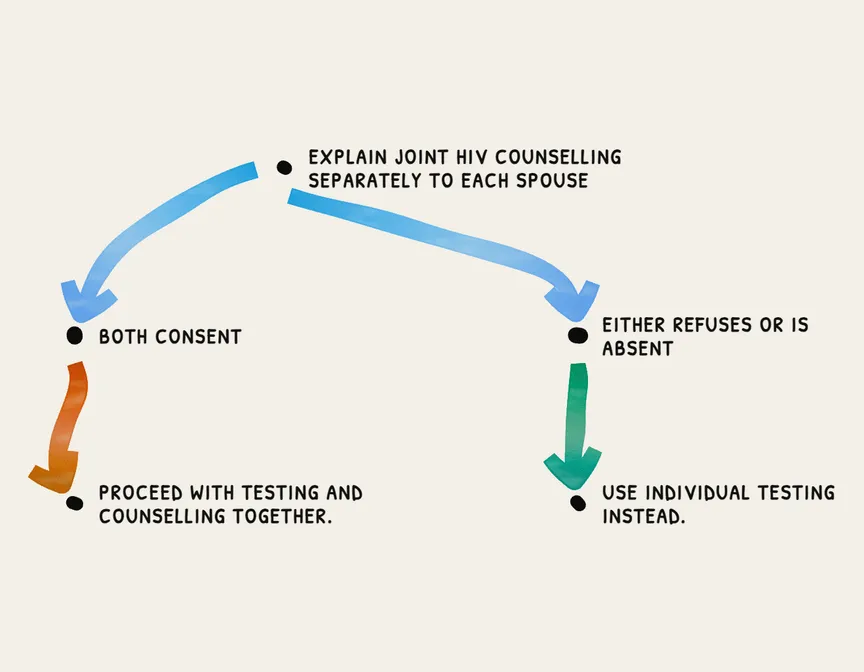
Requiring independent consent from each spouse guarantees that neither partner is forced into joint disclosure against their will.
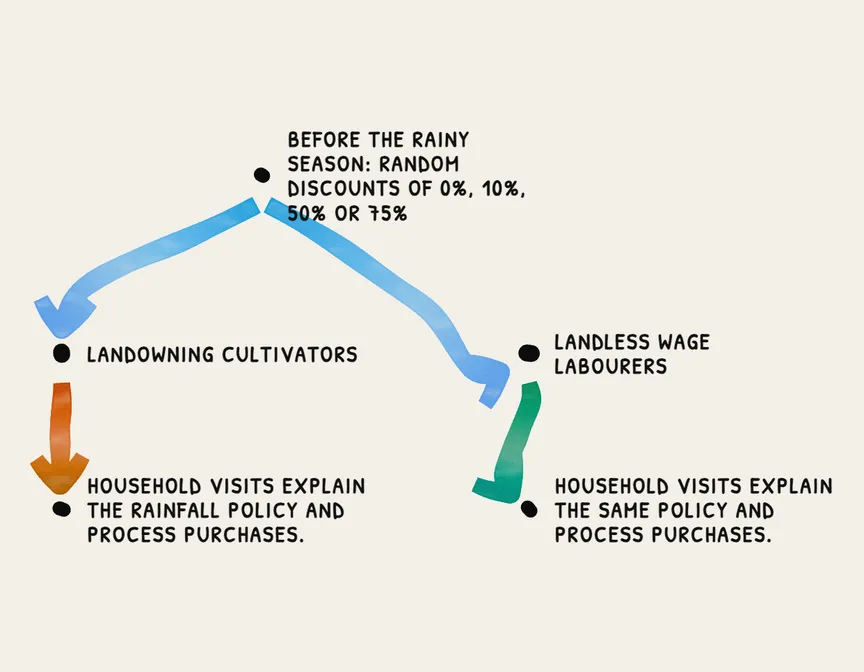
Insuring landowning farmers encourages high-yield farming investments that increase harvest labor demand during good weather, while insuring laborers provides cash payouts during drought shocks that lower emergency labor supply.
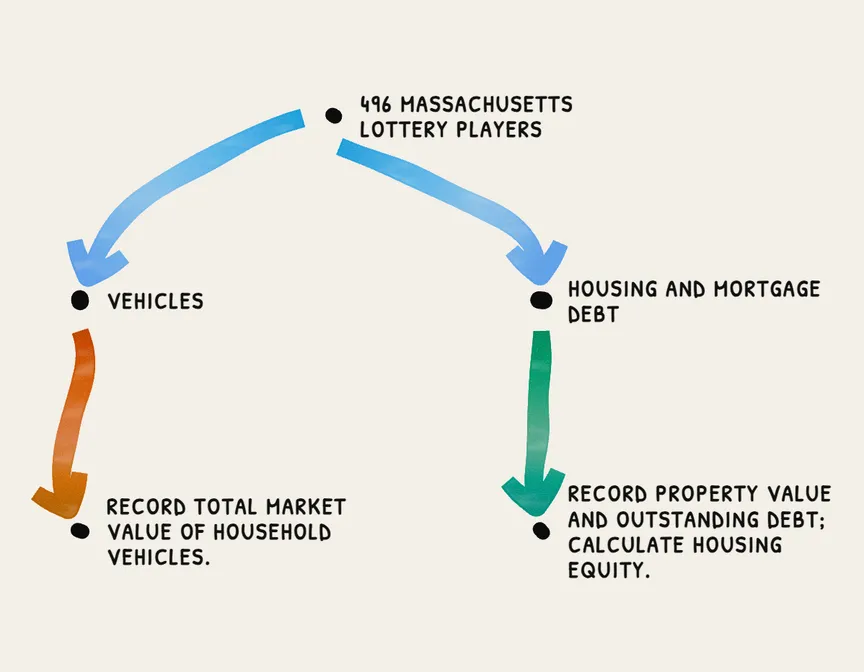
Unearned income allows households to upgrade durable assets like cars and homes immediately.
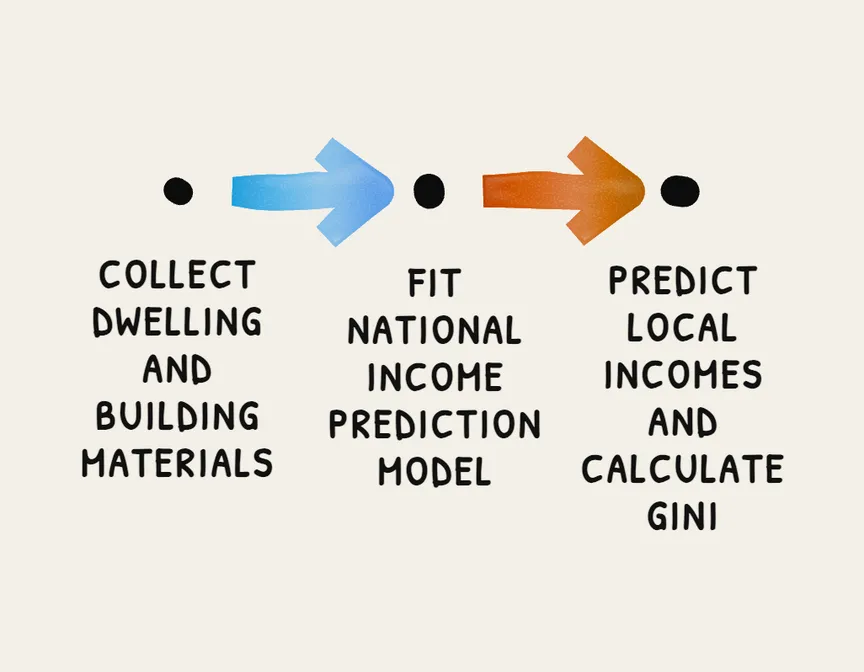
Matching physical dwelling proxies with national household survey data allows researchers to construct reliable community inequality measures without collecting sensitive or noisy direct income responses.
Elected leaders know their community members well and can quickly identify farmers willing to test new inputs.
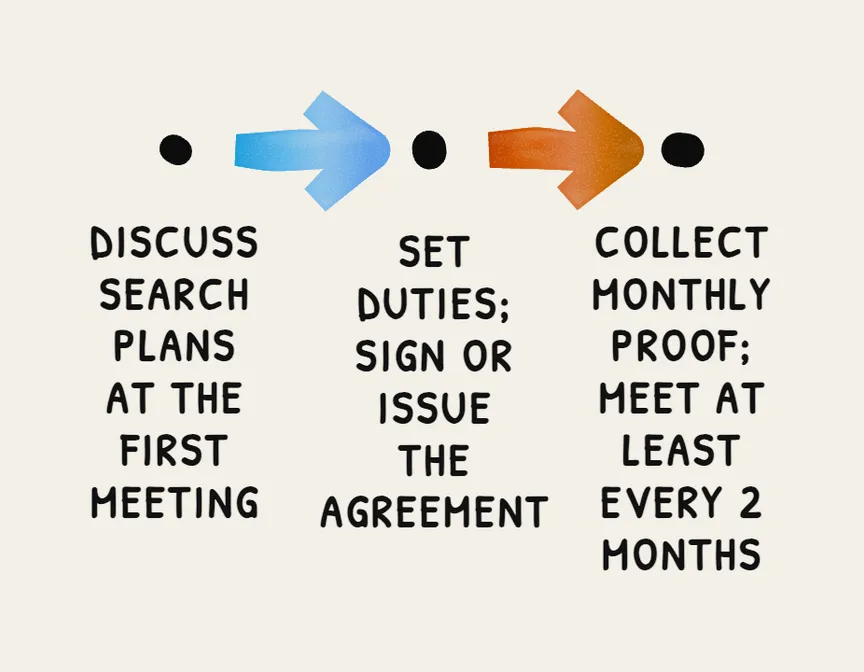
Signing the agreement creates a formal ritual that reinforces search commitments and reminds job seekers of statutory rules.
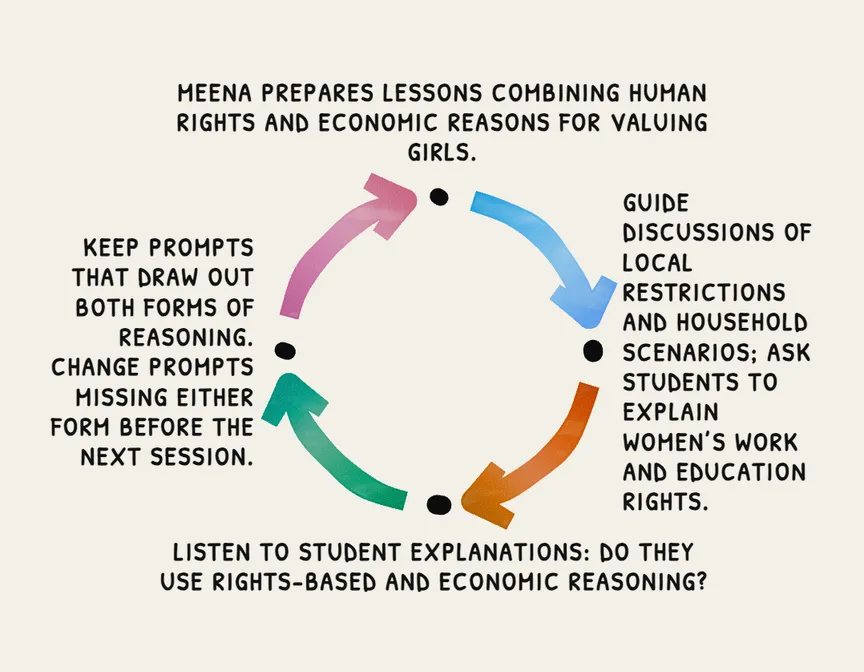
Combining economic reasoning with human rights principles gives students tangible and moral grounds to reject gender discrimination.
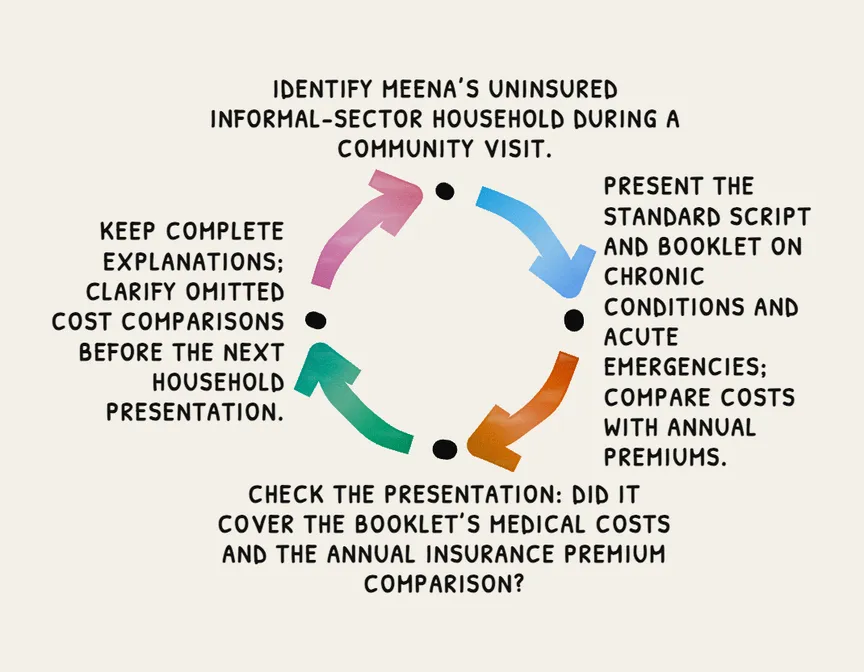
Showing explicit expenses for major medical shocks makes the financial protection value of health insurance clearer to uninsured families.
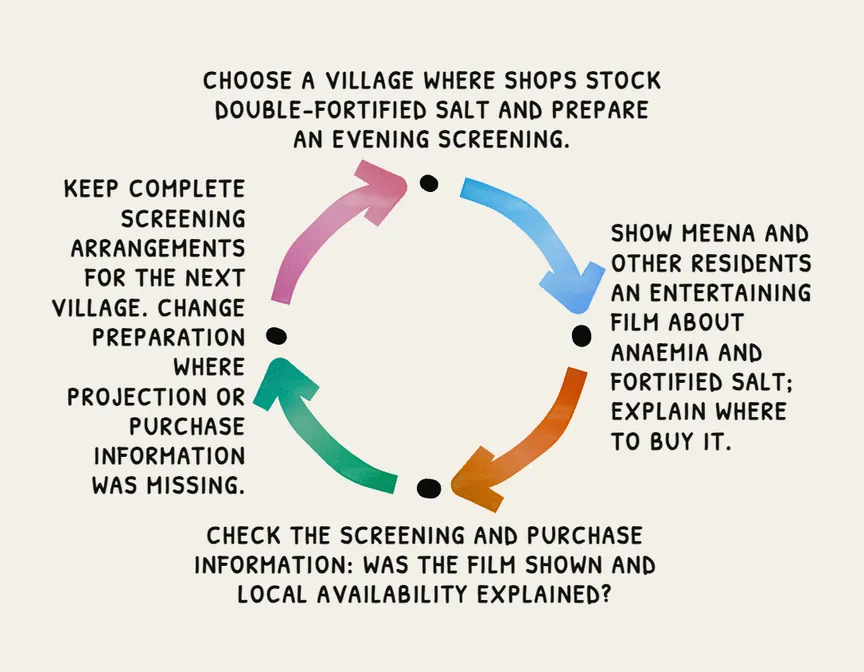
Cinematic storytelling attracts broad community crowds who might ignore standard public health flyers or lectures.
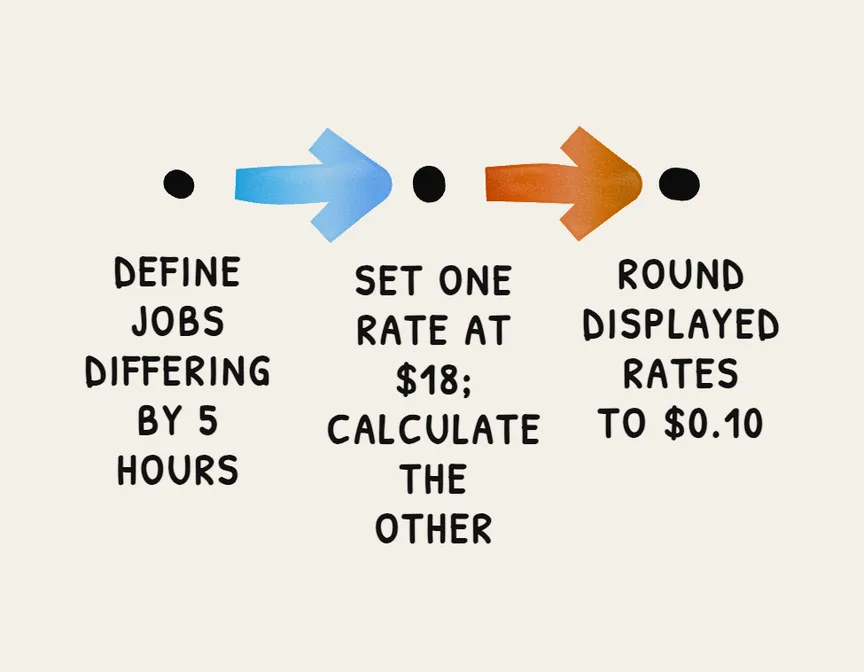
Willingness to take a longer job depends on the effective wage of the extra hours rather than the average wage level.
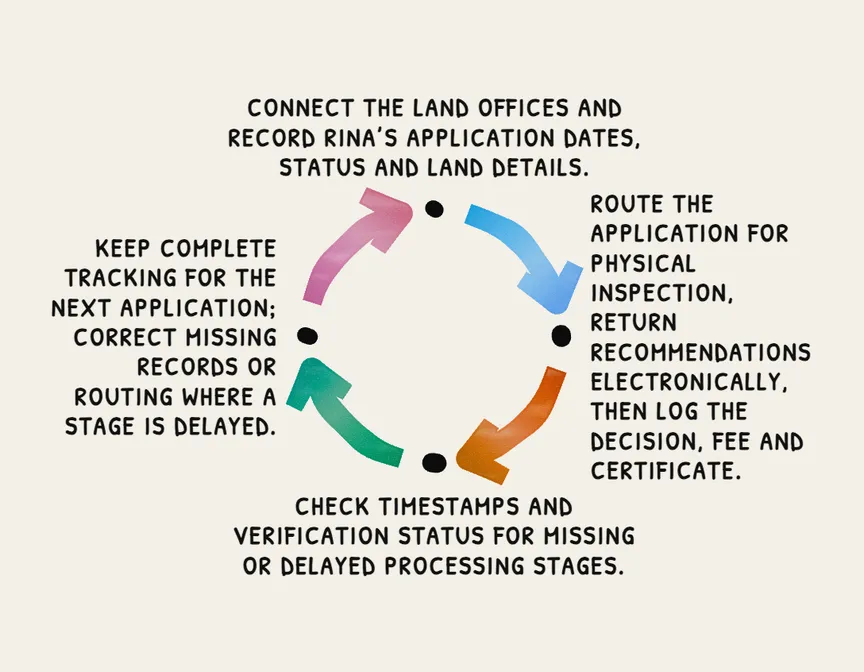
Centralized digital tracking creates administrative record-keeping with accurate timestamps across all application processing stages.
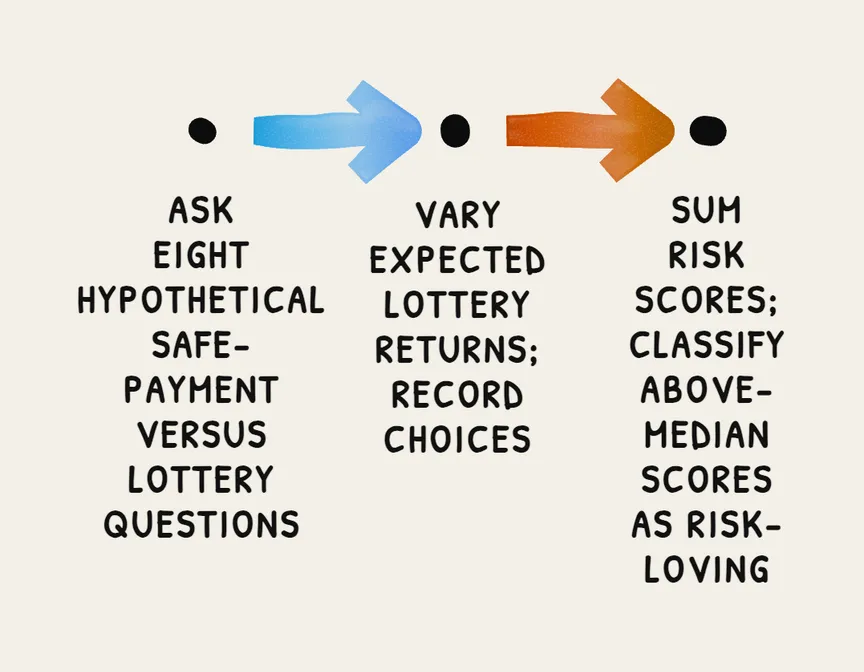
Testing willingness to accept risky lotteries under changing expected payoffs quantifies individual risk aversion.
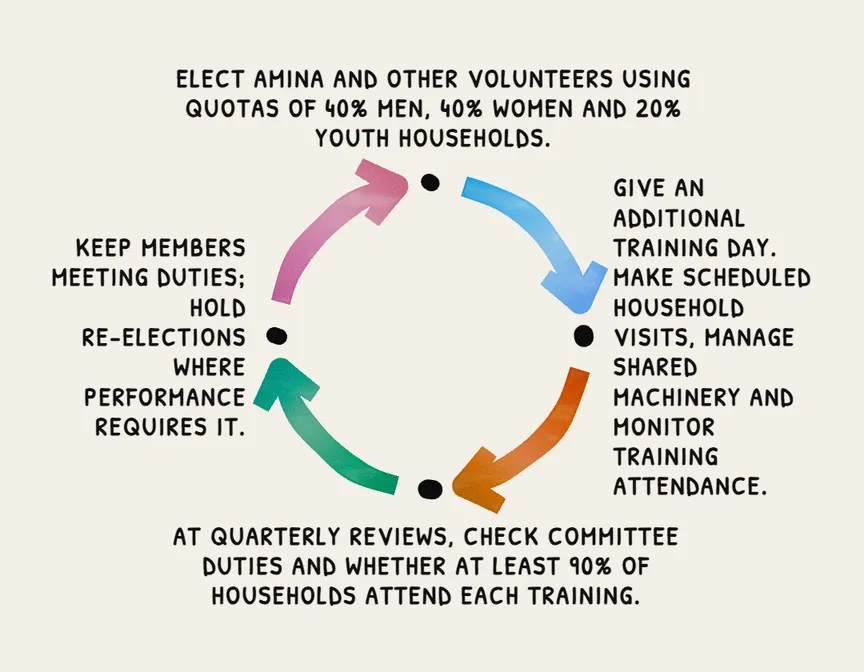
Utilizing volunteer committees drawn from within the village provides ongoing mentorship without expensive external staff while maintaining high community participation.
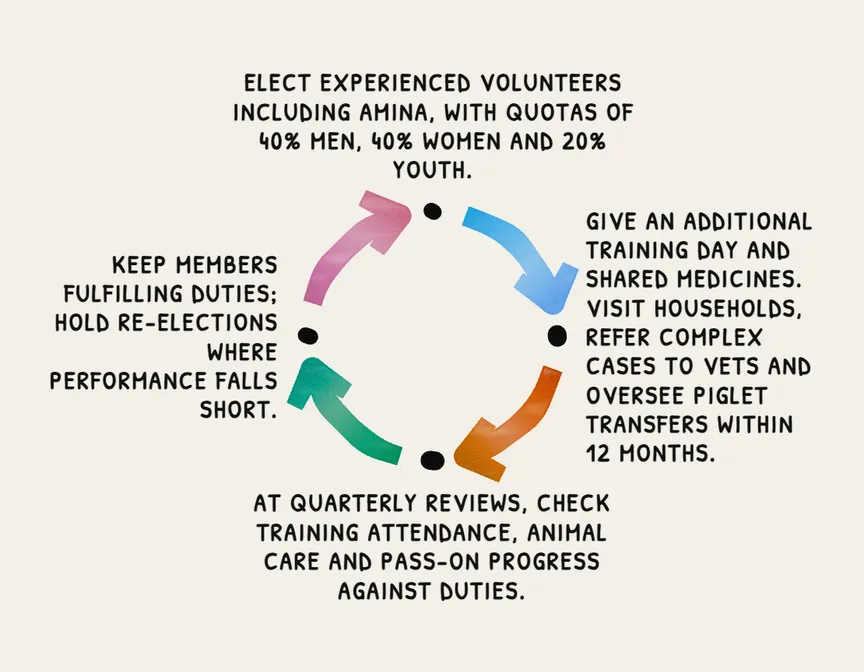
Using trained local volunteers with prior livestock experience allows rural communities to maintain continuous health monitoring and animal care without depending on costly full-time veterinary staff.
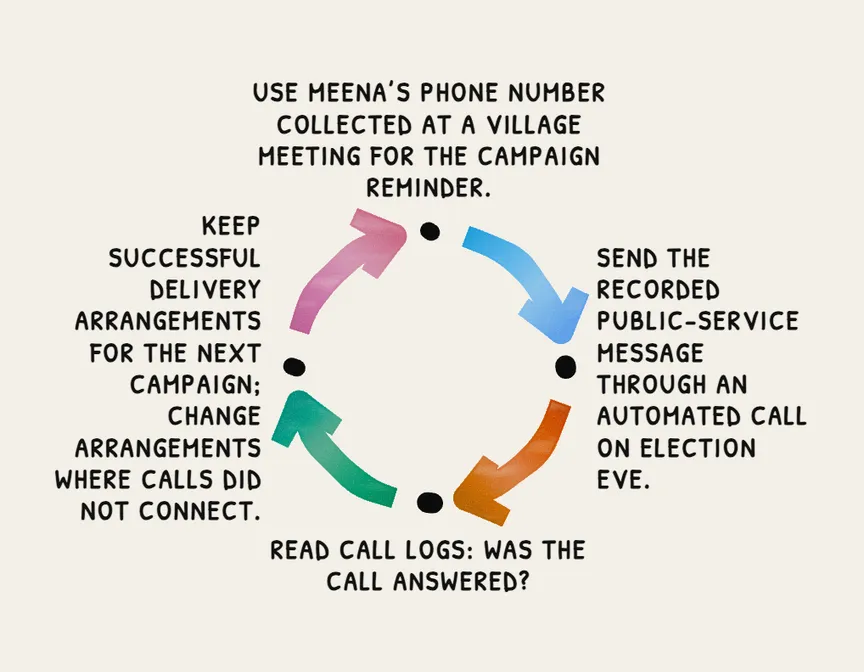
The election-eve timing reinforces anti-vote-buying norms right before voting takes place.
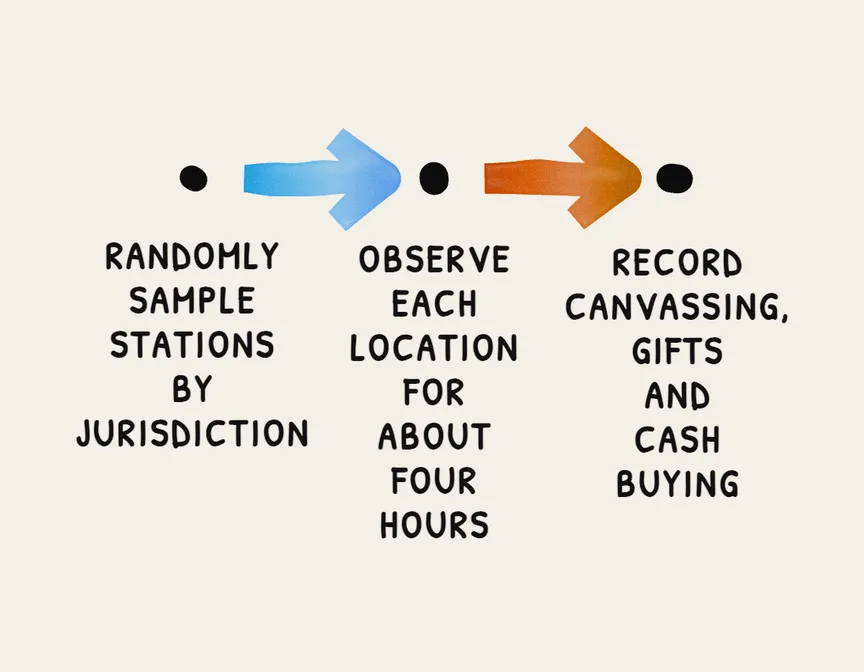
Direct observational monitoring captures real-time campaign violations and illegal financial transactions on election eve that voters may not report in post-election interviews.
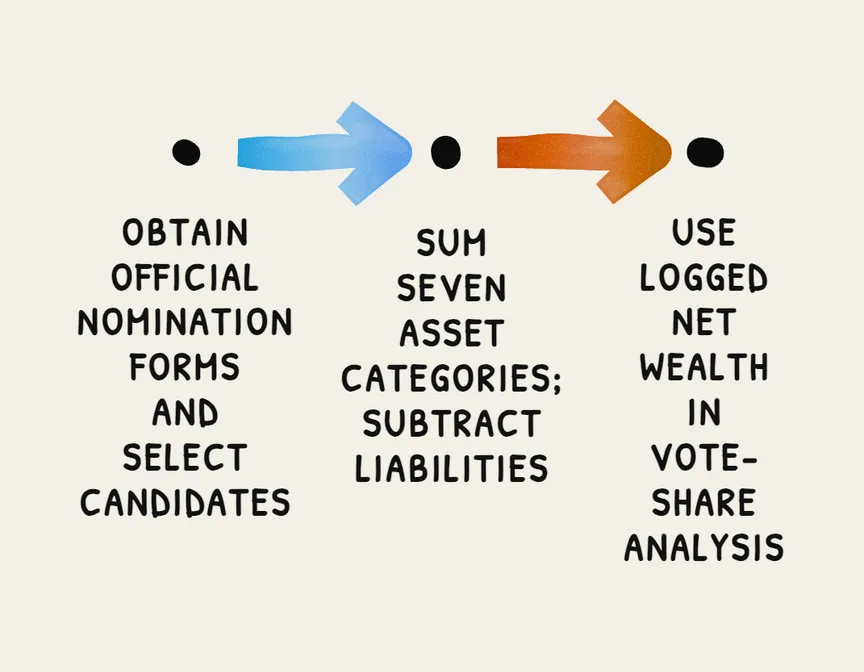
Mandatory election filings provide official, sworn declarations of asset ownership across standardized categories.
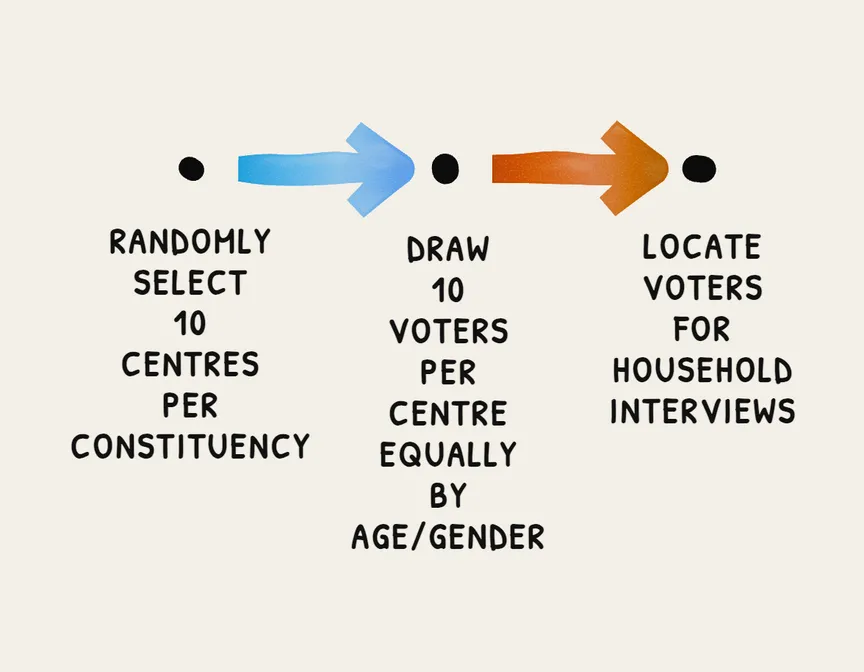
Random sampling from official registration logs prevents convenience bias and gives every registered citizen an equal probability of selection.
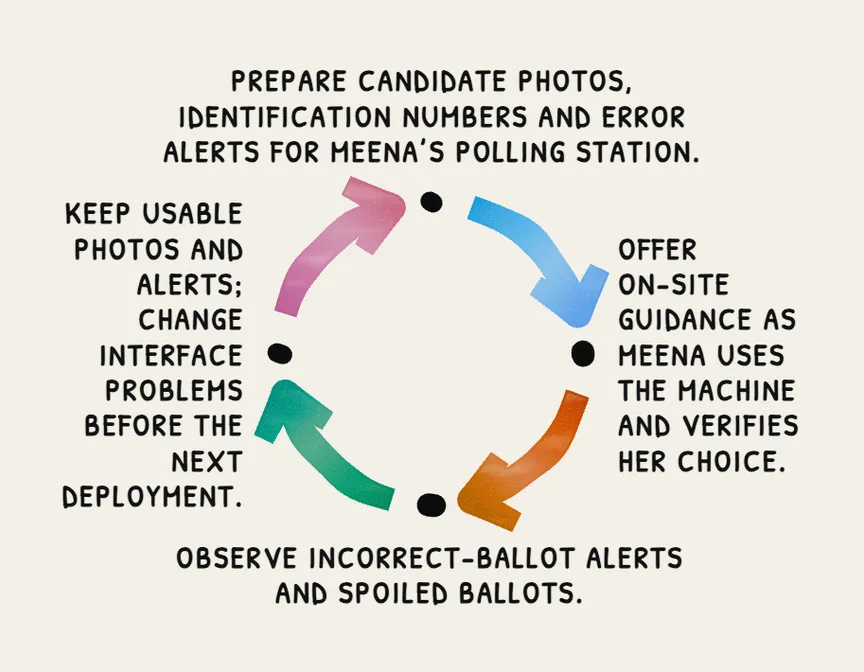
Displaying candidate photographs and visual alerts reduces voting mistakes caused by low literacy.
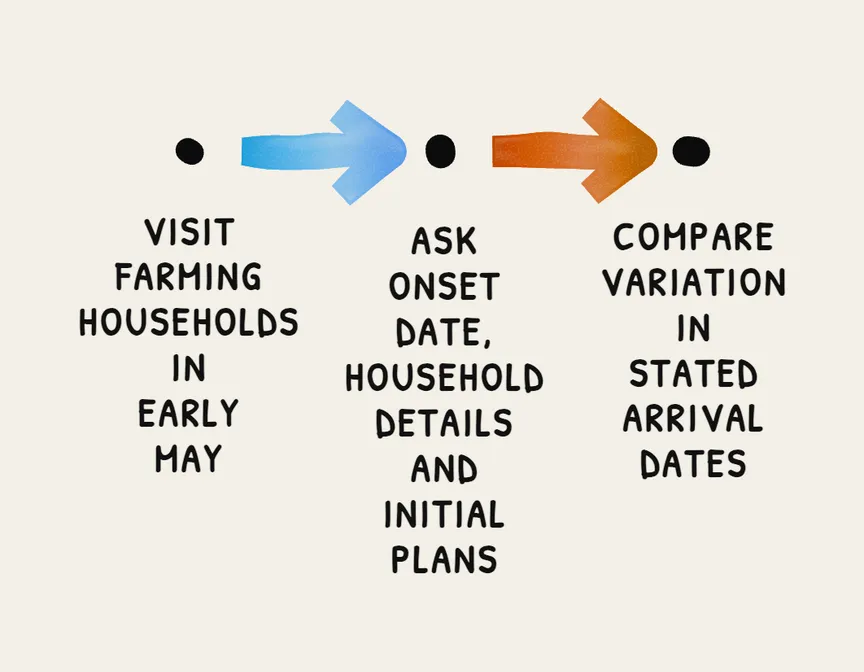
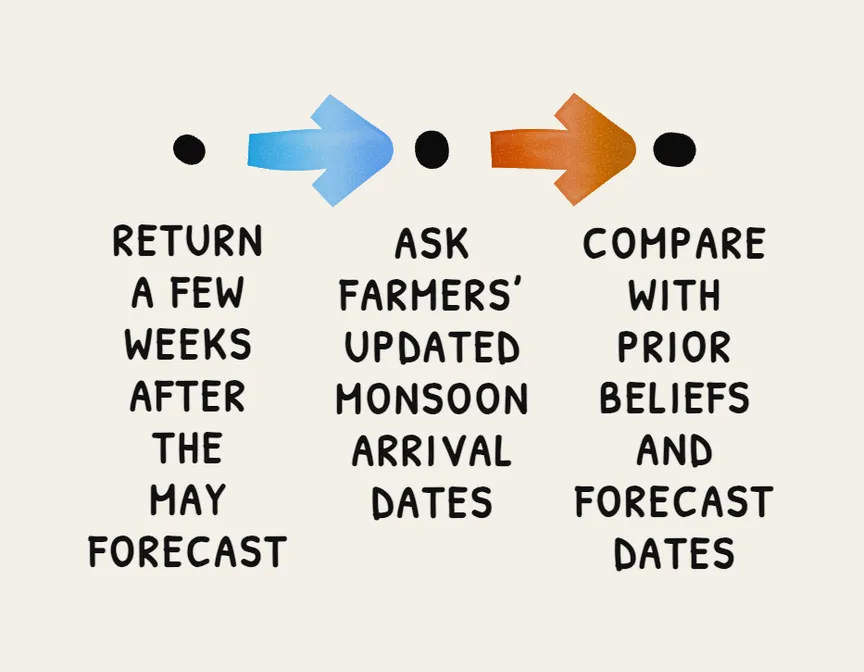
Eliciting prior beliefs reveals how far individual expectations deviate from forecasted weather.
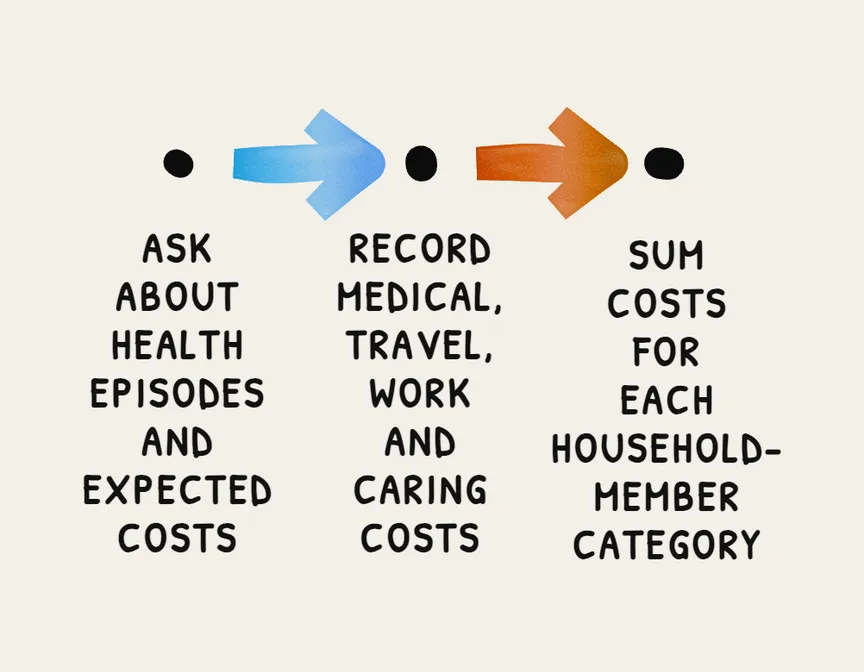
Itemizing direct healthcare outlays alongside indirect labor productivity losses captures the full economic burden of illness beyond medical fees.
Eliciting posterior beliefs measures whether farmers digest and trust new weather information.
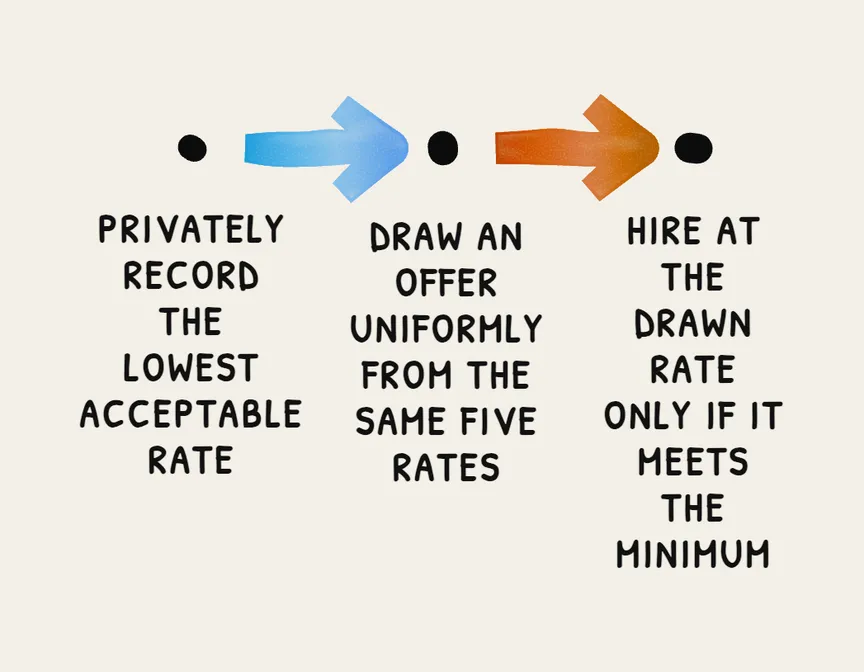
Breaking the link between stated minimum pay and actual compensation makes truthful wage reporting the dominant strategy.
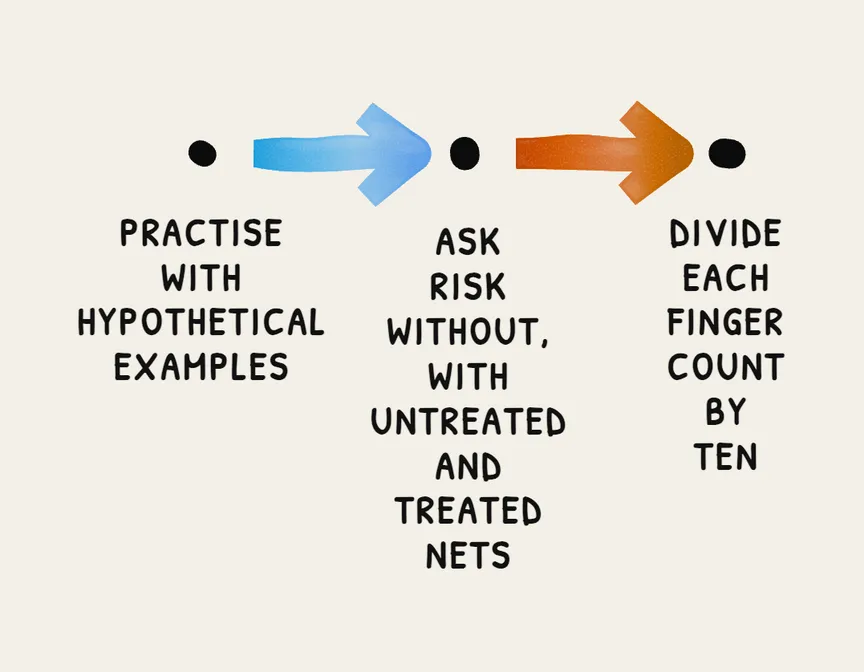
Using a physical finger-counting scale enables respondents with limited schooling to express probabilistic expectations without needing mathematical notation.
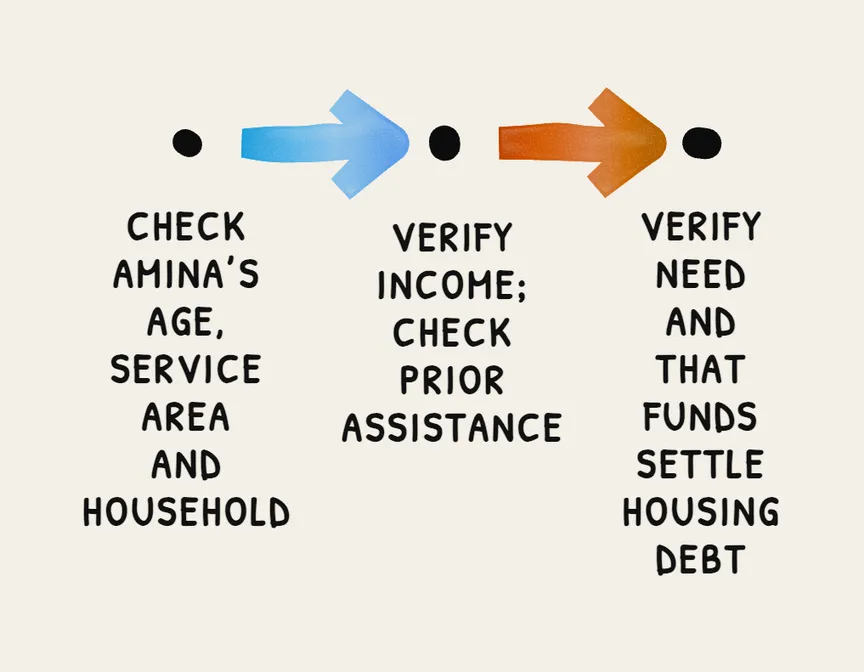
Targeting assistance to specific income and eligibility tiers focuses resources on households facing imminent risk while directing deeper-poverty households to broader safety net programs.
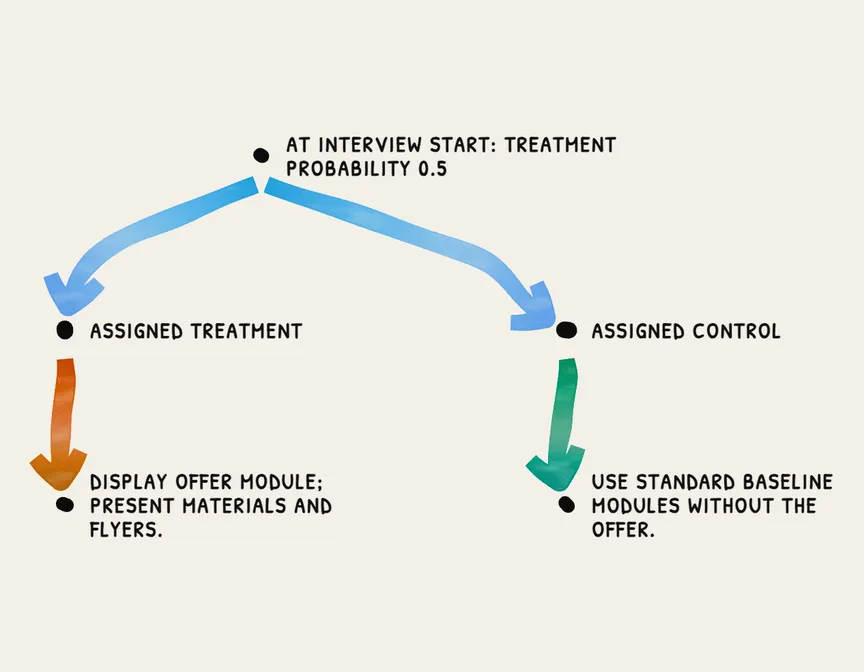
Integrating algorithmic randomization into survey software eliminates follow-up registration visits and prevents enumerator discretion in treatment assignment.
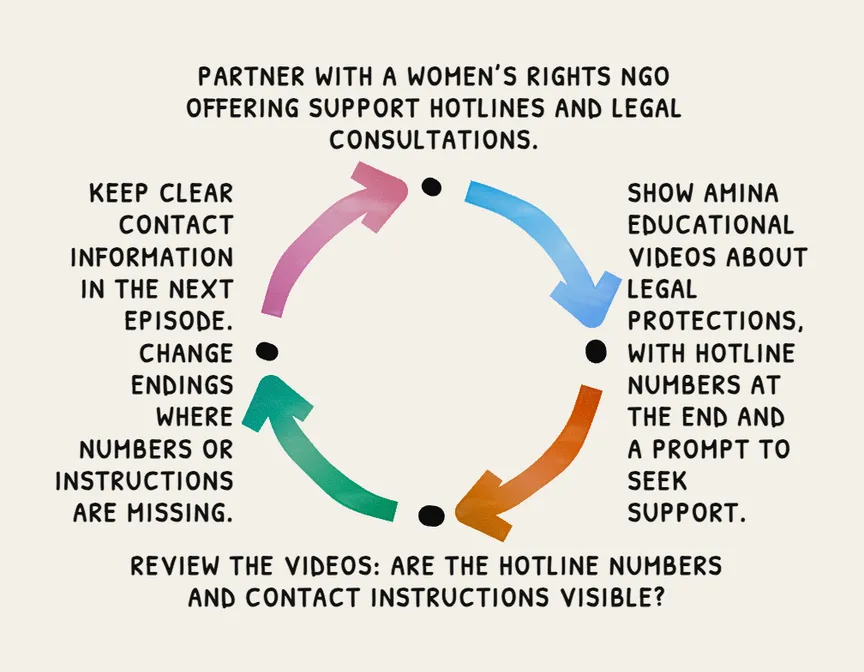
Displaying explicit phone numbers alongside instructional video content lowers information barriers for viewers needing confidential help.
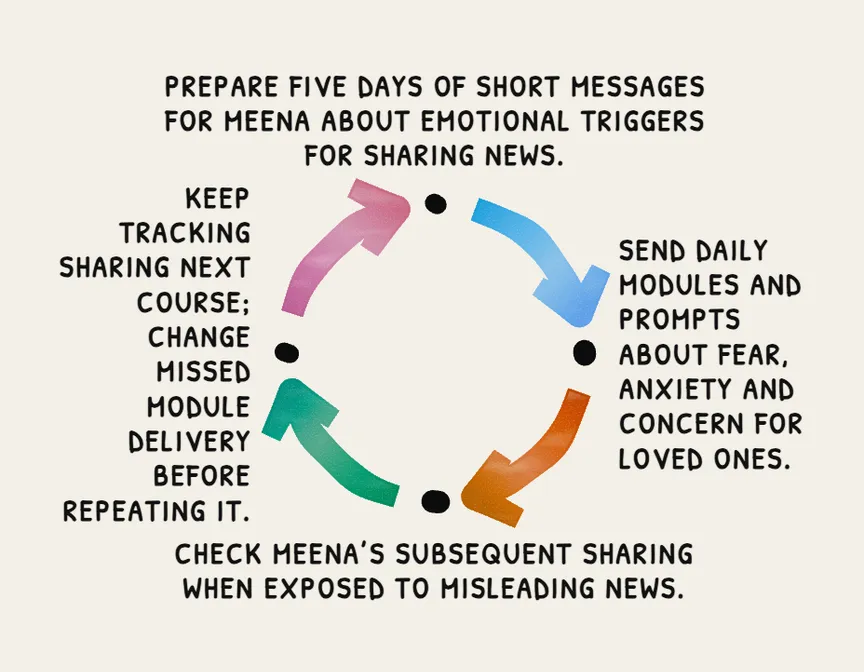
Addressing emotional drivers rather than relying solely on reasoning-based techniques directly counters the primary psychological motivations that lead people to share fake news.
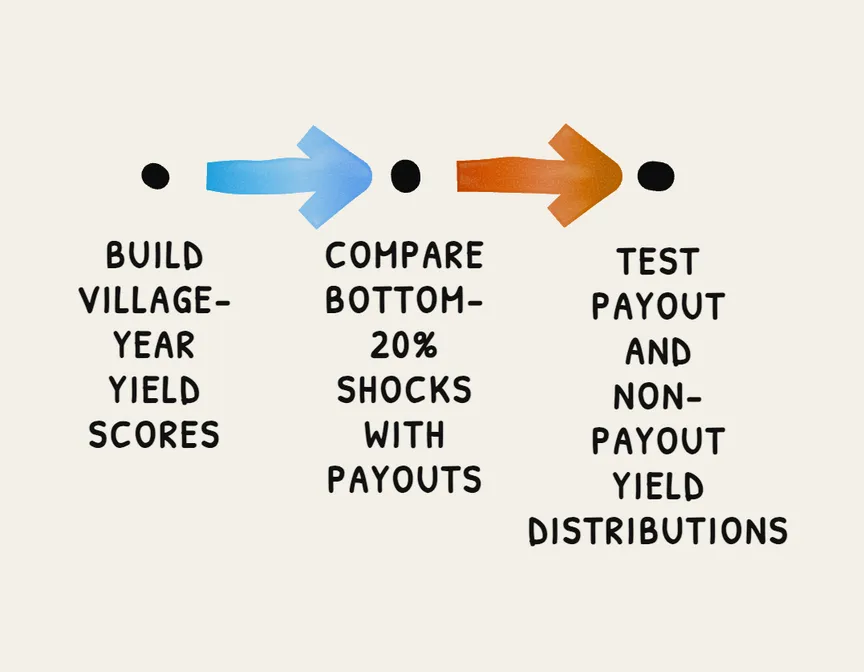
Comparing empirical yield distributions against station trigger events quantifies contract misclassification rates across payout and non-payout years.
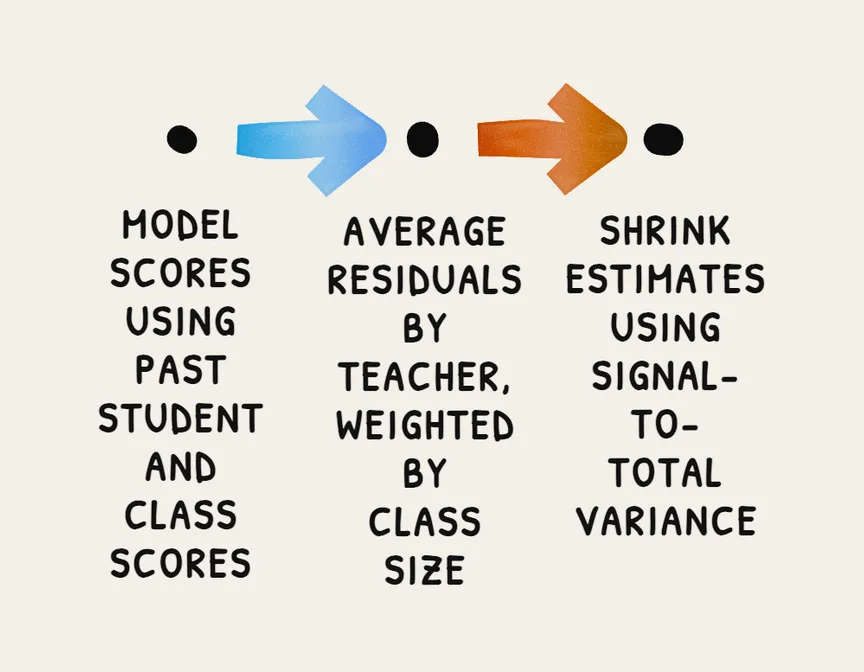
Controlling for student test score histories removes bias arising from initial student preparation and classroom assignment.
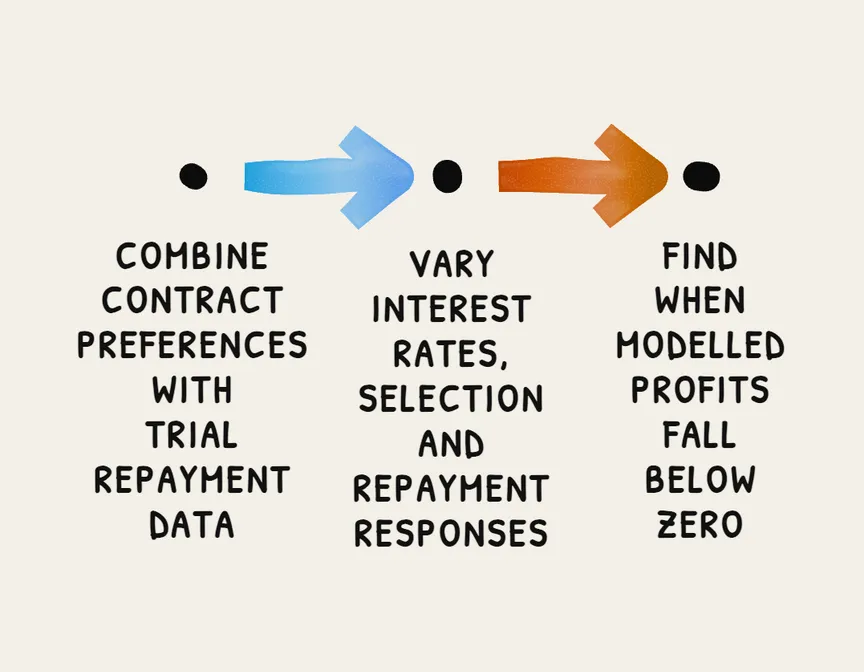
Simulating lender profits across interest rate tiers reveals how adverse selection and moral hazard interact to destroy contract viability.
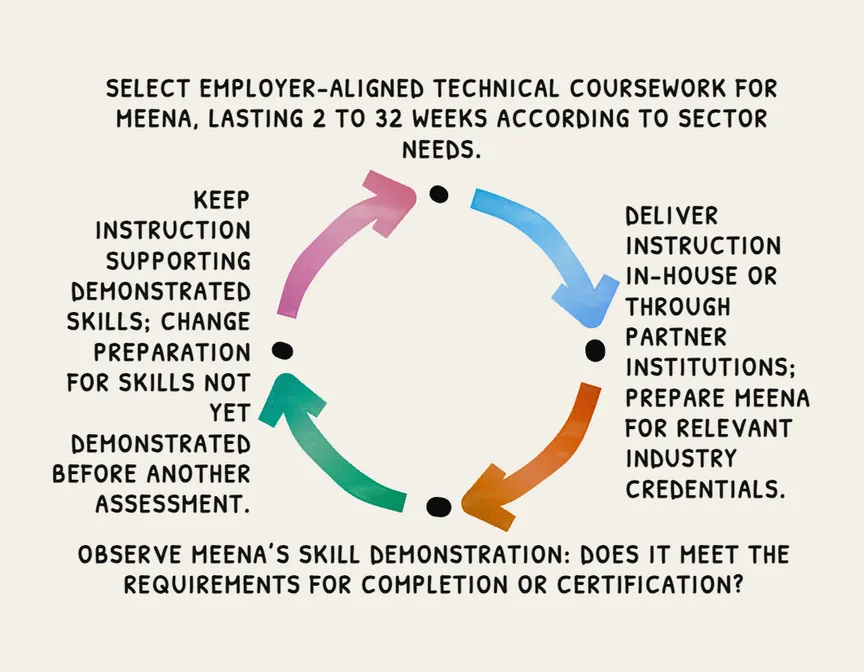
Aligning technical skills training directly with sector standards ensures participants acquire portable credentials and verifiable capabilities.
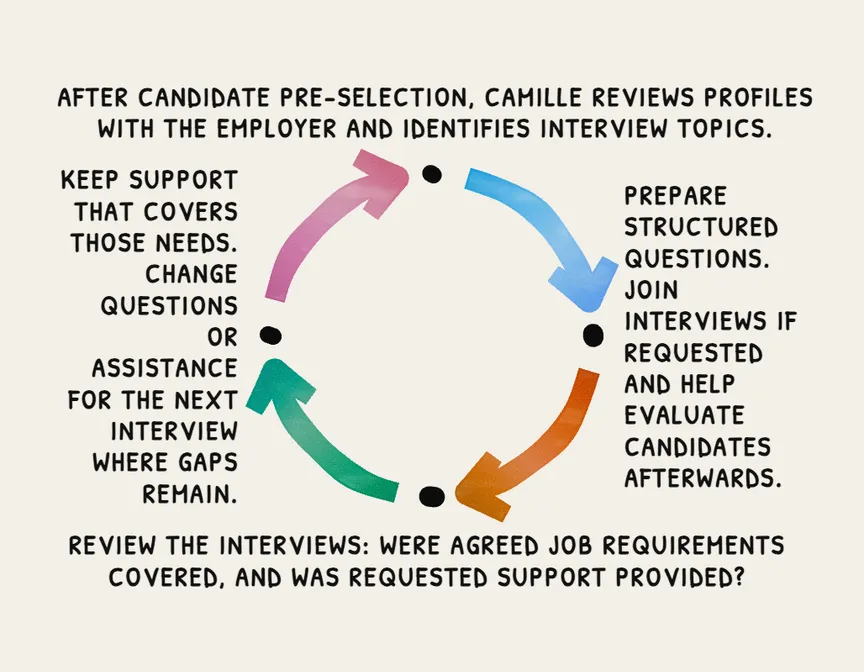
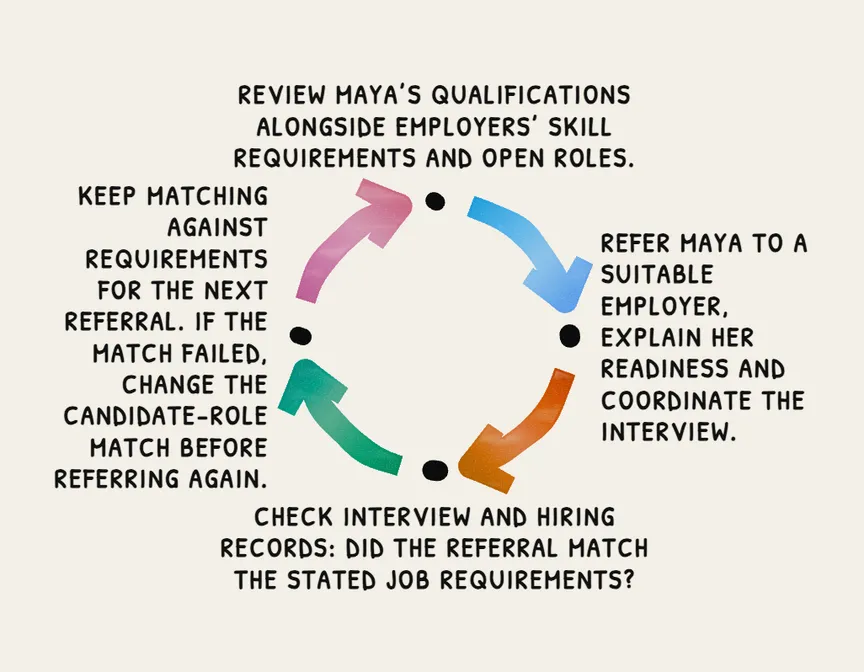
Providing expert interview assistance lowers manager evaluation effort and increases employer confidence in candidate match quality.
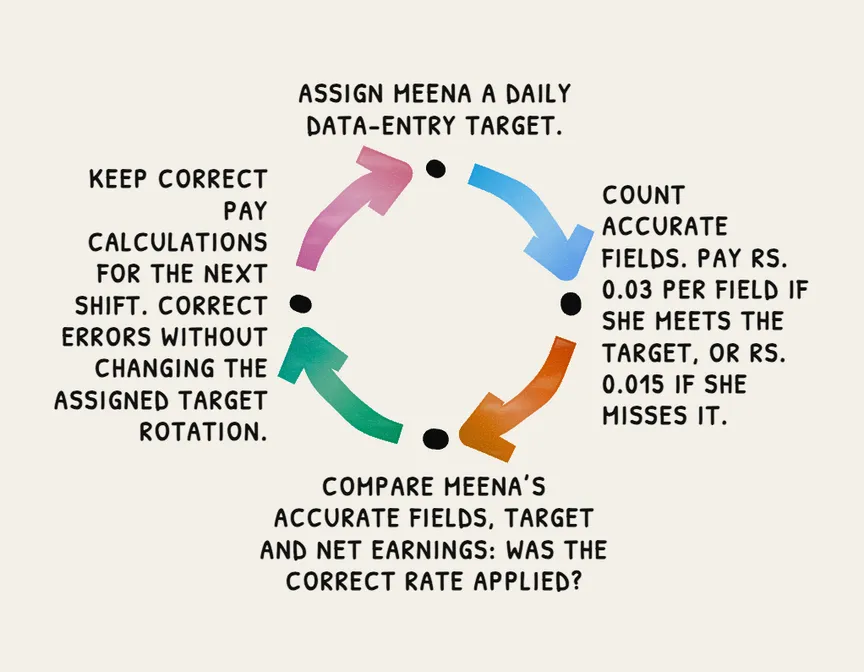
Mandatory performance targets create immediate financial consequences for low effort.
Building relationships with sector employers creates trusted hiring channels that bypass traditional application screening barriers.
Page 11 of 45
Previous
1
…
10
11
12
…
45
Next