Skip to the methods
Menu
aikyam
school
Findings
Methods
Subjects
All cards
Read
Findings
Methods
Subjects
All cards
Methods
2,124 methods
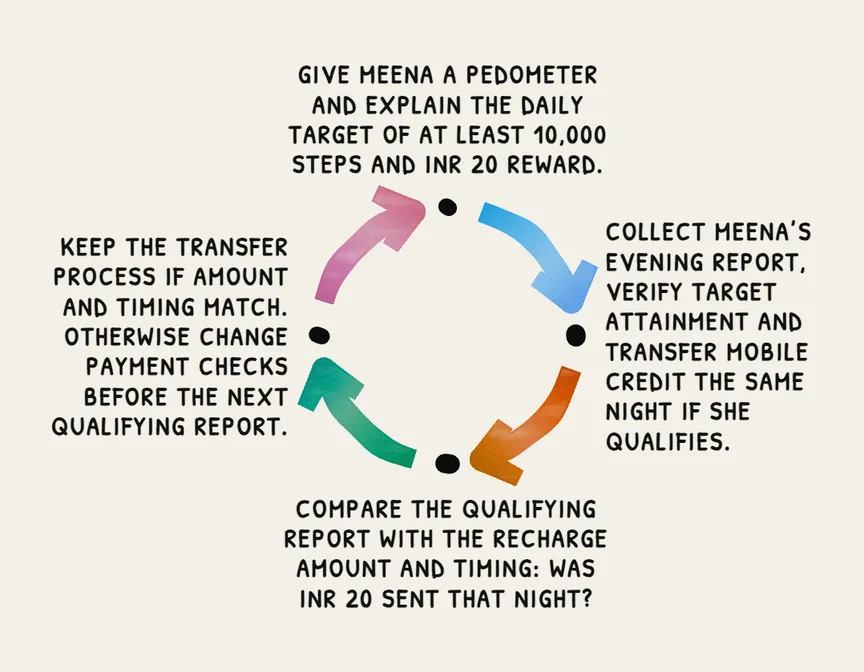
Receiving rewards on the same night reduces the temporal distance between exercise effort and financial benefit.
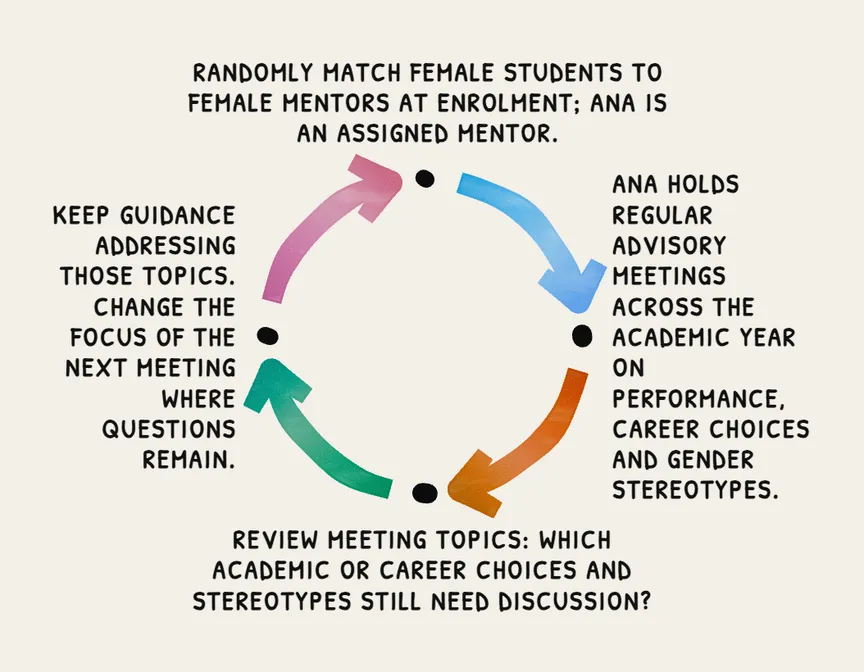
Repeated academic interactions with female professors consistently incentivize female students and shift student course preferences.
Same-gender mentors serve as achievable role models for high-achieving women entering fields where females are underrepresented.
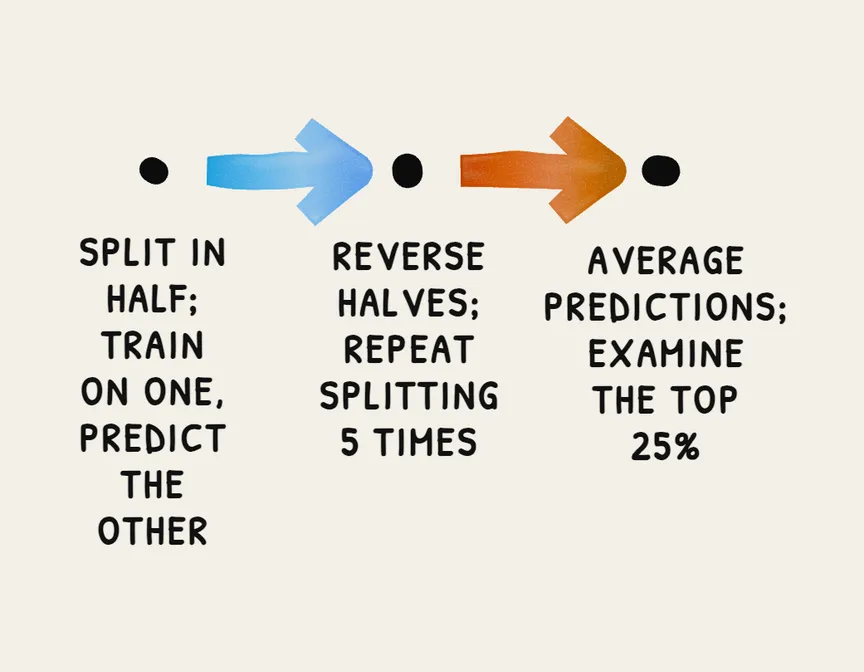
Sample splitting and cross-fitting prevent model overfitting by ensuring individual treatment predictions are generated from independent data.
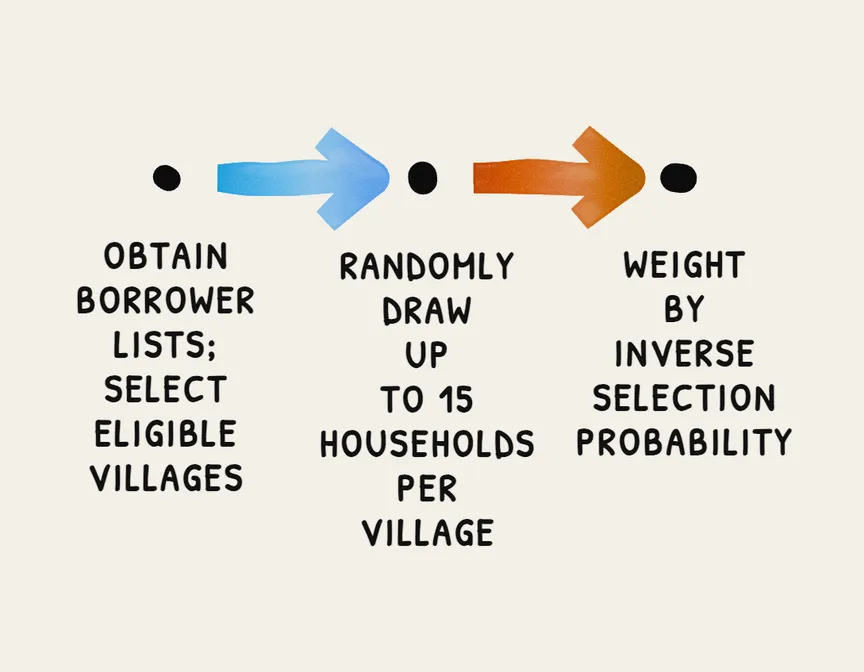
Microfinance borrower rosters provide detailed, up-to-date administrative records of low-income rural households within target communities.
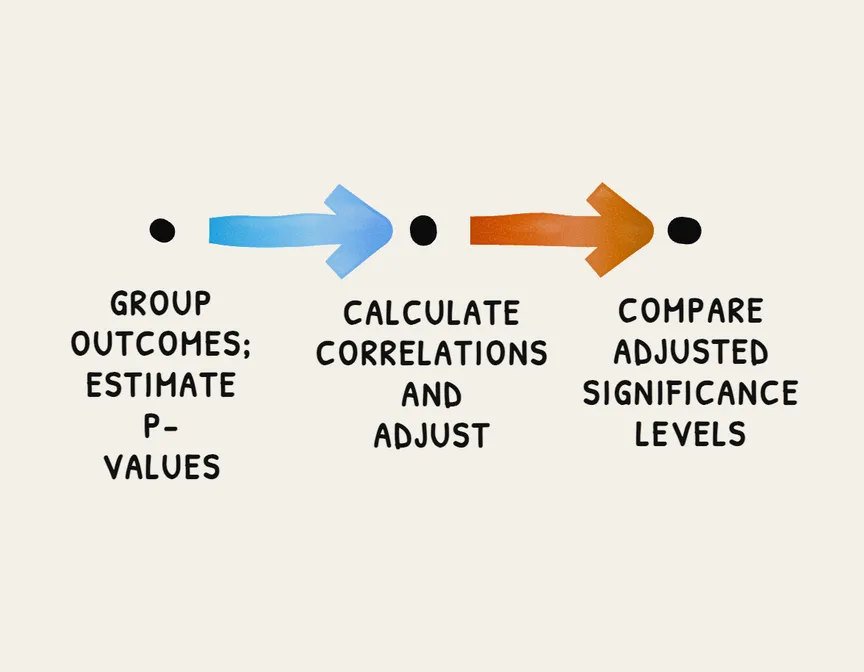
Standard Bonferroni corrections assume independent outcomes and become overly conservative when outcomes are correlated.
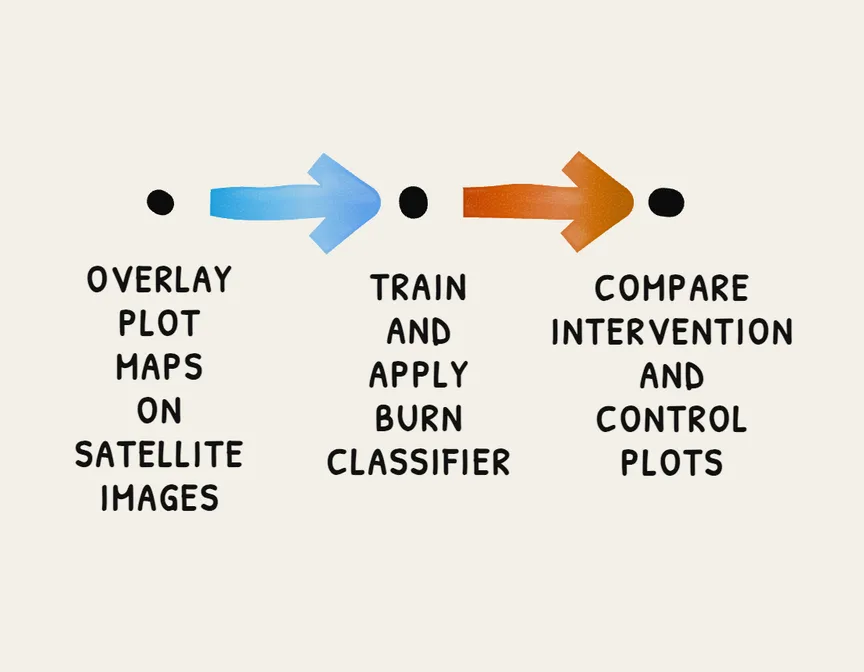
Satellite remote sensing monitors all enrolled and unenrolled fields simultaneously without relying on self-reporting.
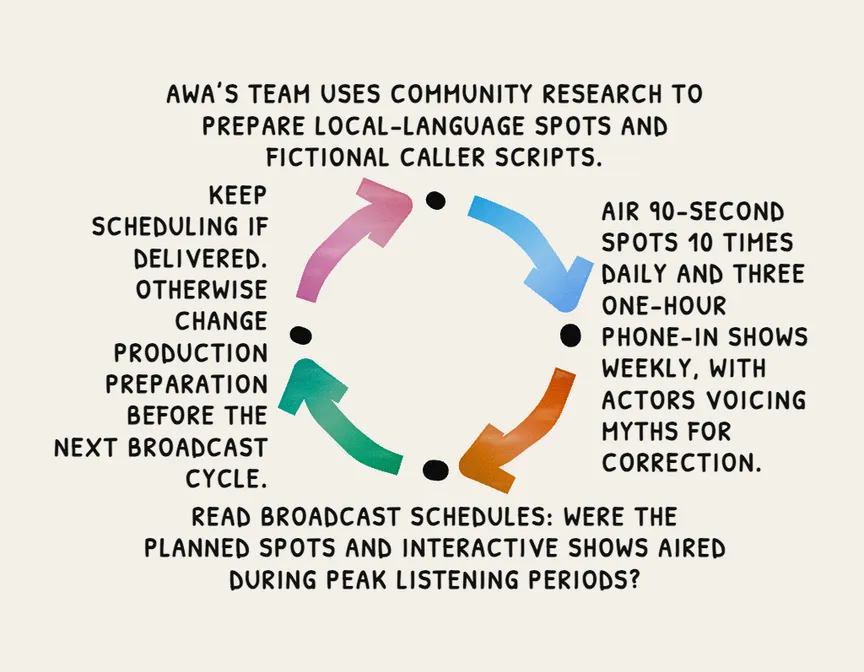
High-frequency broadcast saturation ensures constant messaging salience, while entertaining storylines make technical health facts accessible to listeners.
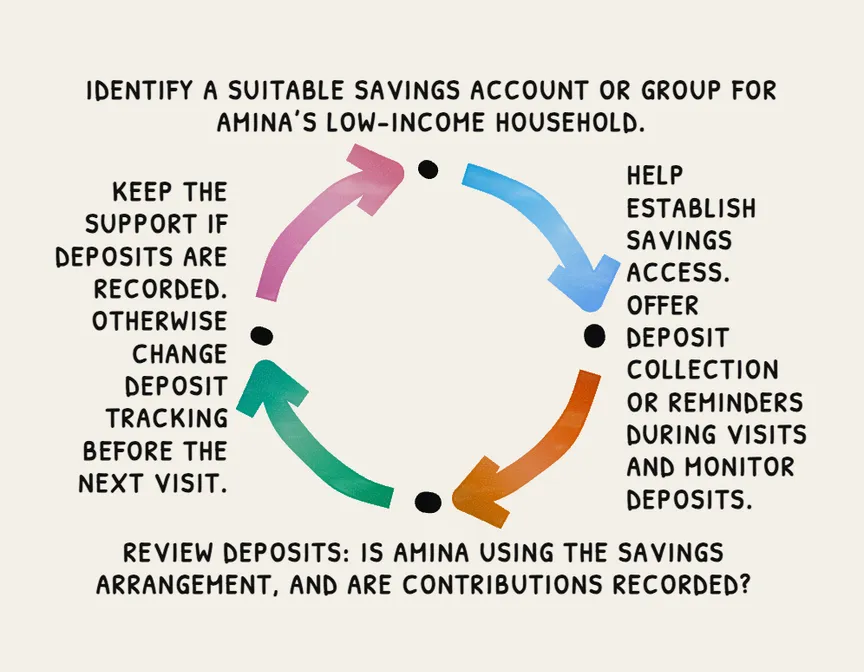
Access to secure savings tools allows ultra-poor families to accumulate financial reserves and protect earnings from unexpected shocks.
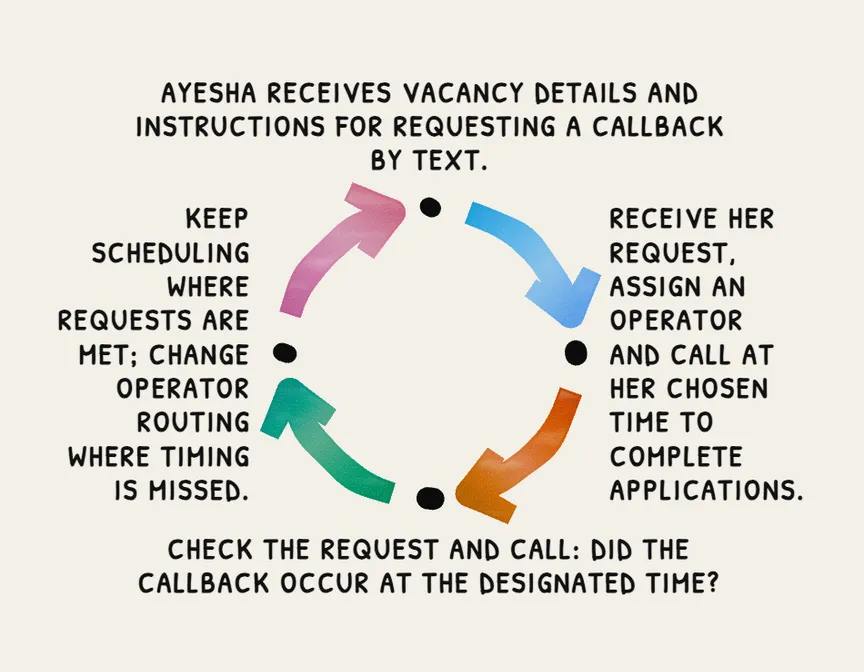
Allowing candidates to schedule a callback at a specific time eliminates waiting on hold as a potential time friction.
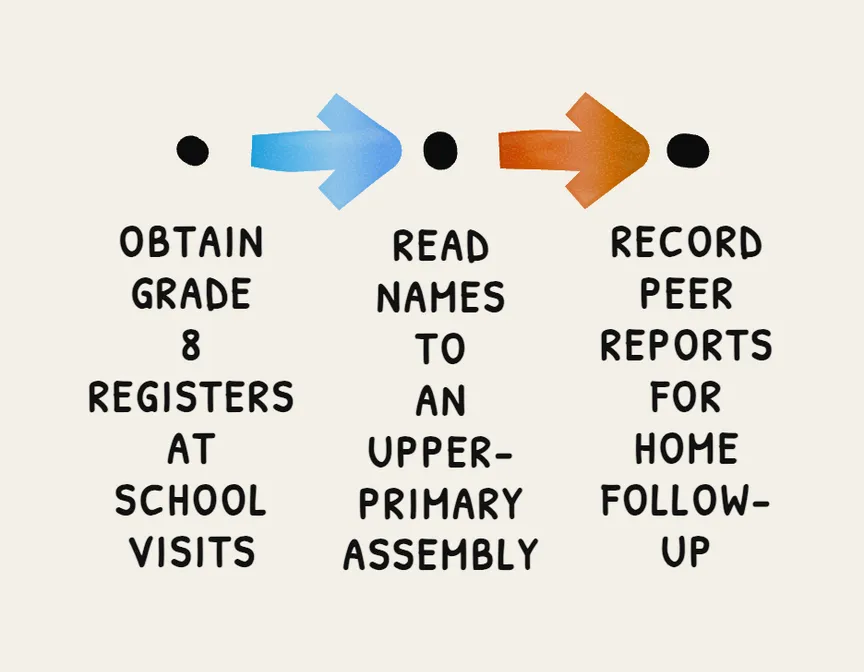
Upper-primary students maintain active social and family connections with recently departed classmates in rural communities.
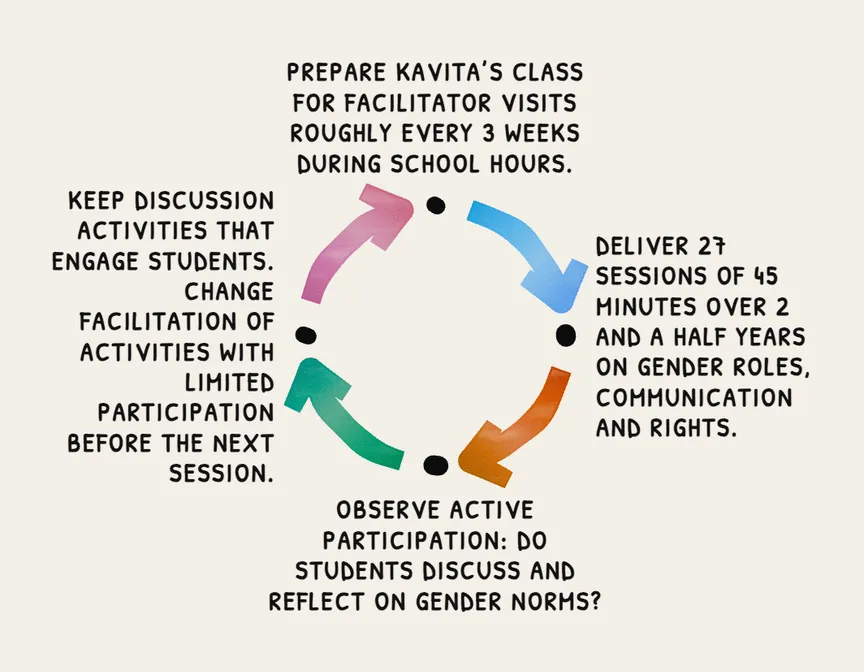
Interactive discussions encourage adolescents to reflect on and re-examine long-held cultural beliefs about gender roles.
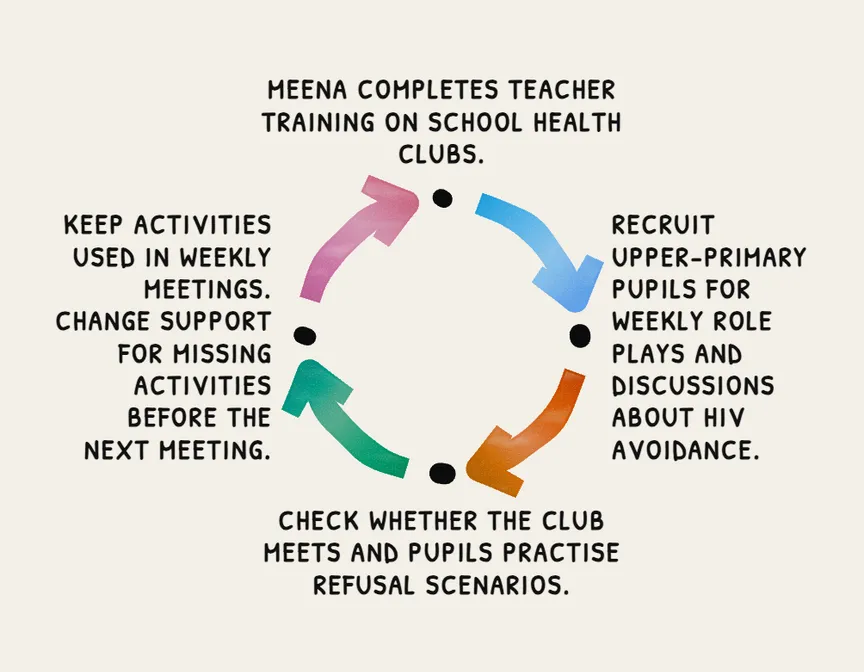
Active learning activities like role plays allow students to practice practical refusal skills in a supportive peer environment.
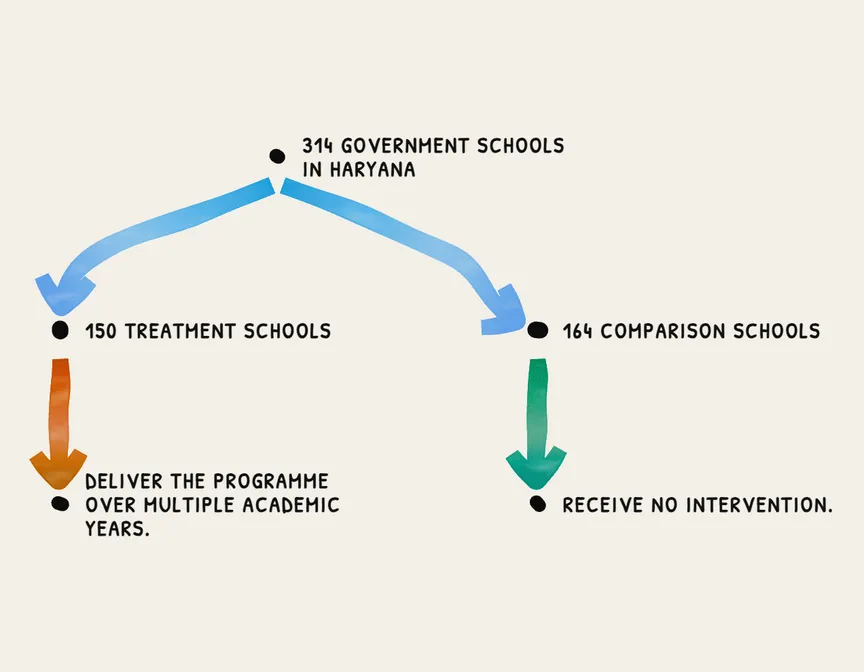
Randomizing at the school level avoids peer spillover between treated and untreated students within the same classrooms.
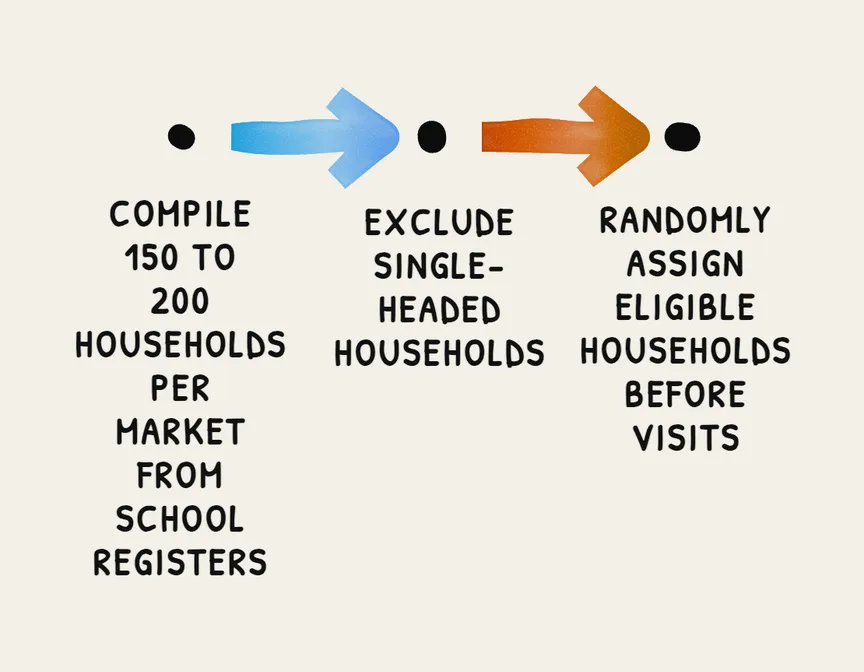
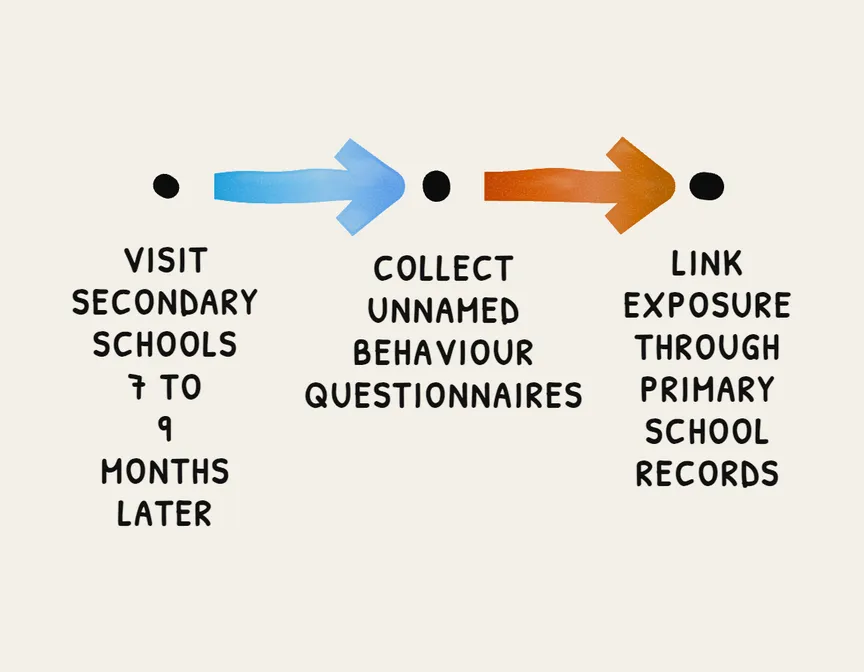
Primary school registers provide accessible, locally complete administrative records of families living within defined market catchment areas.
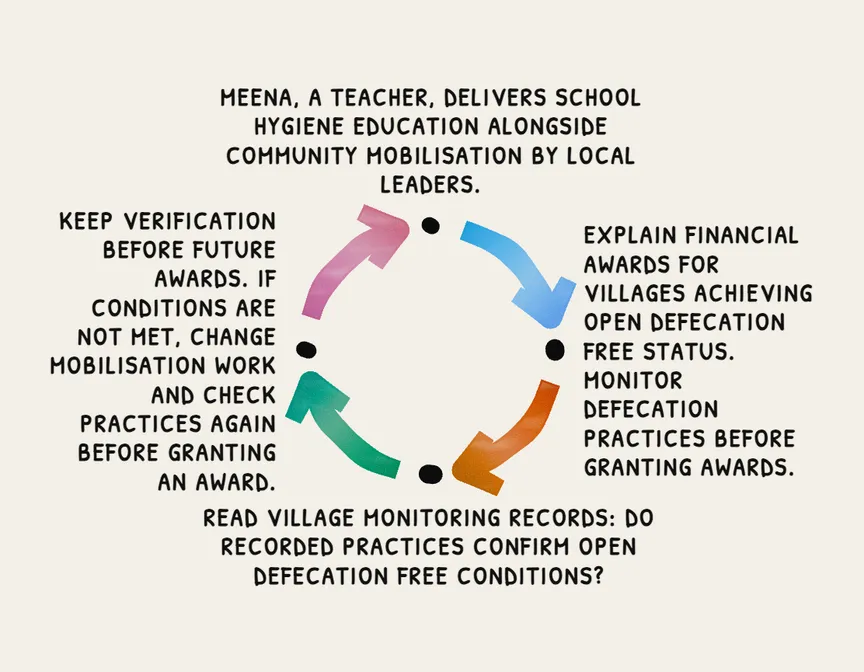
School education builds early hygiene habits among children and encourages families to shift away from open defecation.
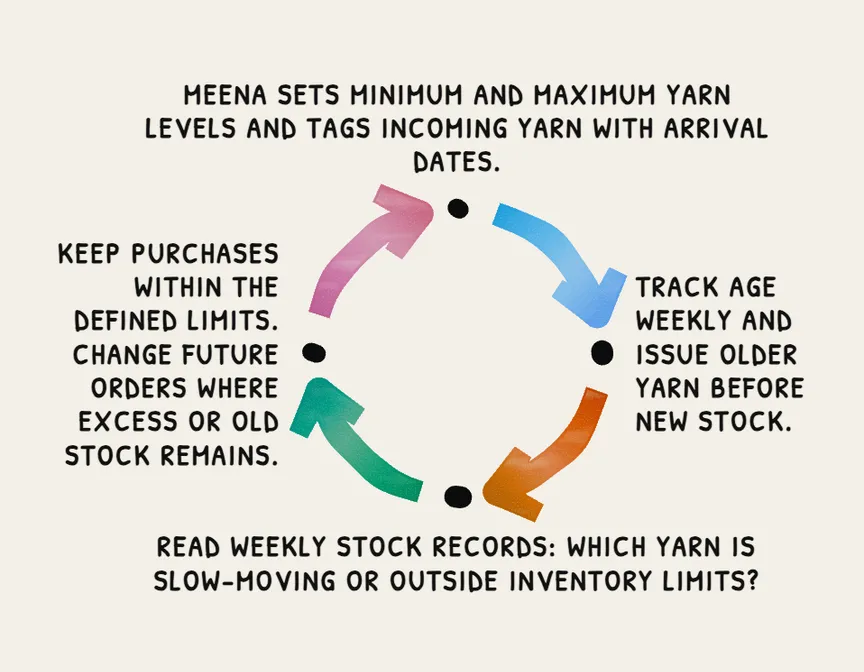
Setting scientific inventory norms prevents factory owners from over-ordering raw yarn and tying up working capital in excess stock.
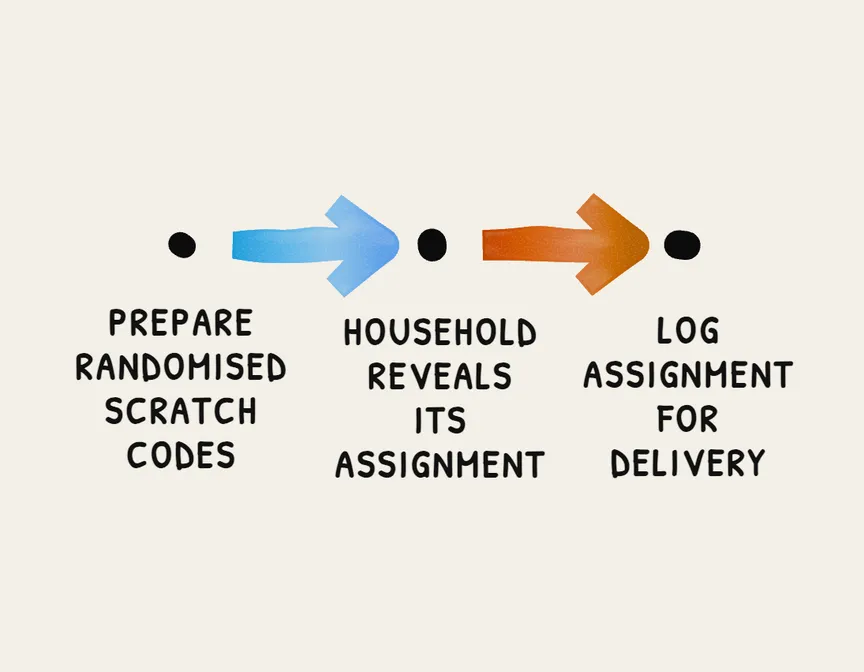
Scratch cards deliver immediate, transparent, and unalterable assignment revelation to study participants.
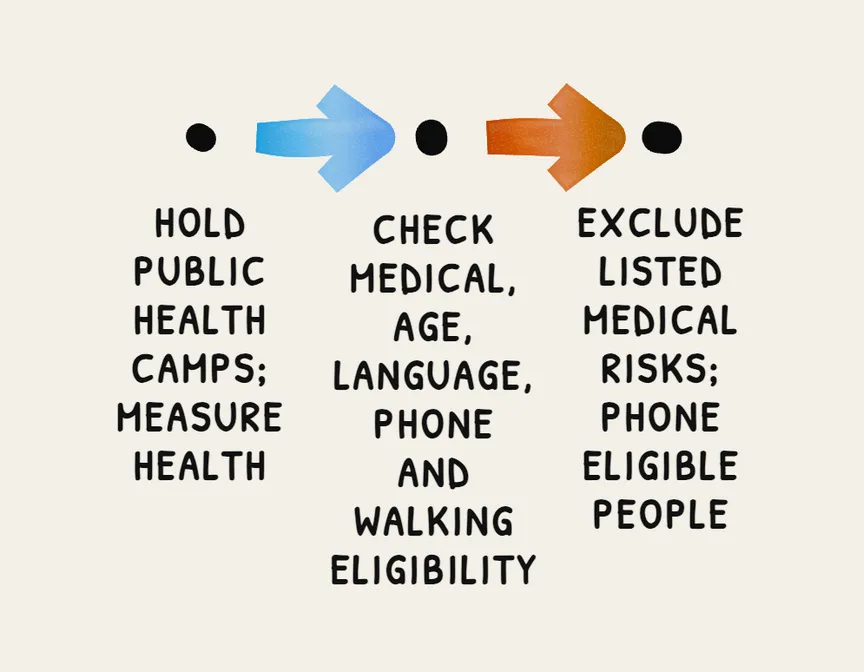
Public screening in varied community locations reaches a broad population across socioeconomic levels.
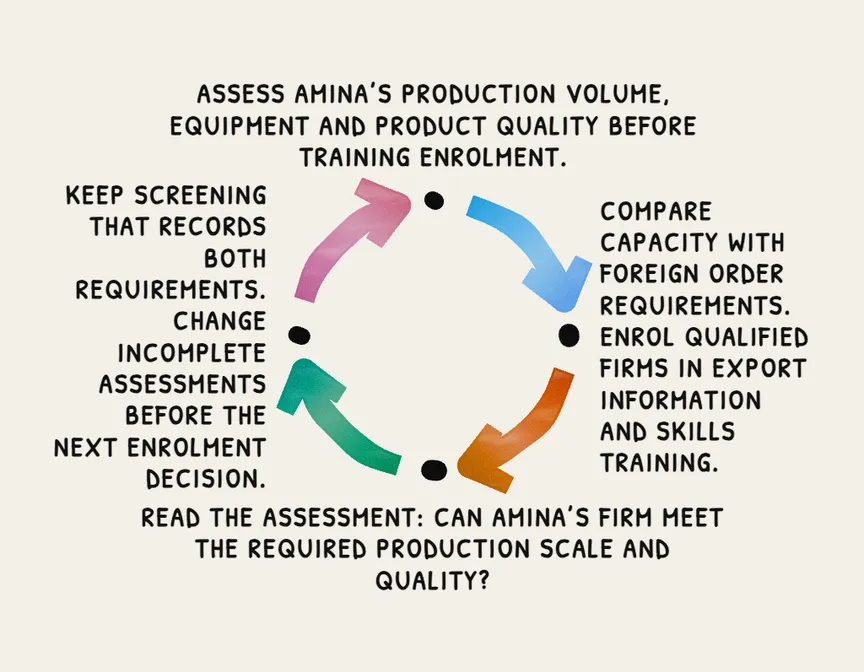
Generic export information cannot overcome fundamental supply-side constraints like insufficient factory scale or poor product quality.
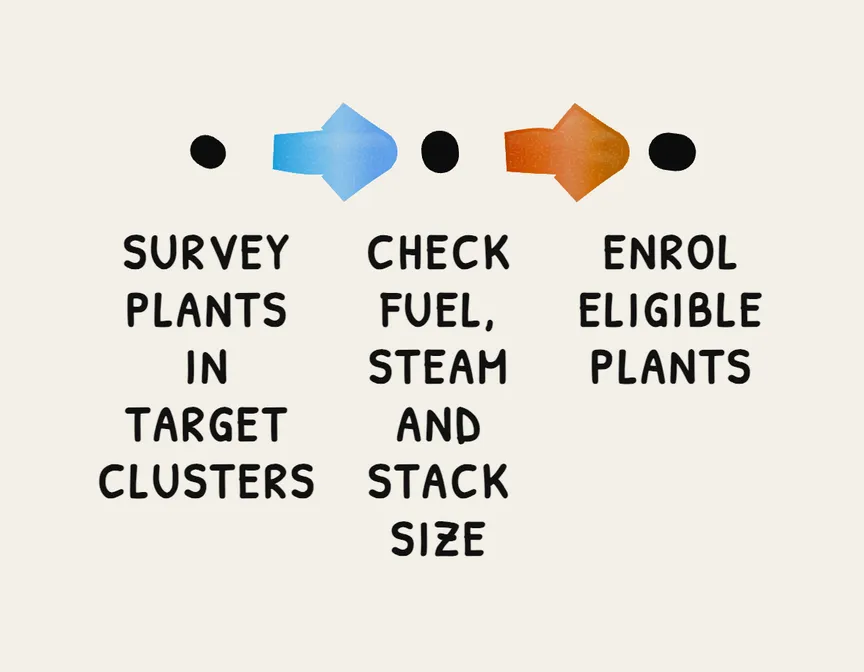
Technical screening ensures that monitored plants generate sufficient pollution volume and possess the physical infrastructure necessary for continuous hardware operation.
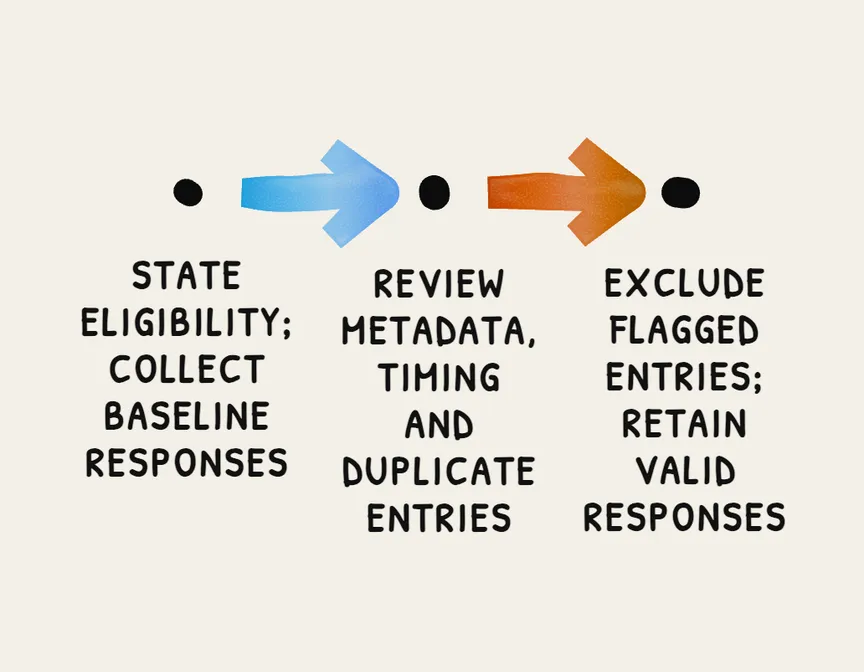
Removing duplicate entries prevents disingenuous respondents seeking repeated compensation from distorting survey metrics.
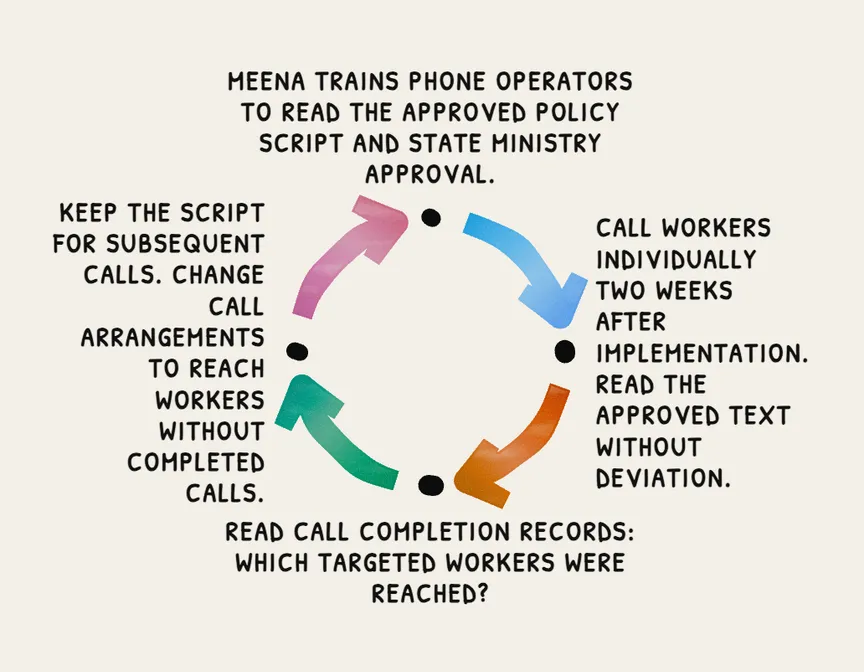
Standardized telephone disclosures ensure direct, transparent communication that overcomes organizational misperceptions.
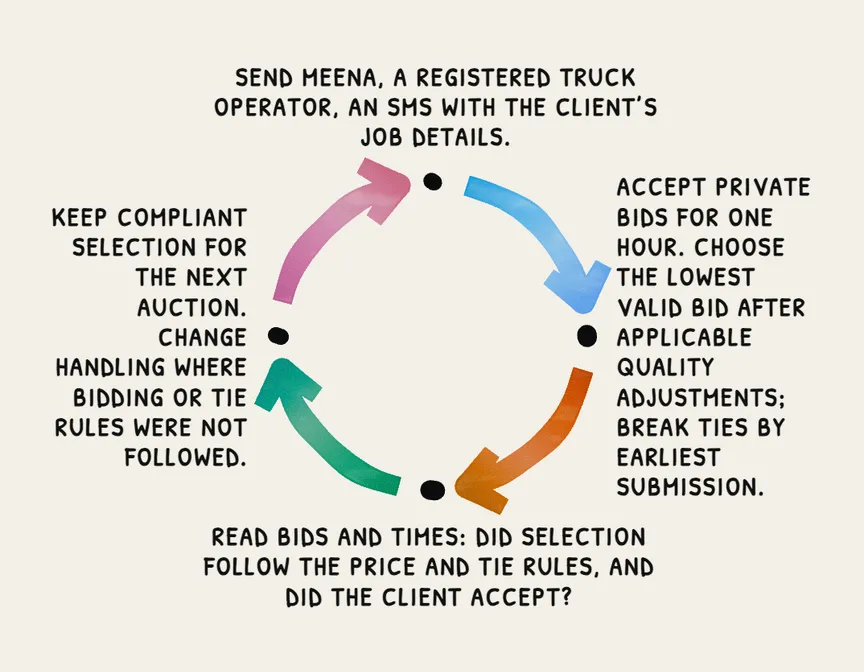
Sealed bids prevent operators from observing rival pricing during the submission window, restricting real-time price signaling and undercutting.
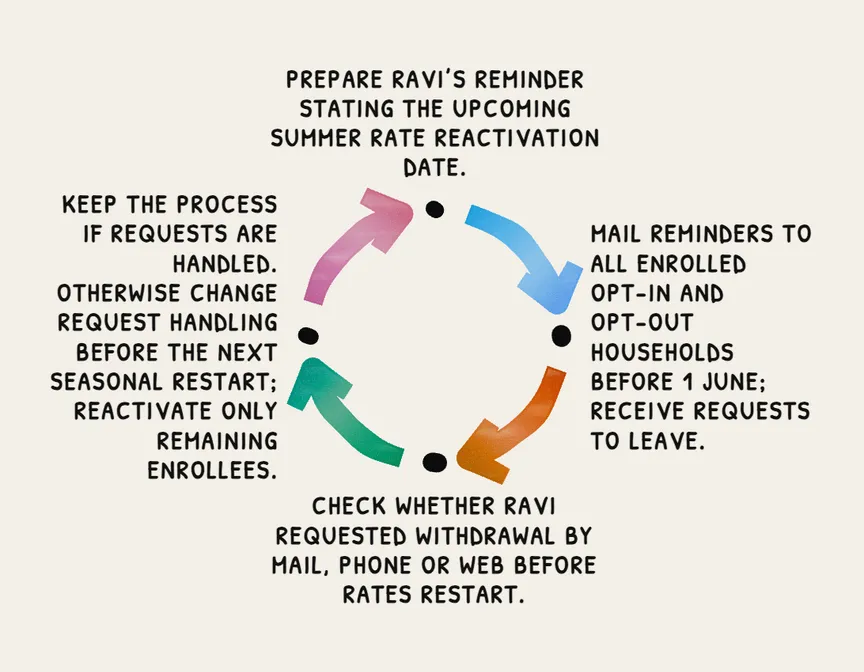
Written reminders increase program salience and prompt inattentive customers to actively evaluate their rate assignment.
Direct survey administration in structured secondary school environments captures detailed behavioral metrics like condom usage and partner selection that pregnancy tracking cannot measure.
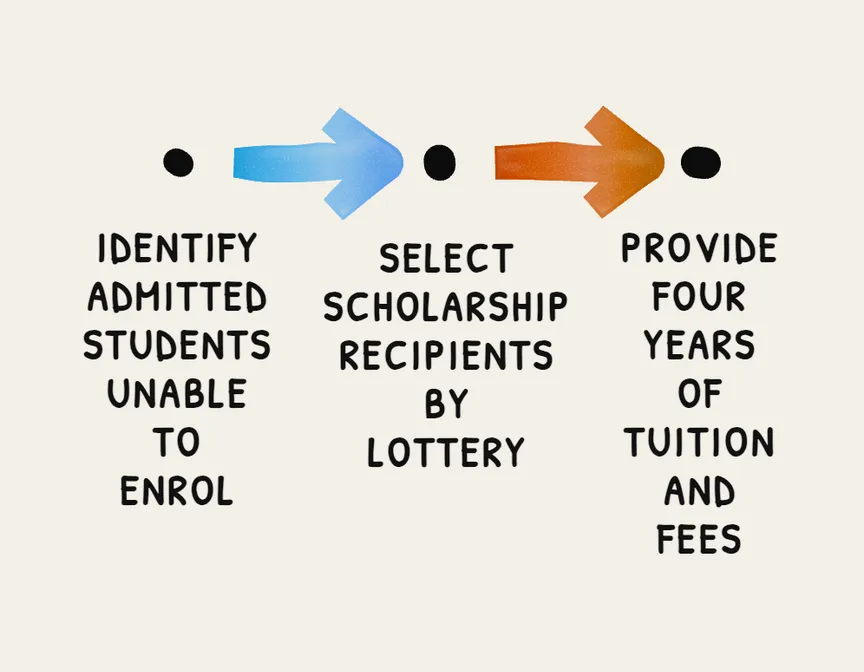
Subsidizing secondary education increases educational attainment and builds cognitive ability, which improves decision-making regarding preventive health.
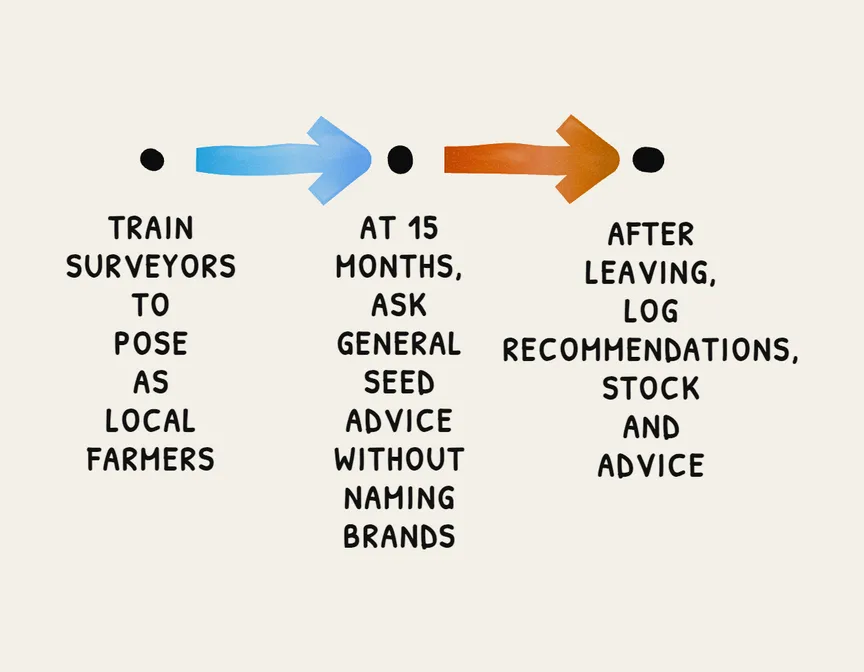
Mystery shopper audits capture true retail behavior in natural customer interactions without triggering artificial performance for observers.
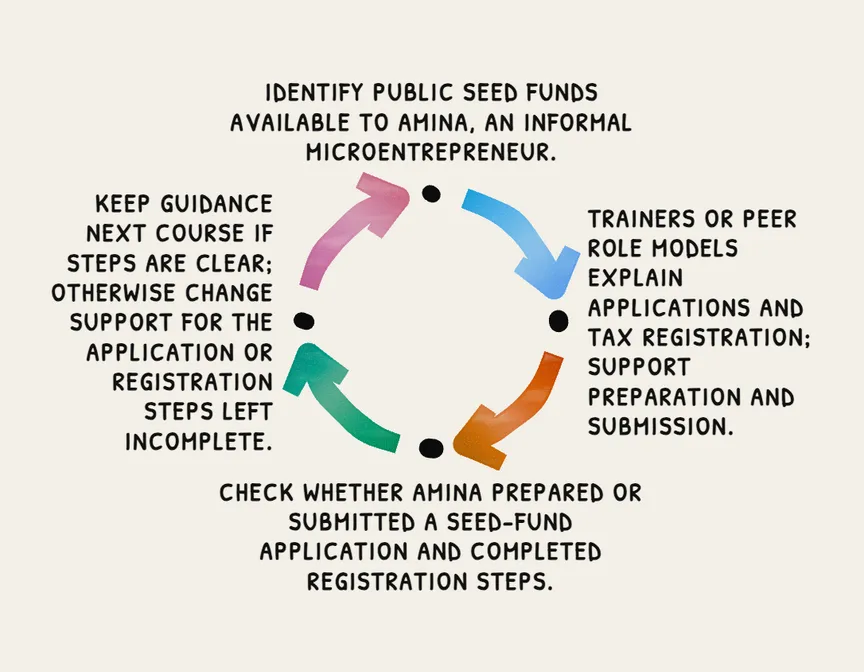
Actionable guidance from relatable peers makes microentrepreneurs more optimistic about their expansion prospects.
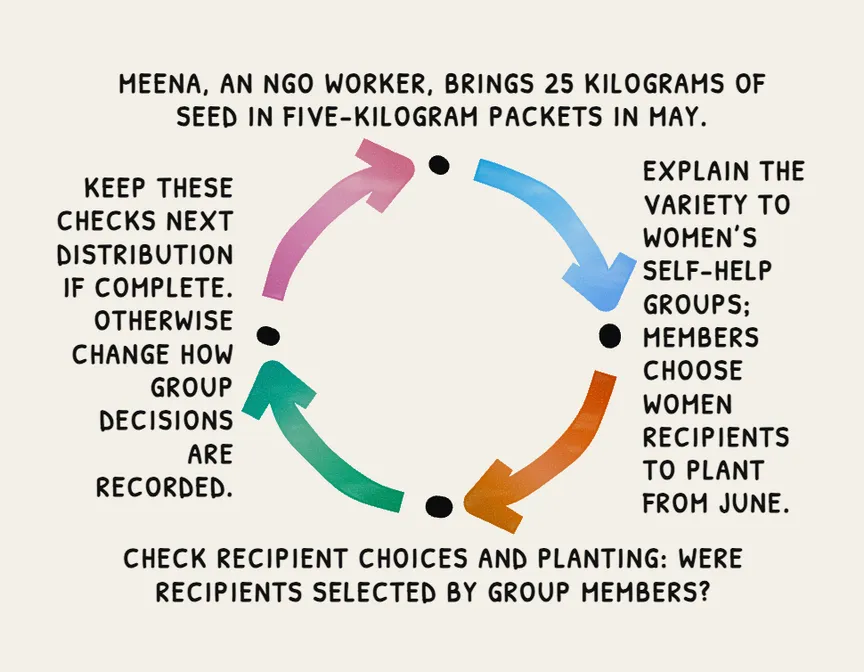
Engaging self-help groups provides women direct access to agricultural inputs and demonstration opportunities.
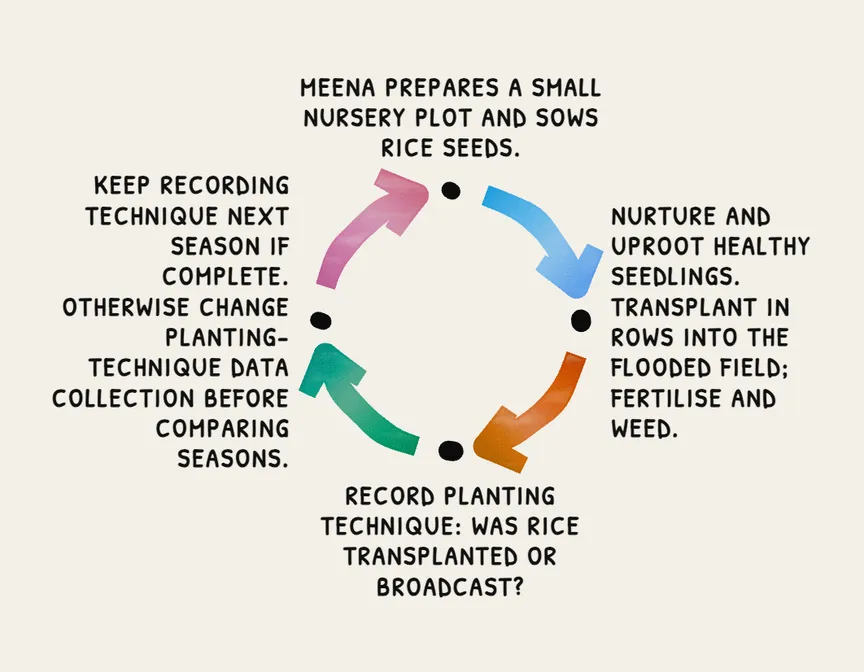
Transplanting seedlings gives young plants a stronger root system and healthier growth space compared to randomly scattered seeds.
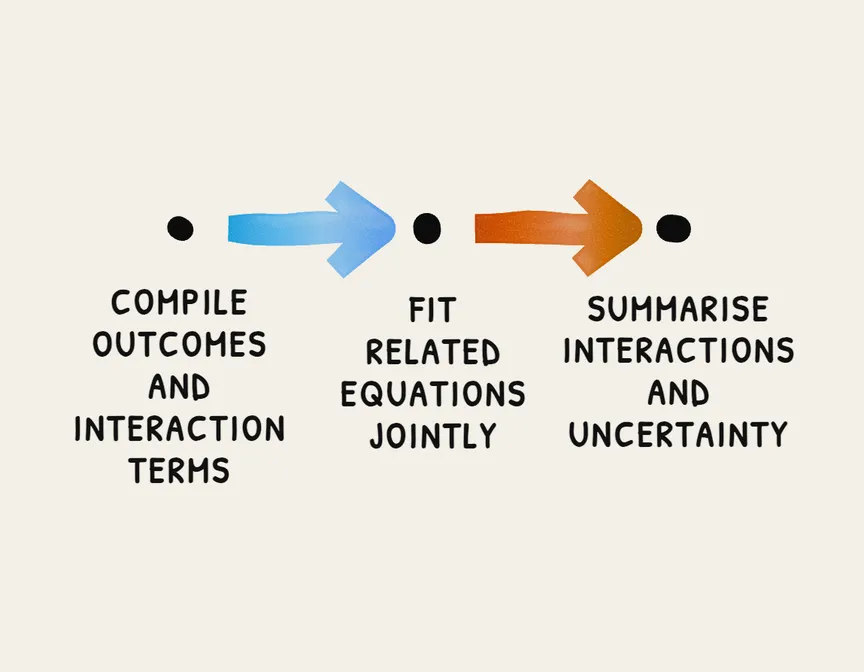
Jointly estimating a system of equations accounts for correlation in unobserved factors across related health outcomes, improving estimation precision.
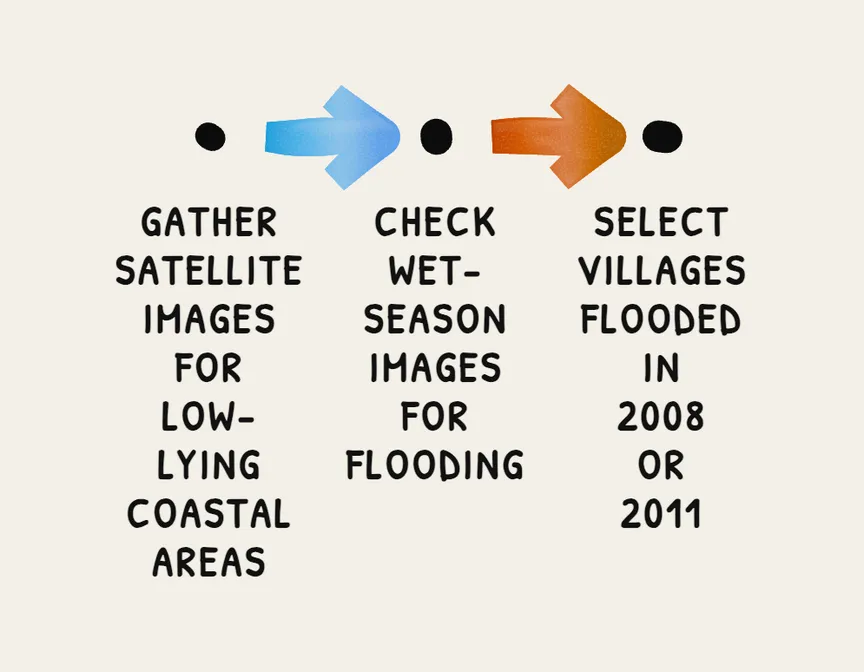
Satellite imagery provides objective spatial data on past flood events.
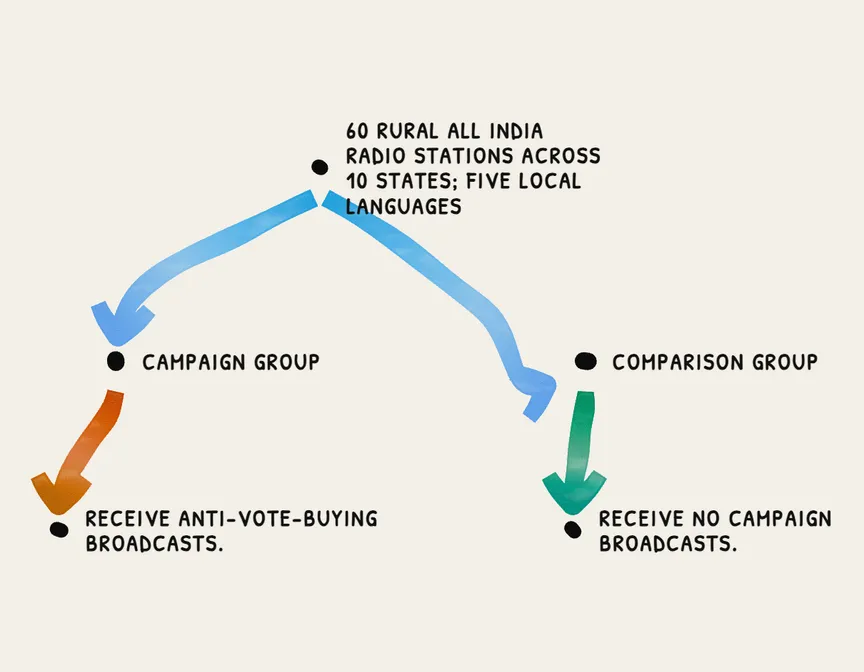
Public radio reaches rural listeners who lack access to other media and face high exposure to electoral vote-buying.
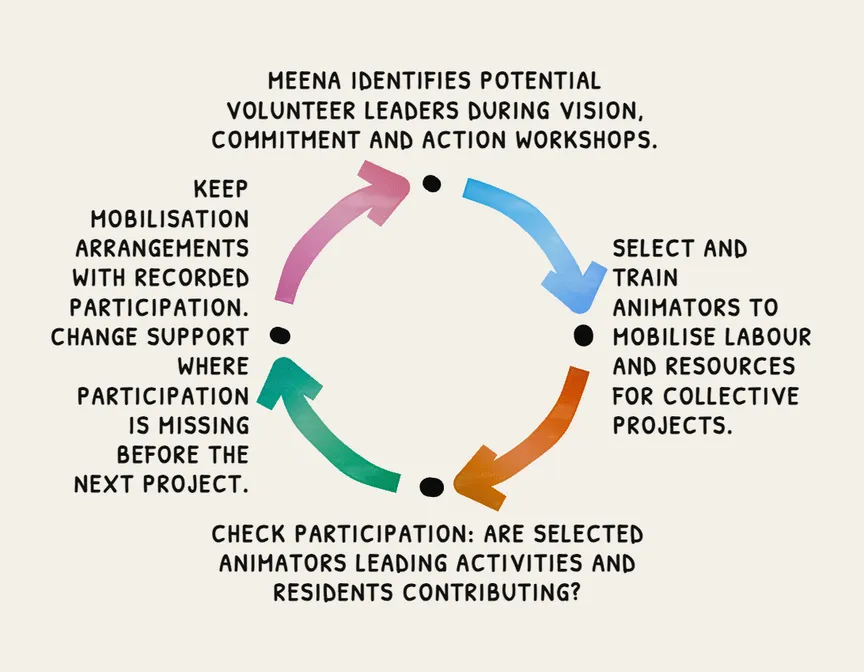
Training local animators decentralizes leadership responsibilities to trusted community volunteers.
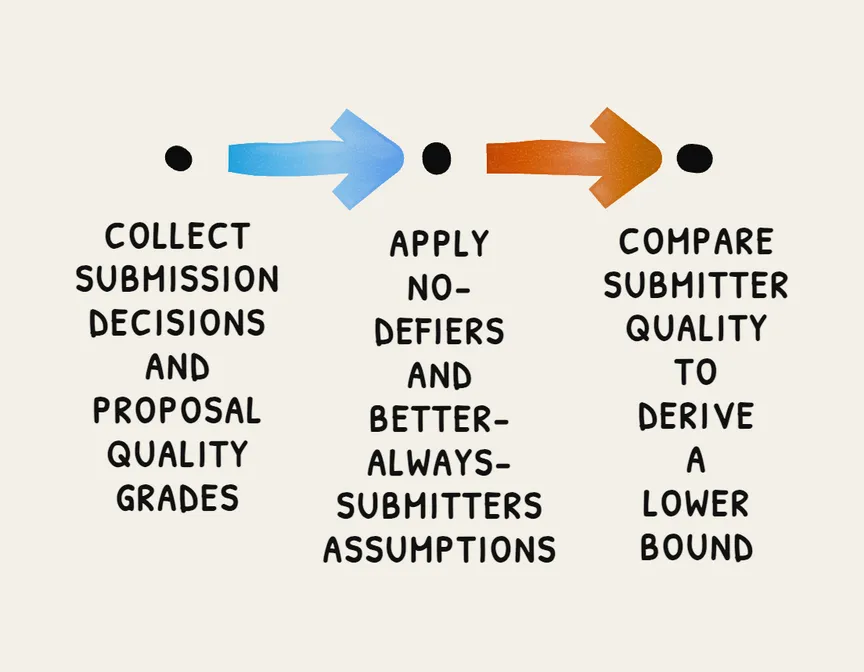
When always-submitters have stronger baseline ability than conditional submitters, selective entry into submission can only pull down average treated scores.
Answering self-administered questions makes sexual health risks top of mind and encourages girls to reflect on personal behavior.
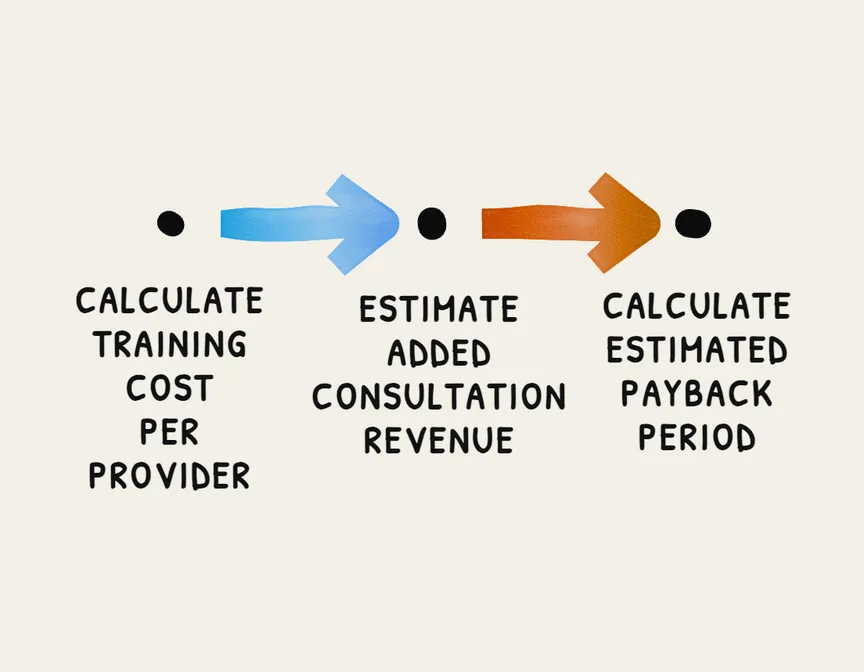
Improved clinical performance attracts more patients through word of mouth and increased trust.
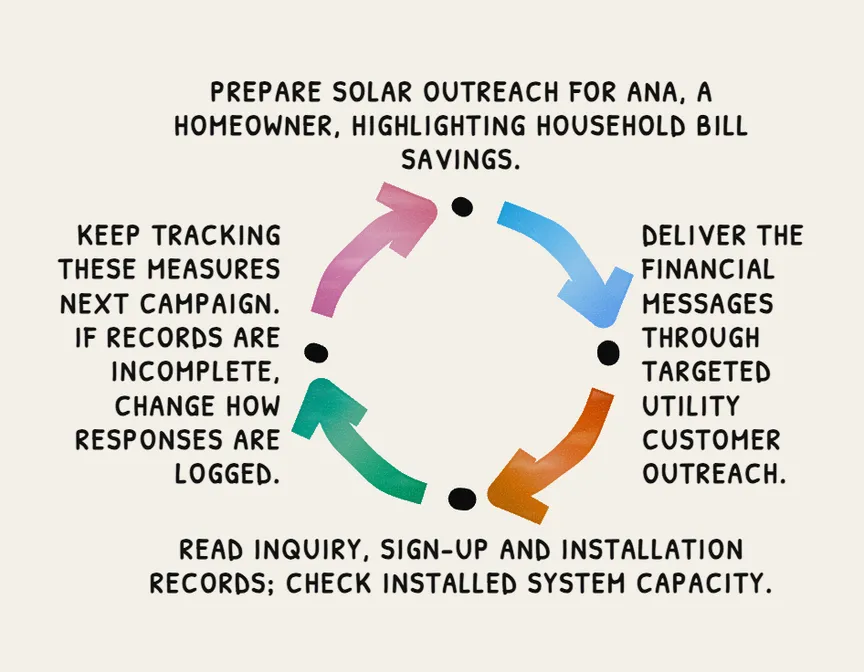
Appealing directly to household finances aligns with personal economic motivations.
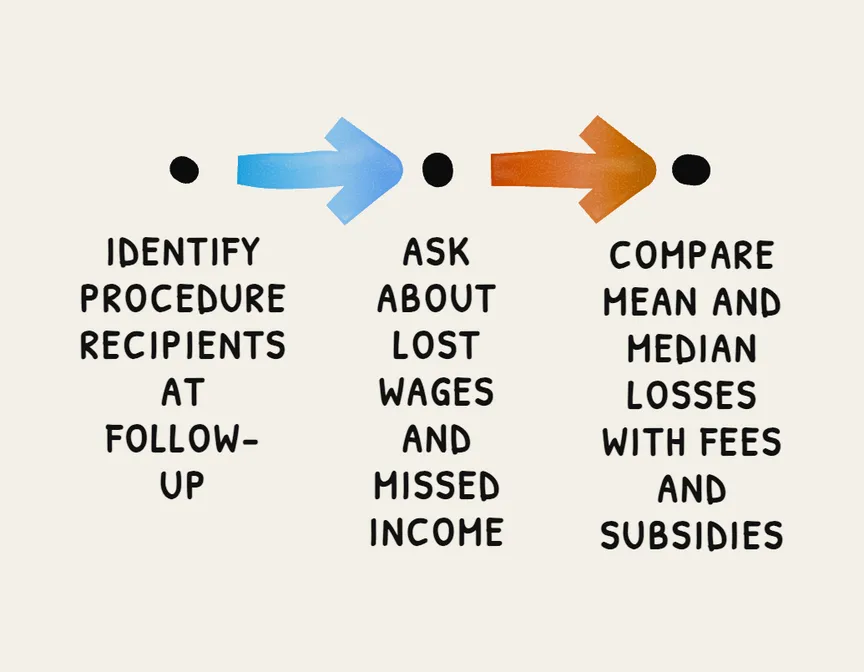
Eliciting self-reported lost earnings directly from service recipients captures non-fee financial losses that administrative clinic price tags omit.
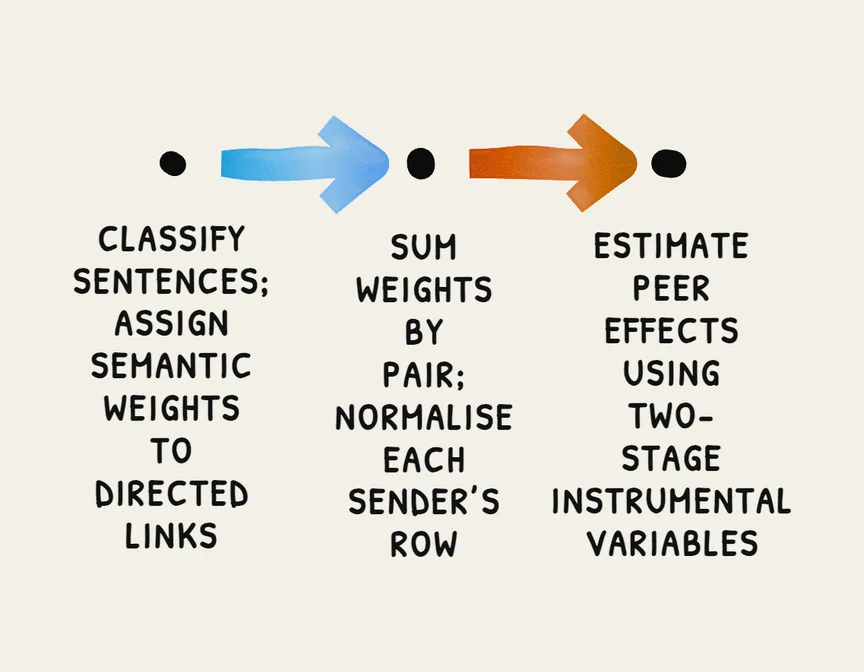
Projecting network links onto specific semantic themes reveals whether peer influence operates through analytical business advice or emotional support.
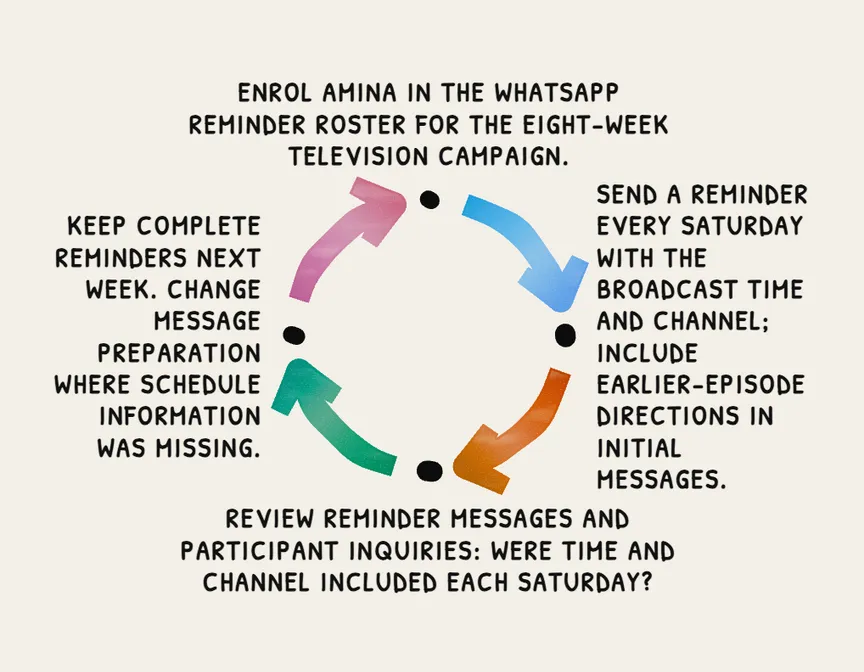
Direct mobile notifications lower information barriers regarding broadcast times and channels in crowded media environments.
More established senior workers living in the same hostels share similar background experiences and linguistic skills, making them accessible and relatable peer leaders.
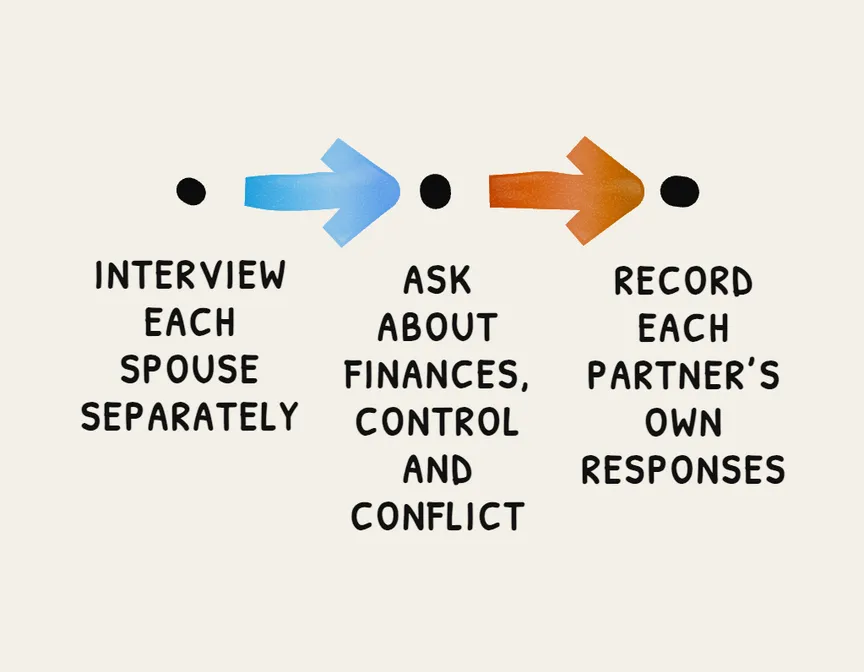
Private separate interviews prevent spouses from monitoring or influencing each other's answers about financial control and marital disputes.
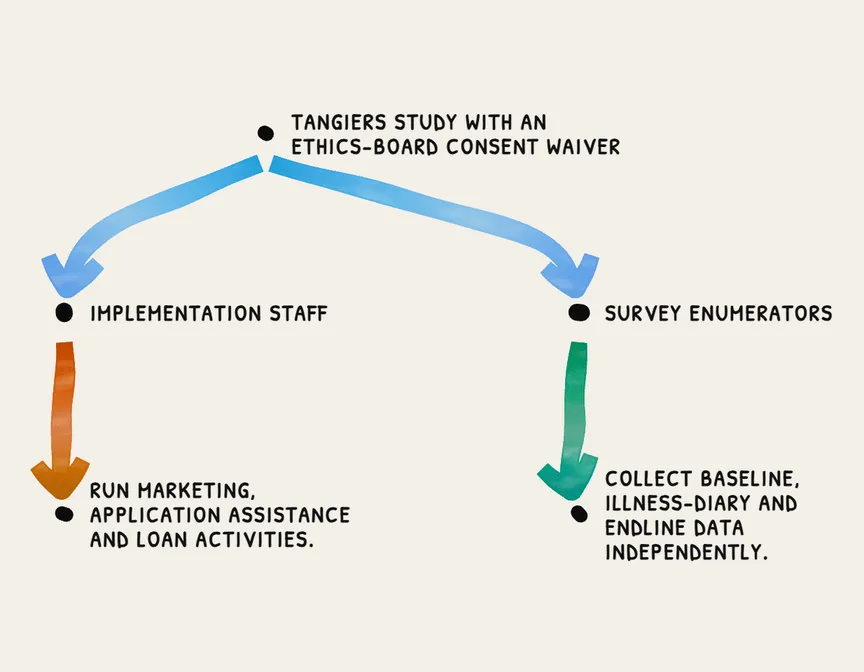
Keeping survey enumerators completely independent prevents participants from modifying their survey answers to please program deliverers or secure utility benefits.
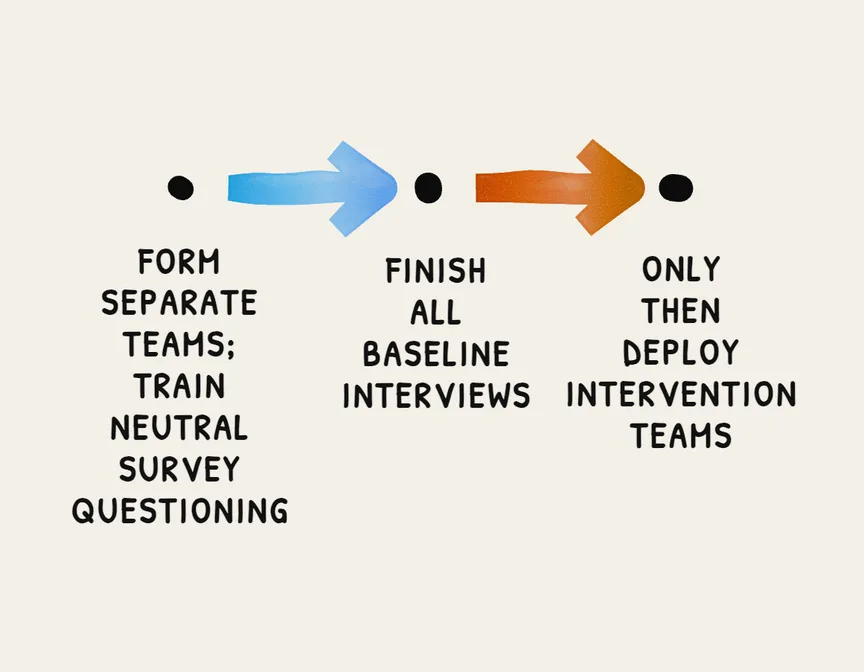
Physical separation and strict temporal sequencing prevent enumerators from influencing baseline responses.
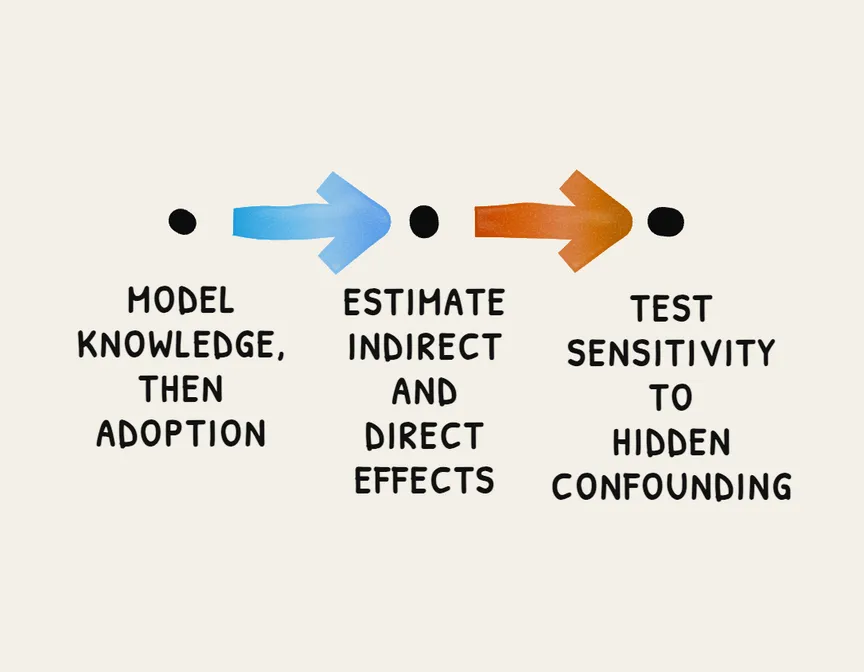
Sequential ignorability allows evaluators to isolate the precise percentage of technology uptake driven by intermediate knowledge gains.
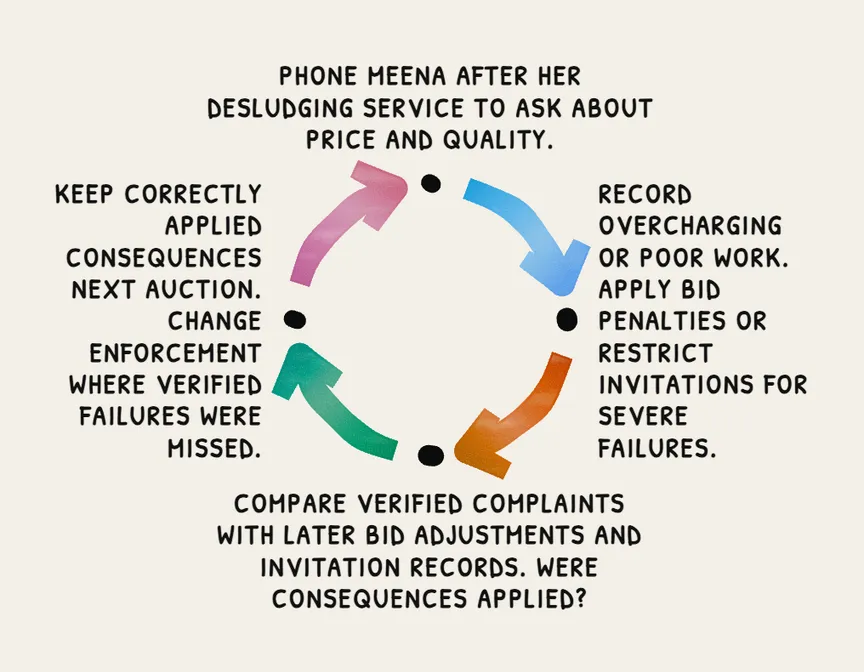
Linking client feedback to bid penalties and participation restrictions penalizes non-compliant operators in subsequent bidding rounds.
Page 35 of 45
Previous
1
…
34
35
36
…
45
Next