Skip to the methods
Menu
aikyam
school
Findings
Methods
Subjects
All cards
Read
Findings
Methods
Subjects
All cards
Methods
2,124 methods
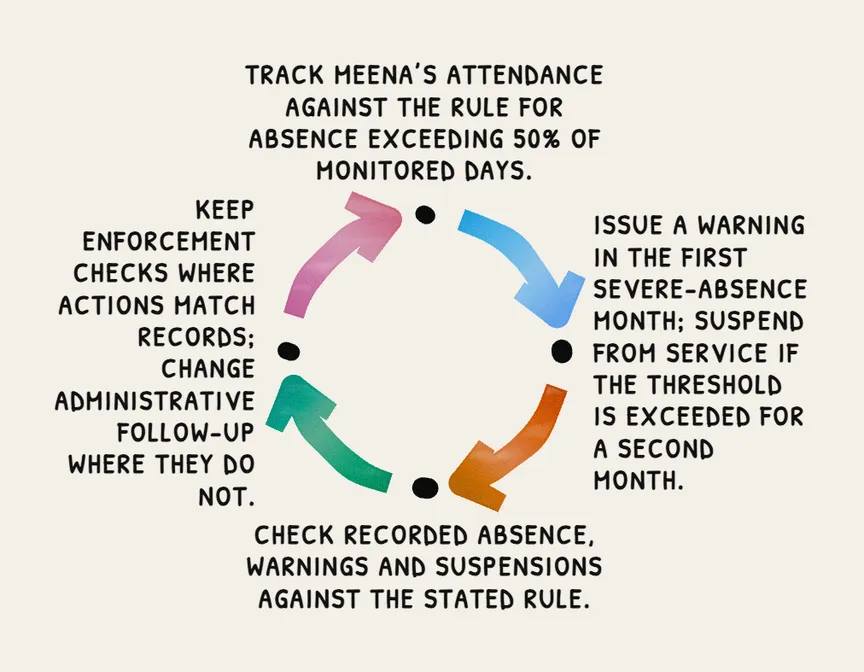
Threatening employment status creates a strong deterrent against chronic absenteeism by raising the personal cost of missing work beyond simple wage loss.
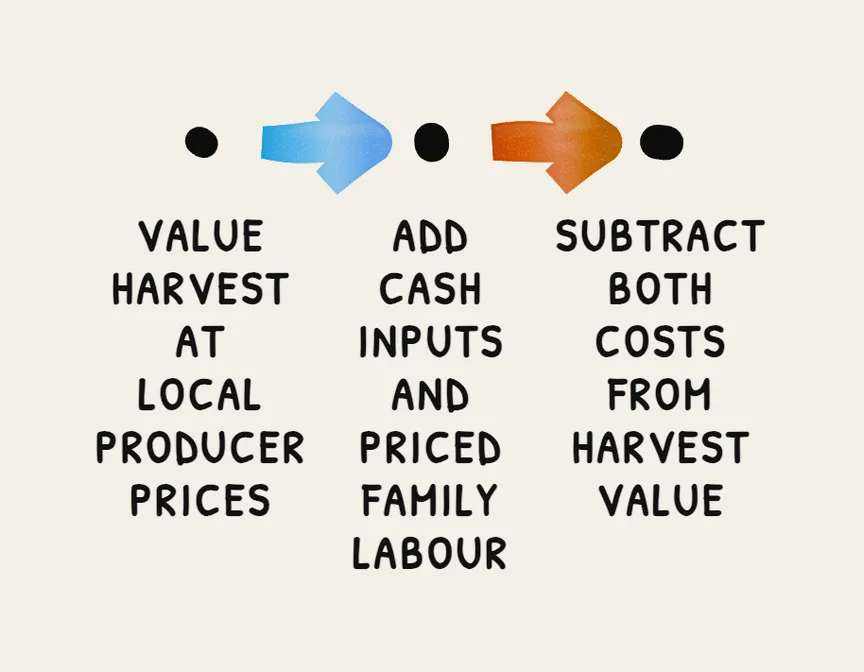
Valuing unpaid family labor prevents artificial inflation of smallholder farm returns by converting unpriced household labor into standard economic input costs.
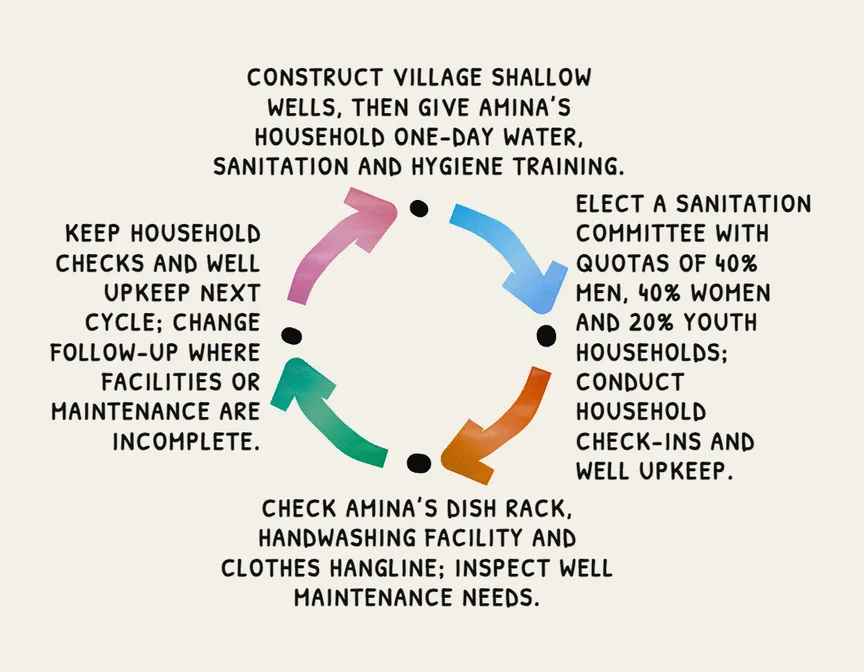
Combining physical water infrastructure with group hygiene training ensures both immediate access to clean water and long-term community adoption of sanitary habits.
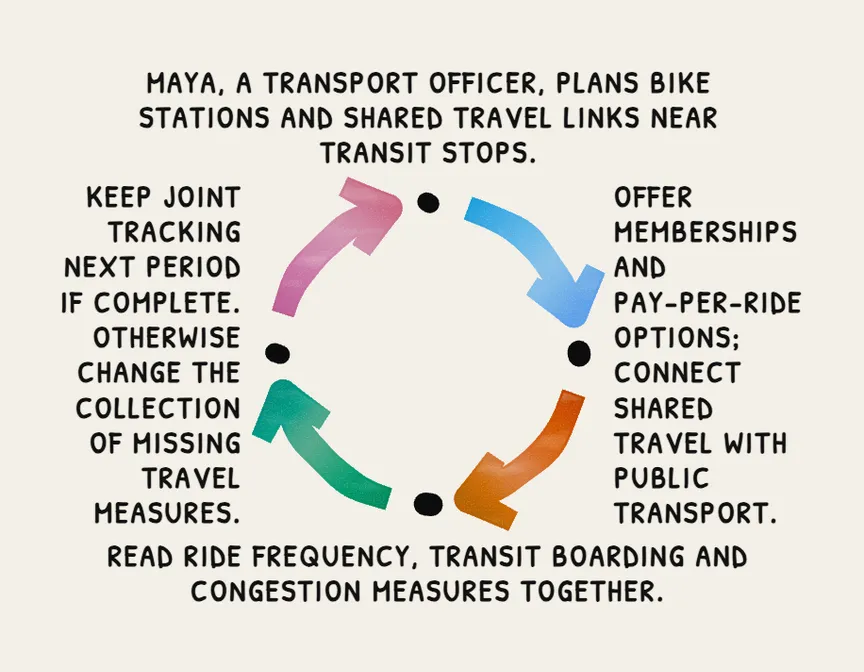
Expanding bikeshare infrastructure provides convenient short-distance transportation that reduces automobile travel and eases roadway congestion.
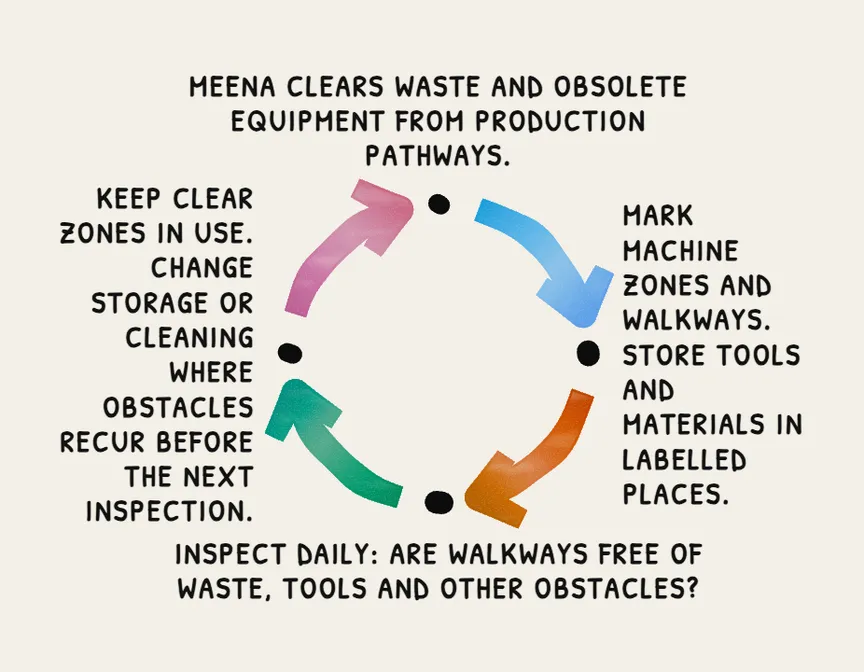
Keeping the factory floor clean and tidy reduces accidents like tools falling into machines or factory fires while facilitating the movement of workers and materials.
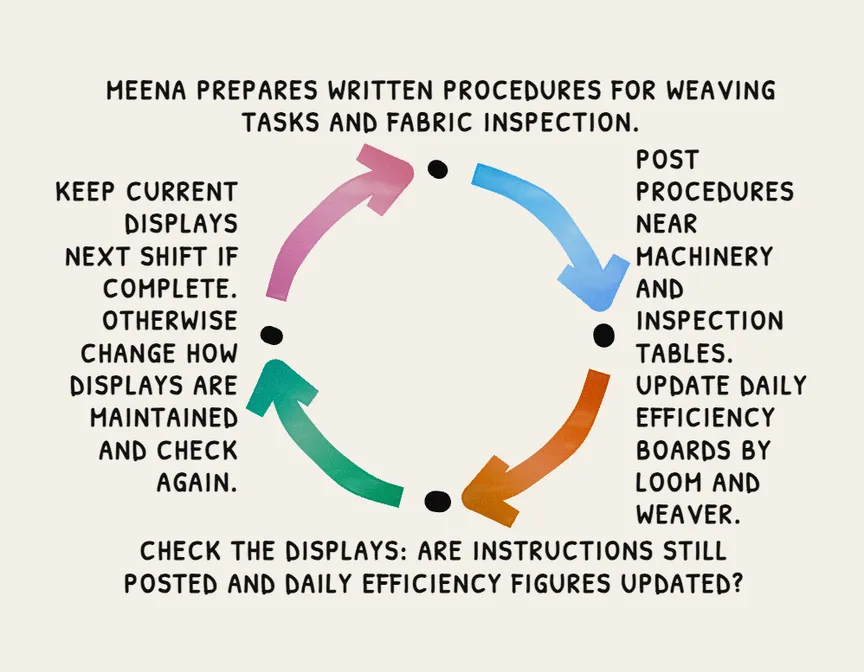
Posting visual procedures creates clear baseline standards for daily tasks across factory shifts.
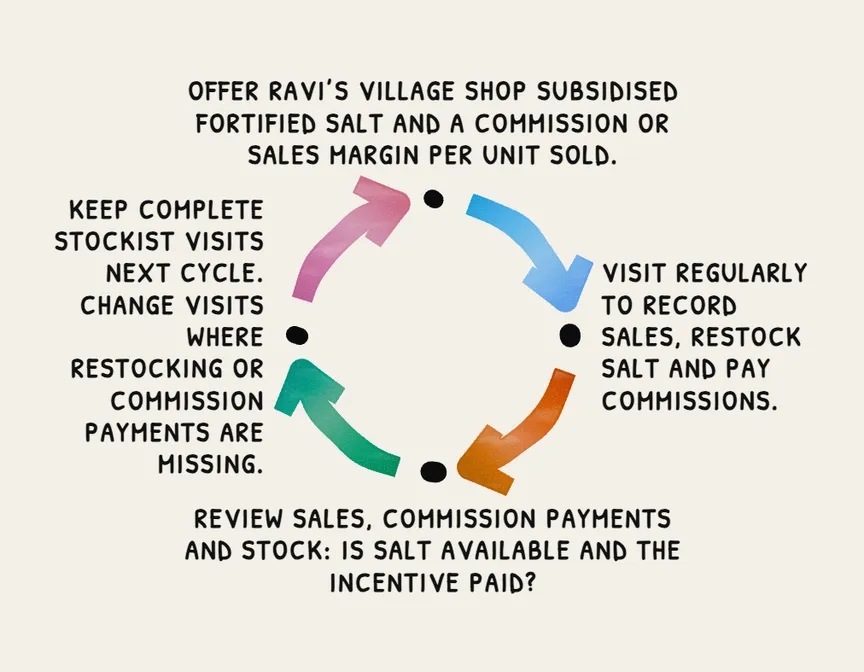
Financial commissions align shopkeepers' business interests with health program goals, encouraging store owners to feature the product, advise customers on its health benefits, and maintain steady inventory.
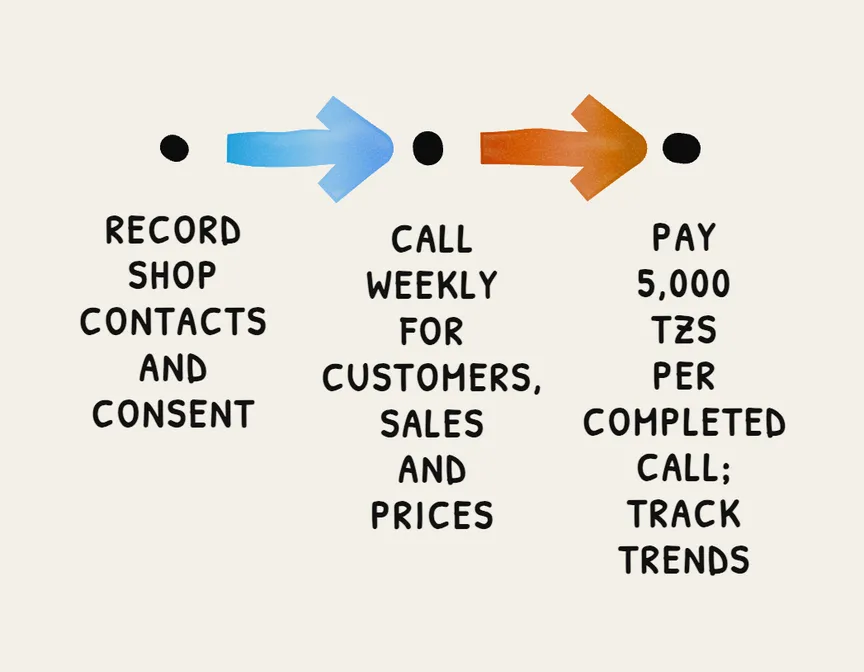
Frequent, low-burden phone calls capture immediate market fluctuations and customer volume shifts that annual retrospective surveys miss.
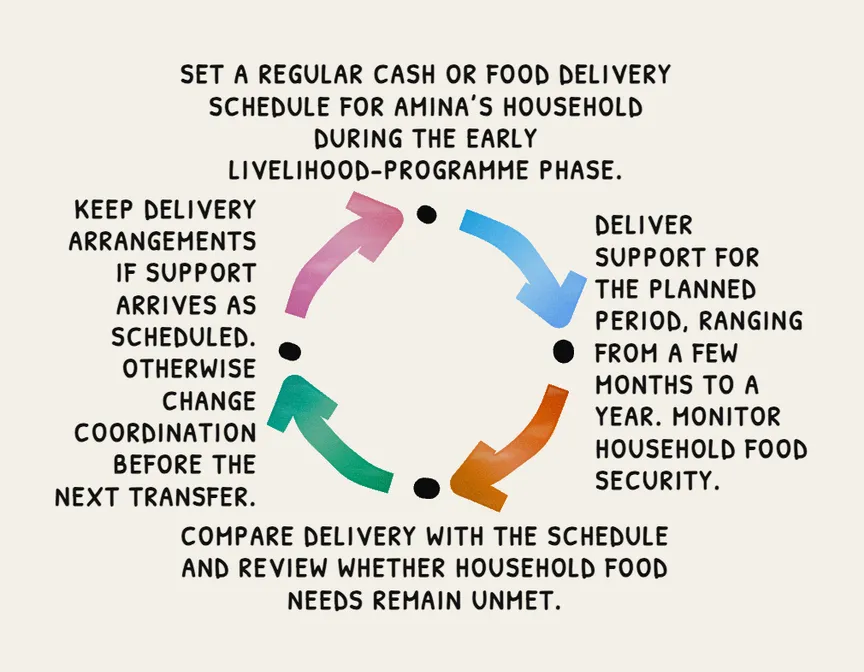
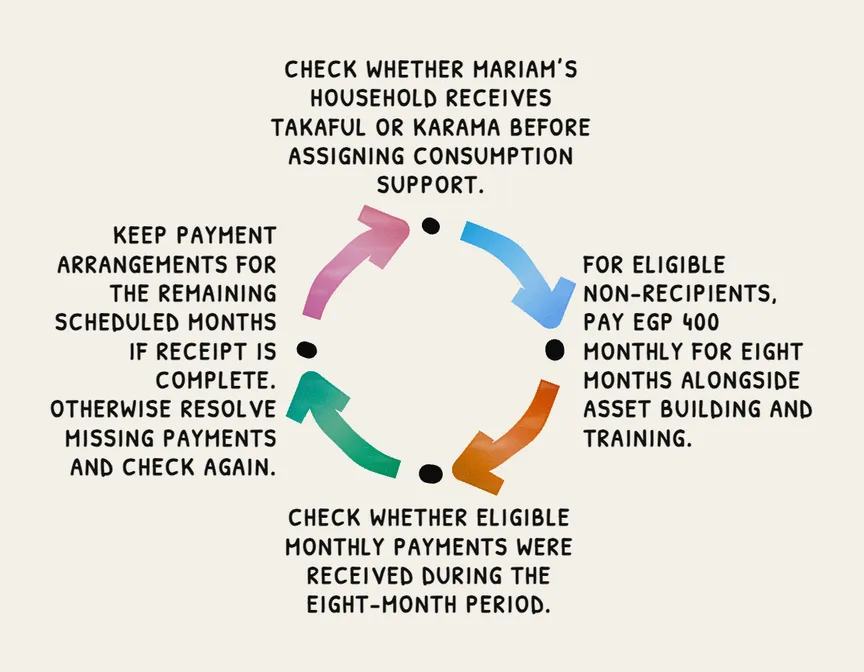
Providing immediate consumption support prevents households from experiencing hunger or liquidating newly acquired productive assets to meet daily basic needs.
Providing temporary consumption support prevents households from liquidating new productive assets to meet basic food needs.
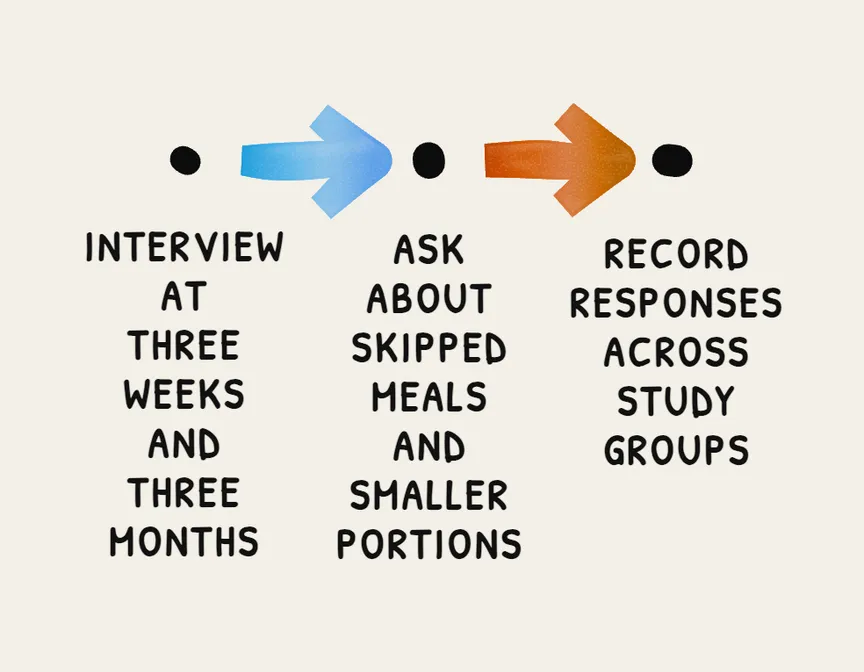
Asking direct questions about meal frequency and portions identifies severe food deprivation in low-income households.
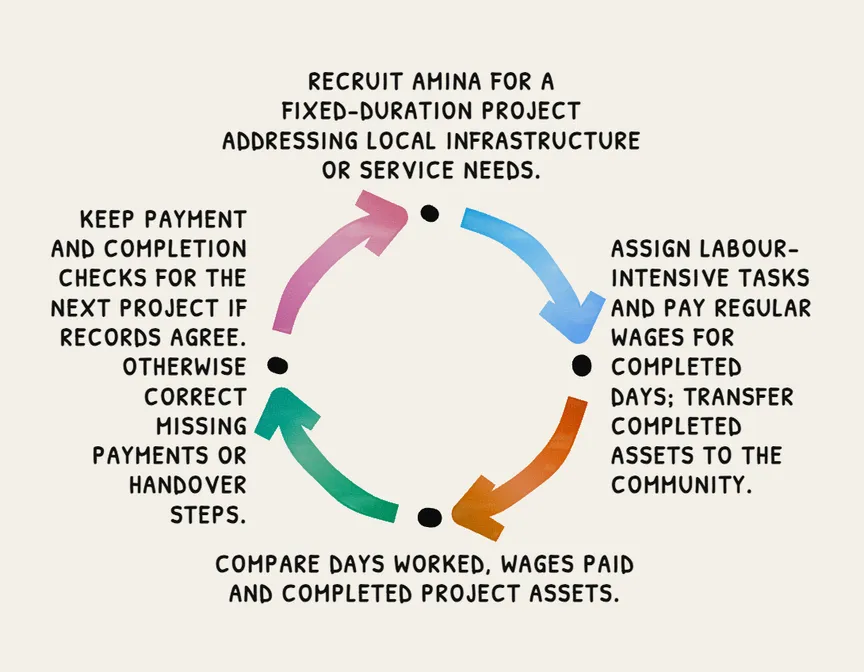
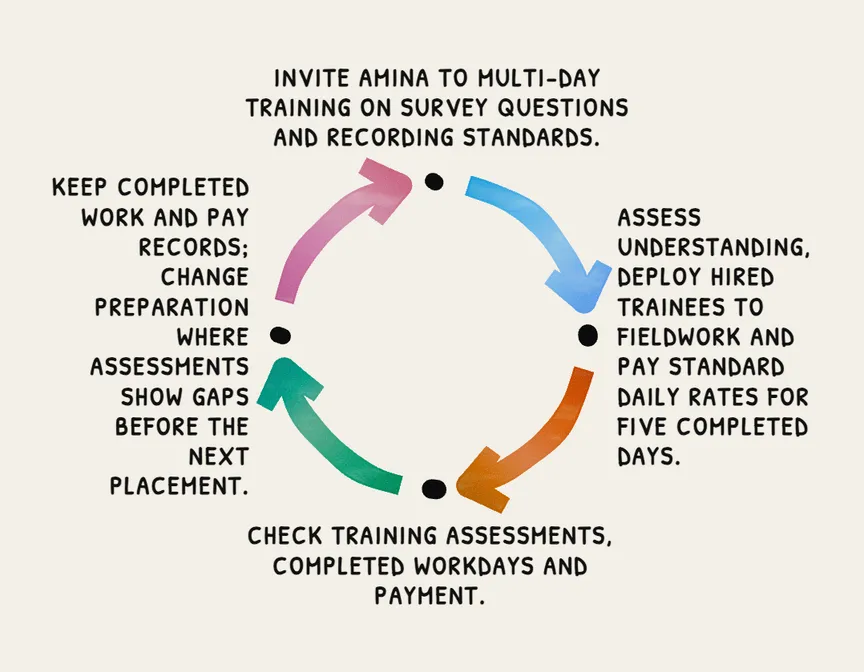
Temporary wage payments fill immediate income gaps for households lacking comparable job opportunities.
Short-term work placement provides real workplace experience that expands participants' professional networks and connects them to informal job referrals.
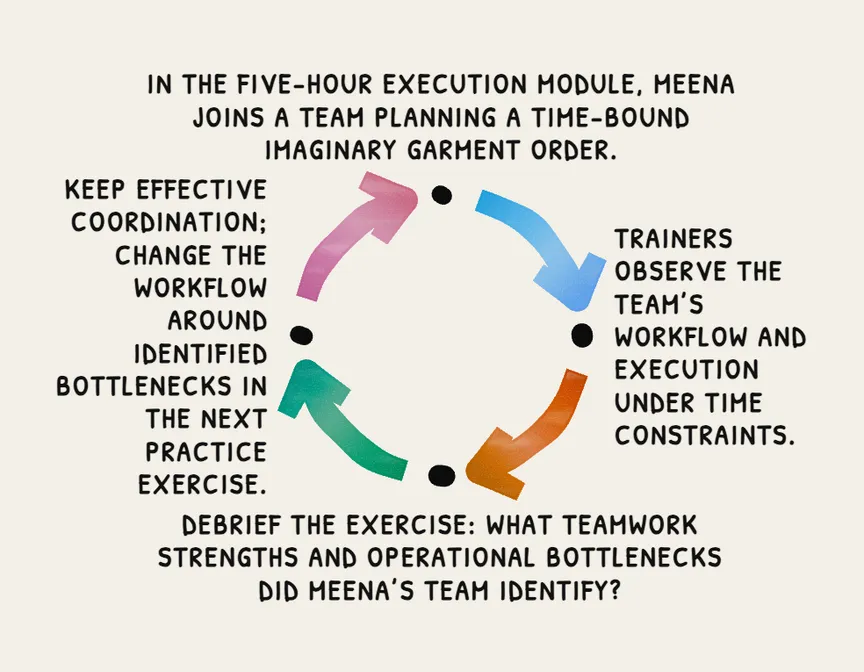
Simulating a time-bound garment order allows workers to test workflow designs and identify coordination bottlenecks in a low-risk setting.
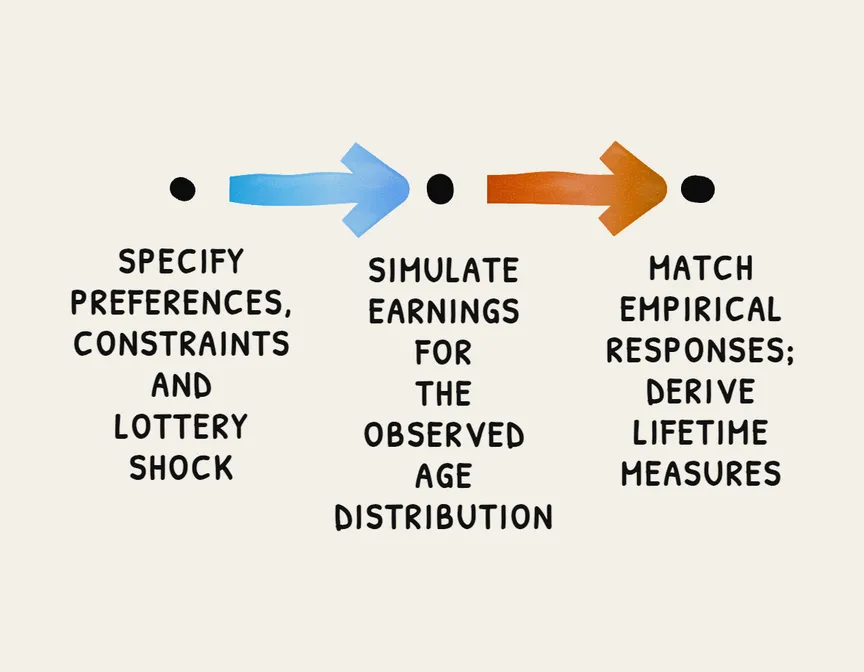
Matching structural model moments to empirical after-tax earnings trajectories isolates time-preference and income-effect parameters, allowing researchers to extrapolate labor supply responses across remaining working years.
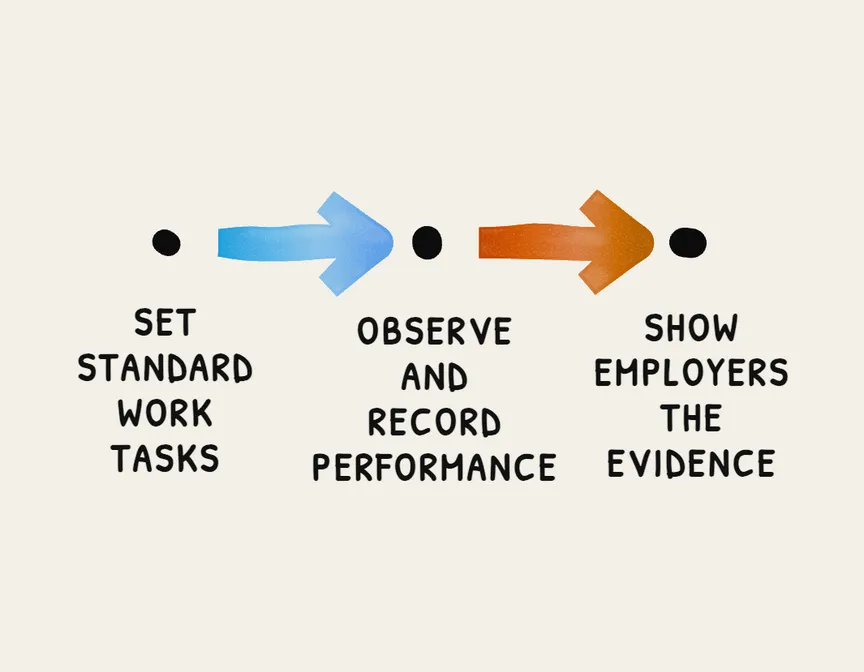
Simulated work-task performance data provides employers with direct objective evidence of applicant productivity and reliability.
New high-yielding crop varieties require specific changes in planting techniques and soil management to reap financial and physical returns.
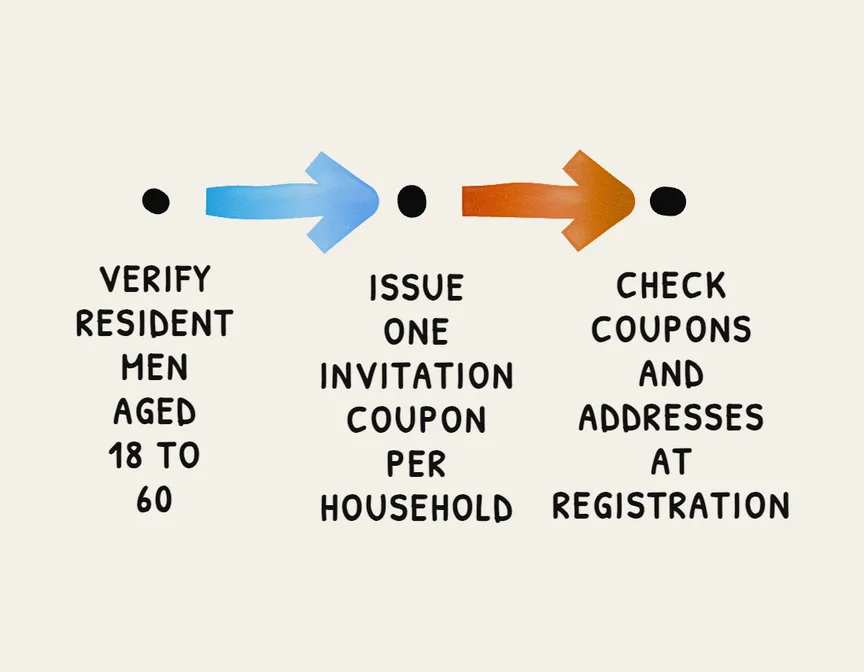
Issuing a single coupon per household prevents multi-member household clustering from overrepresenting specific families.
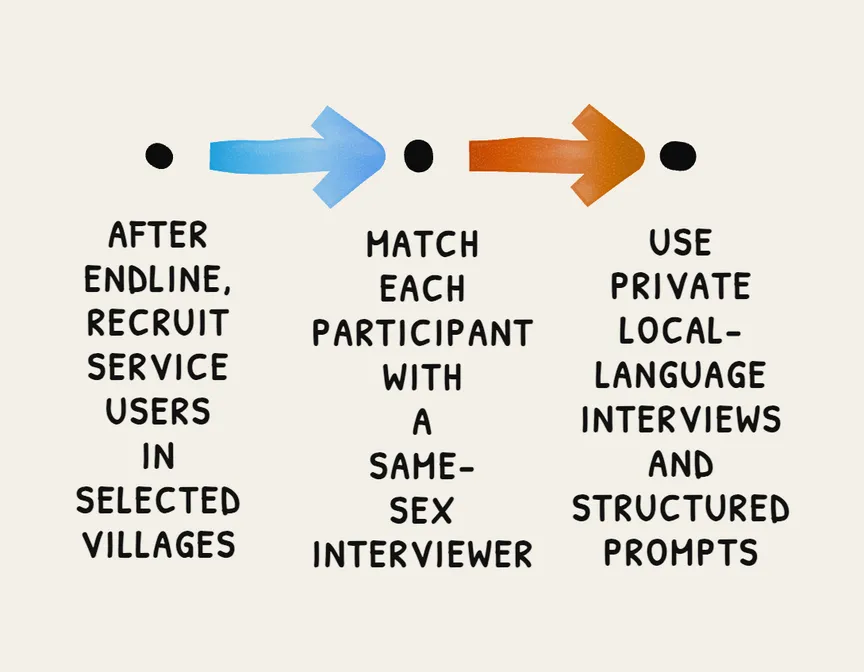
One-on-one interviewing with a same-sex enumerator removes social pressure and peer embarrassment present in group settings.
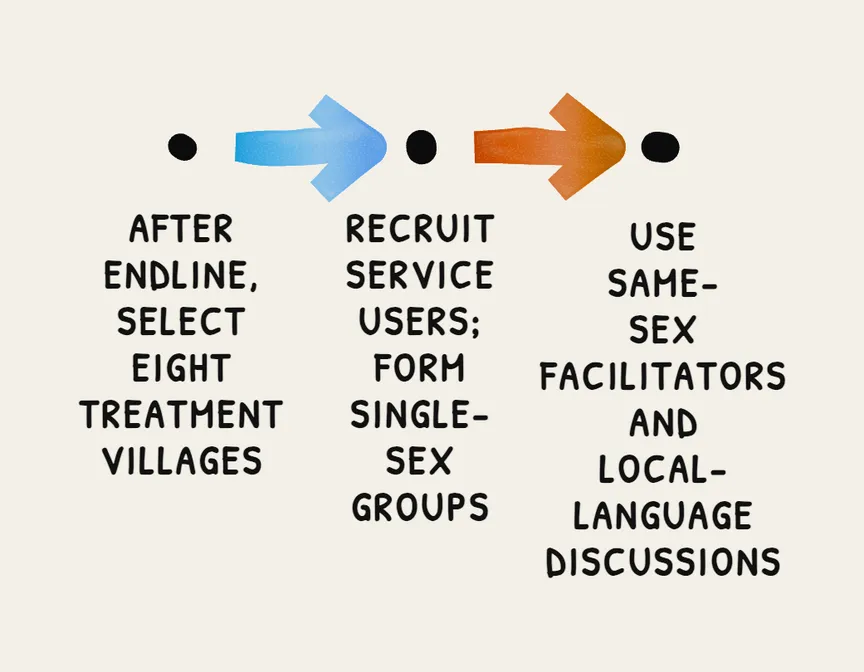
Gender segregation creates a comfortable environment for discussing sensitive sexual behaviors and relationship conflicts without fear of judgment.
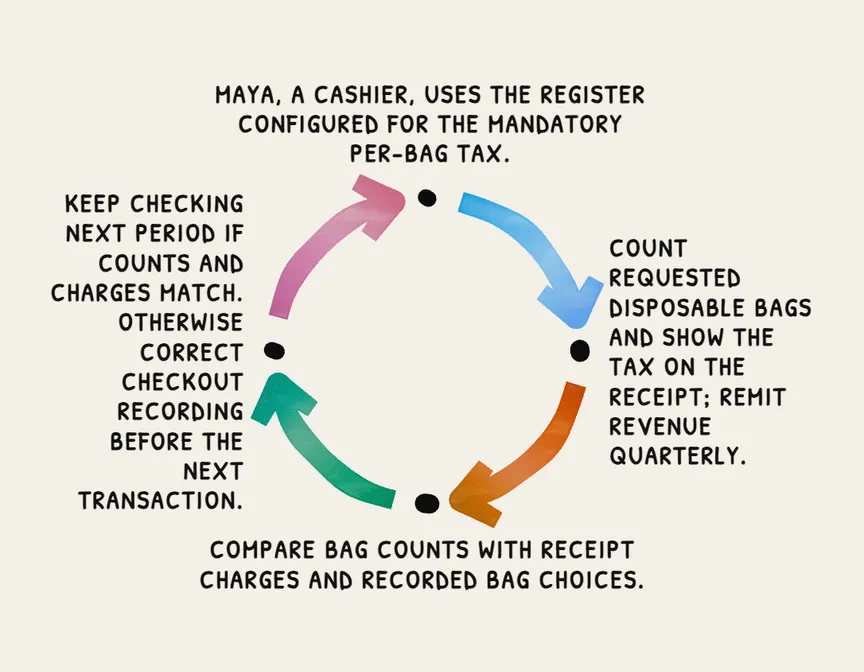
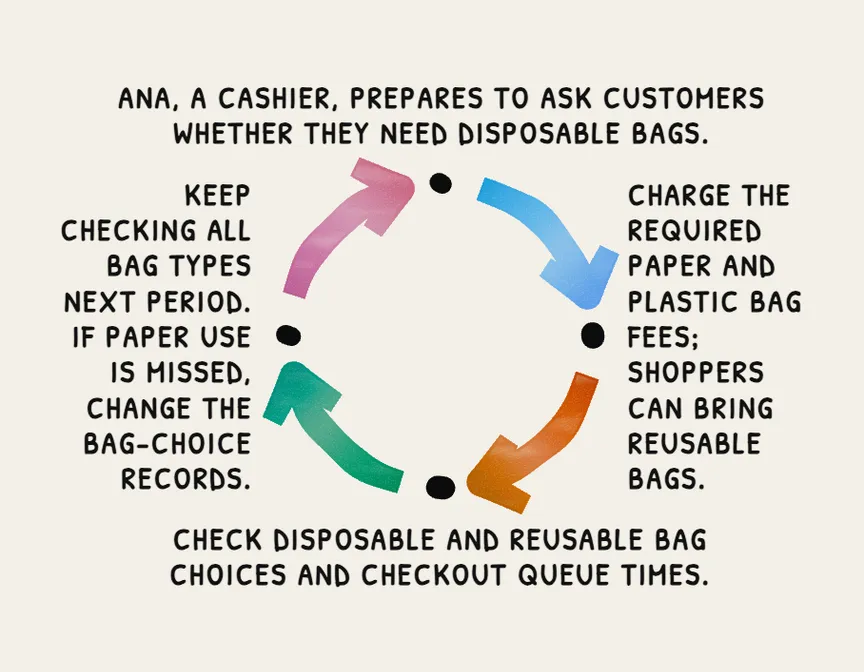
Customers experience small taxes as a direct monetary loss, triggering loss aversion that prompts them to bring reusable bags.
Charging point-of-sale taxes creates an immediate price signal that penalizes disposable bag use.
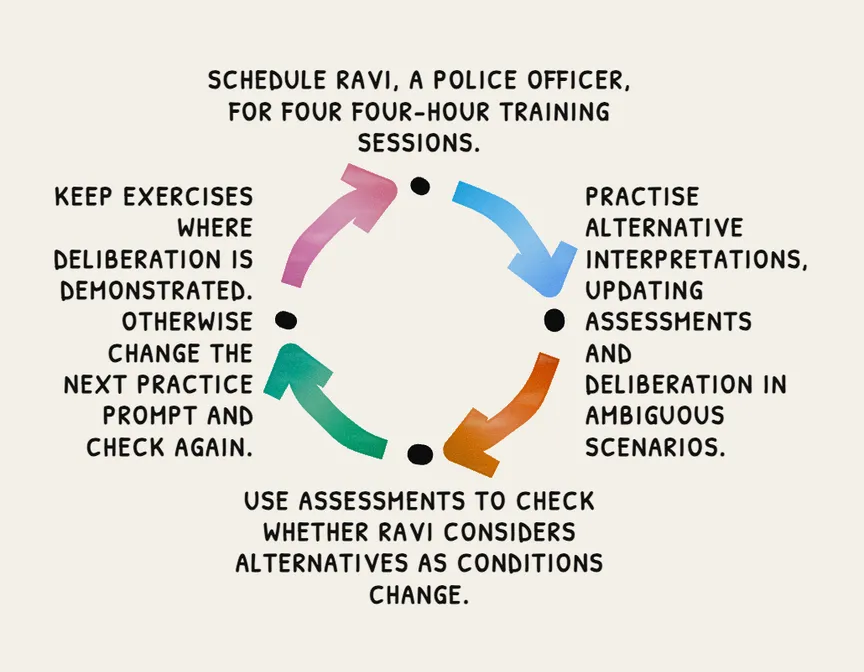
The training enables officers to consider varied explanations for subject behavior and update assessments as scenarios unfold.
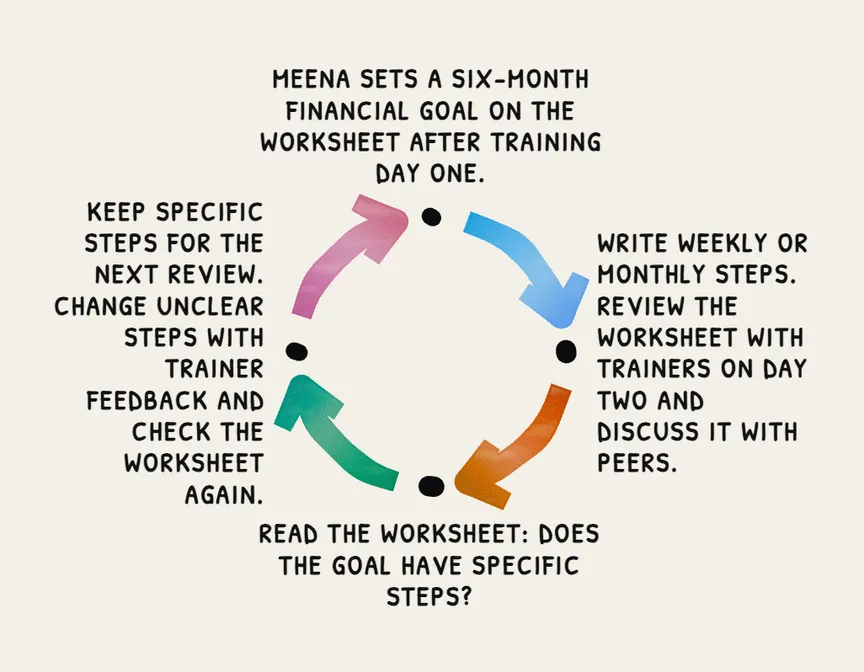
Breaking long-term financial targets into immediate, small tasks transforms abstract aspirations into concrete daily routines.
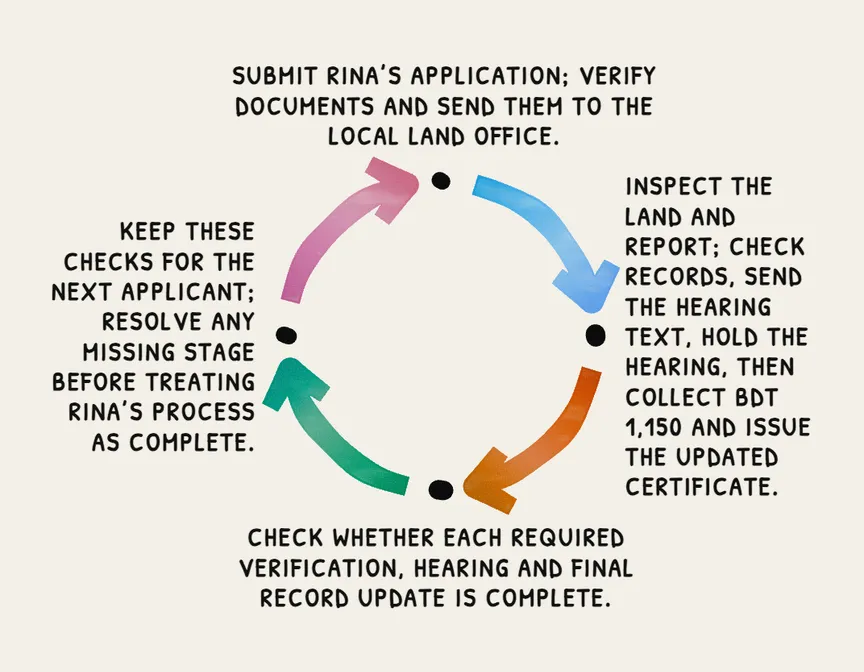
Dividing land record updates into explicit verification and review stages creates administrative accountability across hierarchical tiers of civil service offices.
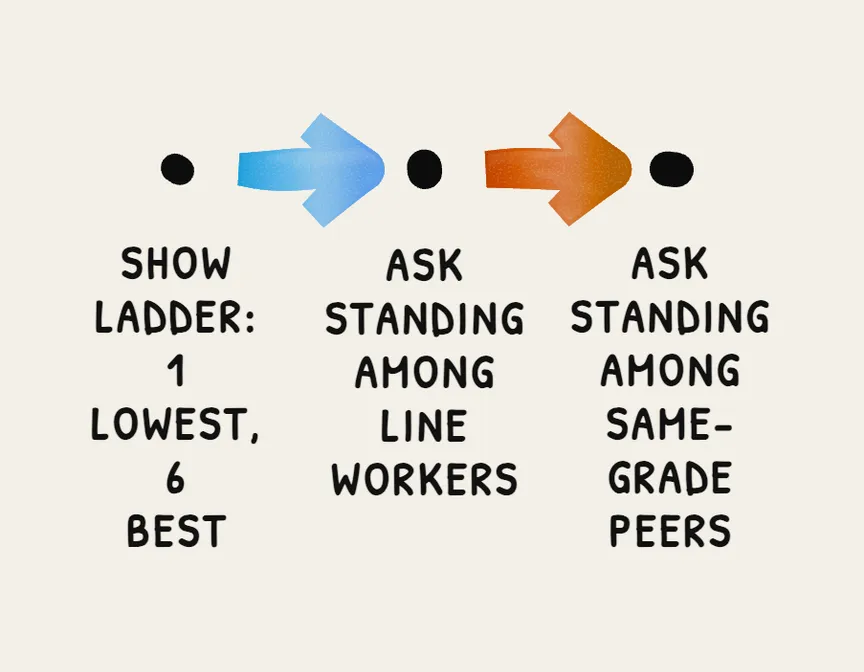
Visual ladder scales provide an intuitive framework for workers to evaluate their relative workplace performance.
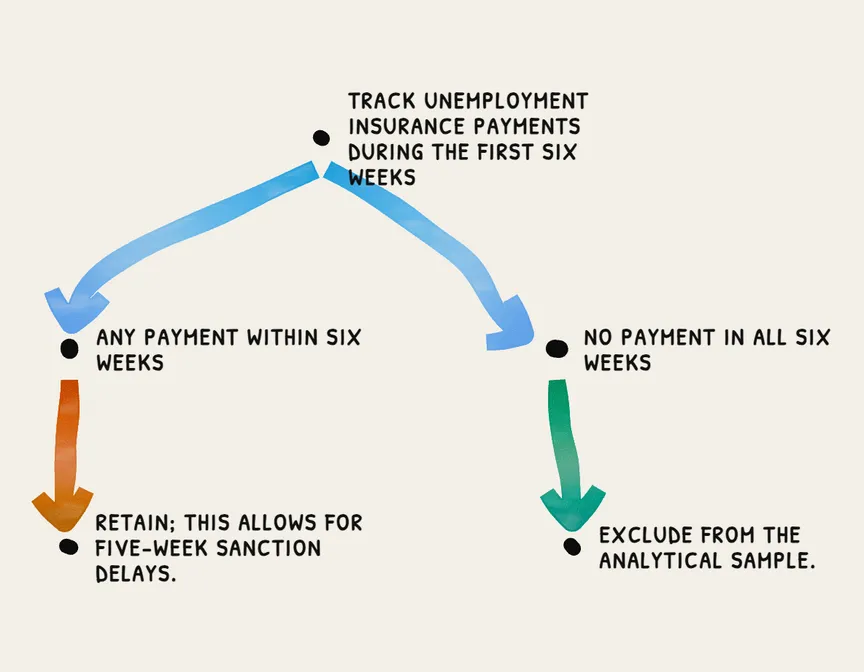
Verifying benefit receipt confirms true eligibility status under insurance rules while accommodating statutory five-week sanction delays for voluntary quitters and graduates.
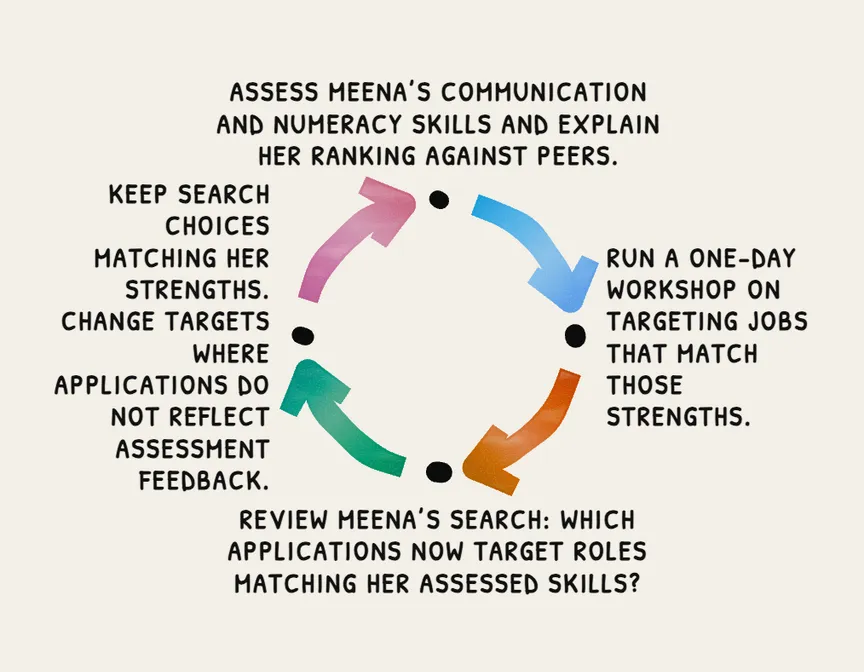
Objective feedback corrects distorted self-beliefs regarding worker capability, encouraging job seekers to target roles where they hold competitive advantages.
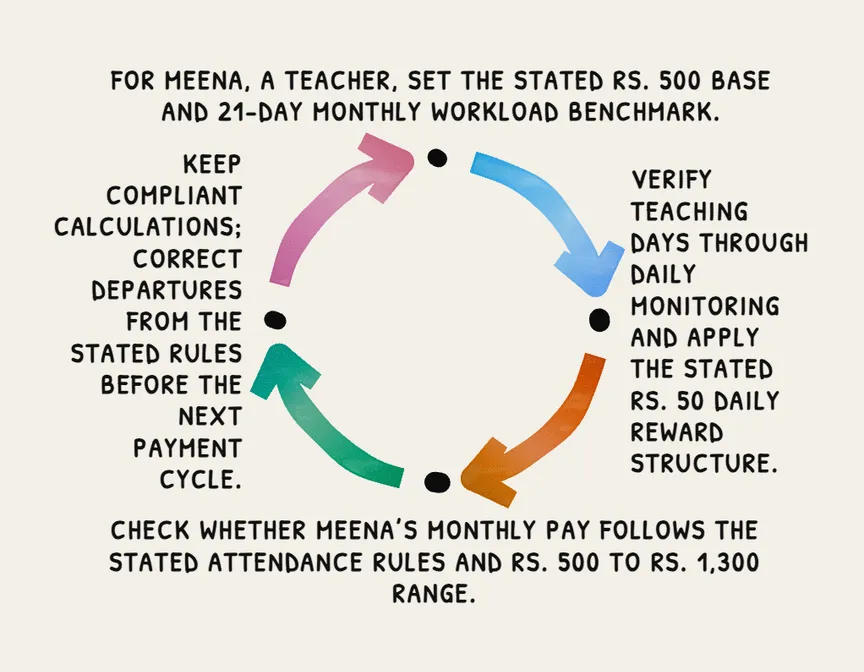
Linking pay directly to objective attendance gives teachers clear financial incentives and complete control over their monthly income.
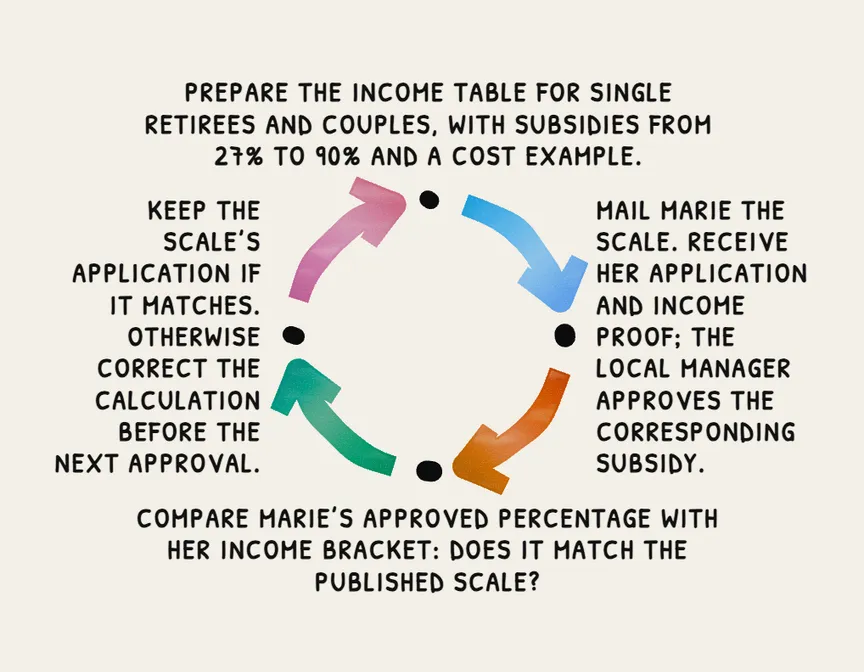
Structuring subsidies on a progressive income scale reduces the financial barrier for low-income seniors while ensuring government support is targeted to those least able to pay out-of-pocket.
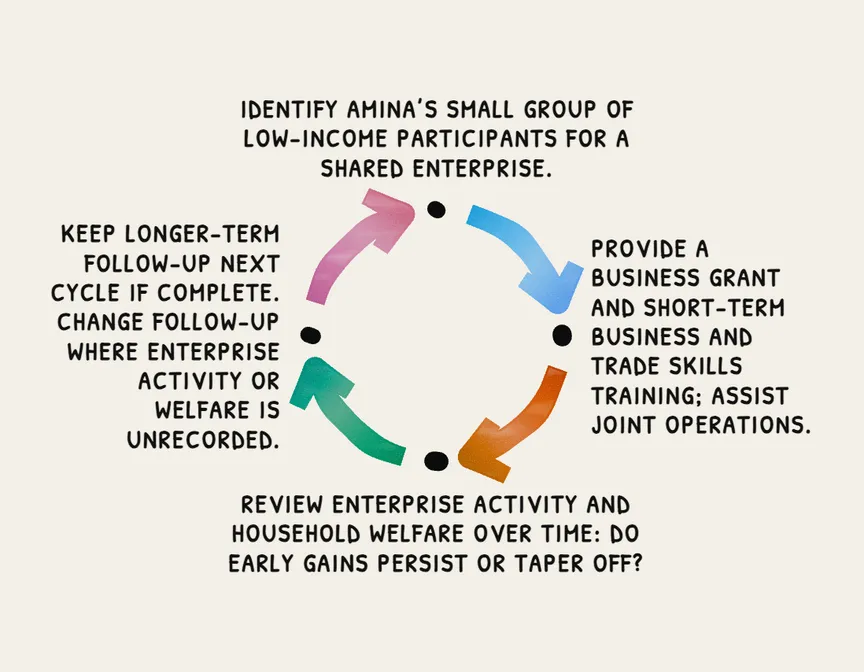
Grouping beneficiaries lowers individual overhead while providing shared capital to initiate self-employment.
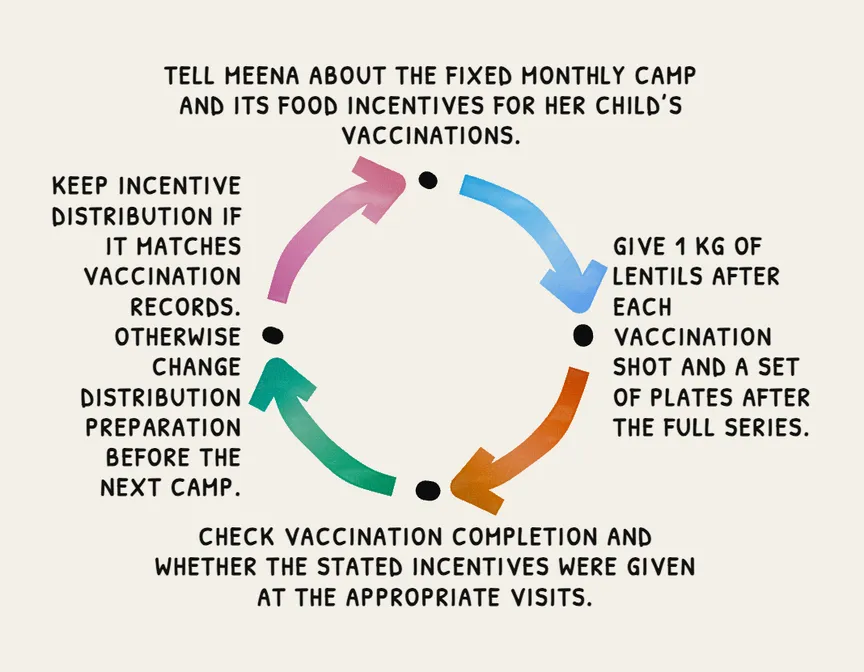
Small immediate incentives overcome present-bias and procrastination by offering a tangible reward today.
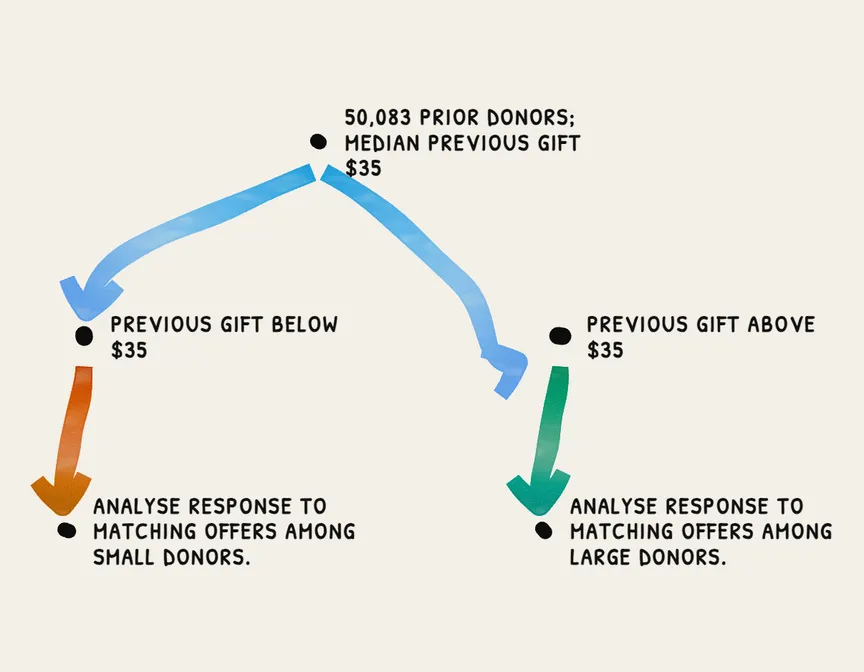
Small prior donors are more price sensitive and responsive to matching incentives than large prior donors who already possess high baseline commitment.
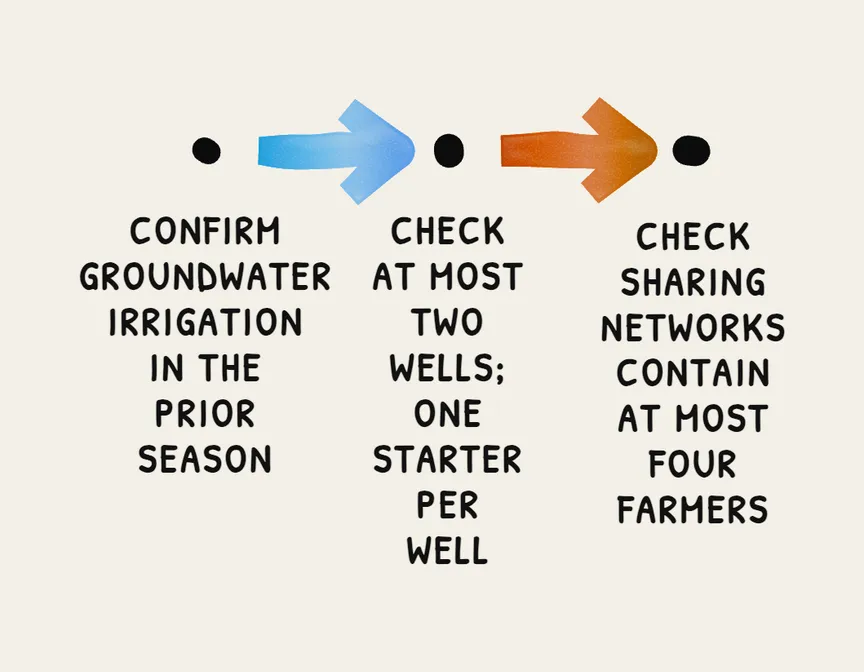
Restricting enrollment to farms with simple pump setups prevents equipment interference and avoids social conflicts among large groups of water users.
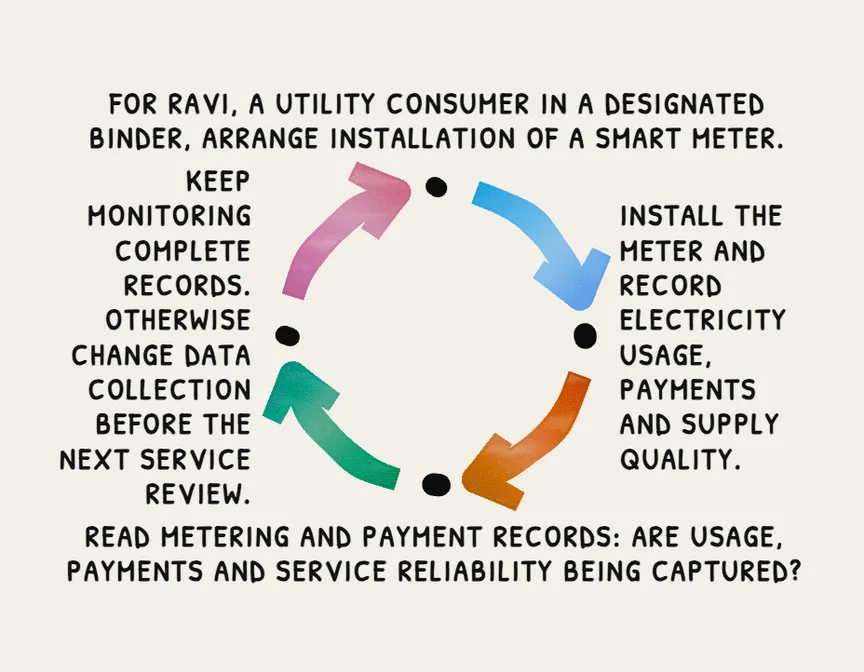
Smart meters provide accurate tracking of consumer energy consumption and billing compliance.
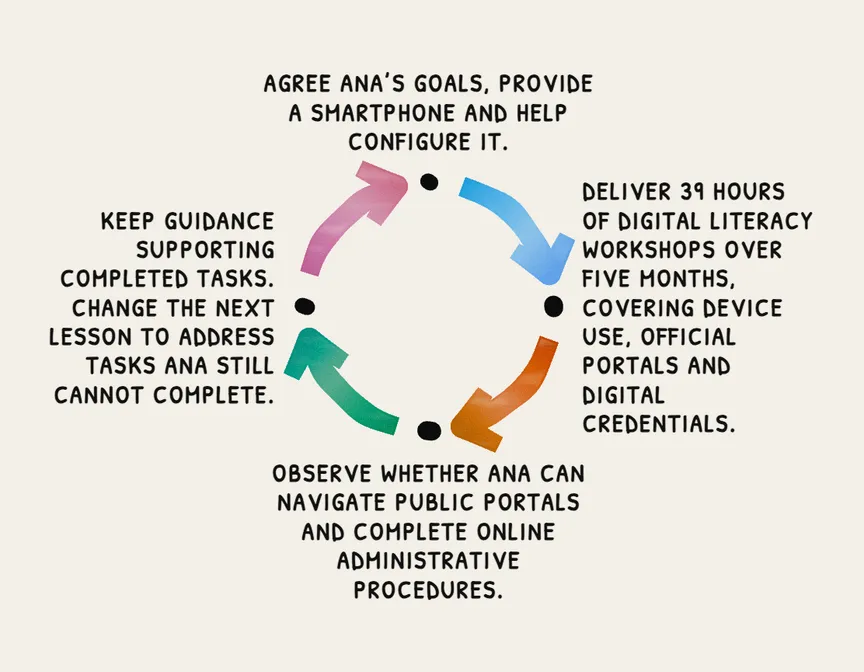
Combining hardware access with guided instruction builds confidence and overcomes technical fear among digital beginners.
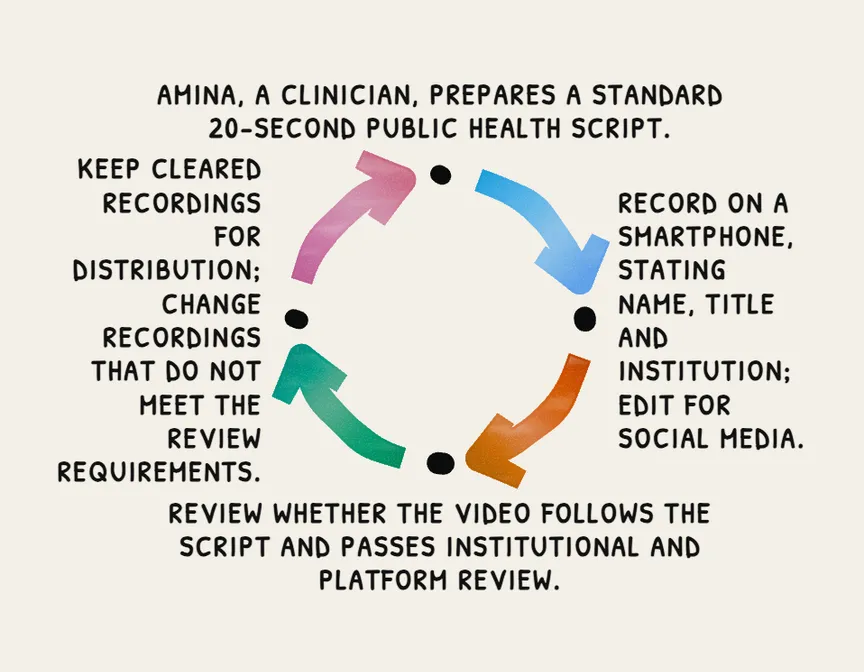
Healthcare professionals are widely recognized as trusted experts, allowing personal video communications to motivate preventive behavior across political and demographic boundaries.
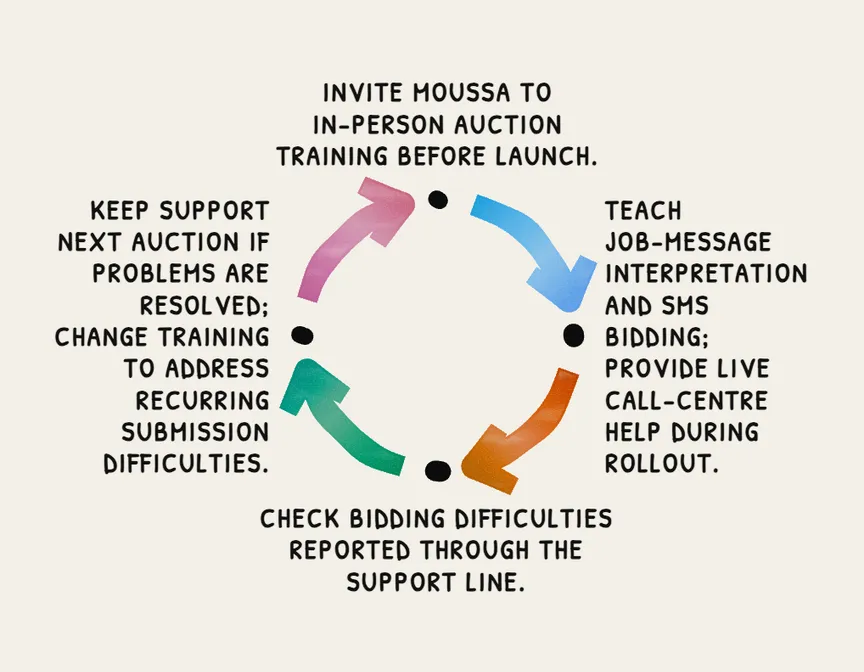
In-person training sessions demystify the SMS platform rules and build trust among busy operators unfamiliar with digital bidding.
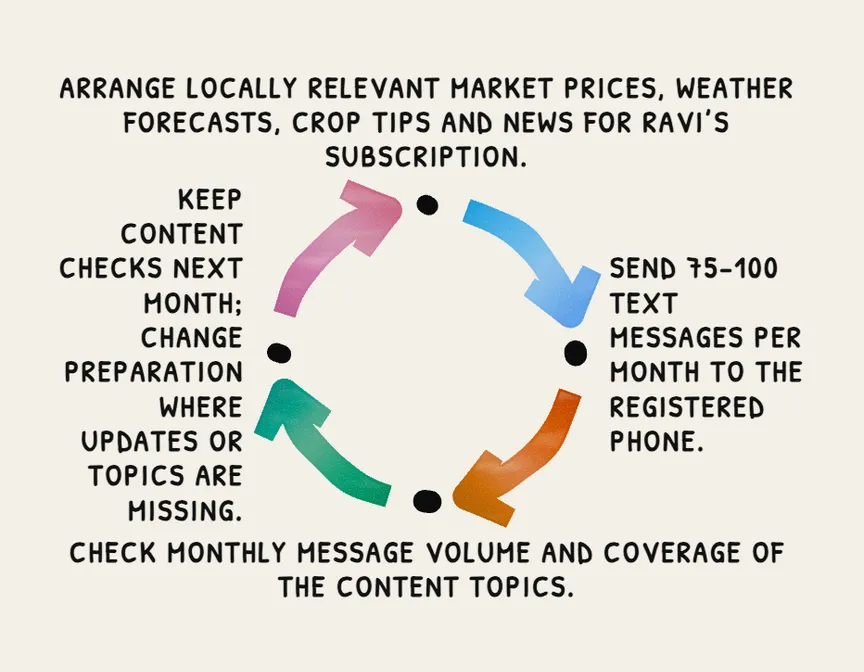
Frequent text updates give rural producers direct access to reliable market rates and weather warnings without relying on word-of-mouth.
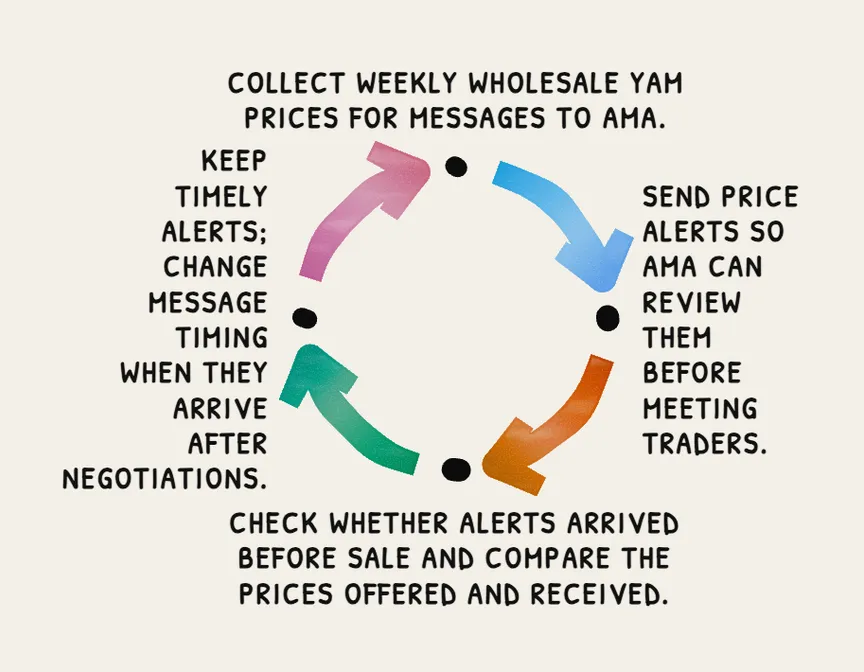
Access to prevailing market price information removes trader information advantage during price negotiations.
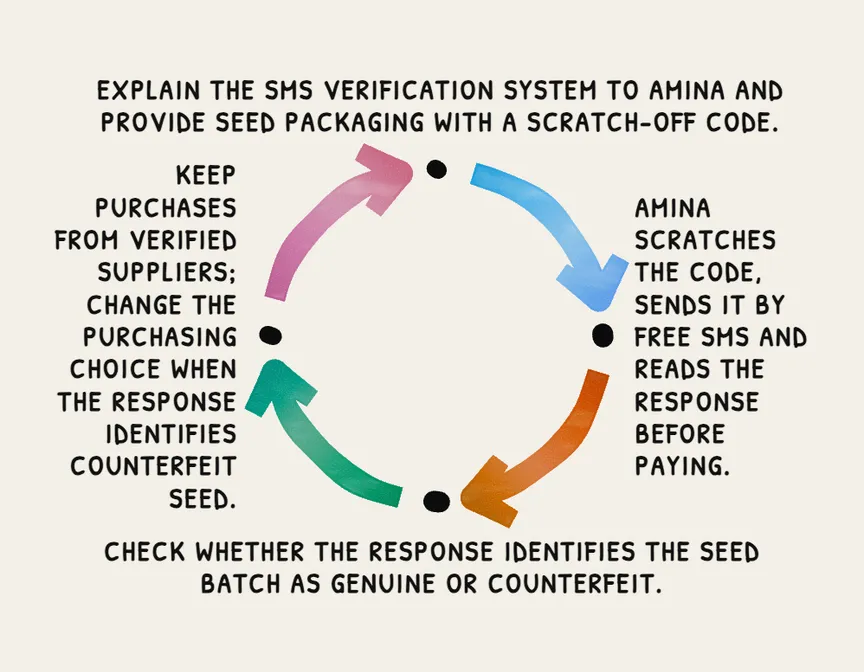
Empowering consumers with direct quality verification enables smallholders to identify trustworthy retailers and avoid fake supplies.
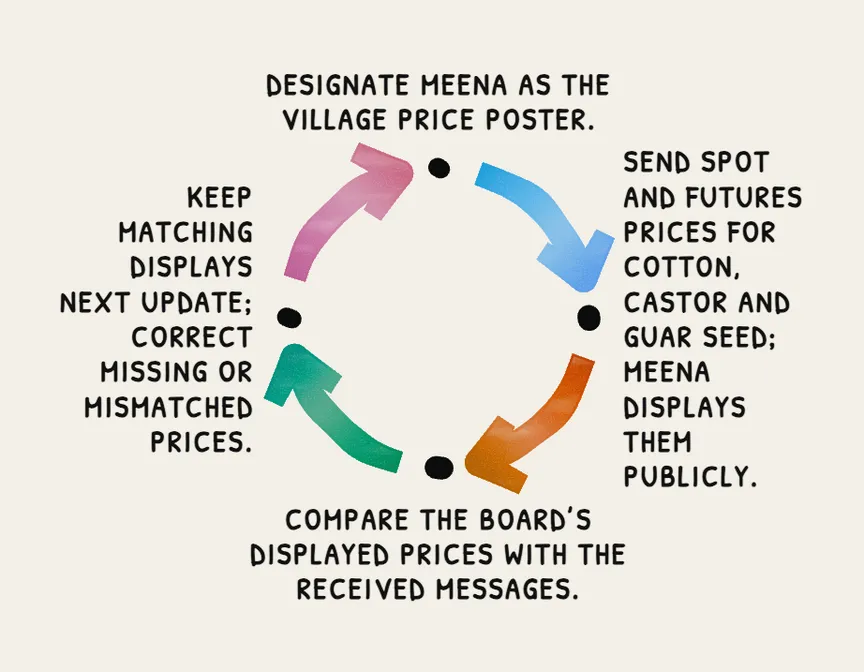
Futures market prices combined with up-to-date spot prices provide price discovery to farmers.
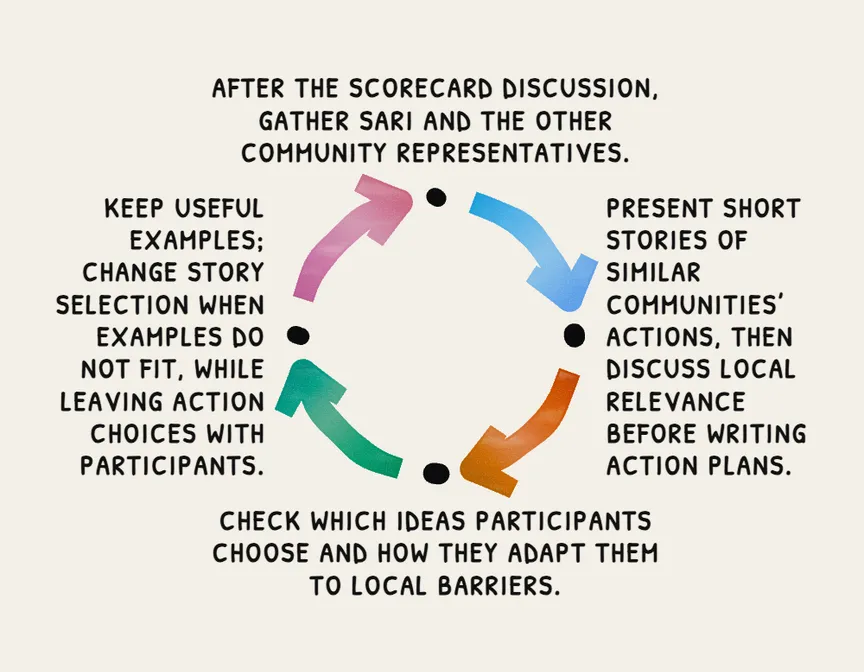
Illustrating real examples of citizen action expands participants' awareness of potential solutions while maintaining a non-prescriptive framework.
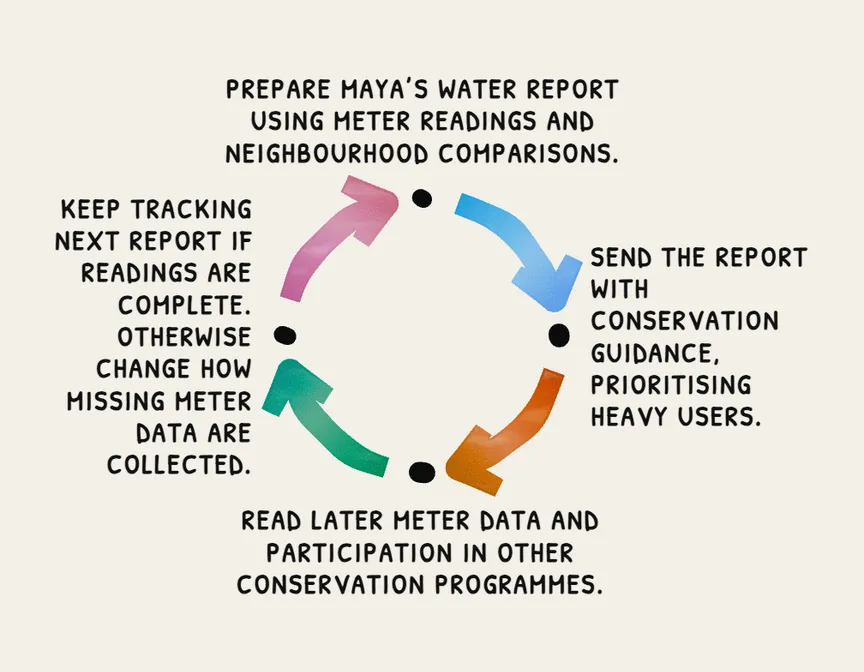
Comparing personal water use against social benchmarks leverages peer norms and social accountability.
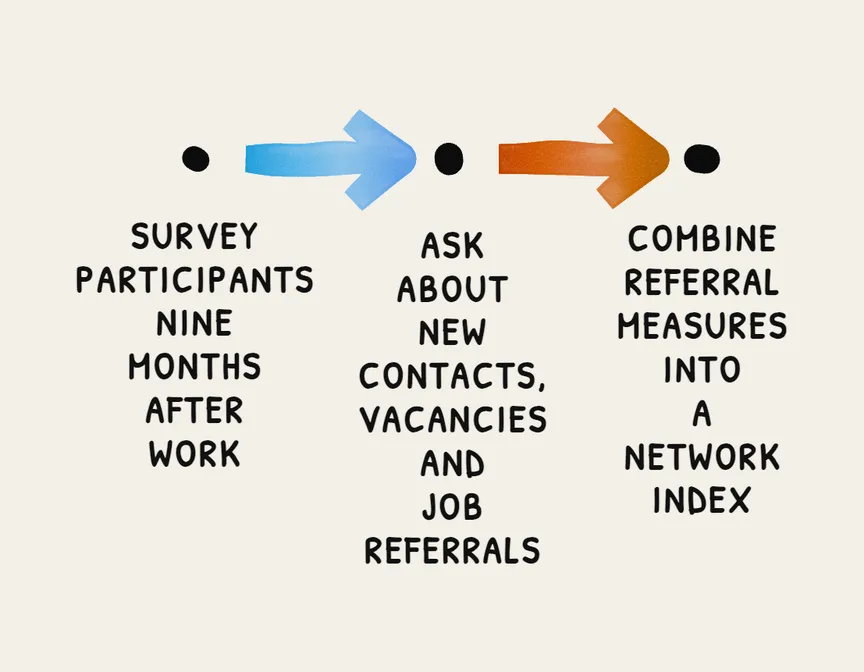
Tracking specific contact pathways reveals how workplace interactions expand informal job search networks.
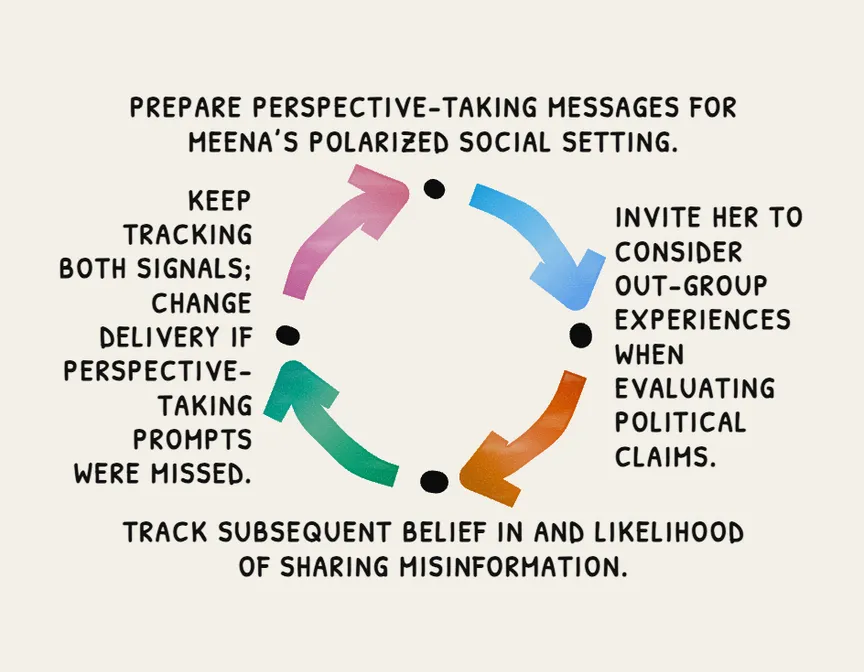
Addressing the underlying identity motivations that lead people to consume false claims reduces susceptibility to misinformation more effectively than standard digital literacy instruction.
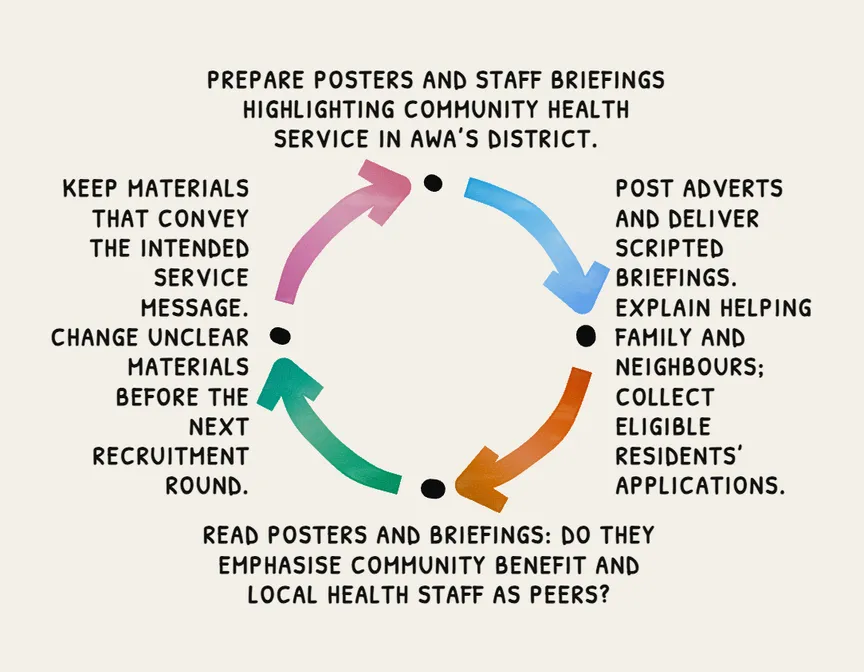
Emphasizing social impact activates intrinsic and prosocial motivation among community members who value local health outcomes.
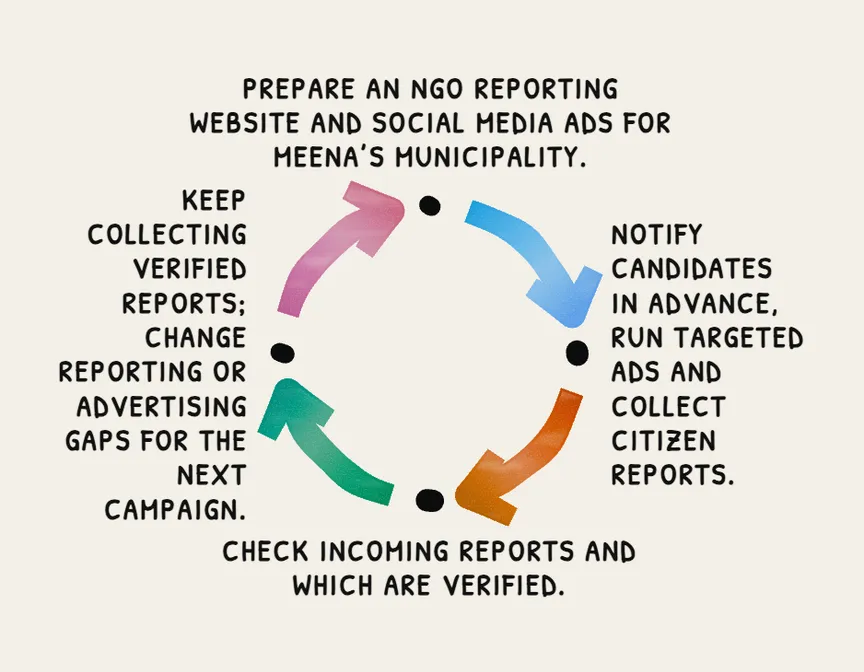
Promoting crowdsourced reporting via social media ads increases the probability that citizens witness and report local election violations.
Page 36 of 45
Previous
1
…
35
36
37
…
45
Next