Skip to the methods
Menu
aikyam
school
Findings
Methods
Subjects
All cards
Read
Findings
Methods
Subjects
All cards
Methods
2,124 methods
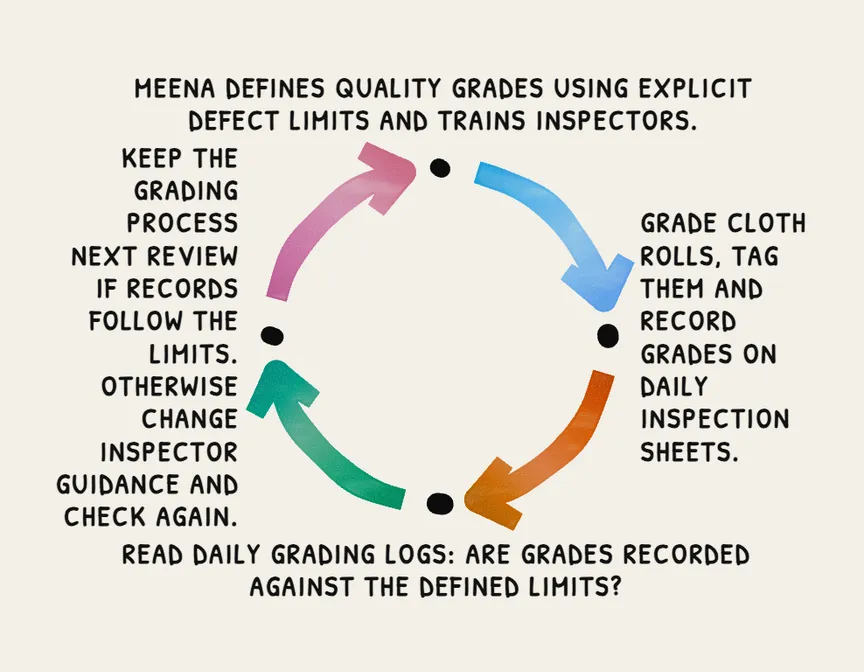
Establishing standardized quality tiers replaces subjective fabric inspections with objective defect thresholds.
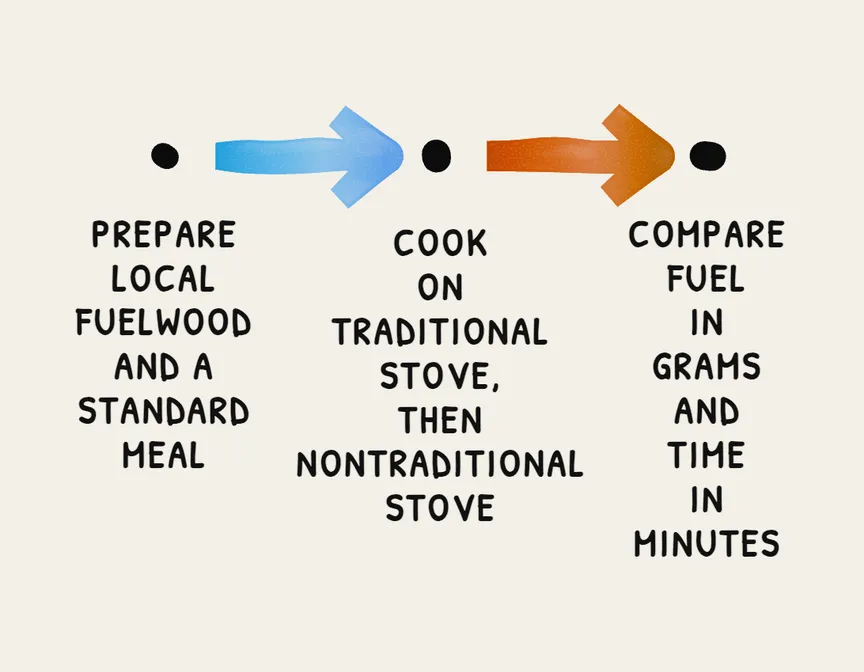
Testing stove performance directly in the field prevents laboratory overestimation of fuel savings.
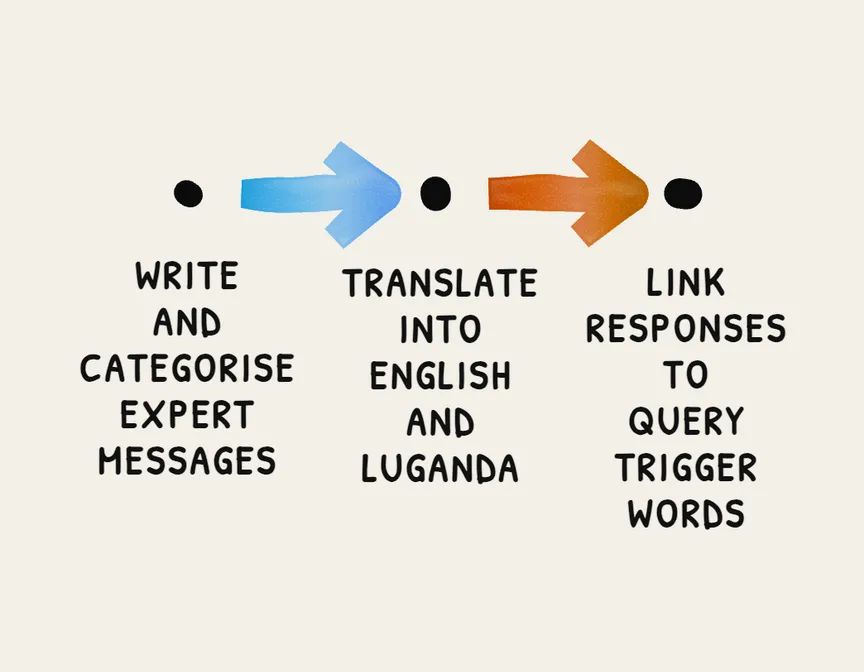
Pre-written responses drafted by health experts ensure factual consistency and prevent inaccurate medical guidance.
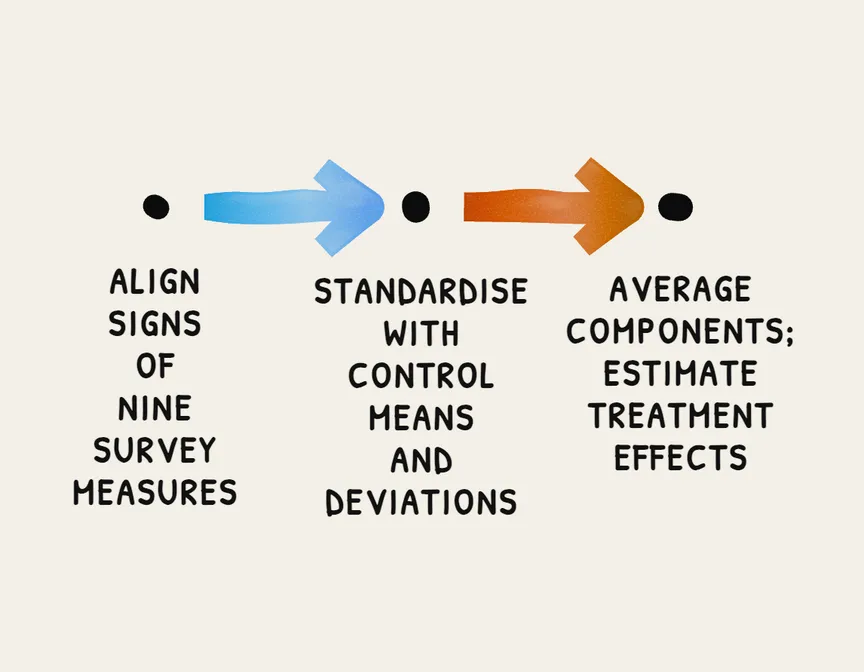
Combining related outcomes into a single standardized index prevents false positive claims caused by testing multiple hypotheses.
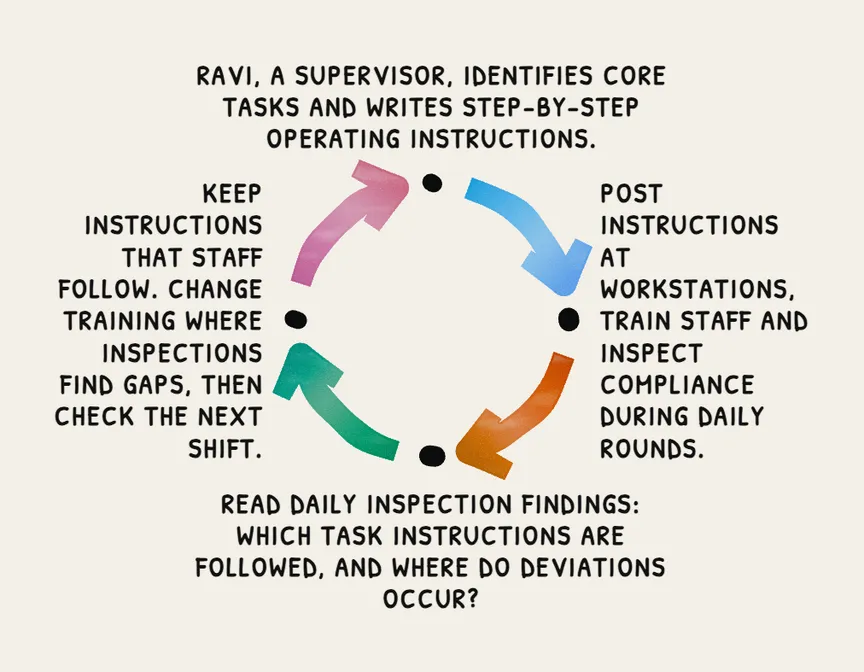
Documenting explicit operational steps replaces informal worker memory with clear, tested routines.
Certifying hard-to-observe cognitive, mathematical, linguistic, and practical skills reduces signal variance for potential employers.
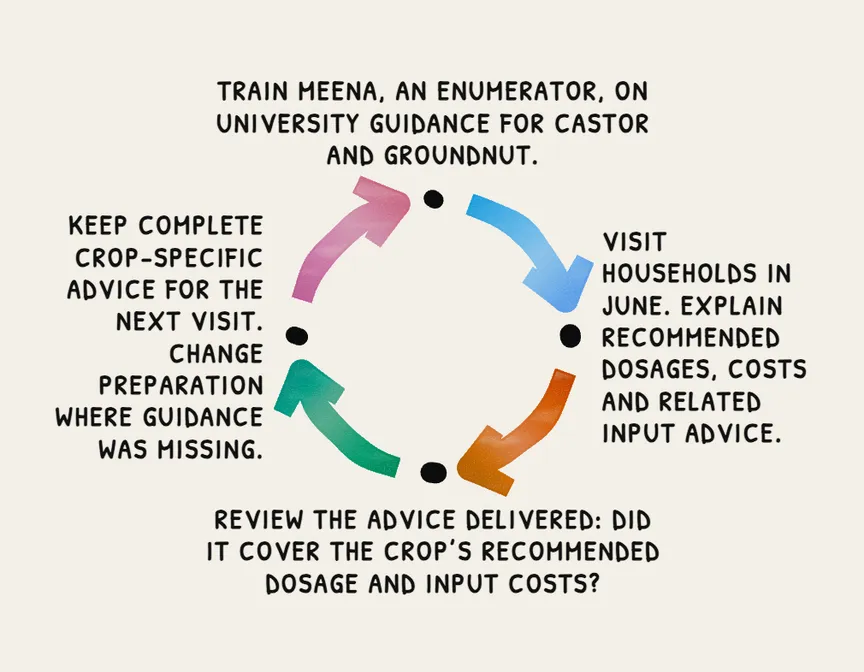
Providing clear agronomic guidelines directly to farmers lowers information barriers regarding optimal crop nutrition.
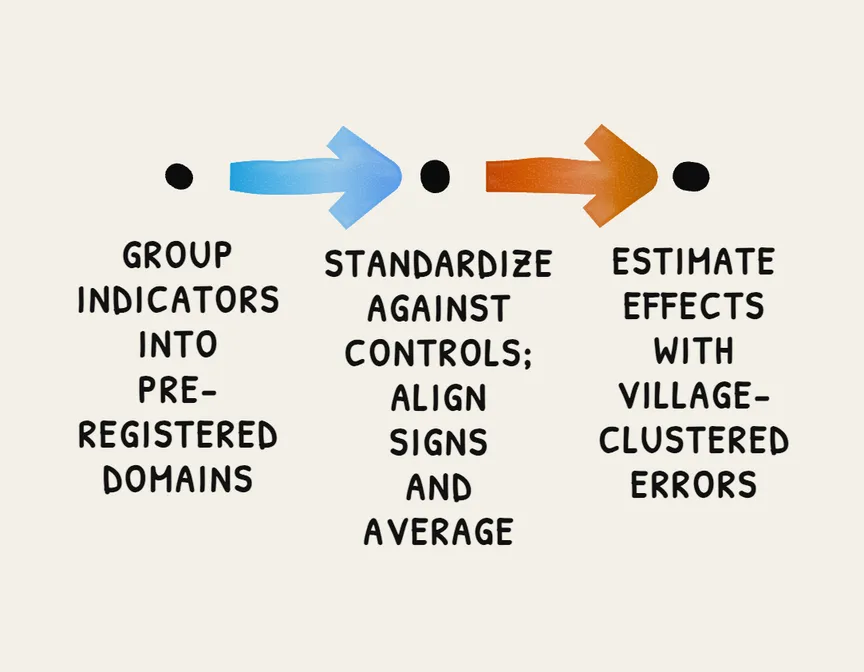
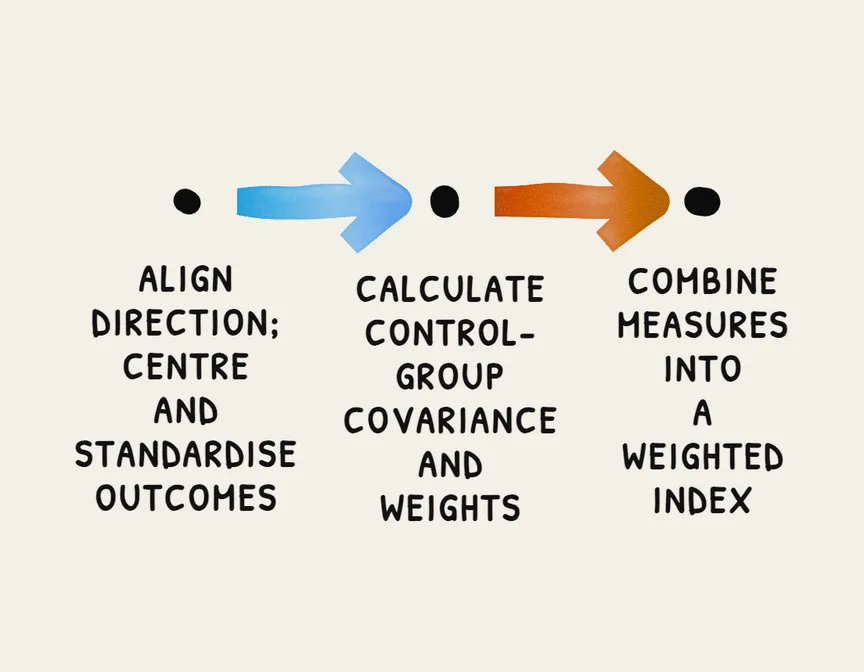
Standardizing component variables relative to the control group distribution ensures equal weighting across survey questions with different measurement scales.
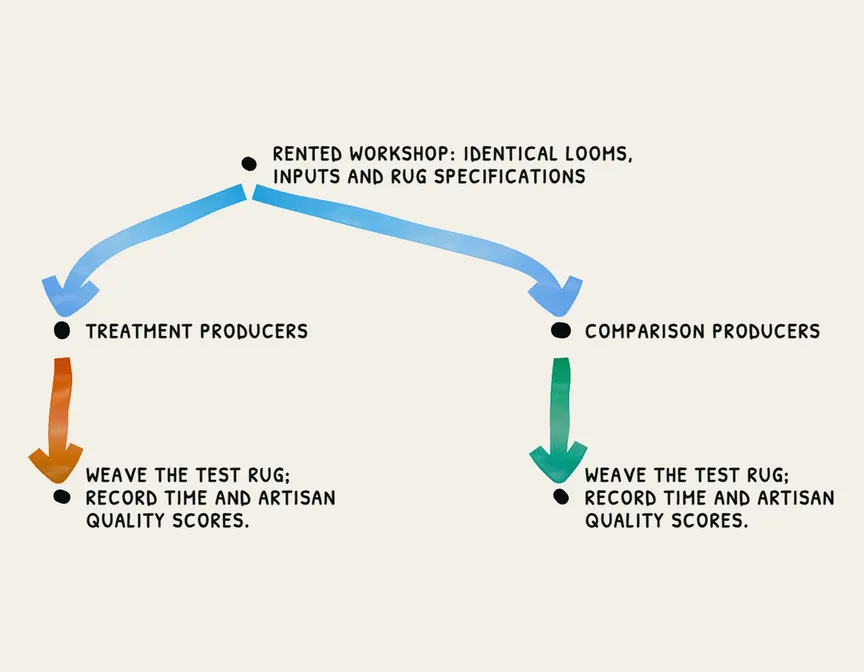
Holding equipment, inputs, and specifications identical eliminates outside variations in product difficulty and material quality.
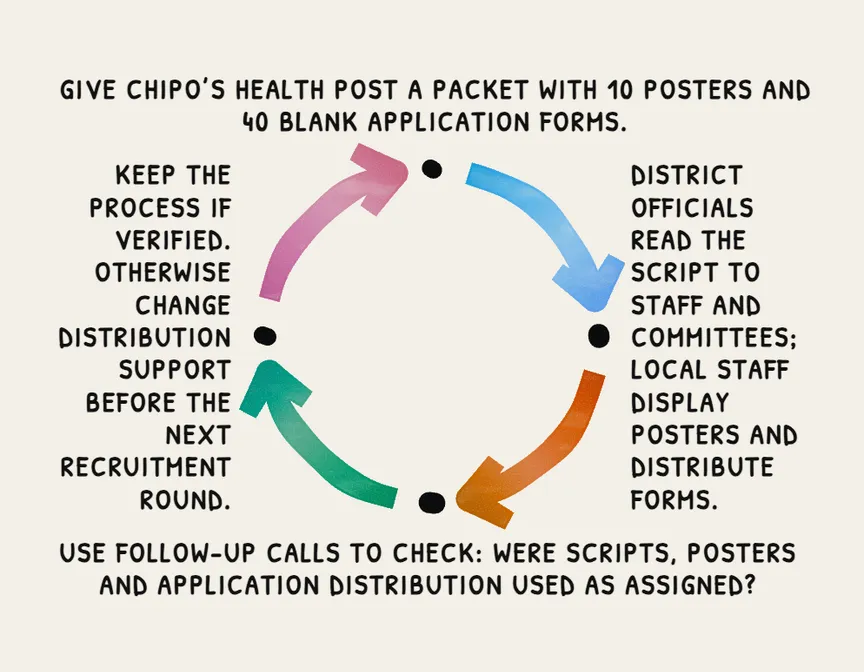
Standardized written scripts eliminate message distortion by local administrators who communicate directly with potential job applicants.
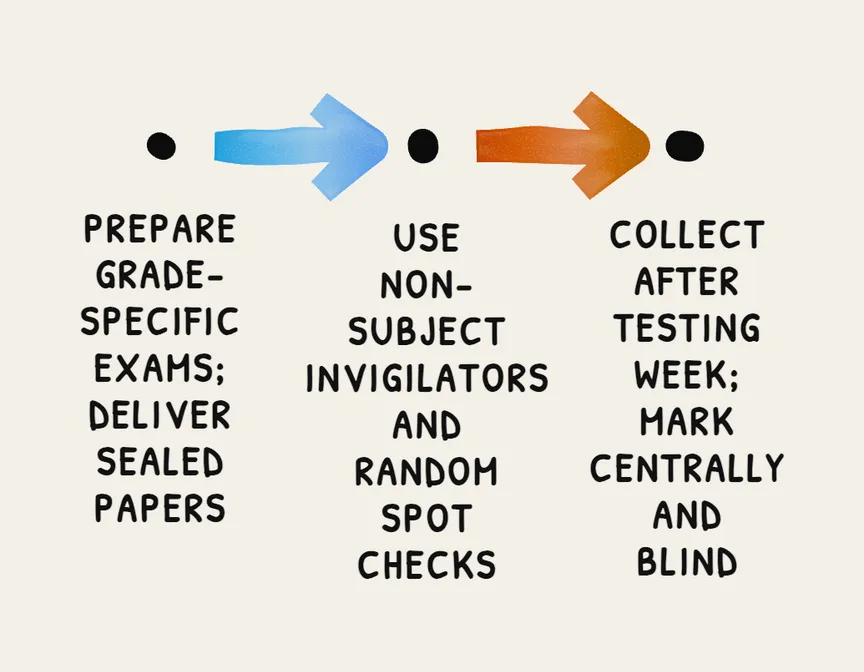
Centralized paper security and blind external grading eliminate opportunities for teachers or local administrators to alter answer sheets or inflate scores.
Pooling multiple related outcomes into a single weighted index prevents overtesting and false discoveries across individual survey questions.
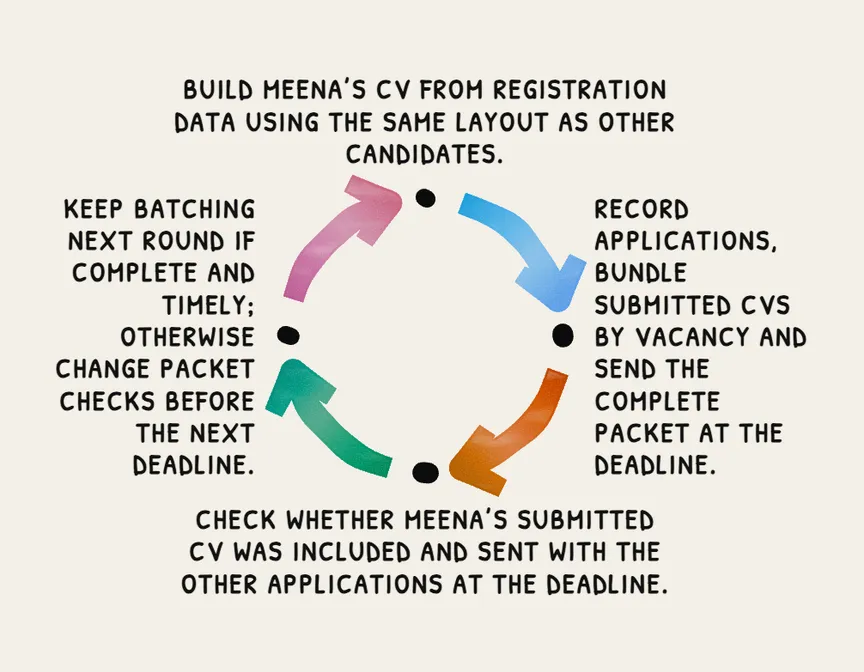
Standardizing CV layouts eliminates candidate formatting costs and prevents variations in resume design from biasing employer decisions.
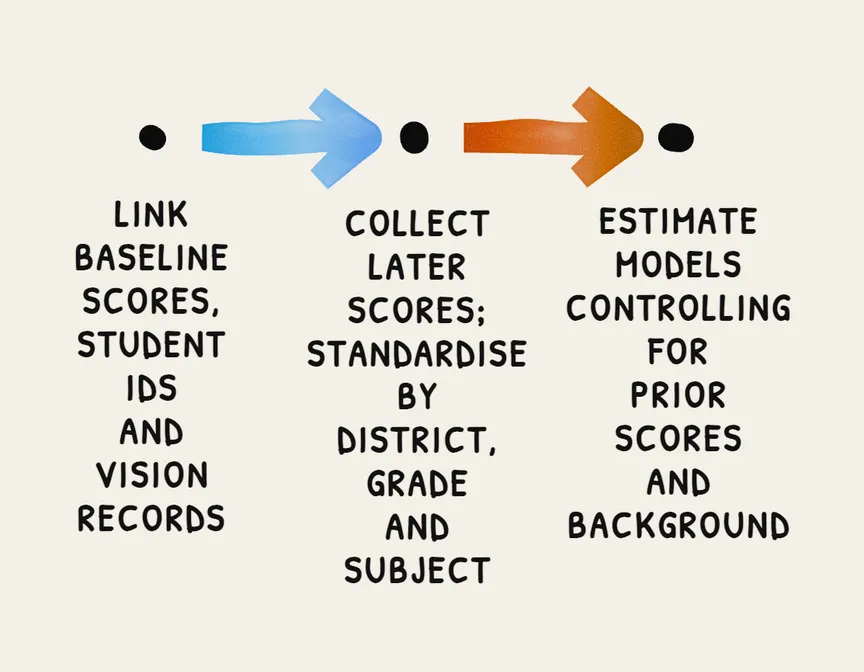
Panel data controlling for lagged test performance isolates post-intervention learning gains from baseline ability differences.
Providing a simple physical measuring tool removes the need for mental calculations and complex dosage instructions.
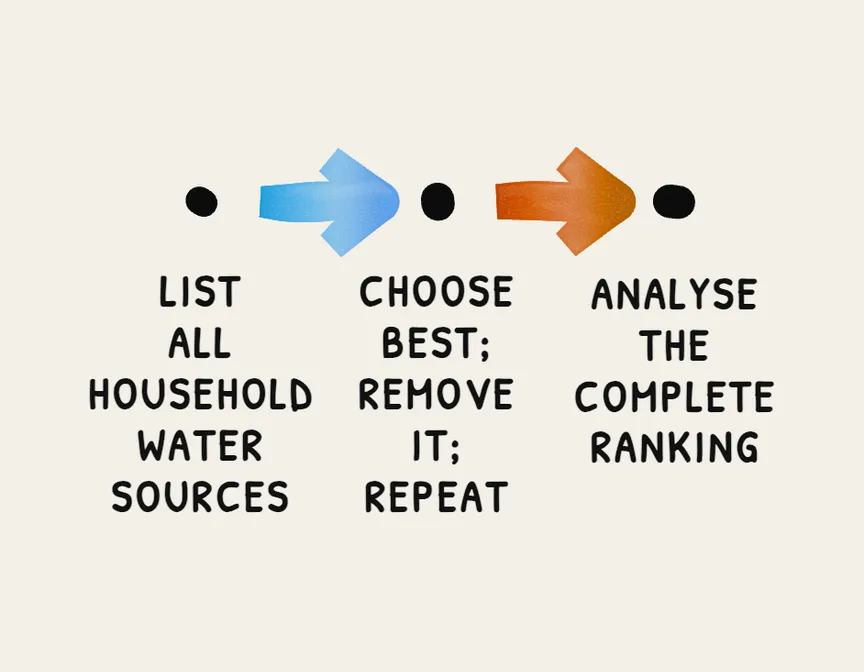
Sequential elimination forces respondents to systematically consider relative trade-offs across all alternative options rather than focusing only on primary sources.
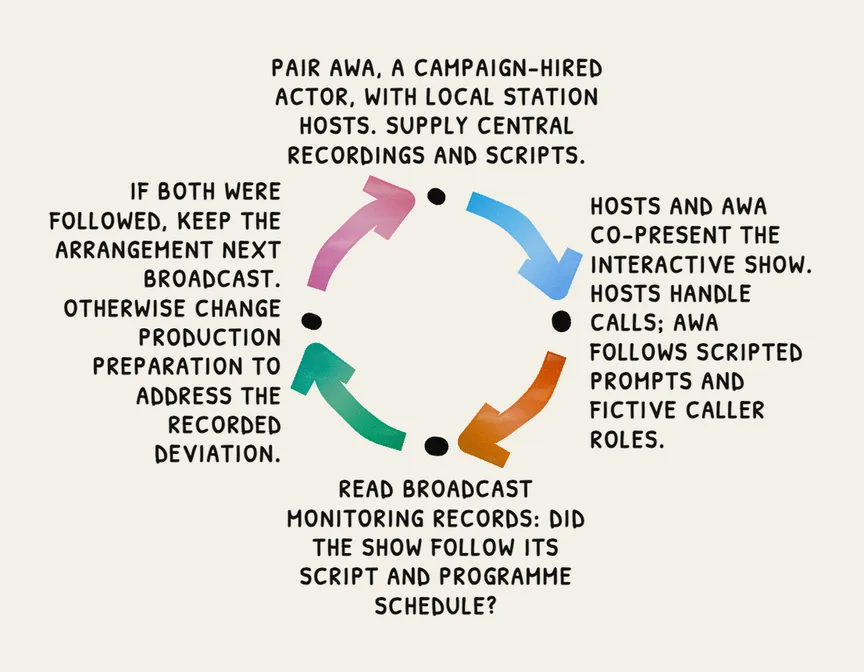
Combining local radio presenters with a dedicated campaign actor combines community credibility with disciplined script execution.
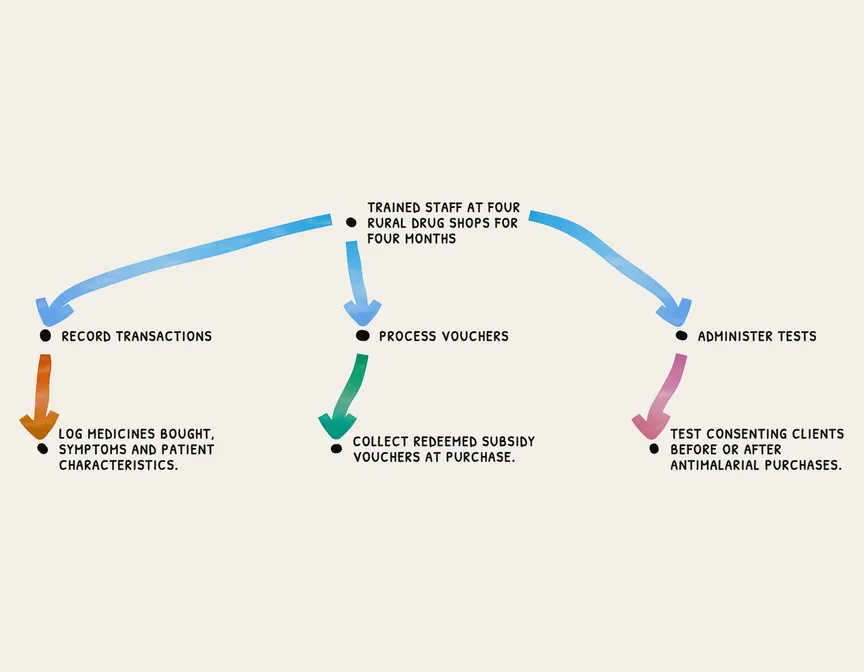
Physical presence at retail shops captures immediate point-of-sale data that household surveys cannot reliably track.
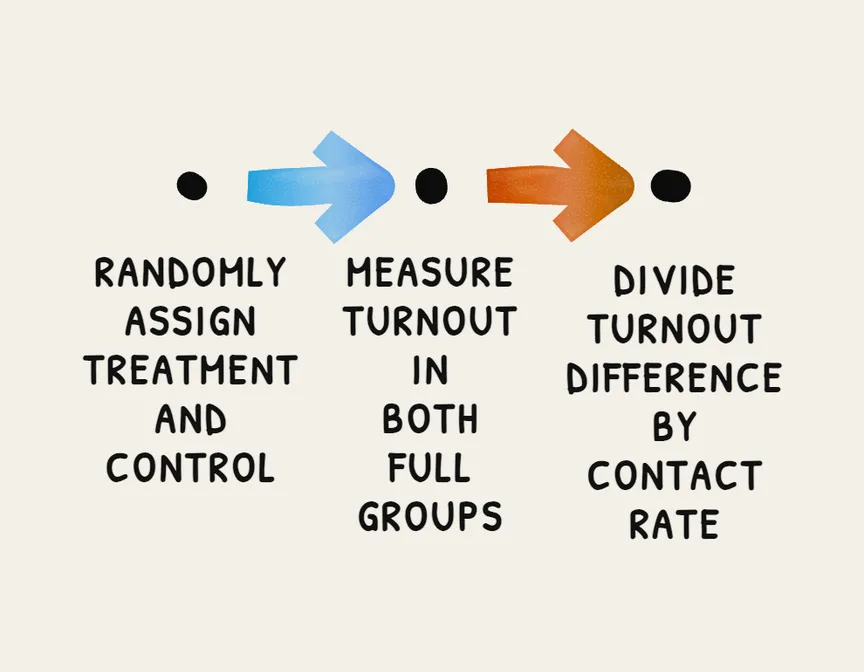
Random assignment guarantees that reachable subjects are distributed equally between treatment and control groups prior to contact attempts.
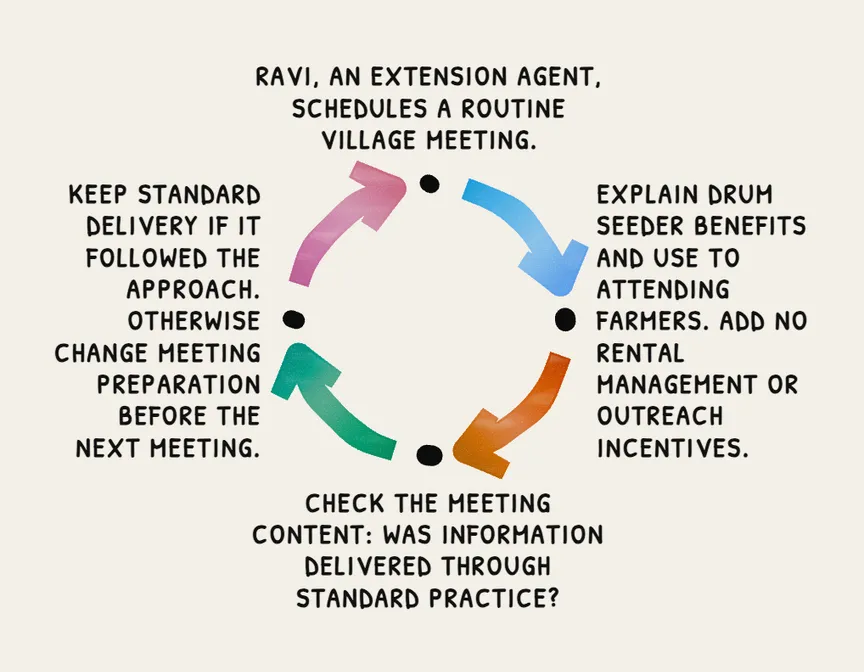
Standard extension meetings provide a baseline channel to share basic agricultural information with farmers who choose to attend.
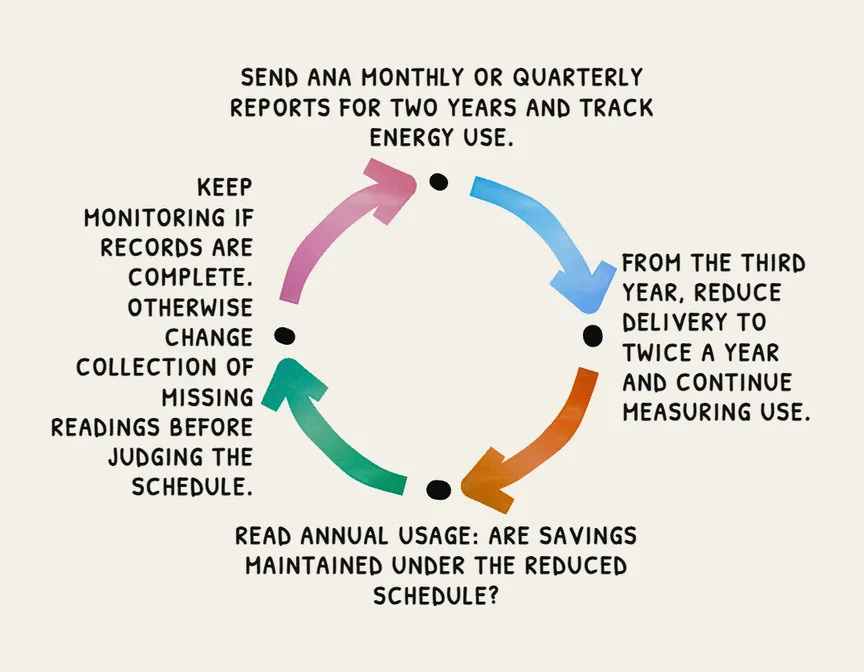
Initial high-frequency reports induce households to develop a capital stock of conservation habits and minor physical energy efficiencies.
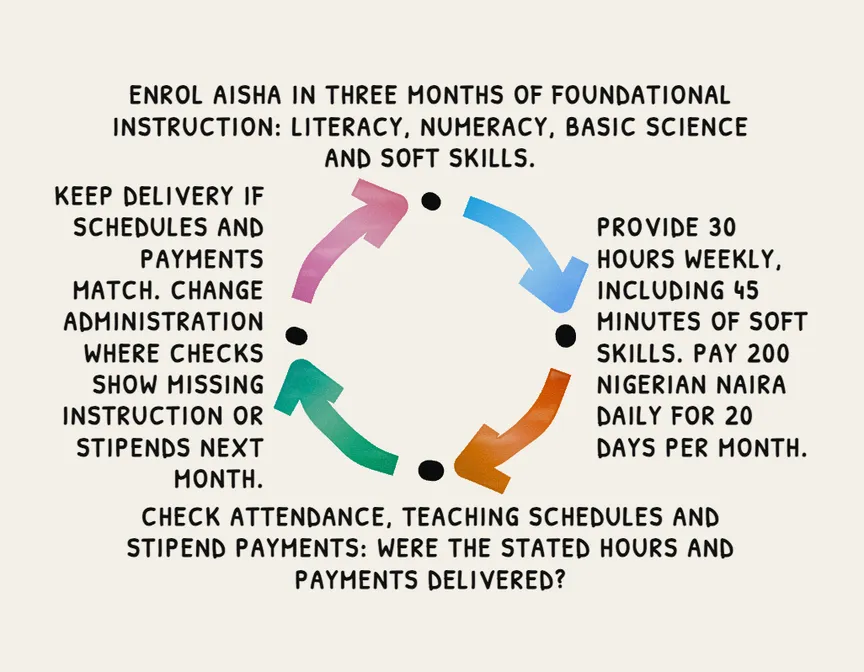
Daily stipends remove the financial barrier of missed earnings so trainees focus on classroom learning without needing immediate side work.
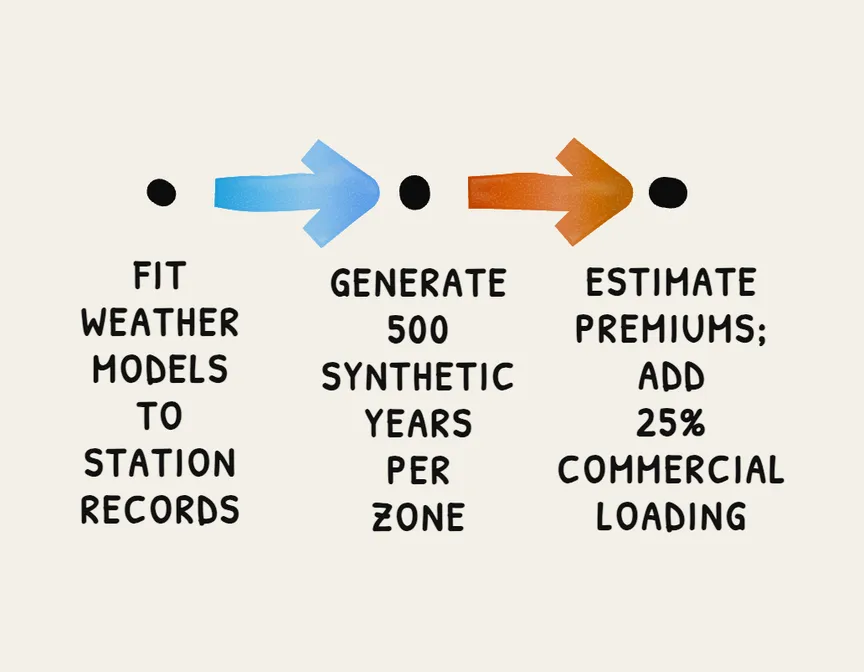
Simulating 500 years of synthetic daily weather data smoothes small-sample noise and missing historical records, establishing stable expected payout probabilities.
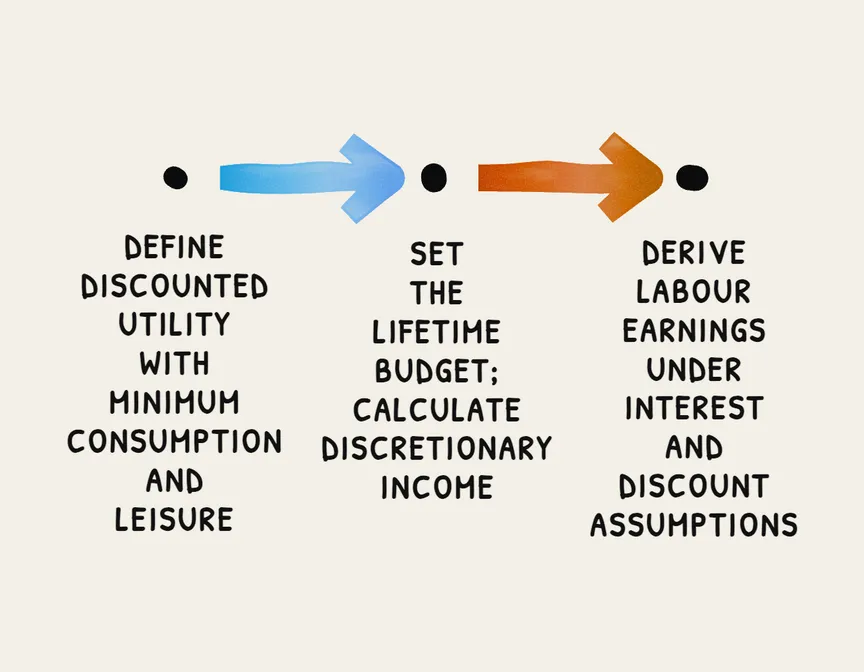
Stone-Geary utility functions allow essential baseline consumption and leisure thresholds to be held constant while isolating how unearned income expands discretionary wealth.
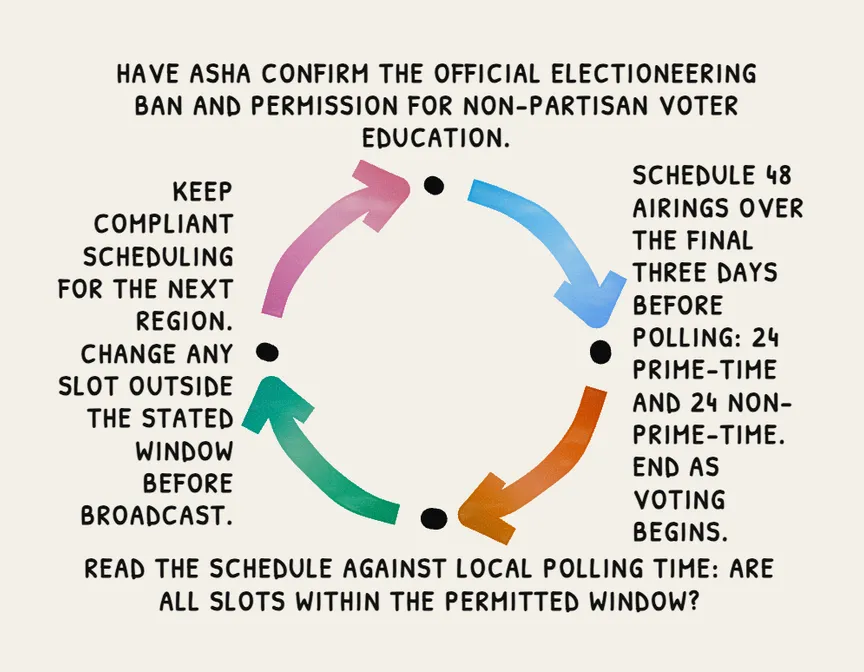
Broadcasting during the pre-election window ensures high voter exposure while party operatives have little time or capacity to adjust vote-buying logistics.
The strategy elicitation method ensures complete comparability across all participating patients by holding the evaluated scenarios constant.
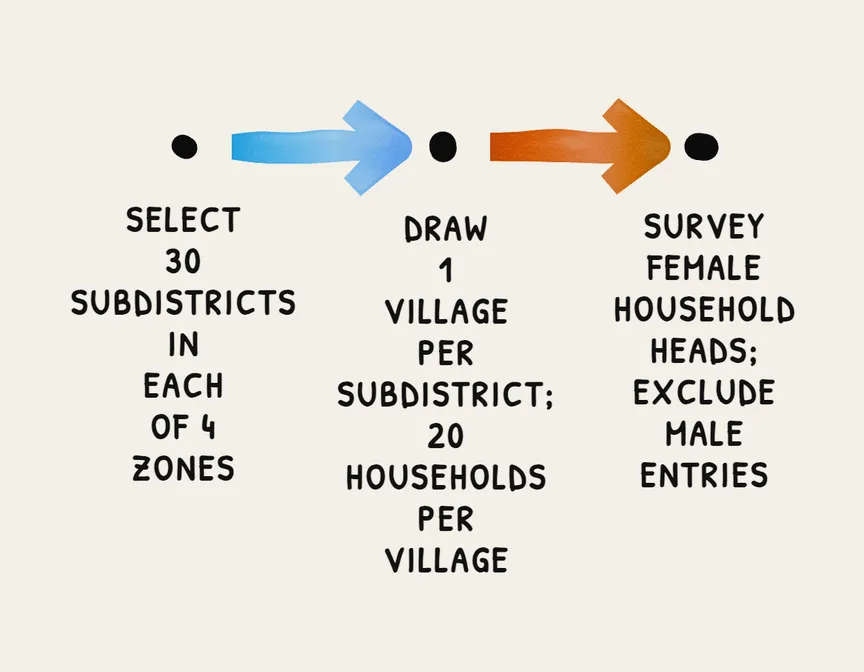
Dividing a population into ecological strata guarantees that geographical differences in fuel availability and terrain are represented.
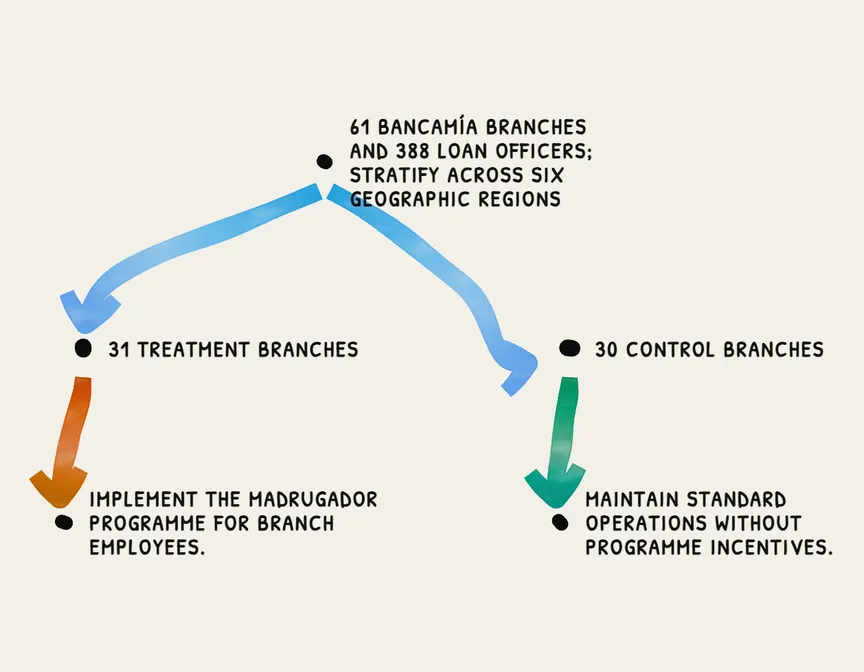
Cluster randomization at the branch level prevents treatment spillovers and fairness concerns among co-workers sharing the same workspace.
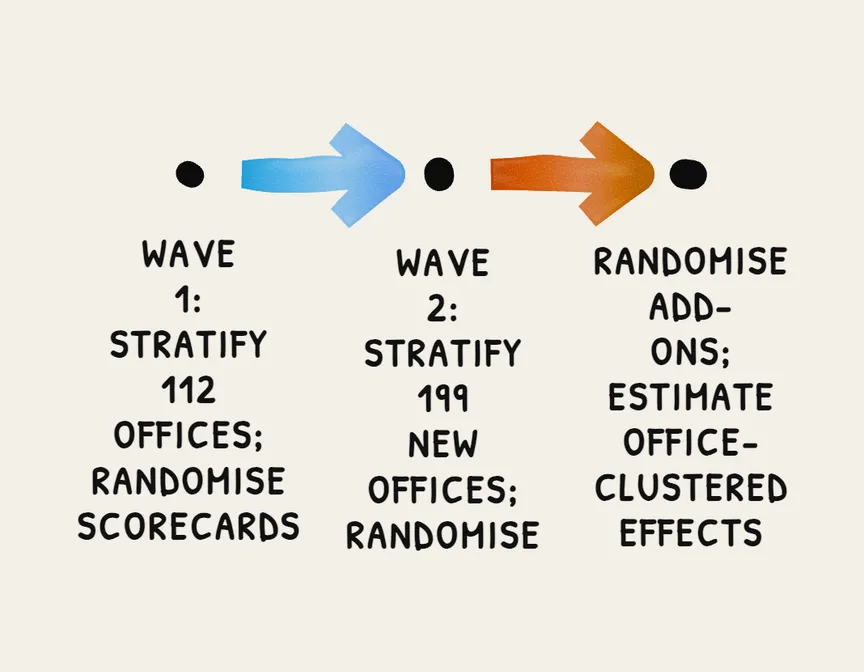
Clustering randomization at the office level prevents information spillovers among civil servants working in the same location.
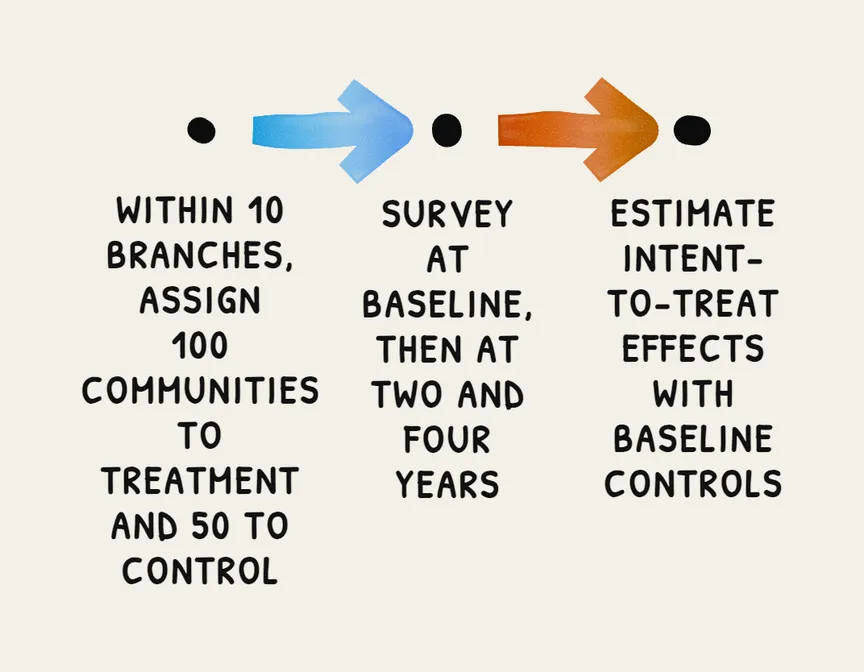
Randomizing at the community cluster level prevents localized treatment spillovers between neighboring youth.
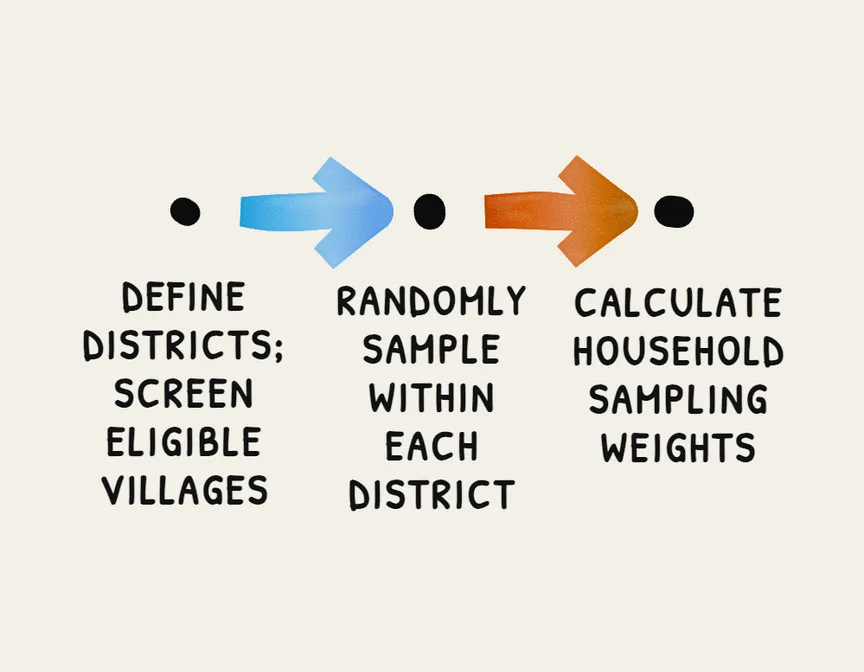
Stratifying by district ensures geographic diversity across administrative boundaries and prevents over-representing specific sub-regions.
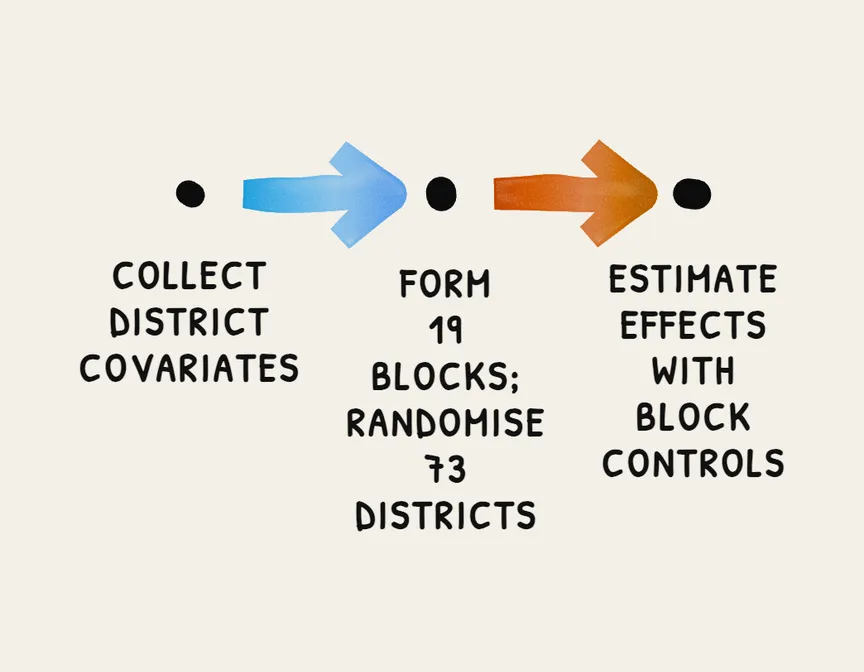
Grouping units into covariate blocks before random assignment ensures that treatment and control groups remain balanced on key baseline characteristics.
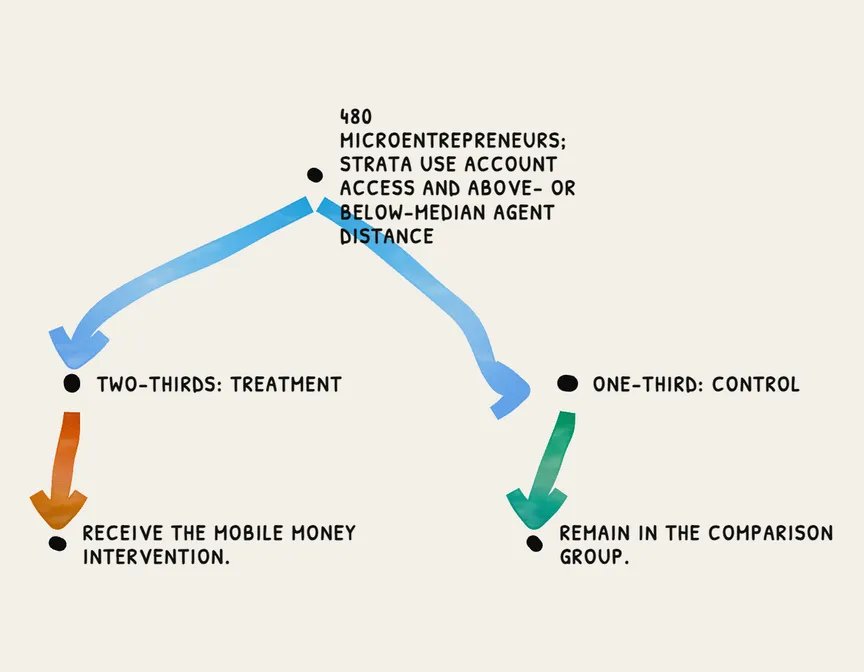
Stratification ensures that treatment and control groups maintain statistical balance on baseline financial inclusion and physical transaction costs.
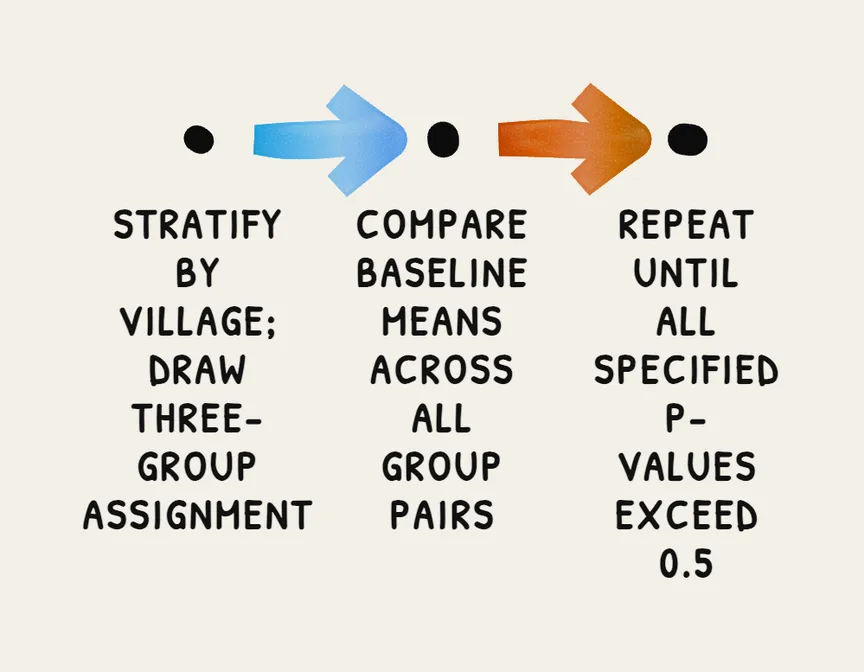
Rerandomization guarantees that treatment and control groups share closely matched baseline economic and agricultural characteristics before interventions occur.
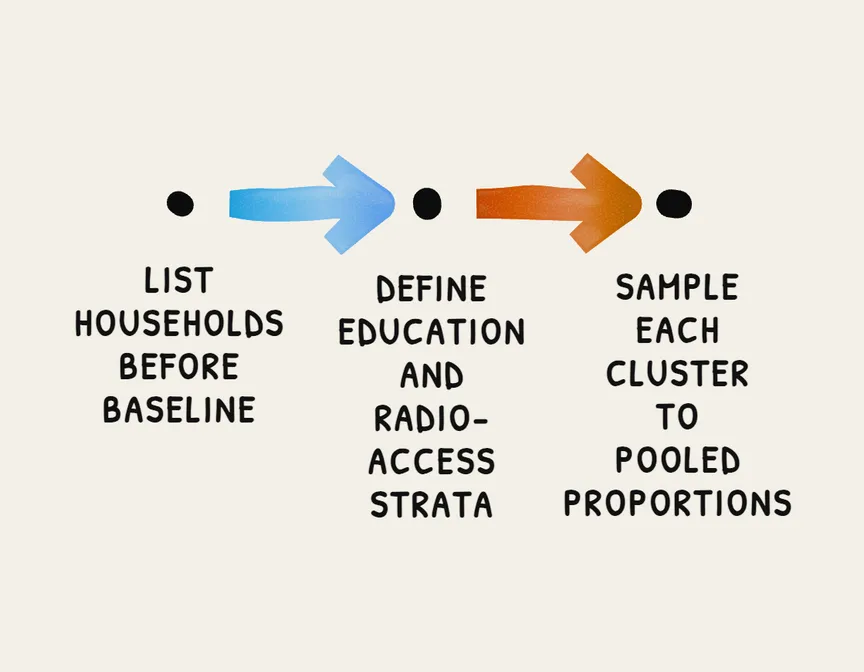
Sampling respondents proportionally to their overall population distribution reduces cross-cluster variance on key demographic predictors.
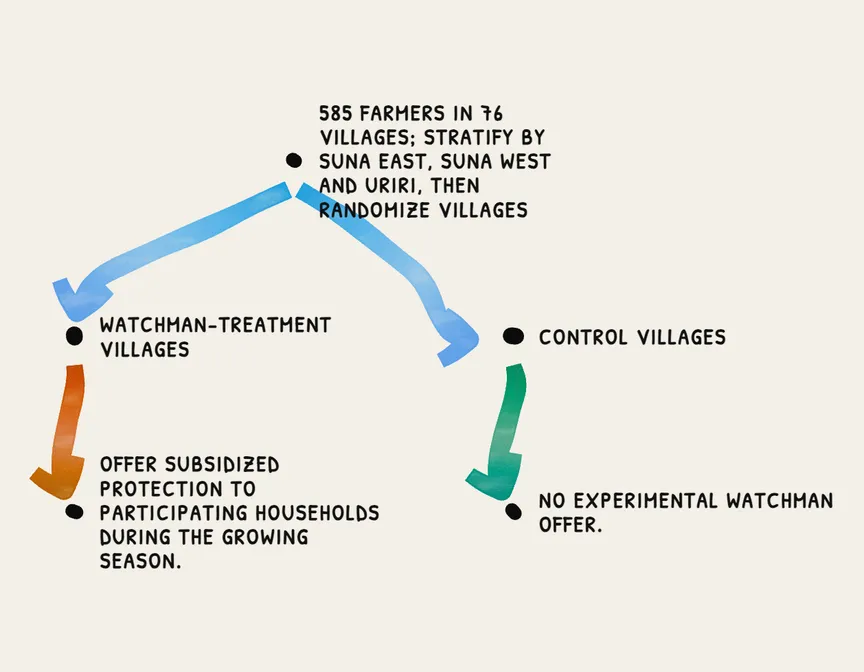
Randomizing at the village level contains localized security spillovers within treatment clusters and prevents control households within the same village from directly sharing guard protection.
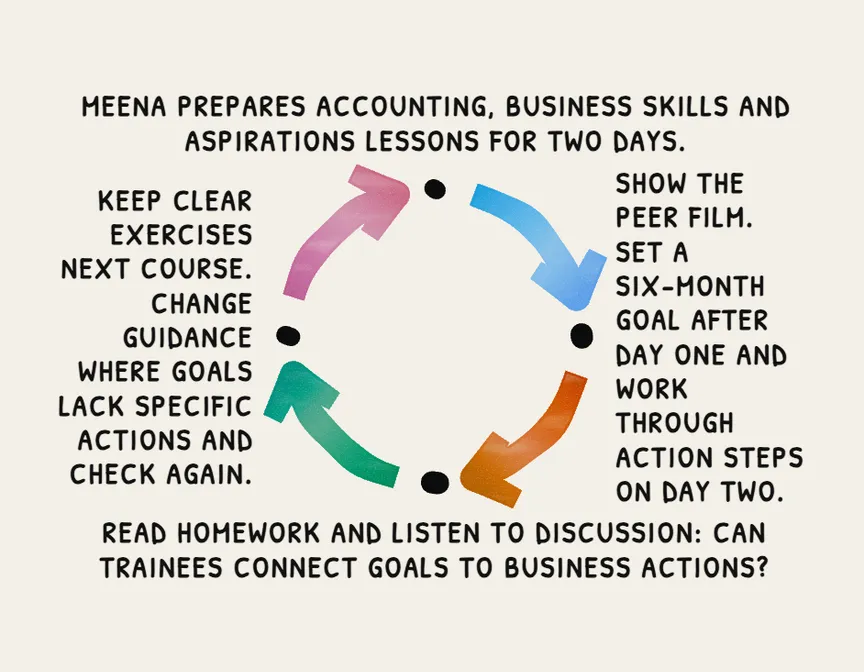
Merging accounting lessons with motivational peer examples and concrete goal decomposition elevates business aspirations.
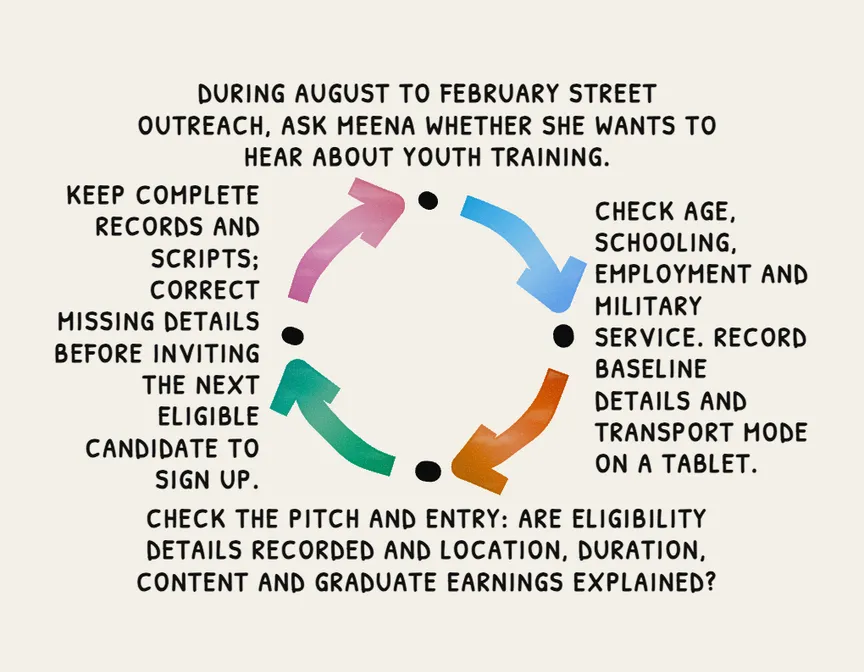
In-person outreach allows direct screening and immediate sign-ups.
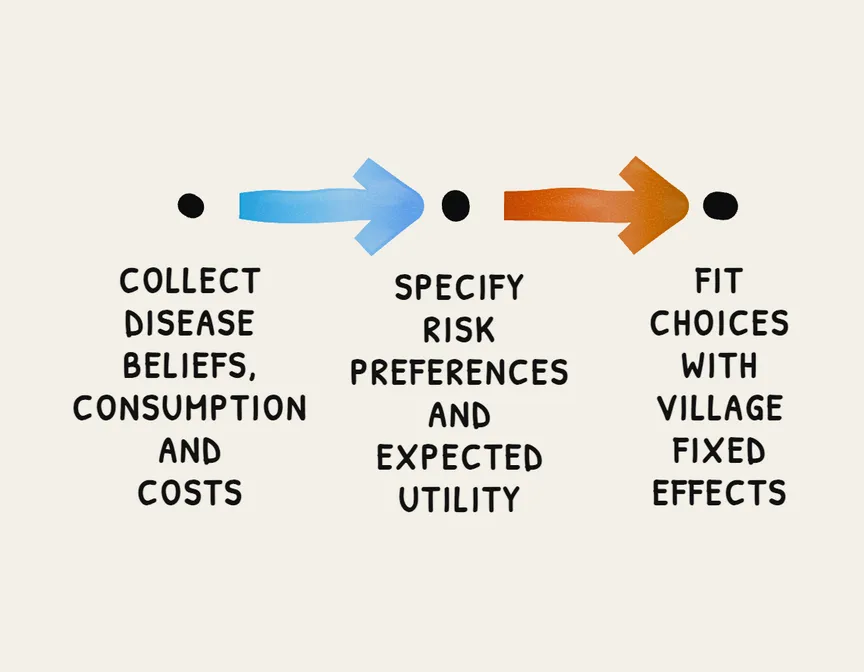
Replacing assumed expectations with directly elicited subjective probabilities allows the model to separate risk perceptions from risk preferences without confounding underlying beliefs.
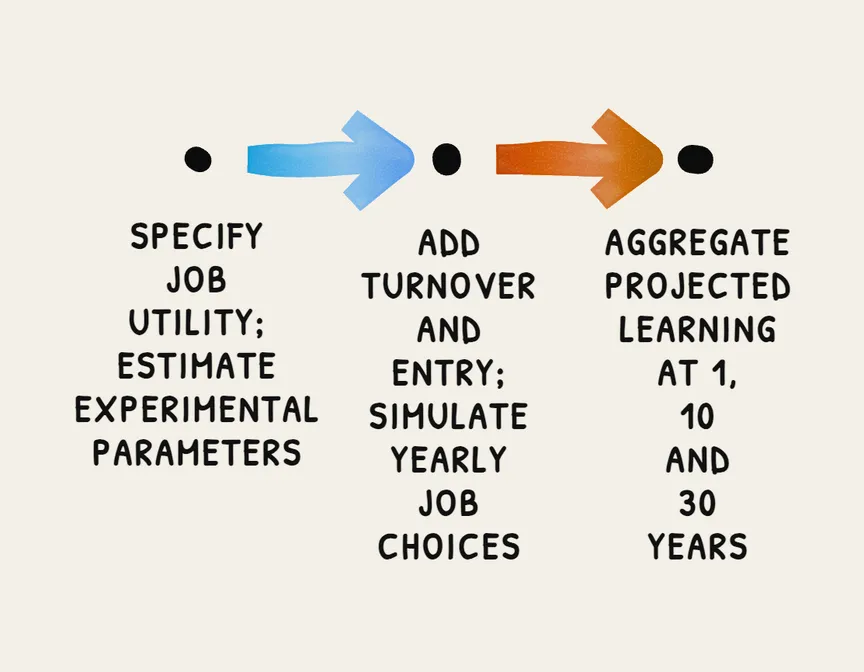
Short-term experiments capture immediate local sorting, but full policy impacts compound over time as high-performing workers accumulate in the profession and low-performing workers exit.
Gathering and analyzing detailed hourly electricity consumption to calculate time-varying bill impacts requires substantial cognitive effort.
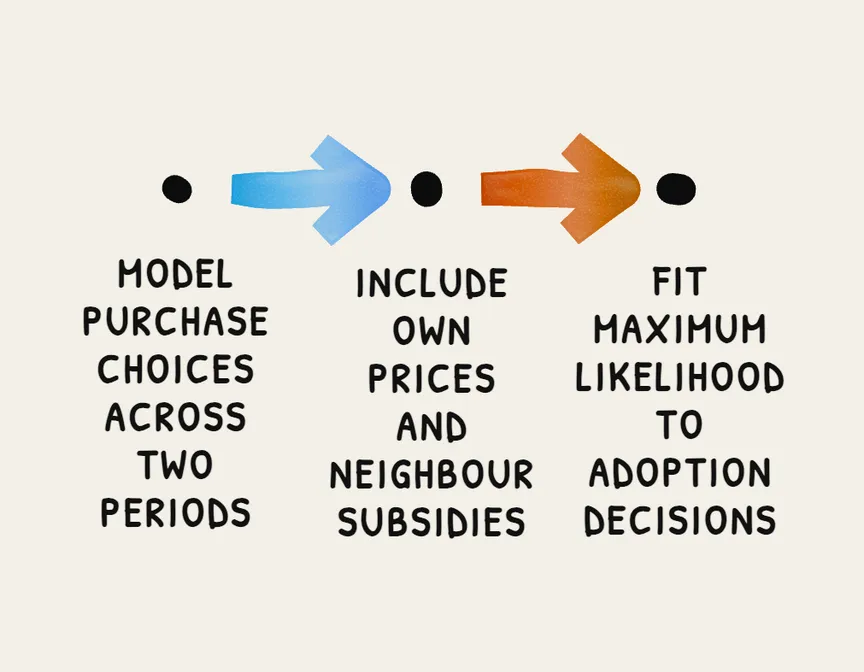
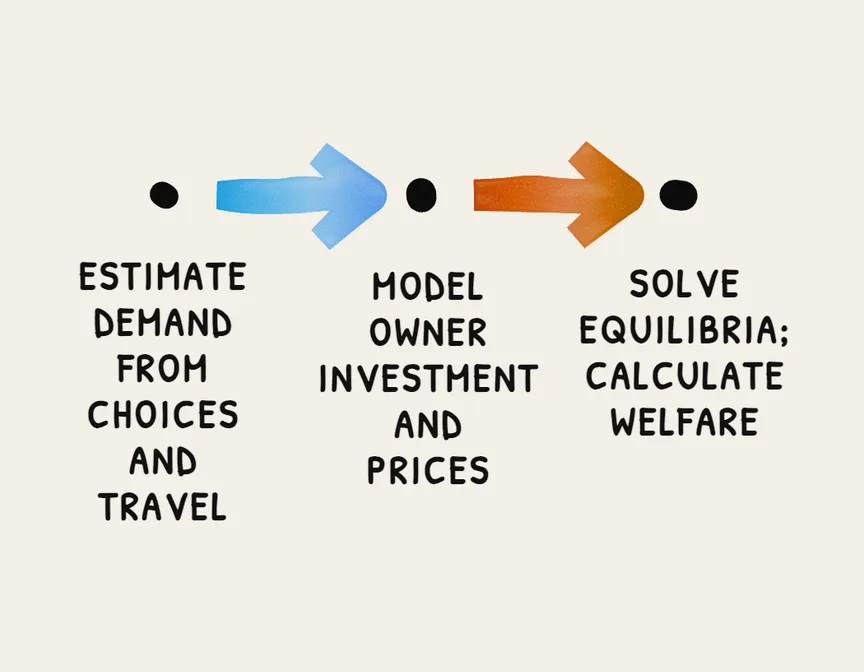
Jointly estimating multi-period decisions leverages independent randomized variation in individual prices and spatial neighbor exposure to identify parameters that reduced-form regressions conflate.
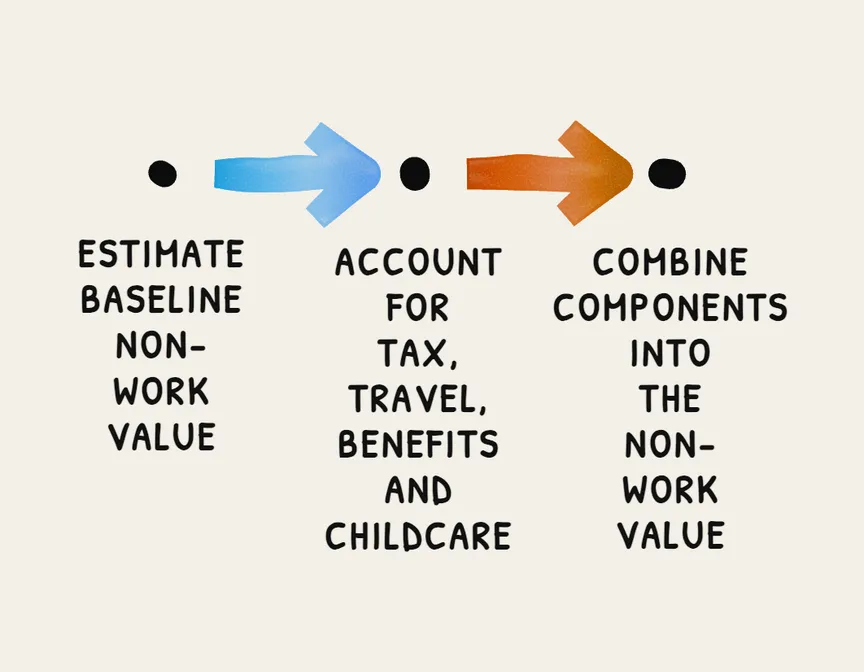
Working full-time requires individuals to give up both leisure time and financial resources associated with staying home.
Simulating strategic interactions between profit-maximizing owners and price-sensitive households reveals the market trade-off between private investment incentives and monopoly pricing distortions.
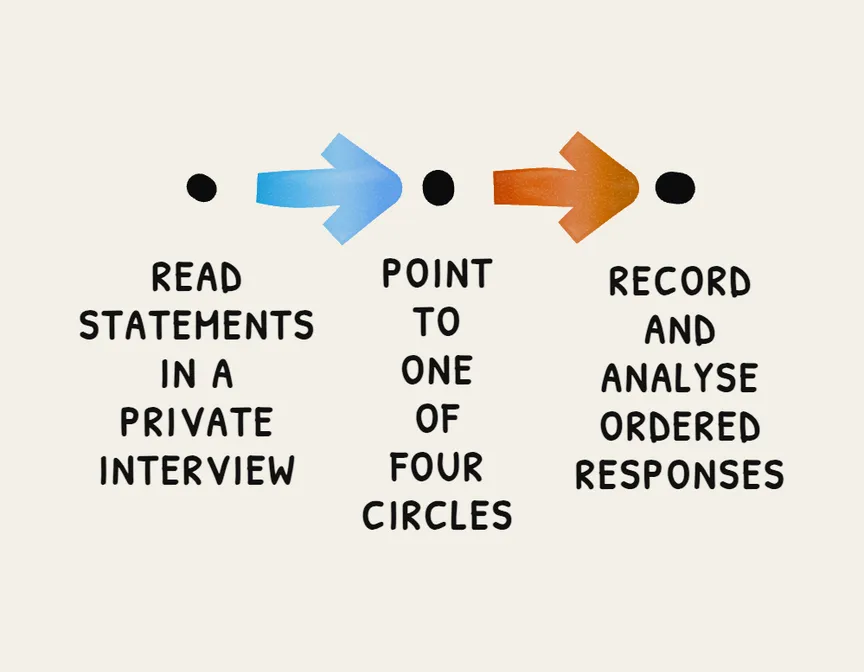
Physical visual scales eliminate literacy barriers and cognitive strain by translating abstract agreement levels into intuitive visual size gradations.
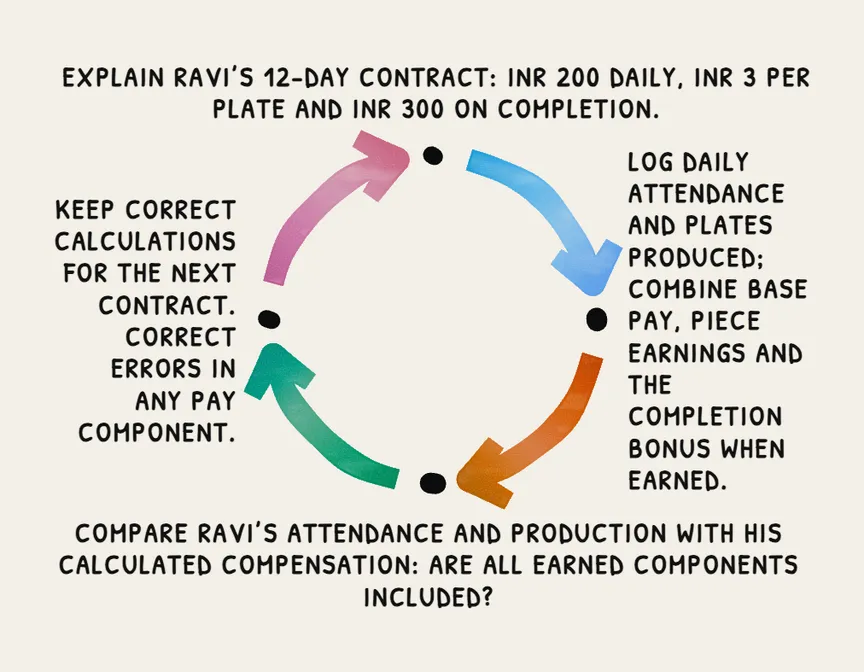
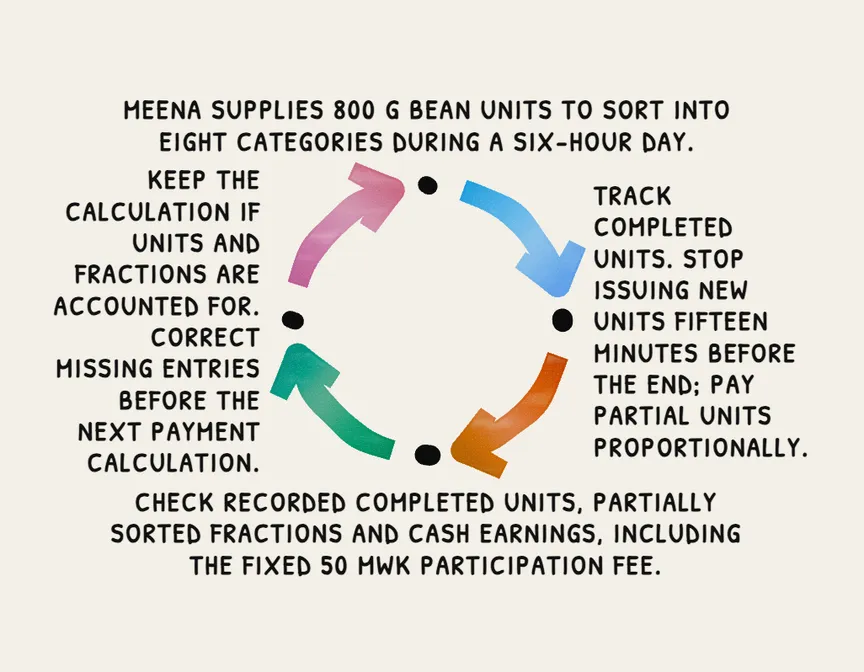
Guaranteed daily base pay reduces income uncertainty for vulnerable laborers while piece rates directly motivate individual hourly production speed.
Paying workers directly for completed volume aligns individual effort with output without requiring continuous supervisor time.
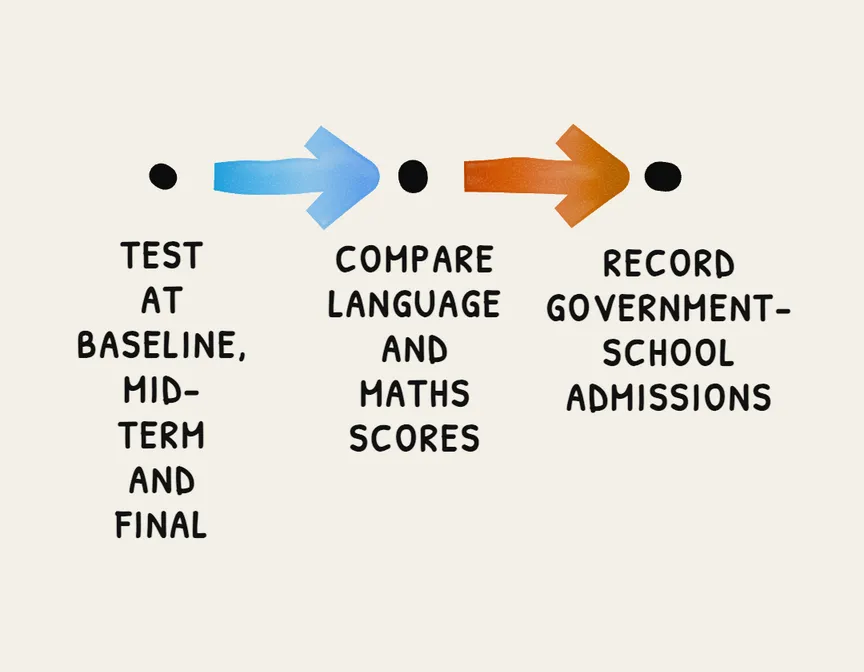
Measuring learning gains directly verifies whether operational interventions increase effective instruction rather than mere physical attendance.
Page 38 of 45
Previous
1
…
37
38
39
…
45
Next