Skip to the methods
Menu
aikyam
school
Findings
Methods
Subjects
All cards
Read
Findings
Methods
Subjects
All cards
Methods
2,124 methods
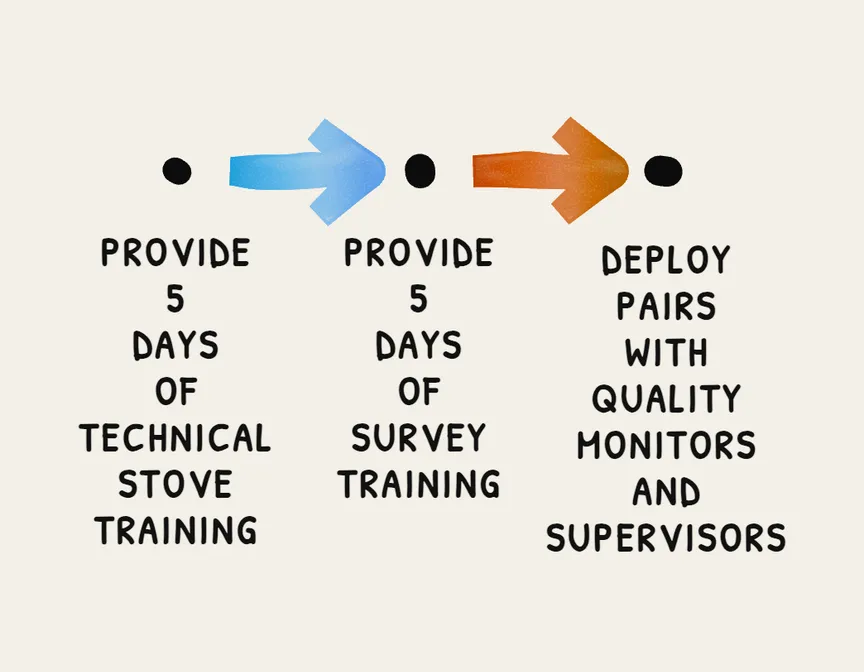
Combining technical stove construction mastery with survey administration training ensures enumerators can accurately explain technical product details during marketing offers while maintaining research data rigor.
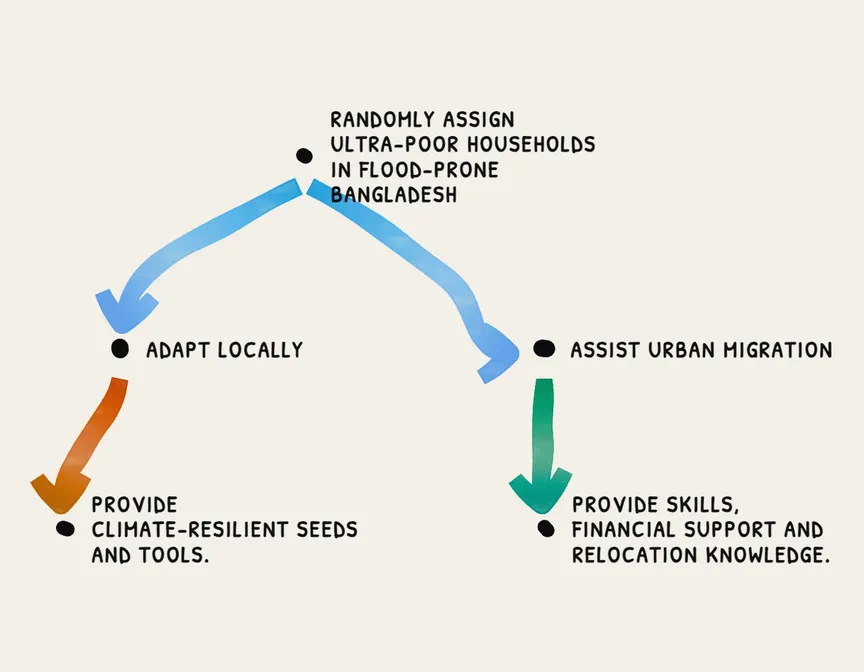
In-situ support builds local resilience against environmental shocks without forcing families to relocate.
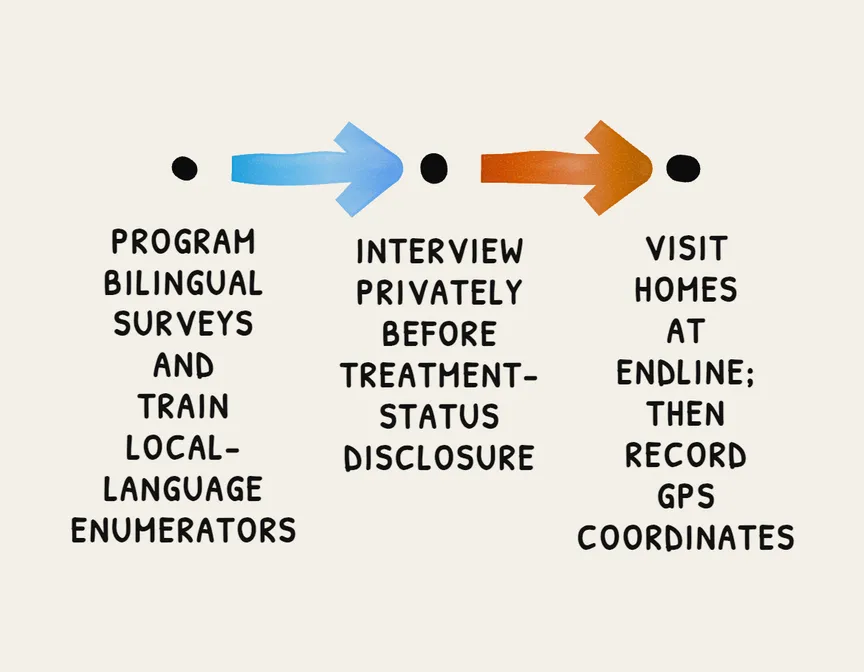
Digitizing surveys on tablet computers reduces enumerator data entry errors and enables automated logic checks during interviews.
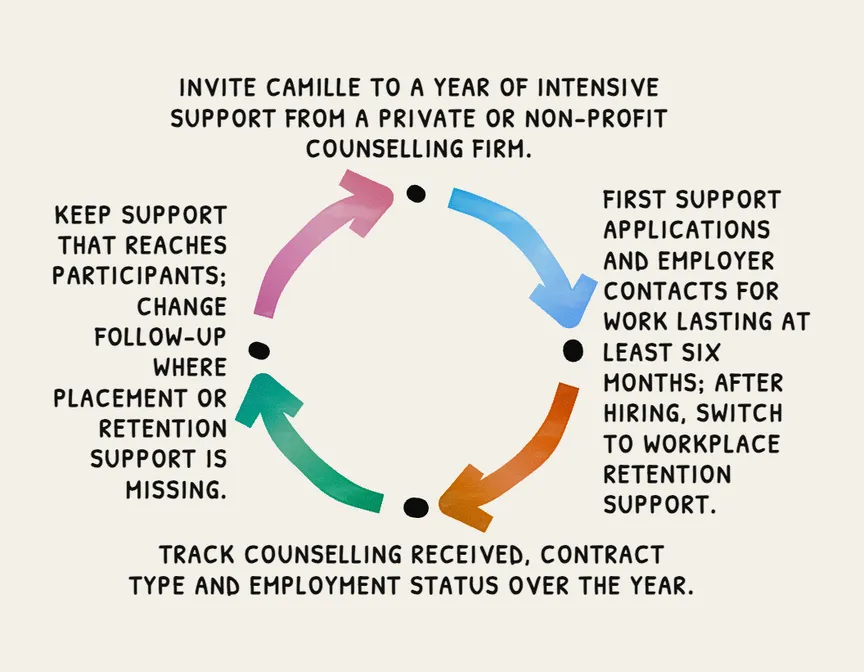
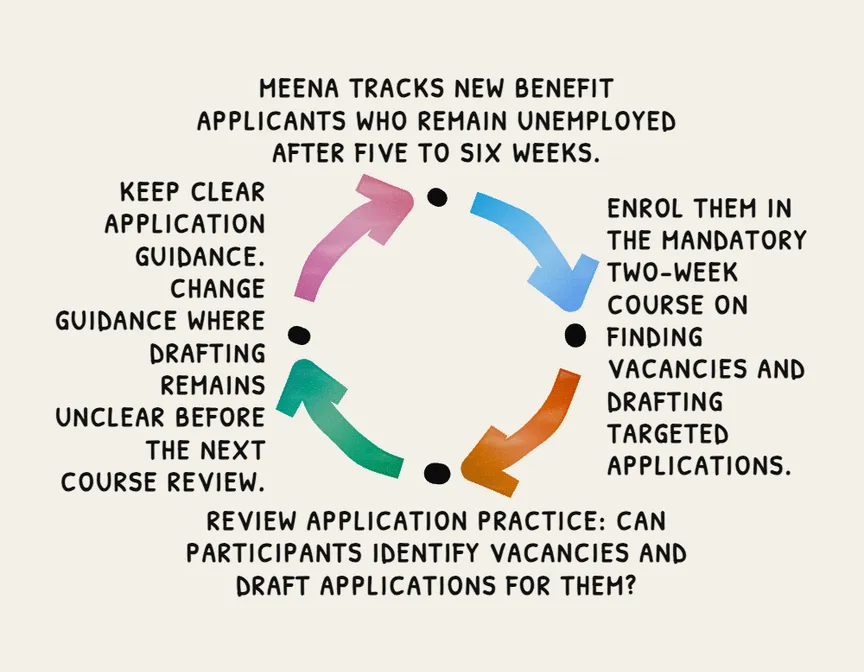
Personalized counseling helps job seekers navigate job applications and connects them directly with hiring managers.
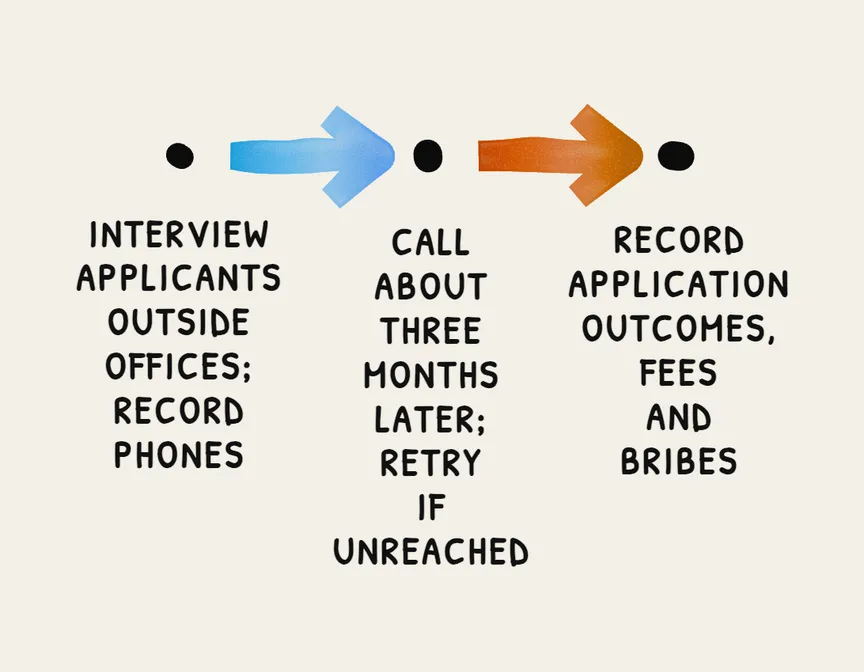
In-person interception captures a representative sample of active applicants at the office without relying on government contact lists.
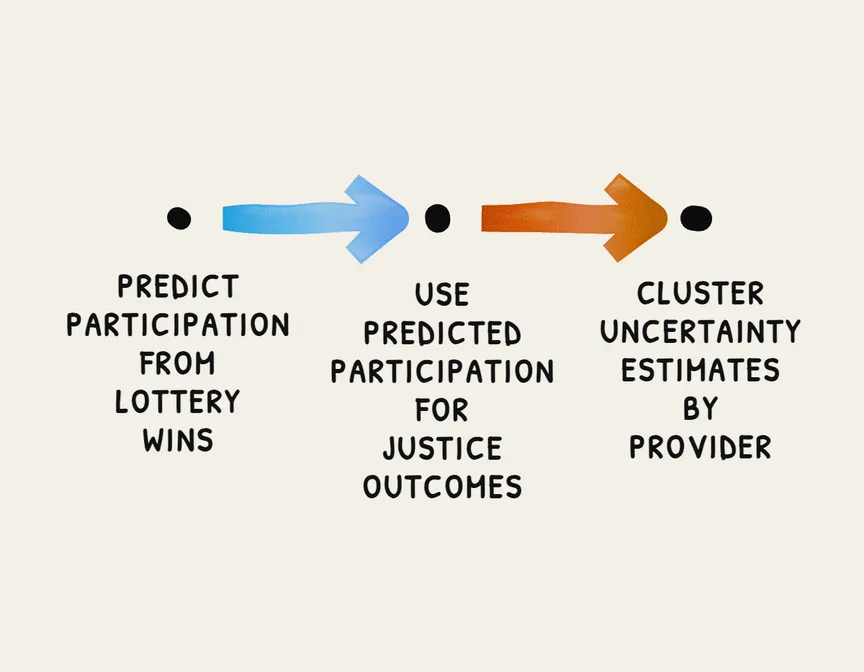
Randomized lottery assignment breaks the connection between participant motivation and program enrollment.
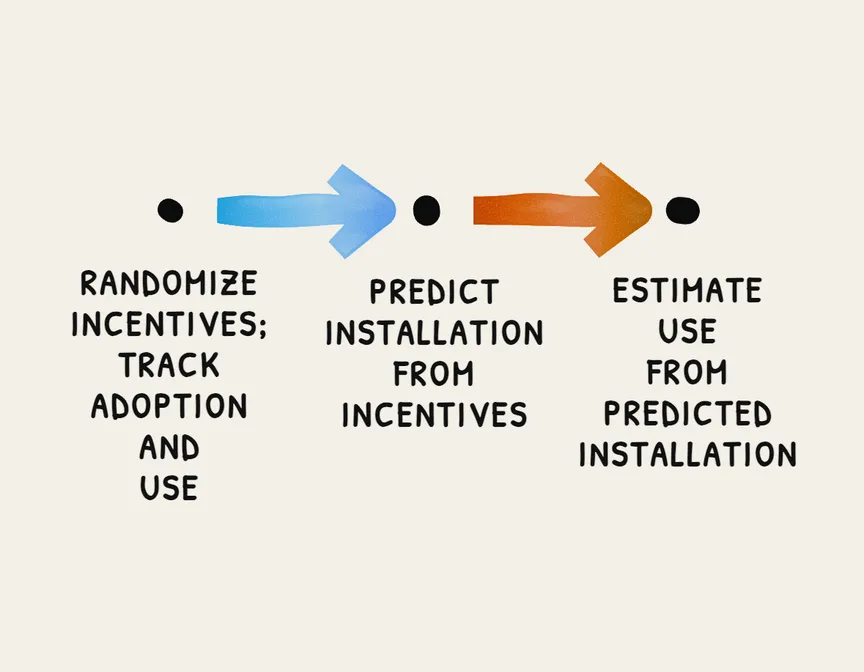
Random assignment of price encouragement creates exogenous variation in adoption that is independent of unobserved household energy consumption factors.
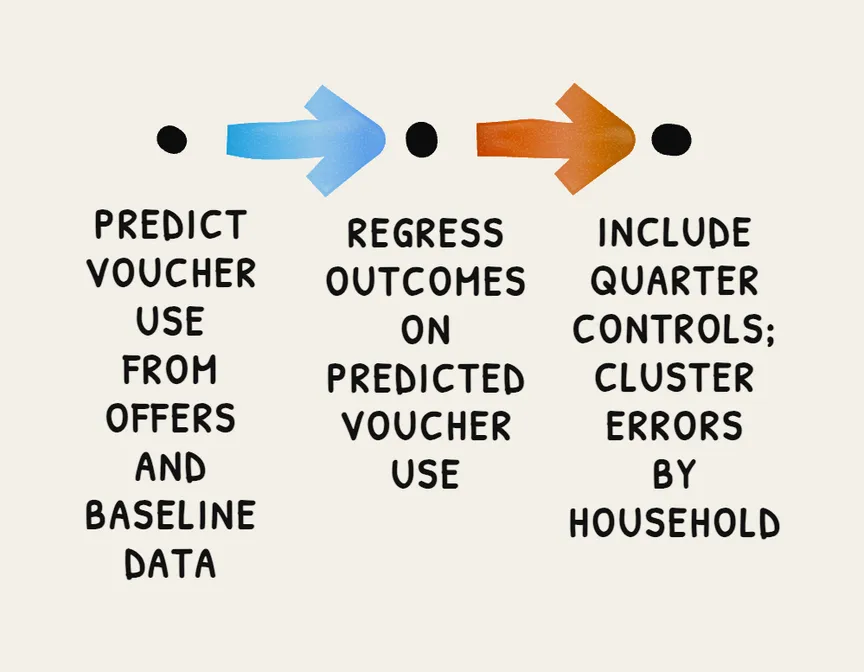
Random wait-list lottery assignment creates exogenous variation in benefit offers that strongly predicts actual voucher utilization without directly affecting labor outcomes.
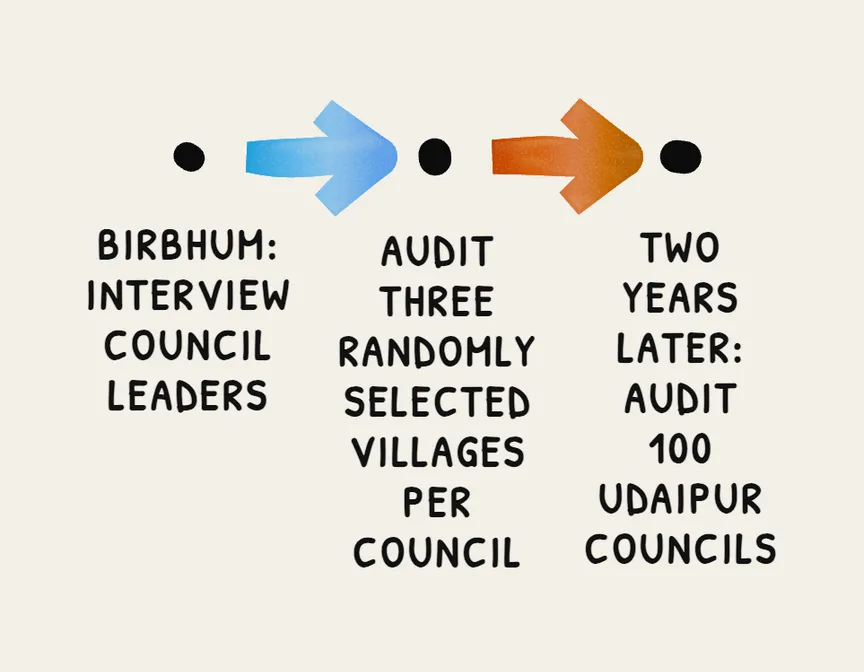
Combining pradhan background interviews with physical infrastructure audits isolates gender-driven policy differences from leader characteristics like education or political experience.
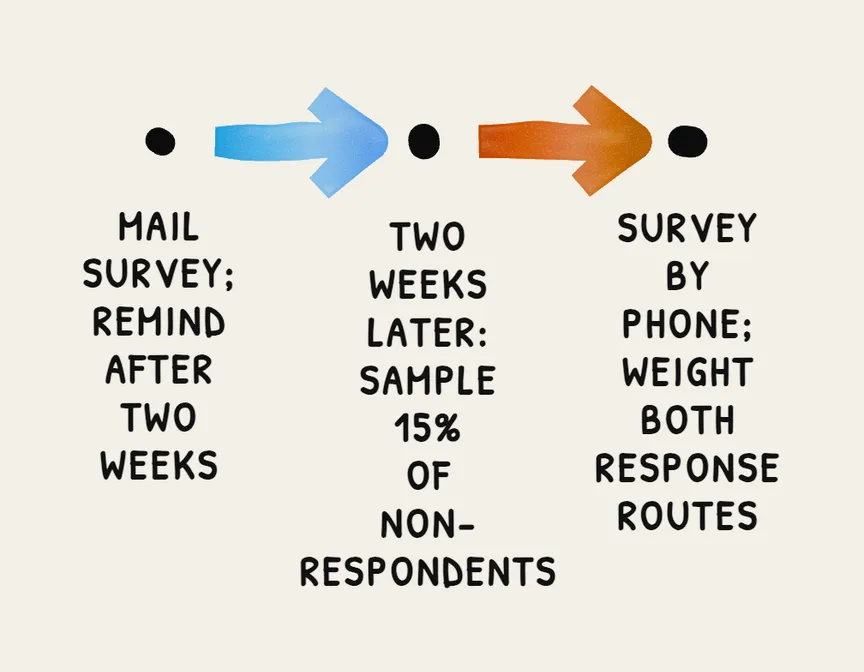
Combining initial mail questionnaires with phone sampling of non-respondents minimizes data collection costs while eliminating non-response selection bias.
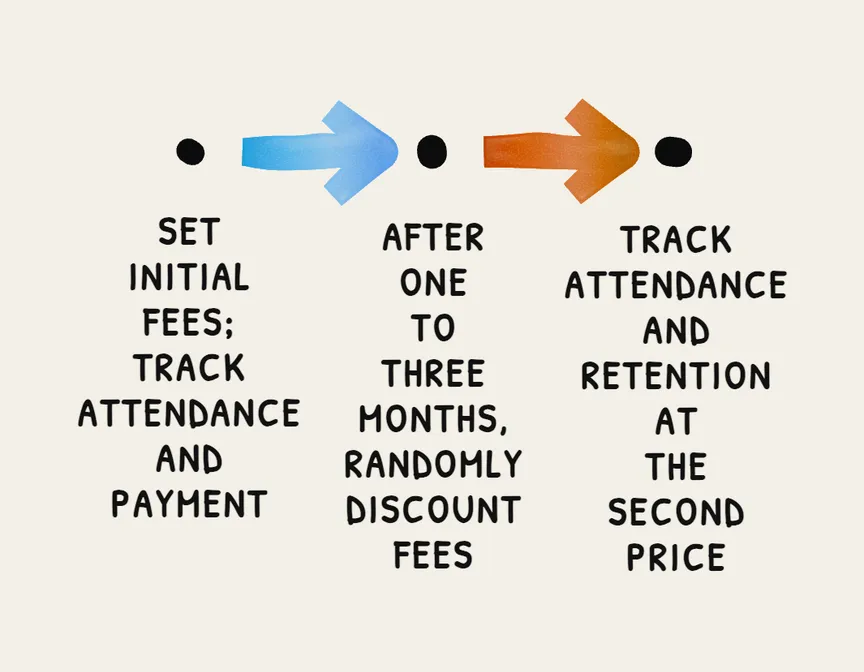
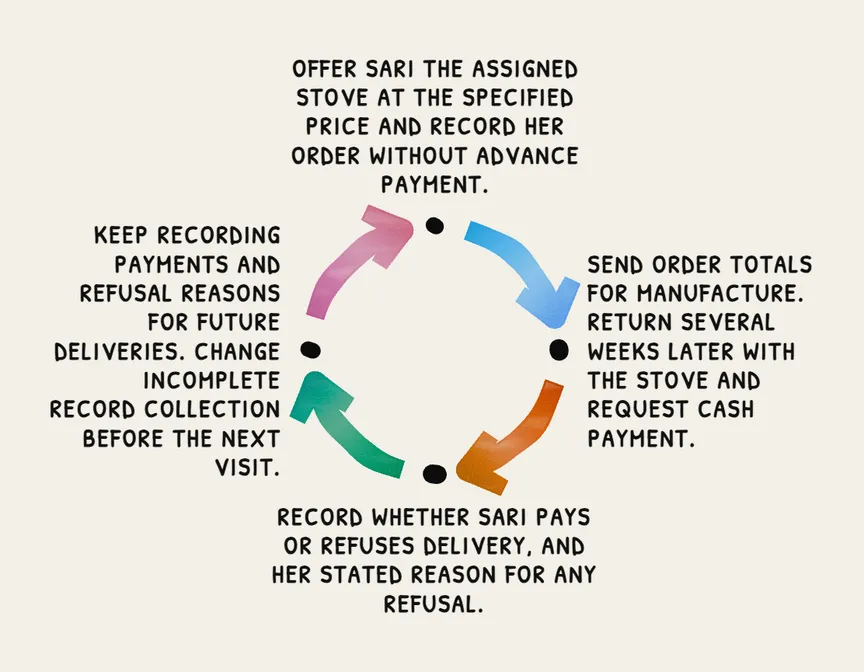
Lowering prices after an initial period separates screening effects from ongoing cost burdens.
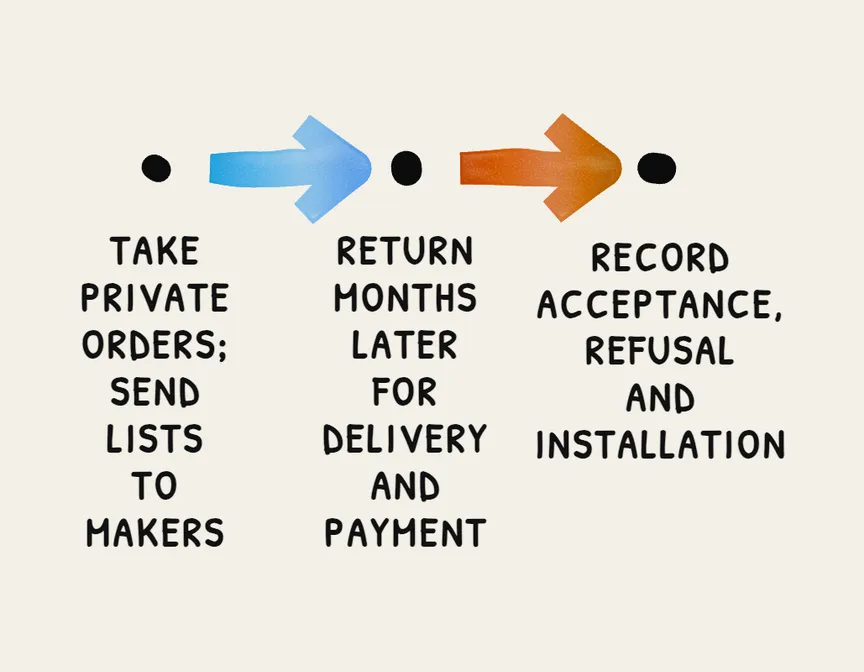
Allowing a time gap between initial orders and delivery lets spouses learn each other's preferences and negotiate spending decisions.
Decoupling initial ordering from delivery allows time for peer information exchange and tracks household cash availability.
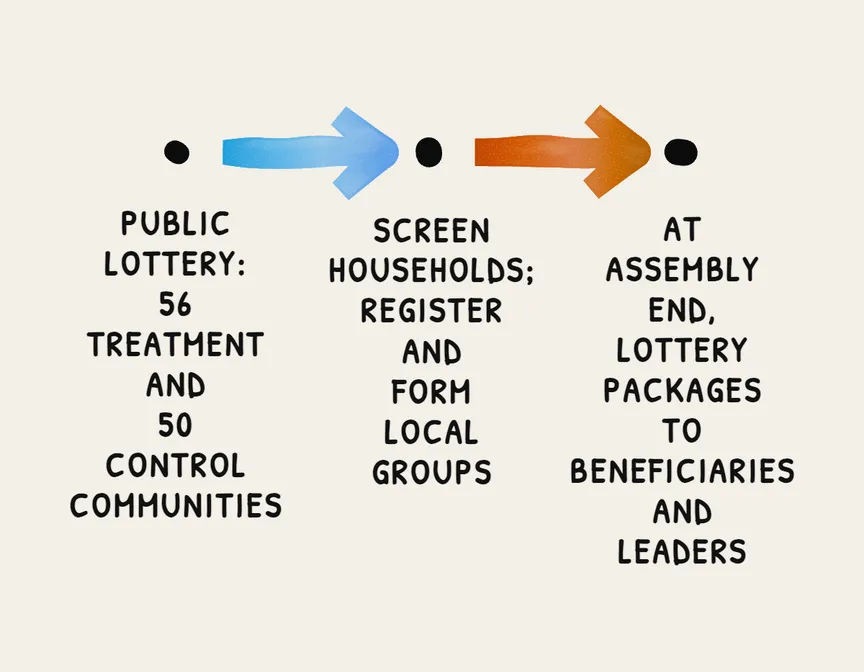
Public lotteries ensure total transparency and community acceptance when distributing packages of varying cash value.
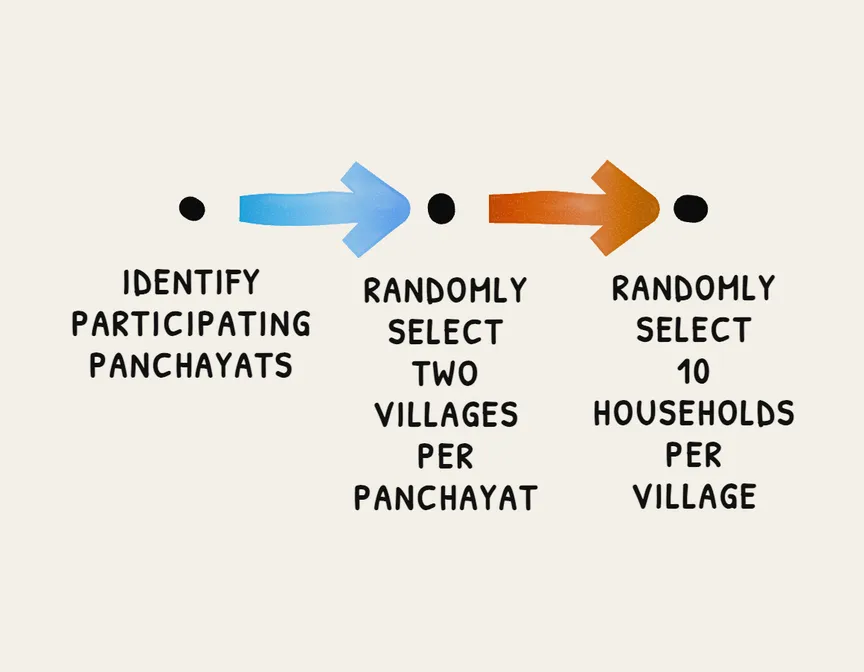
Randomly selecting villages and households within administrative units ensures the sample represents the broader rural population while preventing selection bias.
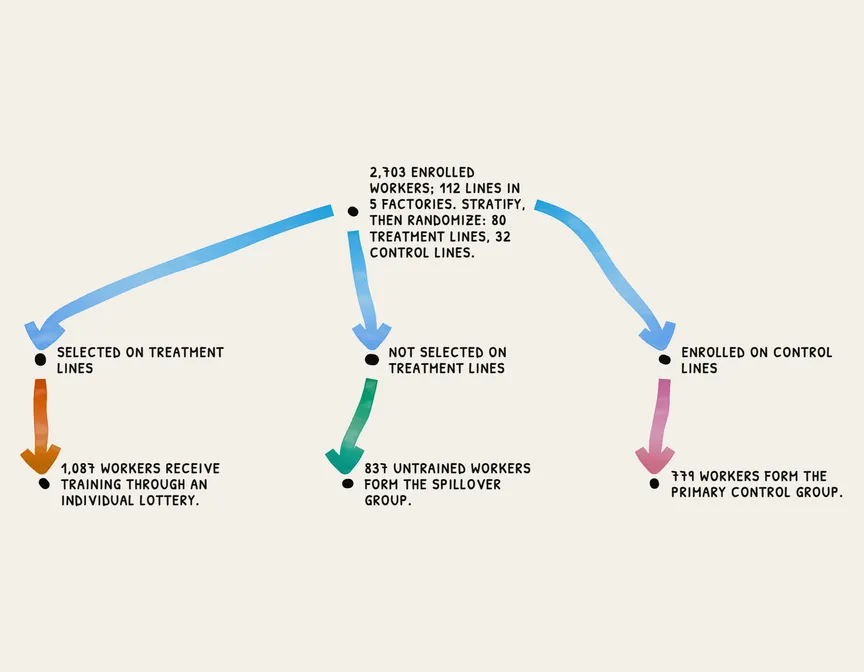
First-stage line randomization isolates untreated control lines from peer communication spillovers.
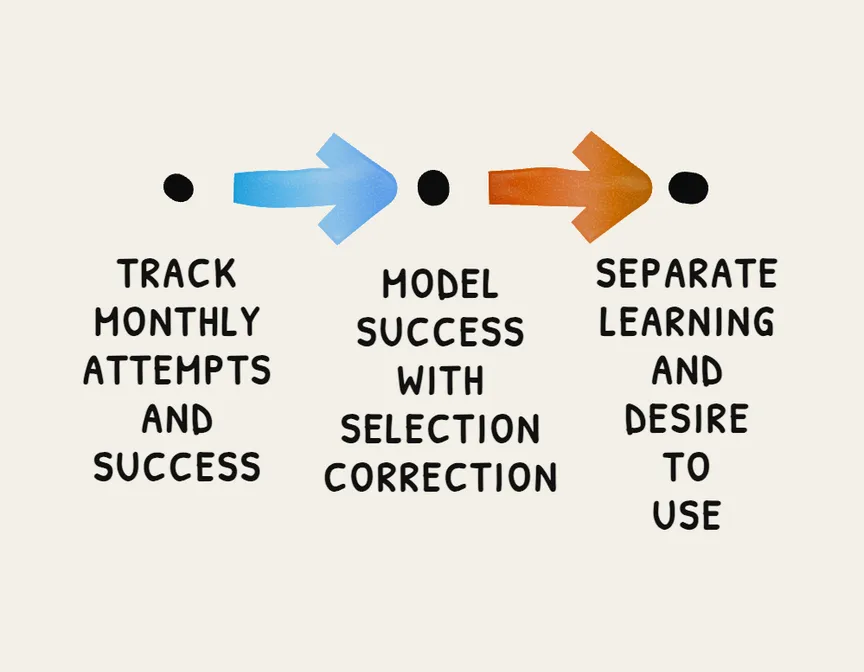
Separating trial attempts from successful usage isolates whether social networks influence intrinsic product valuation or technical skill learning.
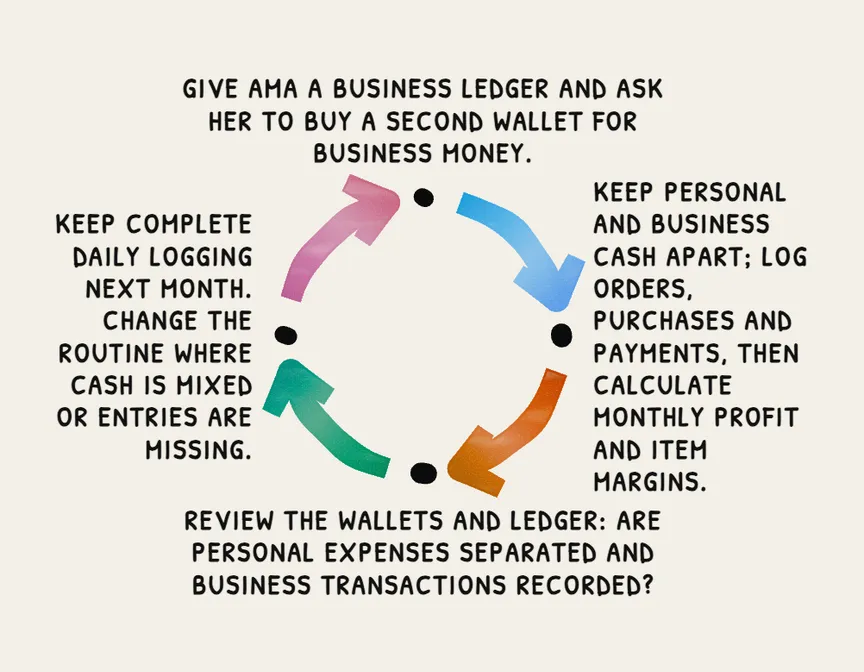
Physical separation of cash prevents household spending from eroding business working capital, while daily transaction logs give owners clear visibility into enterprise profitability.
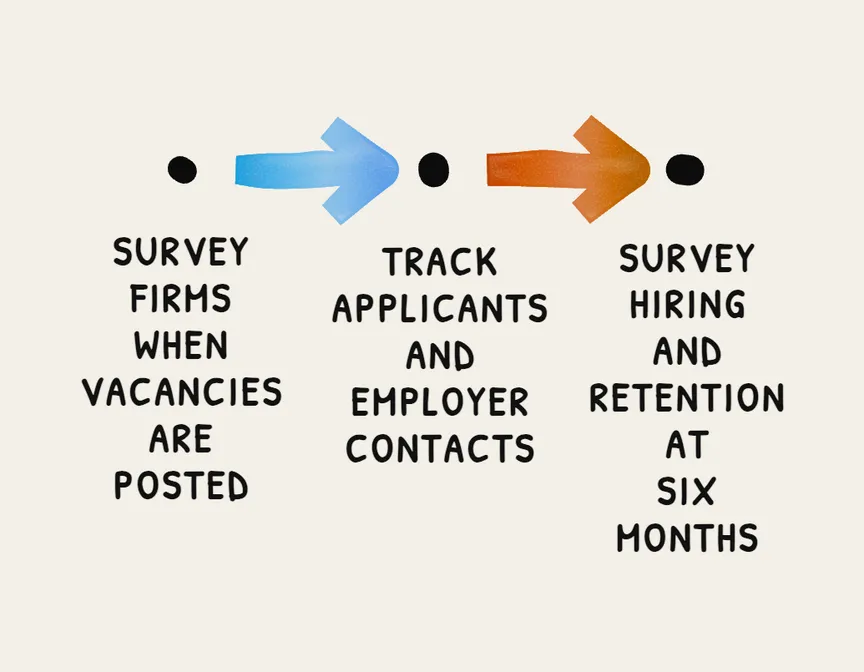
Combining portal administrative logs with six-month survey follow-ups allows researchers to distinguish between candidate browsing behavior and final employment retention.
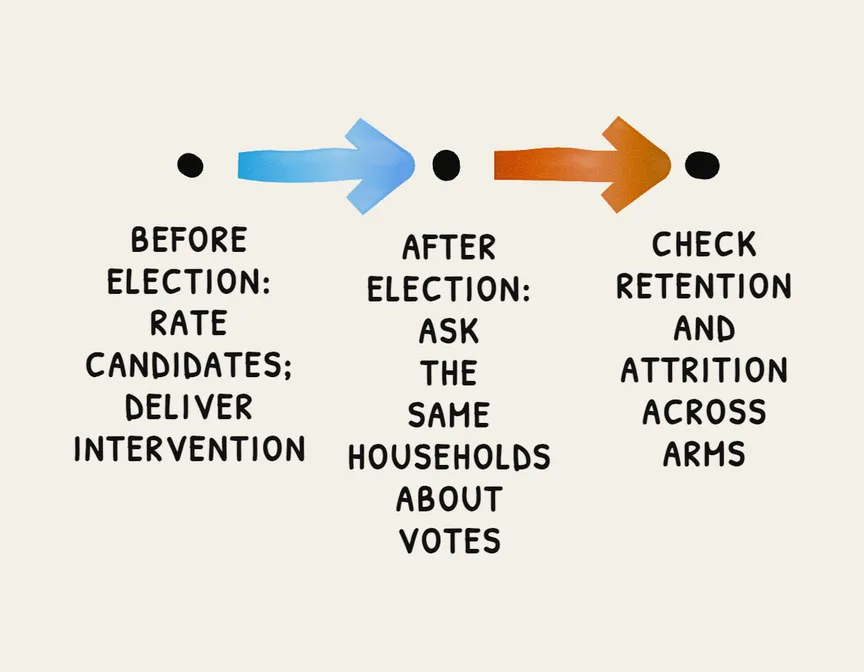
A two-wave panel survey captures baseline preferences before candidates distribute cash, creating an untainted benchmark.
The intensive course reduces the individual cost of submitting job applications and provides structured guidance that speeds up job matching.
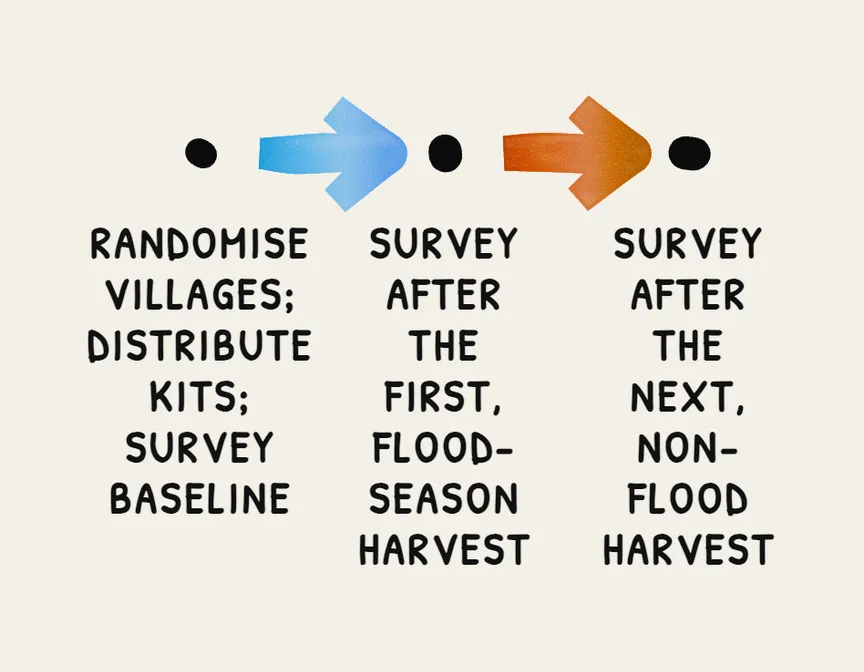
Observing farmers across contrasting weather conditions isolates immediate survival benefits during disaster years from persistent behavioral changes during typical years.
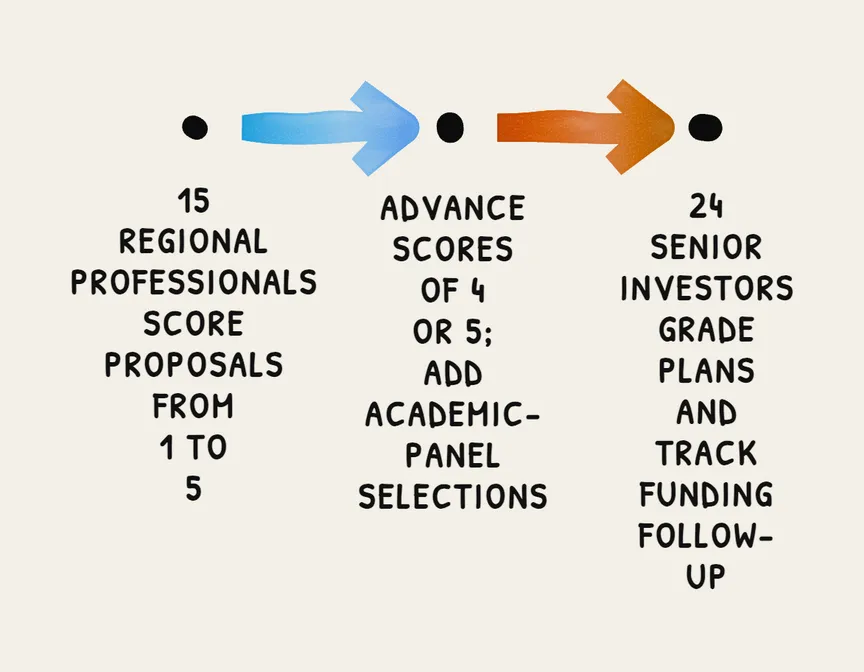
Local ecosystem experts effectively filter out low-quality proposals using standardized criteria.
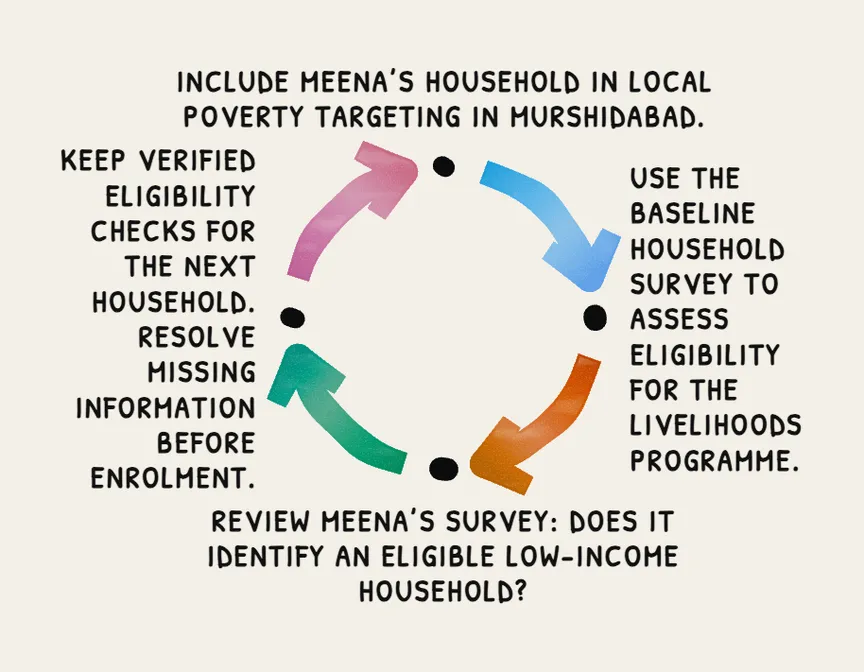
Targeting ultra-poor households ensures that financial assistance and capital resources reach families with the highest economic need.
Surprise physical checks prevent workers from altering their attendance habits prior to observation.
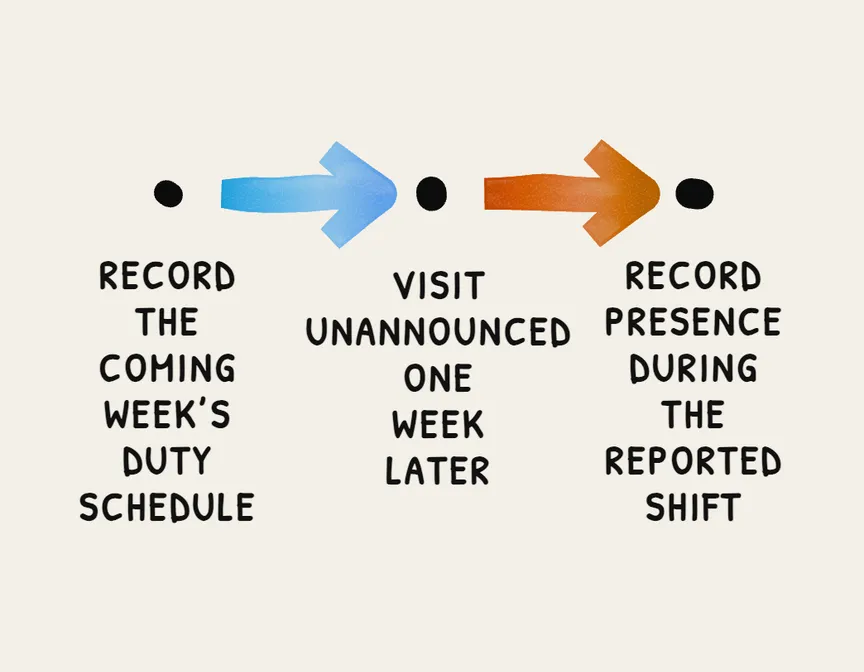
Unannounced physical checks prevent health workers from altering their attendance behavior in advance.
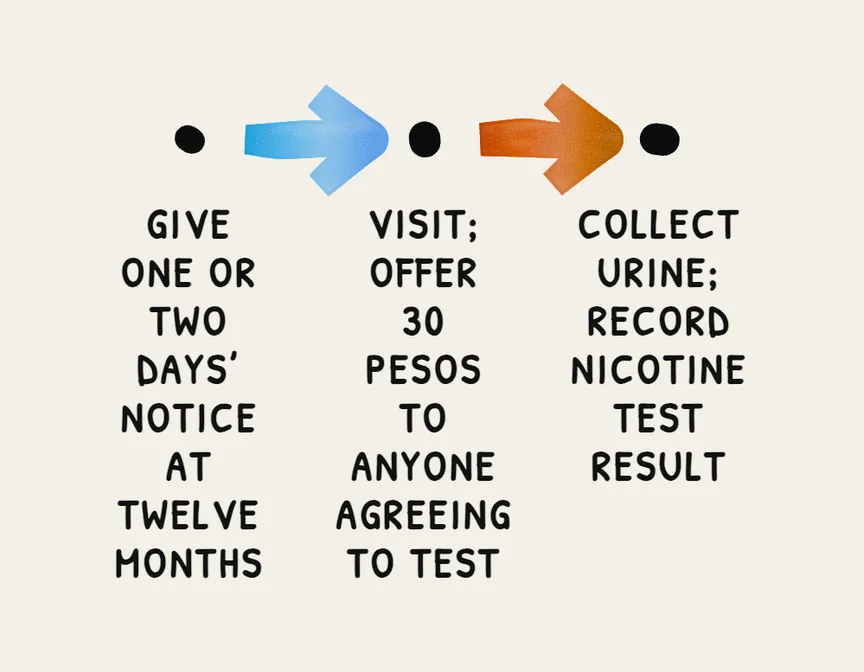
Surprise testing with short notice prevents participants from temporarily abstaining for a few days to pass the test.
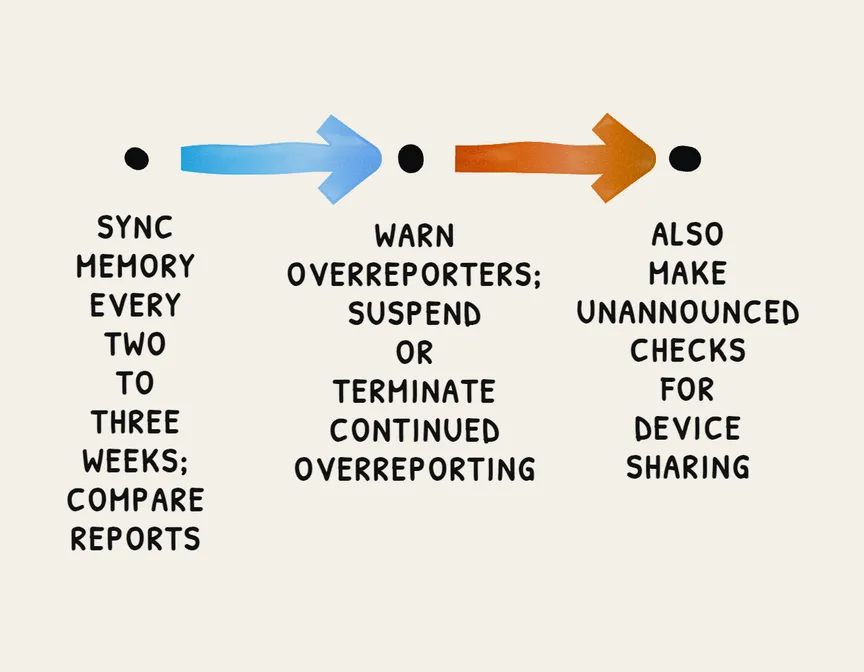
Periodic hardware syncing ensures that official program evaluations rely on objective internal device memory rather than self-reported claims.
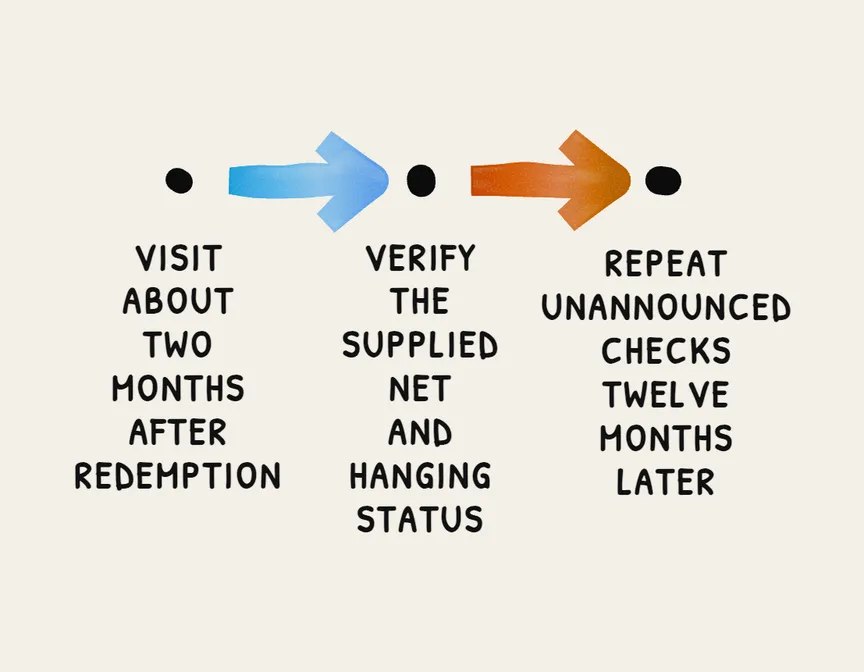
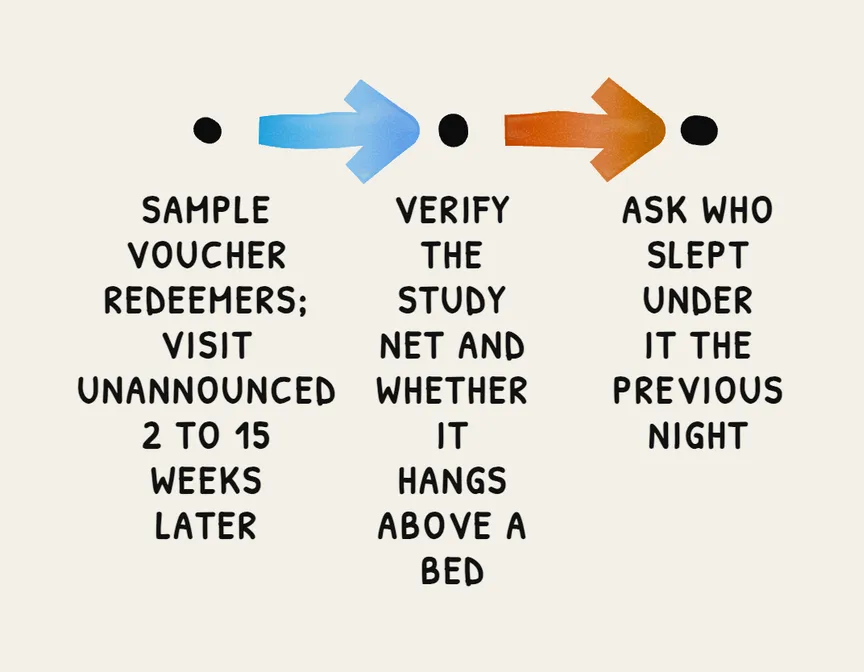
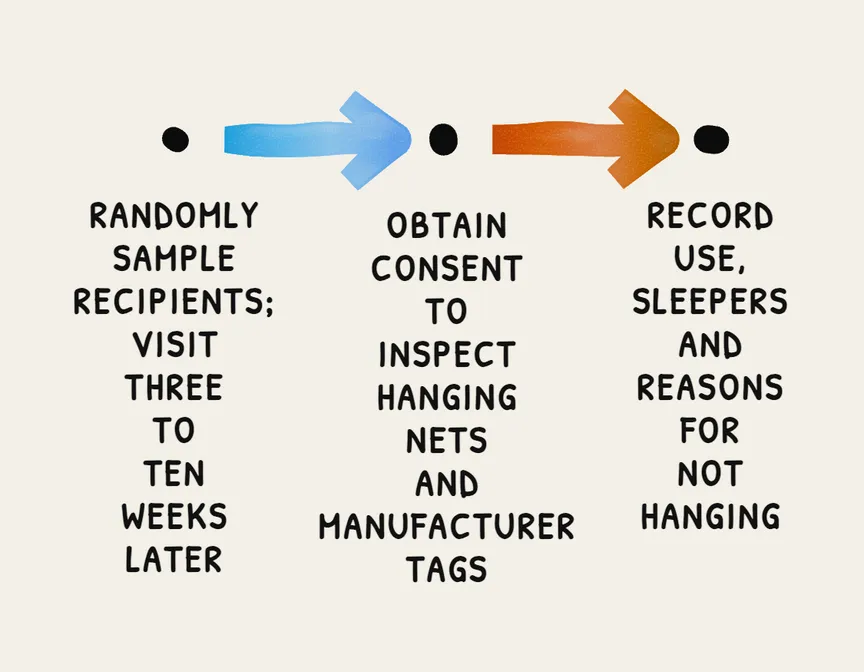
Surprise visits prevent households from temporarily setting up products only for scheduled checks.
Unannounced visual inspection establishes a reliable lower bound for actual product usage without allowing households time to alter their setup.
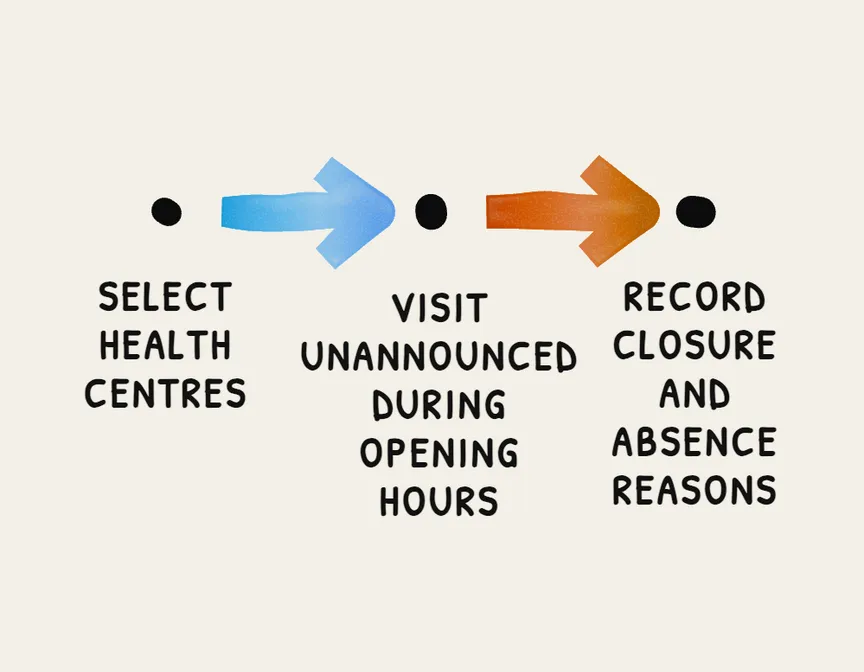
Direct visual verification eliminates self-reporting bias and social desirability distortion in health monitoring.
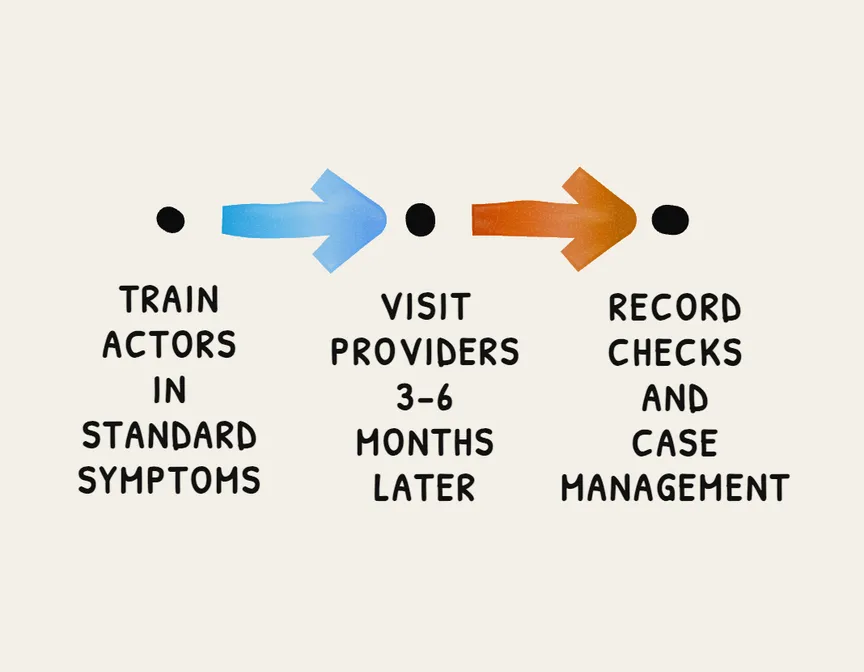
Unannounced mystery clients allow evaluators to measure routine clinical practice without influencing provider behavior.
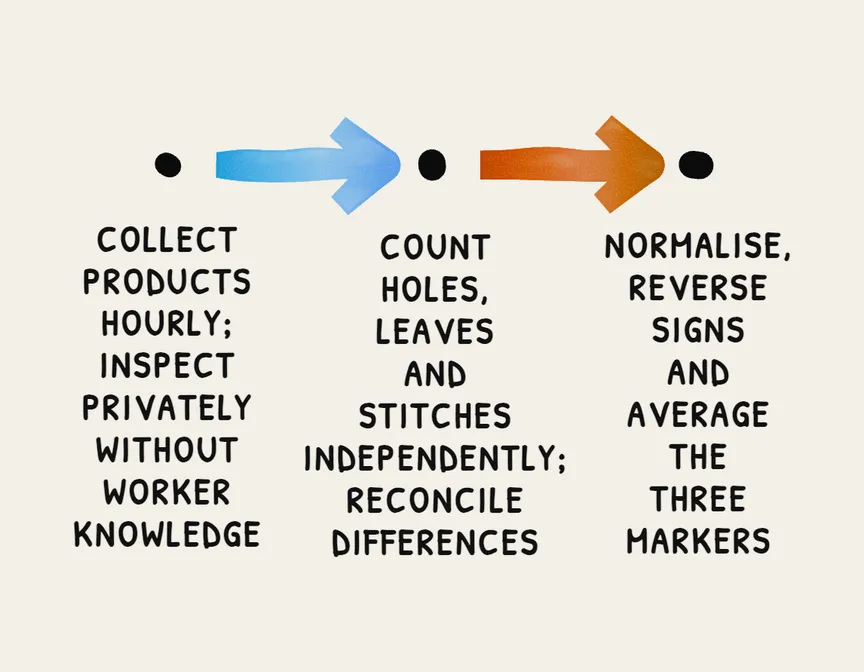
Physical traces left on manufactured products disclose exact instances where workers made planning mistakes or had to undo errors.
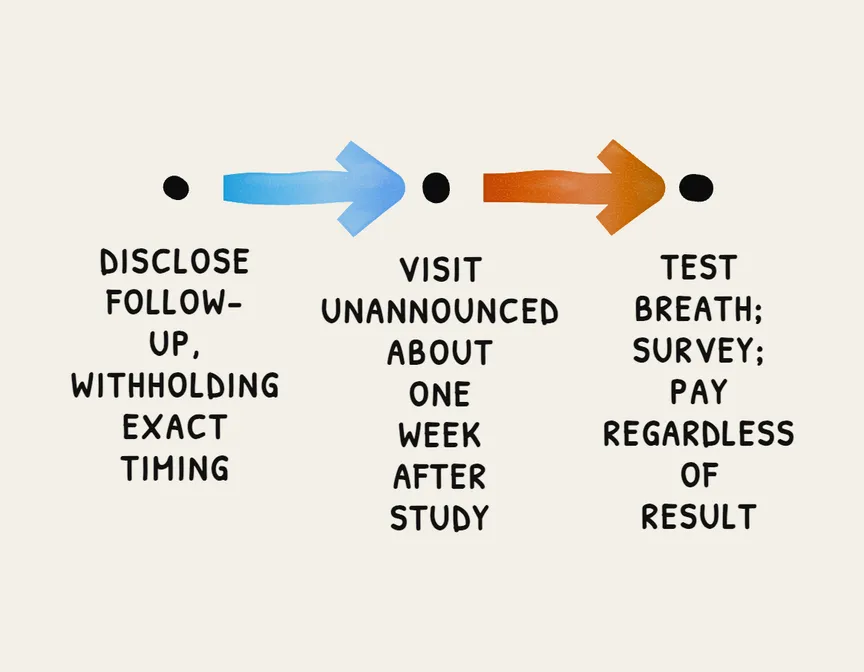
Withholding the exact visit date prevents participants from strategically altering their drinking habits in anticipation of the assessment.
Surprise visits provide an unalterable measurement that prevents staff from gaming self-reported monitoring systems.
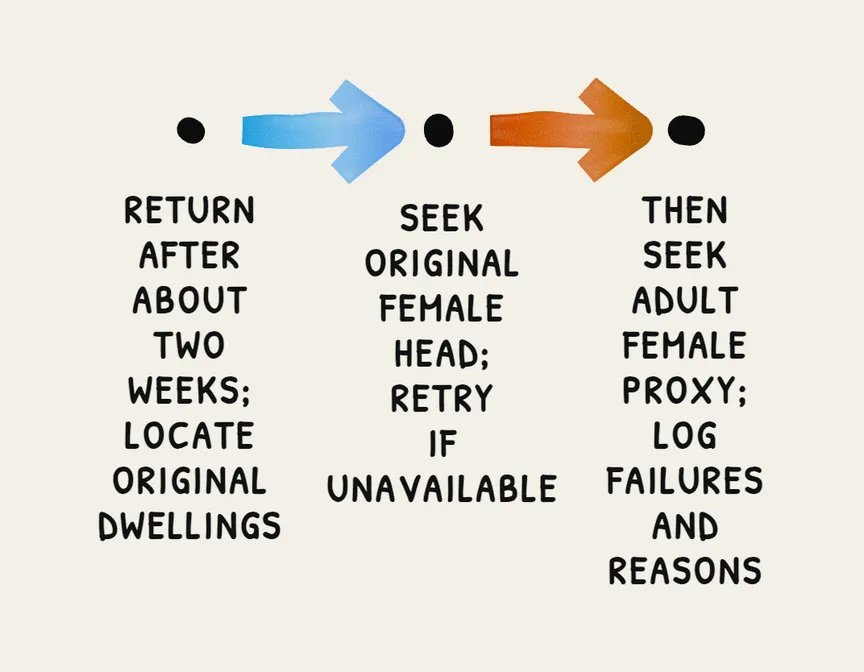
Repeated unannounced return visits across multiple days maximize contact rates among mobile urban respondents without scheduling formal appointments.
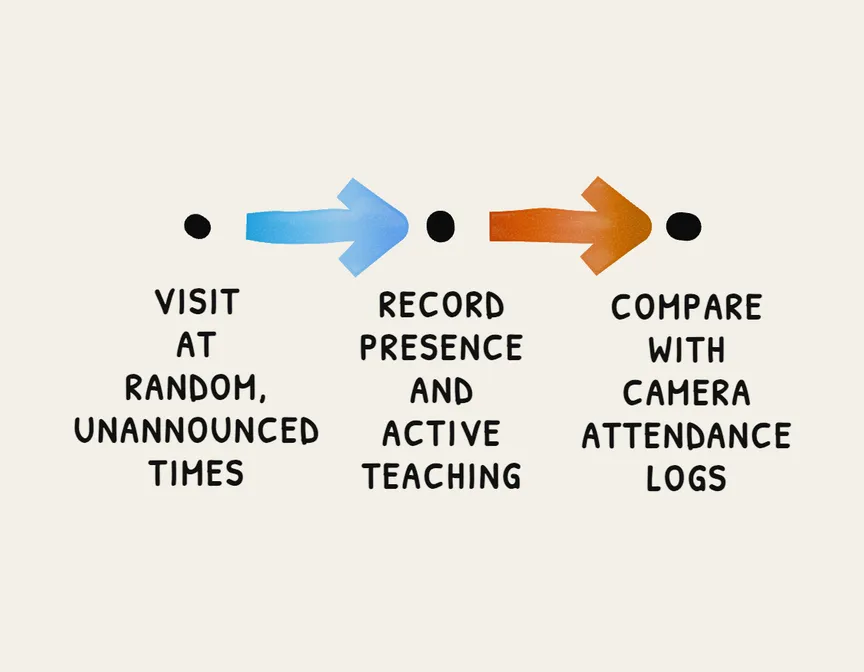
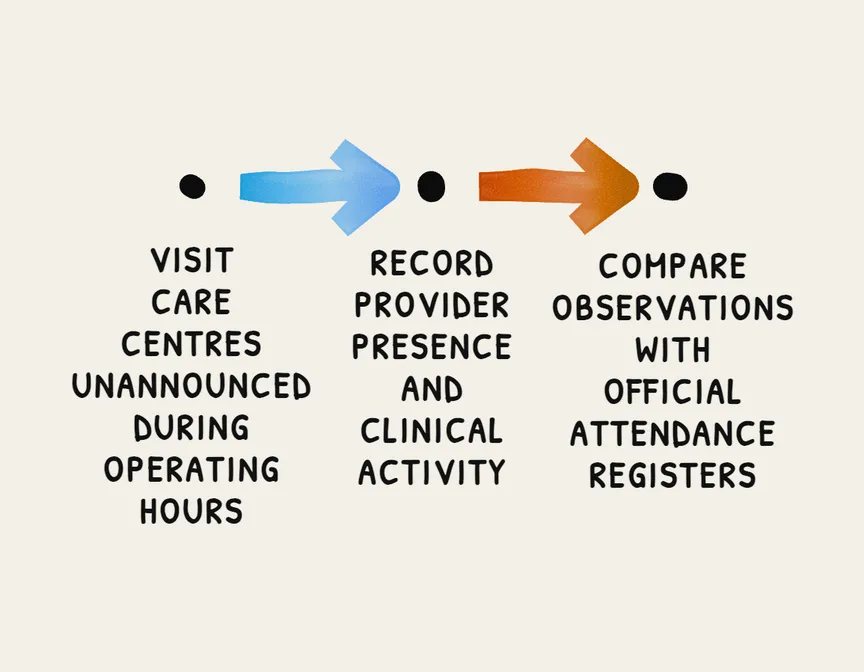
Unannounced spot checks supply objective attendance data, preventing providers from falsifying attendance logs or altering behavior ahead of planned visits.
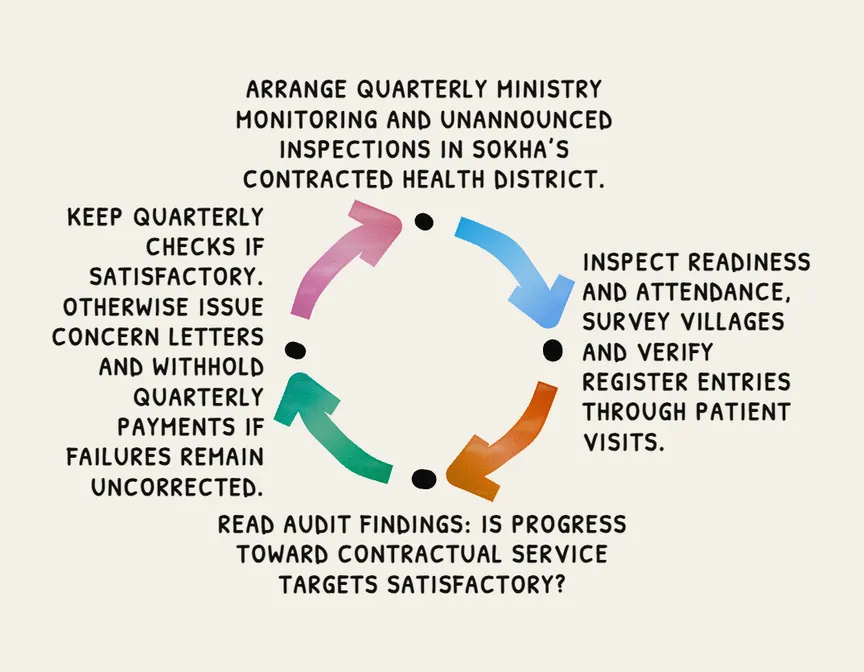
Unannounced visits and independent patient register audits ensure contractors cannot fake progress reports or allow staff absenteeism.
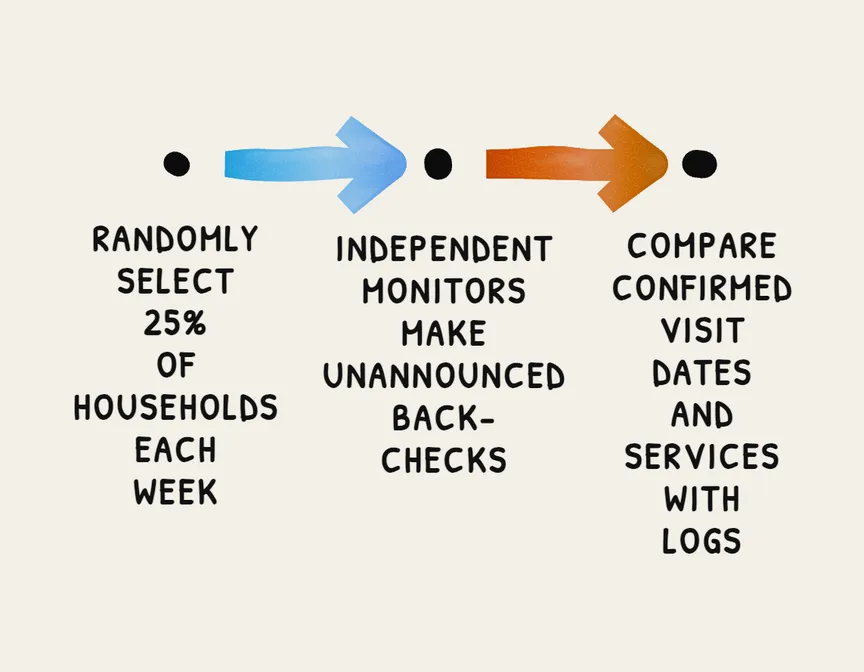
Unannounced third-party verification increases the perceived probability of detecting false reporting, deterring workers and beneficiaries from colluding or inflating visit counts.
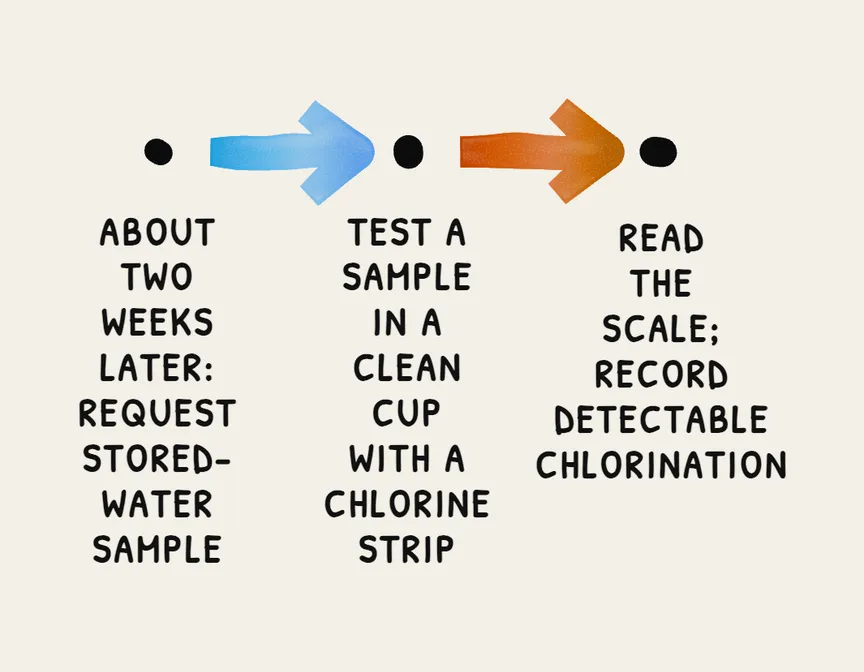
Unannounced physical testing bypasses social desirability bias and memory errors inherent in self-reported survey responses.
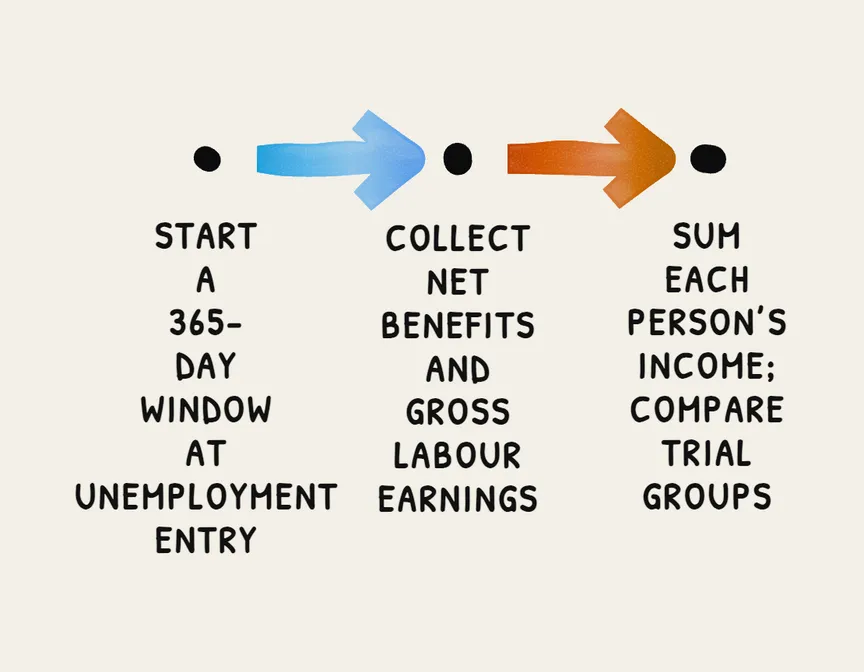
Tracking total combined income preserves baseline experimental randomization because outcomes are recorded for all participants regardless of employment status.
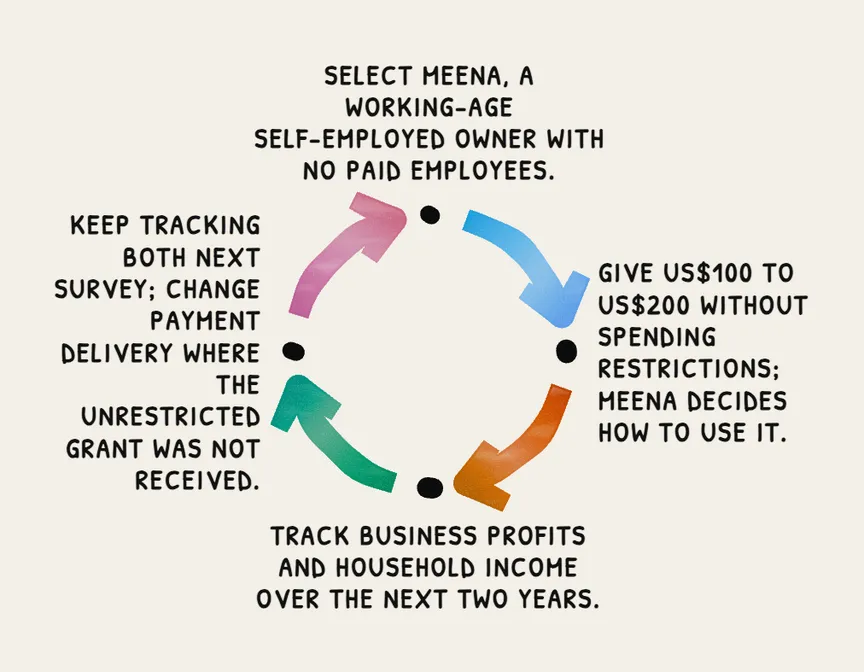
Direct cash transfers allow entrepreneurs to address immediate financial bottlenecks in their businesses.
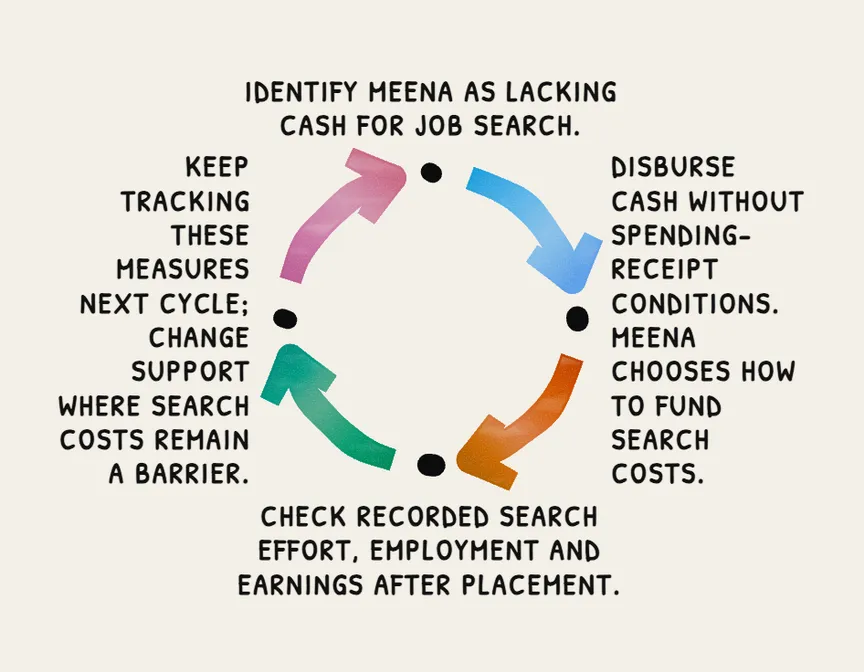
Direct cash grants relieve immediate liquidity constraints that prevent job seekers from actively looking for work.
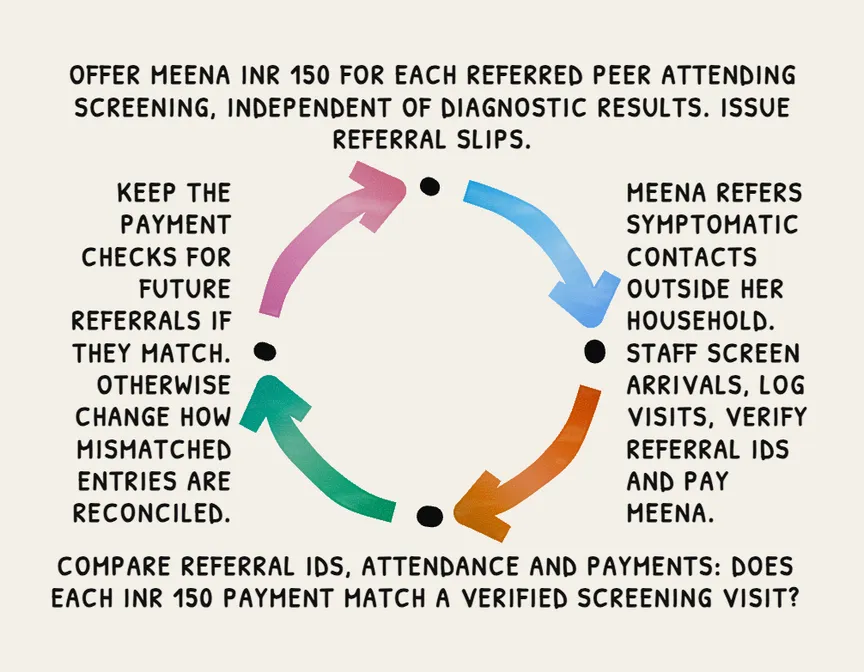
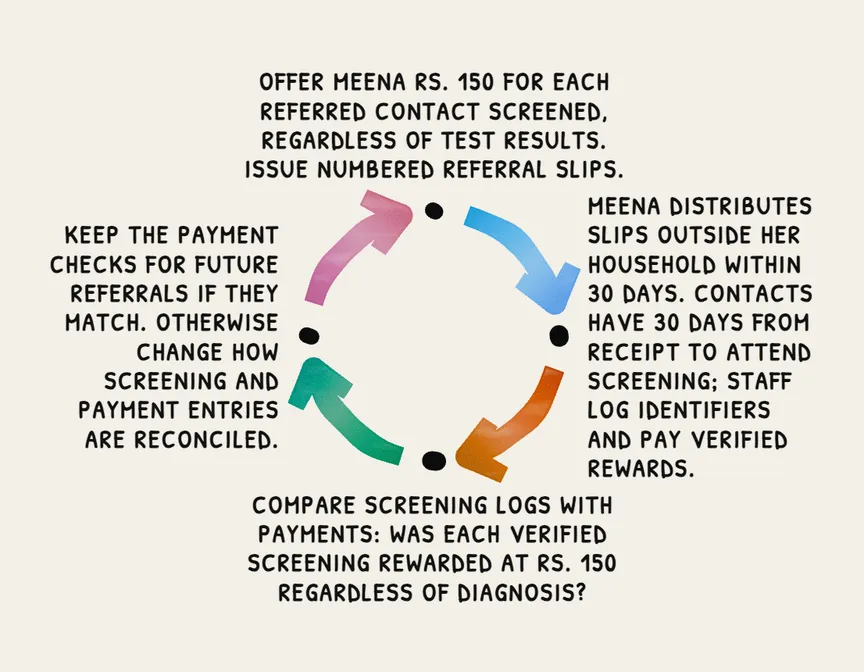
Financial rewards compensate patients for the time and social stigma costs of discussing tuberculosis with acquaintances.
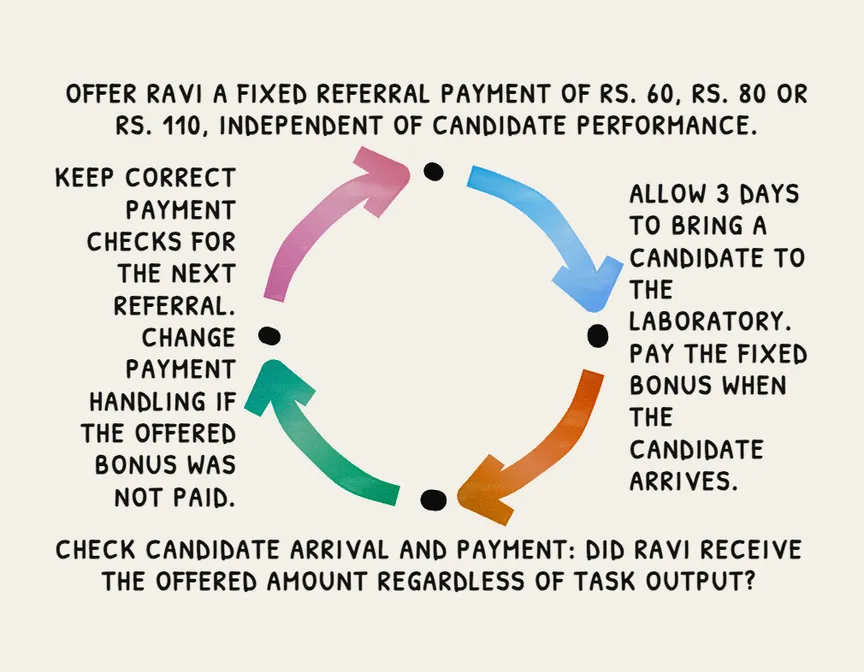
Fixed fees provide a clear financial reward for bringing any candidate to the job site.
Fixed payments compensate patients for the social disutility, stigma, and time costs of reaching out to peers.
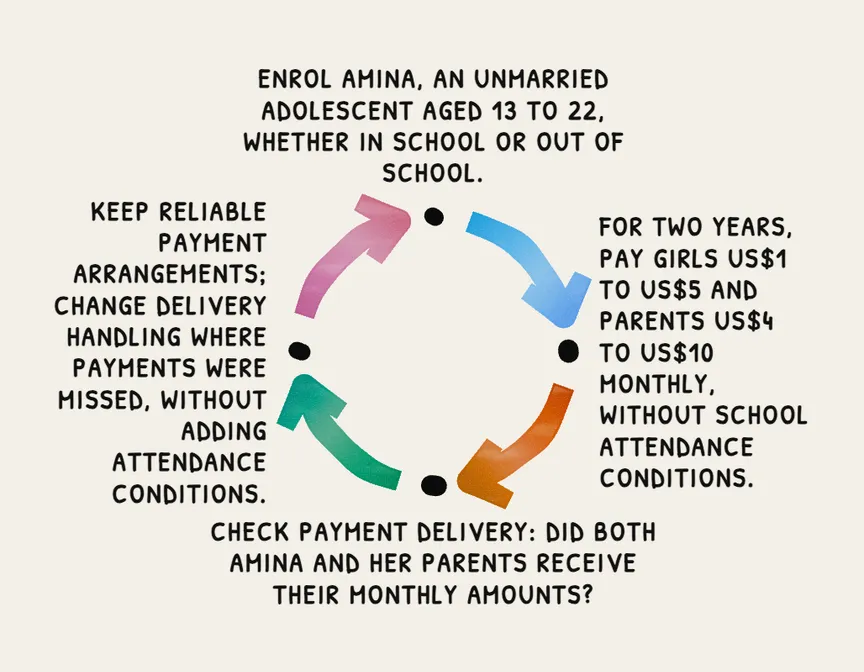
Providing direct income to poor households alleviates financial distress, reducing the economic pressure on adolescent girls to engage in transactional sexual relationships or enter early marriages.
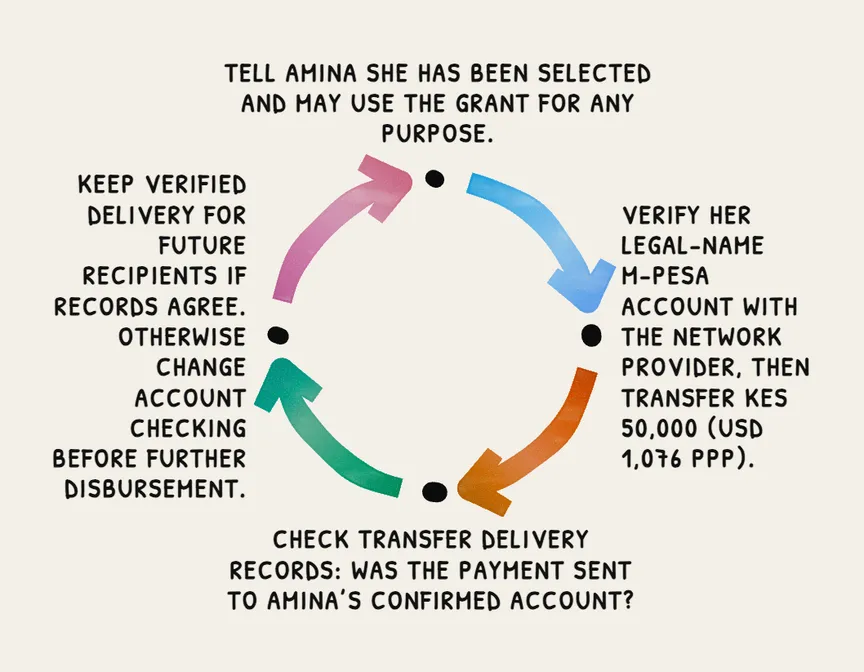
Unconditional cash transfers directly eliminate liquidity and capital constraints, giving households total flexibility to invest in assets, food, or business activities based on their own priorities.
Page 42 of 45
Previous
1
…
41
42
43
44
45
Next